From the Office of Ellen Ottstadt
I Never Knew That
11 Common Objects That Are Never Called By Their Proper Names
Image by Joshua Hoehne
1. The tip of the shoelace
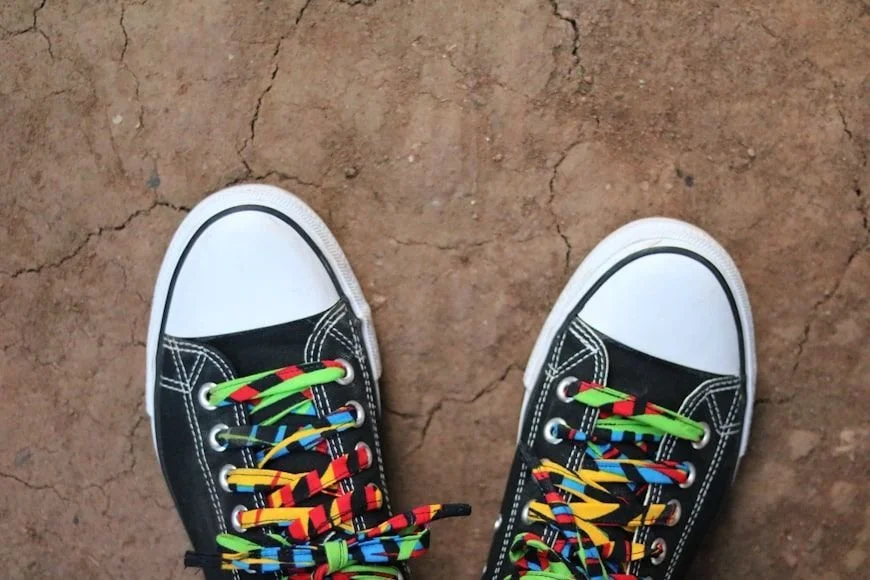
Image by Emilie
The little plastic or metal tip at the end of shoelaces or drawstrings is there to prevent the fibers from fraying and to make it easier to pass the lace or drawstring through a hole. Its proper name is aglet, from the French aguillette, meaning “needle,” a reference to its use in helping to thread the string through the hole.
2. The metal band on the end of a pencil
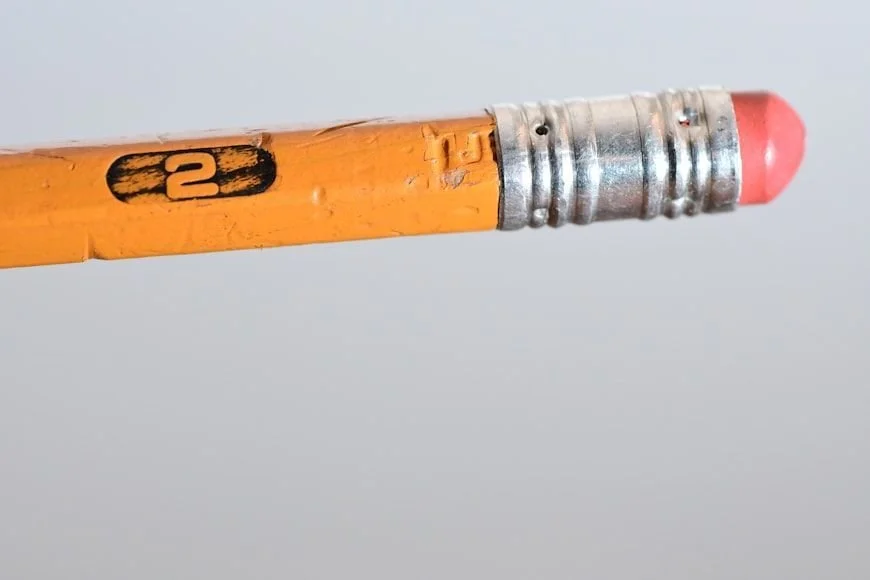
Image by Kim Leary
Erasers at the end of wooden pencils are not usually glued together, but they are instead held together by a little metal band. This band is called a ferrule—from Medieval Latin viriola or “little bracelet”—and the term can be used for any metal band that strengthens or fastens a joint, such as those used in handles to hold brush bristles or to secure a connection between two cables.
3. The little plastic table on the pizza
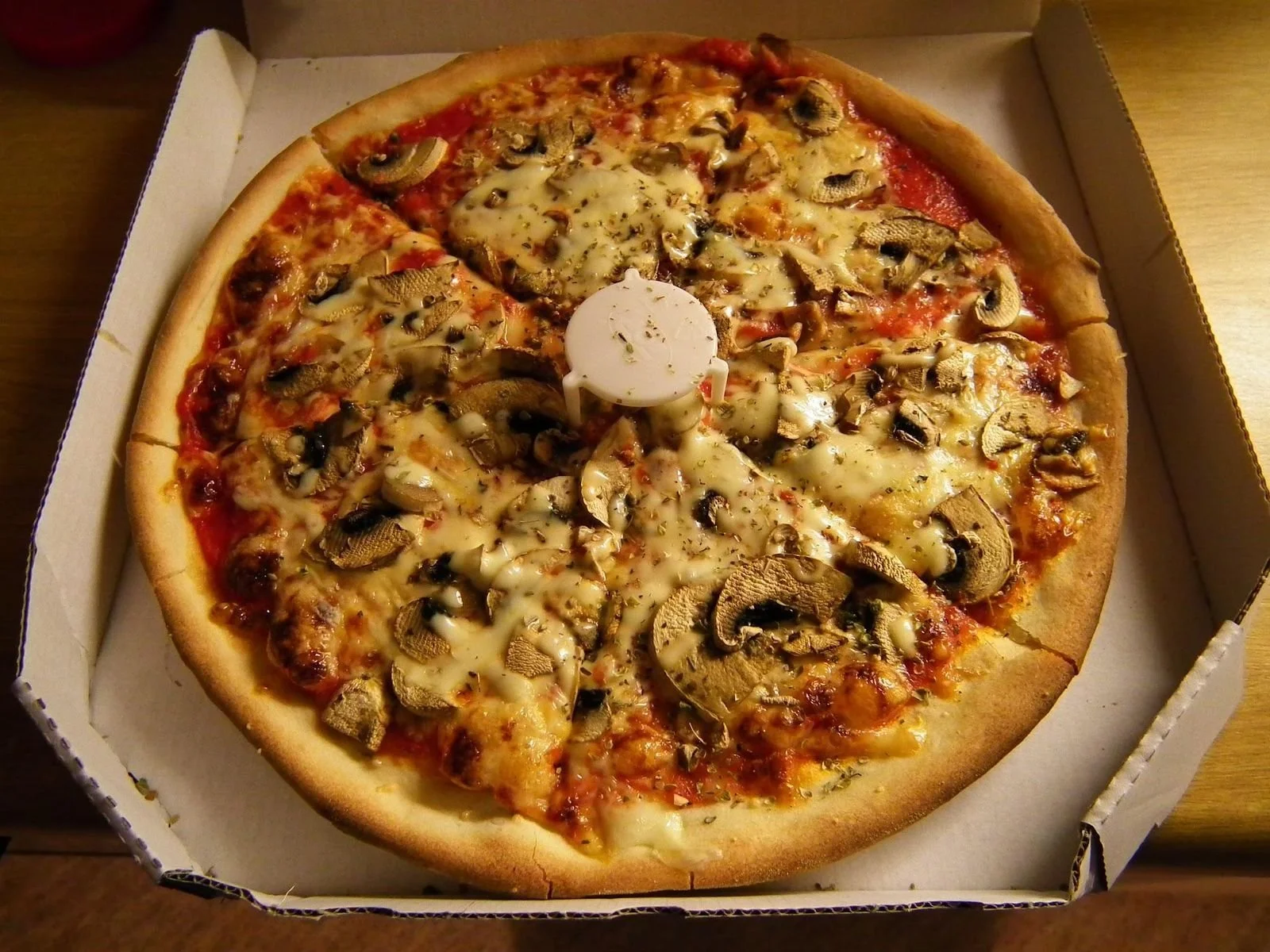
The “little plastic table on the pizza” is quite a long name for something aptly named pizza saver, but no one seems to really care. It was invented in 1974 by an Argentine pizza maker who named it SEPI or separador de pizza (“pizza separator”). In America, it was patented as a package saver in 1985, though it was later renamed pizza saver.
4. The division sign
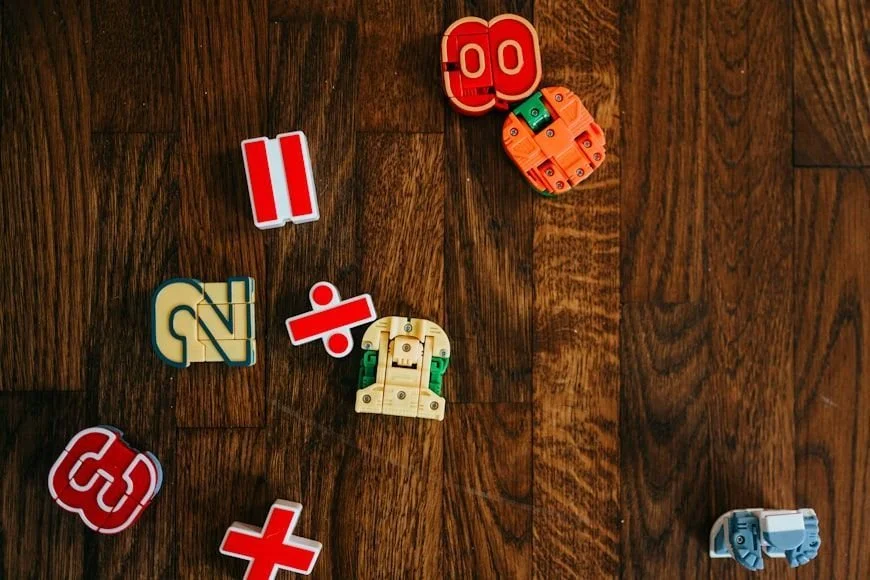
Image by Nathan Dunlap
Most mathematical symbols have proper names that are not regularly used, and the division sign is no exception. It was officially introduced into mathematics as a symbol of division in 1659 by the Swiss mathematician Johann Rahn in his influential work Teutsche Algebra. This sign is called an obelus, from the Greek obelos, meaning “sharpened stick” or “skewer,” as it was initially used as a pointer for questionable passages in a text.
5. The coffee cardboard sleeve

Image by Truong Tuyet
Paper cups and their corresponding cardboard sleeves to protect our hands from the heat or the cold are relatively new, but their proper names are not—at least, the name for the cardboard sleeve. This holder is called a zarf, an Arabic (zuruuf) and Turkish (zarflar) word used for ornamented cup holders, usually made from metal. The materials and the details of the zarf have changed, but the purpose still remains.
6. The armhole in clothes
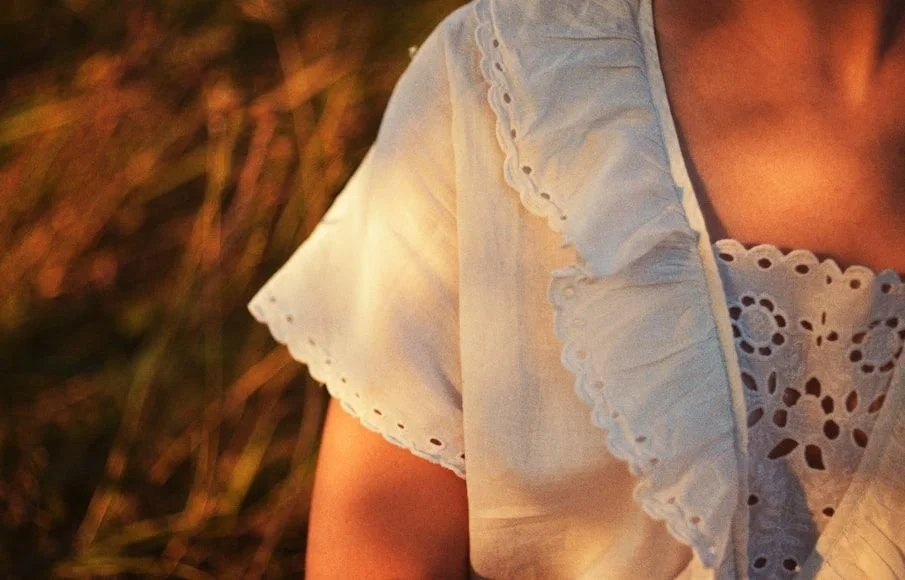
Image by Liana
Do we need a more technical term than “armhole” for a hole meant for an arm to go through? Maybe not, but the technical term still exists. An armscye (pronounced arm-sigh) is the proper term used in sewing and patterns to describe the opening on a garment where the sleeve is attached. The word is a compound of arm + scye, a Scots word meaning “opening.” So, in the end, armscye just means “armhole.”
7. The railing and pillars on a staircase
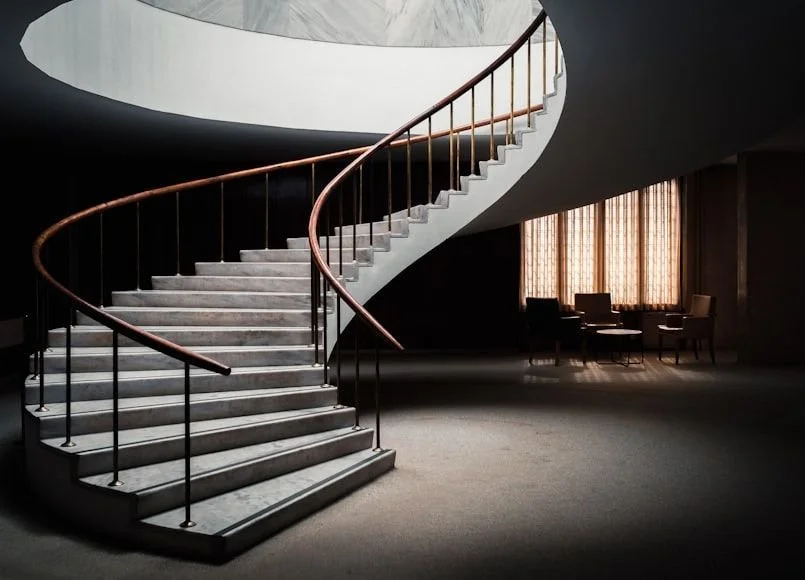
We often use the words “railing” or “handrail” when talking about a staircase, but these terms only describe the top portion of it, not the pillars that support the handrail. The pillars and the rail altogether are called a banister, a corruption of the word baluster, derived from the Italian balaustro. The term originally was used for the pillars, but eventually came to mean the entire structure.
8. The foam on alcoholic beverages
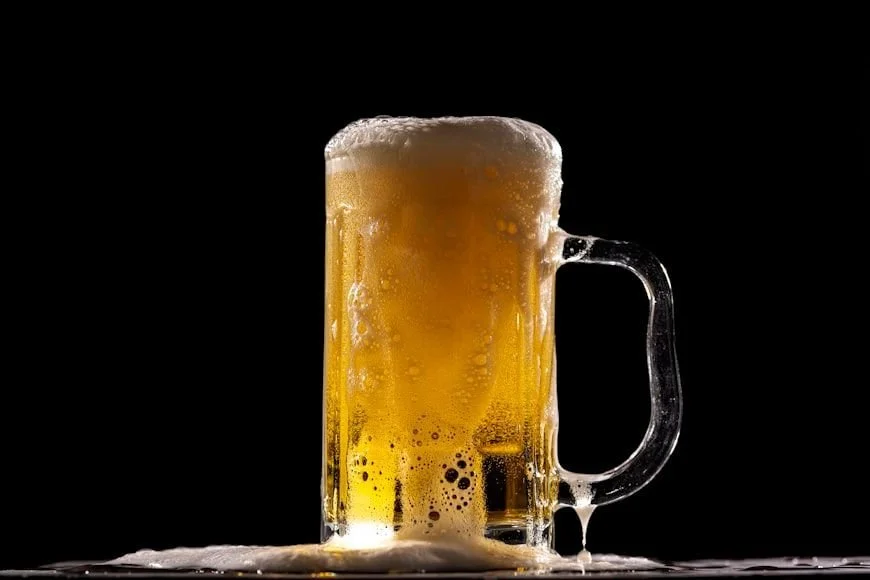
Image by Engin Akyurt
Not all beverage foams are equal. The foam on top of alcoholic beverages, in particular, is called barm, a term derived from Old English beorma, meaning “yeast” or “leaven,” and it's mainly used for the effervescence of fermented liquors such as beer, ale, or wine.
9. The whites of the egg
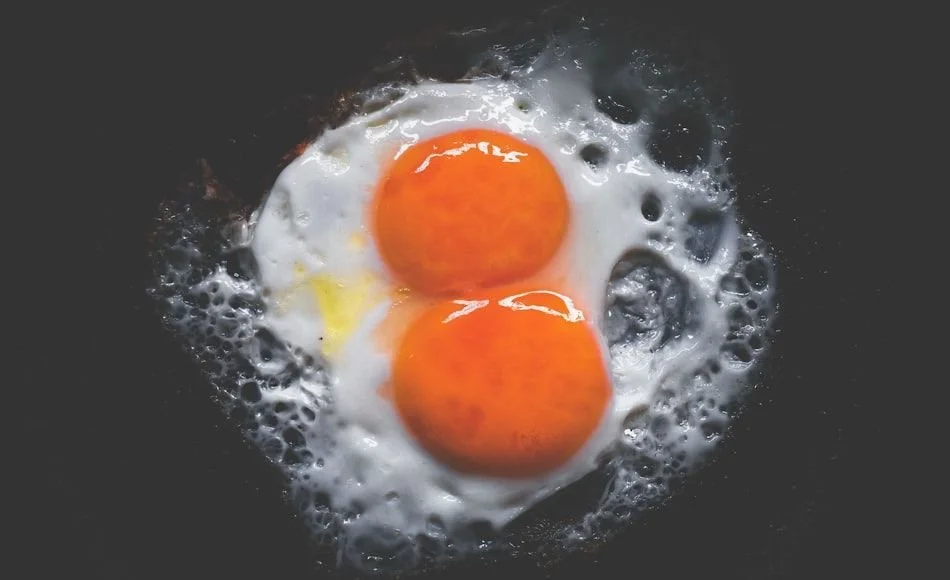
Image by Sanjoy Saha
Did you know that the white (or clear) part of the egg is called the albumen? The term entered English as a loan from Latin, where albumen—from albus, “white”—was used in the same way. Though it is not widely used in everyday life, it’s still the correct term for that part of the egg.
10. The dot on the “j” and the “I”
Image by Marcel Eberle
As a rule of thumb, you should always assume that all marks, symbols, and strokes in calligraphy have a proper name, even if it’s not often used. When it comes to the lowercase letters “j” and “i,” the little dot on top is not a dot, but a tittle. This name comes from the Latin titulus—meaning “title,” “inscriptio,” or “small mark”—and was initially used by scribes to distinguish these letters in their cramped writing.
11. The “you are here” pointer on a map
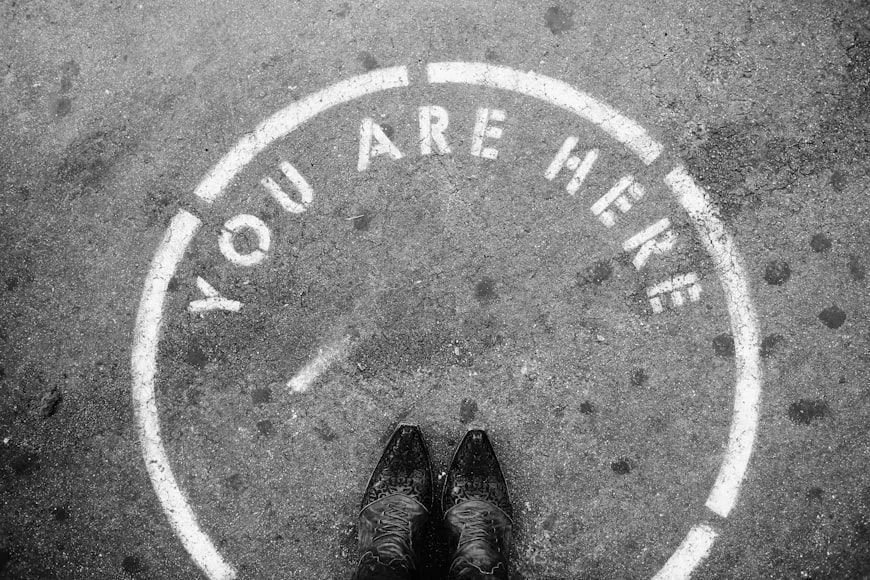
Image by Fallon Michael
If you ever got lost in the mall or the museum, you must have come across a map that marked your location using an arrow or a pointer, usually accompanied by the phrase “you are here.” Well, that pointer is called an ideolocator, a combination of the Greek idea, a “mental image, concept, or visual representation” (in this case, the pointer), and the Latin locatus, meaning “to place” (the specific location on the map). For the sake of convenience, we will keep calling it the “you are here” sign.
Source: DictionaryScoop.com, May 12, 2026
For Your Funny Bone

Contributed by Barbara Bruno
Contributed by Barbara Bruno

Art by Hart
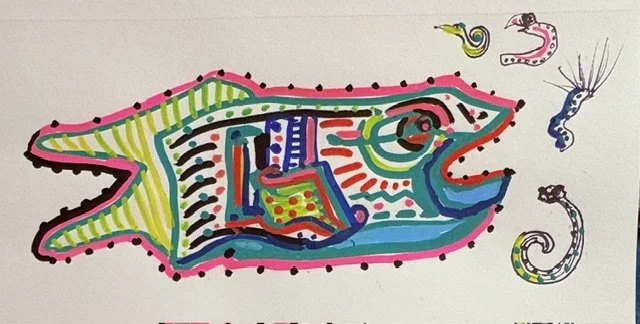
Fiske liked to order his lunch off-menu
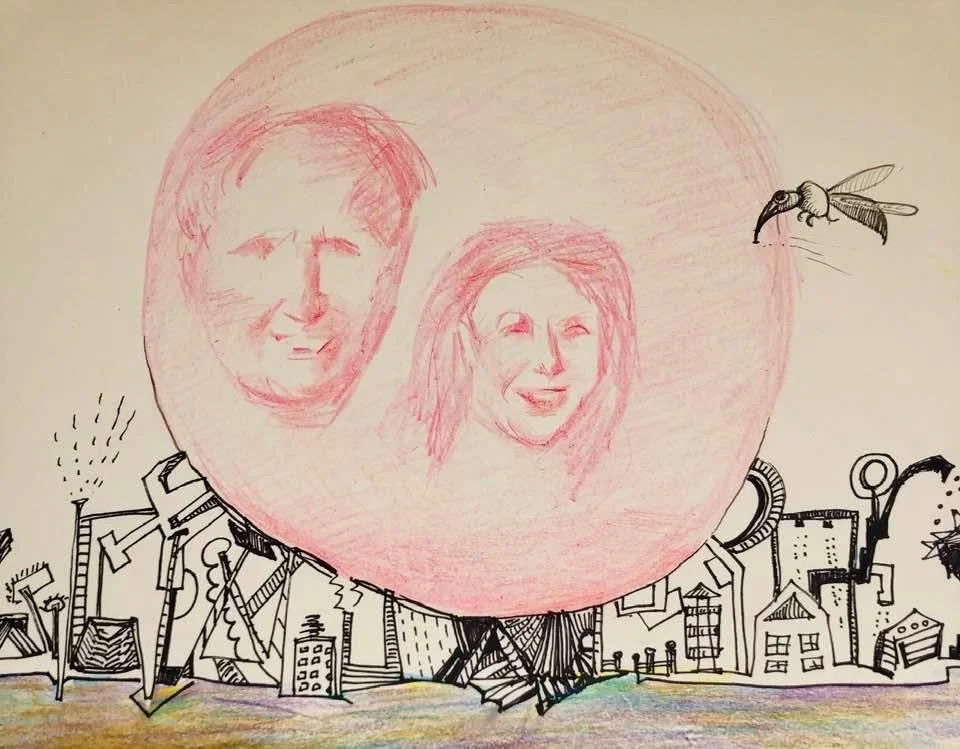
Nothing could puncture the Winklers’ private bubble
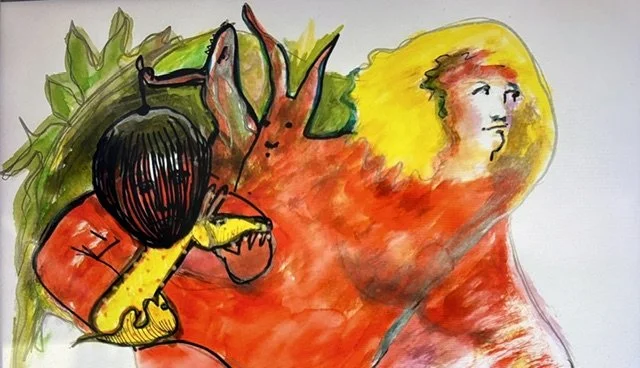
Matilda was back in school-carpooling mode
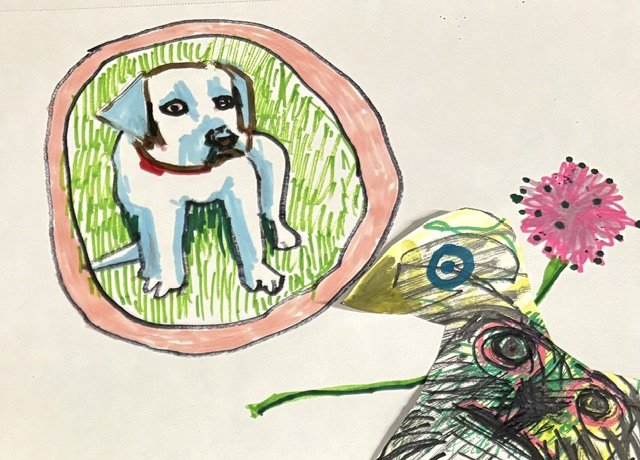
The Whartons were both big fans of puppies and flowers
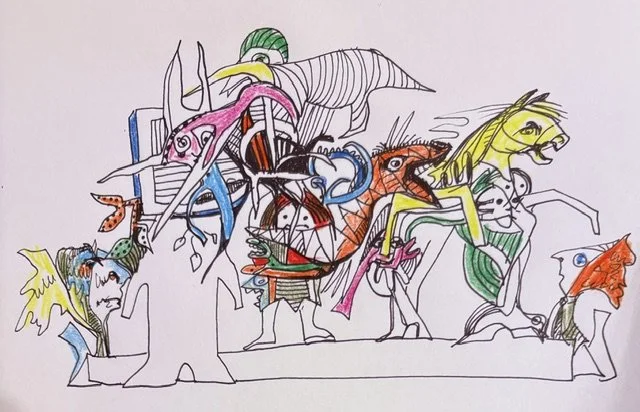
This time the lower-level employees were finally speaking up
Art and photos by Jane Hart
In and Around Kendal
Invasion from Outer Space? This Critter Was Captured on Film During Sip & Snack. Hungry Perhaps?

In Honor of the 9/11 Memorial Issue of Kendal View
The September/October issue of Kendal View was devoted to remembering 9/11 in all its aspects. Last Wednesday’s Sip & Snack, in turn, was dedicated to the Pat Taylor, Llyn Clague, and the superb group of writers and photographers who turned out the excellent issue.
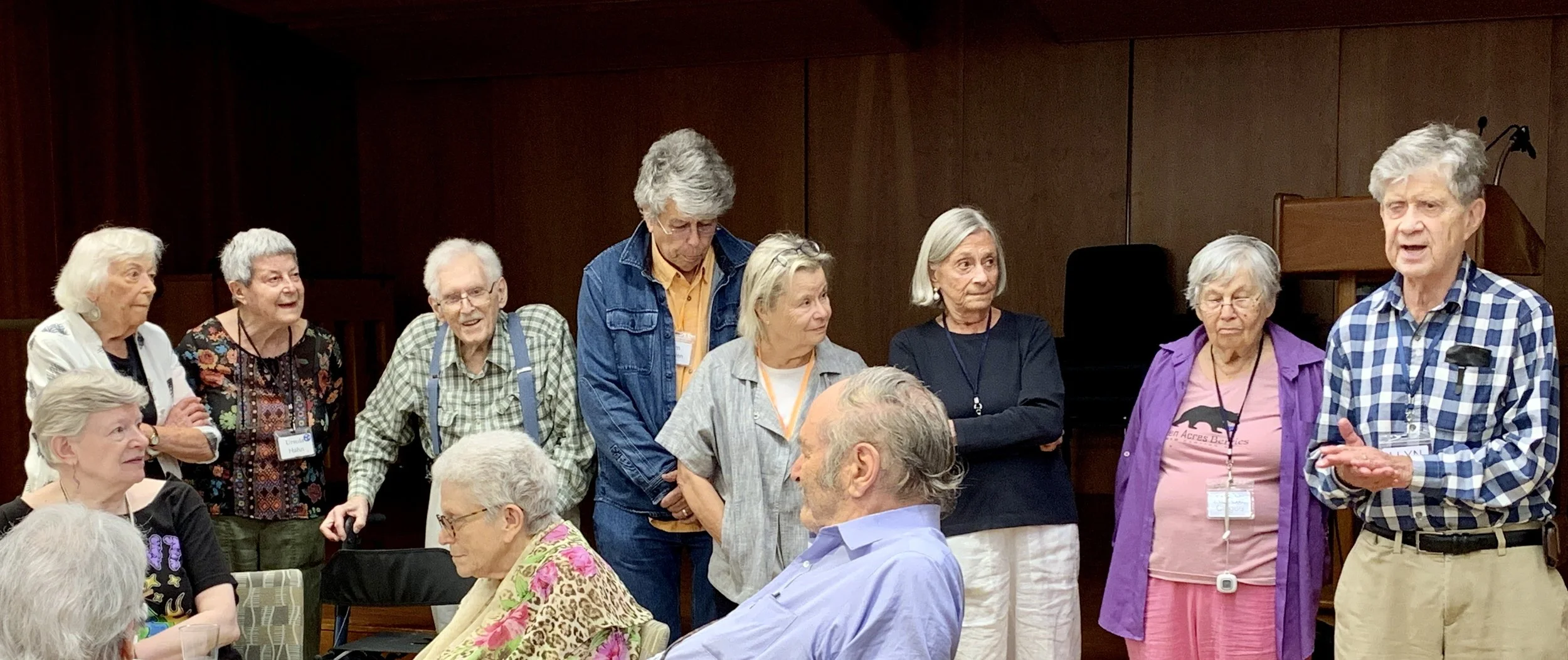
The writers of the 9/11 Kendal View issue

Thanked with applause
Photos by Harry Bloomfeld
They’ve Been Workin’ on the Railroad All the Live-Long Day

Photo by Joe Bruno
Choosing a Rockwood Path: High or Low?
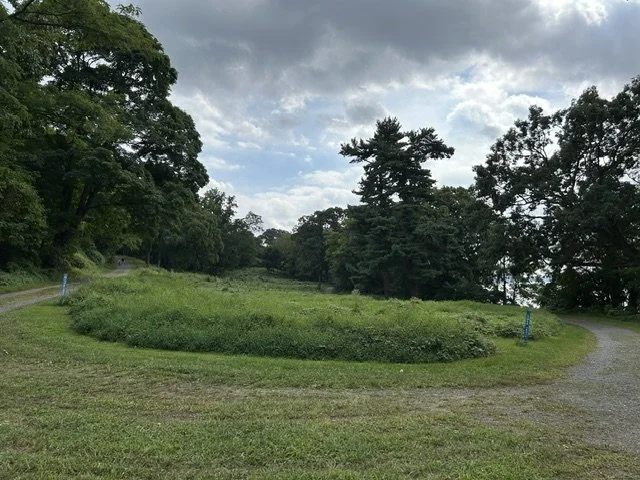
Photo by Edward Kasinec
Kendal Sunsets
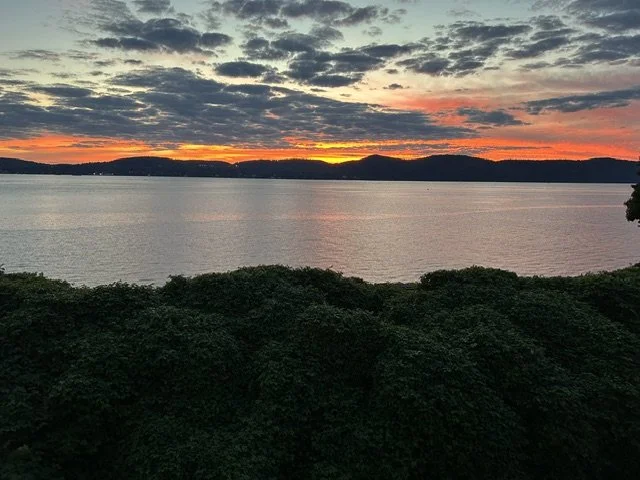
Night Falls on Kendal, by Edward Kasinec
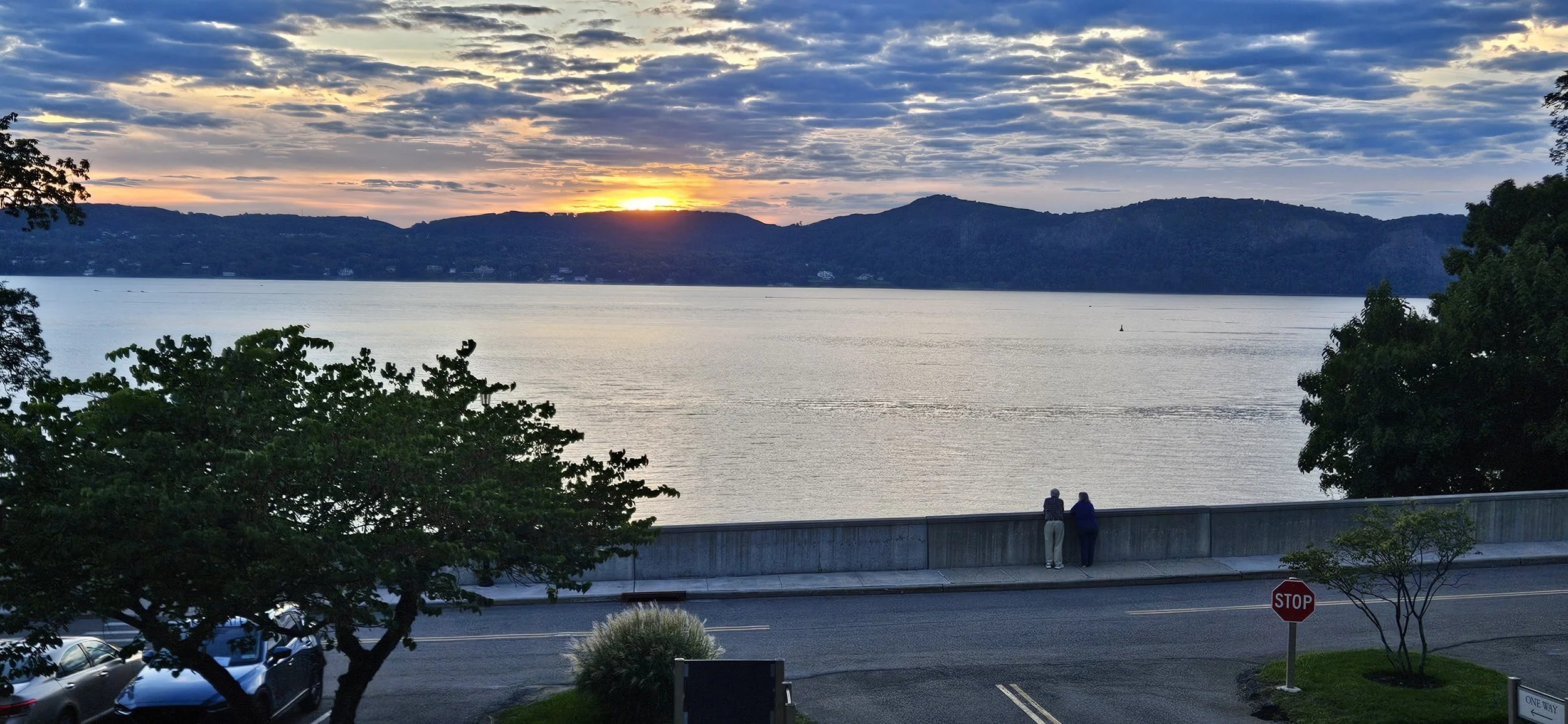
A vision Kendalites love to watch, by Joe Bruno
Out and About
Last Trip of the Season: Lake George

Cynthia Ferguson and Grand-Pup enjoy a cruise on the lake
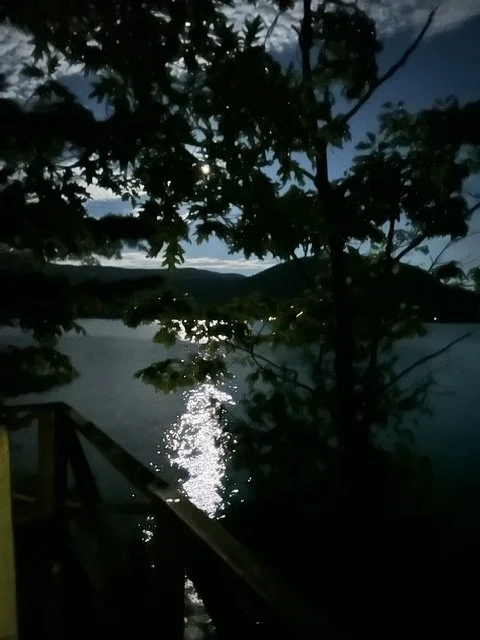
Come the Evening, by Cynthia Ferguson
Important Message from the Sleepy Hollow Fire Department
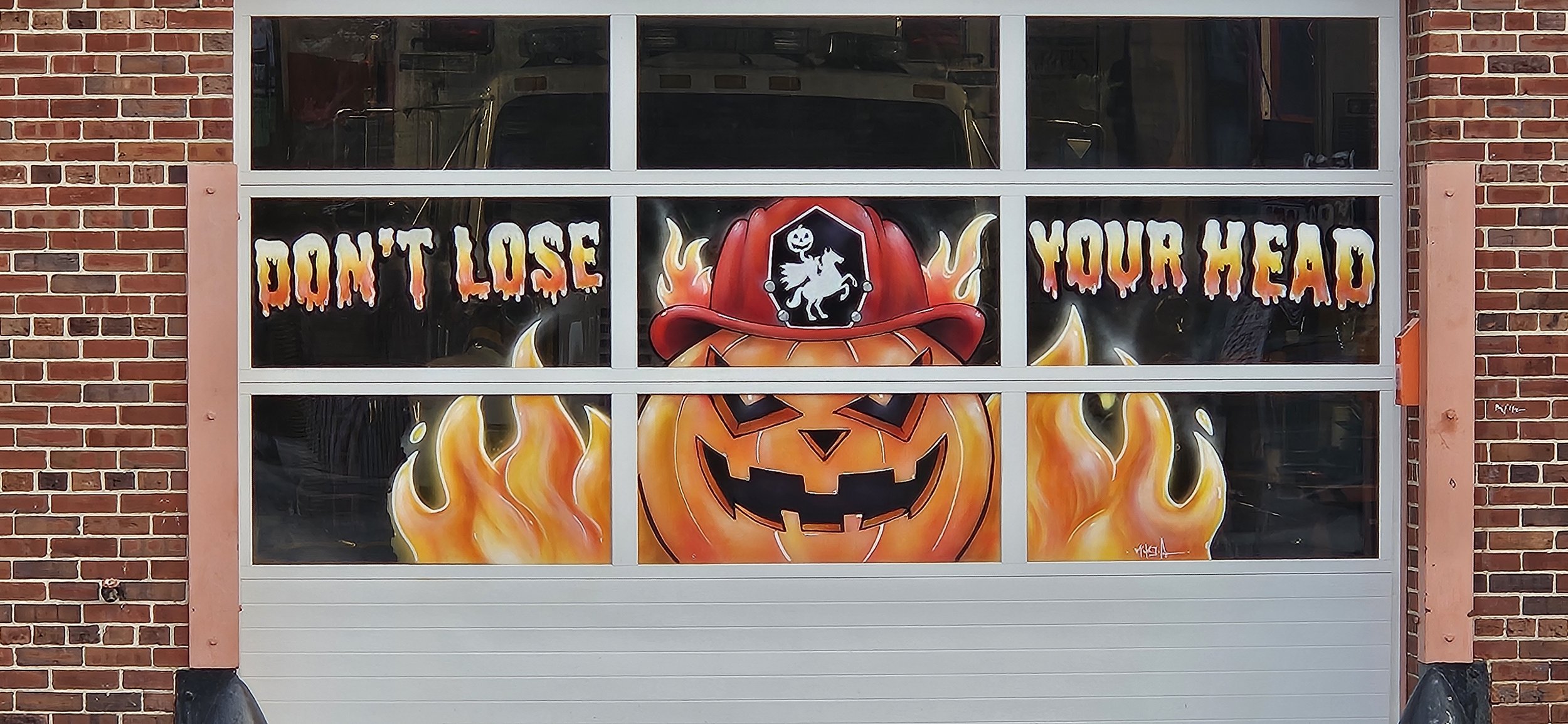
Photo by Joe Buno
Just Another Day at the Yorktown Annual Grange Fair
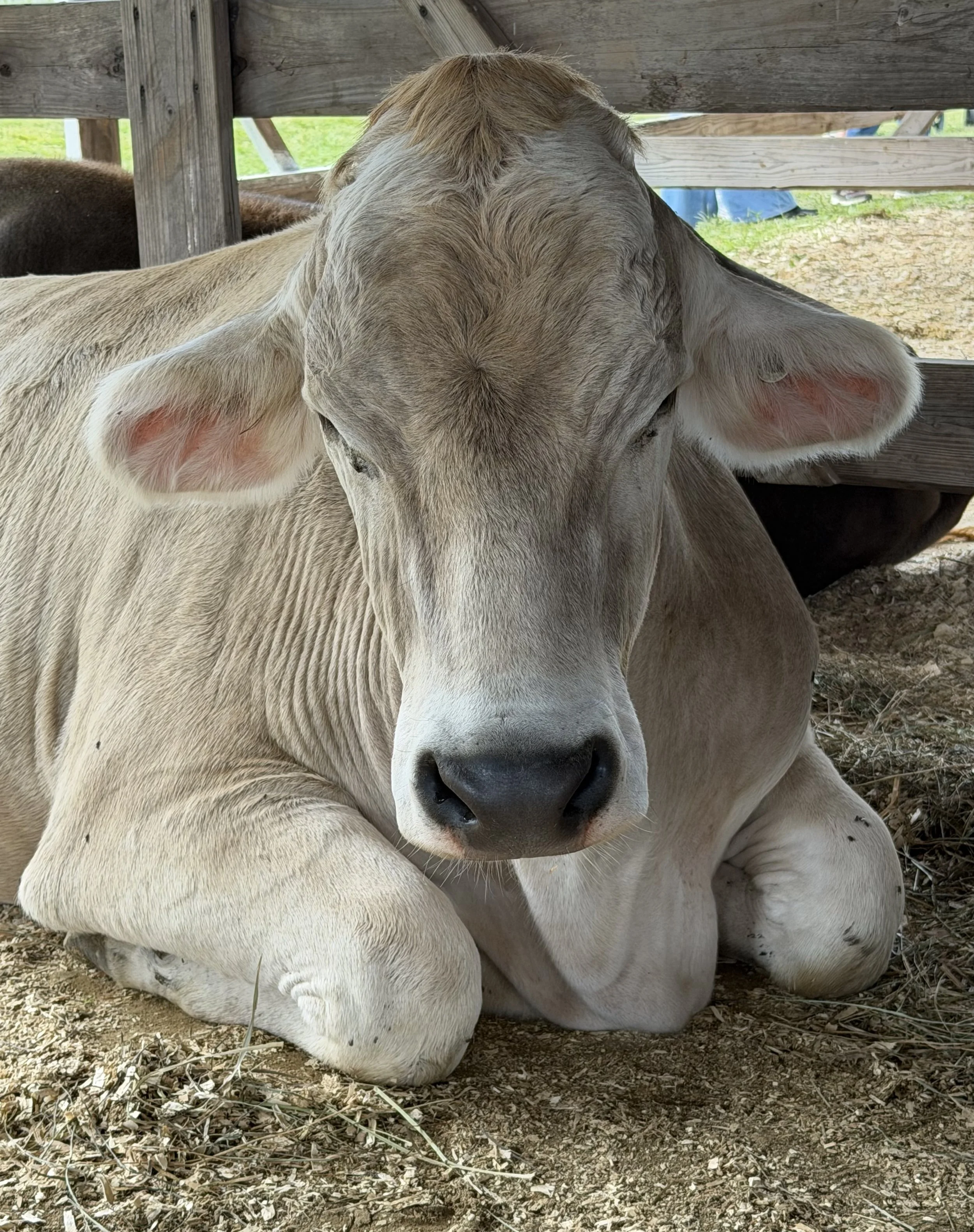
Photo by Ed Lannert
Just So You Know . . .
Continued from last week . . .
My heart says, “chocolate and wine,” but my jeans say, “please, please, please, eat a salad!”
Hold on while I overthink this.
My spouse says I have 2 faults. I don’t listen and . . . something else.
Never laugh at your spouse’s choices. You are one of them.
“dammit I’m mad” is “dammit I’m mad” spelled backwards.
One minute you’re young and fun. The next, you’re turning down the car stereo to see better.
I’d grow my own food if only I could find bacon seeds.
Losing weight doesn’t seem to be working for me, so from now on I’m going to concentrate on getting taller.
Day 12 without chocolate . . . lost hearing in my left eye.
Some people are like clouds; once they disappear it’s a beautiful day.
Some people you’re glad to see coming; some people you’re glad to see going.
My body is a temple: ancient and crumbling, perhaps cursed or haunted.
Common sense is not a gift. It’s a punishment because you have to deal with everyone who doesn’t have it.
Contributed by Simone
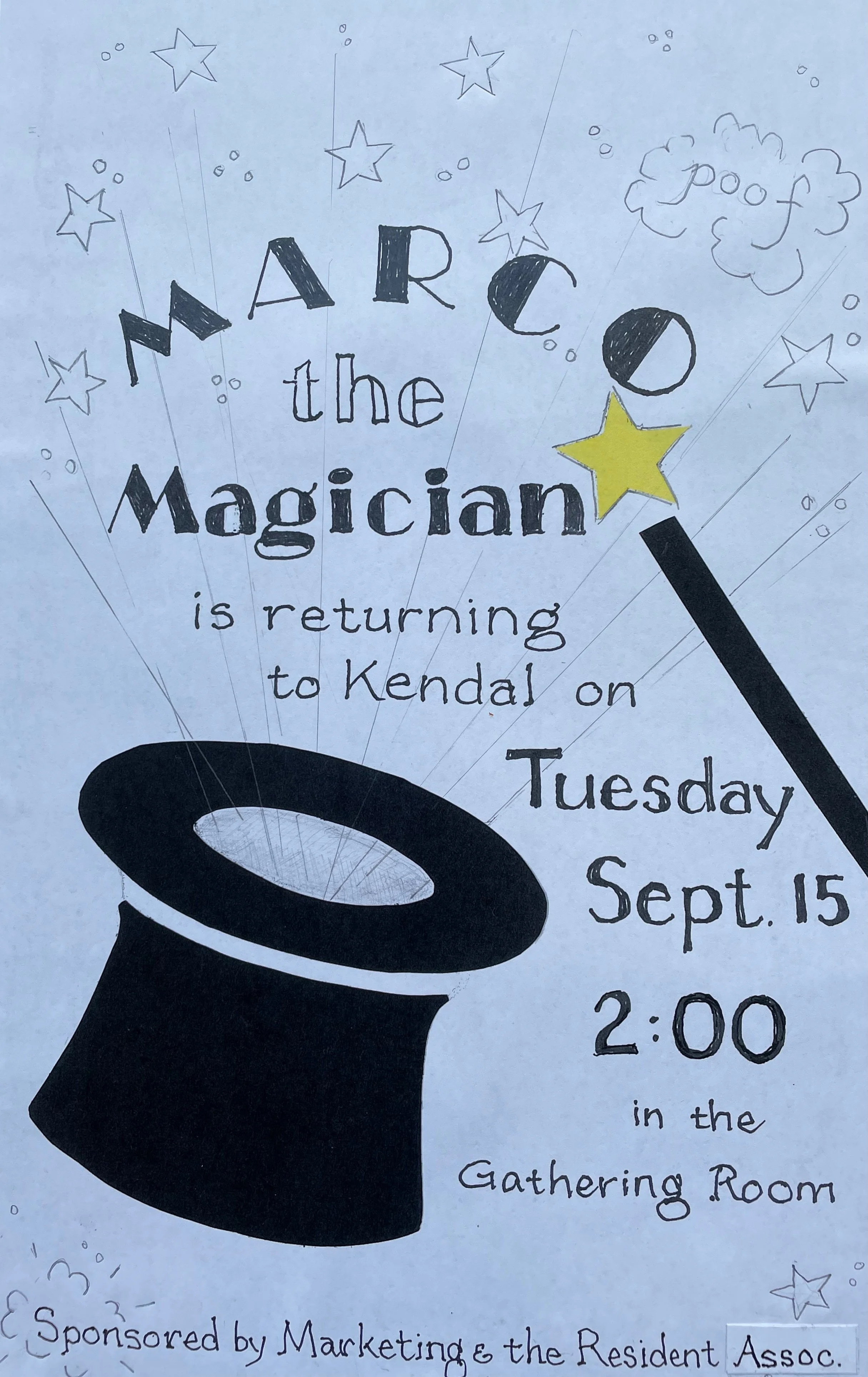
Presto-Chango! You Won't Want to Miss:
The Flowering of Tuesday Morning
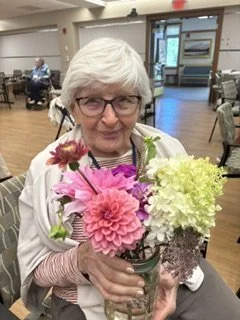
Carol Monteleoni and crew always come up with wonderful projects for the Tuesday Morning Club, but recently one blossomed into what one might just call a bouquet of delight. It all started when Barbara and Al Wallach’s son Cliff and his wife, Melissa, donated a roomful of flowers to the club. With plenty of helpers on hand, club members proceeded to create beautiful bouquets for their own use and to help decorate many of our common areas, too.
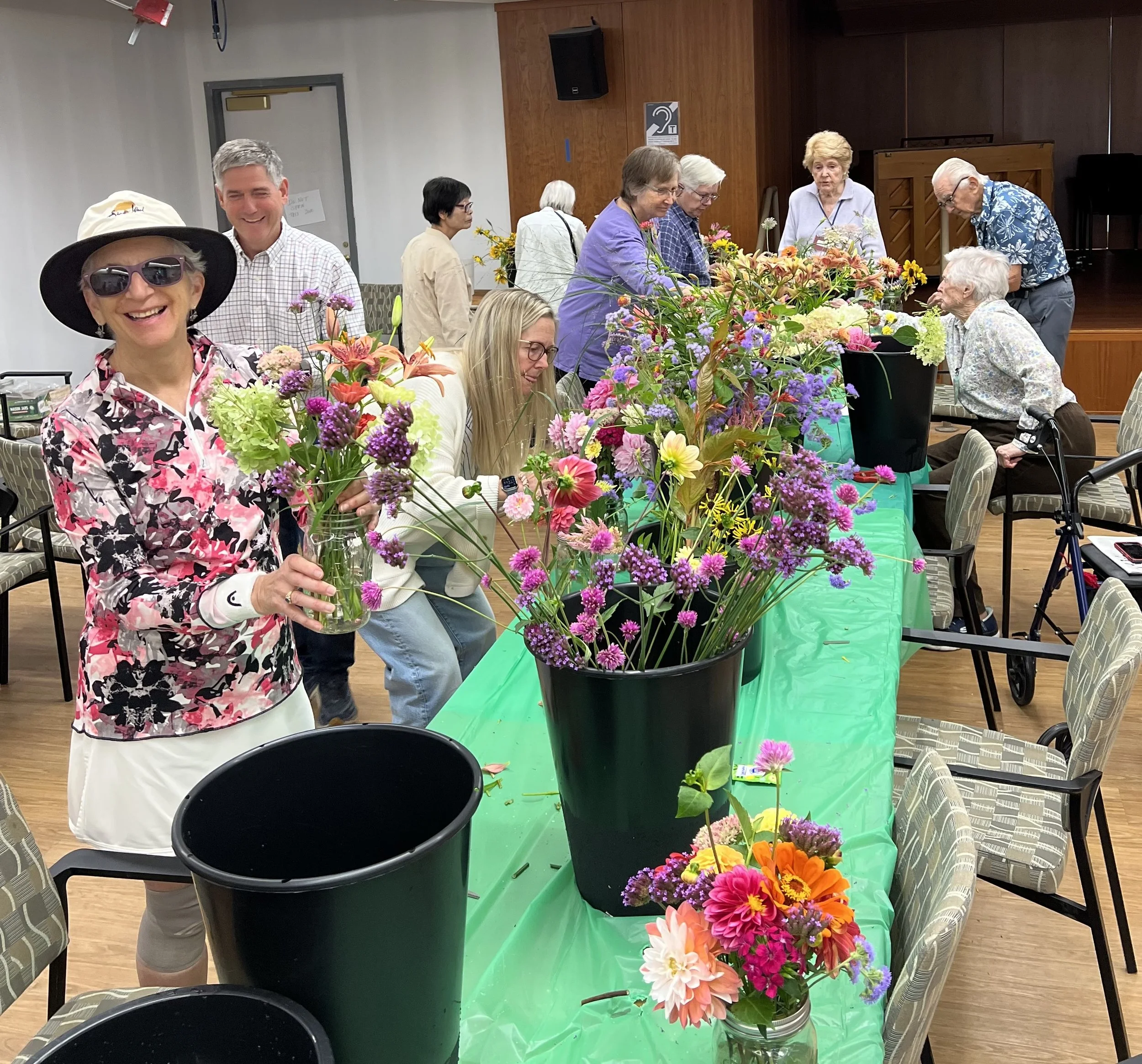
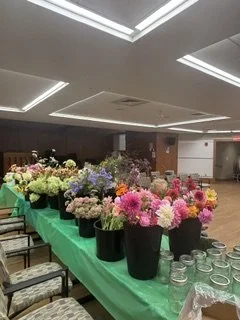
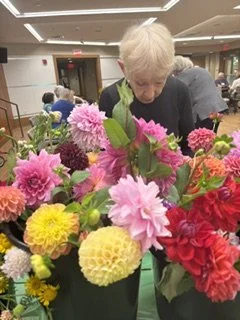
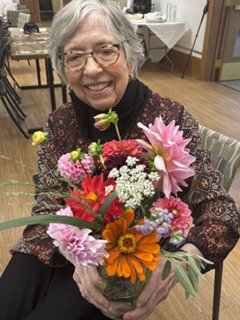
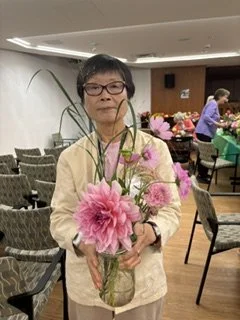
One special helper (one might say Tuesday Morning Club member for-a-day) was Carol and Philip Monteleoni’s granddaughter Anne.
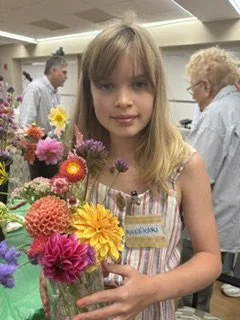
Photos by Haruko Ogasawara
Weekly Construction Report
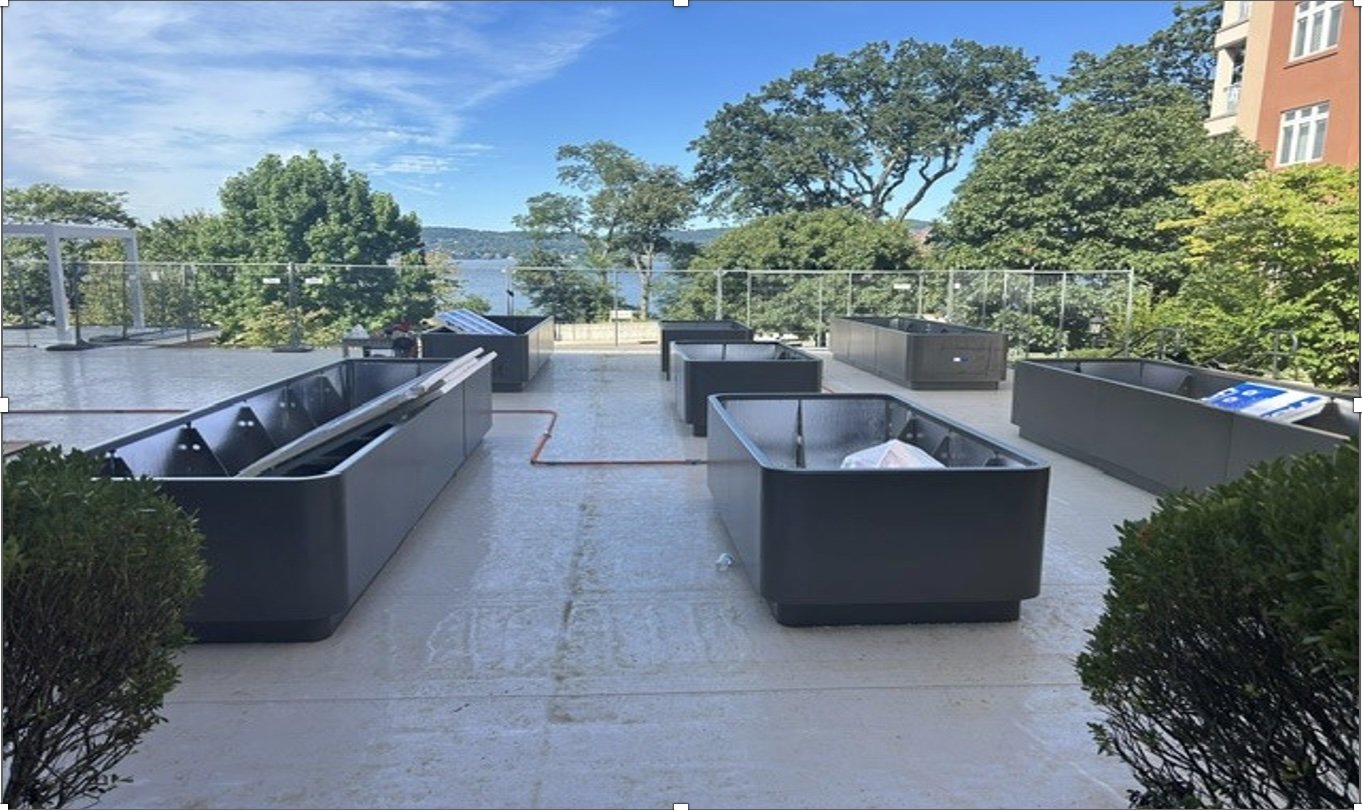
New Planters
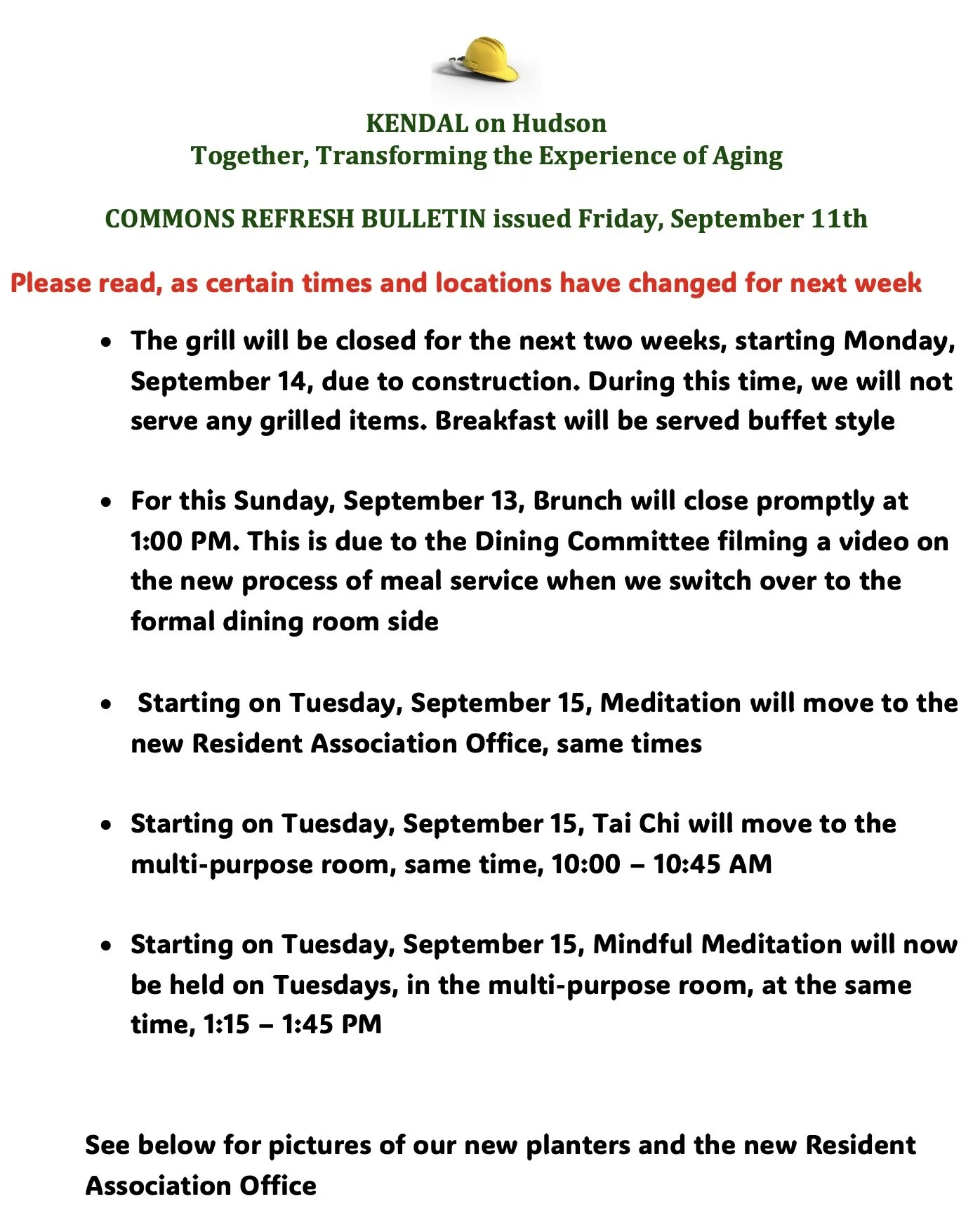
New Residents Association Office
From the Office of Ellen Ottstadt
Vote for TaSH!
Are You a TaSH Aficionado? Then Make Your Voice Heard!

You have until Sept 30 at 5 pm. But why not do it now?
I Never Knew That
The First Computer Bug—Literally
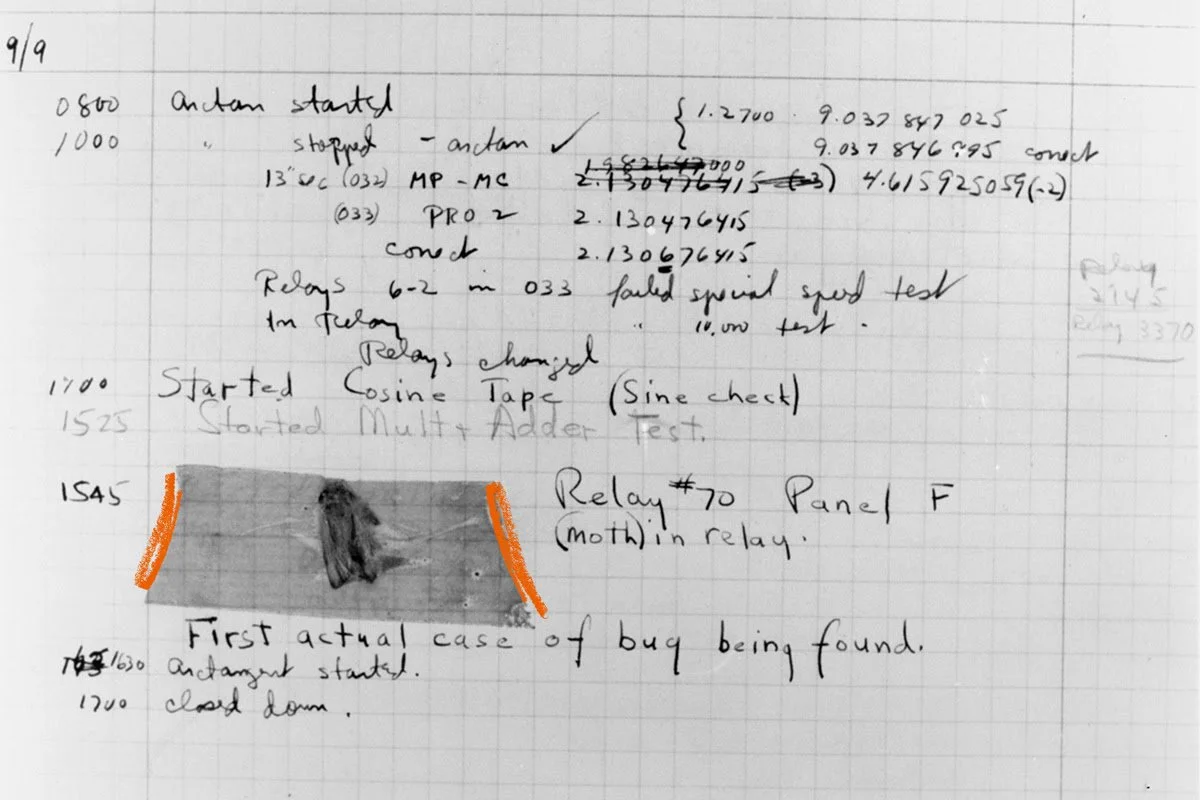
On September 9, 1947, the Harvard Mark II, one of the earliest computers, encountered a bug. Quite literally.
People have used the term “bug” since the 19th century to describe mechanical problems. Thomas Edison wrote about a bug in the call apparatus of his telephone in a letter in 1878, and the Pall Mall Gazette ran a story in 1889 referencing Edison finding a bug in his phonograph. The term even appeared in the Supplement to the Oxford English Dictionary.
So, when the Mark II began malfunctioning on that September day, the engineers working on it, including the legendary programmer and mathematician Grace Hopper, knew they were looking for a bug—they just didn’t realize it would be so literal.
But finding the issue took more than sitting at a desk and running a troubleshooter, like we do today. Instead, the engineers had to walk to the physical location of the problem—somewhere in the 4,000 square feet of floor space the electromechanical computer took up.
About 3:45 that afternoon someone found the bug. It was a moth, stuck in Relay 70, Panel F. Each relay was a small mechanical switch, and anything interrupting the circuit was a major problem. Whoever found the insect taped it into their logbook, along with the note “First actual case of bug being found.” A popular story suggests that this person was Hopper, but it likely wasn’t: The book logging the moth was not written in her handwriting.
We may never know who this computing punster was, but the book and its offending insect are preserved at the Smithsonian National Museum of American History.
Source: Britiannica.com, “Today in History,” by Teagan Wolt
For Your Funny Bone
Contributed by Jane Hart


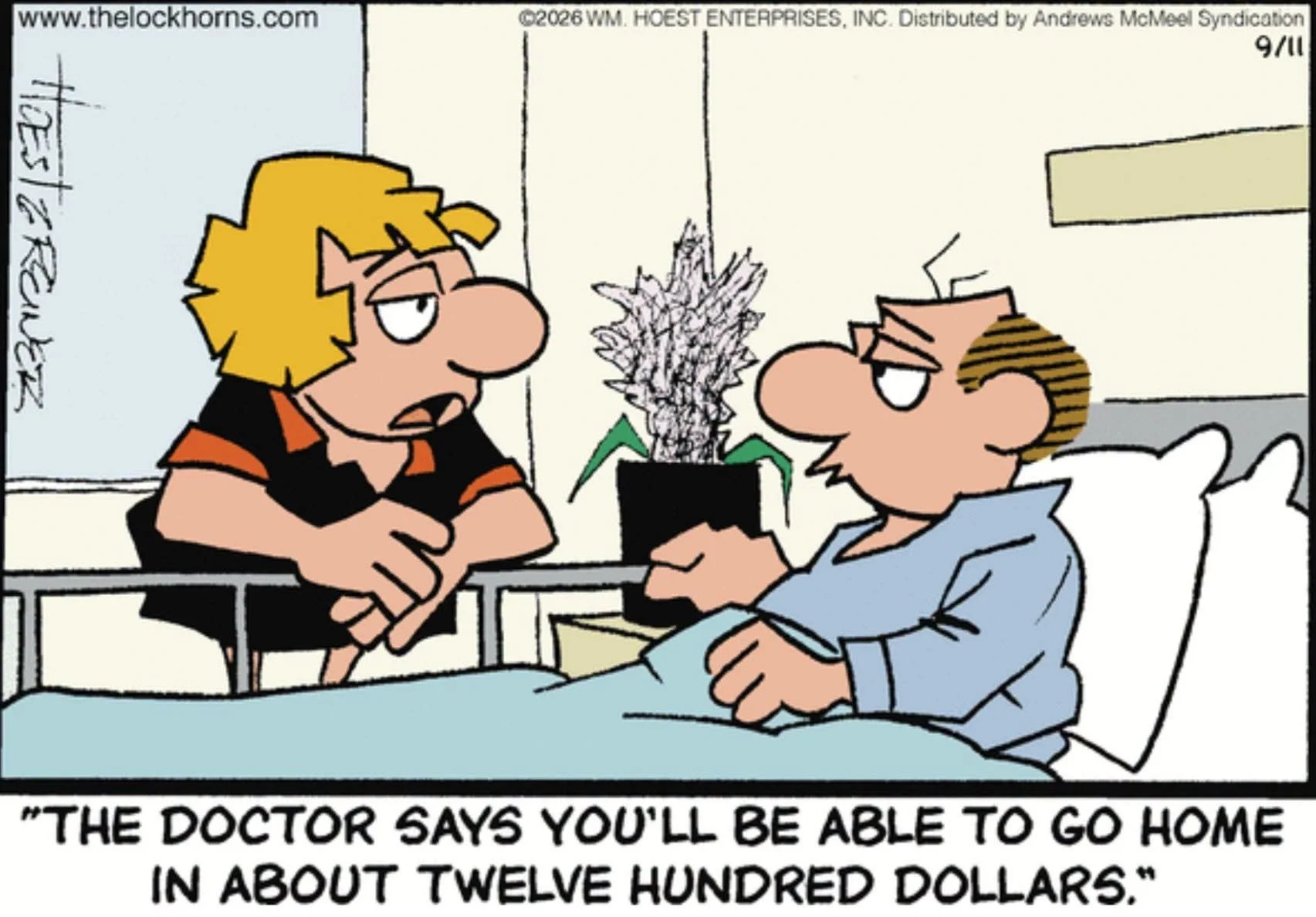
Art by Hart

Arlene and Bobo’s podcast on resolving interspecies conflict in the workplace was having a moment

It was never easy calling the first PTA meeting of the year to order
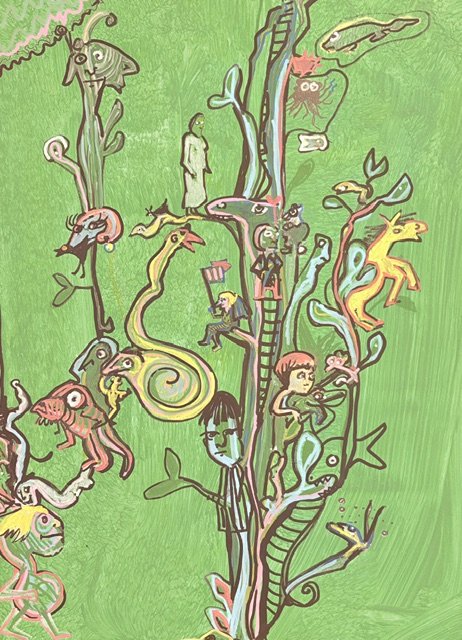
Disappointingly, Jack’s beanstalk had turned into a tourist trap
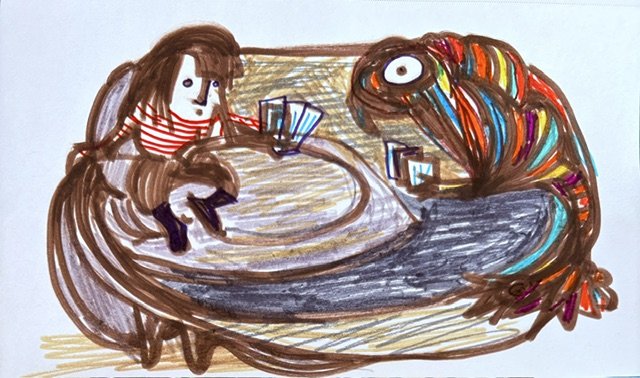
Nobody dared to breathe at the finals of this year’s International Go-Fish tournament

The Hubbard were delighted with their supermarket contact lenses
Art and photos by Jane Hart
Hope XXII, by Sheila Benedis
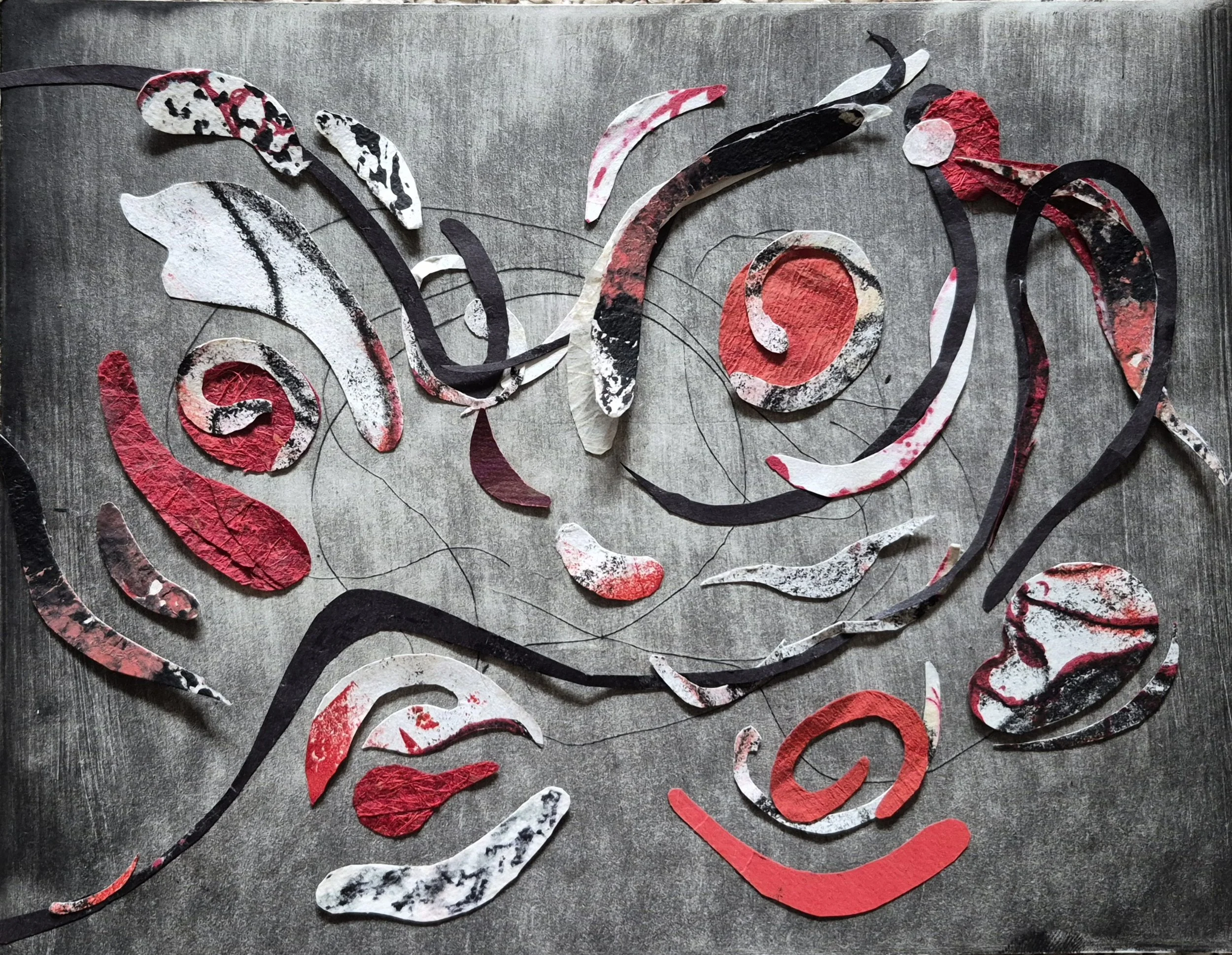
Art and photo by Sheila Benedis
In and Around Kendal
Rays over the Hudson
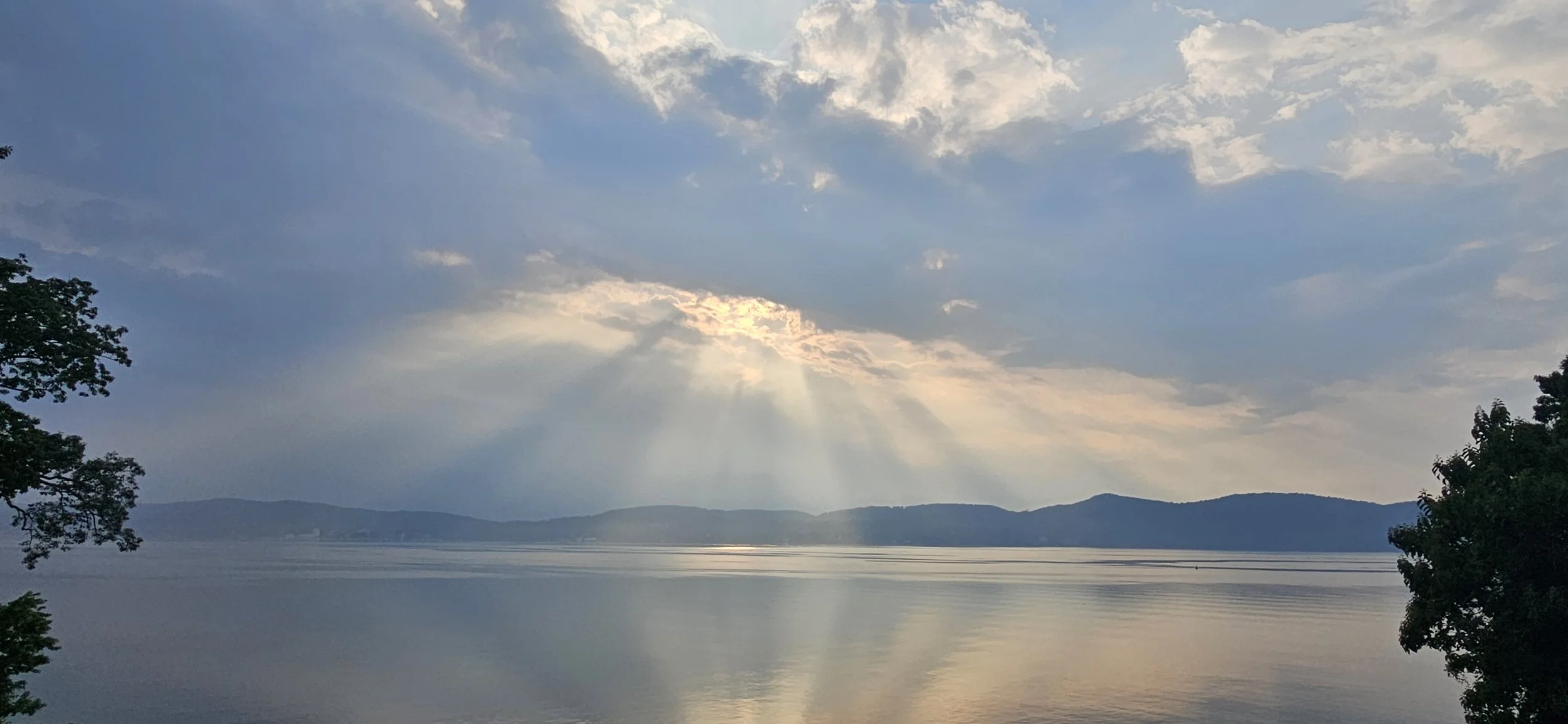
Photo by Joe Bruno
The Puzzlers of Robert Fulton
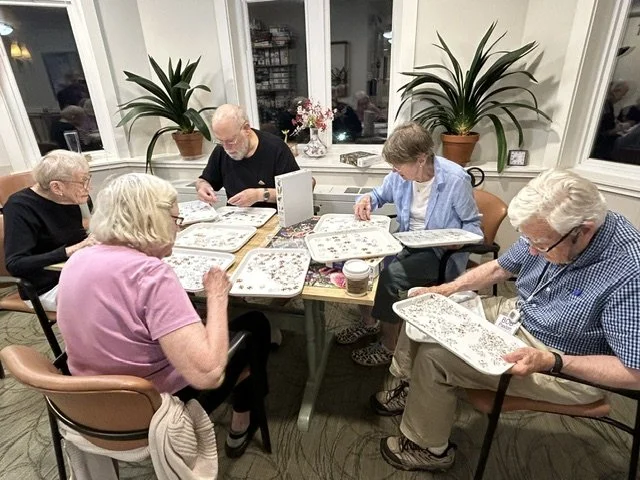
Photo by Carolyn Reiss
Kendal Balconies
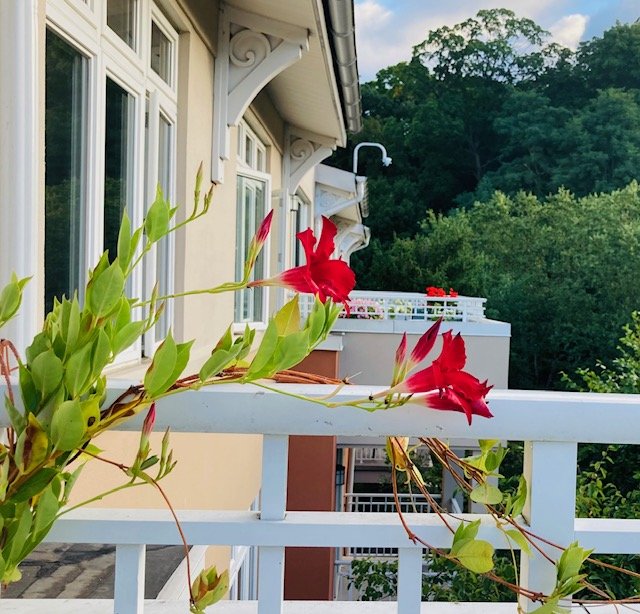
Photo by Janet Sawyer
The Gardeners of the Healing Garden
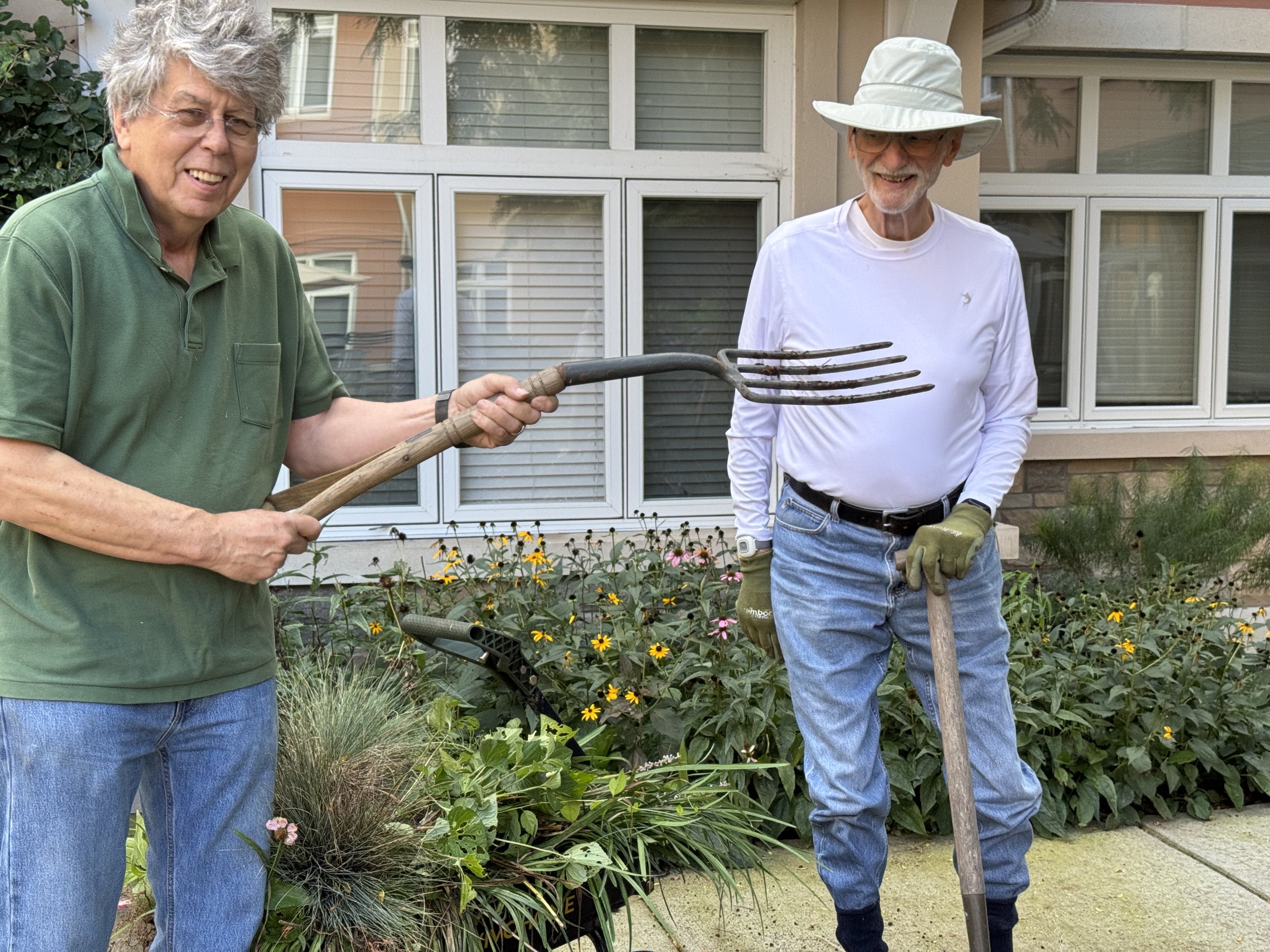
There were the men . . .

. . . and the women, too
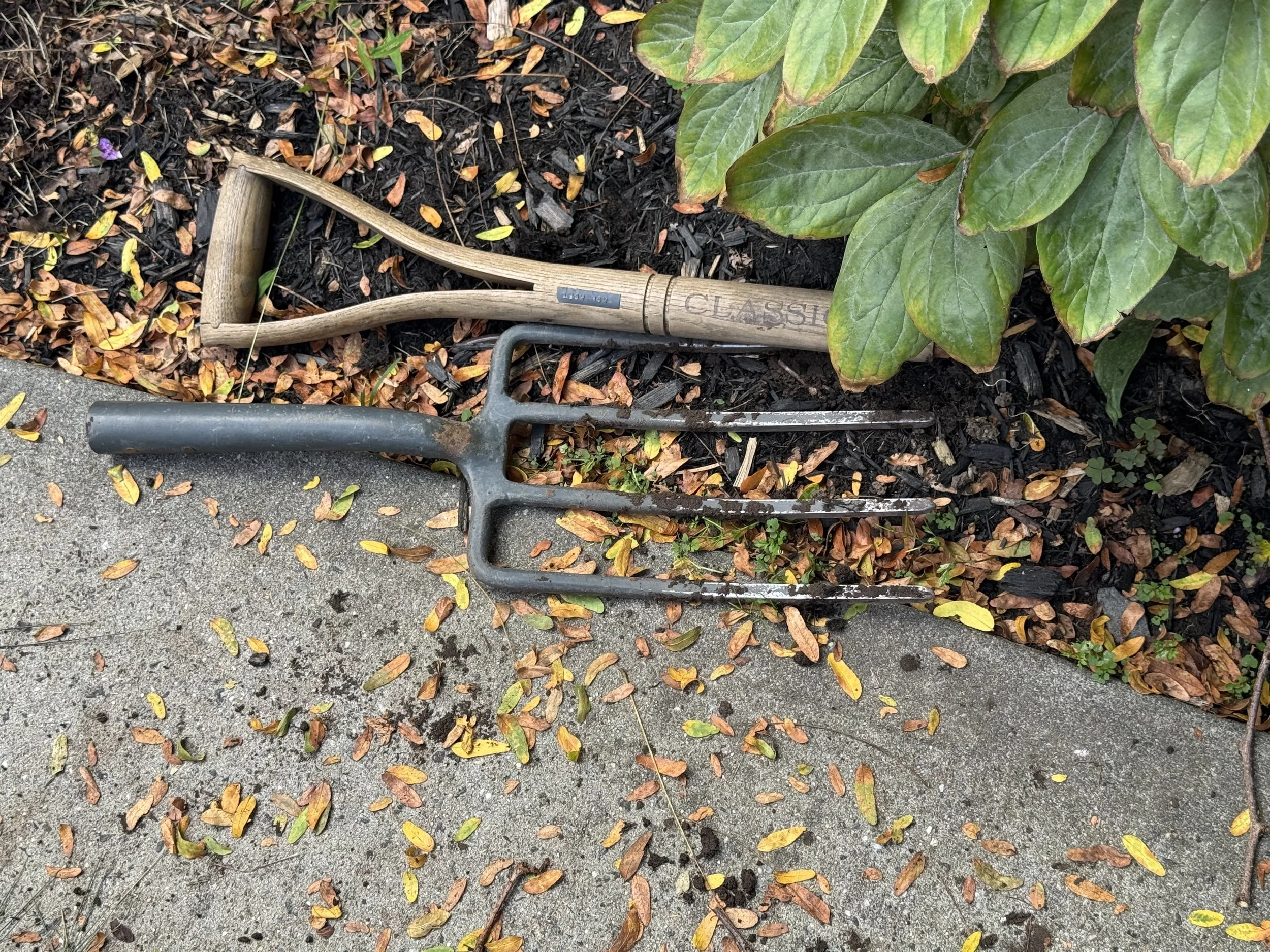
Although the men left their calling card . . .
Photos by Valerie Wolzien
Happenings in Rockwood Park
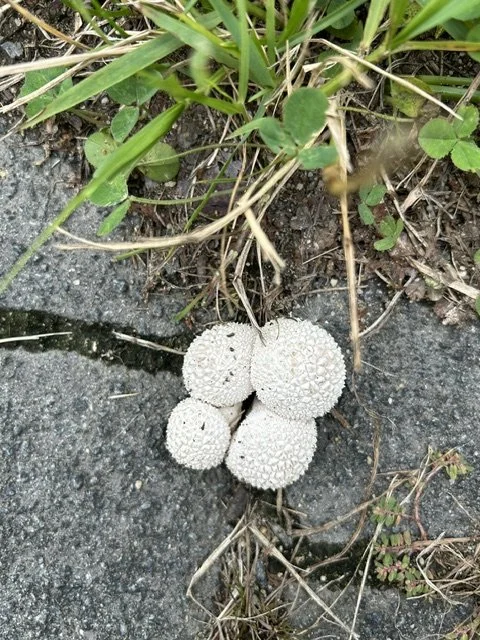
An omelet in the works?
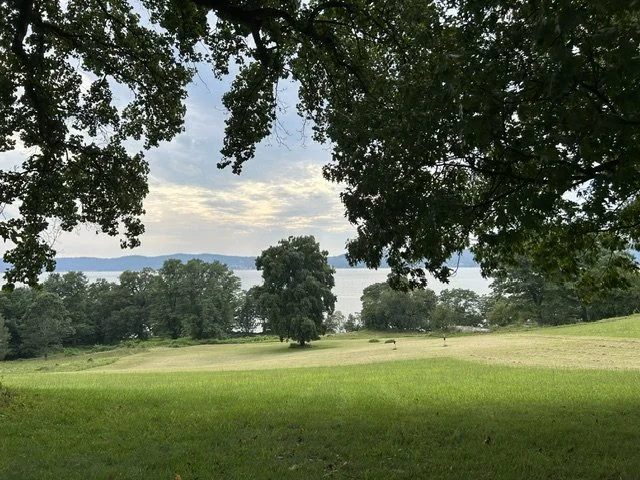
A buzz-cut lawn
Photos by Edward Kasinec
Serenity
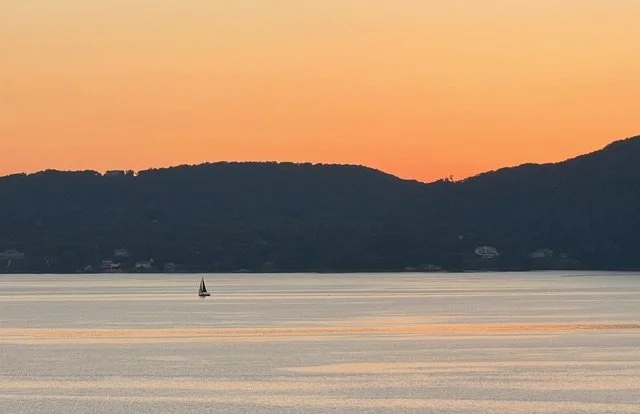
Photo by Philip Monteleoni
Out and About
Serve It Up in The Open
Recently, Amanda Slattery attended The US Open to watch the Greats play. Who?
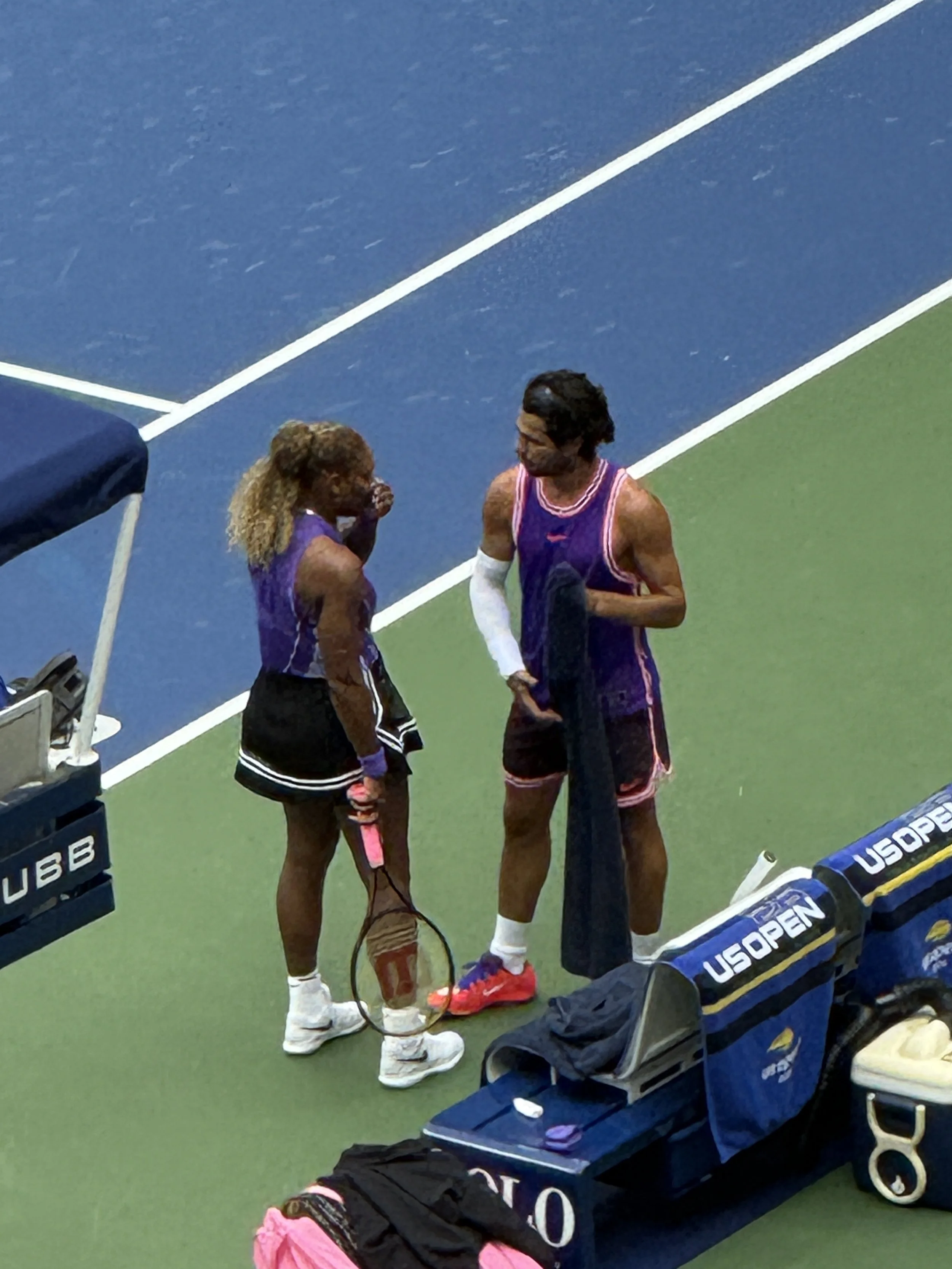
Serena Williams and Carlos Alcaraz played Doubles

Serena Williams serves
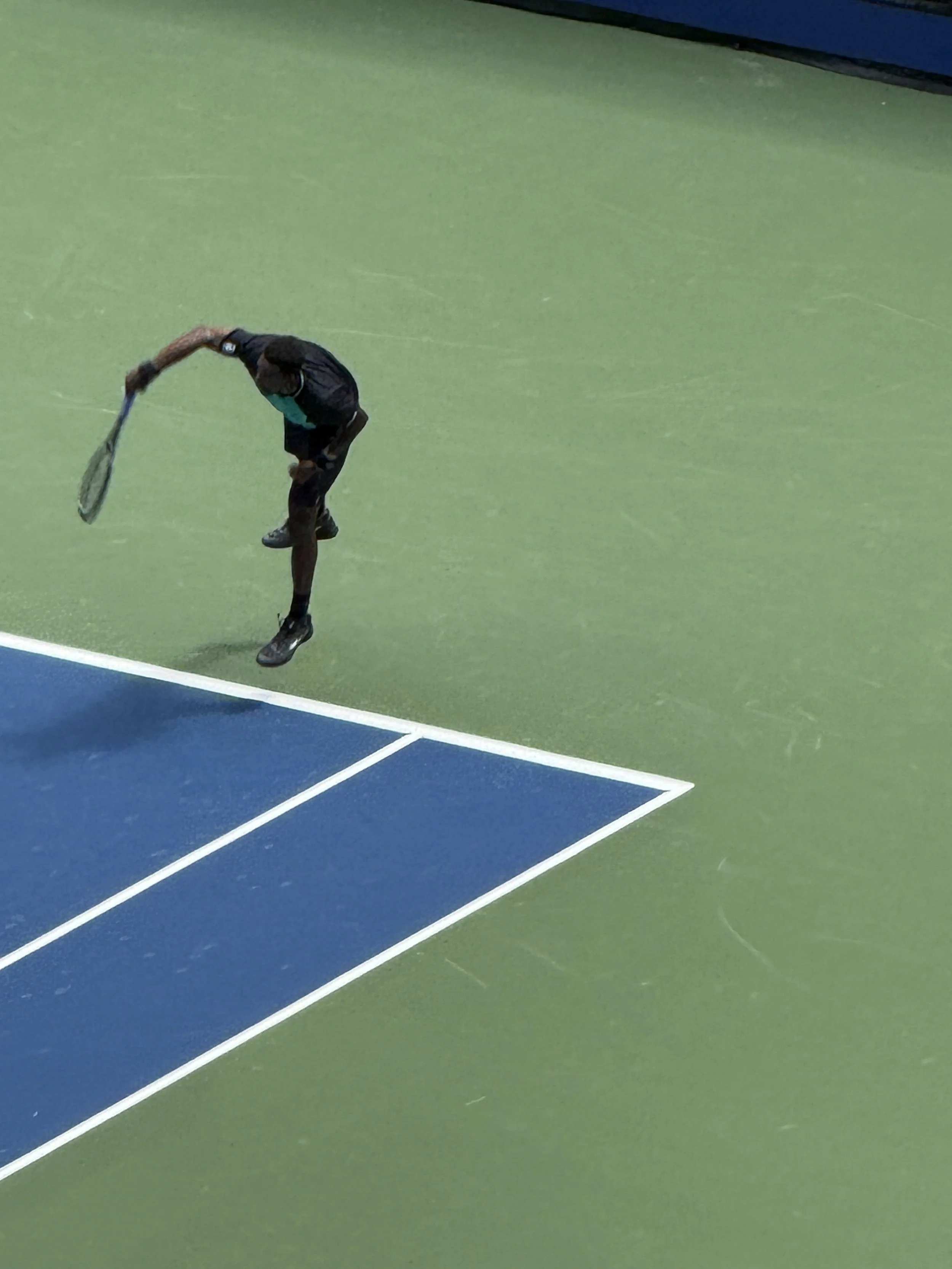
Gaël Monfils serves
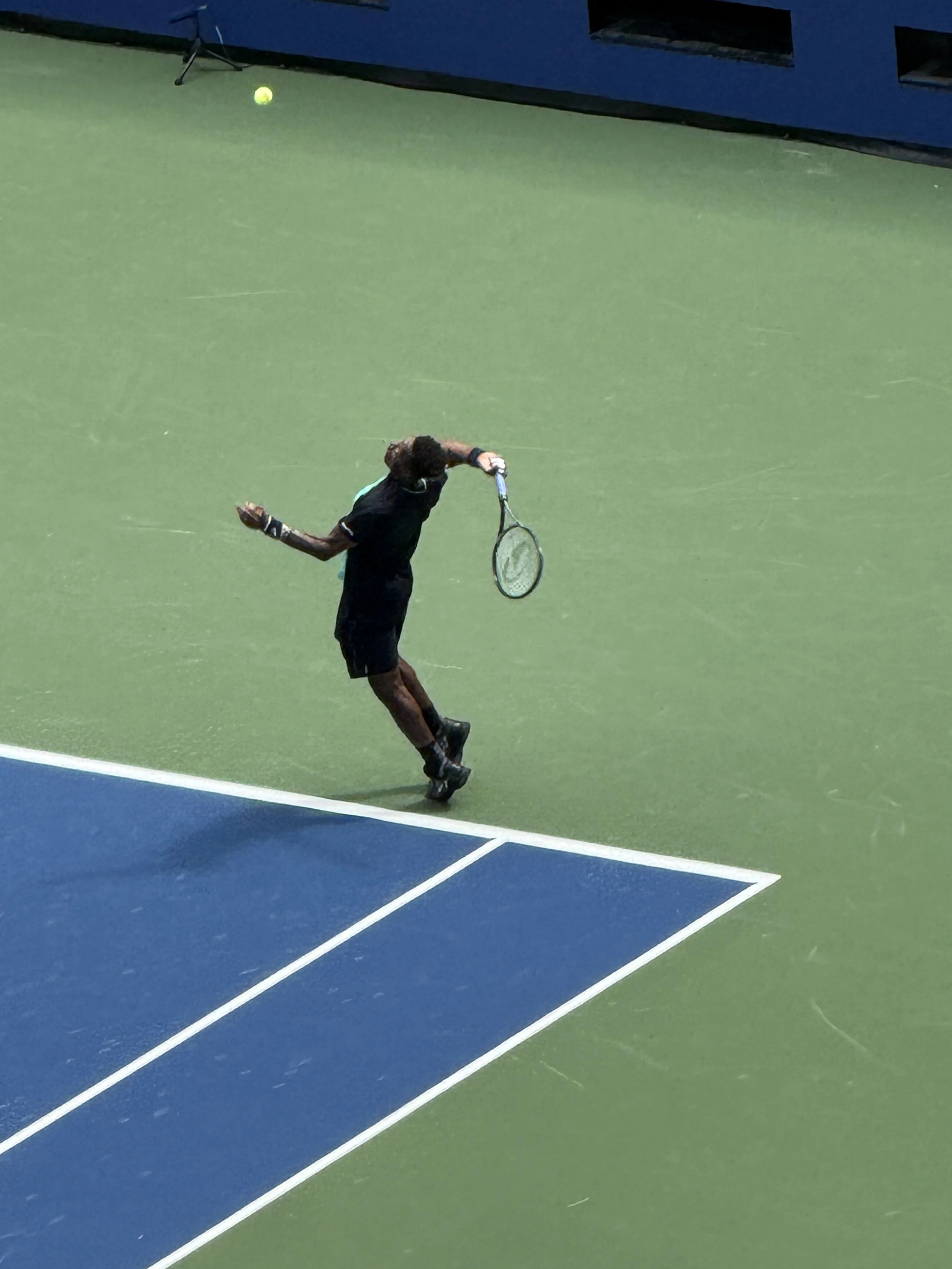
And returns . . .
Photos by Amanda Slattery
Whether Up-River or Down
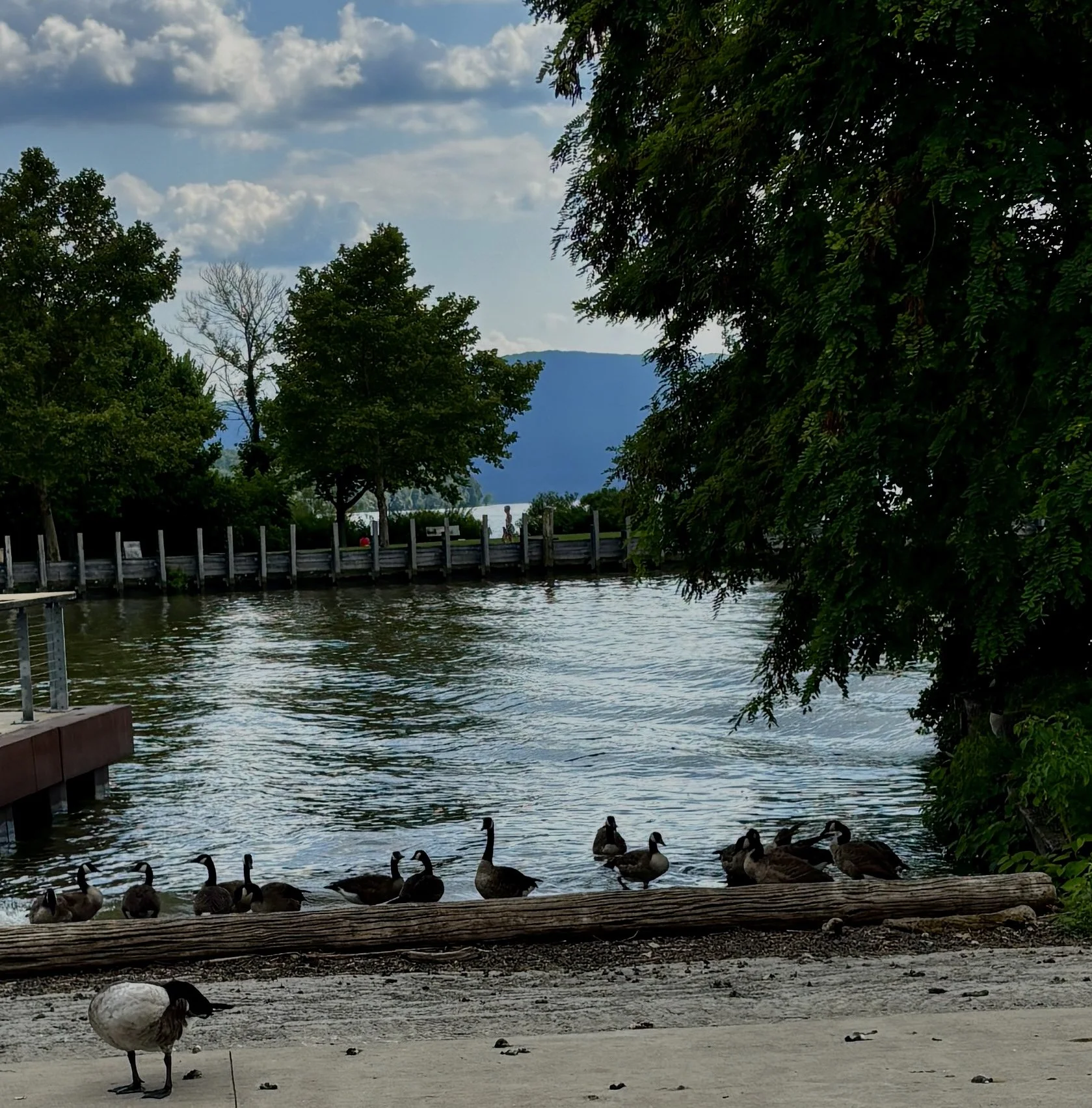
Ducks gather at the Long Dock Park at Beacon within happy sight of The Hudson, by Lynn Brady
A Stroll in Oscawana Park
Carolyn and Allie Reiss decided to venture into Croton’s Oscawana Park to see what’s what.
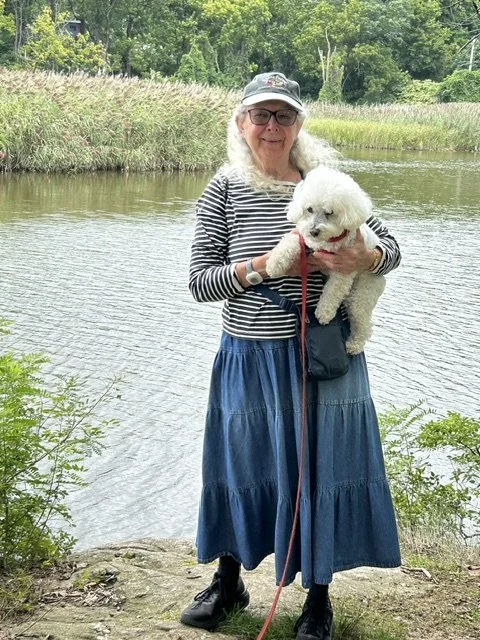
They found natural beauty and interesting things . . .
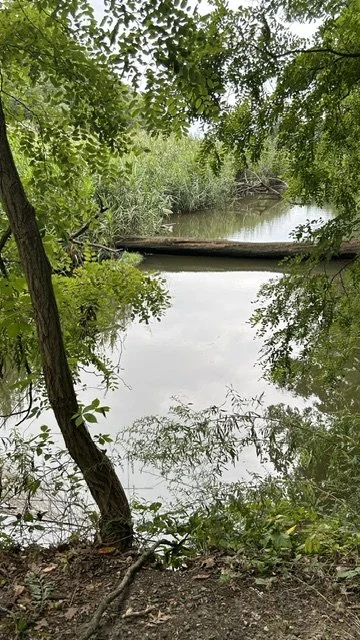
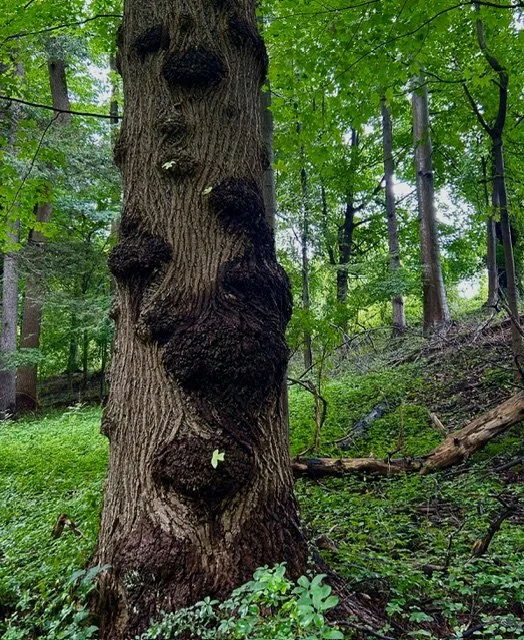
. . . and poison ivy. The walk didn’t last long.
In Memoriam
Twenty-five years ago this week, the World Trade Centers were attacked by a terrorist group in what was a coordinated attack on the USA. That day—as part of the coordinated attack—Flight 93 was hijacked and passengers bravely sacrificed themselves and foiled the hyjackers’ efforts. Let’s pause for a moment on 9/11 to remember those who lost their lives on September 11, 2001—and the outpouring of worldwide support, grief, and help for the USA in its time of such great sorrow.
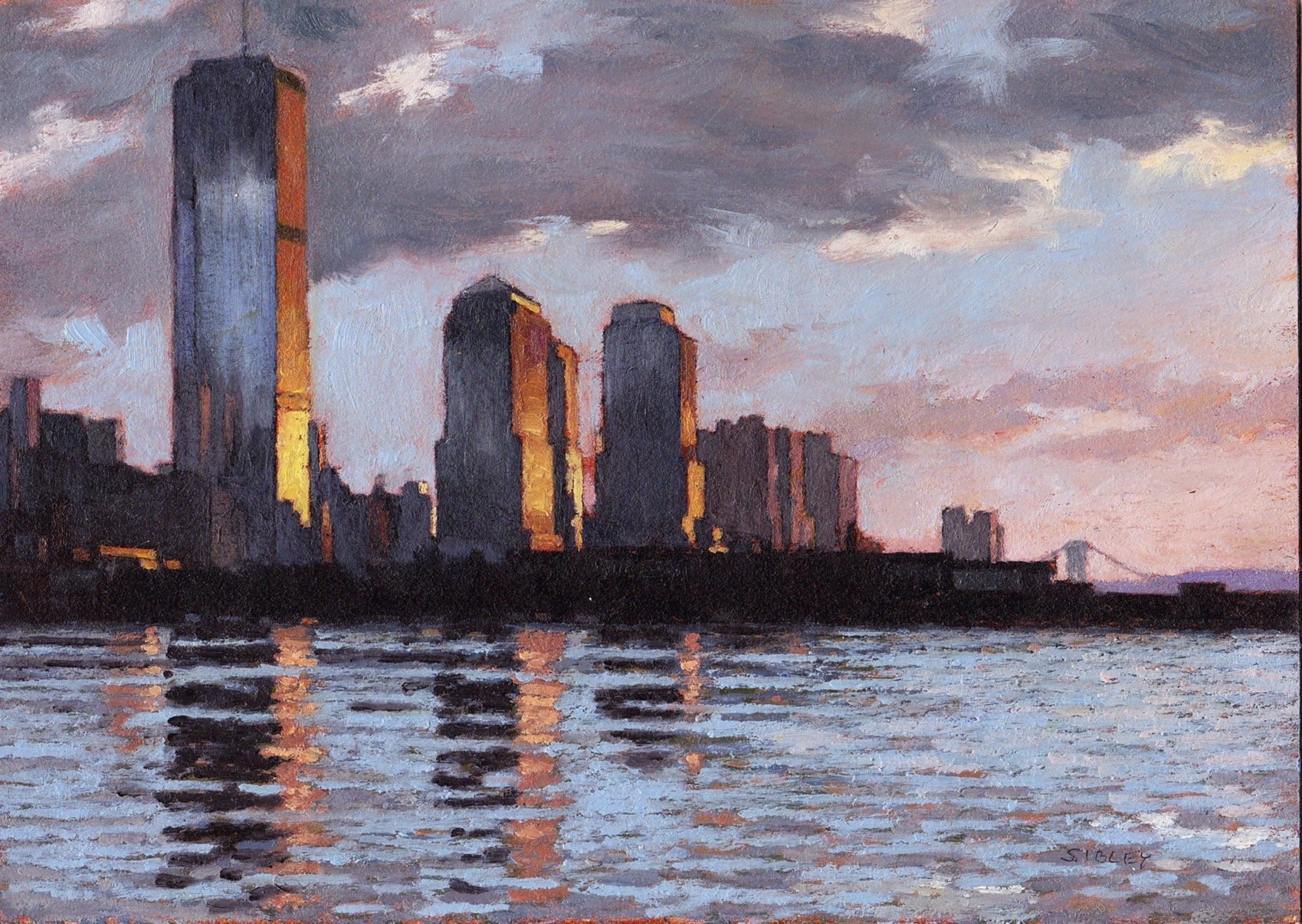
Oil sketch contributed by Peter Sibley
Pat McGrath's Great Adventure
Pat McGrath and his daughter, Moriah, have taken off on a Great Adventure! The final reports:
Wow, we got lucky. At dinner the first night in Canada at the magnificent Butchart gardens in Victoria, Moriah and I were seated with the only Canadians in the group, our two guides, and a mother/daughter team from Saskatchewan. We soon realized that they were very nice people and that the impending war between the US and Canada was unlikely despite the headlines. In fact, they claimed that a deal between Prime Minister Carney and Trump was very close to completion. Reassuringly, our dinner companions contended that all Canadians were eager to sustain their lifelong affection for their south-of-the-border neighbors after we become their 11th province.
So let’s all hope there’s no chickening out on this rumored deal!
Here’s the marina below our hotel in Brentwood Bay, Victoria.
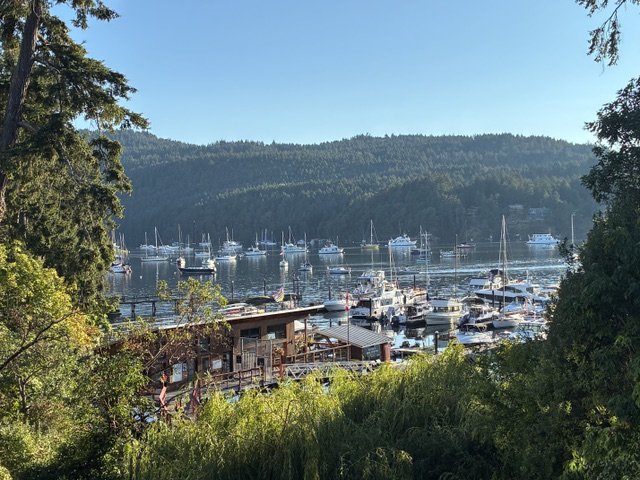
And here’s a view of the Saanich Inlet from the ferry taking us and our bikes to the morning ride:
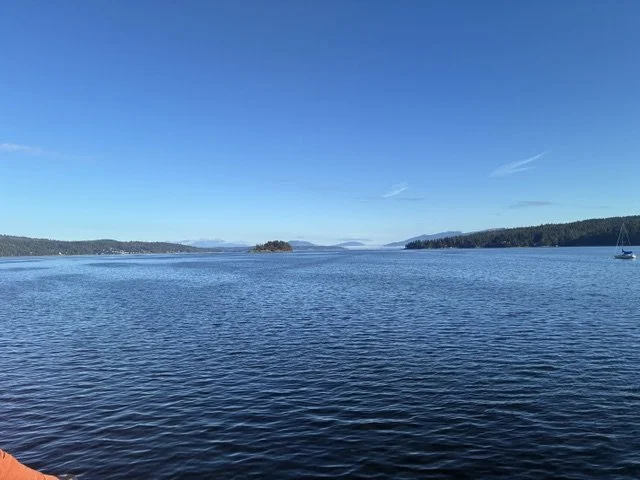
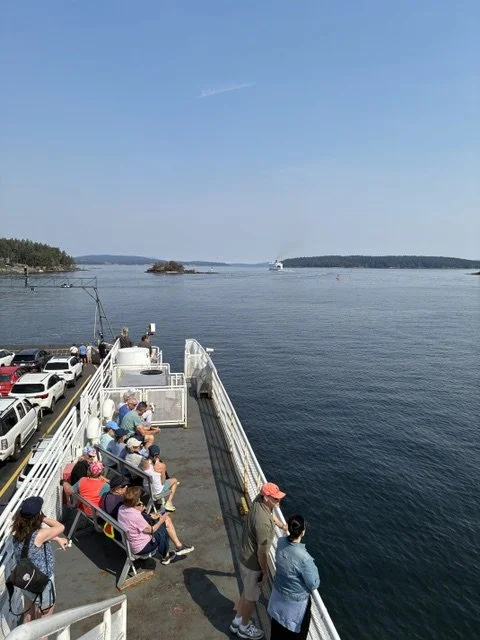
On Wednesday we left (huge) Vancouver Island for (tiny) Salt Spring Island. There are only two ways to make the trip: ferry or seaplane. We took the ferry.
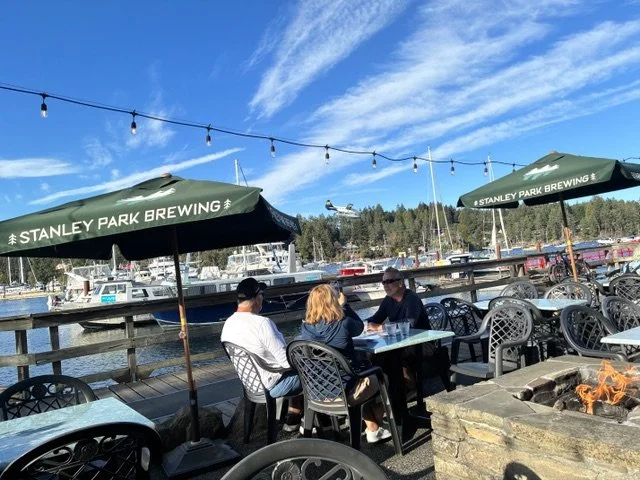
While we were biking on Salt Spring Island, we stopped at at a glass maker’s workshop that was literally in the woods. The craftsman has pioneered the re-use of discarded glass and energy efficient furnaces. He has been making fine glass objects for 30 years and sells them to tourists as well as several distributors. His work is unique and completely unindustrializable. In case you’re interested in seeing his work, here’s his website: https://theglassfoundry.com/what-we-do/. Several of the riders, including both me and Moriah, bought items from him. When one of them asked if they could pay to have it shipped to avoid breakage in her luggage, he said yes, but that a 50% tariff had just gone into effect which would have to be paid upon re-entering the US.
So the cost of his products to American customers (virtually all of his customers are American tourists) has increased by 50%. And the purported benefit to American glass artisans is that they may be able to charge more, although their competition certainly doesn’t include him, so they will probably be not affected one way or another. The benefits for American tourists wanting souvenirs of their travels? Not so much. Moriah and I both bought our pieces anyway, and I look forward to showing you mine when I return.
Next stop: Galiano Island.
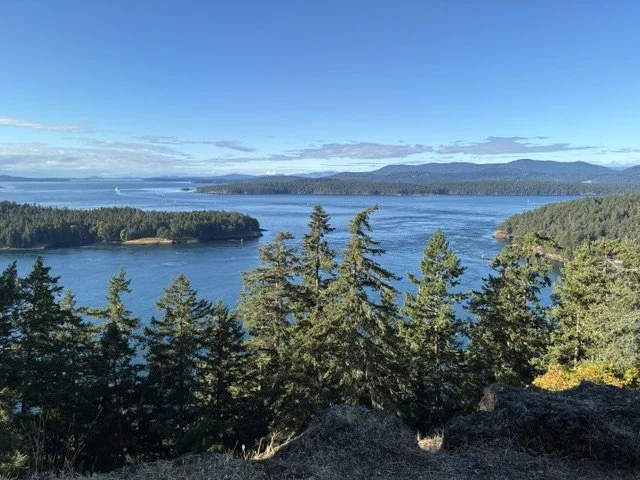
We ended our biking and hiking tour of the British Columbia islands on Friday. The final exertion was a very steep climb to Bluff’s Park on Galiano Island where we could see our watery route to Vancouver and the wooded islands over which we had walked, ridden—and even kayaked—all week.
Among the sights we leave behind are the Madrone trees, also called Arbutus, which live on the Pacific Coast from BC to Southern California, Their orange red bark peels away to reveal a greenish silver layer underneath. They grow in contorted shapes and bear fruit in autumn. It looks like a show off among its spruce and fir neighbors.
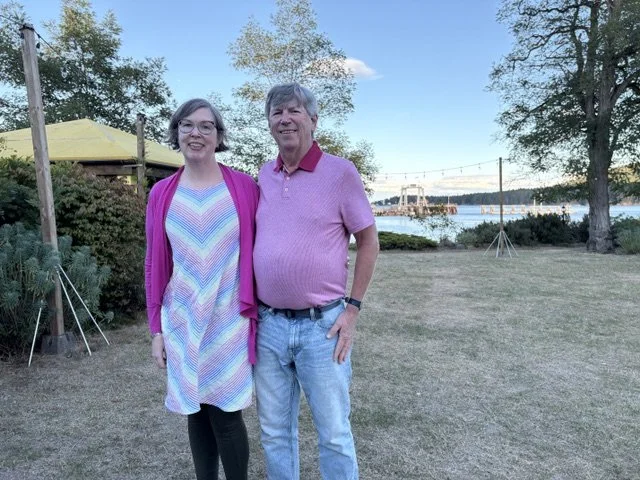
Here we are at our final dinner—with the ferry landing in the background.
A final comment on Canada. The ferries we relied upon to go from place to place moved people and their cars and the trucks that provisioned the remote islands, reliably, frequently, inexpensively. The ferry we took to Vancouver (actually the port is named Tsawwassen—if you can pronounce it) had the capacity for about 50 vehicles, 100 people, a snack bar, including alcohol, a crew of at least a dozen, what must have been a huge diesel engine in a place where automobile gas is ~$5.50US/gallon. The trip takes 55 minutes. The cost per passenger is $ 7 US.
Just Checking . . . Elections Are Comin' Up
As of September 7, election day—November 3—is but 58 days away. Are you registered to vote? Especially, you Kendal newbies! October 24 is the deadline for registration if you want to vote on November 3. You can find out more about how and where to register by clicking below.