
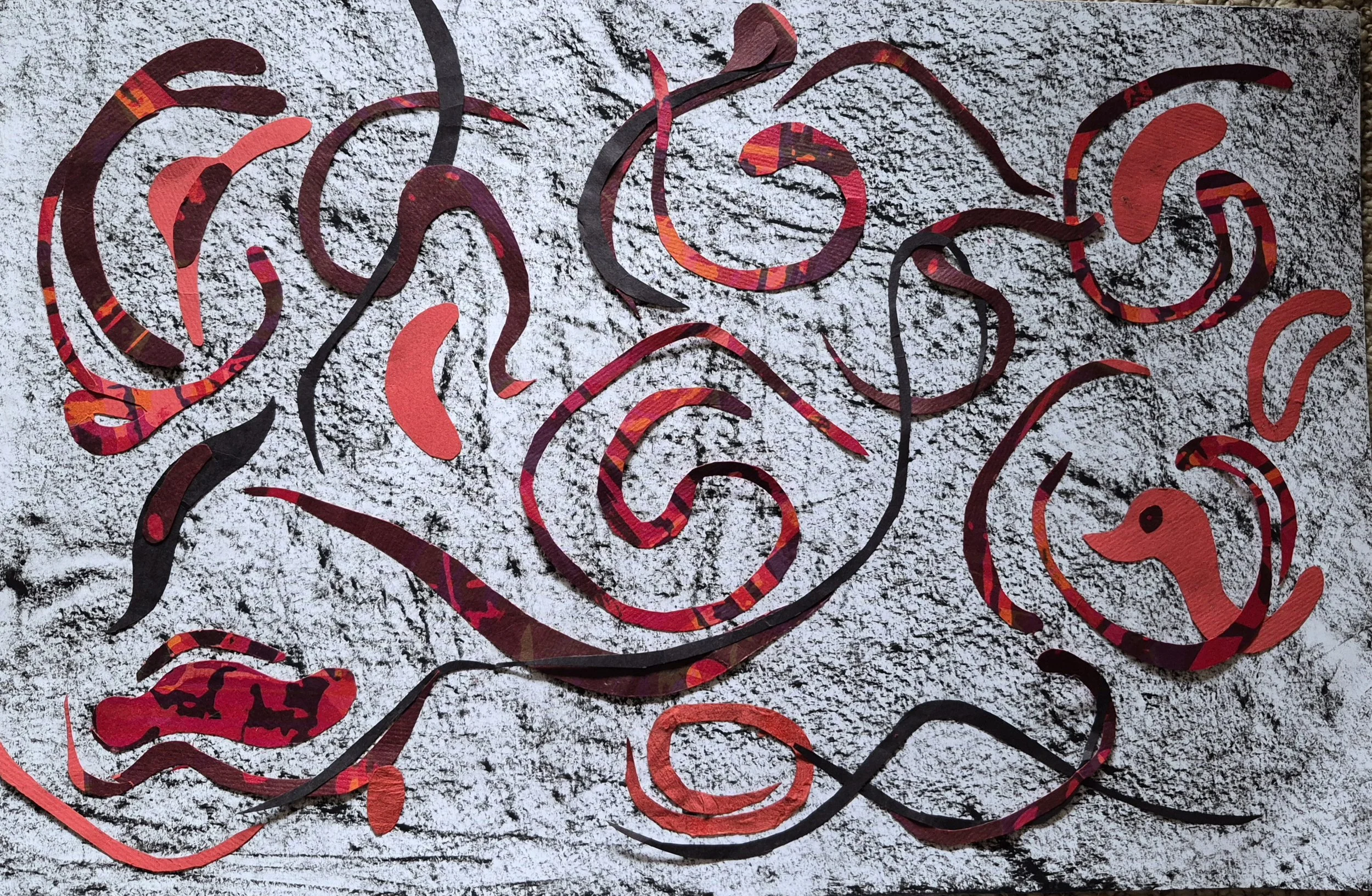
Art and photos by Sheila Benedis
Art by Hart
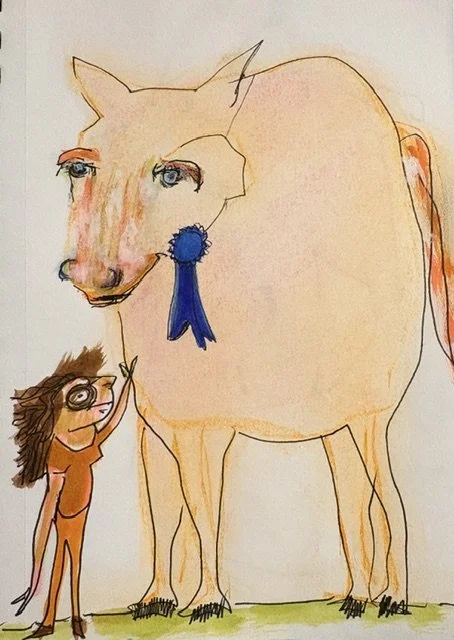
4H was exactly the boost Runyon needed
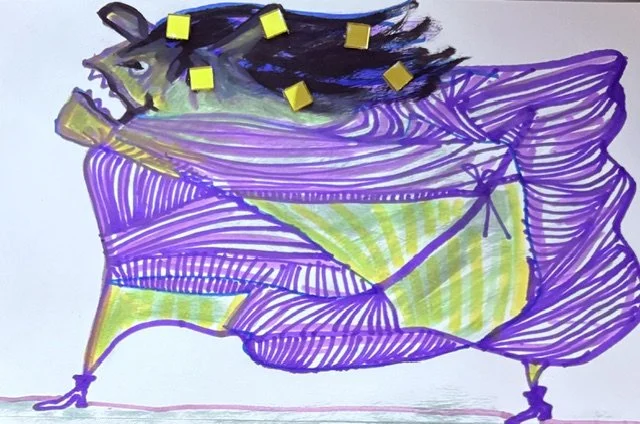
Lacey, a fashionista, made bikinis out of cocktail napkins
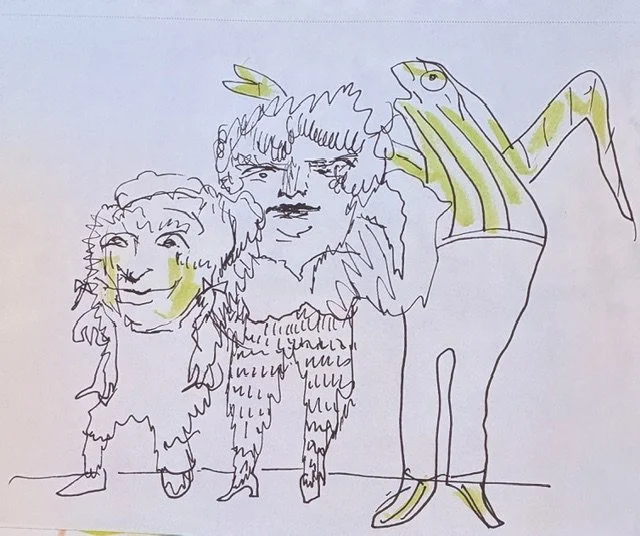
Elberon liked to call himself the “Original Mr. Green Genes”

Dozing after a 3-day bacchanal, Flavia forgot that she’d invited her in-laws to brunch
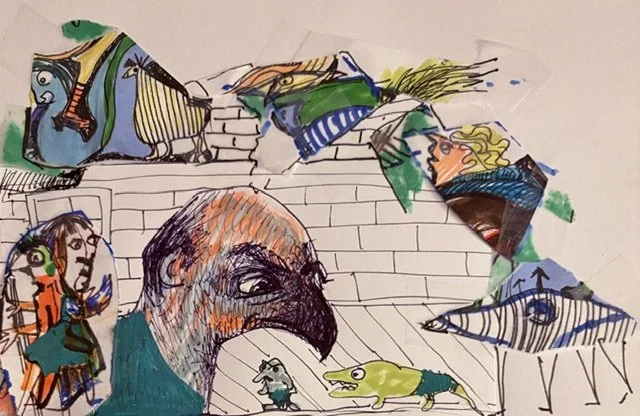
Philmont’s building was getting stranger by the day
Art and photos by Jane Hart
In and Around Kendal
October Birthdays
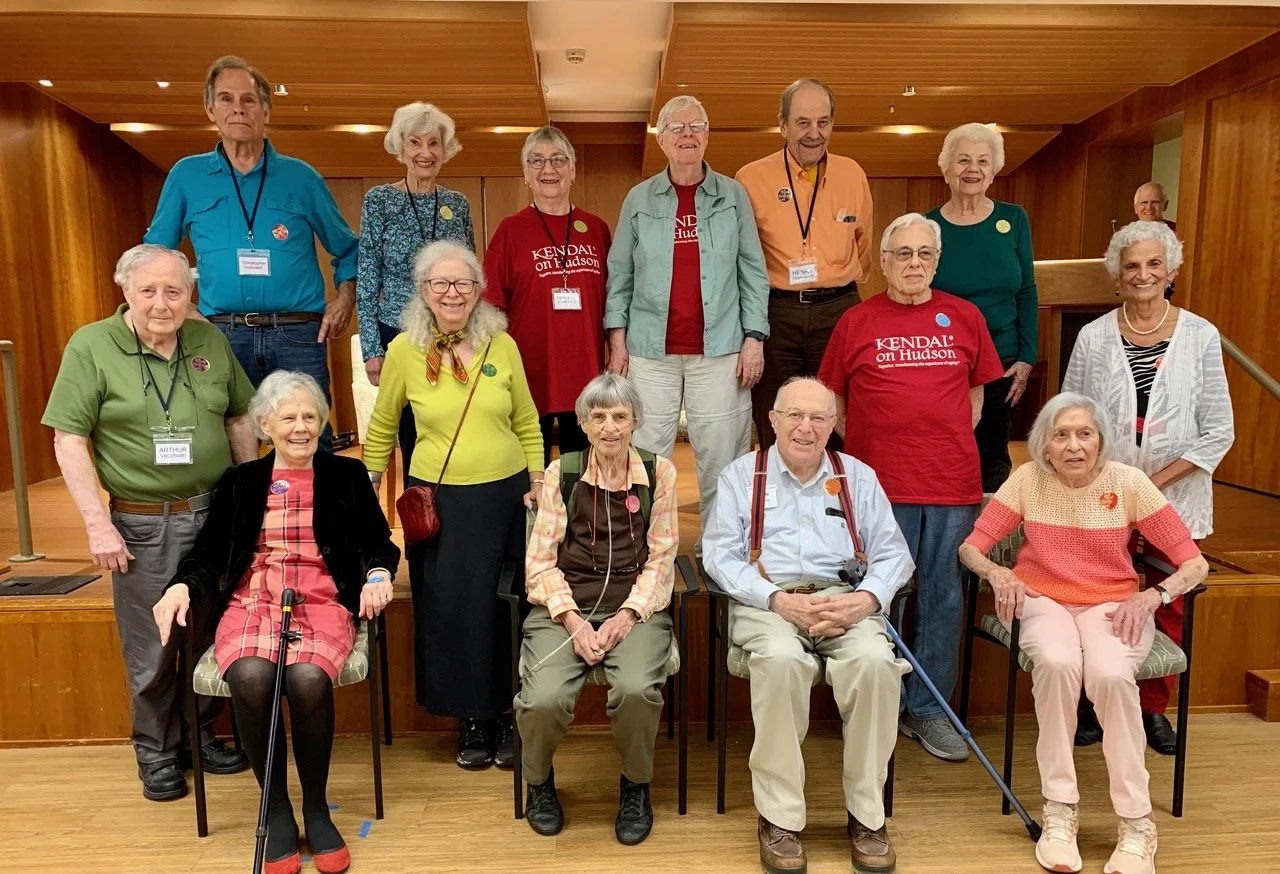
Photo by Harry Bloomfeld
A Visit From an Old Friend with New Insights
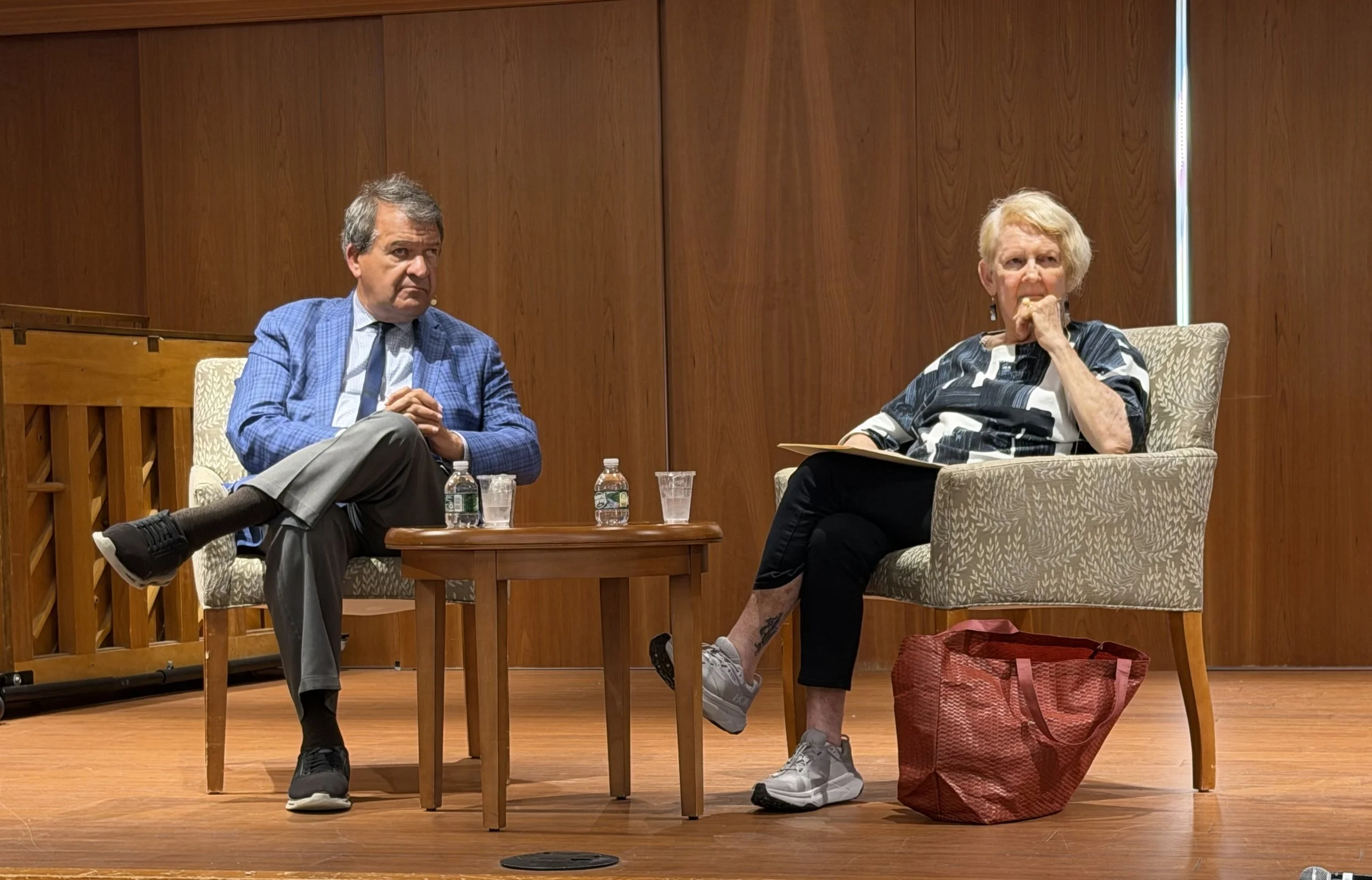
Former Westchester County Executive—now Congressional District 17 Representative—answered prepared questions from Moderator Joyce Lannert and questions from the audience about the world of Washington DC—and beyond. Photo by Ed Lannert
A Fall Carpet
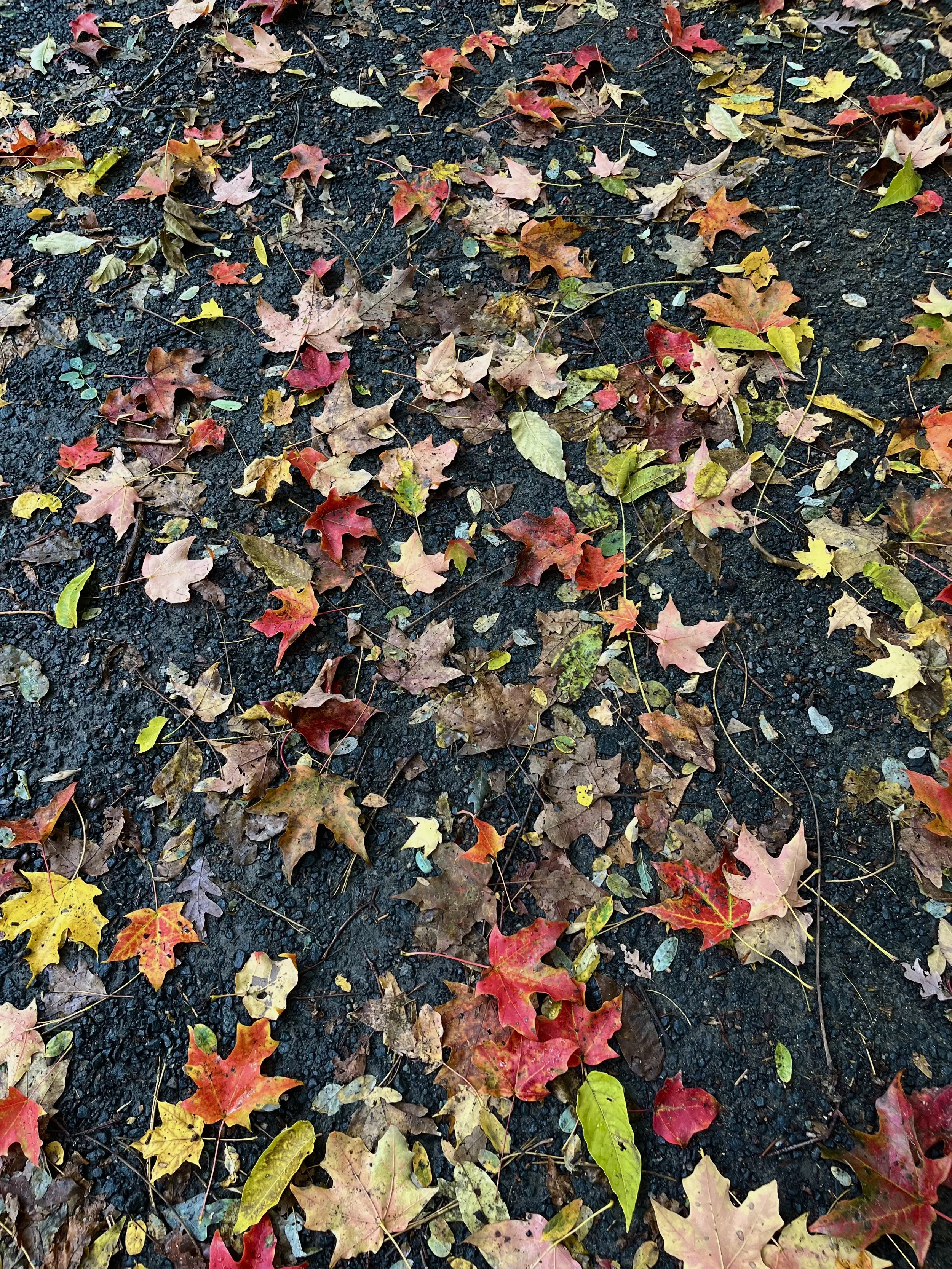
Photo by Louise Kikuchi
The Trees of Rockwood Park
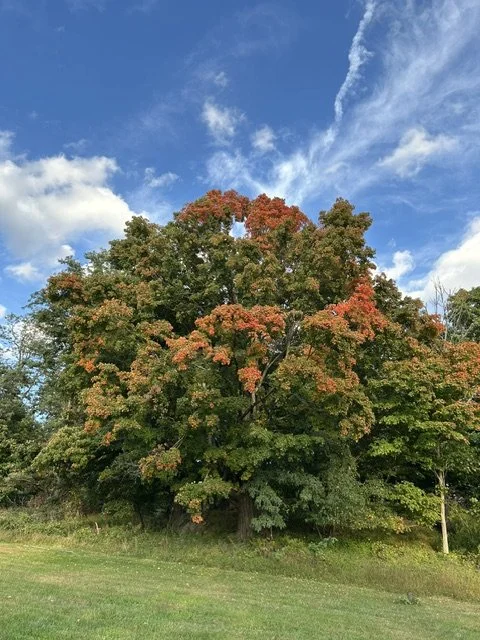
Photo by Edward Kasinec
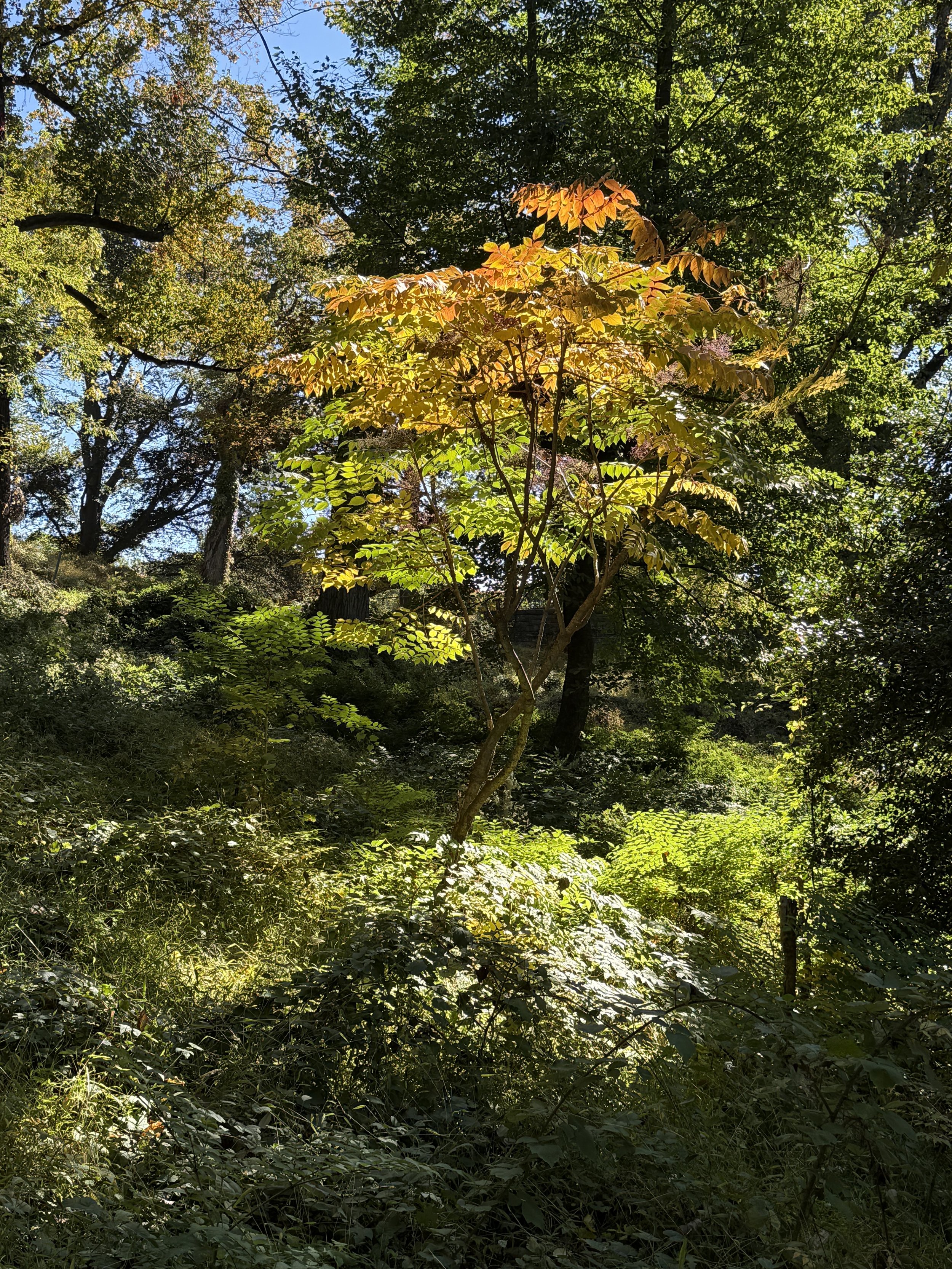
Photo by Amanda Slattery
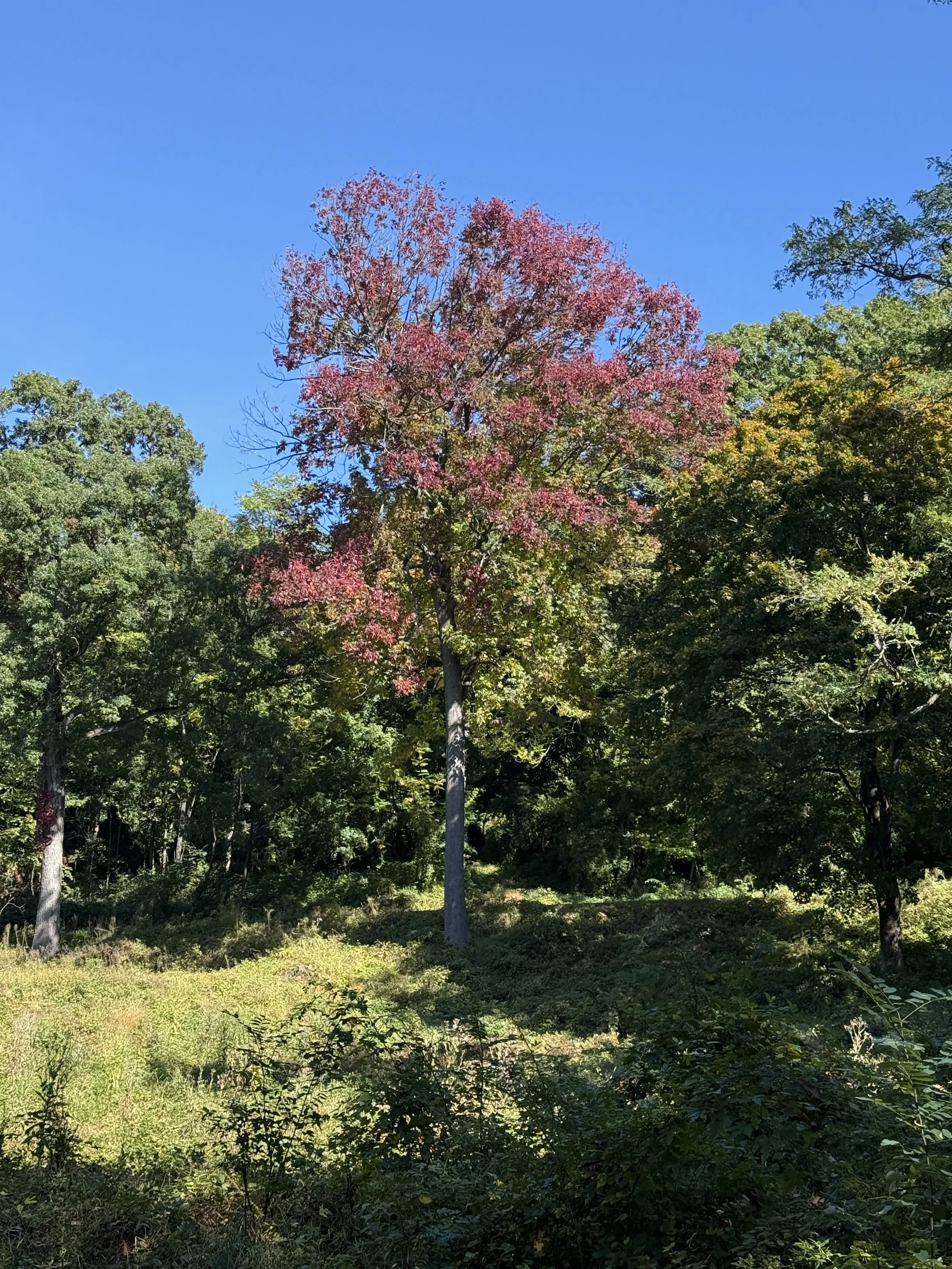
Photo by Amanda Slattery
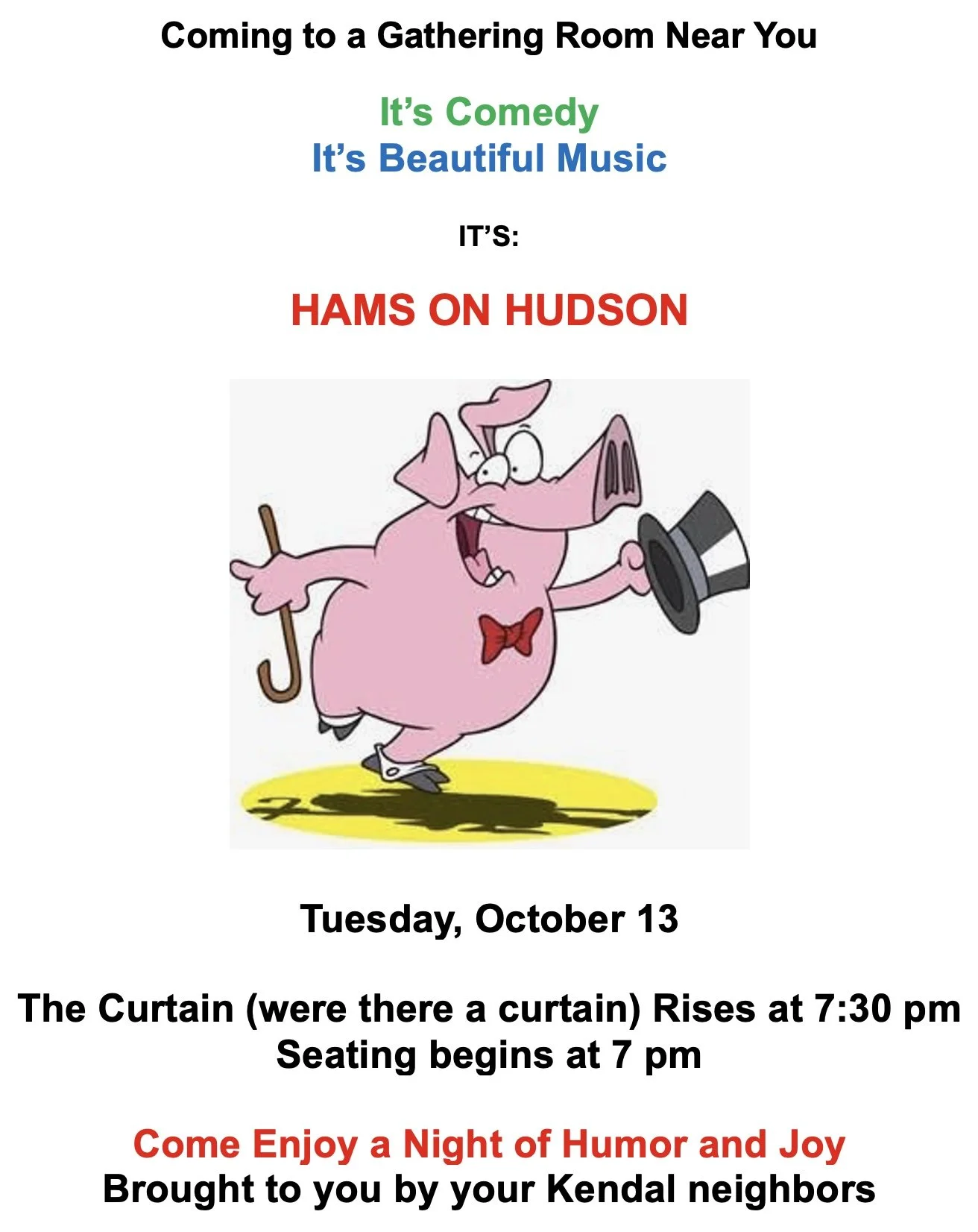
Oh, Those Hams (on Hudson)!
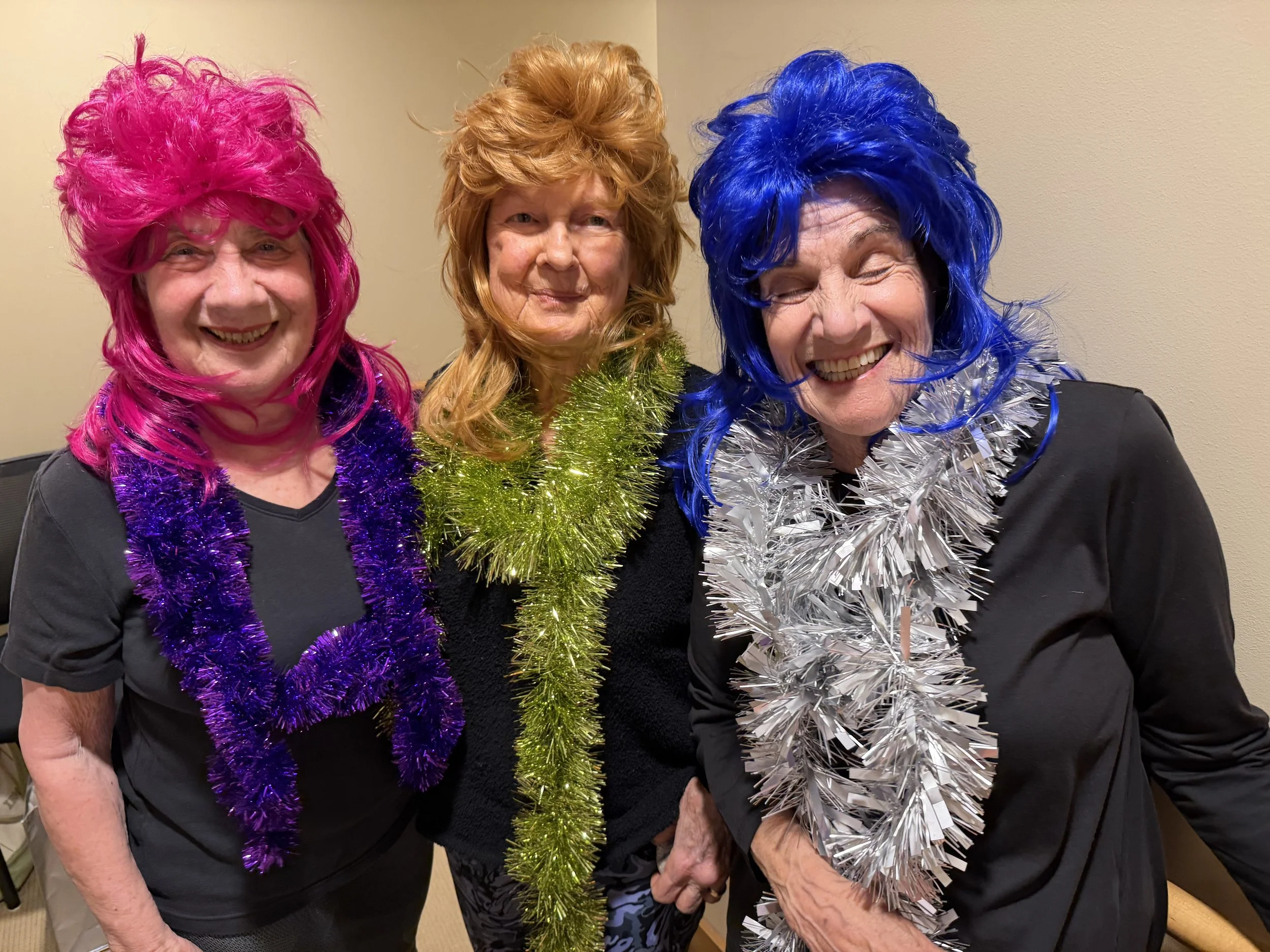
Photo by Ed Lannert
Evening’s Tricks of the Light
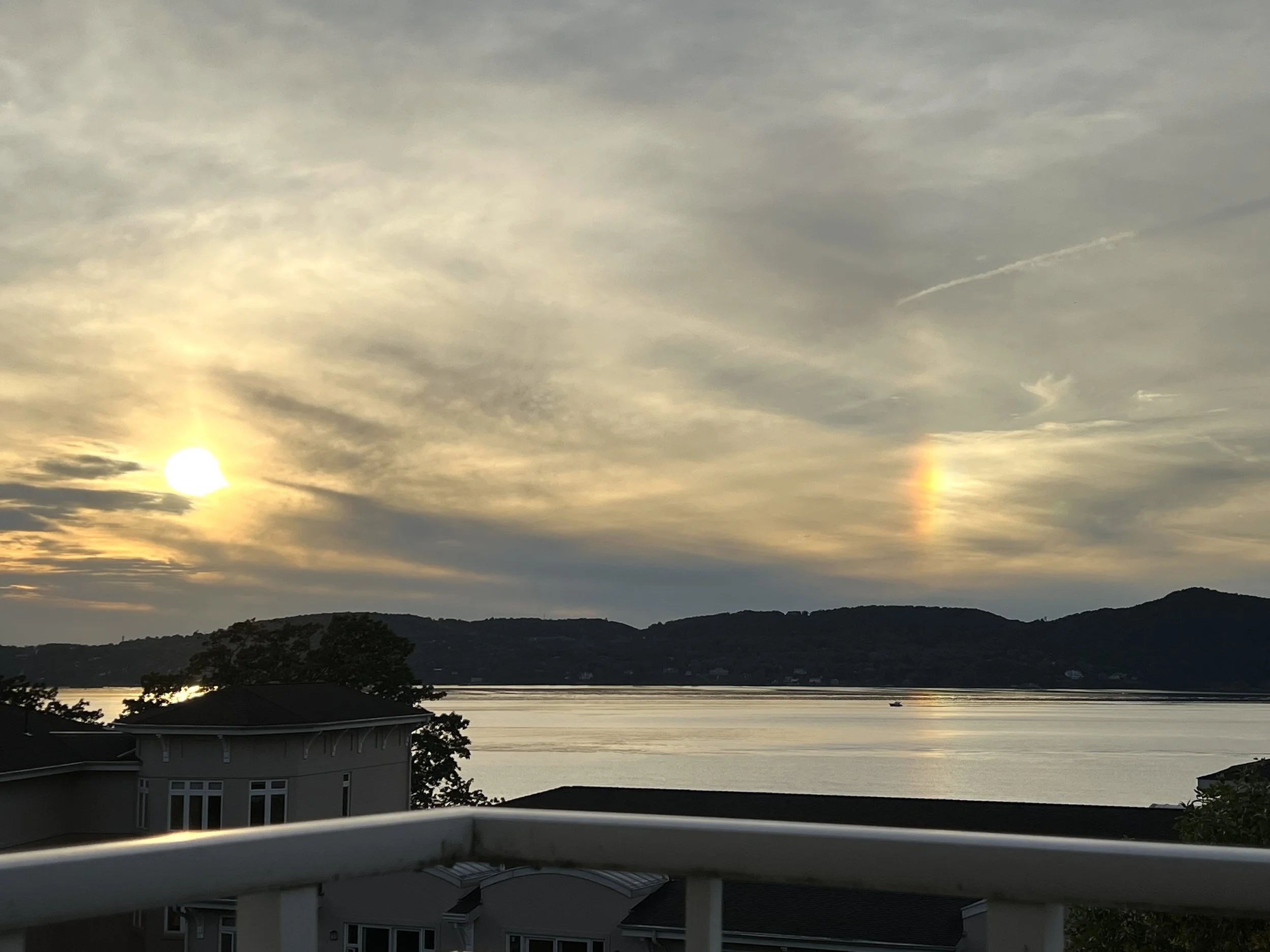
Photo by Philip Monteleoni
Washington Post Awards
Once a year, The Washington Post’s Mensa Invitational invites readers to take any word from the dictionary, alter it by adding, subtracting, or changing one letter, and supply a new definition.
Here are the winners:
1. Cashtration (n.): The act of buying a house, which renders the subject financially impotent for an indefinite period of time.
2. Ignoranus: A person who’s both stupid and an asshole.
3. Intaxicaton: Euphoria at getting a tax refund, which lasts until you realize it was your money to start with.
4. Reintarnation: Coming back to life as a hillbilly.
5. Bozone (n.): The substance surrounding stupid people that stops bright ideas from penetrating. The bozone layer, unfortunately, shows little sign of breaking down in the near future.
6. Foreploy: Any misrepresentation about yourself for the purpose of getting laid.
7. Giraffiti: Vandalism spray-painted very, very high.
8. Sarchasm: The gulf between the author of sarcastic wit and the person who doesn’t get it.
9. Inoculatte: To take coffee intravenously when you are running late.
10. Osteopornosis: A degenerate disease. (This one got extra credit)
11. Karmageddon: It’s like, when everybody is sending off all these really bad vibes, right? And then, like, the Earth explodes and it's like, a serious bummer.
12. Decafalon(n):The grueling event of getting through the day consuming only things that are good for you.
13. Glibido: All talk and no action.
14. Dopeler Effect: The tendency of stupid ideas to seem smarter when they come at you rapidly.
15. Arachnoleptic Fit (n.): The frantic dance performed just after you've accidentally walked through a spider web.
16. Beelzebug (n.): Satan in the form of a mosquito, that gets into your bedroom at three in the morning and cannot be cast out.
17. Caterpallor (n.): The color you turn after finding half a worm in the fruit you’re eating.
* * * * *
The WashingtonPost has also publishes the winning submissions to its yearly contest in which readers are asked to supply alternate meanings for common words.
And the winners are:
1. Coffee, n. The person upon whom one coughs.
2. Flabbergasted, adj. Appalled by discovering how much weight one has gained.
3. Abdicate, v. To give up all hope of ever having a flat stomach.
4. Esplanade, v. To attempt an explanation while drunk.
5. Willy-nilly, adj. Impotent.
6. Negligent, adj. Absent mindedly answering the door when wearing only a nightgown.
7. Lymph, v. To walk with a lisp
8. Gargoyle, n. Olive-flavored mouthwash.
9. Flatulence, n. Emergency vehicle that picks up someone who has been run over by a steamroller.
10. Balderdash, n. A rapidly receding hairline.
11. Testicle, n. A humorous question on an exam.
12. Rectitude, n. The formal, dignified bearing adopted by proctologists.
13. Pokemon, n. A Rastafarian proctologist.
14. Oyster, n. A person who sprinkles his conversation with Yiddishisms.
15. Frisbeetarianism, n. The belief that, after death, the soul flies up onto the roof and gets stuck there.
16. Circumvent, n. An opening in the front of boxer shorts worn by Jewish men.
Contributed by Simone
Long Ago and Pretty Close to Hand
This past week the Jacob Purdy House—General George Washington’s 1776 and 1778 headquarters—was the site for the 250th anniversary commemoration for the Battle of White Plains. Both Amanda Sattery and Henry Neale were there to look, listen, and learn. The celebration included:
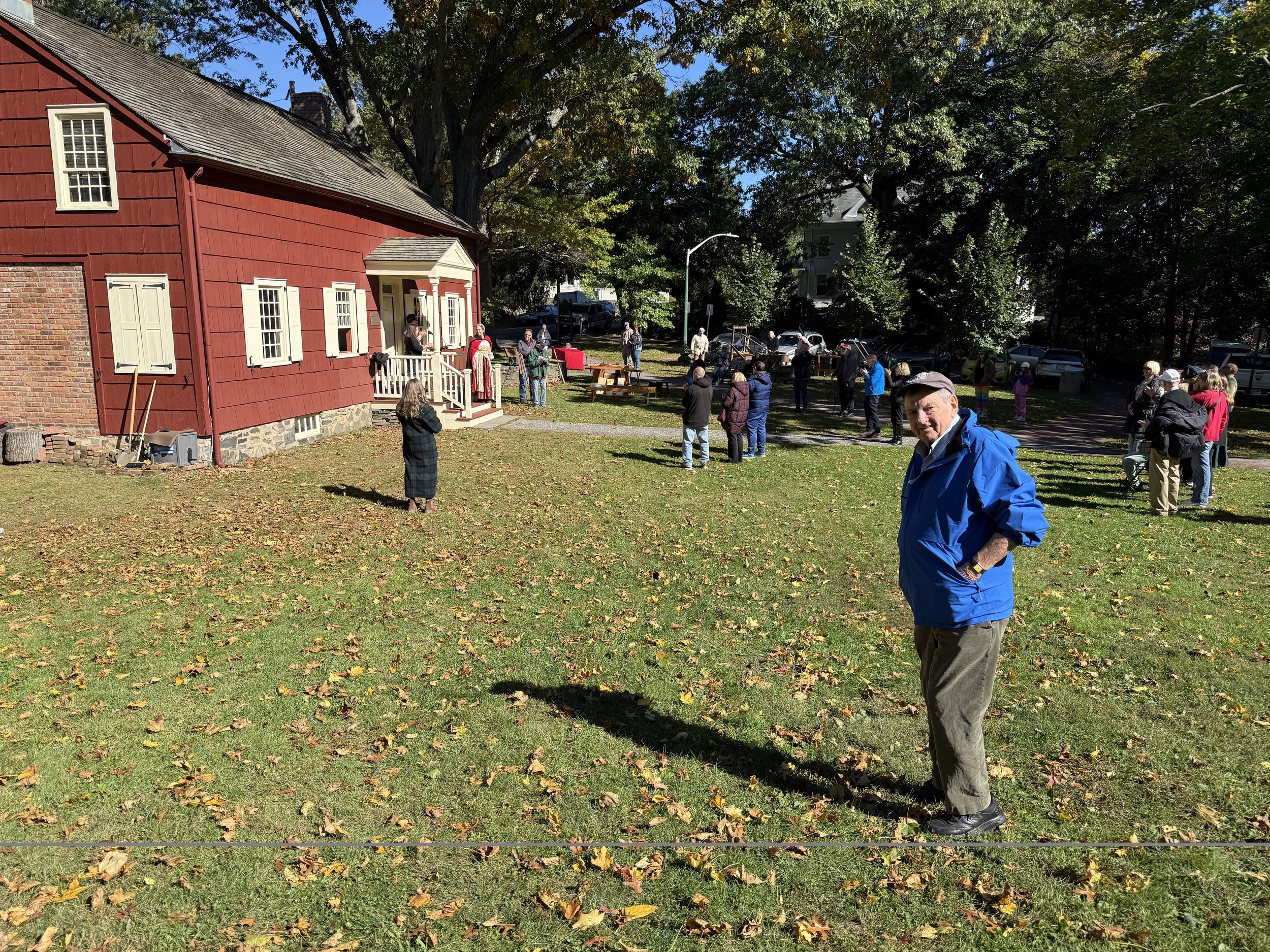
Henry Neale awaiting speeches.
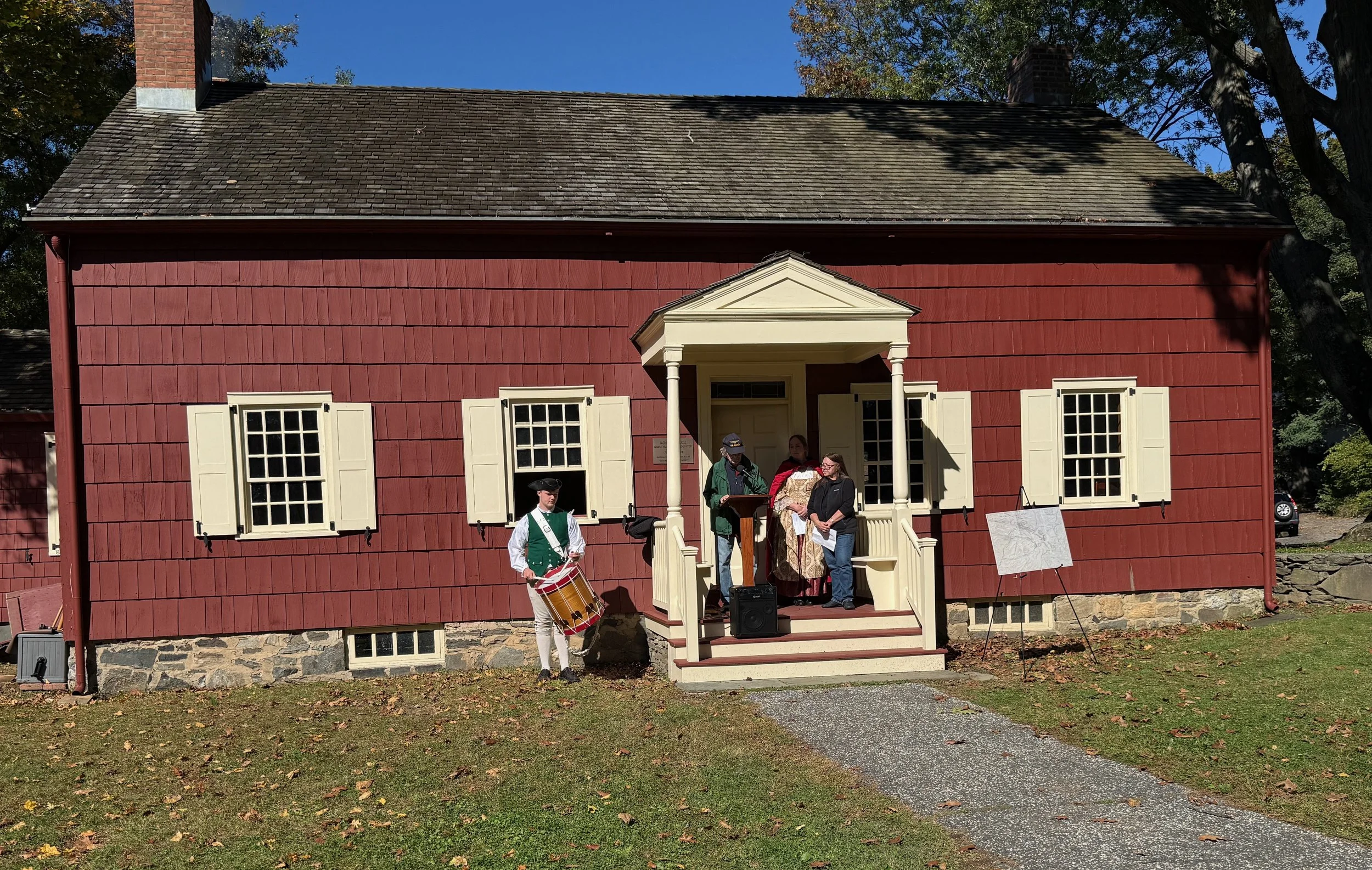
The “roll of honor” reading includes the names of local militiamen at the Battle of White Plains.
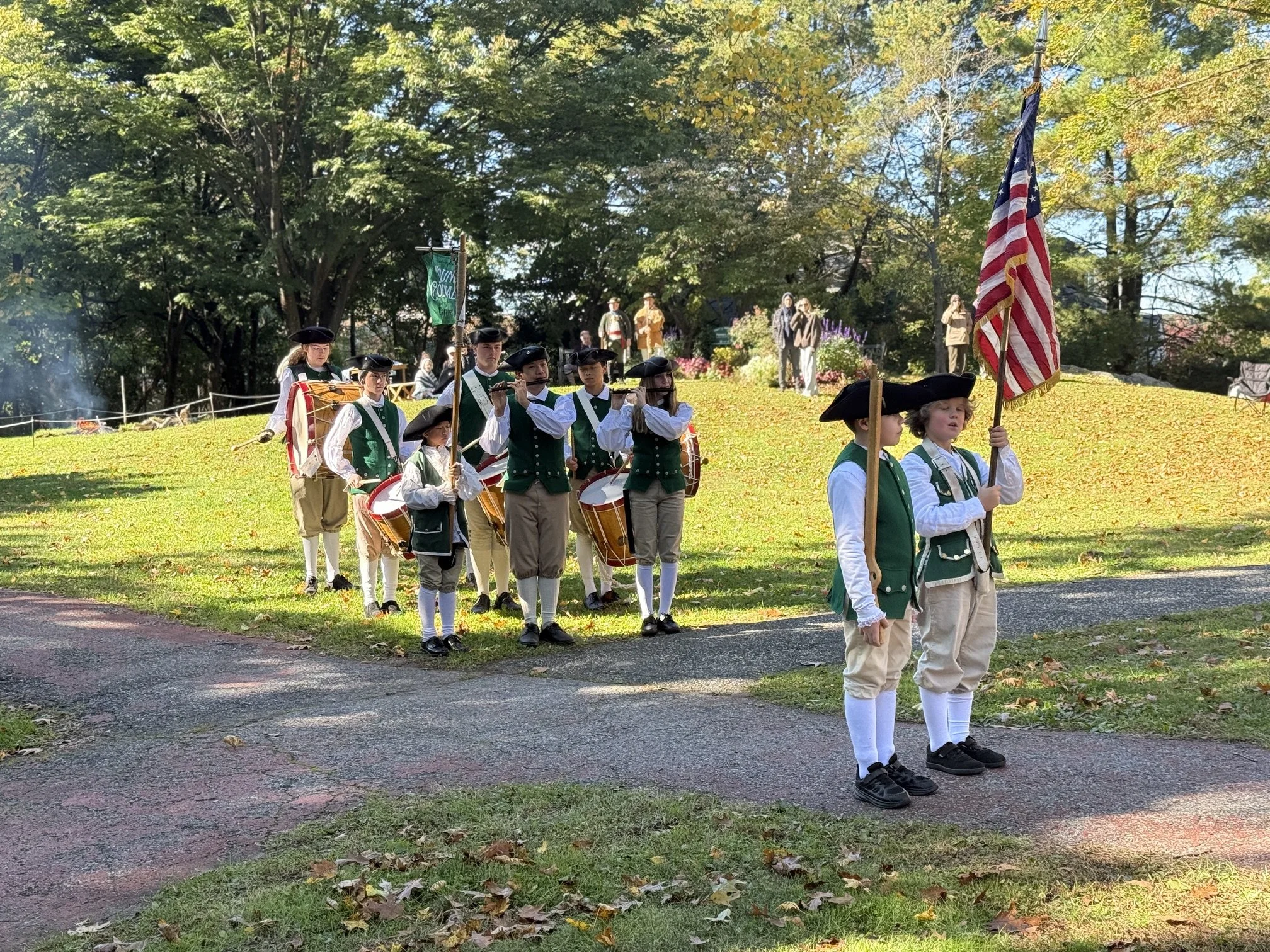
The militia’s fife and drum and flag carriers
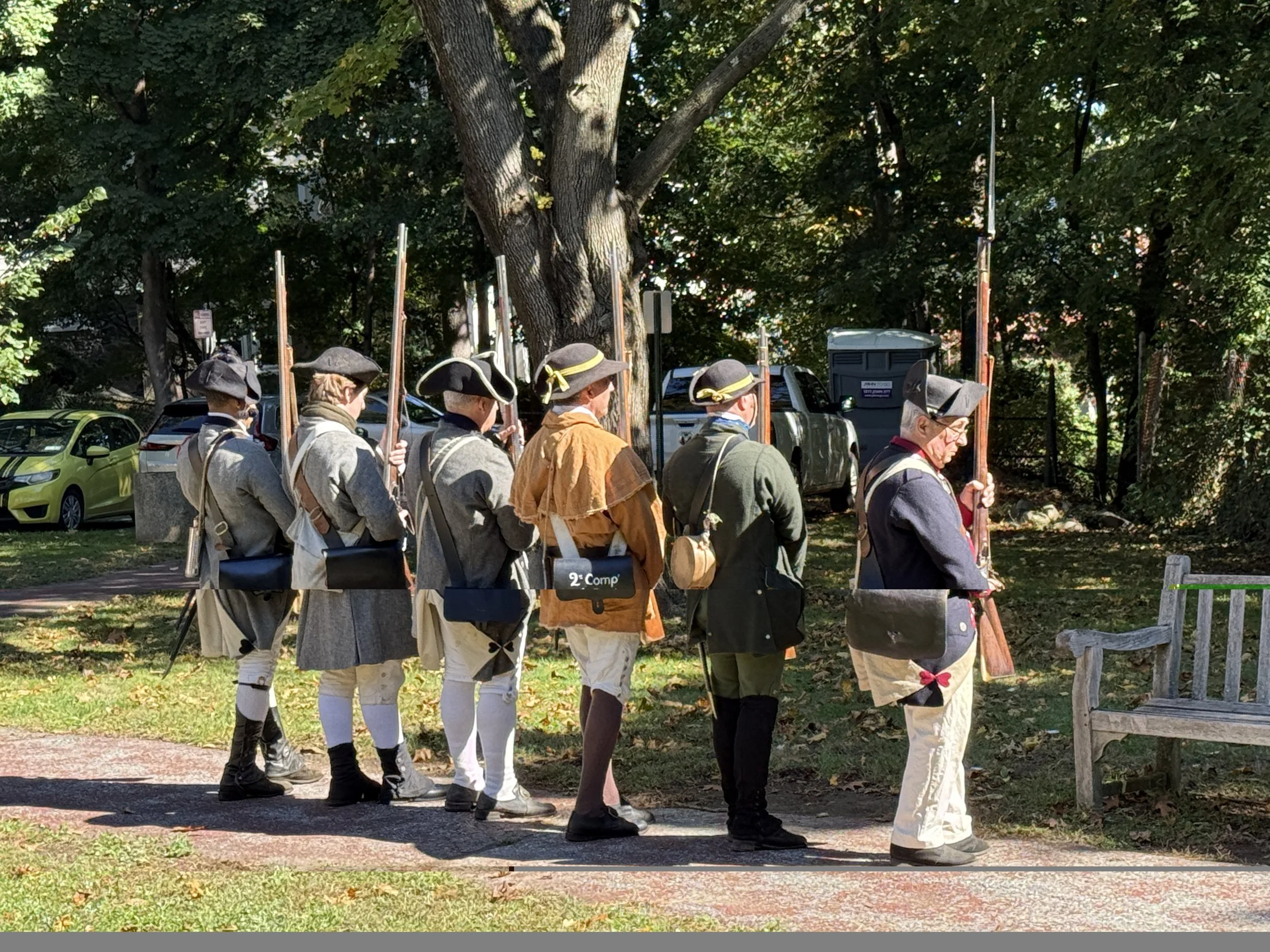
The militia, ready for review
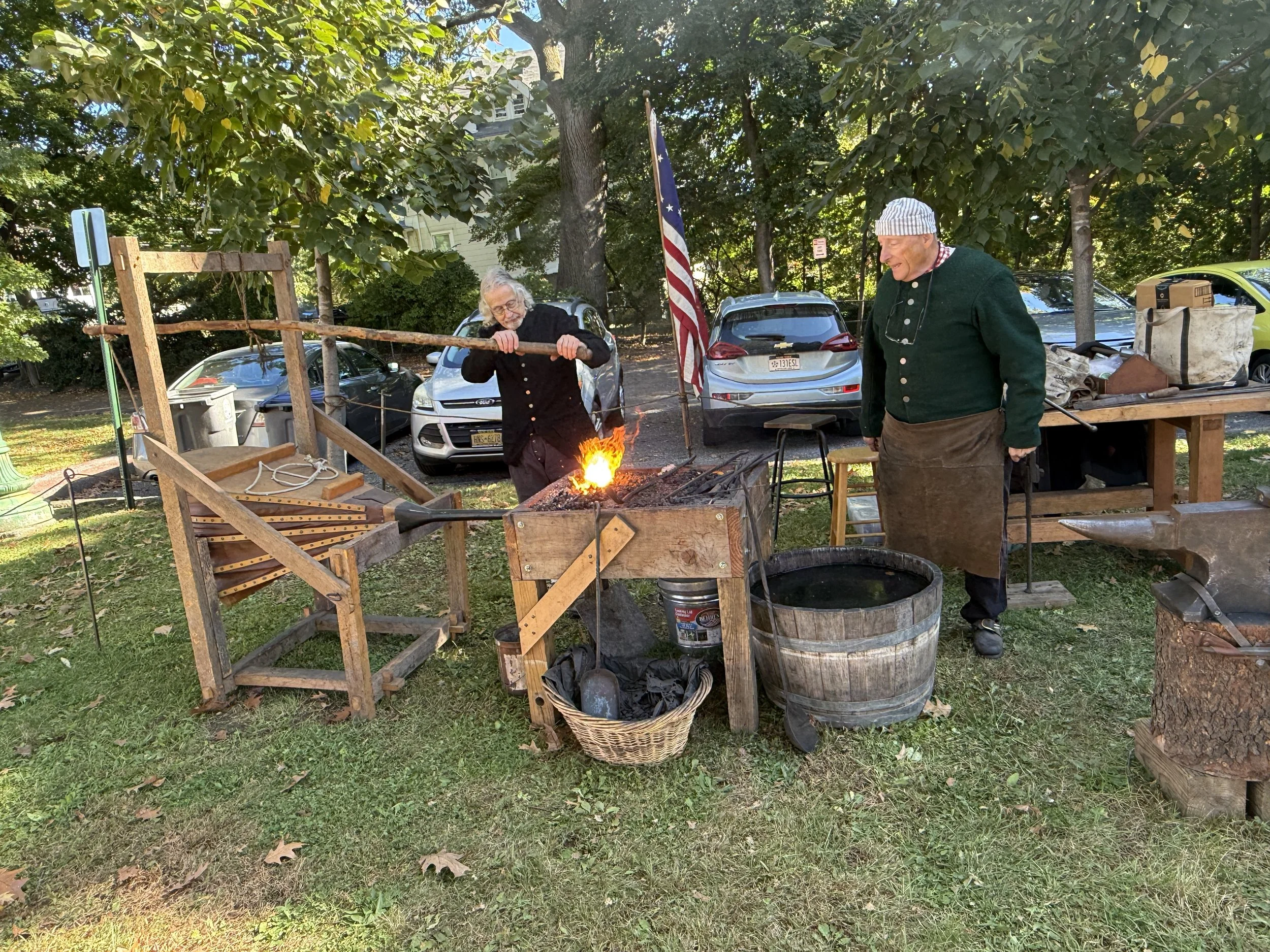
The essential blacksmith kept horses in the field. (Behind them, the abomination of modern horseless carriages.)
Photos by Amanda Slattery
Time to Come Clean!
They went low, they went high—and everywhere in between. Last week. the window washers arrived at Kendal and set about for a general, all-around cleaning.
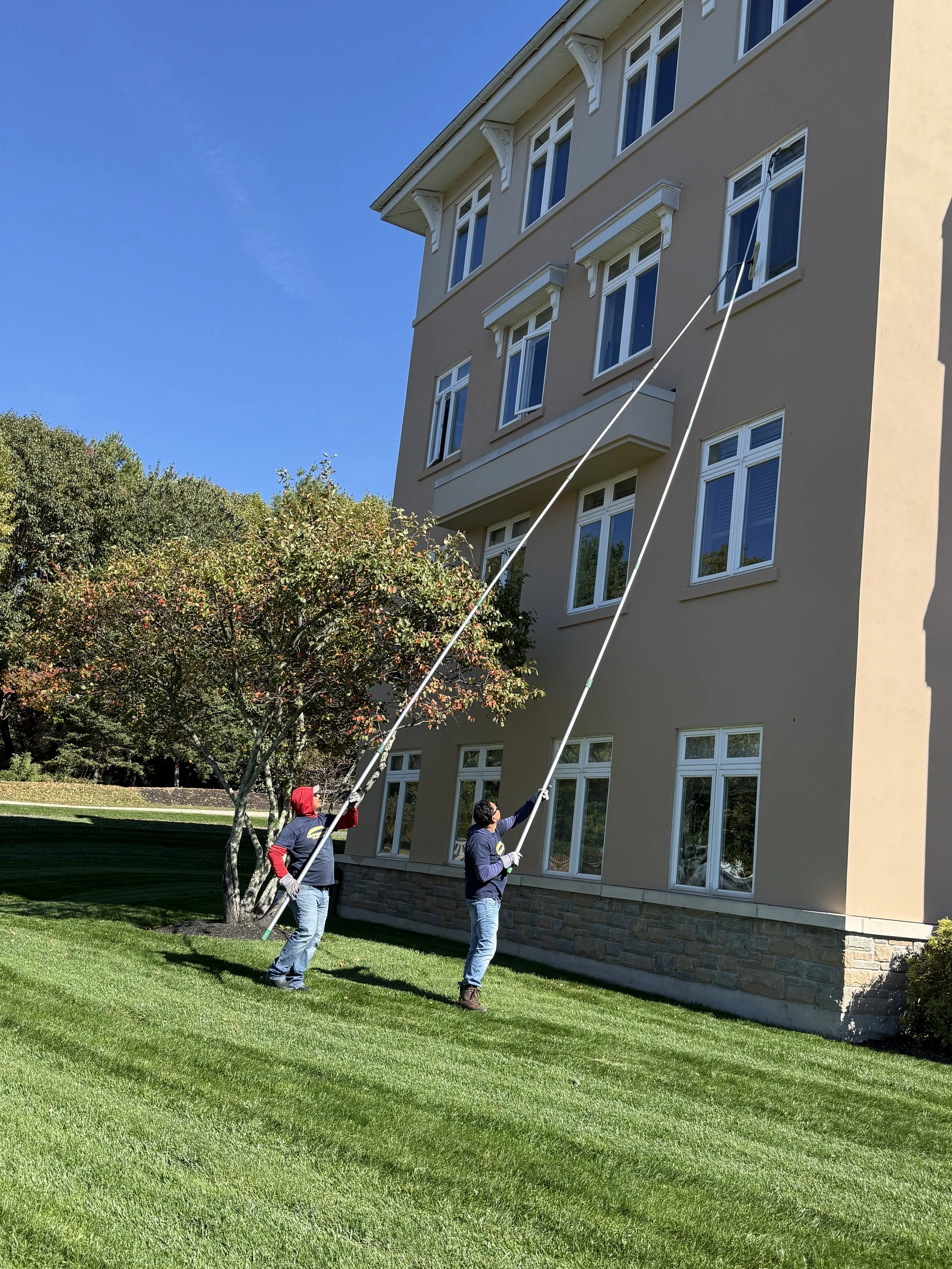
Start with your feet on the ground. Photo by Amanda Slattery.
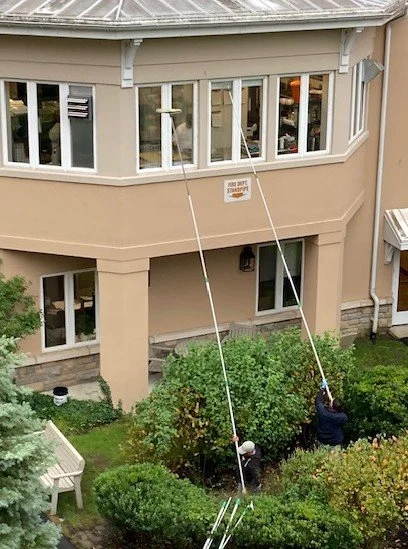
Getting to those out-of-the-way/hard-to-reach areas. Photo by Peter Roggemann.

Go a little higher. Can you reach that little spot right up there? Photo by Peter Roggemann.
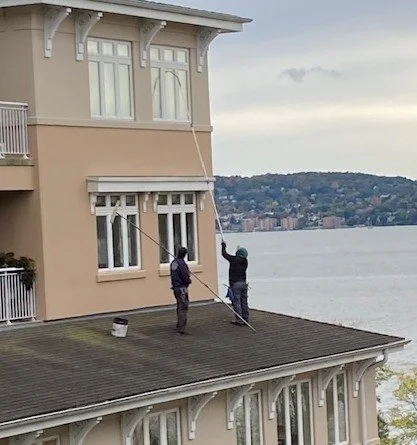
And higher still! Photo by Peter Roggemann
But, if you think those guys had it tough:
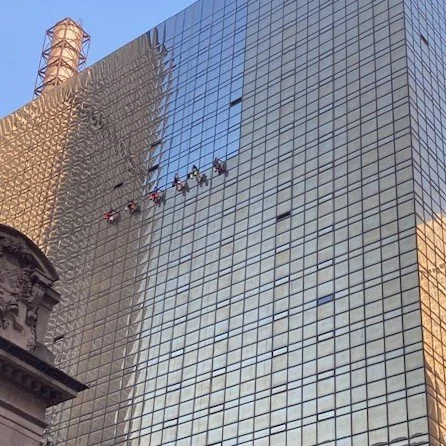
Cleaning windows by Grand Central Station—Now that’s a reach! Photo by Peter Roggemann
The Sleepy Hollow Fire Department to the Rescue!
The fire alarm that was set off last week was no test or training program. Also: no fire. Instead, it was due to a smoke condition in Adirondack. Given the old saying, “Where there’s smoke, there’s fire,” the fire department quickly arrived and handled the situation. No fire. The smoke was caused by a piece of equipment. Whew!
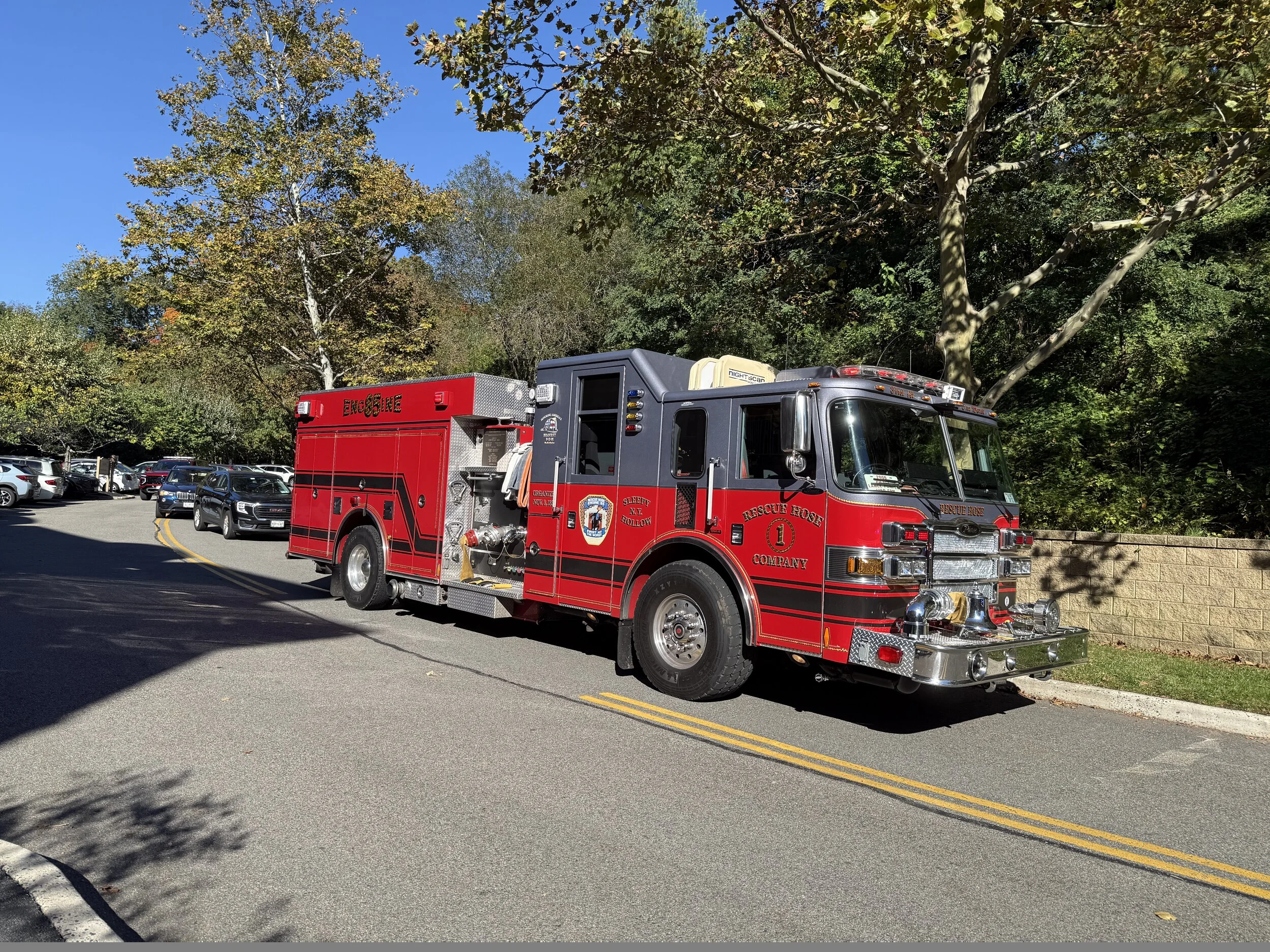
Answering the Call
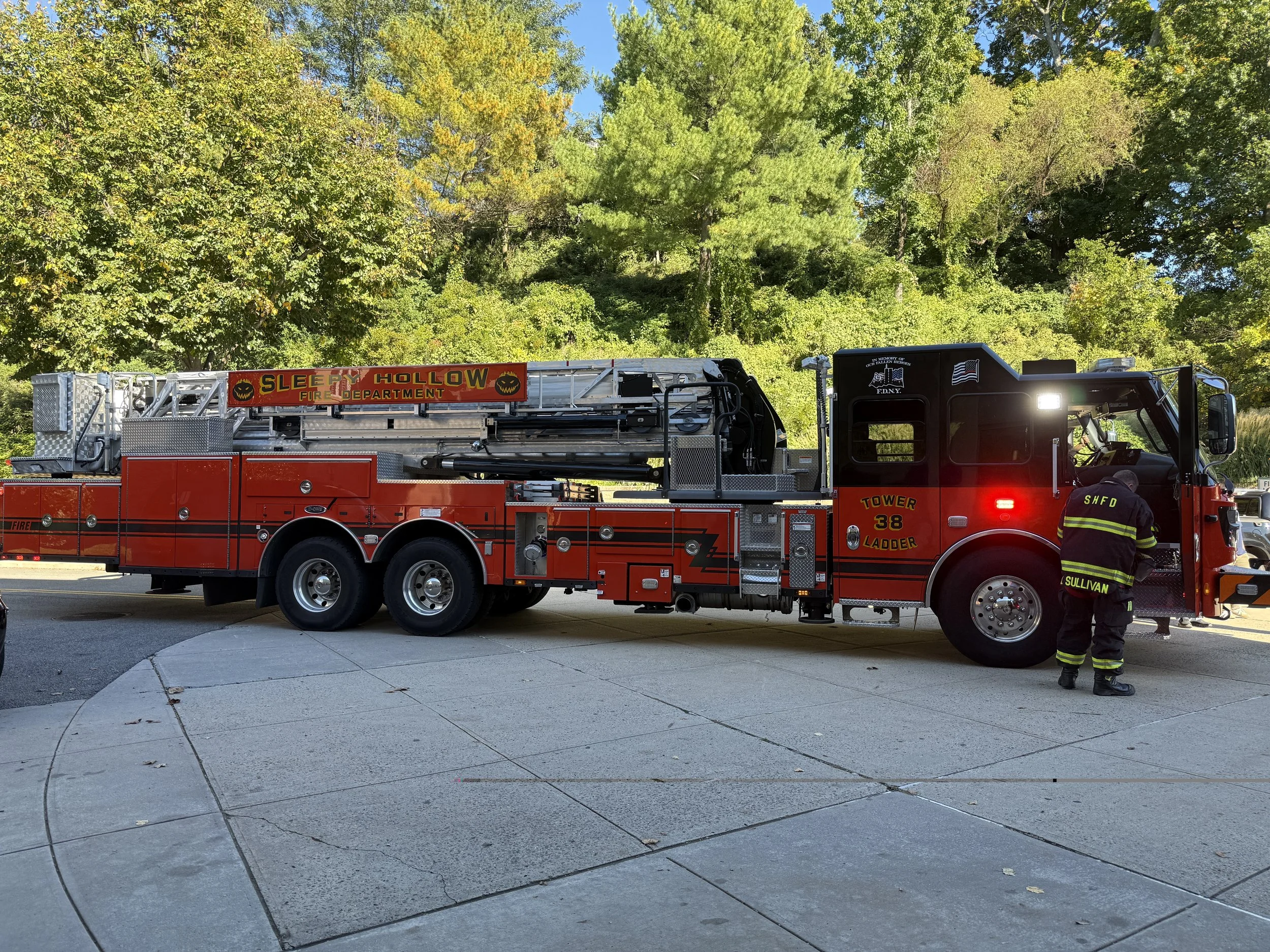
And then some!
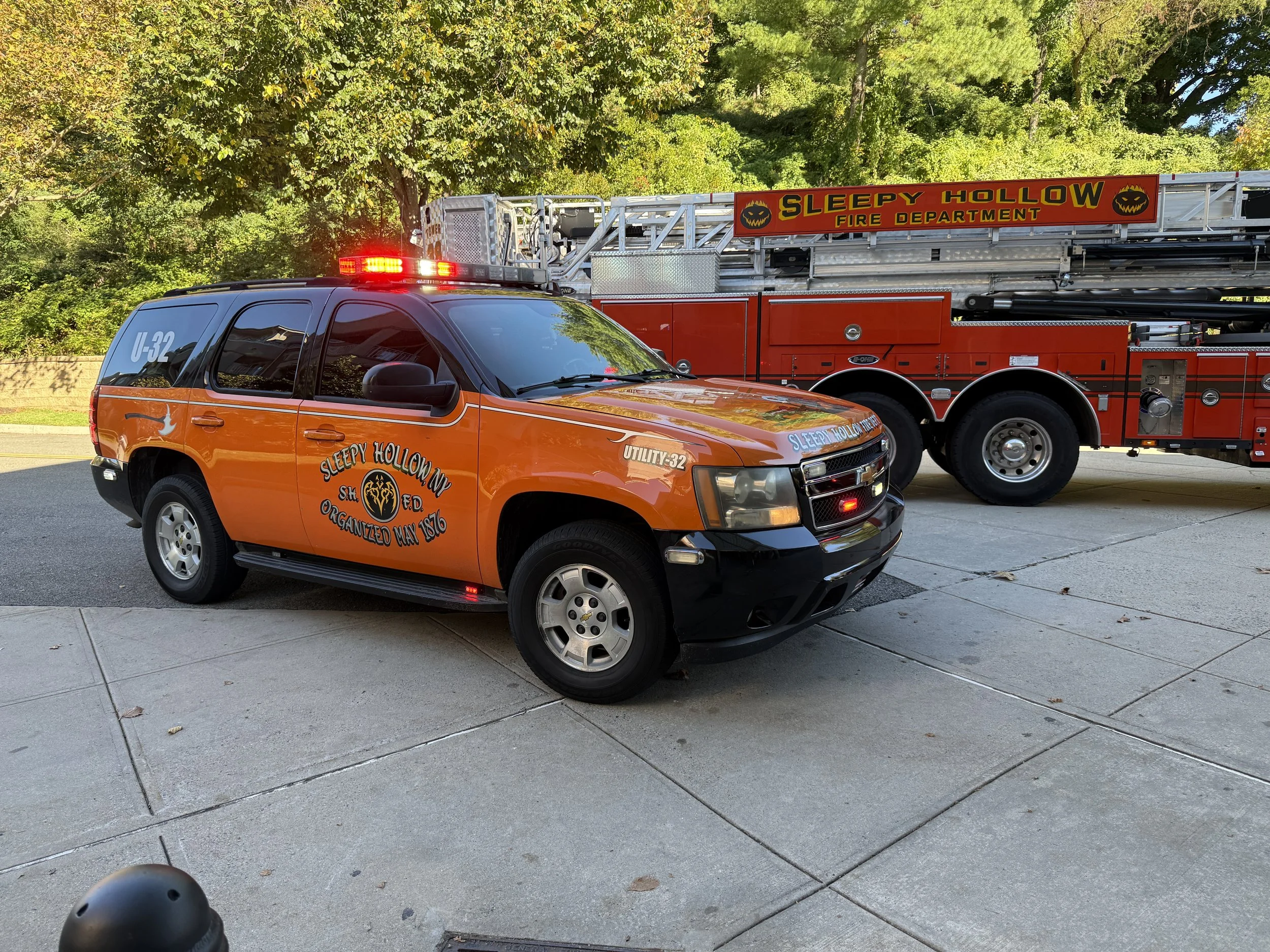
In many colors, no less!
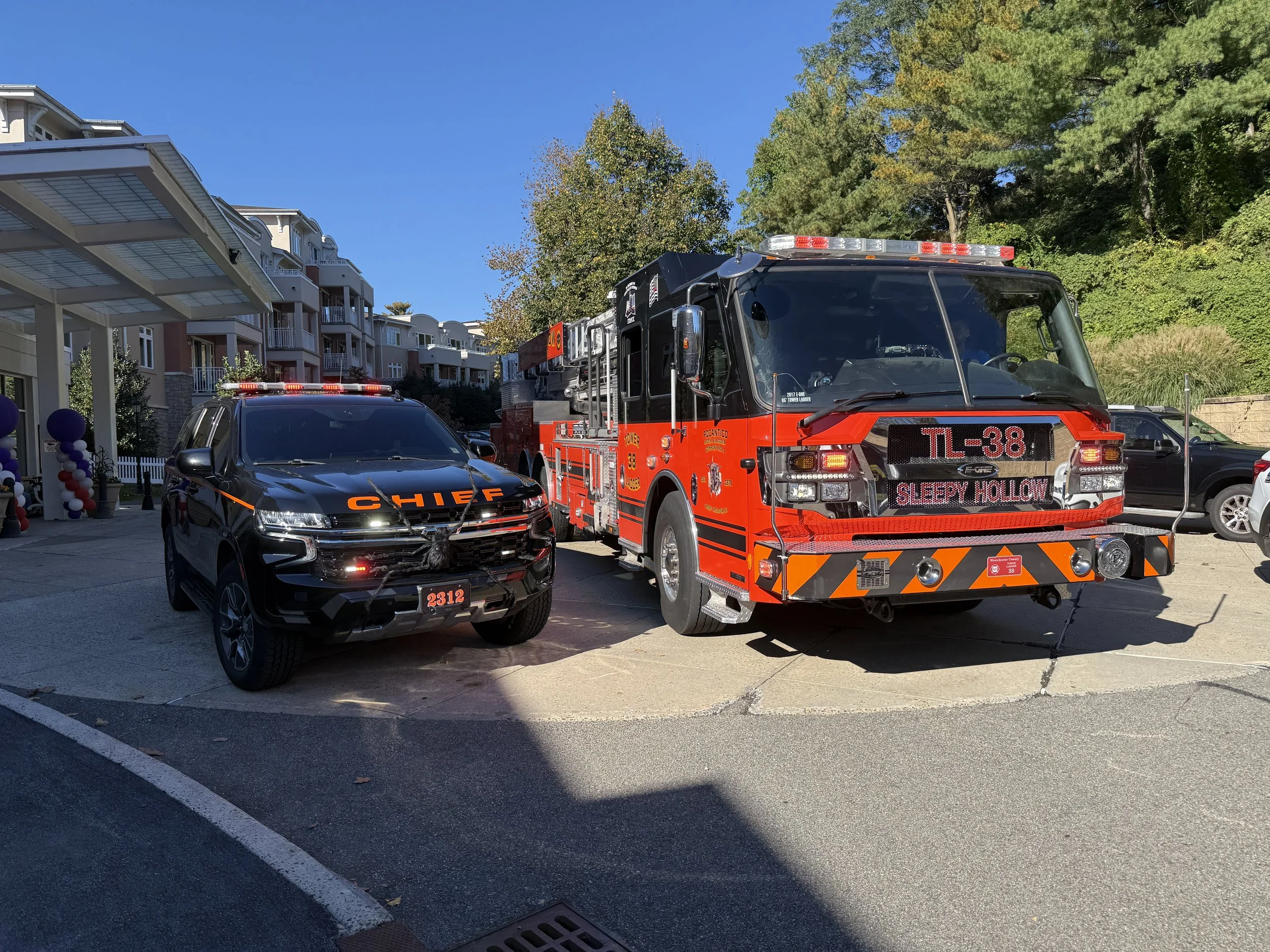
The Chief arrives and all is well.
Photos by Amanda Slattery
Weekly Construction Report
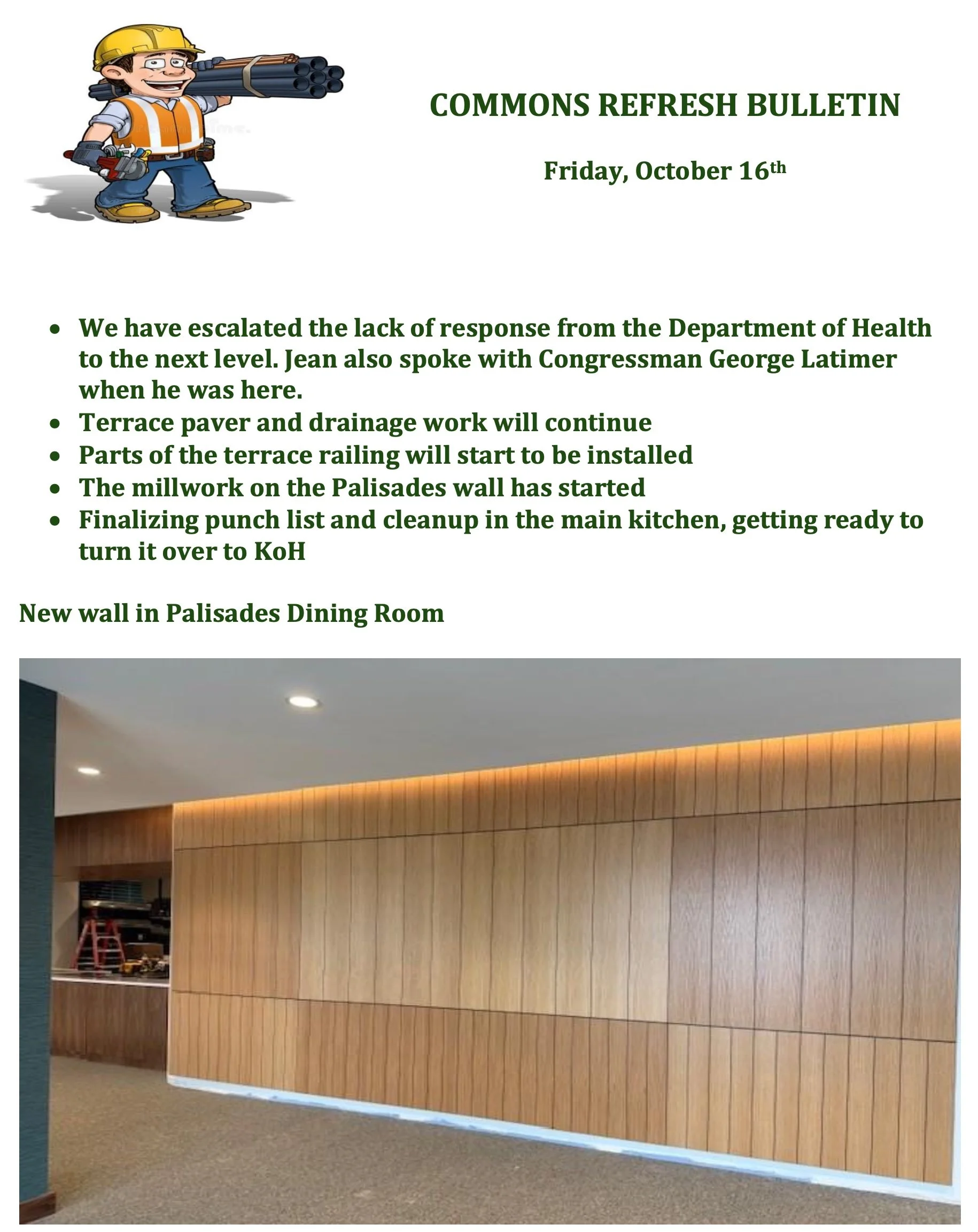
From the Office of Ellen Ottstadt
I Never Knew That
You Bought What?!
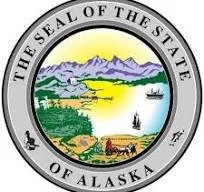
Background and purchase
Russia had offered to sell its North American territory to the United States on several occasions, but the outbreak of the American Civil War in 1861 led to the postponement of discussions. In December 1866, a year after the war’s conclusion, Baron Eduard de Stoeckl, Russian minister to the United States, was instructed by Emperor Alexander II to open negotiations for its sale. The cost and logistical difficulties of supplying the territory had made it an economic liability to the Russians, who were additionally struggling with debt accrued during the disastrous Crimean War (1853–56). Though Russian interactions with the native Aleut people had been largely peaceful, the Tlingit tribes were more restive, leading to sporadic episodes of violence and the interruption of provisions. Political forces in Russia increasingly looked instead toward Asian expansion and—in light of the American philosophy of Manifest Destiny and increased competition from the British Hudson’s Bay Company, which leased a southern portion of the territory—viewed the eventual control of the territory by the United States as inevitable and perhaps beneficial.
Stoeckl approached William Henry Seward, secretary of state under Presidents Abraham Lincoln and Andrew Johnson, through an intermediary, journalist and politician Thurlow Weed. (Seward, an advocate of U.S. expansionism, had long desired Alaska.) The two statesmen began private discussions on March 11, 1867; Stoeckl remained coy about the sale until Seward expressed interest. On March 29, 1867, Stoeckl and Seward completed the draft of a treaty ceding Russian North America to the United States, and the treaty was signed early the following day. The price—$7.2 million—amounted to about two cents per acre. Reportedly, the popular dessert baked Alaska was created to celebrate the acquisition of the territory.
Reaction
Some newspapers—particularly Horace Greeley’s New York Tribune—savaged the decision, variously deeming the new territory “Seward’s Icebox,” “Seward’s Folly,” and “Walrussia.” However, most Americans were ambivalent; some supported the decision as a step toward the annexation of Canada. The treaty was submitted to the Senate for consent on March 30, 1867. Early opponent Sen. Charles Sumner—swayed in part by information about the territory’s abundant natural resources, gathered during Smithsonian Institution-sponsored expeditions in 1859 and 1865—spoke in its favor for more than three hours. It was passed on April 9. The United States officially took possession on October 18 in a flag-changing ceremony at Sitka. However, there was resistance to payment among members of the House, who were disinclined to support President Johnson, with whom they were unhappy over his dismissal of the Senate-appointed secretary of war (in defiance of the Tenure of Office Act). The House entered articles of impeachment in February 1868, but the attempt to oust him was unsuccessful. The necessary appropriations were ultimately passed on July 14, 1868. Extensive propaganda campaigns and judicious use of bribes by Stoeckl secured the required votes in each house of Congress.
Aftermath and statehood
Alaska remained under US Army control until June 1877, after which it was governed briefly by the Treasury Department and then by various military authorities. Most Russians who had occupied the territory were not permanent residents and had returned to Russia following the sale. Those who remained were given the option of applying for US citizenship within three years, but most eventually left. A civil government was installed in May 1884 after the territory became a district. Alaska was accepted into the union as the 49th state on January 3, 1959.
Source: The Editors of Encyclopaedia Britannica and most recently revised and updated by Mindy Johnston.
For Your Funny Bone
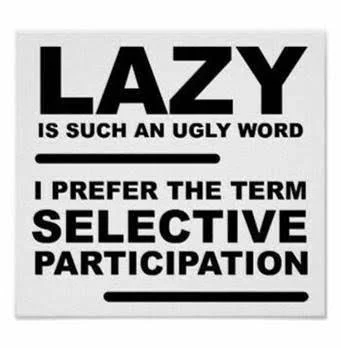
Contributed by Hildegarde Gray
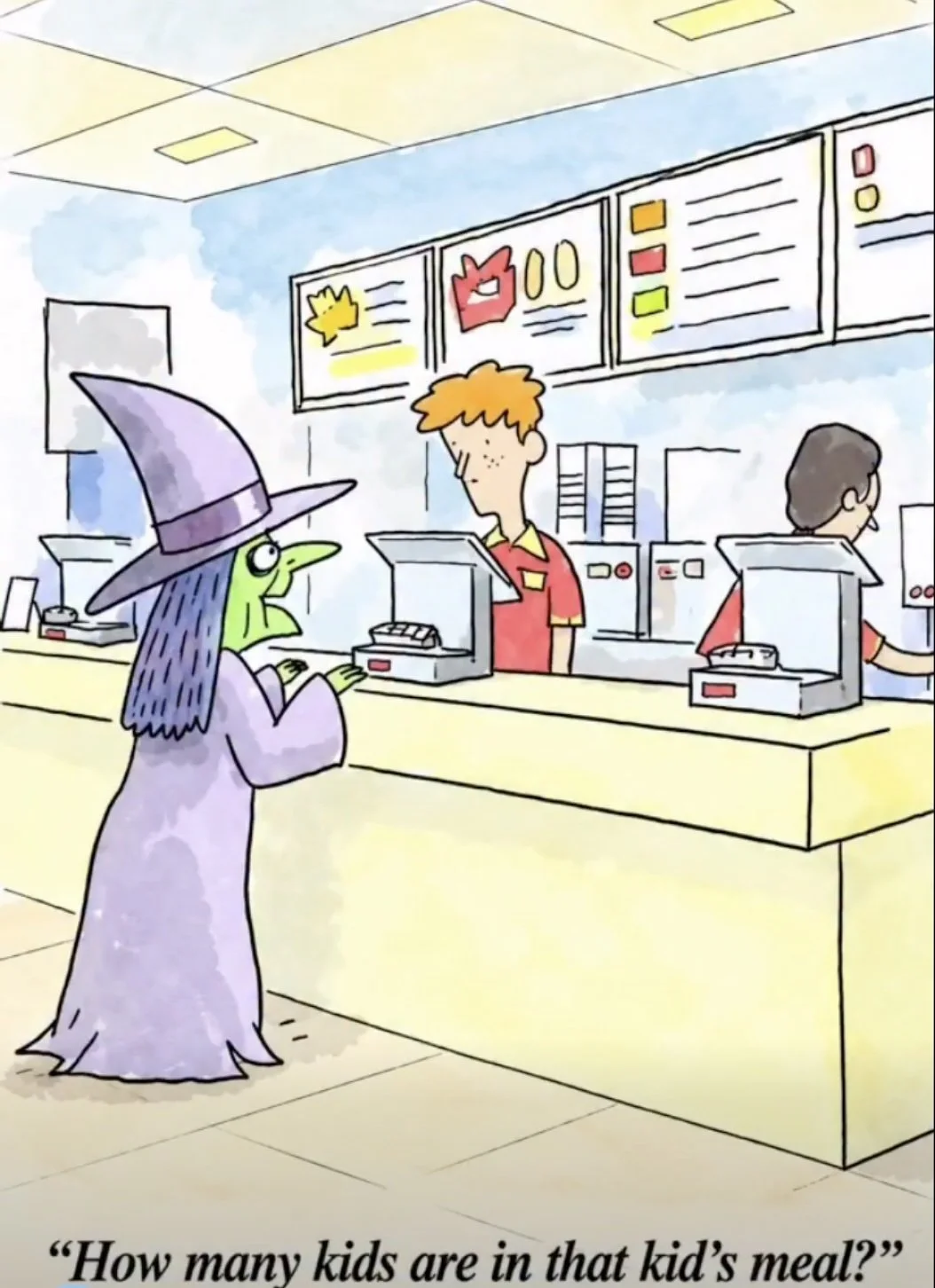
Contributed by Barbara Brunho
Art by Hart
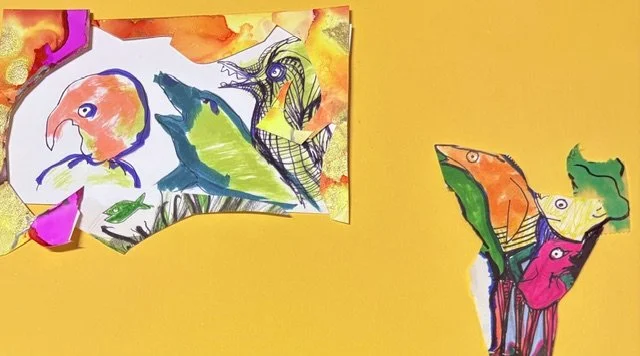
Billy and Todd were besotted with the Rushmoth Trio

Ted wondered how Ms. Fessie knew he hadn’t done his obedience homework
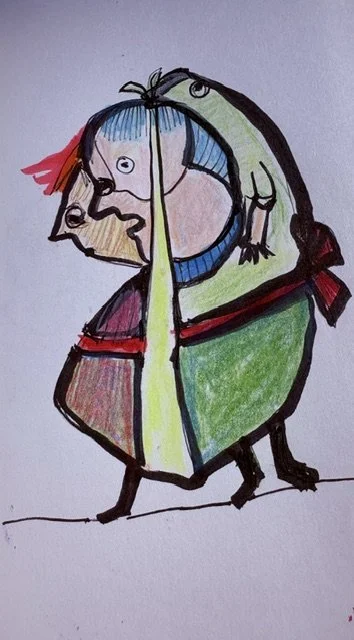
The Hoyle-Karps were a very bonded family

Wally struggled with loneliness until he met George, his best friend forever

It was Clarissa’s first blind date, and she was having misgivings
Art and Photos by Jane Hart
In and Around
Clear and Beautiful
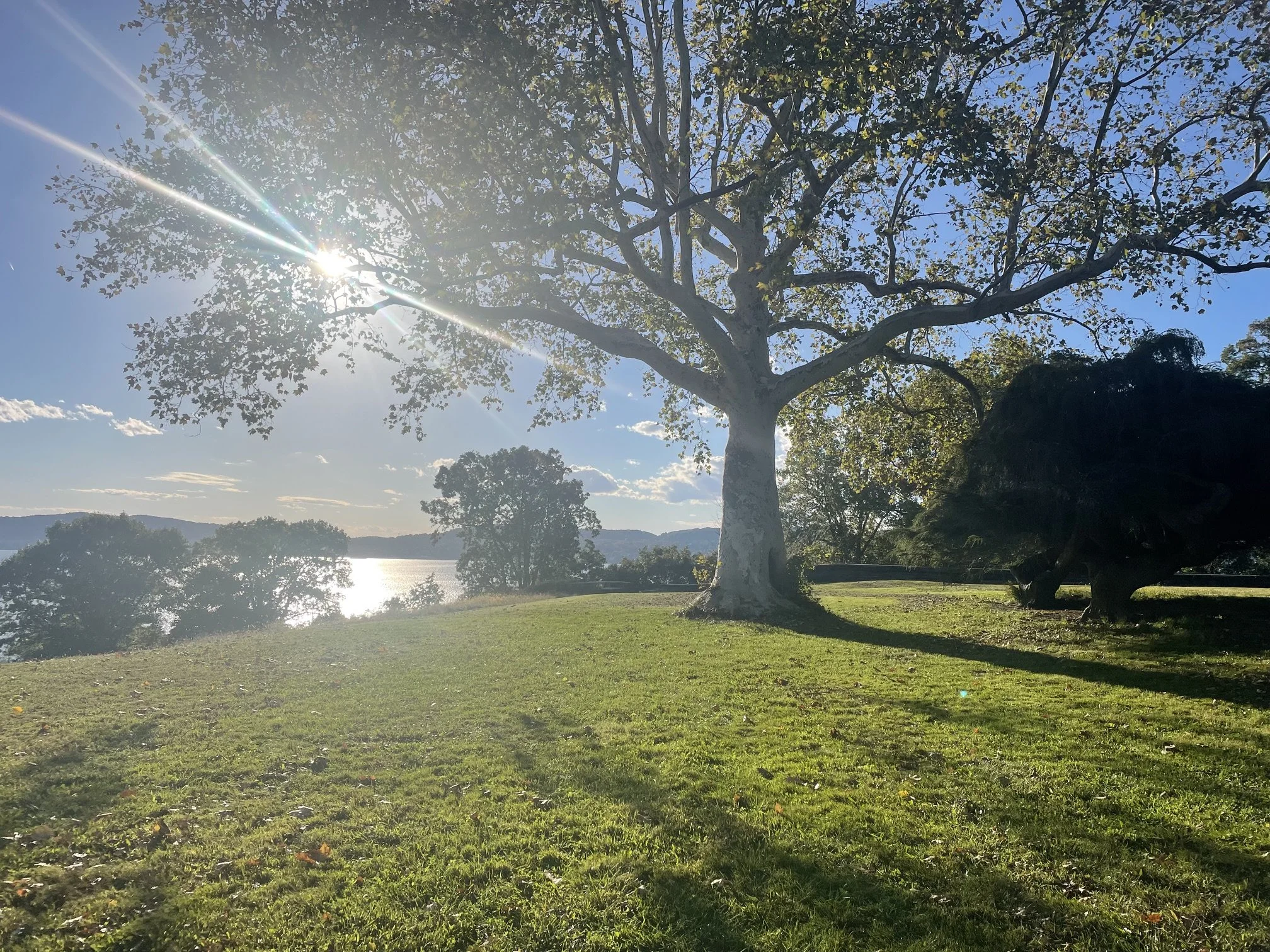
Photo by Peter Catapano
Mind If I Barge In?
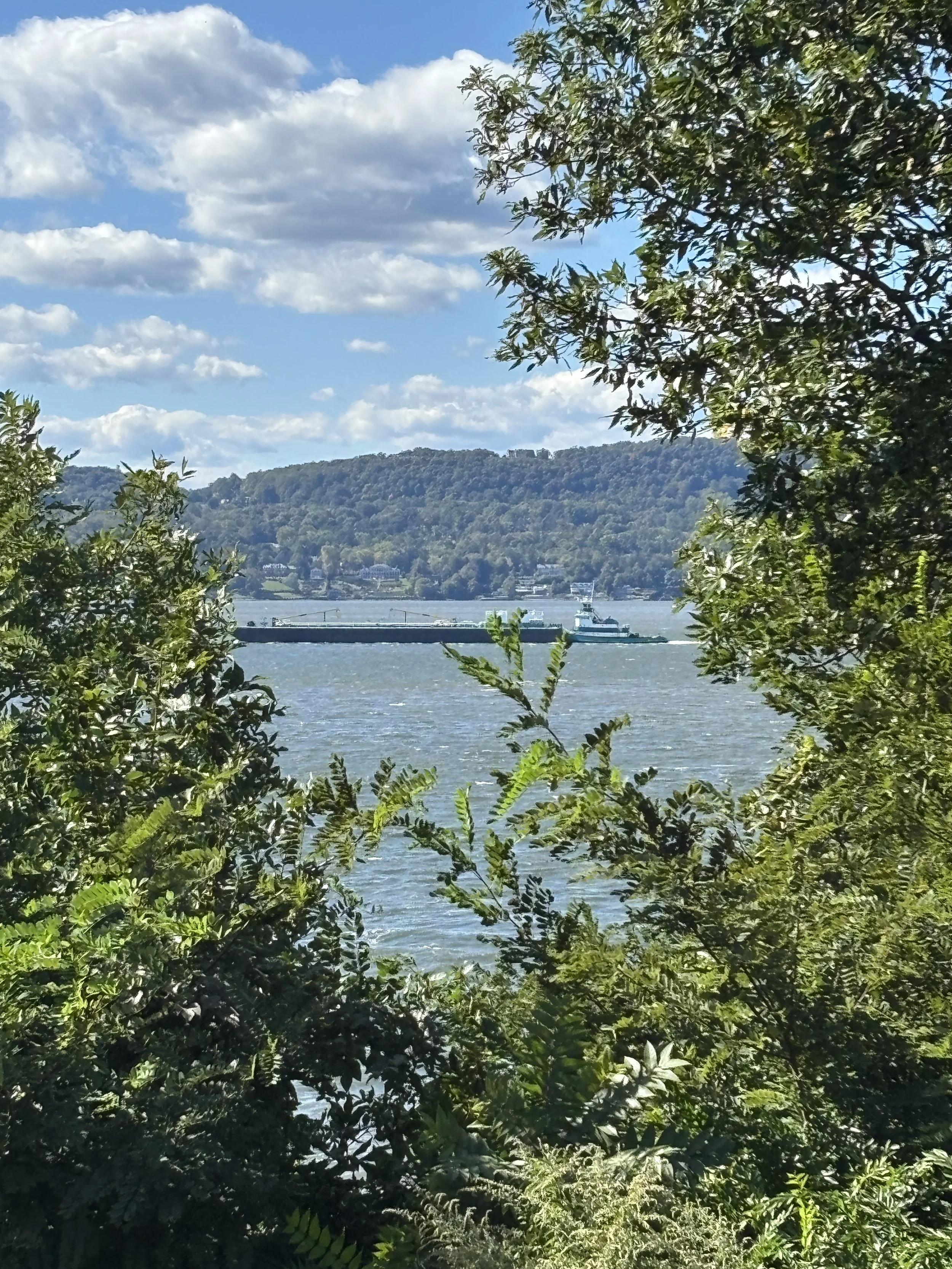
Photo by Lynn Brady
And Now Presenting—New to the World and Kendal
Kendal’s community is one “daughter” larger since staff member Kyle and his wife Difei brought Baby Ellie (Eleanor) into the world as little sister to her 4-year-old Big Sister.
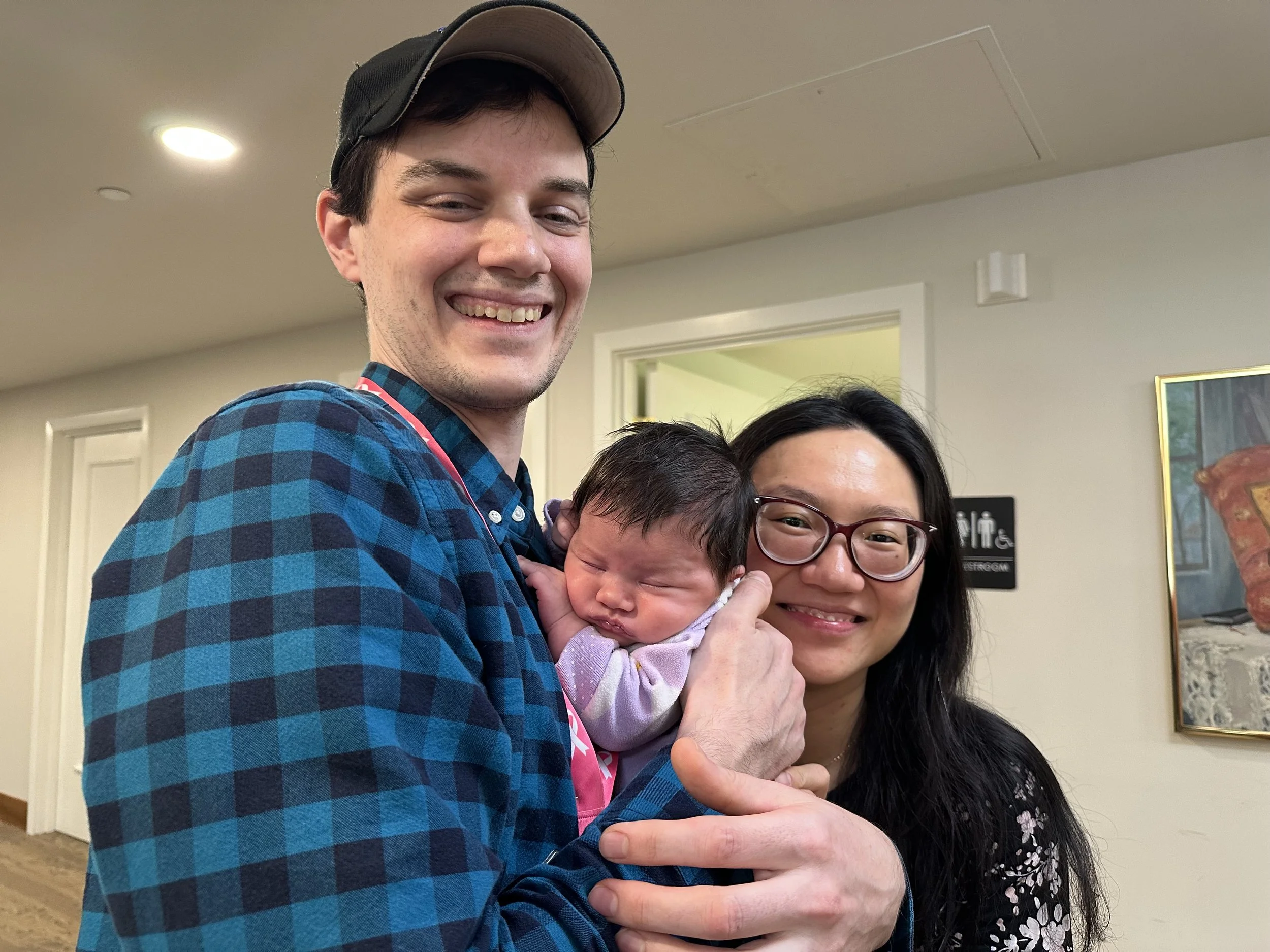
Photo by Lisa Rosenbloom
Brain on Fire!
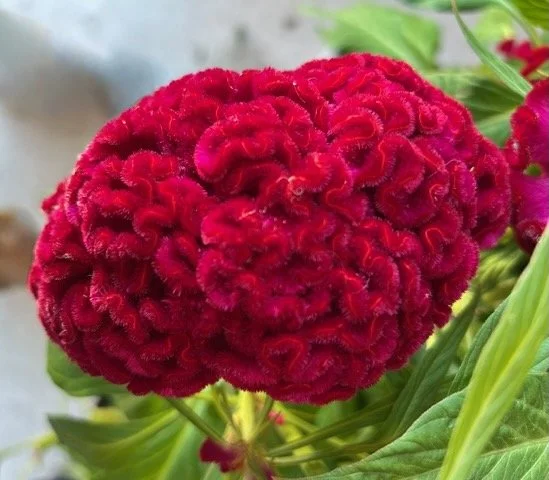
Photo by Edward Kasinec
Denizens of Kendal: Large and Small
New Neighbors?
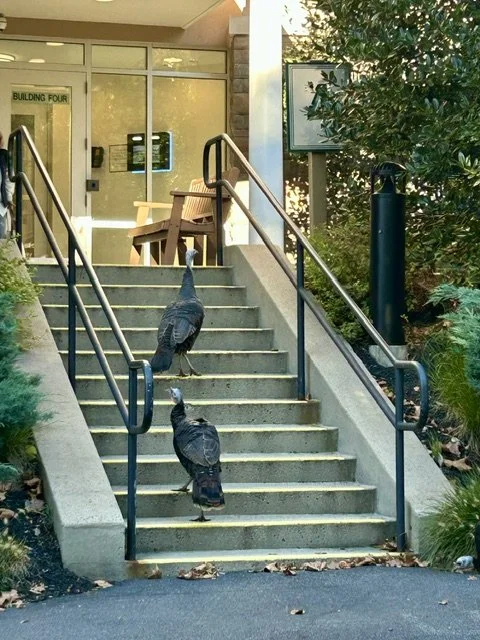
Moving in? Photo by Carolyn Reiss
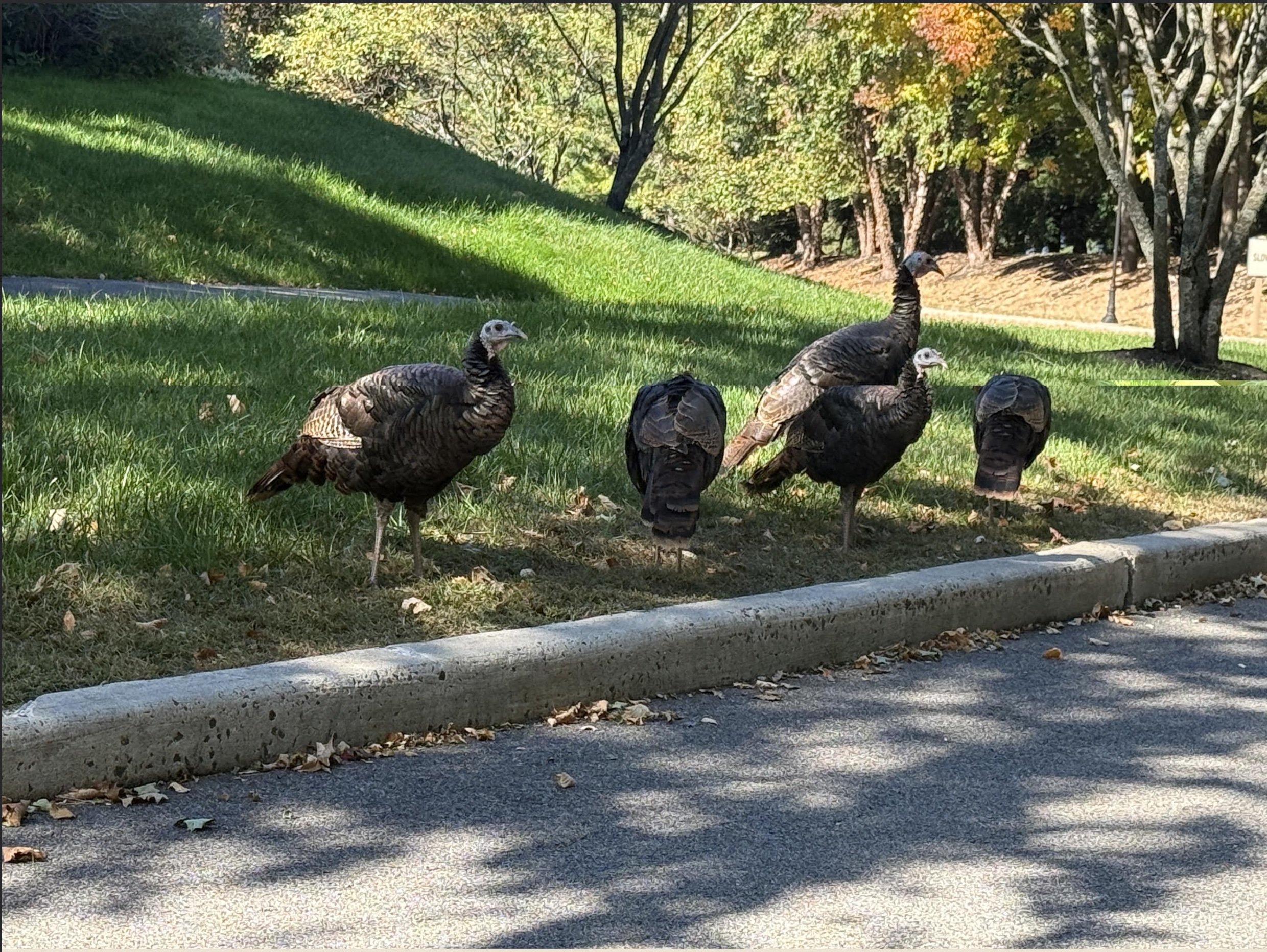
Possible new neighbors check out the campus. Photo by Amanda Slattery
Very welcome: Chinese Mantis
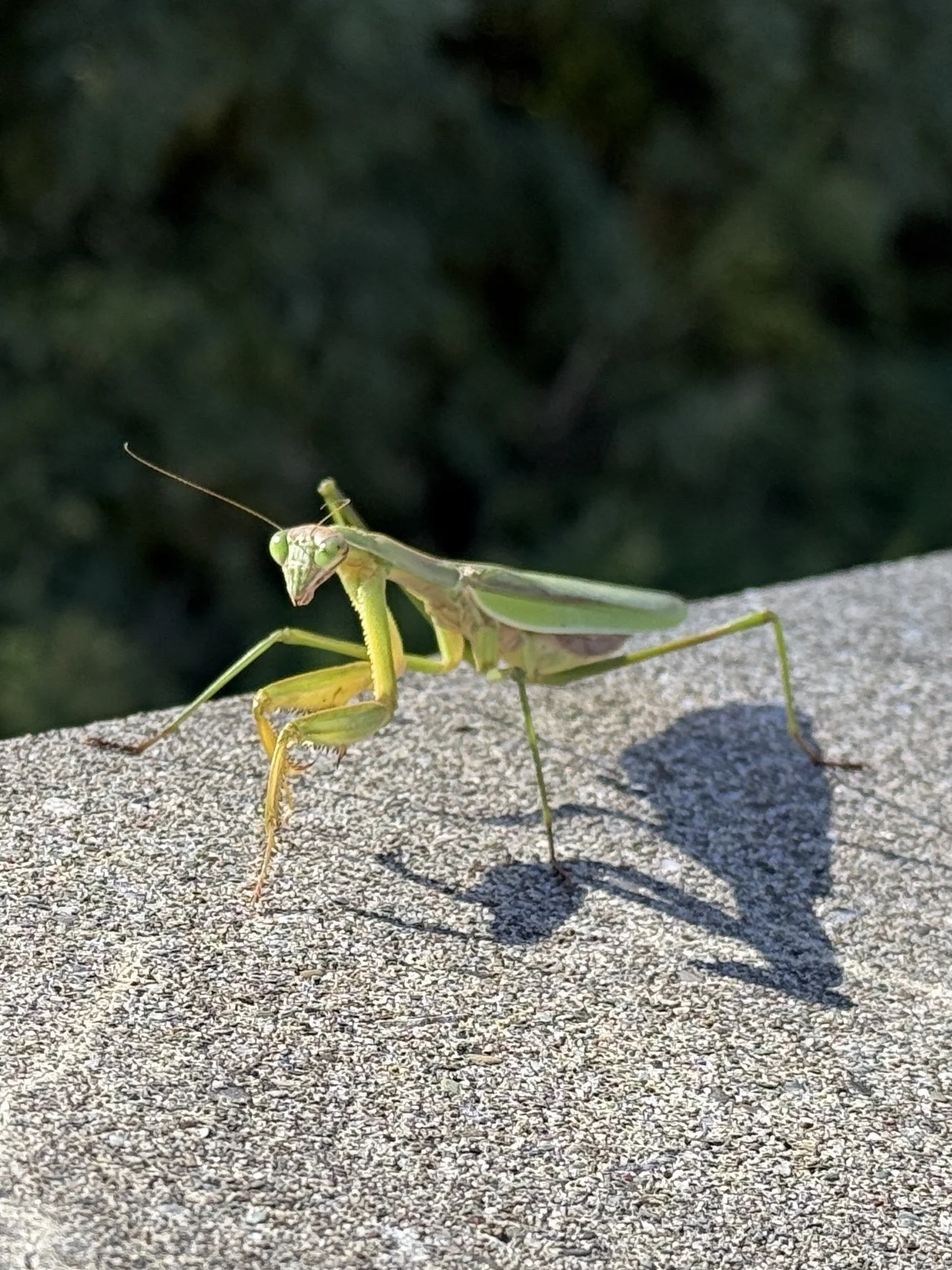
They chow down on lantern flies. Photo by Amanda Slattery
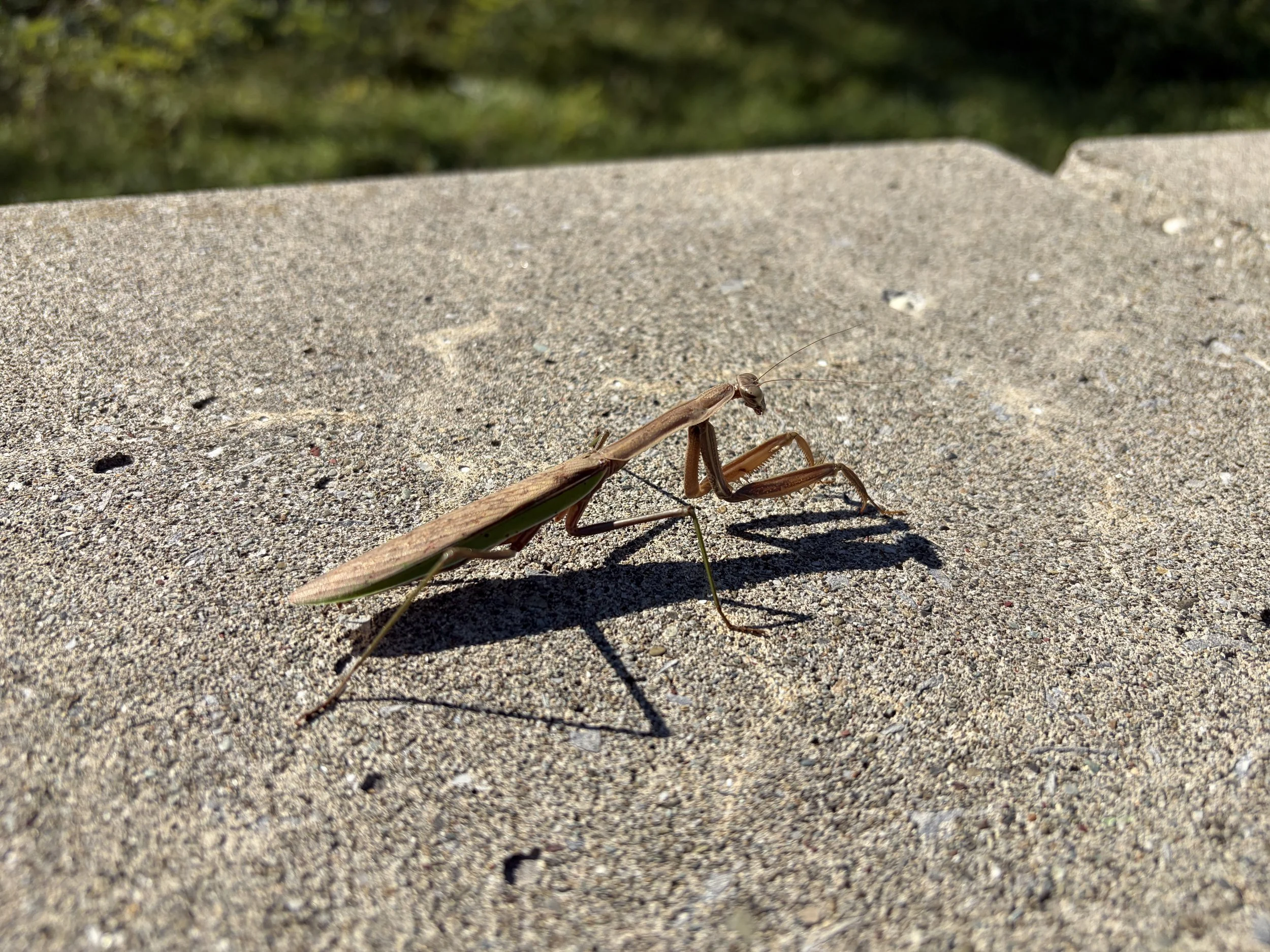
And come in more than one color. Photo by Lisa Rosenbloom
Bistro Innovation
Ruth Dinowitz, Barbara Gilbert, and Barbara and Al Wallach decided a scoop just wouldn’t do. Nor a cone. Nothing would suffice but a banana split—complete with sprinkles, no less.
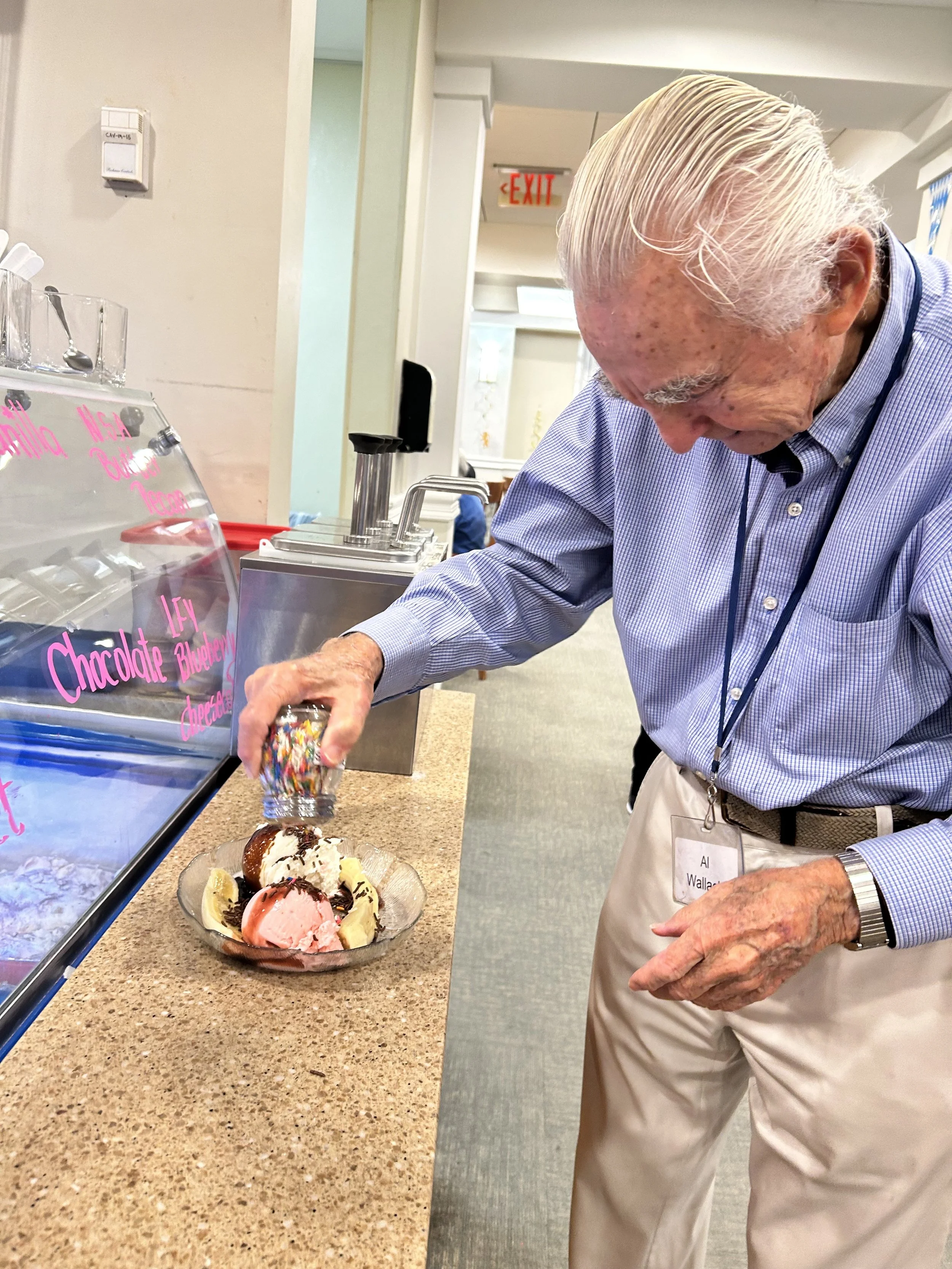
From start . . .
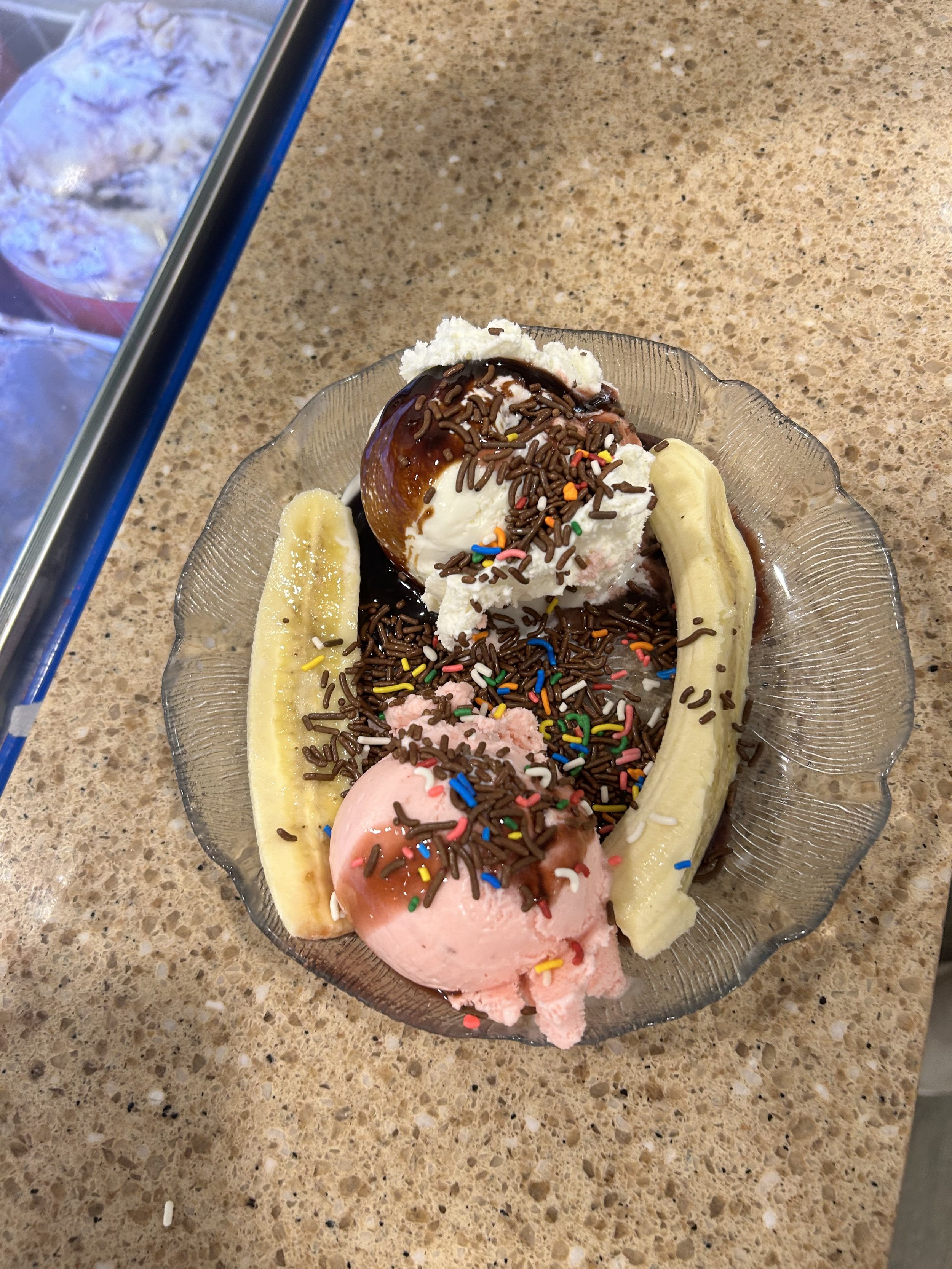
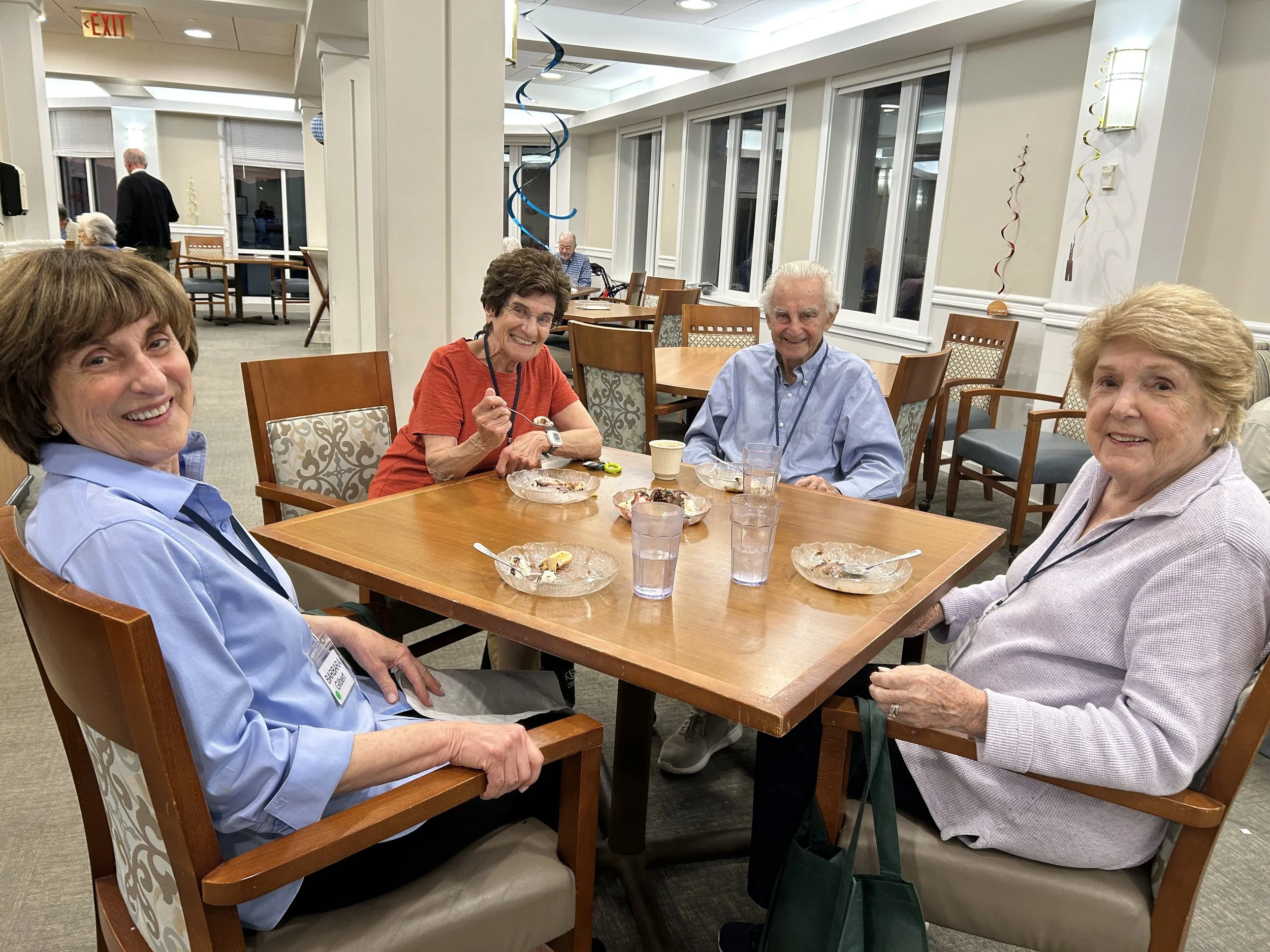
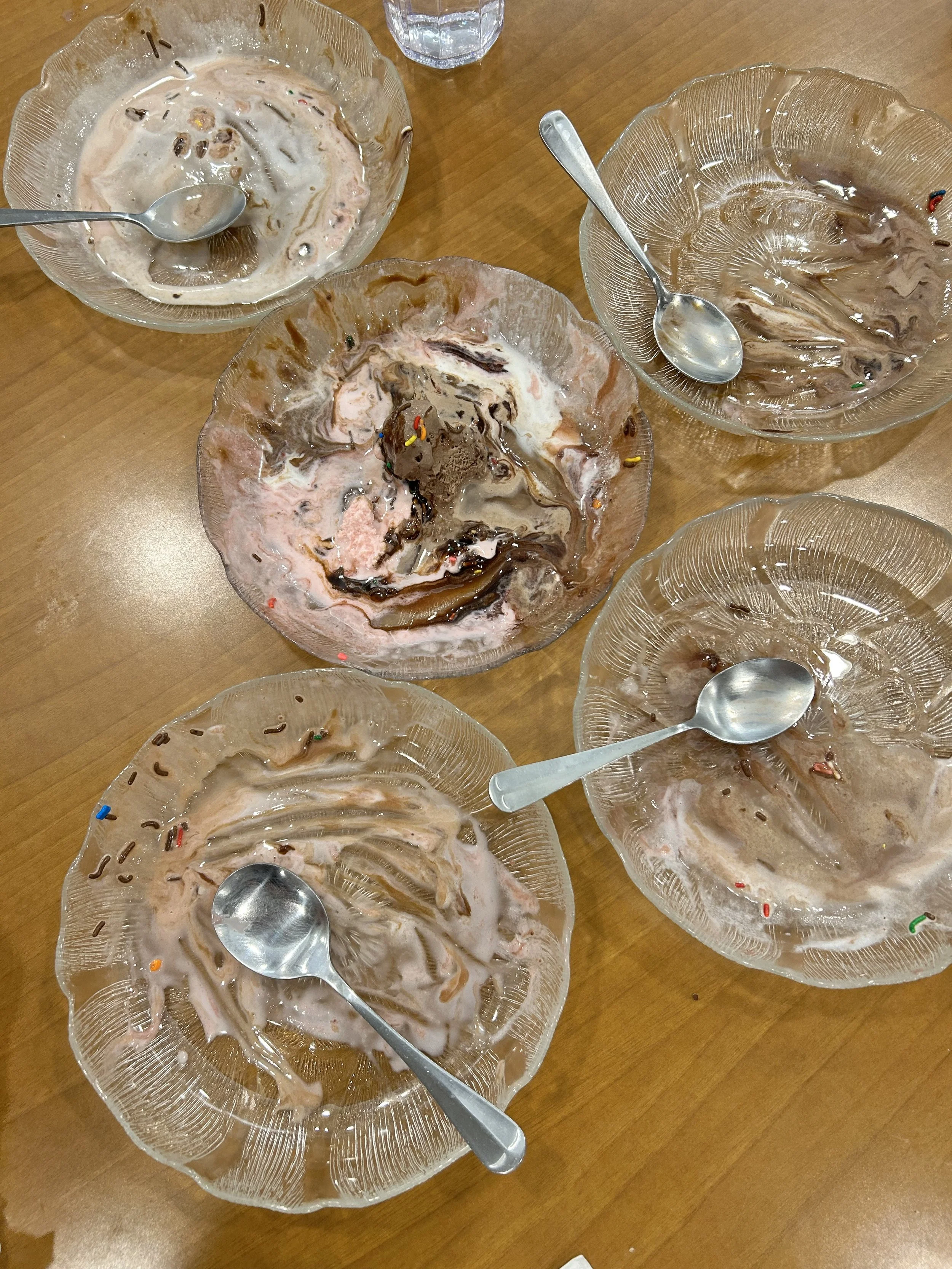
To finish.
Photos by JoAnne Gullotta
Shades of Early Autumn
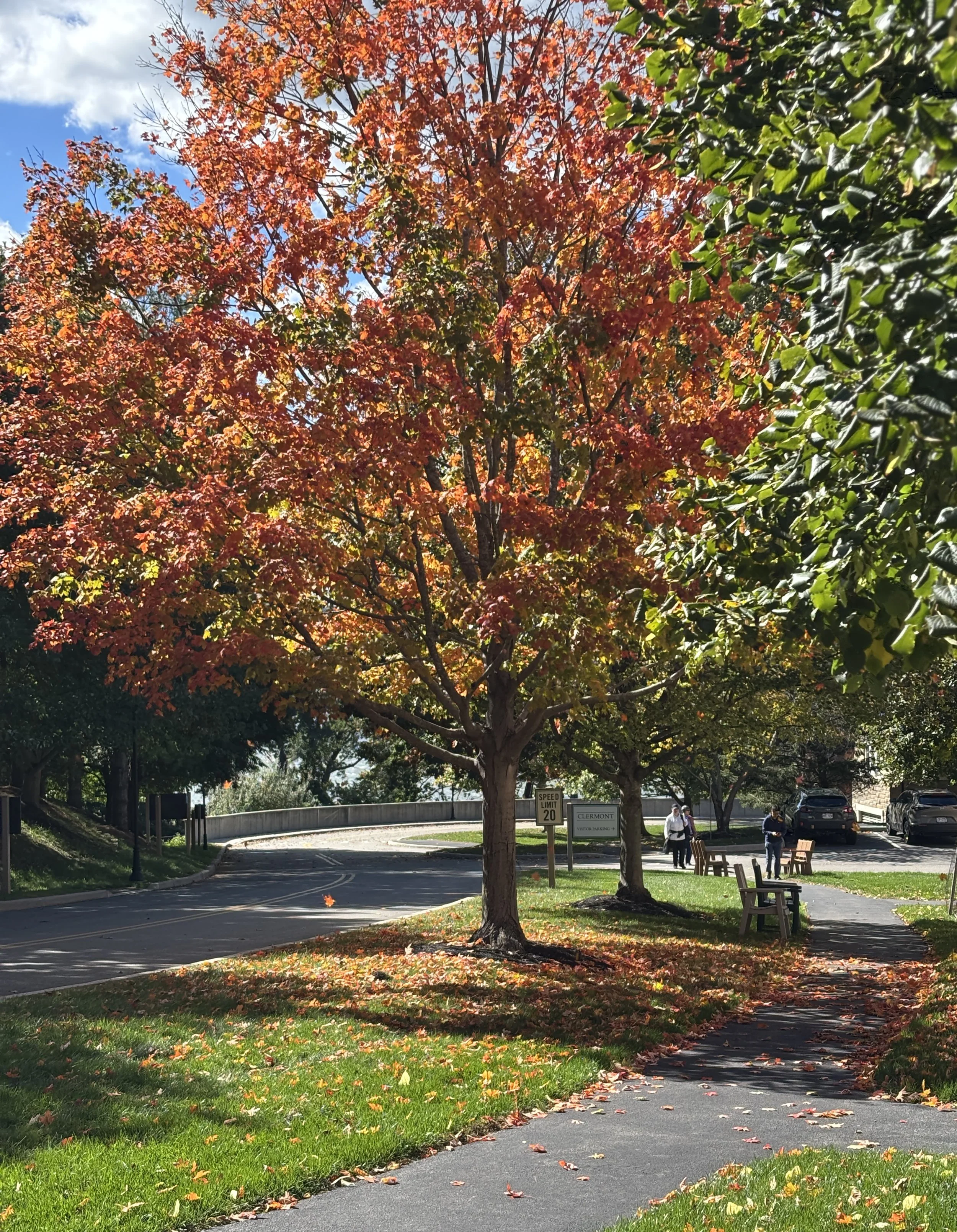
Photo by Lynn Brady
Out and About
The Spooky Season ala NYC

Inflatable art at Rockefeller Center. That time of year again! Photo by Ed Lannert
Turning Over a New (Autumn) Leaf
Lynn Brady was further afield in Boscobel of late and recorded the lovely beginning of autumn.
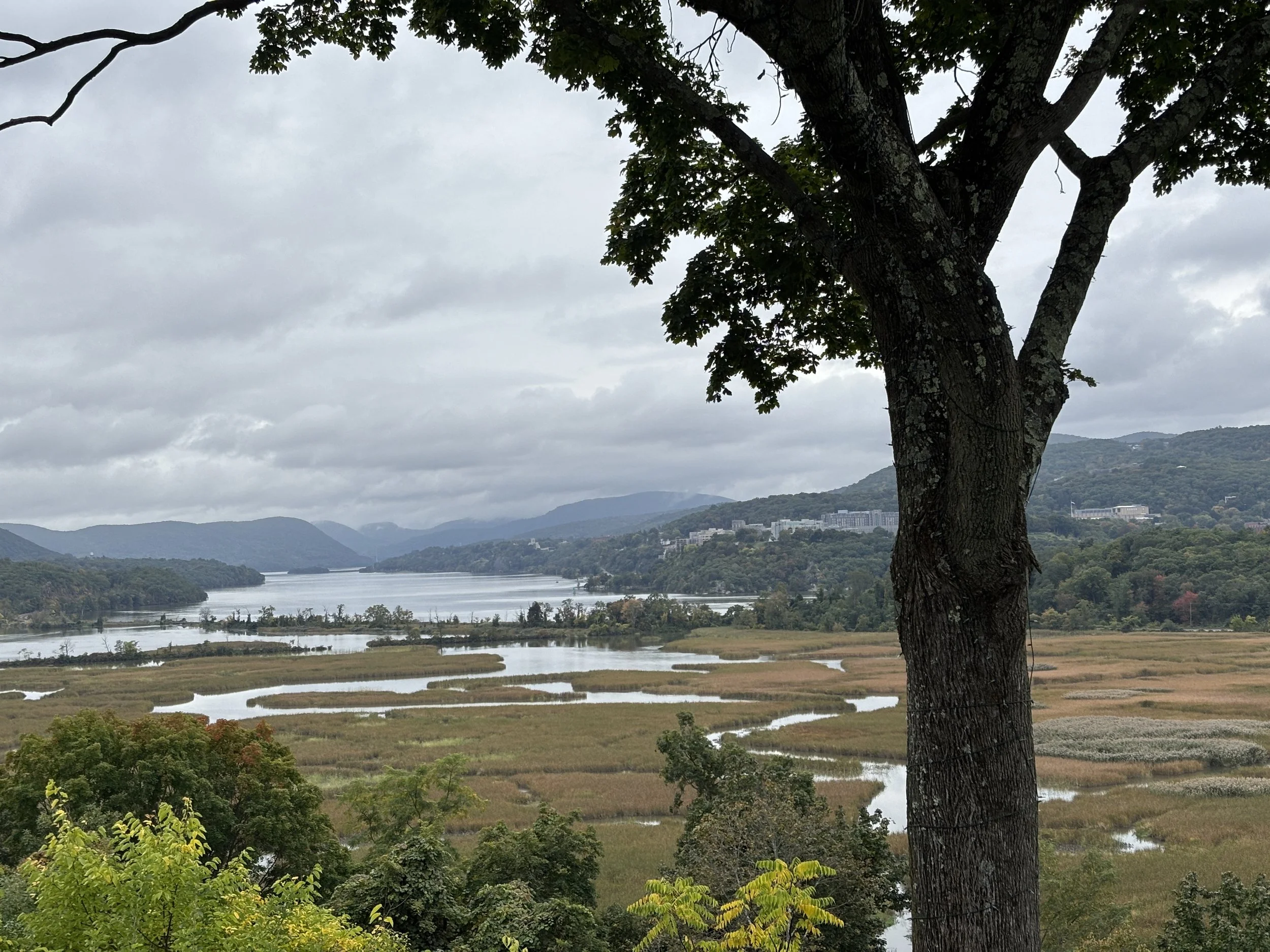
The wetlands of Boscobel
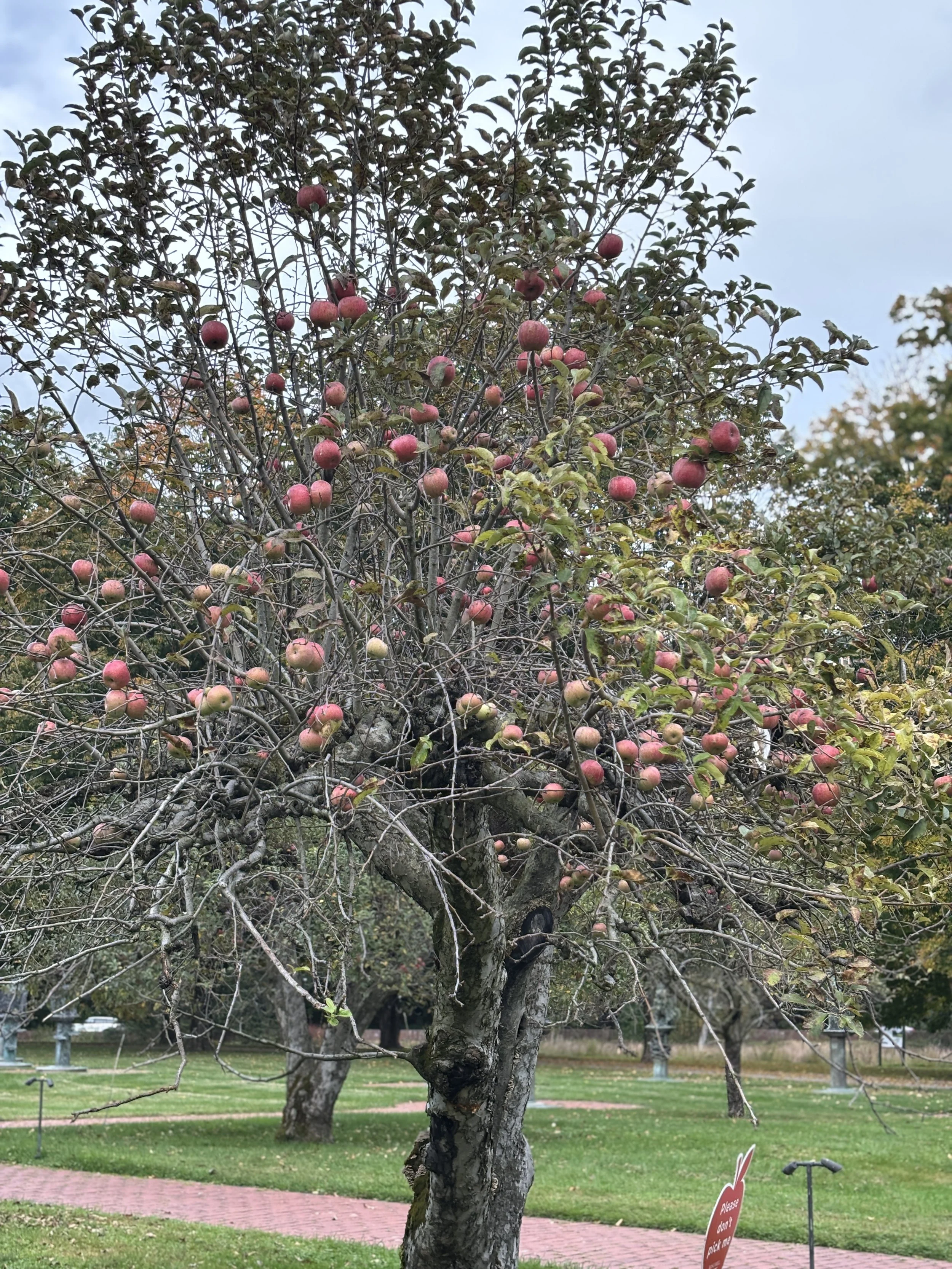
And an apple tree, too!
There Are Heroes Among Us
The WWAARC (Warren-Washington-Albany ARC) is respectfully committed to providing services, advocating for and offering opportunities to individuals with intellectual or other developmental disabilities and their families; by supporting them in the realization of their fullest potential. And for the past 30 years, Cynthia Ferguson has been part and parcel of their work, serving on WWAARC committees for over 30 years.
Recently she was honored by the organization for her work and her dedication. Well done, Cynthia!
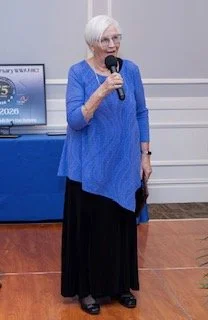
The honoree herself
That’s Entertainment!
Our Town
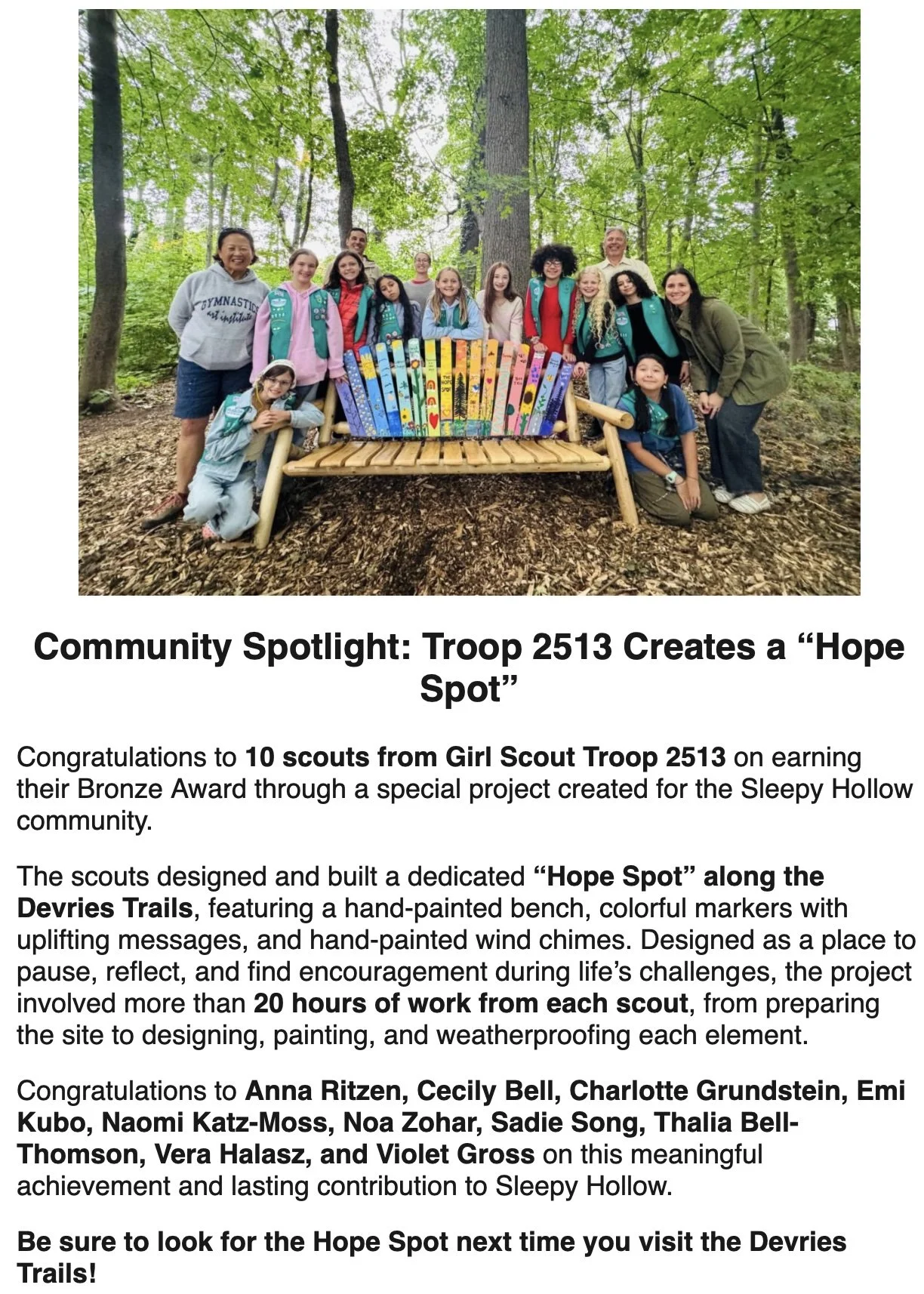
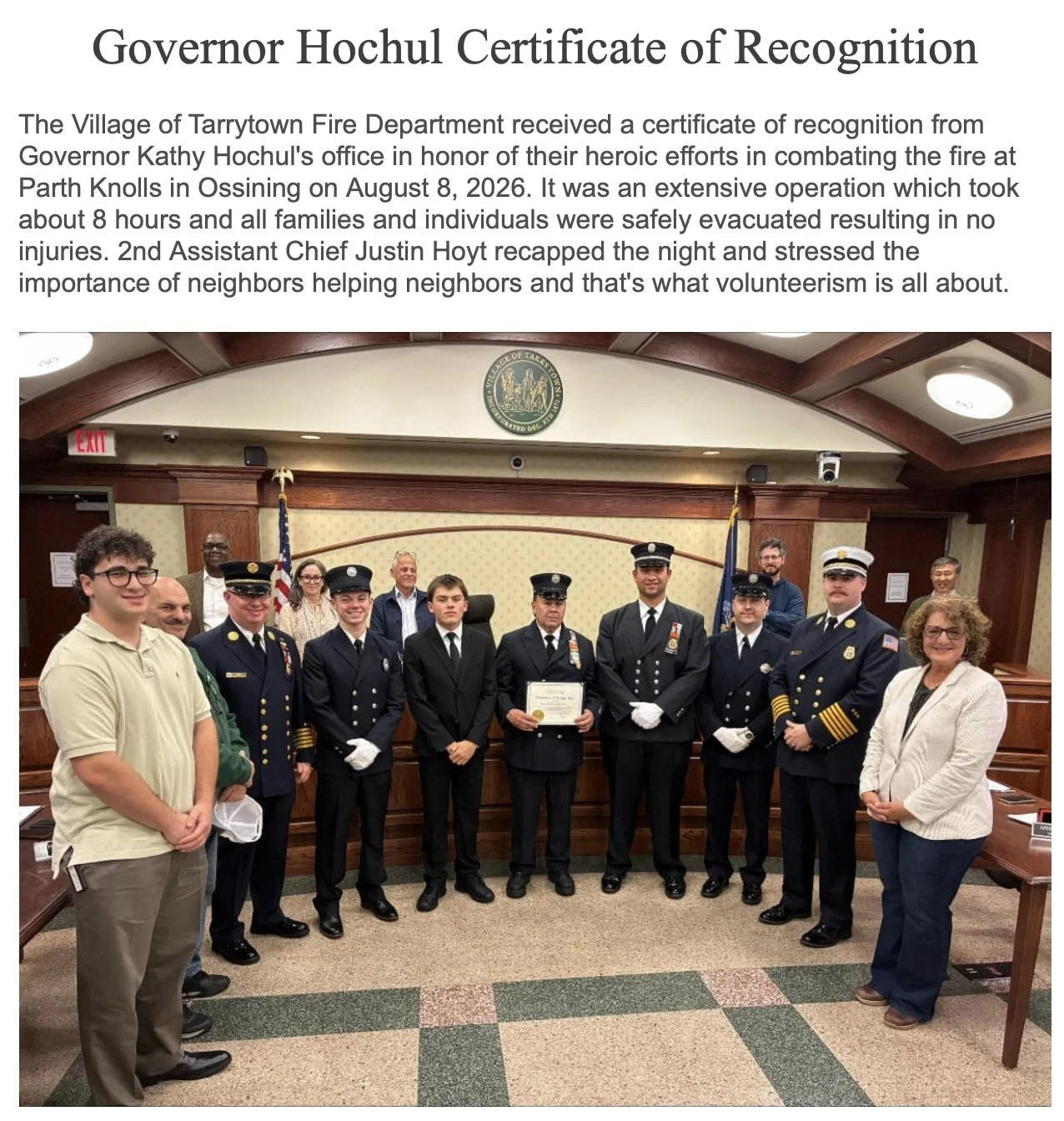
Tucked away in our own little hamlet of Kendal on Hudson, it’s easy to forget that we’re also part or neighbors of three towns around us: Sleepy Hollow, Tarrytown, and Ossining. Recently there was good news in Sleepy Hollow and Tarrytown (and the two together!) to report:
Sleepy Hollow
Tarrytown
Tarrytown and Sleepy Hollow
Weekly Construction Report
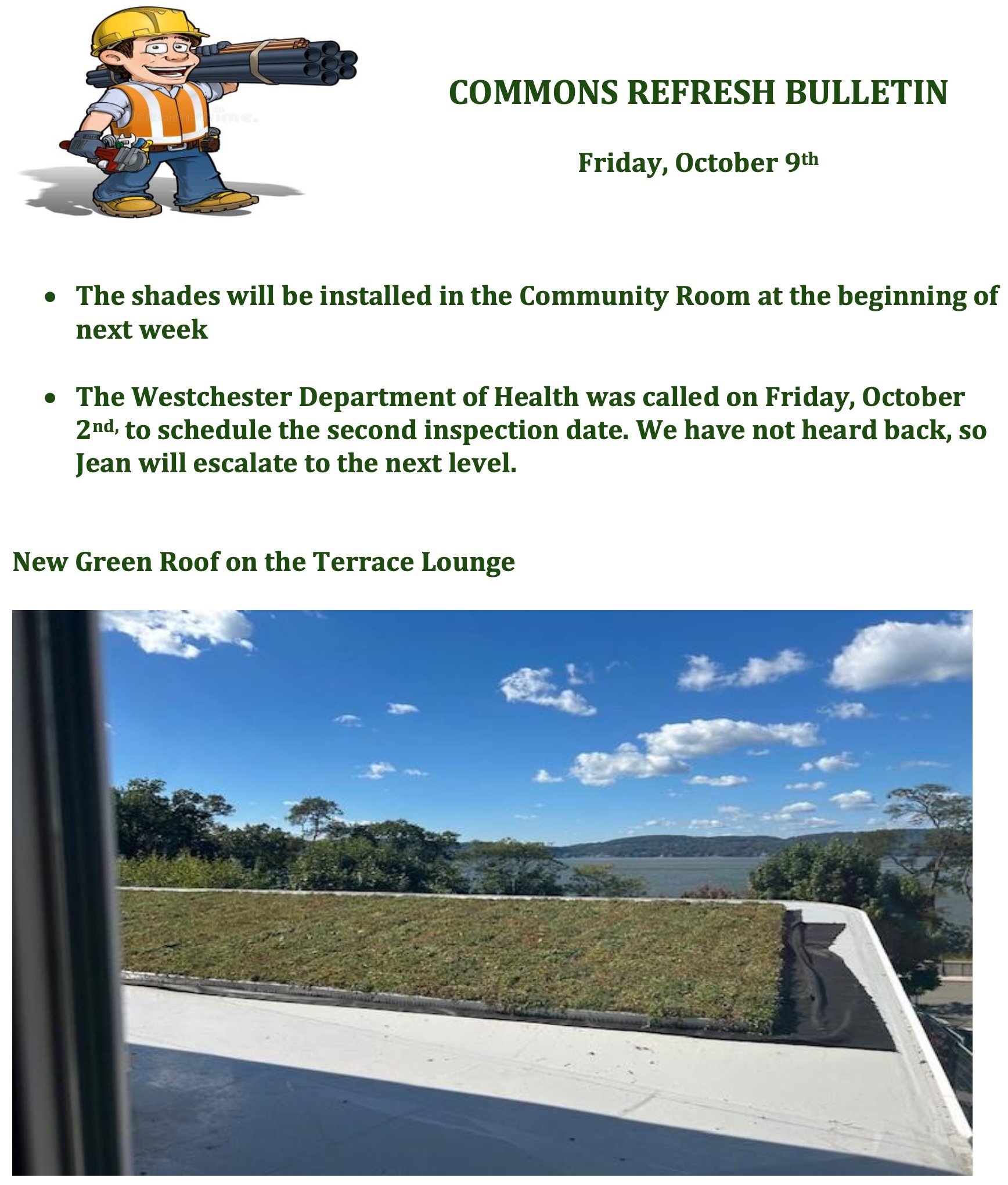
From the Office of Ellen Ottstadt
I Never Knew That
Some Airplanes Used to Have Dance Floors
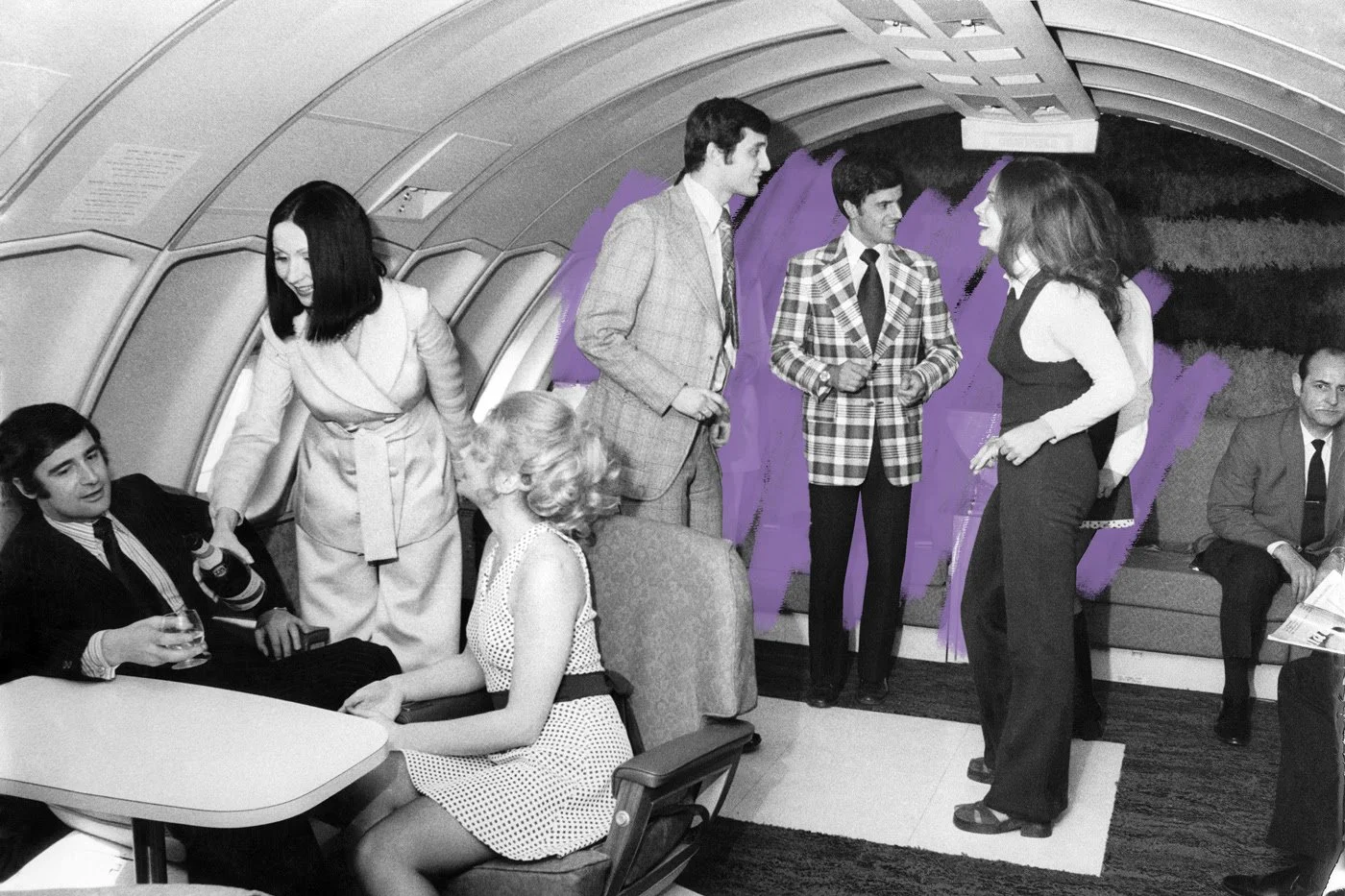
Ah, for the days of the groovy ’70s. While most contemporary airline passengers find their in-flight entertainment choices limited to a menu of movies and TV shows, the “Me Decade” saw airlines go all out with attempts to please customers aboard their brand-new Boeing 747 jumbo jets. Case in point: Air Canada turned the upper deck of its 747 into a 5-mile-high club for transatlantic flights between Toronto and Europe, with music blasting from 8-track tapes as passengers shimmied on a dance floor in lockstep with their reflections on a mirrored wall.
Those who missed out on the Air Canada dance-fest could still find other means for enjoyment among the competition. United Airlines and Qantas Airlines transformed the upper-deck compartments of their 747s into lounges, respectively dubbing them the “Friendship Room” and the “Captain Cook Lounge.” The Singapore Airlines version, known as the “Raffles Lounge,” provided “slumberettes” for those who wanted a nap after a few drinks. American Airlines installed a piano bar in the rear main cabin of its 747 fleet, even if the piano was technically a Wurlitzer electronic organ that proved more durable on bumpy flights.
Sadly, this era of the party plane was short-lived, as airlines realized that the precious space set aside for socializing could be used to pack in even more paying customers. Air Canada’s dance floor lasted for only about a year, and most other plane lounges and bars were gone by the 1980s, thereby eliminating the in-flight option of doing the Funky Chicken for all but the most determined of passengers.
Source: historyfacts.com, Timothy Ott
Contributed by Jane Hart
For Your Funny Bone
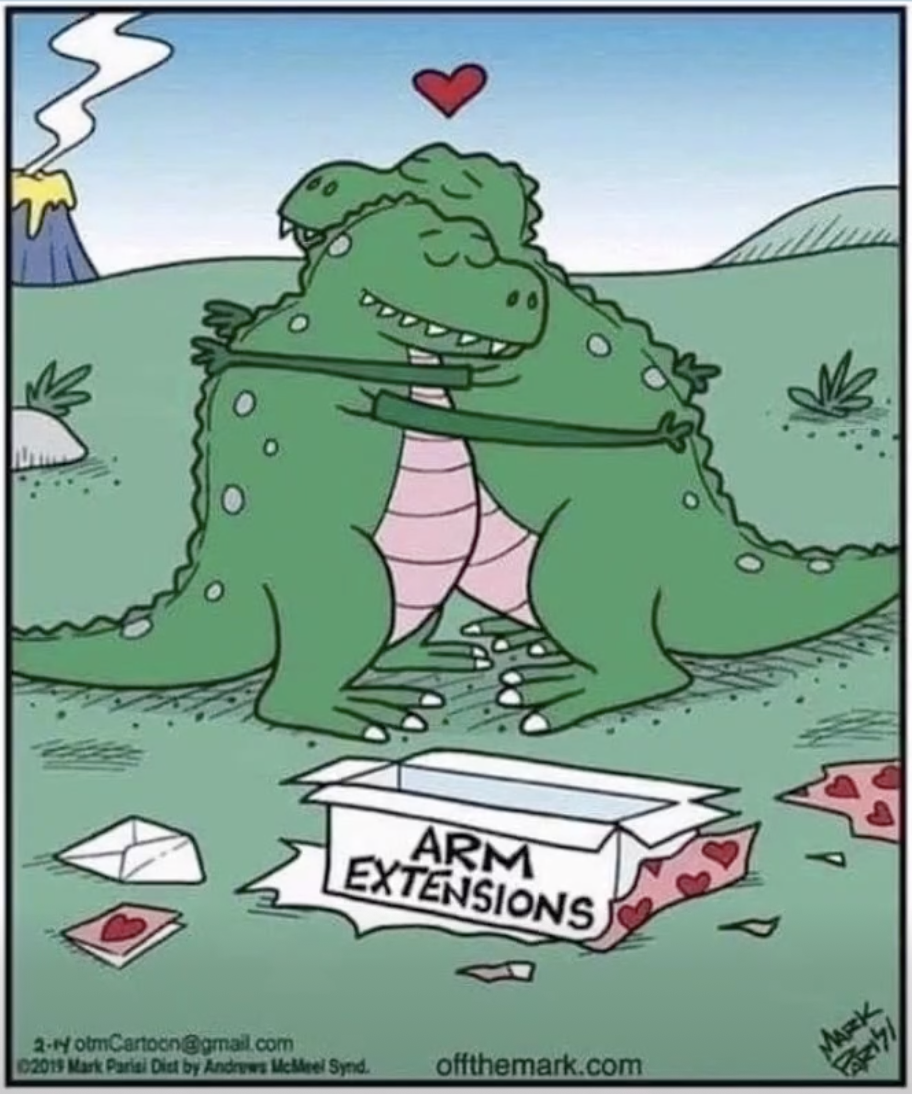

Contributed by Maria Harris
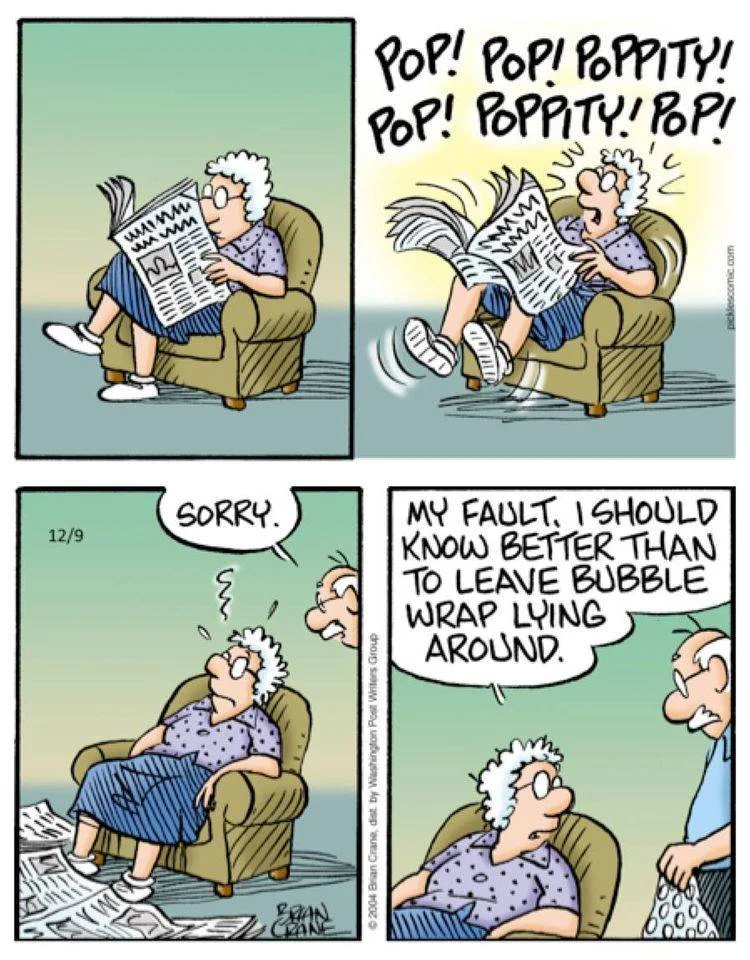
Contributed by Barbara Bruno
Contributed by Simone
Hope XXIII Collage, by Sheila Benedis
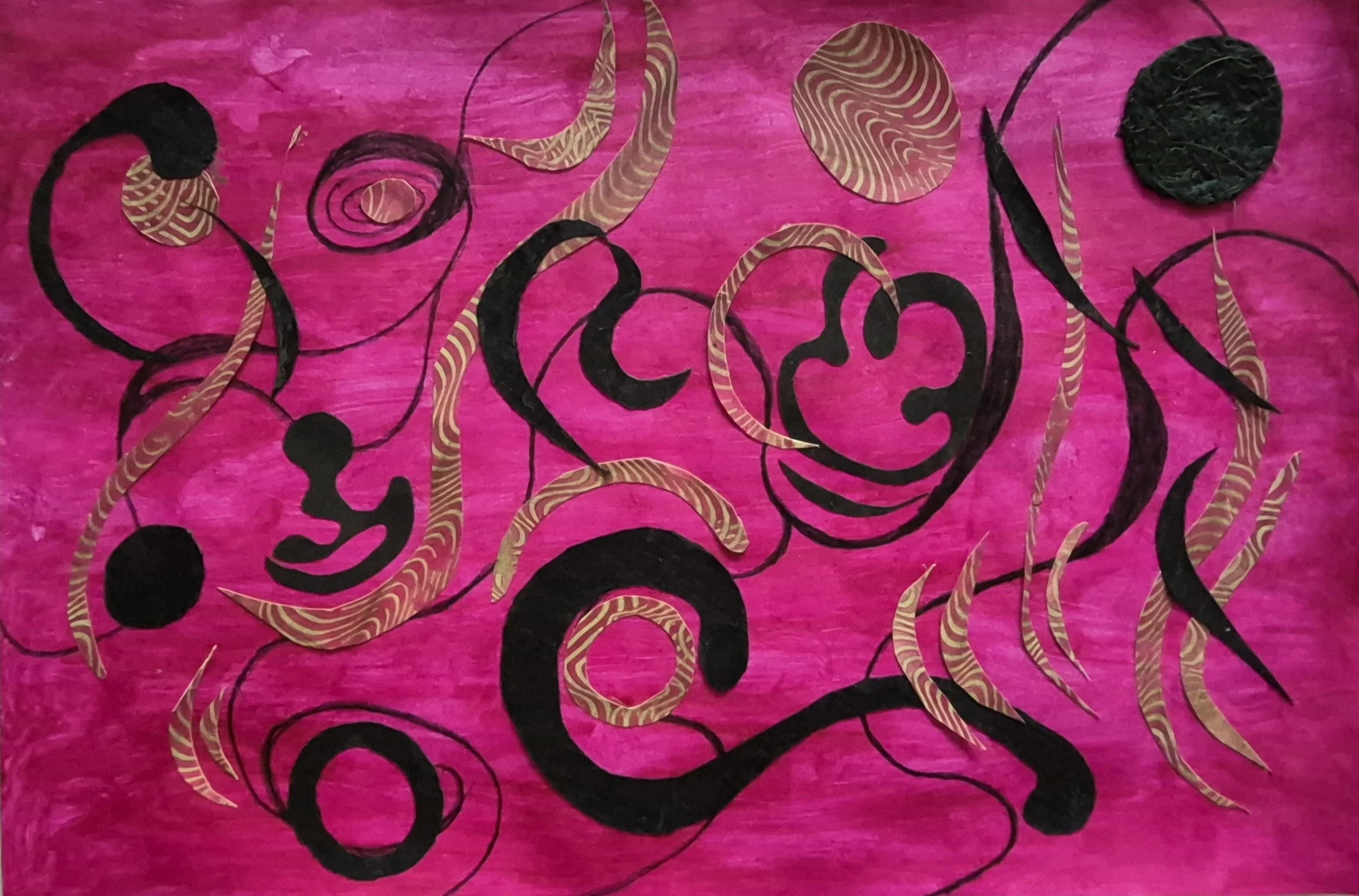
Art and photos by Sheila Benedis