Standing with Our Neighbors

This event is sponsored by the Love Your Neighbor (LYN) Coalition, an interfaith alliance of Ossining residents and organizations that includes:

Neighbors Link

Open Door Care Network

Ossining Public Schools

Ossining Public Library

Maryknoll Sisters, Maryknoll Fathers & Brothers, Maryknoll Lay Missioners, Dominican Sisters of Hope

Grace Episcopal Church

All Saints Episcopal Church

Our Common Beliefs

Scarborough Presbyterian Church

Open Arms for Refugees

IFCA Housing Network

Ethical Society of Northern Westchester

Contemplations from a Senior Citizen

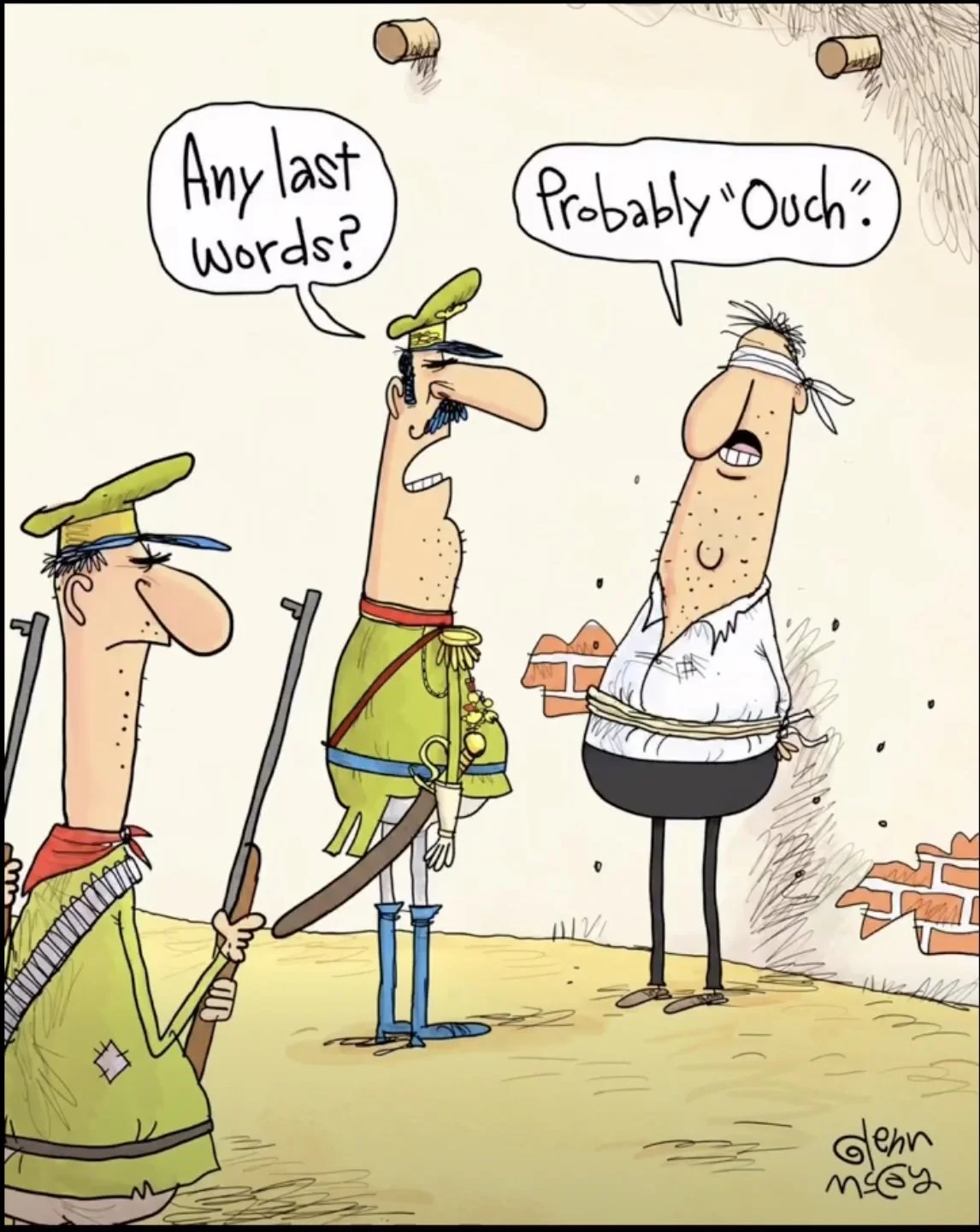
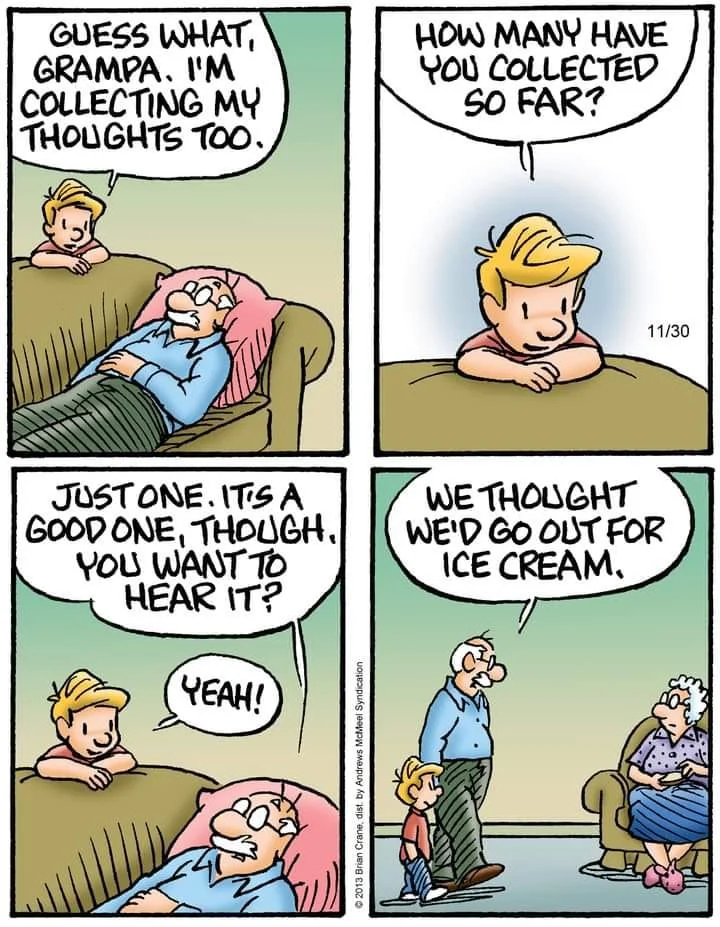
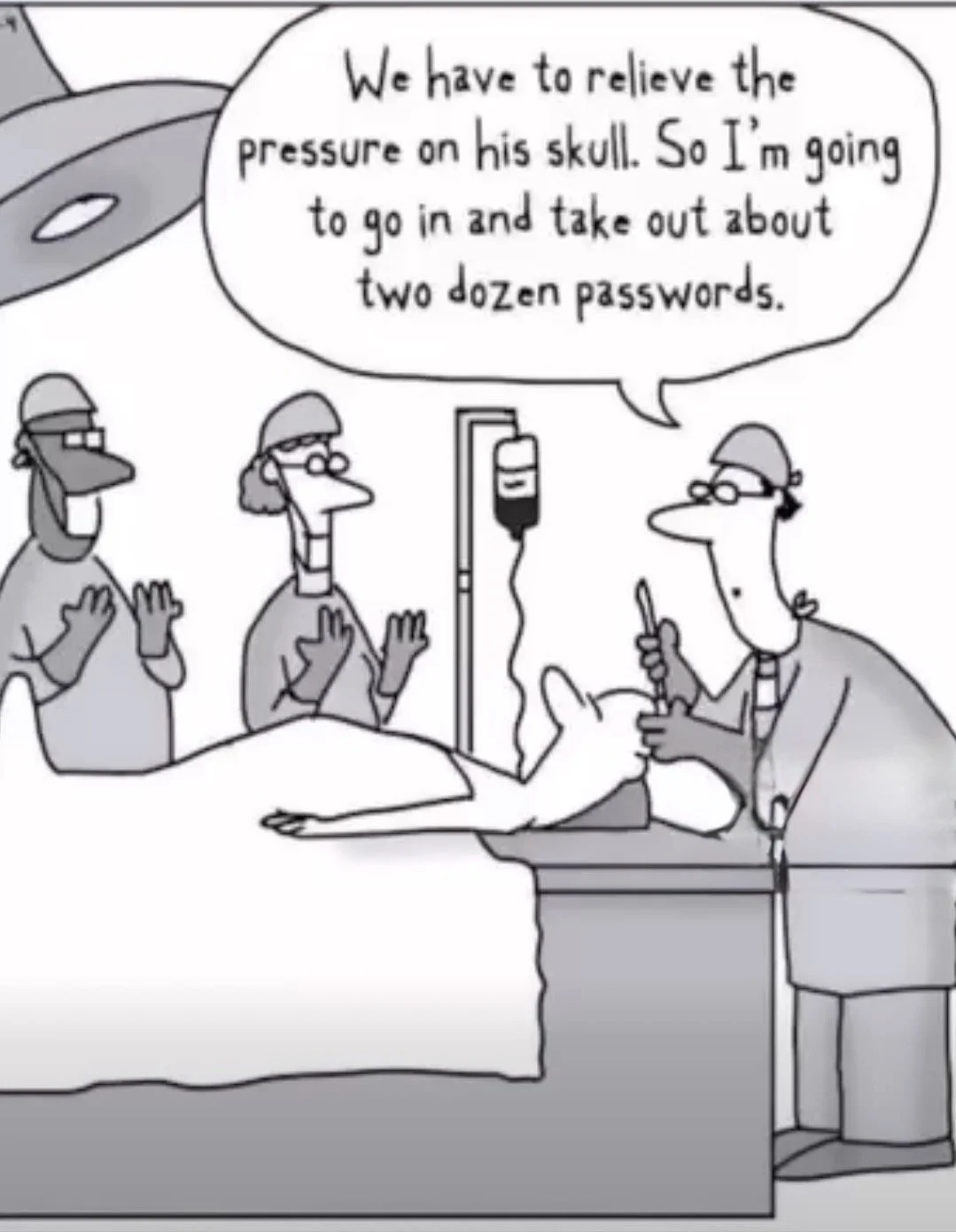
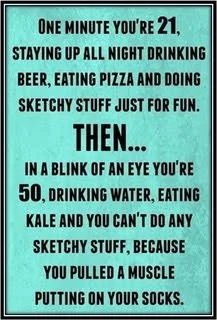
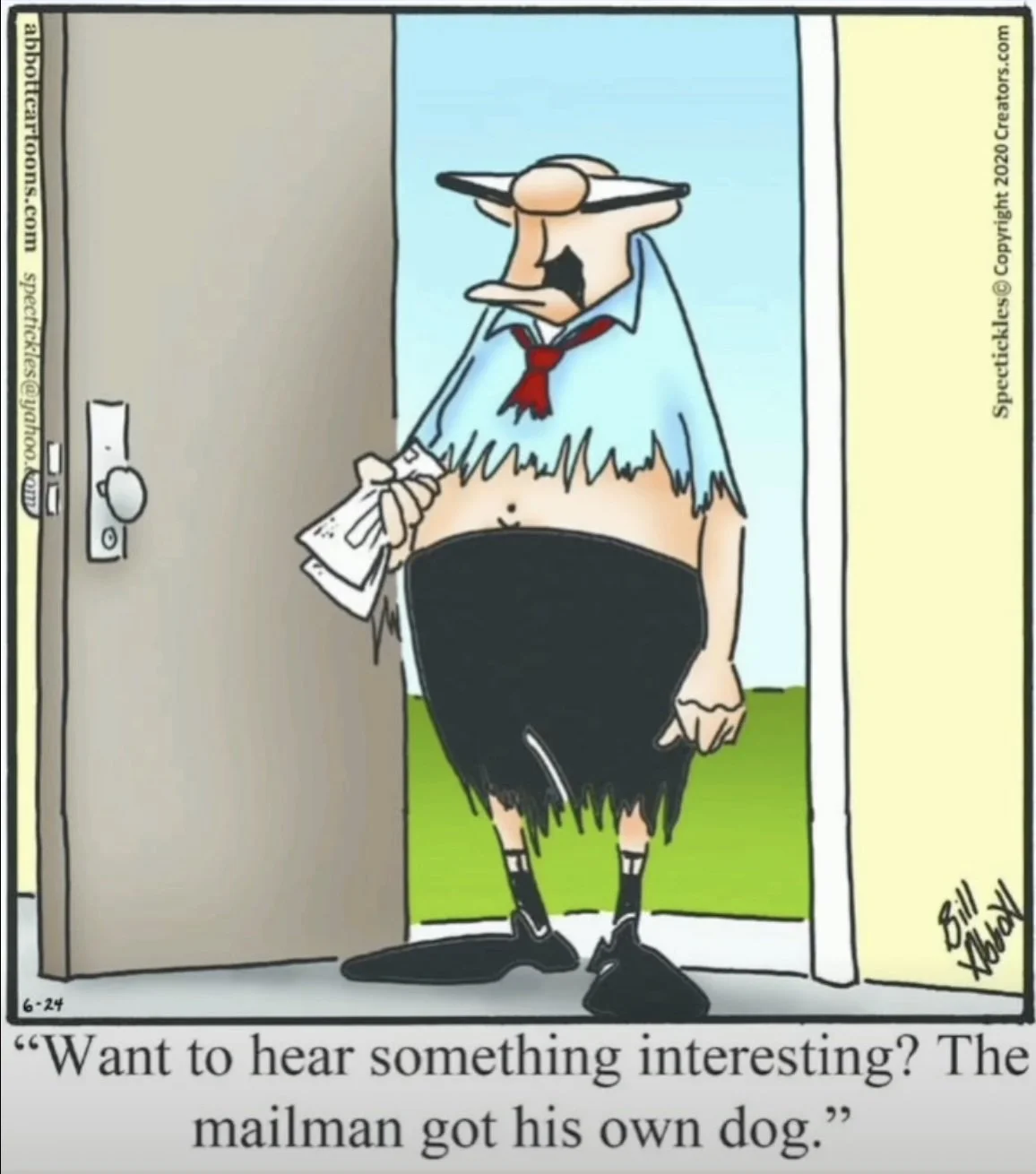
My tolerance for idiots is extremely low today. I used to have some immunity built up, but obviously there is a new strain out there.

Sorry I haven’t gotten anything done today. I’ve been in the Produce Department trying to open this stupid plastic bag.

Do you ever get up in the morning, look in the mirror and think “That can’t be accurate”?

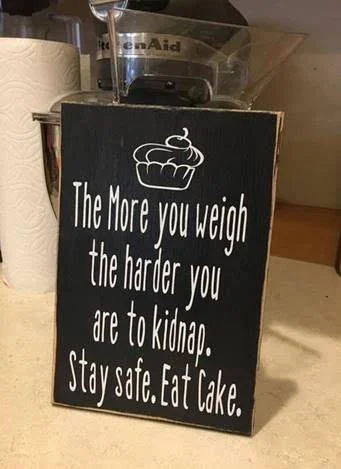
I put my scale in the bathroom corner, and that’s where the little liar will stay until it apologizes.

Hard to believe I once had a phone attached to a wall, and when it rang, I picked it up without knowing who was calling, and I’m still alive.

As I watch this generation try and rewrite our history, one thing I’m sure of: it will be misspelled and have no punctuation.

Contributed by Simone

* * * * * * * * *

It’s a Small World

Recently, Bob Bender wrote to add an interesting note to an interesting film that—interestingly enough—is slated to be shown October 10 on Kendal’s channel 970:

Next week (10.10.2026), The Day of the Jackal will be shown on channel 970. The late Colette Bergé is/was my first cousin. She and her older sister (who is my godmother as well as being my first cousin) were both born and raised in Paris, France. Both were actresses.  In The Day of the Jackal, Colette plays the wife of the police inspector. [For film watchers, Bob adds: She is the one pulling on his toe in an attempt to wake him when an important phone call comes from Paris].

Her older sister, Francine Bergé, is the better known of the two Bergé siblings.  She tends to play crazy people (using our shared relatives as role models?) and villains.  At 88, she continues to play villains and crazy people on stage and in films, refusing to allow stunt doubles to take any of the associated risk when her characters swing from one building to another or jumps out of a window. 

Her only exception to not using doubles was the scene in Circle of Love in which her character takes off her clothes and gets into a bath tub.  Her sister, Colette, told me that Francine had to use a body double because her butt was too fat. Francine’s version of the story agrees that a double played the part of her butt, but that it was because she had a “no nudity” clause in her contract. 

Having met Francine only once, for about 30 minutes when both of us were in our 60s, I probably will never know if her 26-year-old butt was too fat or if it was a provision in her contract that prevented her butt from appearing in Vadim’s film—and I am not planning to ask her (again).


Get with The Spooky Season: An Event Even Kendalites Can Enjoy

Books, books, books! Right up our dark and forboding Halloween alley! And in daylight!

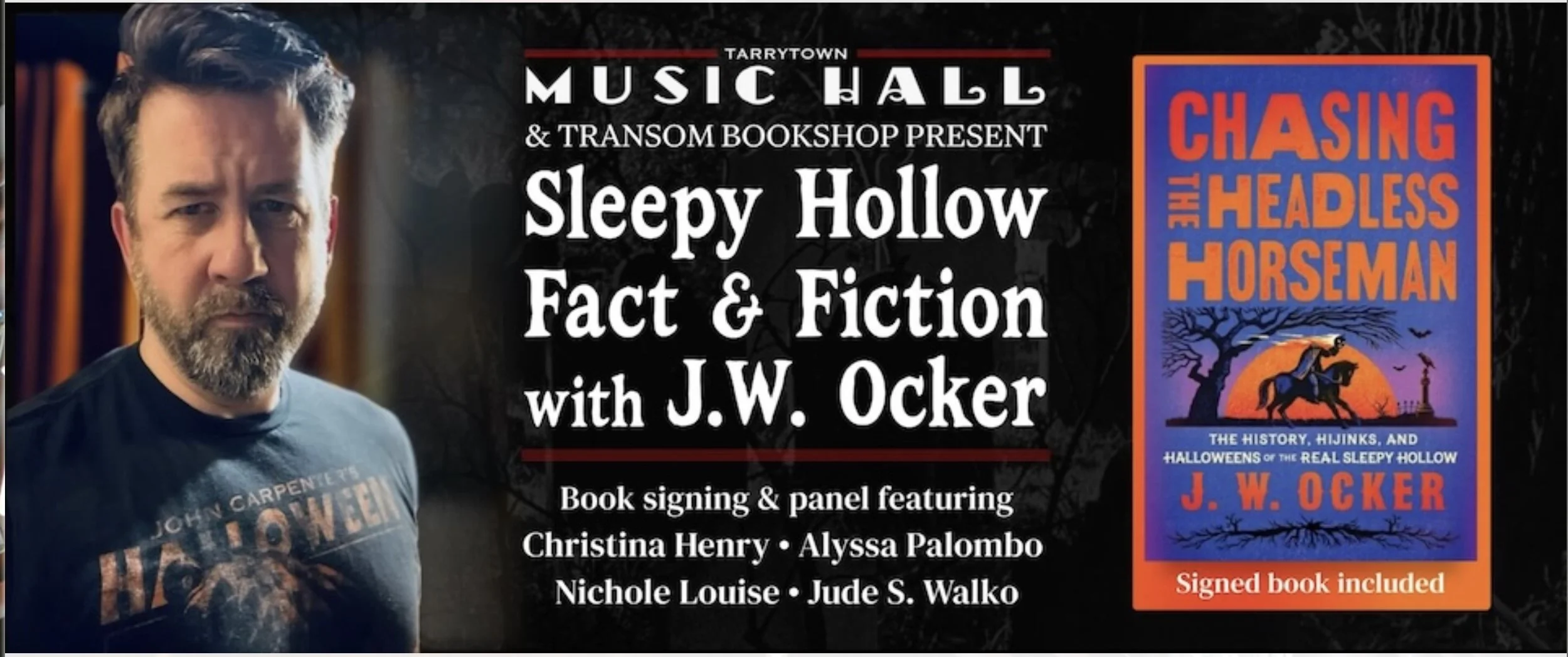
Tarrytown’s own independent bookstore Transom Bookshop will be hosting 5 Sleepy Hollow-inspired authors on the big stage at Tarrytown Music Hall on October 10 at 1pm.

Get an exclusive glimpse into local folklore and history from bestselling author and podcaster J.W. Ocker, whose brand-new book, Chasing the Headless Horseman (Countryman Press, Sept. 2026), investigates how a quiet riverside village [that’s us] became a global phenomenon, and why Washington Irving’s headless horseman has survived more than 200 years.

Ocker will talk about his new book, then join a panel discussion that includes Horseman-inspired novelists Christina Henry, Nichole Louise, Alyssa Palombo, and Jude S. Walko.

Chris Steib of Transom Bookshop will introduce and moderate the panel.

Books + Authors + Independent Bookstore + Spooky Season Fun + Historic Theater! What could be better for a Saturday afternoon?!

Tickets: $35—BUT you get a signed copy of Chasing the Headless Horseman for free! To purchase tickets, click button right below.

I Never Knew That

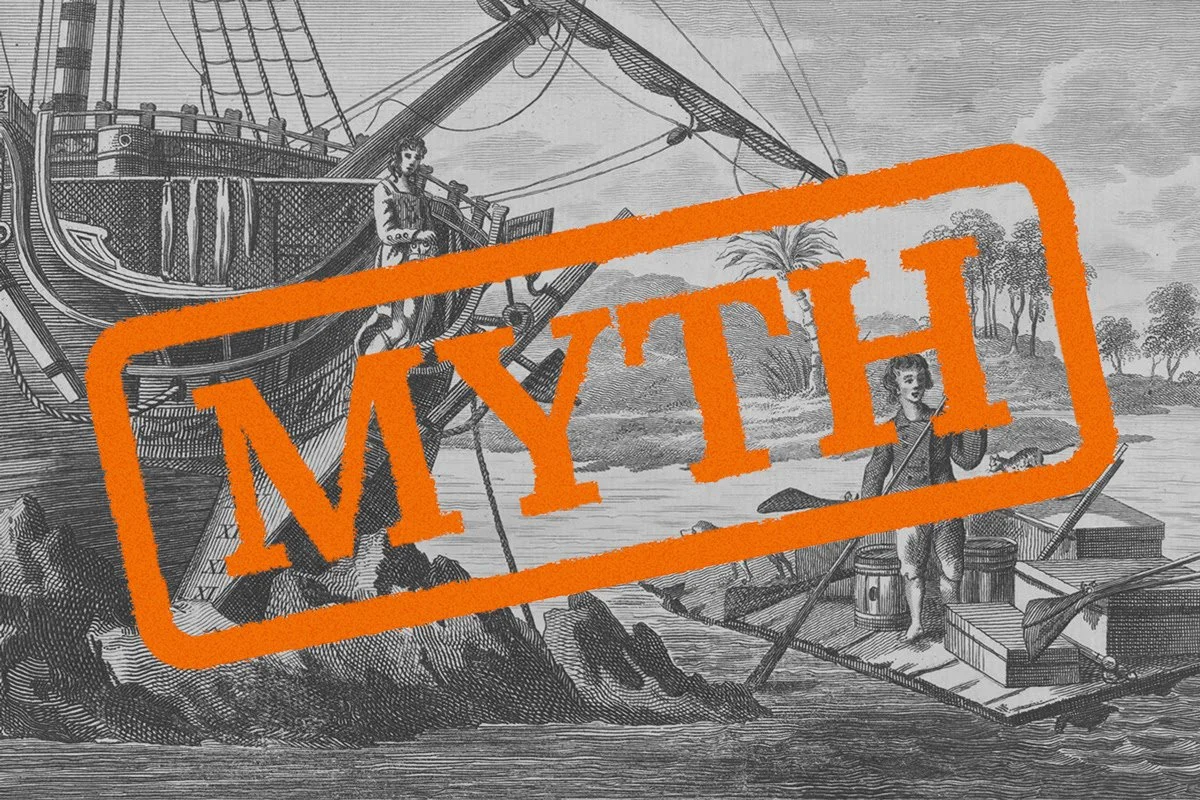
Was Robinson Crusoe Real?

“September 30, 1659. I poor miserable Robinson Crusoe, being shipwreck’d, during a dreadful Storm, in the offing, came on Shore on this dismal unfortunate Island.”

 So begins this day in The Life and Strange Surprizing Adventures of Robinson Crusoe, of York, Mariner, Written by Himself. What follows is the saga of a man who would spend 28 years stranded on a remote island, recording his transformation into a self-sufficient castaway. He salvages from the wreck, builds increasingly permanent lodging, and coaxes barley from the tropical ground to supplement a diet that is otherwise, basically, goats.

But when the book was published anonymously in 1719, it wasn’t exactly marketed as a novel. The first edition alleged that Crusoe’s story was a memoir. There were reasons for that. Fiction wasn’t an established commercial genre yet. But readers loved the adventures of real-life sailors, pirates, and others who’d survived in places where people probably shouldn’t have been.

The book’s author, British activist and failed businessman Daniel Defoe, had already been thrown in jail a few times for running afoul of the government in his political writing. He or his publisher might’ve preferred to withhold his name. Defoe took inspiration from some real-life survival stories, including that of Alexander Selkirk, a Scottish privateer marooned off the coast of Chile, and Robert Knox, a sailor of the East India Company who was shipwrecked and imprisoned in Sri Lanka.

Crusoe’s island had all the ingredients of a myth: shipwrecks, wild forests and animals, and cannibals and their captives. Blending travel and adventure literature—the stuff of sailor’s yarns—with realistic narrative, Puritan allegorical sensibilities, and a healthy dose of criticism of capitalism, Defoe gave the world a perfectly ordinary, flawed man to root for. In doing so, he also gave the world what is often considered the first true English novel.

In the book, Crusoe rescues a man from the cannibals and names him Friday. The two become bosom companions, with a genuine friendship in the story—but for Crusoe it’s threaded with assumptions about race, religion, and colonization. He never quite stops trying to shape the landscape to fit his worldview.

Eventually, a ship comes by. Crusoe and Friday help seize it and sail to England. Crusoe, though, a bit like his inventor, is never satisfied and soon sets sail again.

Source: Britannica.com, Today in Myth-Story, by Michele Metych.
In and Around

Morning Meditation

Photo by Carolyn Reiss

And Thus Begins Autumn

Barbara Rachlin’s entryway reflects the season so well.
Photo by Cynthia Ferguson

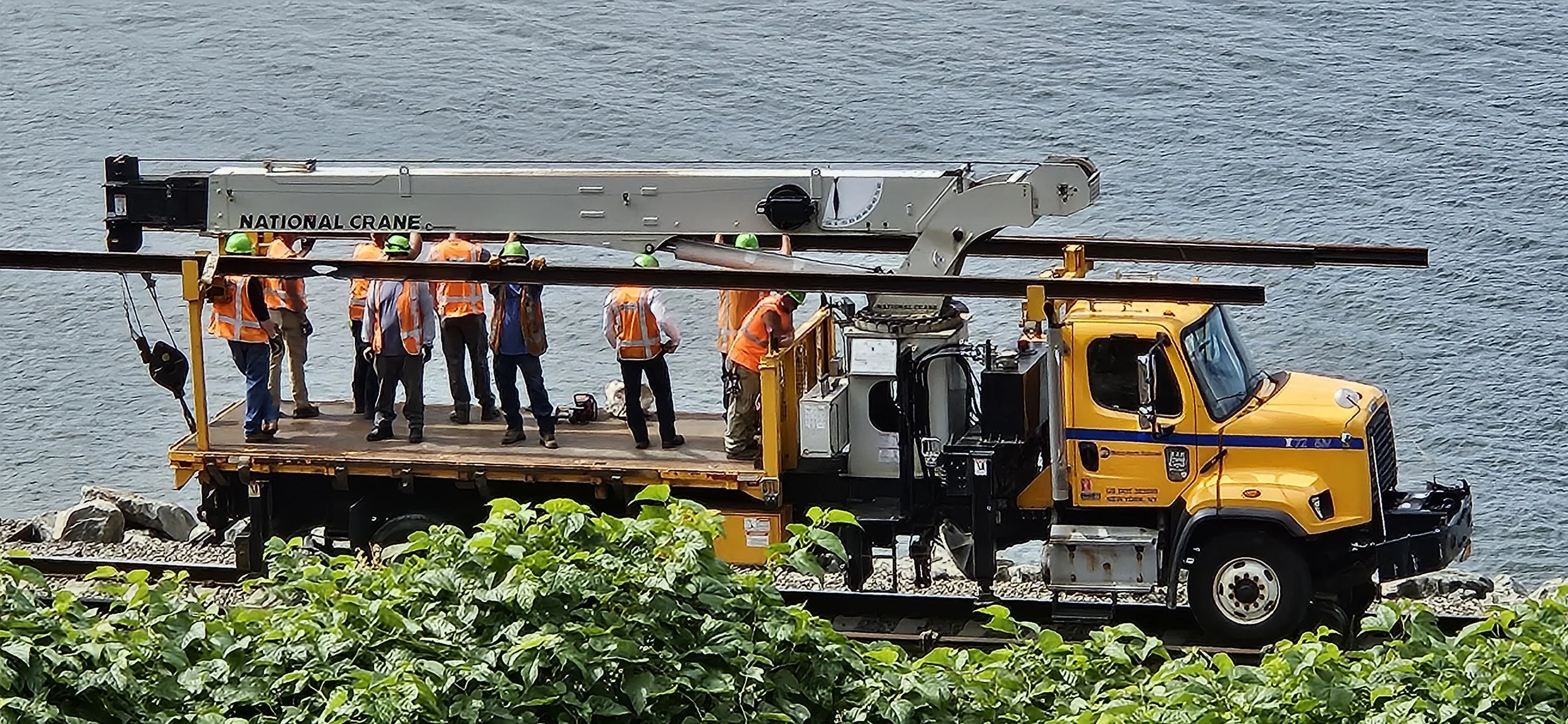
Keeping Things On-Track

Photo by Joe Bruno

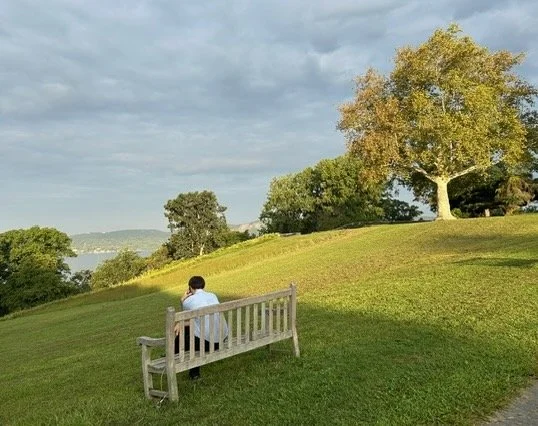
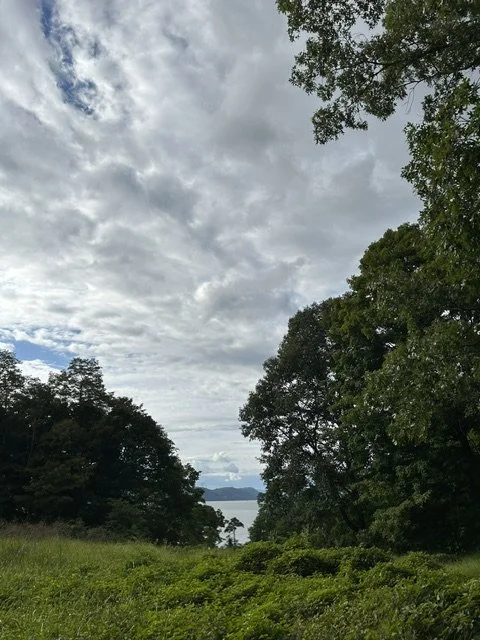
Exploring Rockwood Park

The Hudson . . . and Beyond

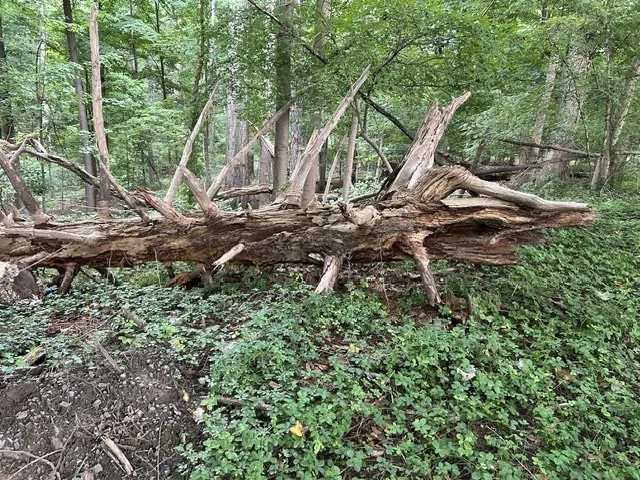
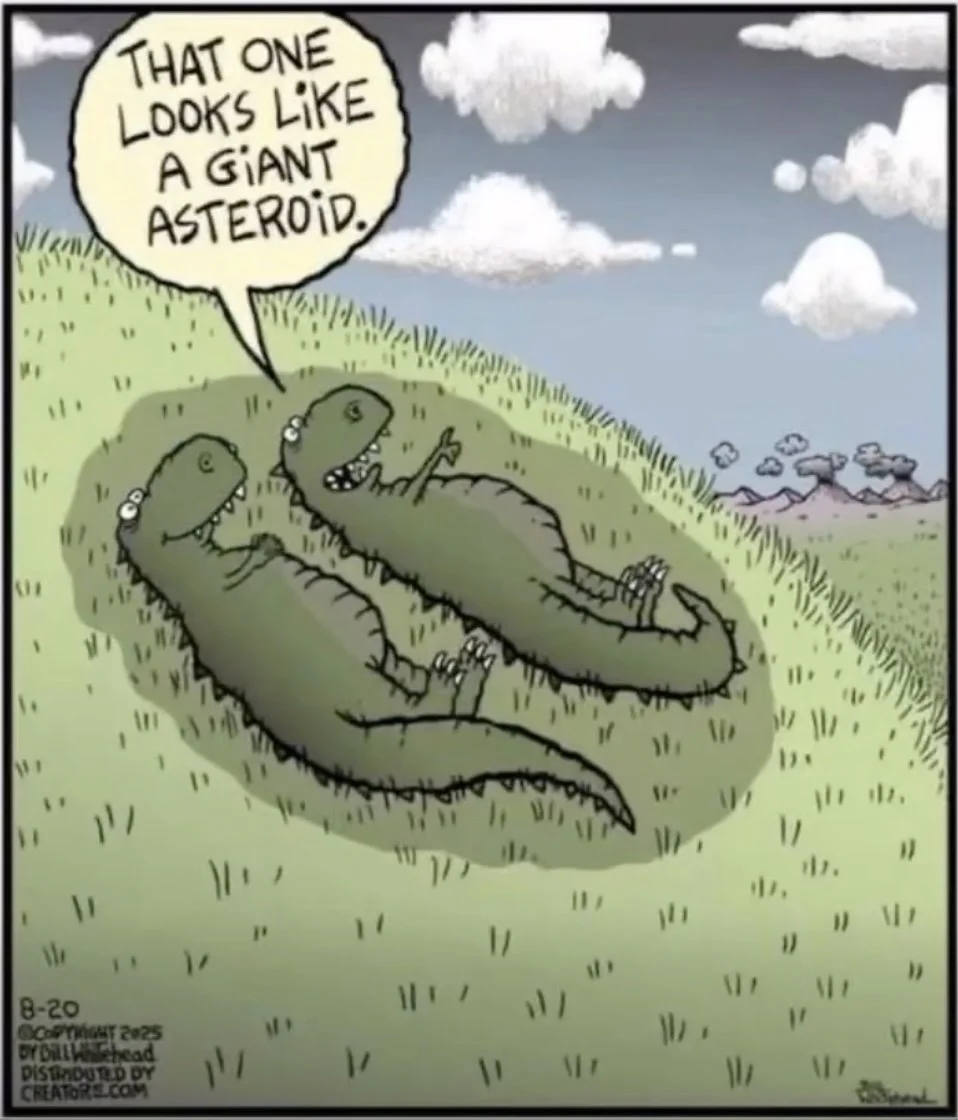
In the beginning . . . the Jurassic remains, perhaps?

Distant Vistas

Sanctuary

Photos by Edward Kasinec

Filming in the Park

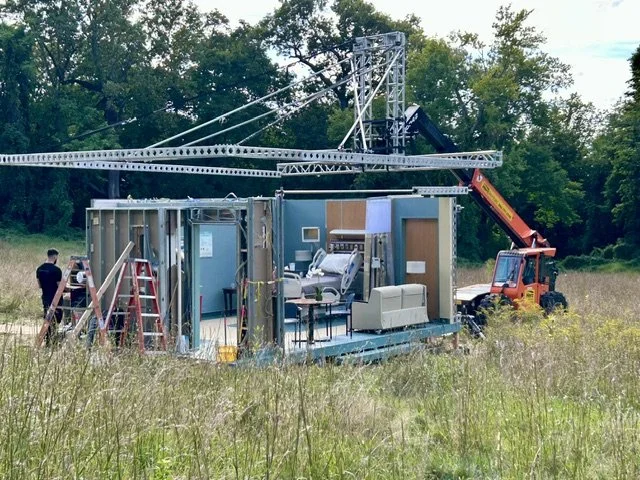
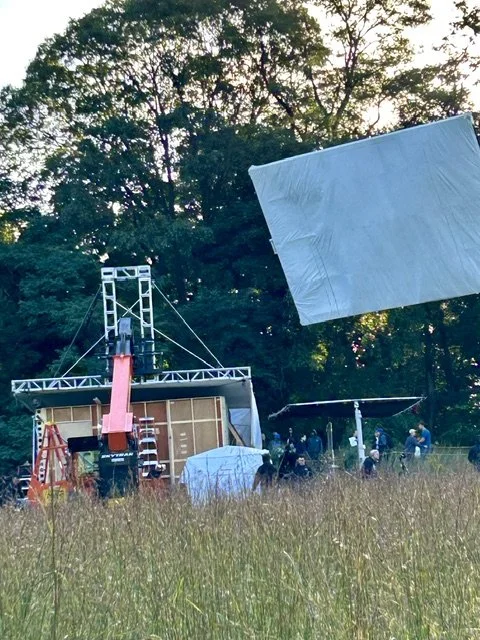
Last week, while roaming in the park, Carolyn Reiss noticed a room-size patch marked off in a field past the foundation. It was puzzling. Maybe a biologist was doing a study?

The next day, a crew was at the foundation preparing a set for an Apple TV series called Beat the Reaper about a medical intern mistaken for a hitman. Continuing her investigation, Carolyn discovered that the scene they were shooting was for a drama in which the person (most likely hallucinating?) leaves the hospital room and walks into a field. The construction was a fake hospital room in the field to accommodate the drama. Well, of course it was.

The Set

The Filming

Photos by Carolyn Reiss

The Close of the Day

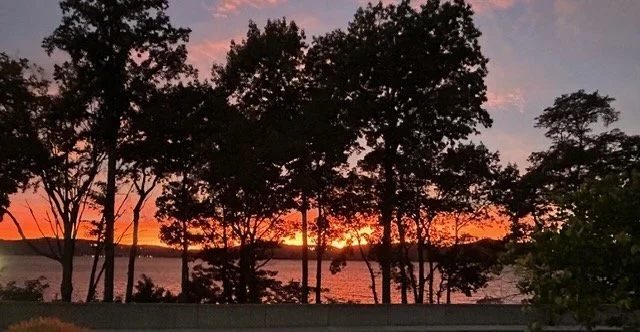
September 24 and 25 contributed two especially gorgeous sunsets to Kendal’s eventide memories (and that’s saying something!).

September 24, by Cynthia Ferguson

September 25, photo by Barbara Wallach

September 25, photo by Cynthia Ferguson

The Midterms Are Coming, the Midterms Are Coming . . .

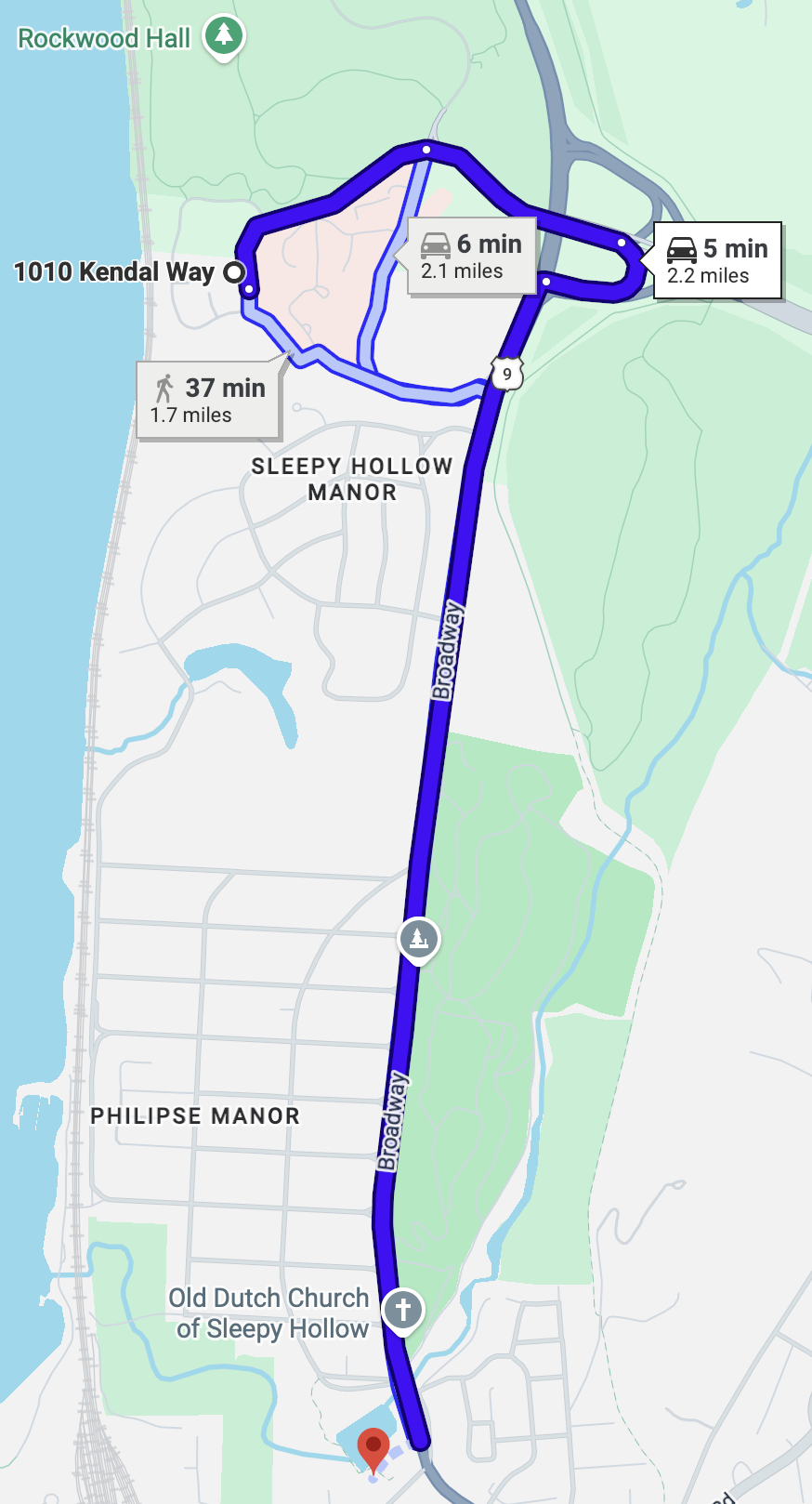
For those who are new to Kendal—and those who have forgotten—our polling place for the November 3 election is at the nearby Philipsburg Manor Restoration (381 N Broadway, Sleepy Hollow) at the corner of North Broadway and Pocantico Street. There will be shuttles from Kendal to the Restoration. Stay tuned for announcements from Ellen Ottstadt’s office.

For those who want to drive themselves, here’s the route:

The Philipsburg Manor Restoration is at the red marker.

And if you are not registered to vote, the deadline is October 19, by mail, and October 24, in person. Need a registration form? Contact Annette Leyden (x1202). And for more information about early voting, etc., scroll down to last week’s “Did You See?” and to the section “Election Day Is Coming. Are You Ready?”

Art by Hart

When housing prices in Riverdale hit the roof, Archie and Veronica bought a starter home on Mars

Mamie, one of the original Mouseketeers, has stories you wouldn’t believe

Lorna’s midnight magic was the toast of Las Vegas

The Wetmore-Fiskes had put everything on hold until after Junior’s growth spurt

Little Chip had fun at the casino with his favorite Ante

Art and photos by Jane Hart

In and Around

September Birthdays

Photo by Harry Bloomfeld

Magic in the Air—and in the Gathering Room

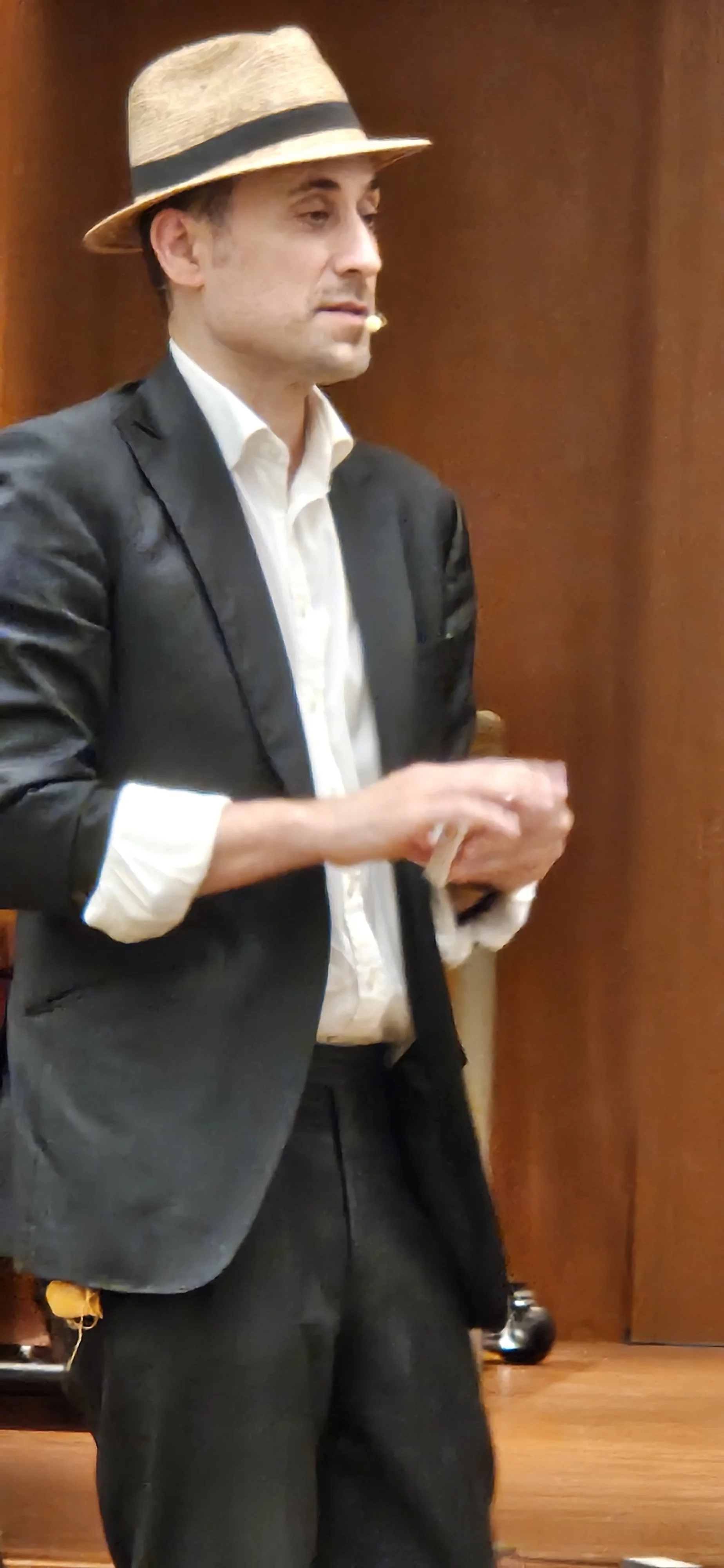
Thanks to On Stage, Marco the Magician provided happy astonishment and a good deal of humor as he made magic right before our very eyes!

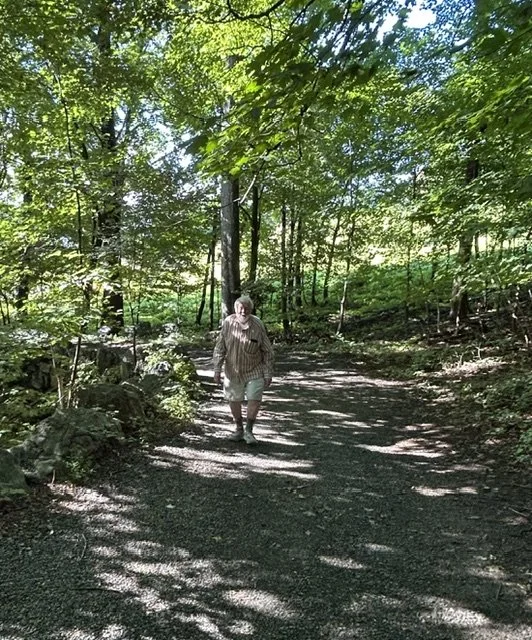
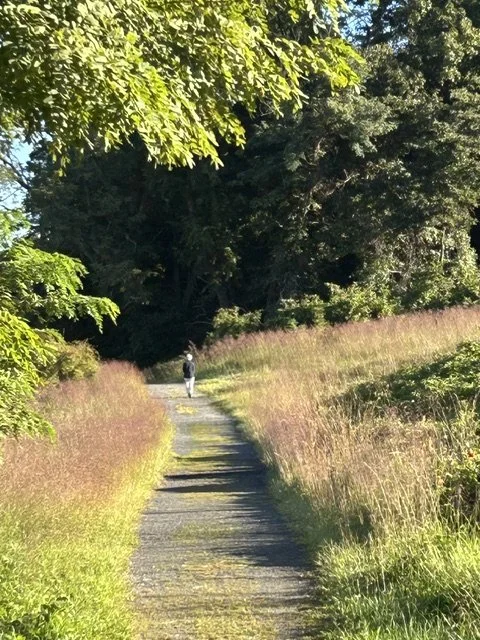
Who’s That There in the Park? Spotting Kendalites in Rockwood.

The park is simply an extension of Kendal proper. It’s not unusual to meet a friend, a neighbor, someone you know in passing. There are so many ways to recognize a fellow Kendalite: face and voice, of course, but also hair, gait, and shape. How do you recognize someone?

Jonathan Cobb in the shadows

Marcia Sprules in the bright sunshine

Photos by Carolyn Reiss

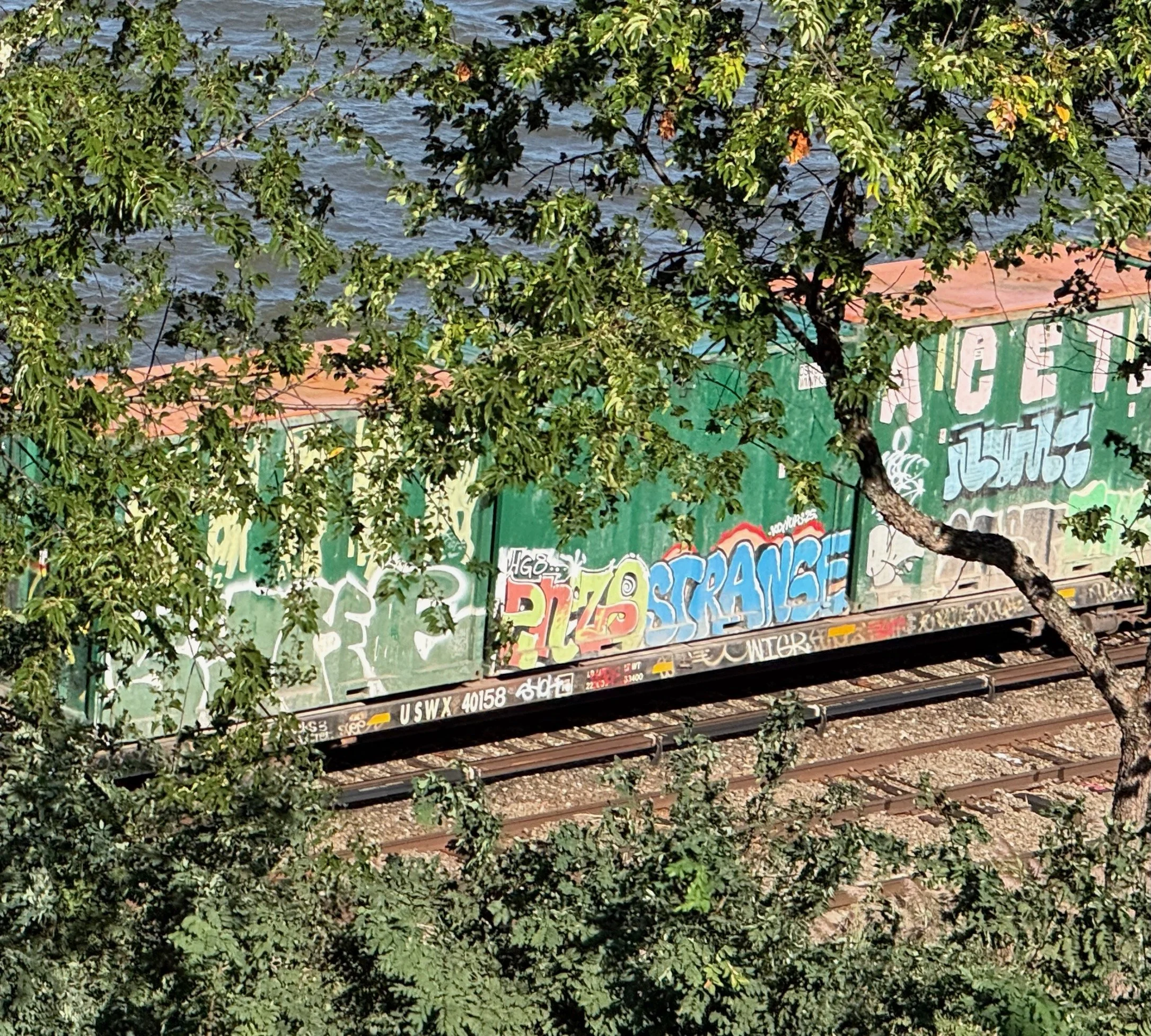
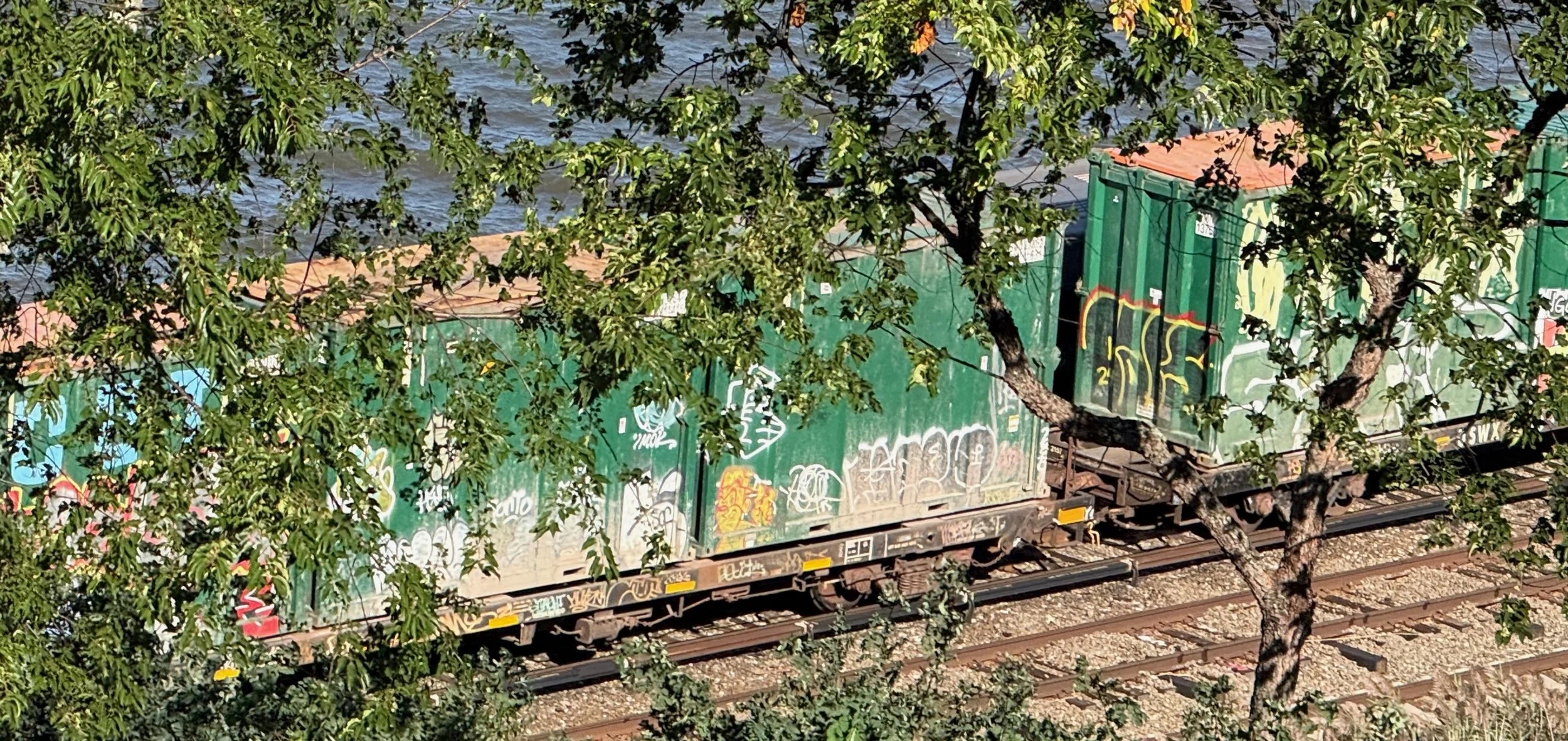
Freight Car Art

Photos by Amanda Slattery

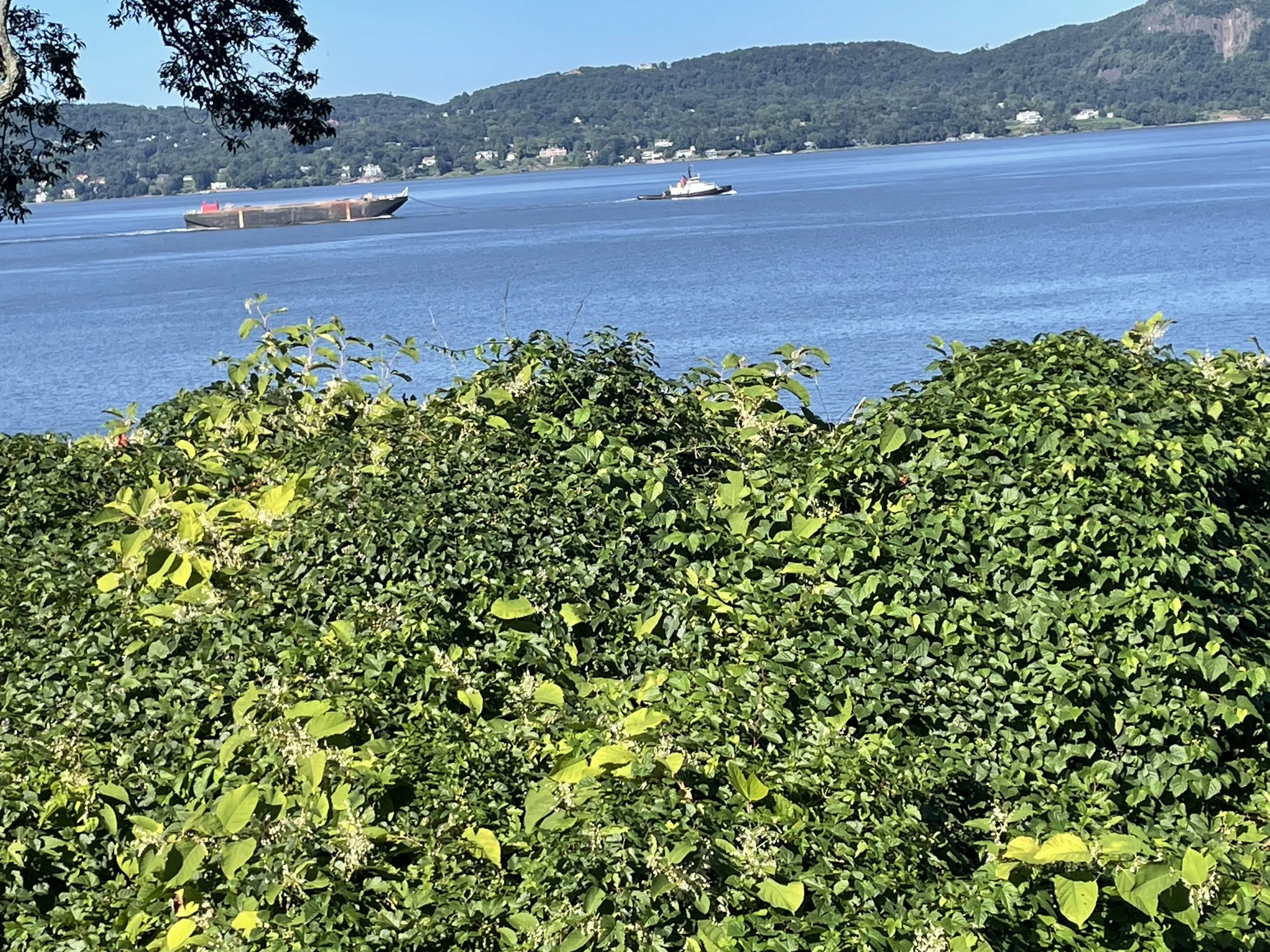
Tug Boat “Walking” Its Pet Barge on a Lovely Day

Photo by Susan Martin

Hudson River Sunsets

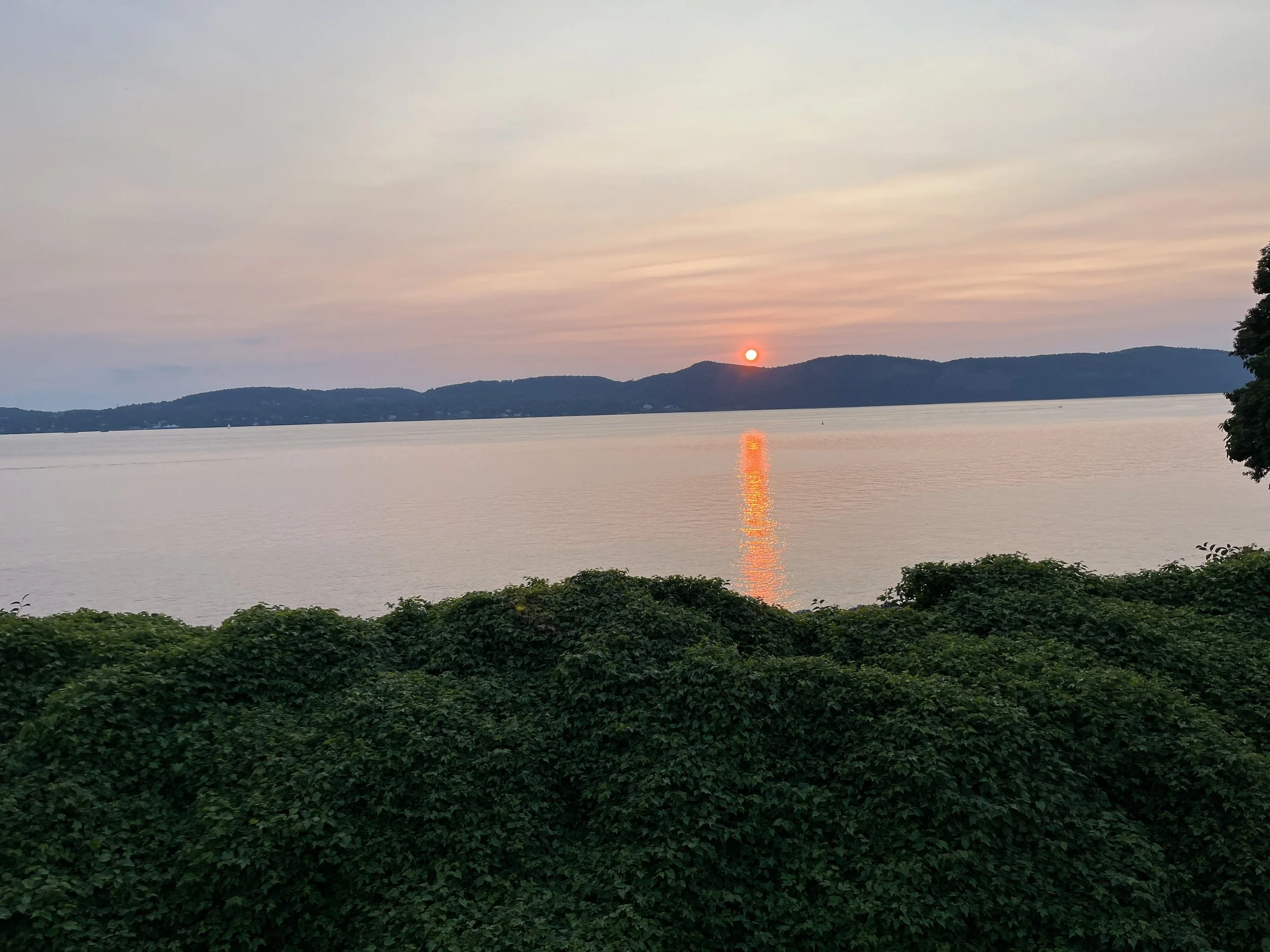
The evening begins, by Lynn Brady

A breath-taking display, by Lynn Brady

The final farewell, by Barbara Gilbert

Out and About

Stone Crop Gardens

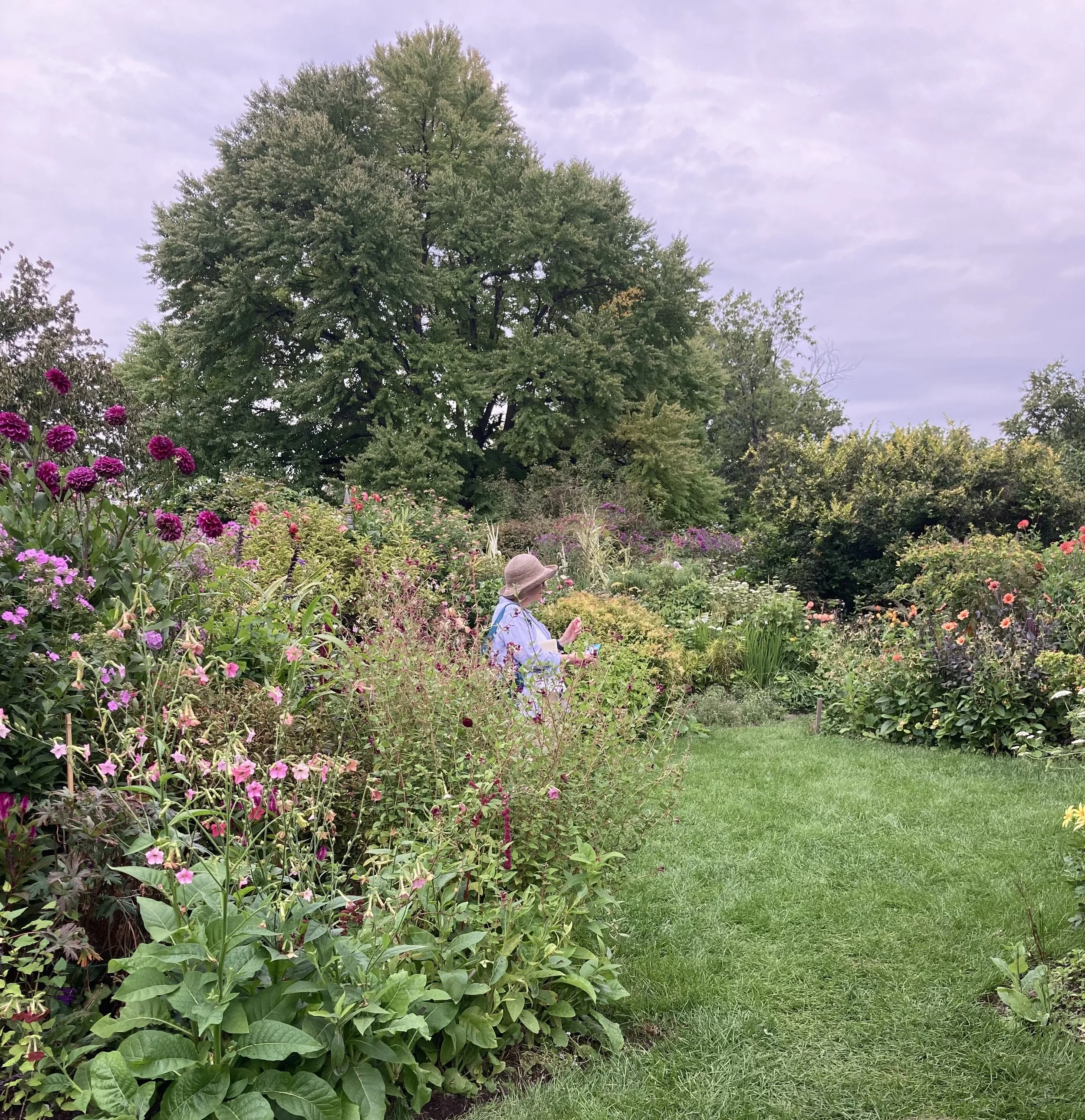
Recently Kendalites traveled to Stone Crop Gardens to enjoy the beauty of the end of one season and the beginning of the next.

Rosemary (Cyr) among the flowers, by Janet Sawyer

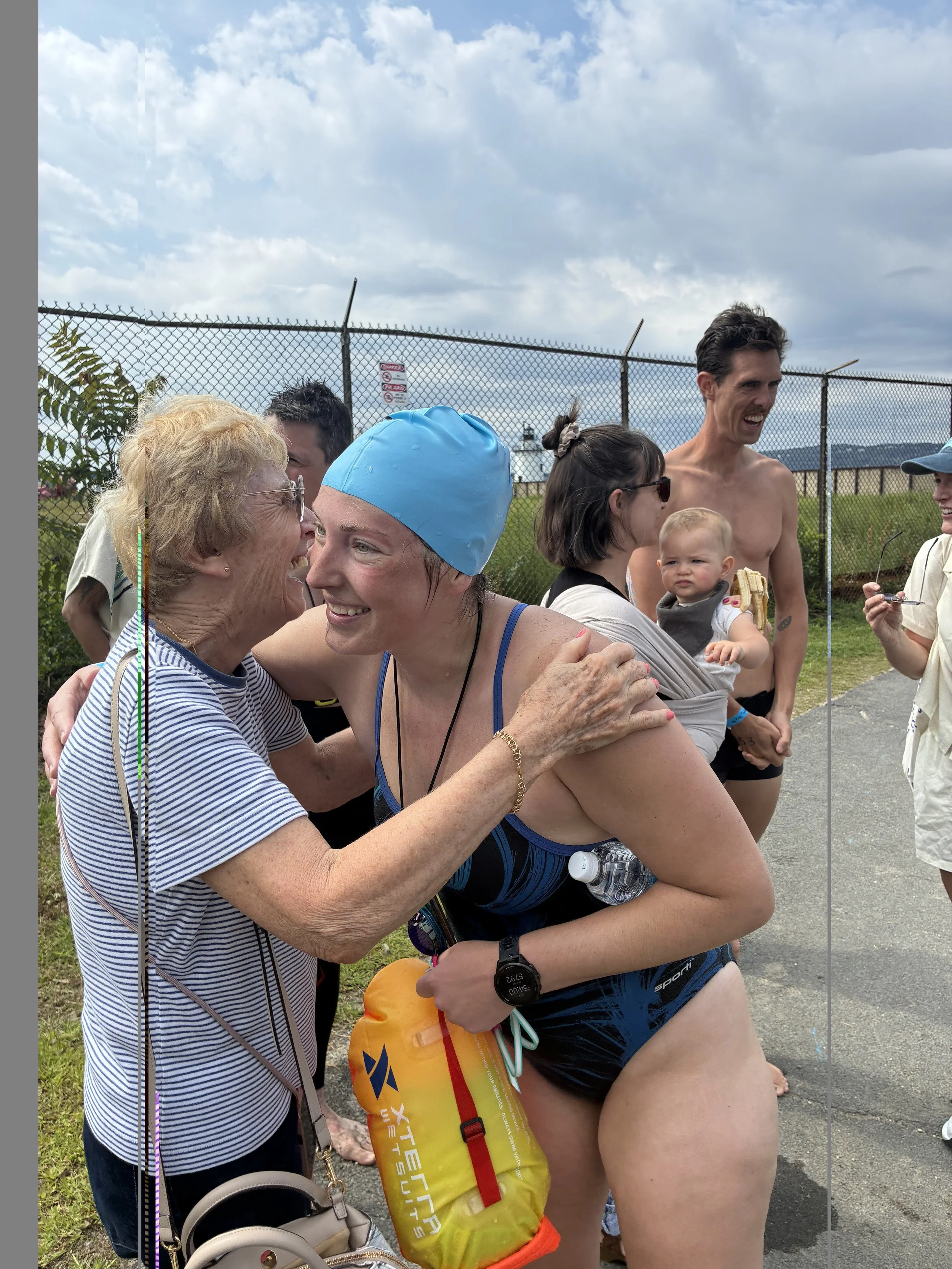
Everything Went Swimmingly in #5

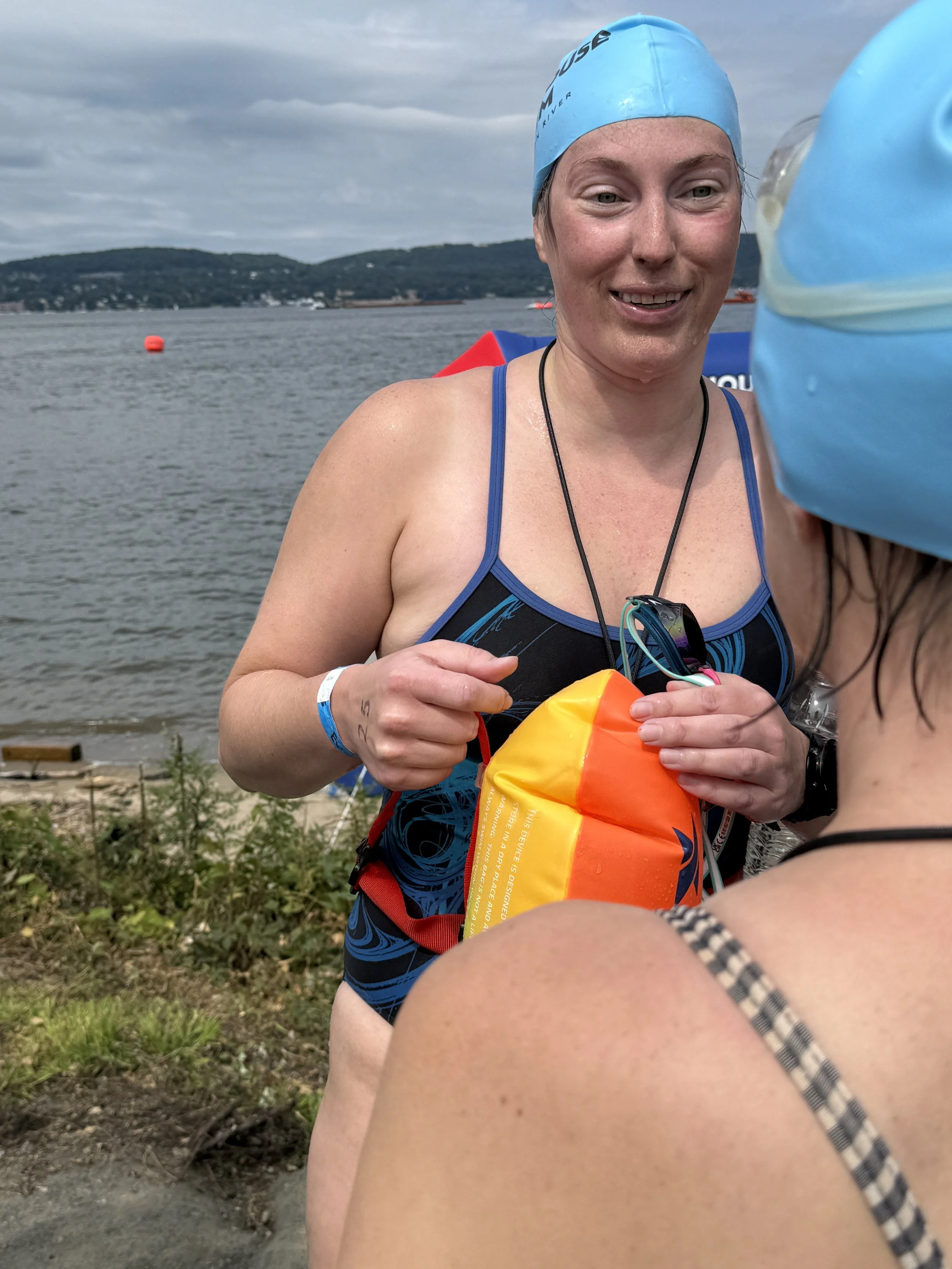
On August 30—not so very long ago—84 swimmers took the challenge—the 5th Lighthouse Swim—to swim across the Hudson River from Nyack to Sleepy Hollow. The payoff was $67,806 shared between three organizations dedicated to ending food insecurity: Feeding Westchester, the. Soup Angles of Nyack, and the Nyack Center.

What does that have to do with Kendal? Well, other than the swim’s an important Sleepy Hollow (our town) event, one of those swimmers—Kristen Ewing—was sponsored by our own Amanda Slattery. Well done, both!

Kristen after her 3-mile swim across The Hudson.

Well done both! Amanda congratulates Kristen on a successful challenge.

Election Day Is Coming! Are You Ready?

ARE YOU PREPARED FOR ELECTION DAY: NOVEMBER 3?

November 3, 2026 is Election Day 

Registration Deadlines

And If You’re Interested in Voting Early

I Never Knew That

11 Common Objects That Are Never Called By Their Proper Names

Image by Joshua Hoehne

1. The tip of the shoelace

Image by Emilie

The little plastic or metal tip at the end of shoelaces or drawstrings is there to prevent the fibers from fraying and to make it easier to pass the lace or drawstring through a hole. Its proper name is aglet, from the French aguillette, meaning “needle,” a reference to its use in helping to thread the string through the hole.

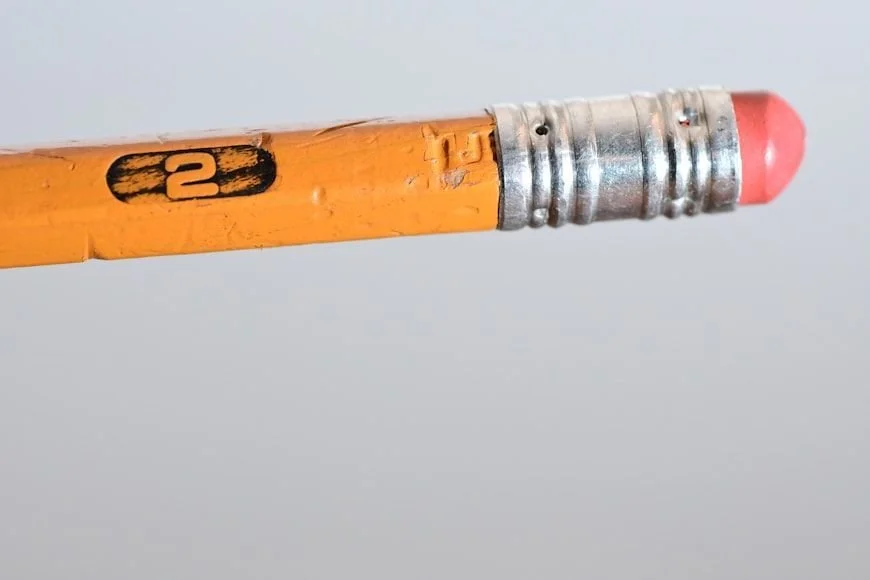
2. The metal band on the end of a pencil

Image by Kim Leary

Erasers at the end of wooden pencils are not usually glued together, but they are instead held together by a little metal band. This band is called a ferrule—from Medieval Latin viriola or “little bracelet”—and the term can be used for any metal band that strengthens or fastens a joint, such as those used in handles to hold brush bristles or to secure a connection between two cables.

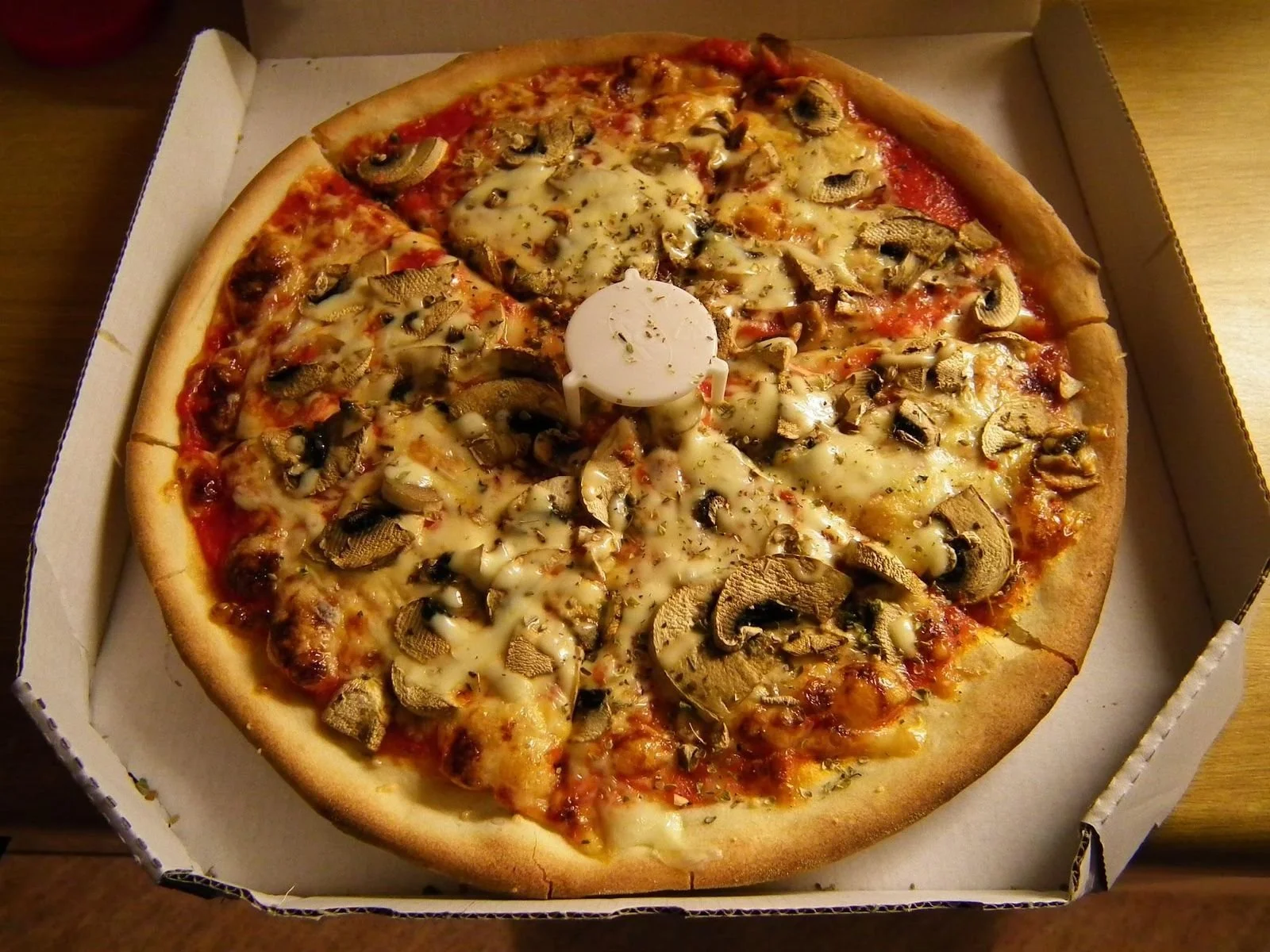
 3. The little plastic table on the pizza

The “little plastic table on the pizza” is quite a long name for something aptly named pizza saver, but no one seems to really care. It was invented in 1974 by an Argentine pizza maker who named it SEPI or separador de pizza (“pizza separator”). In America, it was patented as a package saver in 1985, though it was later renamed pizza saver.

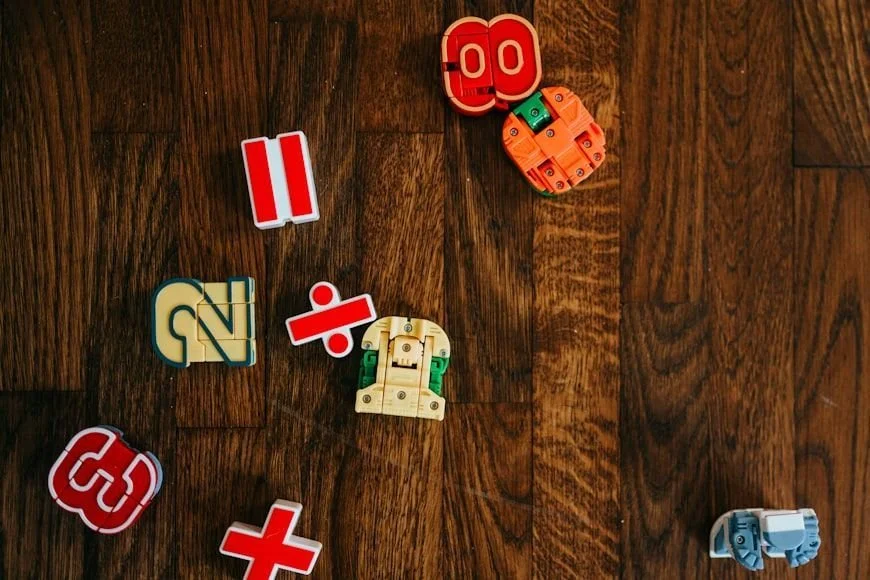
4. The division sign

Image by Nathan Dunlap

Most mathematical symbols have proper names that are not regularly used, and the division sign is no exception. It was officially introduced into mathematics as a symbol of division in 1659 by the Swiss mathematician Johann Rahn in his influential work Teutsche Algebra. This sign is called an obelus, from the Greek obelos, meaning “sharpened stick” or “skewer,” as it was initially used as a pointer for questionable passages in a text.

5. The coffee cardboard sleeve

Image by Truong Tuyet

 Paper cups and their corresponding cardboard sleeves to protect our hands from the heat or the cold are relatively new, but their proper names are not—at least, the name for the cardboard sleeve. This holder is called a zarf, an Arabic (zuruuf) and Turkish (zarflar) word used for ornamented cup holders, usually made from metal. The materials and the details of the zarf have changed, but the purpose still remains. 

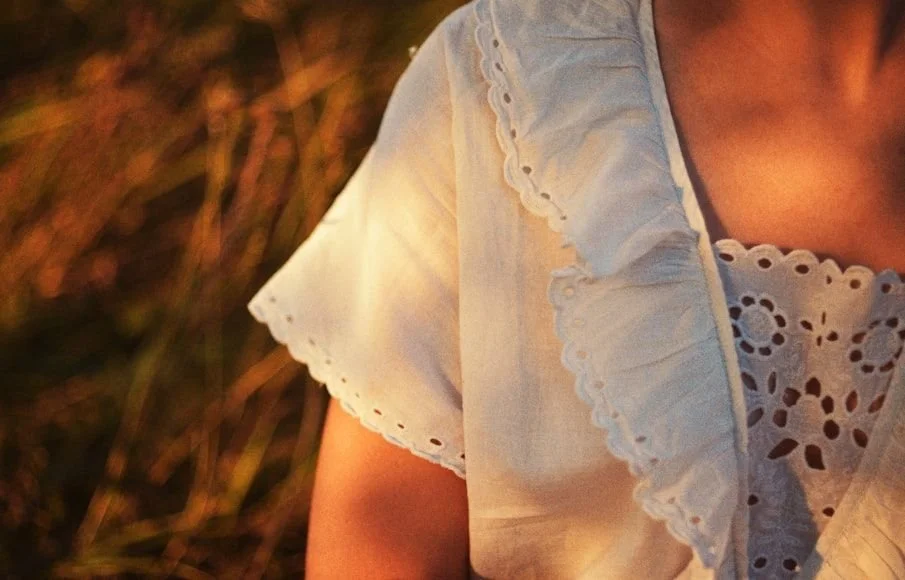
6. The armhole in clothes

Image by Liana

Do we need a more technical term than “armhole” for a hole meant for an arm to go through? Maybe not, but the technical term still exists. An armscye (pronounced arm-sigh) is the proper term used in sewing and patterns to describe the opening on a garment where the sleeve is attached. The word is a compound of arm + scye, a Scots word meaning “opening.” So, in the end, armscye just means “armhole.”

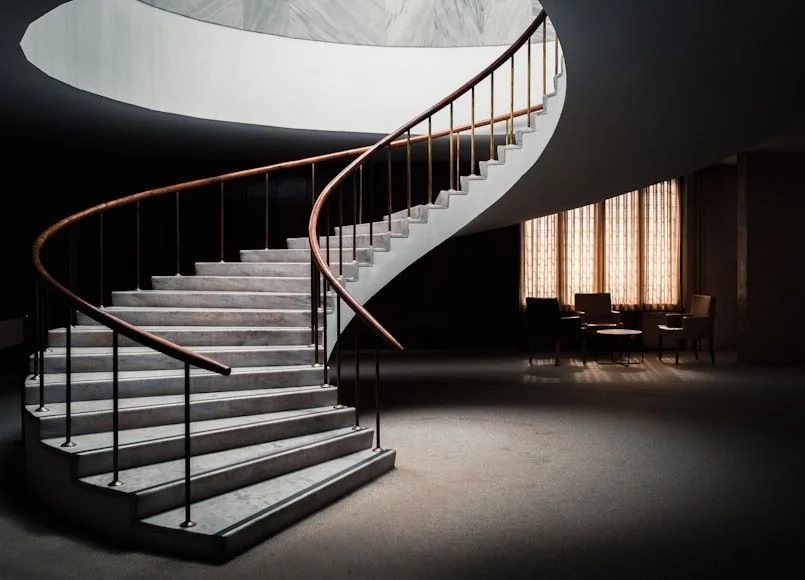
7. The railing and pillars on a staircase

We often use the words “railing” or “handrail” when talking about a staircase, but these terms only describe the top portion of it, not the pillars that support the handrail. The pillars and the rail altogether are called a banister, a corruption of the word baluster, derived from the Italian balaustro. The term originally was used for the pillars, but eventually came to mean the entire structure.

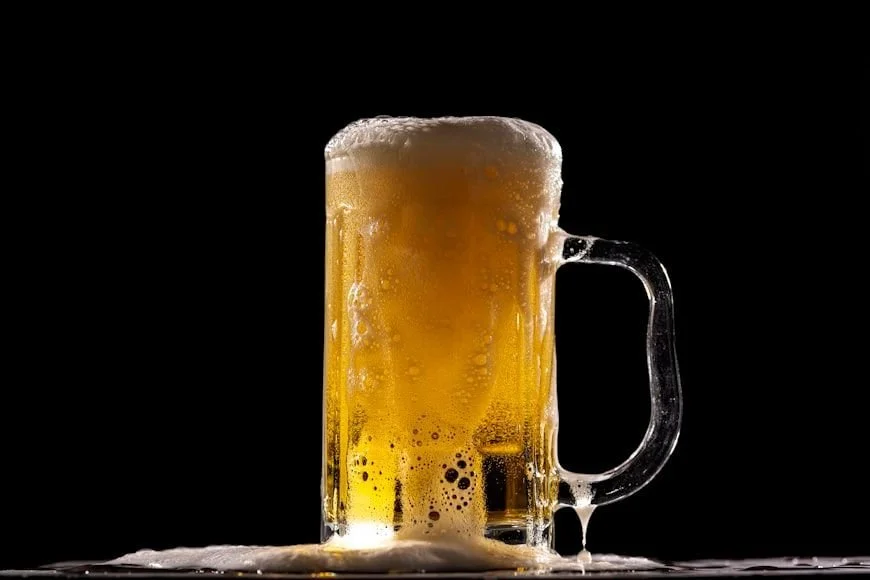
8. The foam on alcoholic beverages

Image by Engin Akyurt

Not all beverage foams are equal. The foam on top of alcoholic beverages, in particular, is called barm, a term derived from Old English beorma, meaning “yeast” or “leaven,” and it's mainly used for the effervescence of fermented liquors such as beer, ale, or wine.

9. The whites of the egg

Image by Sanjoy Saha

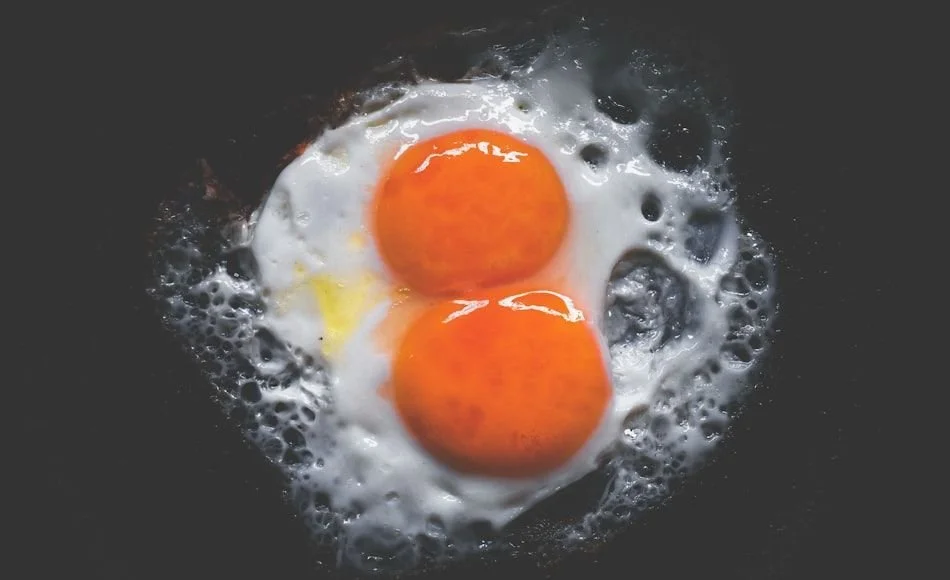
Did you know that the white (or clear) part of the egg is called the albumen? The term entered English as a loan from Latin, where albumen—from albus, “white”—was used in the same way. Though it is not widely used in everyday life, it’s still the correct term for that part of the egg.

10. The dot on the “j” and the “I”

Image by Marcel Eberle

As a rule of thumb, you should always assume that all marks, symbols, and strokes in calligraphy have a proper name, even if it’s not often used. When it comes to the lowercase letters “j” and “i,” the little dot on top is not a dot, but a tittle. This name comes from the Latin titulus—meaning “title,” “inscriptio,” or “small mark”—and was initially used by scribes to distinguish these letters in their cramped writing.

11. The “you are here” pointer on a map

Image by Fallon Michael

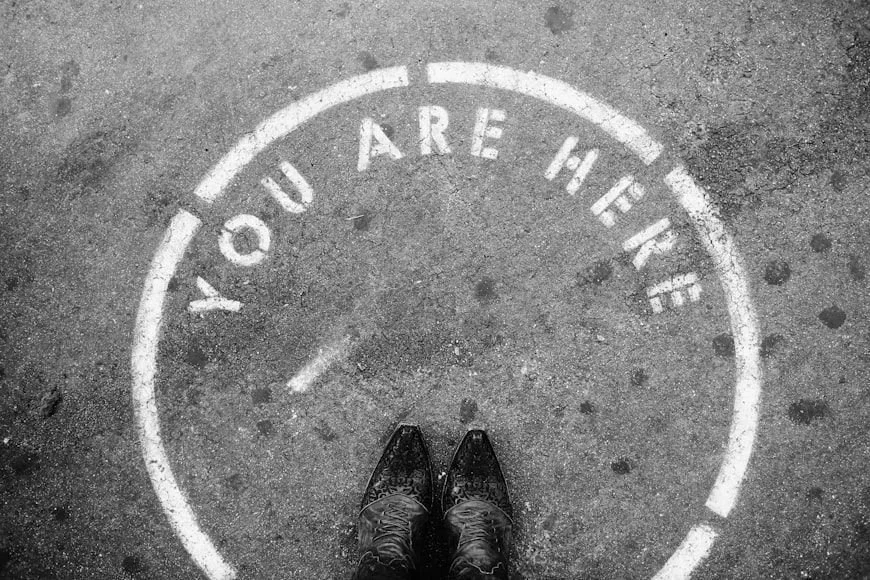
If you ever got lost in the mall or the museum, you must have come across a map that marked your location using an arrow or a pointer, usually accompanied by the phrase “you are here.” Well, that pointer is called an ideolocator, a combination of the Greek idea, a “mental image, concept, or visual representation” (in this case, the pointer), and the Latin locatus, meaning “to place” (the specific location on the map). For the sake of convenience, we will keep calling it the “you are here” sign.

Source: DictionaryScoop.com, May 12, 2026