Are You a TaSH Aficionado? Then Make Your Voice Heard!
You have until Sept 30 at 5 pm. But why not do it now?

Are You a TaSH Aficionado? Then Make Your Voice Heard!

You have until Sept 30 at 5 pm. But why not do it now?
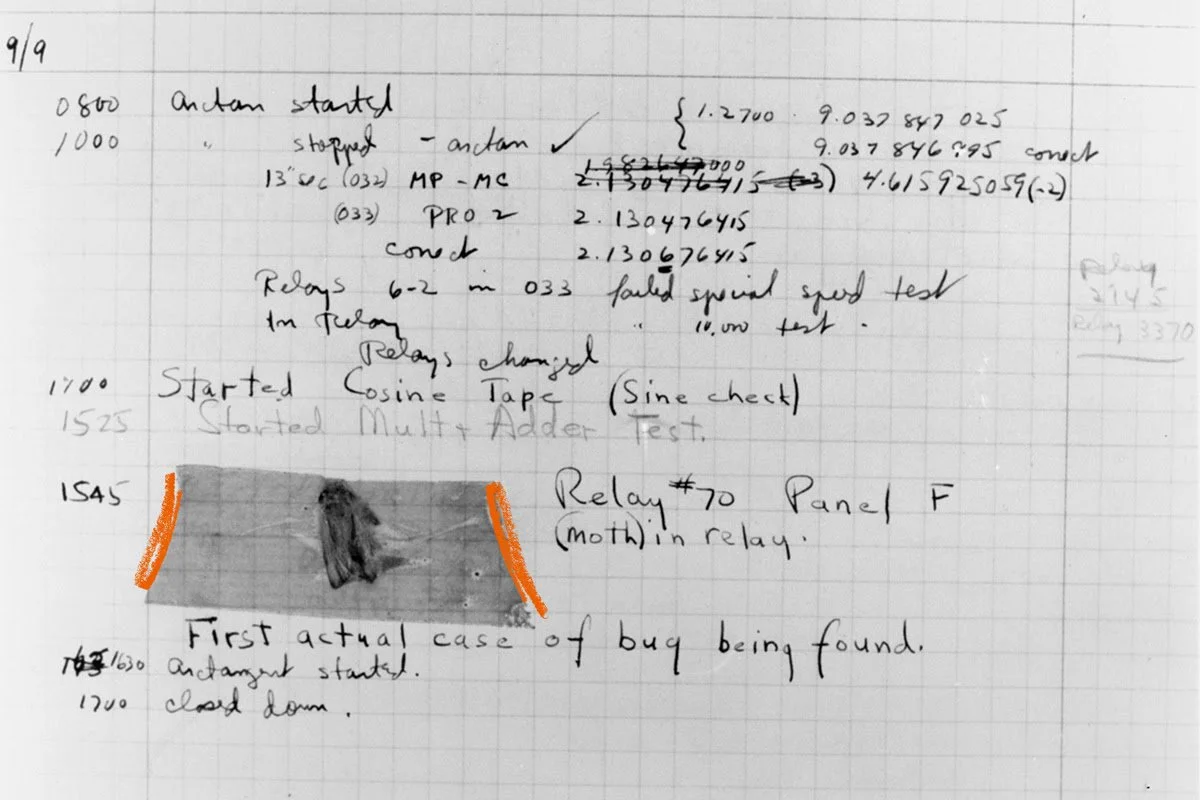
On September 9, 1947, the Harvard Mark II, one of the earliest computers, encountered a bug. Quite literally.
People have used the term “bug” since the 19th century to describe mechanical problems. Thomas Edison wrote about a bug in the call apparatus of his telephone in a letter in 1878, and the Pall Mall Gazette ran a story in 1889 referencing Edison finding a bug in his phonograph. The term even appeared in the Supplement to the Oxford English Dictionary.
So, when the Mark II began malfunctioning on that September day, the engineers working on it, including the legendary programmer and mathematician Grace Hopper, knew they were looking for a bug—they just didn’t realize it would be so literal.
But finding the issue took more than sitting at a desk and running a troubleshooter, like we do today. Instead, the engineers had to walk to the physical location of the problem—somewhere in the 4,000 square feet of floor space the electromechanical computer took up.
About 3:45 that afternoon someone found the bug. It was a moth, stuck in Relay 70, Panel F. Each relay was a small mechanical switch, and anything interrupting the circuit was a major problem. Whoever found the insect taped it into their logbook, along with the note “First actual case of bug being found.” A popular story suggests that this person was Hopper, but it likely wasn’t: The book logging the moth was not written in her handwriting.
We may never know who this computing punster was, but the book and its offending insect are preserved at the Smithsonian National Museum of American History.
Source: Britiannica.com, “Today in History,” by Teagan Wolt

Contributed by Jane Hart


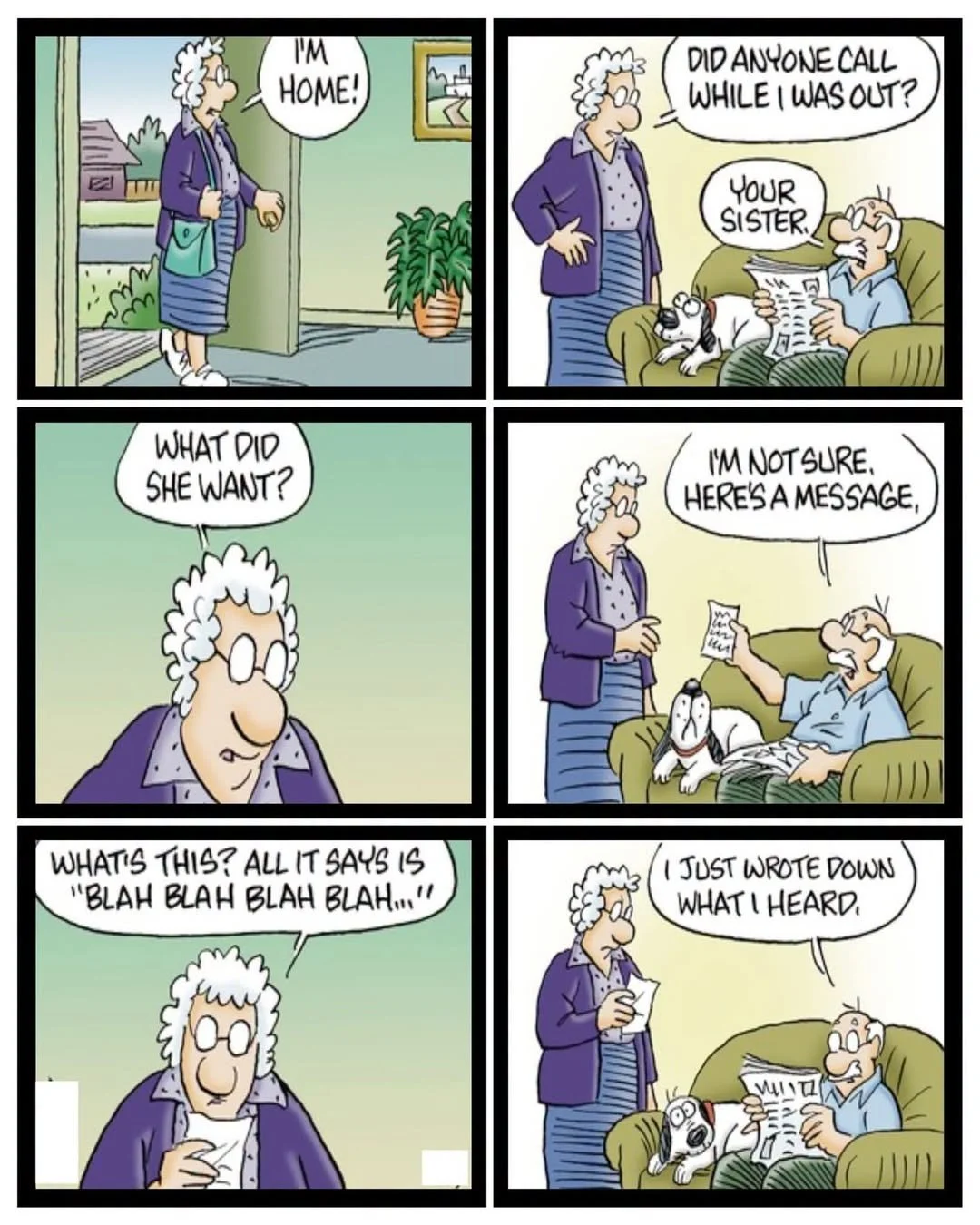

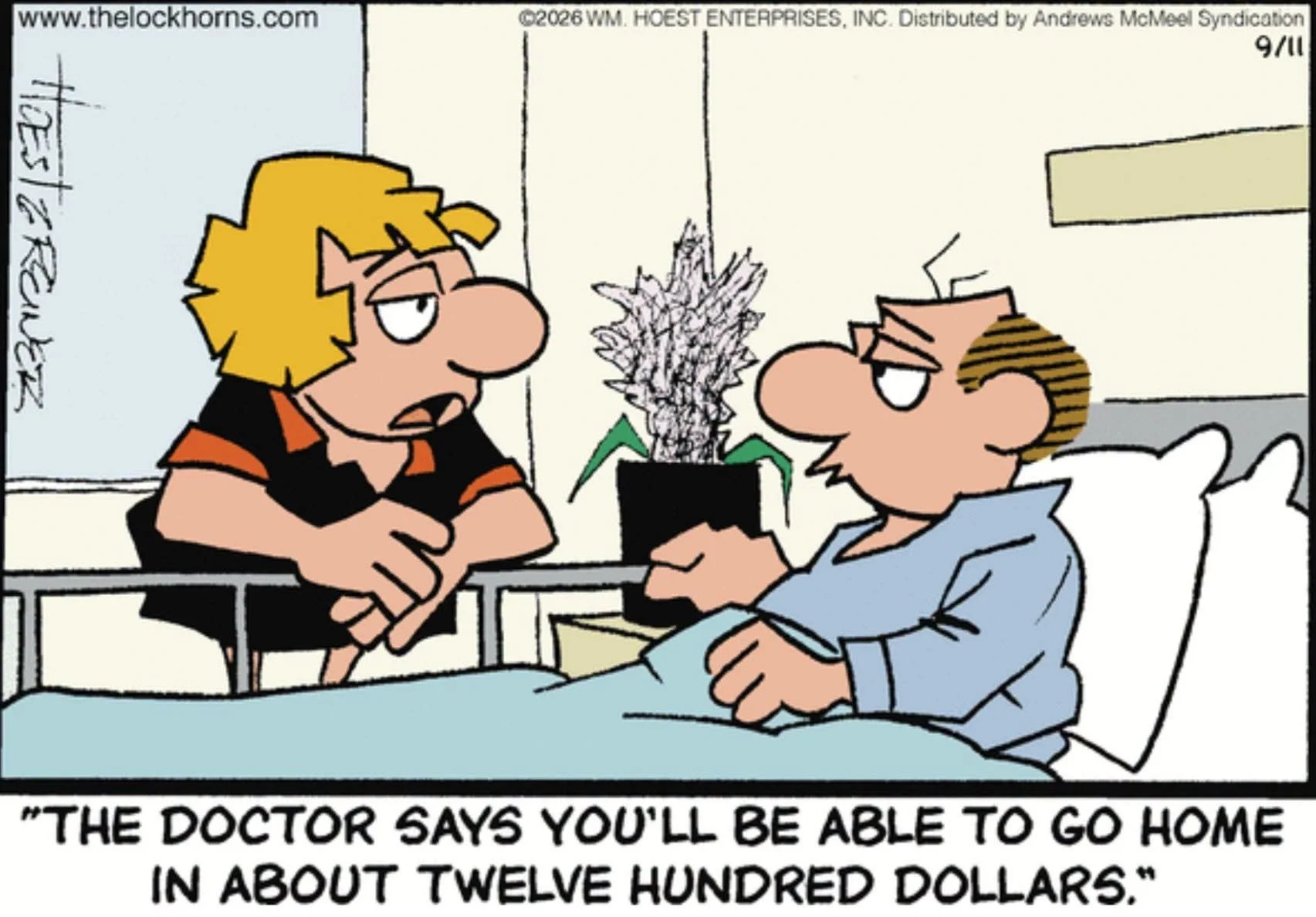

Arlene and Bobo’s podcast on resolving interspecies conflict in the workplace was having a moment

It was never easy calling the first PTA meeting of the year to order
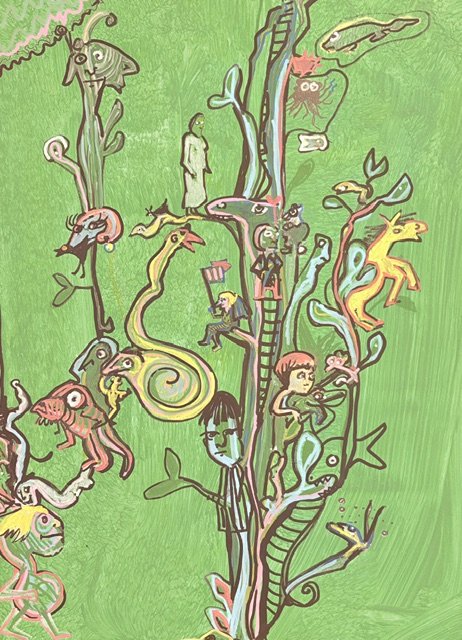
Disappointingly, Jack’s beanstalk had turned into a tourist trap
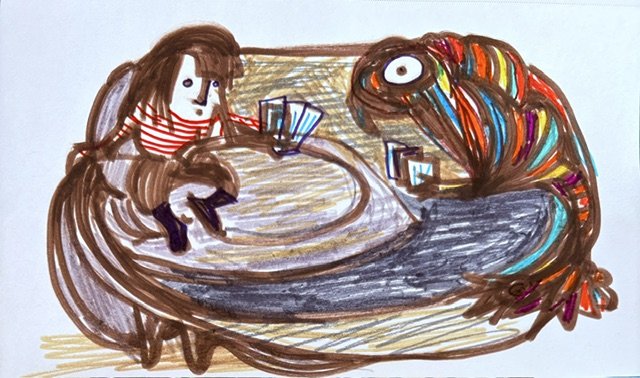
Nobody dared to breathe at the finals of this year’s International Go-Fish tournament

The Hubbard were delighted with their supermarket contact lenses
Art and photos by Jane Hart
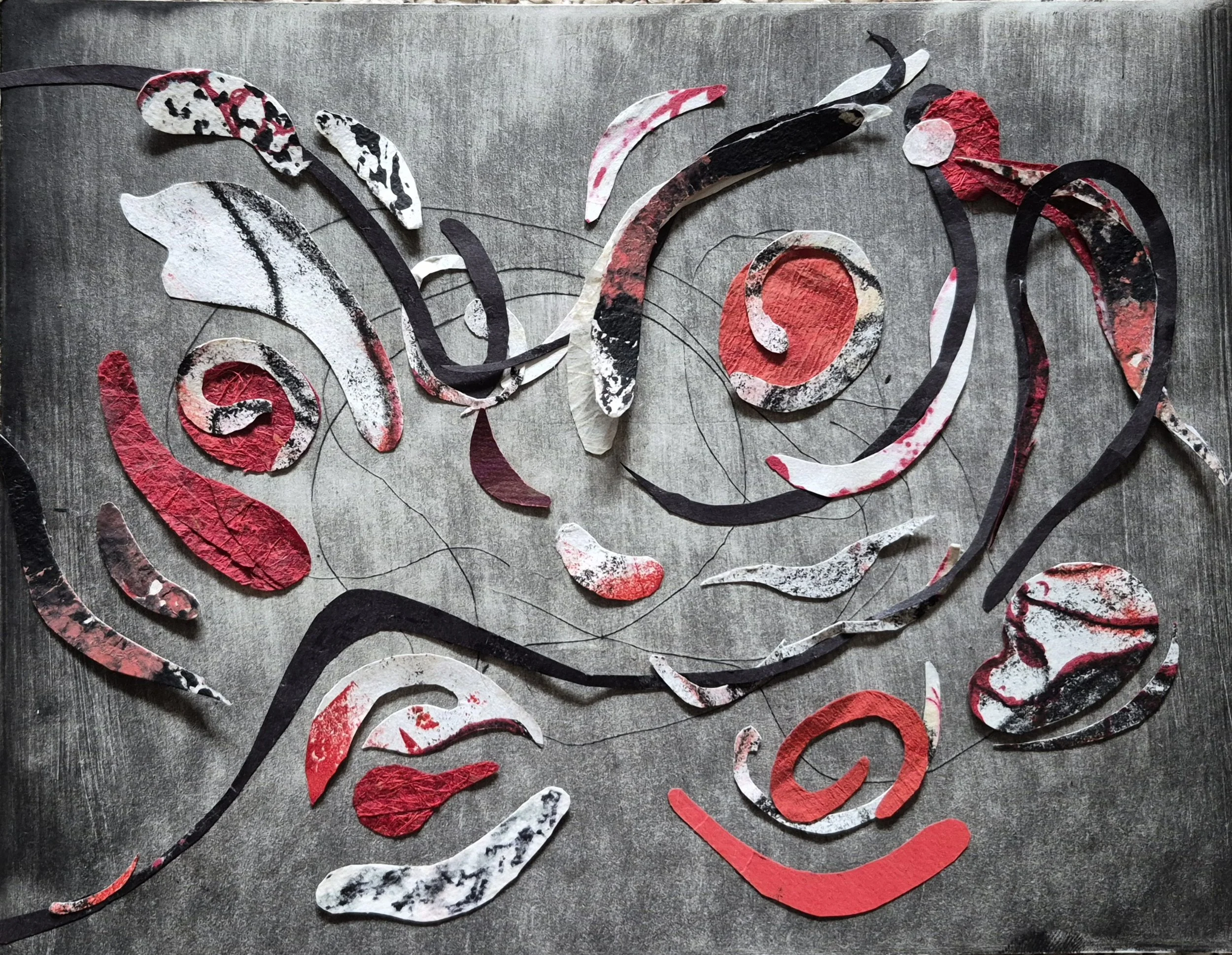
Art and photo by Sheila Benedis
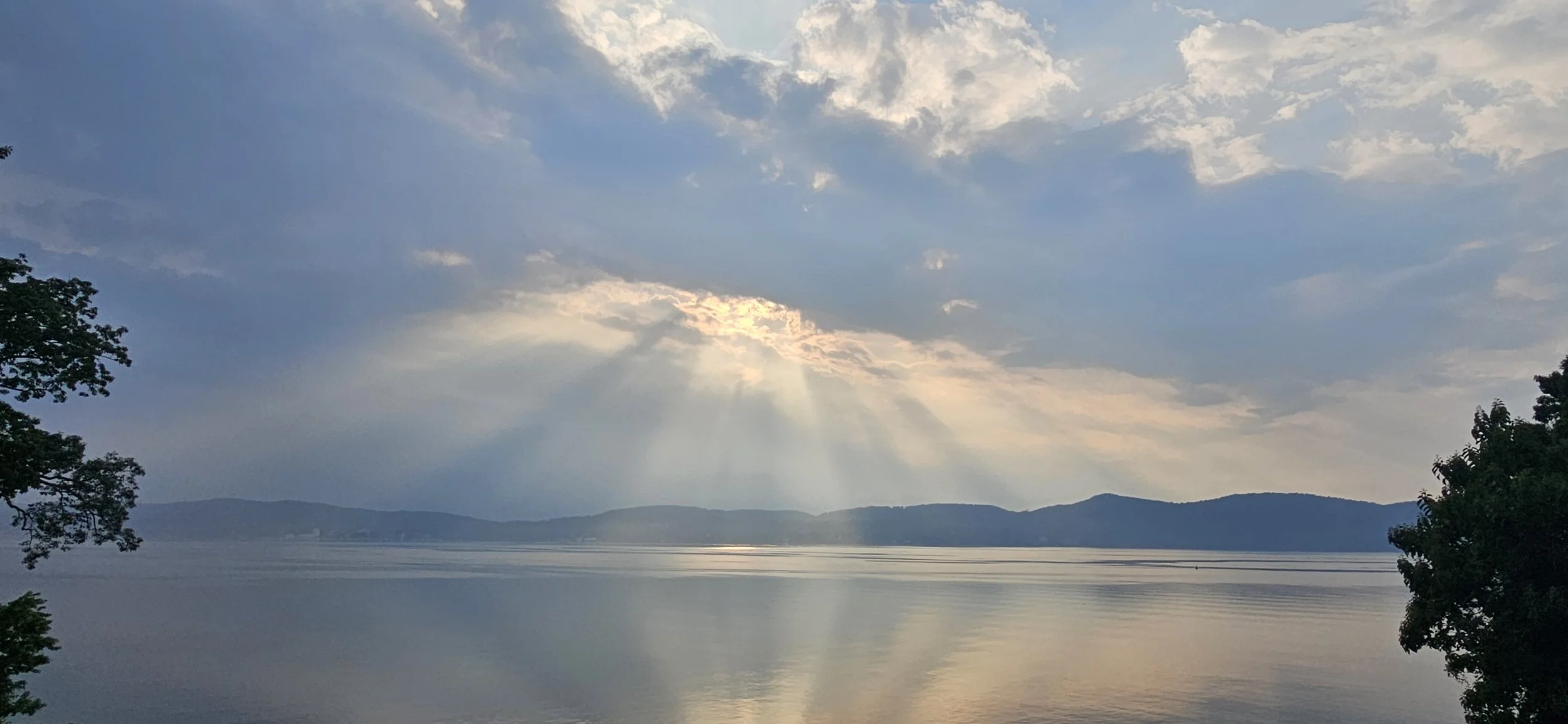
Photo by Joe Bruno
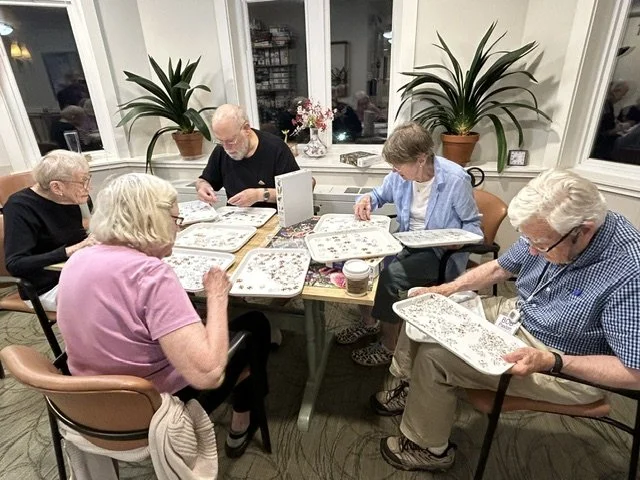
Photo by Carolyn Reiss
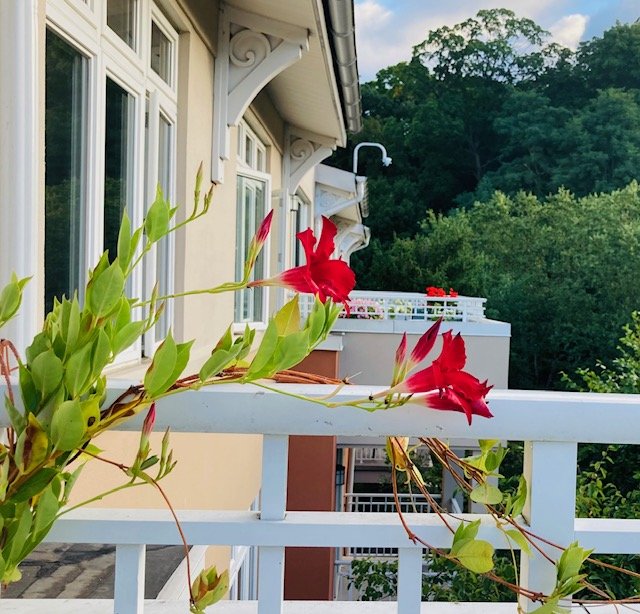
Photo by Janet Sawyer
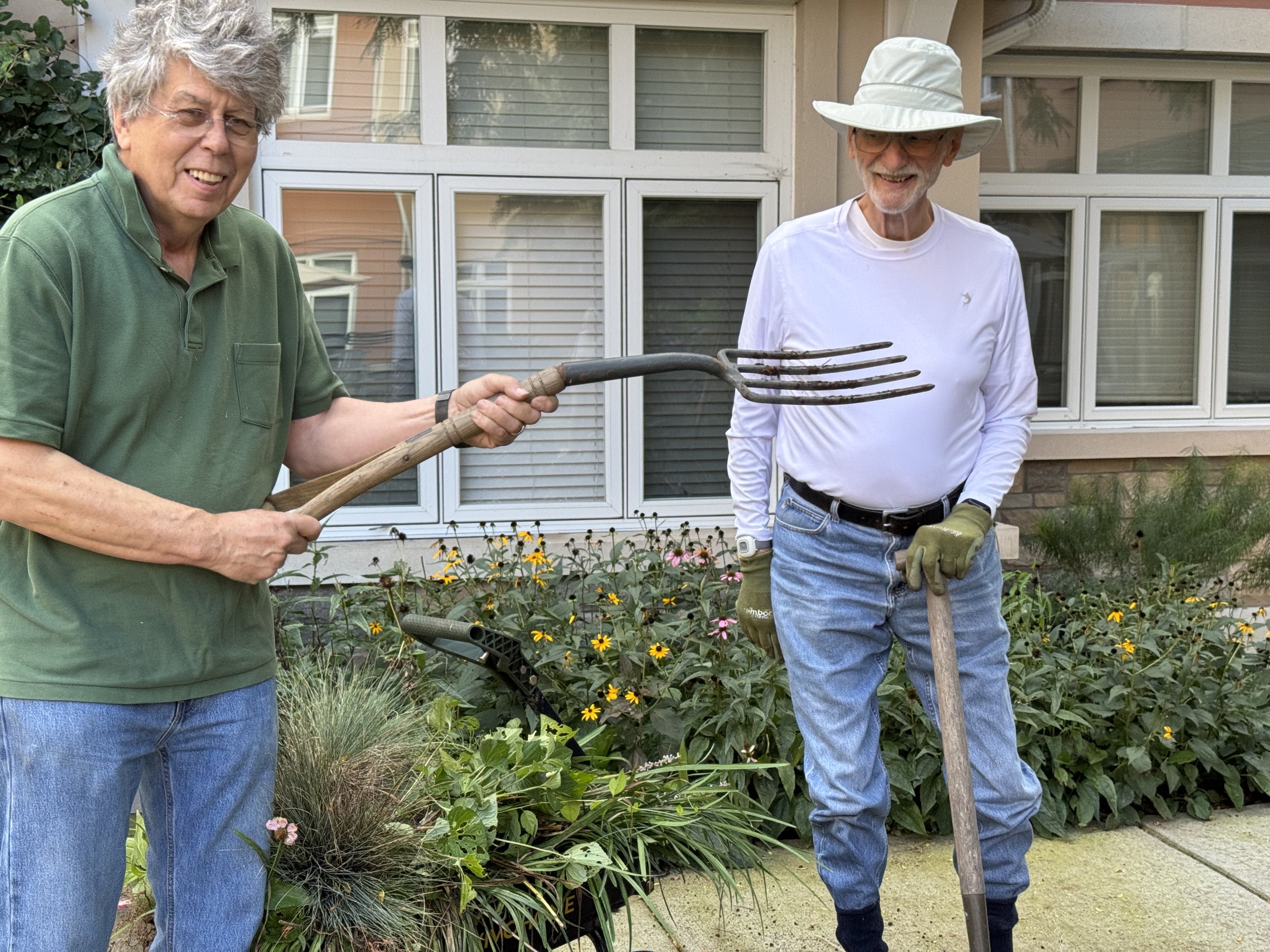
There were the men . . .
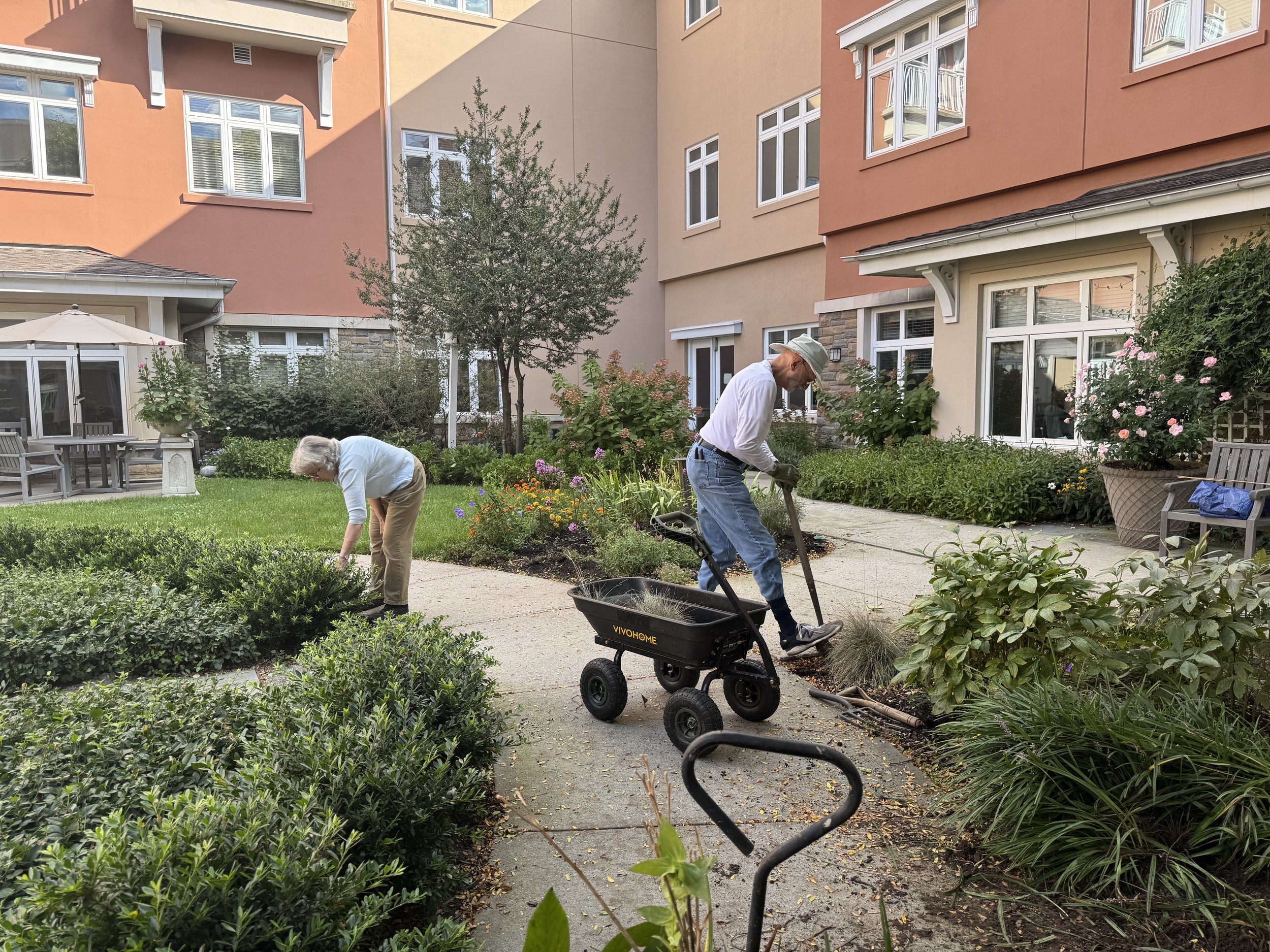
. . . and the women, too
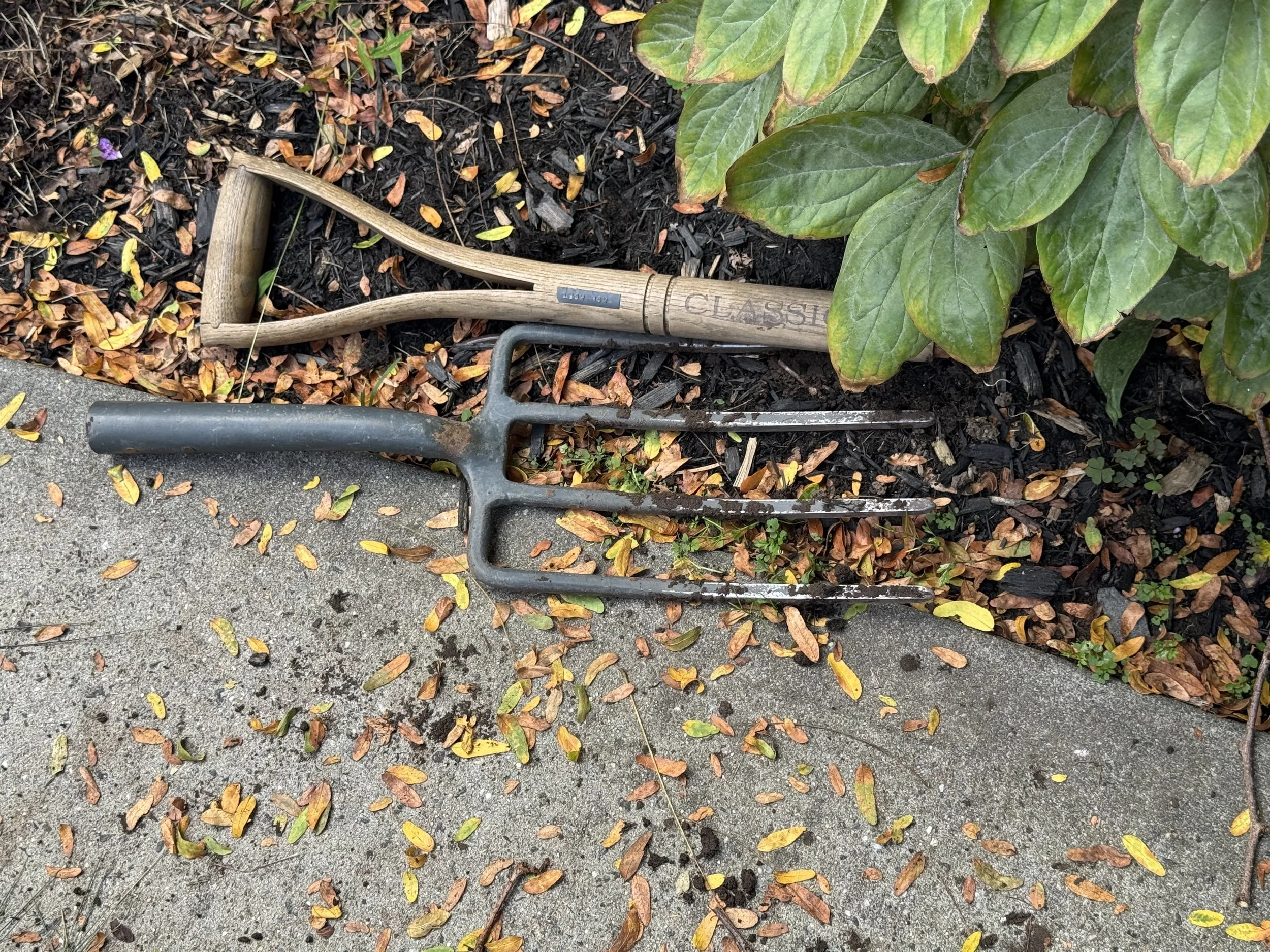
Although the men left their calling card . . .
Photos by Valerie Wolzien
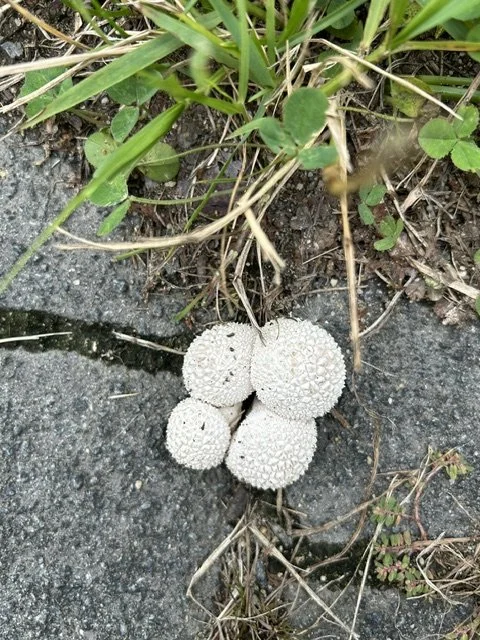
An omelet in the works?
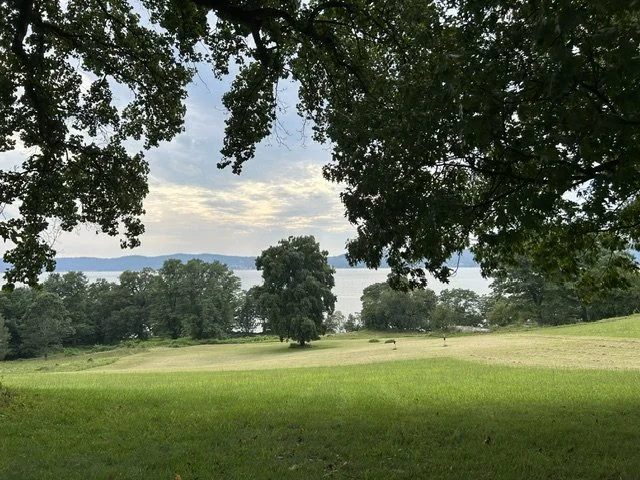
A buzz-cut lawn
Photos by Edward Kasinec
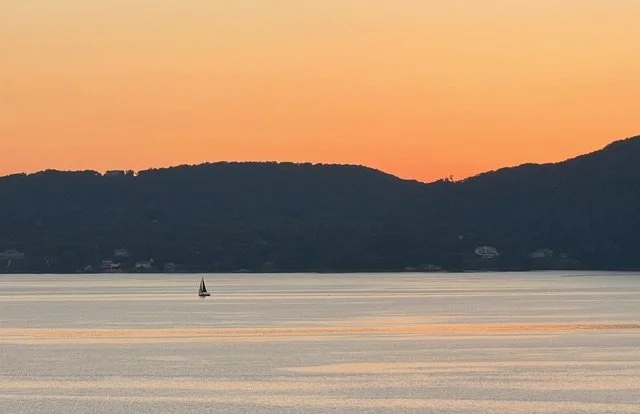
Photo by Philip Monteleoni
Recently, Amanda Slattery attended The US Open to watch the Greats play. Who?
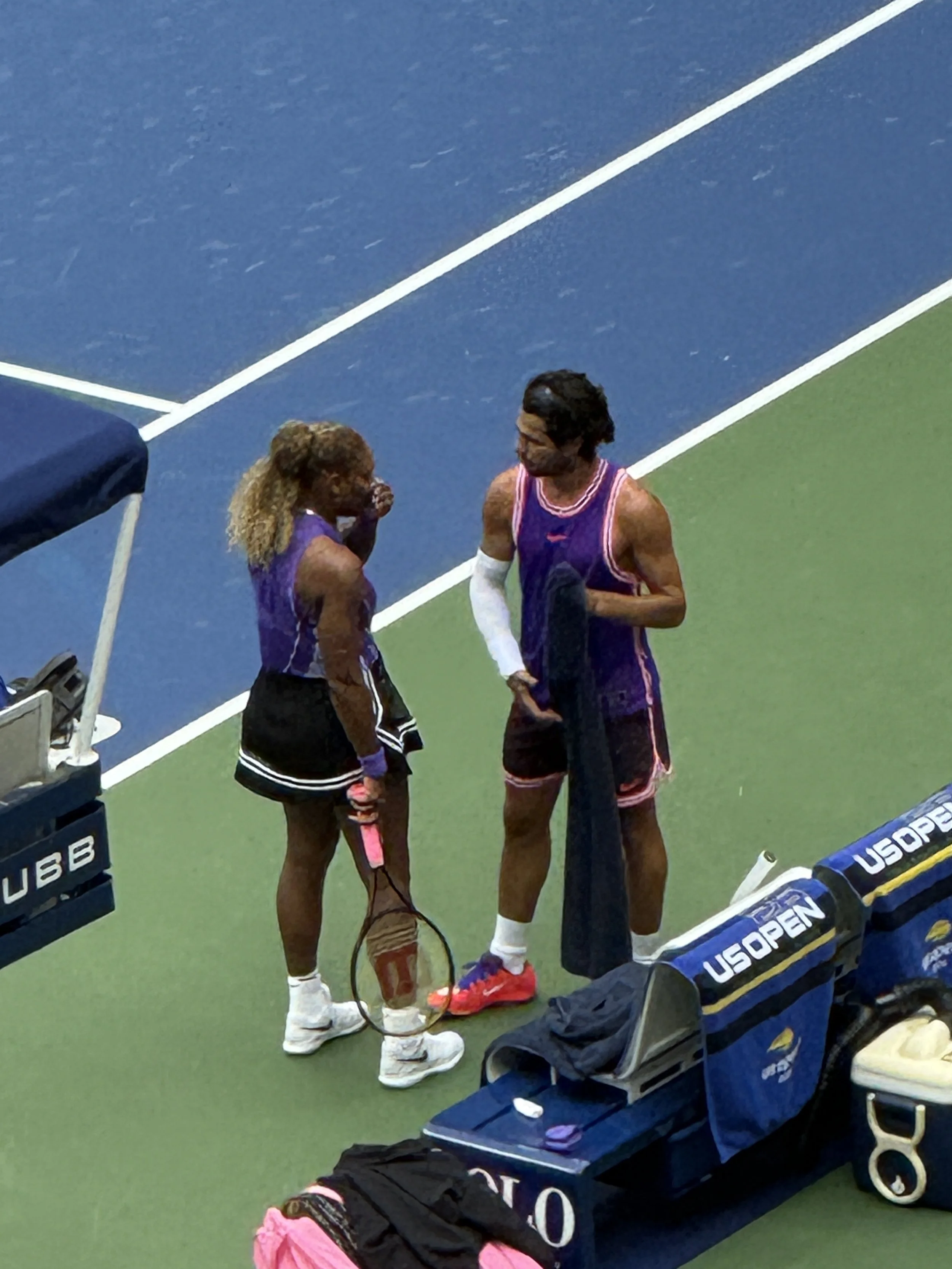
Serena Williams and Carlos Alcaraz played Doubles

Serena Williams serves

Gaël Monfils serves

And returns . . .
Photos by Amanda Slattery
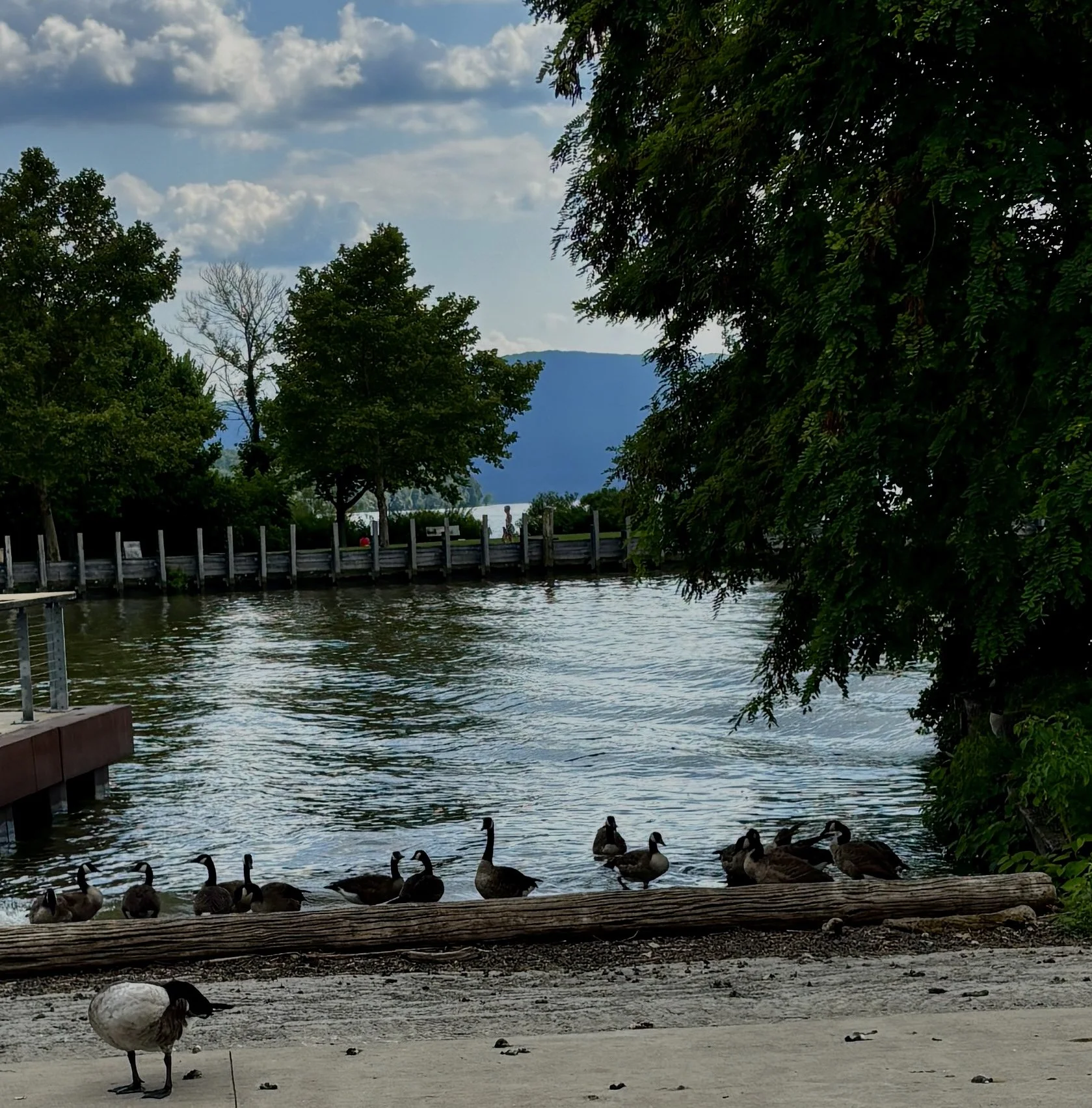
Ducks gather at the Long Dock Park at Beacon within happy sight of The Hudson, by Lynn Brady
Carolyn and Allie Reiss decided to venture into Croton’s Oscawana Park to see what’s what.
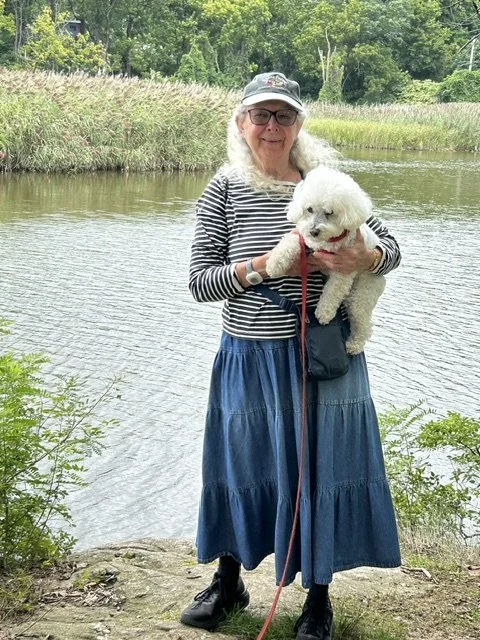
They found natural beauty and interesting things . . .
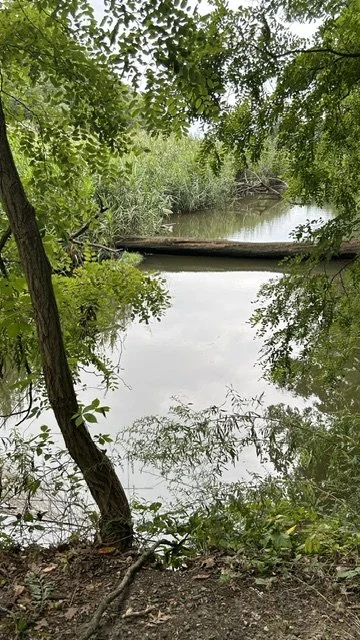
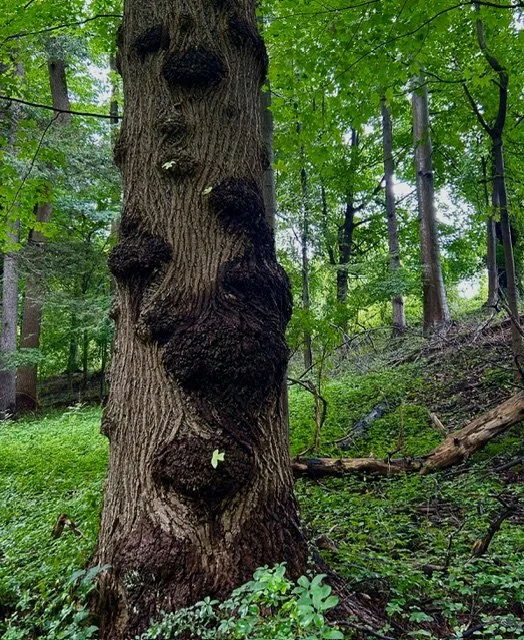
. . . and poison ivy. The walk didn’t last long.
Twenty-five years ago this week, the World Trade Centers were attacked by a terrorist group in what was a coordinated attack on the USA. That day—as part of the coordinated attack—Flight 93 was hijacked and passengers bravely sacrificed themselves and foiled the hyjackers’ efforts. Let’s pause for a moment on 9/11 to remember those who lost their lives on September 11, 2001—and the outpouring of worldwide support, grief, and help for the USA in its time of such great sorrow.
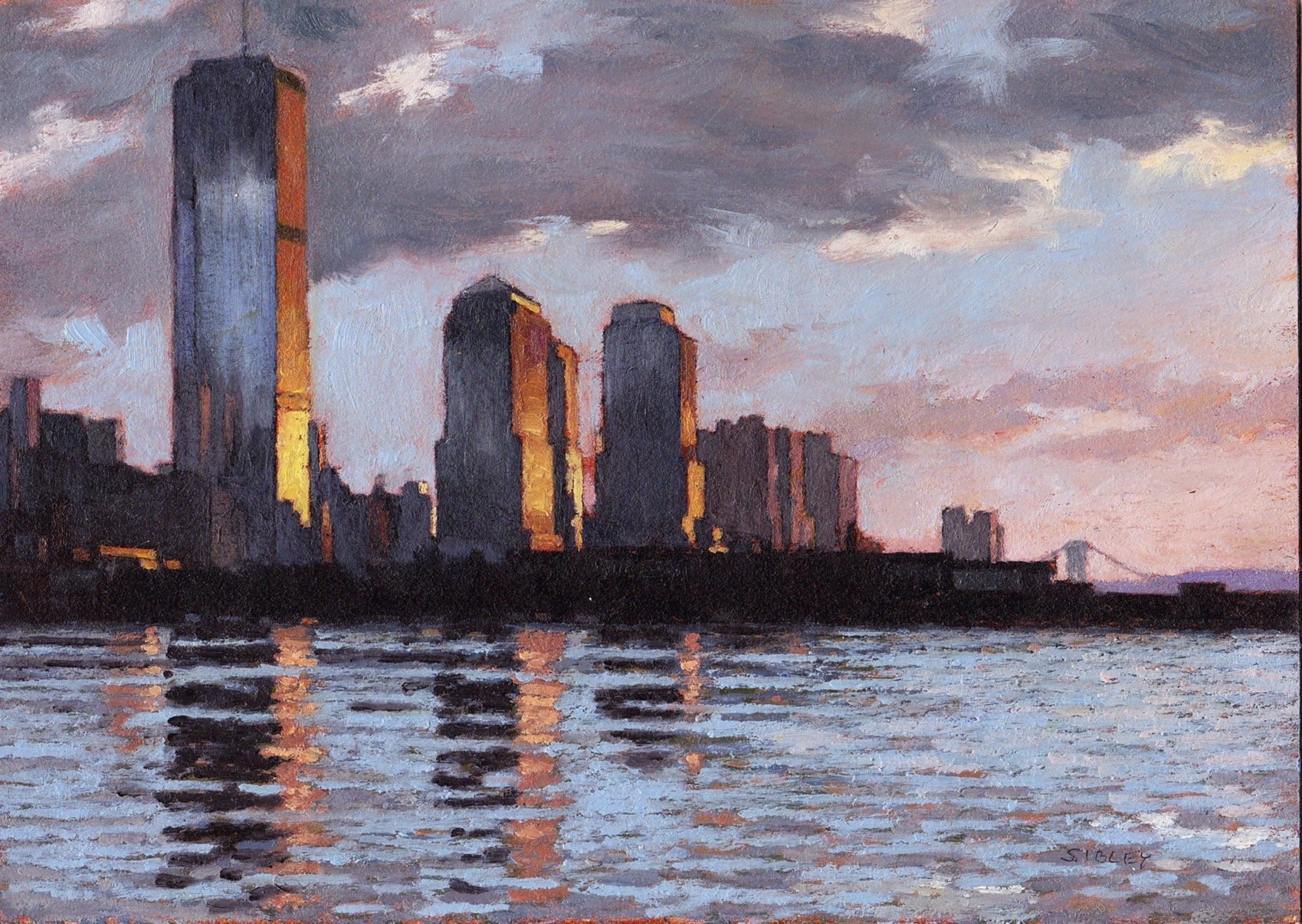
Oil sketch contributed by Peter Sibley
Pat McGrath and his daughter, Moriah, have taken off on a Great Adventure! The final reports:
Wow, we got lucky. At dinner the first night in Canada at the magnificent Butchart gardens in Victoria, Moriah and I were seated with the only Canadians in the group, our two guides, and a mother/daughter team from Saskatchewan. We soon realized that they were very nice people and that the impending war between the US and Canada was unlikely despite the headlines. In fact, they claimed that a deal between Prime Minister Carney and Trump was very close to completion. Reassuringly, our dinner companions contended that all Canadians were eager to sustain their lifelong affection for their south-of-the-border neighbors after we become their 11th province.
So let’s all hope there’s no chickening out on this rumored deal!
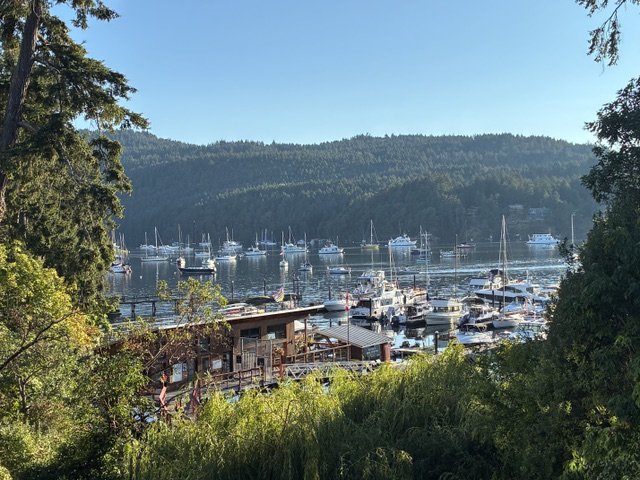
Here’s the marina below our hotel in Brentwood Bay, Victoria.
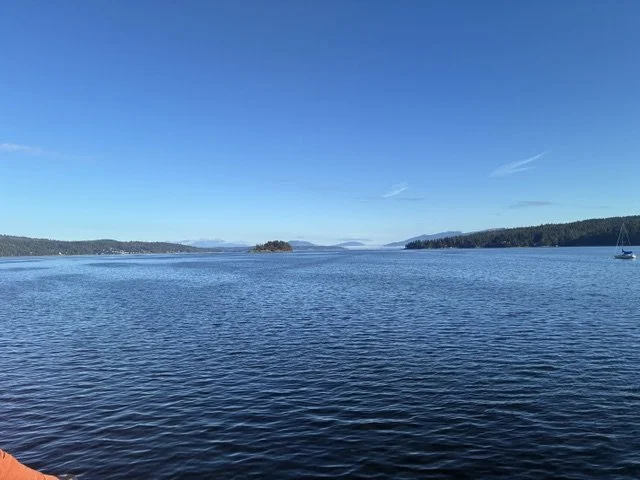
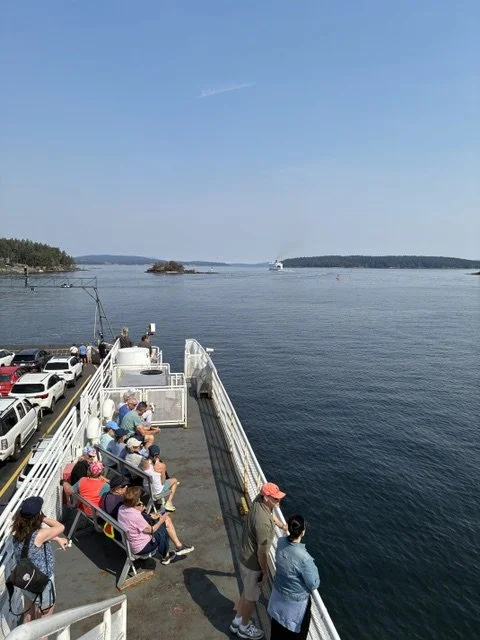
And here’s a view of the Saanich Inlet from the ferry taking us and our bikes to the morning ride:
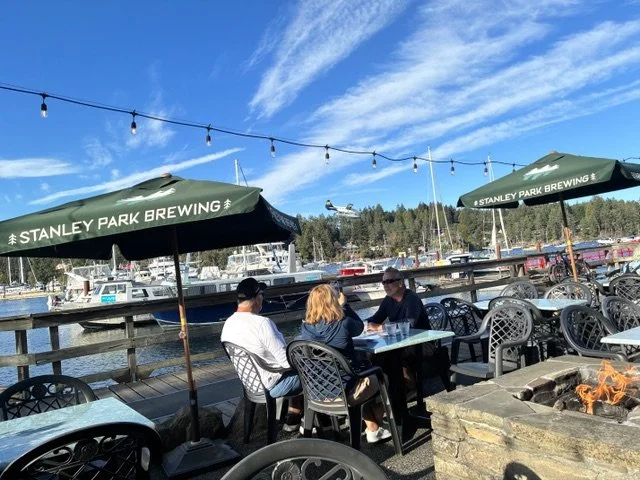
On Wednesday we left (huge) Vancouver Island for (tiny) Salt Spring Island. There are only two ways to make the trip: ferry or seaplane. We took the ferry.
While we were biking on Salt Spring Island, we stopped at at a glass maker’s workshop that was literally in the woods. The craftsman has pioneered the re-use of discarded glass and energy efficient furnaces. He has been making fine glass objects for 30 years and sells them to tourists as well as several distributors. His work is unique and completely unindustrializable. In case you’re interested in seeing his work, here’s his website: https://theglassfoundry.com/what-we-do/. Several of the riders, including both me and Moriah, bought items from him. When one of them asked if they could pay to have it shipped to avoid breakage in her luggage, he said yes, but that a 50% tariff had just gone into effect which would have to be paid upon re-entering the US.
So the cost of his products to American customers (virtually all of his customers are American tourists) has increased by 50%. And the purported benefit to American glass artisans is that they may be able to charge more, although their competition certainly doesn’t include him, so they will probably be not affected one way or another. The benefits for American tourists wanting souvenirs of their travels? Not so much. Moriah and I both bought our pieces anyway, and I look forward to showing you mine when I return.
Next stop: Galiano Island.
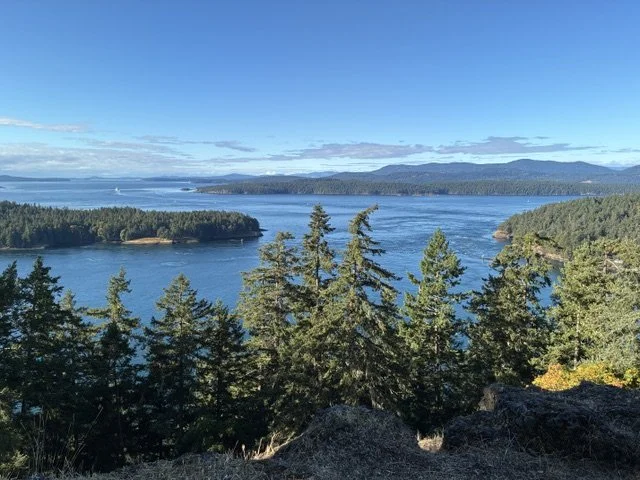
We ended our biking and hiking tour of the British Columbia islands on Friday. The final exertion was a very steep climb to Bluff’s Park on Galiano Island where we could see our watery route to Vancouver and the wooded islands over which we had walked, ridden—and even kayaked—all week.
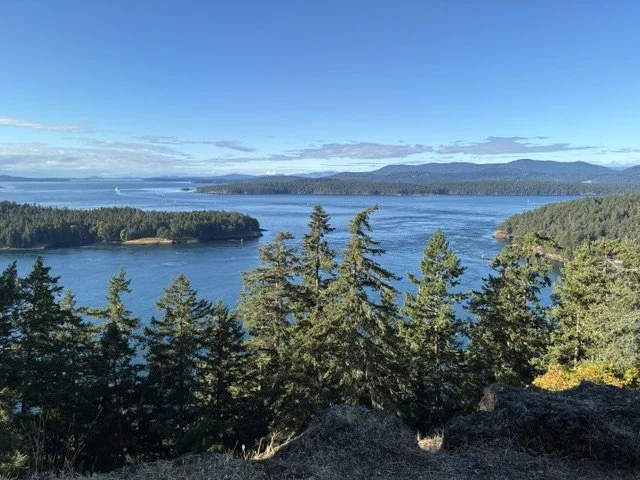
Among the sights we leave behind are the Madrone trees, also called Arbutus, which live on the Pacific Coast from BC to Southern California, Their orange red bark peels away to reveal a greenish silver layer underneath. They grow in contorted shapes and bear fruit in autumn. It looks like a show off among its spruce and fir neighbors.
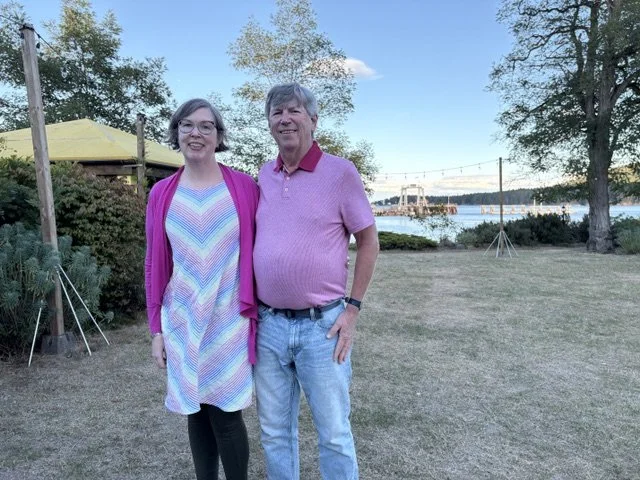
Here we are at our final dinner—with the ferry landing in the background.
A final comment on Canada. The ferries we relied upon to go from place to place moved people and their cars and the trucks that provisioned the remote islands, reliably, frequently, inexpensively. The ferry we took to Vancouver (actually the port is named Tsawwassen—if you can pronounce it) had the capacity for about 50 vehicles, 100 people, a snack bar, including alcohol, a crew of at least a dozen, what must have been a huge diesel engine in a place where automobile gas is ~$5.50US/gallon. The trip takes 55 minutes. The cost per passenger is $ 7 US.

As of September 7, election day—November 3—is but 58 days away. Are you registered to vote? Especially, you Kendal newbies! October 24 is the deadline for registration if you want to vote on November 3. You can find out more about how and where to register by clicking below.
Lisa Rosenbloom recently led a group of Kendalites to the OCC to celebrate the opening of their expanded Garden, partially funded with a Kendal donation. (The Residents’ Website included pictures last week.) The Garden is where the children grow vegetables that they can pick and eat. There were also some outstanding pumpkins in their garden! The children drew pictures of their favorites in the garden. Grace, 6 years old, drew the pumpkins and then wrote on the back of her picture that she liked to pick and eat the mint. The children were asked to give their pictures to the guests—one of whom was Lisa Rosenboom. Lisa says, “I was lucky to have Grace give me hers—and pretty nicely done for a 6 year old!”
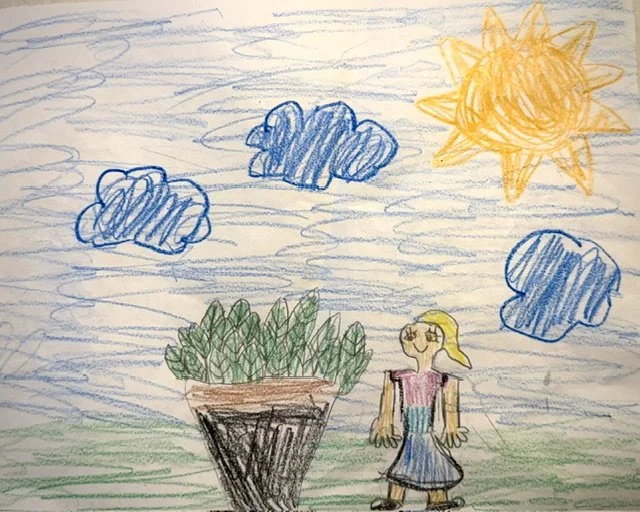
The Residents’ Website would agree.
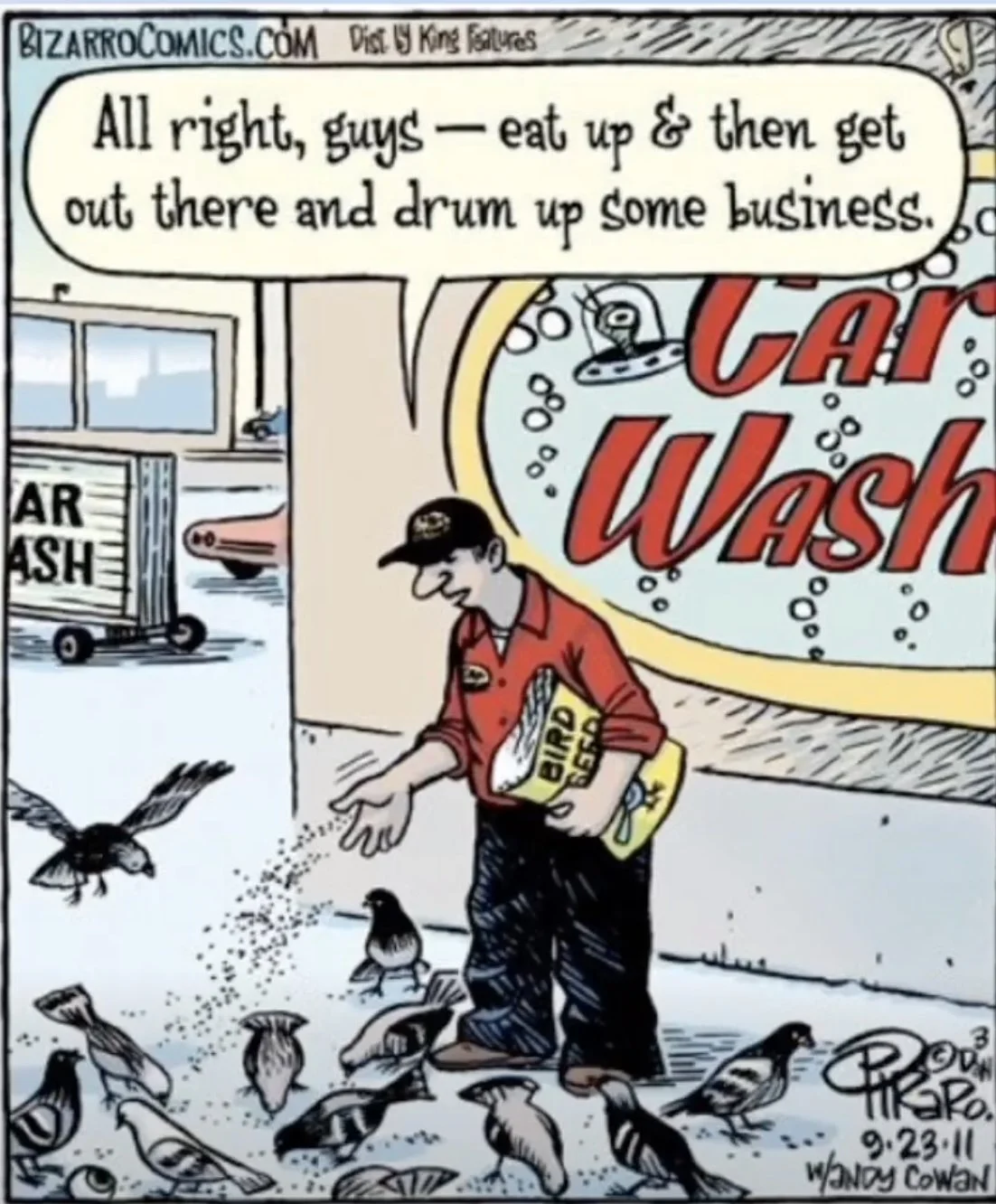
A racing pigeon—lost and exhausted—had the good fortune to land outside of Robert Fulton. Good Samaritans Betsy Anderson and Lisa Rosenbloom gave the weakened bird water and food. Though a nice place to visit, no racing pigeon would want to live there. Bob Paxton pointed out that it was banded. There was hope! Sadly, the owners could not be found. After multiple calls, a bird rescue organization from Jefferson Valley offered to pick up “Kendal Snowy,” (a name bestowed by the Samaritans). In the meantime, he (Snowy)—nourished and safe from predators—took up quarters in an Amazon box on Betsy’s balcony, awaiting a better life.
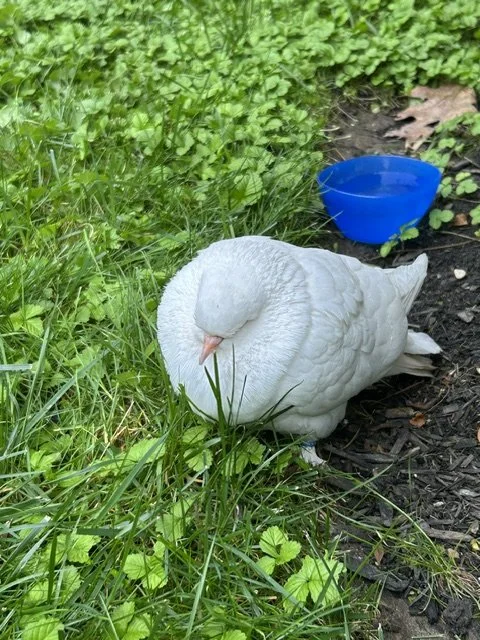
Snow lands at Kendal
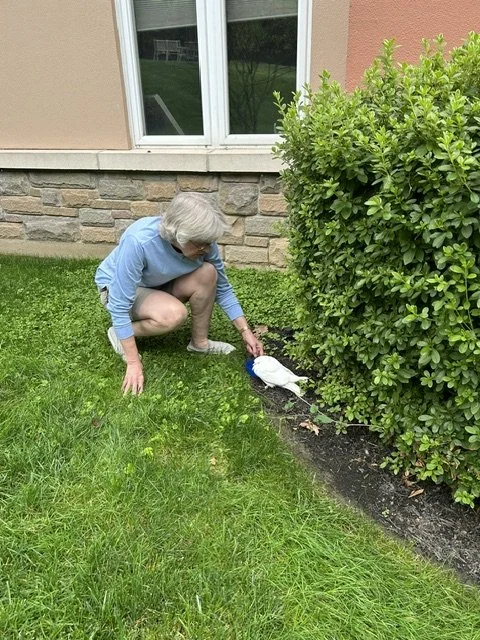
Good Semaritan Betsy Anderson announces its dinnertime
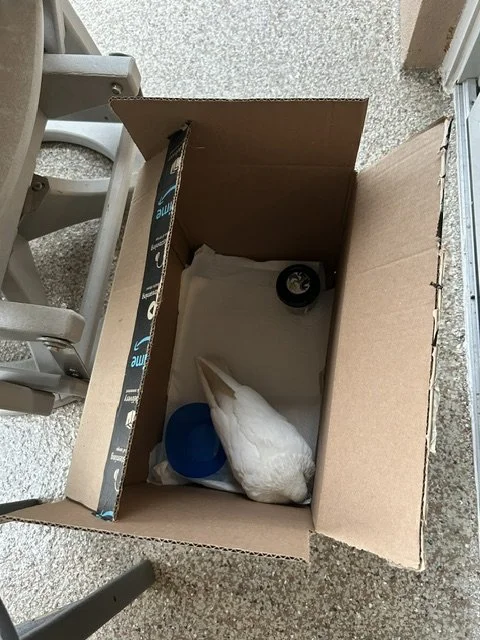
Snowy (a bit bashful) in his new (though temporary) digs.
The next day, a rescue lady in Jefferson Valley arrived to take Snowy to an animal sanctuary in South Salem where he will live in a farm silo with other pigeons or doves, open to the outside at the top so he can fly out whenever he likes. (First, however, he’ll be treated for mites. How embarrassing!)
As he rode away to his new home, some were sure they heard him coo, “I have always depended on the kindness of strangers." Probably a fan of Tennessee Williams's A Streetcar Named Desire.
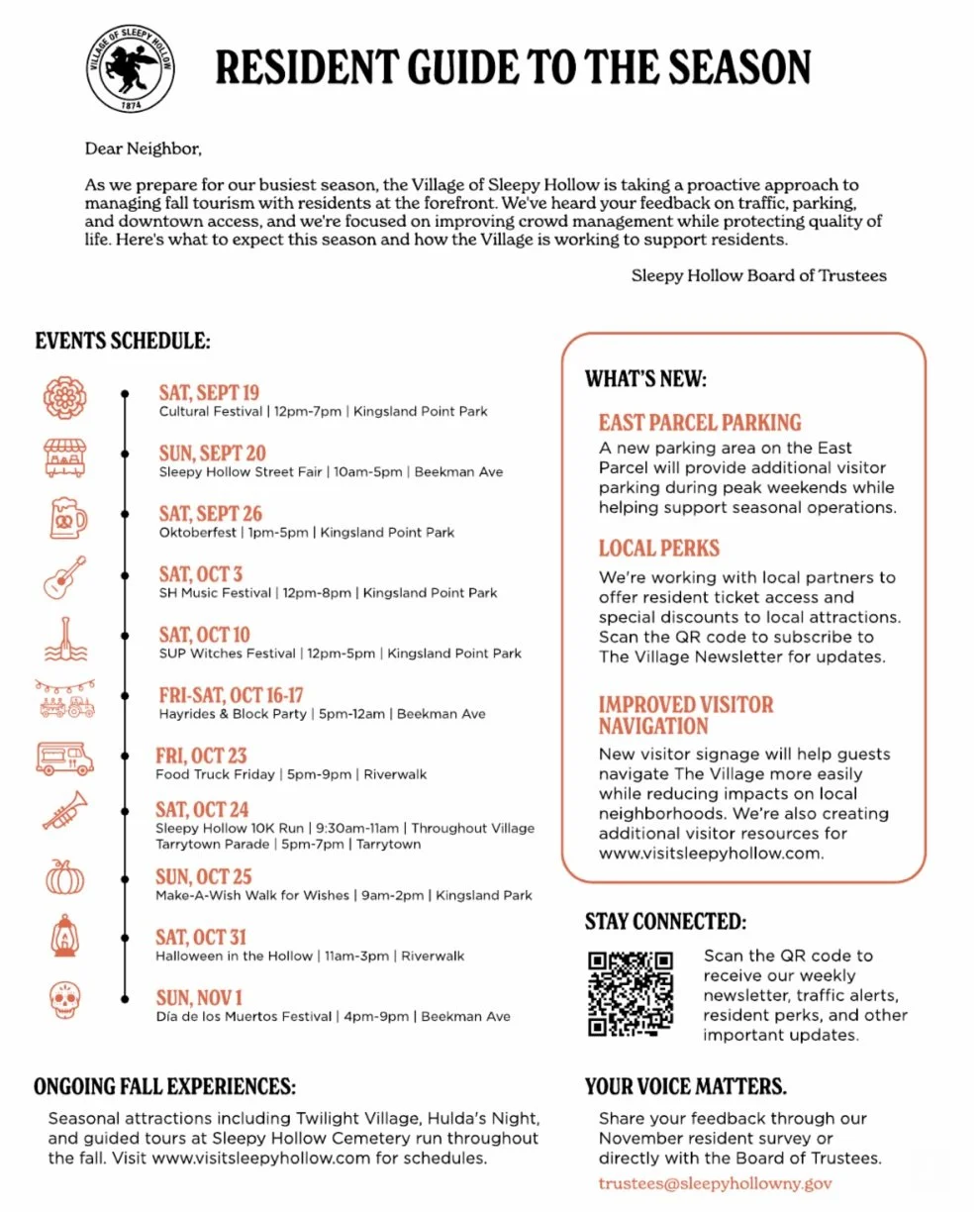
Many thanks to the Village of Sleepy Hollow for alerting us to the many, many autumn/Halloween events that may clog the roads and parking of this our now-home town, as well as alerting us as to “What’s New” in the village’s attempt to help residents and tourists navigate the season.
Continued from last week . . .
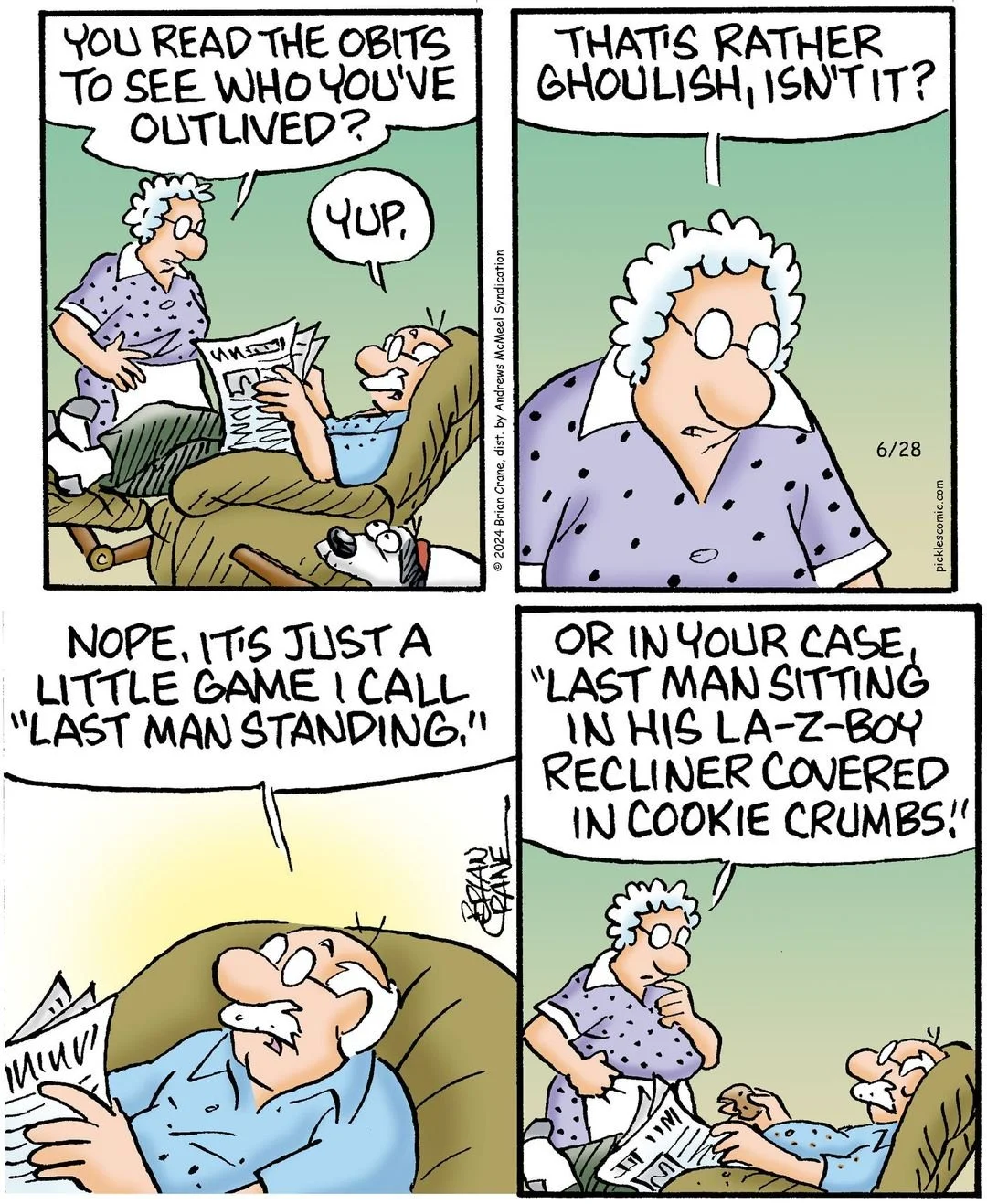
Went to an antique show and people were bidding on me.
I won’t say I’m worn out, but I don’t get near the curb on trash day.
People who wonder if the glass is half empty or half full miss the point. The glass is refillable.
Retired: Under new management. See spouse for details.
Be the kind of woman who when your feet hit the floor first thing in the morning, the devil says: “Oh, oh, here she comes.”
When you can’t find the sunshine . . . be the sunshine.
I don’t have grey hair. I have wisdom highlights.
I’m a nightmare dressed like a daydream.
Sometimes it takes me all day to get nothing done.
I don’t trip, I do random gravity checks.
To be continued again next week!
Contributed by Simone

Each September, our geographic area dives into The Spooky Season: all things Halloween and beyond. It’s more than we at the Residents’ Website can juggle to announce all the events and their schedule, but—hallelujah!—the “Visit Sleepy Hollow” folks have done it for us.
If you want to see a list of all that is being offered this season, click below.
And if you scroll down on that page, you’ll find a click to reach a date/time schedule for all these events: September through November!
We will post this announcement on “Coming Soon” so it’s available throughout The Spooky Season! [Insert maniacal laughter]
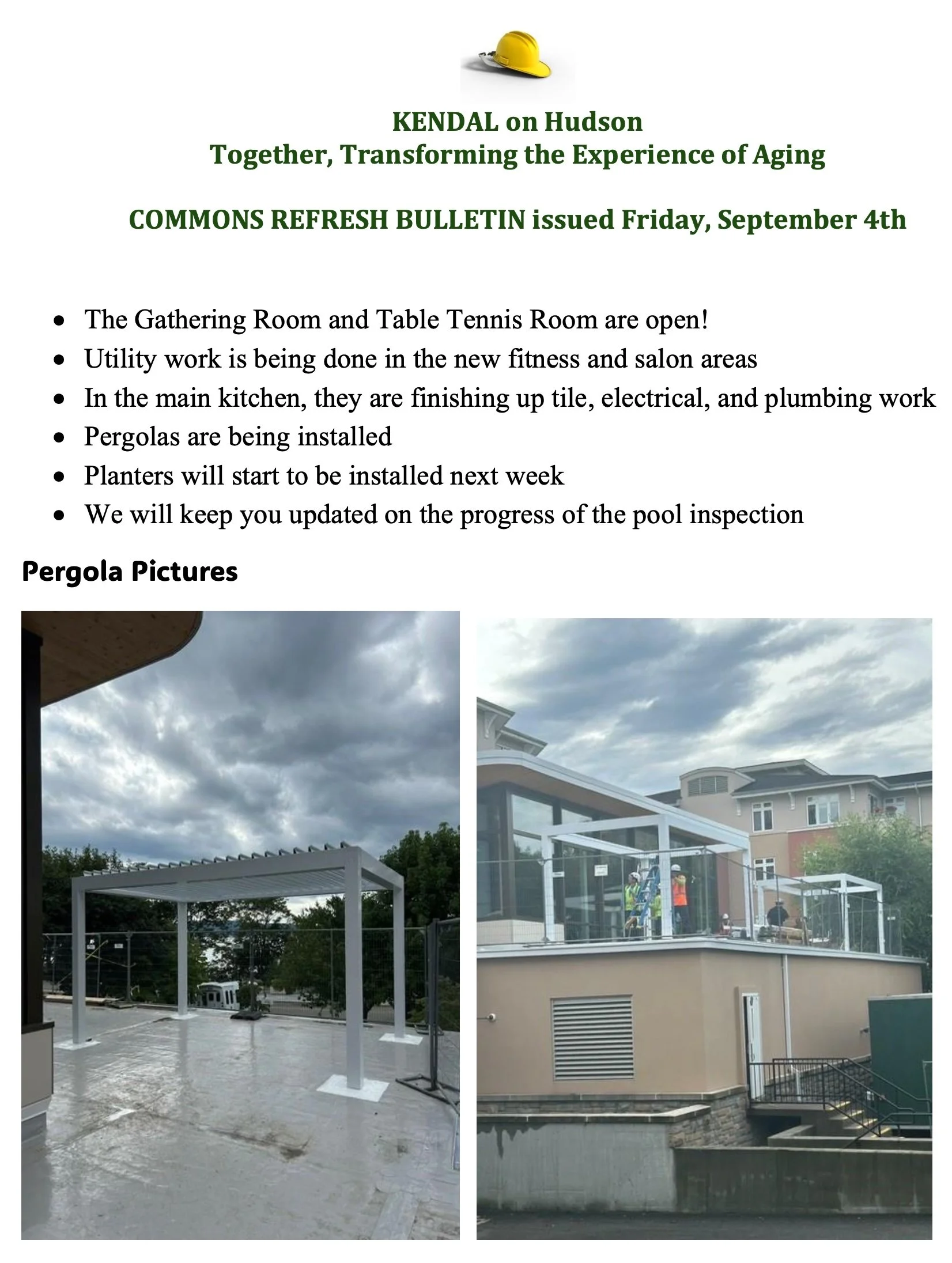
From the Office of Ellen Ottstadt
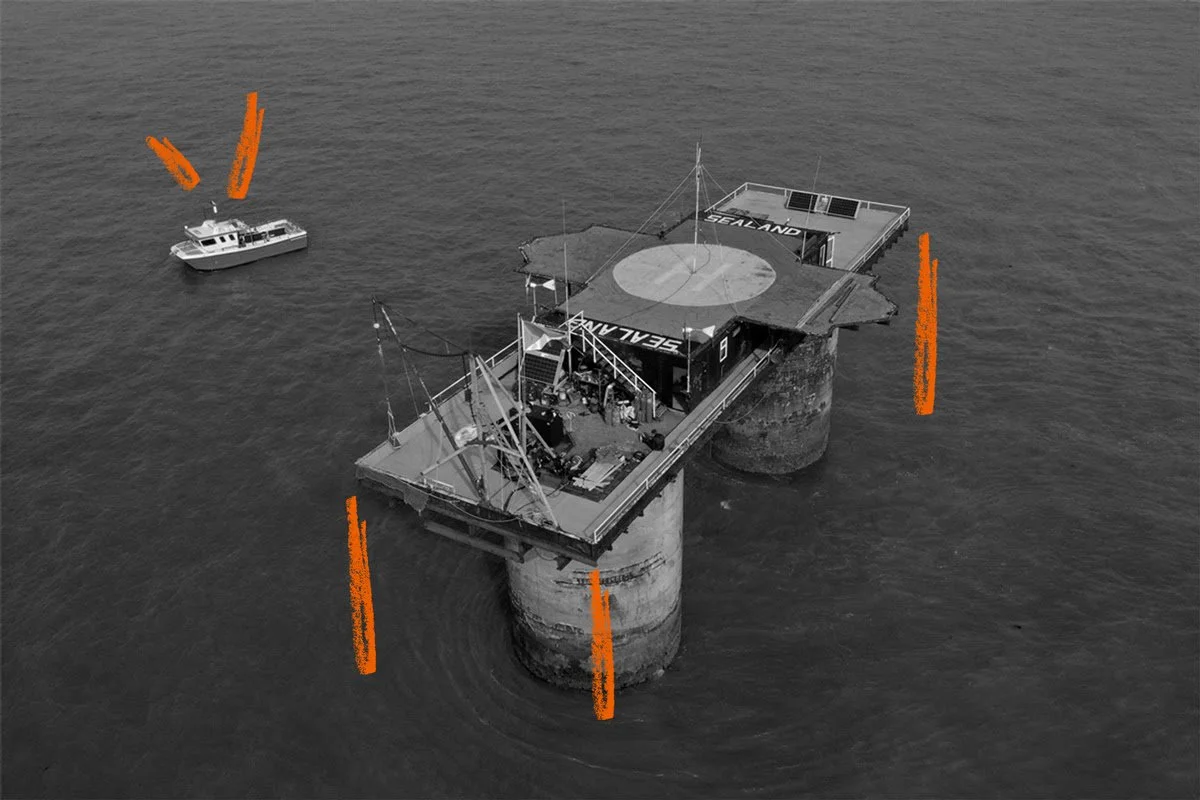
There is a micronation on a fortress at sea off the coast of Great Britain, and the British government once considered blowing it up.
During World War II, a series of sea forts was built to shoot down Nazi bombers. These structures were cylindrical towers of concrete and steel. One of these, Roughs Tower, sits 110 feet above sea level, off the coast of Suffolk in the North Sea.
After the war, these forts were largely abandoned. To British army major Paddy Roy Bates, Roughs looked like an ideal spot for a pirate radio station. In the 1960s the BBC dominated radio in Great Britain as the country’s only licensed broadcaster. The station played popular music only at night, irking listeners and causing pirate radio stations to proliferate. Bates first set up a pirate radio station at Knock John, another sea fort. He was evicted, prosecuted, and fined in 1966. That’s how he ended up at Roughs: At 6.5 nautical miles offshore, it was outside the standard territorial reach.
Bates declared the platform the Principality of Sealand and asserted its sovereignty as a micronation distinct from Great Britain. He named himself prince and his wife, Joan, princess, in September 1967: It was her birthday, so he made her royalty (men, take note). The couple and their two children, Michael and Penelope, moved in.
In 1968, Britain considered evicting the family by force, with declassified documents showing a plan to raze the fort. But the prime minister balked at turning weapons on a family—and a veteran, no less. Instead, the government mostly left Sealand alone.
In 1975 the country got a constitution. A currency, an anthem, passports, stamps, a flag, and a coat of arms followed. The country is self-supporting, with official Sealandic titles available for purchase. It is nearly self-sufficient, with solar power and wind technology.
Sealand has made headlines more than once. It has hosted skateboarding competitions, diplomats, helicopter visits, and even a short-lived data center.
Great Britain extended its boundary waters in 1987, but the Bates family maintains Sealand’s sovereignty: Roy Bates extended Sealand’s boundary waters a month earlier, after all.
These days, caretakers occupy the micronation, and the family lives mostly on the mainland.
Source: Britannica.com, Today in History, Michele Metych, September 2, 2026
Contributed by Maria Harris


© Kendal on Hudson Residents Association 2015, 2016, 2017, 2018, 2019, 2020, 2021, 2022 all rights reserved. Please do not reproduce without permission.
Photographs of life at Kendal on Hudson are by residents.