Every generation has its popular baby names. If Kendal is any evidence, Barbara was one of the favorites for our generation. We have 15!
Photo by Harry Bloomfeld.
Poster by Sharry Lukach

Every generation has its popular baby names. If Kendal is any evidence, Barbara was one of the favorites for our generation. We have 15!
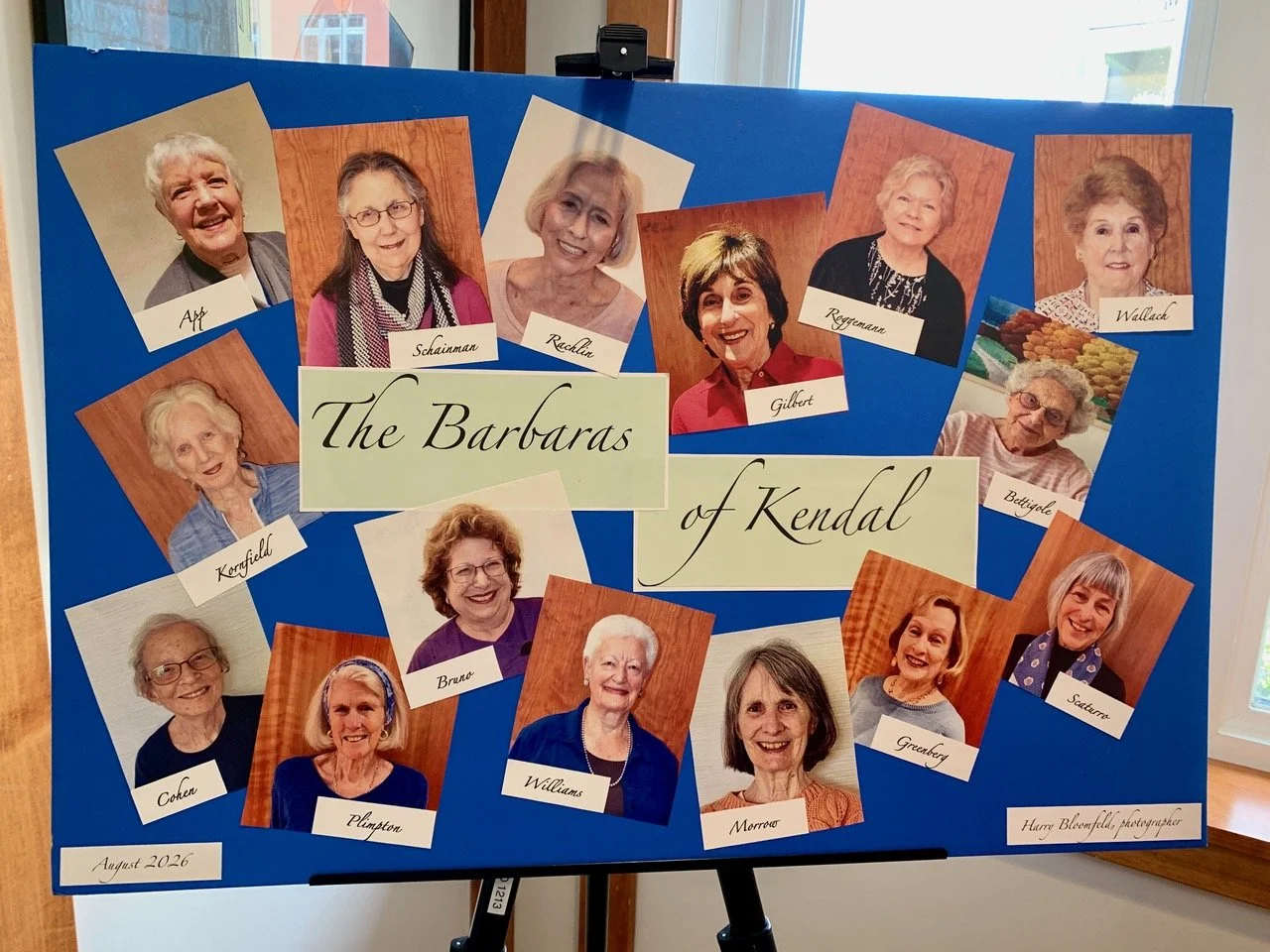
Photo by Harry Bloomfeld.
Poster by Sharry Lukach
Kendalites journeyed to Ossining’s Children’s Center’s official ribbon cutting for its expanded Learning Garden. Why? Because Kendal’s administration gave the center a grant to help build the garden.
The Learning Center provides affordable, high-quality early childhood education and childcare to families in Westchester County. The Learning Garden is a dedicated outdoor educational space at the center, designed to teach children about nutrition, nature, and the environment through direct, hands-on experience.
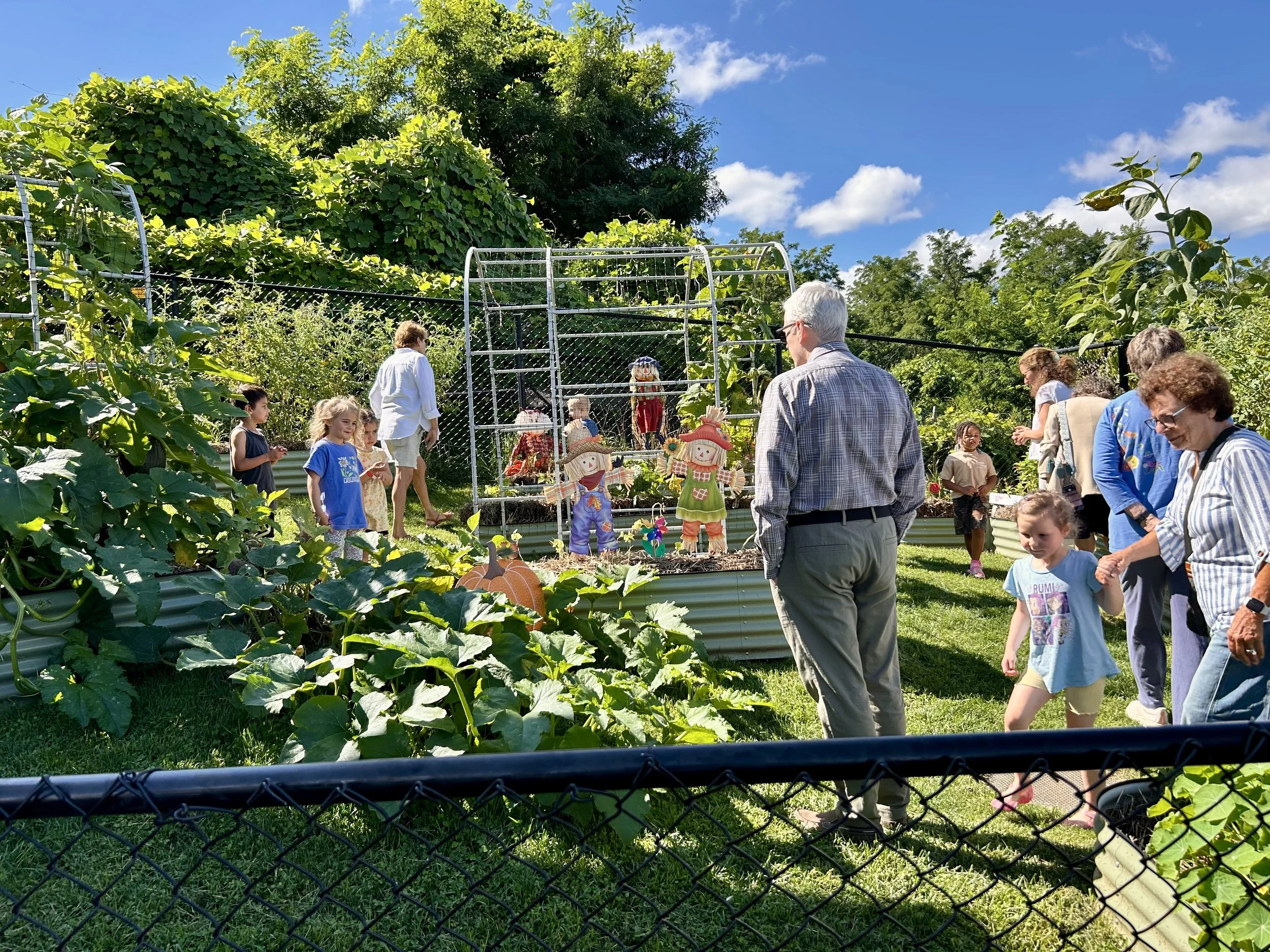
The kids themselves talked about what they looked to pick and eat from the garden. Some of their favorites: mint and cherry tomatoes.
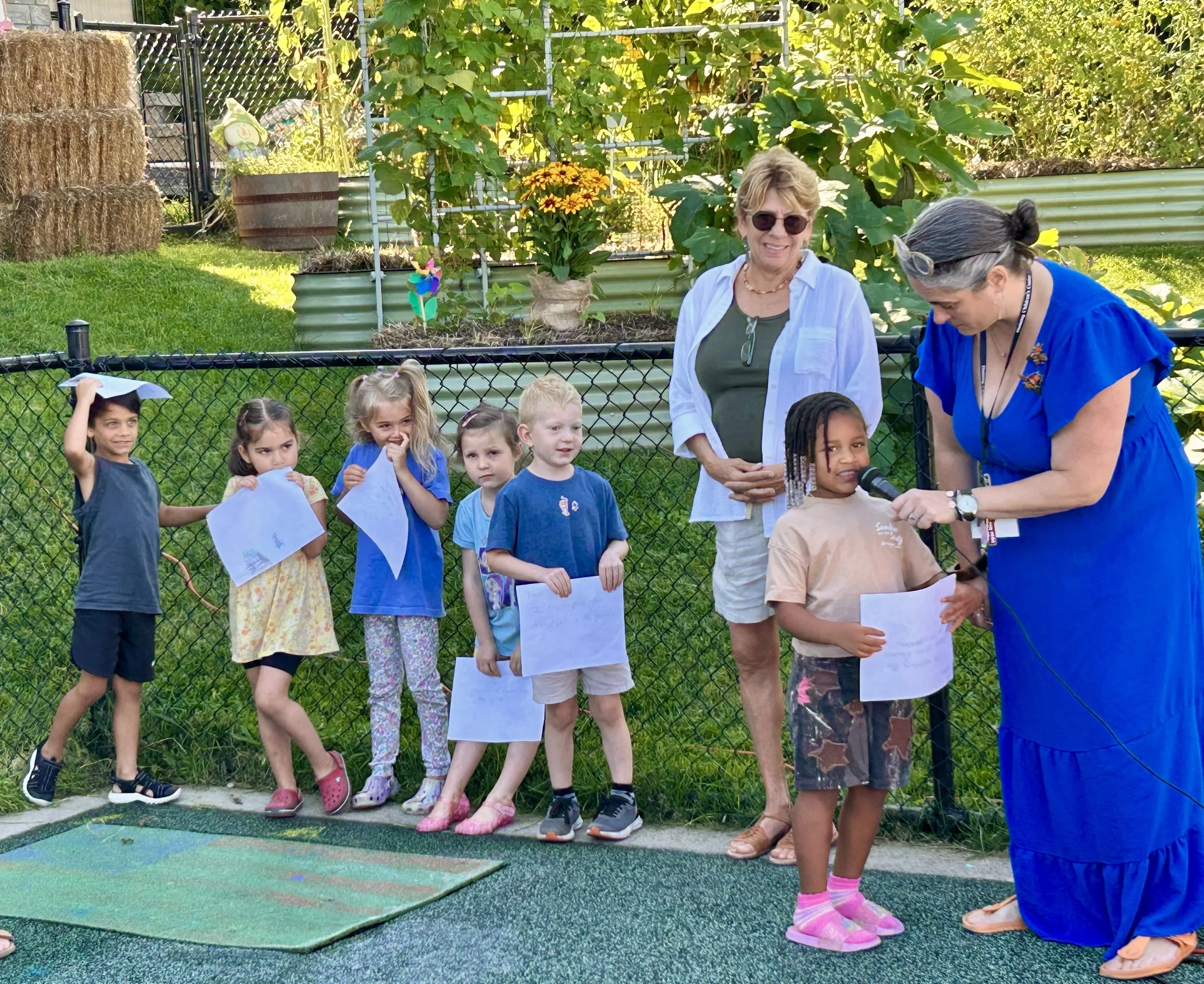
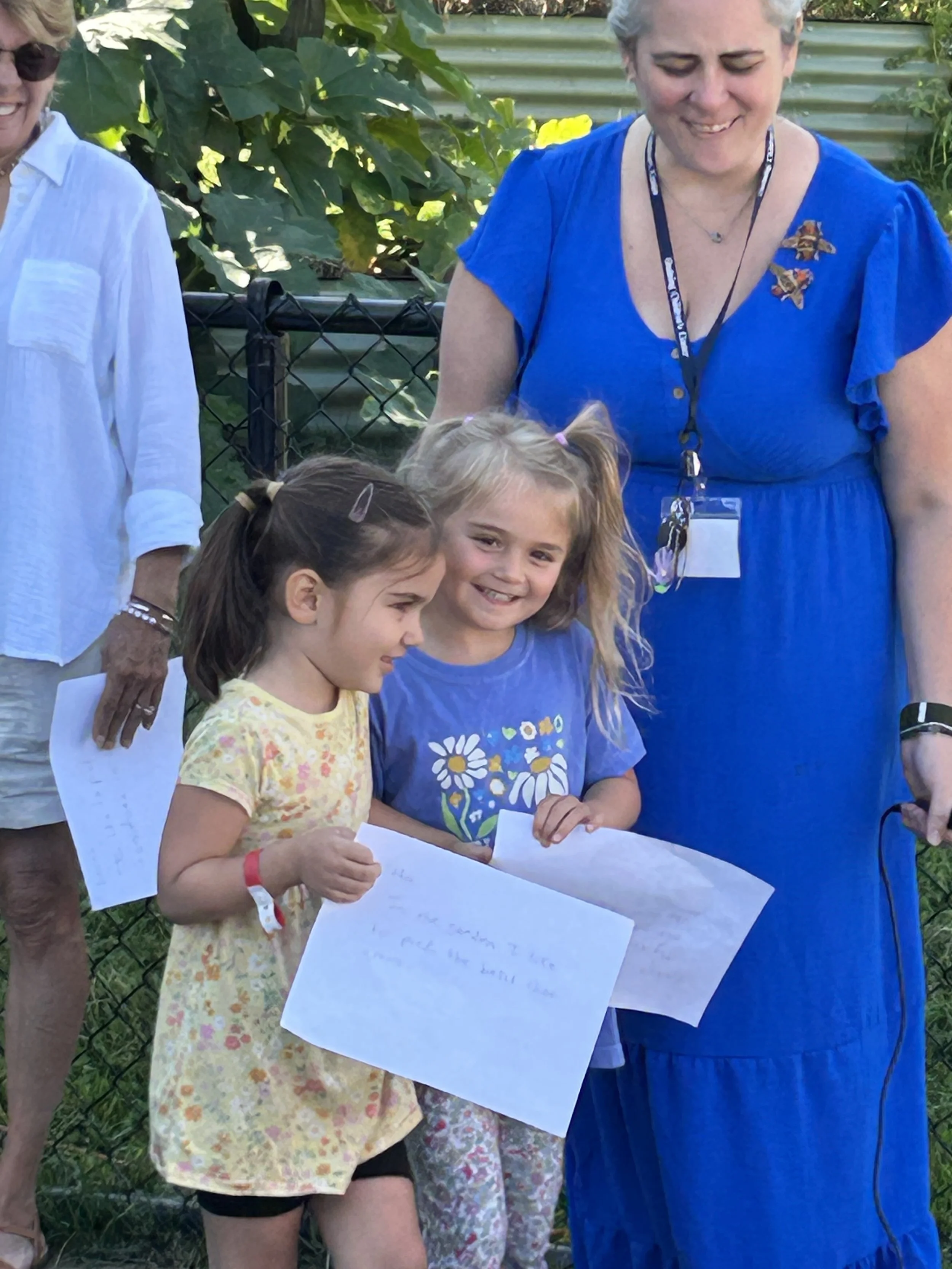
The “big kids” liked it, too.
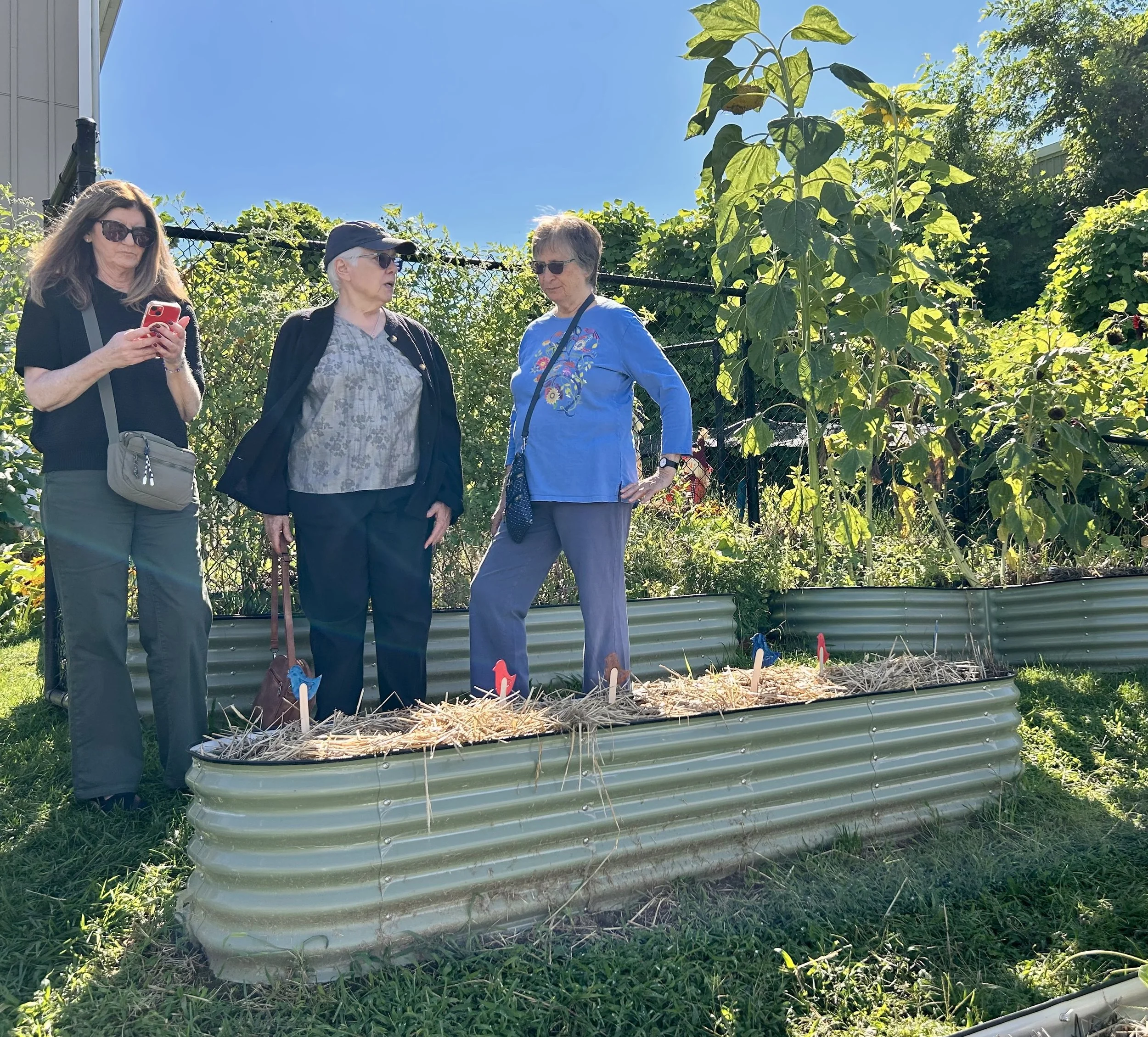
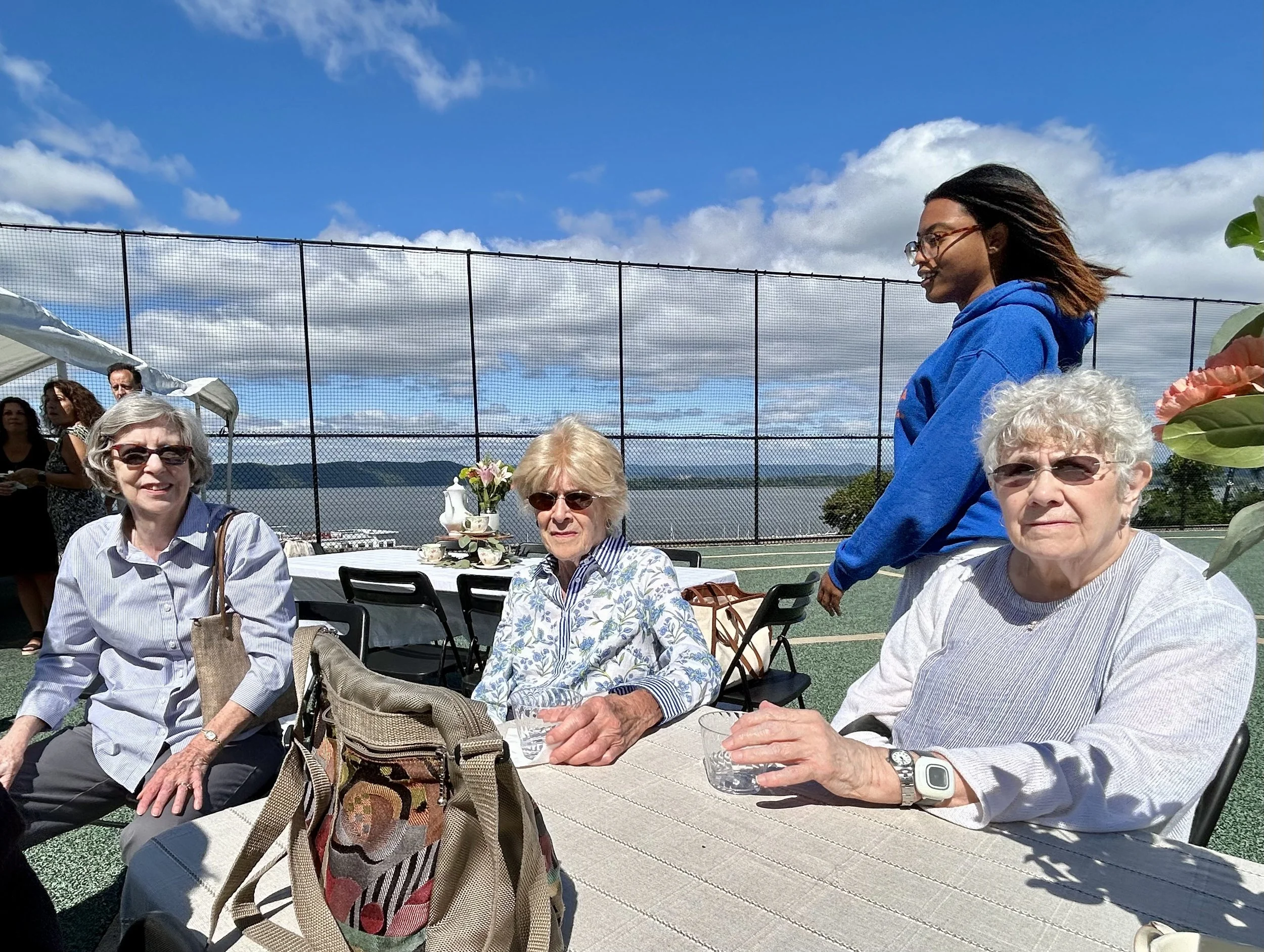
Photos by Carolyn Reiss
Telling a person to calm down is about like baptizing a cat.
My doctor asked if anyone in my family suffered from mental illness. I said, “No, we all seem to enjoy it.”
I thought the dryer made my clothes shrink. Turns out it was the refrigerator.
I thought growing old would take longer.
Went shopping while hungry. Now I’m the proud owner of Aisle 6.
Camping: where you spend a small fortune to live like a homeless person.
Just once, I want a username and password prompt to say: “close enough.”
Being an adult is the dumbest thing I have ever done.
I’m a multitasker. I can listen, ignore. and forget all at the same time!
To Be Continued
Contributed by Simone

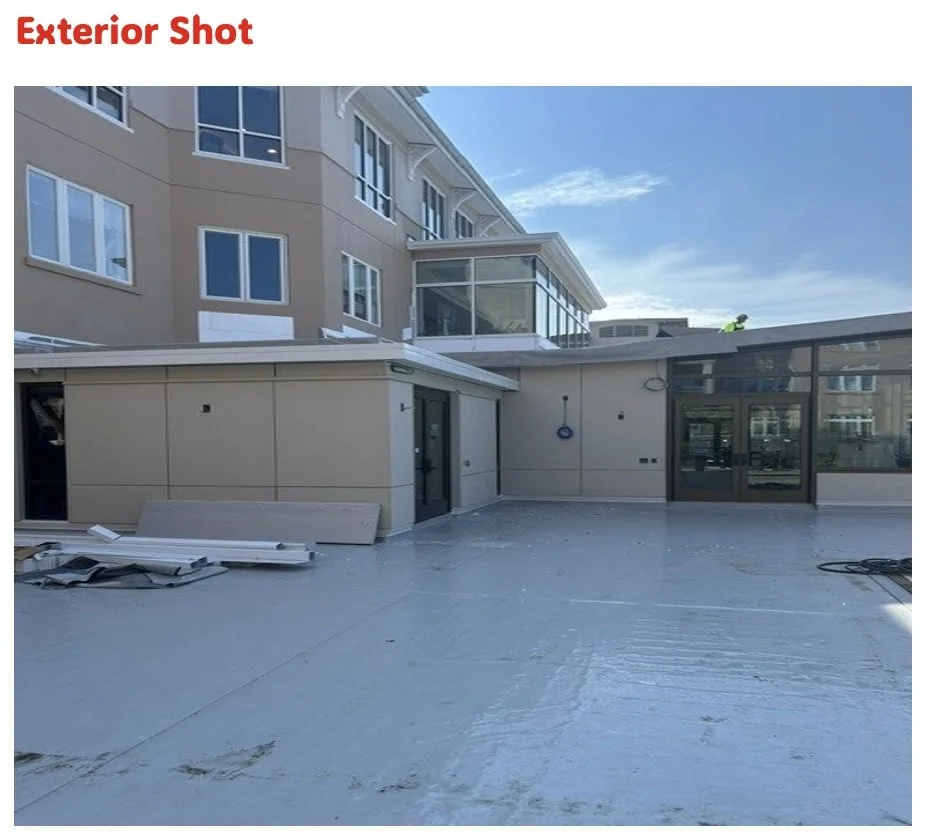
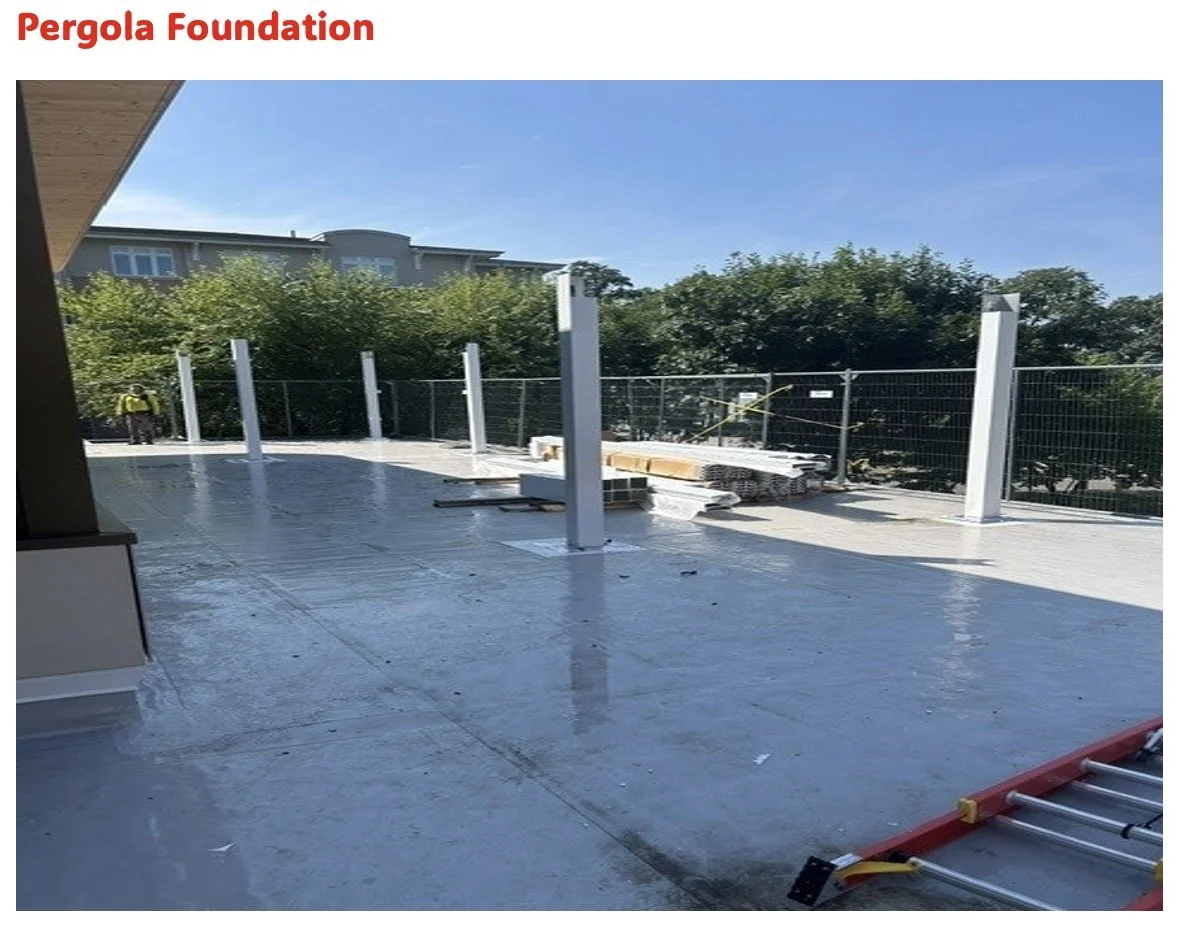
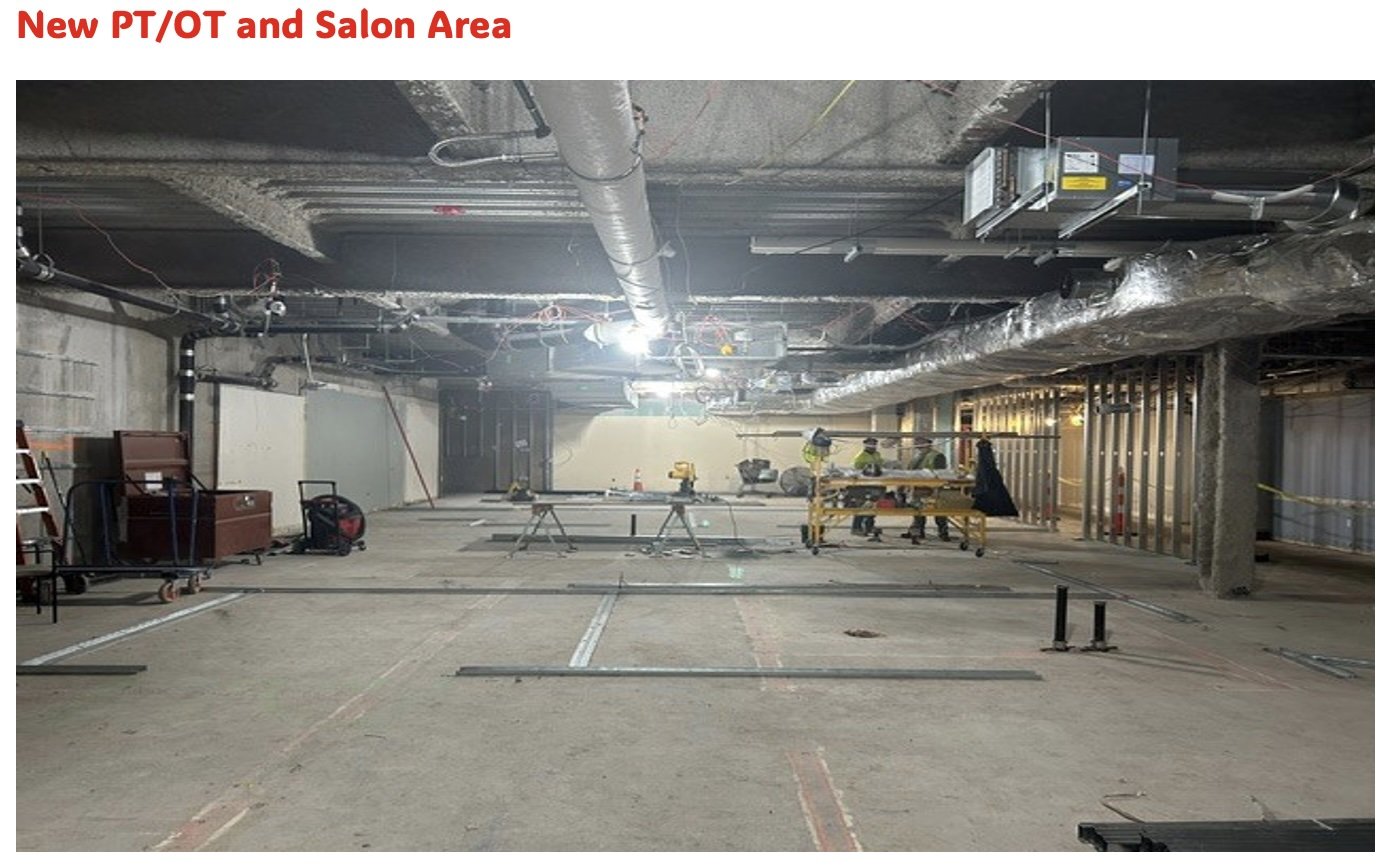
From the Office of Ellen Ottstadt
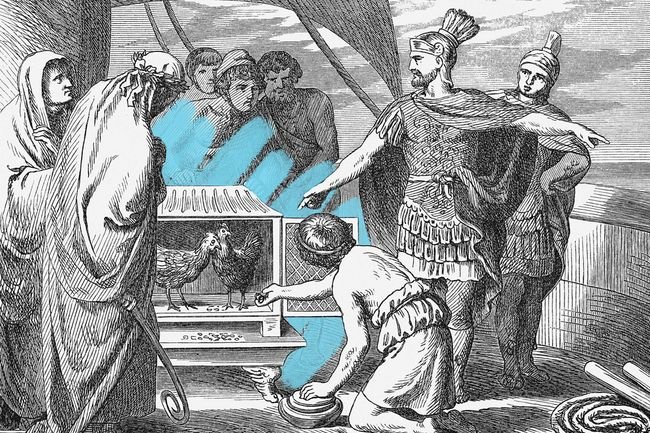
One of the oldest religious practices in ancient Rome was augury, or reading signs from the gods through the behavior of birds, the idea being that the birds were deliberate divine messengers. Augurs, or bird divination experts, would sometimes draw diagrams on the ground to help them interpret behavior from owls, woodpeckers, crows, and other wild birds.
These avian messages, called auspices, were taken extremely seriously, but wild birds weren’t always around to deliver them—so eventually, ancient Roman priests started keeping “sacred chickens” that they could call upon at any time. These fortunetelling chickens were especially prized for military decisions, and would be consulted before any major moves to make sure the gods approved. When their services were required, the chickens would be released from their cages and fed so that augurs could interpret their eating patterns. Broadly, a chicken refusing to eat was a very bad sign, while a chicken gobbling up its food while stomping its feet was a very good one. The most notable cautionary tale about not heeding the fowls’ warnings came in 249 BCE. According to the ancient scholar Cicero, one Roman consul commanding a fleet of ships dismissed some bad omens before going into battle. When he was told the chickens wouldn’t eat, he ordered them thrown overboard, commenting, “Let them drink.” He was soundly defeated, and later recalled by the Roman Senate.
Source: Historyfacts.com, Sarah Anne Lloyd, April 9, 2025
Contributed by Jane Hart
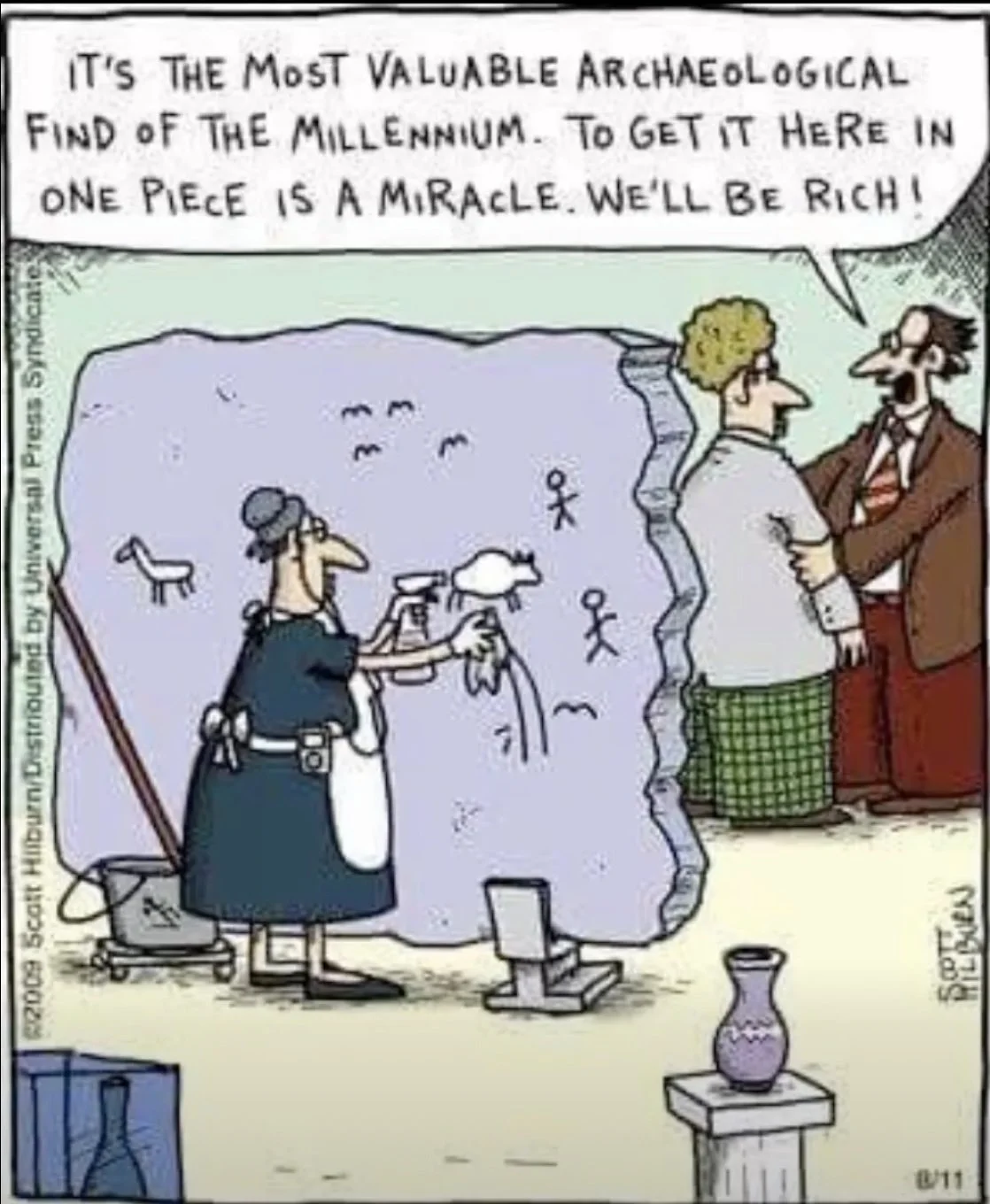

Contributed by Barbara Bruno




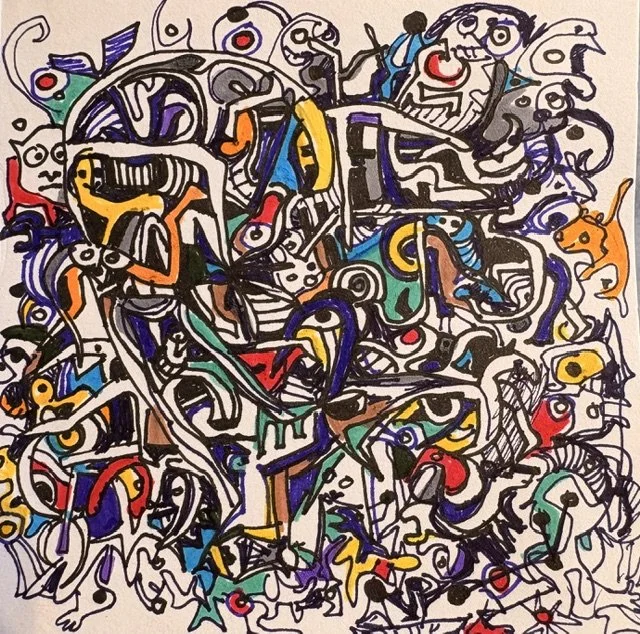
To Scott’s dismay, it seemed that several others were applying for the same job
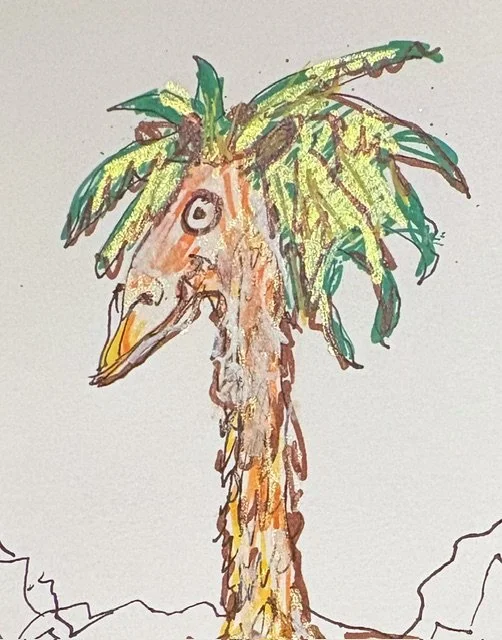
Casey was a rare coconut-bearing giraffe

Muffin knew that she was best in show, even without a competition
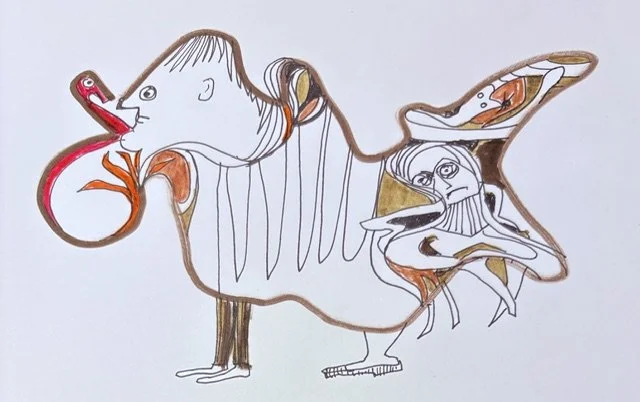
Sneel attended to his cell phone 24/7

Nate was having his little-green-creature-on-a-tricycle dream
Art and photos by Jane Hart
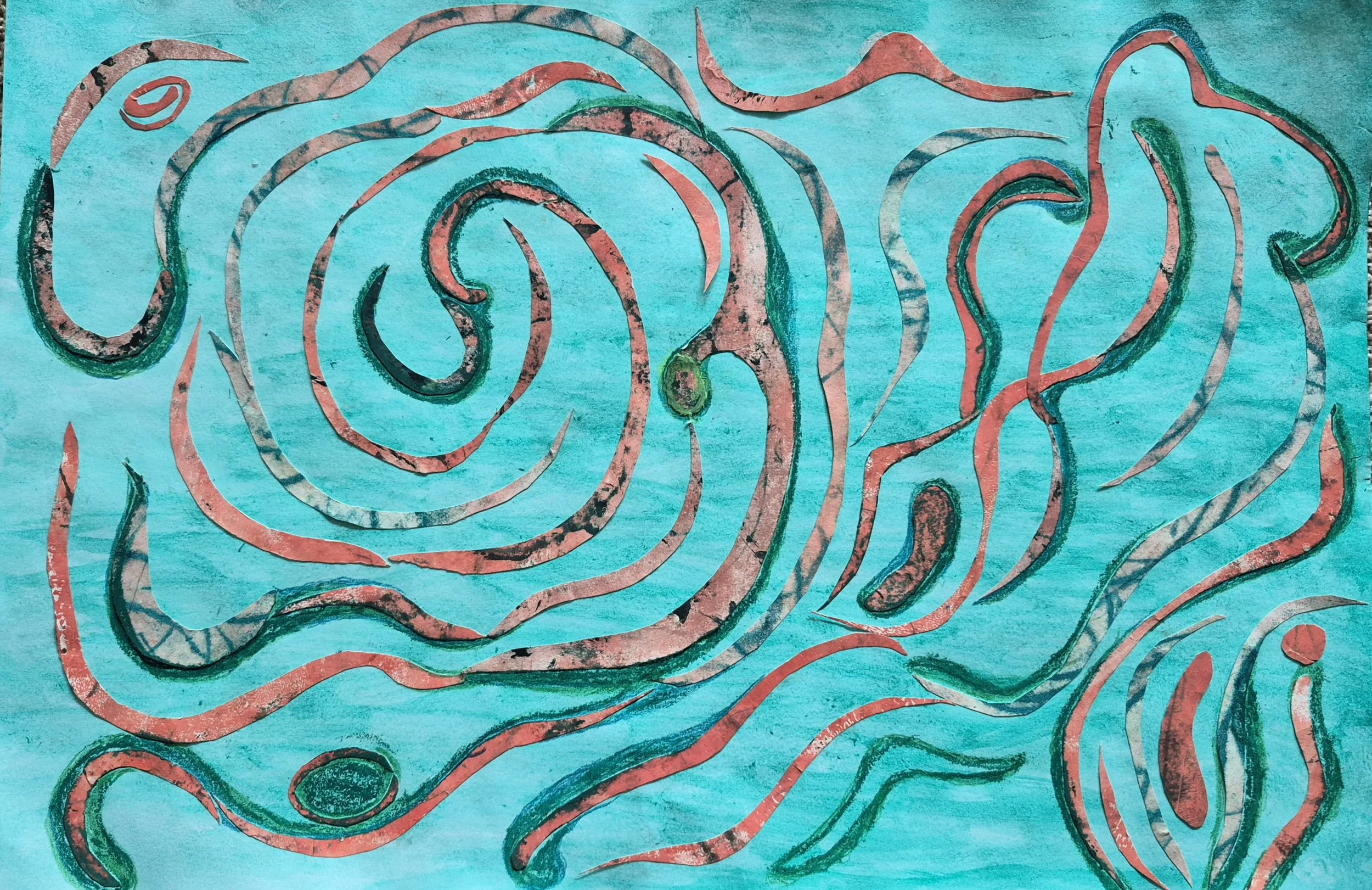
Art and photo by Sheila Benedis
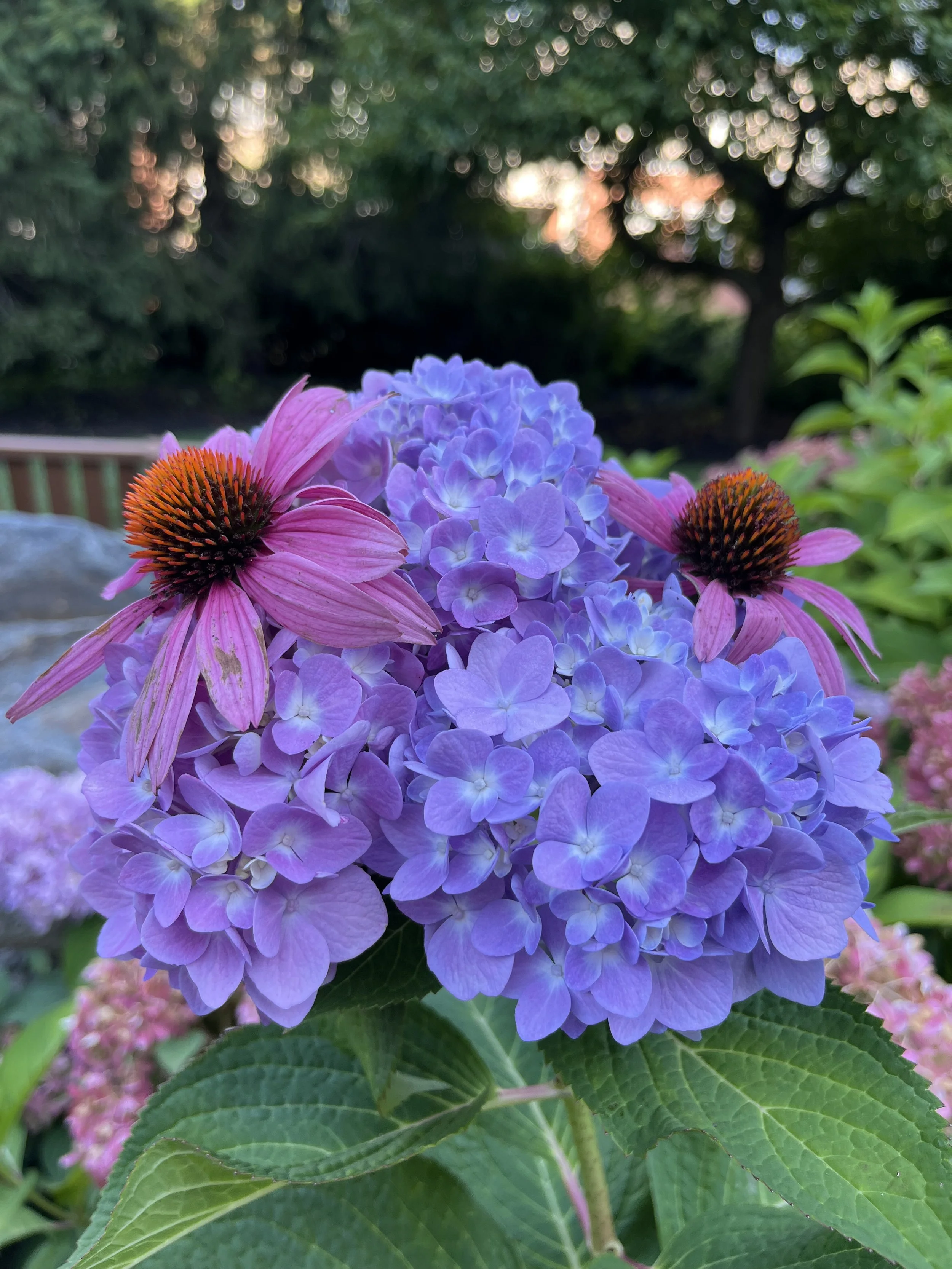
Between Fulton and Alida—perhaps a hybrid flower? Photo by Louise Kikuchi Hiraoka
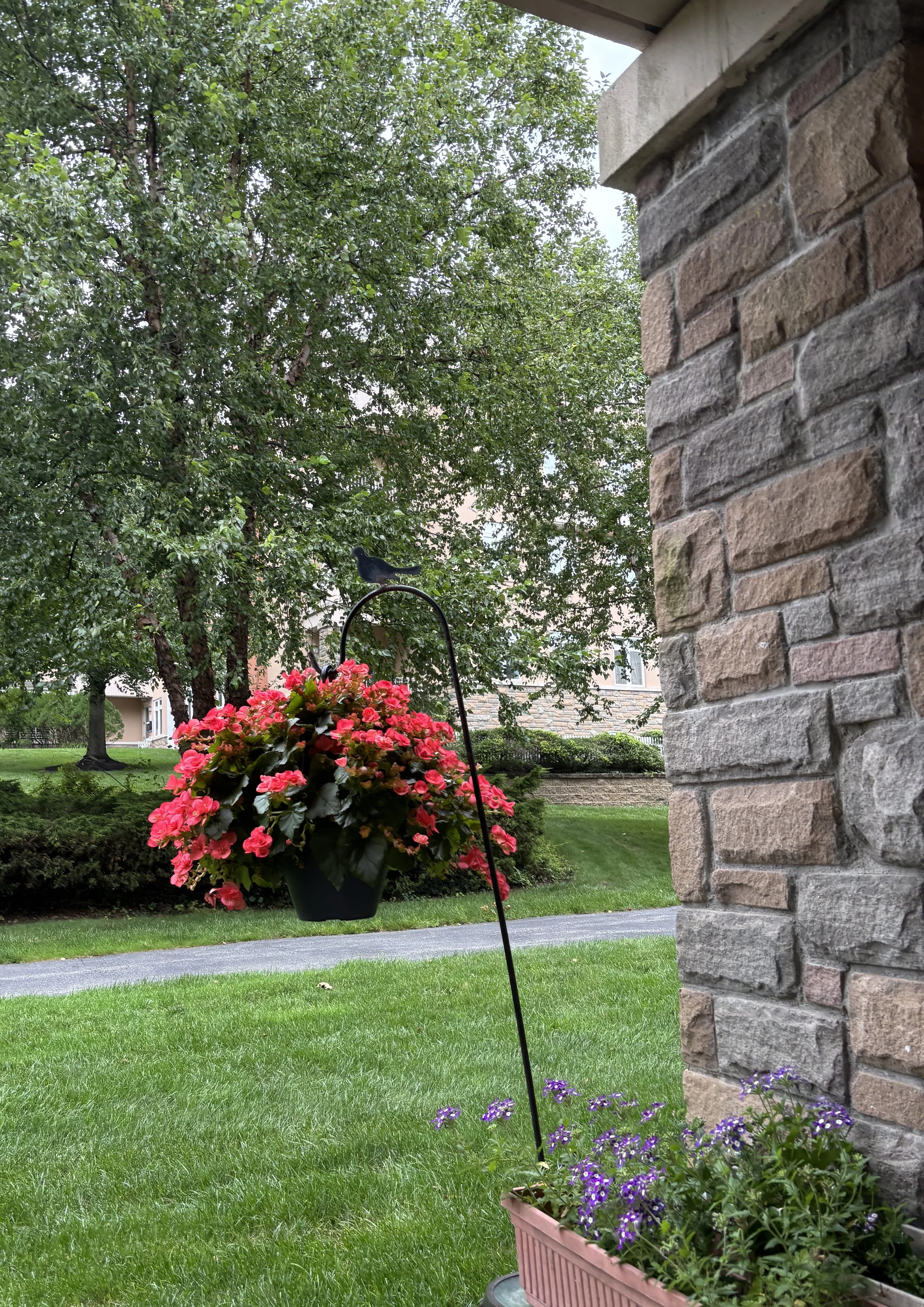
Photo by Lynn Brady
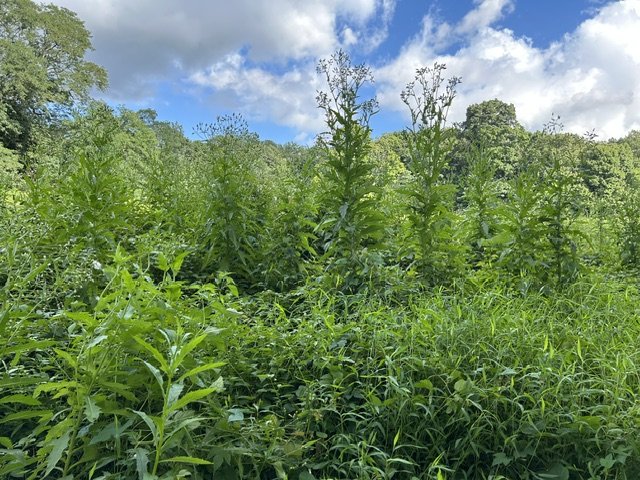
Summer excess: out-of-control green, by Edward Kasinec
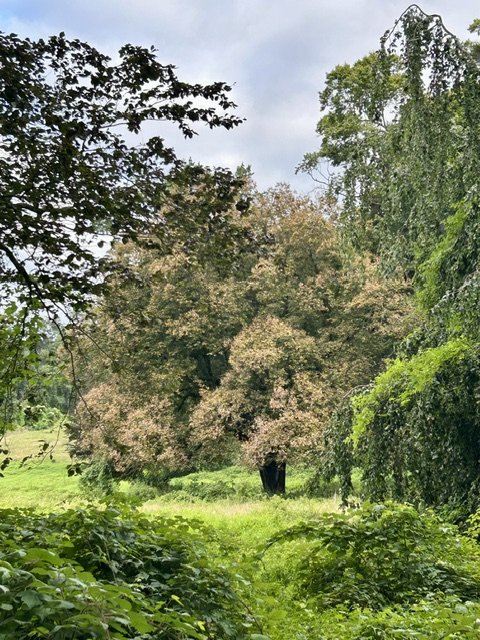
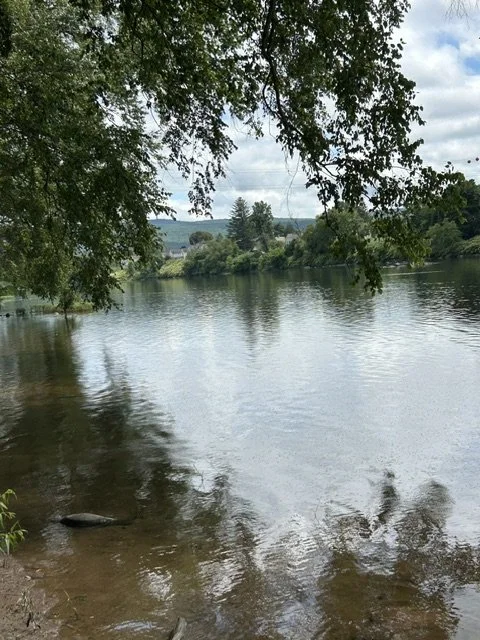
Photos by Carolyn Reiss
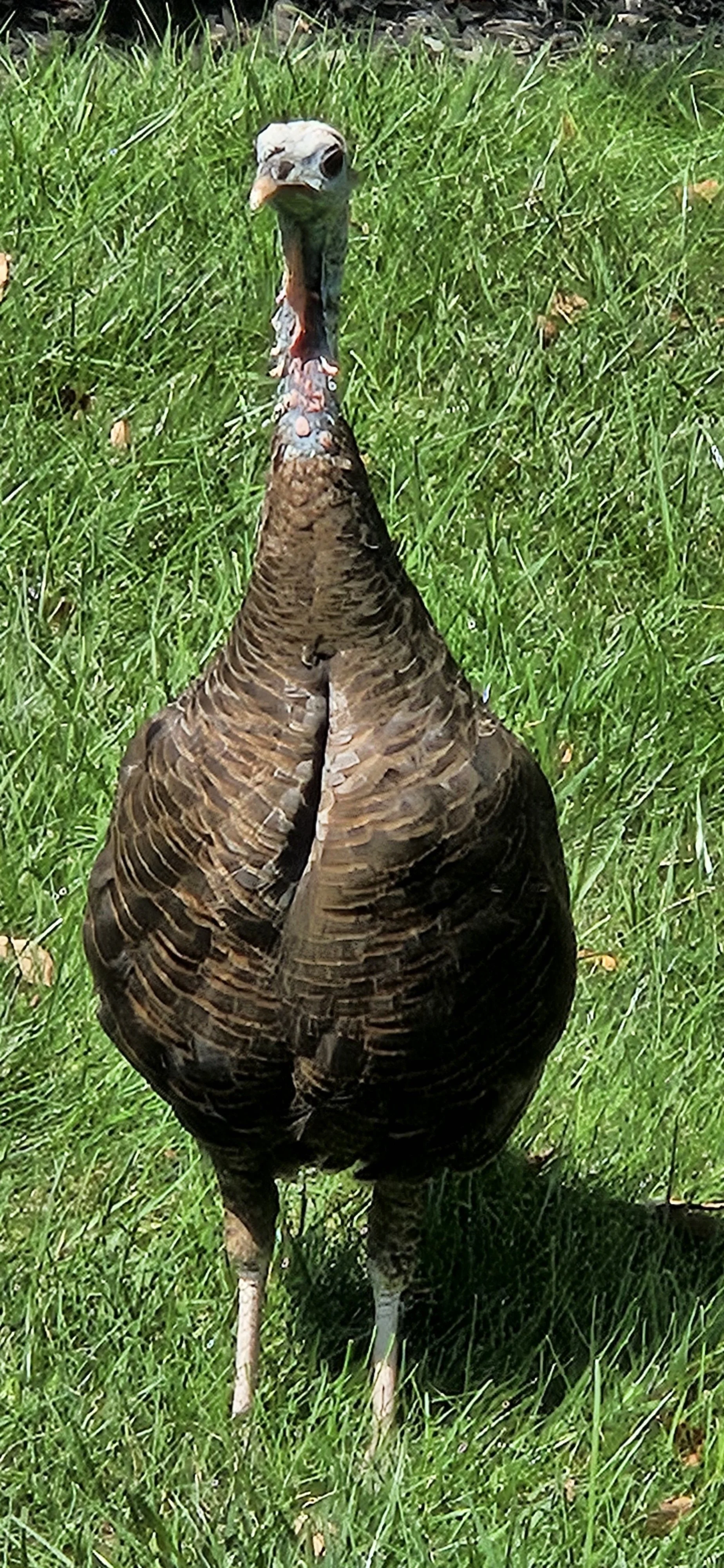
Photo by Joe Bruno
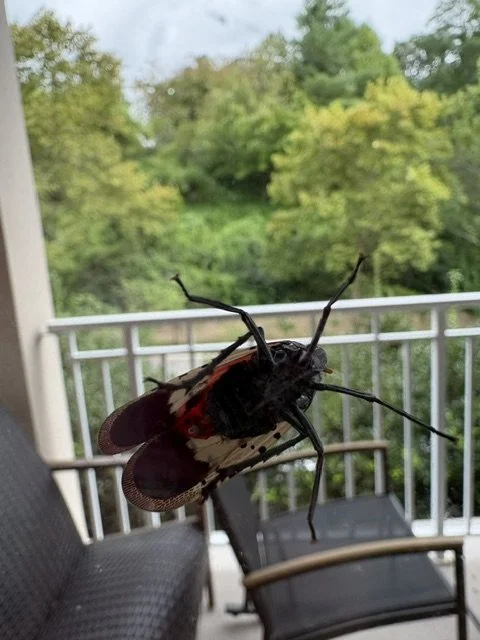
Photo (of her balcony) by Jane Hart
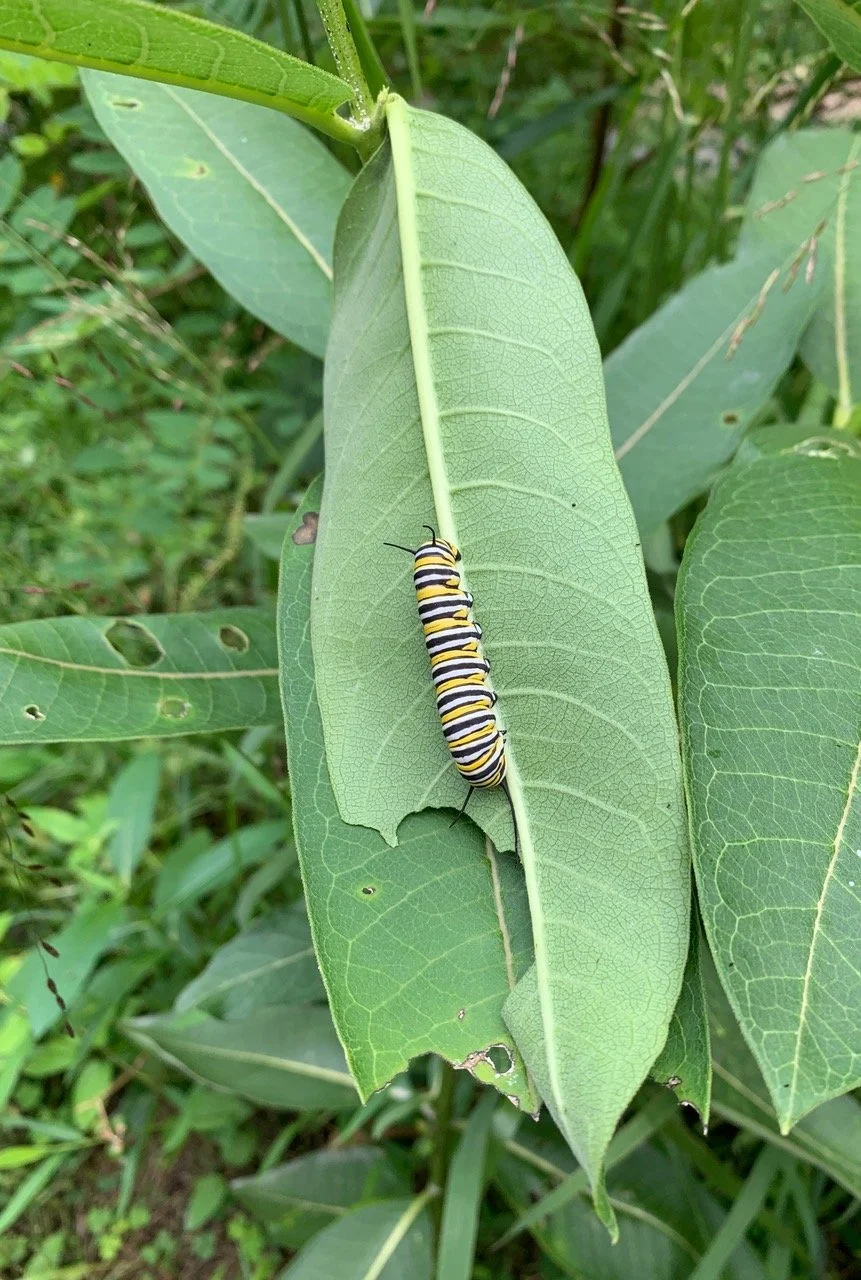
The Very Hungry Caterpillar, by Harry Bloomfeld
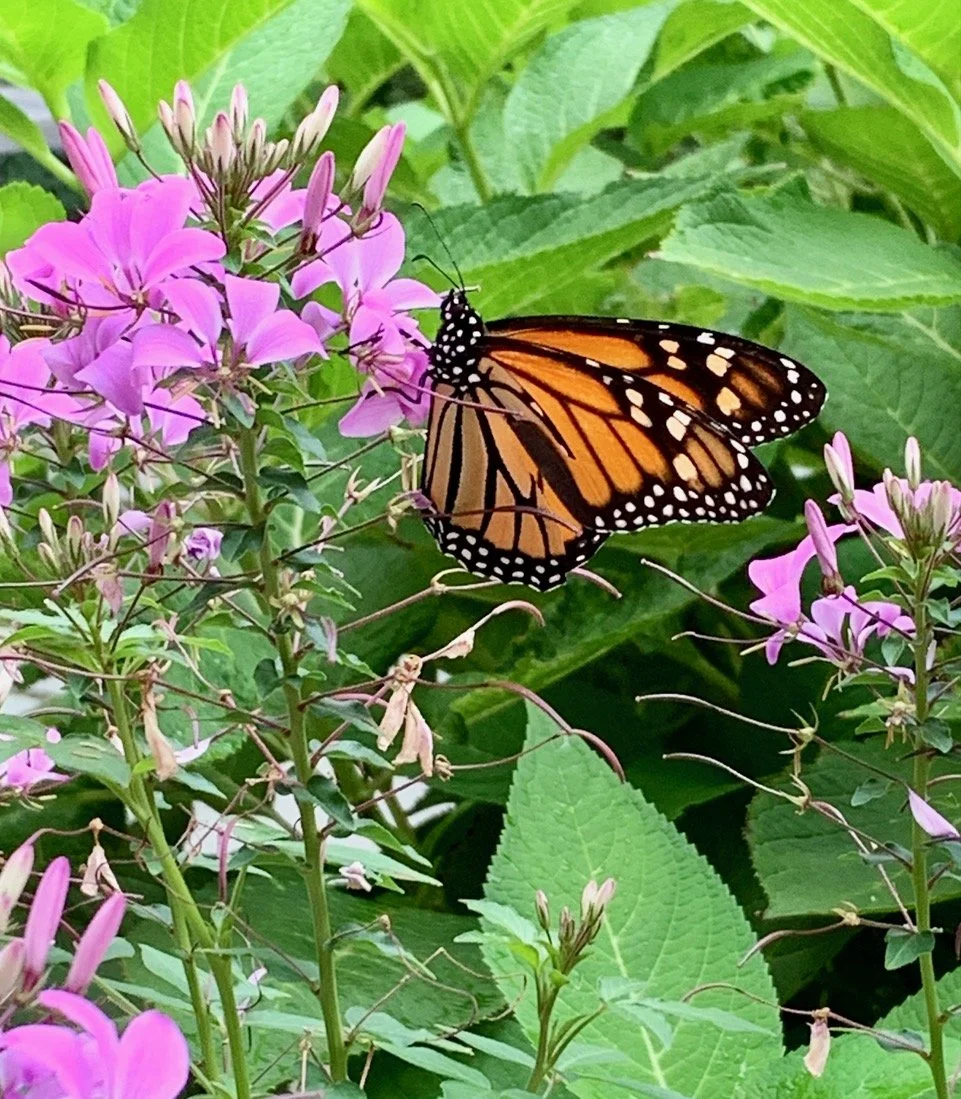
Having blossomed forth, so to speak. Photo by Harry Bloomfeld
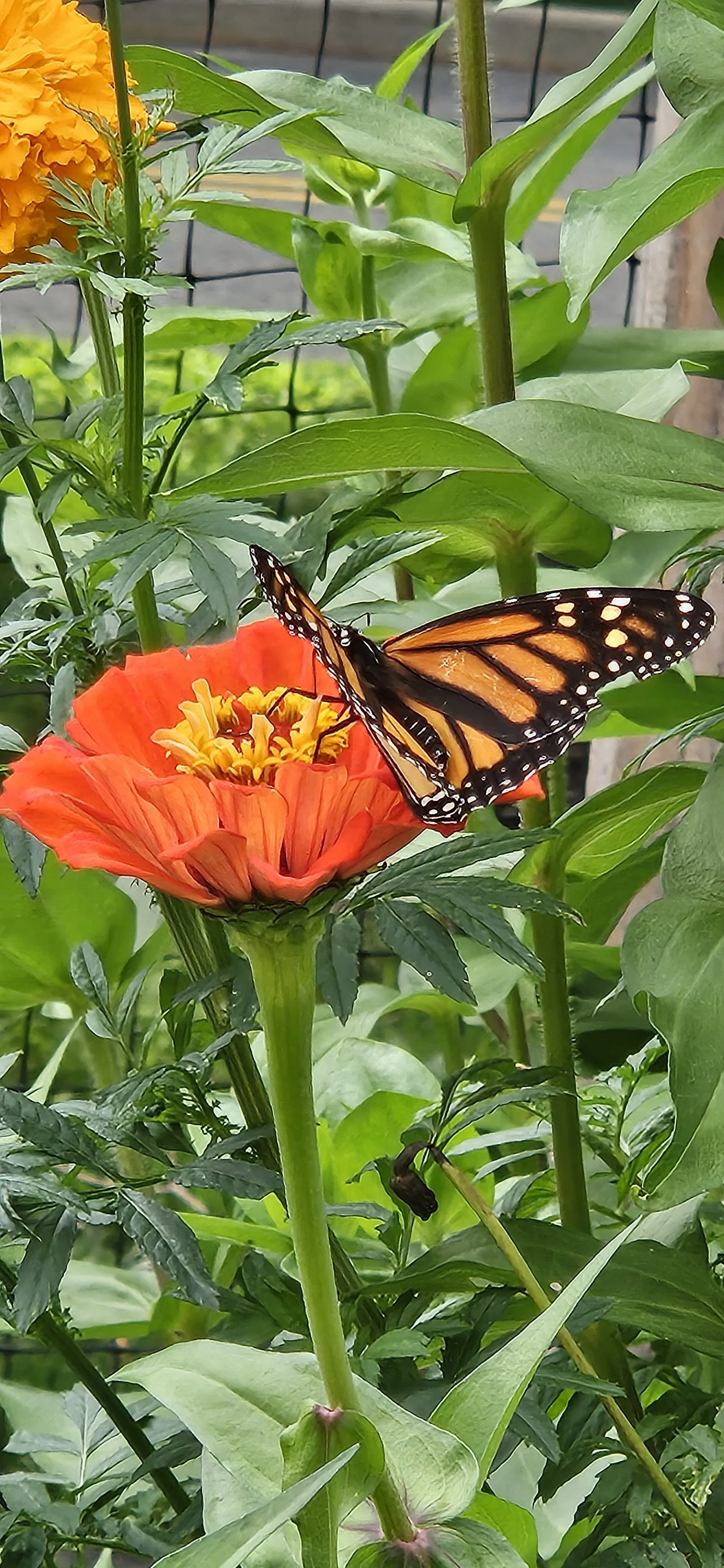
Photo by Joe Bruno
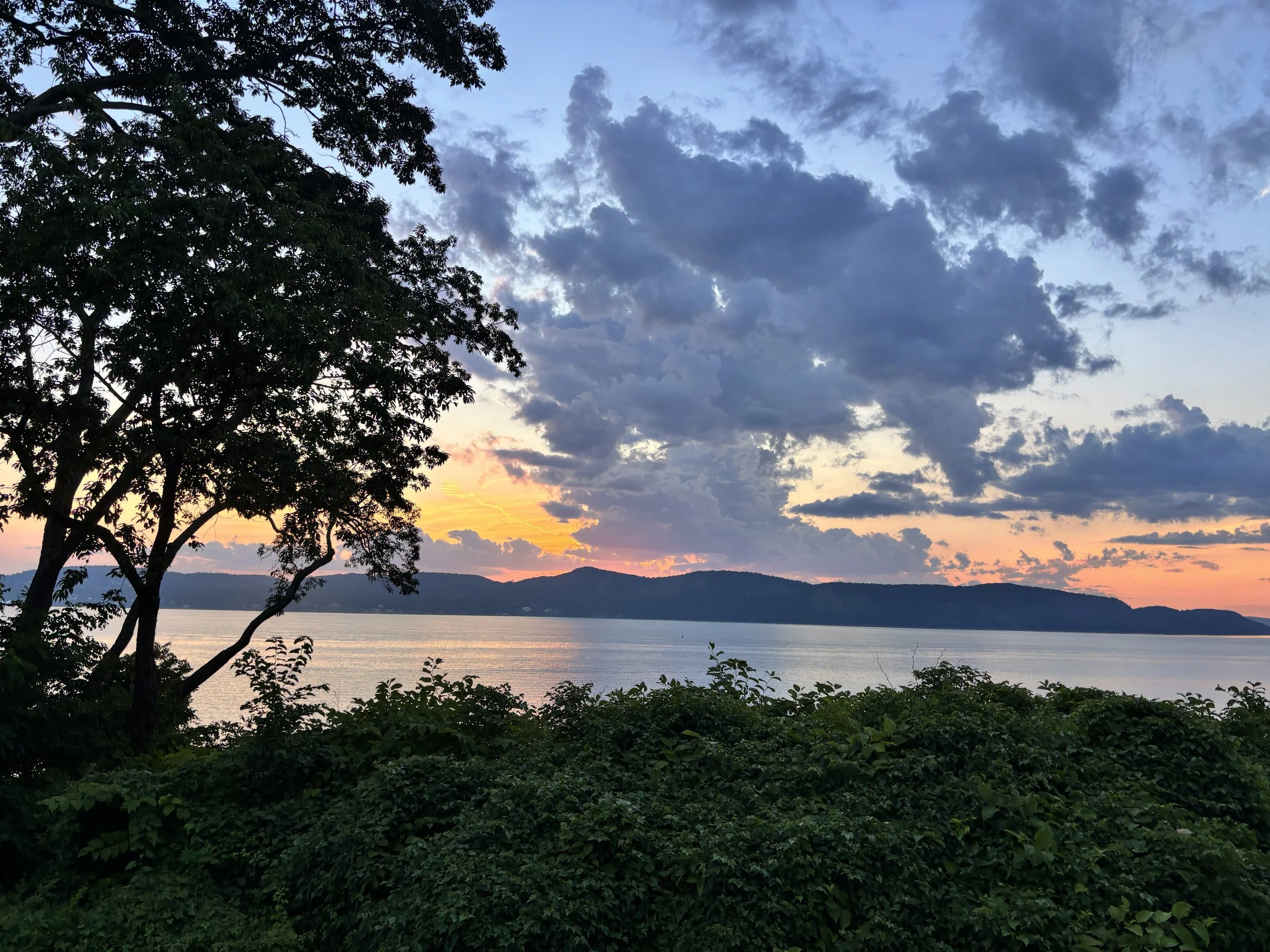
Photo by Lynn Brady
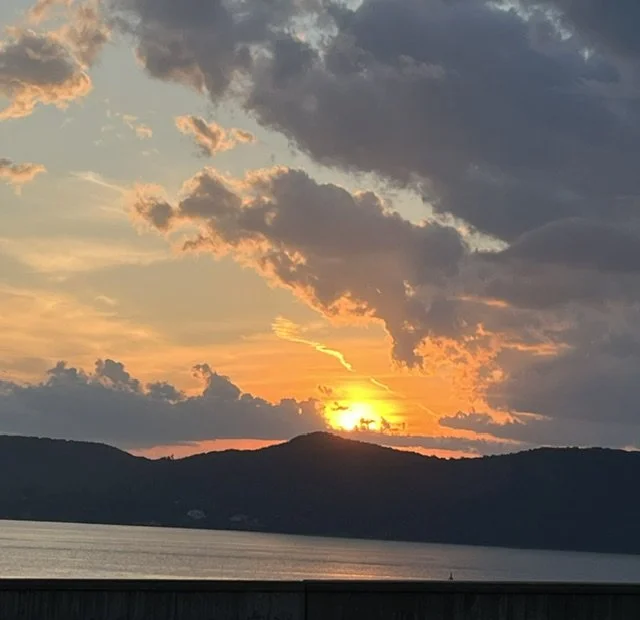
Photo by Naomi Gross
Recently, Kendal residents journeyed North and South for musical experiences.
North to Bard College’s Fisher Center
The Bard Music Festival featured AA Mozart’s Family, Friends and Students concert.
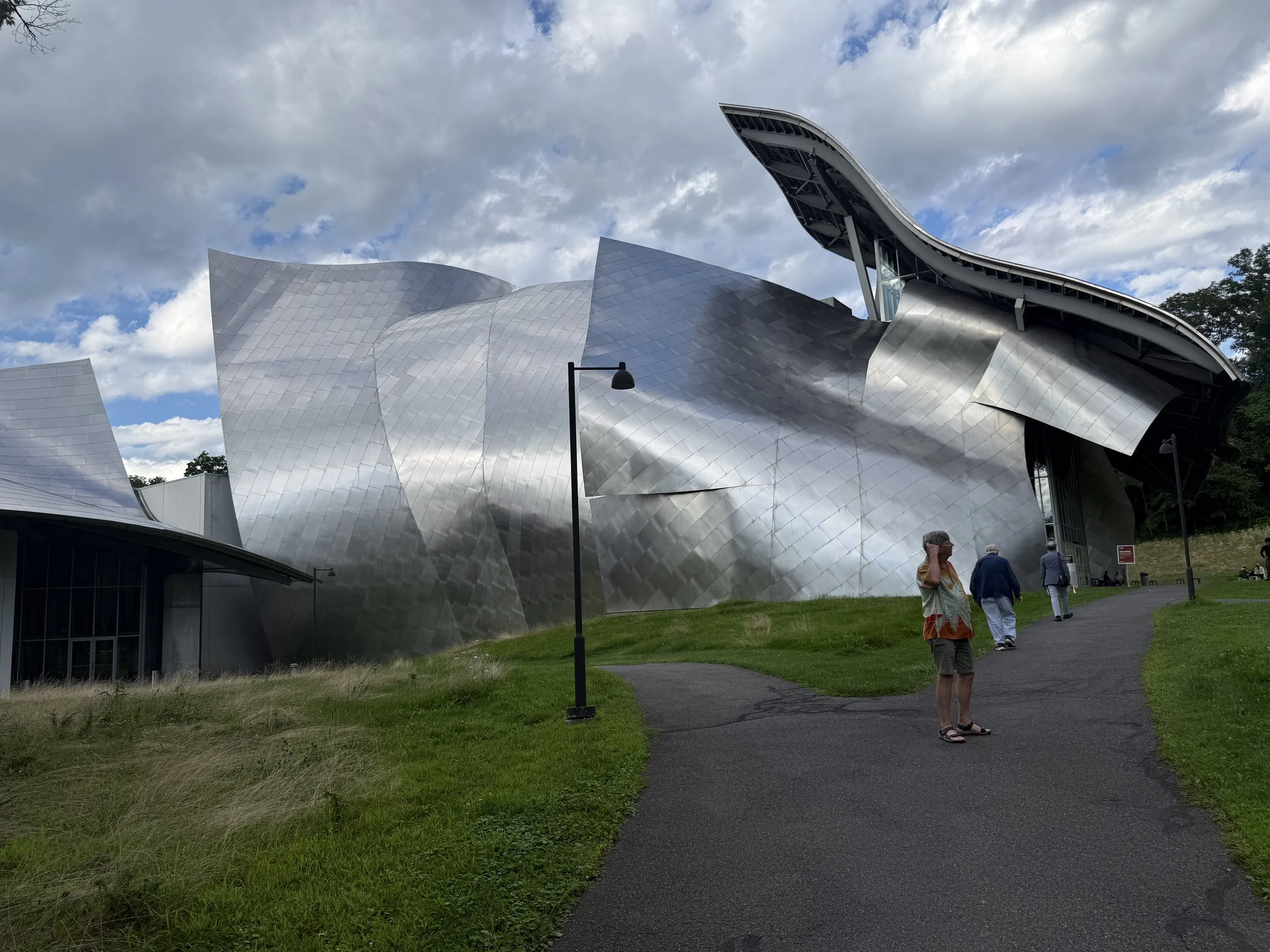
The Fisher Center, Bard College
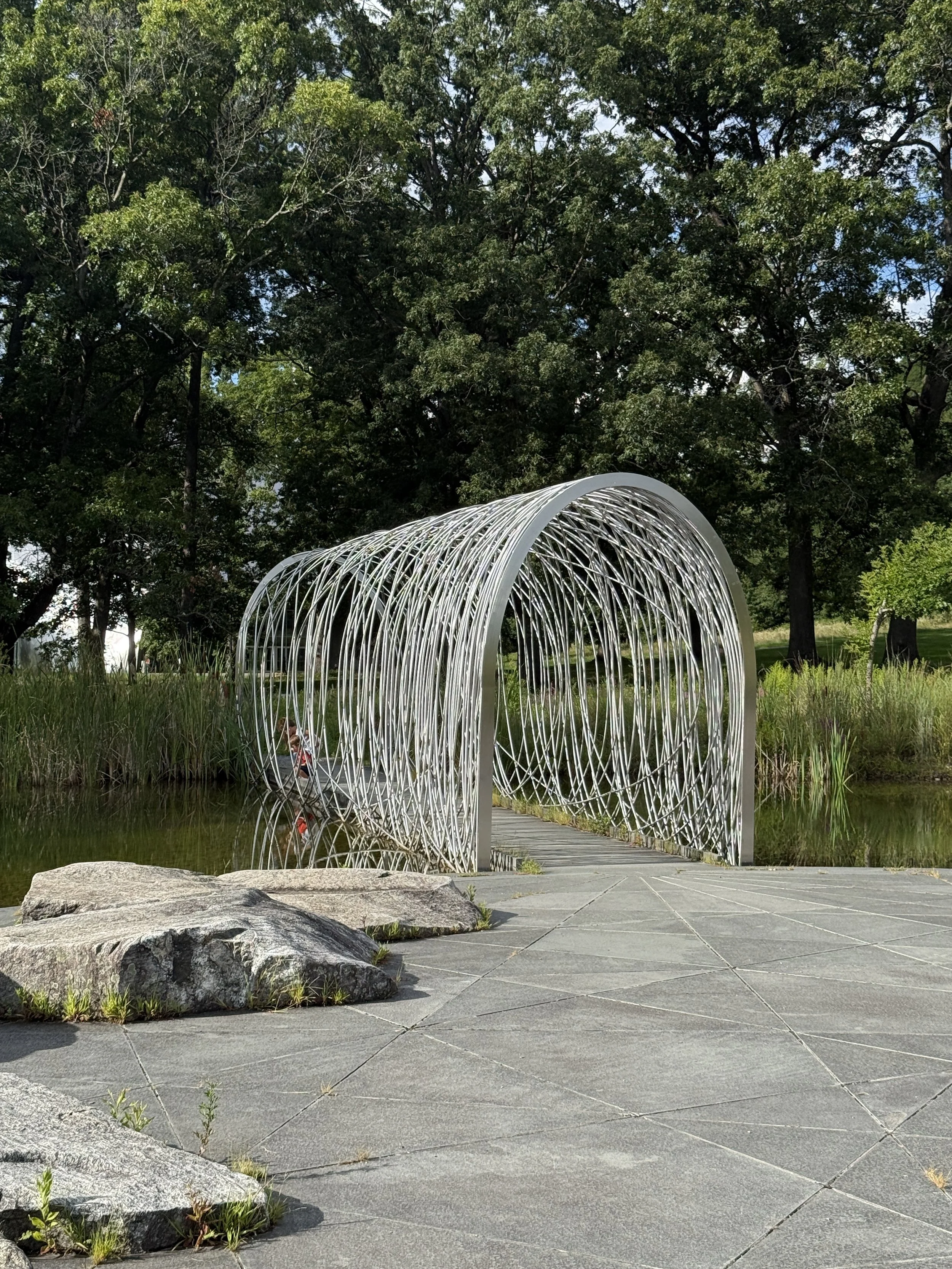
A water feature at Bard
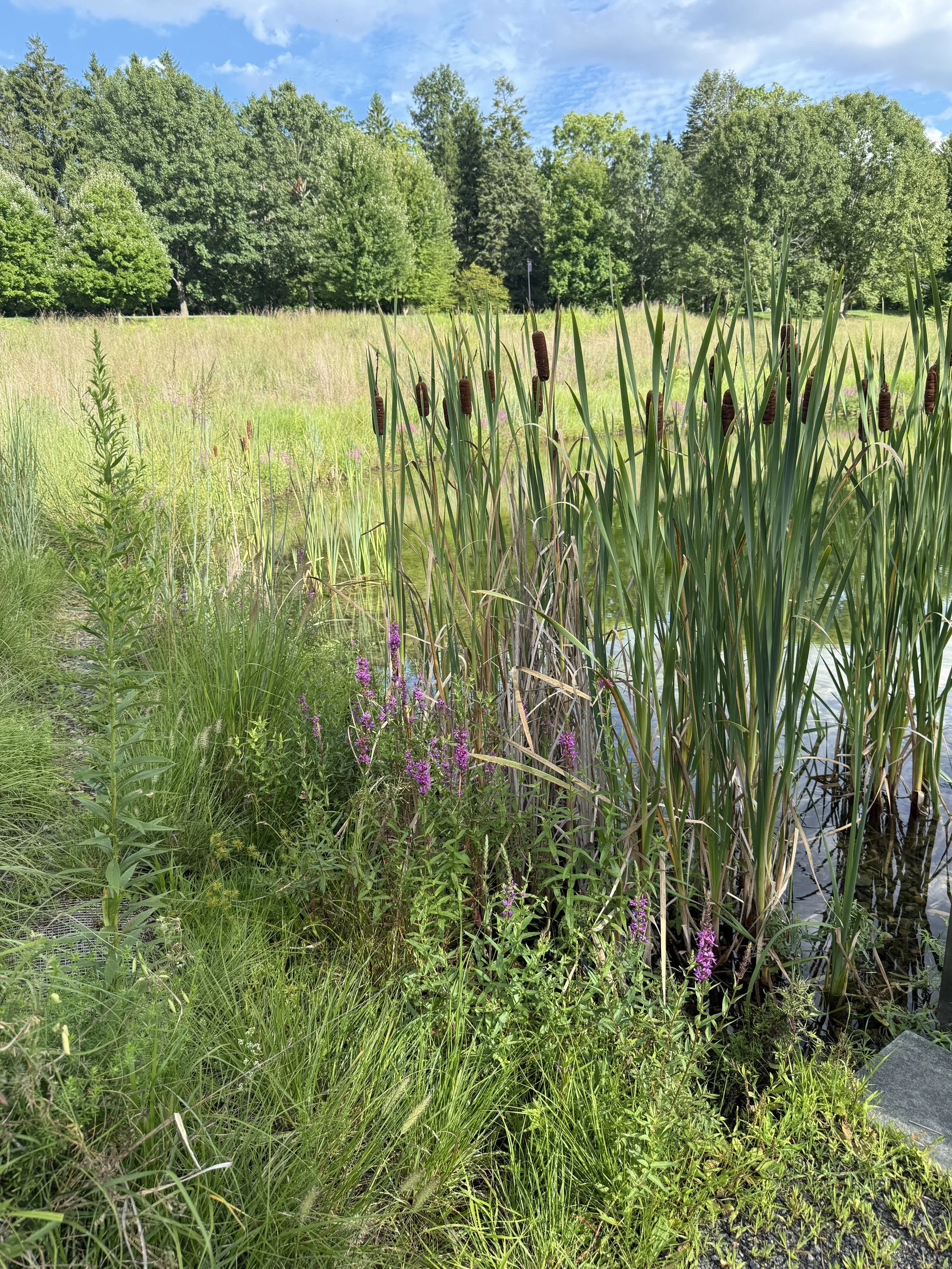
Photos by Amanda Slattery
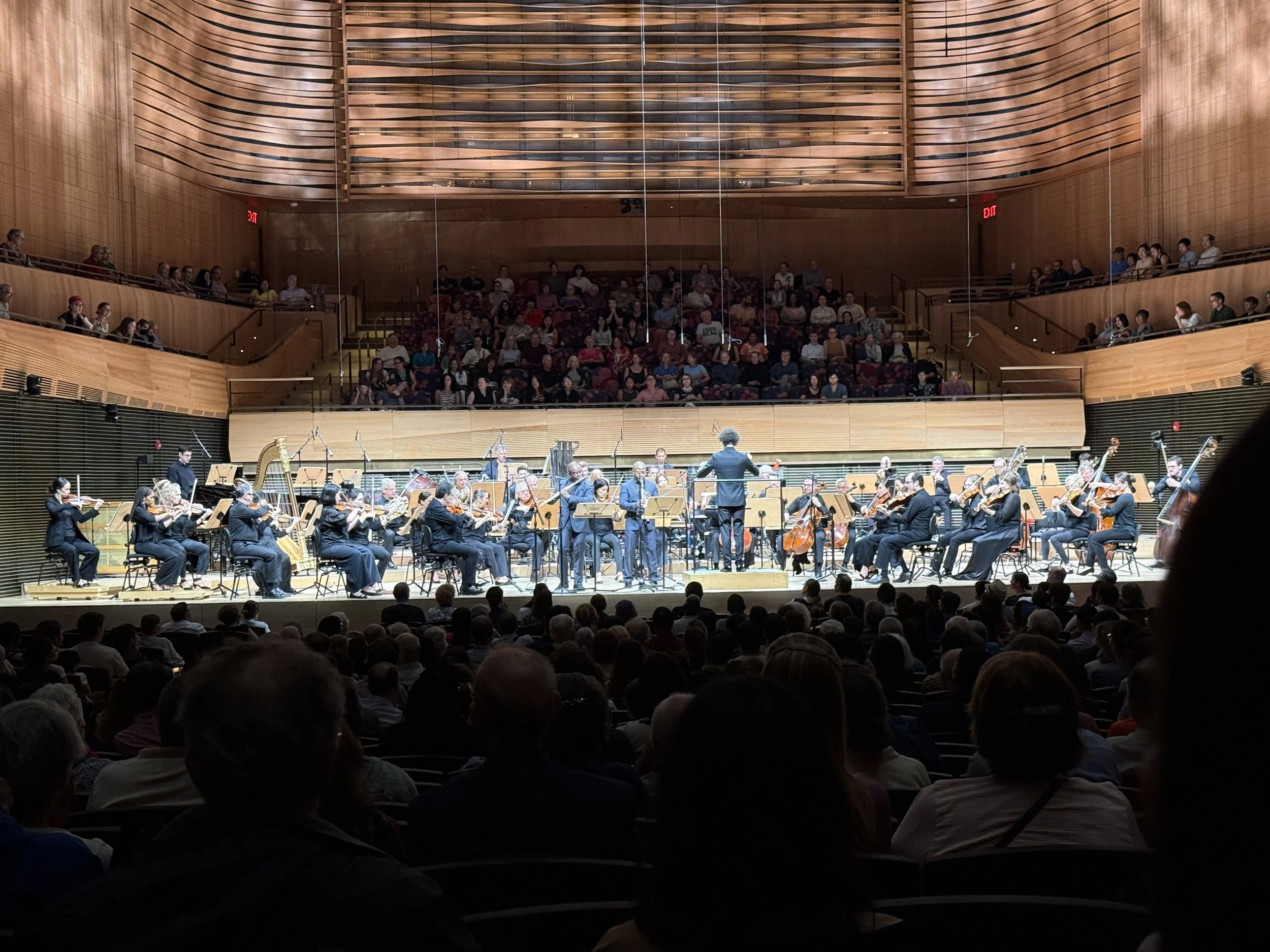
South to Lincoln Center
At David Geffen Hall, Lincoln Center, the orchestra—with solos by clarinetist Anthony McGill and flutist Demarre McGill— presented the New York premiere of A More Perfect Union. It was a program of firsts, with a world premiere of Change Thy Course by Hannah Ishizaki, as well.
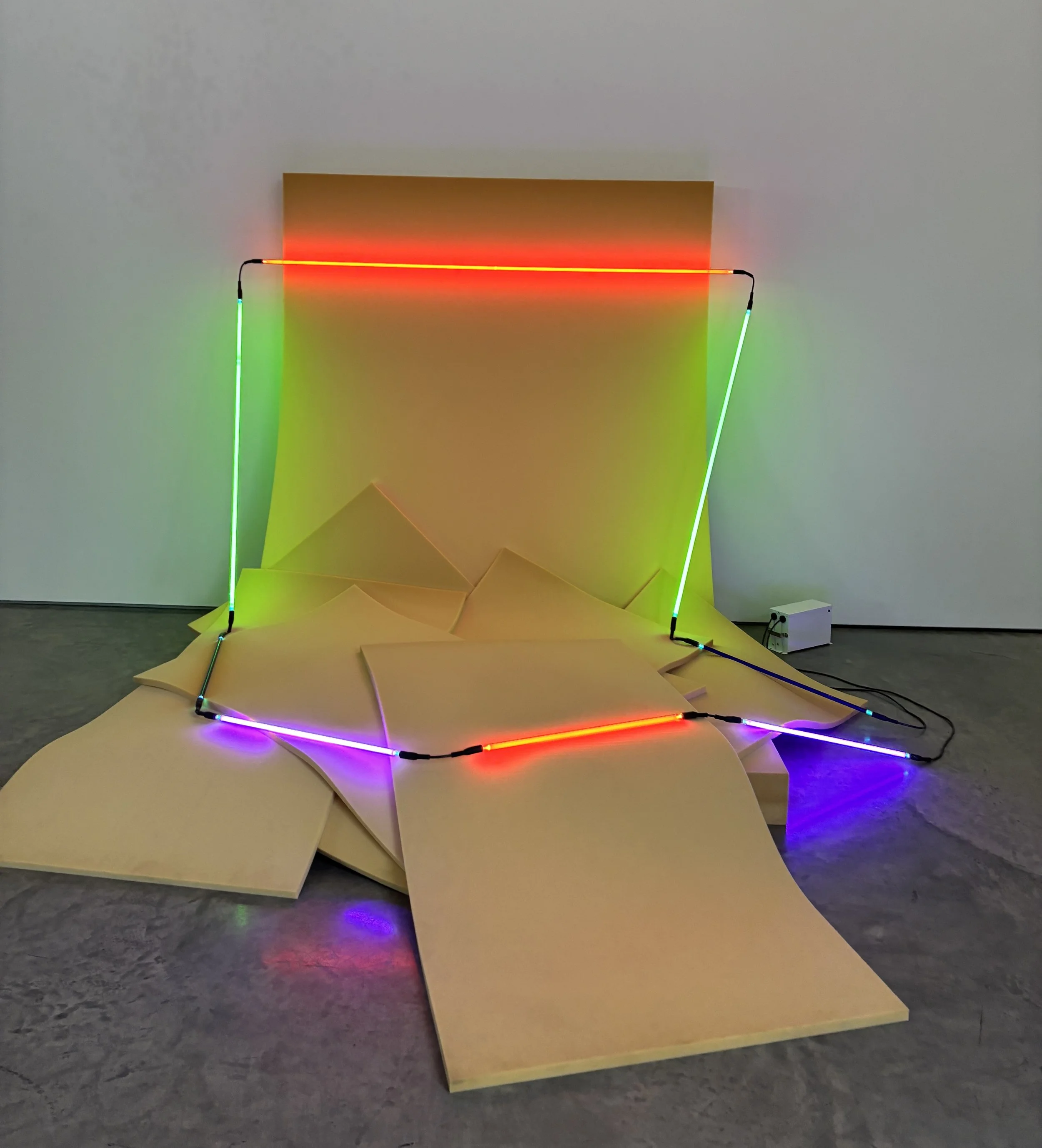
Lynn Brady and friends traveled to Beacon, New York, to view the Dia Beacon Museum’s contemporary art collection. Here are a few samples of the works displayed:
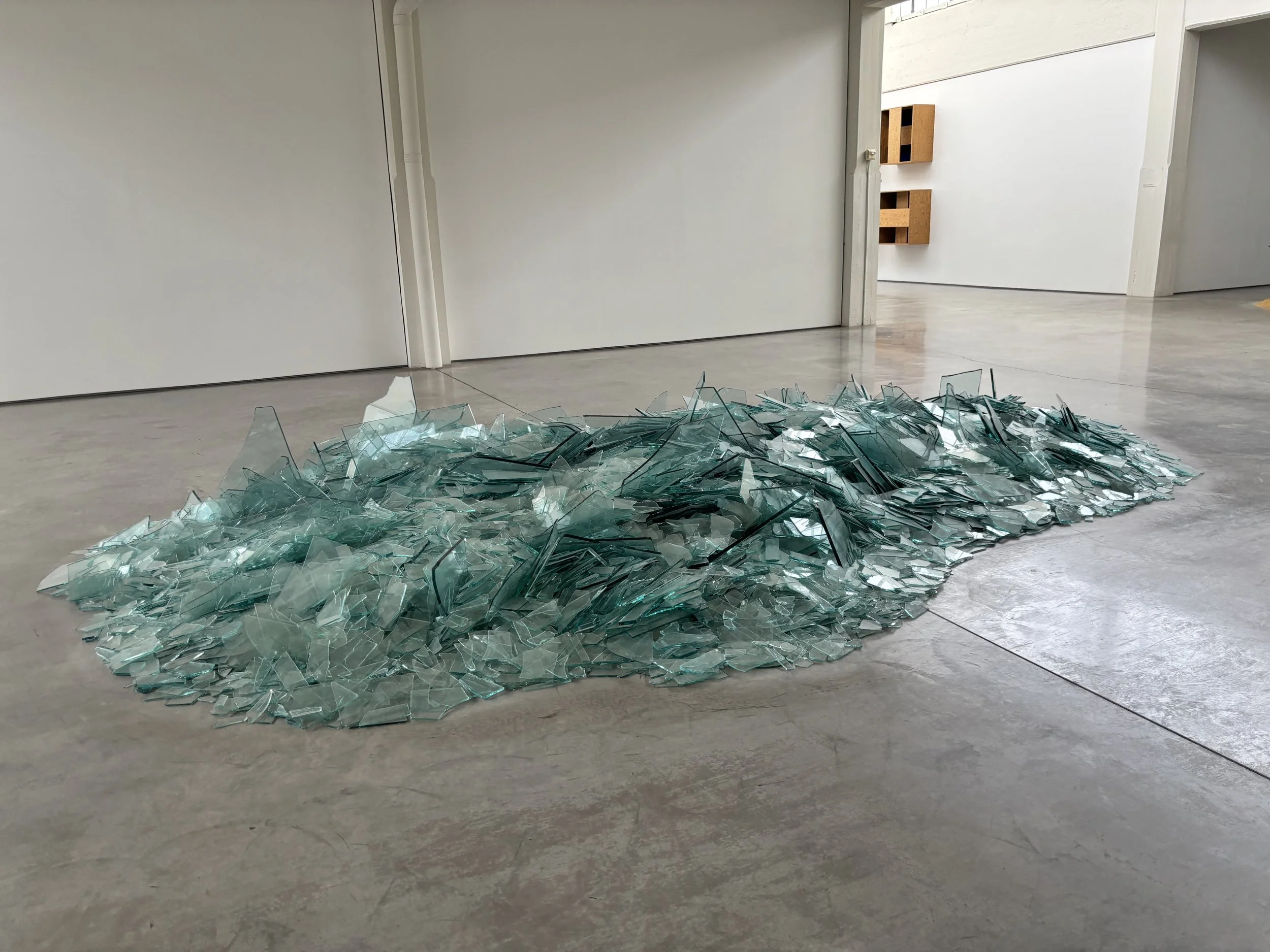
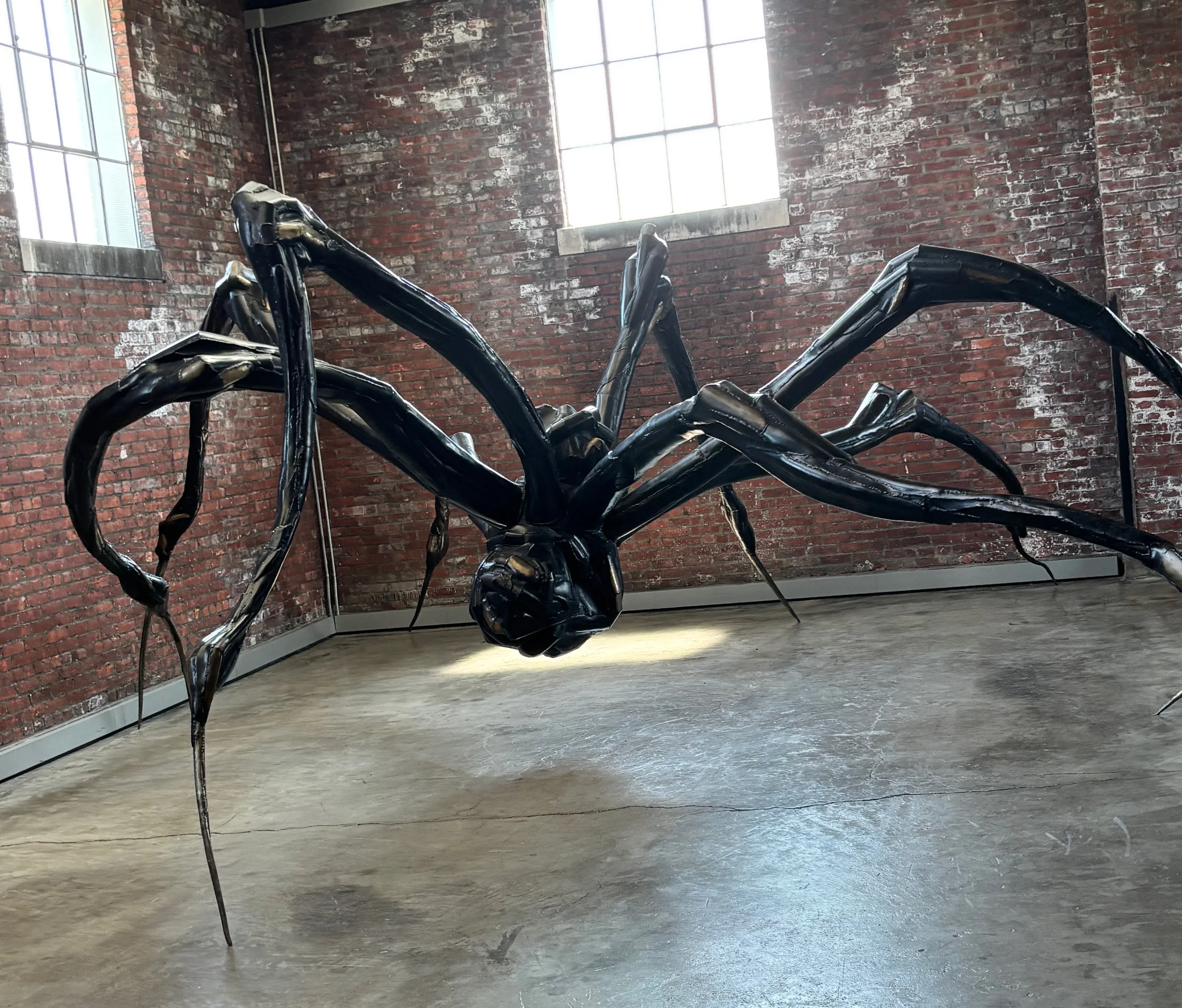
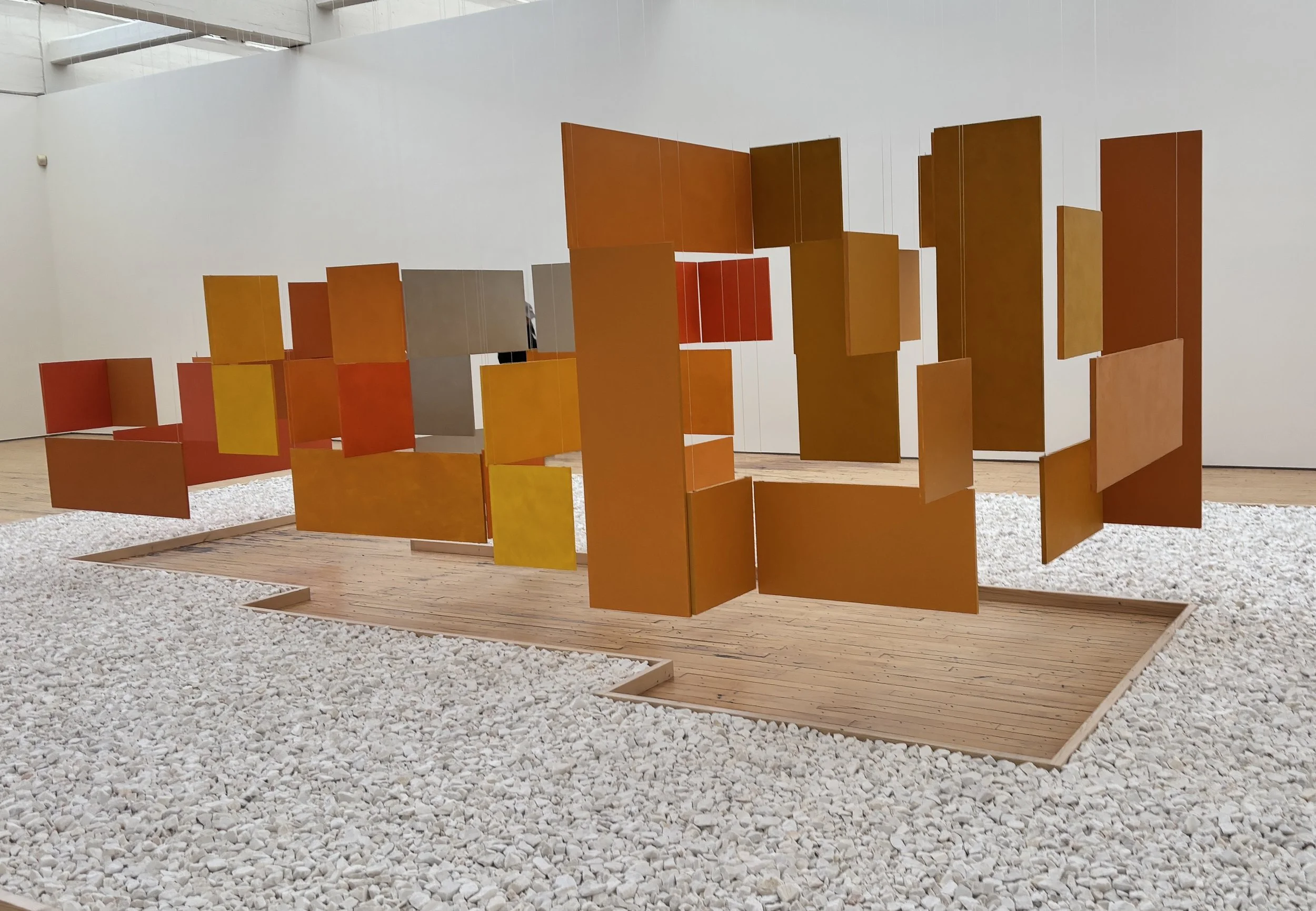
For those who have never spoken with her, you may not be aware that long-time US citizen Amanda Slattery hailed originally from England. As such, she is a valiant member of the Daughters of the British Empire. She and three other “daughters” recently took themselves up to Greenport, New York to tour Olana, the home/museum Frederic Church, of Hudson River School art fame.
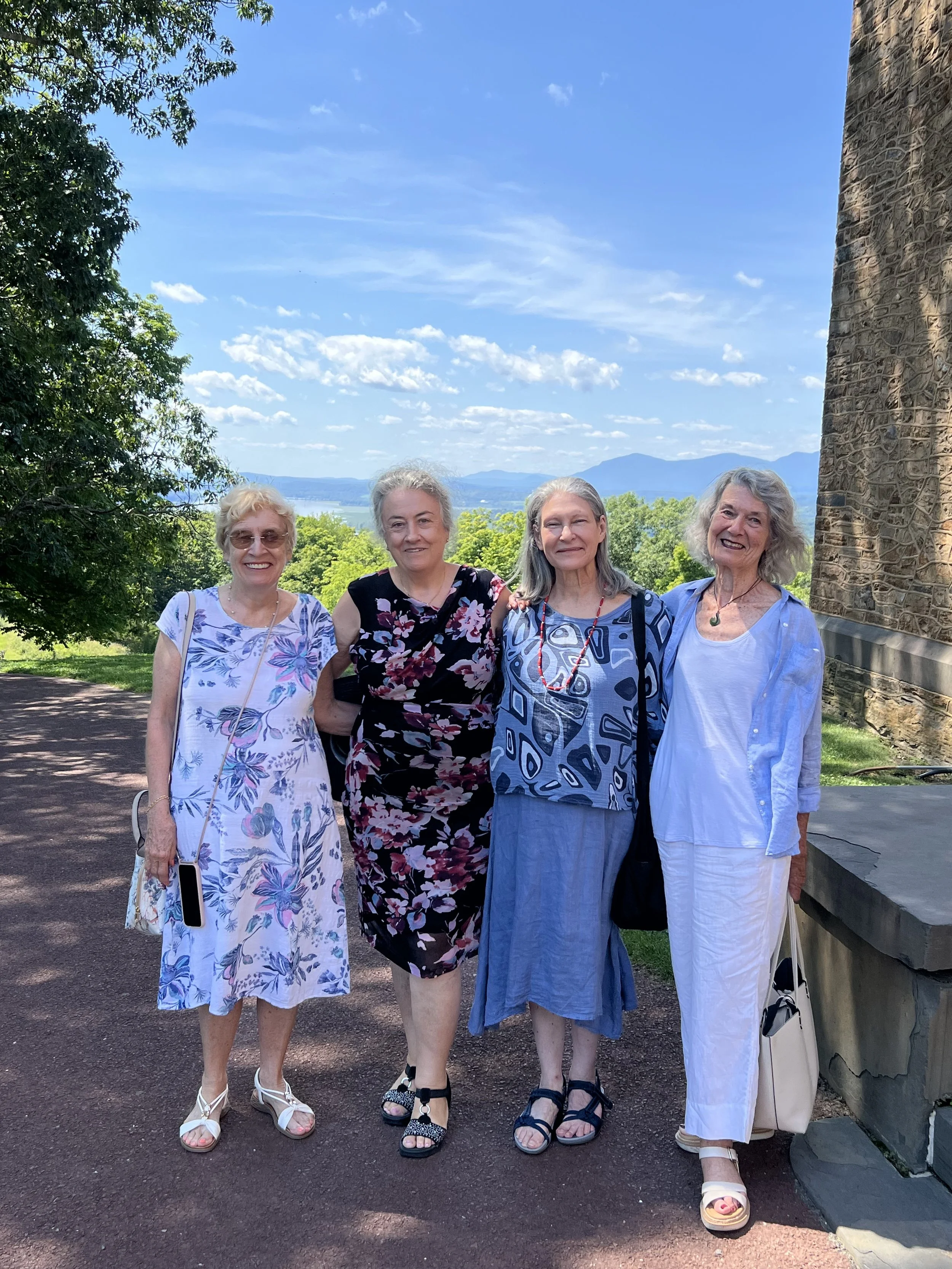
Britain on the Hudson
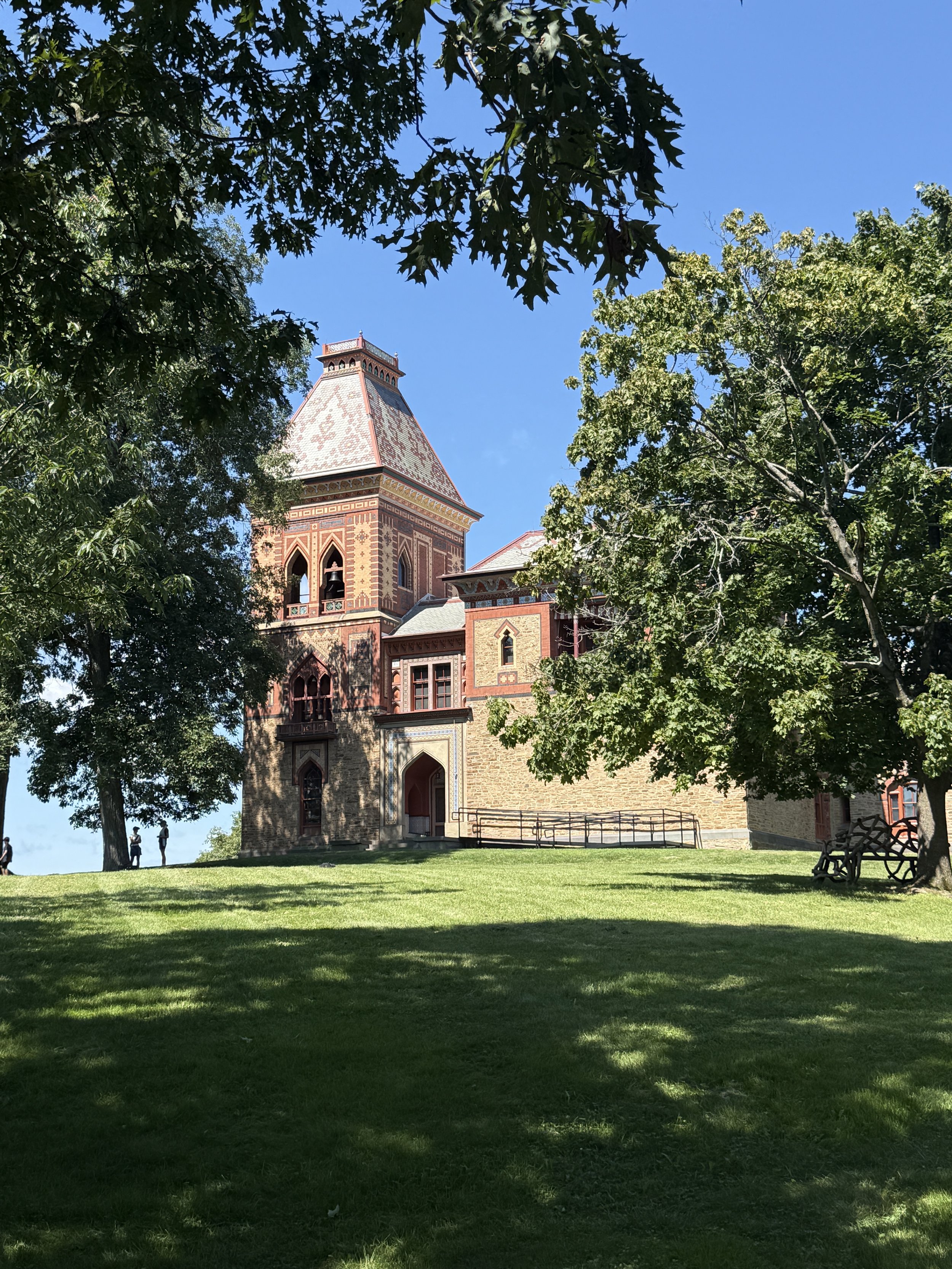
Olana, a work of art in and of itself
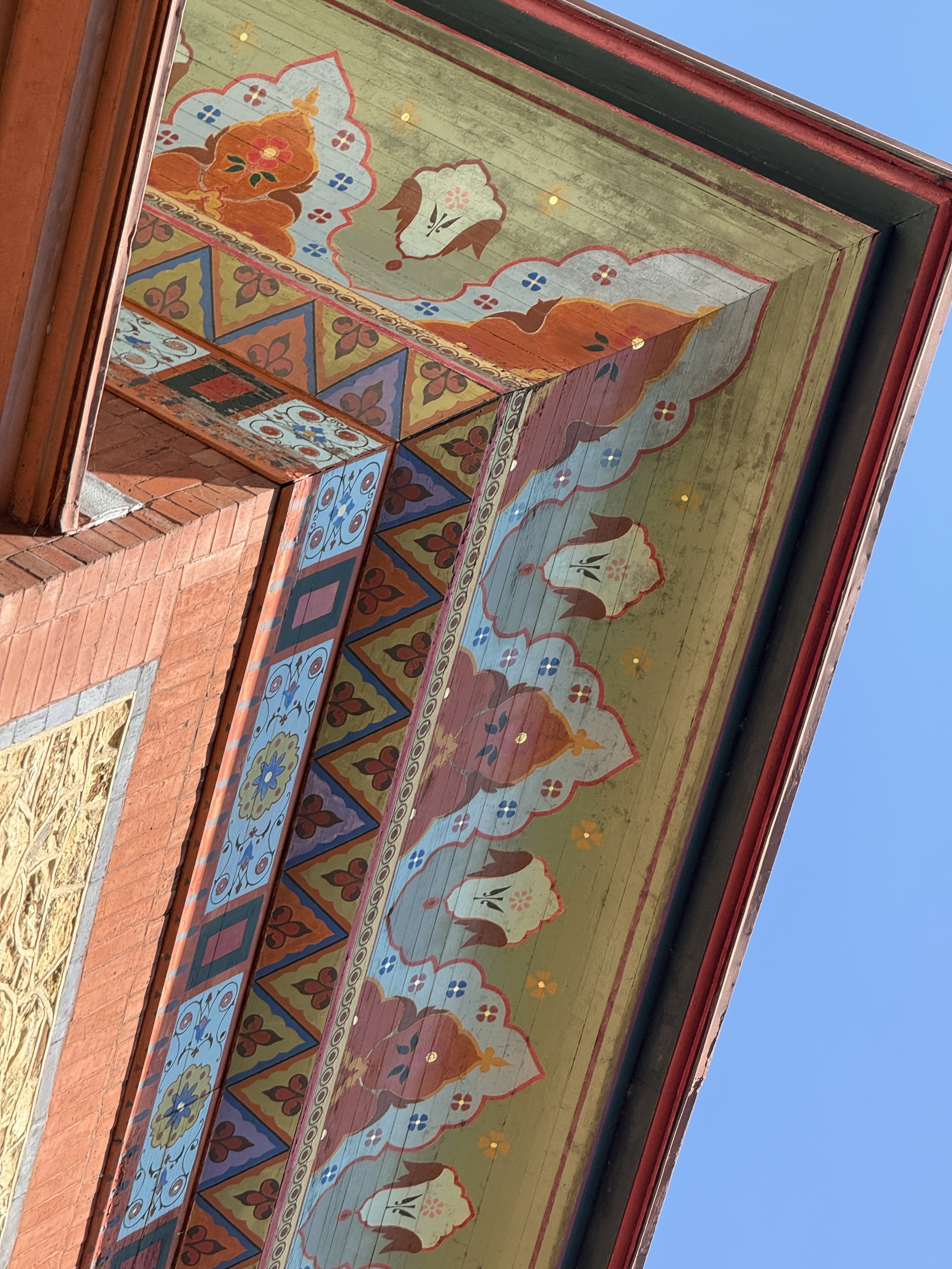
Details of the exterior
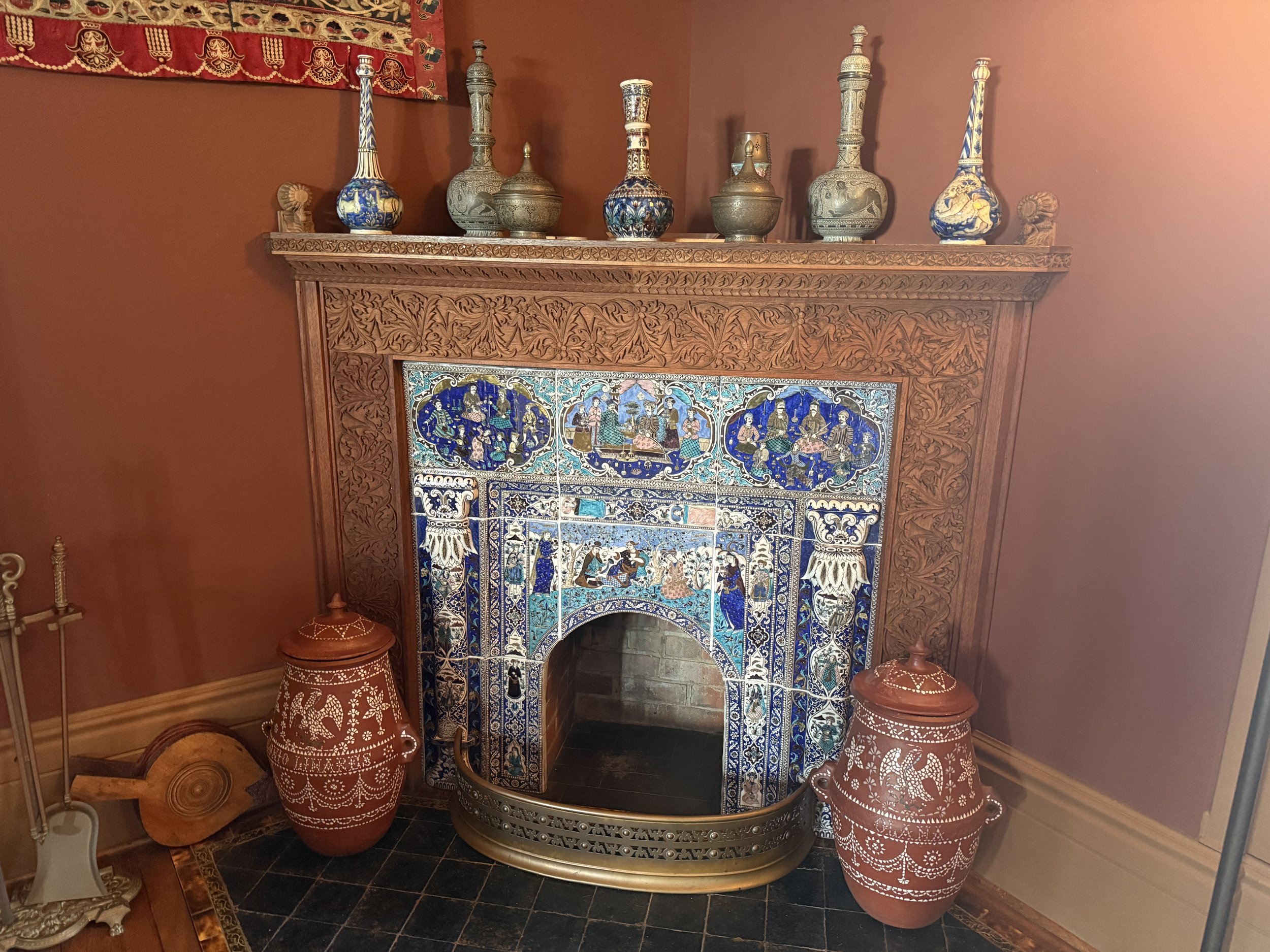
Studio fireplace
Photos by Amanda Slattery
Pat McGrath and his daughter, Moriah, have taken off on a Great Adventure! The first report is now in:
Flew from White Plains to Portland via O’Hare where I took my first Lyft ride to my hotel, which is a converted 100 year old grade school with a movie theater, library, brewery, and five pubs. My room is half of a former classroom with a blackboard along one wall, the biography of a former student on another, and no television.
Wednesday, Moriah and I went to Oregon City, the Western terminus of the Oregon Trail. Between 1840 and 1860, 250,000 migrants arrived there from Independence, Missouri, on a four-to-five month trip during which about 20,000 perished along the way.
The Willamette river flows through Oregon City on its way to the Pacific. From there, it is far more navigable than from The Dalles on the Columbia River. This is the point at which the trail had previously ended before an enterprising emigrant cut a toll road suitable for wagons around Mount Hood to what would become Oregon City.
But there are falls there whose volume is second only to Niagara in the United States. John McLoughlin, a Canadian who was tasked with populating the Oregon territory built a mill at the base of the falls to provide employment to the arrivals who weren’t to become farmers.
Over 150 years it grew and merged and was purchased, becoming in the mid-20th century part of Crown Zellerbach, the second largest paper company in the US and one of the largest employers in Oregon. Now it is abandoned and crumbling but still is a beautiful reminder of the historic role it played in turning a geophysical feature into both a means and an incentive to populate a vast, unpopulated (by Europeans) wilderness.
Here’s what it looks like from the promenade on the cliff above the river near the landmarked house of the house of John McLoughlin, who was named the Father of Oregon in 1957, the centennial of his death.

Photo by Pat McGrath
Apparently, the Patriotic American police haven’t gotten this far West yet, because this plaque is on the promenade from which I took the picture.
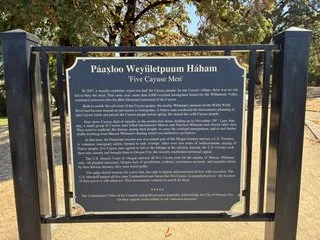
On our way to Victoria BC!
Editor’s Note on Pat’s Plaque:
Here’s what the plaque says:
OREGON CITY – The Confederated Tribes of the Umatilla Indian Reservation (CTUIR) and Oregon City have worked together for three years on a project to honor five Cayuse men who were unjustly taken into custody, charged and hanged in Oregon City Territory in 1850.
The names of the five men who volunteered to talk about the killings that occurred at the Whitman Mission in 1847 were: Tiˀílakaˀaykt, ˀIceyéeye Siléqis, Koyomá Šamqíin, Tamáhas and ƛókomooc. (These Cayuse and Nez Perce names are represented with standard Americanist symbols.) According to CTUIR historians, Marcus Whitman was suspected of coveting Cayuse lands and poisoning Cayuse people by spreading disease. Following Whitman’s death, a militia formed and launched what came to be known as the Cayuse War.
Starting in 1991, CTUIR Board Trustee Armand Minthorn worked with former Oregon City Mayors Dan Fowler and Alice Norris on ways to commemorate. Subsequently, CTUIR Trustee átway (late) Les Minthorn, who carried the family name Koyomá Šamqíin, told at least two Oregon City groups that approached the CTUIR with ideas of reconciliation and dramatic re-enactment that what the CTUIR most wanted was “to find our ancestors and bring them home for proper burial.” Both Minthorns descend from the families of the hanged men.
“It’s important that we remember all aspects of our history, not just the pleasant parts. I’m pleased that we have been able to partner with the Confederated Tribes of the Umatilla Indian Reservation to create a memorial that pays respects to these five men in a manner they find appropriate, and ensures the men are never forgotten,” said Oregon City Mayor Denyse McGriff.
The tribute will include a historical interpretive panel and boulder. A plaque on the boulder will present a hopeful message that the burial location of the five men may be found. Efforts to identify the graves are ongoing but are challenged by conflicting historical accounts of the location and changes in the infrastructure and landscape over time.
“Honoring these five men in this way reflects our love and respect – for ancestors who made sacrifices so we could be here, for the leaders who made this tribute possible, and for those who carry on the work our elders directed us to continue,” said Toby Patrick, CTUIR Board of Trustees Member at Large and Cultural Resources Committee Chairman.
The project site is on the McLoughlin Promenade, a 7.8-acre linear park overlooking the historic location of their public hanging near Willamette Falls. The site’s proximity to the places where the men were detained, tried and hanged is of great importance to the CTUIR and was carefully considered by Oregon City officials in the selection process.
In 2021, the Oregon City Commission approved funding to construct the tribute project. Construction will begin on May 6 and a dedication is planned for June.
The Confederated Tribes of the Umatilla Indian Reservation is comprised of the Cayuse, Umatilla and Walla Walla Tribes, and formed under the Treaty of 1855 at the Walla Walla Valley, 12 Stat. 945. In 1949, the Tribes adopted a constitutional form of government to protect, preserve and enhance the reserved treaty rights guaranteed under federal law.
Here at Kendal we gather together once a year to remember the members of our community who have passed. It’s a lovely coming together.
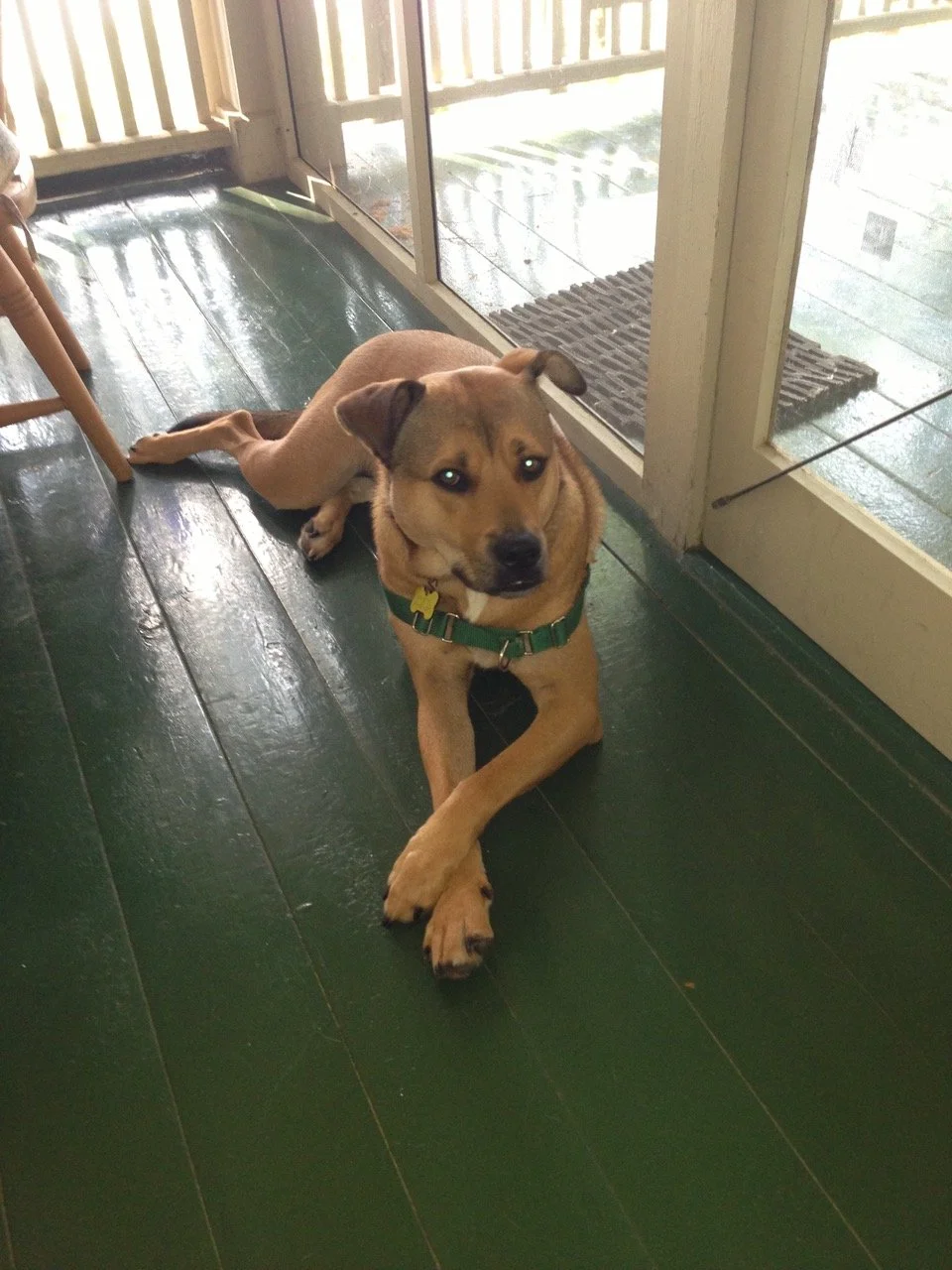
There are members of our community, however, who—though not of the human variety—are as known and loved as those who are. We pause to say “goodbye, we’ll miss you” to one of these: Bristol Campbell. She was a wonderful Robert Fulton resident who will be missed by those canine and human.
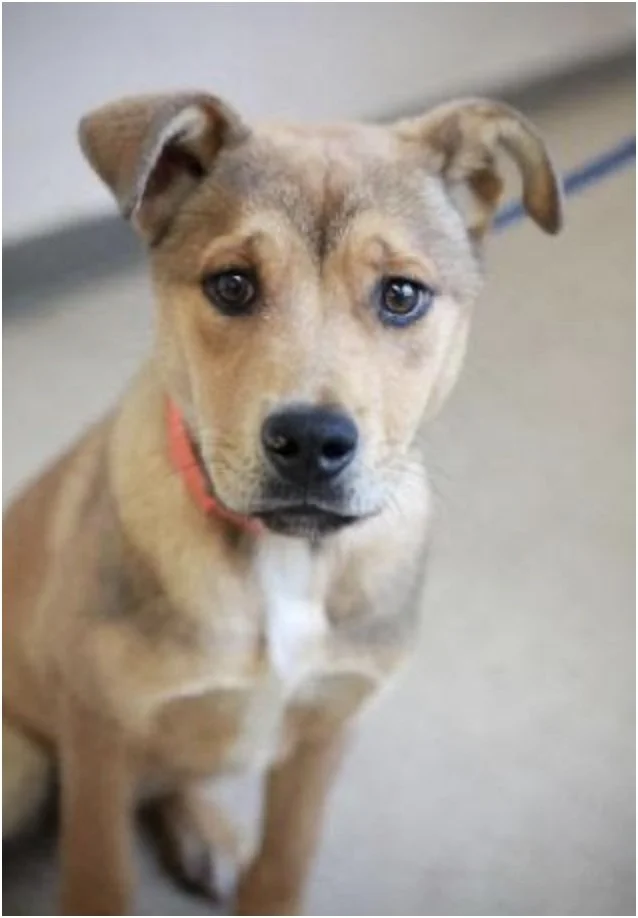
Just a pup
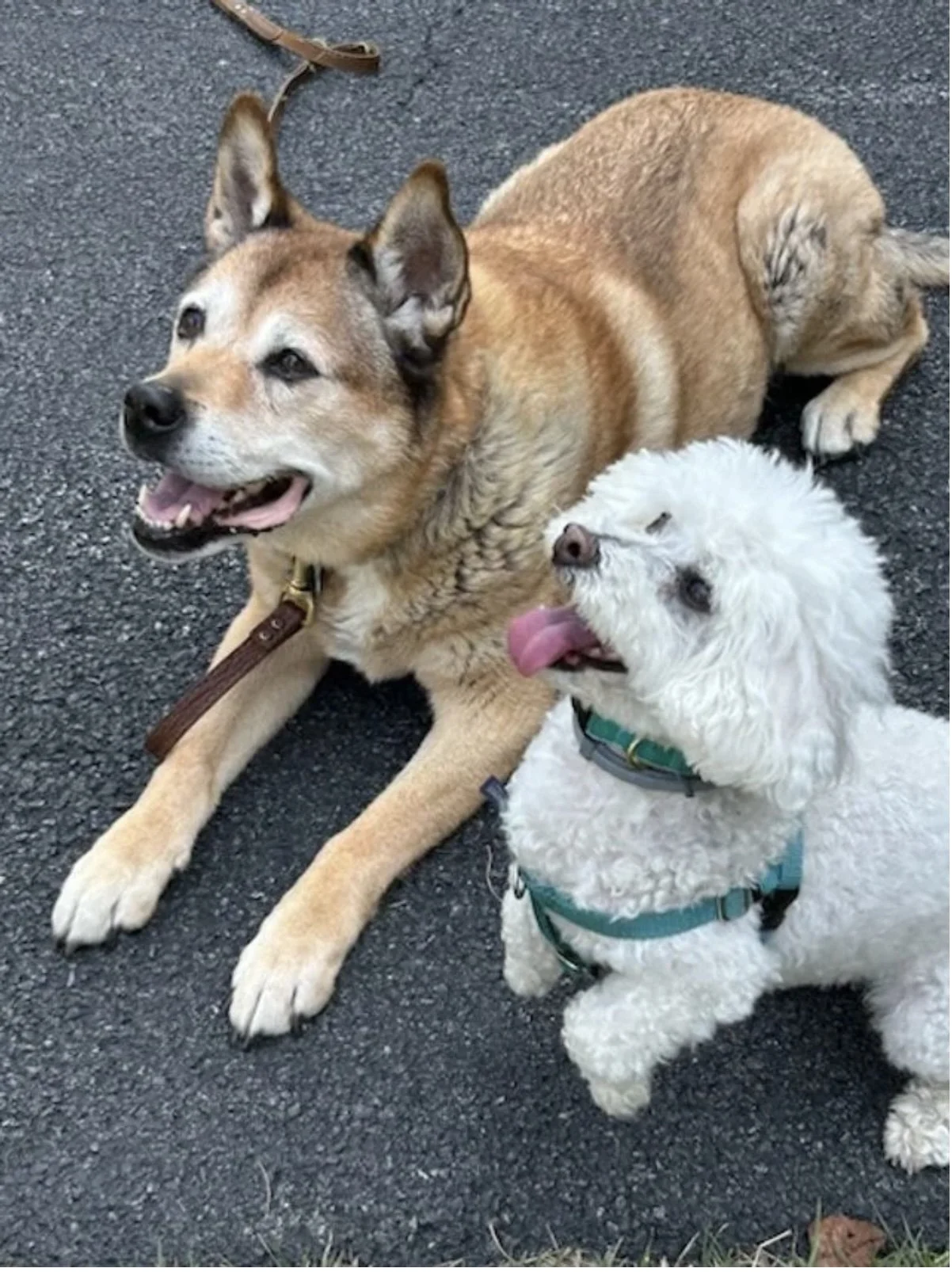
Best Buds of Fulton
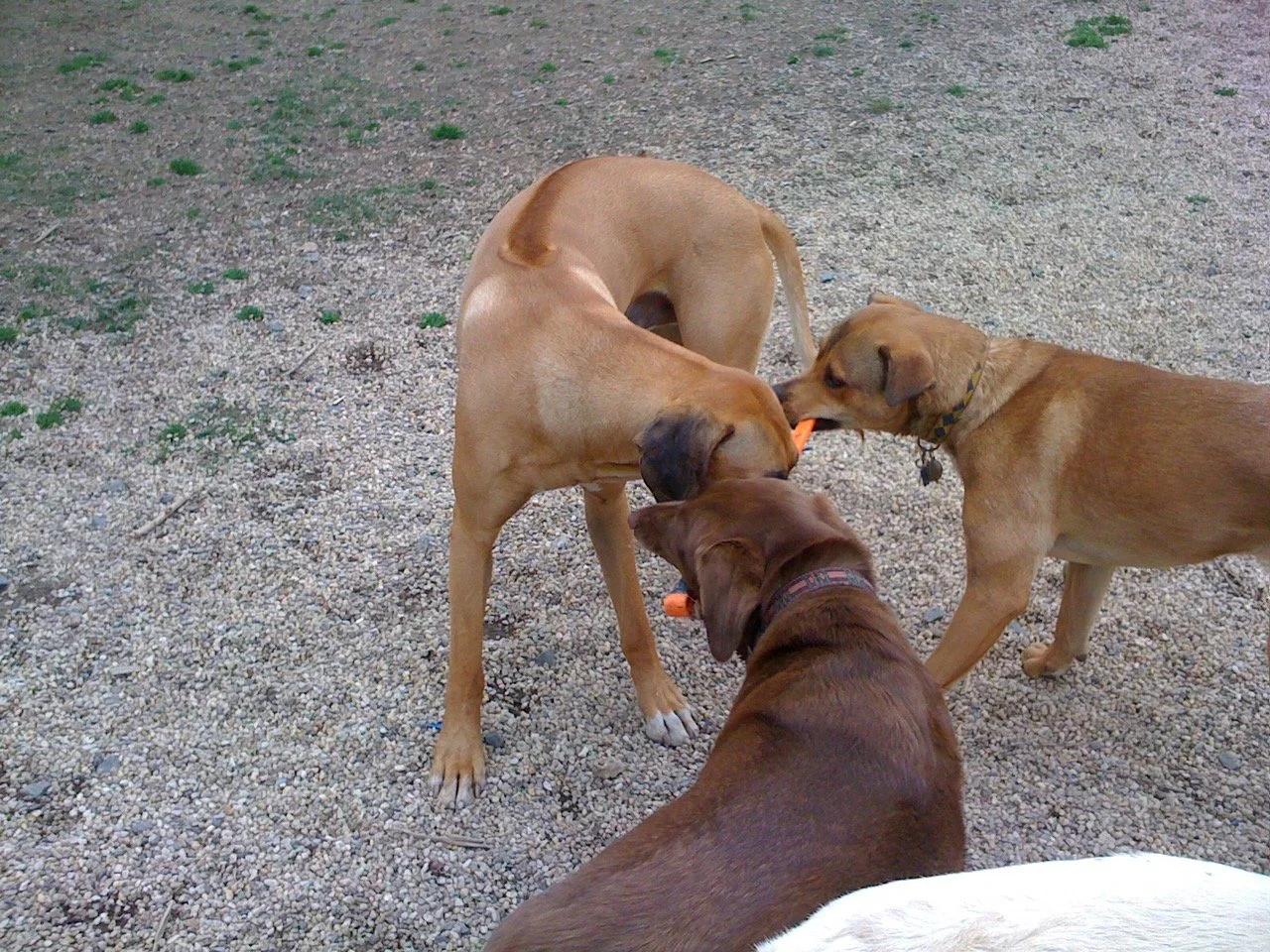
Just goofin’ around with friends
Just a reminder for the fans of the Tarrytown-Sleepy Hollow (TaSH) Farmers Market:

Many may weep. Many may mutter, “About time.” This week we reach the outer bounds, the final thrust, the last episode of “The Art of the Peel.”
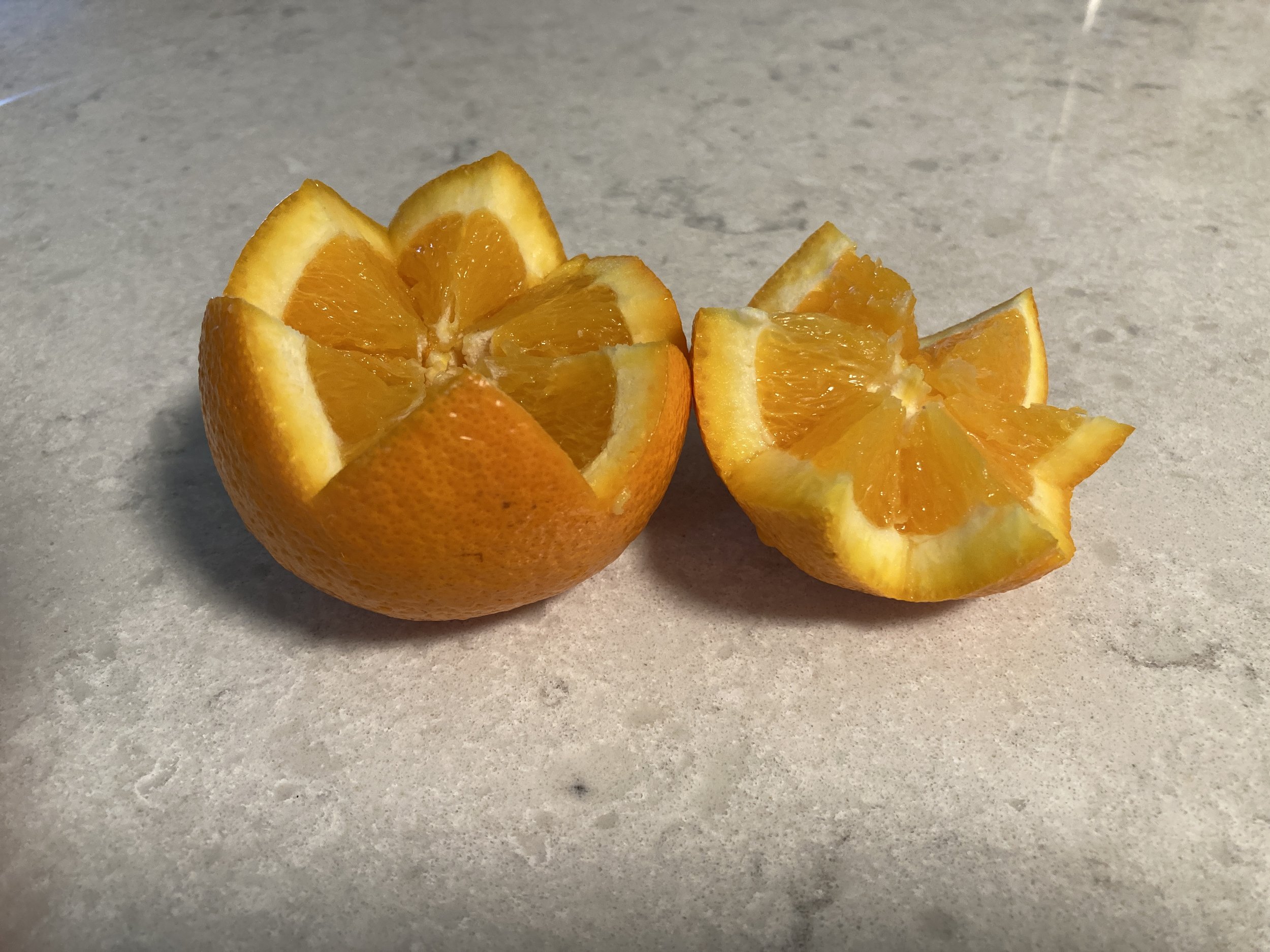
A fancy-cut orange is impossible to eat, but is perfect for two things: decorating a fruit platter or composting. Of course, the critical part—the stabilizing feature—is that said orange must maintain its peel. So, the art involved in this peel is . . . don’t peel. And, with that, this chapter ends. (It lacked further appeal.)
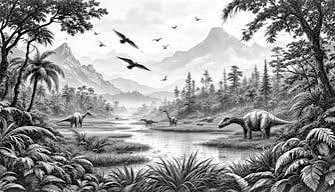
It’s difficult to comprehend within our limited, double-digit life spans, but Earth is a dynamic planet that is constantly changing. The continents have crashed together and separated a handful of times now (Pangaea is the latest supercontinent, but not the only one), and the planet’s atmosphere, oceans, and orbit are all temporary and movable.
Take, for instance, Antarctica, arguably the most inhospitable place on the planet. Not long ago (geologically speaking), the icy continent wasn’t frozen at all. In fact, it was filled with temperate rainforests teeming with life. Some 90 million years ago, during the Cretaceous Period—the tail end of the age of dinosaurs—Antarctica was home to a completely different habitat, known as the “Cretaceous hothouse.” The Earth was much warmer due to increased carbon dioxide levels (sea-surface temperatures in the tropics were at an incredible 95 degrees Fahrenheit, for example), and the world’s oceans were a staggering 558 feet higher than they are today.
Estimates suggest that Cretaceous Antarctica had a climate similar to today’s Italian peninsula and was filled with plant and animal life, including dinosaurs. The southern continent’s hospitality didn’t end with the dinosaurs, either; it continued on into the Eocene Epoch around 56 million to 34 million years ago. It was then that marsupials likely migrated across Antarctica from South America into modern-day Australia before the continents separated. So while Antarctica is pretty inhospitable to humans now, it may just be a phase.
Source: historyfacts.com, Darren Orf, July 11, 2023
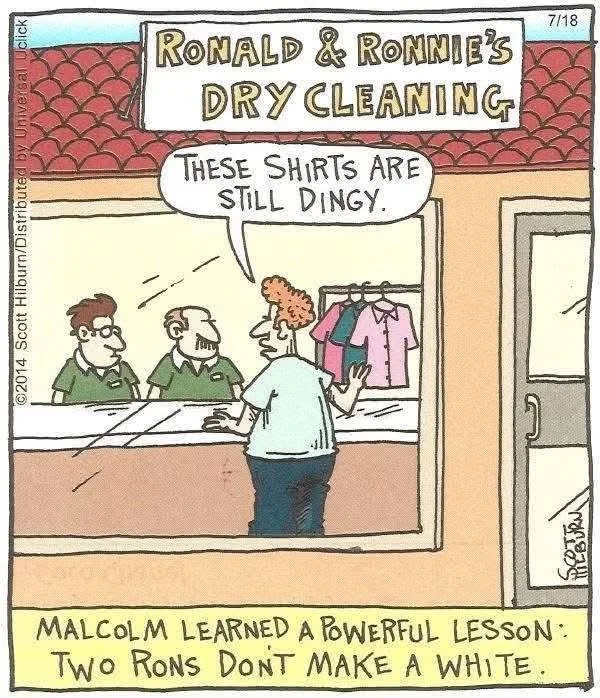

Contributed by Barbara Bruno




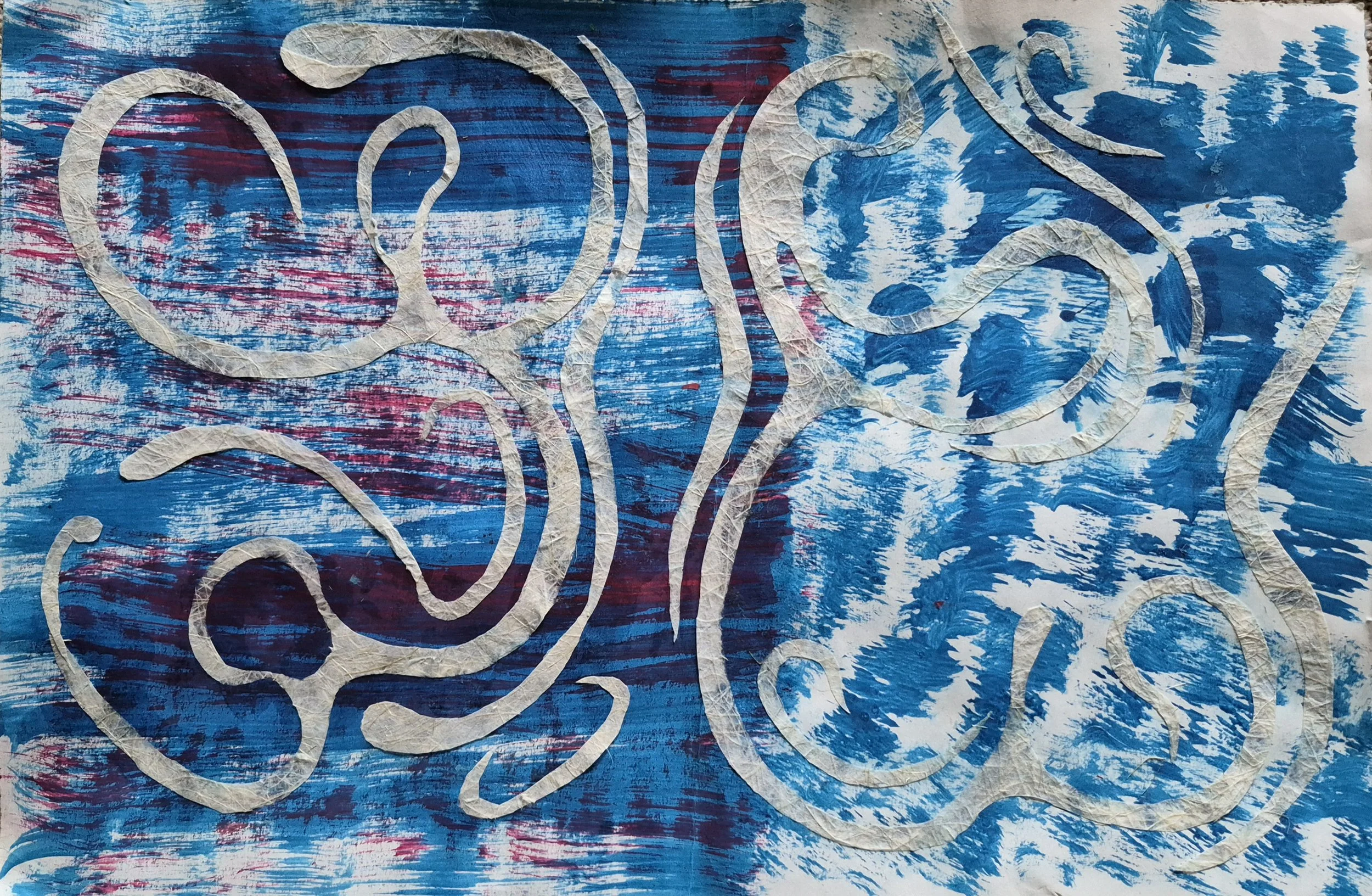
Art and photo by Sheila Benedis

After only a year at beauty school, Kevin could do a snazzy permanent wave

Brenda June, the last of the fabulous Unicorn Sisters, was still performing at a tumbledown roadside cafe
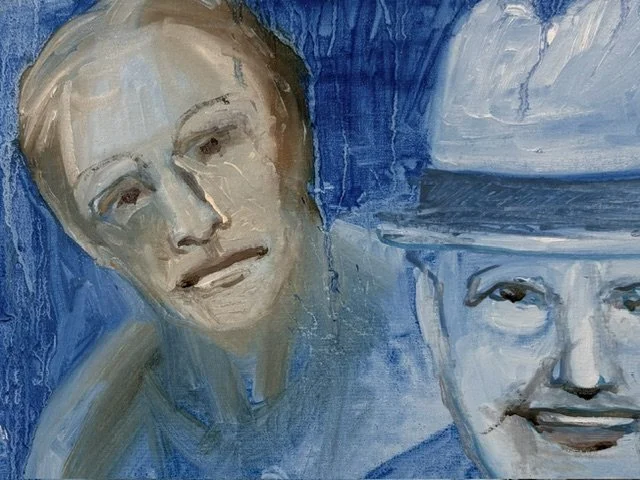
Lancaster had never understood his grandfather’s jokes
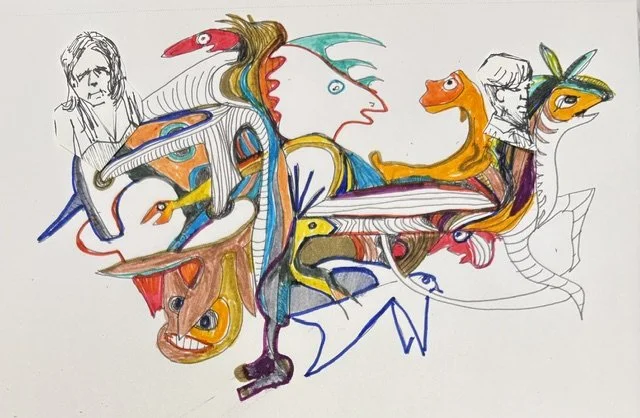
The office was much more relaxed in the summertime
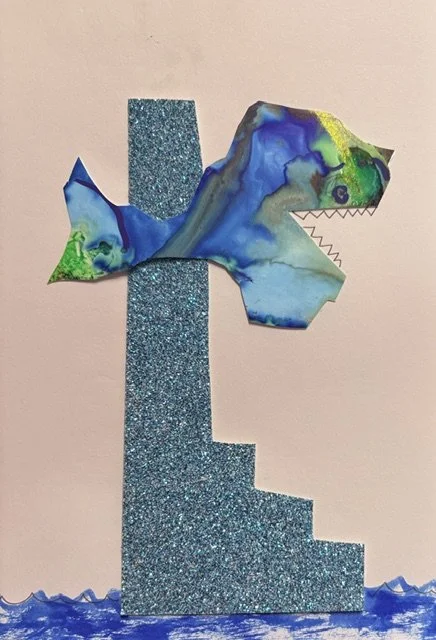
At last Meeker felt like a real New Yorker
Art and photos by Jane Hart
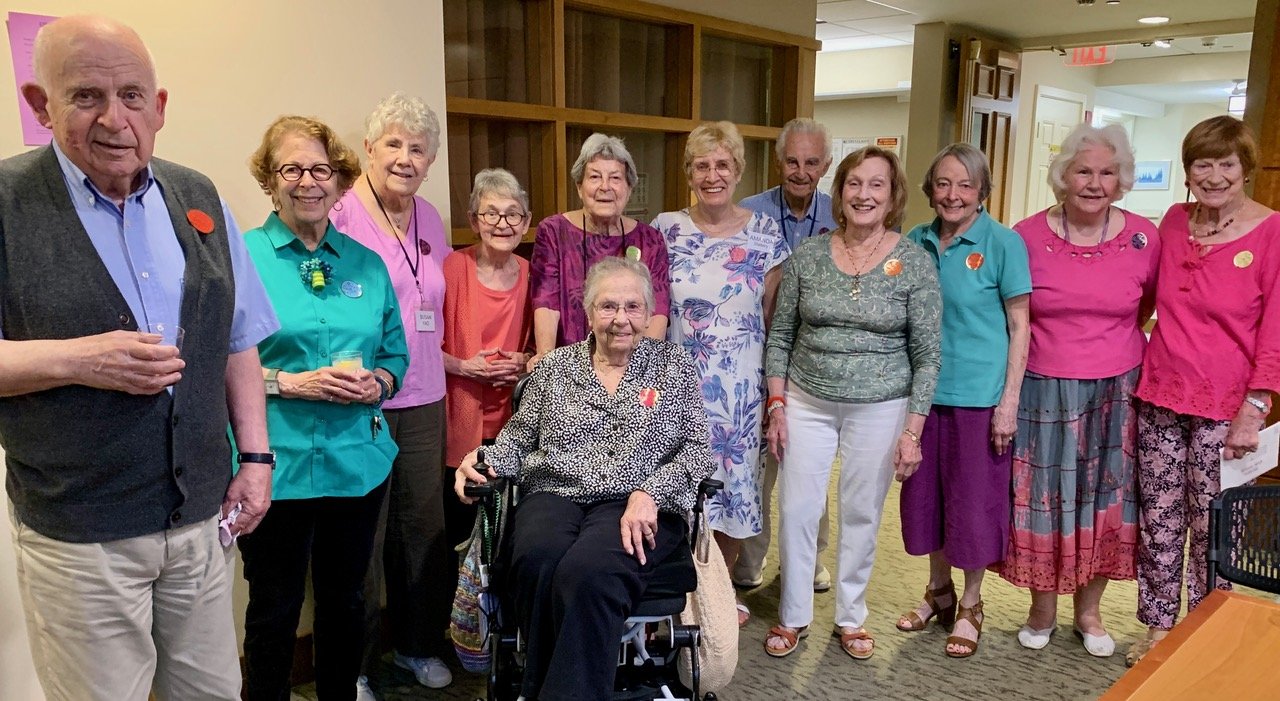
Photo by Harry Bloomfeld
Photo by Philip Monteleoni
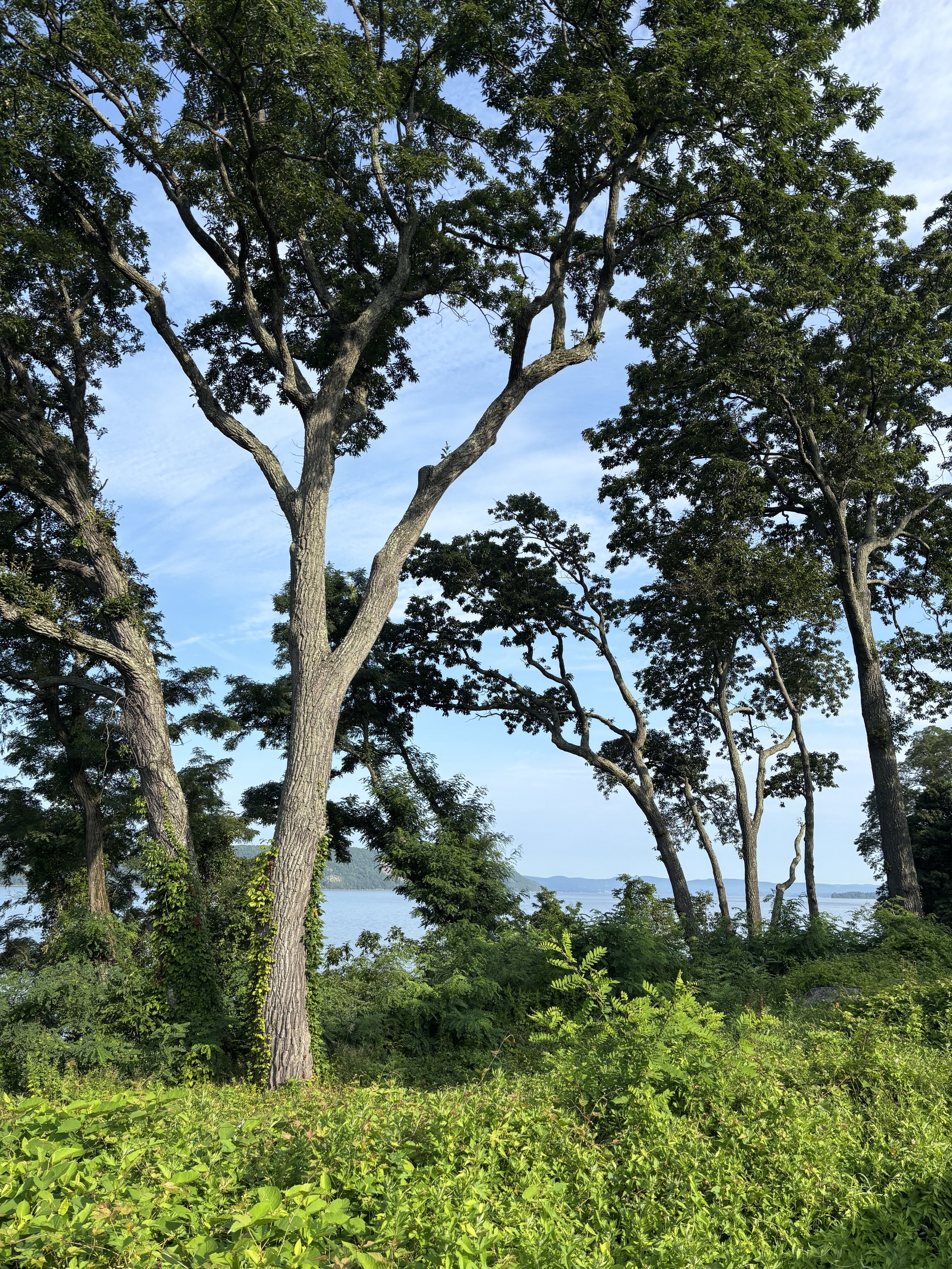
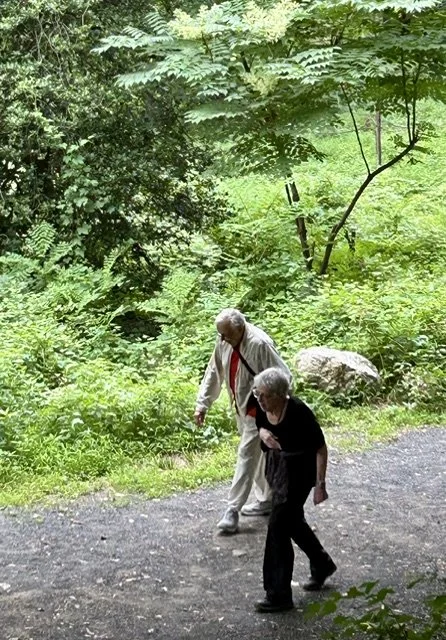
Photo by Lynn Brady
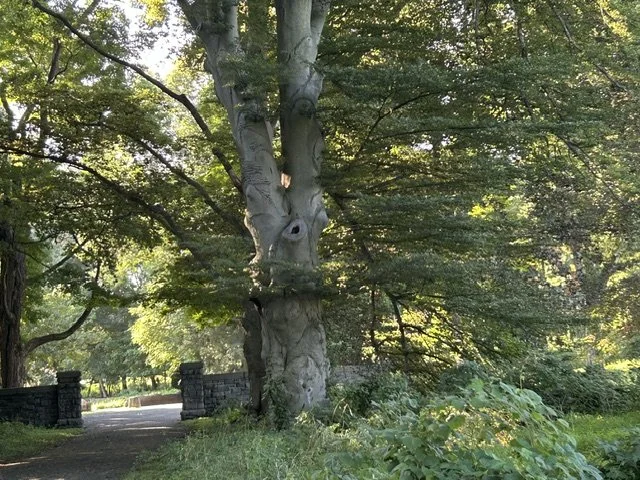
Intrepid Kendalites scale the arduous trail to the top of the Kendal Mount, by Carolyn Reiss
The top of the Mount, by Carolyn Reiss
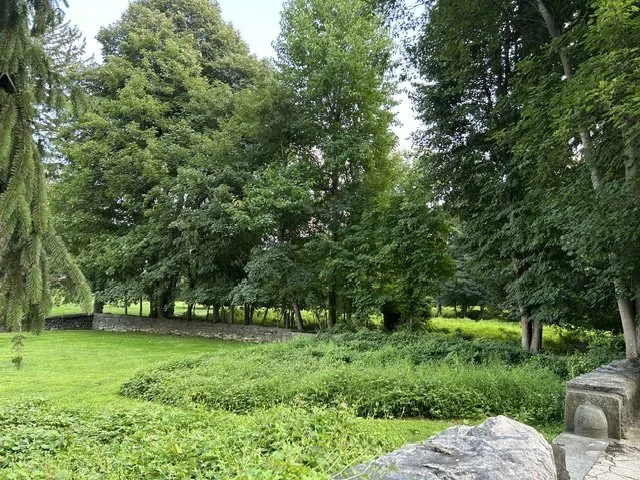
Photo by Edward Kasinec
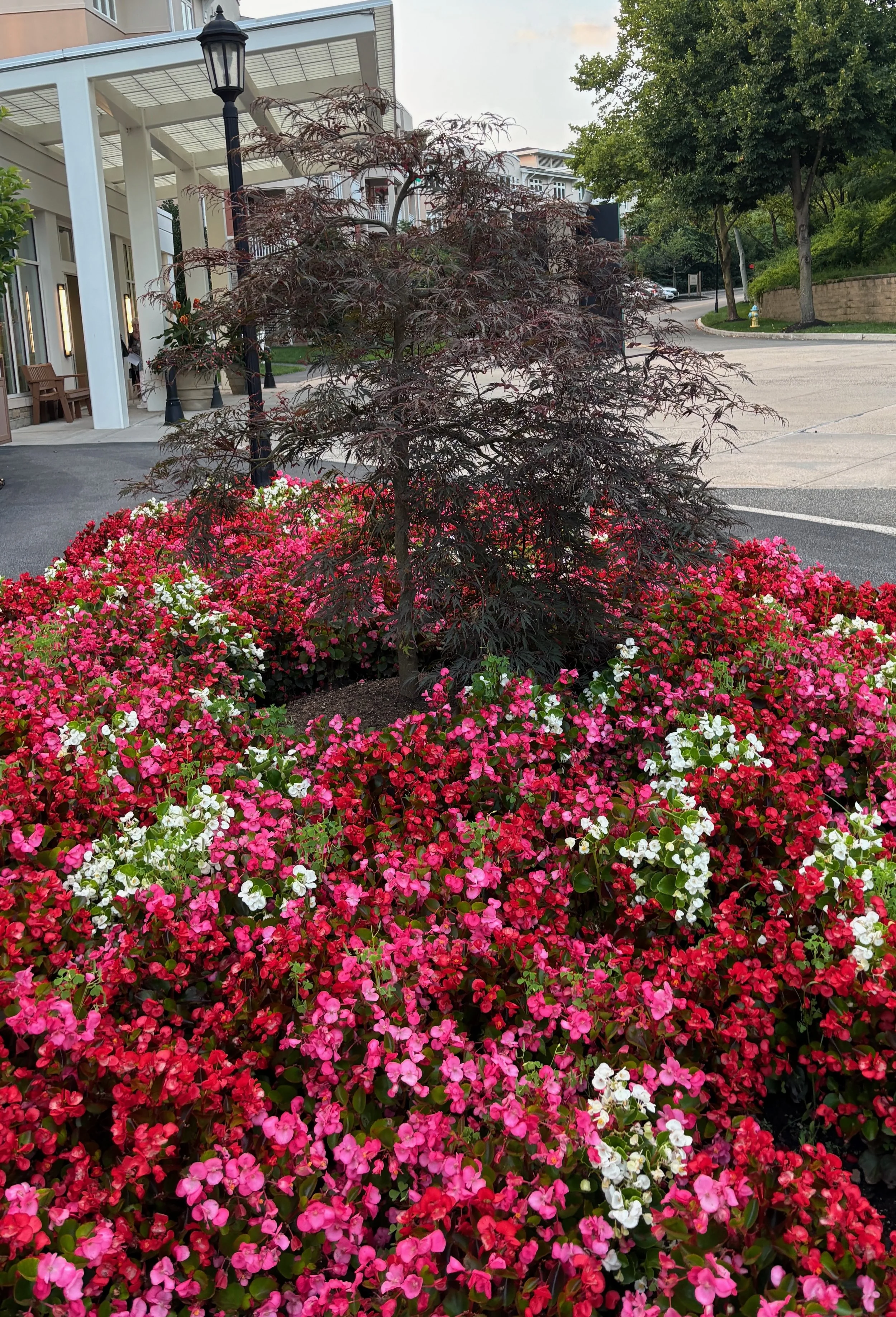
Photo by Lynn Brady
Periodically, there are calls to send postcards calling to get out the vote. Many Kendalites respond. In 60 minutes, some 14 people—at one four or five of the postcard parties recently hosted in Kendal apartments— wrote 400 postcards encouraging people to vote.
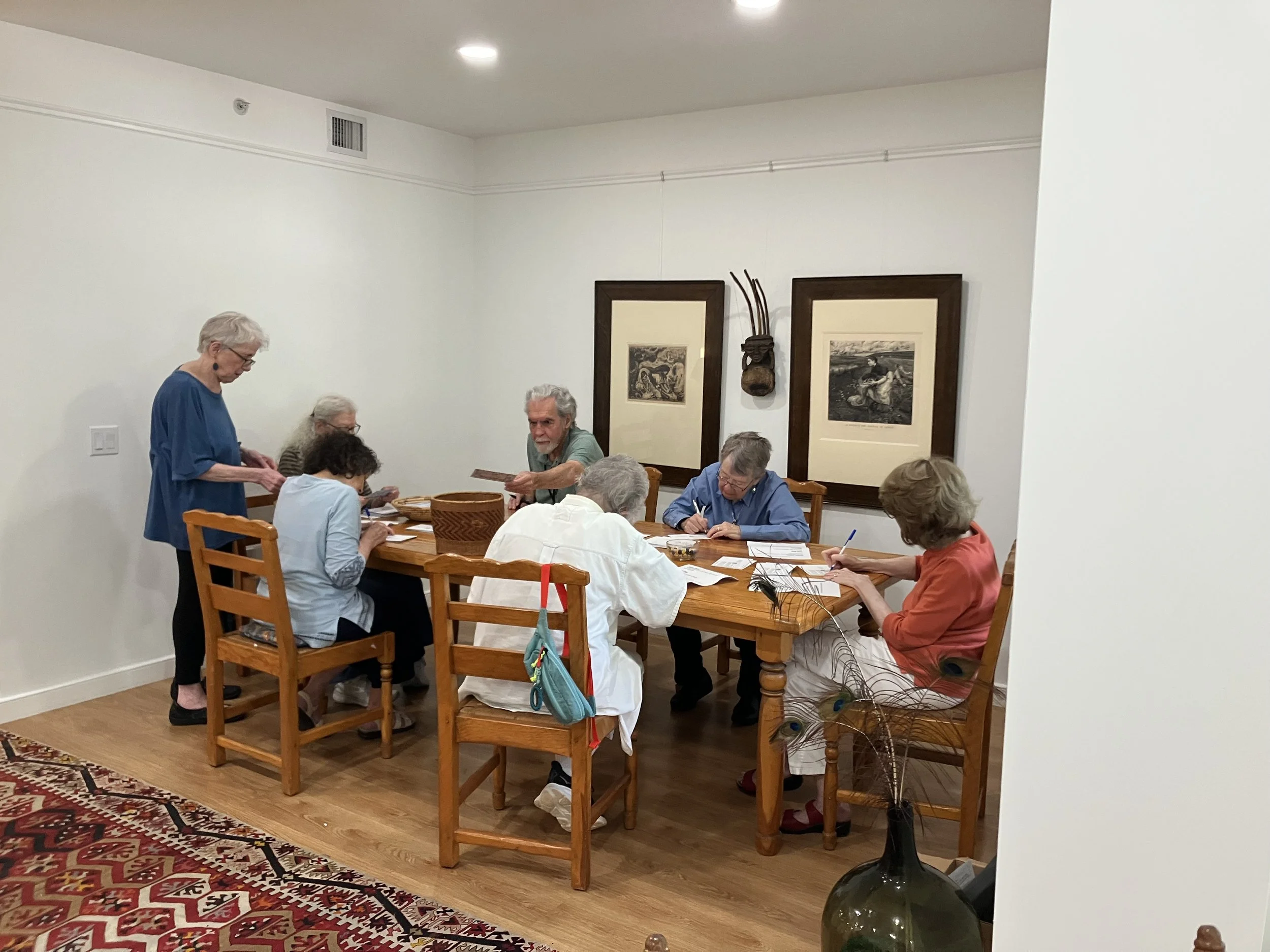
Photo by Bob Abramovitz
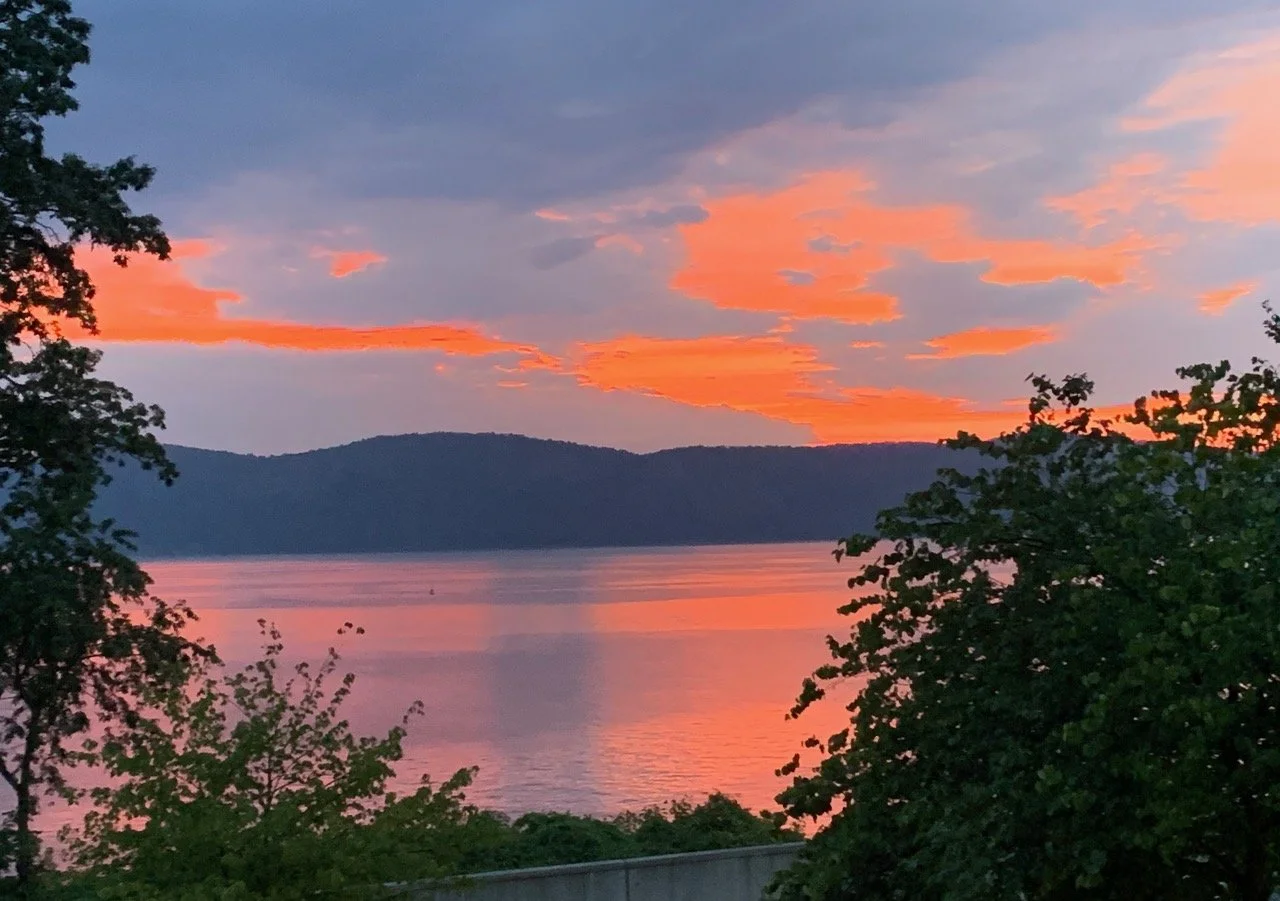
Photo by Harry Bloomfeld
Aruna Raghavan recently spent some time chillin’ out with family in the Outer Banks of North Carolina. They enjoyed the beauty of the area from Sunrise . . .
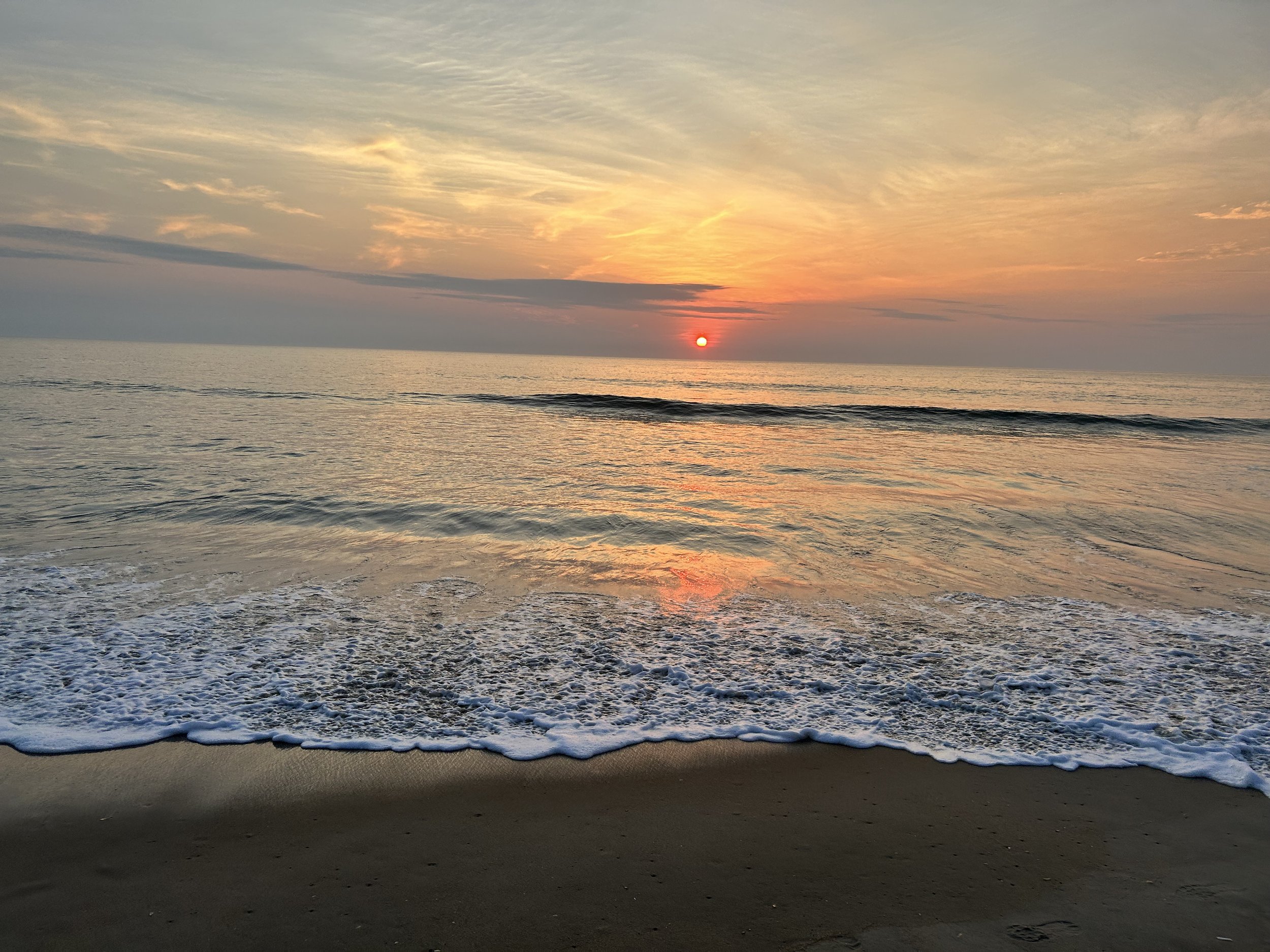
to Sunset . . .
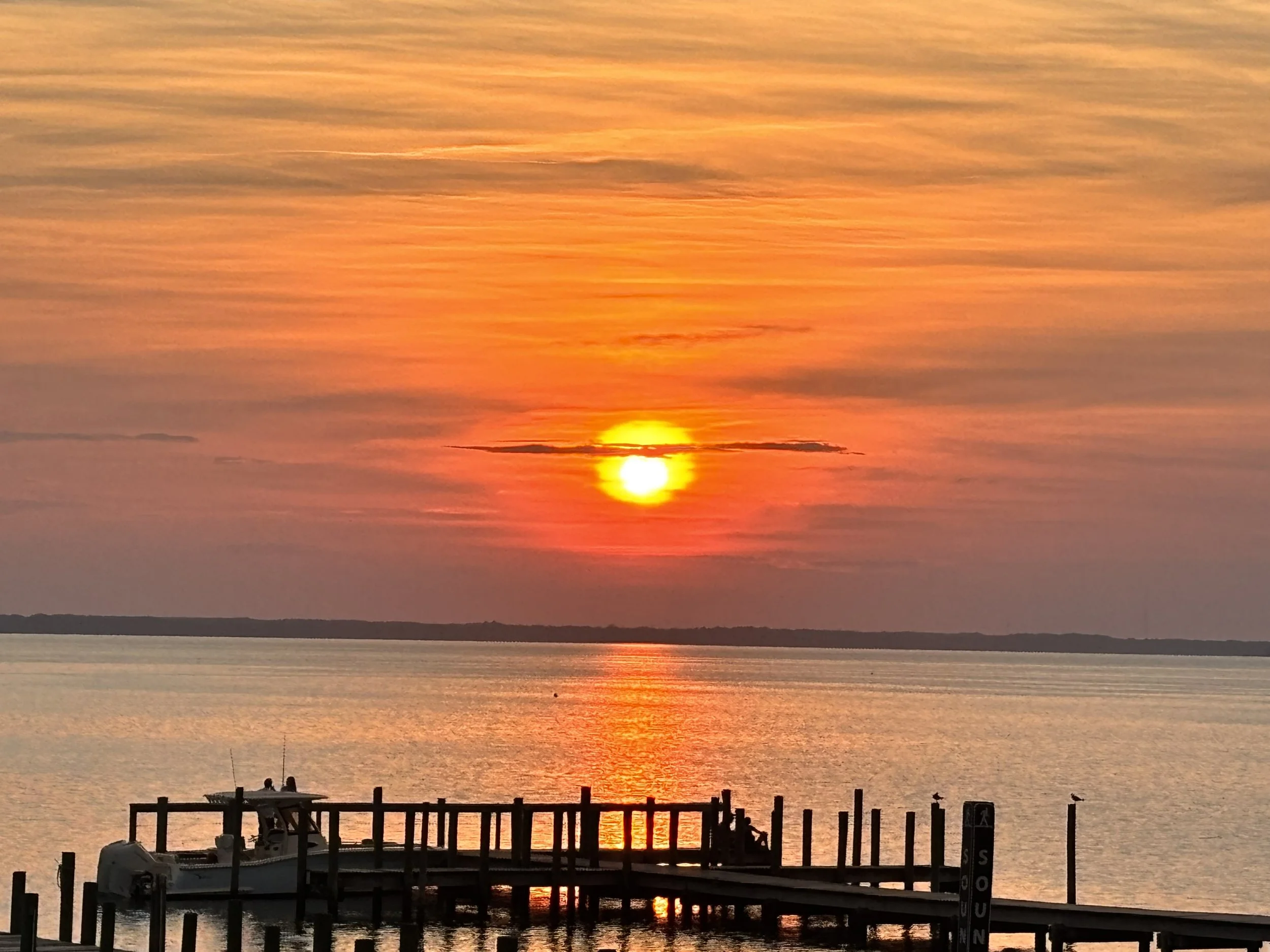
Photos by Aruna Raghavan
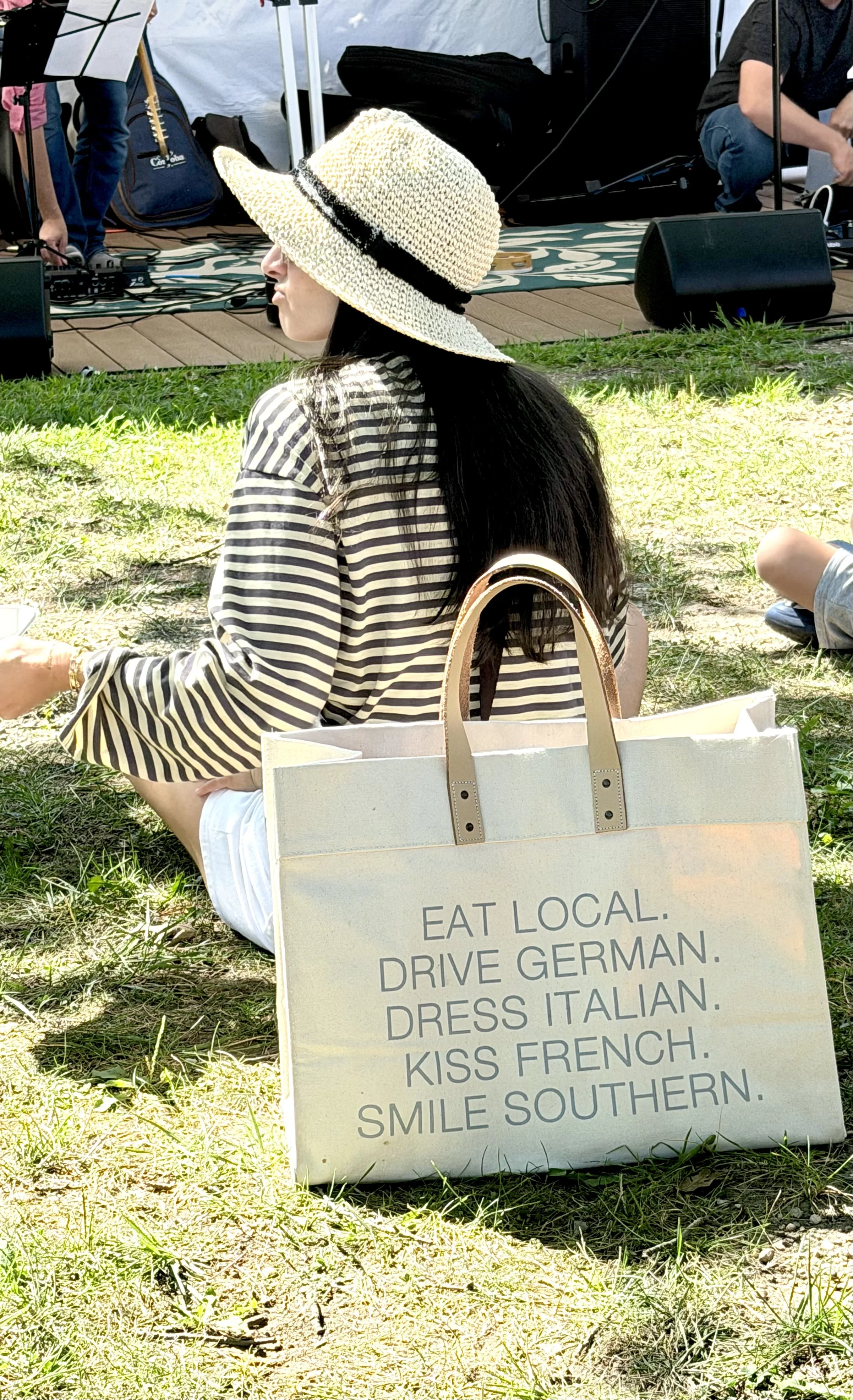
Photo by Ed Lannert
© Kendal on Hudson Residents Association 2015, 2016, 2017, 2018, 2019, 2020, 2021, 2022 all rights reserved. Please do not reproduce without permission.
Photographs of life at Kendal on Hudson are by residents.