


Contributed by Beverly Aisenbrey
While Strolling Through the Snow One Day . . .
Following the magnificent snow of January 17 and 18 and startling icy temperatures thereafter, Kendal photographers had a (snow) ball. Given the blizzard of January 25 and 26, this may seem like ancient history—but it’s still nature and beauty to enjoy.
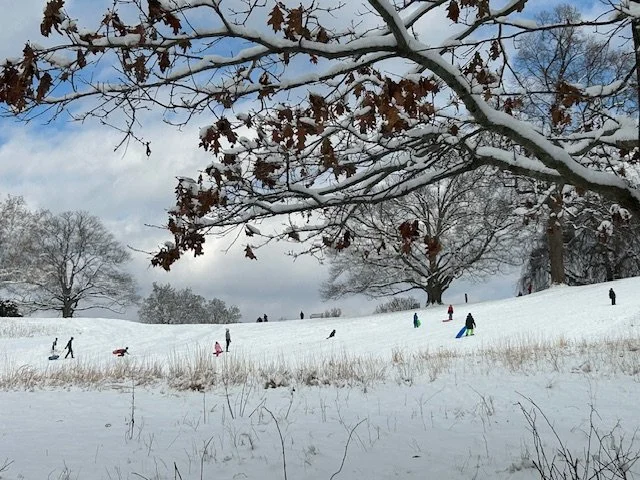
As modern as the world gets, children still love the ancient joy of sledding, by Carolyn Reiss

The Elements of Winter: Ice, Slush, Water, Sky, by Philip Monteleoni
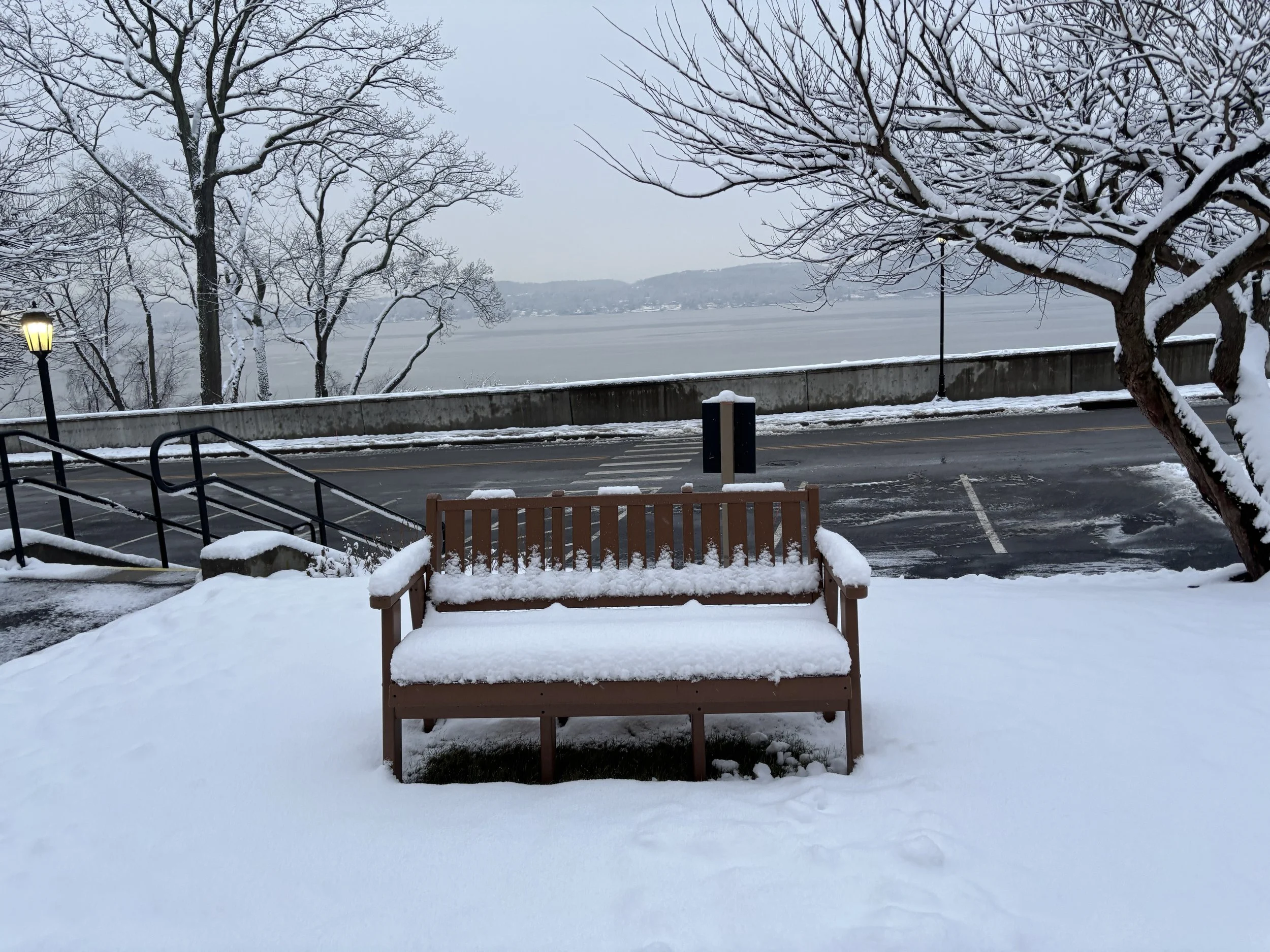
Bench o’ Snow, by Lynn Brady
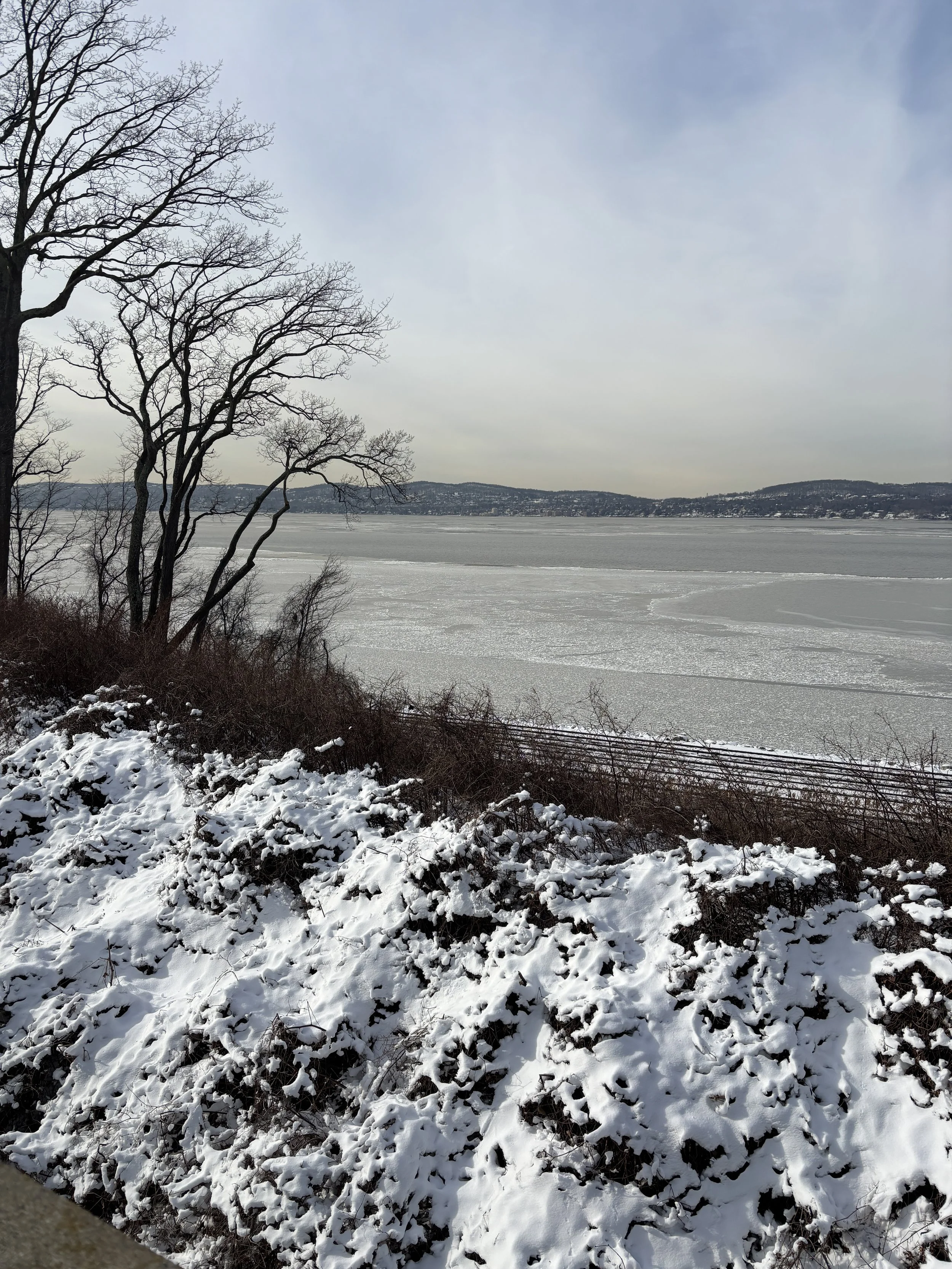
Ice on the Hudson, by Lynn Brady
And Evening Falls . . .
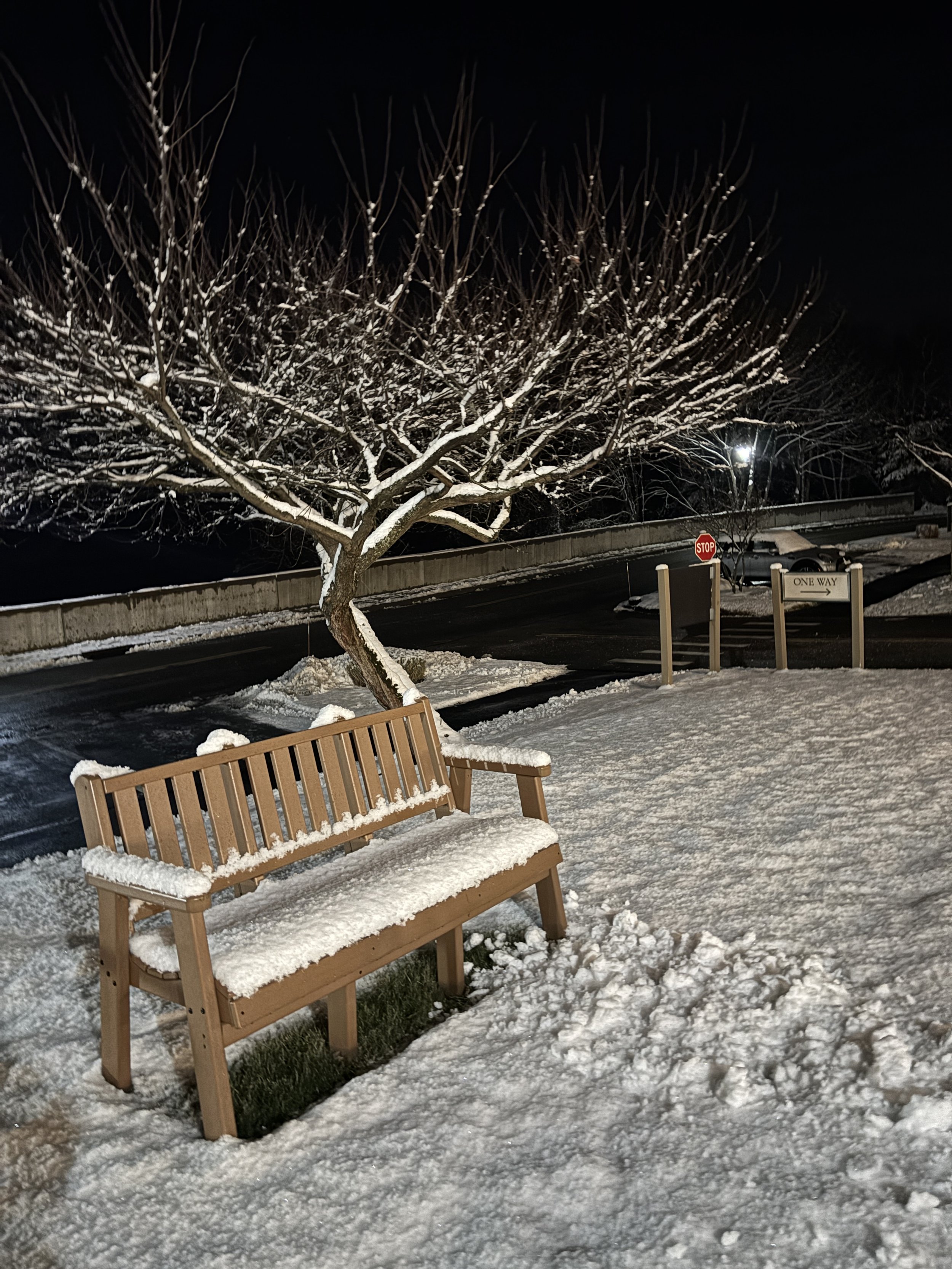
Photo by Lynn Brady
Quotes for Our Age
“I have reached an age when, if someone tells me to wear socks, I don’t have to.” Albert Einstein
“You know you are getting old when everything hurts, and what doesn’t hurt doesn’t work.” Hy Gardner
“When your friends begin to flatter you on how young you look, it’s a sure sign you’re getting old.” Mark Twain
“There’s one advantage to being 102: there’s no peer pressure.” Dennis Wolfberg
“People ask me what I’d most appreciate getting for my eighty-seventh birthday. I tell them, a paternity suit.” George Burns
“Time may be a great healer, but it’s a lousy beautician.” Unknown
Contributed by Steve Price and Jane Hart
Day Time Light Show
Carolyn Reiss was taking her (and Allie’s) daily walk in Rockwood Park, when she (they) looked up and experienced an amazing show of contrails, reminiscent of a drone light show—without the dark of night.


Photos by Carolyn Reiss
I Never Knew That
The Life and Legend of the @

The @ symbol has been in use for centuries, since long before email made it one of the most-typed characters on Earth. The first documented use dates all the way back to a 1536 letter written by an Italian merchant, who used a looping “a” as shorthand for amphorae—a traditional unit of volume roughly equal to a standard clay amphora jar. In other contexts, medieval scribes also used the symbol to mean “at the rate of,” helping to make calculations and bookkeeping more efficient.
As global trade expanded, merchants began using @ in ledgers to indicate price per unit — for example, three barrels @ five florins each. That practical function kept the symbol alive for hundreds of years, even as writing styles, currencies, and languages evolved. The average person, however, rarely encountered it outside of accounting and typewriters.
That changed dramatically in 1971, when computer engineer Ray Tomlinson needed a character to separate a username from a host computer in the world’s first networked email. It had to be a symbol that was rarely used in names, yet widely understood across keyboards. He selected @, a typographic character used by developers that at the time meant “located at”—as in “user at computer.”
More than five decades later, the @ symbol now helps route billions of messages daily and anchors our digital identities across email and social platforms. Not bad for a 16th-century bookkeeper’s shorthand.
Despite its universal function, there is no globally recognized name for the @ symbol. In the US, it’s most commonly known as the “at sign,” and in modern computing terminology, it’s called the “commercial at” (formerly “commercial ‘a’”).
Across other languages, the names are far more imaginative. Several countries have nicknames related to monkeys, likely because of the symbol’s swirling tail. German speakers call it “spider monkey” (klammeraffe) or “monkey’s tail” (affenschwanz). Dutch speakers also use “monkey tail” (apestaart), and Polish speakers refer to it simply as “monkey” (małpa).
Some cultures see other animals in the distinctive curves. Danish speakers have two names for the symbol: “pig’s tail” (grisehale) and “elephant’s trunk” (snabel). In Russia, it’s called “dog” (sobachka), and in Greece it’s “duckling” (papaki). Italians call it “snail” (chiocciola), while Hungarians refer to it as “worm” (kukac).
Source: interestingfacts.com
For Your Funny Bone
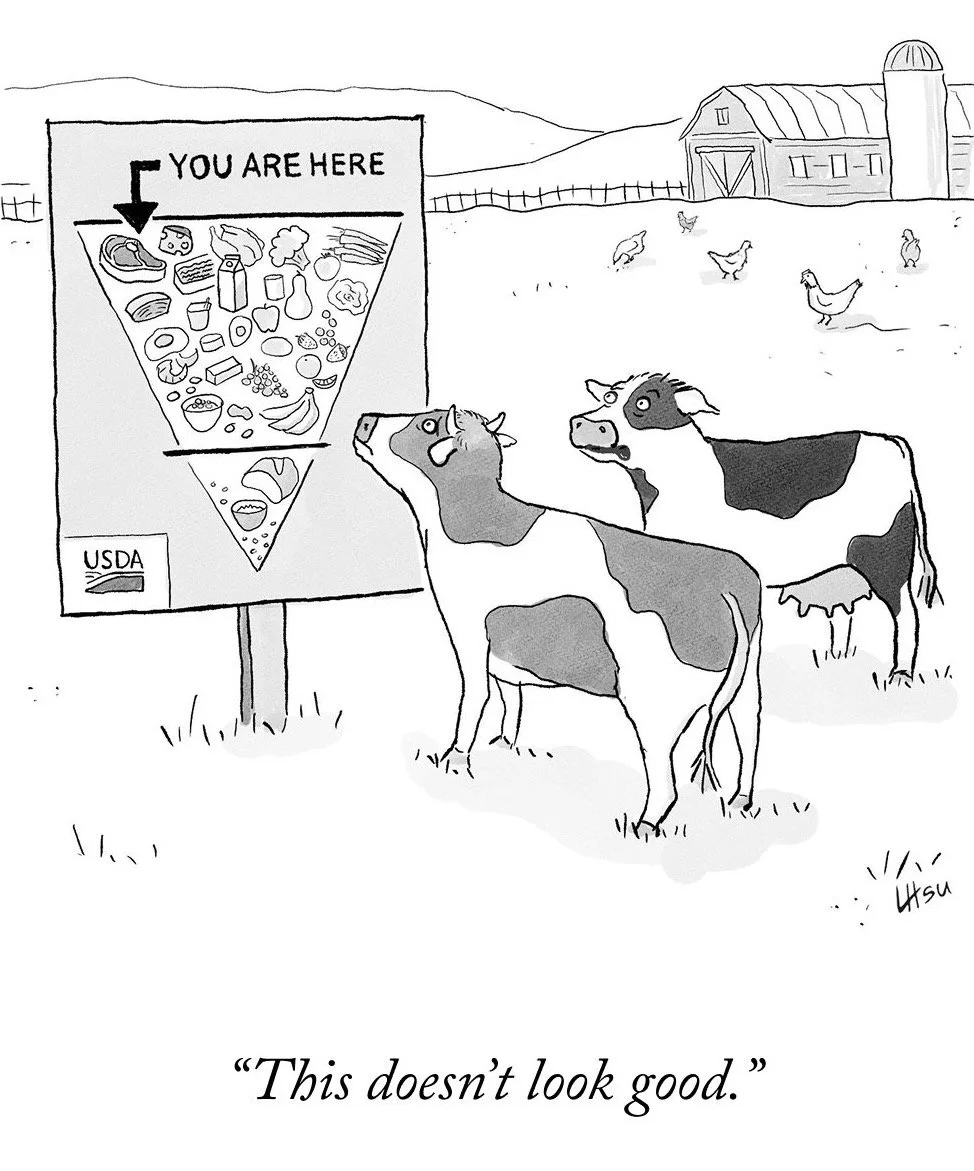
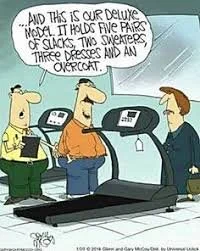
Source: The New Yorker, January 26, 2026


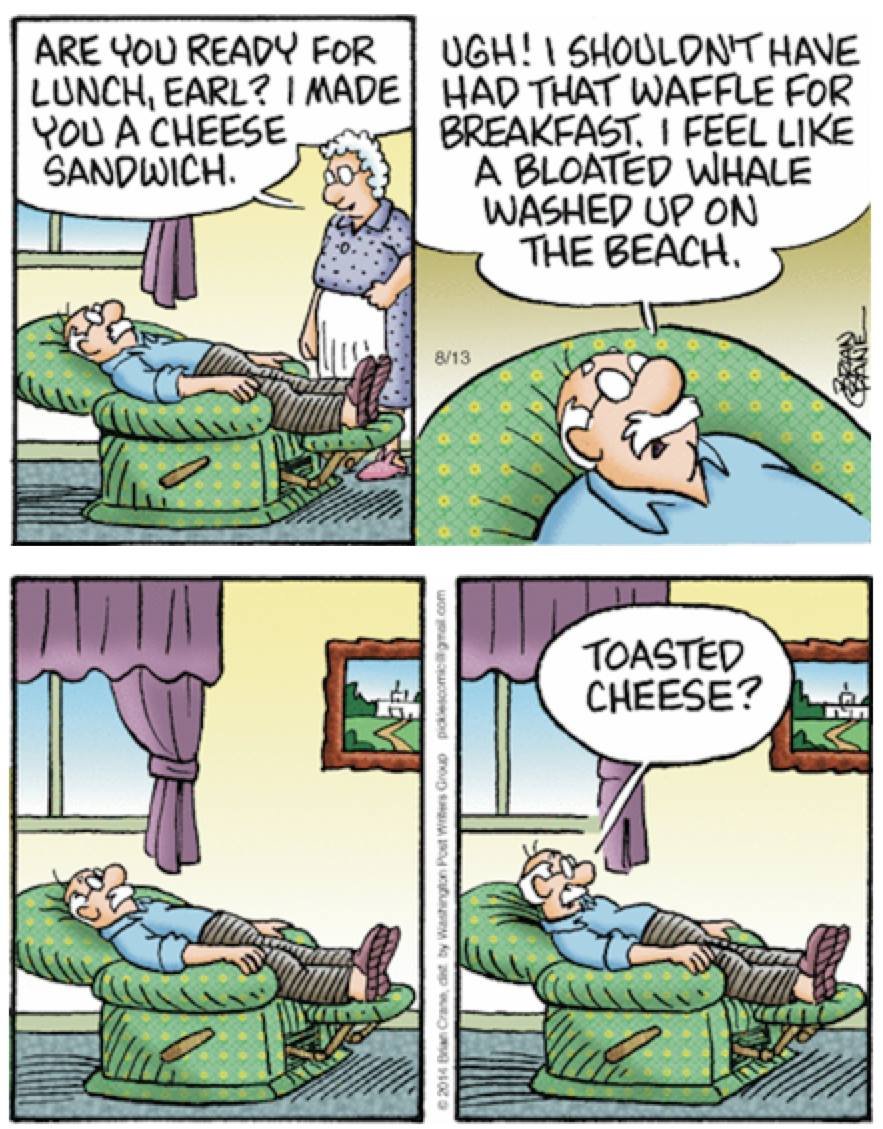
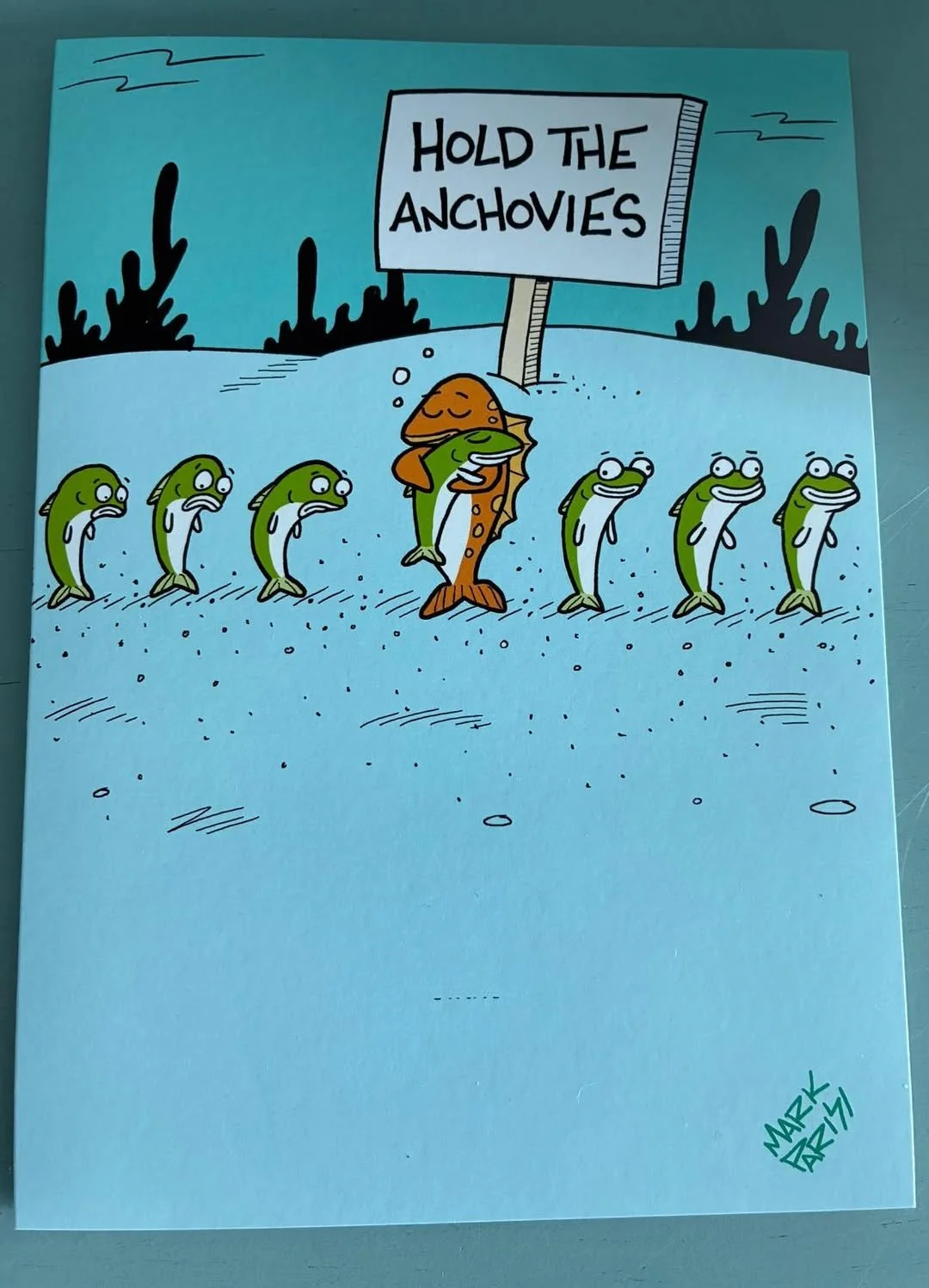
Art By Hart

With the storm coming, Cecile’s canary grew a thick warm coat

All the kids could play in the snow this morning while Mum cleaned the house

The new year brought no improvement in Junior’s attitude

Pringle found eternal wisdom and occasional stock market tips in Russet’s dreams
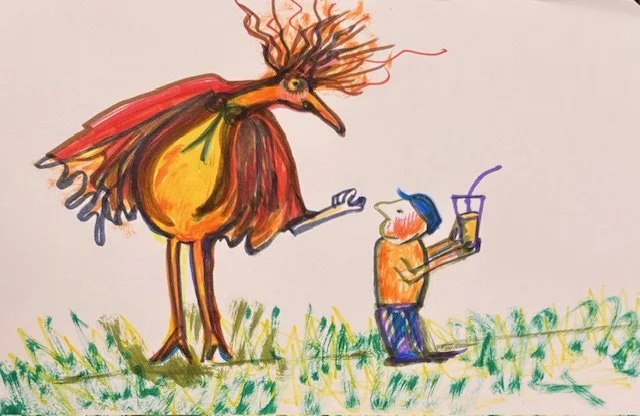
Wilson discovered his uncle’s stash of organic bug juice
Art and photos by Jane Hart
In and Around Kendal
Fellow Visitors to the Park

Photo by Carolyn Reiss
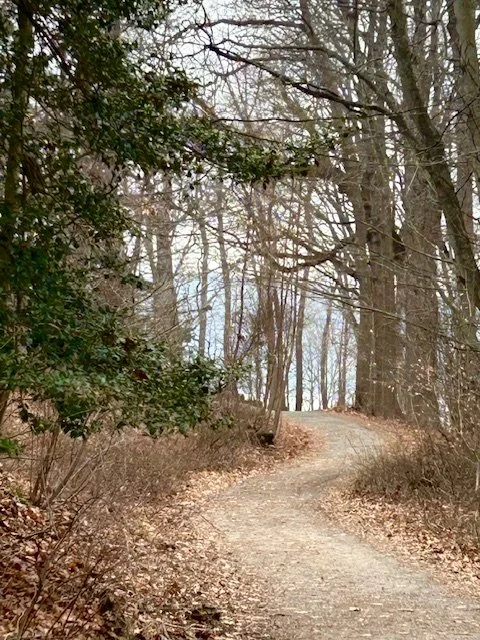
The trail in . . . the trail out, by Carolyn Reiss
Tuesday Morning Club Musicians
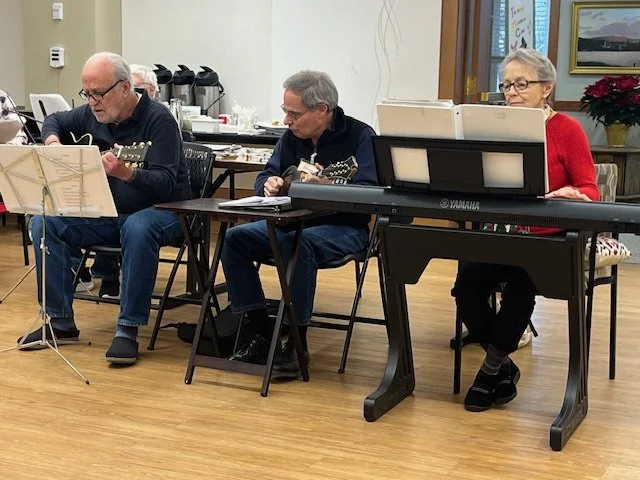
Photo by Sue Bastian
View From the Gazebo
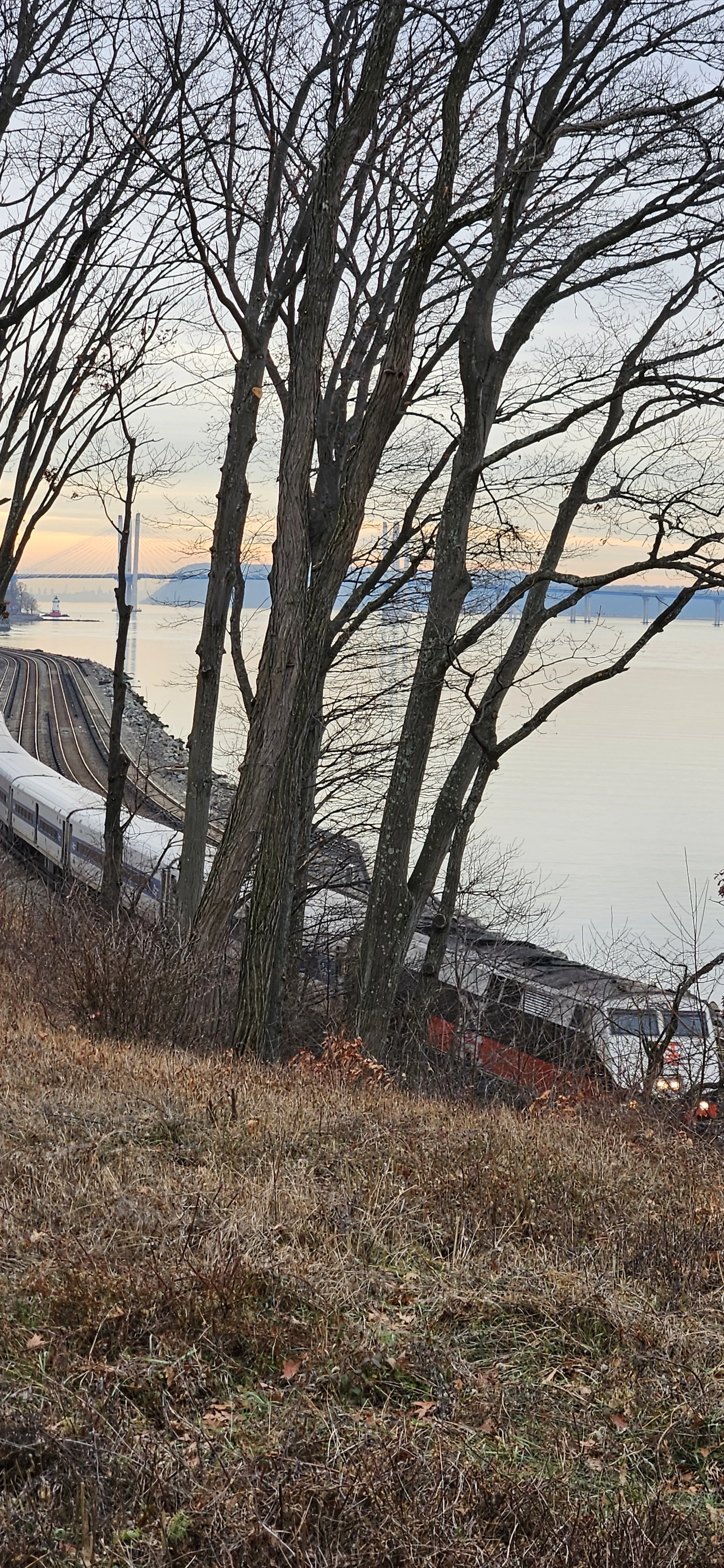
Photo by Joe Bruno
First Snow of 2026
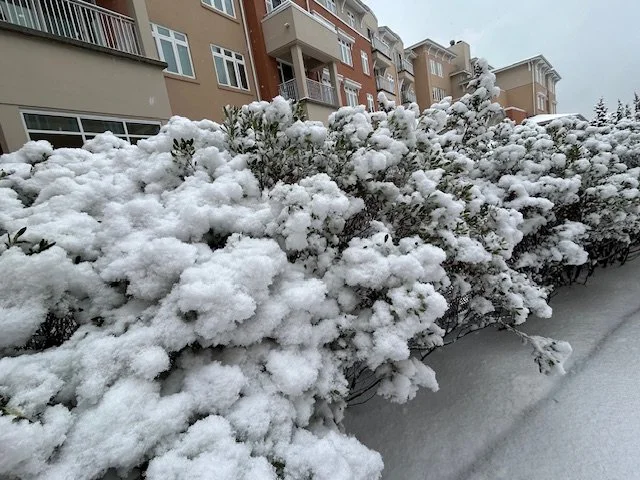
Photo by Carolyn Reiss
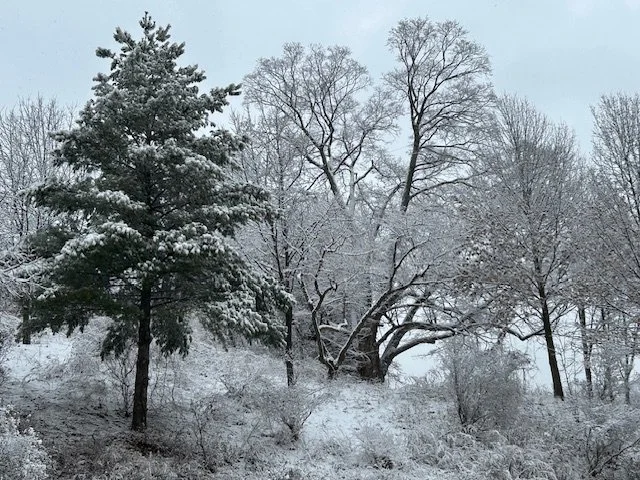
Photo by Carolyn Reiss
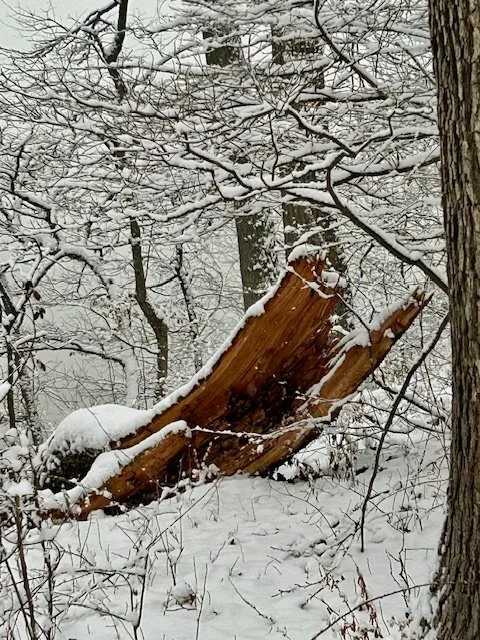
Photo by Carolyn Reiss
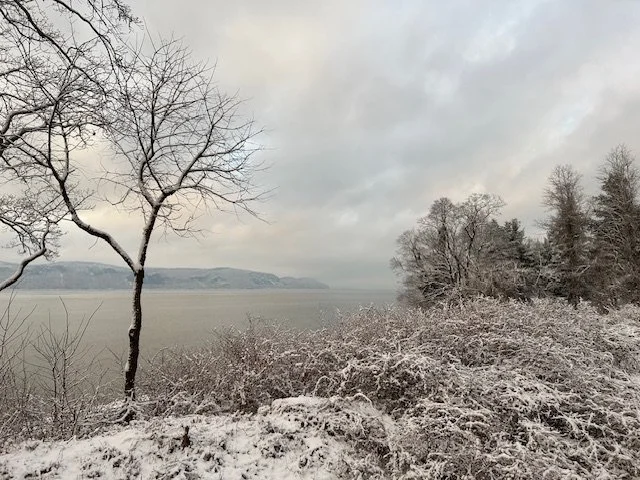
Photo by Edward Kasinec
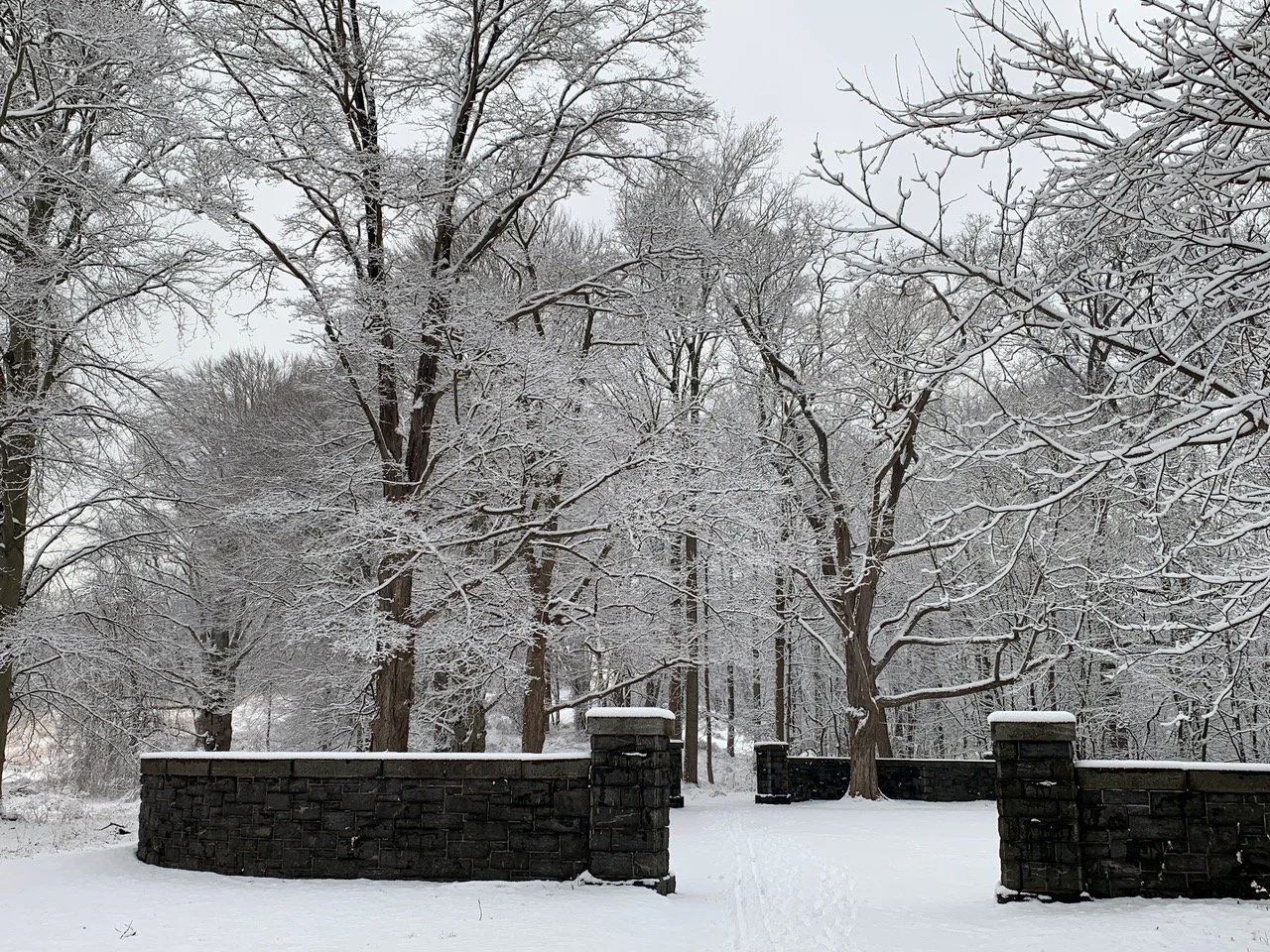
As the sun begins to set . . . , by Harry Bloomfeld
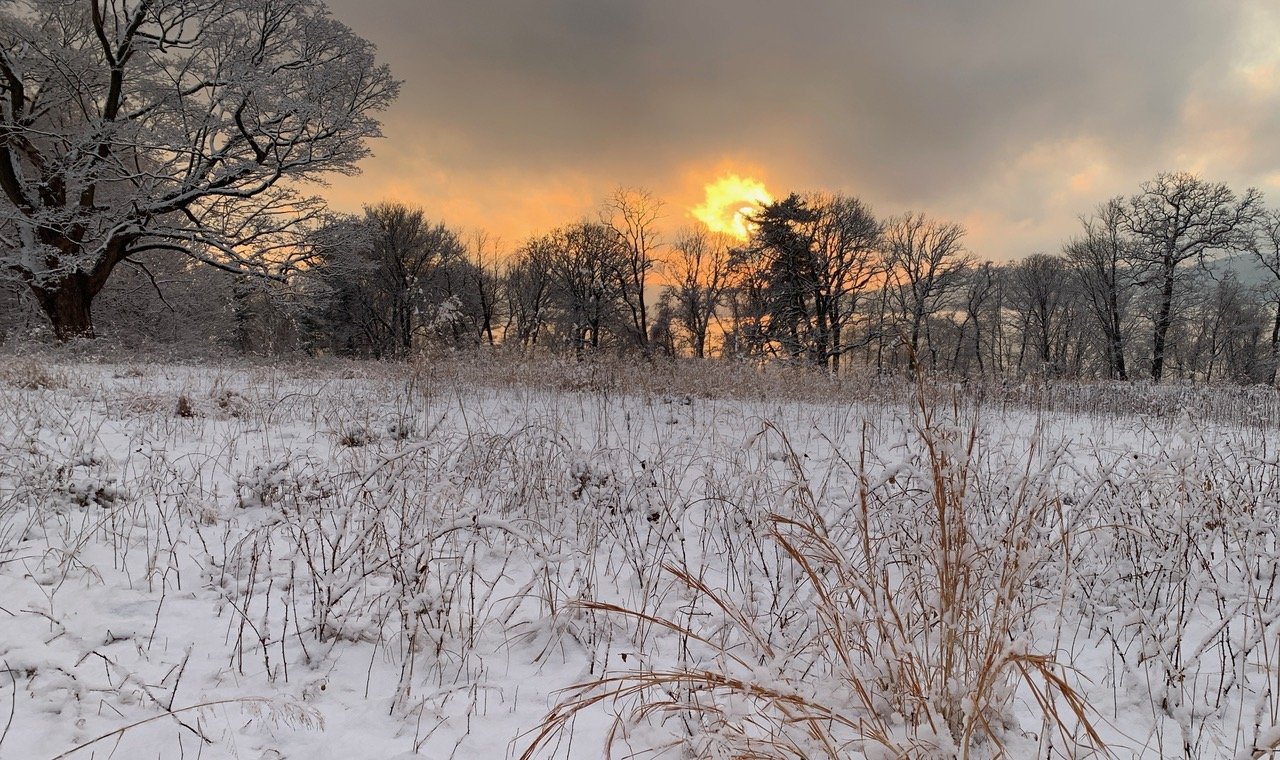
Photo by Harry Bloomfeld
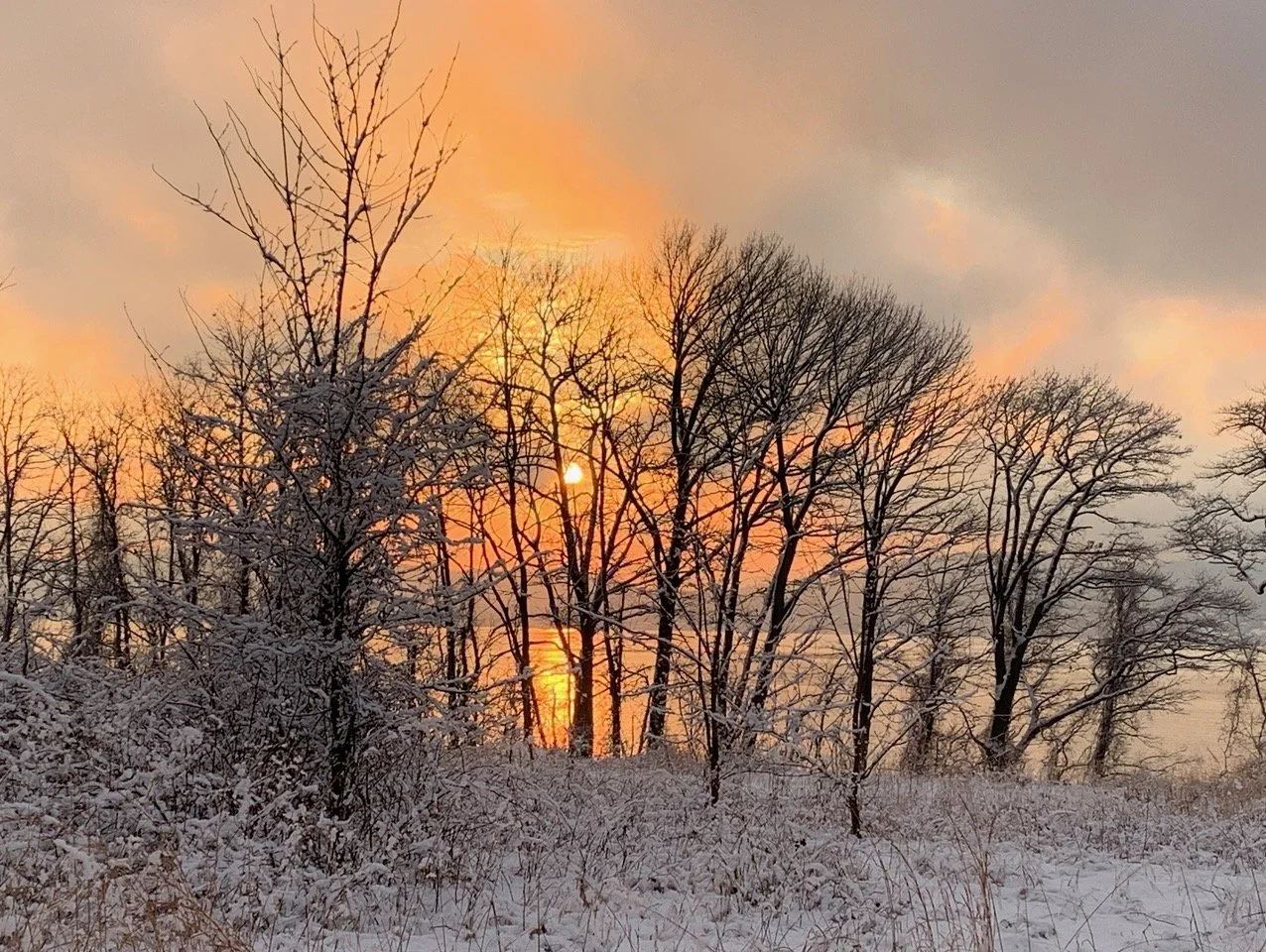
Photo by Harry Bloomfeld
Out and About
New York Iconic Sites . . . Naturally
Recently, Amanda Slattery and Ruth Dinowitz visited the New York Botanical Garden’s annual Train Show, depicting significant New York sites in natural materials—including ones from Sleepy Hollow territory.

Glass-sided living atop an old warehouse
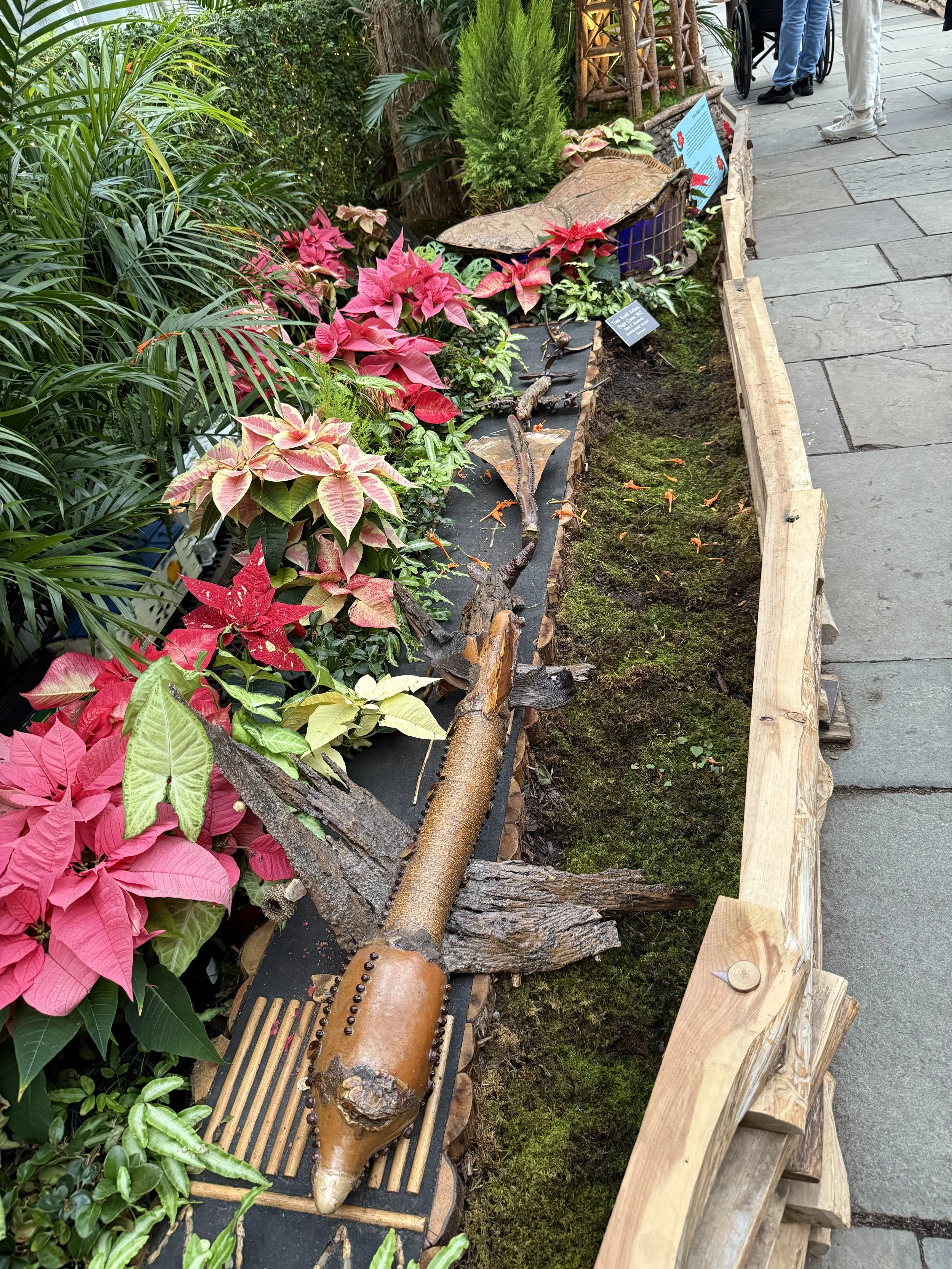
Planes leaving the old TWA terminal
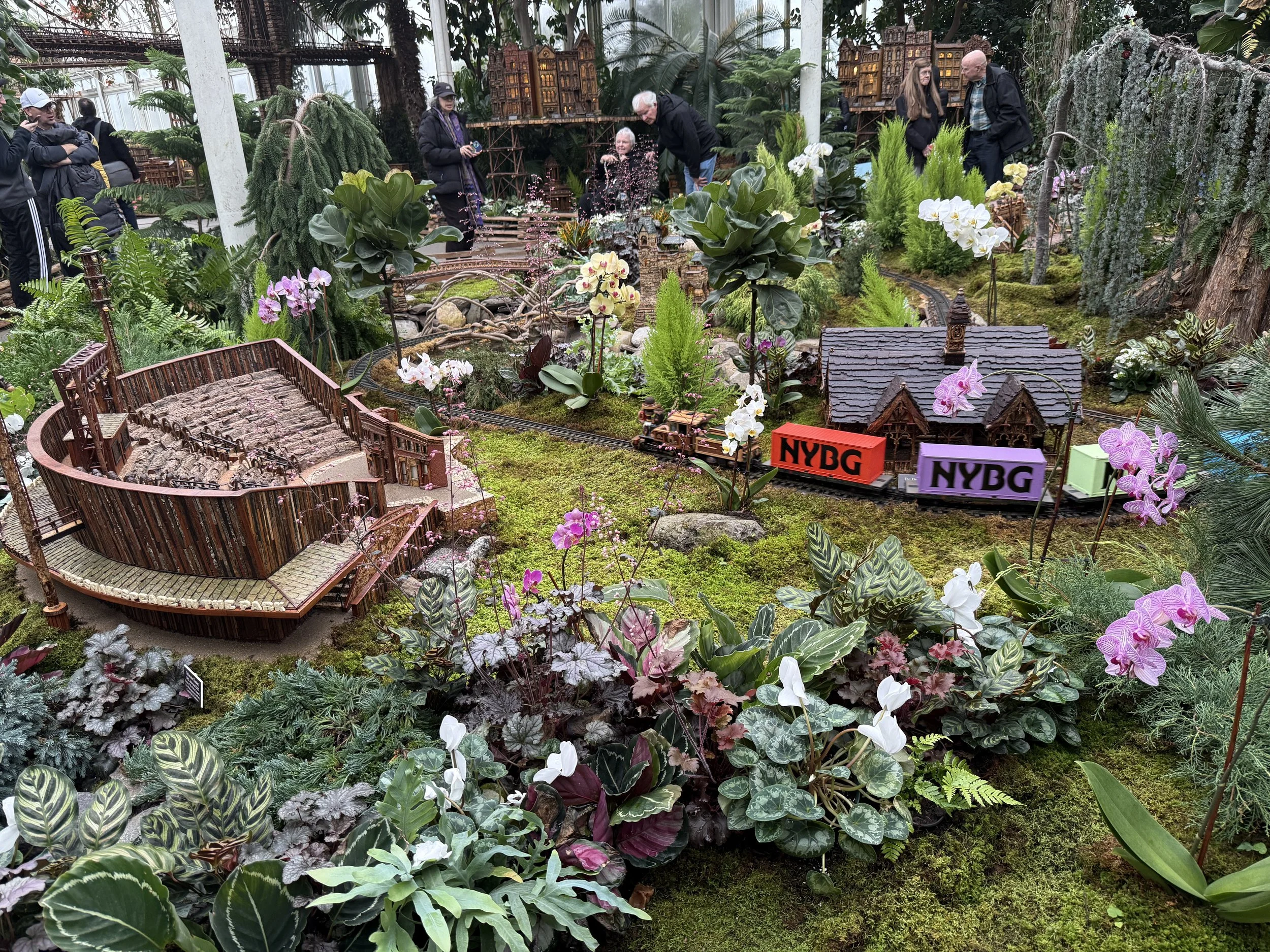
New model of the Delacorte Theater
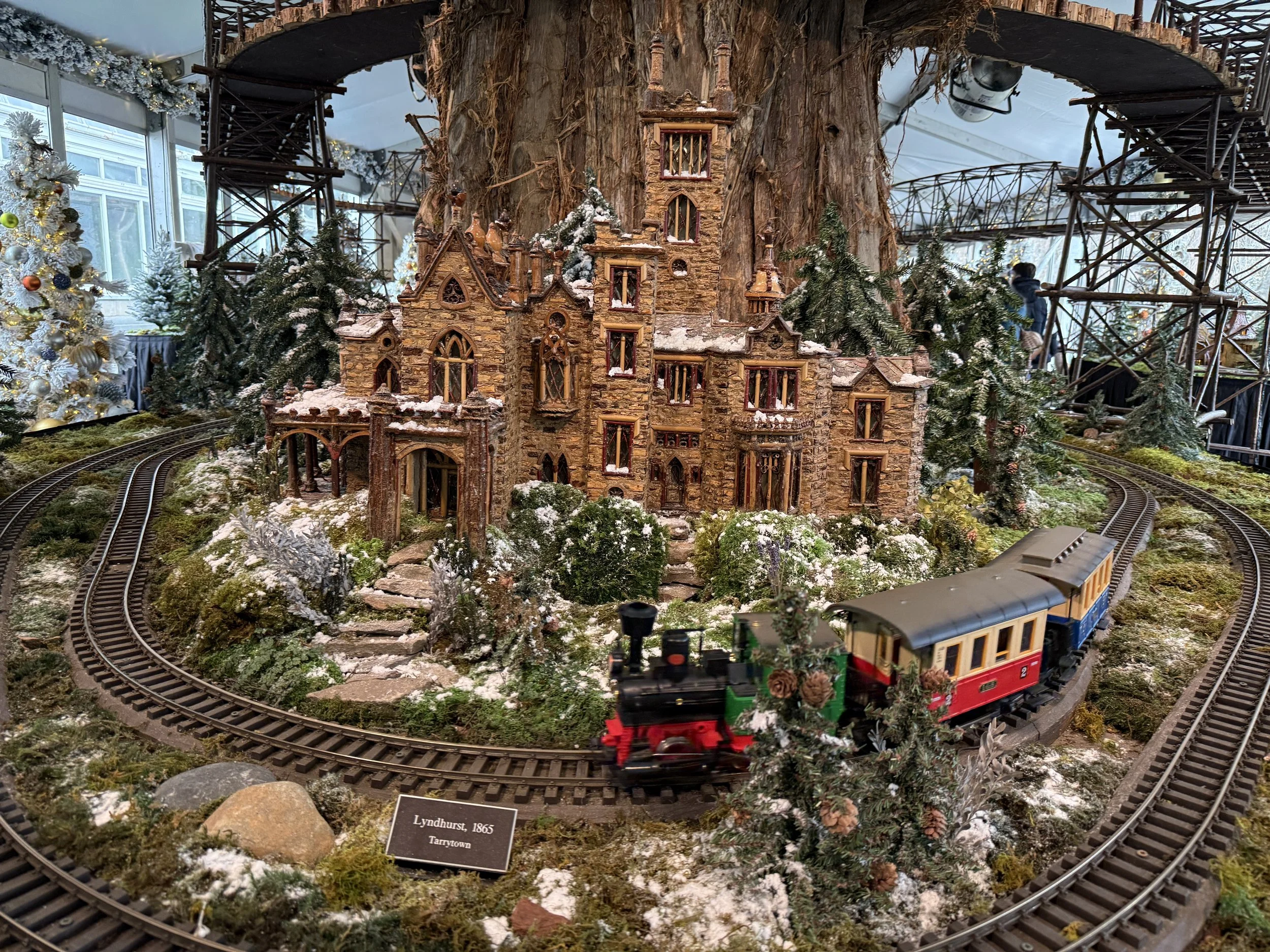
Lyndhurst
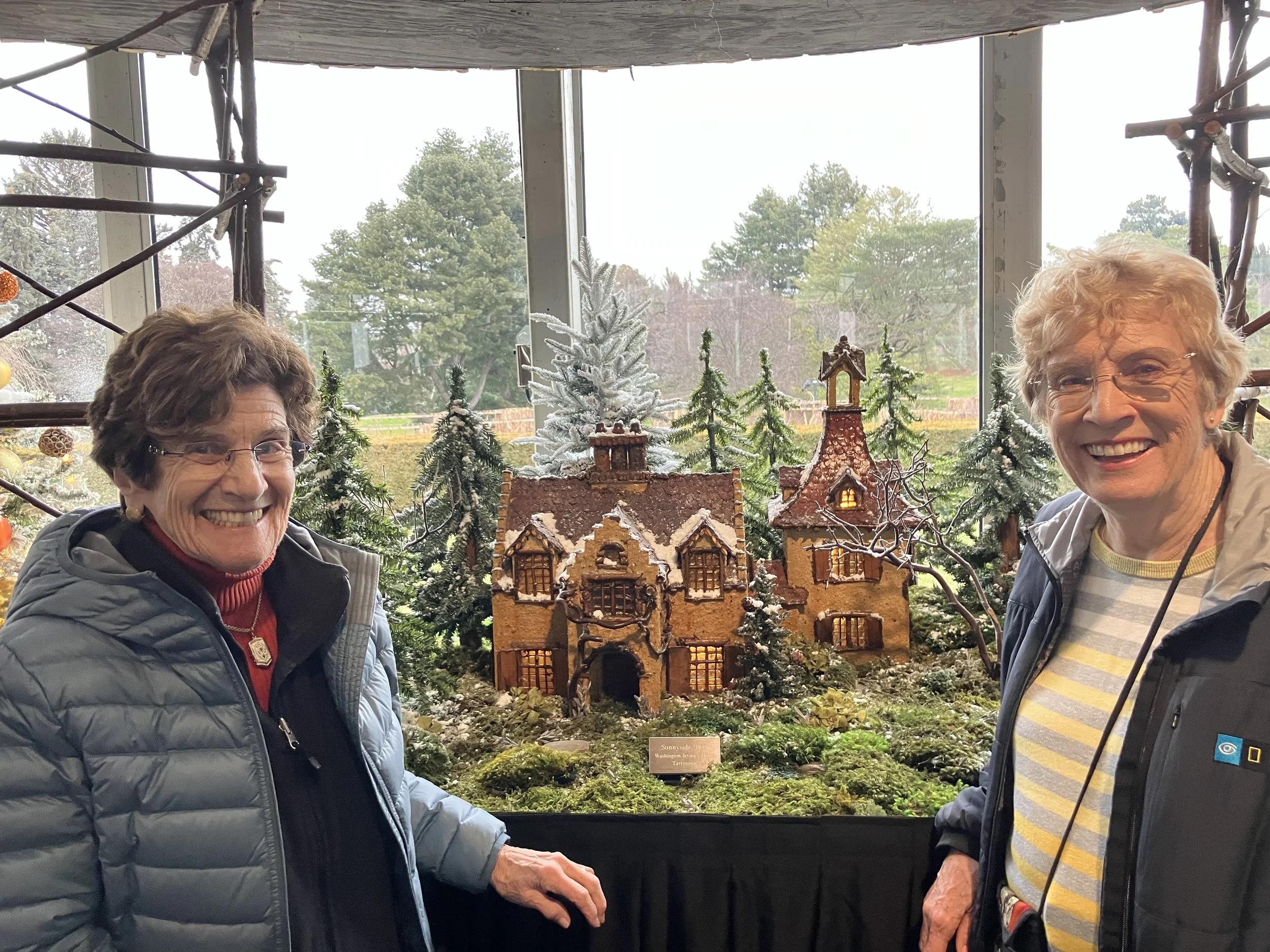
Photo by “A Friend”
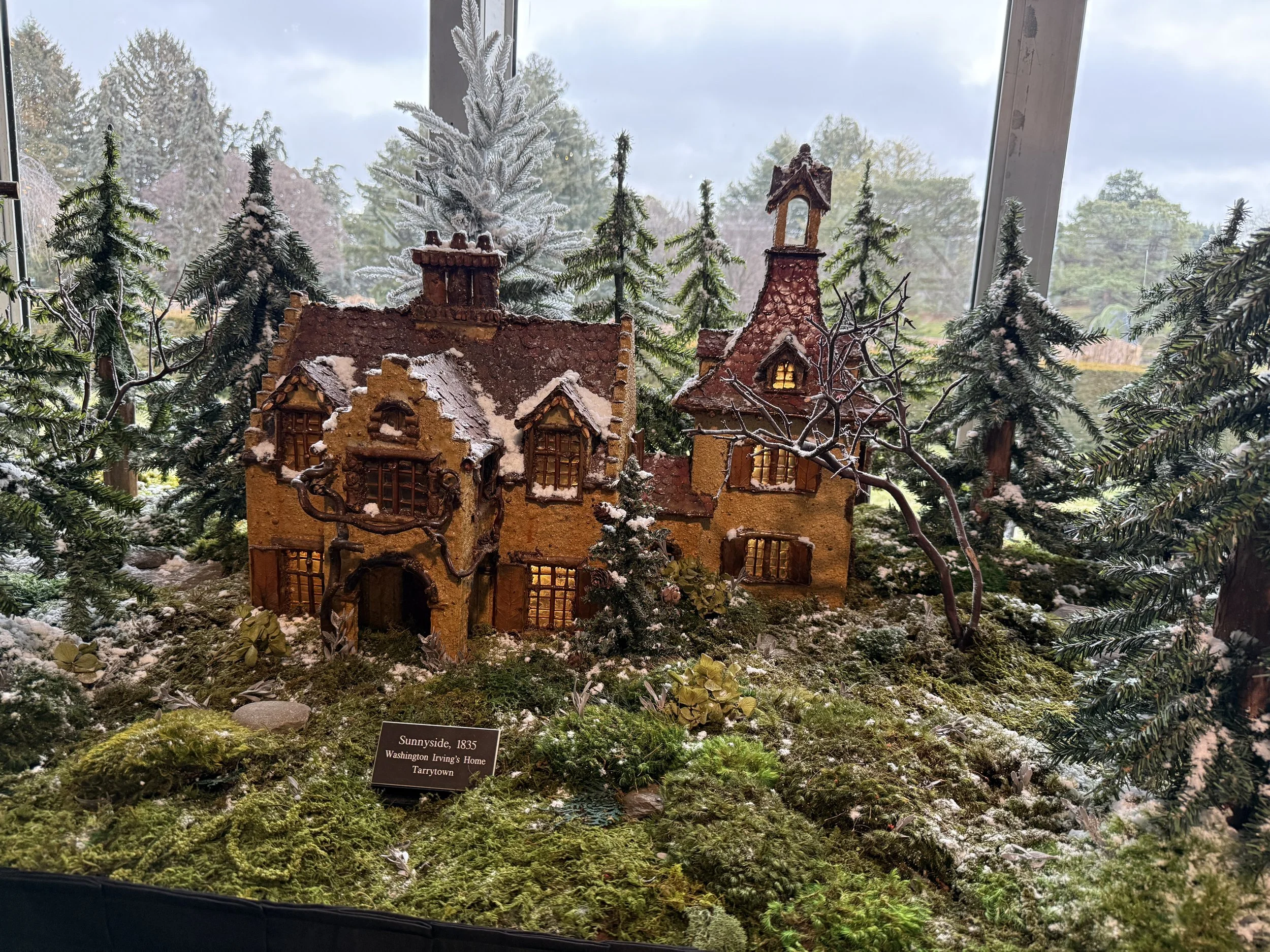
Sunnyside
Photos by Amanda Slattery
The Waterfront of Ossining
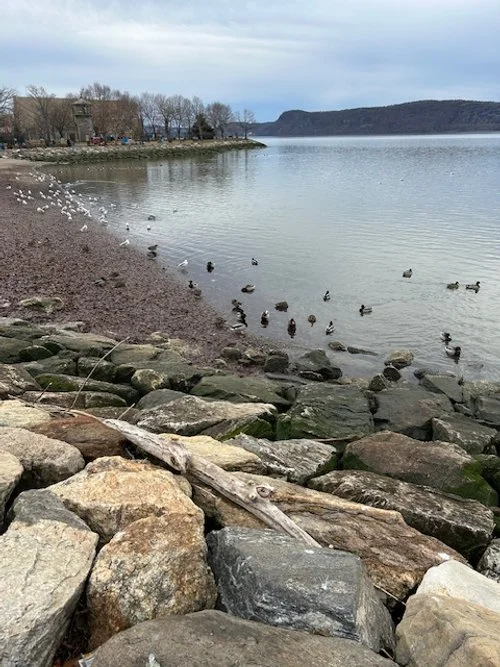
Photo by Carolyn Reiss
Kendalites Make News!
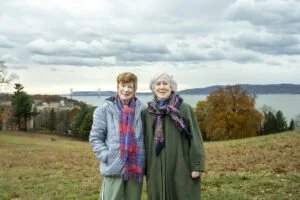
In a recent article, and in glowing terms, the River Journal extolled the virtues of Maureen Marwick and Jan Maier as icons of healthy aging. The article—”Local Seniors Credit Daily Nature Walks for Wellness”—in the paper’s Health & Wellness section was the result of a River Journal journalist encountering Maureen and Jan on their daily walk in Rockwood Park. The columnist lauded their commitment to the joint practice of perambulation and enjoyment of nature—in two columns, no less, and with a picture. Click below for the full article.
Weekly Construction Report
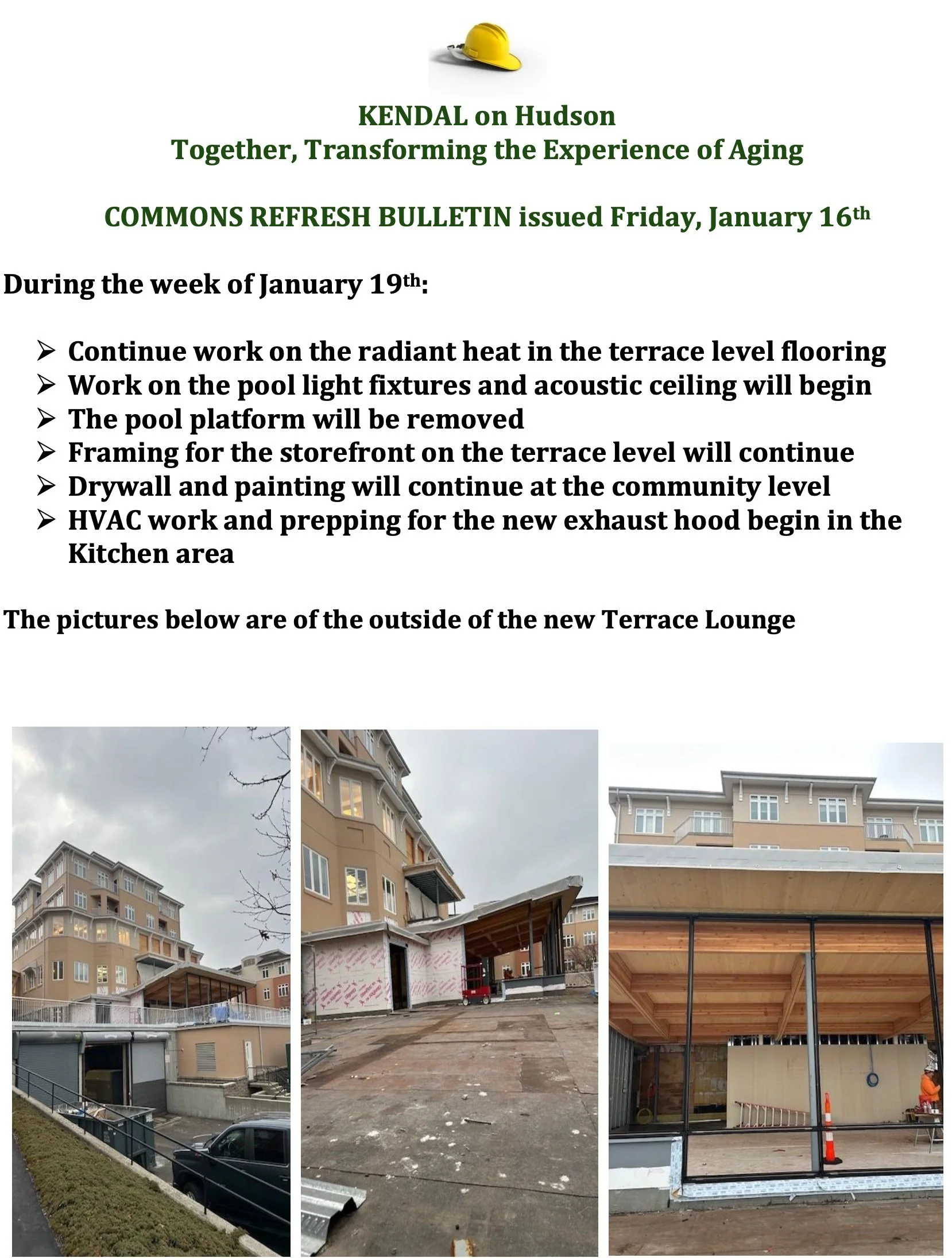
From the office of Ellen Ottstadt
Shiela Benedis Discusses Her Art
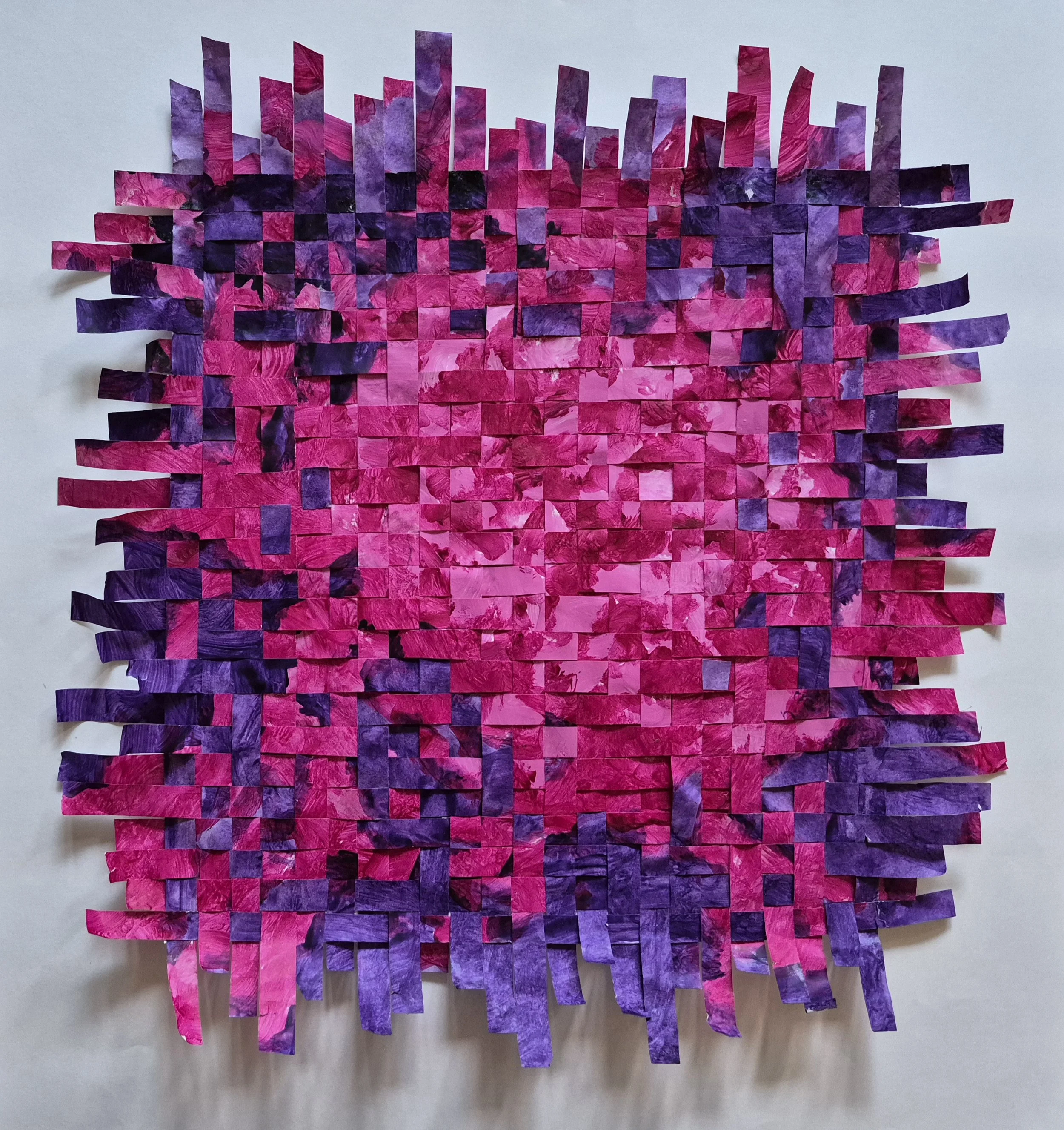
The mission of non-profit Textile Study Group of New York is to educate and promote a wider appreciation of fiber art among the larger art community and the public in general and to inspire and support artists who share a mutual commitment to fiber as a medium for artistic expression. On January 21, at 6 pm, Sheila Benedis will be speaking about her art in the Group’s Zoom premeeting.
Sheila generates her art by thinking, starting with an idea, which grows and changes until the form emerges. She began her work with sculptural baskets, which then evolved into installations and artist books. Now in her collages, the ritual of drawing with scissors gives meaning to her life. This repetitive action allows her to connect with the organic shapes of nature and express her feelings. She cuts shapes out of handmade paper to create energetic movement. Some of the collage materials produce weavings. Collage and weaving connect her to the world.
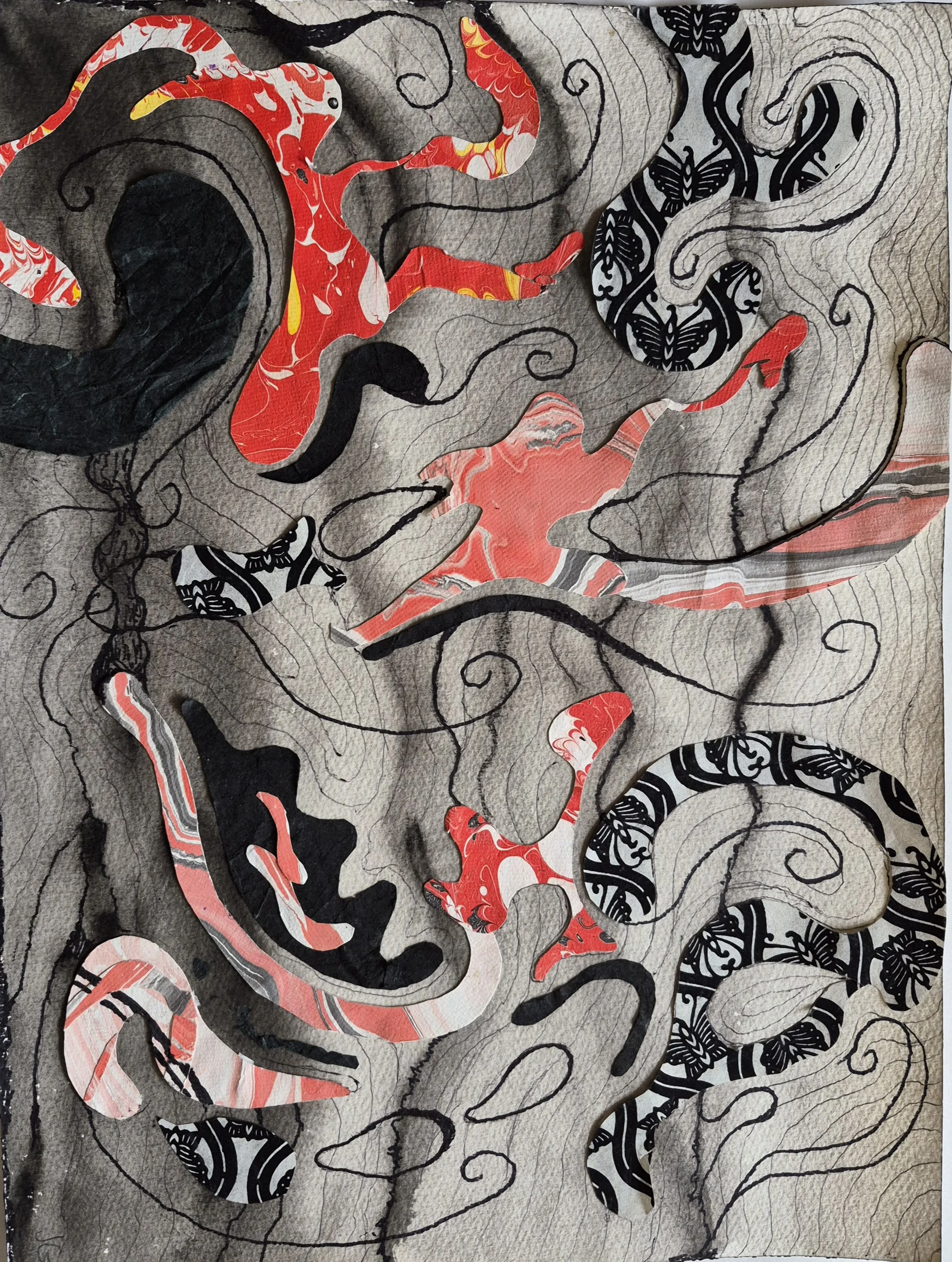
If you would like the link to hear Sheila’s remarks on January 21, send her an email (sbenedis@gmail.com) or give her a call (x1517).
Quotes for Our Age
“I have reached an age when, if someone tells me to wear socks, I don’t have to.” Albert Einstein
“You know you are getting old when everything hurts, and what doesn’t hurt doesn’t work.” Hy Gardner
“When your friends begin to flatter you on how young you look, it’s a sure sign you’re getting old.” Mark Twain
“You know you are getting old when everything either dries up or leaks.” Joel Plaskett
“There’s one advantage to being 102, there’s no peer pressure.” Dennis Wolfberg
“The idea is to die young as late as possible.”Ashley Montagu
Contributed by Steve Price and Jane Hart
I Never Knew That
The World’s Longest-Burning Light Bulb Has Been On Since 1901

Technology such as LED lighting has made light bulbs last longer than ever, but no modern bulb even comes close to the incandescent Centennial Light, which has been glowing inside a fire station in the San Francisco Bay Area since 1901. The light shines for 24 hours a day, though it has taken a few breaks here and there for power outages, renovations, and venue changes. It was first installed in a cart house—so named when fire hoses traveled on carts, not trucks—but moved to a large firehouse nearby soon after. In 1903, it moved again to a newly built station. It stayed there until 1976, when it moved to its present home in Livermore, California. At that point the bulb had been operational for 75 years and had become a sensation; it even got a police and fire truck escort for the journey, which was slightly less than 2 miles.
Unsurprisingly, the bulb’s survival probably boils down to good craftsmanship. The thick glass was hand-blown, and the bulb has a thick, durable carbon filament, unlike the thin tungsten filaments that became standard later. That was all mounted by hand on a sturdy brass base. Additionally, it’s filled with nitrogen gas, which is gentler than the argon and krypton gas used in later incandescents. The second-longest-burning light bulb, located in Fort Worth, Texas, was made by the same company, Shelby Electric. The Centennial Bulb was hooked up to its own power source in 1976, and has lost power only once since then, for a little under 10 hours. Leaving it on 24/7 may have actually contributed to its longevity, since turning a bulb on and off frequently can damage the filament. The bulb also now burns at a steady 4 watts, much lower than its original 60 watts.
Source: historyfacts.com, by Sarah Anne Lloyd
Contributed by Jane Hart
For Your Funny Bone


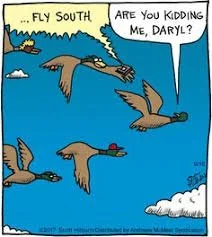
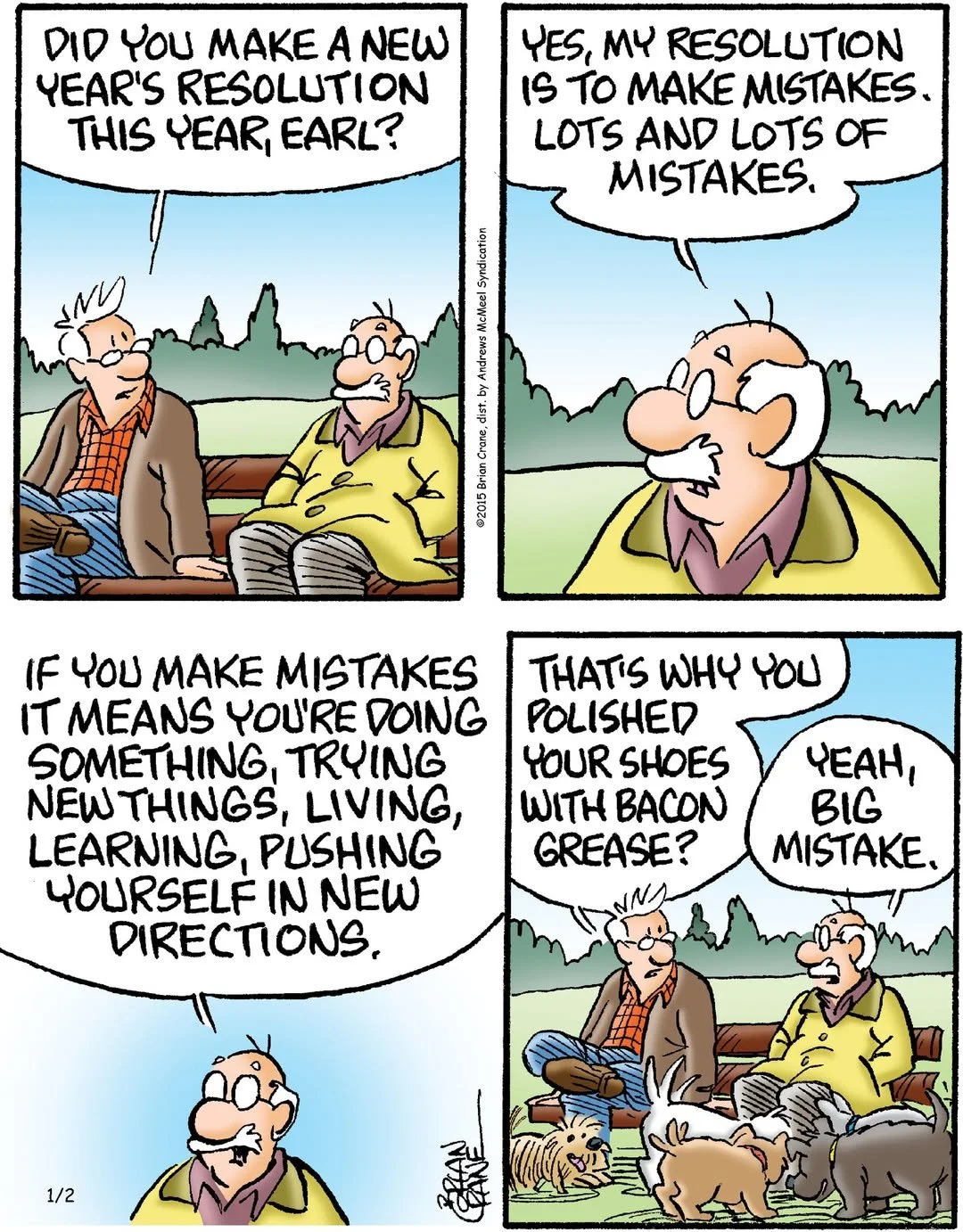
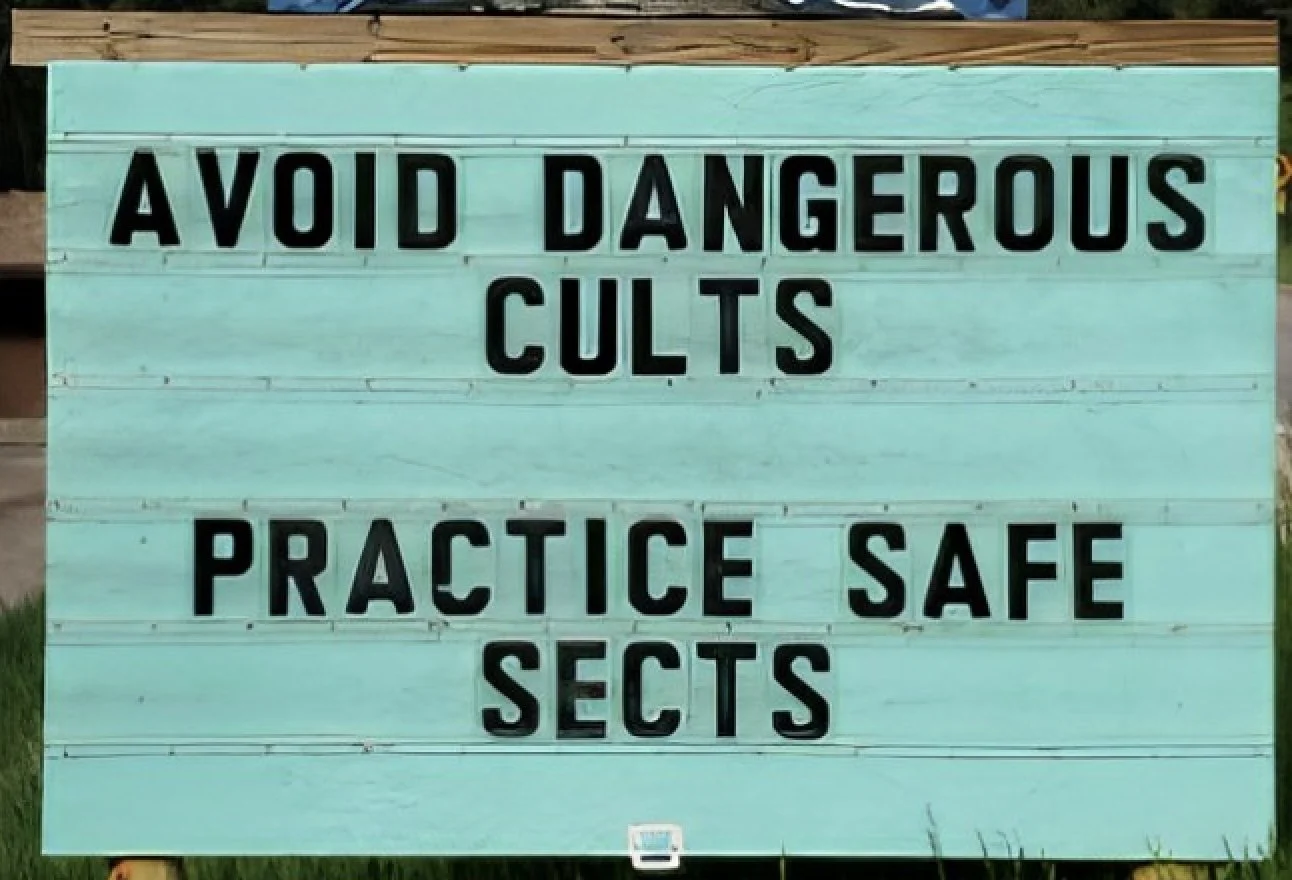
Art by Hart
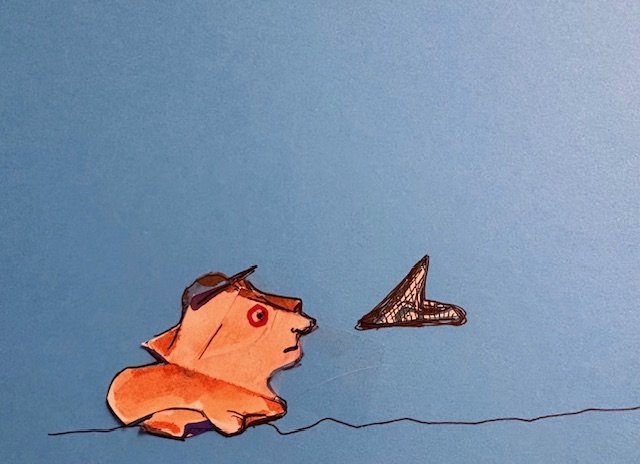
No matter how hard Foley tried to throw his boomerang away, it always came right back

Ceci felt out of place at Professor Fungal’s soirées
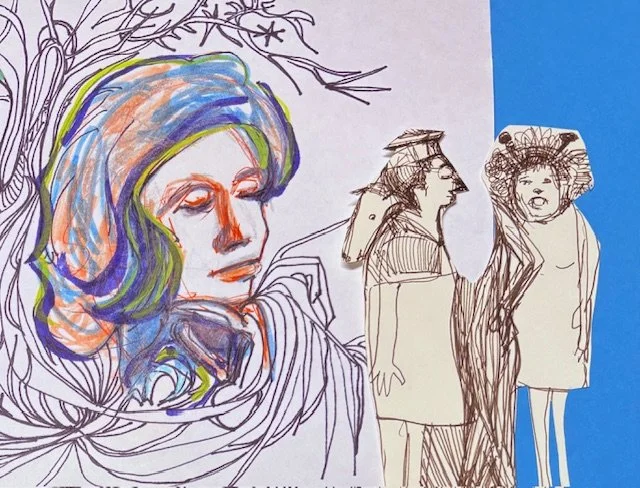
Danielle had gotten outrageously glamorous over winter break

Who could have guessed that Lance and Kitty’s blind date would lead to 70 years of marriage?

Dr, Lusk’s patients were not happy to learn that he had done his internship and residency at the Piscatawny Doll Hospital
Art and photos by Jane Hart
In and Around Kendal
Skill du Skillet

Photo by Ed Lannert
Winter Fog Over the Hudson
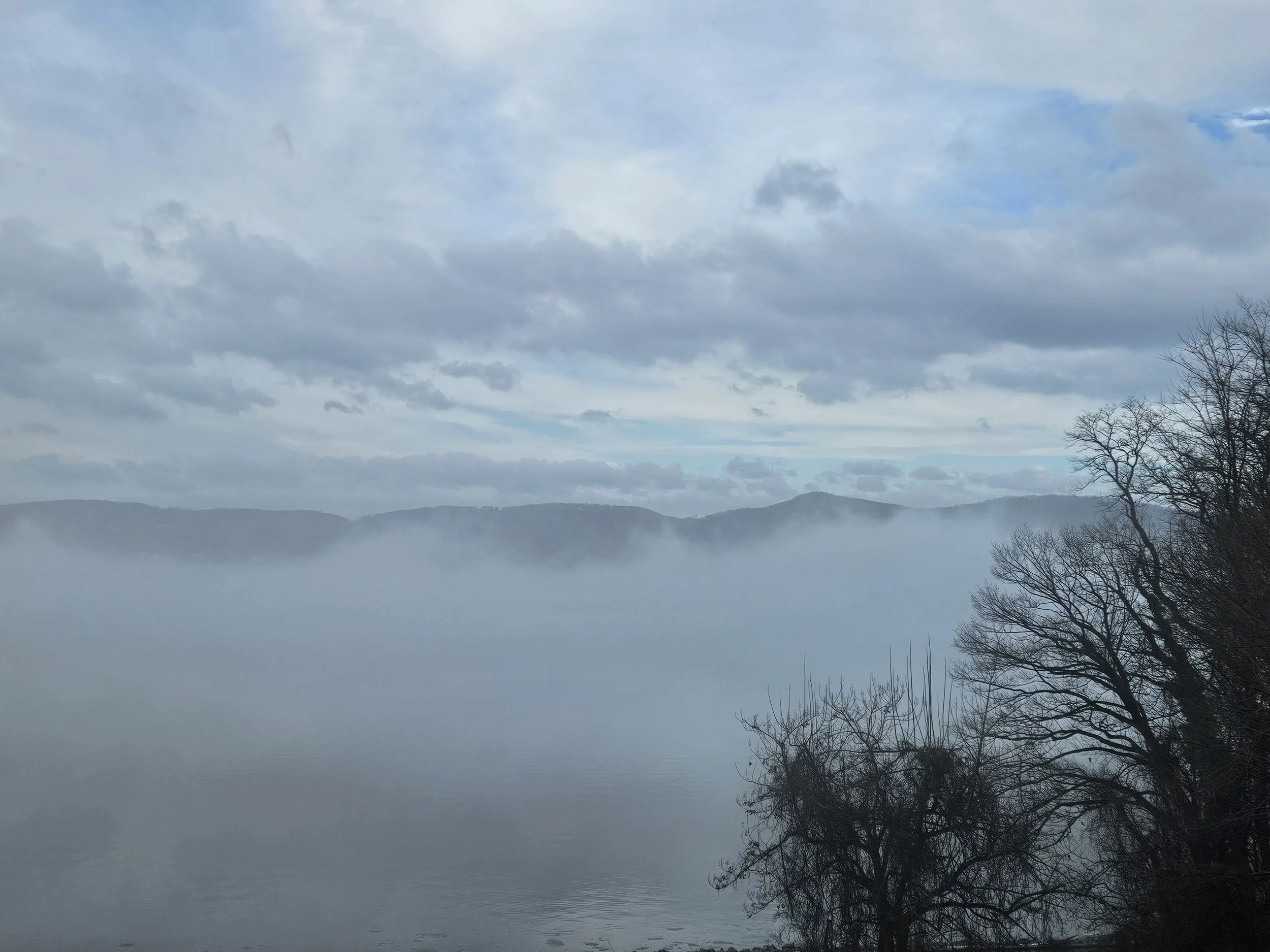
Photo by Greg Lozier
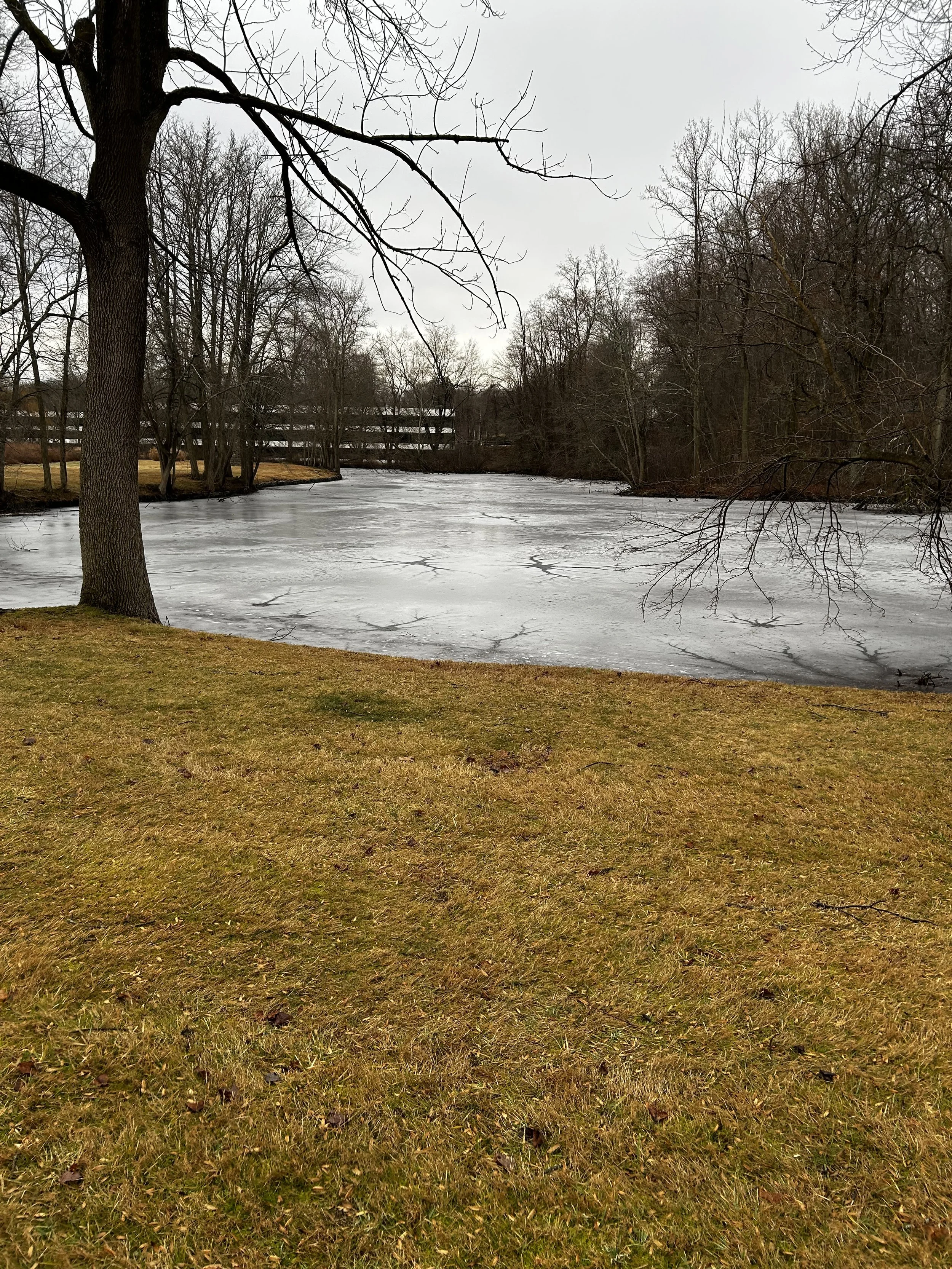
Skating, Anyone?
Up, Up, and Inward . . .

Photo by Edward Kasinec
From Tarrytown: Electric Vehicle Recharging Stations in Town

Kendal Education Courses: January-July, 2026

Weekly Construction Report

From the Office of Ellen Ottstadt