What's So Punny?
I wondered why the baseball kept getting bigger. Then it hit me.
A sign on the lawn at a drug rehab center said: “Keep off the Grass.”
If you jumped off the bridge in Paris, you’d be in Seine.
A backward poet writes inverse.
In a democracy, it’s your vote that counts. In feudalism, it’s your count that votes.
When cannibals ate a missionary, they got a taste of religion.
Contributed by Barbara Wallach
To Be Continued
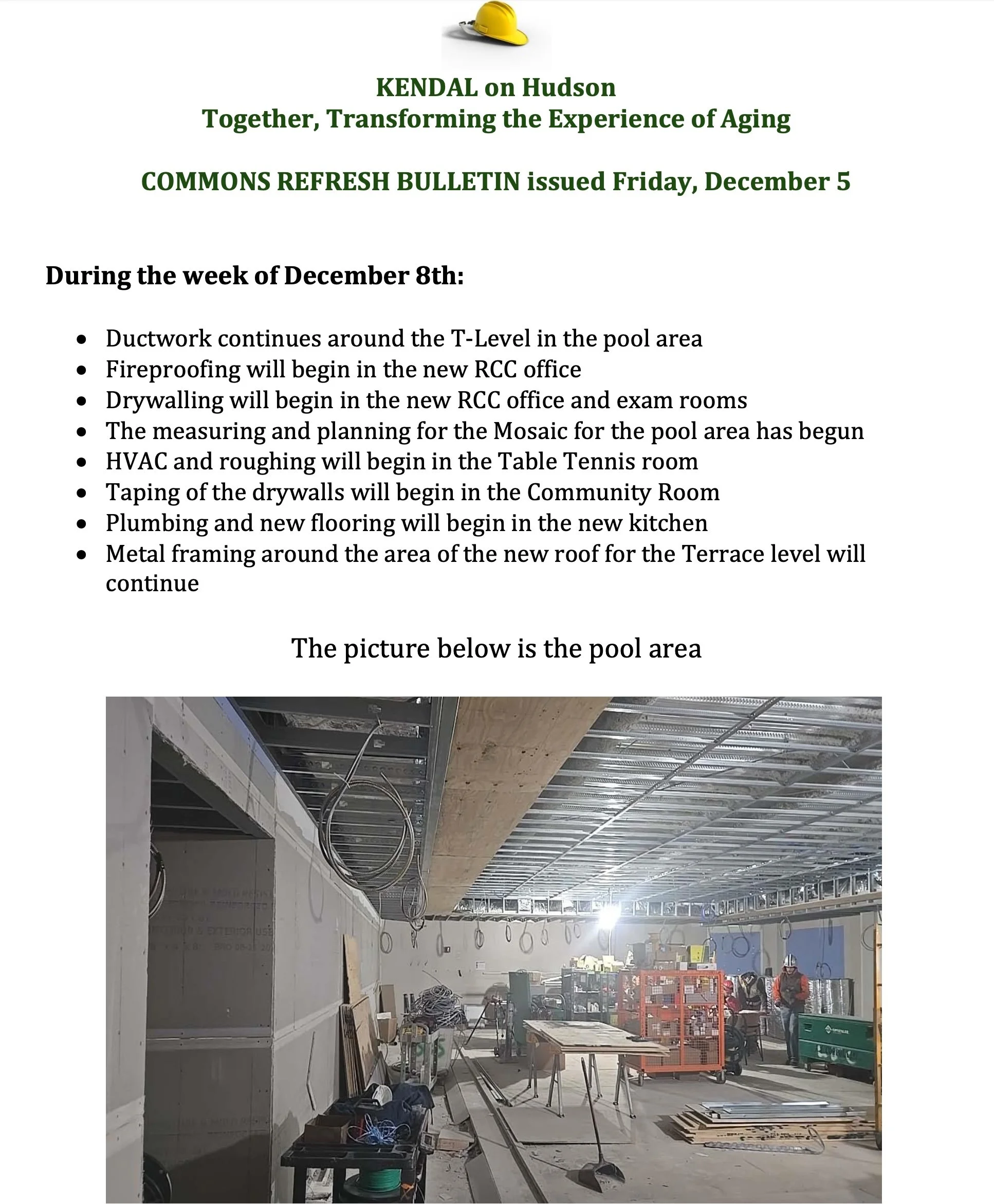
Weekly Construction Report
From the Office of Ellen Ottstadt
I Never Knew That
The Naming of “America”
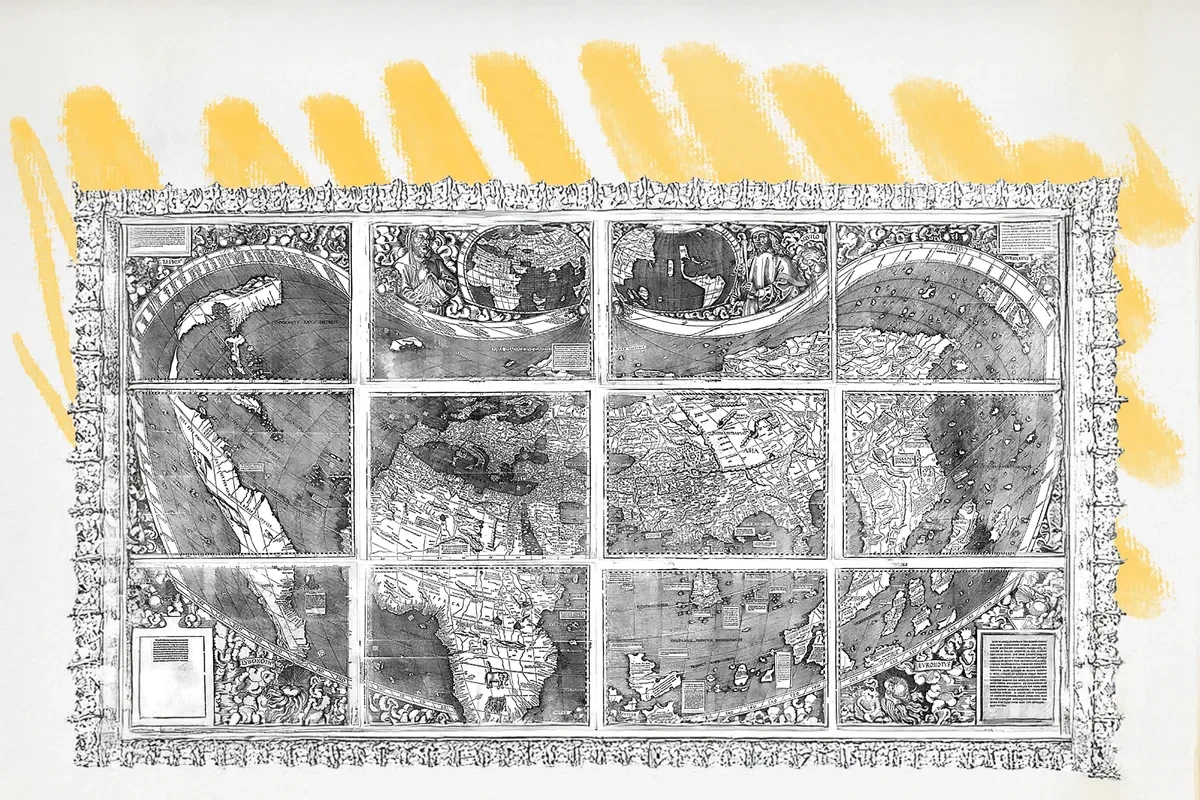
In 1507, a group of scholars in the small French town of Saint-Dié published a world map that changed how Europeans saw the globe—and gave “America” its name. Created by German cartographer Martin Waldseemüller and scholar Matthias Ringmann, the map was the first to show the New World as a separate continent, surrounded by ocean, rather than as part of Asia.
The two men drew on Portuguese nautical data and letters attributed to Florentine explorer Amerigo Vespucci to create the map. Though it later emerged they were doctored, the letters appeared to argue that Vespucci had found an entirely new landmass, not the eastern edge of Asia, as Christopher Columbus believed. Waldseemüller and Ringmann agreed with this idea—and in an accompanying book, Cosmographiae Introductio, they proposed naming this “fourth part” of the world “America,” after Vespucci’s Latinized first name, Americus.
Though Waldseemüller later dropped the name from his maps, others embraced it. When cartographer Gerardus Mercator applied the name “America” to the entire Western Hemisphere in 1538, it quickly became standard.
Only one copy of Waldseemüller’s 1507 map survives today—discovered in a German castle in 1901 and now housed at the Library of Congress in Washington, D.C. Sometimes called “America’s birth certificate,” it marks the moment when a new name —and a New World—entered the map of human understanding.
Source: historyfacts.com
For Your Funny Bone

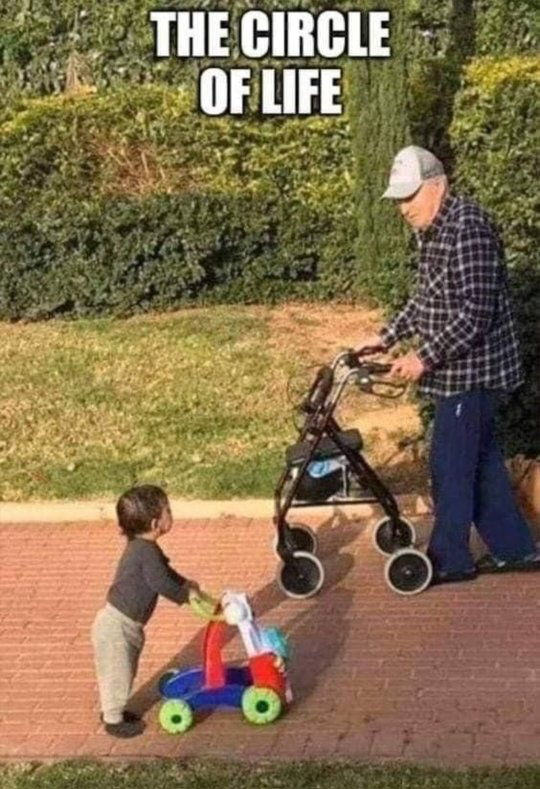
Contributed by Mimi Abramovitz
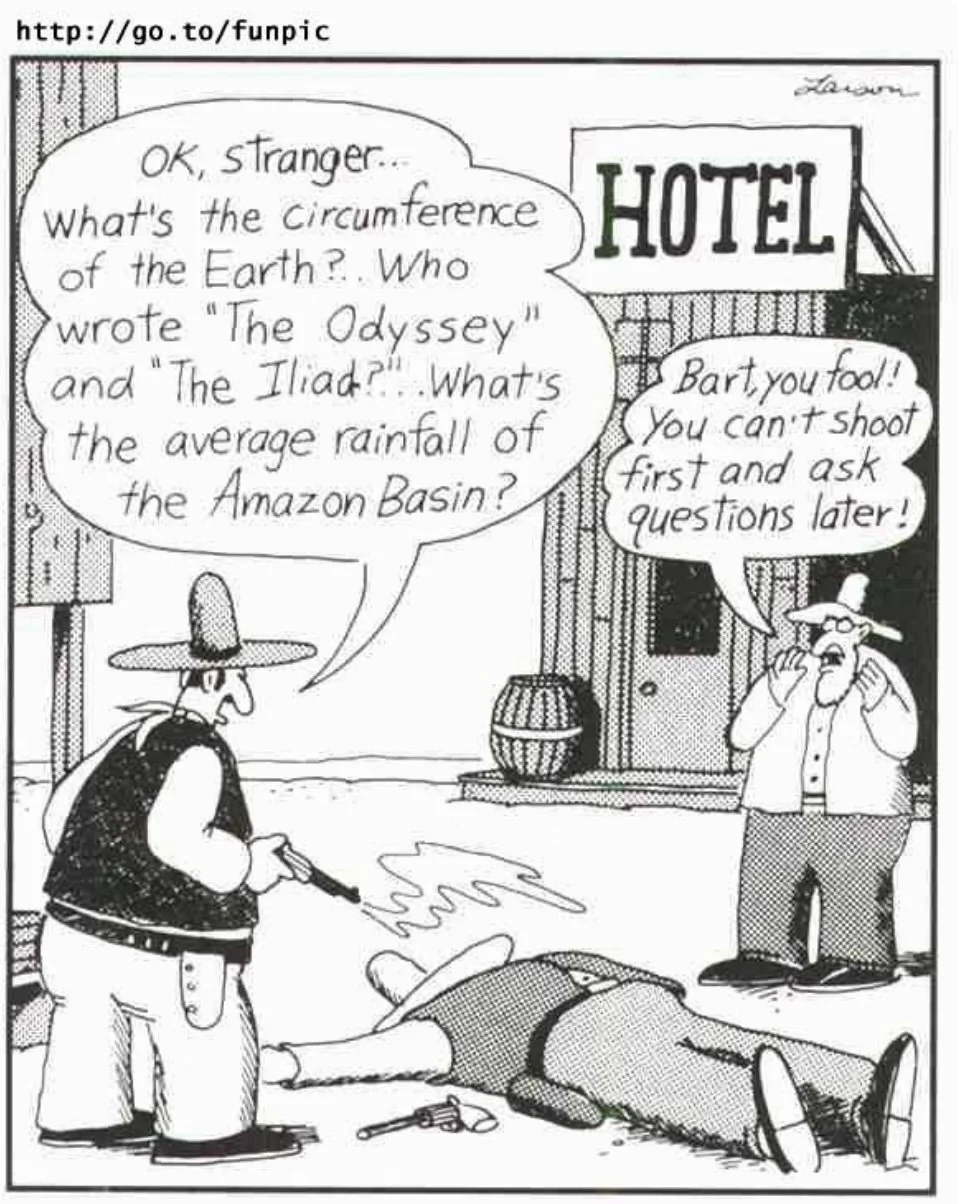
Art by Hart
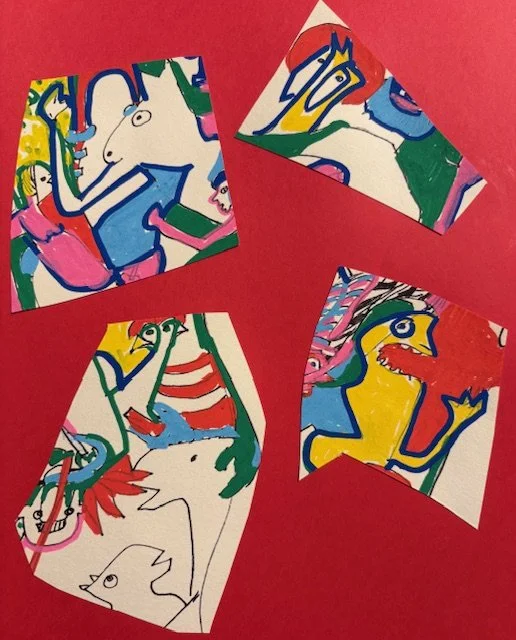
Cousin Chad’s vacation photos left questions unanswered
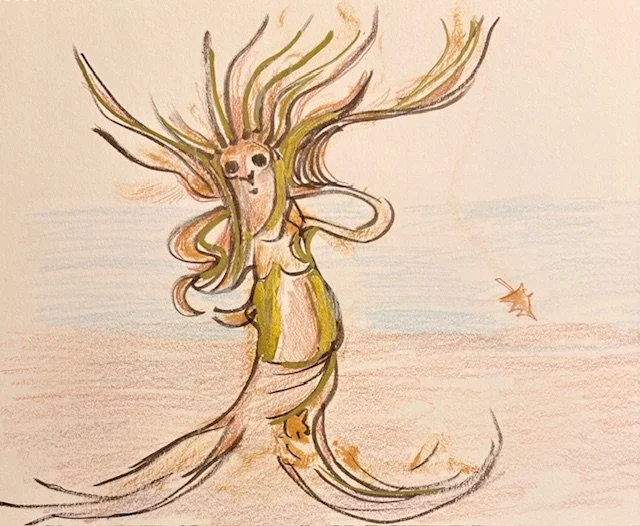
Lady Drift-Wood found the fall beach scene less than exhilarating

It took a while, but Mini finally found her forever home

The Kempton apartments were small, but the vibe was welcoming and friendly

Ogden reluctantly dropped the dress code for staff who had to work today
Art and photos by Jane Hart
In and Around
With Thanks for Thanksgiving
A wonderful day to Give Thanks and some of the wonderful people who made it possible—and delicious:
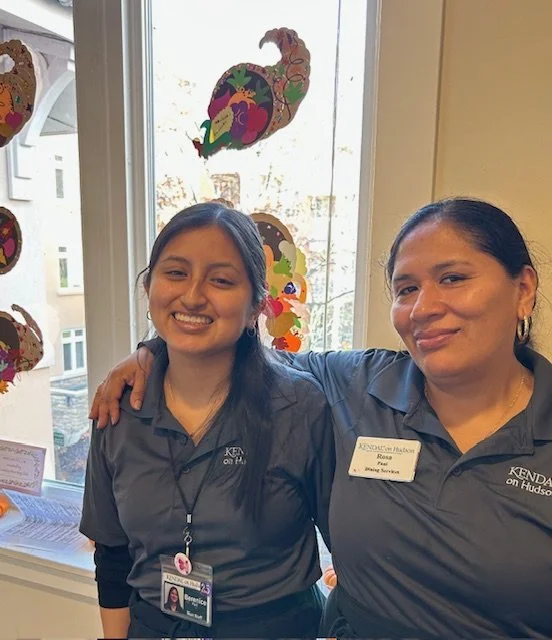
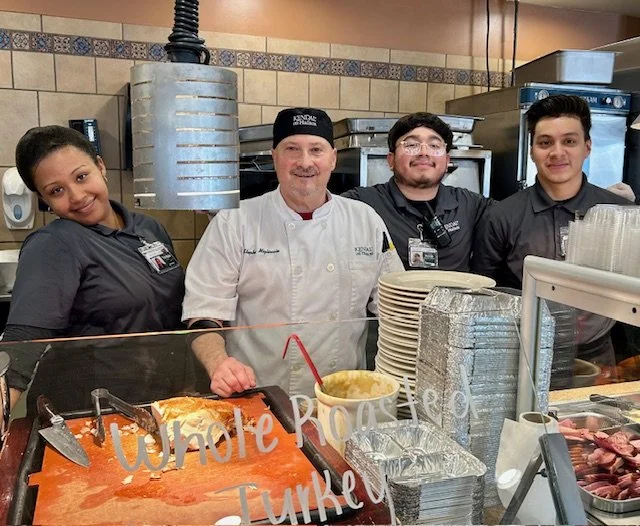
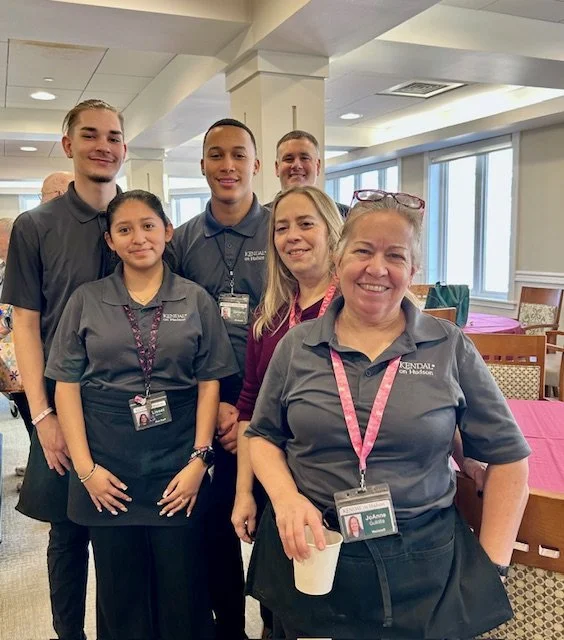
Photos by Carolyn Reiss
The KoH Movie Committee
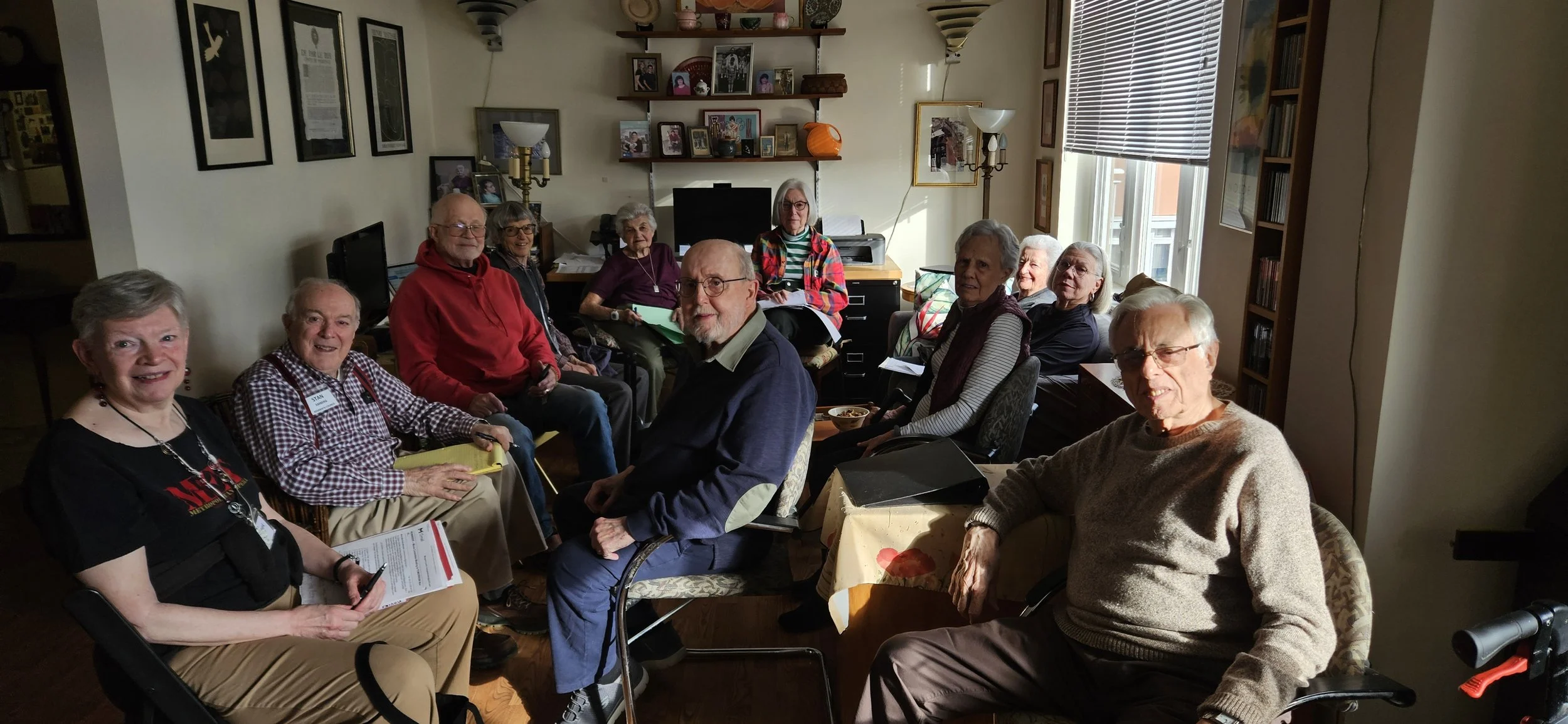
Plotting New Viewing Pleasures, by Joe Bruno
Awesome Nature
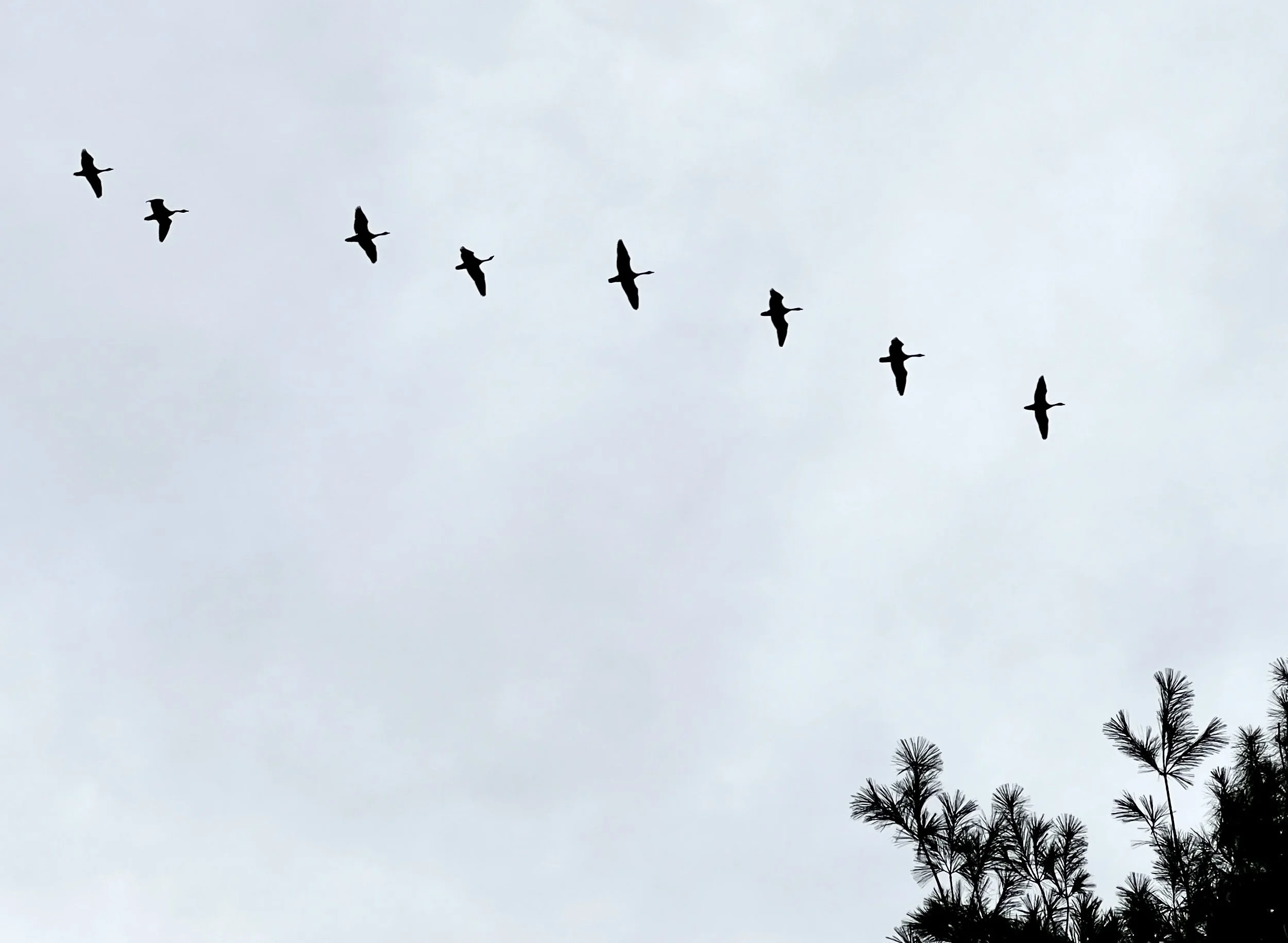
Geese Flying South, by Lisa Rosenblooom
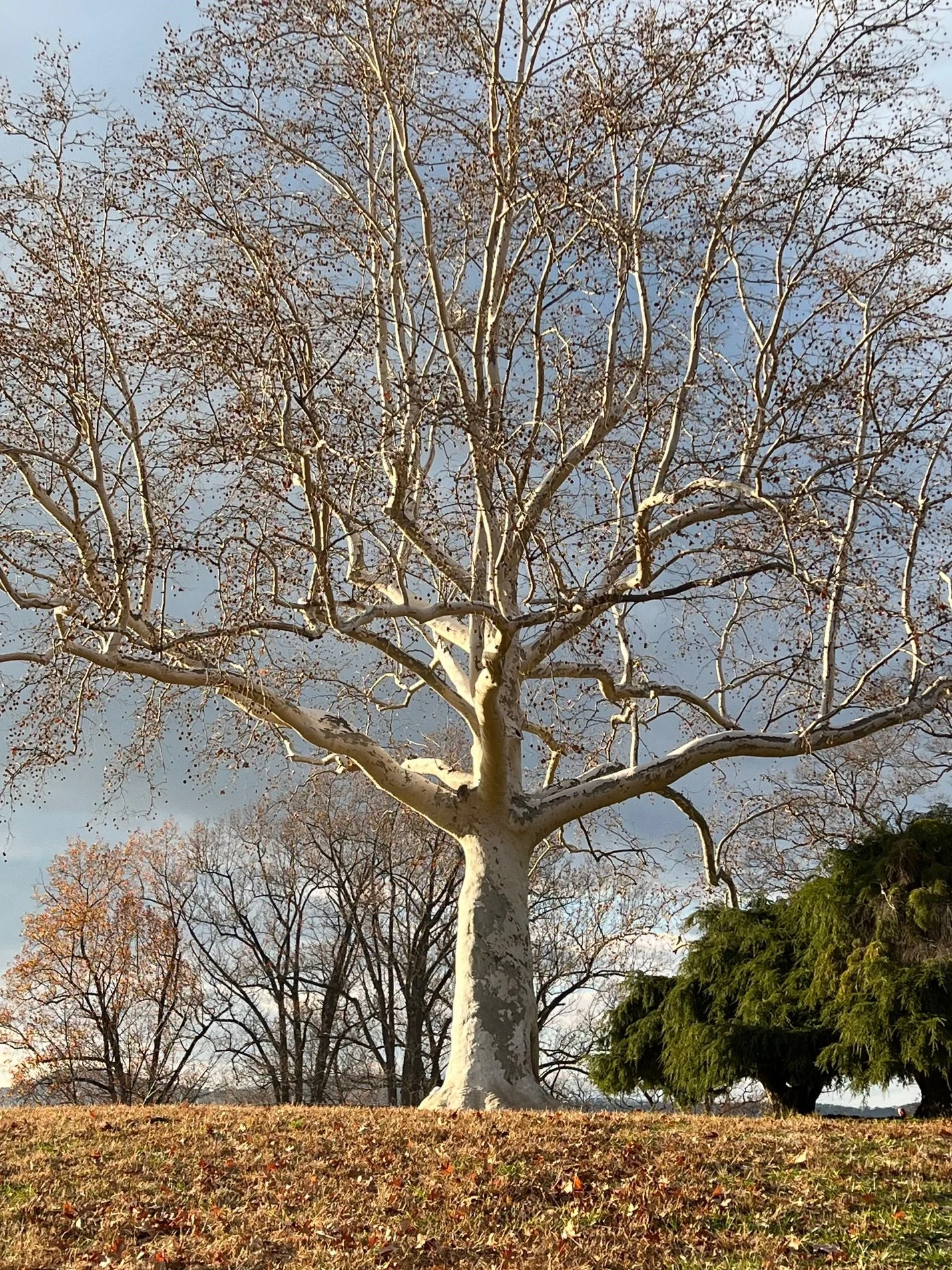
Majestic, by Philip Monteleoni
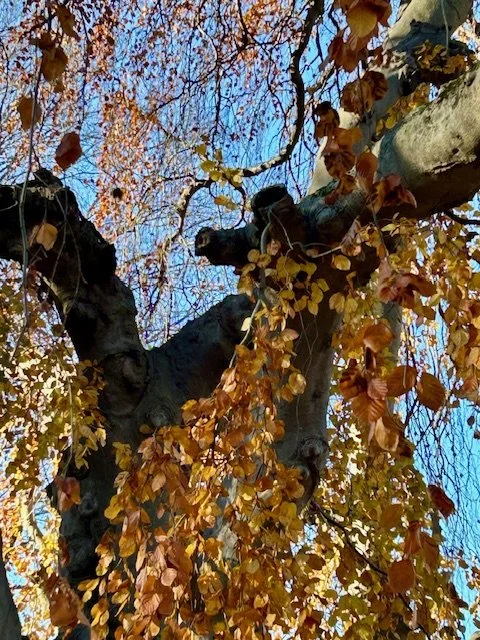
Autumn’s Lace, by Carolyn Reiss
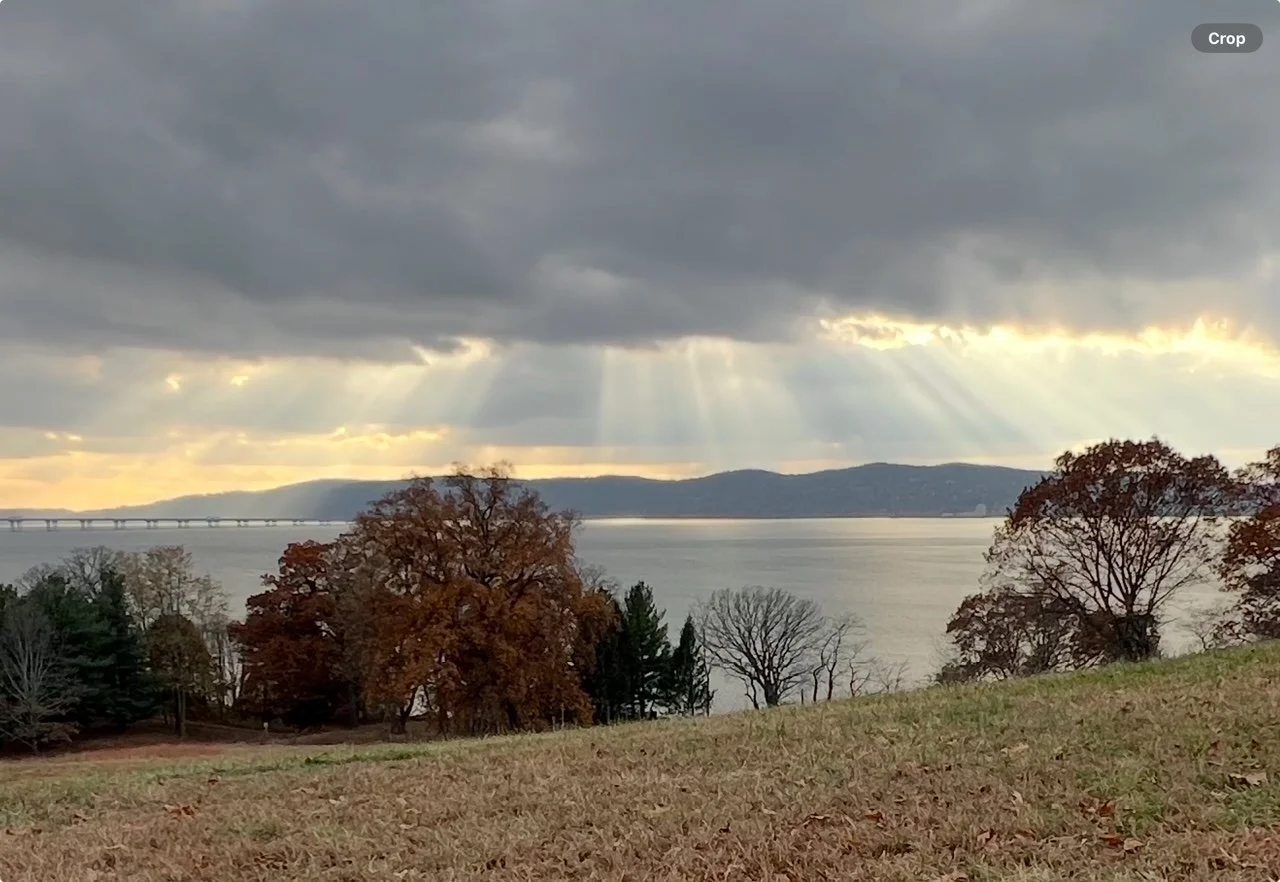
Glorious Rays, by Philip Monteleoni
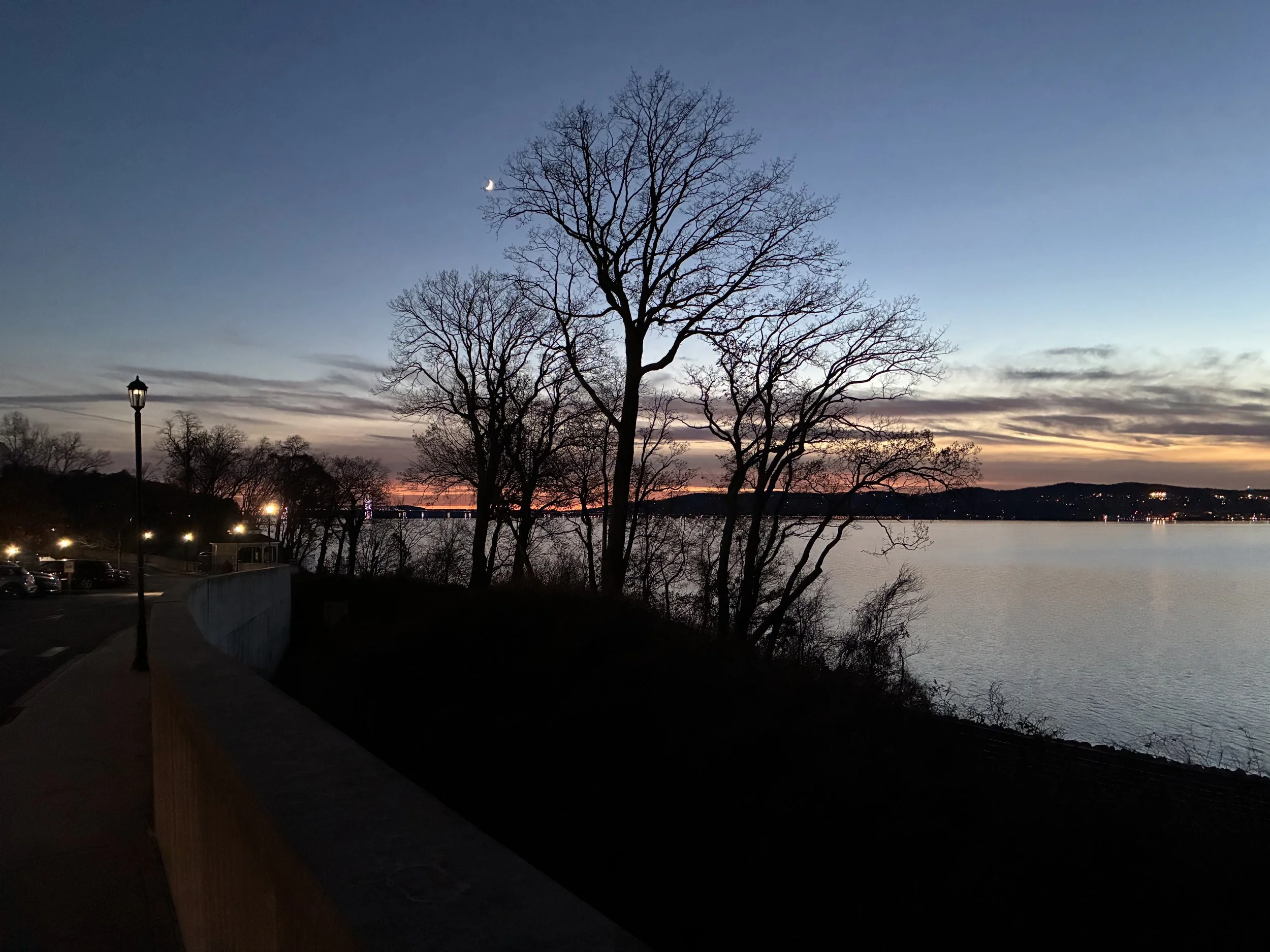
Day’s End, by Peter Sibley
Out and About
Along the lines of “What I did on my summer vacation”—except she did it this fall—Lynn Brady provided a range of photos from her recent trip to Barcelona. So many to choose from! So, this week we’re looking at Lynn’s Great Adventure from the exterior. Next week, there’ll be views of interiors. Happy viewing.
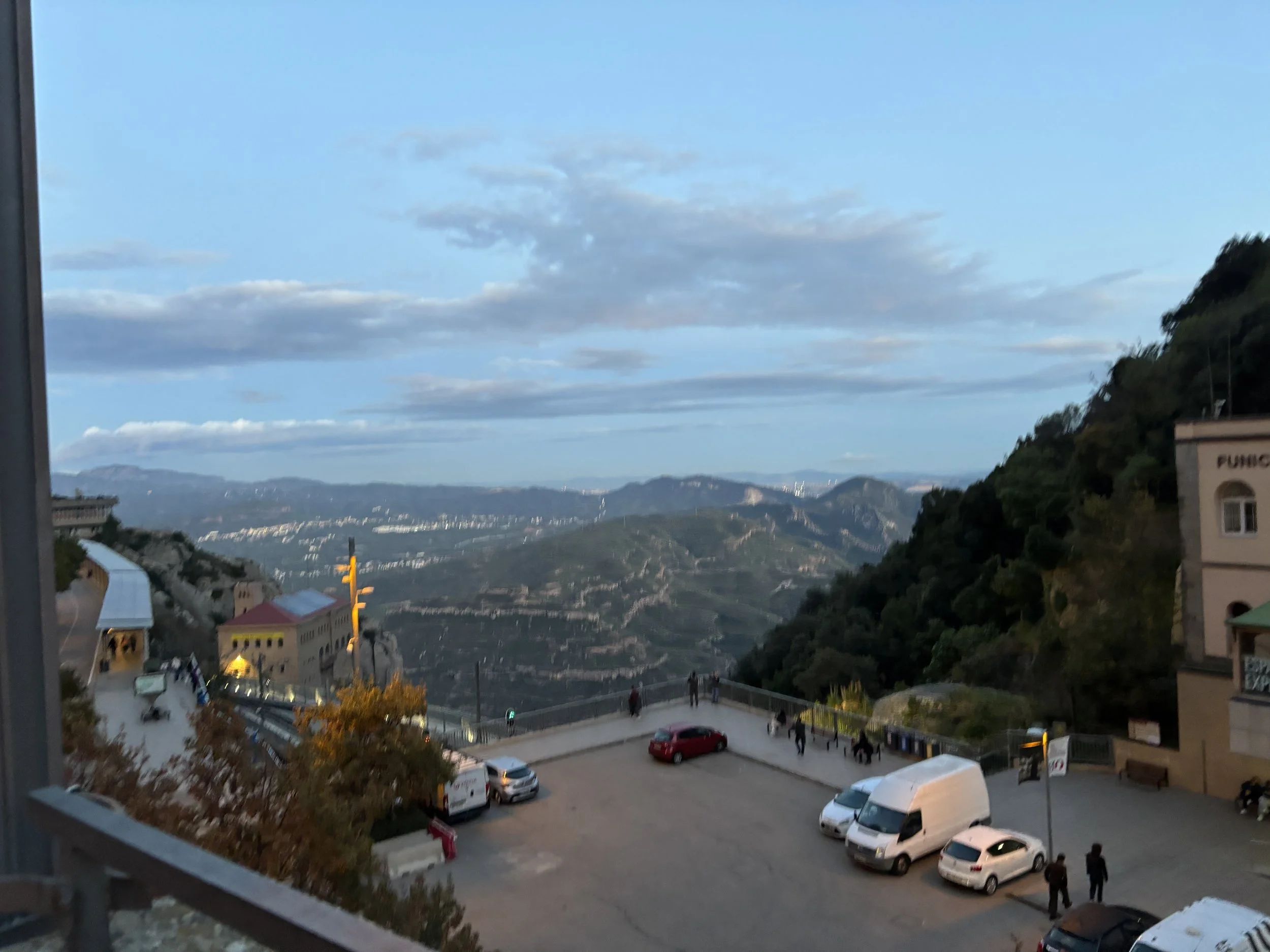
The view from Montserrat
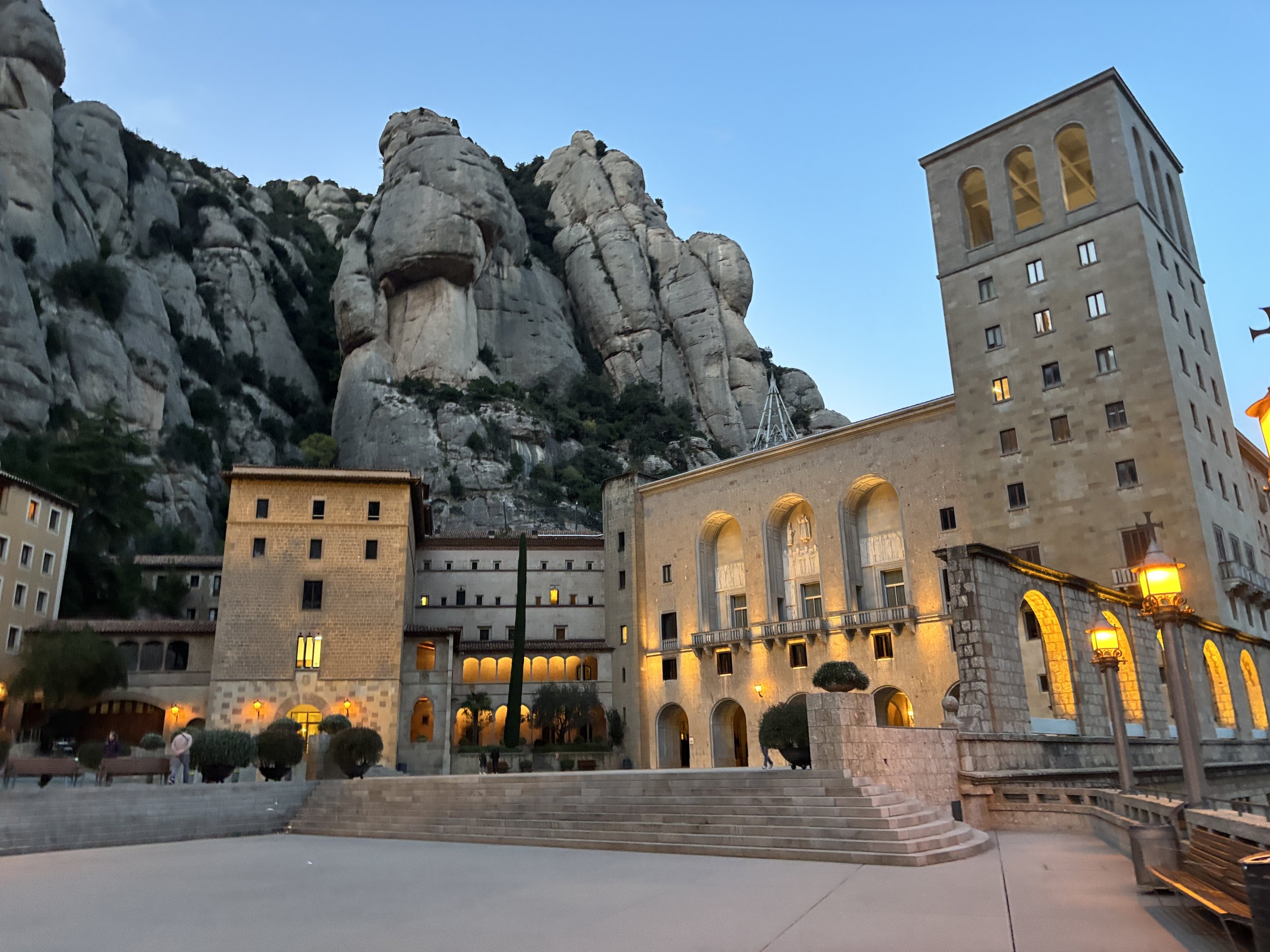
Benedictine monastery at Monsarrat
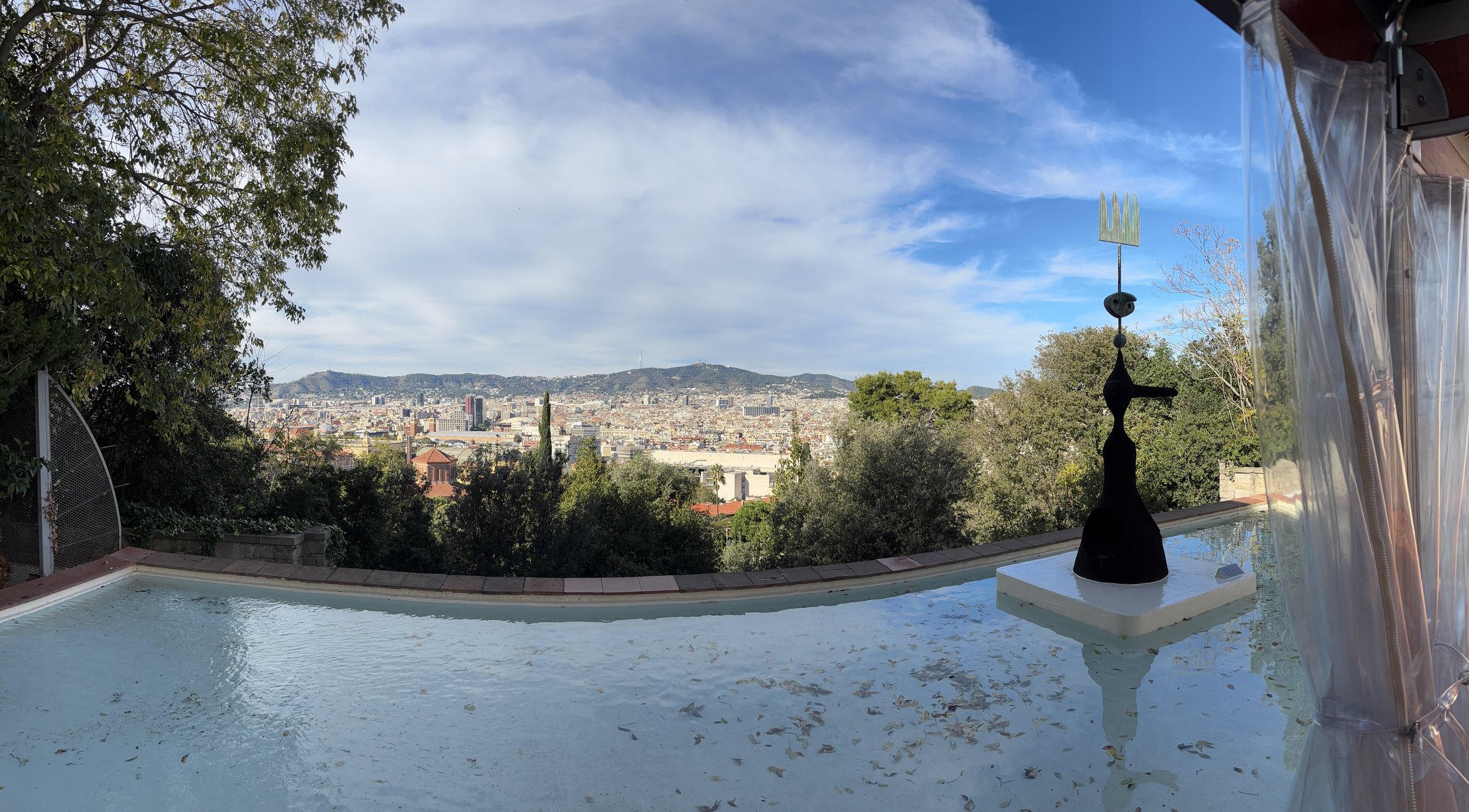
View of Barcelona from the Miro Museum
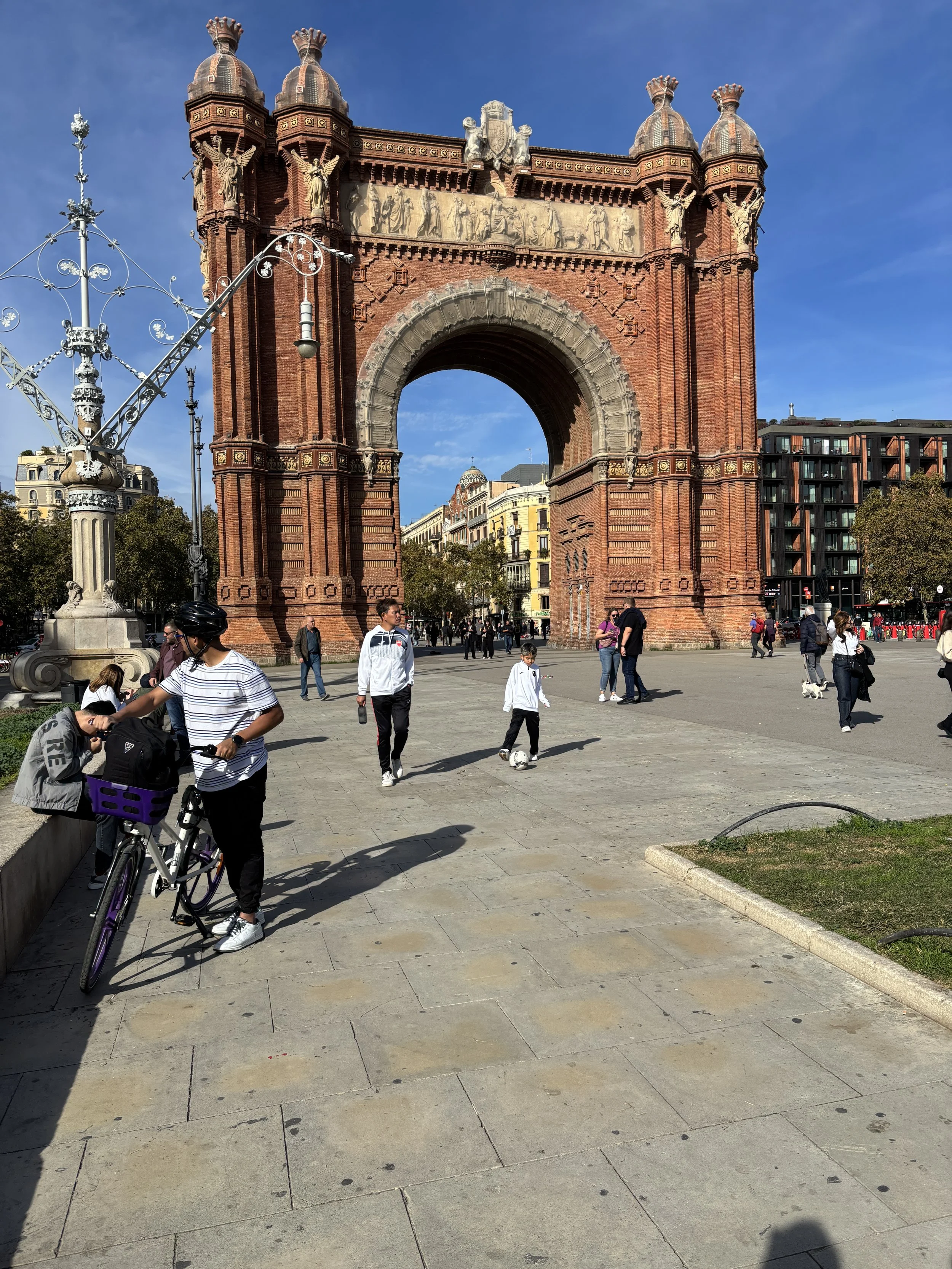
The Arc de Triomf, built by architect Josep Vilaseca i Casanovas as the main access gate for the 1888 Barcelona World Fair.
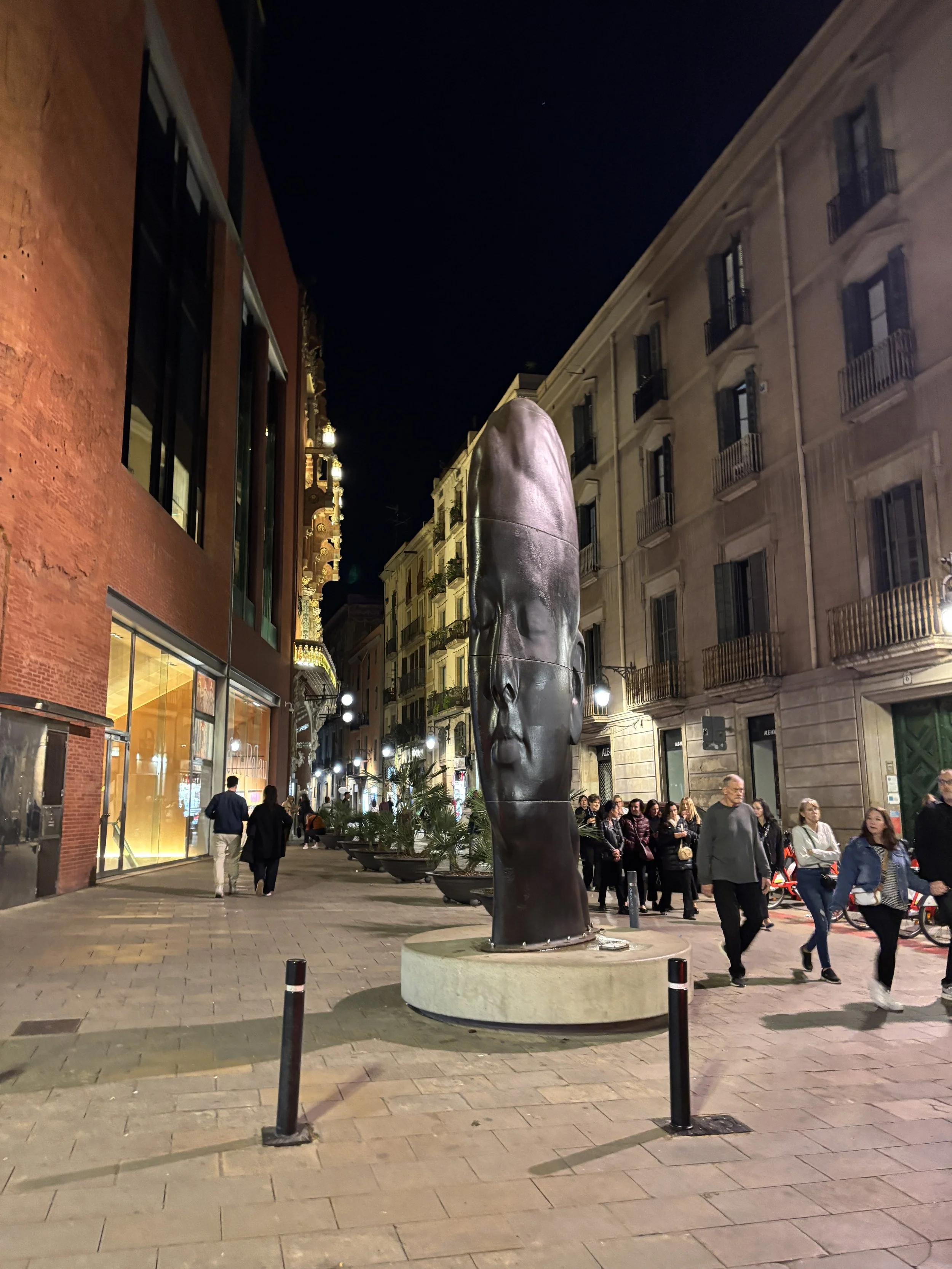
In the Old City
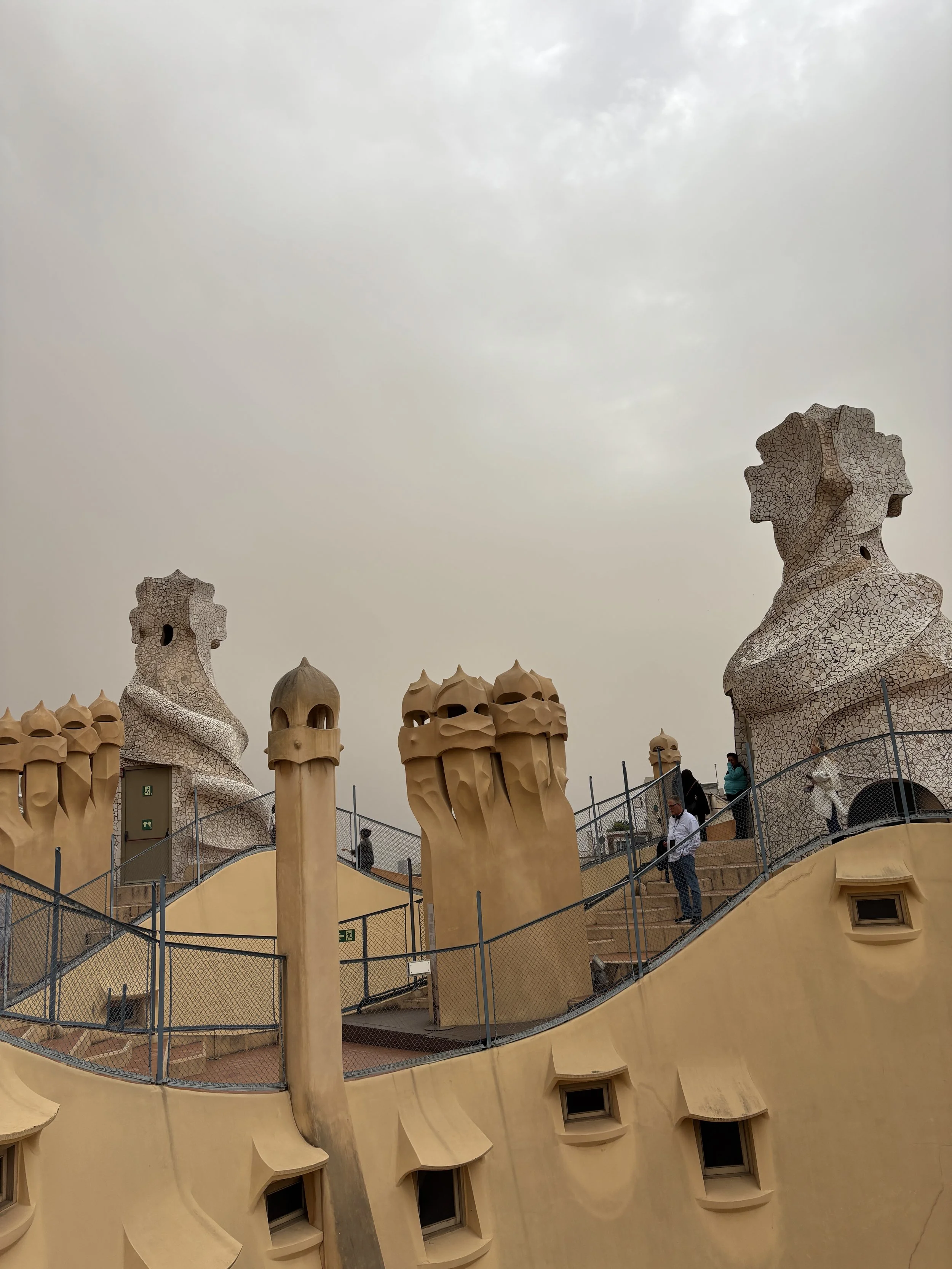
Gaudi apartment house
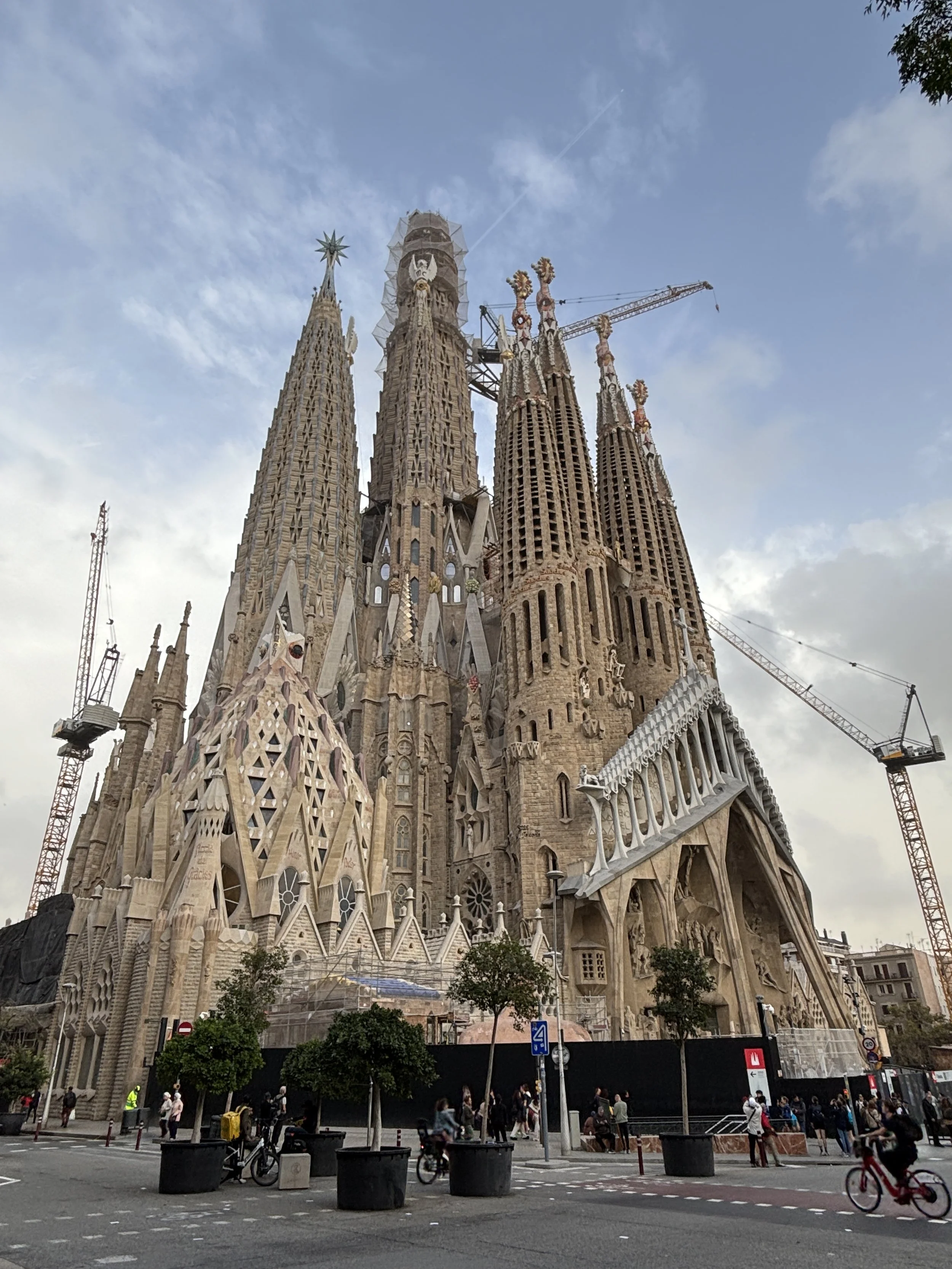
Basílica i Temple Expiatori de la Sagrada Família[a] (short form Sagrada Família), a church under construction in the Eixample district of Barcelona, Catalonia, Spain. It is the largest unfinished Catholic church in the world and a UNESCO World Heritage site.
All photos by Lynn Brady
Want a River View? Ya Got It . . .
The Hudson River is beguiling. It can be moody, sparkling, turbulent—or disappear altogether as fog slowly rises or rushes in from land. Whatever its disposition, we love to watch it—as the sun comes up, as the day progresses, as the sun goes down, as dusk surrounds us, as evening falls. And now—drum roll, please—everyone, no matter where the apartment, can do just that.
Thanks to a brain storm by Marketing’s Joey Starr, there is now a camera, installed in the mysterious far reaches of Mary Powell’s roof, aimed 24/7 at the Hudson. And anyone can tune into it any time, any day on Channel 971—as long its there is no live activity being shown from the Gathering Room.
Here’s an example of what you can see:
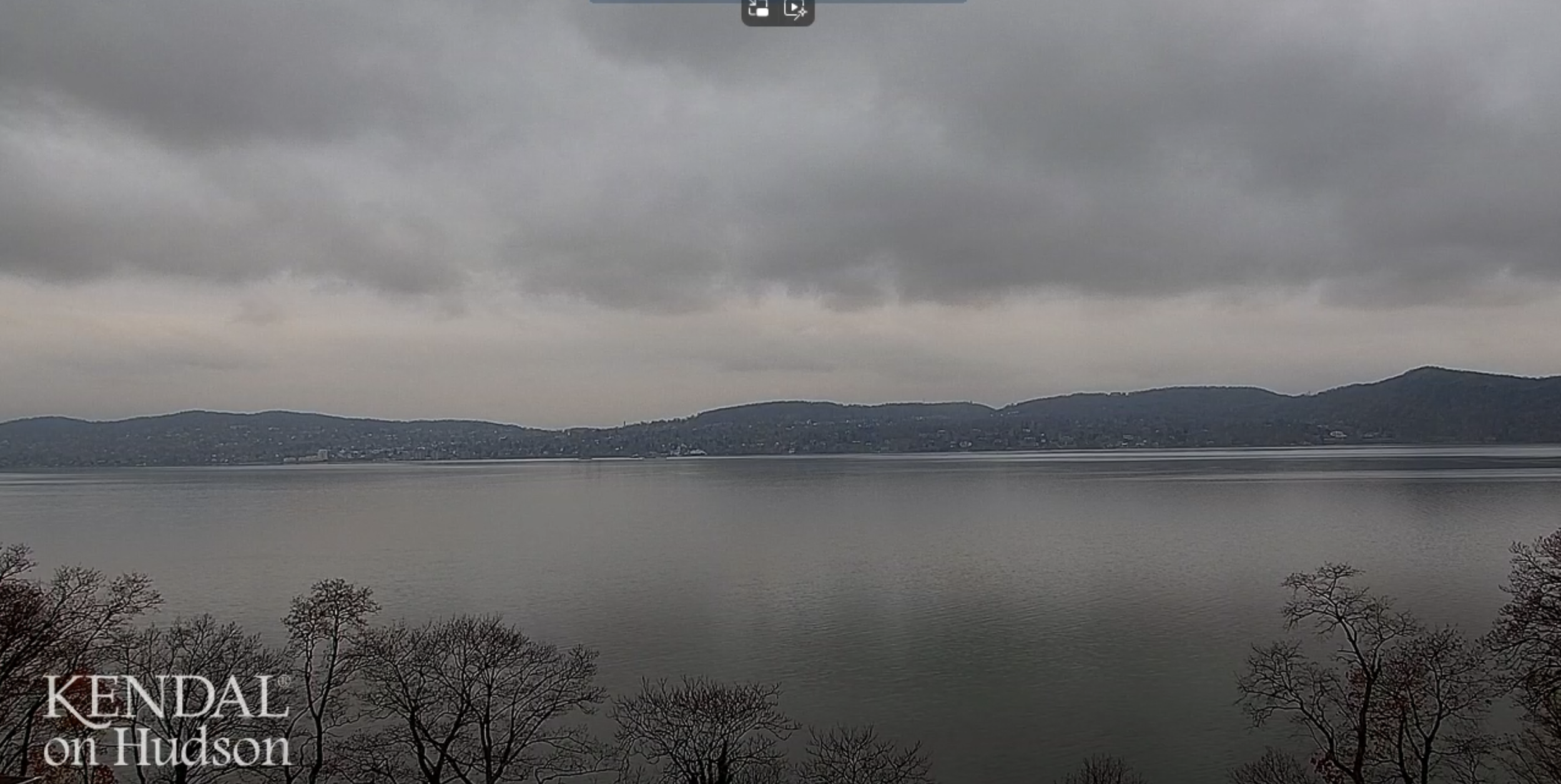
Yay, Joey Starr!
What's So Punny?
A grenade thrown into a kitchen in France would result in Linoleum Blownapart.
Two silk worms had a race. They ended up in a tie.
A hole has been found in the nudist-camp wall. The police are looking into it.
Time flies like an arrow. Fruit flies like a banana.
Atheism is a non-prophet organization.
Two hats were hanging on a hat rack in the hallway. One hat said to the other: “You stay here; I’ll go on a head.”
Contributed by Barbara Wallach
To be continued . . .
I Never Knew That
Turkeys Were Named After the Wrong Country
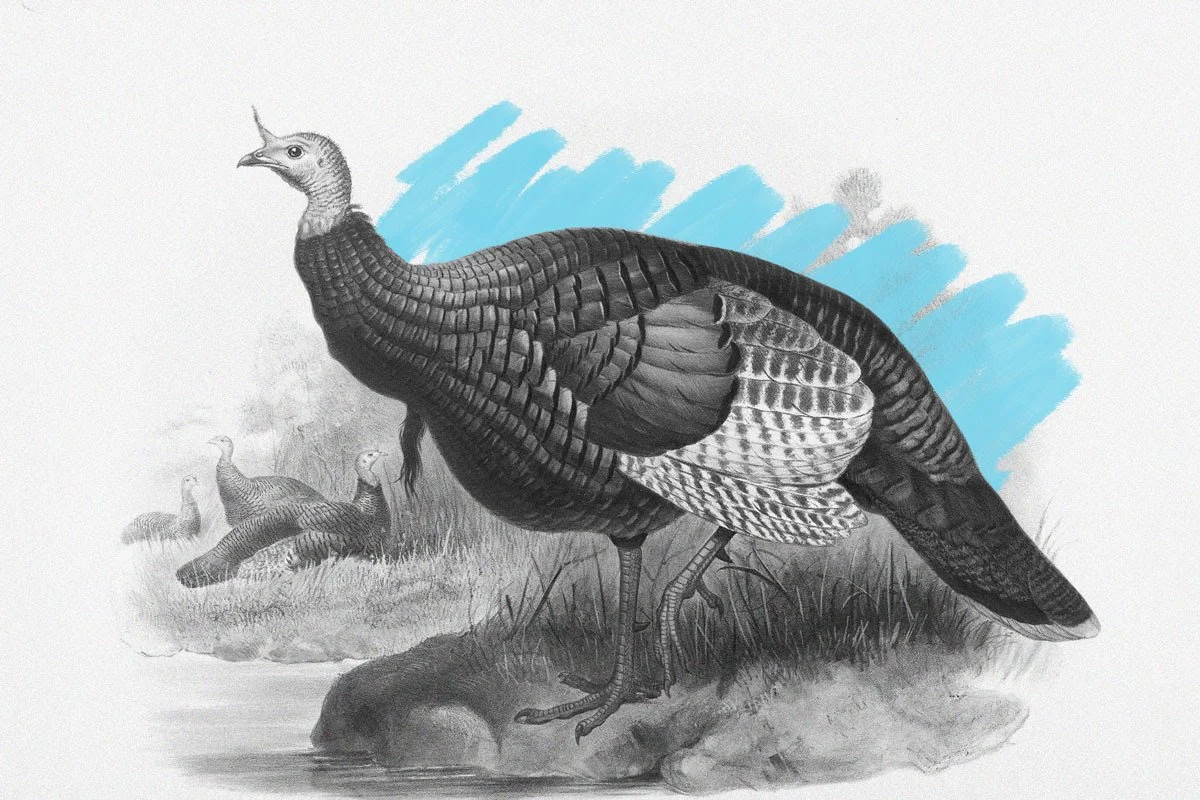
Turkeys—the quintessential American bird— owe their name to a centuries-old case of mistaken identity. When Spanish explorers arrived in Mexico in the 1500s, they encountered a plump, impressively feathered bird that the Aztecs had long domesticated and called huexolotl. The Spaniards brought these birds back to Europe, where they quickly became a hit on farms and dinner tables.
So why do we call them “turkeys”? Possibly because Europeans had already encountered a somewhat similar bird, the African guinea fowl, which reached Europe earlier via trade routes controlled by the Ottoman Empire of the Turks. Because of that connection, guinea fowl were known as Turkey cocks or Turkey hens. So when the new, American bird arrived in Europe, people may have assumed it came from the same place and gave it the same name.
However, some sources say the bird’s name arose simply because at the time, the Ottoman Empire was at its peak, and Europeans were apt to designate all new imports as “Turkish.”
Either way, the misnomer stuck. But while English speakers called the bird a turkey, in other languages the geolinguistic confusion multiplied. The French dubbed it coq d’Inde —“rooster of India”—thinking it came from the Indies. In Portuguese it became a peru, in Malay a Dutch chicken, and in Turkish, tellingly, a hindi, meaning “from India.”
Everyone, it seems, thought the bird came from somewhere else. But when your Thanksgiving feast was served up, the people you actually wanted to thank weren’t the Turks; they were the Aztecs.
For Your Funny Bone
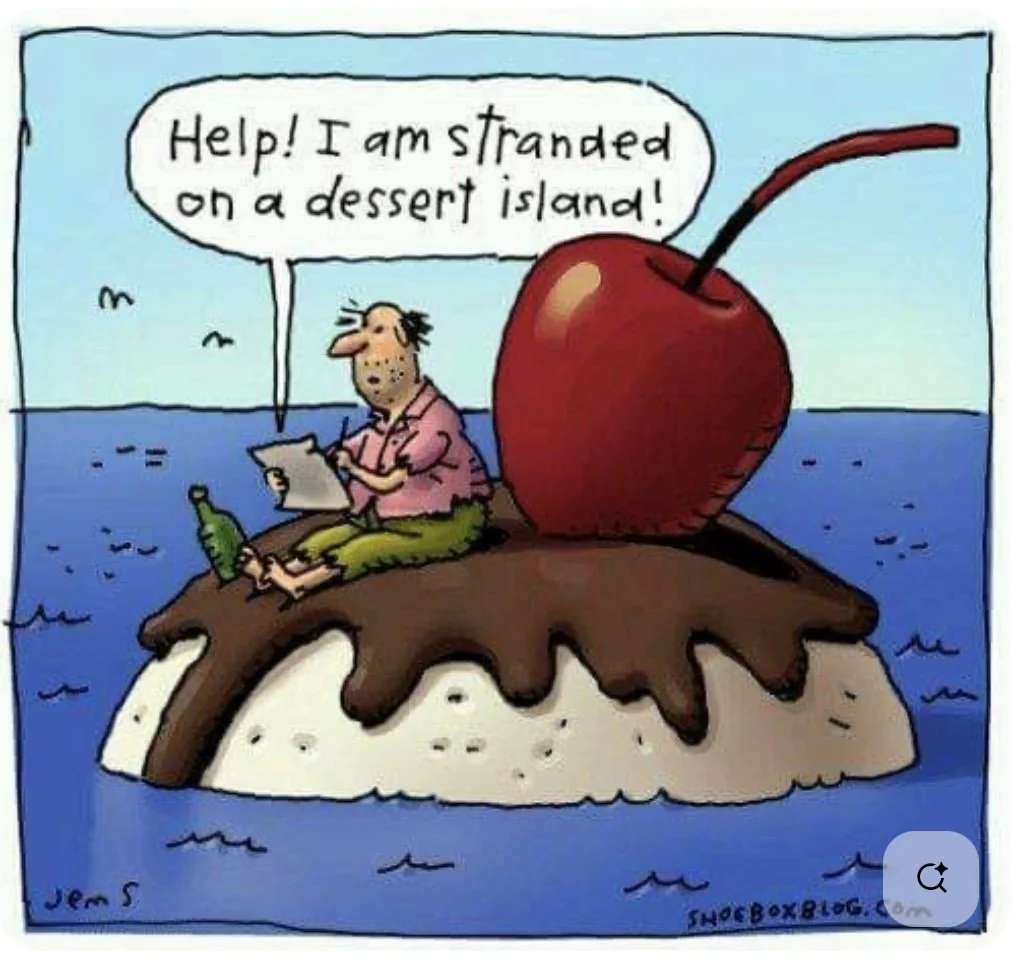

Contributed by Maria Harris
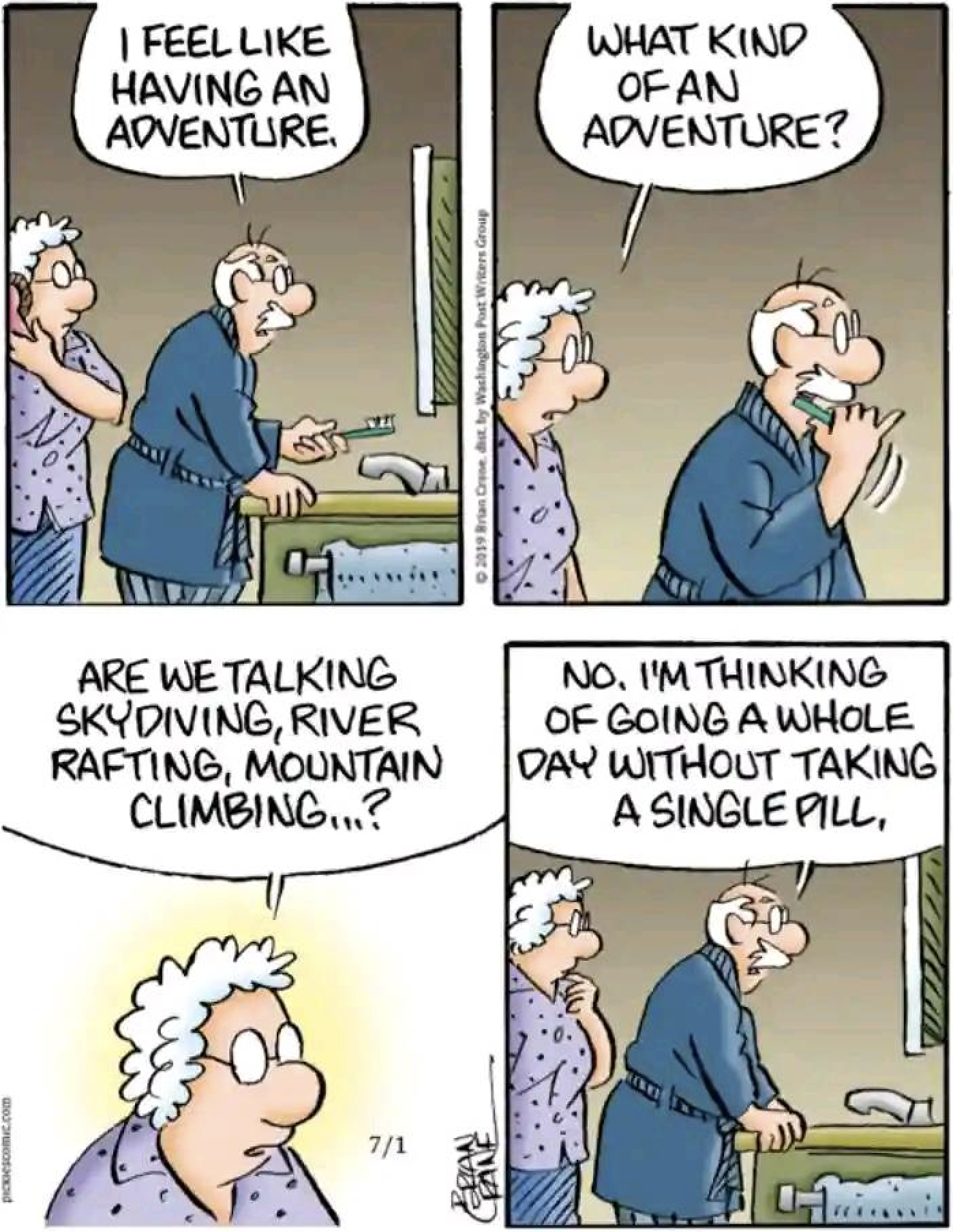
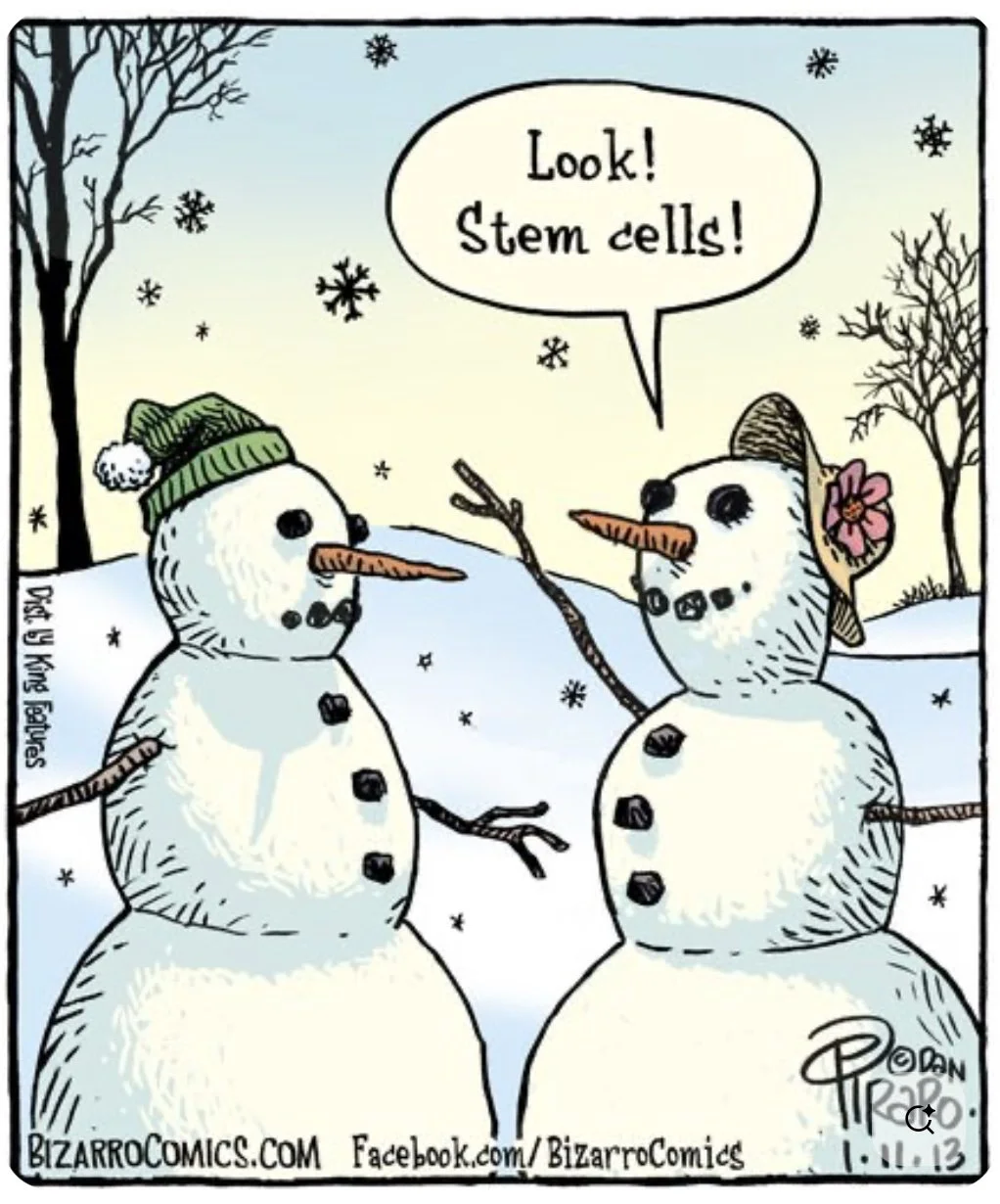
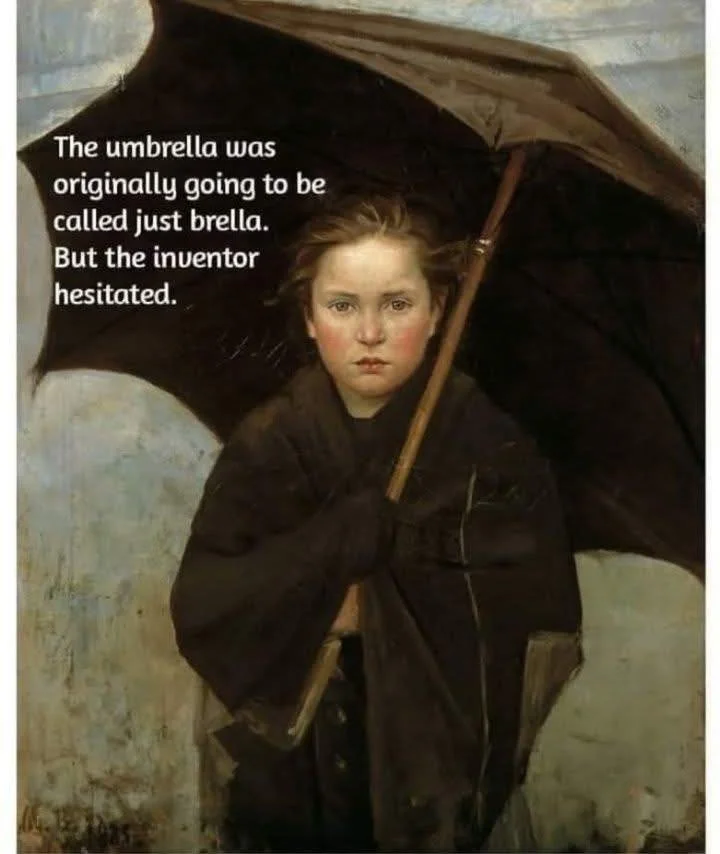

Art by Hart
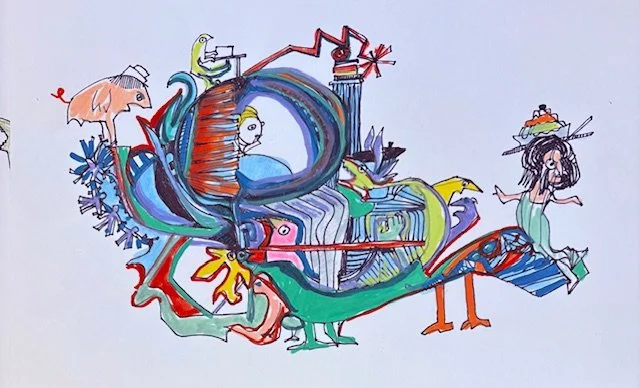
Poppy’s pop-up MRI was not on any recognized insurance plan, but the price was right, and how bad could it be?

Somehow the Suskins appeared on every subway map in the city

They had to get Cousin Tom to round up the little ones
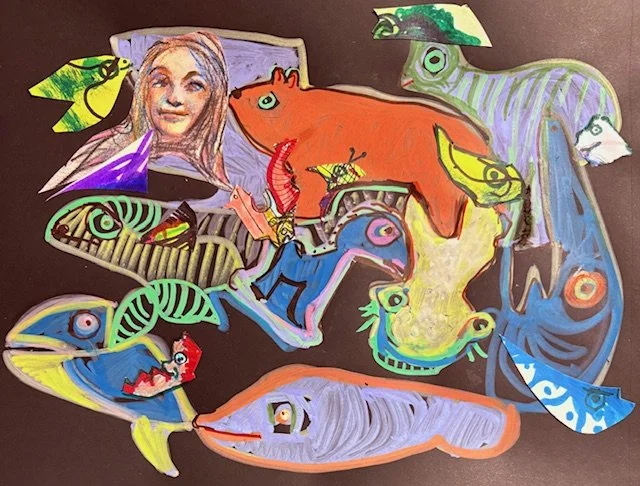
Louisa’s picture turned up in the fish tank
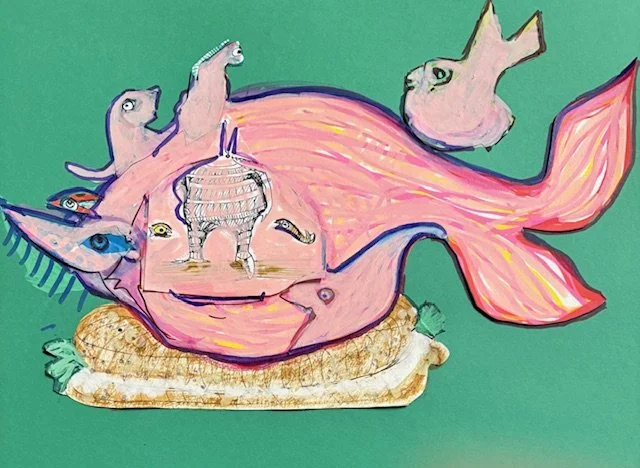
The Lox Museum was on everybody’s list
Art and photos by Jane Hart
World Disarray II, by Sheila Benedis
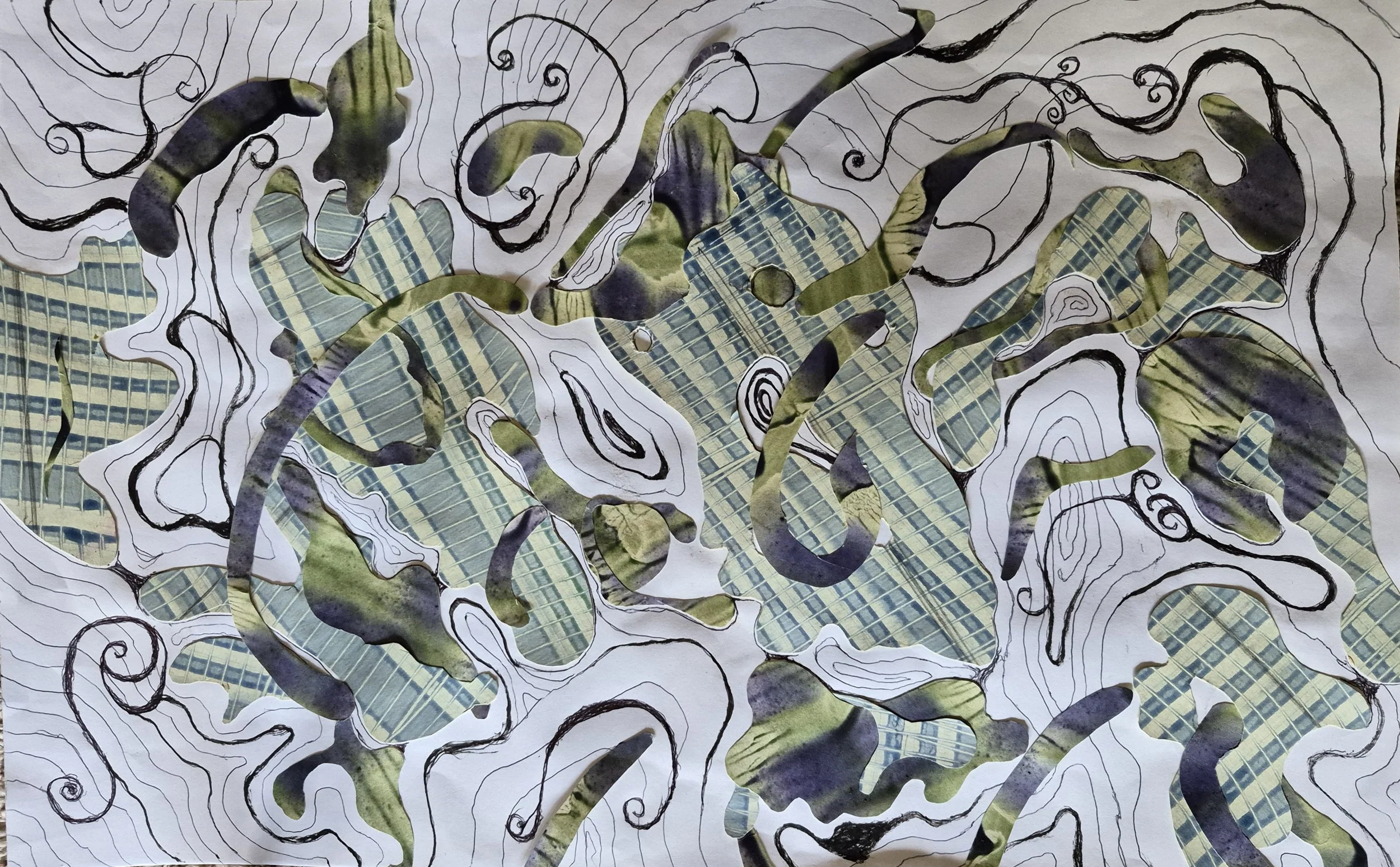
Art and photo by Sheila Benedis
In and Around
When You’re Up Early, You Can Sneak a Peak . . .

Photo by Cynthia Ferguson
Our Fabulous Next-Door Neighbor
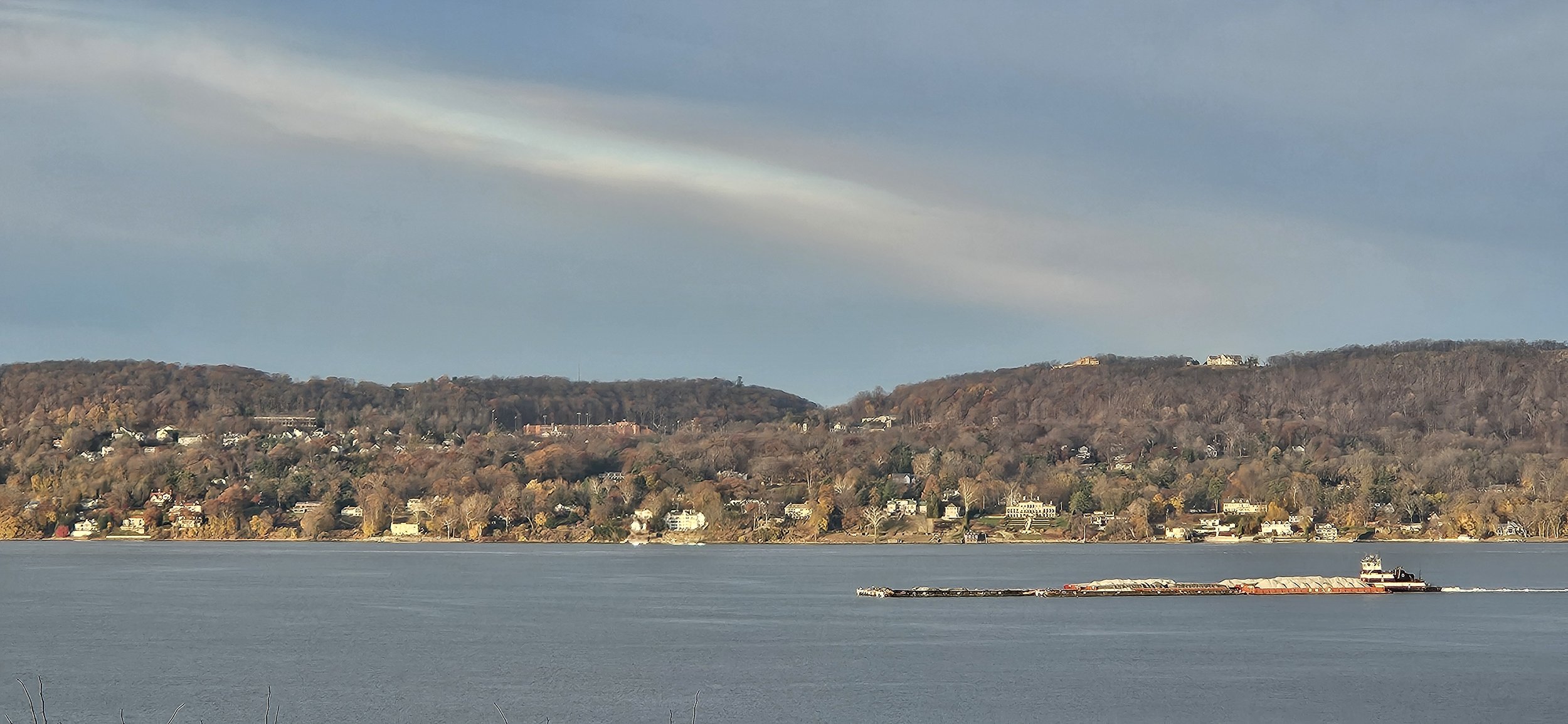
Photo by Joe Bruno
The Sky’s the Limit
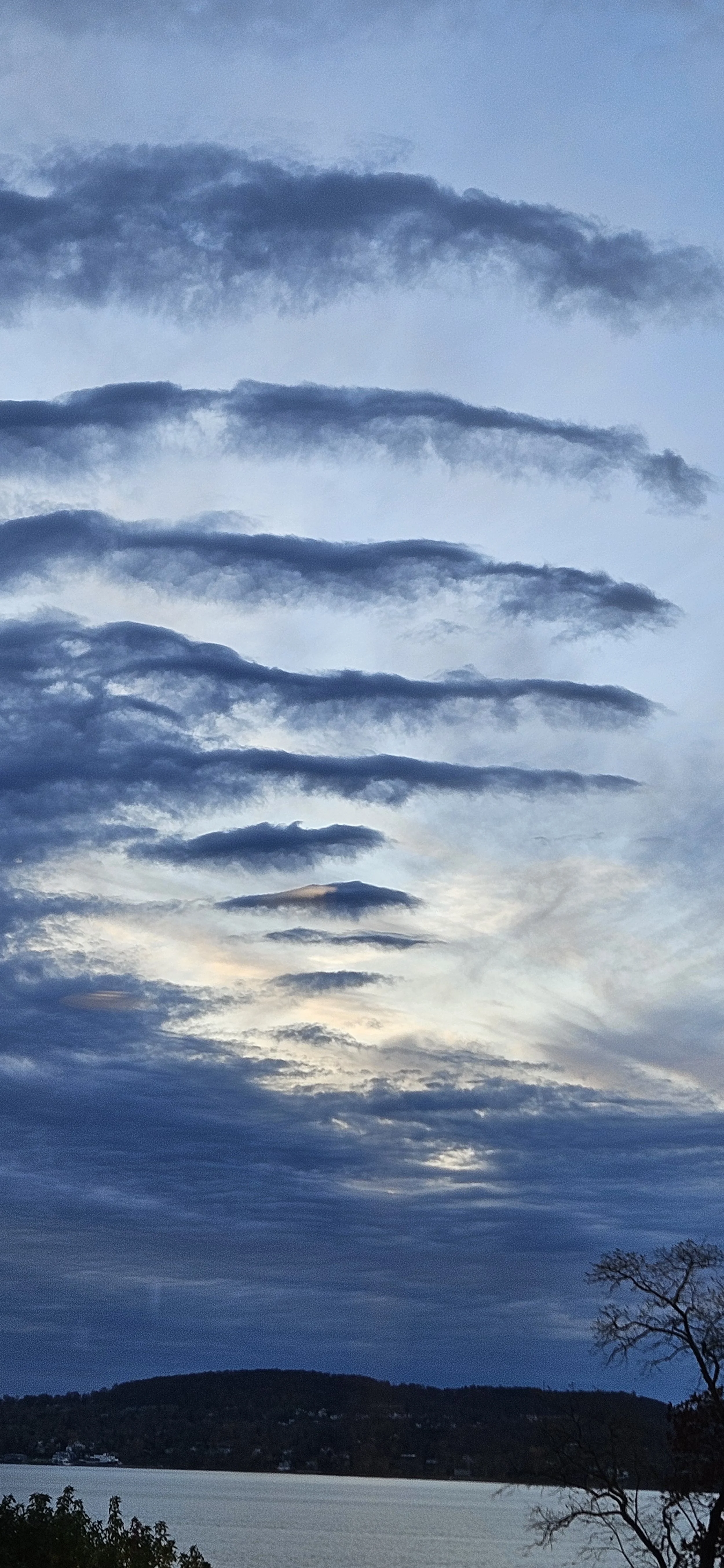
Photo by Joe Bruno
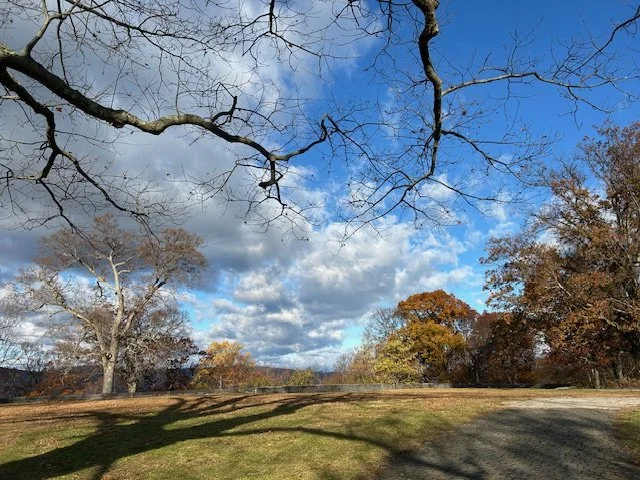
Photo by Carolyn Reiss
The Trees of Autumn
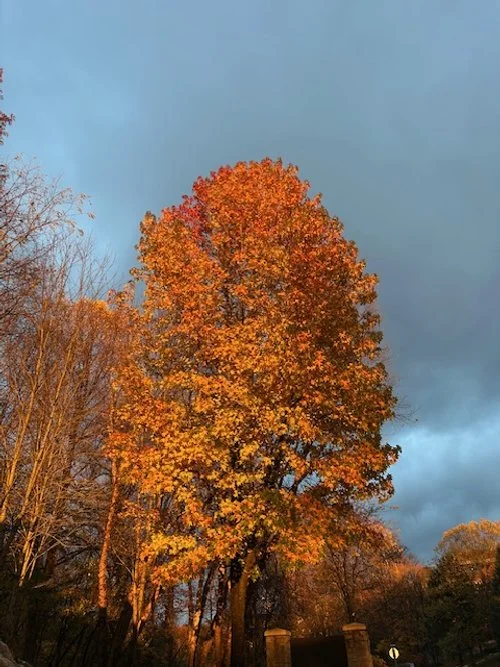
Photo by Edward Kasinec
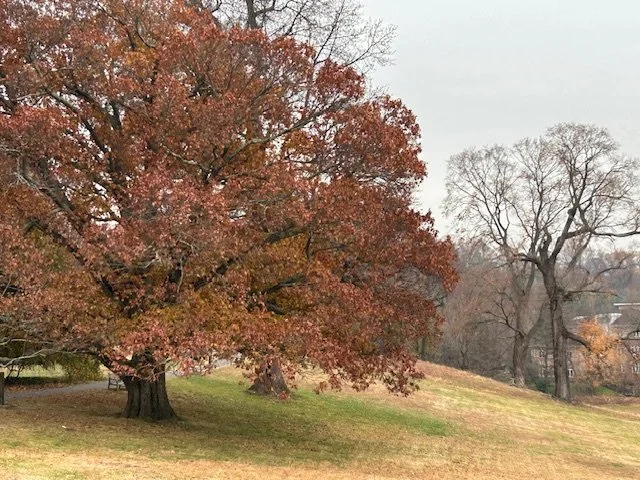
Photo by Carolyn Reiss
Building a Home in the Trees of Autumn
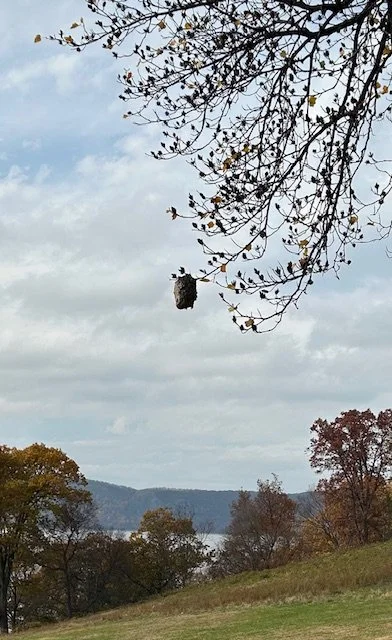
Wasps busy building a new home, photo by Edward Kasinec
When You’re Late Enough, You Can Watch the Glory of It All . . .
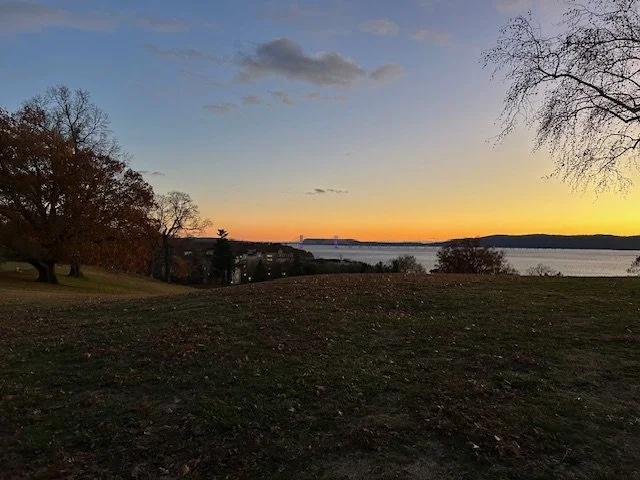
Photo by Edward Kasinec
Staff Appreciation
They cook, they clean, they get us where we’re going, they maintain the grounds, they organize meeting rooms, they do all kinds of lovely things—and they always call us by our names! Part of our Kendal community, they are our wonderful staff. And if you are appreciative, well, there’s the Staff Appreciation Fund drive alive and well and sitting in a box on the welcome desk in the lobby.
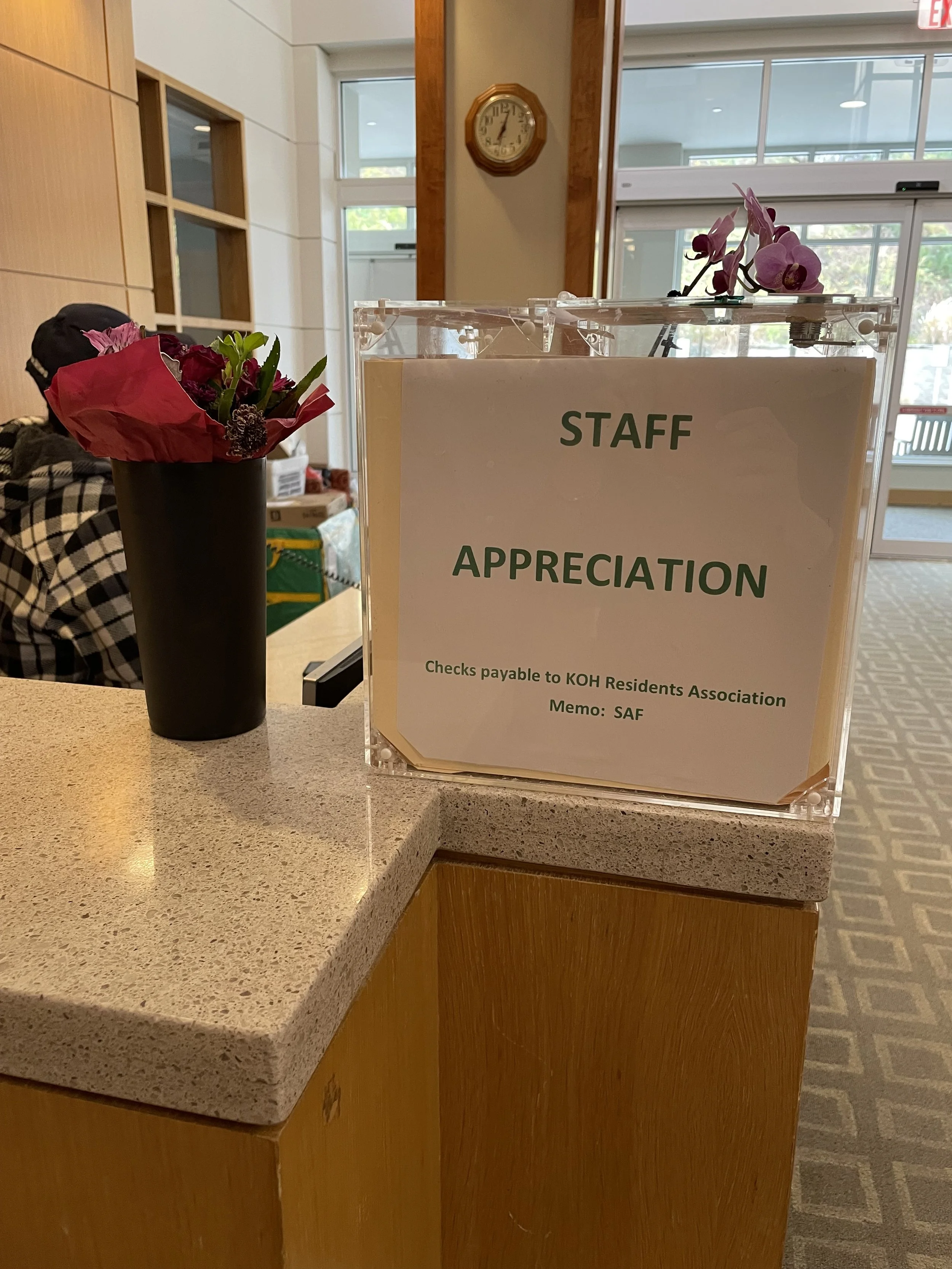
The basic ask is $250/per resident. Certainly if you can do more, it would be more than welcome. If you can do but less, that is appreciated, too. Please help us say Thank You in this Thanks-Giving Season.
Here There Be Angels
There are heroes among us—often grandparents. When tragedy happens and grandchildren are cut adrift from their parents, grandparents often step in, many on limited incomes. As primary caregivers, they make sure their grandchildren feel loved and supported—something that, for many, can be particularly hard during the holiday season. They spend what they can to ensure their grandchildren have gifts, often going without for themselves.
Ten years ago, our NY Senator in Albany—Andrea Stewart-Cousins—decided these heroes needed recognition. The Angel Project was born.

The project reaches out to these hero-grandparents for wish lists (totaling no more than $100). The Angel Project then matches these heroes with volunteer “angels” who fulfill those wishes. Last year 200 angels and grandparents participated.
“The Angel Project is our way of showing gratitude to the unsung heroes in our communities—grandparents who selflessly step up to raise their grandchildren,” Senator Stewart-Cousins explained. “This small gesture of thanks reflects the immense appreciation we have for their love and dedication. It’s truly heartwarming to witness so many ‘angels’ come together to make a difference.”
The Project partners with Family Service Society of Yonkers, Family Ties of Westchester, Westchester County DSS, and other agencies in Stewart-Cousins’ district. These agencies collect wish lists of up to three items from the grandparents they serve. That list is then shared with an assigned angel.
The deadline for signing up is coming up fast: November 25. If you would like to be an angel, whether returning or new, please click on the button below and complete The Project Angel form.
Or call Senator Stewart-Cousins’ district office at (914) 423-4031. You can also email for information by clicking on the button below. But please do it quickly.
All gifts should be received at Stewart-Cousins’ office, 28 Wells Avenue, 5th Floor, Yonkers, NY 10701, no later than Friday, December 12.
Presents should be wrapped or put in a gift box and labeled with both your name and the name of your grandparent. If you plan to have the gift or gift card mailed or delivered to the district office, please ensure it will arrive in time. Note: Delivery services like Amazon do not deliver to the district office on weekends or after 5 pm.
On December 17, The Angel Project hosts a holiday lunch at Castle Royale from noon to 2 pm. There, angels will have the opportunity to present their gifts to the grandparents whose wishes they’ve fulfilled. If an angel cannot attend, someone will present the gift on that person’s behalf.
Think about it: If you choose to be a 2025 angel, your generosity will bring joy to a grateful hero-grandparent this holiday season.
Weekly Construction Report
Due to the Thanksgiving holiday, construction will stop at Noon starting Wednesday, November 26, and will resume on Monday, December 1. This Monday and Tuesday the demo will continue in the main kitchen area.
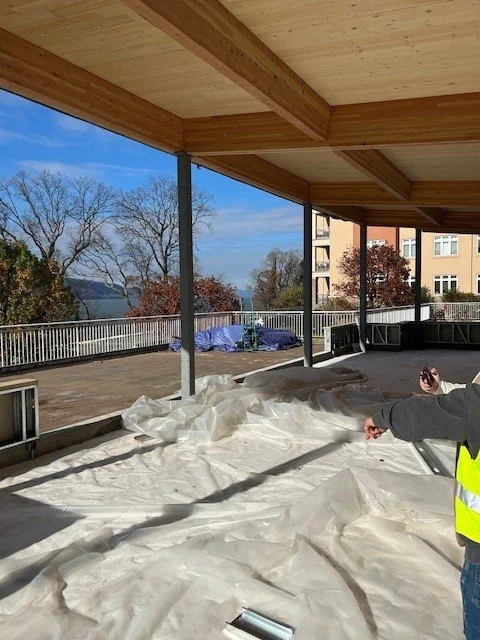
On Monday, December 1, construction work will begin in the ceiling outside of PT/OT on the Terrace Level. There will be room for you to walk; however, please be cautious as parts of the hallway will be a construction area. Pike Construction will put up barriers around the area where they will be working.
There will be no construction update on Friday, November 28.

The Main Kitchen Demo and the view from the new Terrace Lounge:


From the Office of Ellen Ottstadt
What's So Punny?
The fattest knight at King Arthur’s round table was Sir Cumference. He acquired his size from too much pi.
I thought I saw an eye-doctor on an Alaskan island, but it turned out to be an optical Aleutian.
She was only a whisky-maker, but he loved her still.
A rubber-band pistol was confiscated from an algebra class, because it was a weapon of math disruption.
No matter how much you push the envelope, it'll still be stationery.
A dog gave birth to puppies near the road and was cited for littering.
Contributed by Barbara Wallach
To Be Continued . . .
I Never Knew That
Noon Used to Be Around 3 PM
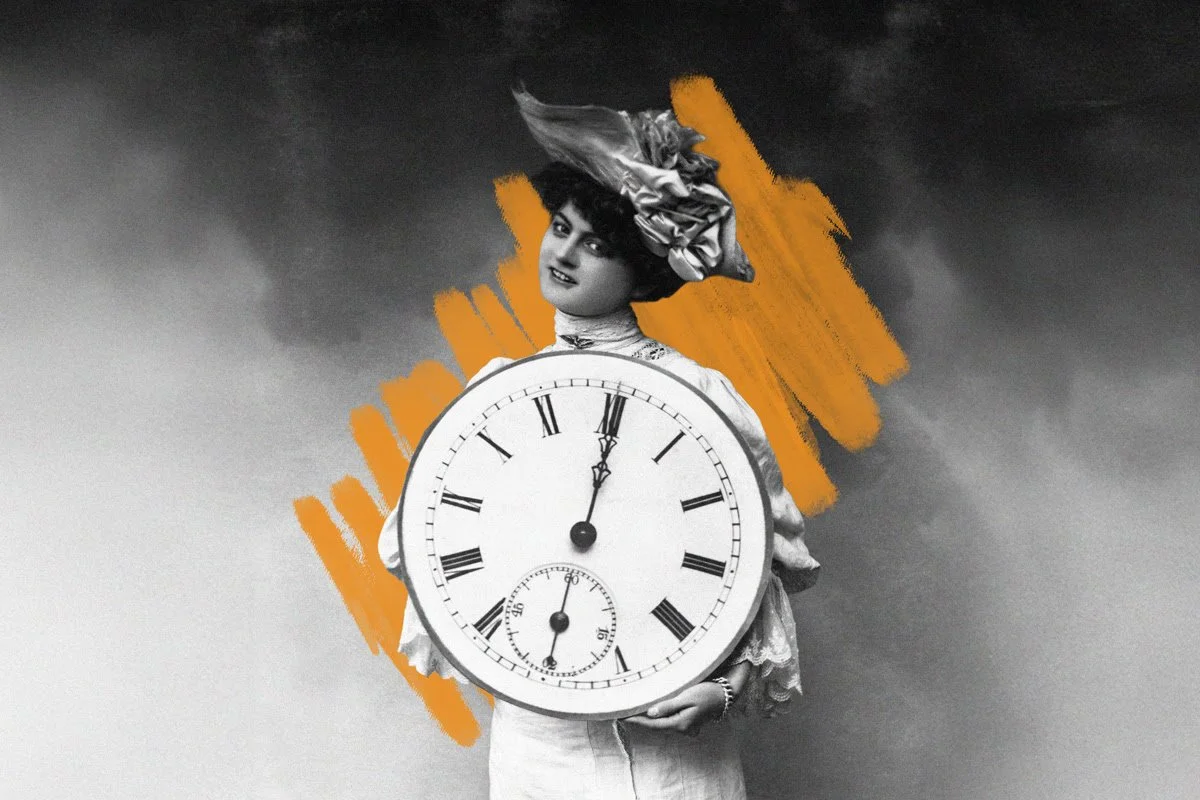
“Noon” and “midnight” are tidy designations of time, both marking the point when an analog clock starts another 12-hour cycle. But the word “noon” took a little bit of a journey around the clock before arriving at its current location.
The root of the word “noon” is the Latin nonus, meaning “ninth,” which became nōn in Old English and Middle English. The word marked the ninth hour after sunrise. This made “noon” a bit of a moving target, but a 6 am sunrise, for instance, would put noon around 3 pm.
It may have been fasting monks that caused noon to shift earlier in the day. The ninth hour is significant in Christian liturgy as time set aside for prayer, known as nones, and it was particularly important in early monastic traditions. Because monks were often required to fast until then, one prevailing theory as to why the ninth-hour prayer started drifting earlier is that people were getting hungry. The Roman Catholic canonical hour of nones remained at 3 pm, but by the 14th century “noon” referred to a new time of day, when the sun was highest in the sky.
Source: historyfacts.com
Contributed by Jane Hart