
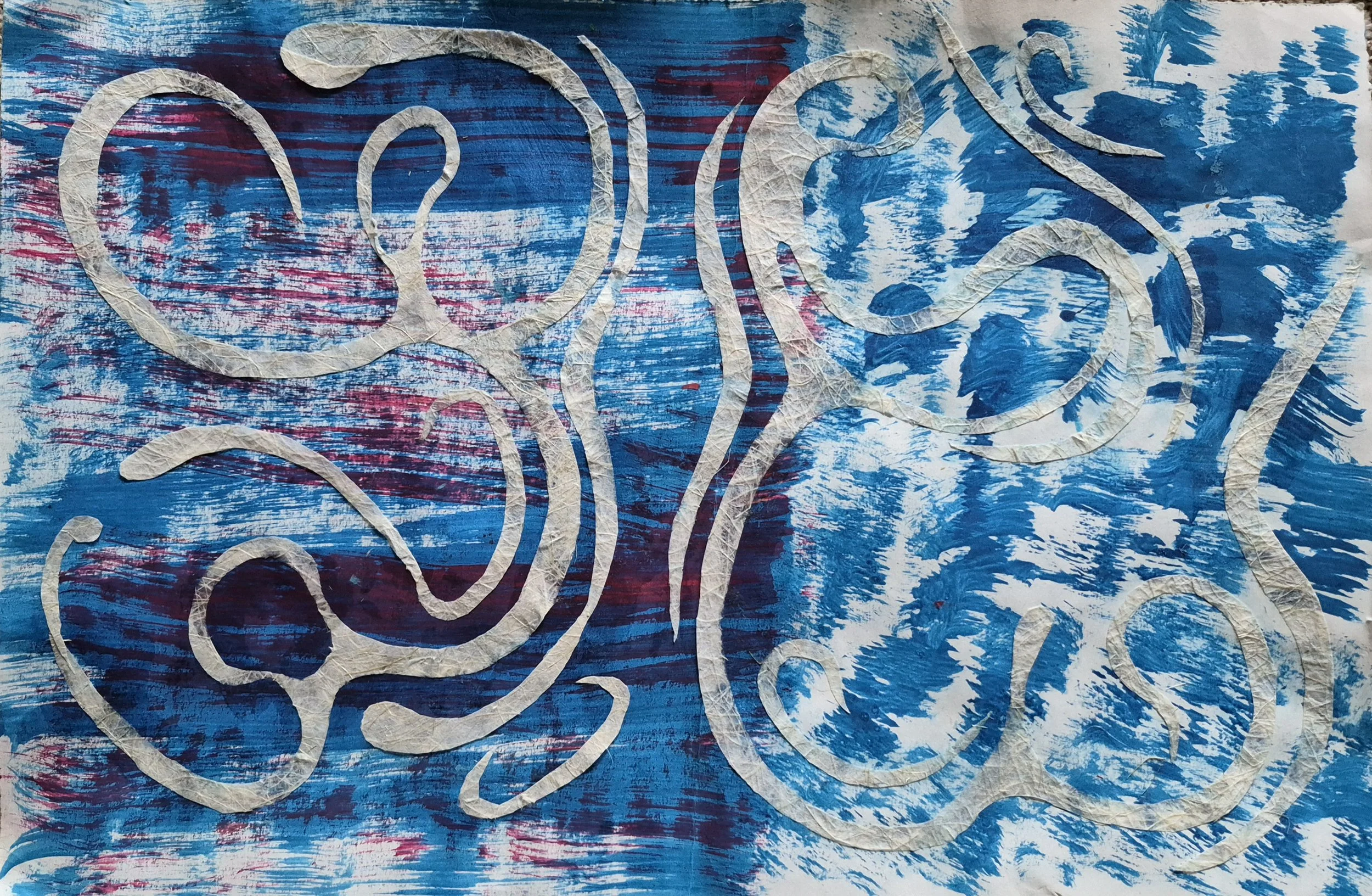
Art and photo by Sheila Benedis
Art by Hart

After only a year at beauty school, Kevin could do a snazzy permanent wave

Brenda June, the last of the fabulous Unicorn Sisters, was still performing at a tumbledown roadside cafe
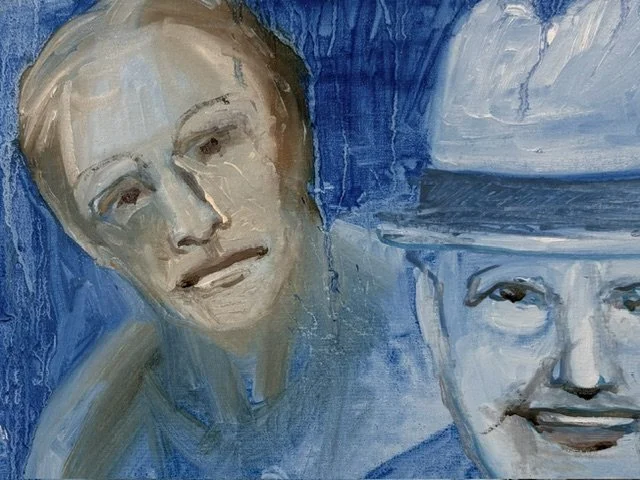
Lancaster had never understood his grandfather’s jokes
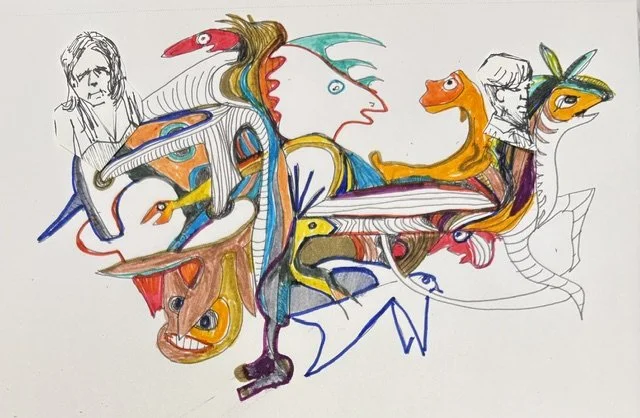
The office was much more relaxed in the summertime
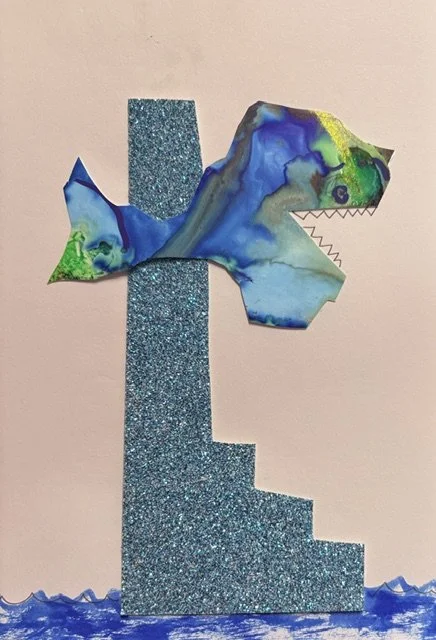
At last Meeker felt like a real New Yorker
Art and photos by Jane Hart
In and Around Kendal
August Birthdays
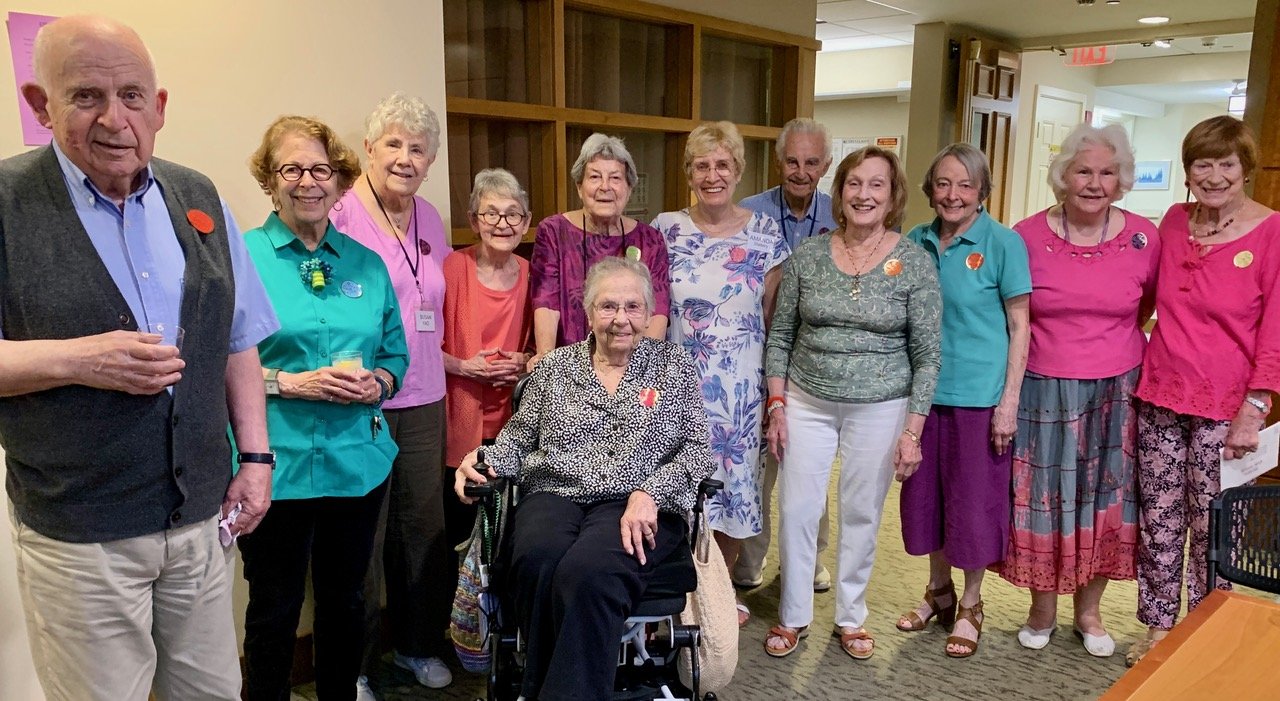
Photo by Harry Bloomfeld
Summertime: And Not Much Happenin’
Photo by Philip Monteleoni
Early Morning Kendal

Photo by Lynn Brady
Onward and Upward
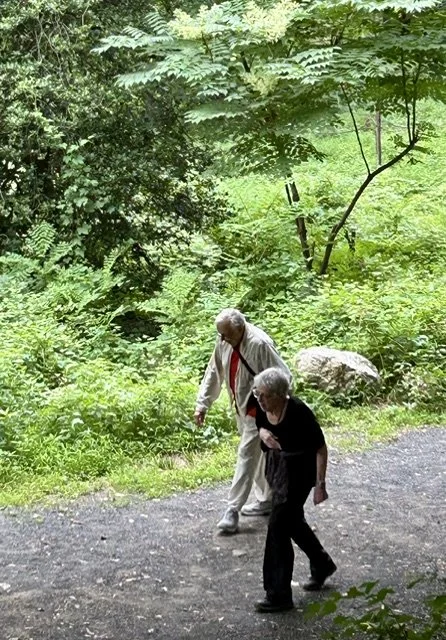
Intrepid Kendalites scale the arduous trail to the top of the Kendal Mount, by Carolyn Reiss
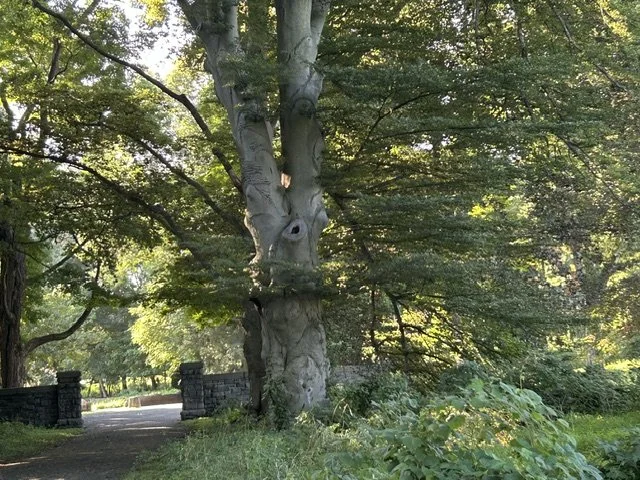
The top of the Mount, by Carolyn Reiss
Olmstead’s “Secret Garden”

Photo by Edward Kasinec
Kendal’s Entrance Garden
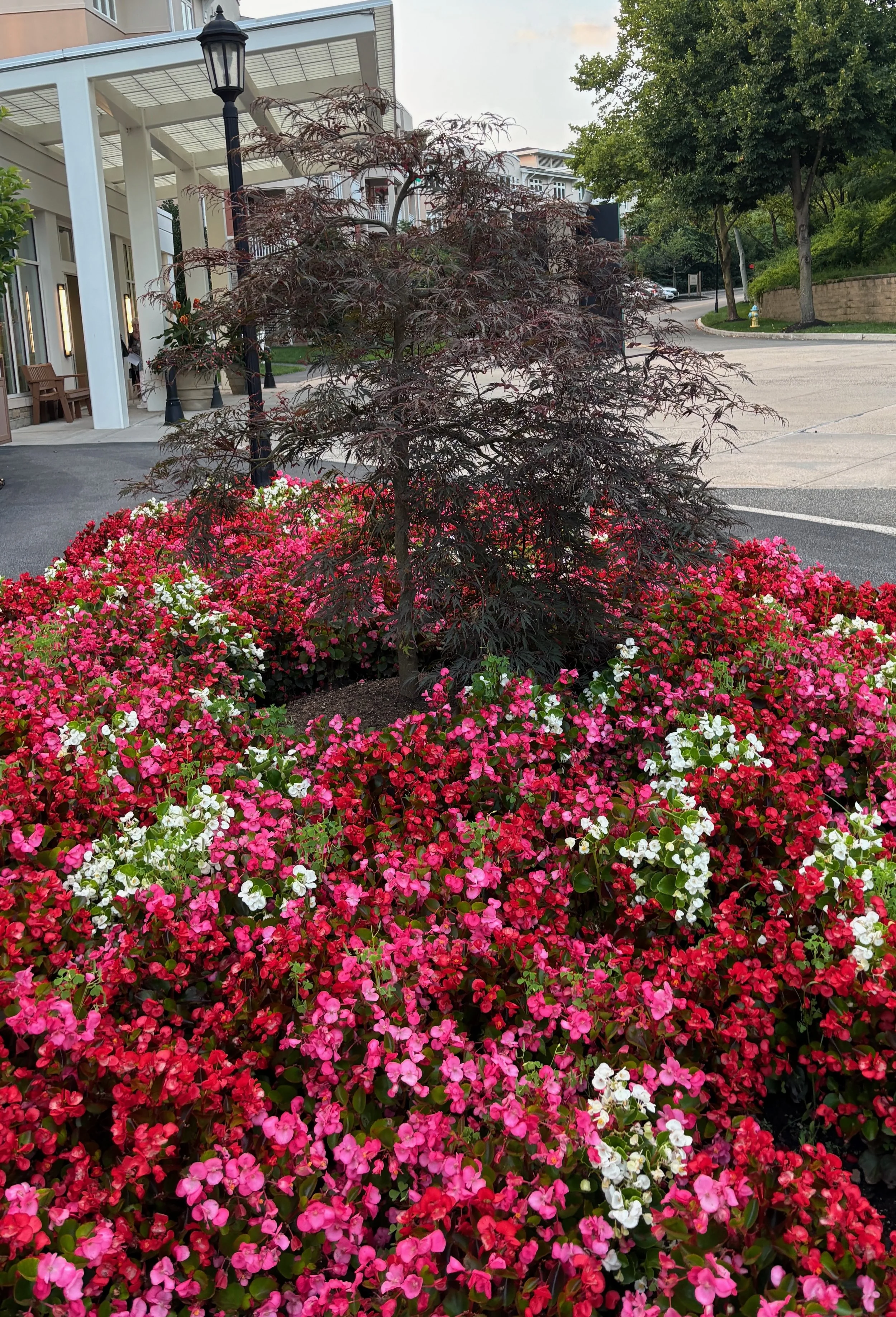
Photo by Lynn Brady
Gettin’ Out the Vote: This Is What Democracy Looks Like
Periodically, there are calls to send postcards calling to get out the vote. Many Kendalites respond. In 60 minutes, some 14 people—at one four or five of the postcard parties recently hosted in Kendal apartments— wrote 400 postcards encouraging people to vote.
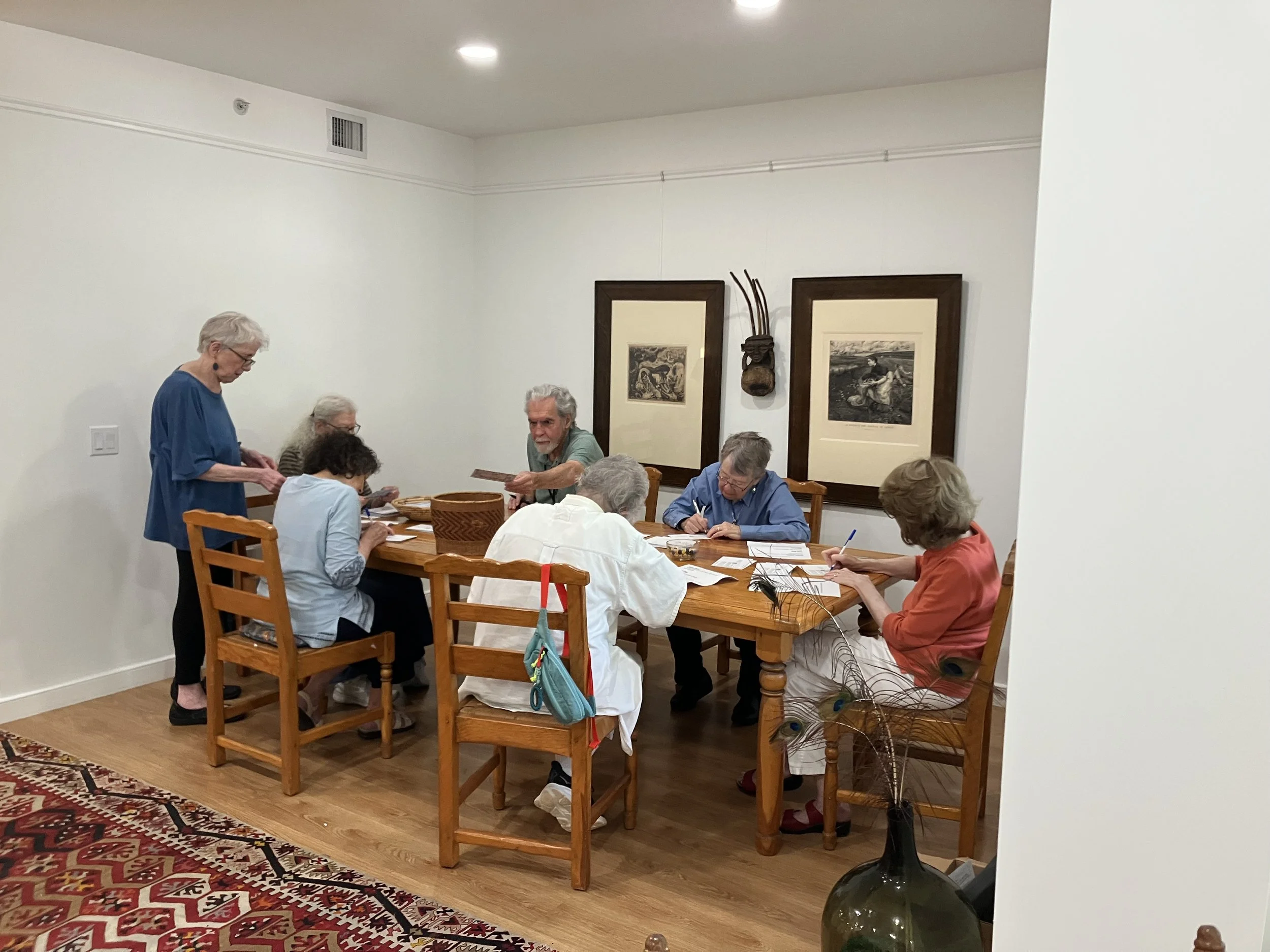
Photo by Bob Abramovitz
The Glorious Finishing Touch at the End of Day

Photo by Harry Bloomfeld
Out and About
A Week Spent in Natural Beauty of the Outer Banks
Aruna Raghavan recently spent some time chillin’ out with family in the Outer Banks of North Carolina. They enjoyed the beauty of the area from Sunrise . . .

to Sunset . . .

Photos by Aruna Raghavan
The Philosopher of the Pleasantville Farmers Market
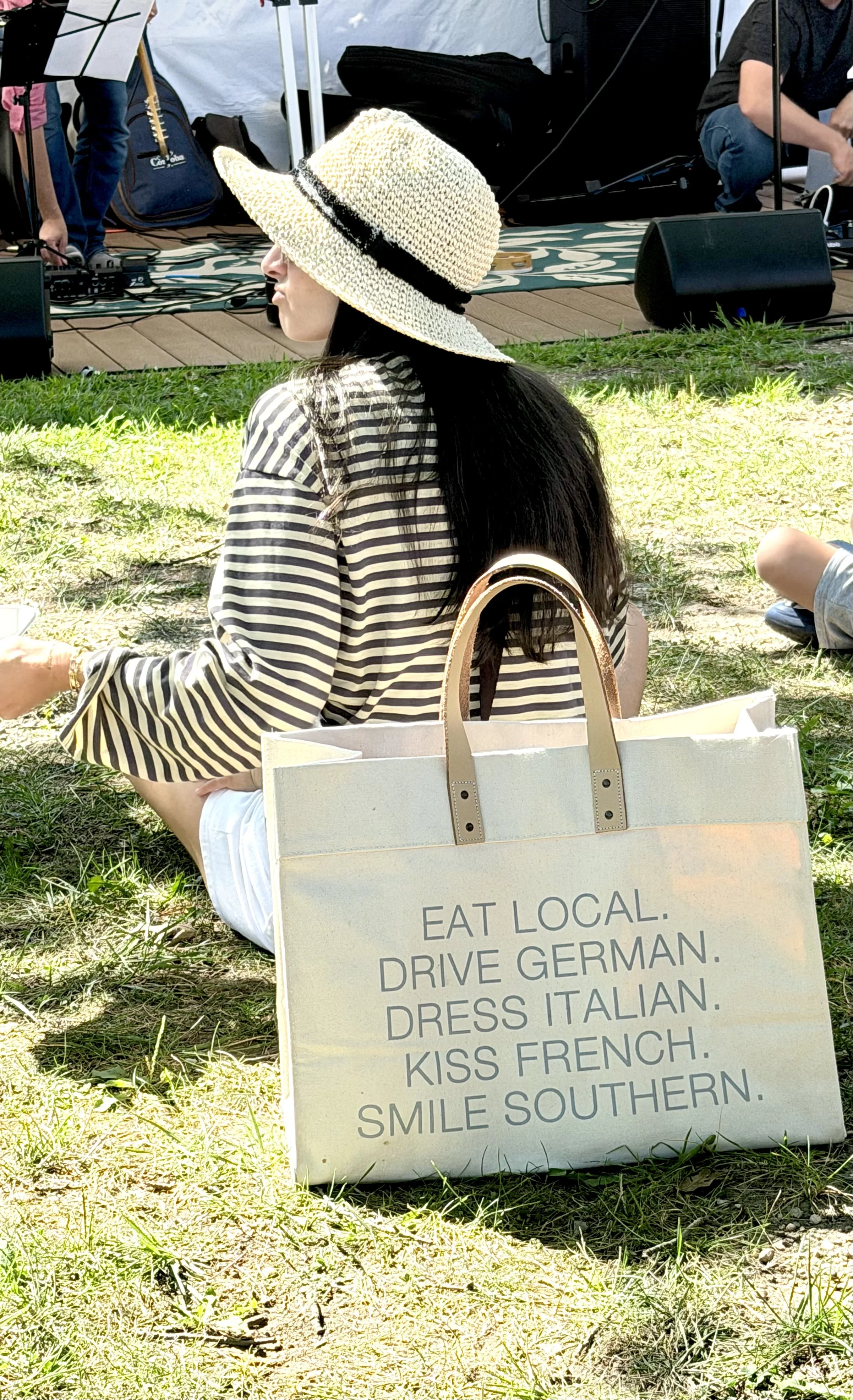
Photo by Ed Lannert
The Art of the Peel--Orange You Glad?
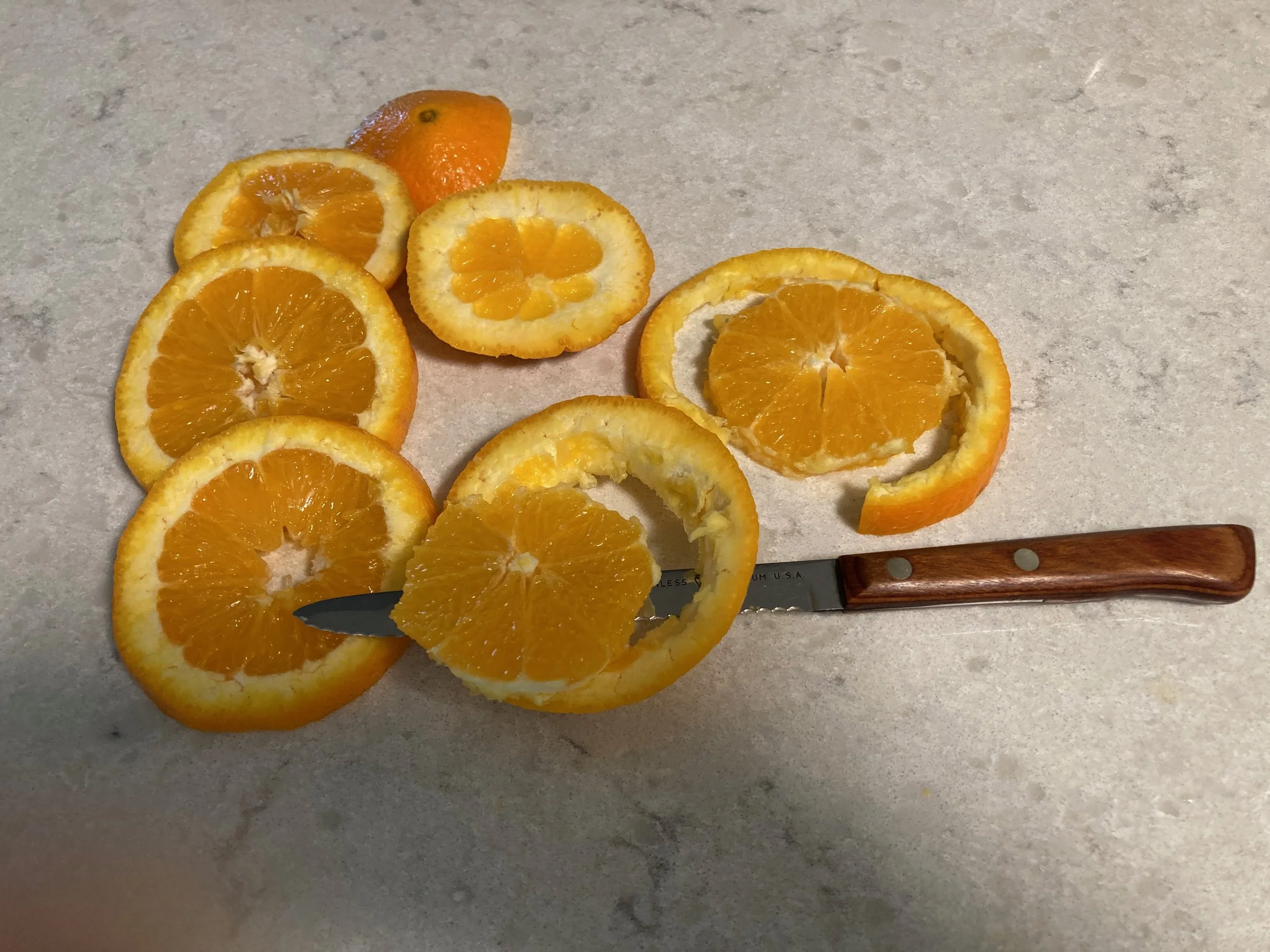
First, slice the orange through the equator. Then slice concentric circles to the north and south poles of the orange.
Note: If the orange slices are aimed for a pitcher of sangria—actually, the recommended use for a sliced orange—don’t even bother removing the skin.
Photo by Marianne Bloomfeld
Weekly Construction Report
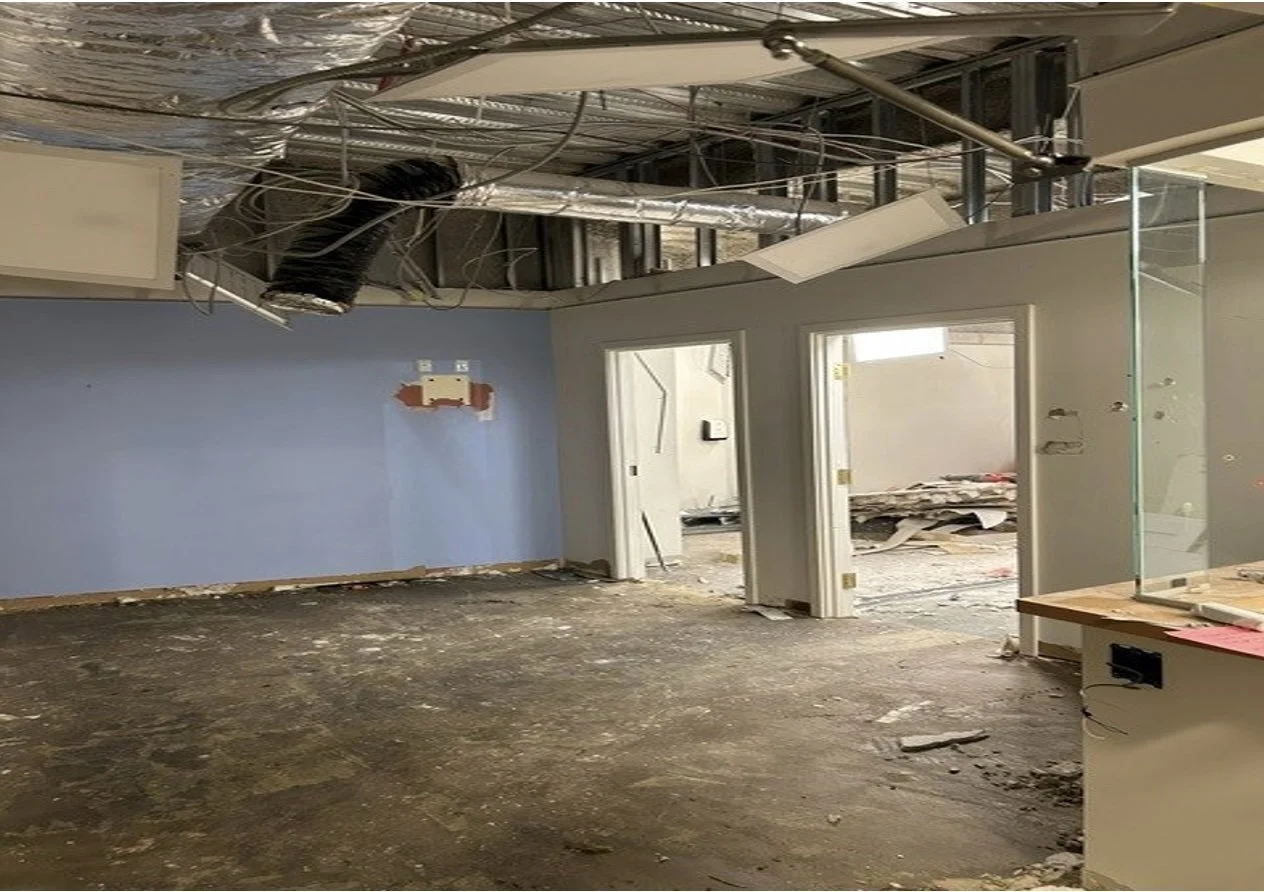


From the Office of Ellen Ottstadt
Are You a TaSH Aficionado? Then Make Your Voice Heard!
You have until Sept 30 at 5 pm. But why not do it now?
Just So You Know . . .
I got rid of my vacuum. All it was doing was collecting dust.
Looking to buy chicken broth in bulk? Try the stock market.
No matter how much you push paper, it’ll still be stationery.
It’s hard to explain things to kleptomaniacs. They always take things literally.
To err is human. To blame other people is management.
The past, present, and future walk into a bar. Things were tense.
I stayed up one night wondering where the sun was. Finally, it dawned on me.
I skipped work because of an eye problem. I couldn’t see myself in the office today.
Today I got rid of some dead batteries. I gave them away, free of charge.
Contributed by Joe Bruno
I Never Knew That
The Real Story Behind “Hound Dog”
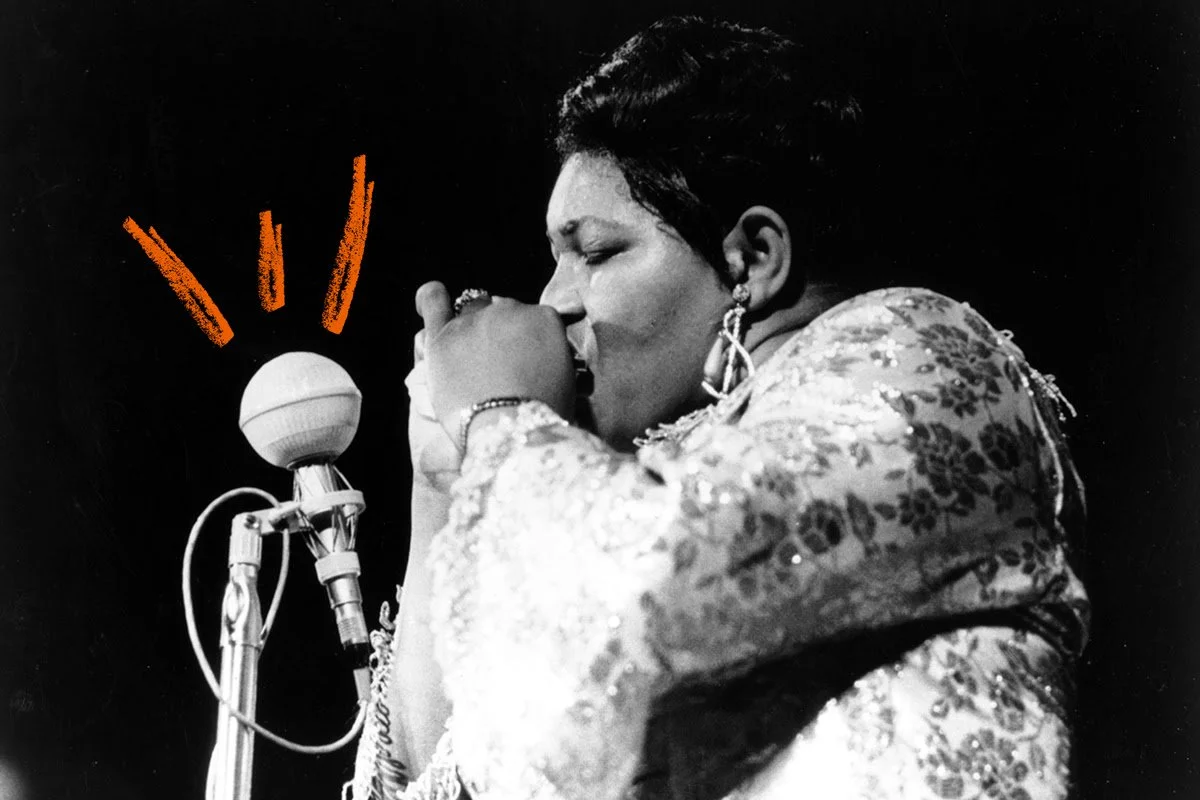
August 13, 1952: Willie Mae “Big Mama” Thornton—the “biggest, baddest, saltiest chick” in blues music—recorded “Hound Dog.” True to her reputation, she gave the song everything she had—and changed rock and roll history. “Hound Dog” had Willie Mae Thornton’s name on it from the get-go. And a ferocious performance with Johnny Otis’s band at Harlem’s Apollo Theater would soon earn her the nickname “Big Mama.”
Otis had an impeccable eye for talent (one of his other discoveries was R&B great Jackie Wilson). He asked Jerry Leiber and Mike Stoller, two teenage songwriters, to meet with Thornton. Leiber said, “We saw Big Mama and she knocked me cold.” That first impression inspired them to write “Hound Dog,” a song about a woman who won’t put up with any more of her man’s cheating and mooching. Thornton didn’t just sing the lyrics, she screamed and growled them. “You ain’t nothin’ but a hound dog / quit snoopin’ ’round my door.” As if she knew exactly what kind of man those words were about.
“Hound Dog” was released in 1953 and spent seven weeks at the top of the Billboard R&B chart. Thornton became a star.
Another singer also found success with the song a few years later. You may have heard of him: Elvis Presley. His version, released in 1956, topped the pop, country, and R&B charts and launched the young rocker’s career straight into the stratosphere. (Thornton reportedly wasn’t thrilled about Presley’s success with the song, probably because she wasn’t given much credit for the original.) But some people think Big Mama grasped the song’s meaning better than Elvis did. As Stoller once said, “She was singing to a man. And he was singing to a dog.”
Source: Britannica, Today in History, René Ostberg, August 13, 2026
For Your Funny Bone

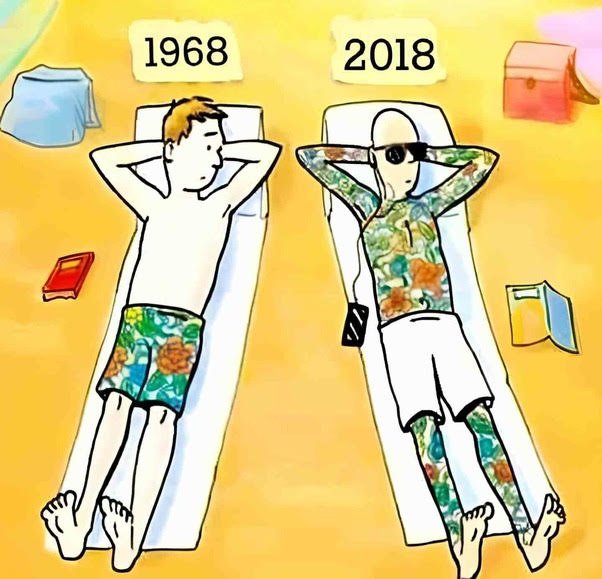
Contributed by Mimi Abramovitz
Art by Hart
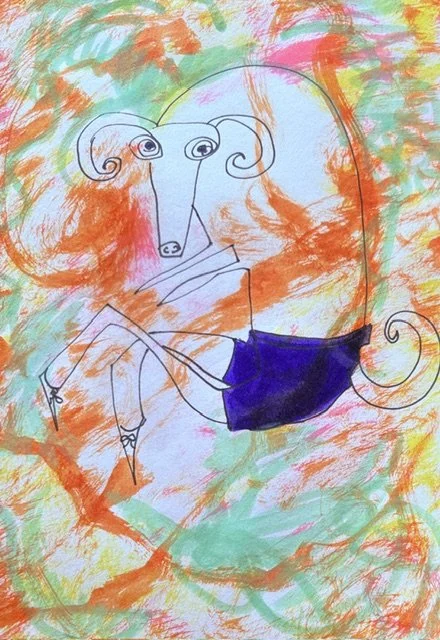
Elliott’s smoothie blender top never fit snugly enough
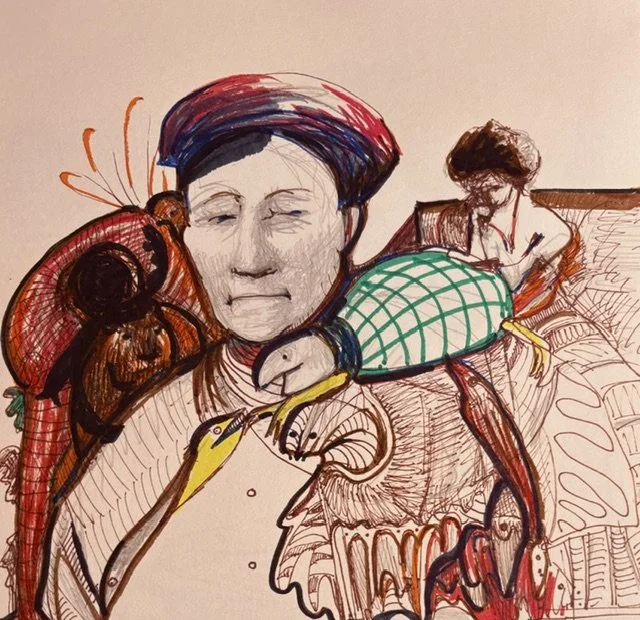
Mrs. Driggs often thought about her loved ones

Carling couldn’t tell the difference between a honeybee and a murder hornet

Amazingly, Pruitt’s rubber band ball had a sense of humor
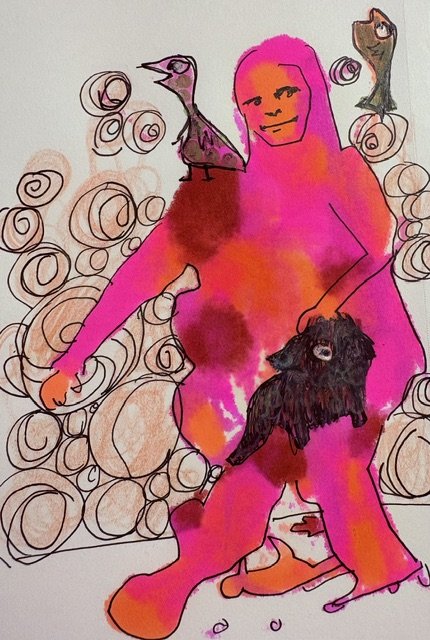
The elite bubblegum team was ready to rock and roll
Art and photographs by Jane Hart
Hope XIX Collage, by Shiela Benedis
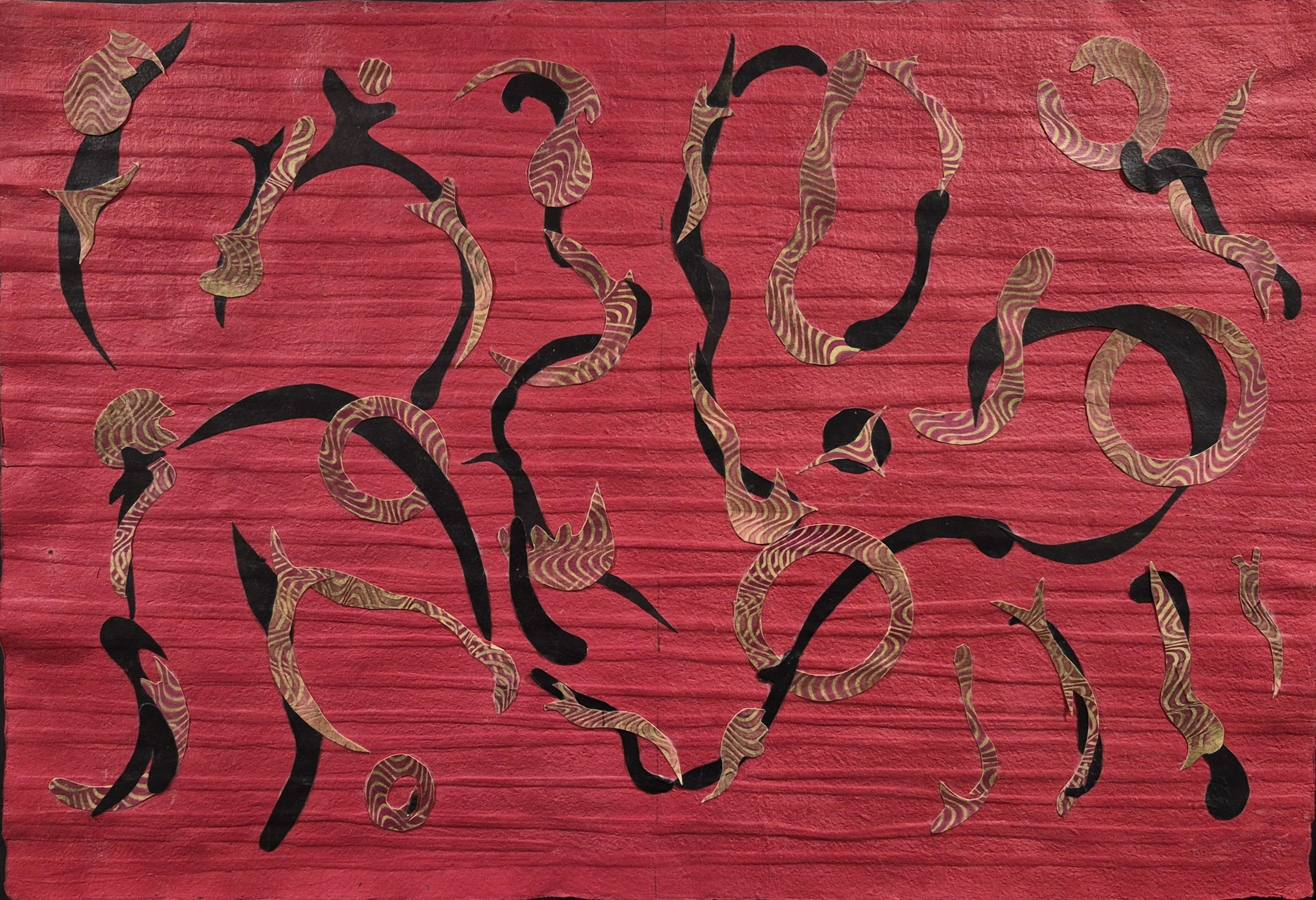
Art and photo by Sheila Benedis
In and Around Kendal
Mornin’, Glory
These days, Gretchen Engler is greeted each morning by this magnificent sight on her balcony:
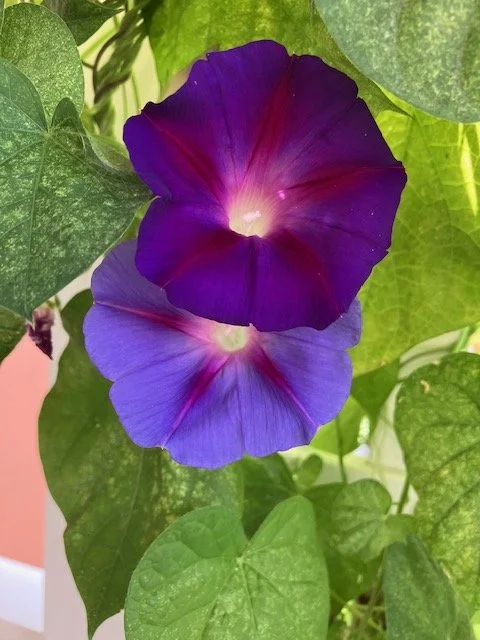
Photo by Gretchen Engler
Barges Racing on the Hudson?

Photo by Joe Bruno
A Beautiful “Welcome” at the Entrance to Kendal

Photo by Peter Catapano
An Unexpected Visitor
Maggie Limberg reports that, for two weeks or so, she has had a visit by a little “hummer” who seems particularly fond of her flowering Haworthia.

Photo by Maggie Limberg
Low-Income Housing Underway in Rockwood

Martins should be moving in soon, no doubt, by Edward Kasinec
No Goats, But . . .
“Our” goats are no more, but enter, stage right—wait for it—turkeys!

Mom vigilant and on guard, by Carolyn Reiss
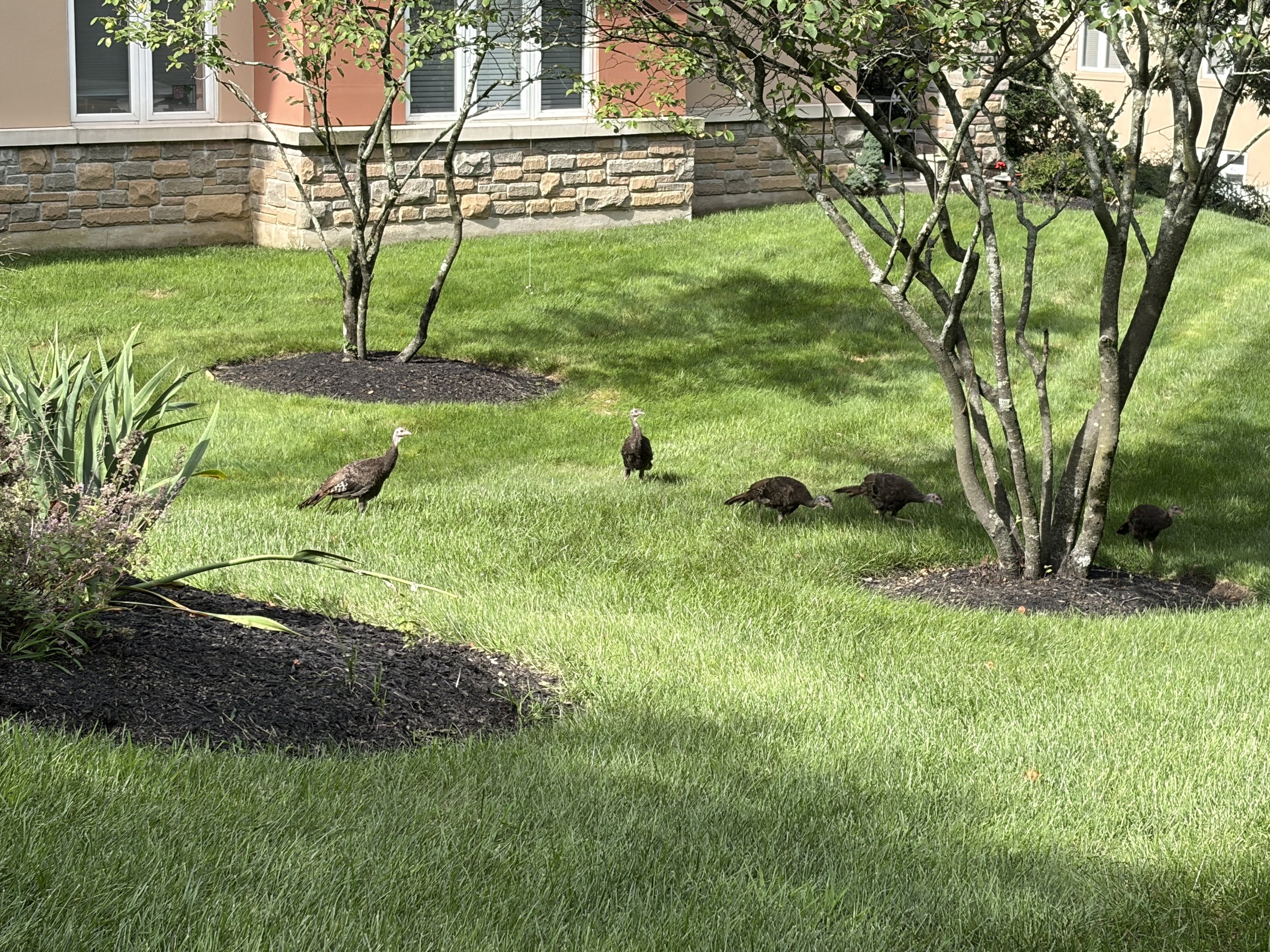
A family affair, by Lisa Rosenbloom
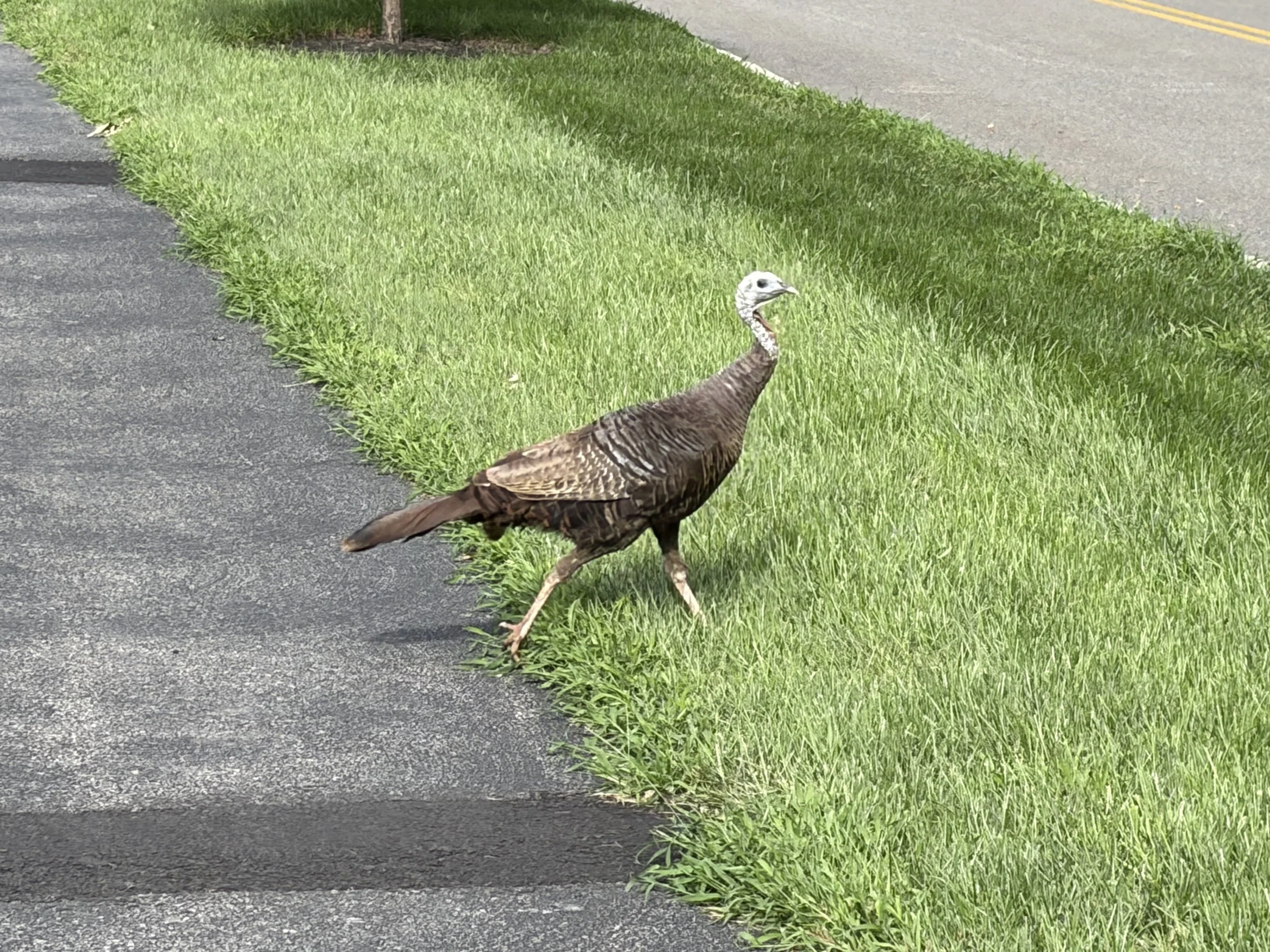
Mom leads the way, by Lisa Rosenbloom
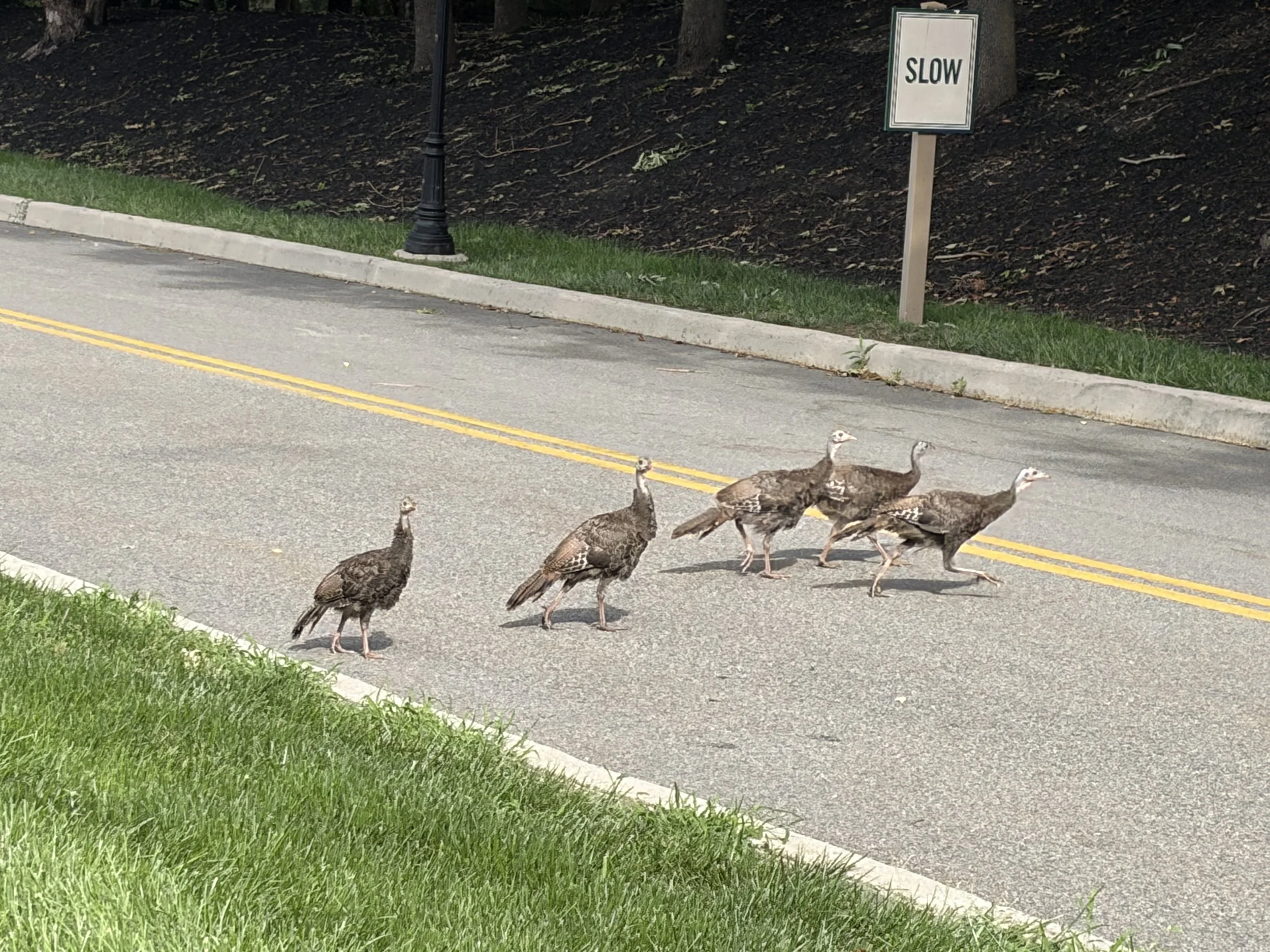
Why did the turkeys cross the road? Well, naturally, upon advice of the chickens. Photo by Lisa Rosenbloom
Beauty at the Close of Day

Photo by Lynn Brady
Out and About
Meet and Greet and Hope for a Treat: a Canine’s Visit to TASH
Recently, Janet Sawyer visited the Tarrytown and Sleepy Hollow (TASH) Farmers Market, and found a whole new world there: a dog’s world.

“Well, hello, what’s your name?”
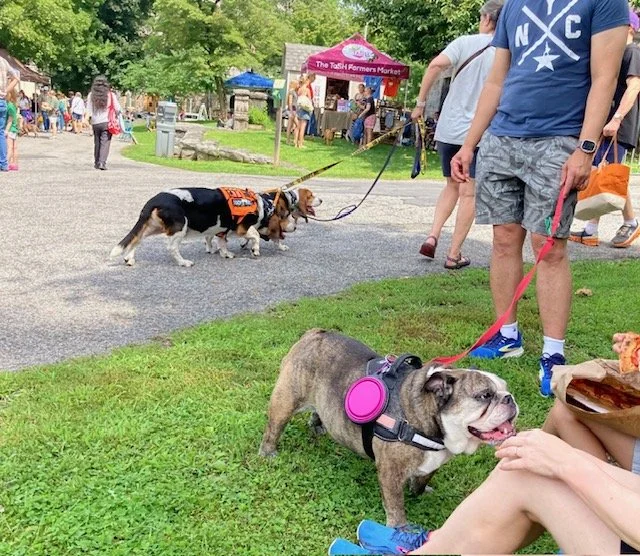
“What ‘cha got there? How about sharing?”
Photos by Janet Sawyer
The Art of the Peel . . . Yes, There's More!
It all depends on how you slice it. And in this continuing saga, “it” is an orange. First off:
The Emil Bahary Technique
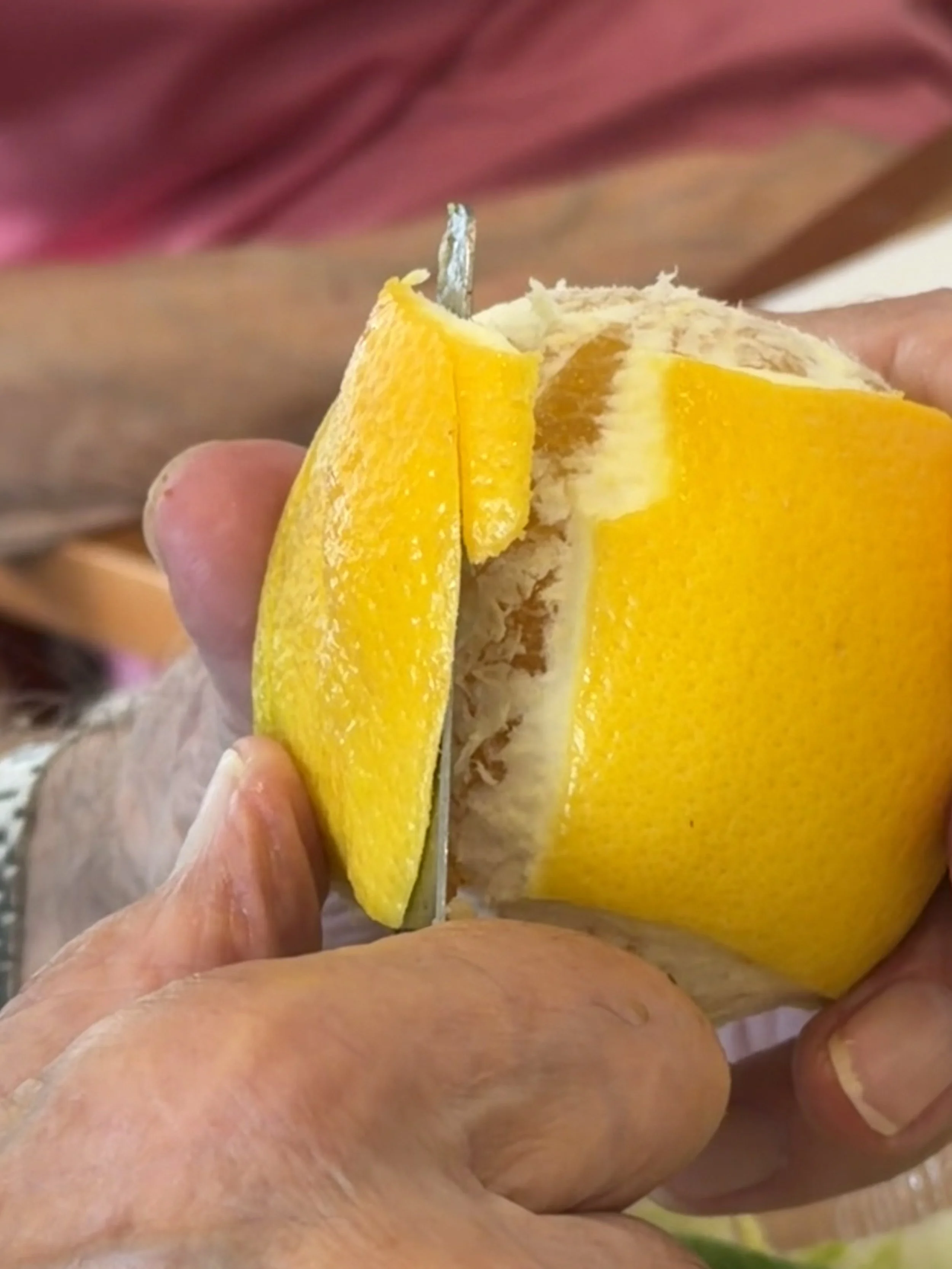
Score the section to be removed, start by gently lifting . . .
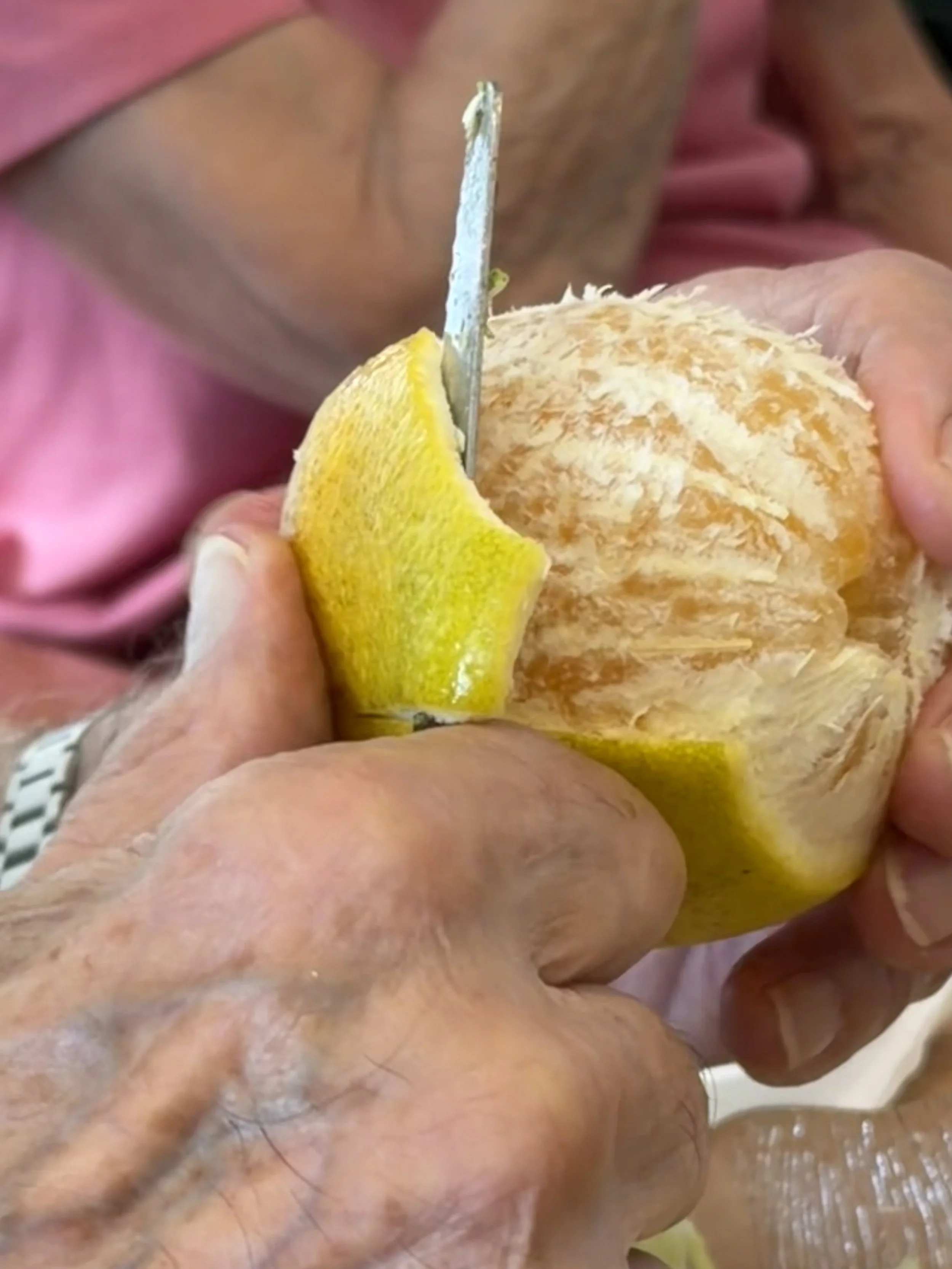
Accomplish the curve and complete that section’s removal. Then work around the orange while it is still whole.
Photos by Ed Lannert
Yet Another Bloomfeld Technique
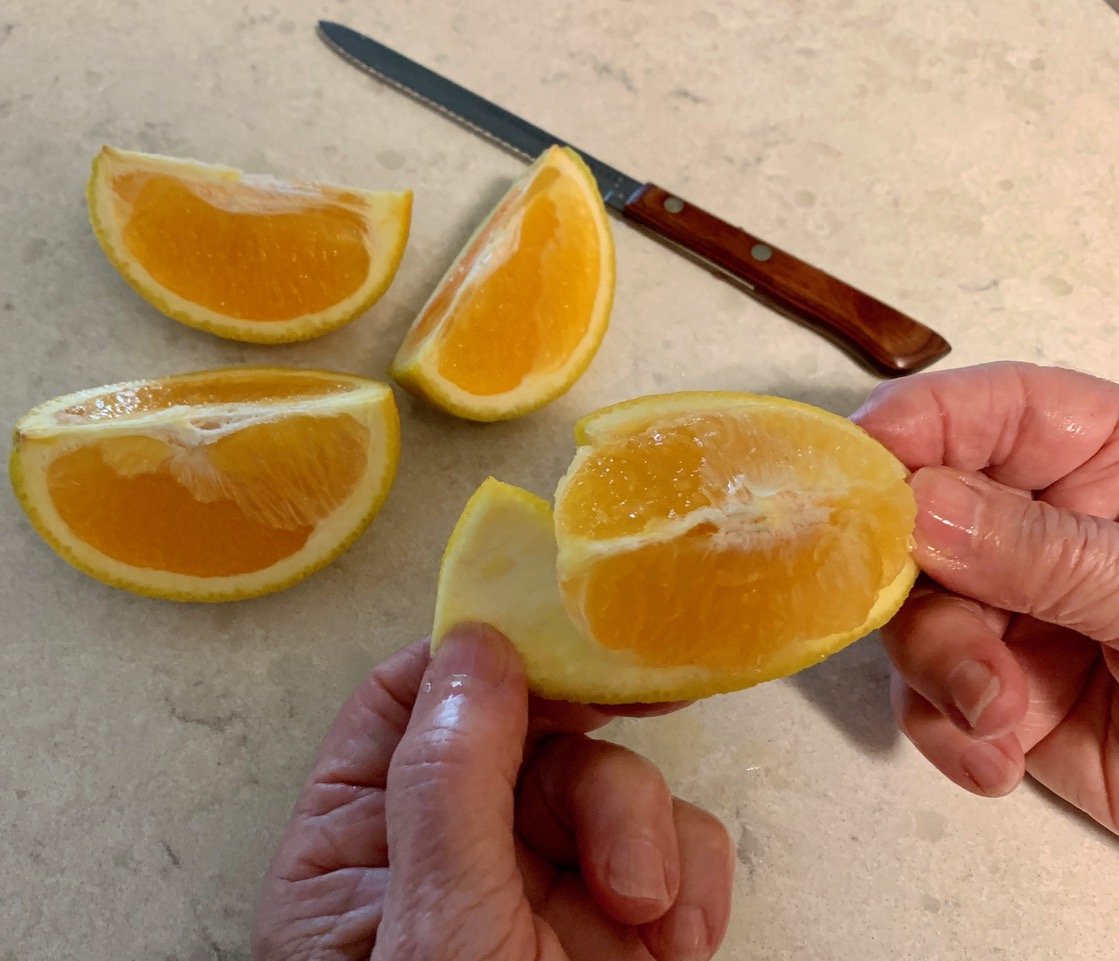
Known as the Martial Art Approach, two karate chops make four quarters which you can peel by folding back the rind and eating directly therefrom. This can be a somewhat messy method and requires a face-wash afterwards. As for the aforementioned karate chop: Yes, you make a quick, forceful, downward blow with the side of your hand to split the orange. (Marianne assures us that the knife is merely there for show. Uh huh.)
Photo by Harry Bloomfeld
Weekly Construction Report
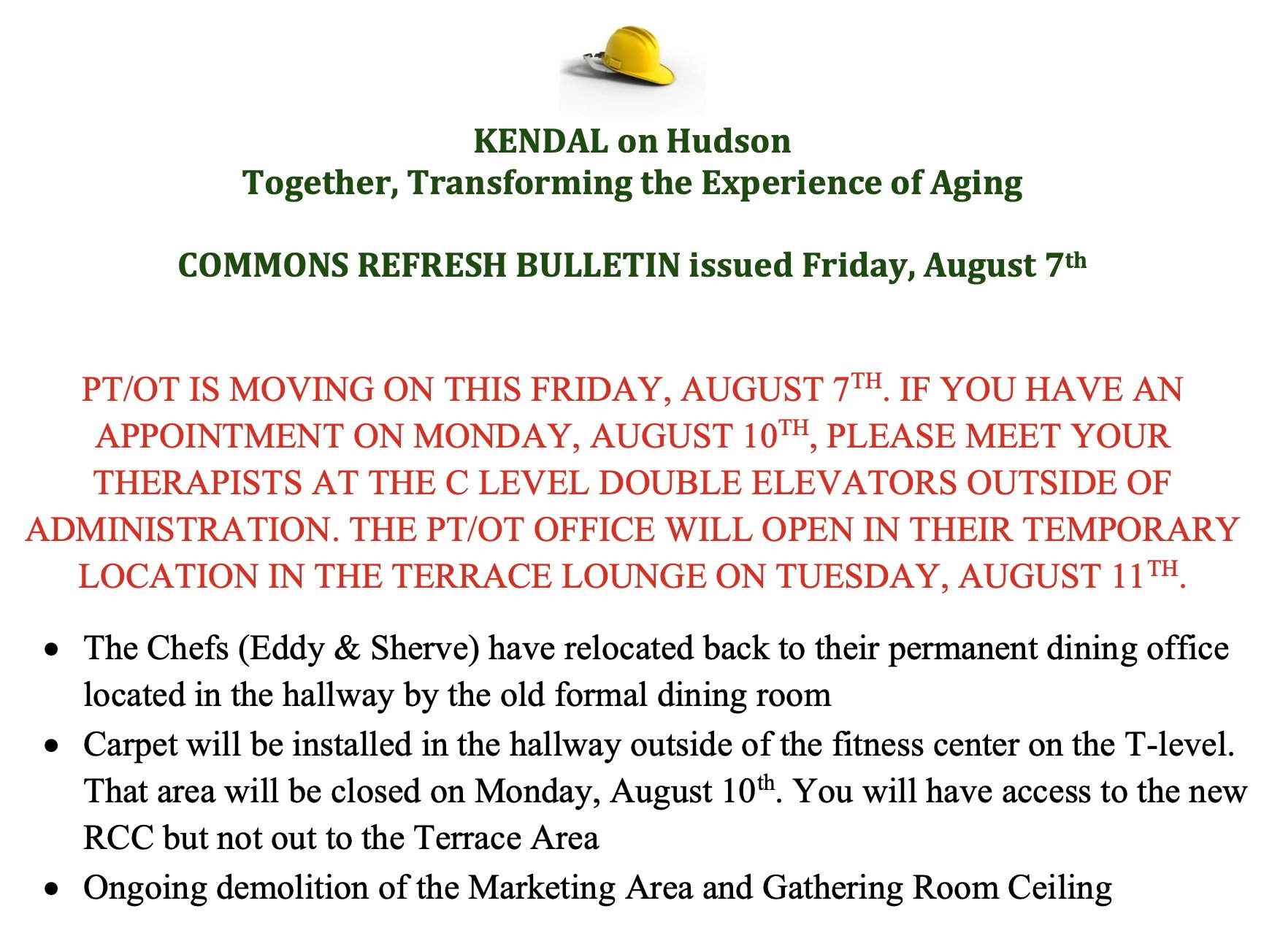



From the Office of Ellen Ottstadt
Phelps Blood Drive Comin' Up
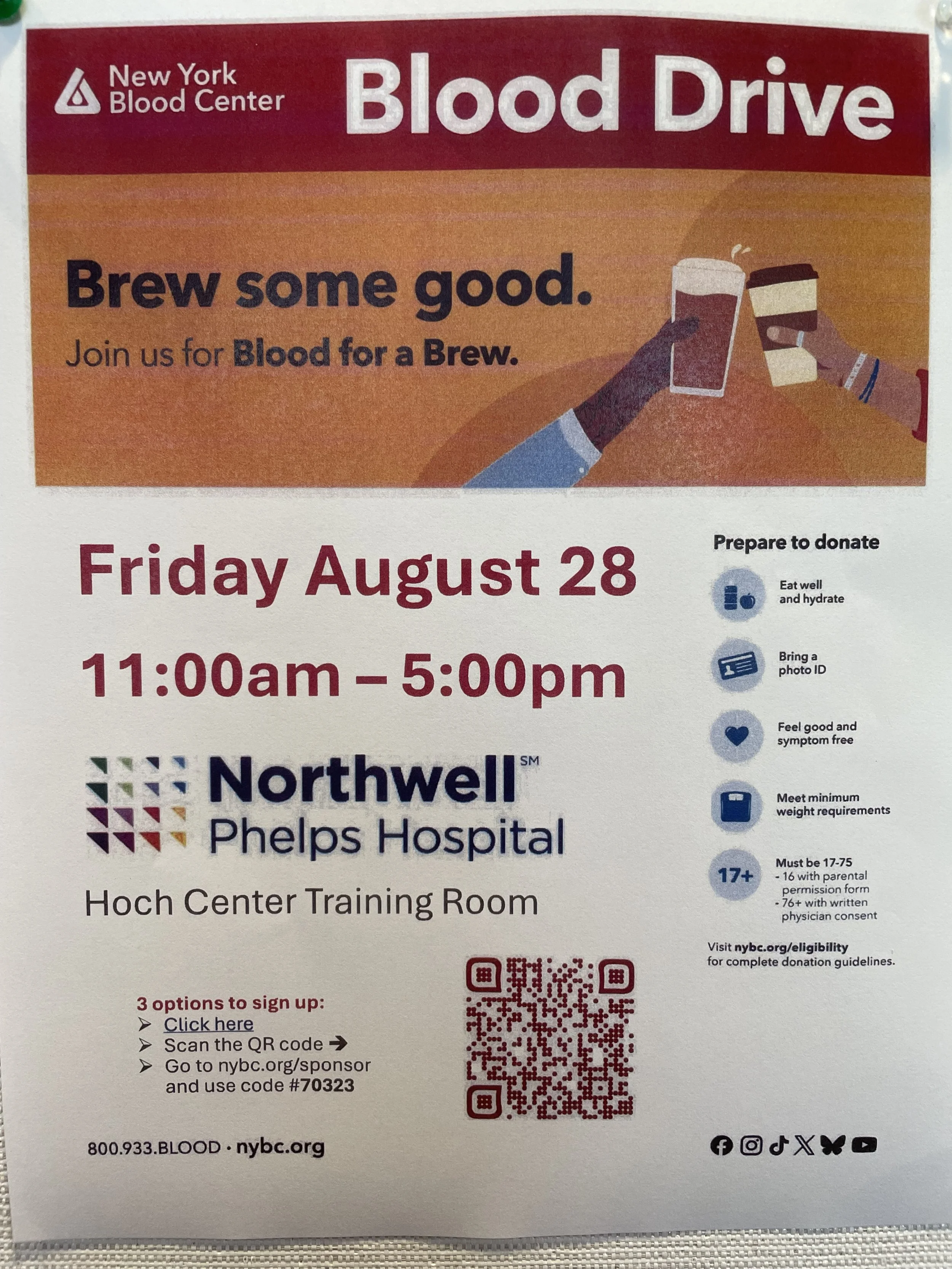
Note the small print: If you are 76 or over, make sure you go with written physician consent.
I Never Knew That
Twelve Classic Foods Invented by Accident
Some of our most well-known foods and snacks weren’t planned at all; they were what we call serendipity: happy accidents born from spills, mix-ups, or kitchen improvisations. Can you imagine a world without potato chips? Or Coca-Cola? From small-town diners to curious labs, these 12 inventions have managed to survive to this day.
Potato Chips
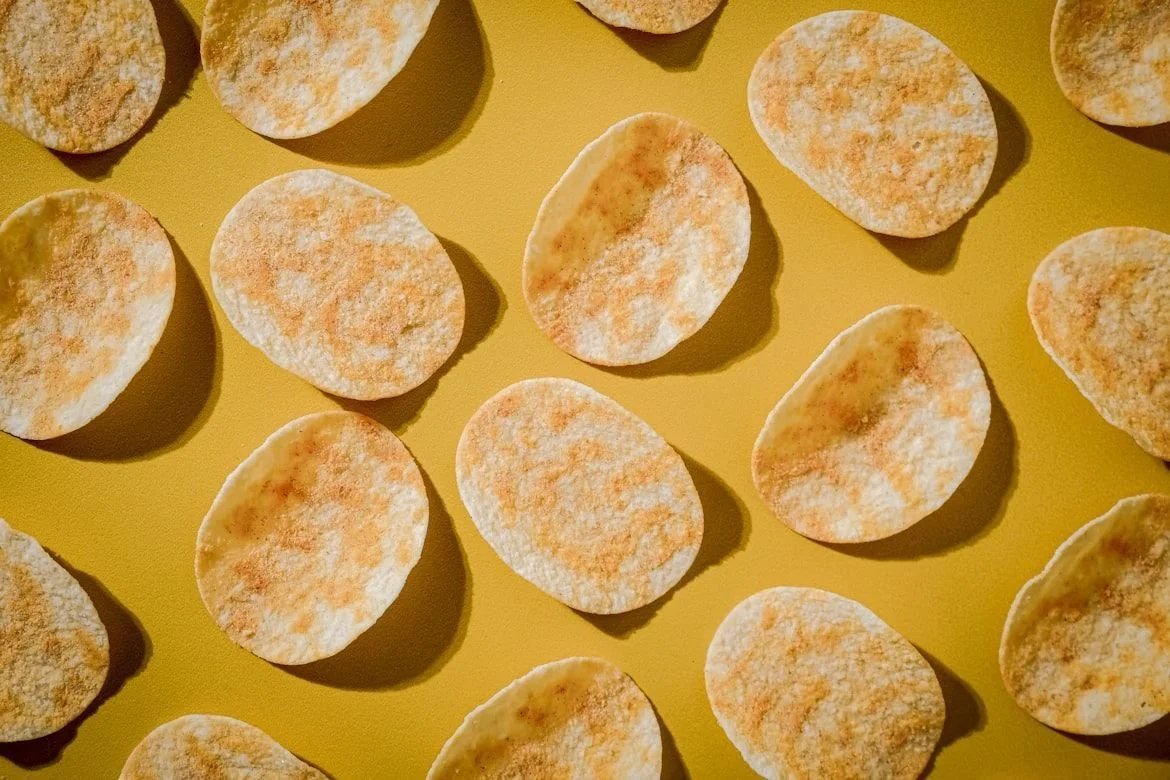
Image by Jeff Siepman
Back in 1853, a cranky diner in Saratoga Springs, New York, complained that his fries were too thick. Irritated, Chef George Crum sliced them paper-thin and fried them crisp to prove a point. To everyone’s surprise, the customer loved them. What began as a moment of frustration turned into America’s favorite salty snack, inspiring an entire industry of chips and flavors.
Popsicles
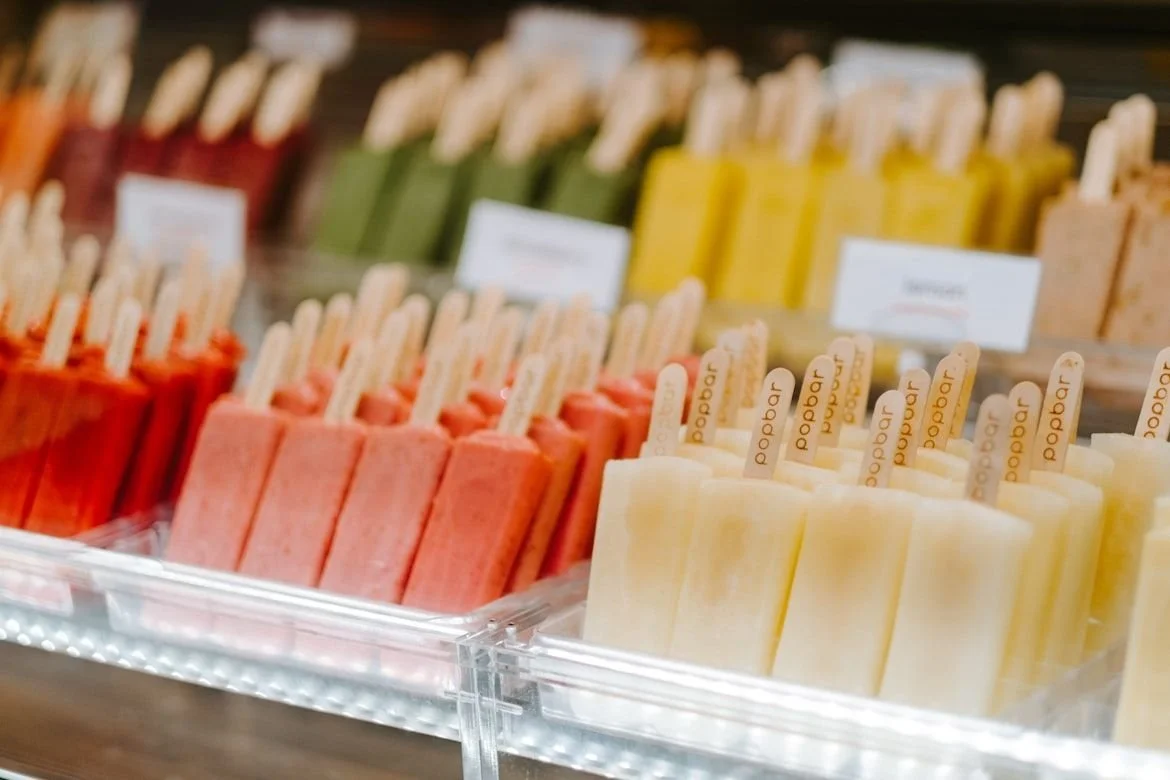
Image by Taylor Heery
In 1905, 11-year-old San Francisco native Frank Epperson accidentally left a cup of soda powder and water outside overnight, with a stick still in it. The next morning, it had frozen solid in the chilly air. Epperson dubbed it the “Epsicle,” which was later renamed the Popsicle. That childhood experiment became one of the most enduring summer treats.
Chocolate Chip Cookies
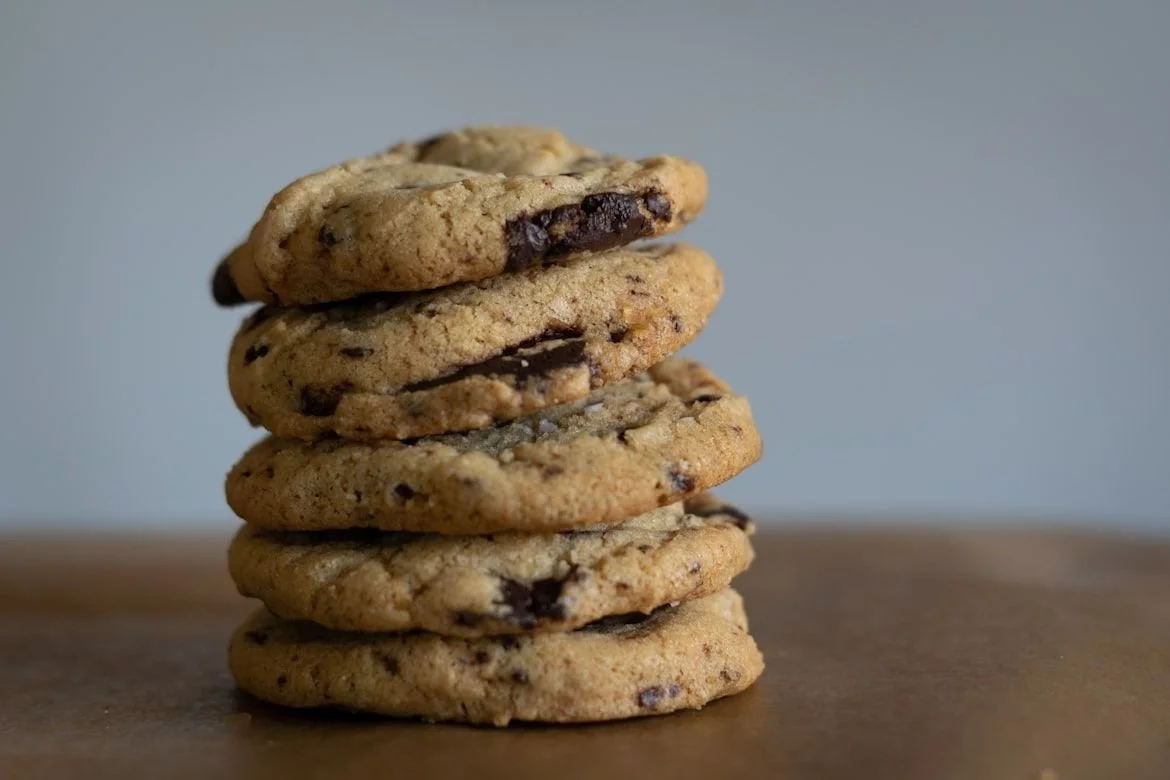
Image by Ben Lei
Ruth Wakefield ran out of baker’s chocolate when she was making traditional chocolate cookies at her Massachusetts inn, the Toll House, in the 1930s. She chopped up Nestlé chocolate snack bars instead. She expected them to melt evenly into the dough, but they stayed in chunks. The warm, gooey results became an instant hit with her guests. Nestlé soon partnered with her to print the recipe on chocolate bar wrappers, and the rest is history!
Corn Flakes
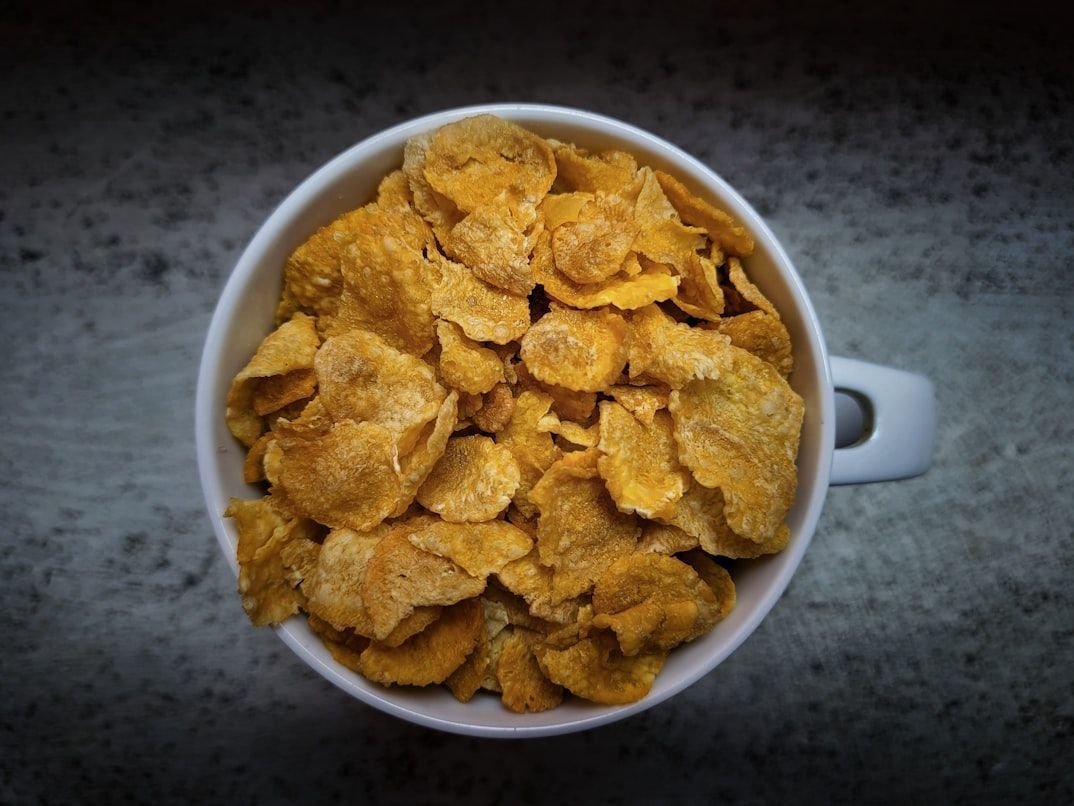
Image by Deepak N
In 1898, the Kellogg brothers accidentally left cooked wheat, unprocessed wheat kernels simmered until tender, sitting out overnight at their Michigan sanitarium, where they promoted a healthy living based on vegetarianism, exercise, sunlight, and strict hygiene. By morning, it had gone stale, but when they rolled and baked it, the flakes came out crisp and tasty. That happy mistake inspired a new breakfast idea: simple, wholesome, and ready to pour.
Coca-Cola
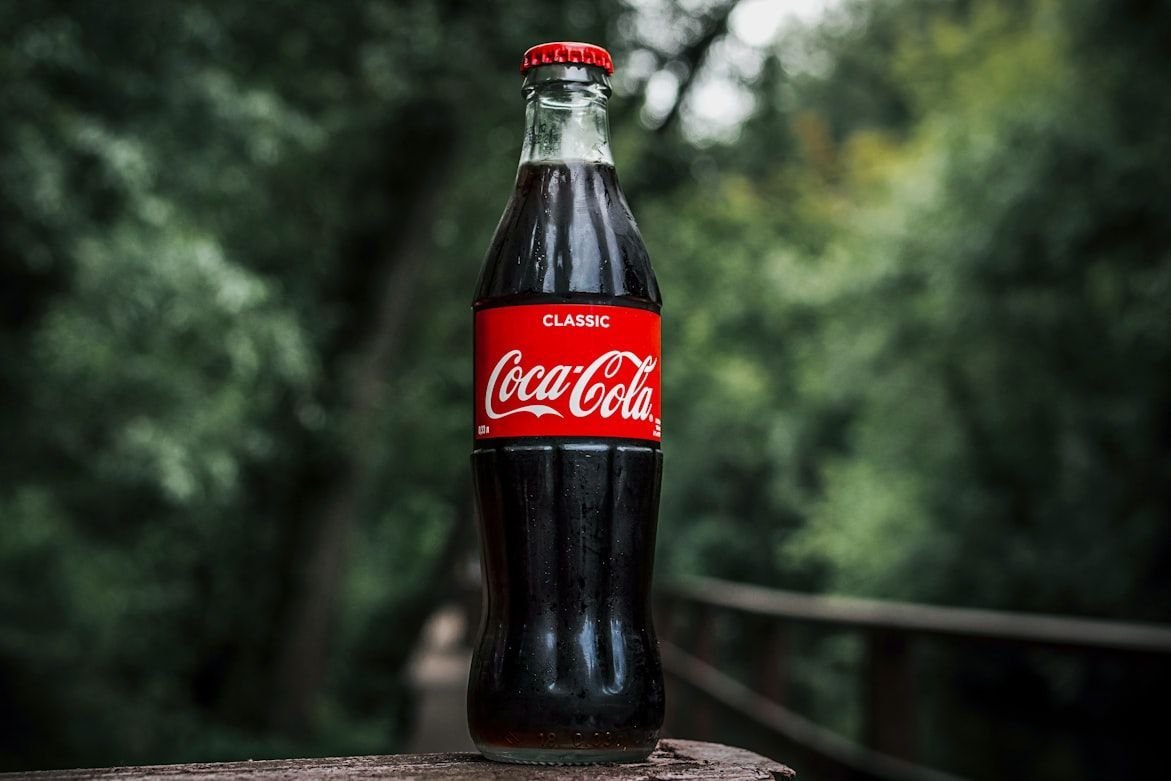
Image by Artem Beliakin
In one of the most profitable blunders of all time, Atlanta pharmacist John Pemberton was mixing a headache tonic in 1886 when he mistakenly blended his syrup with carbonated water instead of plain water. Finding the result quite tasty, Pemberton opened a local soda fountain and found immediate success.
Cheeseburgers
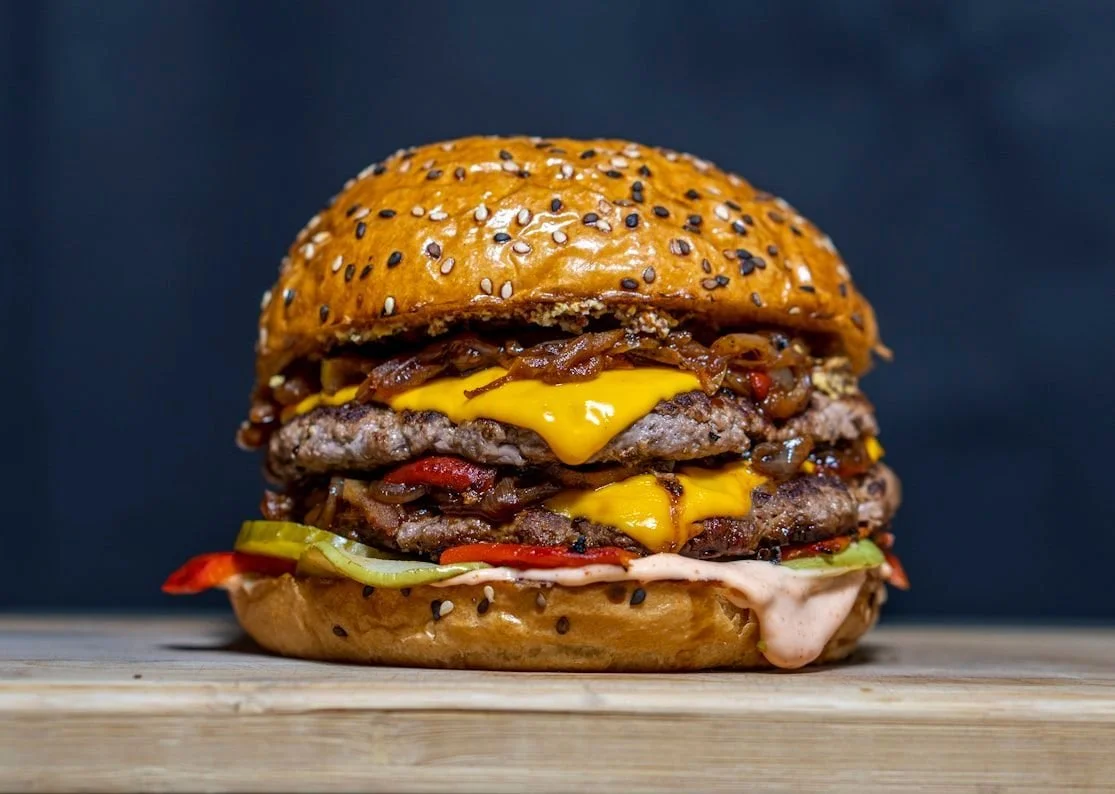
Image by Amiralli Mirhashemian
In the 1920s, a teenage cook in Pasadena accidentally dropped a slice of cheese onto a sizzling hamburger. Instead of tossing it out, he served it to the customer. The melted topping added a rich, savory twist that caught on fast. Soon, diners across America began adding cheese to burgers, helping to spread this classic.
Hard Pretzels
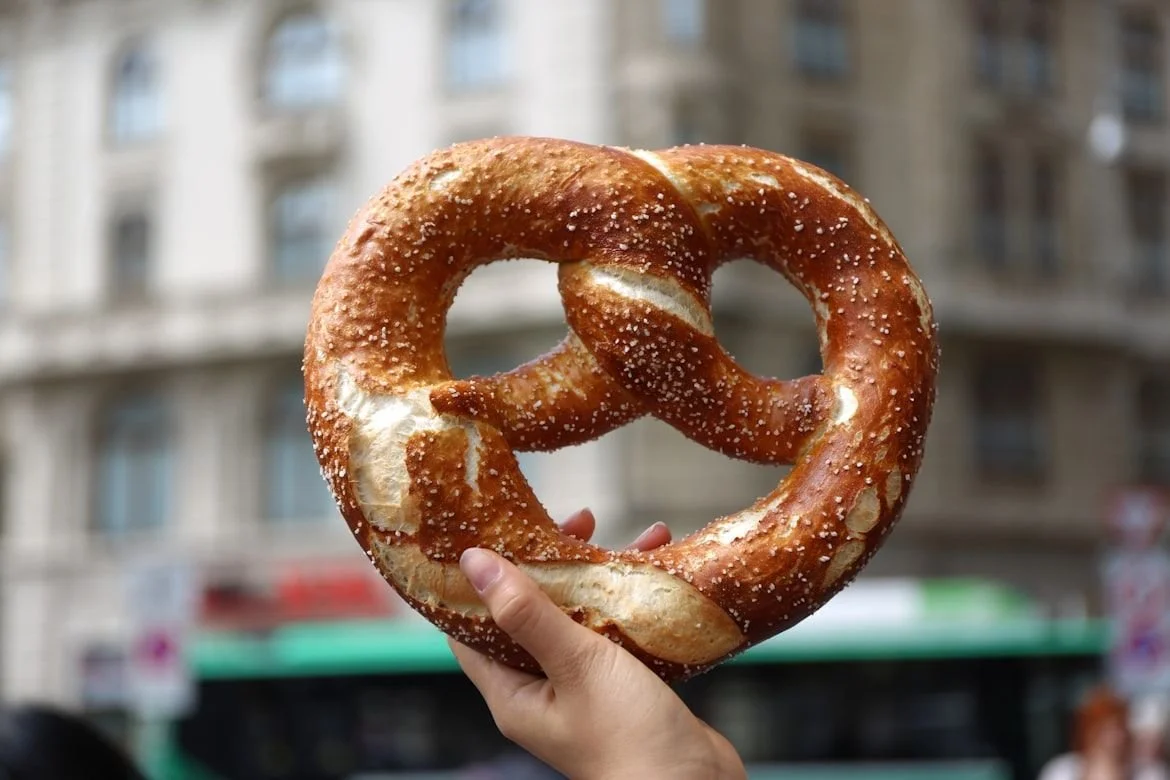
Image by Pierre Gui
One Pennsylvania baker in the 1800s left his soft pretzels in the oven too long, burning them to a deep brown. Expecting a disaster, he tried one and loved the unexpected crunch. That overbaked batch became the first hard pretzel. The crispy, salty snack soon gained fans nationwide.
Slurpees
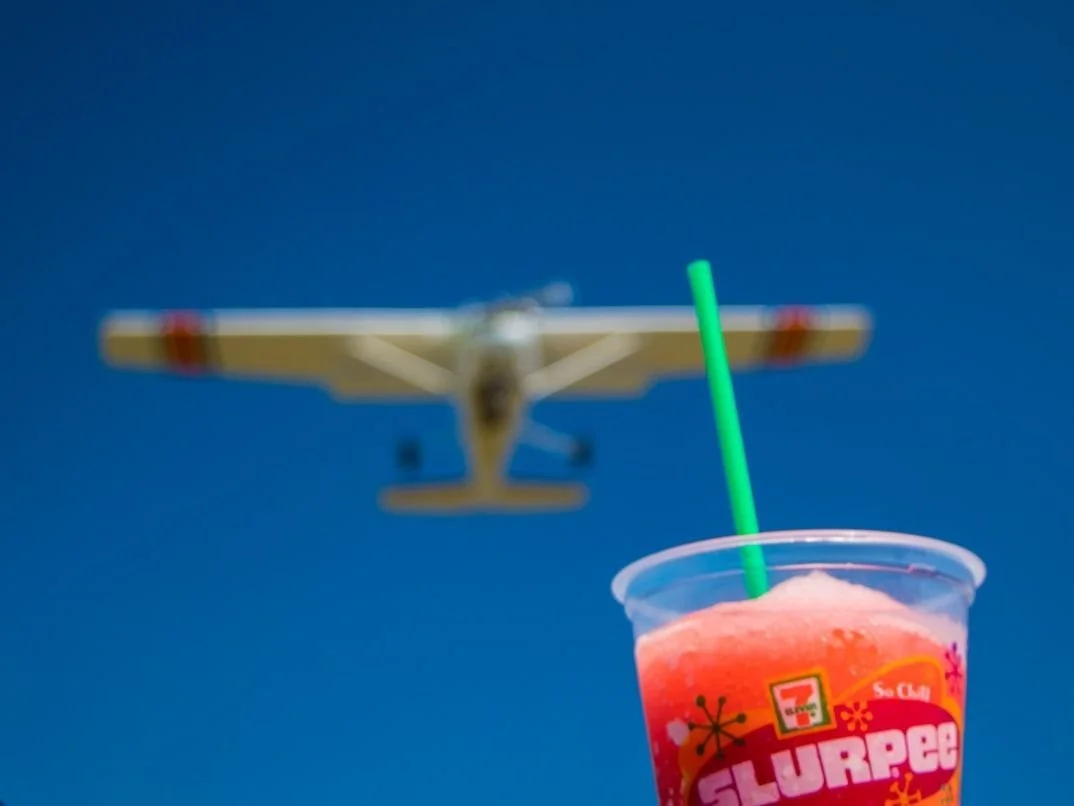
Image by Greg Rosenke
In the 1950s, a Kansas soda shop’s cooler broke down, freezing its drinks halfway. Instead of throwing them out, the owner sold the icy concoctions to curious customers. They loved the slushy texture so much that he built a machine to reproduce it. The Icee—and later the Slurpee—turned an equipment failure into an omnipresent machine at every 7-Eleven.
Tortilla Chips
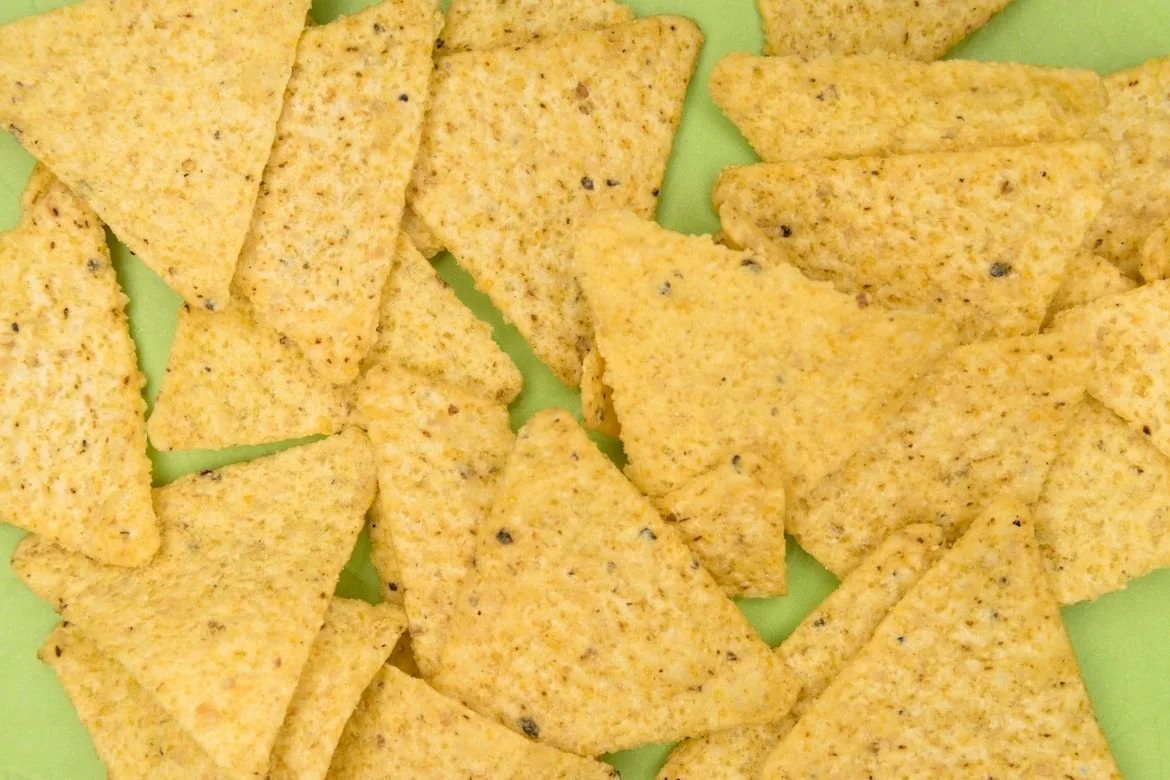
Image by Markus Winkler
In 1940s Los Angeles, a tortilla factory ended up with piles of leftover tortillas. Rather than waste them, workers cut them into triangles and fried them up. The crunchy bites were a surprise hit. What started as a practical way to use scraps soon became a nationwide snack.
Tootsie Rolls
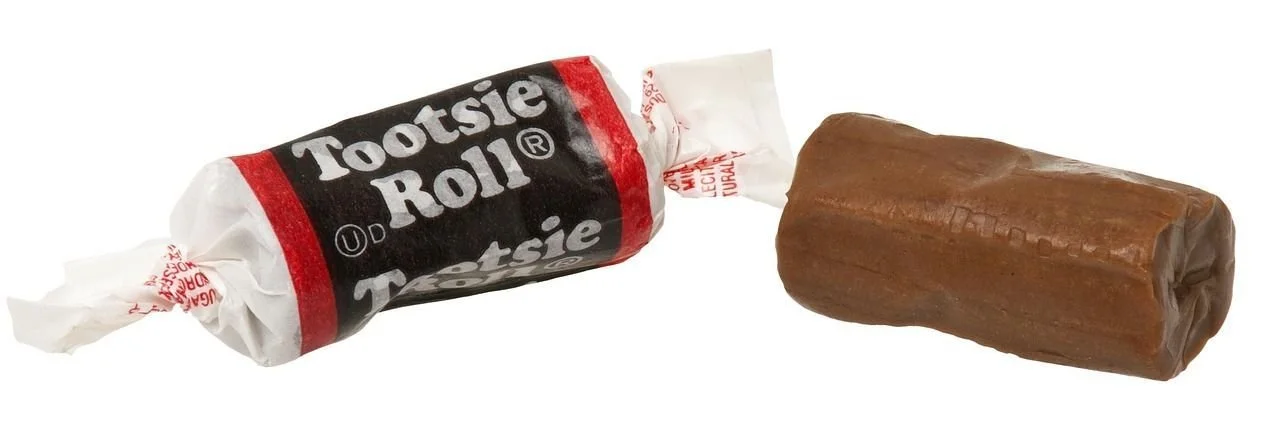
Image by WikimediaImages
Crafty candy maker Leo Hirschfeld wanted to stretch his chocolate supply in 1896, so he experimented by blending in other ingredients such as sugar, corn syrup, and condensed skim milk. The texture turned chewy instead of smooth, but the flavor was rich and lasting. He named it after his daughter’s nickname: “Tootsie.” His thrift-born invention became a candy classic.
Reese’s Peanut Butter Cups
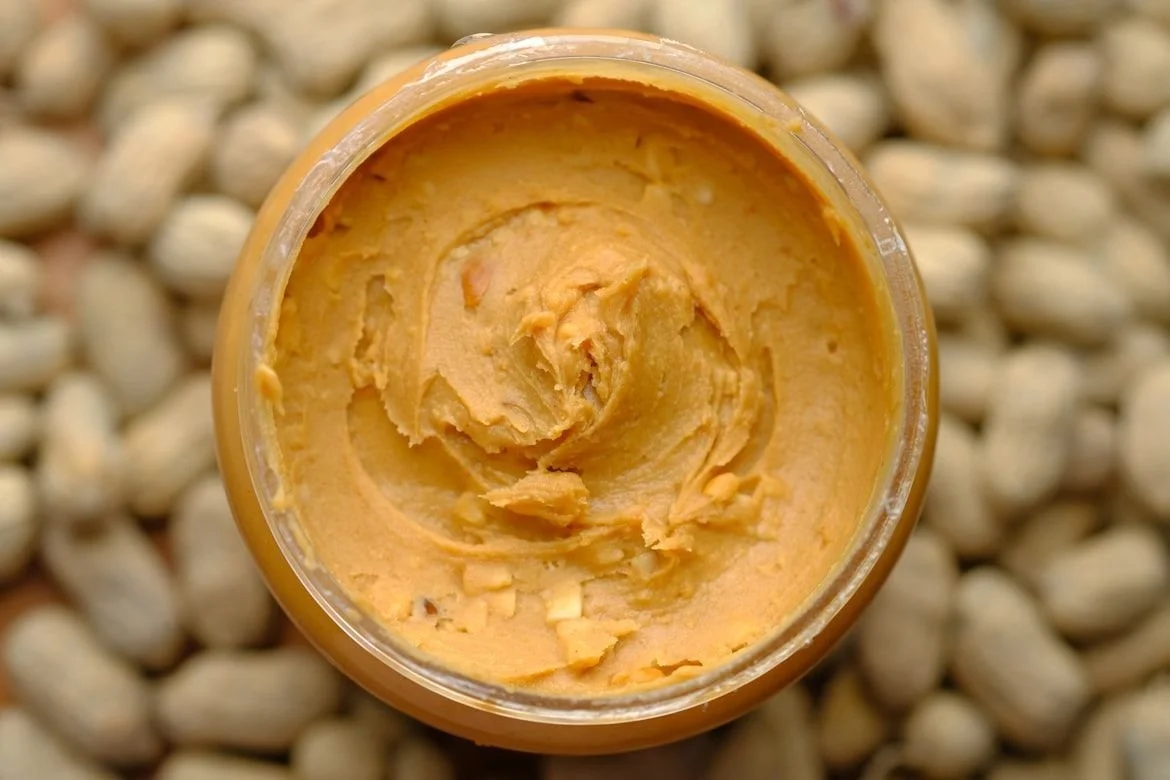
Image by Towfiqu Barbghuiya
Back in 1928, a former Hershey employee, H.B. Reese, was tinkering with leftover chocolate at home when he combined it with sweetened peanut butter. The unexpected pairing turned out to be a great-tasting treat. His homemade experiment evolved into a small business, and later became a candy legend when Hershey acquired the brand.
Fudge
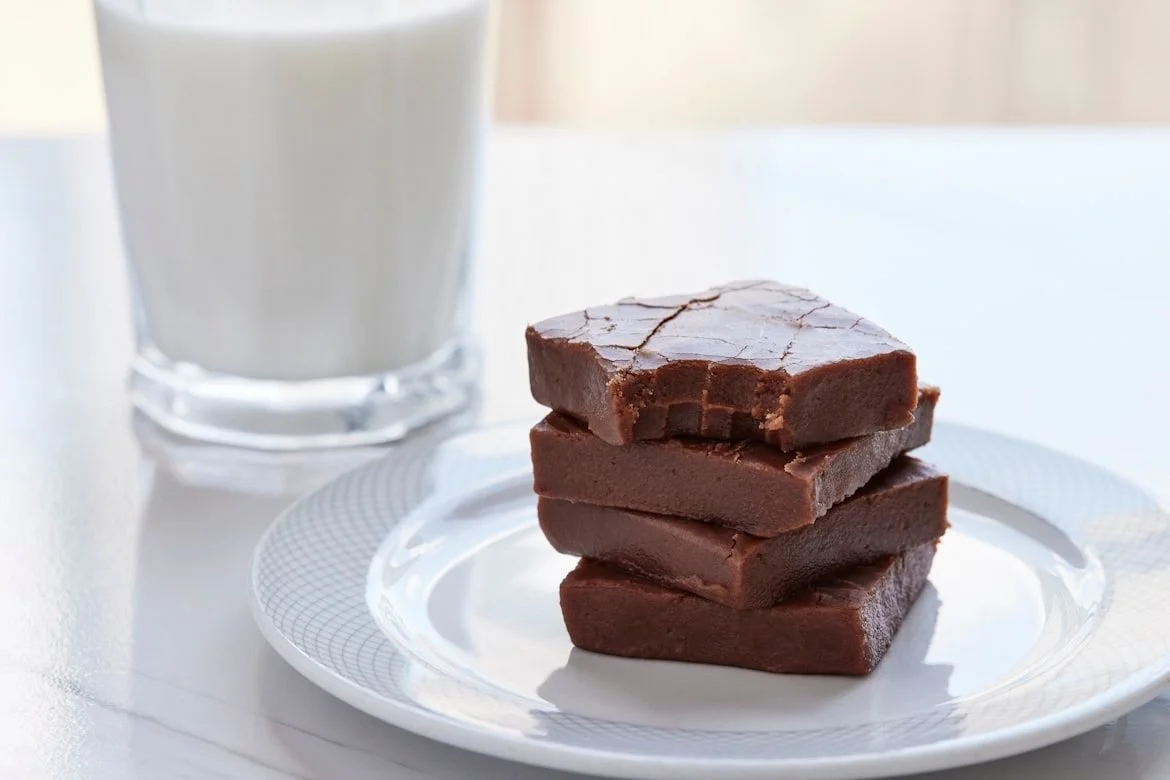
Image by American Heritage Chocolate
According to the popular story, a batch of caramel didn’t heat properly one night, and the cook sighed that it had been “fudged.” The softer texture, however, turned out wonderfully creamy. That tasty error spread quickly through American kitchens and college towns, becoming the classic dessert that it is today.
Source: theamericanfacts.com
For Your Funny Bone
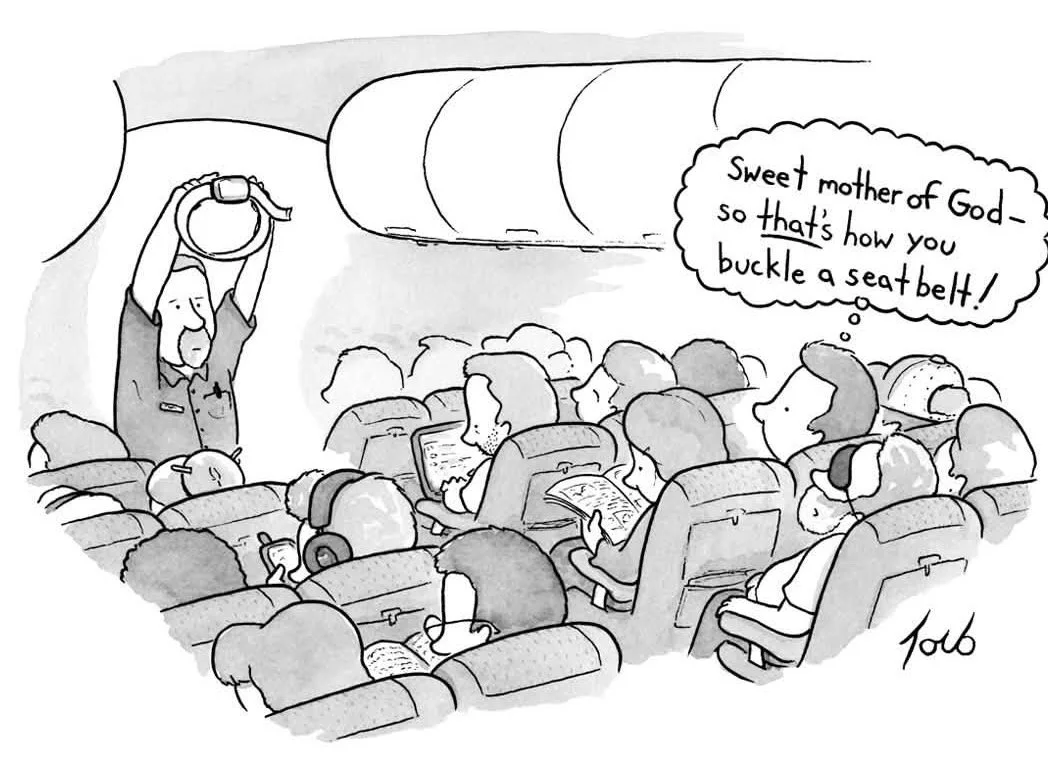
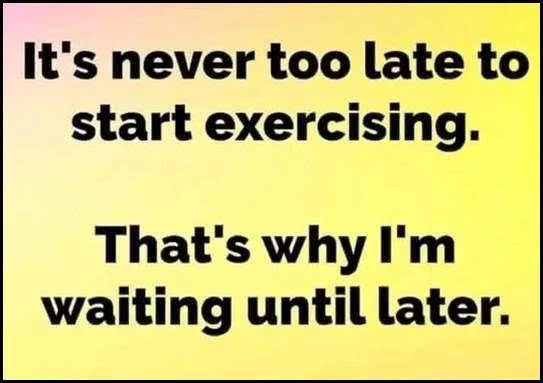
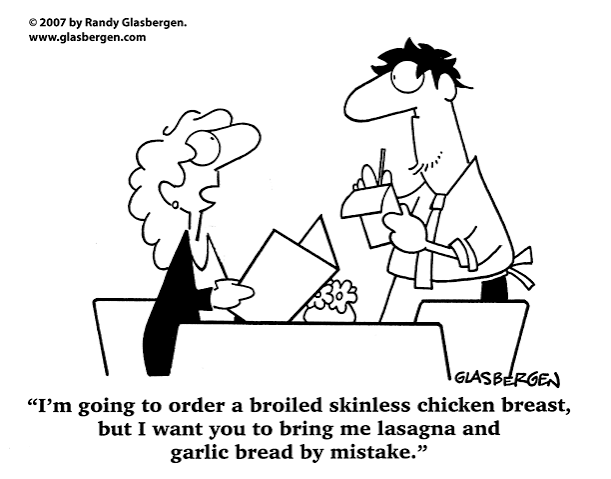
Contributed by Barbara Bruno
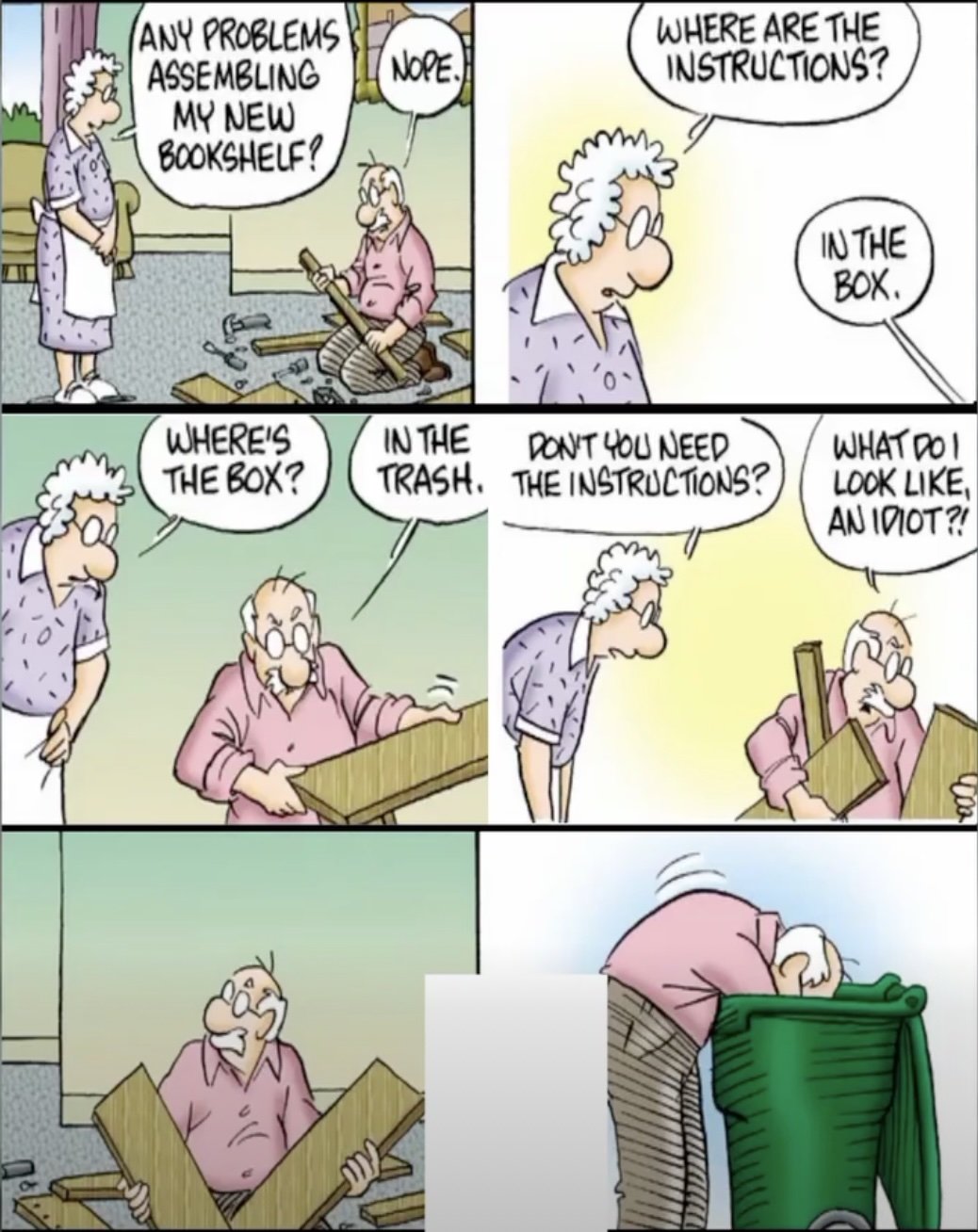
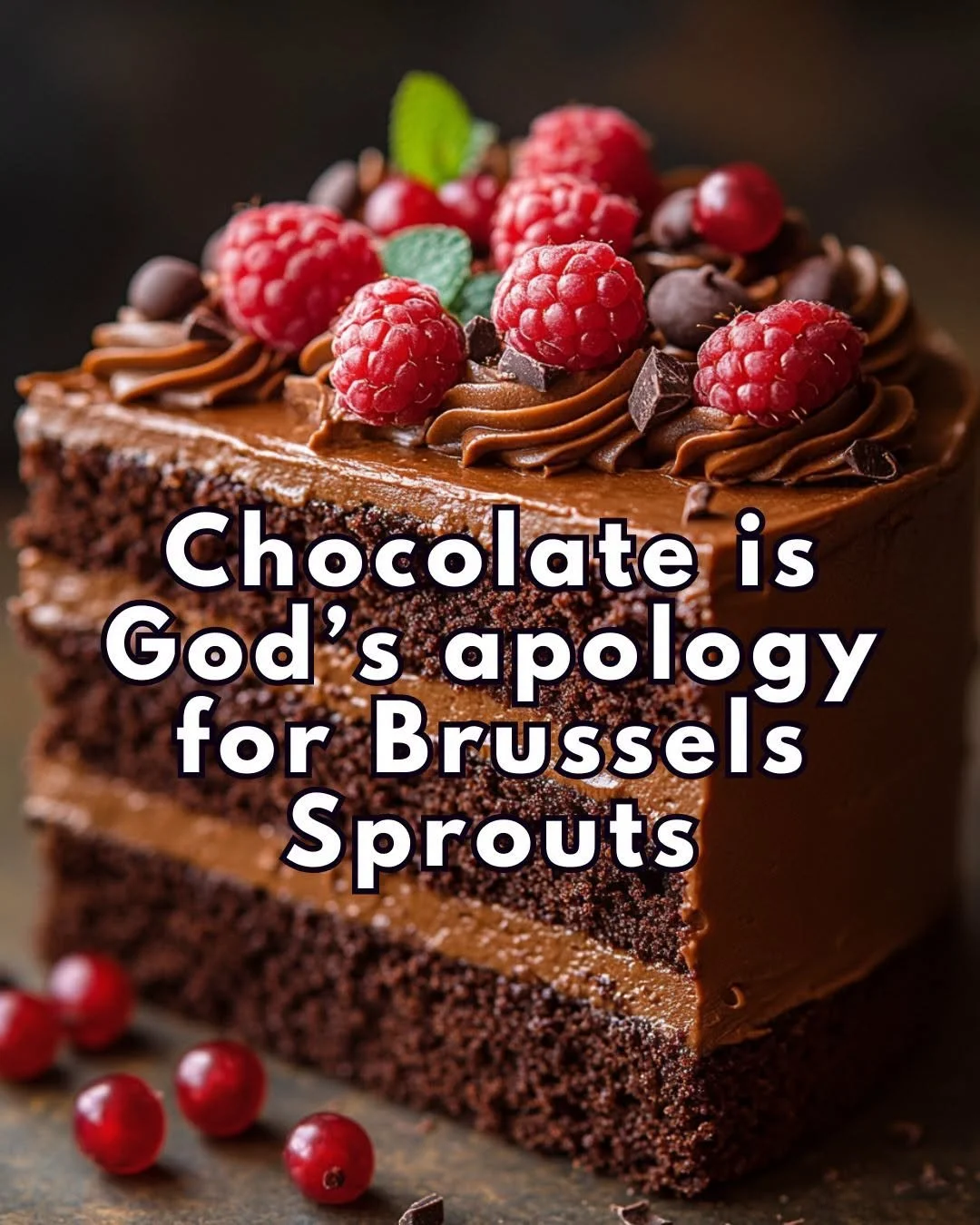
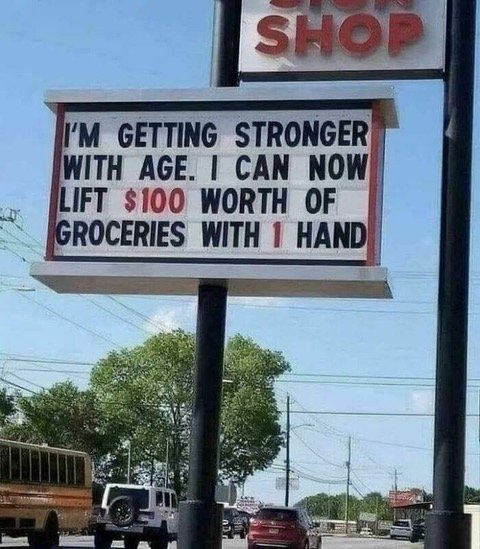
Contributed by Barbara Bruno
Hope XVIII Collage, by Sheila Benedis
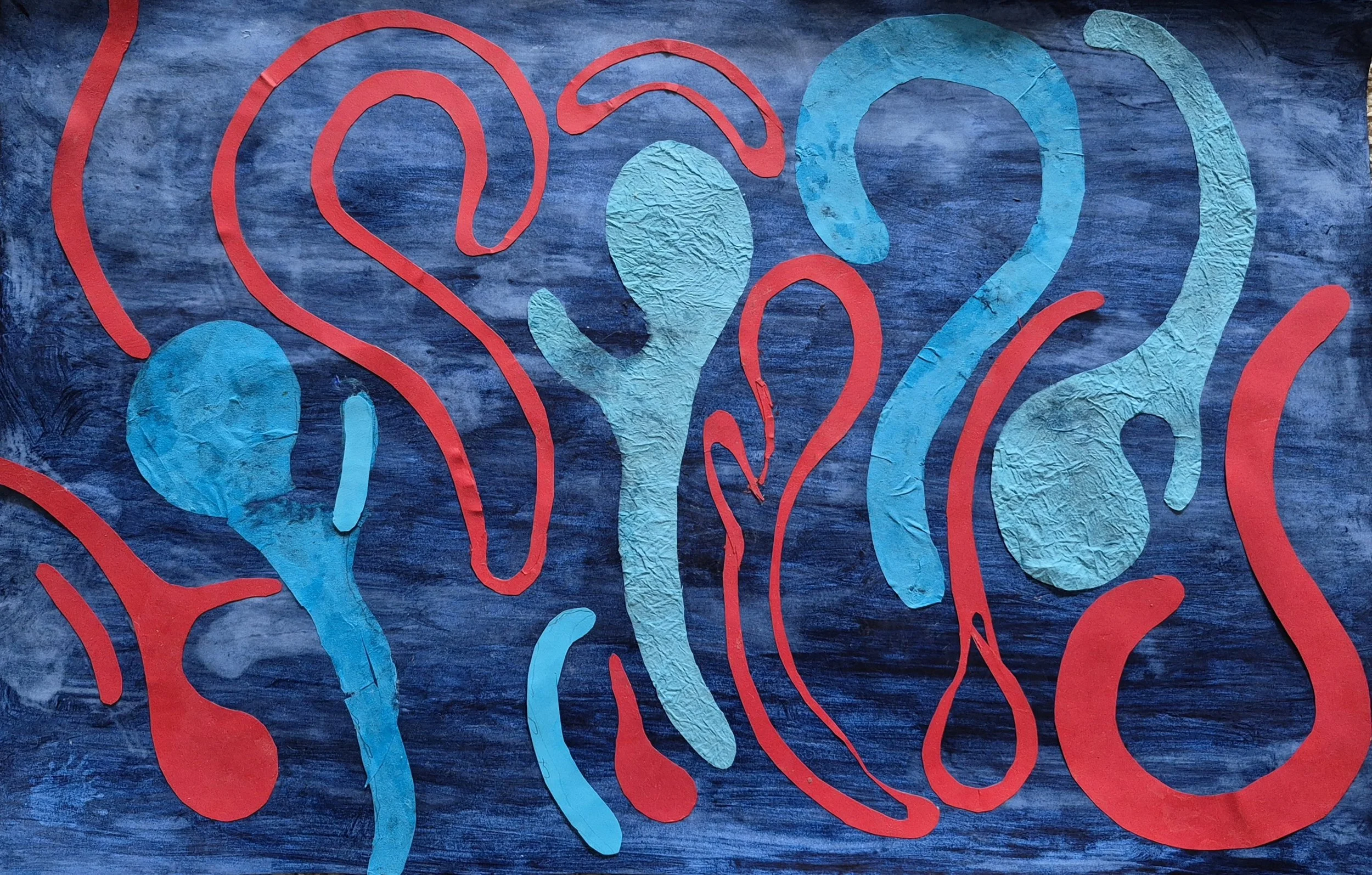
Art and photos by Sheila Benedis