
Amanda Slattery spent time visiting old friends in England this summer. And happened upon an even older friend, who seemed very happy to see her again (though he did not share his sandwich).

Weekly Construction Report




Kendal Herb Crisis: The Residents' Garden Needs You!
Completely against Kendal-on-Hudson philosophy, there is trouble brewing on the south side of Mary Powell. The innocent victim? The mint. The Italian parsley is threatening it, and the chives are overwhelming it.

And not only that! The basil is creating a forest over the innocent thyme and curly parsley. If you cross by the garden at night, you hear the miscreant giggling menacingly as the thyme and curly parsley suffer terribly. This is not the Kendal way!

What’s a community to do? As in our Kendal tradition, residents can help solve the problem.

Even though they have been misbehaving in a very unseemly manner, the Italian parsley, chives, and basil have redeeming characteristics: they are wonderfully fragrant in a small bouquet—and are great to cook with (and they clearly need a useful purpose in life). Here’s an added incentive: no need to worry about cyclospora! So, take the brief jaunt and snip away at the offending herbs.
Never been to the gardens? Just walk around to the south of Mary Powell. There, you’ll find the temporary gardens. Within them, there’s a special herb garden marked with a sign at a spot just inside the garden gate. Just walk up to the second planter on the left and you are there. Small scissors have been provided for clipping (please be sure to replace them on their hangers when you’ve finished).

I Never Knew That
What Happened to Jimmy Hoffa?
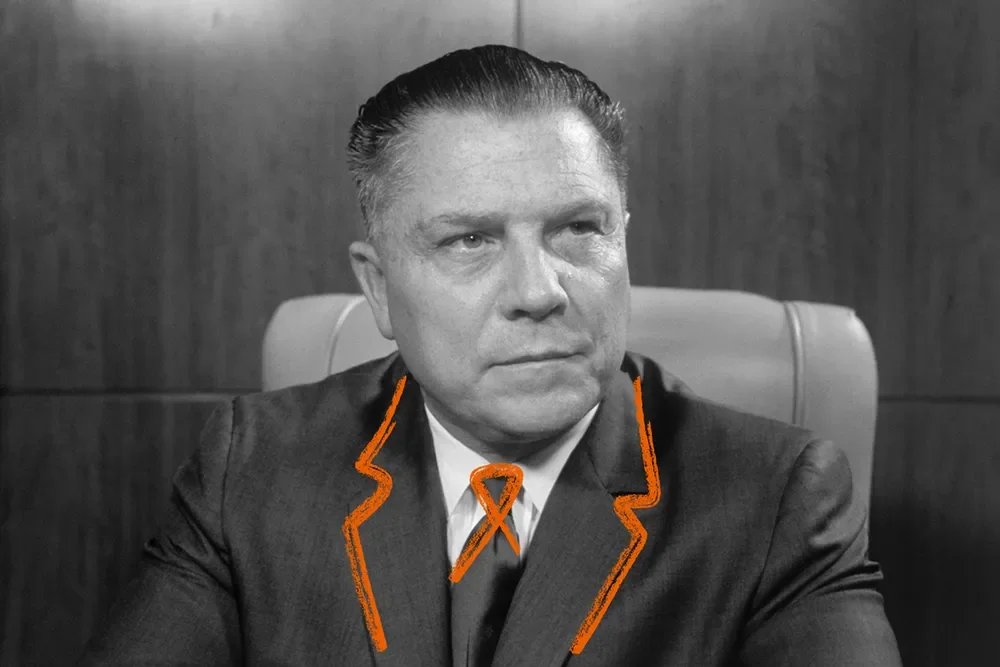
He started as a union organizer for Local 299 in Detroit and rose to become president of the International Brotherhood of Teamsters. Under his leadership, the Teamsters became the largest labor union in the country. It was rumored that they had the country’s most misused pension fund under his leadership too, and Hoffa developed a reputation for ties to organized crime.
Despite this, Hoffa managed to stay out of legal trouble until 1967, when charges of jury tampering, mail fraud, and conspiracy caught up to him. His 13-year sentence was commuted in 1971, on one condition: No union activity for the rest of the decade.
Yeah, that wasn’t going to happen.
But things had changed while Hoffa was inside. The balance of power had shifted. Hoffa’s successor, Frank Fitzsimmons, enjoyed better relations with organized crime than Hoffa himself had.
As Hoffa pushed—against the orders of his presidential commutation, no less—to reclaim power, he found himself at odds with the very mob figures who had earlier helped fuel his meteoric rise.
That’s how we get to 1975. Hoffa drove to a restaurant in a Detroit suburb to meet two reputed mobsters. He called his wife from a pay phone to say no one had shown up. His wife reported him missing on this day.
Later, witnesses reported seeing him getting into a maroon Mercury, and his green Pontiac was found unlocked in the parking lot. Hoffa was never seen again.
To call the search exhaustive is an understatement. The FBI got involved almost immediately. The FBI remains involved, with the case still considered open. Investigators have searched suspected burial sites across the map. They’ve dug beneath a Michigan swimming pool, excavated a horse farm, checked a New Jersey stadium, and chased claims inspired by practically every deathbed confession offered by a Michigan made man since.
The search for his remains spans five decades and thousands of leads, but it’s never turned up a single piece of confirmed evidence.
The mystery has now outlived most of the people suspected of causing it.
By the Numbers
62: Hoffa’s age at the time of his disappearance
1982: Year Hoffa was legally declared “presumed dead”
$100,000: Hoffa’s salary during his tenure as president
Source: Britannica.com, Michele Metych, July 29, 2026
For Your Funny Bone





Art by Hart

The Marley kids loved nothing better than a moonlight nature walk
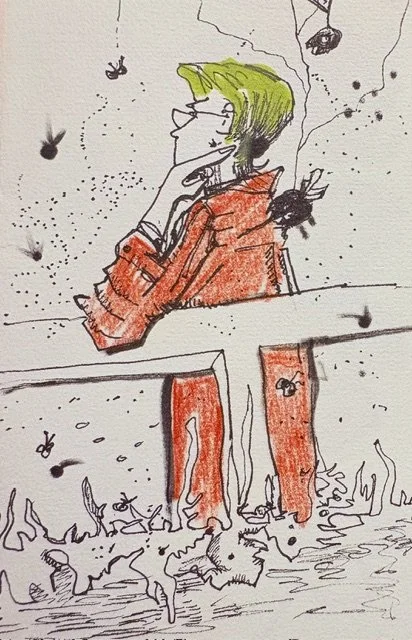
Mary Lou’s mysterious itch was driving her crazy

Al wished Dora would be less judgmental about his hats

Aunt Mara seemed more excitable than usual

The new downstairs neighbor was already tired of the Loughboro boys dropping water balloons on his head
Art and photos by Jane Hart
Hope XVII Collage, by Sheila Benedis

Art and photo by Sheila Benedis
In and Around Kendal
The Art of the Peel
Ed Lannert—ever the great student of human behavior—has launched his own personal study of the different ways we human beings peel an orange. First in his exhaustive study: The Bob Paxton Method. (You may wish to take notes.)
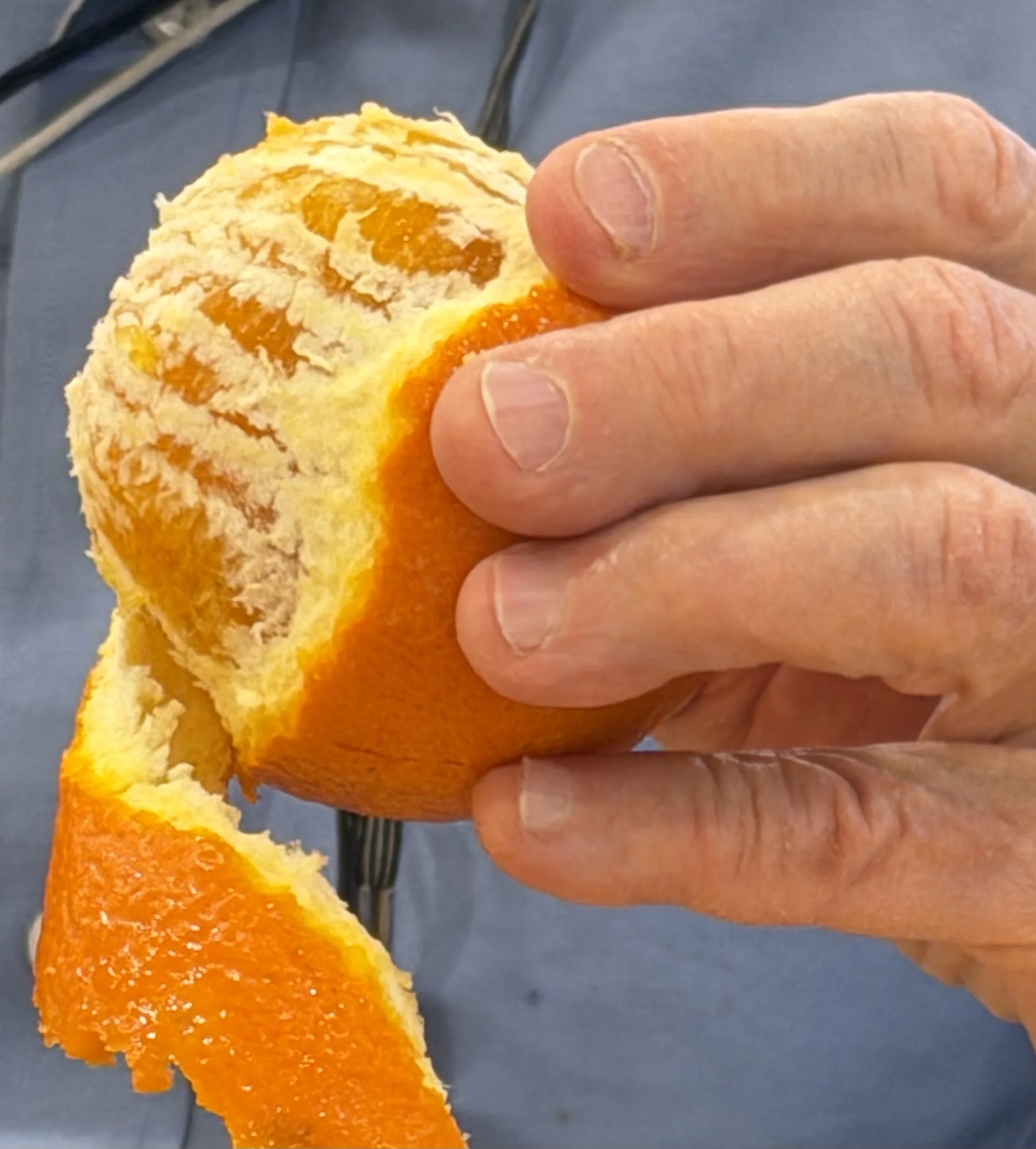
Photo by Ed Lannert
All in a Summer’s Day

Photo by Lynn Brady

A study in light and dark, by Carolyn Reiss

Head and shoulders above the rest, by Lynn Brady

Photo by Lynn Brady
Oh, Dear: Dear Deer

Just a couple of guys out for a stroll, by Pete Catapano

Lady in Waiting, by Carolyn Reiss

Photo by Carolyn Reiss
Artist in Residence: The Versatile Art of Cathie Campbell
We spotlight Cathie Campbell’s art this week, with an emphasis on her versatility: conceptual, abstract, realistic, advertising. Her range is as interesting as her “product” is enjoyable.
Cathie’s interest in art began at an early age. A very early age: 2. Well, not really 2 . . . 2 years and 2 months.
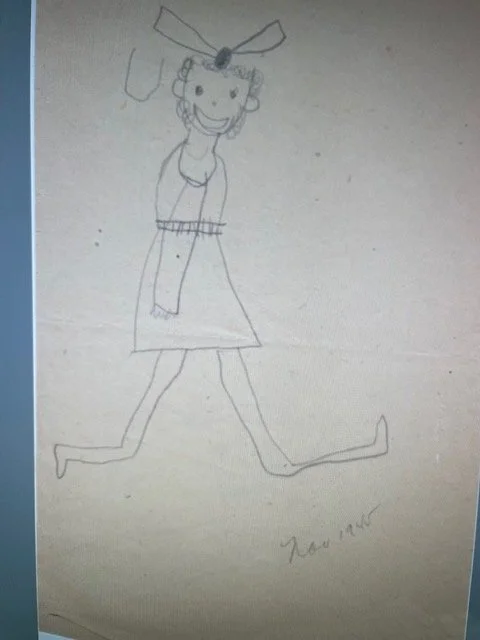
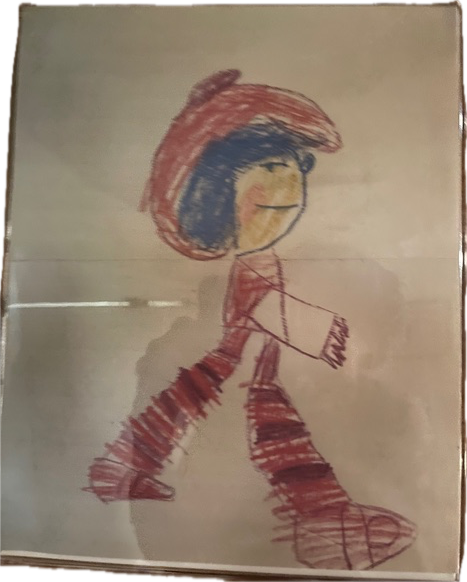
By 4, she had advanced to color.
Having studied painting as an undergraduate and a graduate student—and at the School of Visual Arts in NYC—Cathie joined the “Mad Men” industry, using her skills not only for art but for coming up with advertising concepts and then “selling” the idea to clients. Client work included Steinway, AmeriCore, Maxell, and Mailgram. Subaru was another, featuring humor and wit:

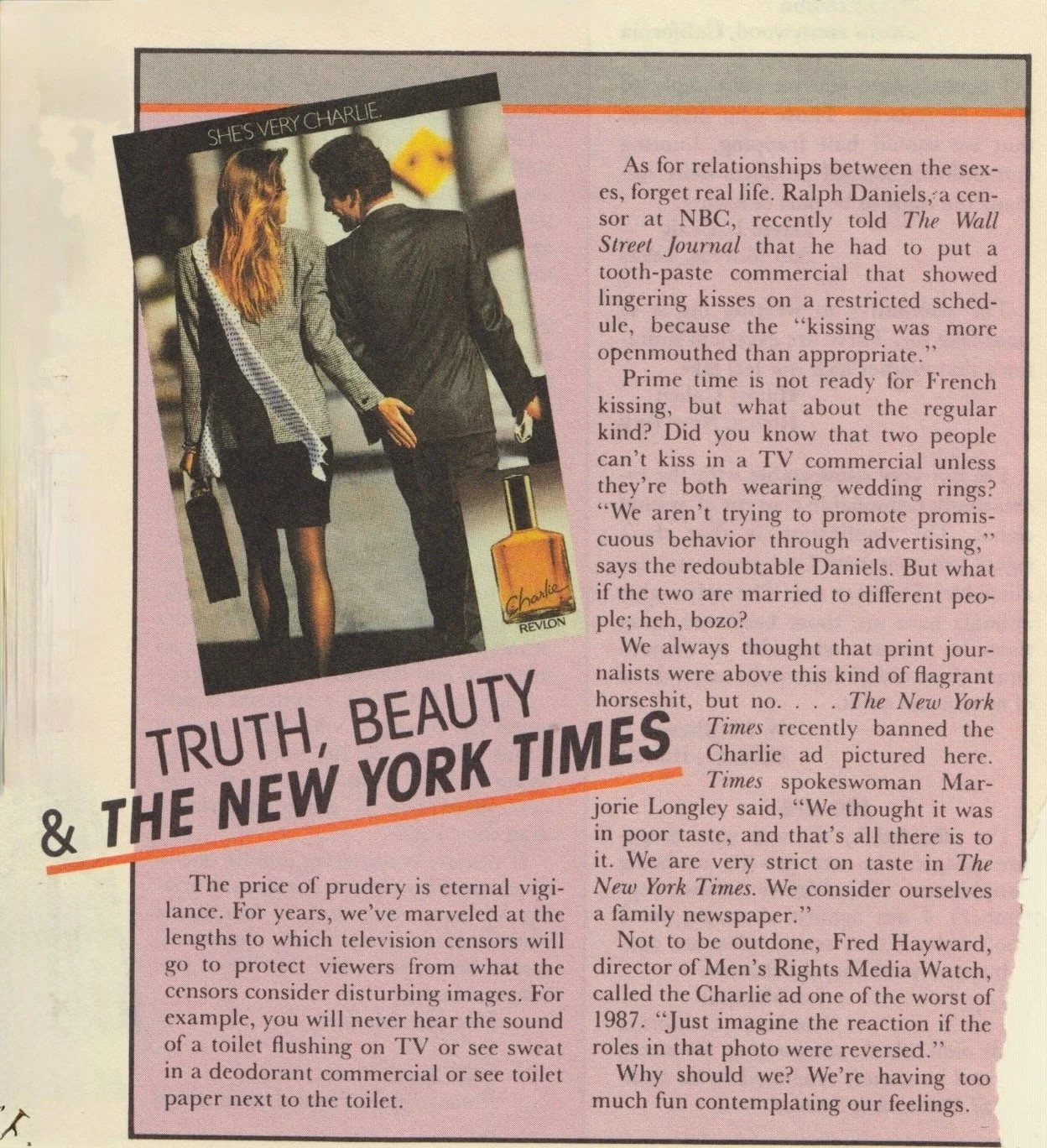
As Art Director at Ogilvy & Mather, her ideas for the then-new Charlie perfume were considered shocking by many at the time.

It was so scandalous that Ad Week covered the controversy.
But Cathie’s favorite art is fine arts. And she’s accomplished in many forms.
Abstact

College Blue

Adirondacks

Ravine
Conceptual

Realism

World of Life Island



Weekly Constuction Report
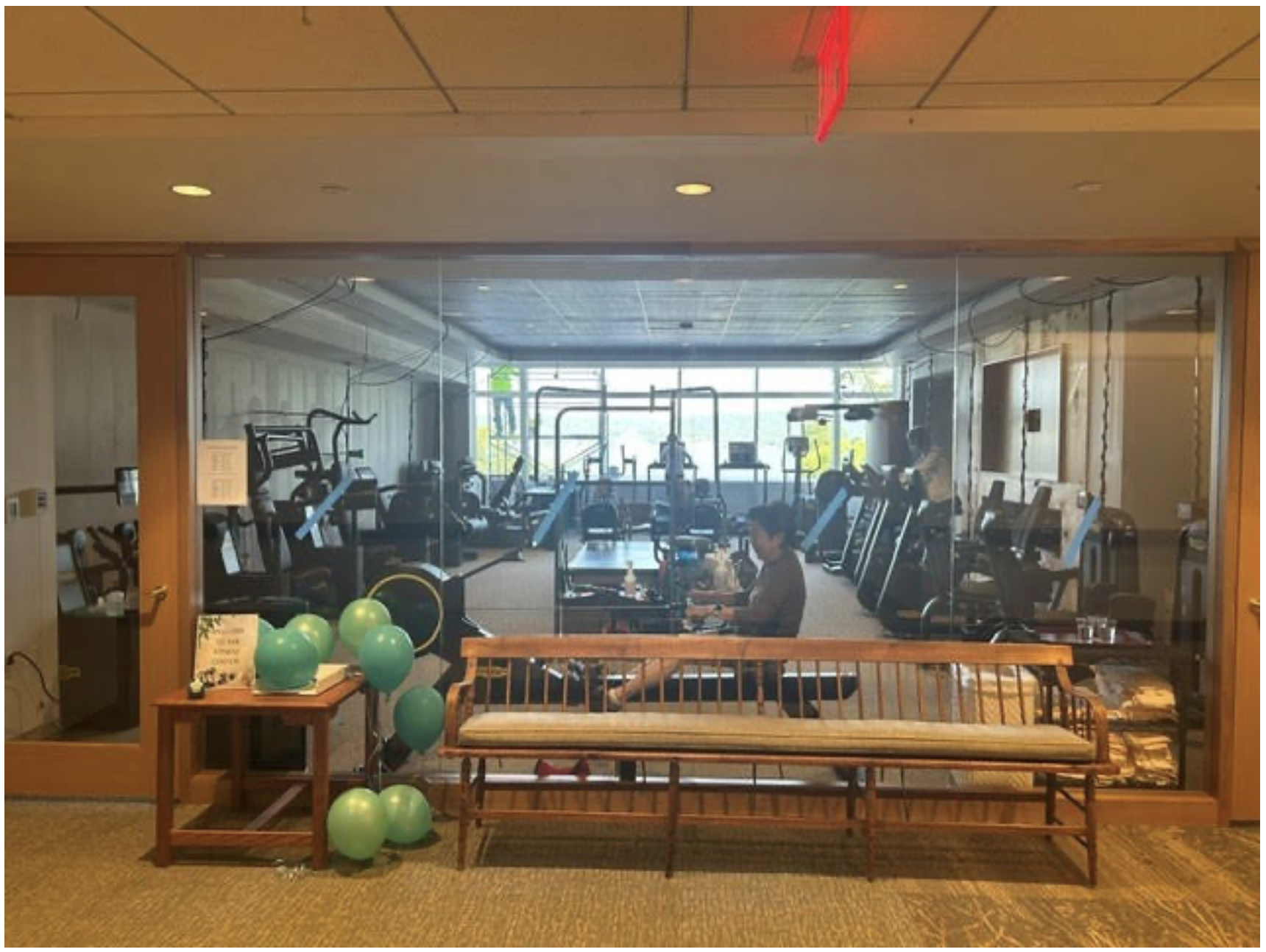
We’re moving towards Phase 2! The Fitness Center on T-Level is now closed. Machines, trainers, and all have moved up to C-Level in what will eventually become the new Community Room. Now you can exercise and gaze out at the river at the same time! (Just be careful!)
Our Beautiful New Temporary Fitness Area
Tarrytown Traffic Alert: H-Bridge Near Tarrytown Station

I Never Knew That
Anesthesia Was Invented after a Laughing Gas Party
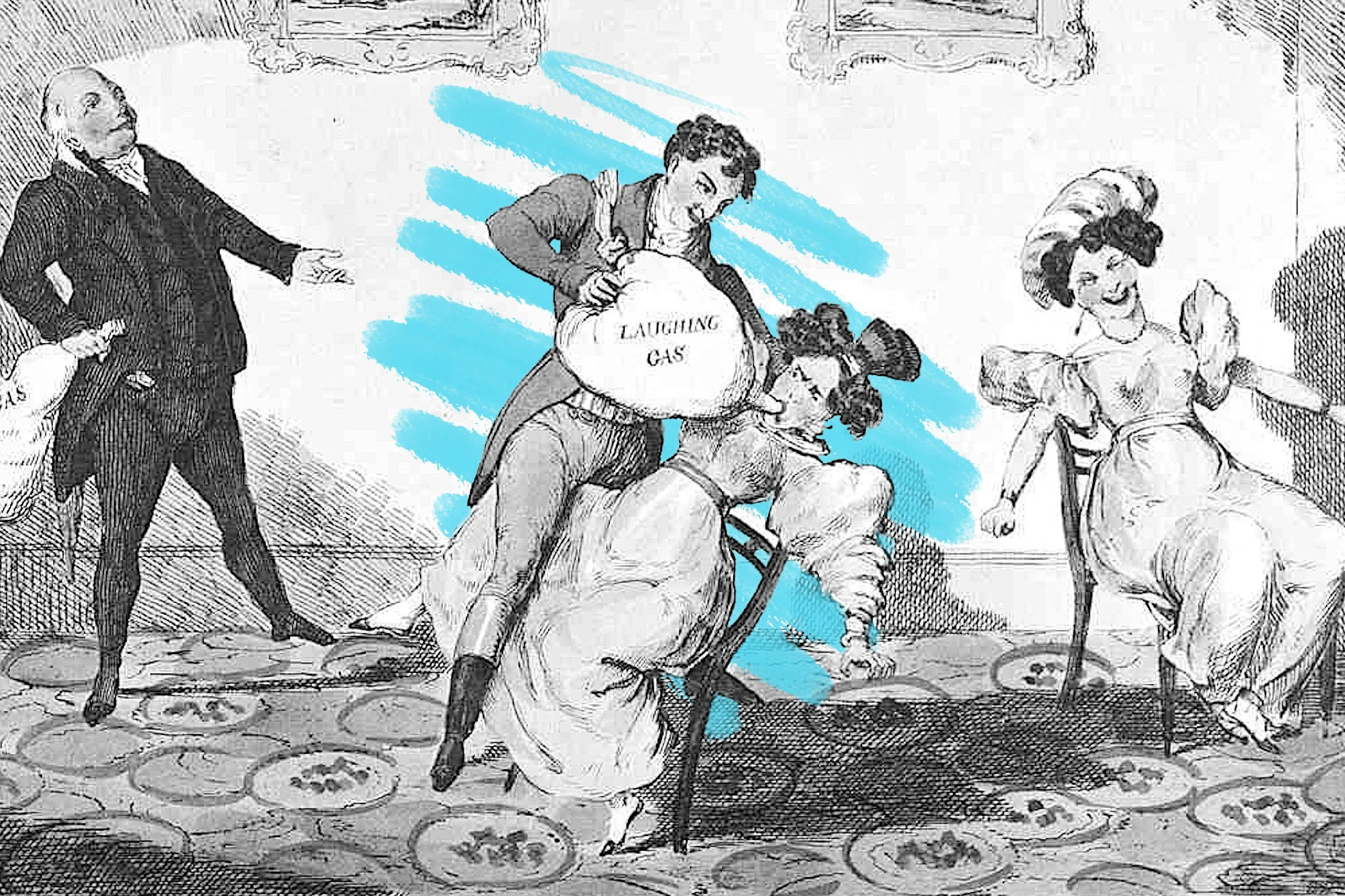
Before modern anesthesia, surgery was an agonizing experience. Procedures were done quickly and often with alcohol, opium, or nothing at all. That began to change in 1799, when 20-year-old English chemist Humphry Davy started experimenting with nitrous oxide—better known as laughing gas. Davy didn’t experiment alone. He invited friends to inhale the gas during get-togethers in the drawing room above his laboratory. The effects were immediate: laughter, euphoria, and shifts in bodily sensation all around. Davy recorded these findings and published them in 1800. These parties caught on across the U.K. and the United States, where ether was favored over laughing gas (the effects were similar and it was easier to obtain). Decades later, in 1844, American dentist Horace Wells decided to try nitrous oxide as an anesthetic for a tooth extraction. Though his early attempts weren’t successful, he inspired a colleague to attempt a similar procedure using ether. In 1846, dentist William Morton successfully demonstrated using ether as an anesthetic, ushering in the first widely accepted form of modern anesthesia.
The first local anesthetic was cocaine.
By the 1880s, anesthetics had already started transforming surgery, but pain control was still limited. In 1884, Austrian ophthalmologist Carl Koller demonstrated that a cocaine solution could numb the surface of the eye, allowing surgery to be performed without pain, and without putting a patient fully to sleep. Cocaine became widely used in medical procedures in the U.S. and Europe. But by 1886, cocaine’s toxicity was coming under fire, with concerns of complications and addiction. At the end of the 19th century, advances in organic chemistry led to safer synthetic alternatives. Early compounds such as procaine helped reduce reliance on cocaine, followed by a wave of new local anesthetics in the early 20th century.
Source: historyfacts.com, Nicole Villeneuve
Contributed by Jane Hart
For Your Funny Bone


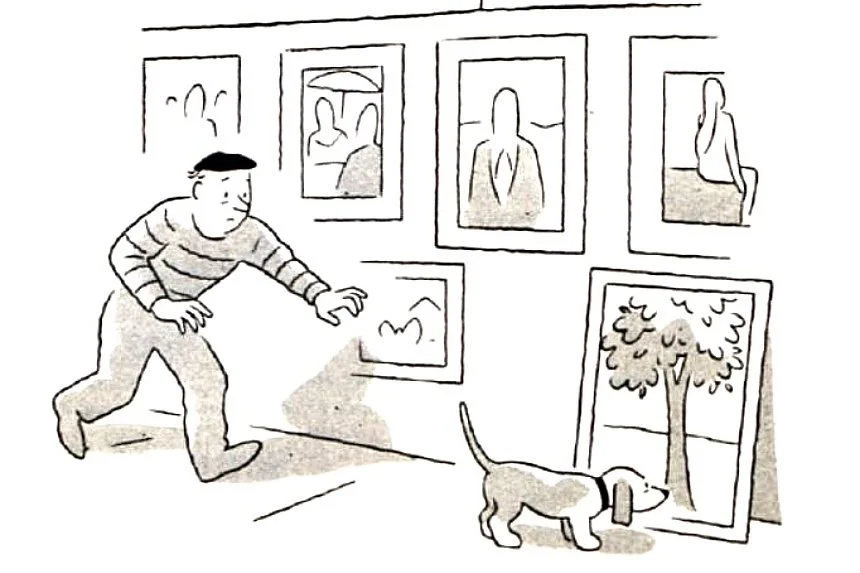



Hope XVI, by Sheila Benedis
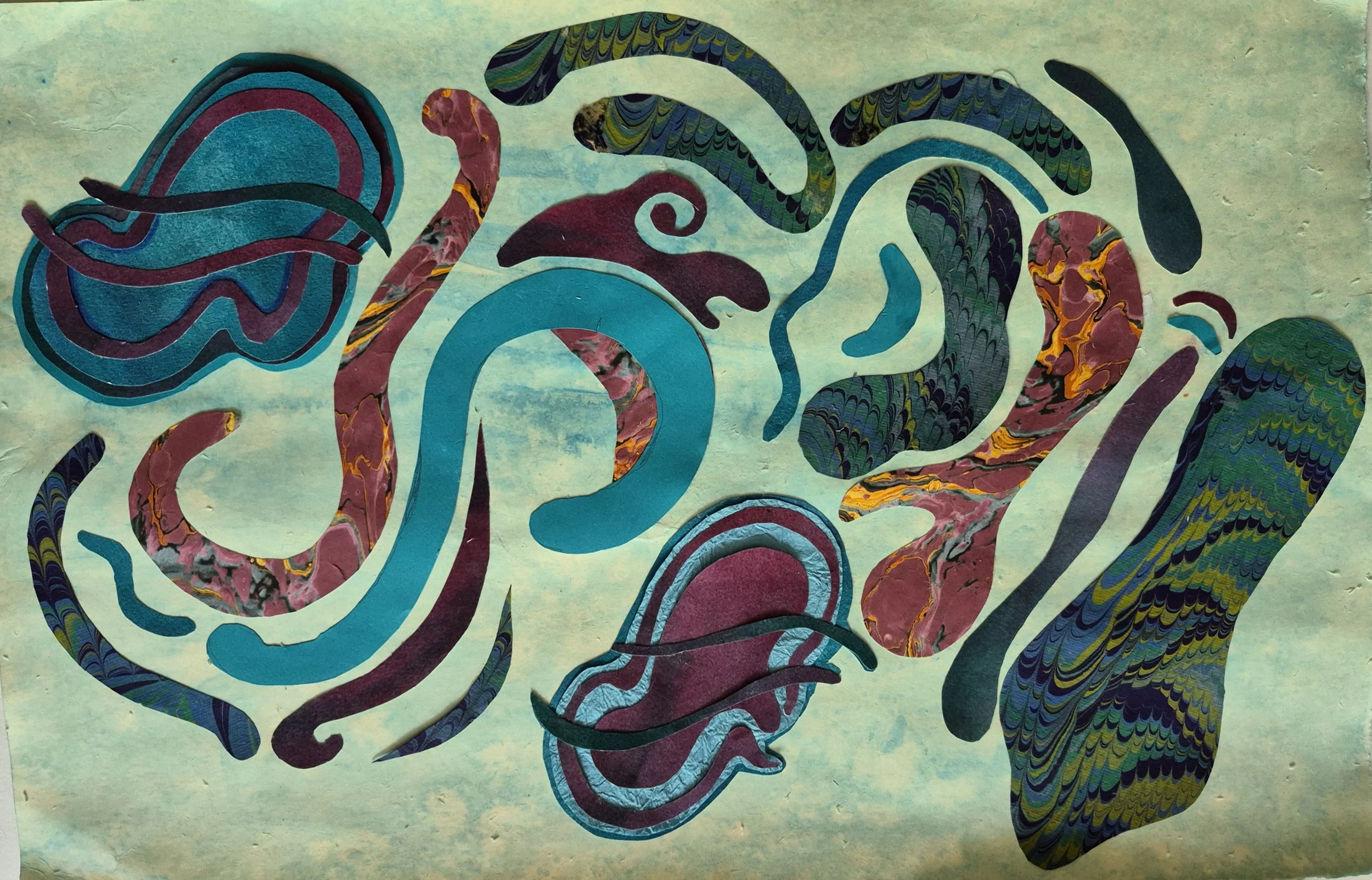
Art and photo by Sheila Benedis
Art by Hart

Barbara found it unexpectedly challenging to care for her neighbor’s plants
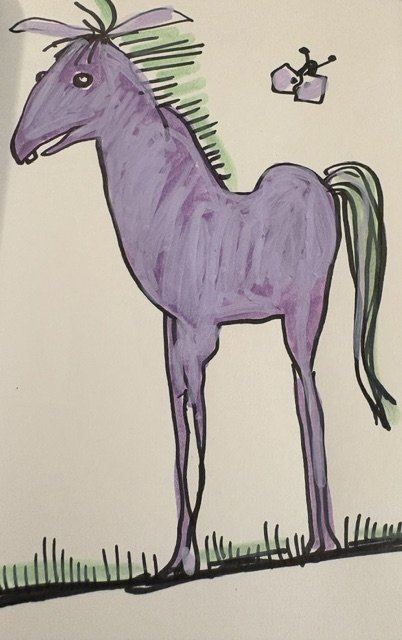
The Shumway kids had already grown tired of summer

Molly was only 23, but with her granny makeup, she could be sure that somebody would give her a seat on the subway
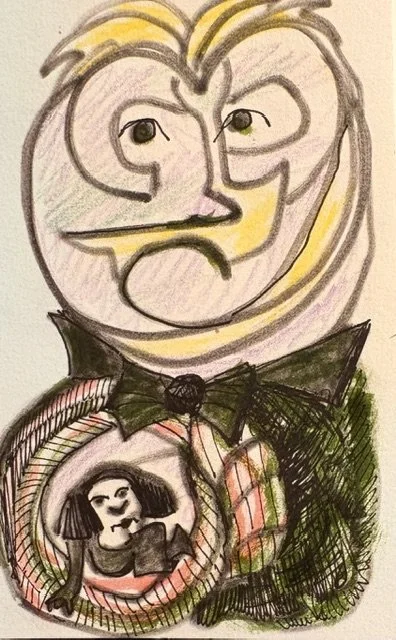
Thornton took his arguments with Stephanie to heart

It wasn’t the first time Len had lost his father’s house keys in a rainstorm
Art and photos by Jane Hart
In and Around Kendal
July Birthdays at Kendal

Photo by Harry Bloomfeld
Evening Sun Through the Smokey Haze

Photo by Amanda Slattery
Birds of a Feather . . . Well, Anyway, Birds

Flight school, by Carolyn Reiss

Standing guard, by Carolyn Reiss

Dining al fresco with Mom, by Susan Yao

Feasting on sunflower seeds, by Amanda Slattery
They’re B-a-a-a-ck!

And a teenager, no less, by Amanda Slattery
He’s B-a-a-a-ck!

Major Andre returned to tell the tail of his Revolutionary War capture, by Carolyn Reiss
A Study in Mushrooms

Photo by Aruna Raghavan
Summertime and the Growin’ Is Easy

The invasion of the creeping vines, by Edward Kasinec

A prize in purple, by Lynn Brady
Workin’ on the River

Photo by Joe Bruno
Out and About
Fellow Traveller
Jane Hart and Steve Price spent a few days in Vermont, visiting family and friends. Staying at the Golden Stage Inn in Proctorsville, VT, they met a fellow guest, enjoying the weather.

Photo by Jane Hart
Picasso, the Rockefeller’s, and Kendal: a Match Made in Heaven
Recently, Kendalites visited the Pocantico Center to see the special docent-led exhibit of all the Picasso tapestries, woven for the Rockefeller’s by master weaver Jacqueline de la Baume Dürrbach, from art created by Picasso (and with his approval).
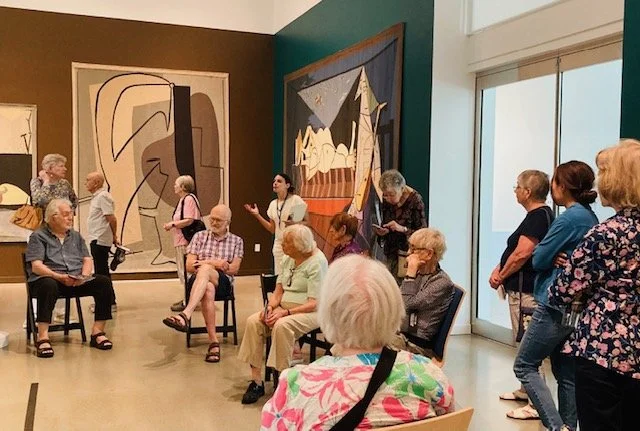
Photo by Janet Sawyer
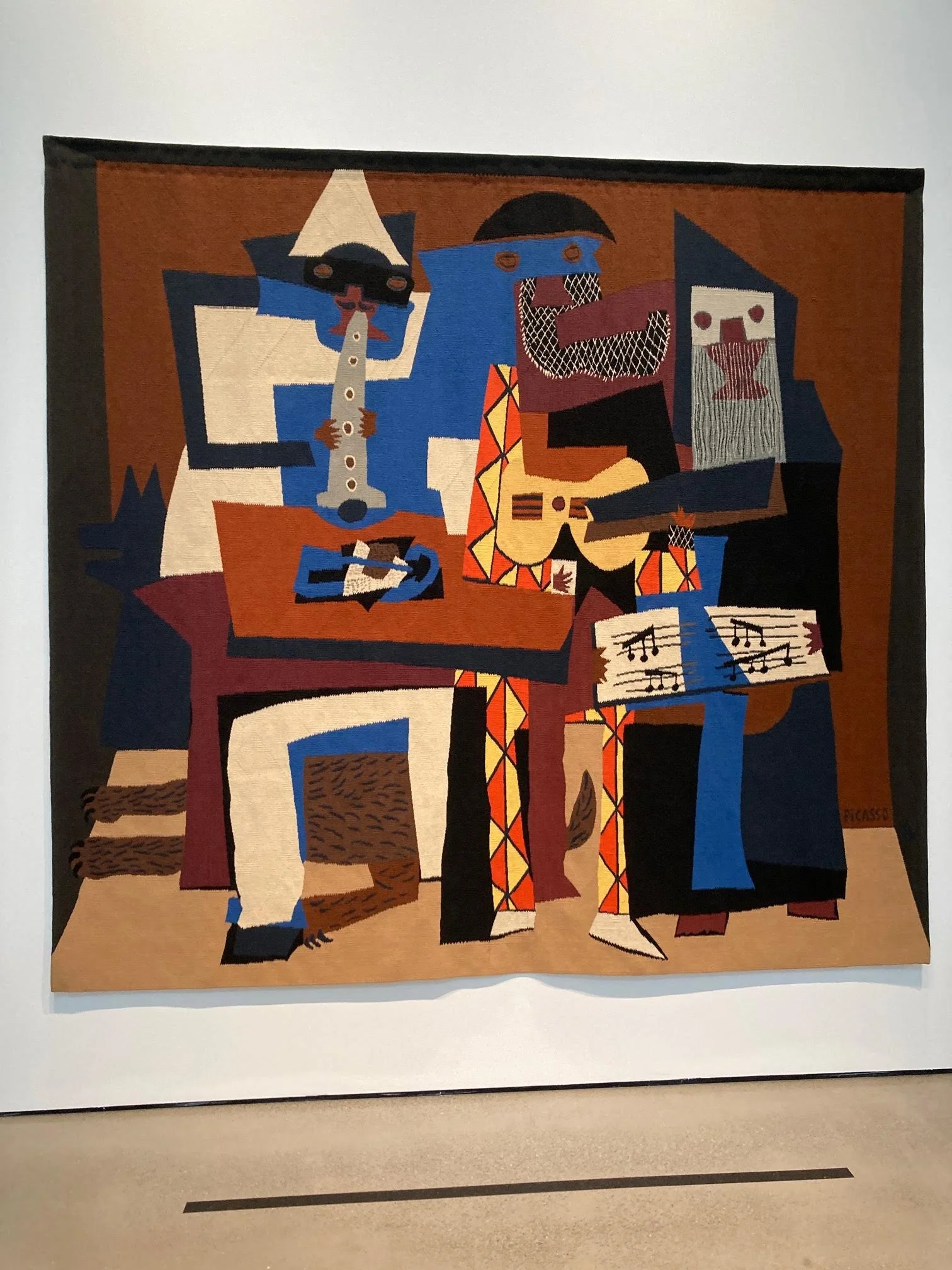
Photo by Marianne Bloomfeld
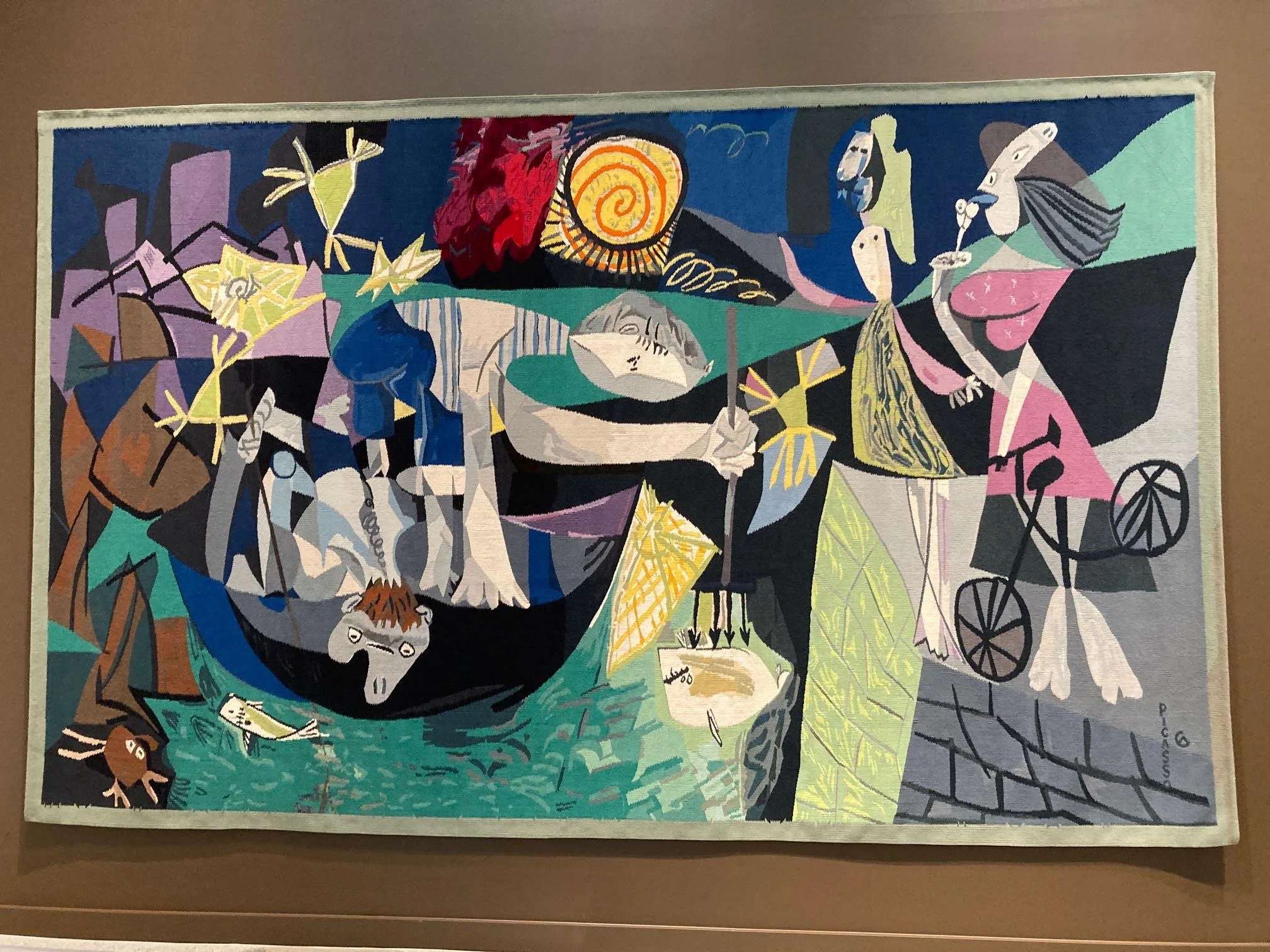
Photo by Marianne Bloomfeld
It’s a Rock. And It Doesn’t Belong There!
Recently, intrepid explorers Marianne Bloomfeld, Ruth Dinowitz, Jan Maier, and Amanda Slattery traveled all the way to the Rockefeller Preserve to find the Glacial Erratic. What’s that? A rock or boulder that differs from the native bedrock beneath it. Millenniums ago, during the Ice Age, a glacier picked up such “foreign” rocks and transported—sometimes hundreds of miles—and dropped them in their current location when the ice melted.
And the Kendal Four found it!

Photo by Amanda Slattery
There was a moment of ecstatic discovery.
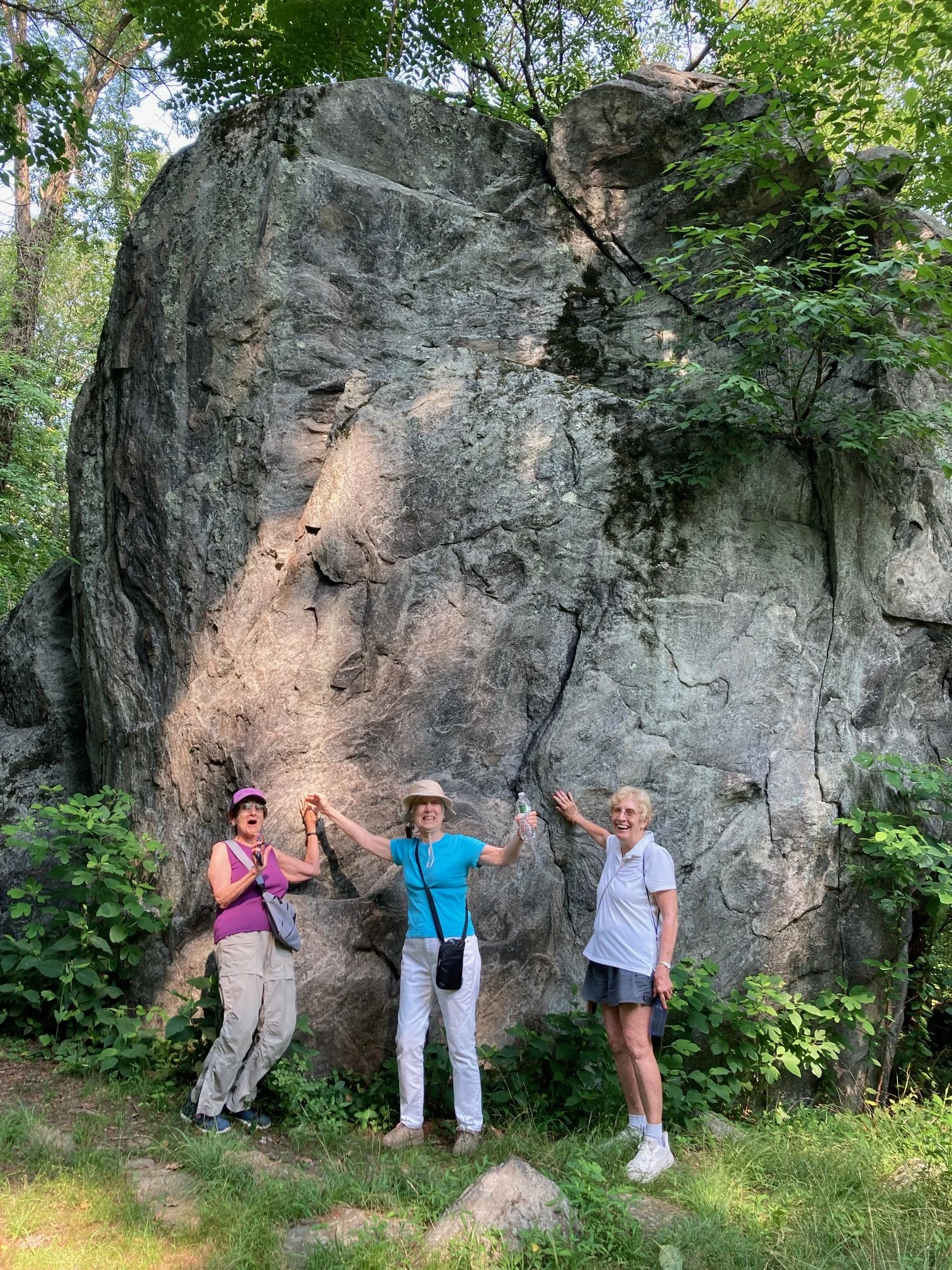
Photo by Marianne Bloomfeld
And then the necessity to record the great feat.
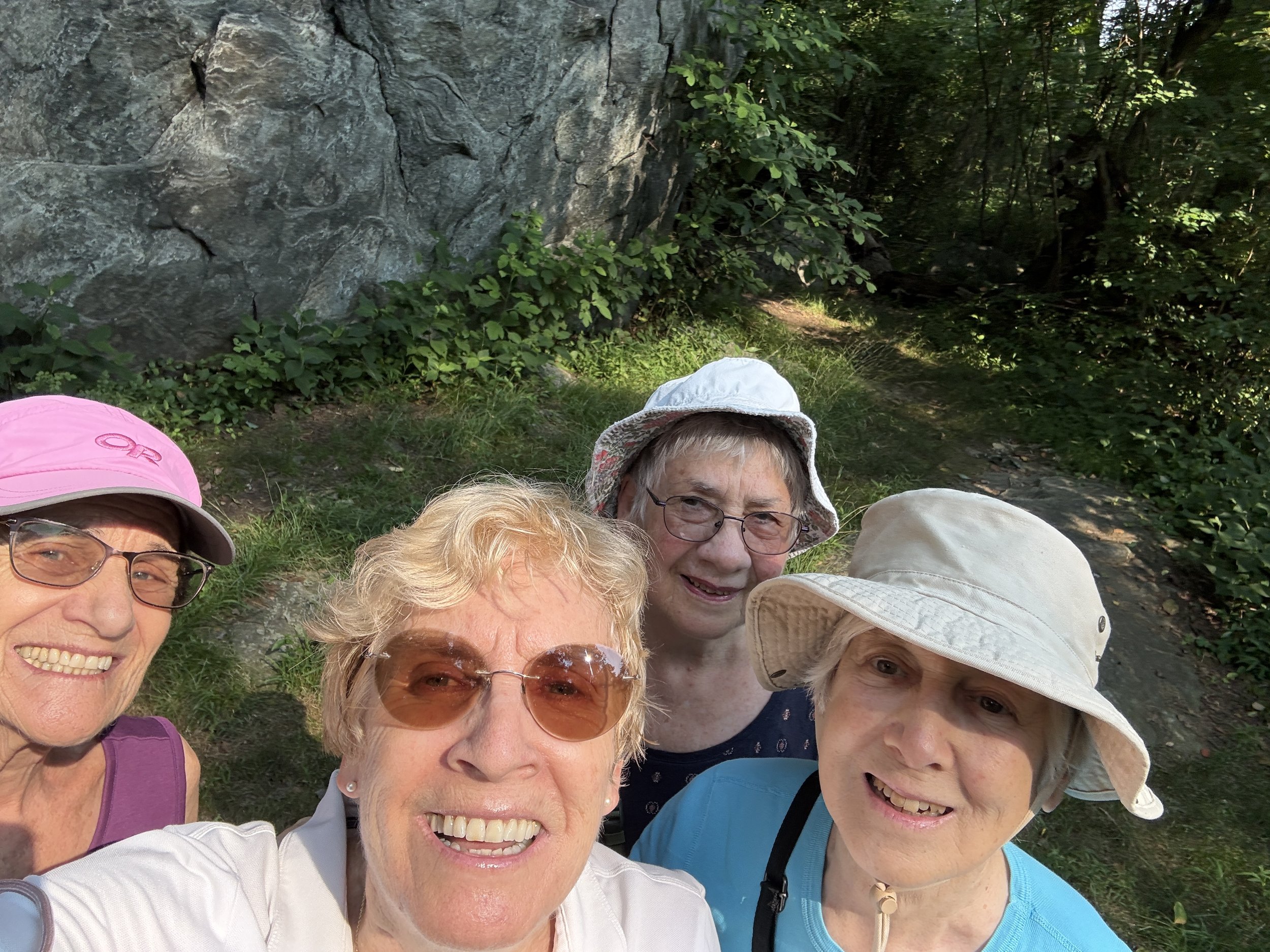
Photo by Amanda Slattery
Weekly Construction Report

The Community Room: Almost There!

From the Office of Ellen Ottstadt
Vive Bastille Day
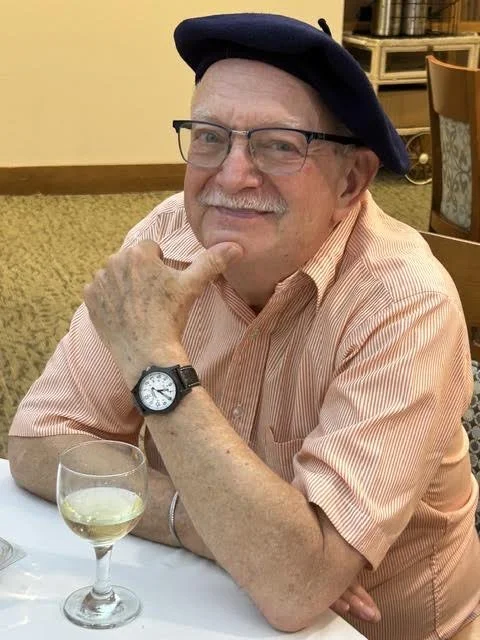
It happens once a year: Bastile Day! And Francophiles the world over—and here at Kendal—celebrate!
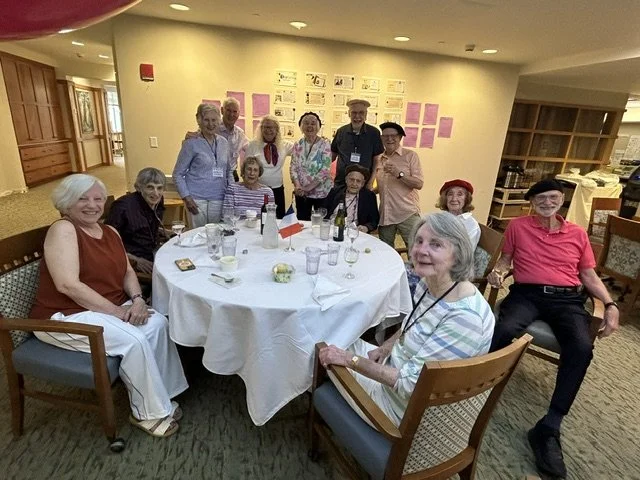
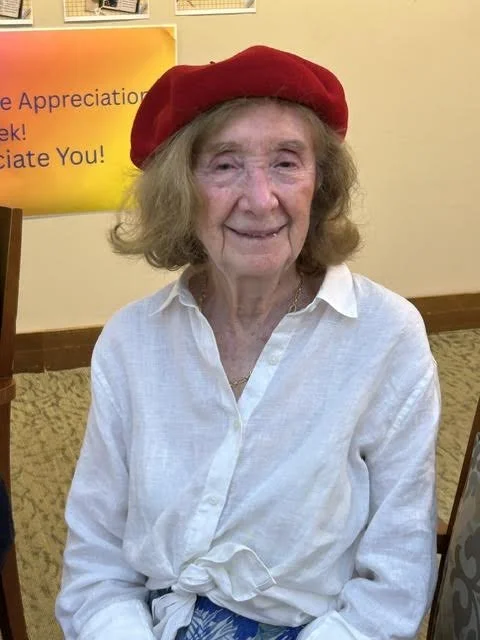



Photos mostly by Carolyn Reiss
If You Can't Say Anything Nice, Say It with Wit
These insults are from an era before the English language got boiled down to 4-letter words. Continued from last week
“He is not only dull himself; he is the cause of dullness in others.” Samuel Johnson
“He is simply a shiver looking for a spine to run up.” Paul Keating
“He loves nature in spite of what it did to him.” Forrest Tucker
“Why do you sit there looking like an envelope without any address on it?” Mark Twain
“His mother should have thrown him away and kept the stork.” Mae West
“Some cause happiness wherever they go; others, whenever they go.” Oscar Wilde
“He uses statistics as a drunken man uses lamp-posts . . . for support rather than illumination.” Andrew Lang (1844-1912)
“He has Van Gogh’s ear for music.” Billy Wilder
“I've had a perfectly wonderful evening. But I’m afraid this wasn’t it.” Groucho Marx
“The exchange between Winston Churchill & Lady Astor: She said, “If you were my husband I’d give you poison.” He said, “If you were my wife, I’d drink it.”
“He can compress the most words into the smallest idea of any man I know.” Abraham Lincoln
“There’s nothing wrong with you that reincarnation won’t cure.” Jack E. Leonard
“They never open their mouths without subtracting from the sum of human knowledge.” Thomas Brackett Reed
“He inherited some good instincts from his Quaker forebears, but by diligent hard work, he overcame them.” James Reston (about Richard Nixon)
Contributed by Barbara Bruno