I Never Knew That
Anesthesia Was Invented after a Laughing Gas Party
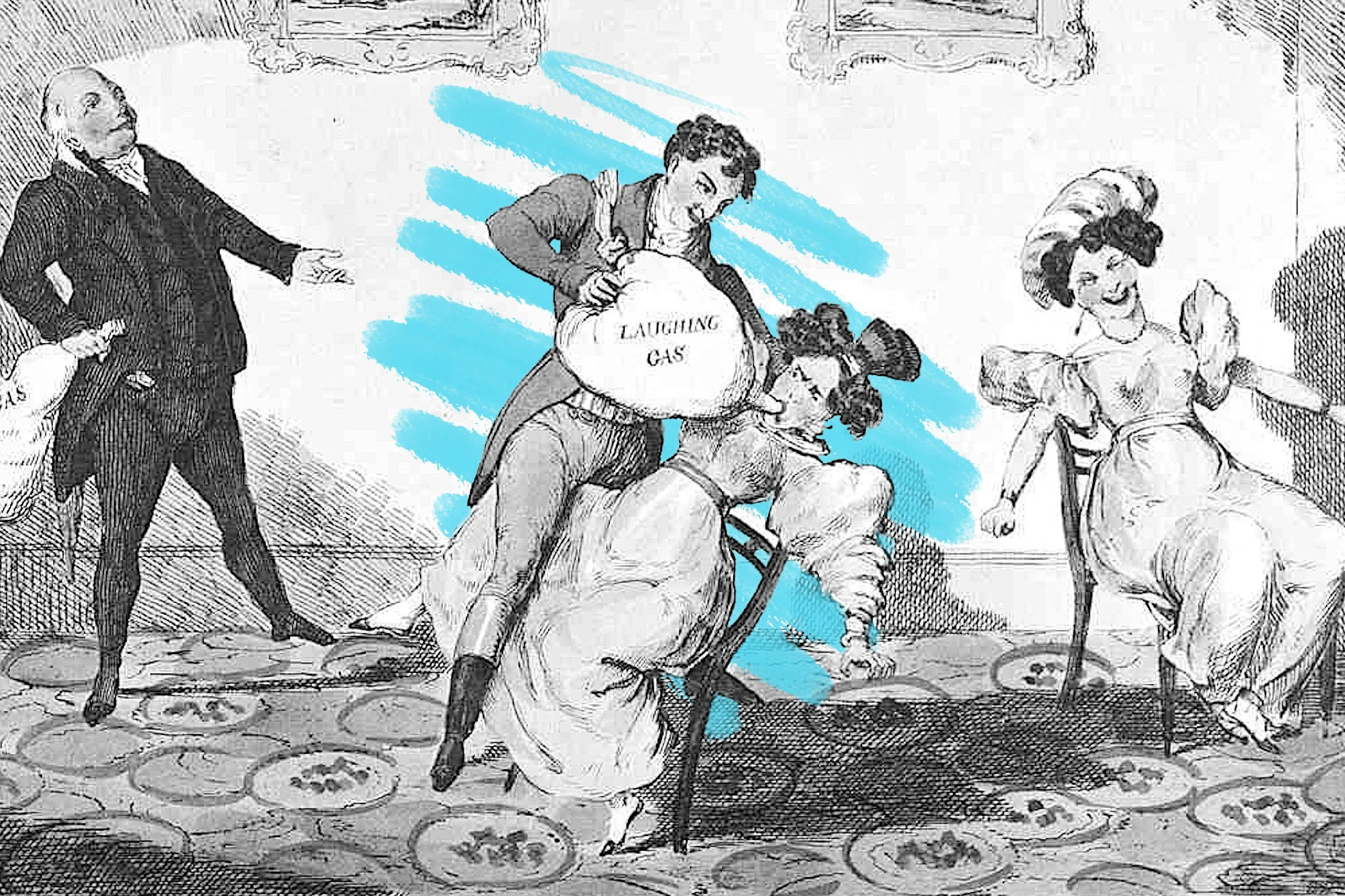
Before modern anesthesia, surgery was an agonizing experience. Procedures were done quickly and often with alcohol, opium, or nothing at all. That began to change in 1799, when 20-year-old English chemist Humphry Davy started experimenting with nitrous oxide—better known as laughing gas. Davy didn’t experiment alone. He invited friends to inhale the gas during get-togethers in the drawing room above his laboratory. The effects were immediate: laughter, euphoria, and shifts in bodily sensation all around. Davy recorded these findings and published them in 1800. These parties caught on across the U.K. and the United States, where ether was favored over laughing gas (the effects were similar and it was easier to obtain). Decades later, in 1844, American dentist Horace Wells decided to try nitrous oxide as an anesthetic for a tooth extraction. Though his early attempts weren’t successful, he inspired a colleague to attempt a similar procedure using ether. In 1846, dentist William Morton successfully demonstrated using ether as an anesthetic, ushering in the first widely accepted form of modern anesthesia.
The first local anesthetic was cocaine.
By the 1880s, anesthetics had already started transforming surgery, but pain control was still limited. In 1884, Austrian ophthalmologist Carl Koller demonstrated that a cocaine solution could numb the surface of the eye, allowing surgery to be performed without pain, and without putting a patient fully to sleep. Cocaine became widely used in medical procedures in the U.S. and Europe. But by 1886, cocaine’s toxicity was coming under fire, with concerns of complications and addiction. At the end of the 19th century, advances in organic chemistry led to safer synthetic alternatives. Early compounds such as procaine helped reduce reliance on cocaine, followed by a wave of new local anesthetics in the early 20th century.
Source: historyfacts.com, Nicole Villeneuve
Contributed by Jane Hart
For Your Funny Bone
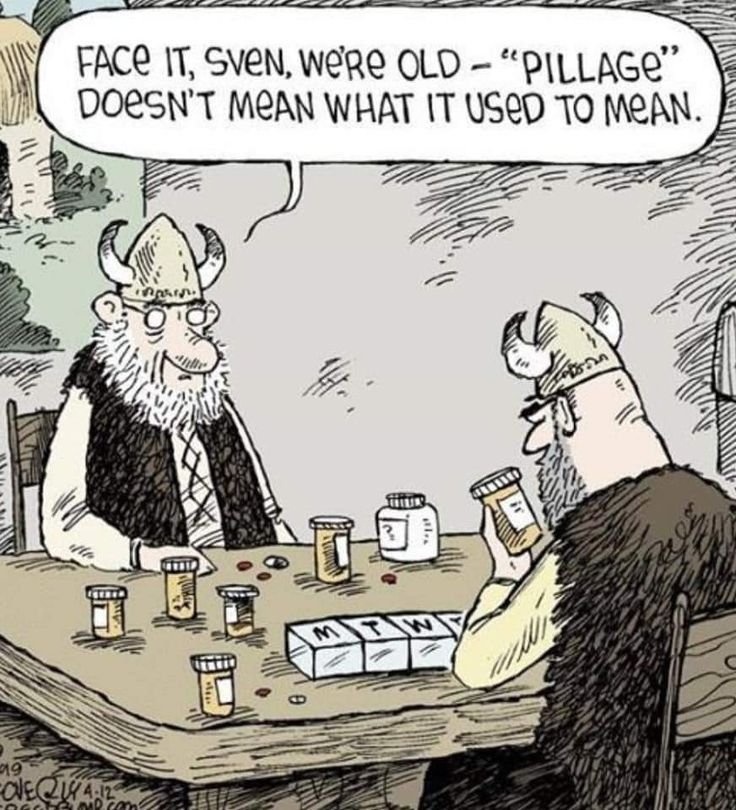

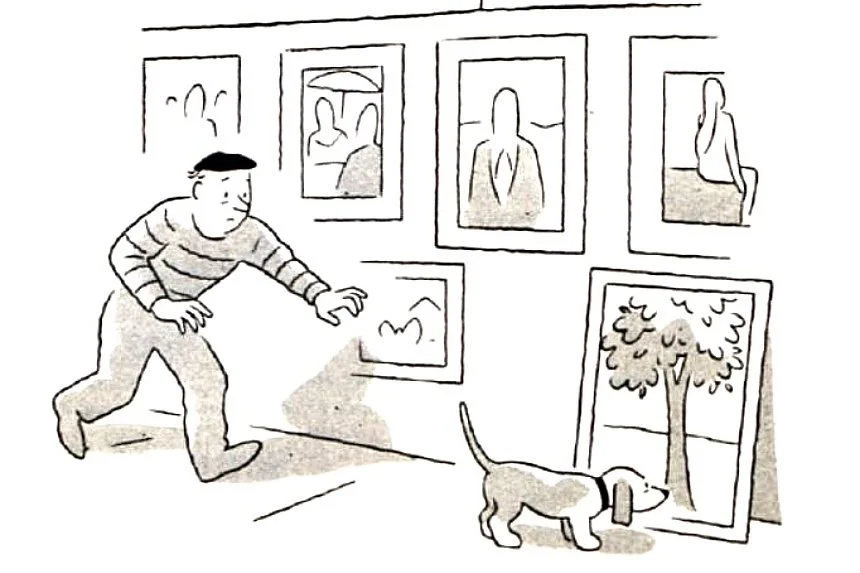
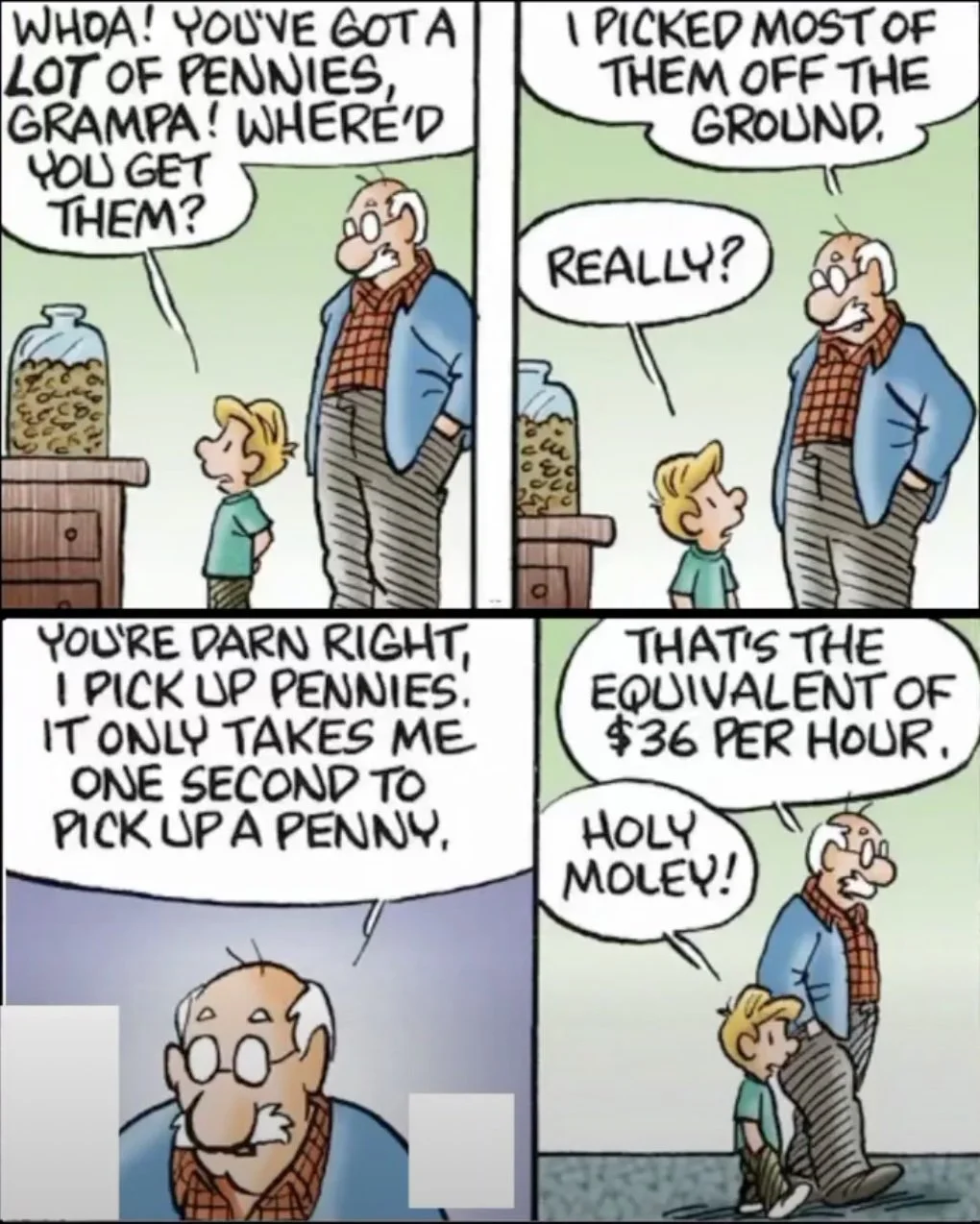

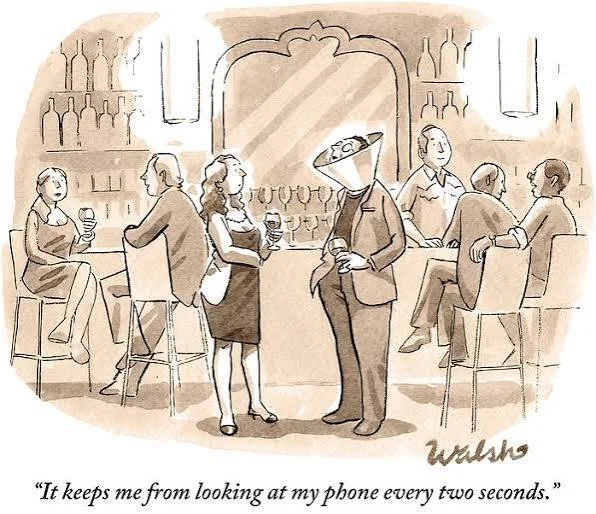
Hope XVI, by Sheila Benedis
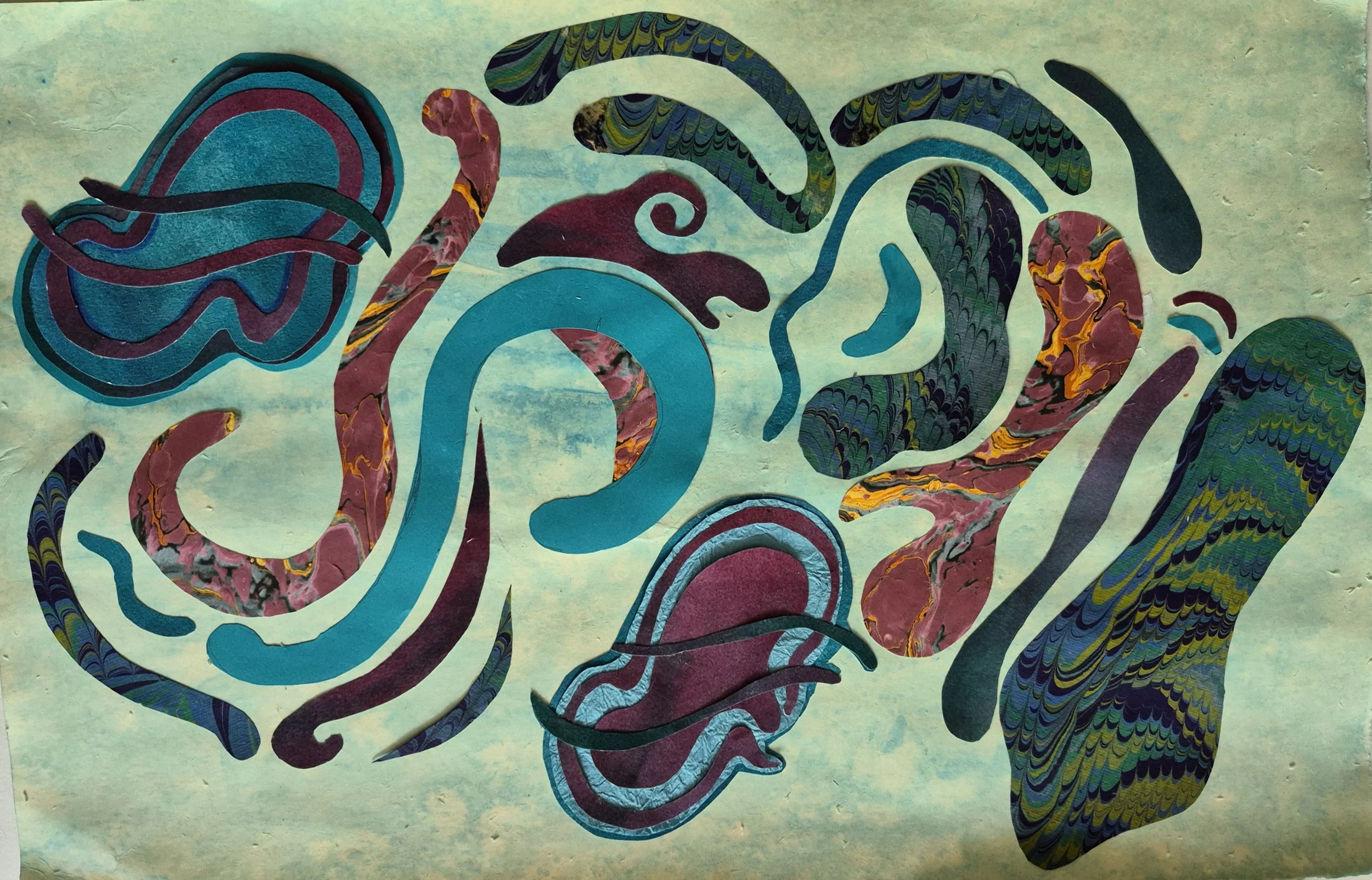
Art and photo by Sheila Benedis
Art by Hart

Barbara found it unexpectedly challenging to care for her neighbor’s plants
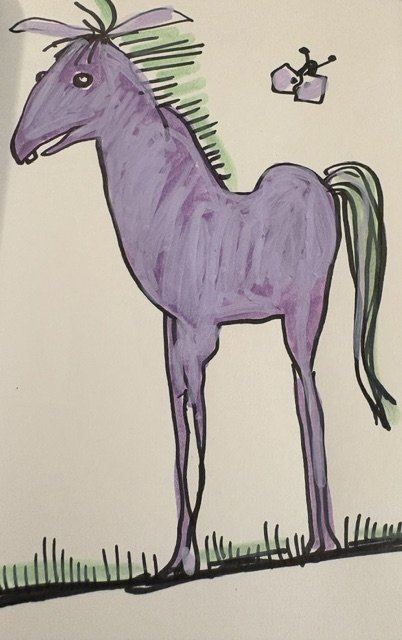
The Shumway kids had already grown tired of summer

Molly was only 23, but with her granny makeup, she could be sure that somebody would give her a seat on the subway
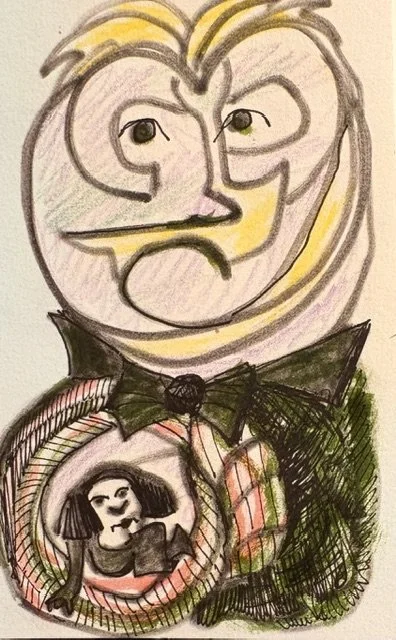
Thornton took his arguments with Stephanie to heart

It wasn’t the first time Len had lost his father’s house keys in a rainstorm
Art and photos by Jane Hart
In and Around Kendal
July Birthdays at Kendal

Photo by Harry Bloomfeld
Evening Sun Through the Smokey Haze

Photo by Amanda Slattery
Birds of a Feather . . . Well, Anyway, Birds
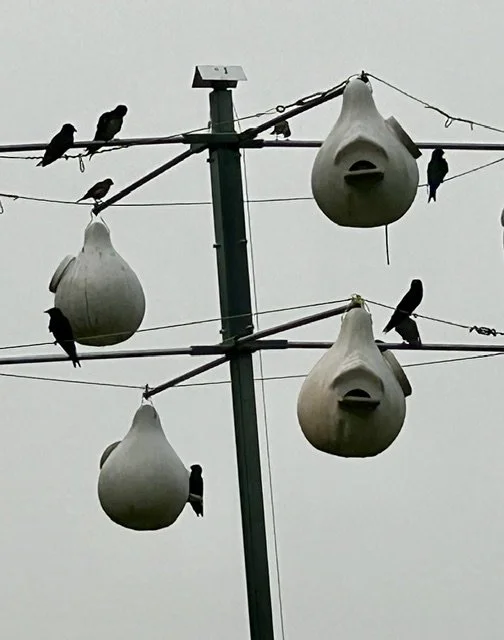
Flight school, by Carolyn Reiss

Standing guard, by Carolyn Reiss
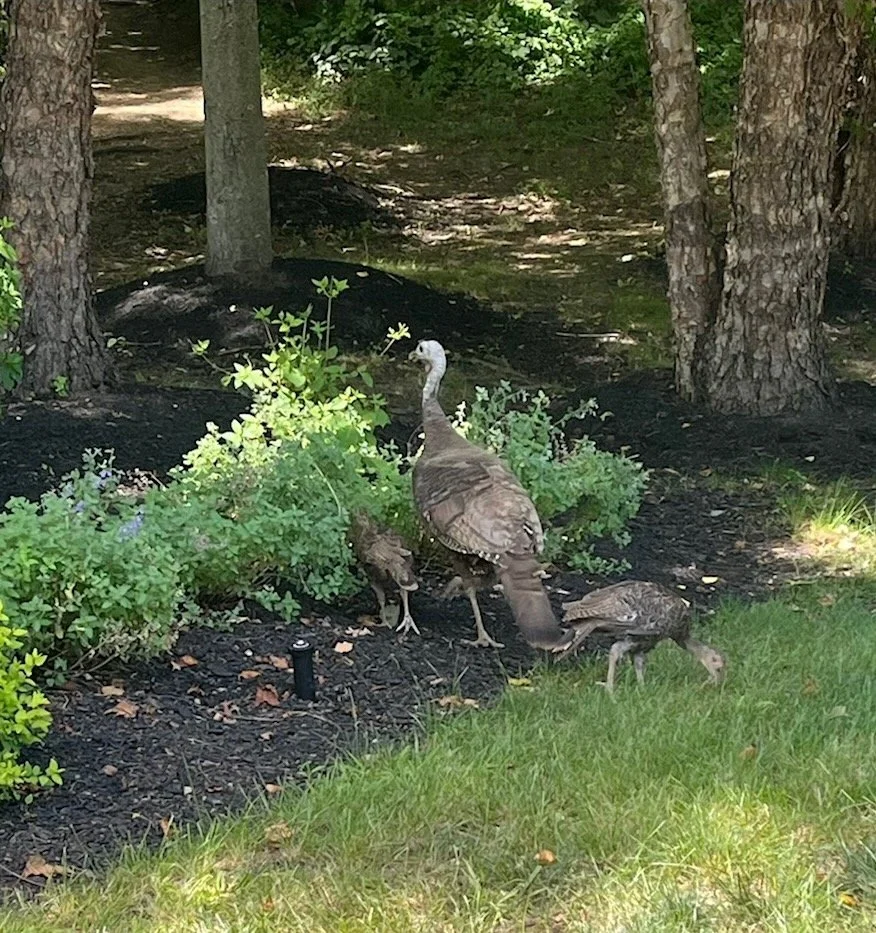
Dining al fresco with Mom, by Susan Yao

Feasting on sunflower seeds, by Amanda Slattery
They’re B-a-a-a-ck!

And a teenager, no less, by Amanda Slattery
He’s B-a-a-a-ck!
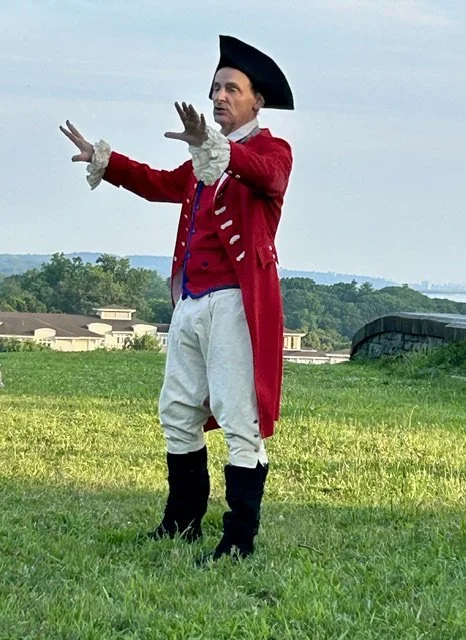
Major Andre returned to tell the tail of his Revolutionary War capture, by Carolyn Reiss
A Study in Mushrooms

Photo by Aruna Raghavan
Summertime and the Growin’ Is Easy

The invasion of the creeping vines, by Edward Kasinec

A prize in purple, by Lynn Brady
Workin’ on the River

Photo by Joe Bruno
Out and About
Fellow Traveller
Jane Hart and Steve Price spent a few days in Vermont, visiting family and friends. Staying at the Golden Stage Inn in Proctorsville, VT, they met a fellow guest, enjoying the weather.

Photo by Jane Hart
Picasso, the Rockefeller’s, and Kendal: a Match Made in Heaven
Recently, Kendalites visited the Pocantico Center to see the special docent-led exhibit of all the Picasso tapestries, woven for the Rockefeller’s by master weaver Jacqueline de la Baume Dürrbach, from art created by Picasso (and with his approval).
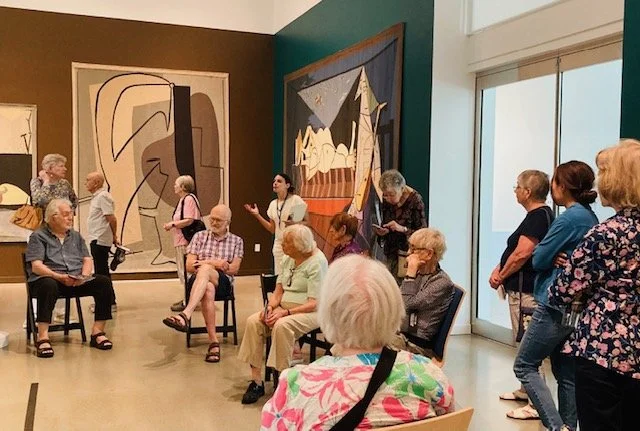
Photo by Janet Sawyer
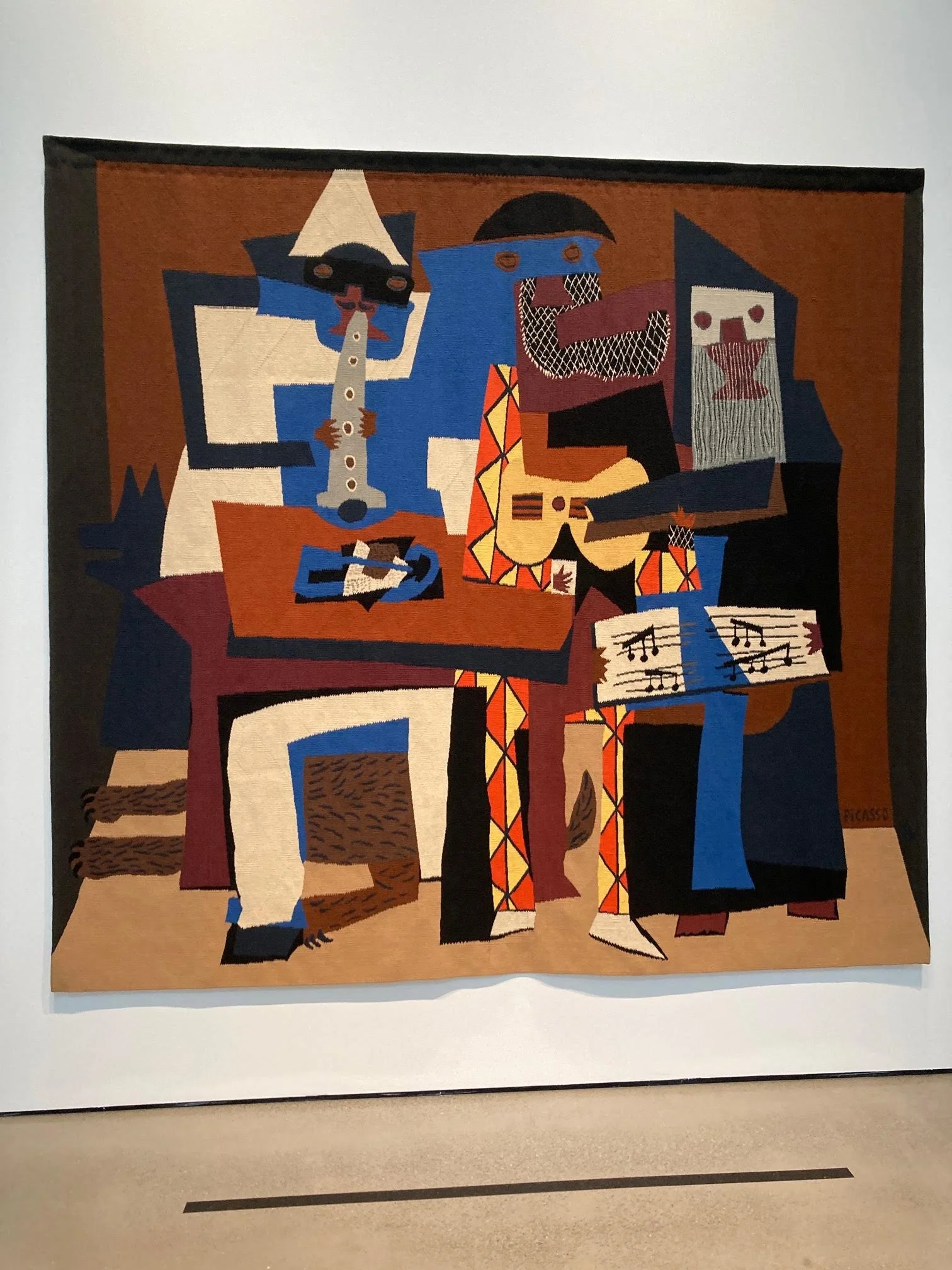
Photo by Marianne Bloomfeld
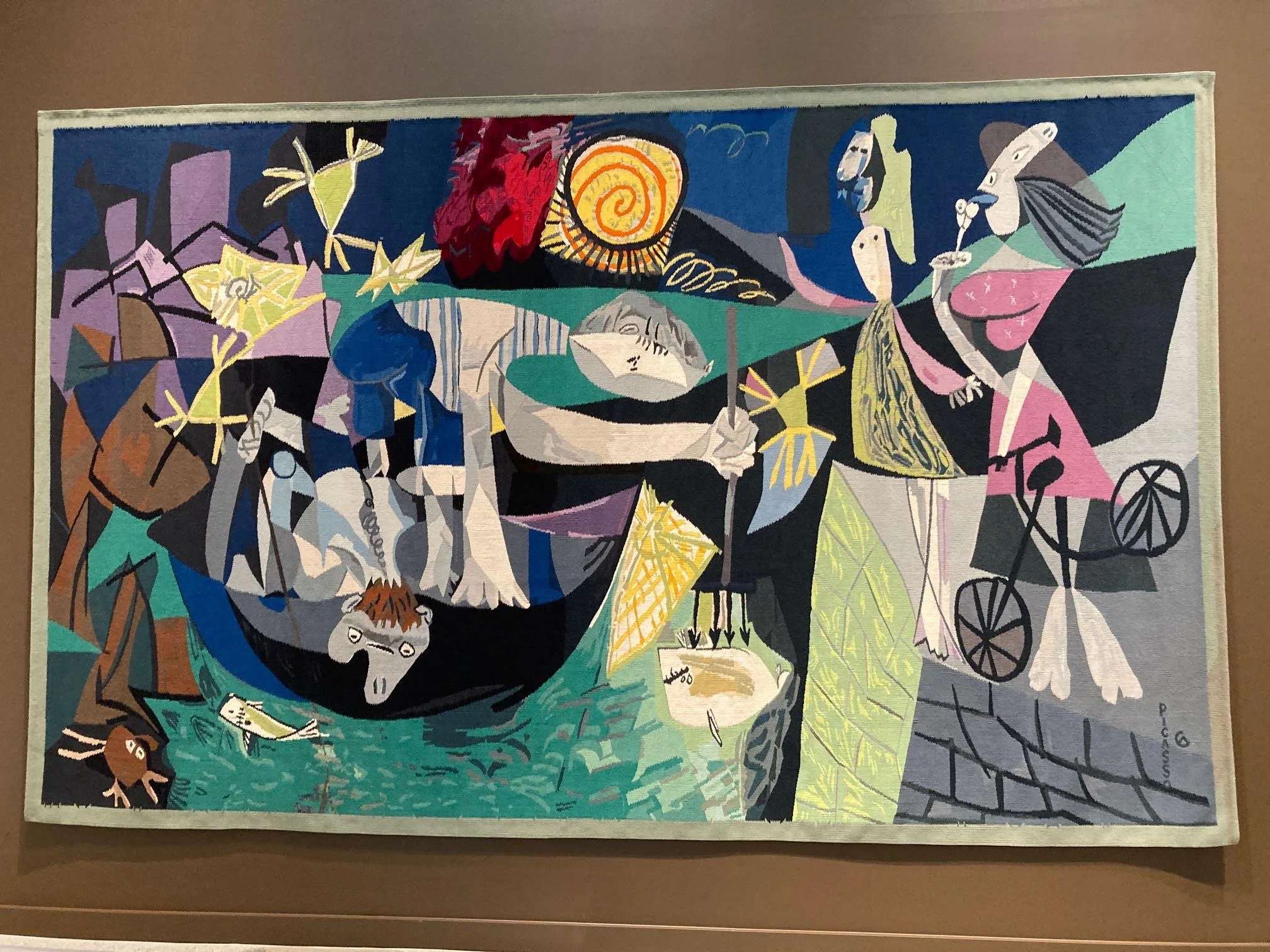
Photo by Marianne Bloomfeld
It’s a Rock. And It Doesn’t Belong There!
Recently, intrepid explorers Marianne Bloomfeld, Ruth Dinowitz, Jan Maier, and Amanda Slattery traveled all the way to the Rockefeller Preserve to find the Glacial Erratic. What’s that? A rock or boulder that differs from the native bedrock beneath it. Millenniums ago, during the Ice Age, a glacier picked up such “foreign” rocks and transported—sometimes hundreds of miles—and dropped them in their current location when the ice melted.
And the Kendal Four found it!
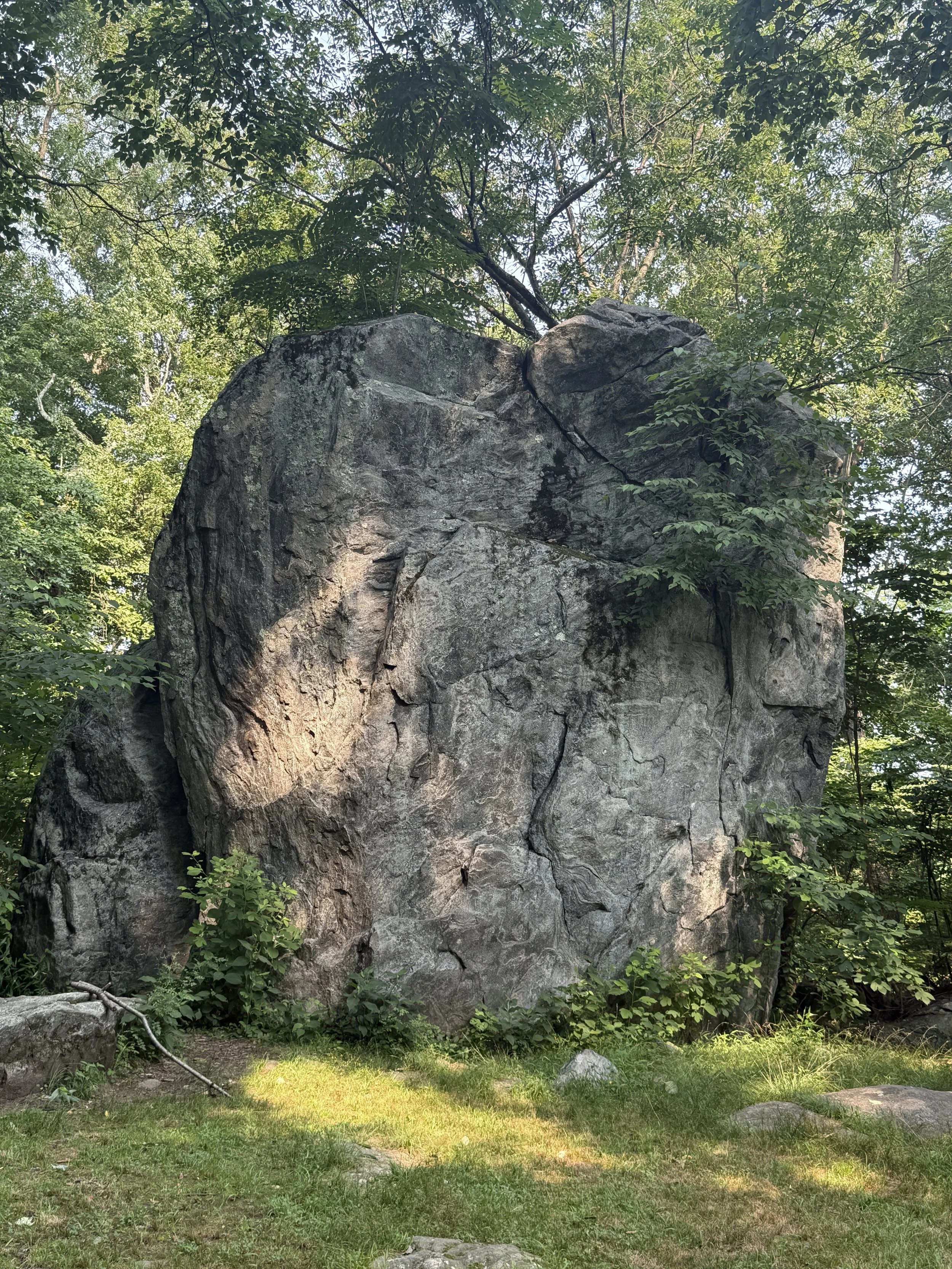
Photo by Amanda Slattery
There was a moment of ecstatic discovery.
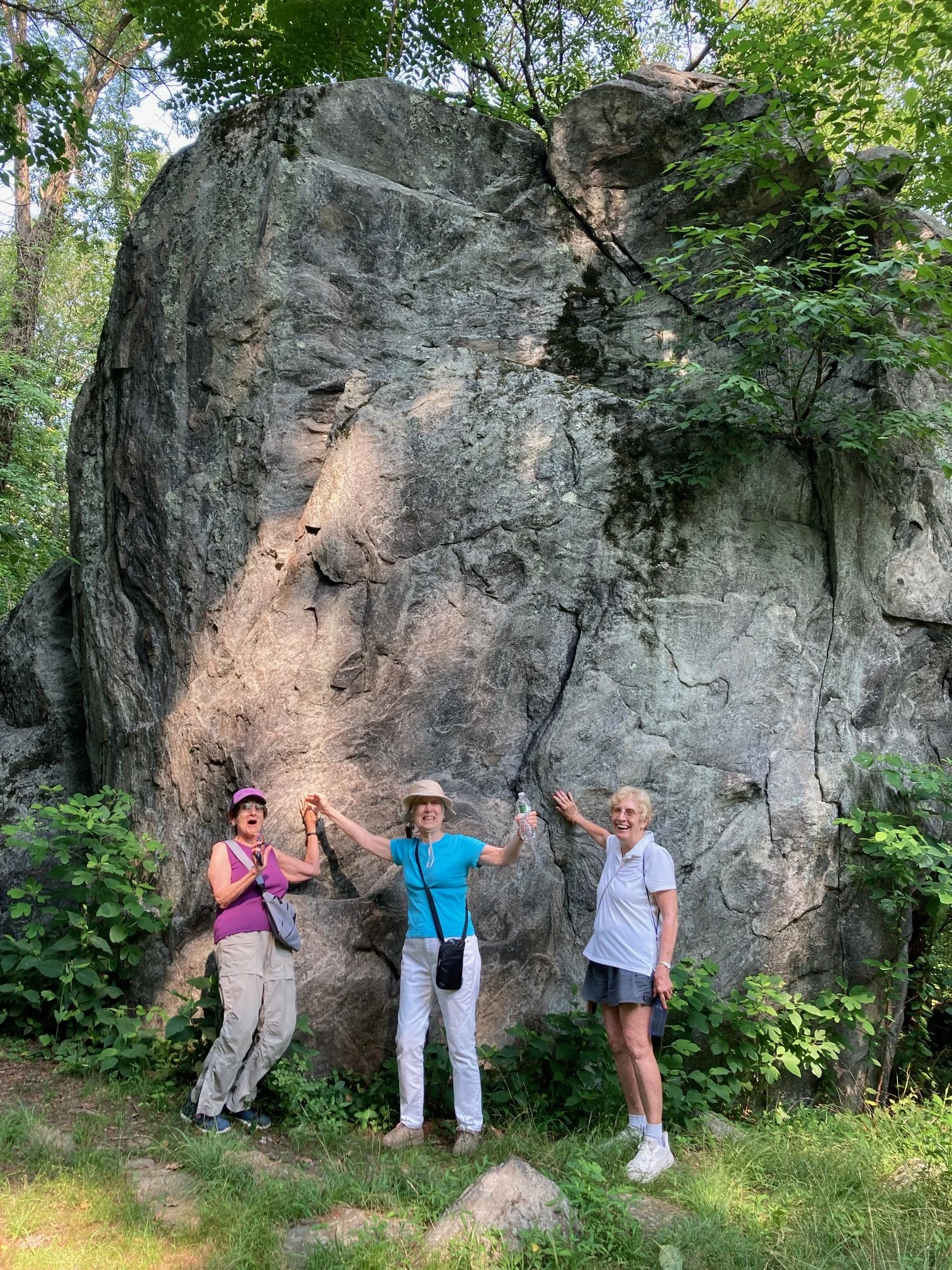
Photo by Marianne Bloomfeld
And then the necessity to record the great feat.
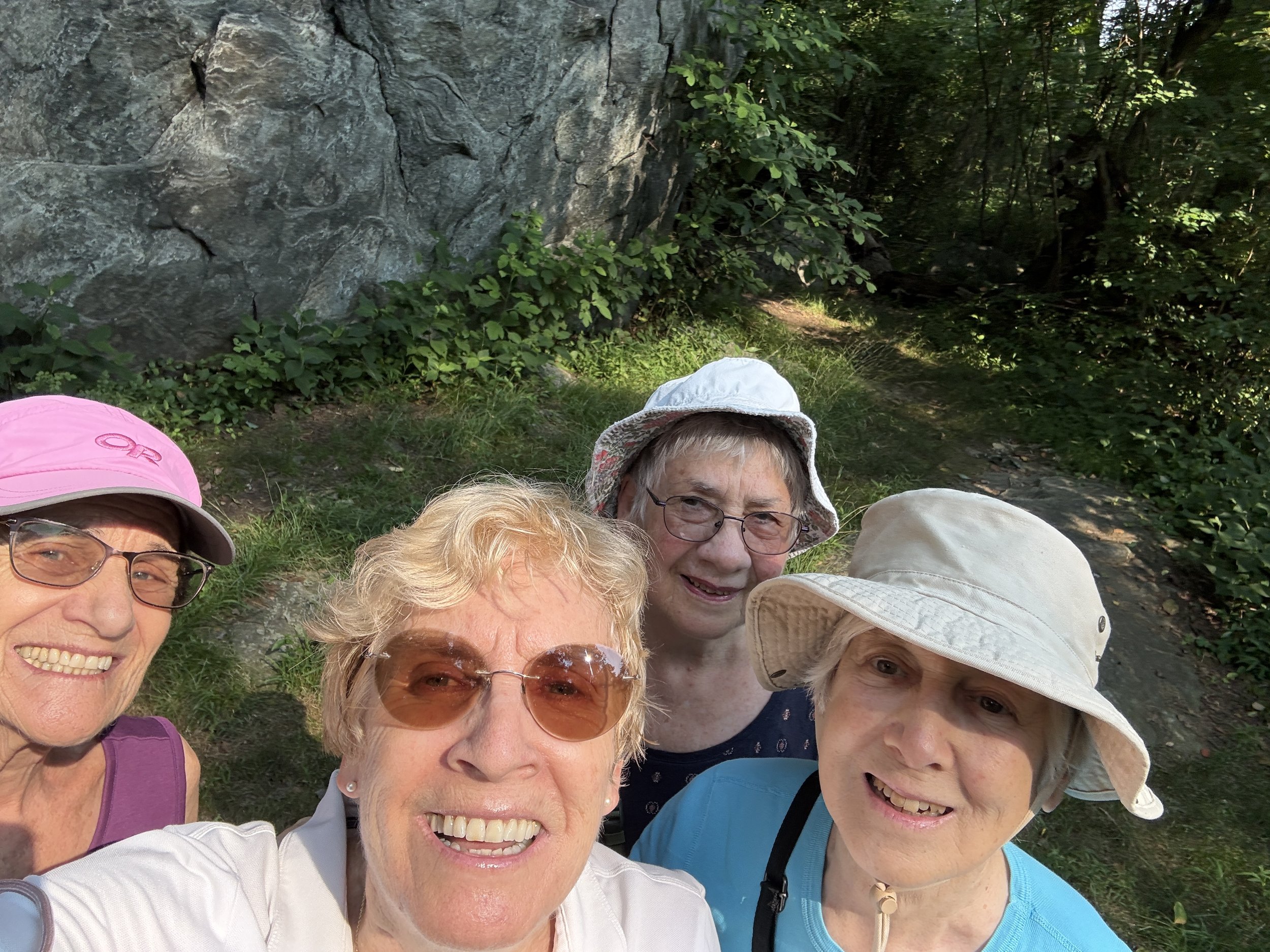
Photo by Amanda Slattery
Weekly Construction Report
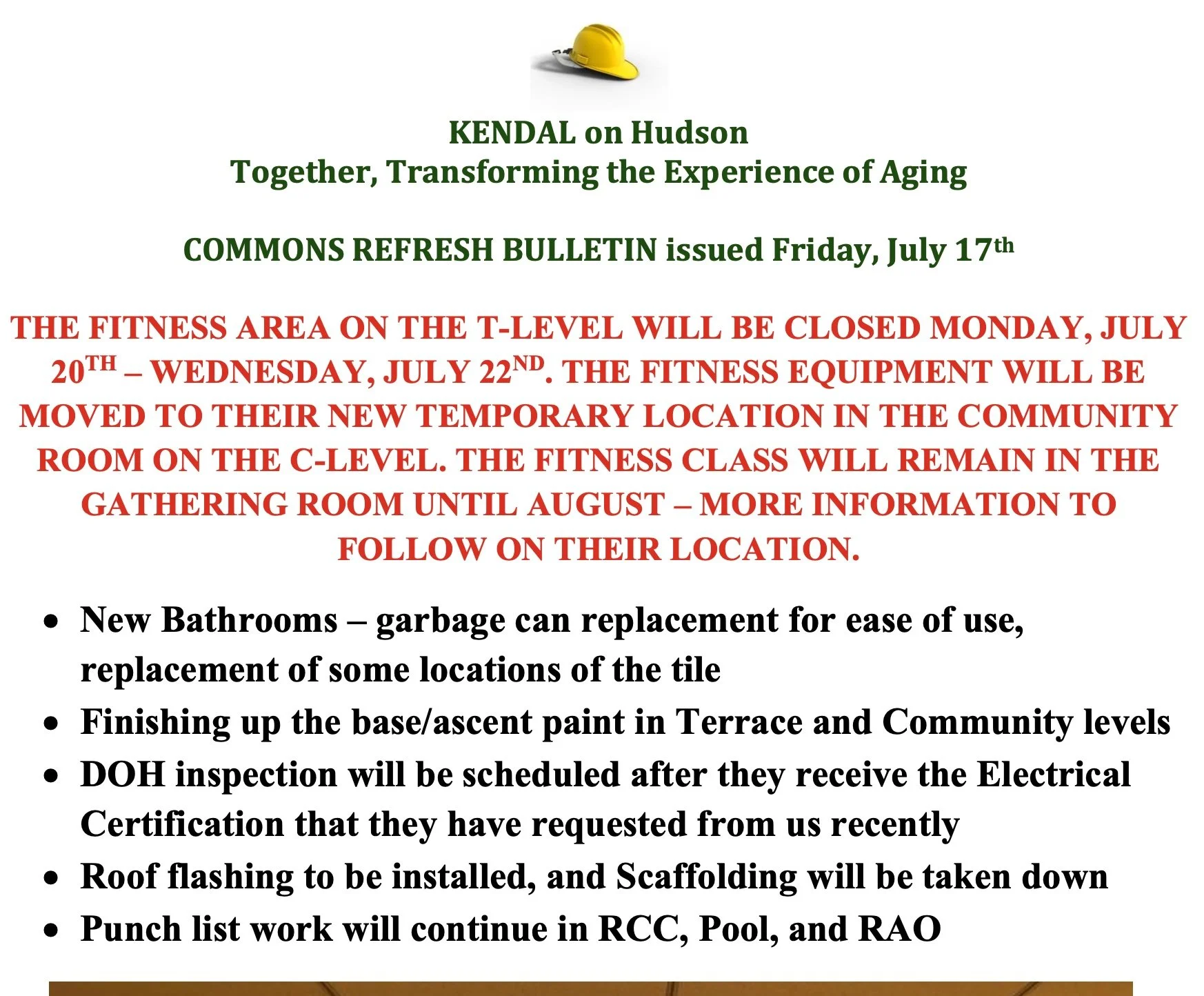
The Community Room: Almost There!

From the Office of Ellen Ottstadt
Vive Bastille Day
It happens once a year: Bastile Day! And Francophiles the world over—and here at Kendal—celebrate!
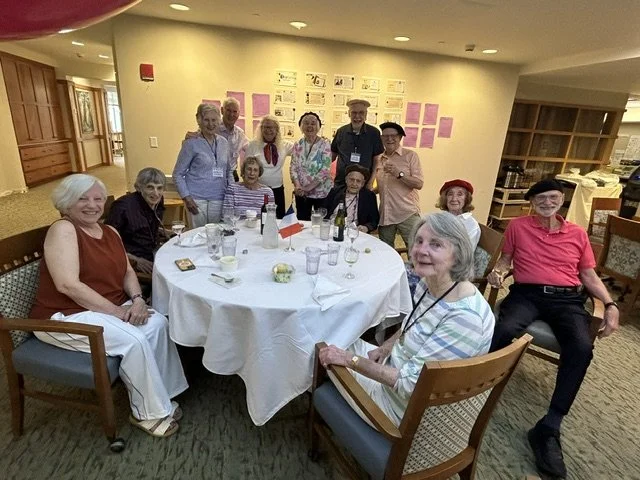
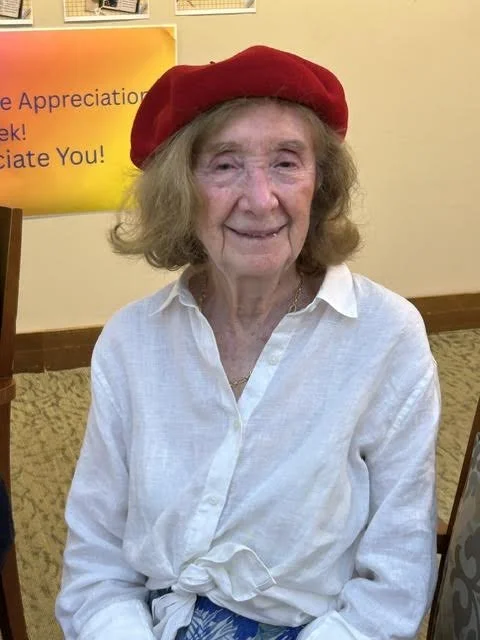
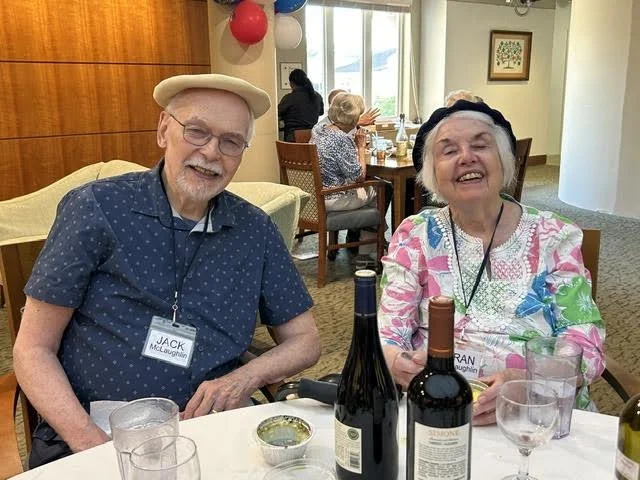
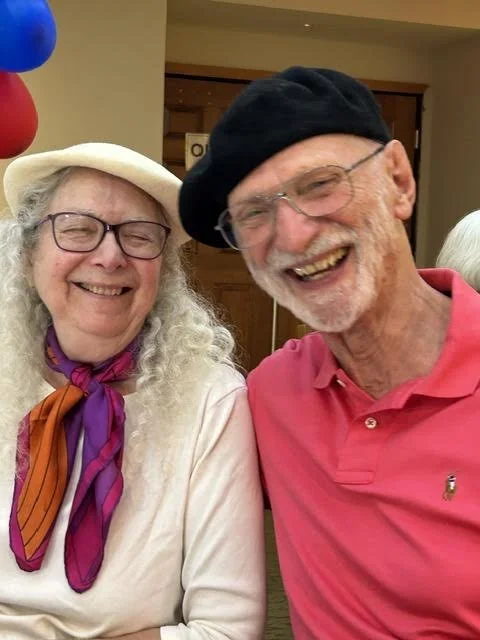
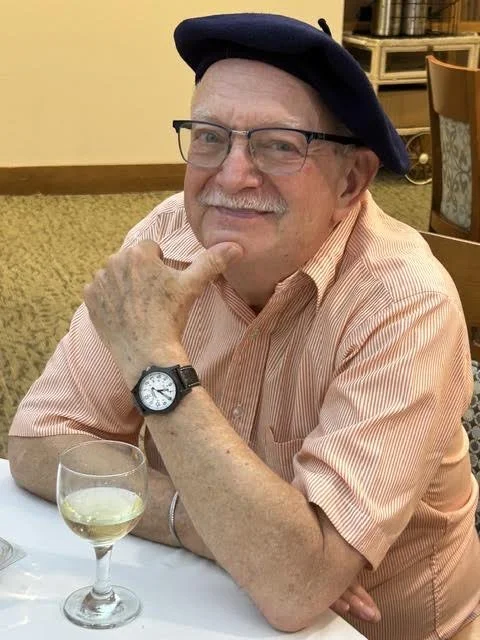
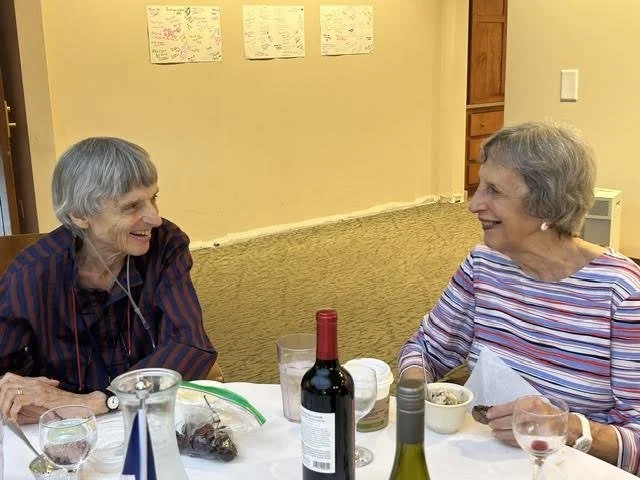
Photos mostly by Carolyn Reiss
If You Can't Say Anything Nice, Say It with Wit
These insults are from an era before the English language got boiled down to 4-letter words. Continued from last week
“He is not only dull himself; he is the cause of dullness in others.” Samuel Johnson
“He is simply a shiver looking for a spine to run up.” Paul Keating
“He loves nature in spite of what it did to him.” Forrest Tucker
“Why do you sit there looking like an envelope without any address on it?” Mark Twain
“His mother should have thrown him away and kept the stork.” Mae West
“Some cause happiness wherever they go; others, whenever they go.” Oscar Wilde
“He uses statistics as a drunken man uses lamp-posts . . . for support rather than illumination.” Andrew Lang (1844-1912)
“He has Van Gogh’s ear for music.” Billy Wilder
“I've had a perfectly wonderful evening. But I’m afraid this wasn’t it.” Groucho Marx
“The exchange between Winston Churchill & Lady Astor: She said, “If you were my husband I’d give you poison.” He said, “If you were my wife, I’d drink it.”
“He can compress the most words into the smallest idea of any man I know.” Abraham Lincoln
“There’s nothing wrong with you that reincarnation won’t cure.” Jack E. Leonard
“They never open their mouths without subtracting from the sum of human knowledge.” Thomas Brackett Reed
“He inherited some good instincts from his Quaker forebears, but by diligent hard work, he overcame them.” James Reston (about Richard Nixon)
Contributed by Barbara Bruno
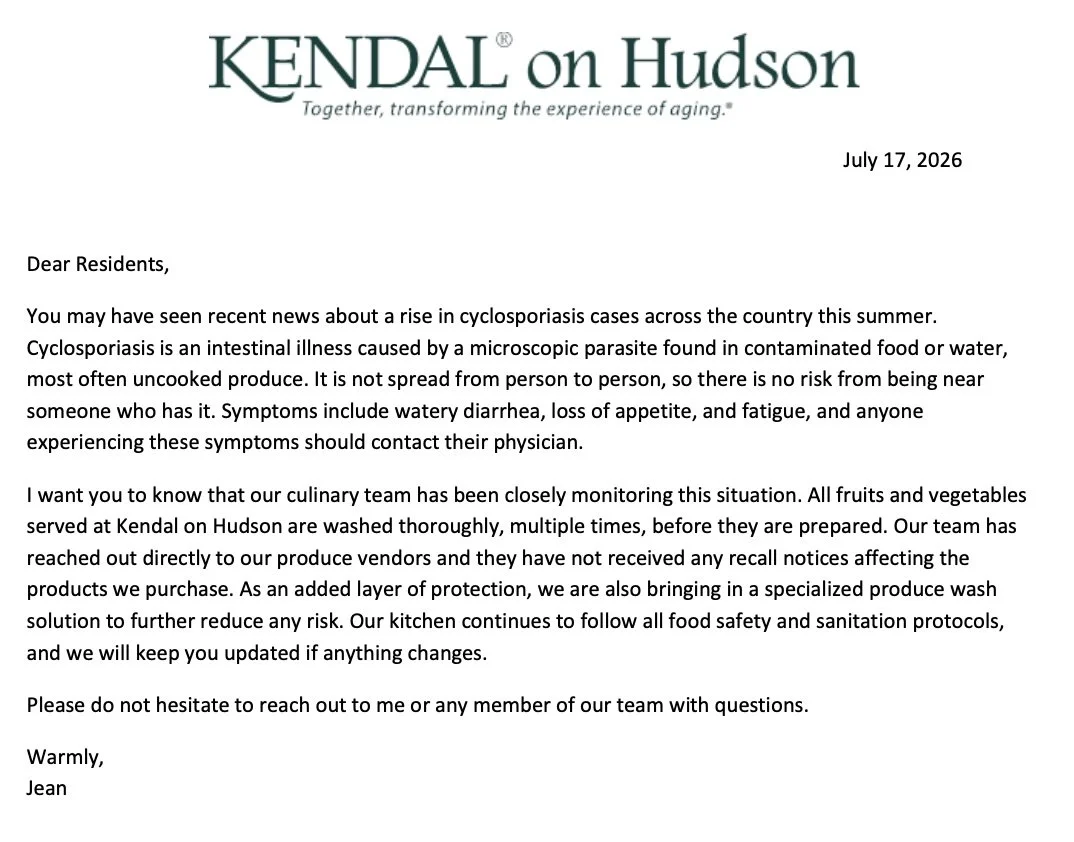
A Note on Avoiding Cyclosporiasis at KoH
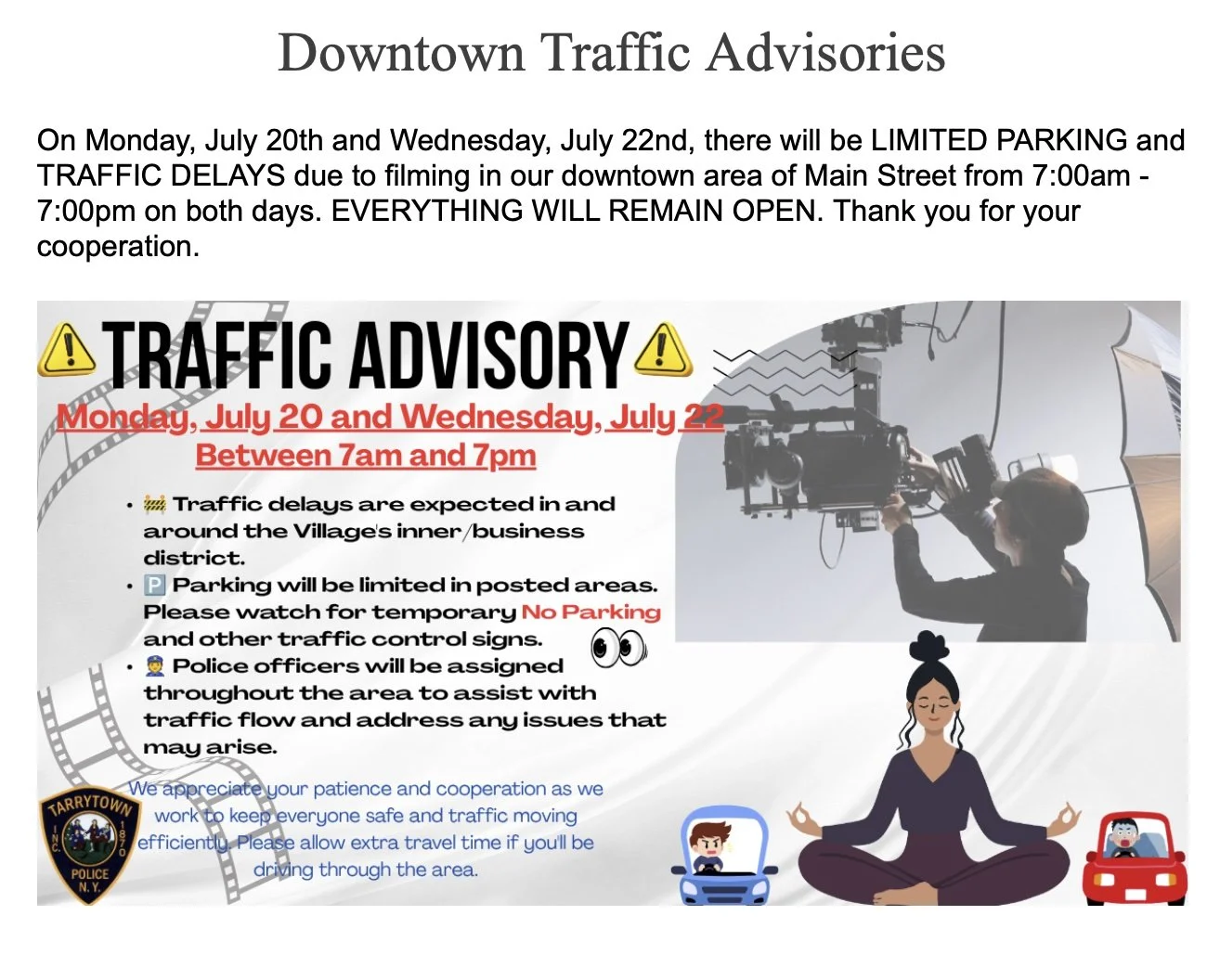
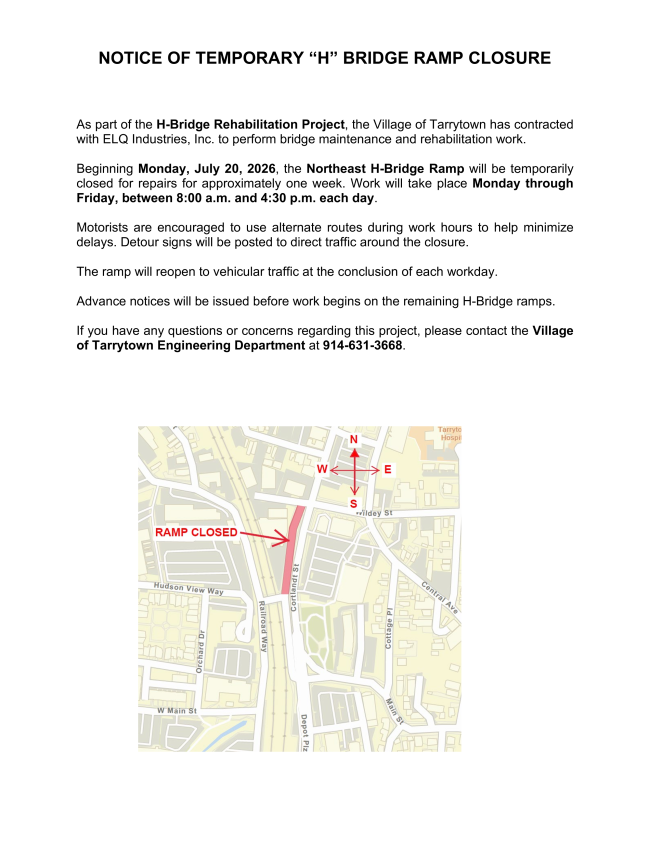
Tarrytown Traffic Alerts
I Never Knew That
Last week we learned about when packaged sliced bread was introduced. This week we learn about something mentioned at the end of that article:
The World War II Home Sacrifice That Failed
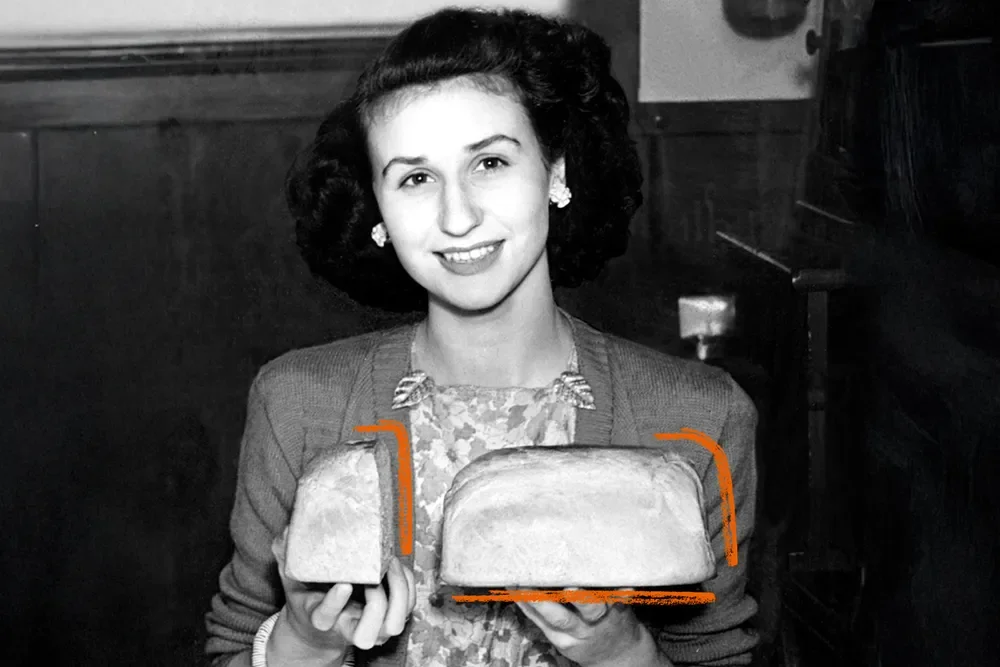
Early in 1943, with hundreds of thousands of troops overseas fighting Nazi Germany and the Axis powers, Americans were already deep in the daily restrictions of wartime life. Sugar and gasoline were in short supply. Tires and coffee were scarce. Ration books and their stamps were part of life—and most people had learned to live with it.
But then the government came for their bread.
The order came from U.S. Secretary of Agriculture Claude R. Wickard, who declared the sale of sliced bread illegal in Food Distribution Order No. 1.
Rationing had begun in 1942 and now governed everything from food to fuel. Each person was assigned a careful tally of stamps, and those stamps had to be handed over—along with cash—to purchase goods. The idea was simple: The war would get what it needed first, and civilians would learn to live with what was left.
By and large, Americans took this seriously, even cheerfully. They planted victory gardens. They ate more Kraft Macaroni & Cheese. They volunteered to distribute ration books. They patched, saved, reused, and made do. (They also sold tires on the lucrative black market that developed.)
But those same Americans had just gotten used to the soft, uniform, preservative-laden glory of machine-sliced bread, and they were reluctant to have it pried from their hands (hands that were not used to holding serrated knives). Wonder Bread had landed on store shelves in 1930, after the first commercial bread-slicing machine debuted at a Missouri bakery in 1928. Americans ate it up. Literally.
Wickard’s rationale wasn’t absurd. Getting bread from wheat in the field to perfectly portioned loaves in consumers’ hands required many of the same things that the war effort needed: waxed paper for packaging, steel for slicing machines, milk for baking, and labor.
The problem was that most bakeries—small shops and commercial factories—already owned slicing machines. Making consumers slice their own bread didn’t save much money, material, or man power. Bakeries found that unsliced loaves didn’t fit in the packaging they had, and consumers were terrible at cutting bread at home, with widespread complaints of waste.
The backlash was intense. After a week the mayor of New York announced that bakeries already equipped with slicing machines could continue to use them, creating instant acrimony between the sliced and the unsliced, the haves and the have-nots.
By early March the order had unraveled. The government backed down, issuing a statement that the country had a four-month store of wax paper—and that was plenty. Sliced bread returned, and the republic endured.
Source: Britannica.com, “Today in History,” Michele Metrych
For Your Funny Bone
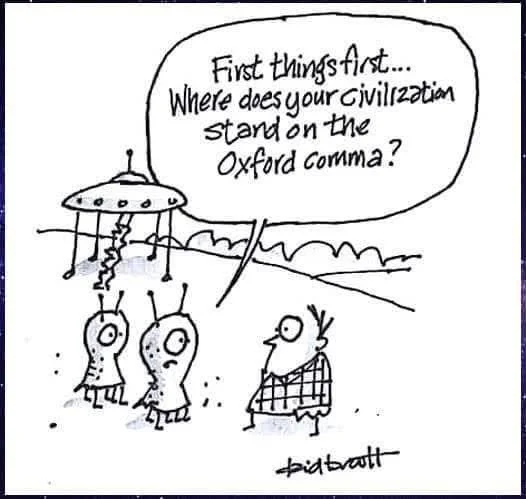

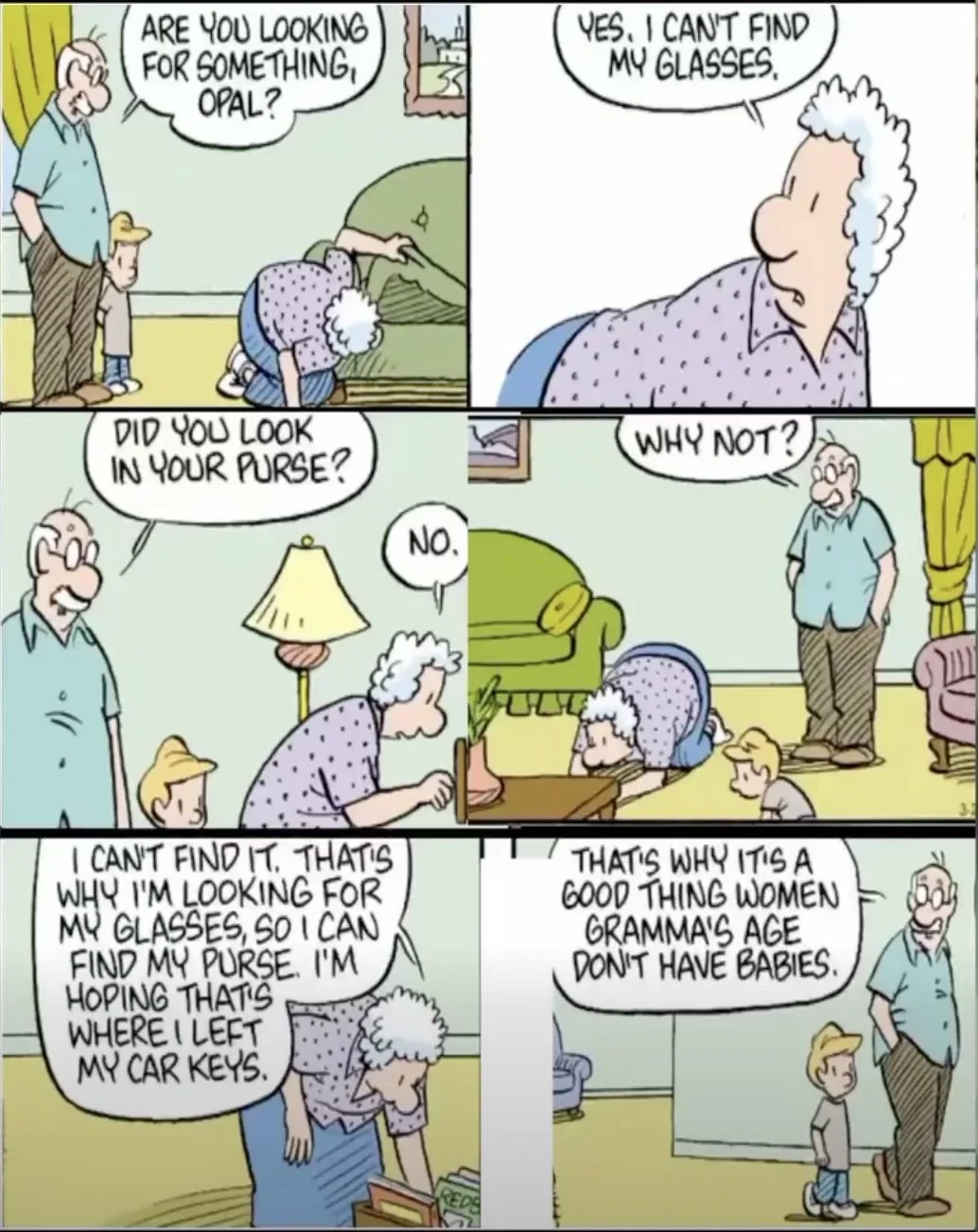
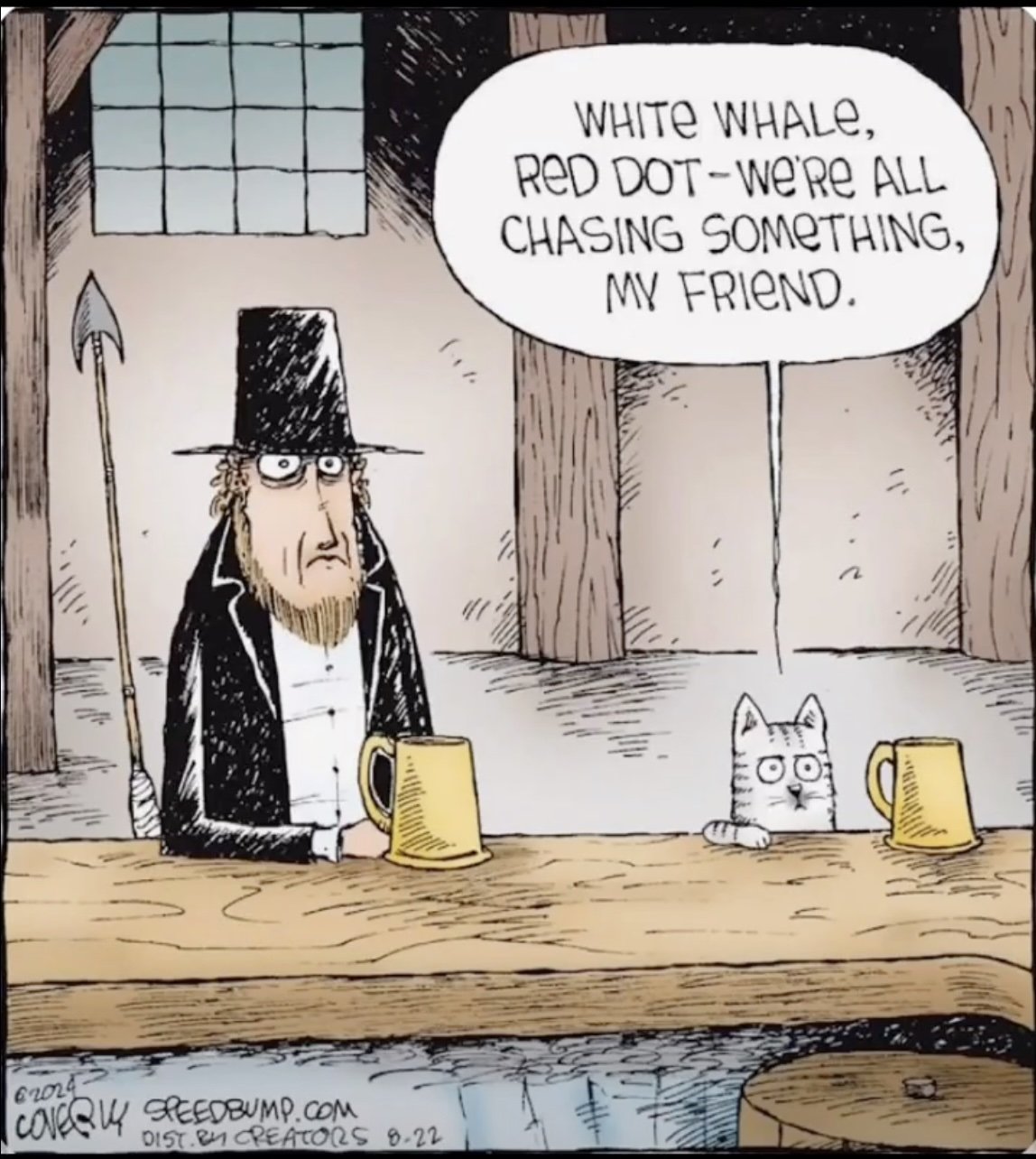
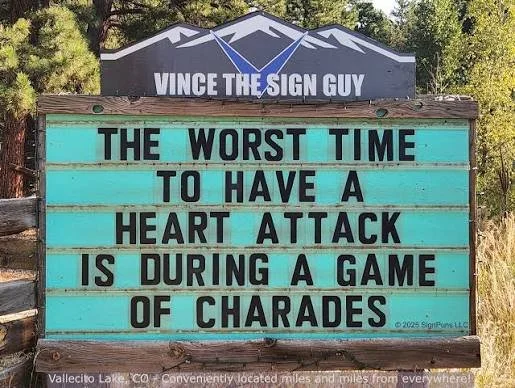

Art by Hart
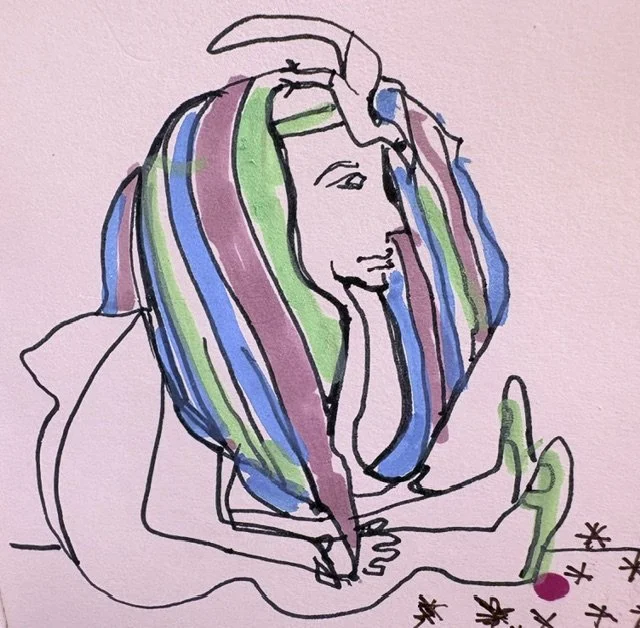
FIFA wasn’t the only sporting event on TV
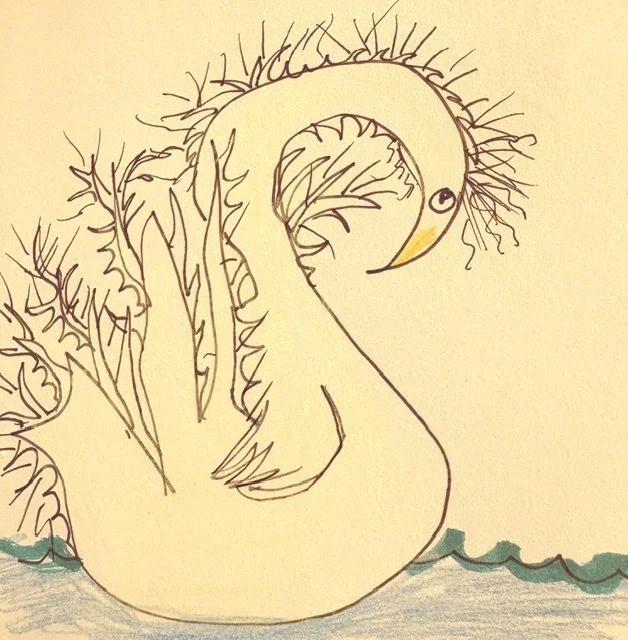
The frizzy weather was playing havoc with Franny’s feathers
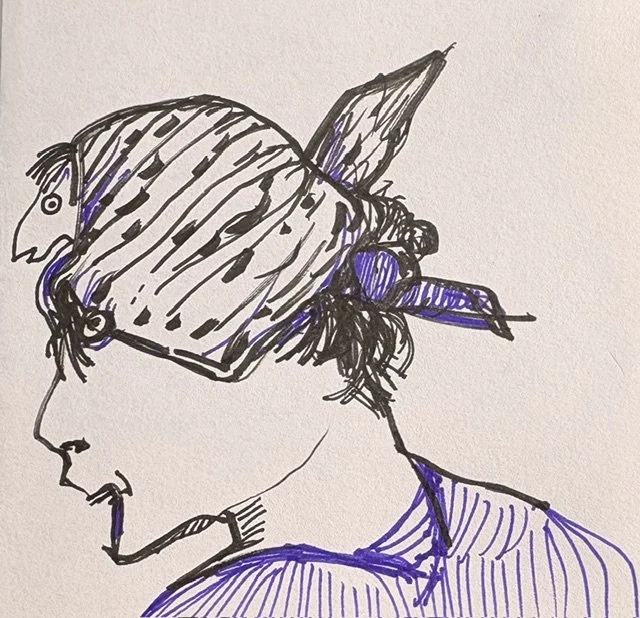
Laurel never had to hire a babysitter

Rhetta’s mother assured her that nobody would notice such a tiny pimple

The Selkirk boys were harmless, but they liked to stride into town like a couple of outlaws
Art and photos by Jane Hart
Hope XV, by Sheila Benedis

Art and photo by Sheila Benedis
In and Around Kendal
No, Thank You
Well—clearly—he’s not afraid of heights!
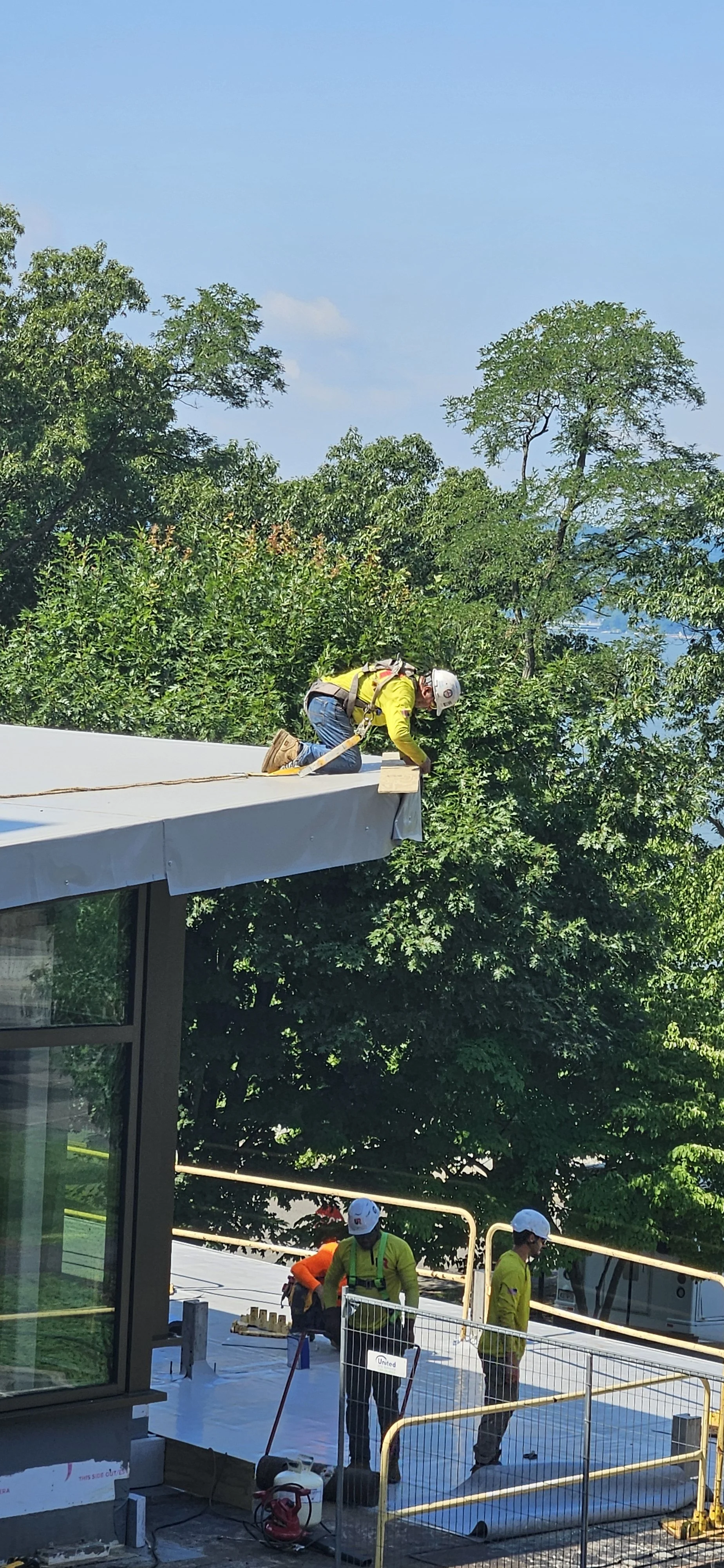
Photo by Joe Bruno
A Perfect Summer Day . . .

Photo by Carolyn Reiss
On Duty! Morning Shift

Photo by Edward Kasinec
Out for an Afternoon Stroll with the Kids
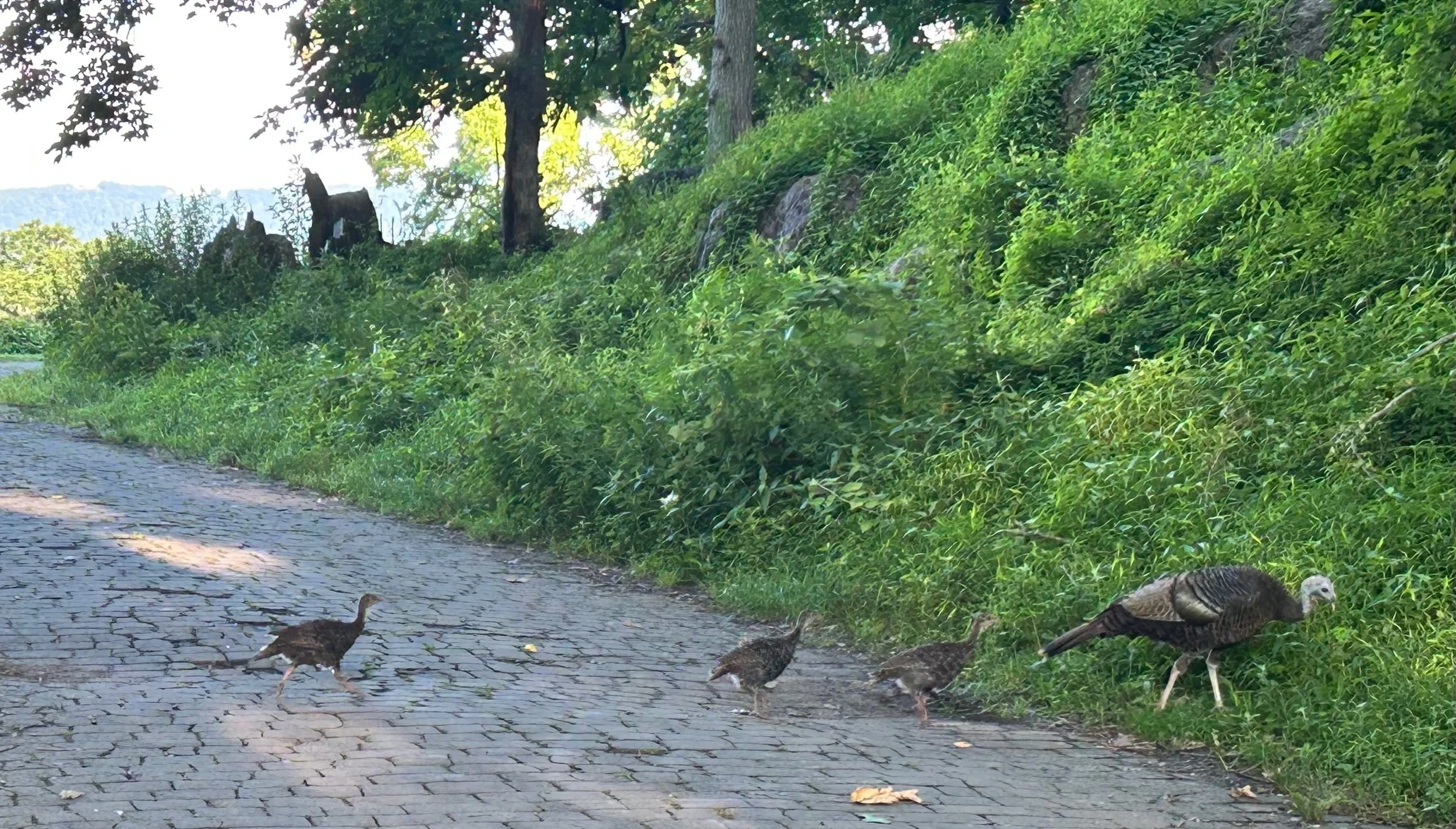
Photo by Aruna Raghavan
Wine Berries Begin to Show Their Stuff

Photo by Carolyn Reiss
Returning the Compliment
Last week, Carolyn Reiss captured photographer Ed Lannert on a stroll in the park—doubtlessly with photos to follow. This week, Ed returned the favor. Carolyn and Allie go for a walk—surely photography will ensue.

Photo by Ed Lannert
The Latest Kendal Craze
It began about mid-week. We received a cool picture of a mushroom from Edward Kasinec. Then a few days later, we received a cool picture of a mushroom from Philip Monteleoni. And guess what happened as we were finishing up Res Web for the week! We received a cool picture of a mushroom from Aruna Raghavan. Mushroom photographers of the world, unite!

Photo by Edward Kasinec

Photo by Philip Monteleoni

Photo by Aruna Raghavan
Out and About
It’s always great for new residents to just dive into Kendal activities. Along that line, Pete Catapano sent this photo, explaining that it “was taken at Flushing Bay near LaGuardia Airport [seen in the background] and the site of the 1964 World’s Fair. It demonstrates to me that it’s in [childrne’s] nature to find a way to play. No matter where they are or what the situation, unless they are restrained, curiosity, spontaneous movement, and a lust for life will take over.”

Goldenaires on the Fourth
This year’s Kendal Fourth of July celebration was special: the Declaration and the Bill of Rights, the singing, a reenvisioned American flag, the Emma Lazarus poem, the unsung women of the Founding era, the debate. But even in all that excellence, the “Linda and the Goldenaires” piece stood out. We saved a special section in this Residents Website to salute them.
If you remember, these usually jovial Kendalites were deadly serious. They began in a line, each dressed in a shirt printed with American flags—reading a quote from the past—near or far —he felt pertinent to our Democracy. Then, rotating in line, each read a second quote.
THE QUOTES
Mike Kornfield Quotes:
I cannot believe that war is the best solution. No one won the last war and no one will win the next war. Eleanor Roosevelt
There is danger from all men. The only maxim of a free government ought to be to trust no man living with the power to endanger the public liberty. John Adams
Greg Lozier Quotes
True heroism is remarkably sober, very undramatic. It is not the urge to surpass all others at whatever cost, but the urge to serve others at whatever cost. Arthur Ashe
The fact is, with every friendship you make, and every bond you establish, you are shaping the image of America projected to the rest of the world. Michelle Obama
Jon Masters Quotes
I don’t want to be the President who built empires, or sought grandeur, or extended dominion. I want to be the President who helped to end hatred among his fellow men and who promoted love among the people of all races and all regions and all parties. President Lyndon B. Johnson
We here highly resolve that these dead shall not have died in vain—that this nation, under God, shall have a new birth of freedom—and that government of the people, by the people, for the people, shall not perish from the earth. Abraham Lincoln
Philip Monteleoni Quotes
To lodge all power in one party and keep it there is to insure bad government and the certain and gradual deterioration of public morals. Mark Twain
When we unite in purpose, we are greater than the sum of our parts. Maya Angelou
THE SONG
The height of the evening was the group’s performance of a singing of The Battle Hymn of the Republic, again reenvisioned for our day, and written by Mike Kornfield and Linda Mahoney.
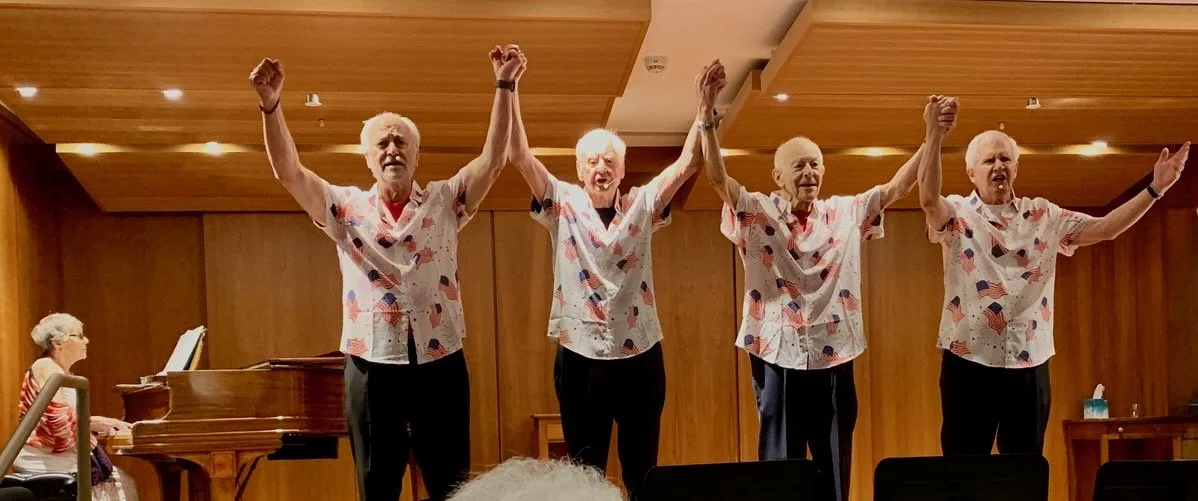
Linda and the Goldenaires, photo by Harry Bloomfeld
Battle Hymn for July 4th
Our country is in trouble Now of that there is no doubt So we must resist all tyrants From within and from without Who try to take our rights away And crush democracy Reclaim our liberty
Chorus: Glory, Glory, let us all be strong Glory, Glory let us right what’s wrong Glory ,Glory let us sing one song Unite and we’ll be strong
On city streets and country roads We’re neighbors one and all We’ll bear each others’ burdens And help them if they fall We must build a new community And try to sing one song Unite and we’ll be strong
Chorus
We all live on this planet And we all must learn to share This Earth has been our mother And her gifts are everywhere The trees, the birds, the animals, The water and the air We all must do our share
Chorus
Our spirit is awakening We’ll do what must be done We will practice love for neighbors Until the battle’s won We will keep our nation friendly. To the stranger who’s in need Be true in word and deed
Chorus
By the final chorus, the entire audience seemed to be singing, with vigor, along with them.
Well, done Linda and the Goldenaires!