New RC Waiting Room
New Pool Bench
New Pool Mirrors
From the Office of Ellen Ottstadt


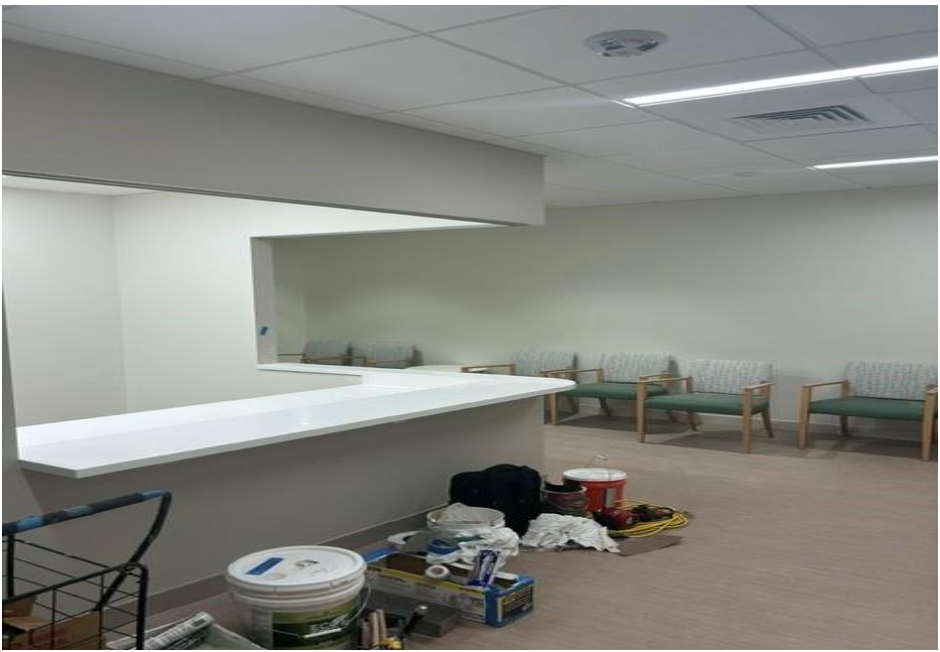
New RC Waiting Room
New Pool Bench

New Pool Mirrors
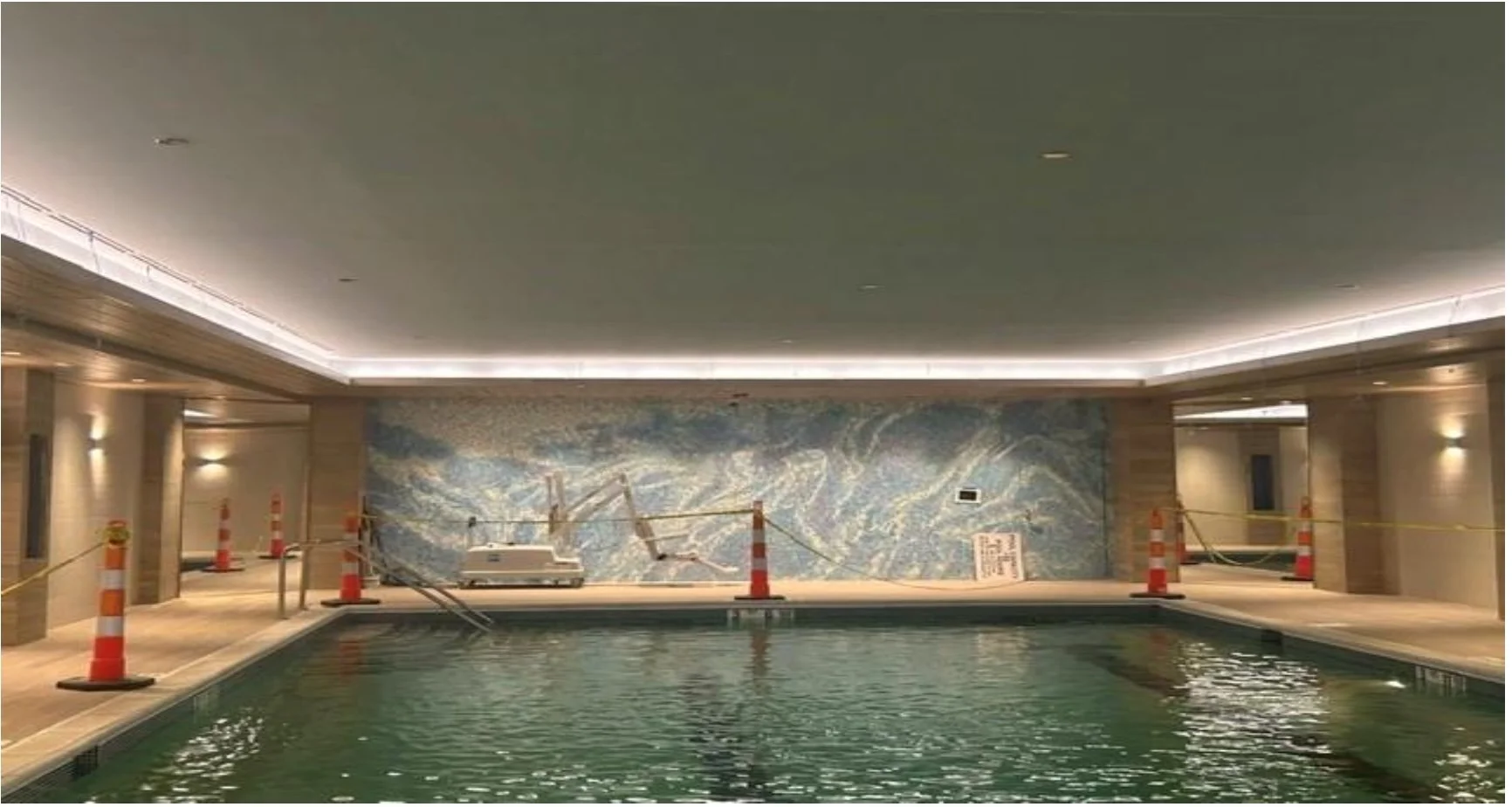
From the Office of Ellen Ottstadt
These insults are from an era before the English language got boiled down to 4-letter words.
1. “He had delusions of adequacy.” Walter Kerr
2. “He has all the virtues I dislike and none of the vices I admire.” Winston Churchill
3. “I have never killed a man, but I have read many obituaries with great pleasure.” Clarence Darrow
4. “He has never been known to use a word that might send a reader to the dictionary.”William Faulkner (about Ernest Hemingway)
5. “Poor Faulkner. Does he really think big emotions come from big words?” Ernest Hemingway (about William Faulkner)
6. “Thank you for sending me a copy of your book; I'll waste no time reading it.” Moses Hadas
7. “I didn’t attend the funeral, but I sent a nice letter saying I approved of it.” Mark Twain
8. “He has no enemies, but is intensely disliked by his friends.” Oscar Wilde
9. “I am enclosing two tickets to the first night of my new play; bring a friend, if you have one.” George Bernard Shaw to Winston Churchill
10. “Cannot possibly attend first night, will attend second . . . if there is one.” Winston Churchill, in response
11. “I feel so miserable without you; it’s almost like having you here.” Stephen Bishop
12. “He is a self-made man and worships his creator.” John Bright
13. “I’ve just learned about his illness. Let’s hope it's nothing trivial.” Irvin S. Cobb
Contributed by Barbara Bruno
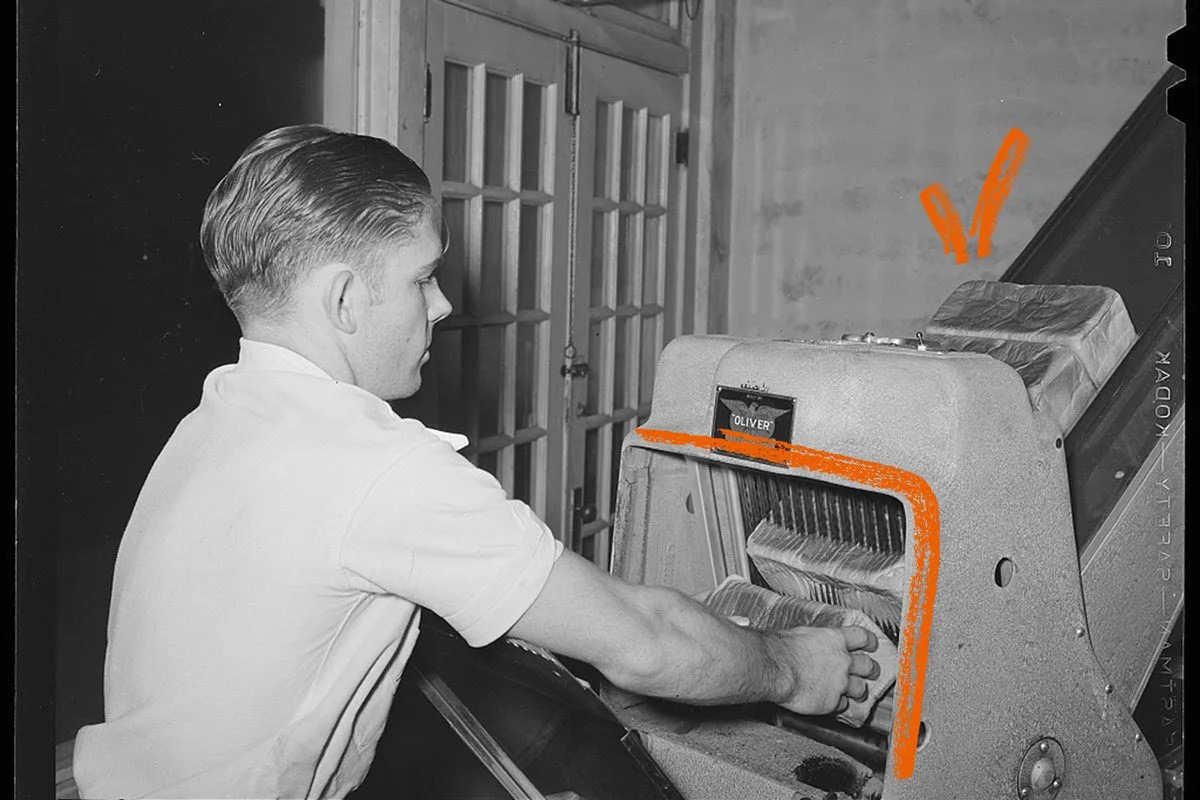
Prints and Photographs Division/Library of Congress, Washington, D.C.

Bread has been made for thousands and thousands of years. But the convenience of commercially available presliced bread? That is a much more recent development, relatively speaking.
On July 7, 1928, bread loaves that had been presliced—with the first commercial bread slicer—were sold for the very first time. And the person responsible for this, one of the most revolutionary inventions in the baking industry, was . . . a jeweler? Indeed. The creator, Otto Rohwedder, was a jeweler by trade, but he liked to invent things in his spare time. He had graduated with a degree in optics from the Northern Illinois College of Ophthalmology and Otology. (Rohwedder was a man of many interests.) He eventually left the jewelry business entirely and took a chance on an idea: a machine that would automatically slice loaves of bread. By 1917 he had a viable prototype and a factory that was ready to produce it. So why didn’t his invention debut then? That year a fire destroyed the factory that housed Rohwedder’s prototype and blueprints. The setback meant he would have to start over.
Rohwedder got back to work. He partnered with Frank Bench, the owner of the Chillicothe Baking Company in Missouri, which would go on to produce the first loaves of bread that would be sliced by Rohwedder’s invention in 1928. The day before the first sales of their presliced bread, they advertised in a local newspaper, touting the innovation as “The Greatest Forward Step in the Baking Industry Since Bread Was Wrapped” and “a fine loaf sold a better way.”
Customers agreed.
As the demand for sliced bread increased, the use of commercial bread slicers spread across the country. The sale of presliced bread has been ubiquitous ever since—with one small hiccup in 1943, when there was a brief ban on it in the U.S. (But that’s a story for another time. Stay tuned.)
Source: Britannica.com, “Today in History,” Amy McKenna
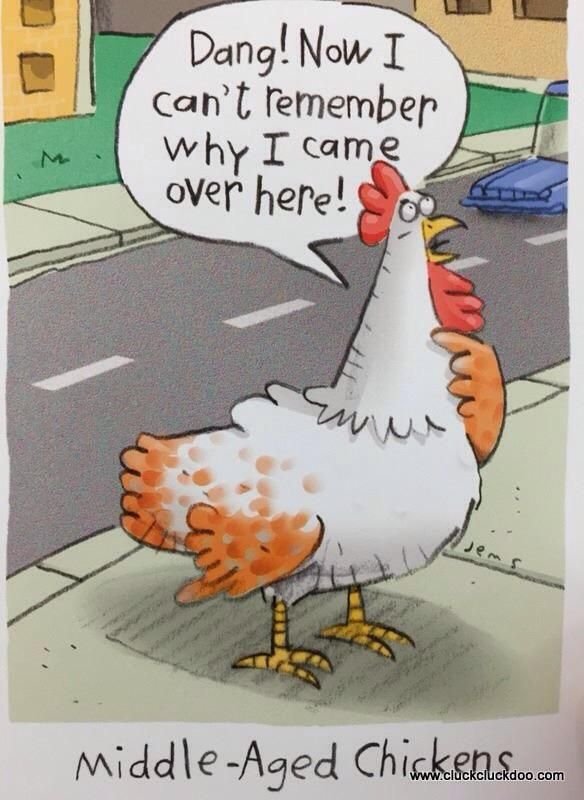
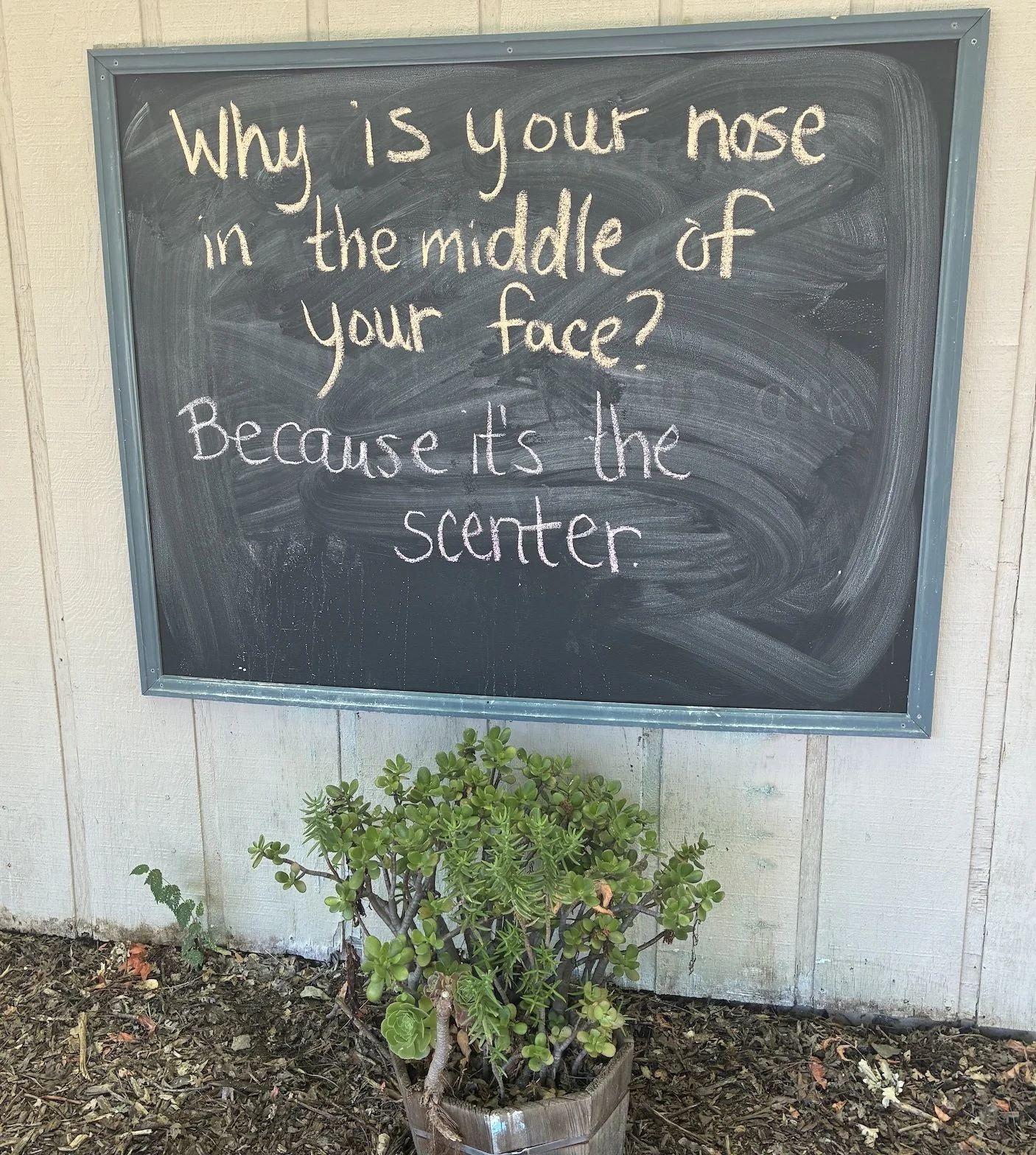
Contributed by Maria Harris
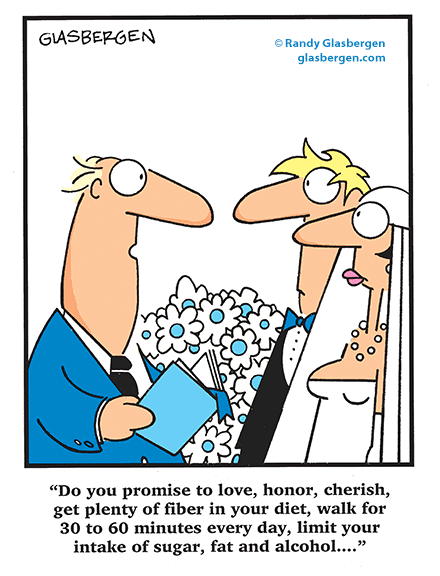
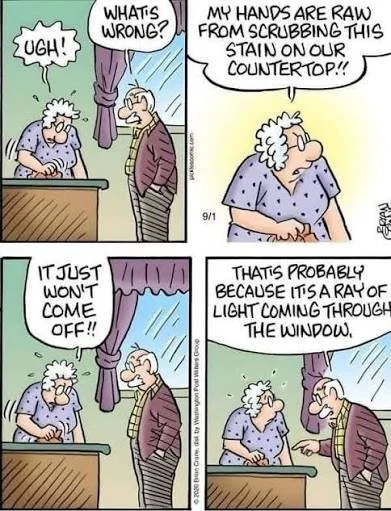

Contributed by Barbara Bruno
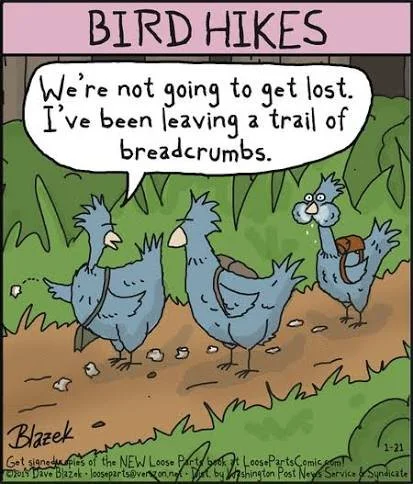
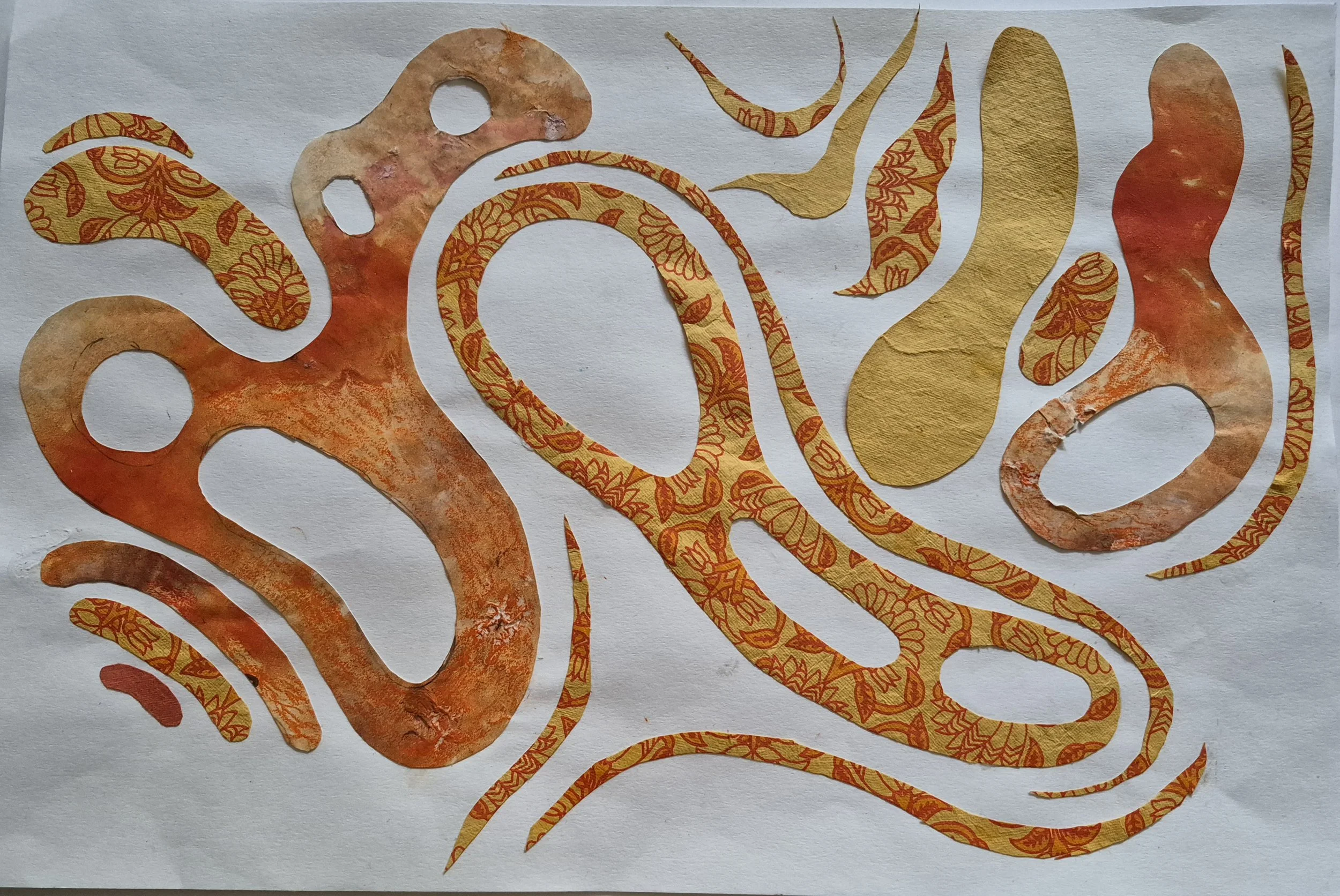
Art and photo by Sheila Benedis

Late in life, Aunt Lulu fell in love with floofy fabrics

Mac was asking more and more questions that his parents couldn’t answer

For many on the island, ride-sharing was a good option

If Cinderella had been an elephant, she would have remembered to go back for her shoe
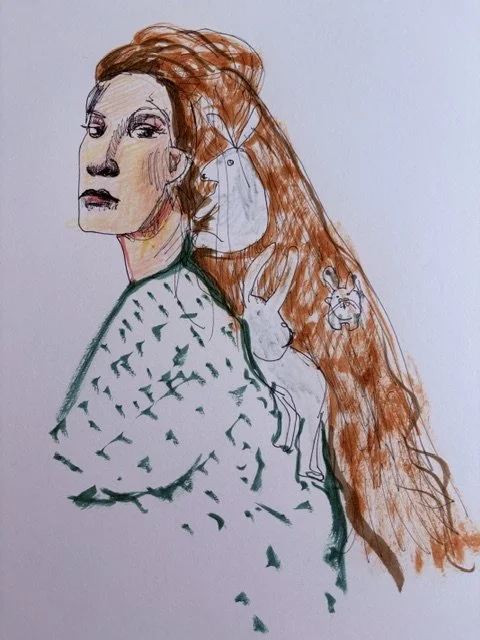
Karen’s new cruelty-free shampoo was unable to keep rabbits out of her hair
Art and photos by Jane Hart
Remember the house being built in Rockwood Park—the one to serve as the setting for a soon-to-be released mini-series saga? Well, it’s gone. Done and dusty. End of story. Here it is on its last legs—a dumpster nearby—courtesy of Carolyn Reiss.

It will not come as news that, in the past week or so, we have been struggling with a profound heat wave. The evening of July 3 was the first hint of its breaking, and Greg Lozier got in down in before-and-after pictures.

Evening sky before the rain

After the rain
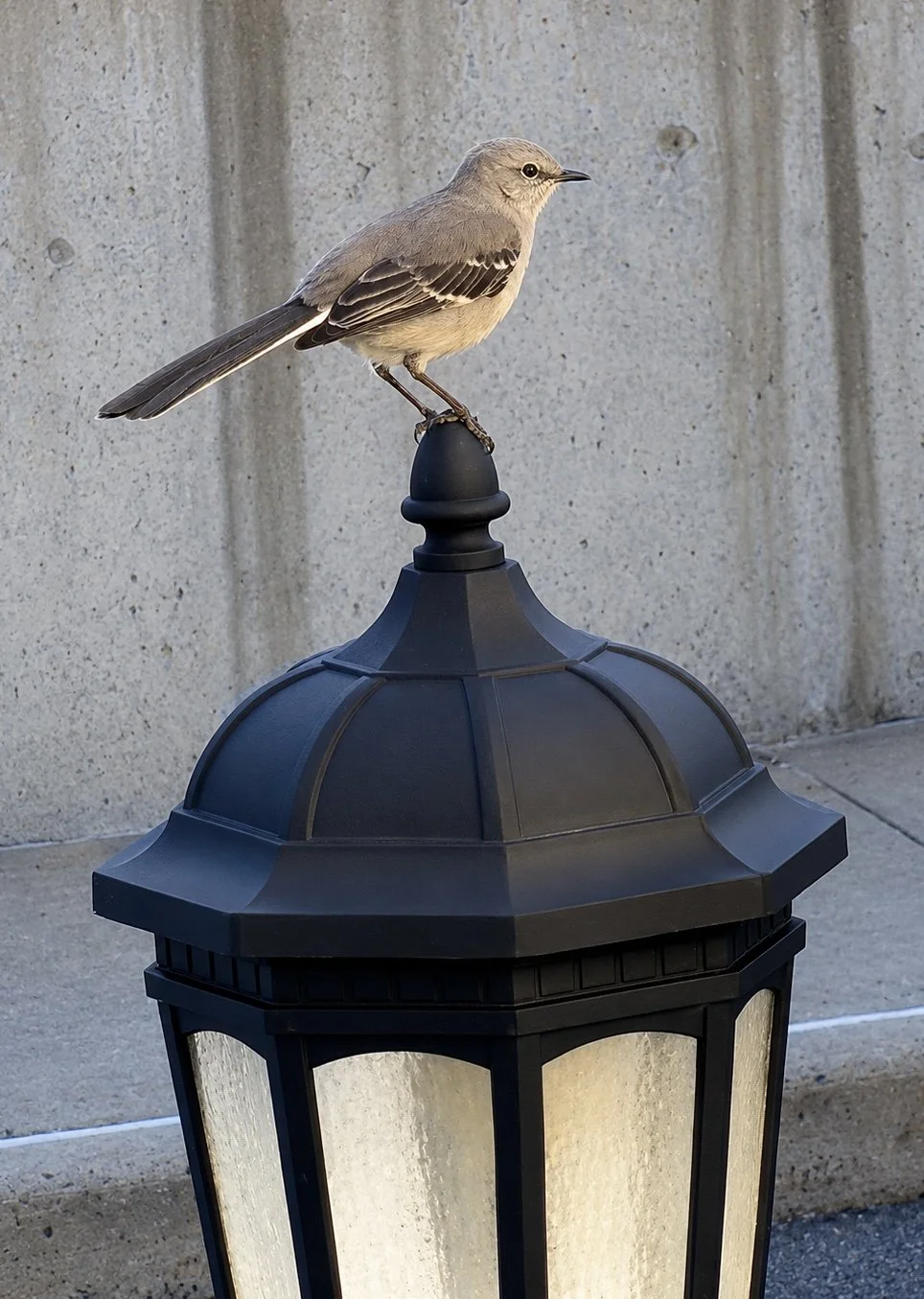
Standing Guard. Photo by Ed Lannert

When You Don’t Have Goats, Bunnies Will Do. Photo by Jane Hart

Getting in a Quick Visit Before Thanksgiving. Photo by Carolyn Reiss
Ed and Joyce Lannert have a friend who owns Chappaqua’s Susan Lawrence Bakery/Cafe. Their friend organized a special reception to celebrate another friend and invited Ed and Joyce—and the Clintons. Ed reports it was “a great event and even greater to spend some time with them.”
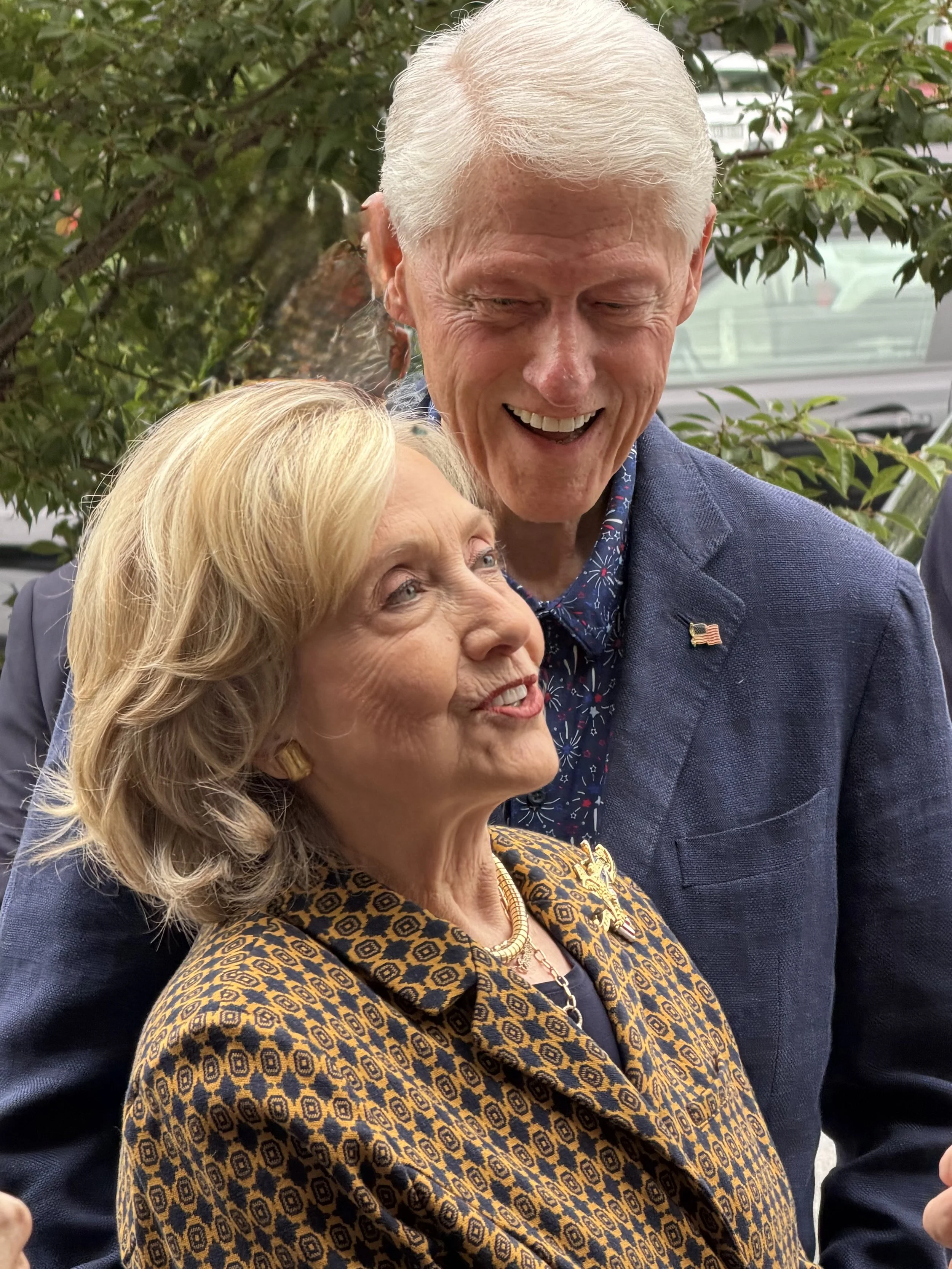
Photo by Ed Lannert
Barbara App celebrated a birthday recently, and her daughter went all out with goodies from Chappaqua’s Les Tulipes. File under the category of “Too Beautiful to Eat”!

Photo by Jane Hart
Naomi Gross has become honorary Grandma to a robin family that moved recently into her patio. Now baby —of the feathered variety—makes three. And Papa Robin is definitely a modern dad, taking on the feeding role to a seemingly insatiable offspring.
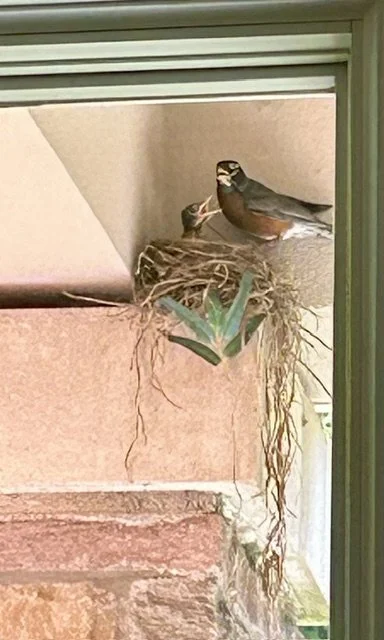
Photo by Carolyn Reiss

Sweet Summer Rain, photo by Peter Sibley
Carolyn Reiss captured the beauty of a summer morn in the park . . .

And—what do ya know—there’s another Kendal photographer out for a stroll: Ed Lannert.

Photos by Carolyn Reiss
Inspired by the imagery suggested by America the Beautiful, Marilyn Bottjer produced a work of art for our 250th anniversary.
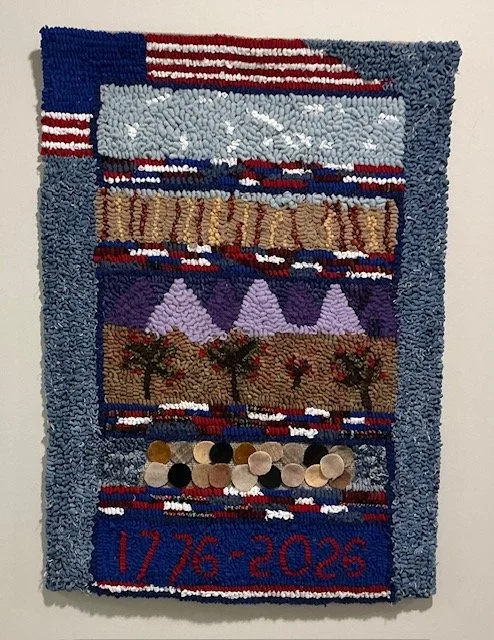
Photo by Marilyn Bottjer
While in London recently, Joe and Barbara Bruno came across an interesting political sign indicating an extreme threat of action:
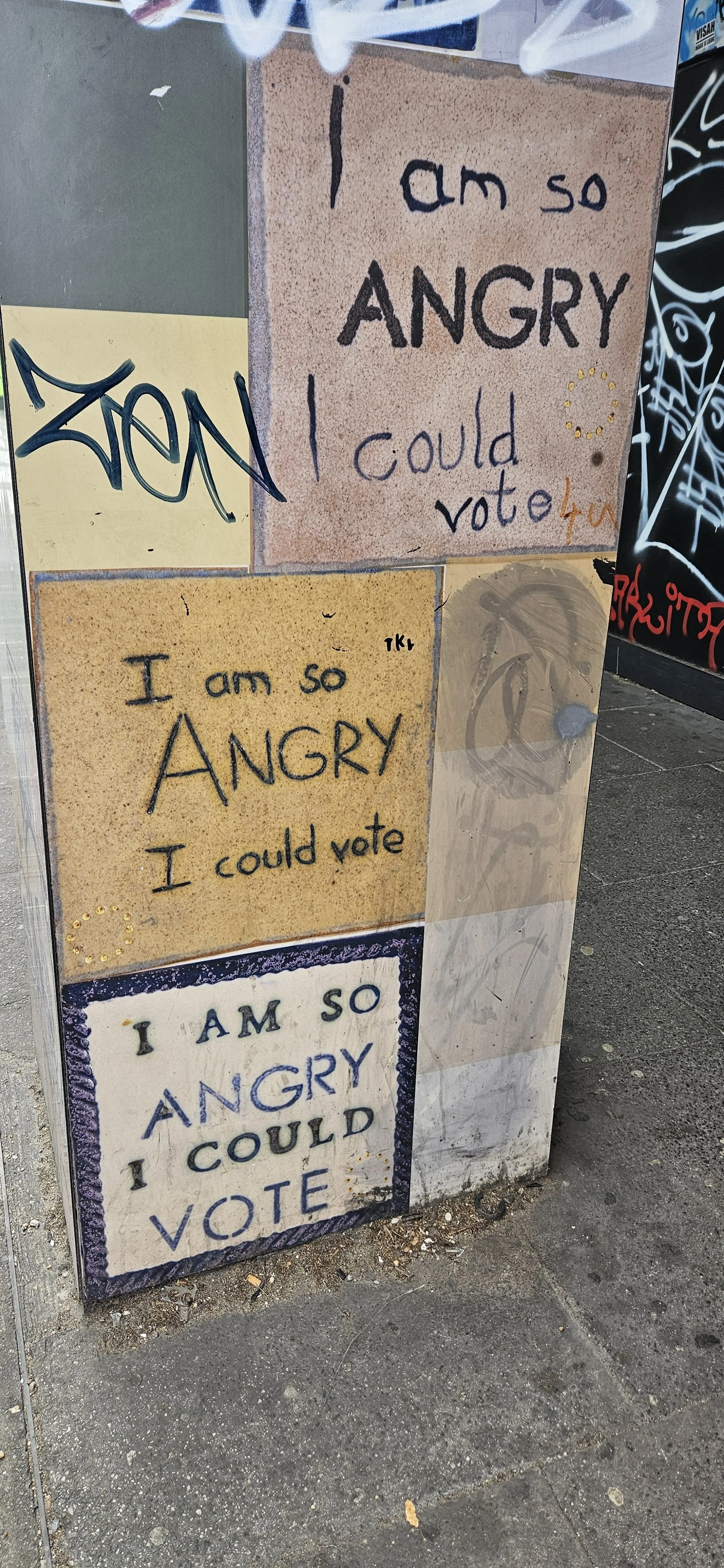
Photo by Joe Bruno
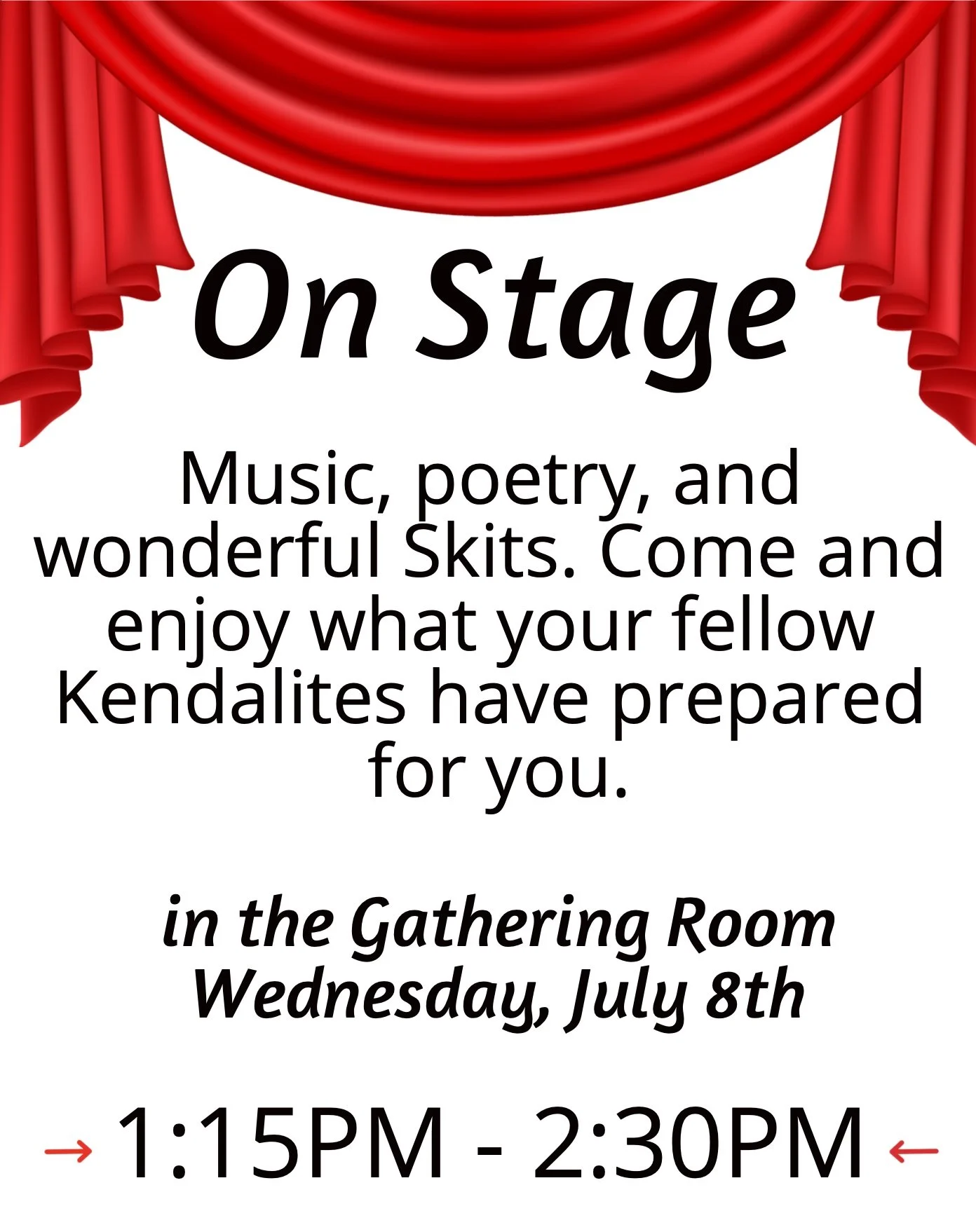
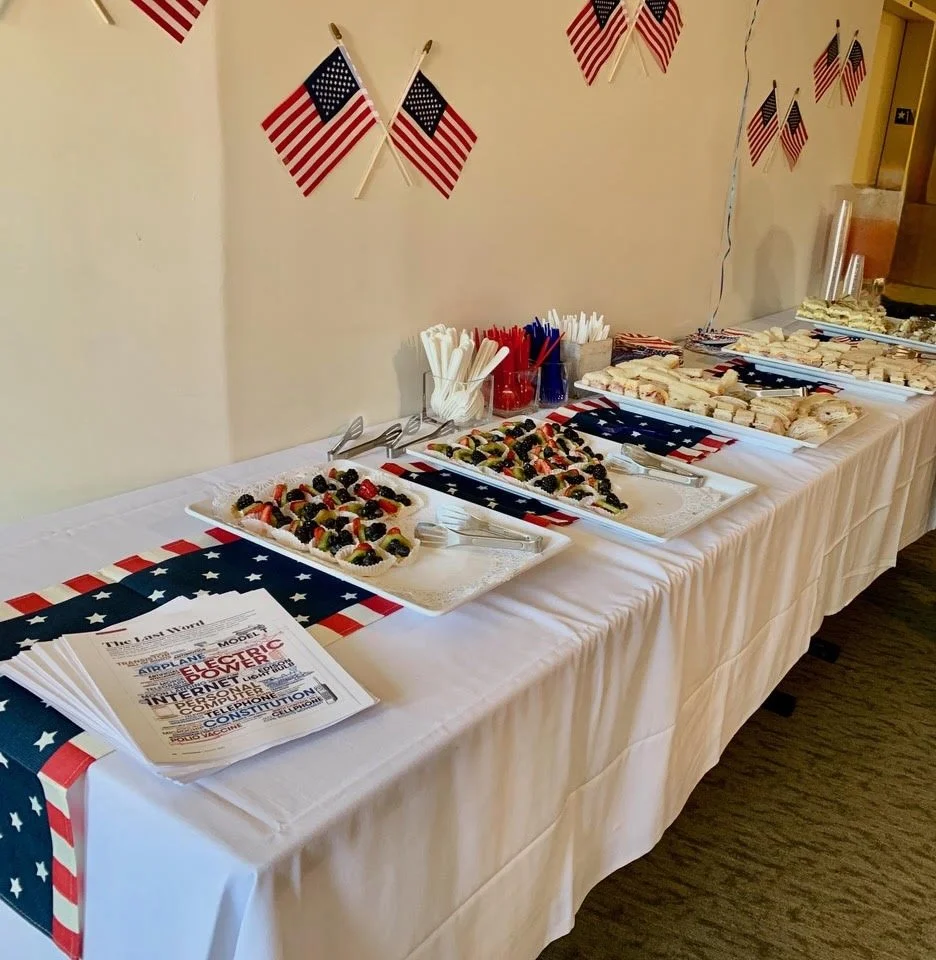
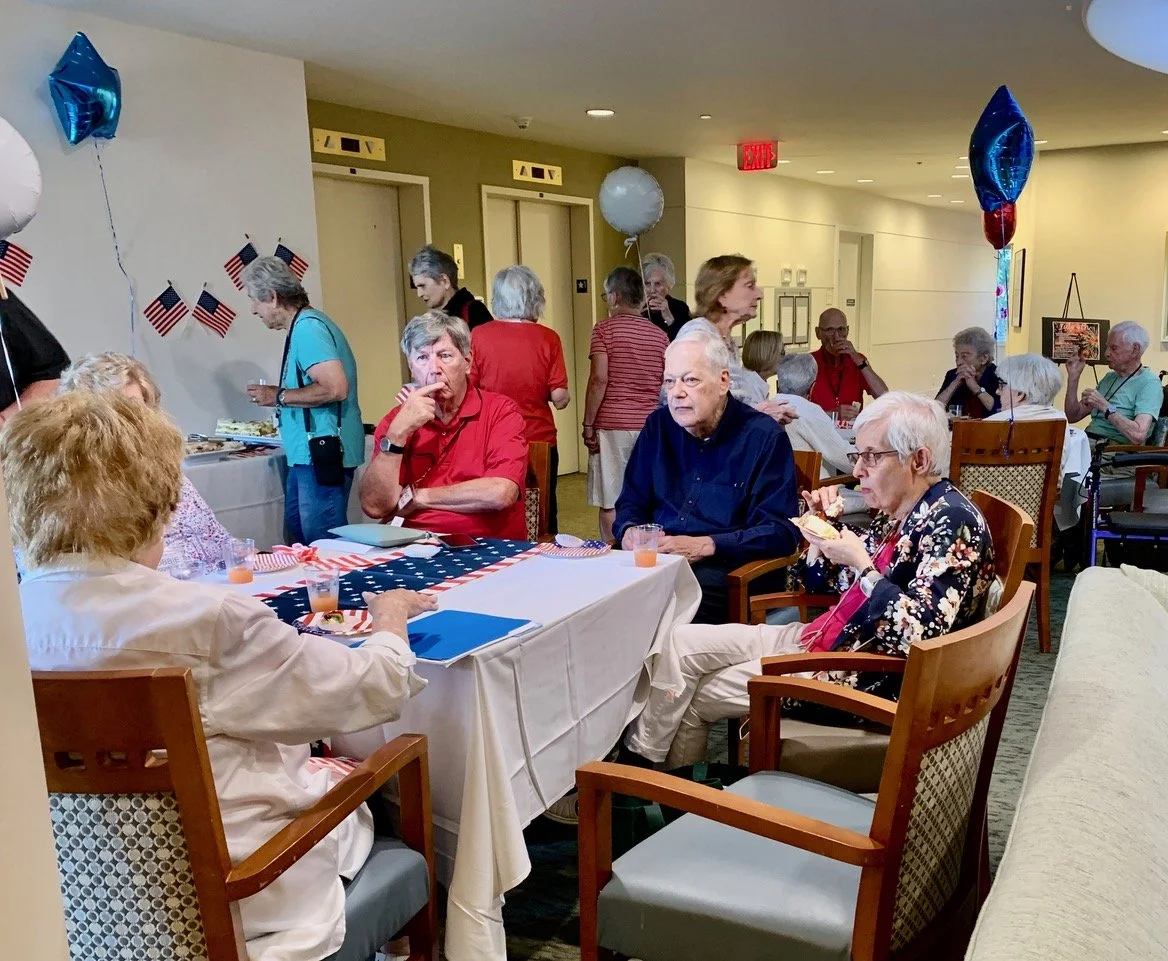
Kendal’s traditional Fourth of July celebration was all that more special this year because we were also celebrating the USA’s 250th anniversary.
We hasten to say that photographs are very difficult to take given the lighting in the Gathering Room. But we still wanted to remember this wonderful gathering.
Muriel Fox and Bobbie Roggemann put together a great show. We were all delighted to have Muriel Fox back as our traditional emcee.
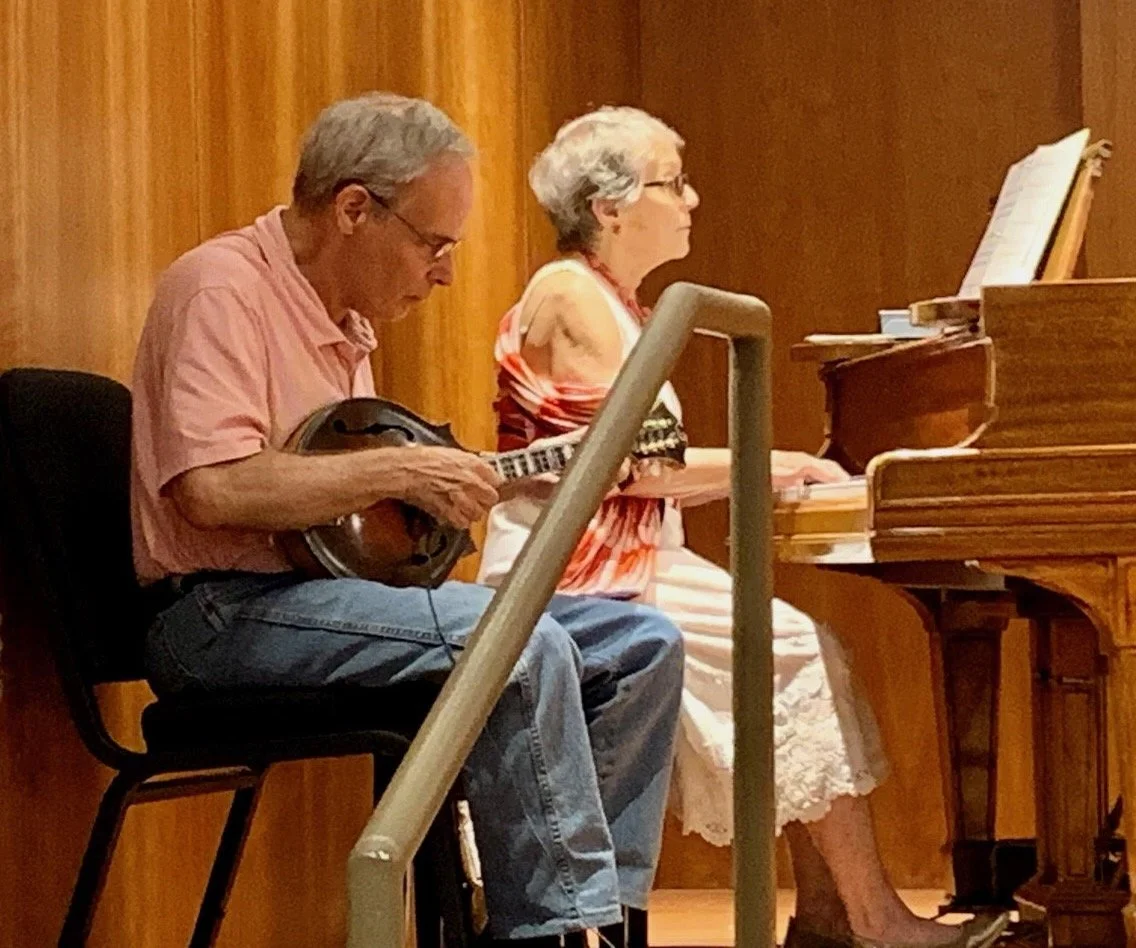
And we were, as usual, grateful for the musical talents of Linda Mahoney and Donn Williams.
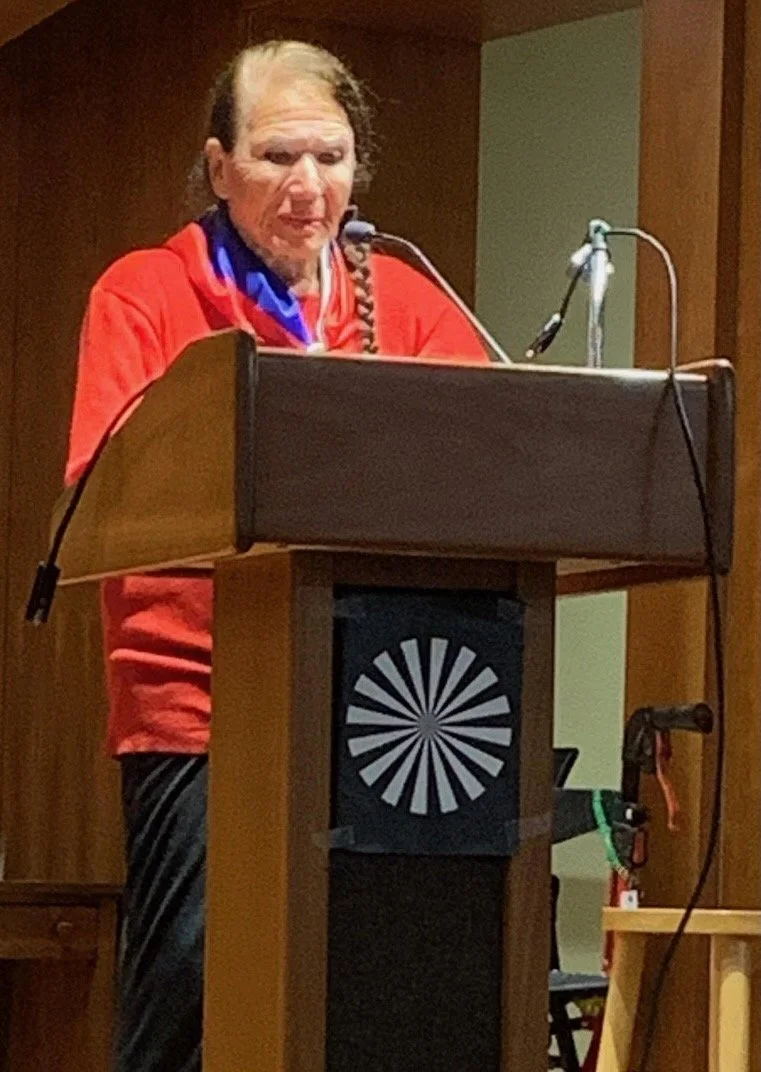
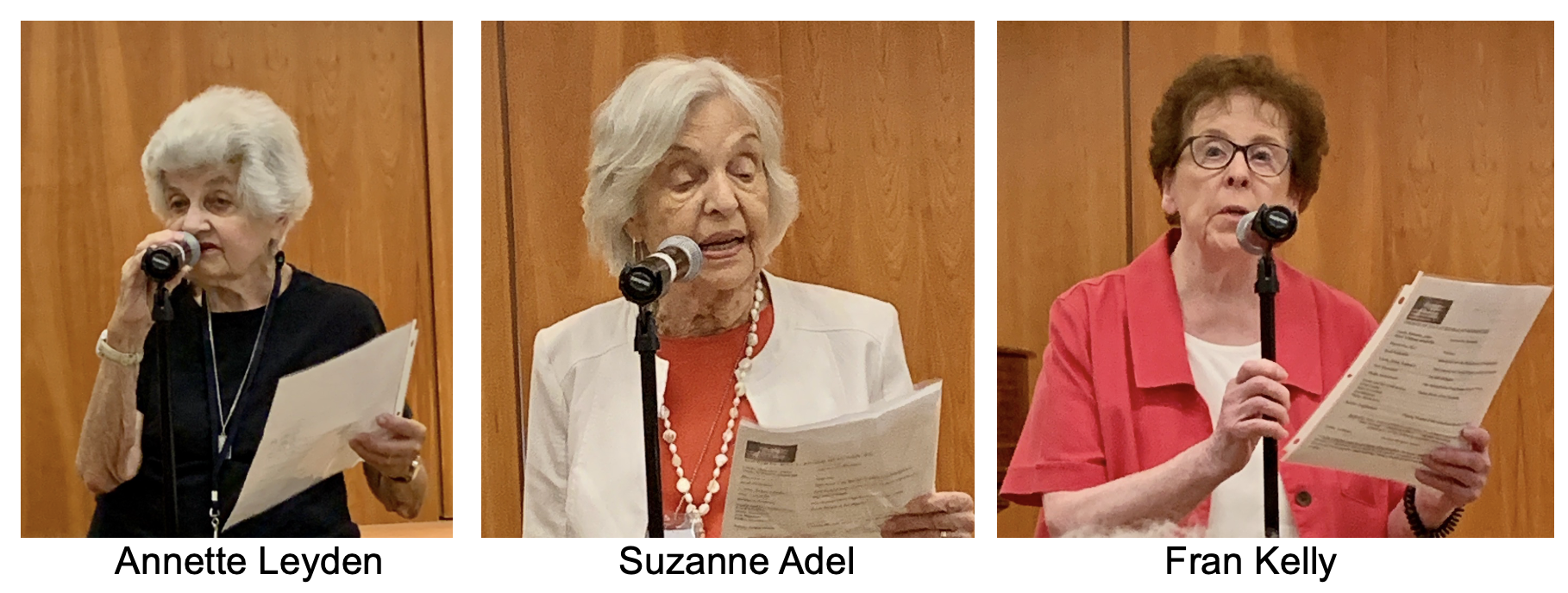
Long a Kendal tradition is to have the Declaration of Independence read. This year, the Founders’ words were read by our Founders. Here are three:
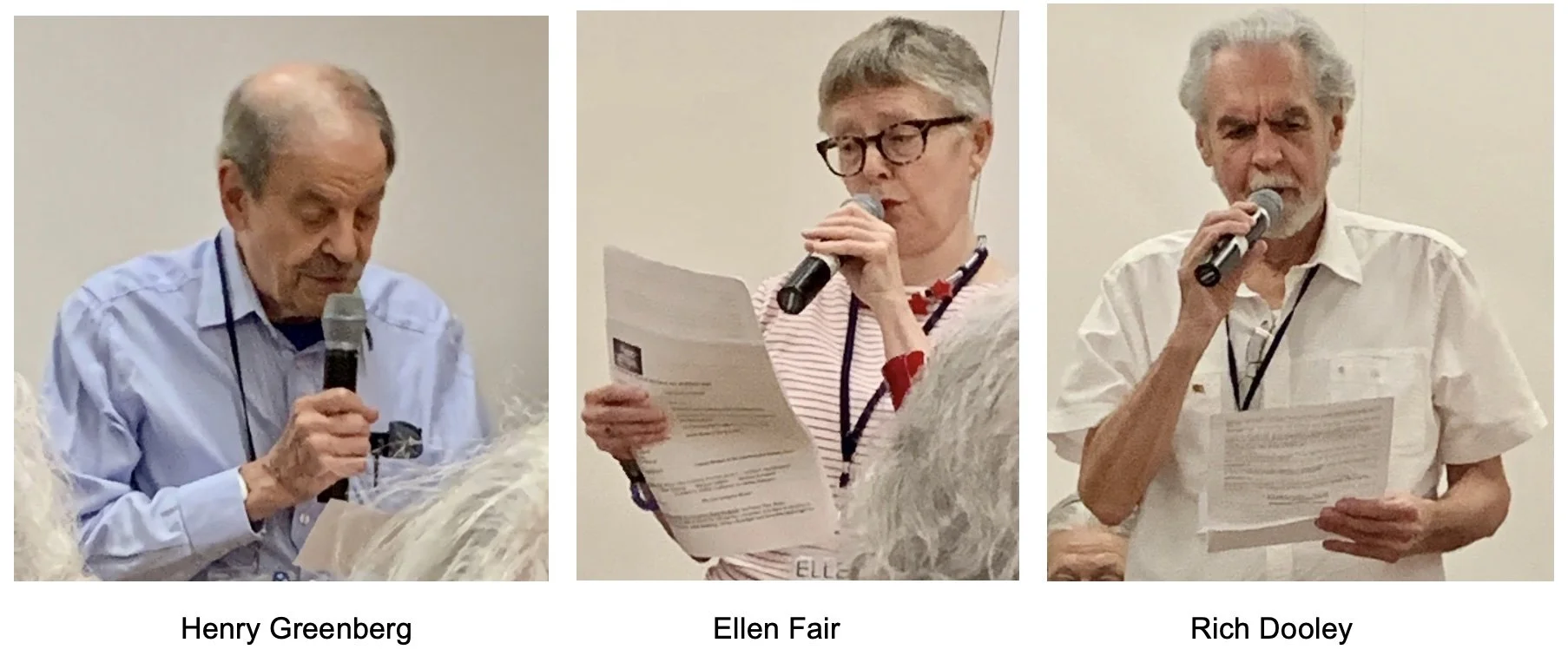
Another tradition: Reading the Bill of Rights. This year—to balance our Founders’ reading of the Declaration—some of our newest Kendal neighbors took turns with each of the Constitution’s first 10 amendments. Again, a sample of three:

The American flag in E Pluribus Unum mode hung in the Gathering Room during the event. A creation of Philip Monteleoni’s, Philip gave a brief talk on what it represented: America as a tapestry woven of immigrants ever since its founding. The stars are still there, and the white stripes, too. The red strips have been reimagined as the flags of many of the countries from whence Americans have originated (there are more flags, but they wouldn’t all fit!).
Philip also read Emma Lazarus’ poem A New Colossus in its entirety. We all know its inspiring end verses:
“Give me your tired, your poor Your huddled masses yearning to breathe free, The wretched refuse of your teeming shore. Send these, the homeless, tempest-tost to me, I lift my lamp beside the golden door!”
The Goldenaires provided a new interpretation of The Battle Hymn of the Republic. We will provide more on this next week—stay tuned.

At the end of their performance, there was an announcement of a change in the name of this popular Kendal group. It will henceforth be known as “Linda and the Goldenaires.” Gold, indeed.
Bobbie Roggemann brought us Part I of an examination of the great women who have helped shape American history and its great experiment: government by and for the people. With only a brief time to try to squeeze in all women have done to bring our country into being, she promised Part II next year.
Each year, a question is posed and Kendalites take part in a debate, presenting varying points of view. This year, the question was: Will the United States Elect a Woman President?
Stan Amberg’s approach: Yes, but only if she’s a conservative.
Marjorie Gilbert’s approach: Yes, but over time and only if she’s a moderate.
Barbara Kornfield’s approach: Yes, but only if she is a progressive.
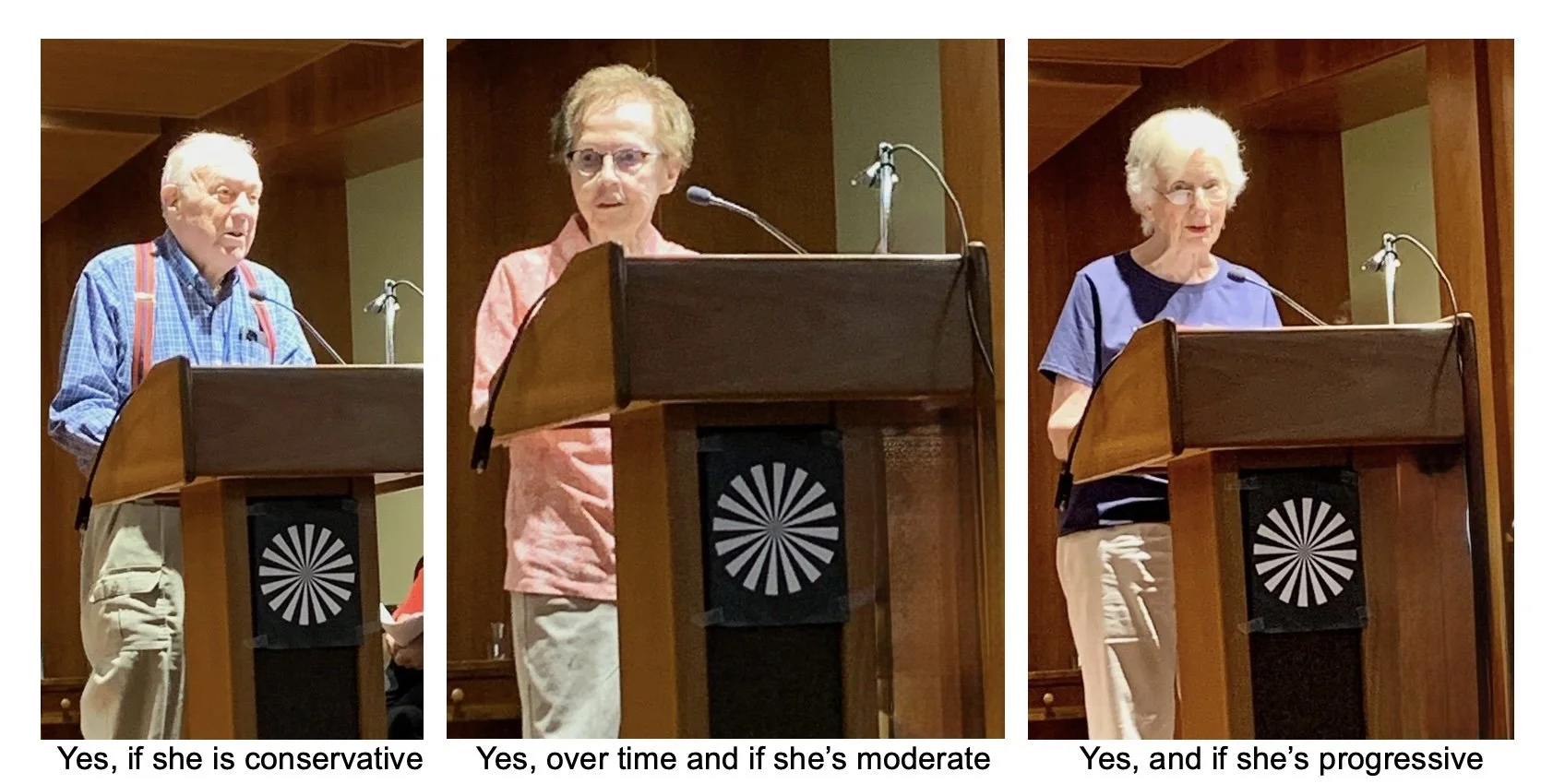
Following the three presentations, the audience voted. The winner: Barbara Kornfield’s argument: Yes, but only if she is a progressive.
Time will tell.
Photos by Harry Bloomfeld
Okay, this is from two years ago—but bears repeating! The Spotted Lanternflies are back! So here we go:

The Stages of the Life of a Lanternfly
A new dance crazy has captured Kendal. We’ve noticed it on the terrace, the surrounding sidewalks, even in the cul-de-sac. It is called the Lanternfly Hop.
The dancer stands erect, then slowly, fluidly advances. He—or she—slowly raises one leg in a march-like step, then stomps (!), followed by a quick hop towards the retreating lanternfly. This is followed by another glide, stomp, hop, until the dancer raises arms in victory or loses interest—or energy—and retires.
At times of victory, a movement similar to the 1960s Twist or the Mashed Potatoes is added at the end of the stomp. The Lanternfly Hop can be undertaken by partners or individuals (as in the Watusi or Frug). It can also be a group activity ala a square dance, with a caller directing movements (“That one! That one! Get that one!”)
Some dancers add lyrics to the music in their heads: “Dammit!” “Son-of-Bitch!” or, in victory, “Gotcha!” These are, however, not required.
As of this time, no official song or orchestration accompanies the dance. If anyone would like to provide one, we encourage recording it (along with dance in video, if possible) and sending it our way. We will post it on the Residents Website for the edification of the community.
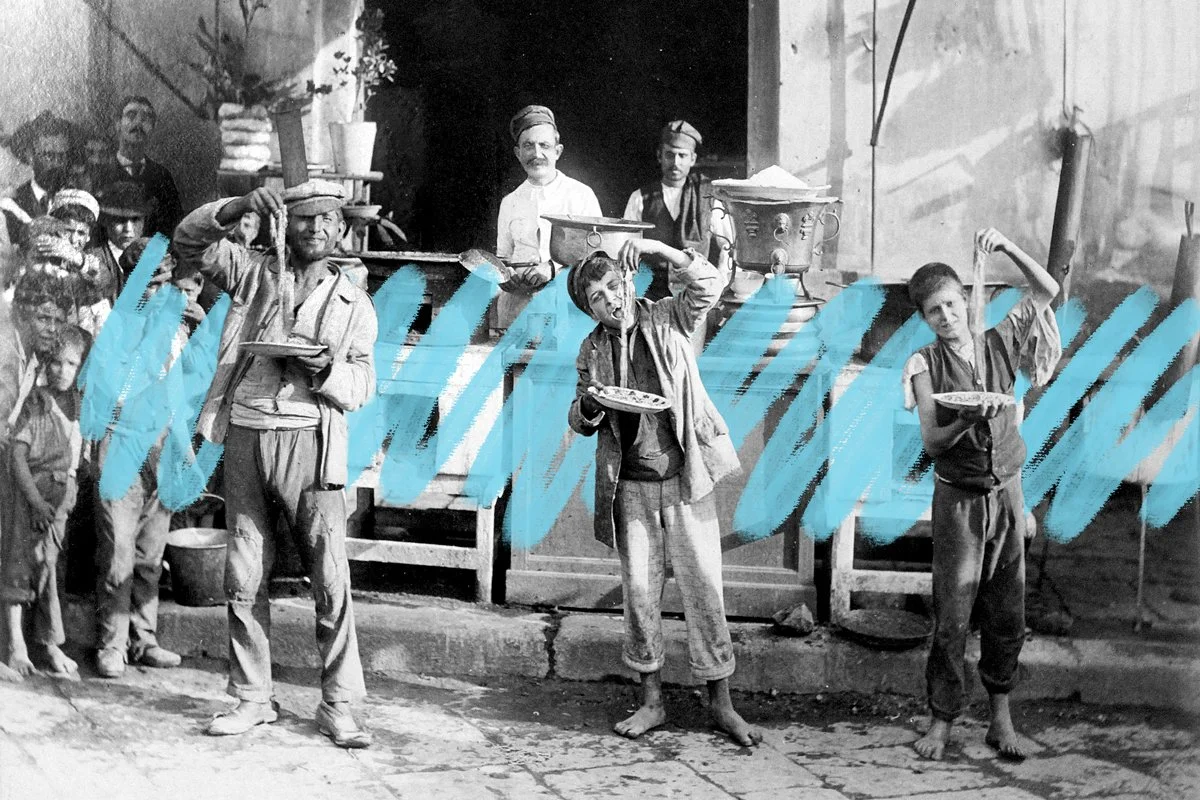
Pasta is a culinary staple worldwide, but in Italy it’s also a cultural institution—which is why it’s shocking to consider that the country once tried to abolish the food.
During the 1920s and 1930s, Benito Mussolini’s fascist government pushed a campaign against pasta that was framed as an attempt to improve public health. Some officials and allies of the regime argued that a modern, stronger nation would be better off with fewer carbohydrates and more protein. People who ate pasta, proponents claimed, were sluggish and bloated, and merely trying to fill an insatiable emotional emptiness. But the campaign had ulterior motives. Since pasta relied heavily on imported wheat, the anti-pasta rhetoric was really an effort to reduce foreign economic dependence and to tighten control over everyday civilian life by increasing domestic crops such as rice.
Many Italians, perhaps unsurprisingly, resisted Mussolini’s efforts. In the rice fields of northern Italy, working-class women known as the mondine organized strikes and protests over poor wages and conditions. Elsewhere, the mayor of Naples defended pasta by saying, “The angels in Paradise eat nothing but vermicelli al pomodoro.” By the 1940s, the fascist control over Italians’ everyday diet had shifted, overtaken by the realities of World War II and a population far more concerned with eating at all than with the details of the menu.
Source: historyfacts.com, Nicole Villeneuve, June 17, 2026
Contributed by Jane Hart (via Steven Price)



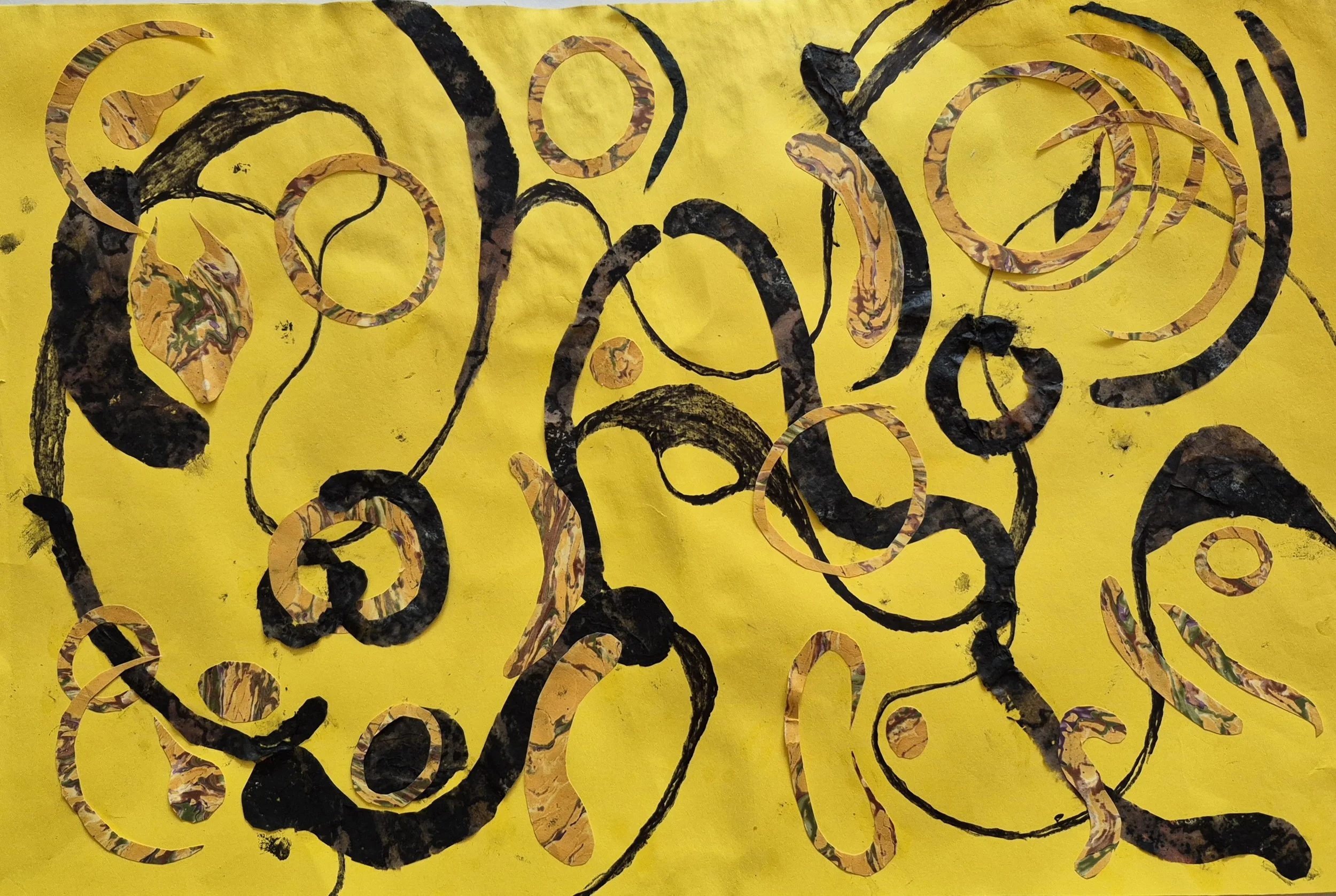
Art and photos by Sheila Benedis.
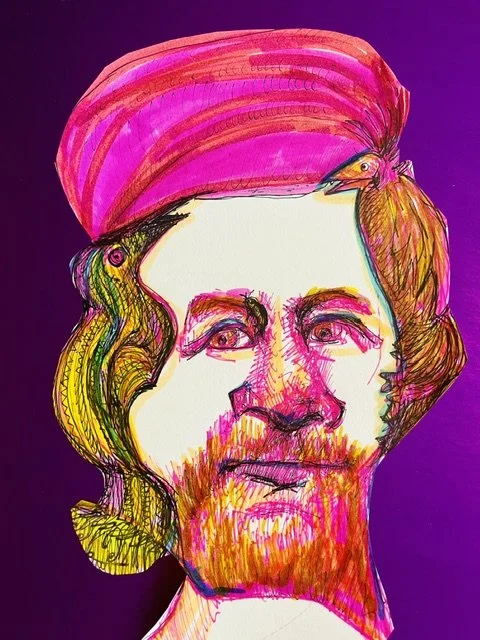
Humphrey’s left brain was usually his active side
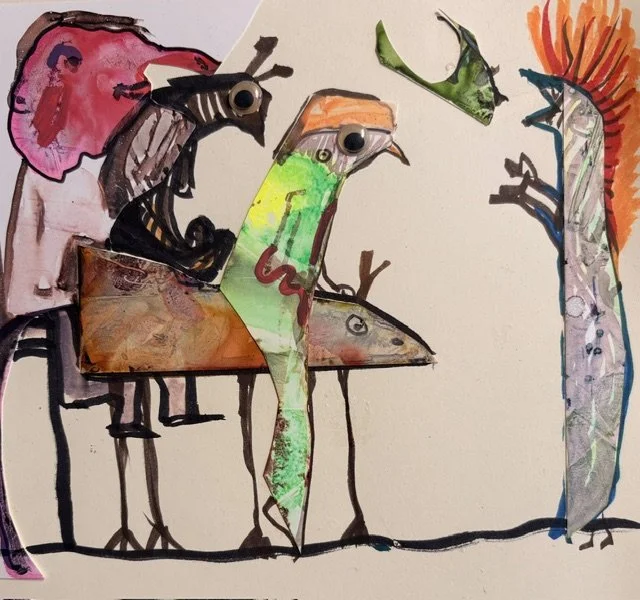
Bernie found summer school more fun than he’d expected

Lavinia was proud of her newly-mapped brain

Erica kept a lot of memories alive
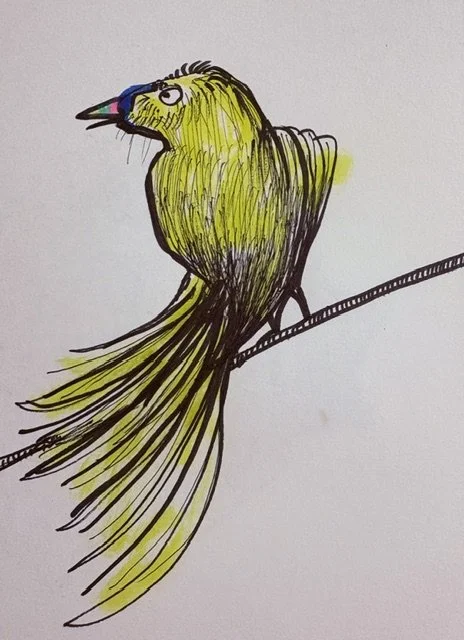
Hardly anybody recognized Therese, a toucan, after her cosmetic surger
Art and photos by Jane Hart.

Photo by Joe Bruno
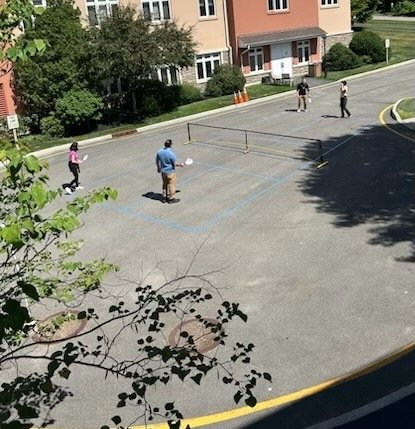
Photo by Cynthia Ferguson
Naomi Gross noticed new neighbors moving into the neighborhood, i.e. her patio. Papa, Mama, and—since these pictures were taken—three little ones.

Papa checks out the new abode
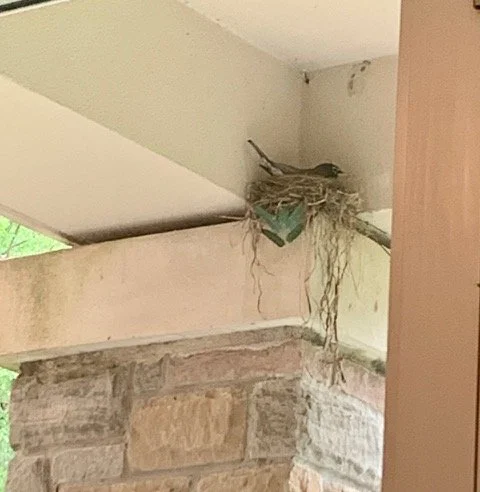
Mama settles in
Photos by Harry Bloomfeld
Clermont Puzzlers took a trip to Amsterdam without the hassle of suitcases, passports, and time change. Just pullin’ the pieces together.
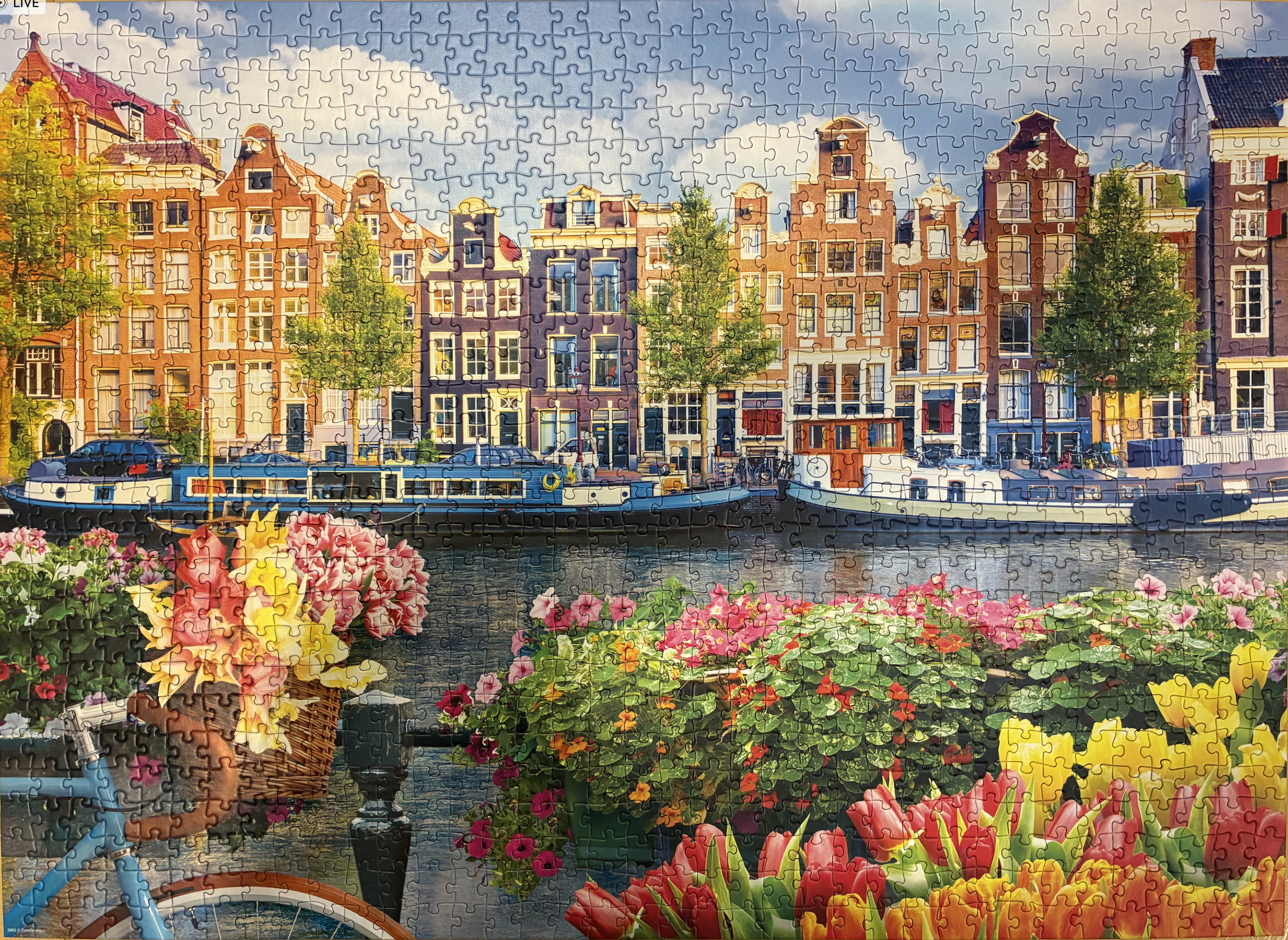
Photo by Peter Sibley

Trusting on his own camoflauge, by Edward Kasinec

Up close and personal, by Carolyn Reiss
While Kendalites ate, drank, and made merry celebrating the Gazebo behind Clermont, the Bistro staff—usually at that time on the run solving problems, doing favors, clearing up, and dishing out—got some unexpected down time. They don’t seem disappointed that we’re all not there . . .


Amaryllis about to open

And in full bloom
Photos by Lynn Brady

Photo by Carolyn Reiss

Donna Nye and Carolyn Reiss recently attended a concert in a rather unusual setting in Ossining: the weir of the Old Croton Aqueduct. They report that the music flowed beautifully. Everything went swimmingly. (And that’s the best I can do with “aqueduct.”) Photo by Carolyn Reiss.
Marianne and Harry Bloomfeld’s grandson announced his intent to marry—the first of that particular Bloomfeld generation. One catch: the wedding was a bit out of the way—in Tuscany. Marianne waved caution to the wind and started preparing—for the wedding and a few days traveling around the area. Who wouldn’t? Well, for one: Harry. After all, foreign travel is not so easy-peasy the older one gets. But he’s home and we’re celebrating ‘cause he’s getting pictures!!
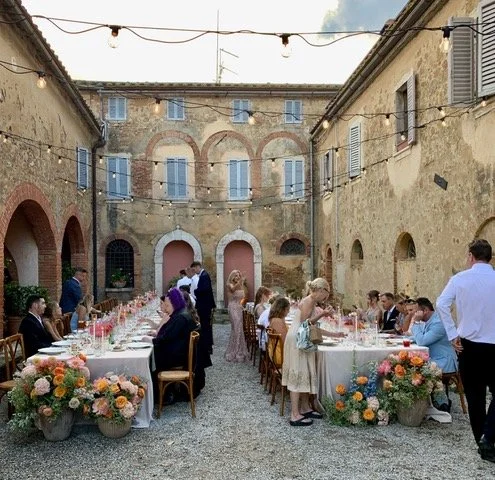
Picture perfect: the wedding dinner at a Tuscan hotel.
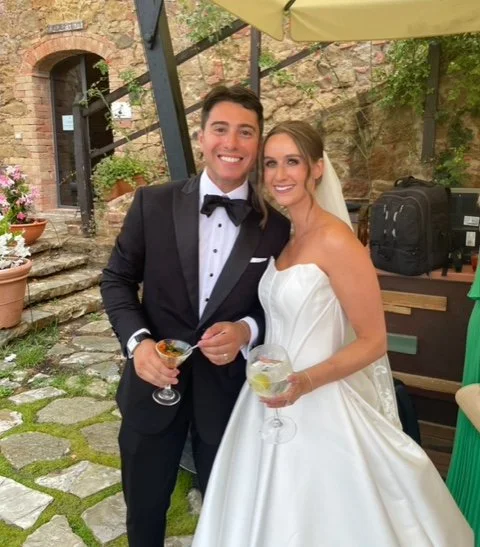
Groom (and grandson) Jake and his brand-new wife Logan
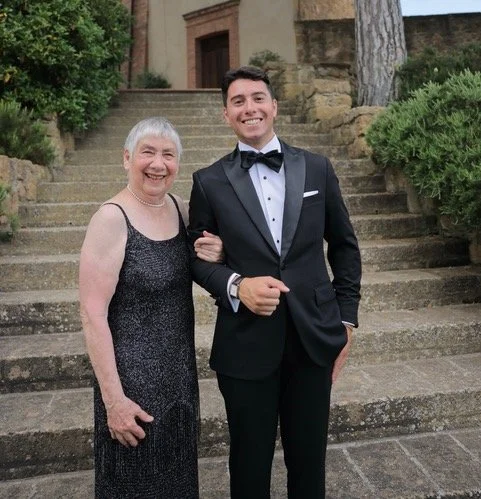
The beauty of Tuscany, a handsome groom, and a more than enthusiastic Grandma Marianne.
This past week, the Summer Art Show opened with enthusiasm. Works of all sizes, shapes, and mediums now grace the walls and vitrine of Robert Fulton. Coinciding with Sip & Snack—and accompanied by Shelley Robinson at the harp—the show was a joy to behold.
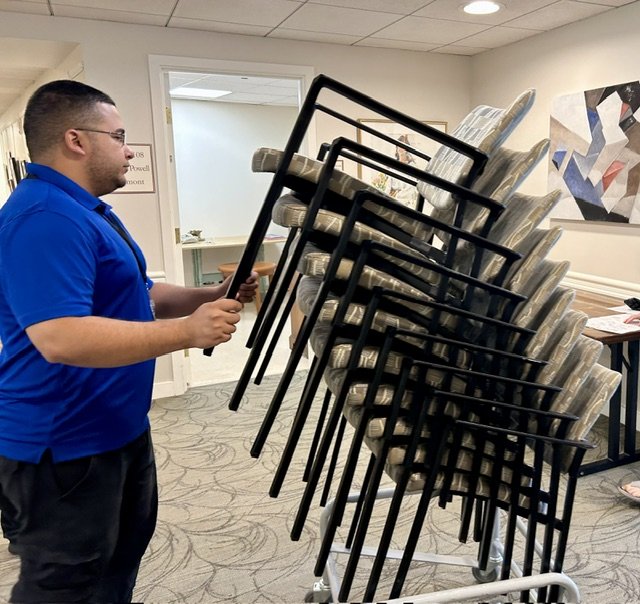
Setting up is an art in and of itself
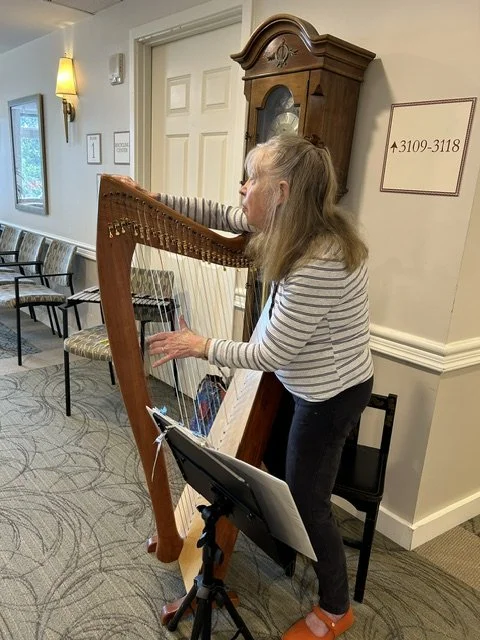
Musical accompaniment by Shelley Robinson
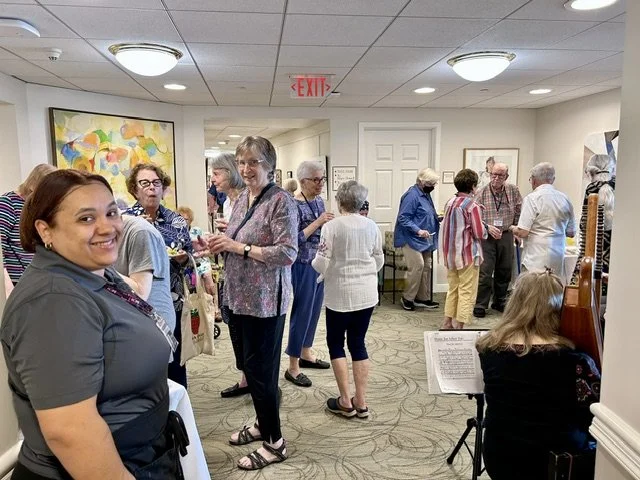
And so it begins
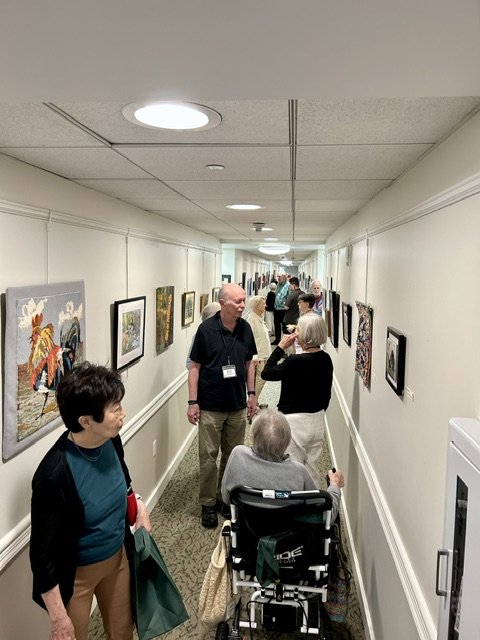
Up and down the hallways
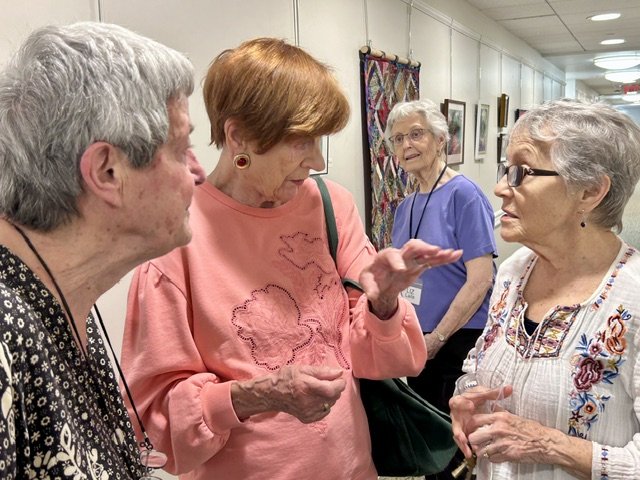
Discussed by the many
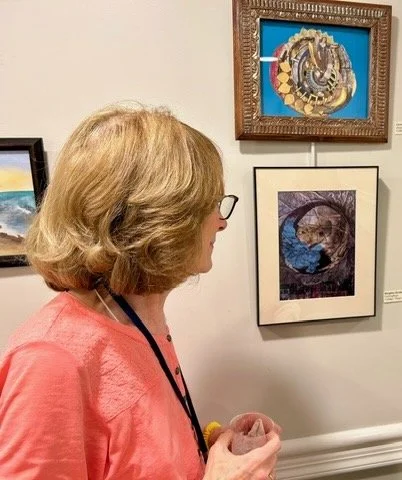
Enjoyed one by one
Photos by Carolyn Reiss
On Friday, June 25, the new Gazebo was formerly opened for business. Its business, of course, is to shelter the Kendal family—residents, staff, and visitors—to allow the joy we take in the Hudson River, whether in solitude or lively company. The delightful edifice was given in memoriam of and dedication to their brother Kamel and his beloved Susan by the Baharys all (including spouses). The roses planted around it will grow and slowly replace the artificial ones now indicated how even more lovely the Gazebo will be over time.
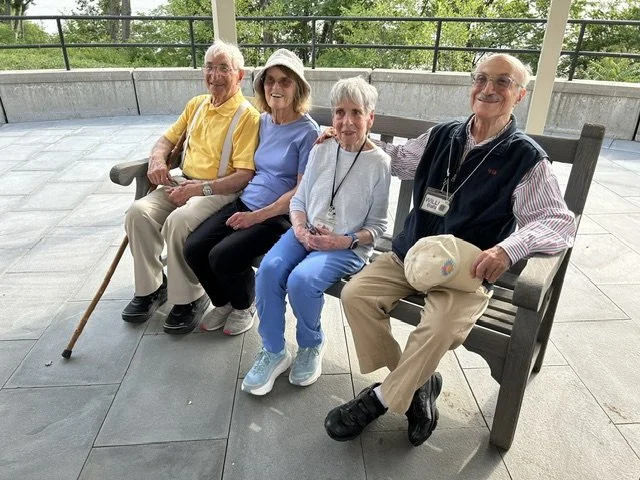
The Baharys as the celebration began. Photo by Edward Kasinec.

The Gazebo as the afternoon slowly turns into evening. Photo by Peter Sibley.
Along the lines of Allan Sherman’s famous letter-home song from the sixties, we give you:
Dear Mom and Dad:
Our scoutmaster told us to write to our parents in case you saw the flood on TV and were worried. We are OK. Only one of our tents and two sleeping bags got washed away. Luckily, none of us got drowned because we were all up on the mountain looking for Chad when it happened.
Oh yes, please call Chad’s mother and tell her he is OK. He can’t write because of the cast. I got to ride in one of the search and rescue jeeps. It was neat. We never would have found him in the dark if it wasn’t for the lightning. Scoutmaster Walt got mad at Chad for going on a hike alone without telling anyone. Chad said he did tell him, but it was during the fire so he probably didn’t hear him. Did you know that if you put gas on a fire, the gas can will blow up? The wet wood didn’t burn, but one of the tents did. Also some of our clothes. John is going to look weird until his hair grows back.
We will be home on Saturday if Scoutmaster Walt gets the car fixed. It wasn’t his fault about the wreck. The brakes worked OK when we left.
Scoutmaster Walt said that a car that old you have to expect something to break down; that’s probably why he can’t get insurance. We think it’s a neat car.
He doesn’t care if we get it dirty, and if it’s hot, sometimes he lets us ride on the fenders.
It gets pretty hot with 10 people in a car. He let us take turns riding in the trailer until the highway patrolman stopped and talked to us.
Scoutmaster Walt is a neat guy. Don’t worry, he is a good driver. In fact, he is teaching Terry how to drive on the mountain roads where there isn’t any traffic. All we ever see up here is logging trucks.
This morning, all of the guys were diving off the rocks and swimming out in the lake. Scoutmaster Walt wouldn’t let me because I can’t swim, and Chad was afraid he would sink because of his cast, so he let us take the canoe across the lake. It was great. You can still see some of the trees under the water from the flood.
Scoutmaster Walt isn’t crabby like some scoutmasters.
He didn’t even get mad about the life jackets. He has to spend a lot of the time working on the car so we are trying not to cause him any trouble. Guess what? We have all passed our first aid merit badges. When Dave dove in the lake and cut his arm, we got to see how a tourniquet works.
Wade and I threw up, but Scoutmaster Walt said it probably was just food poisoning from the leftover chicken. He said they got sick that way with food they ate in prison. I’m so glad he got out and became our scoutmaster. He said he sure figured out how to get things done better while he was doing his time. By the way, what is a pedophile?
I have to go now. We are going to town to mail our letters and buy bullets. Don’t worry about anything. We are fine.
Love, Brandon
PS: How long has it been since I had a tetanus shot?
Contributed by Barbara Wallach
© Kendal on Hudson Residents Association 2015, 2016, 2017, 2018, 2019, 2020, 2021, 2022 all rights reserved. Please do not reproduce without permission.
Photographs of life at Kendal on Hudson are by residents.