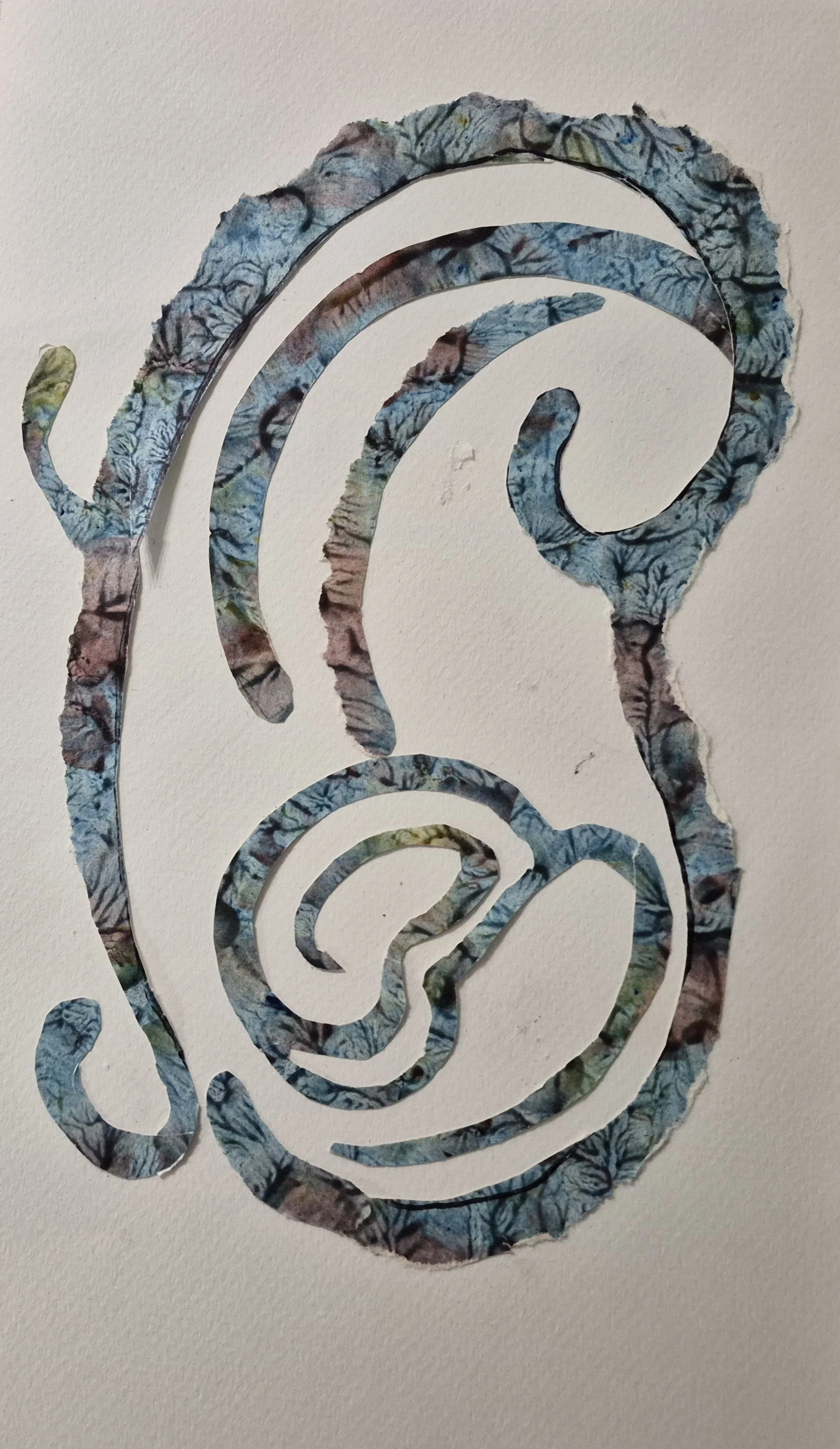
Art and photo by Sheila Benedis
Art by Hart
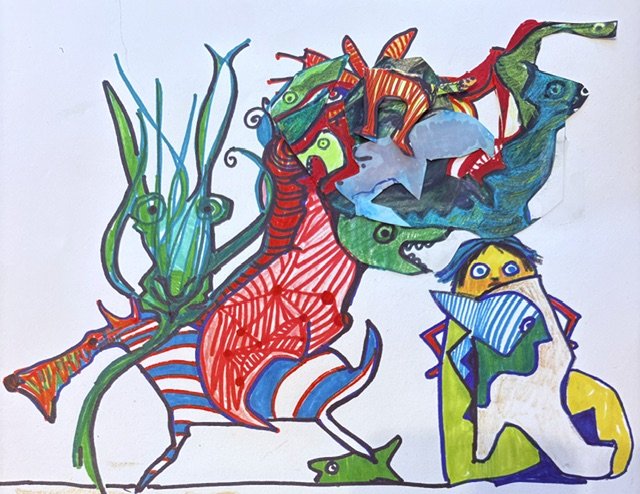
It was clear that Bosworth couldn’t keep a secret

Mirsky couldn’t remember who he’d promised to call
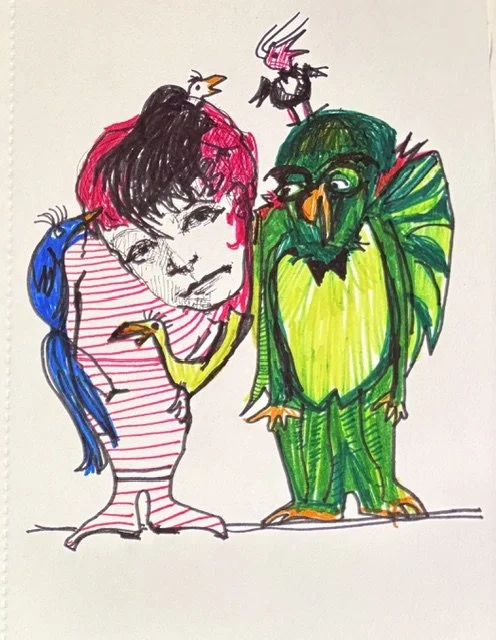
New in the neighborhood, Sadie and Phil misunderstood their “birding party” invitation
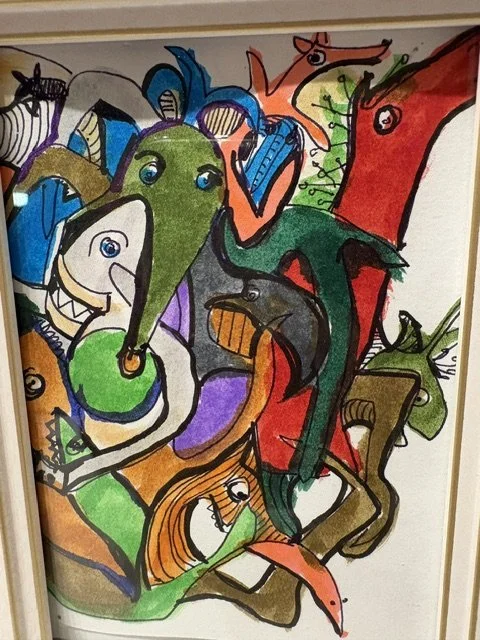
It seemed that all Judy’s dinner guests arrived at the same moment

Despite her careful facade, you could tell that Lavinia was down at the mouth
Art and photos by Jane Hart
In and Around Kendal
Local Air B&B
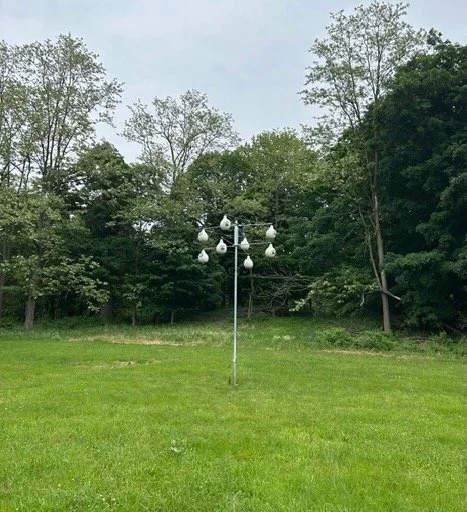
Photo by Edward Kasinec
Mourning Dove

Photo by Ed Lannert
When the Planets Align
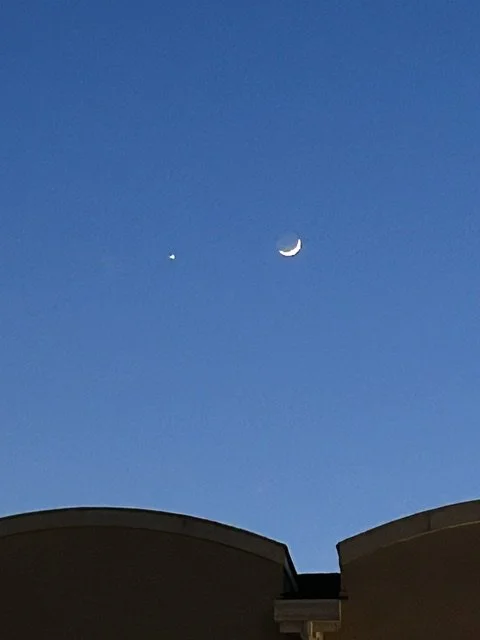
Moon over Kendal—and to the left: Venus, by Carolyn Reiss
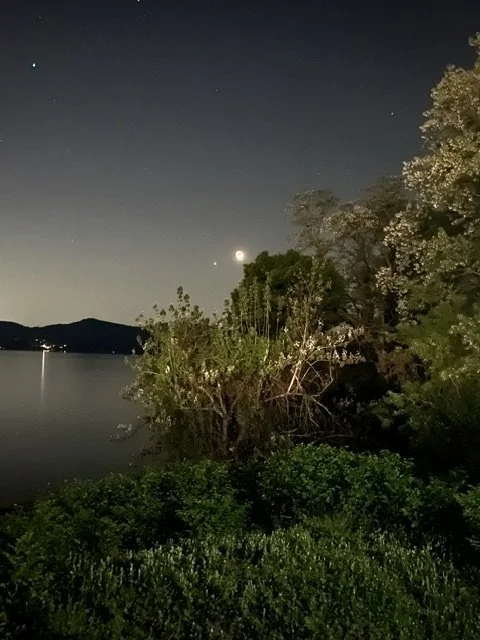
Then, later that night, Jupiter—way in the upper left-hand corner—joined in the fun, by Lisa Rosenbloom
A Rainy Day in Kendal Land
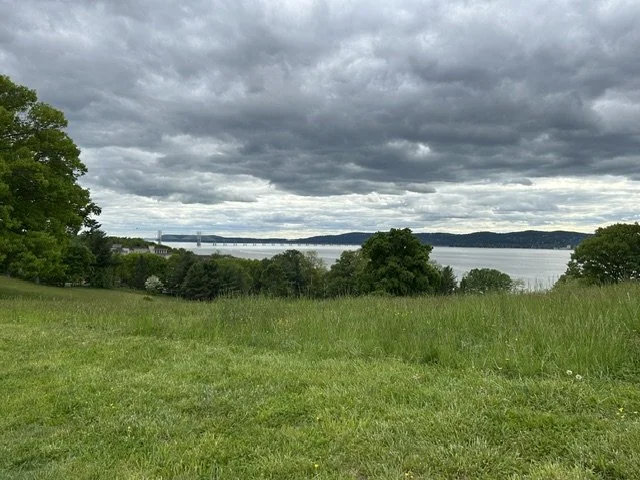
Calm before the storm, by Edward Kasinec

Beauty after the storm, by Edward Kasinec
The Close-ups of Rockwood Park

Who, me?! by Carolyn Reiss

Crystal-clear Beauty, by Carolyn Reiss

Green streamers, by Edward Kasinec
Kendal Gardens A-Bloom

Photo by Carolyn Reiss
The Final Light of the Day
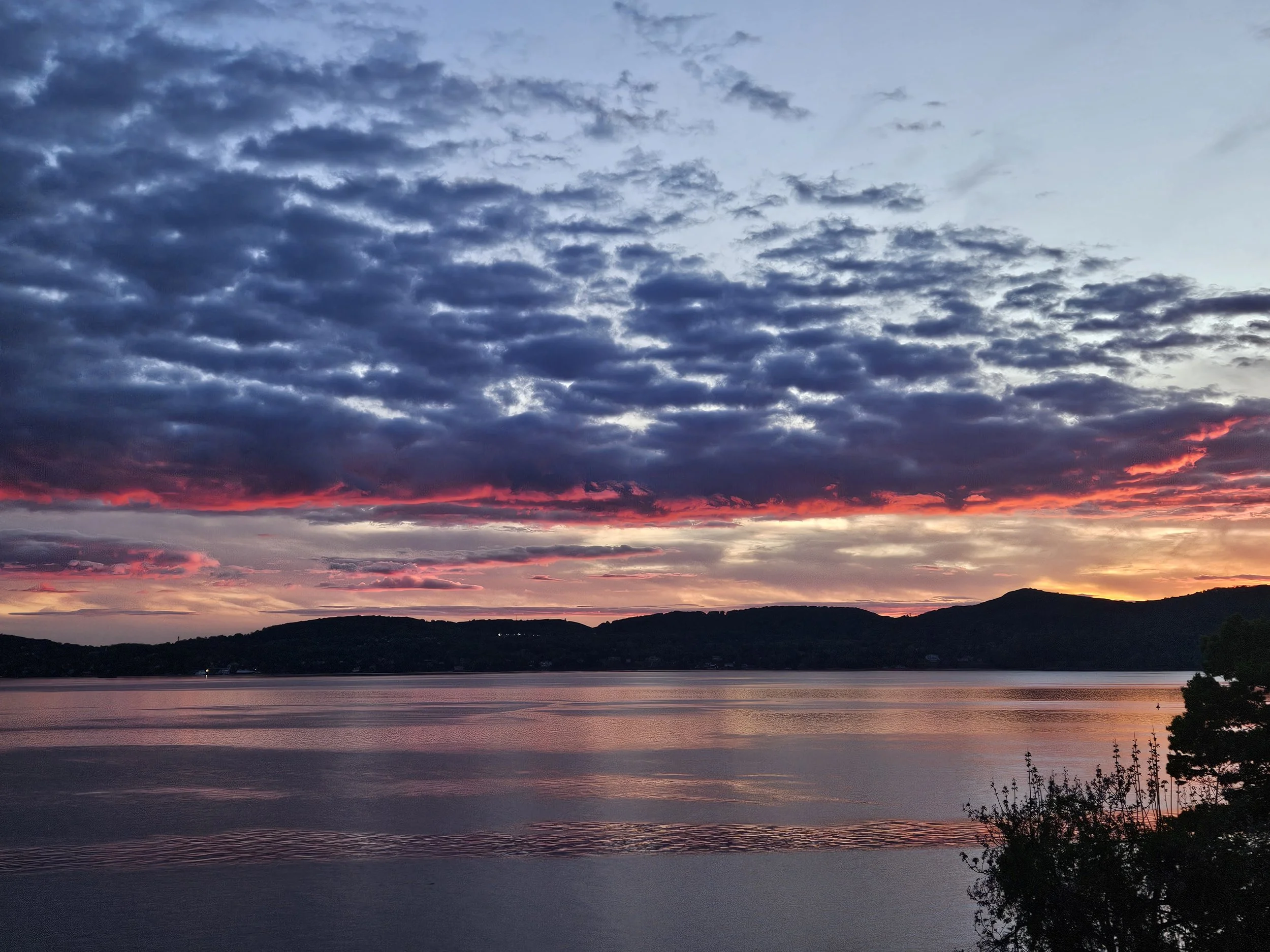
Photo by Greg Lozier
Out and About
The flowers that bloom in the spring! Tra La! Were exactly what Linda Edwards (the photographer here), Claire Tenny, and Lane Mauer went to see recently at the NY Botanical Garden. The new “Flower Power” exhibit in and around the Haupt Conservatory, encourages visitors to wander through psychedelic flower displays and art installations that evoke the free-spirited heart of the 1960s peace and love movement. Elsewhere in the Garden, classic VW buses, colorfully decorated, offer the perfect photo op.

Photo by Linda Edwards
Telling It Like It Is
Recently, The NY Times ran an Opinion piece by an adult child of elderly parents, decrying their lack of planning for the final stages of living, anticipating all the dire things that can happen to those of us “of a certain age.” (You can read it by clicking here.) Our very own Barbara Bettigole responded with an excellent letter to the editor published a few days later. In case you missed it, here it is:
To the Editor:
Lack of planning is only part of the problem for the elderly. Fear of the dreaded old people’s home is very common among those who are determined to die in their own homes. What is needed is a more positive view of the options for us seniors.
Developing attractive, safe, affordable, well-supervised living places, such as continuing care retirement communities, is a far better option than sitting in a chair watching TV, waiting for the Meals on Wheels delivery.
I moved to a C.C.R.C. from a private house, where I had no close neighbors and no public transportation. Here I have my own space, friends, activities, meals, transportation and access to help in emergencies.
Which is better?
Barbara T. Bettigole
Sleepy Hollow, N.Y.
Staff Appreciation Fund

Weekly Construction Report


New RAO Workroom

New Terrace Entrance Doors

New Glass Wall in the Pool Area Down the New Hallway
From the Office of Ellen Ottstadt
I Never Knew That
The Origins of Memorial Day
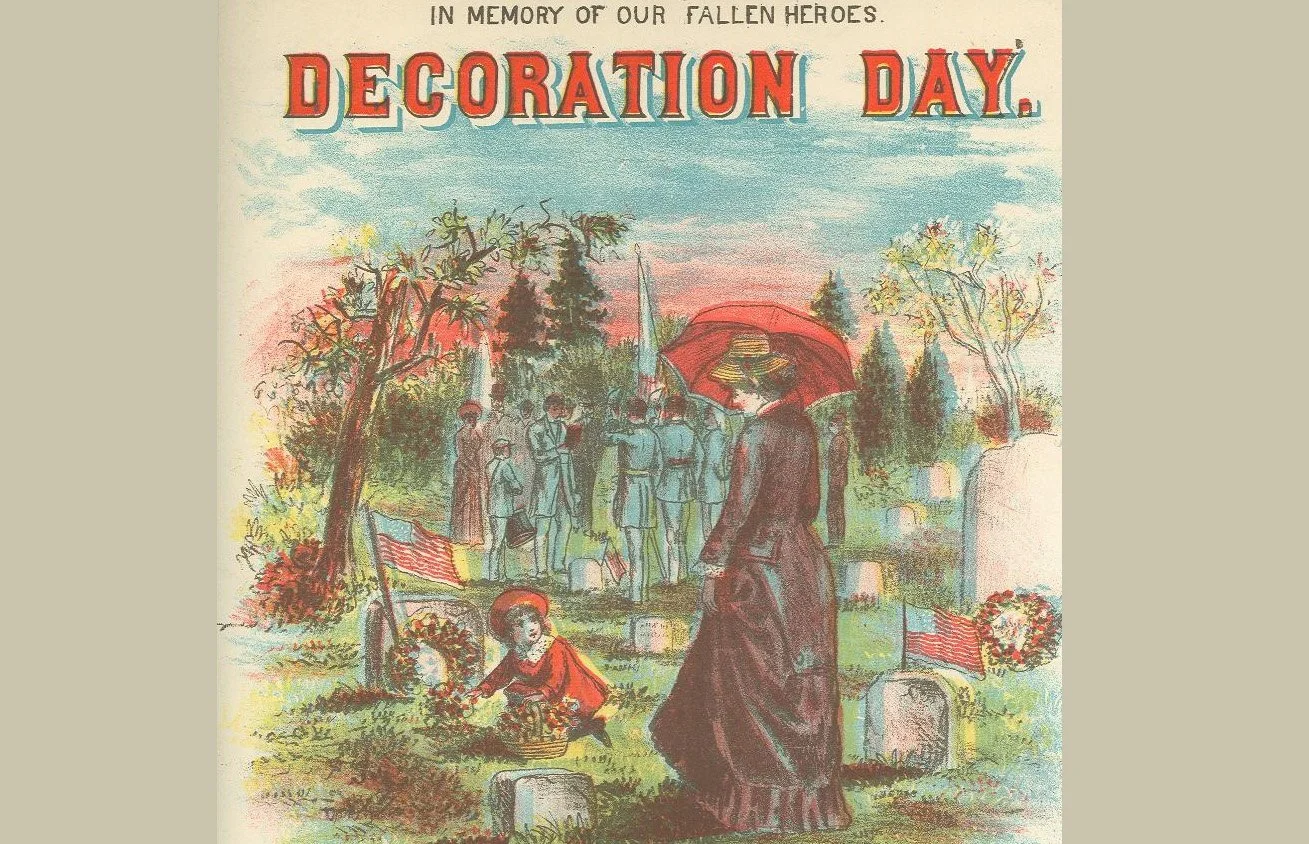
When the Civil War ended in April 1865, Americans struggled to cope with the unprecedented loss they had experienced as a nation. Because the end of the war had come in the spring, communities began decorating soldiers’ graves with fresh flowers. Such “Decoration Day” rituals began popping up across the country on different days. In the South, many chose May 10, the anniversary of Stonewall Jackson’s death; April 26, the day of the final Confederate surrender; or June 3, Jefferson Davis’s birthday.
Northerners also chose a spring day for formal commemoration of the dead. In 1868, General John Logan, Commander-in-Chief of the Grand Army of the Republic, officially designated the 30th of May “for decorating the graves of comrades who died in defense of their country.” By the end of the 19th century, most Northern states had adopted the holiday.
One of the earliest known celebrations of what we now know as Memorial Day took place in Charleston, South Carolina on May 1, 1865, when the city’s freed Black residents organized a proper burial for hundreds of Union soldiers who had died in a Confederate prison, followed by a parade to honor their memory.
A century after General Logan’s declaration, President Lyndon Johnson signed legislation making Memorial Day a federal holiday, changing the observance to the last Monday in May and standardizing the name as “Memorial Day.”
Source: American Experience.wgbh.org
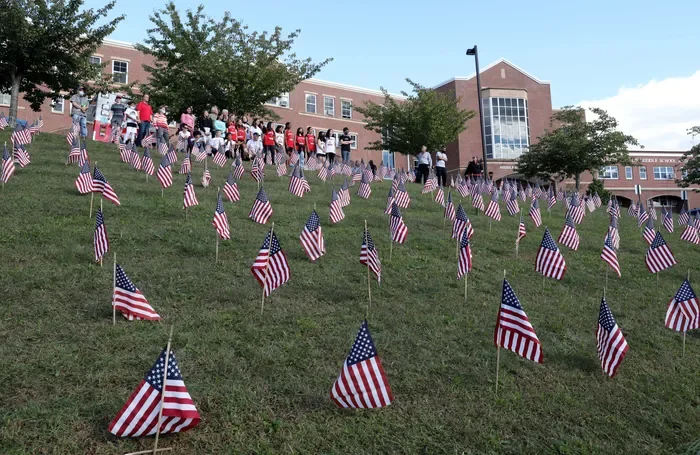
Every Memorial Day, Sleepy Hollow High School/Middle School students plant flags in honor of the day.
For Your Funny Bone
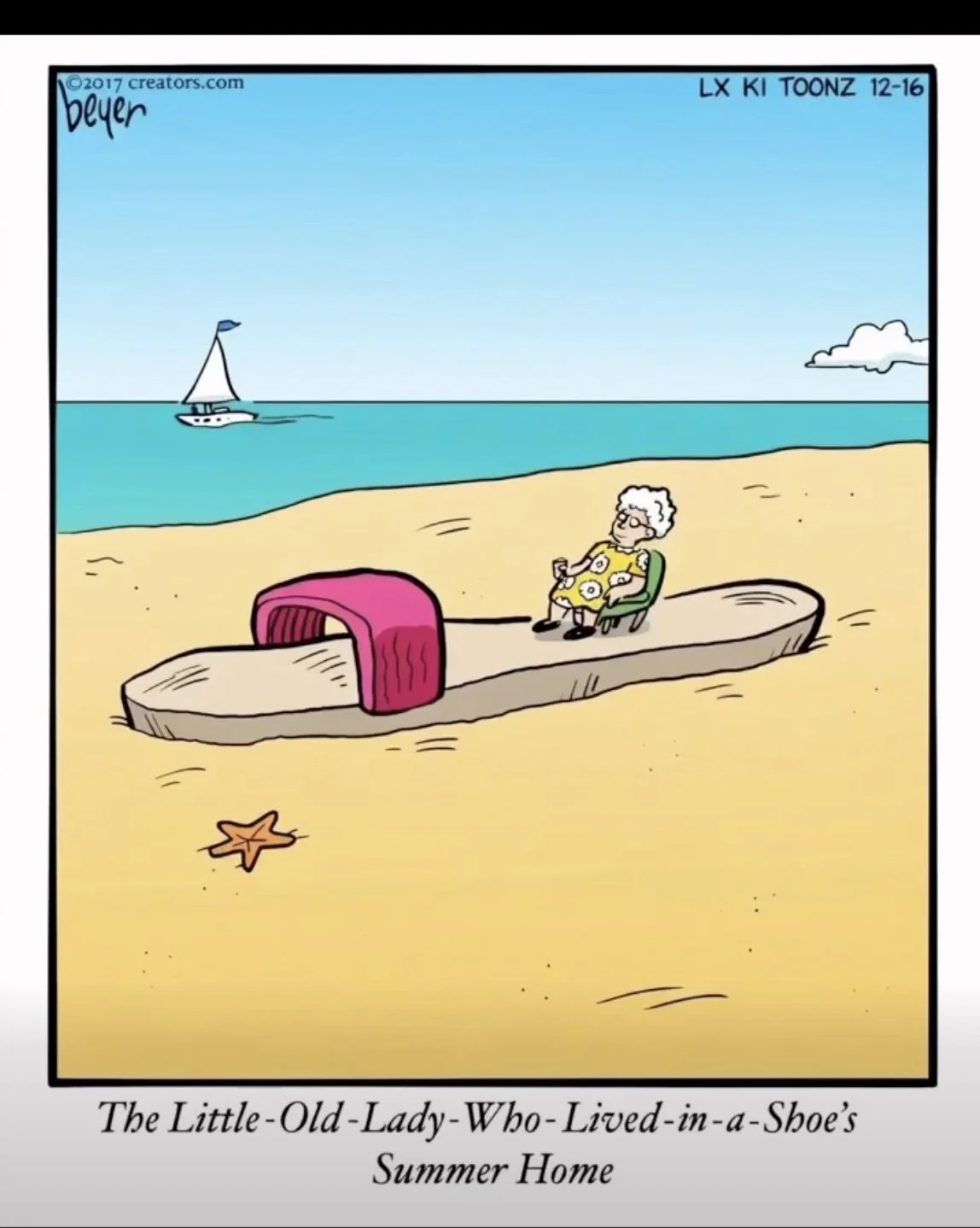
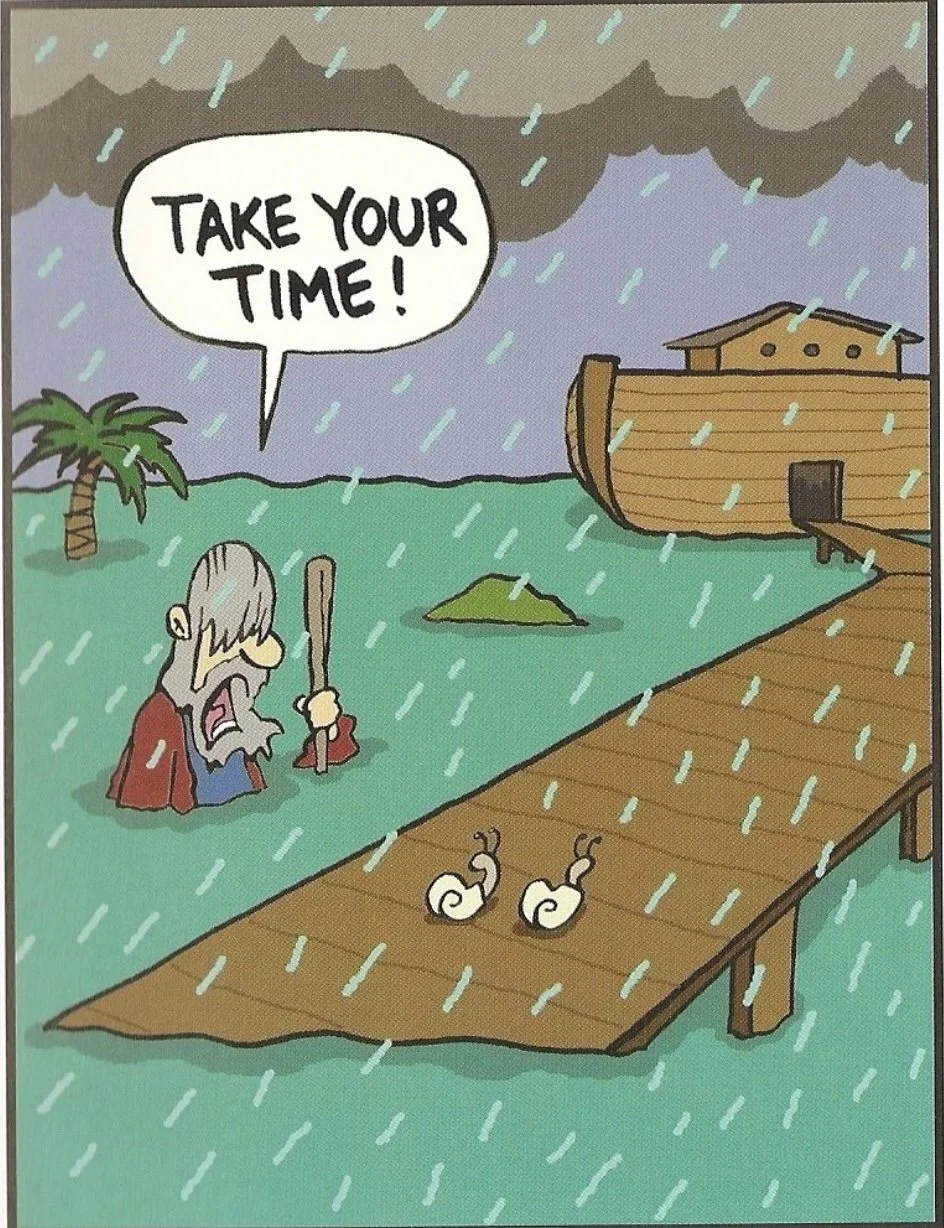
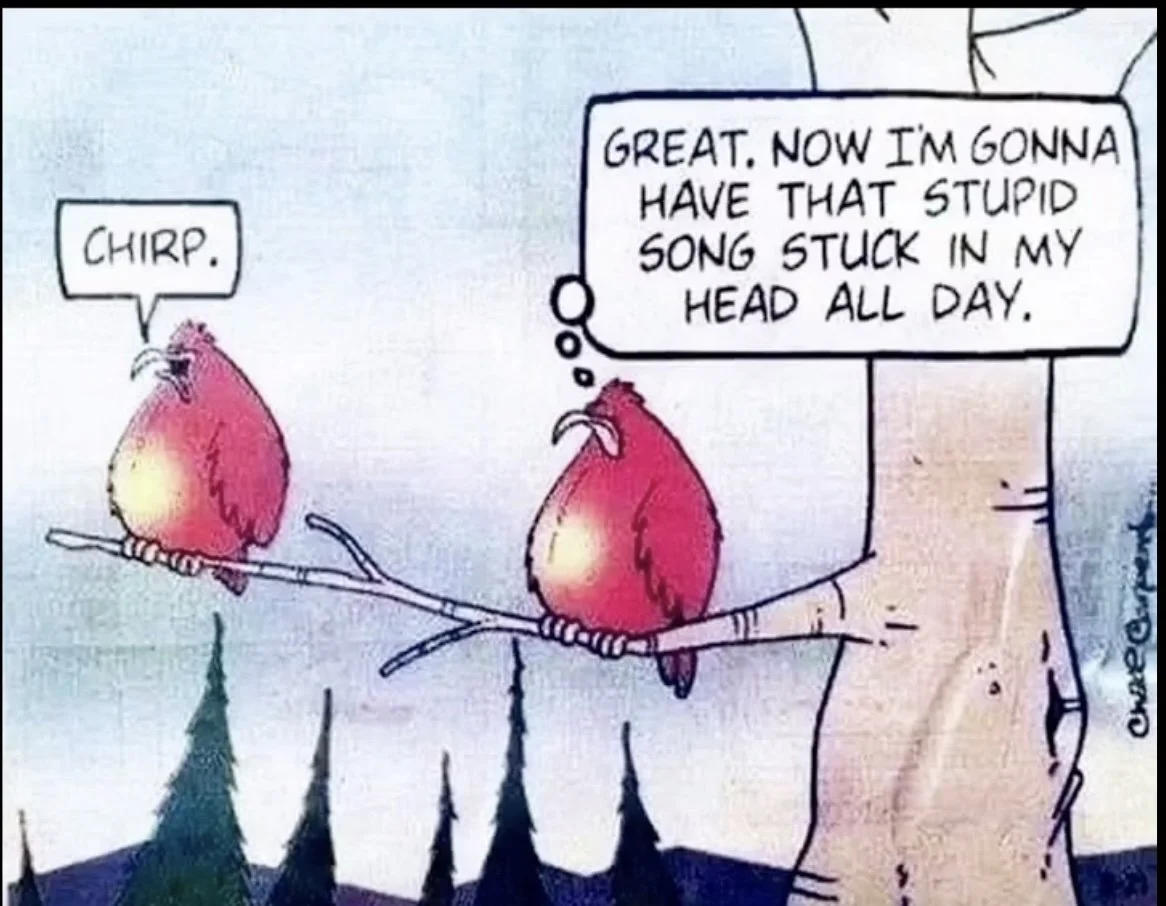


Art by Hart

Just as she was about to give up, Fanny found a perfectly good used son-in-law on eBay

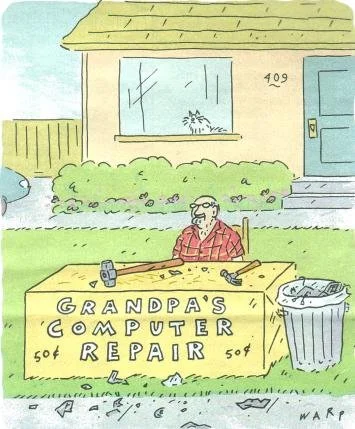
Ms. Minch was finding it harder and harder to see her doctor

Hoping to avoid gossip, Kira hid her boyfriend under a cow
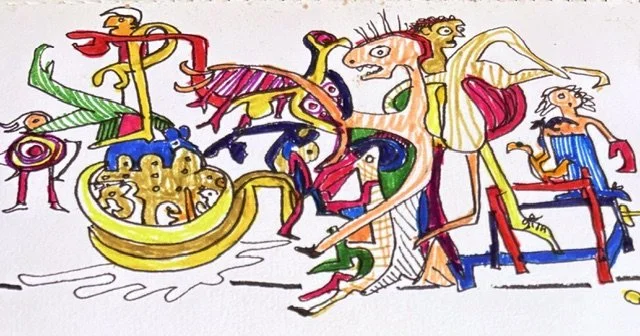
Emily considered her kitchen a creative space

Without an umbrella or rain hat, Mary was a sitting duck for debris from the storm
Art and photos by Jane Hart
Hope VII Collage, by Sheila Benedis
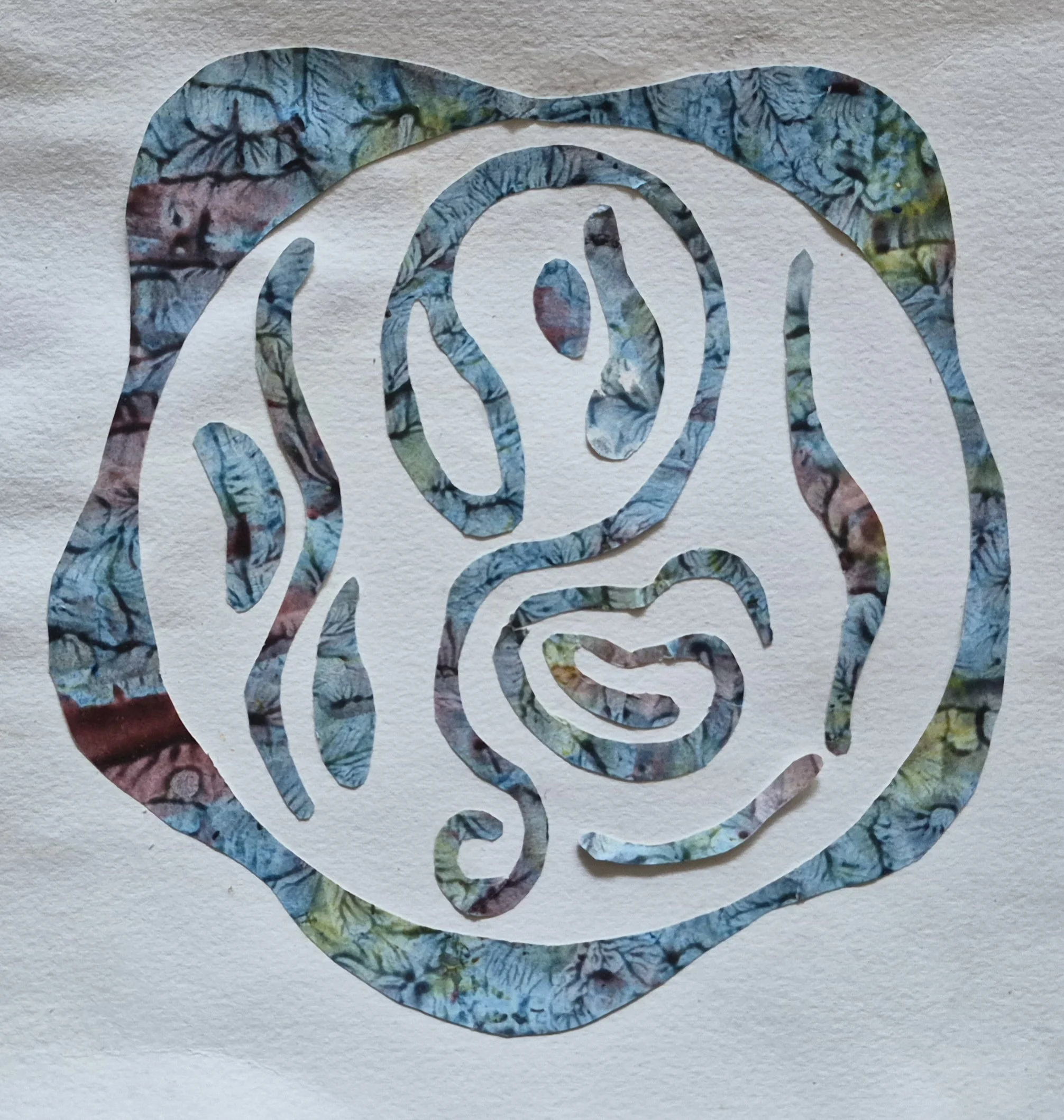
Art and photo by Sheila Benedis
In and Around Kendal
May Birthdays
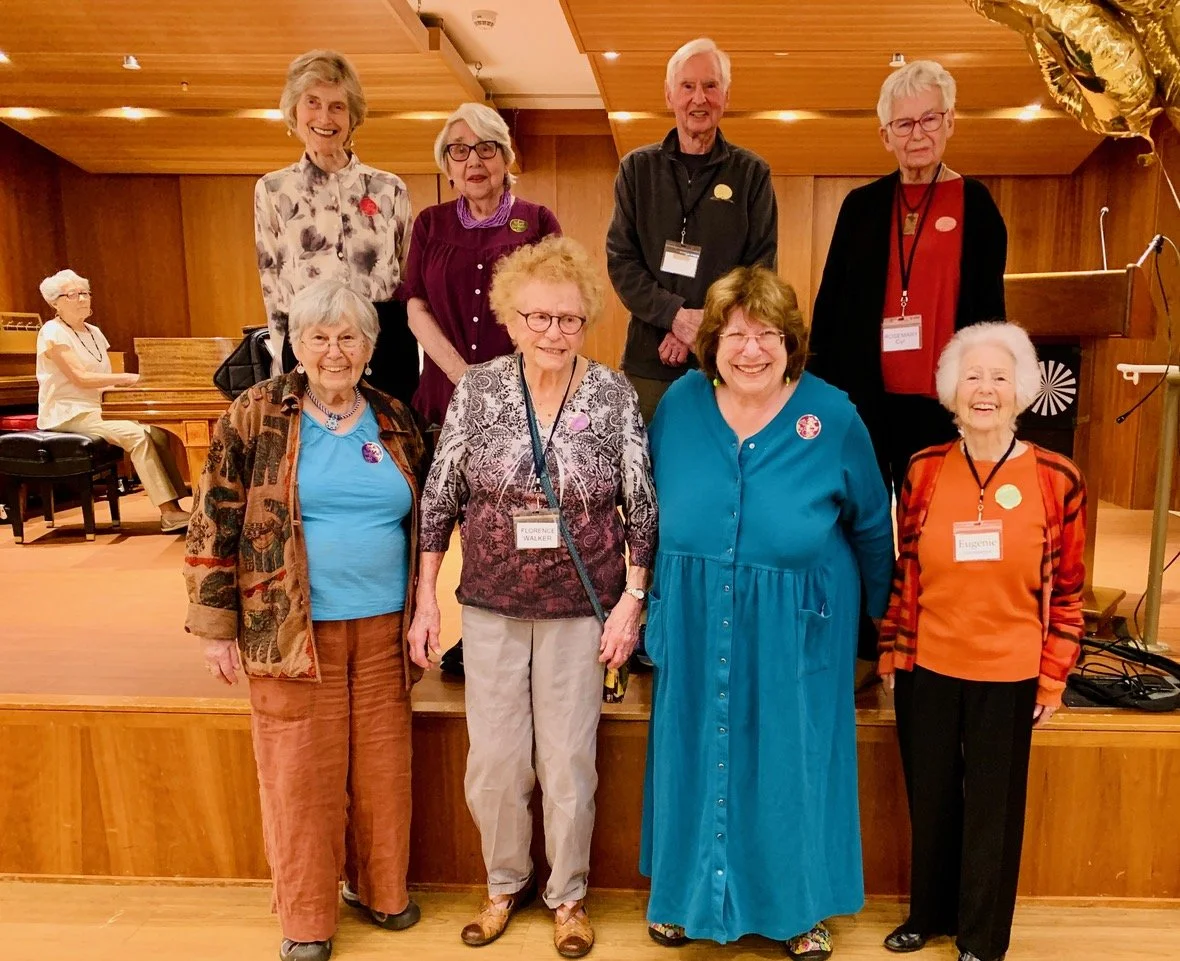
Photo by Harry Bloomfeld
Gardening Kendal-Style
Report (and photo) by Joe Bruno: “After hearing about recycling plastic, one resident gardener decided to grow some plastic. The crop’s coming along fine.”

“Our” River
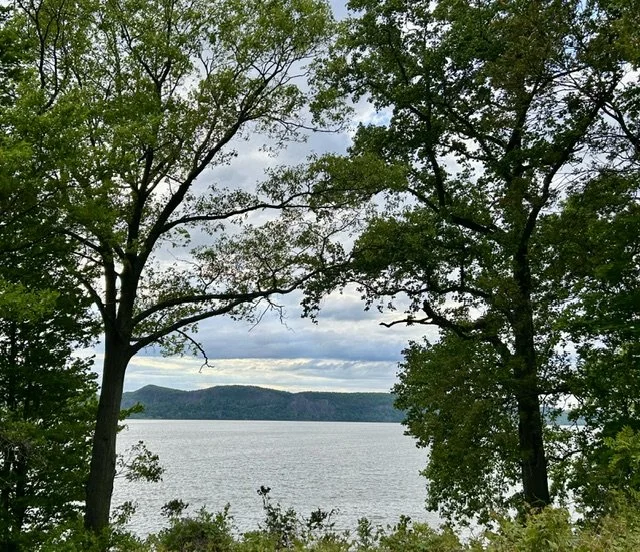
Late Spring Frames the Hudson, by Edward Kasinec
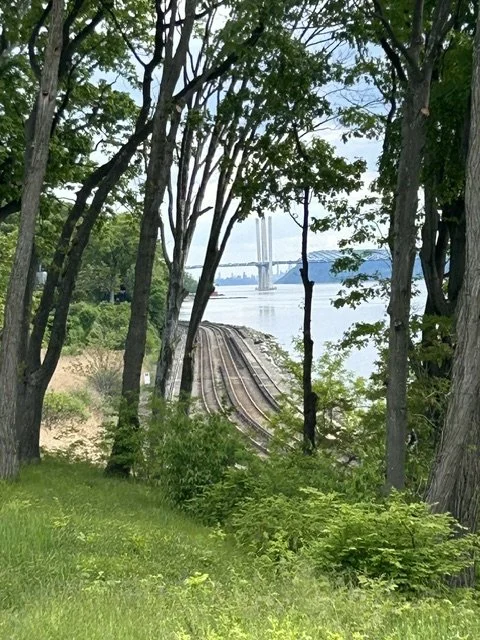
Photo by Carolyn Reiss

Photo by Joe Bruno
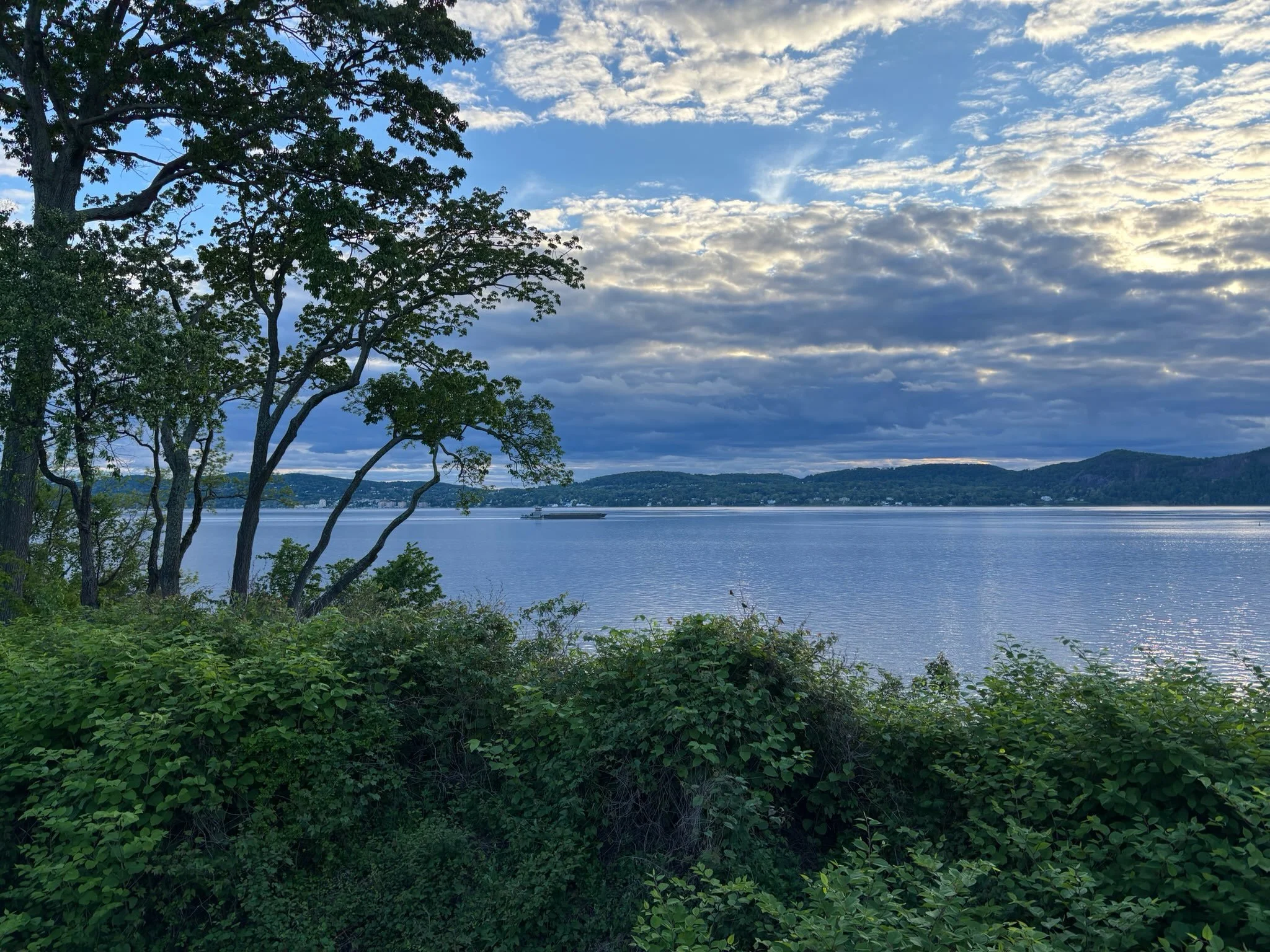
Photo by Lynn Brady
A Morning Stroll in the Park

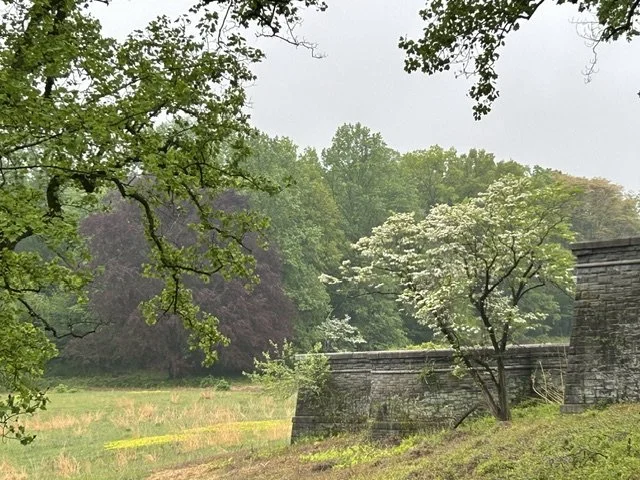
Photos by Carolyn Reiss
Out and About
The Peonies of Rockefeller State Park
It has become an annual event: peonies peeping in the Rockefeller State Park. And here’s the reason why:
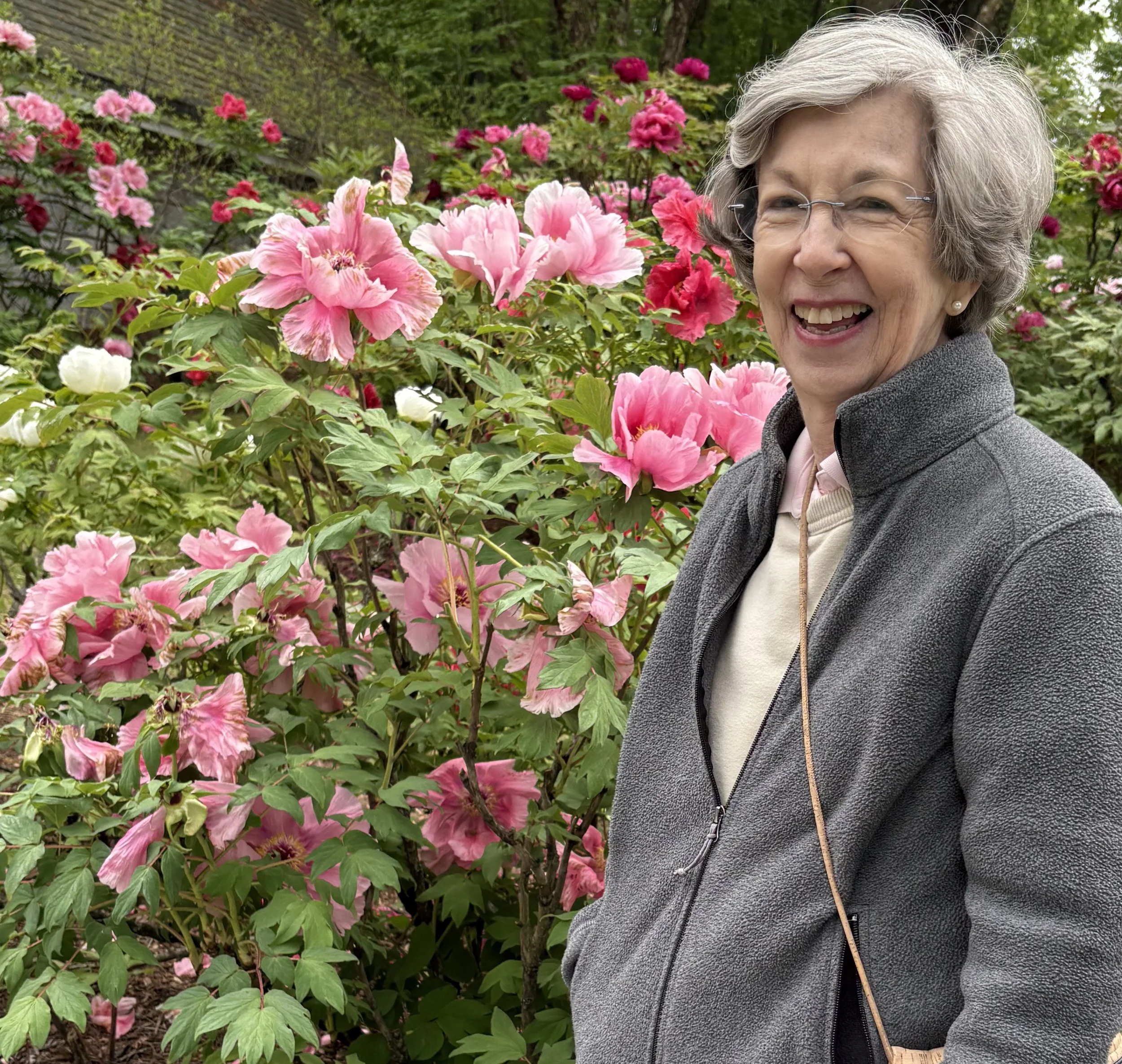
The joy of peonies peeping, by Ruth Dinowitz
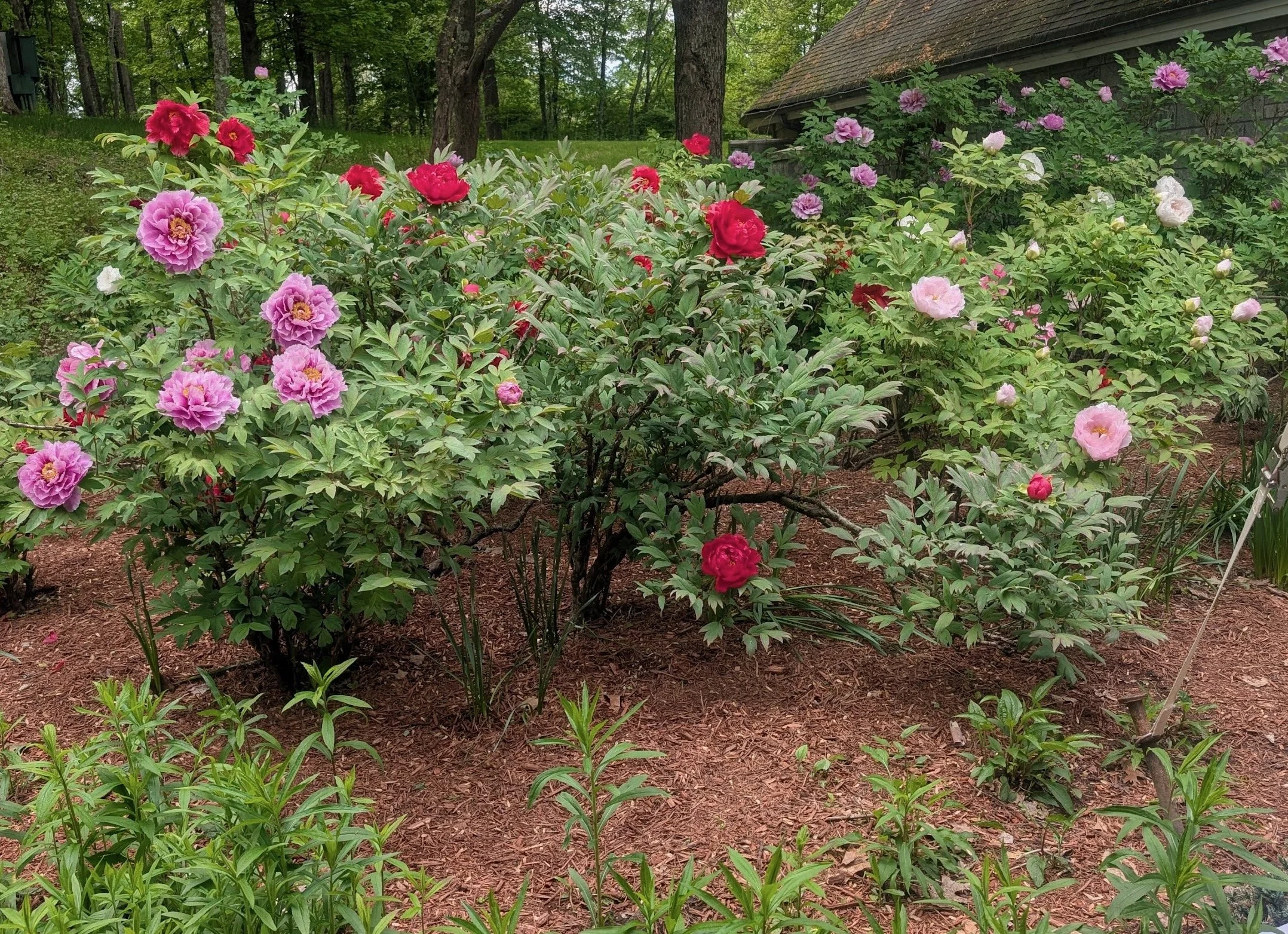
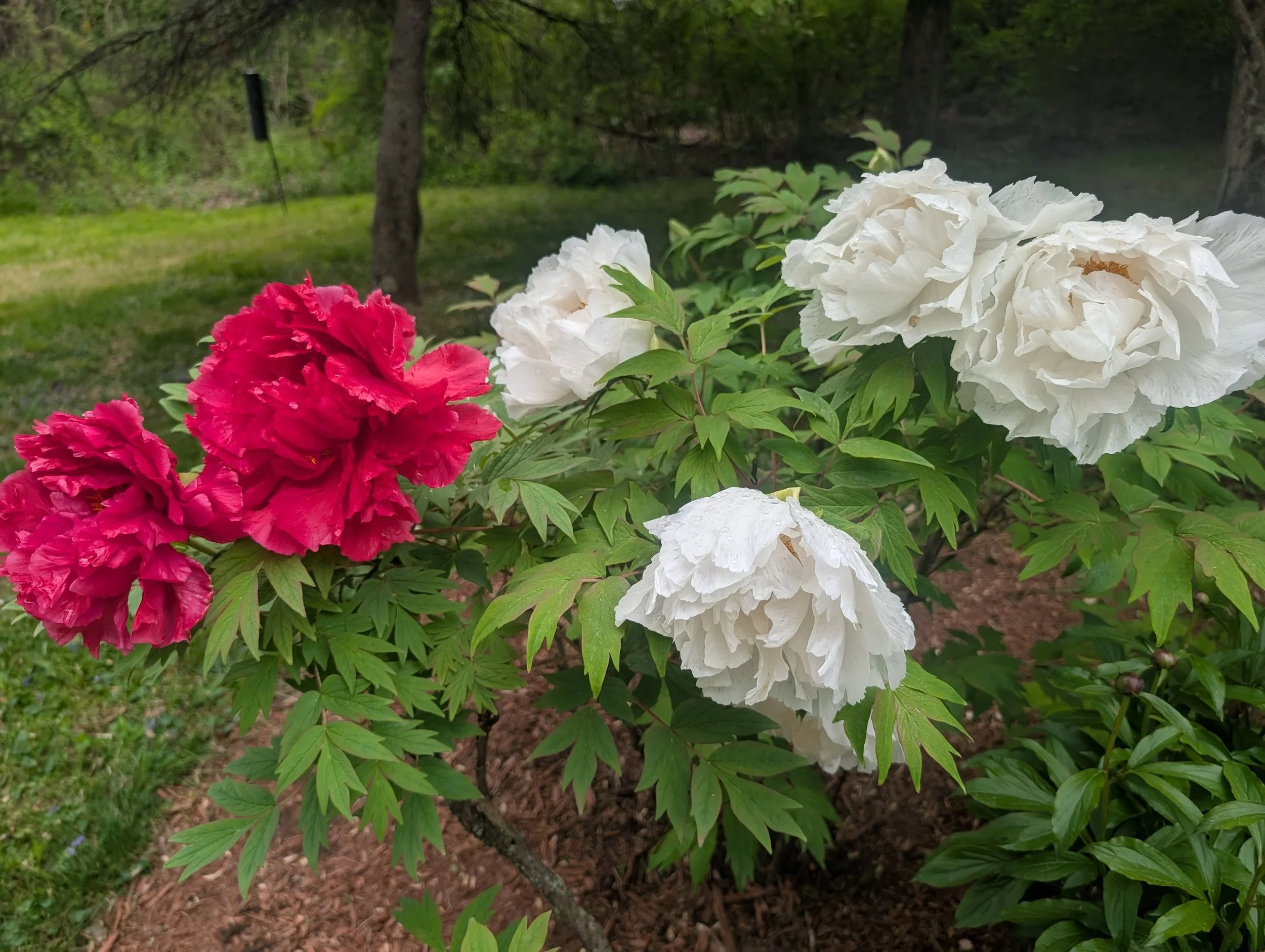
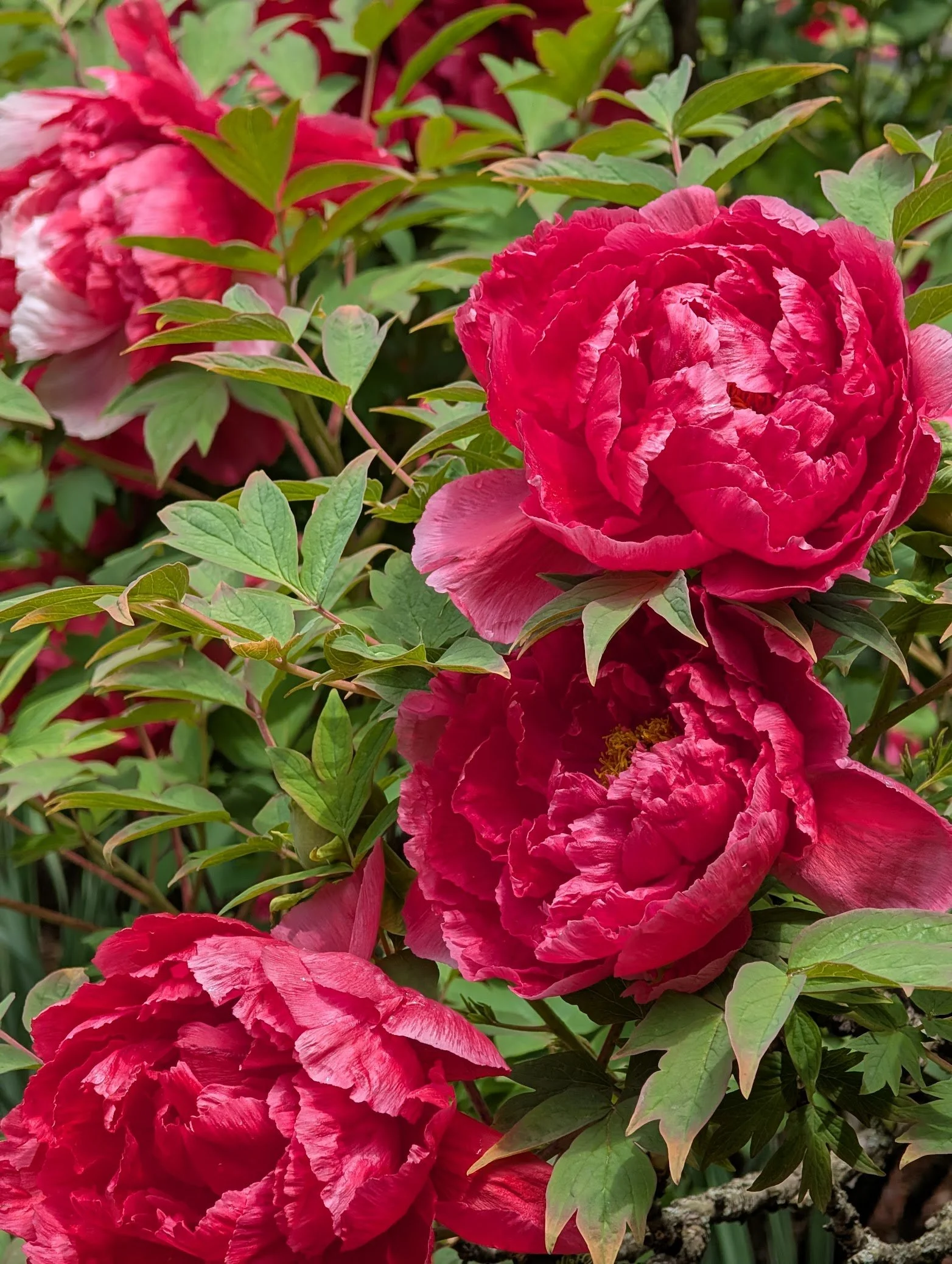
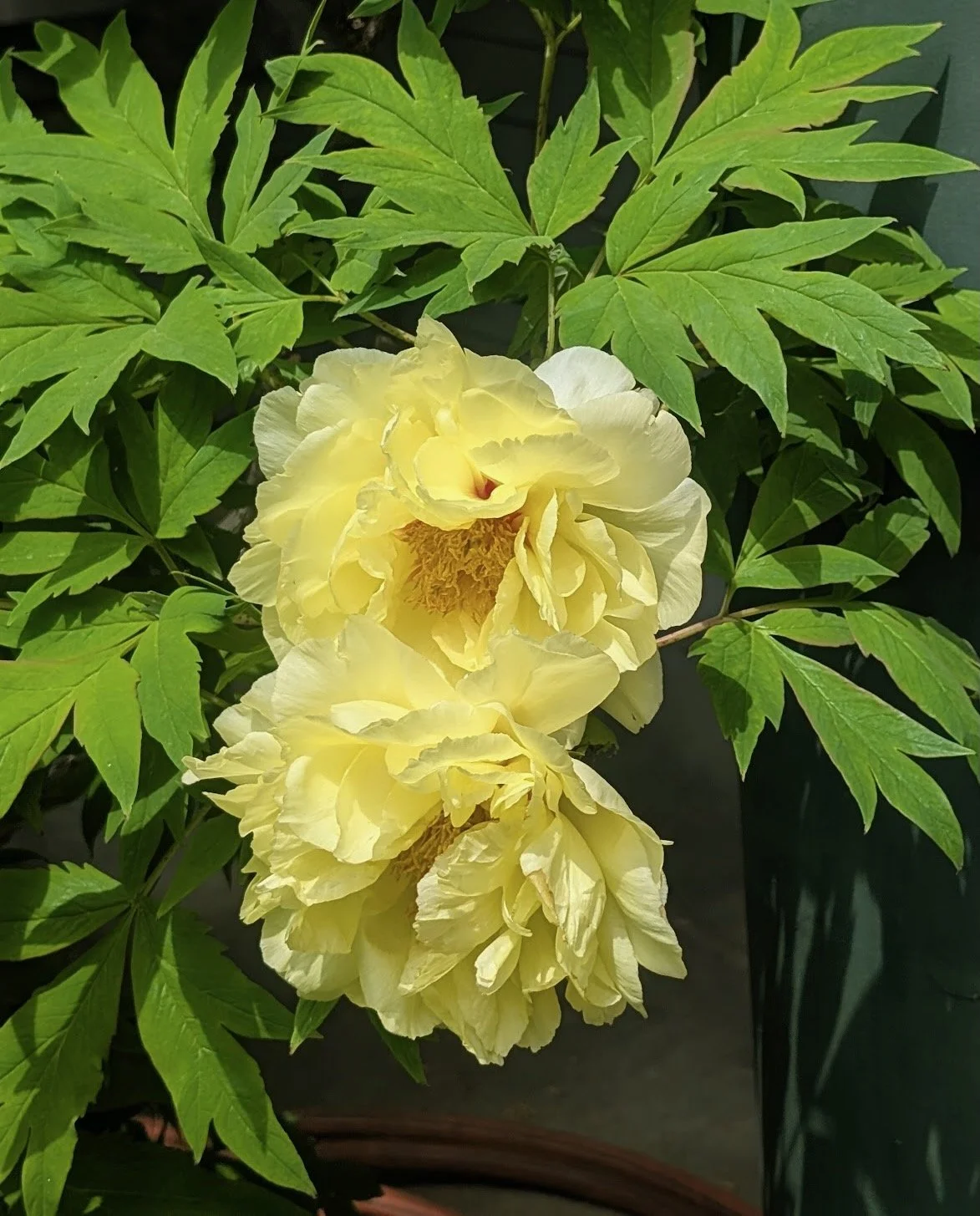
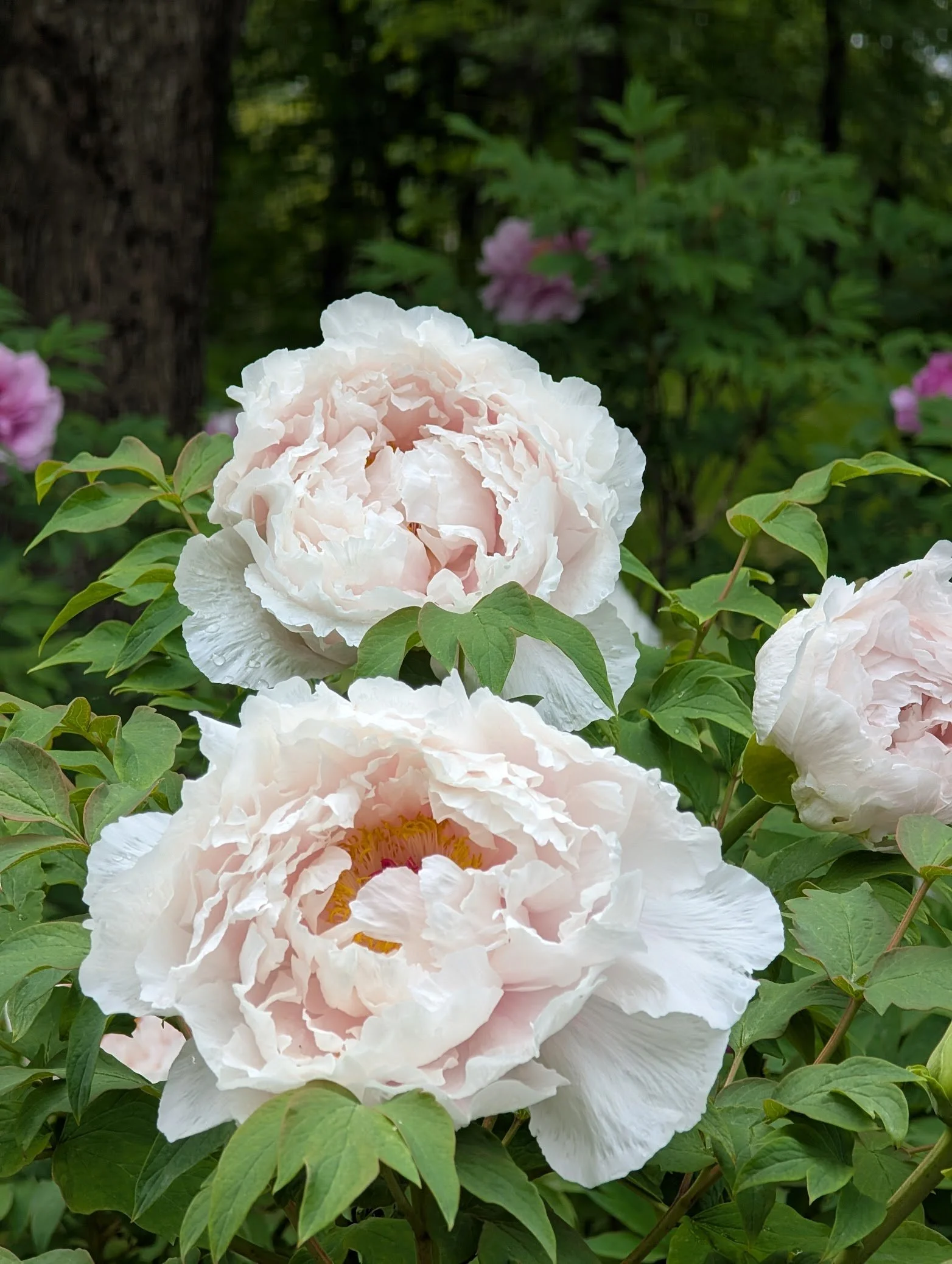
Photos by Lane Mauer, unless otherwise indicated
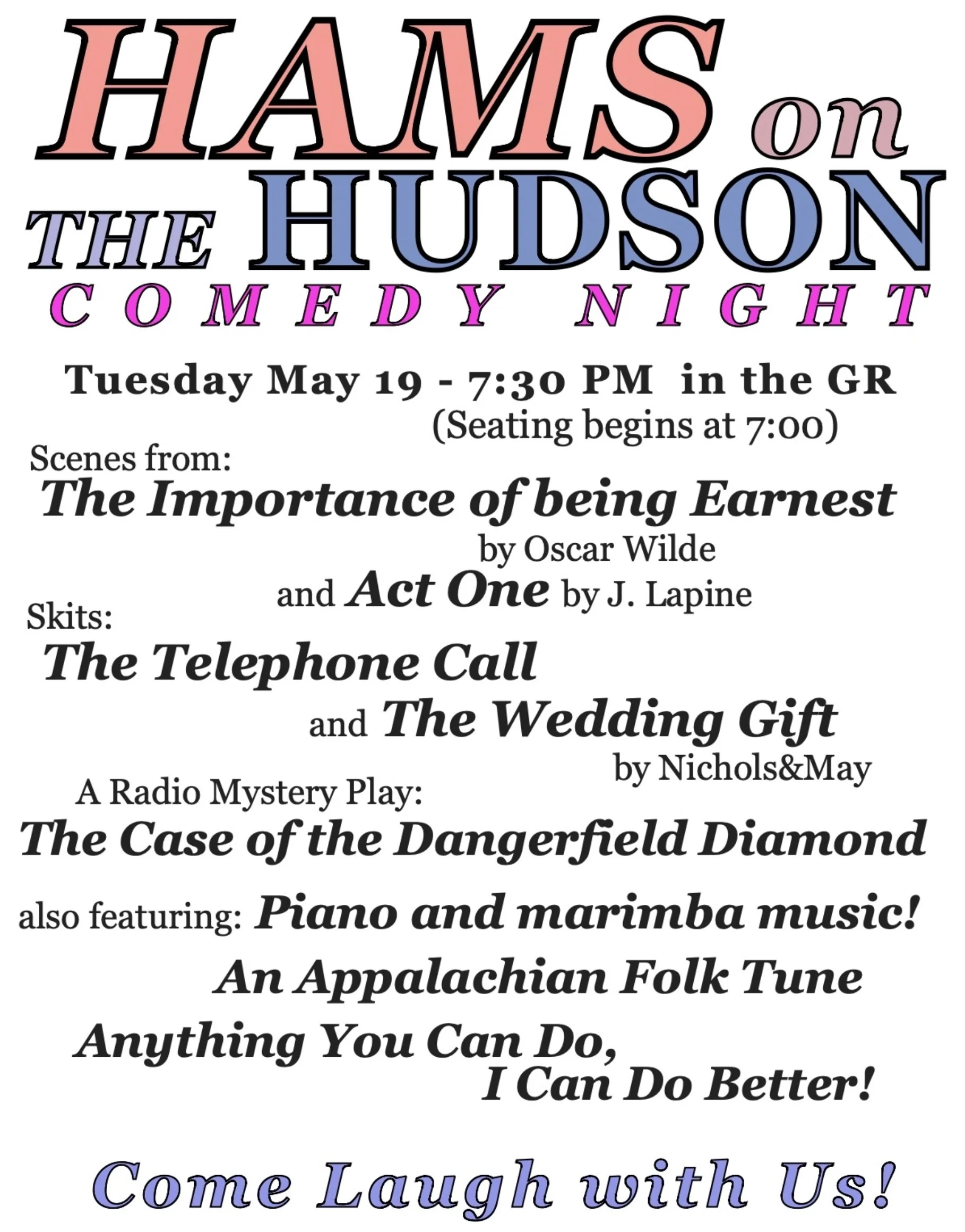
Presenting: The Greatest Show on Earth (in Sleepy Hollow)
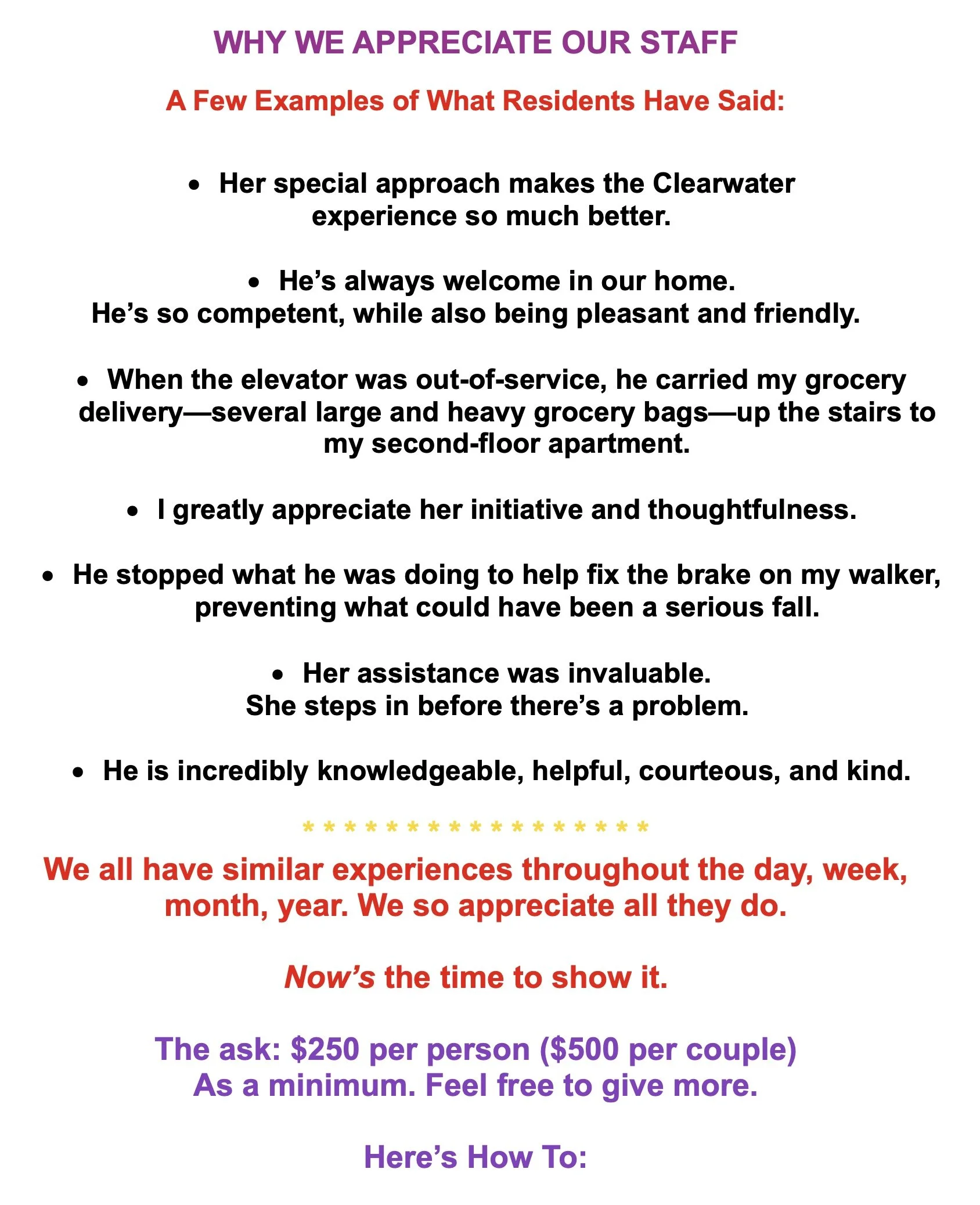
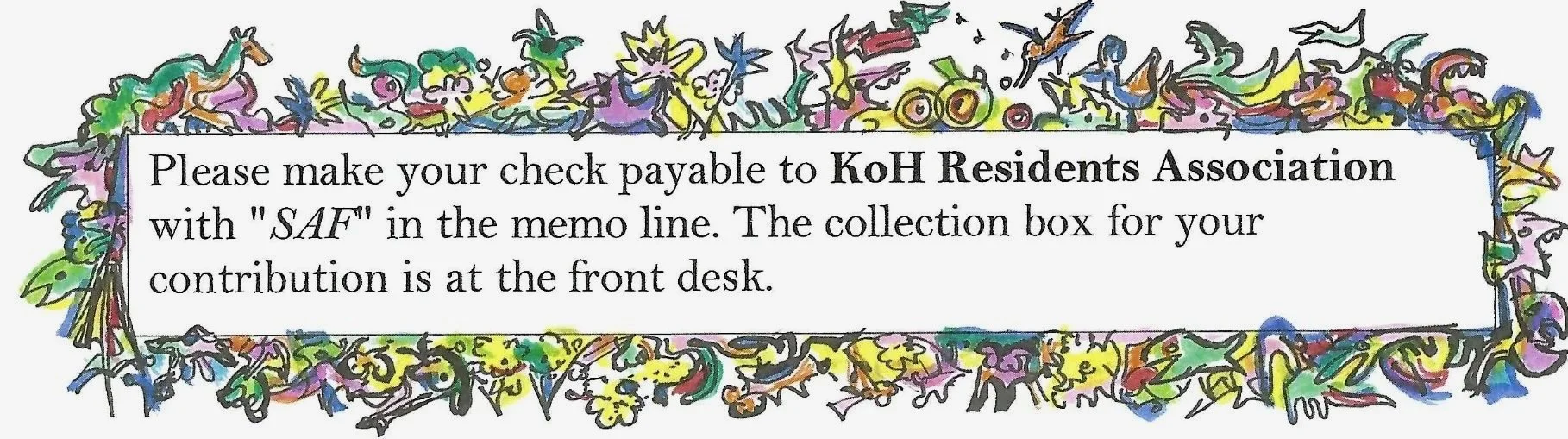
Don’t Forget: We Can’t Tip, So . . .

Weekly Construction Report



From the office of Ellen Ottstadt
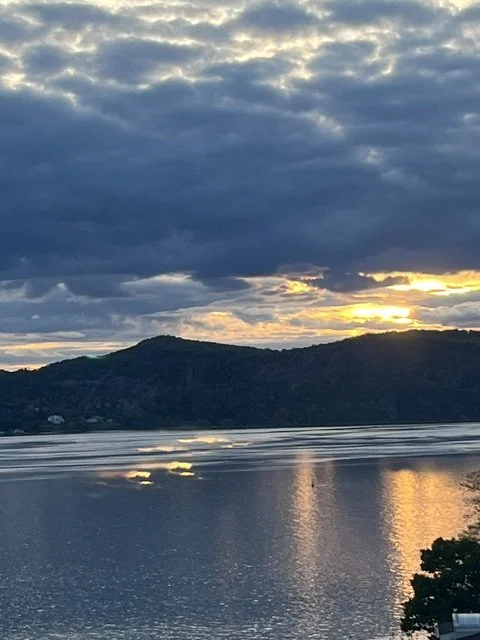
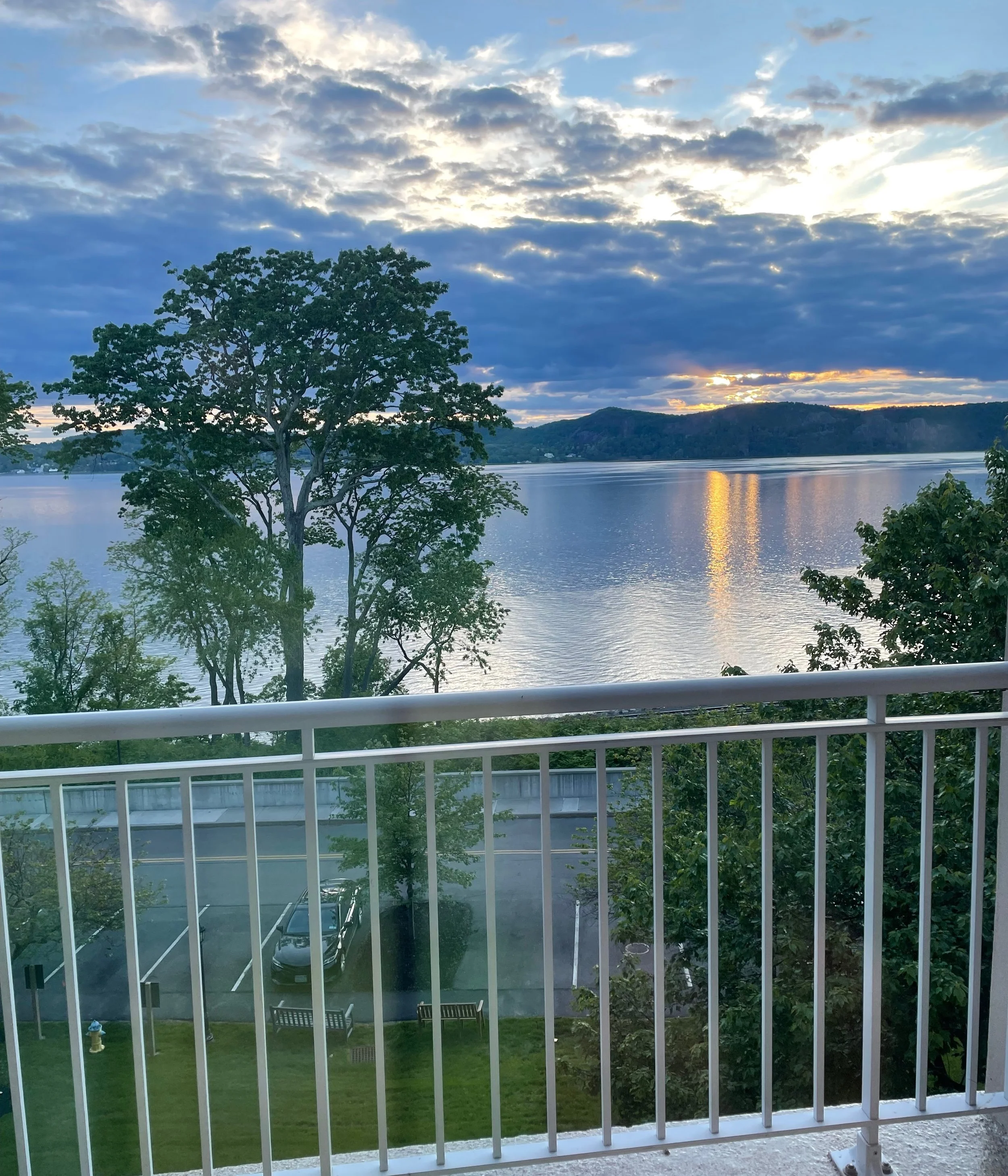
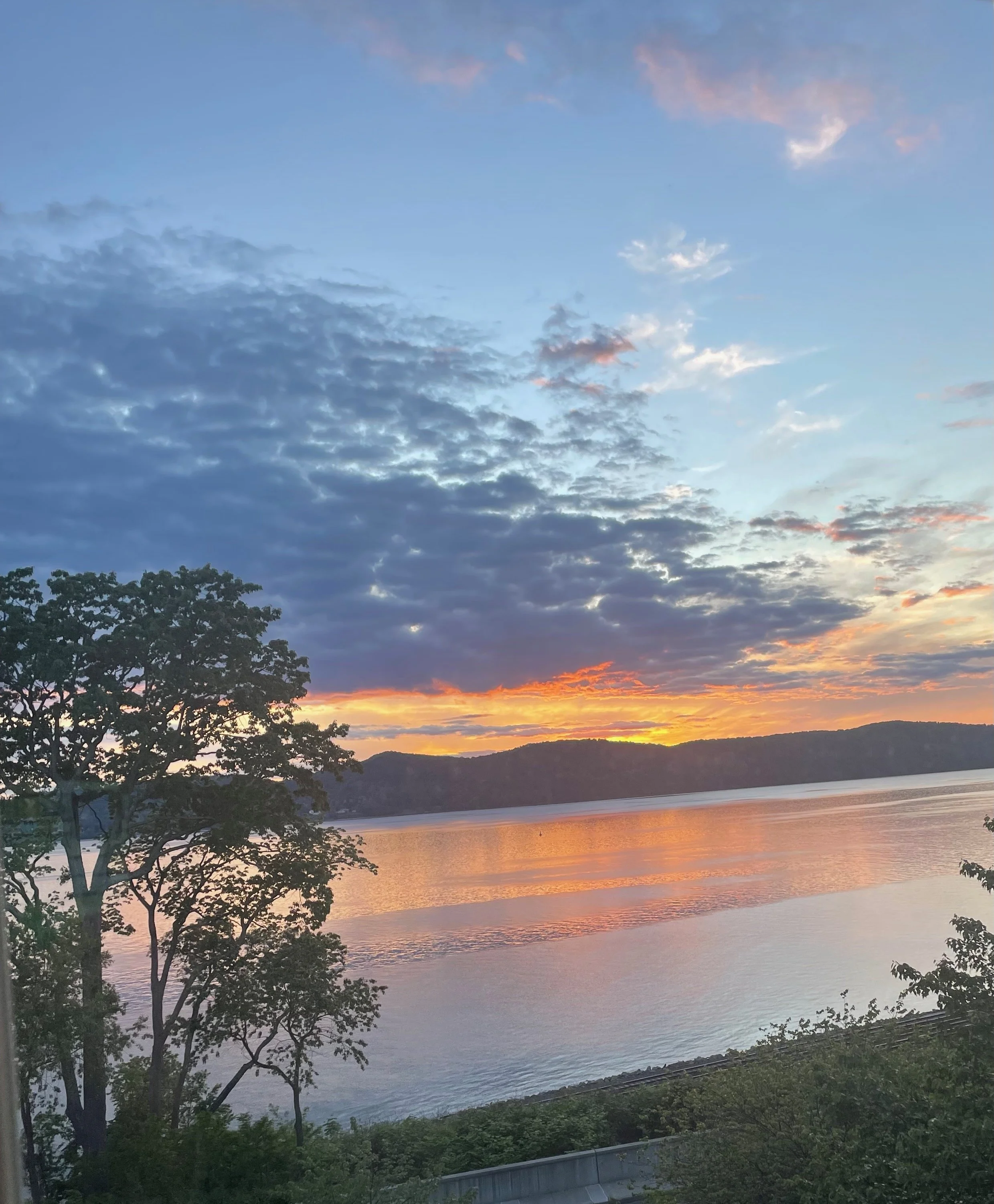
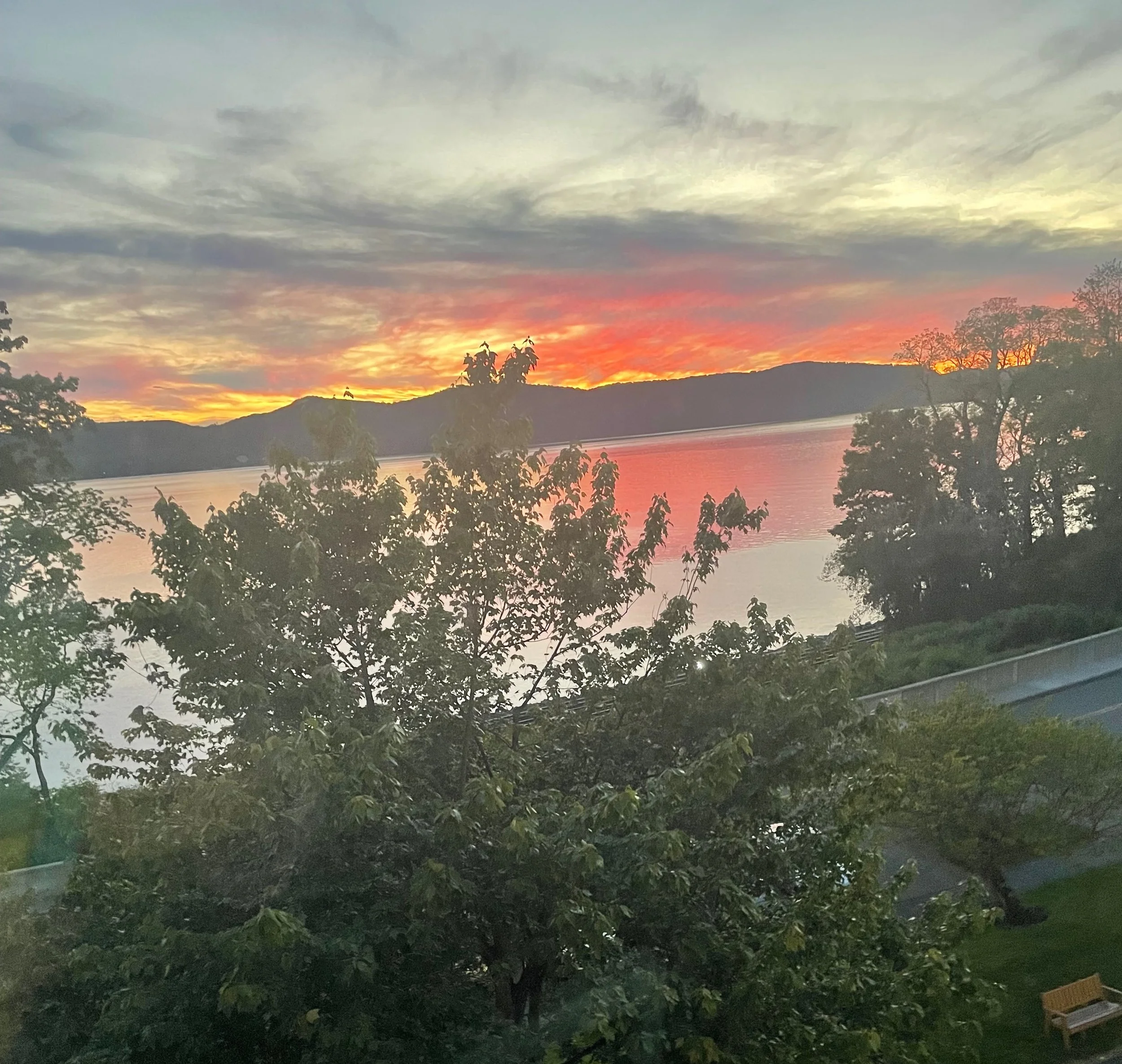
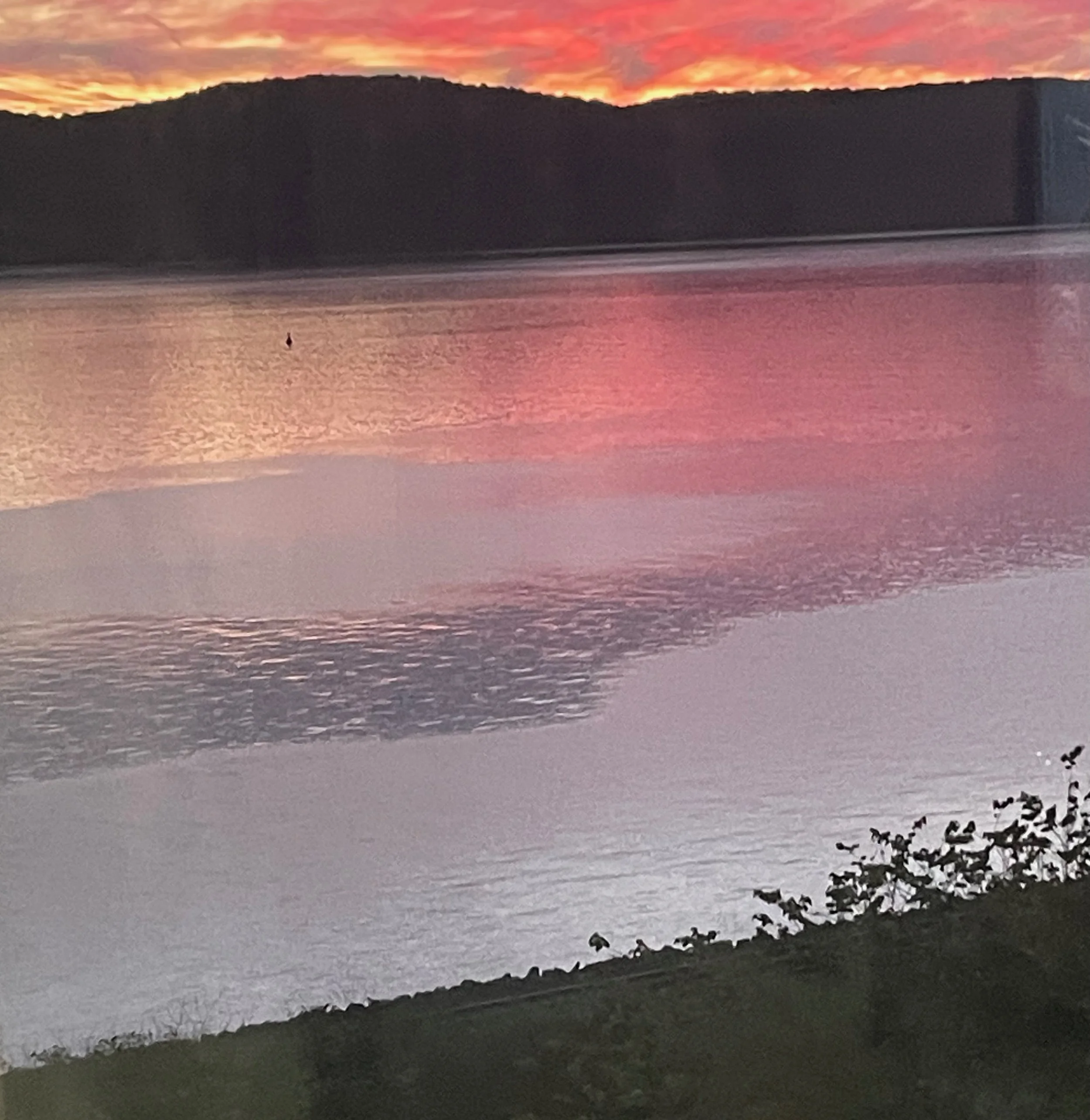
The Sunsets of Kendal
Spring (summer, winter, or fall): When a not-so-young photographer’s fancy turns to the setting sun. And aren’t we lucky it does. Following are the breath-taking results—all the same subject matter, all different—of such an attraction.
Golden Feathers, by Philip Monteleoni
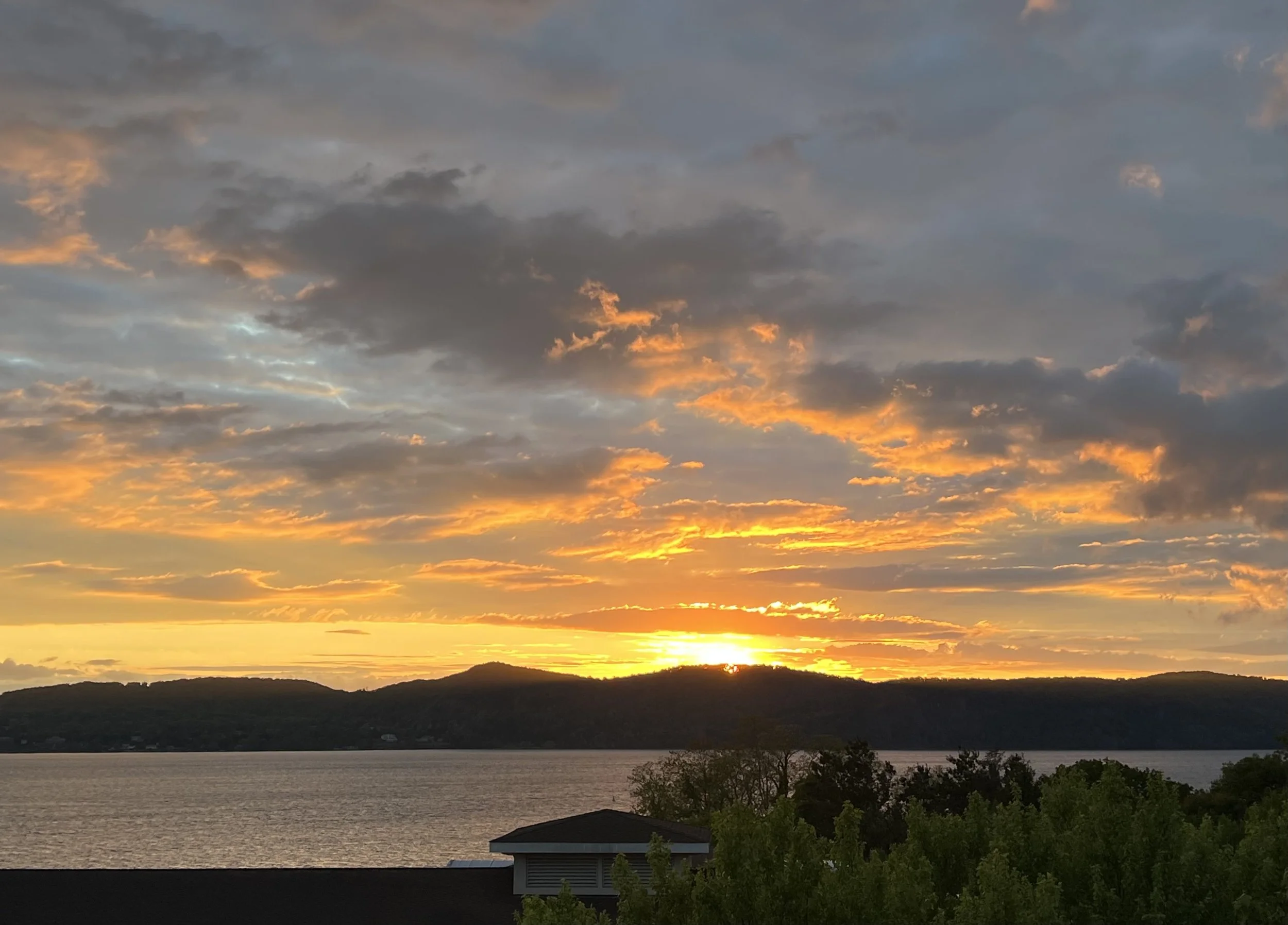
As the Sun Sets, by Harry Bloomfeld
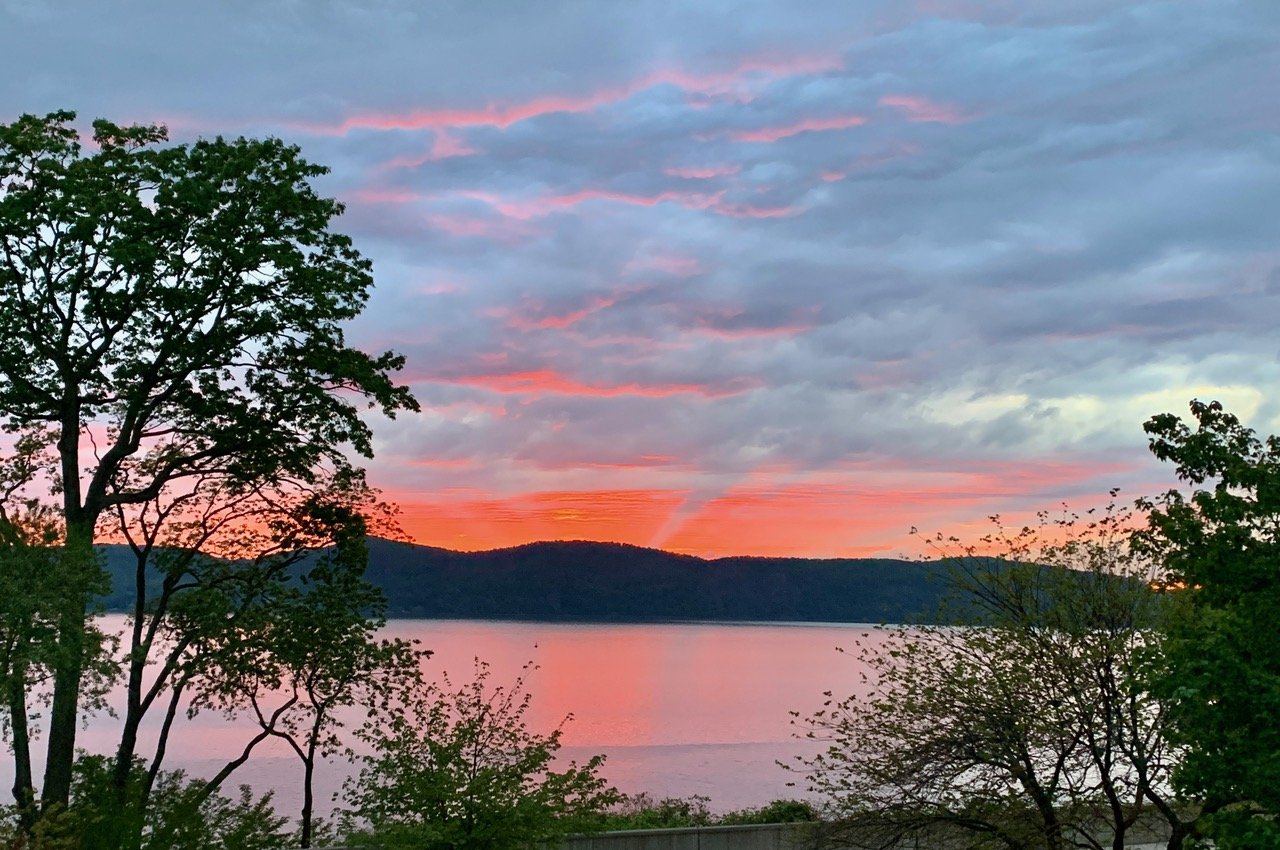
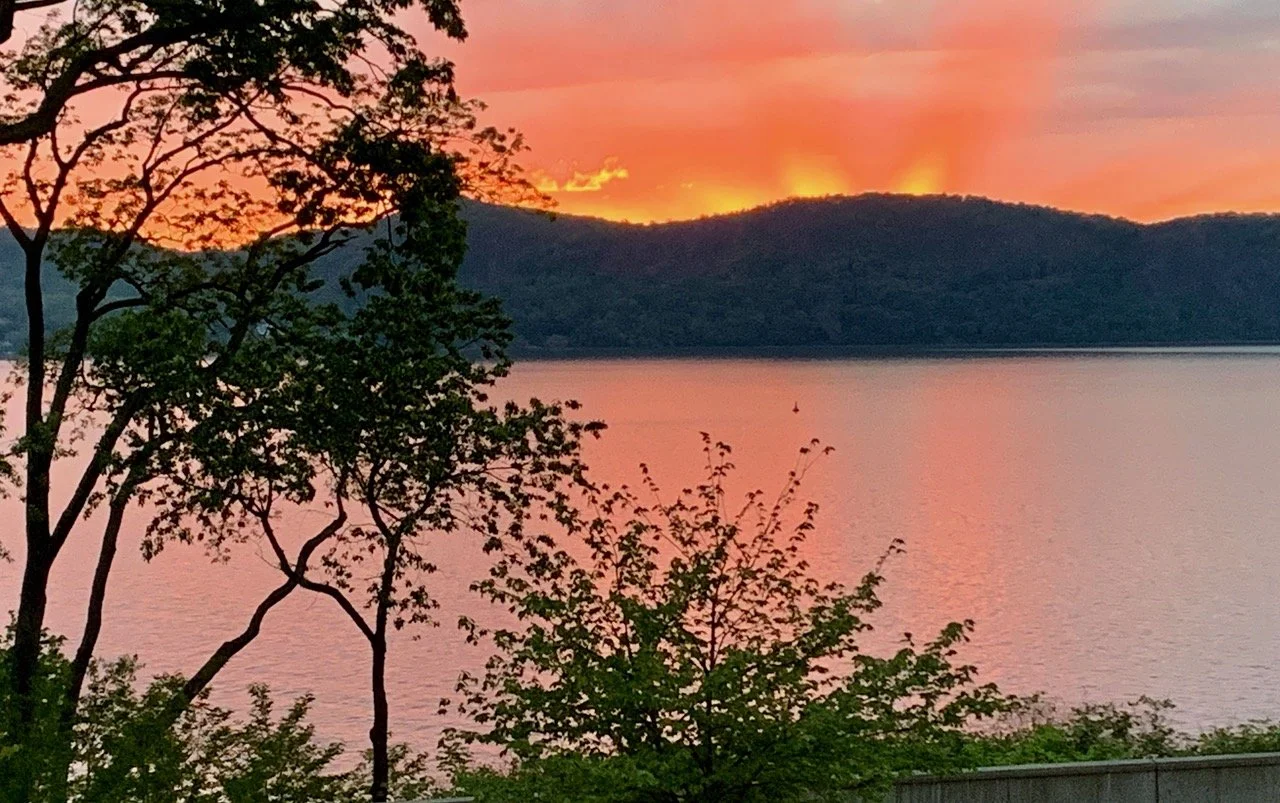
The Sun’s Tribute to Mother’s Day, by Rich Dooley
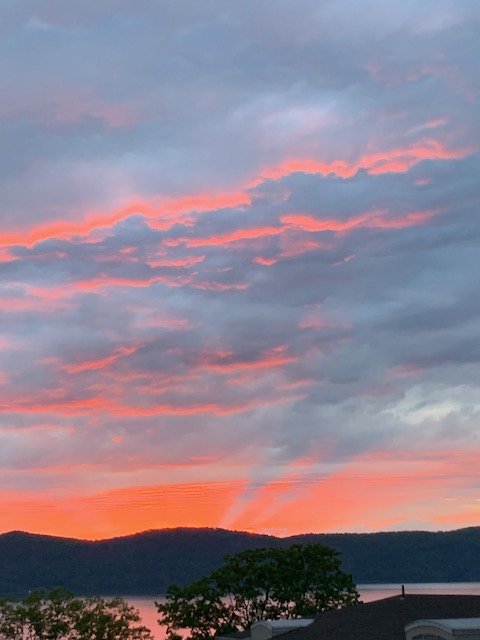
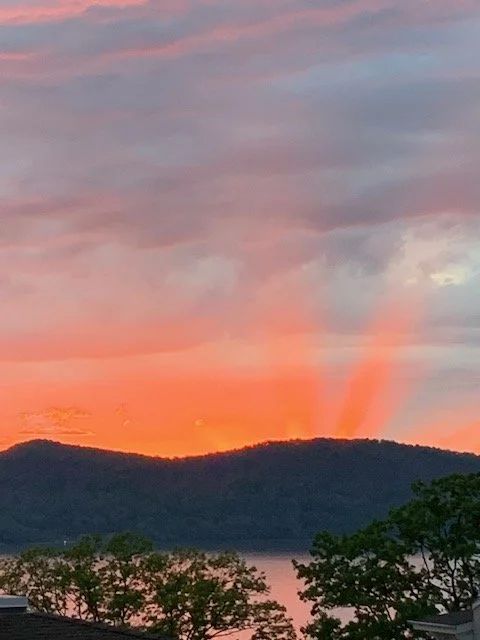
Journey into Night, by Sue Bastian
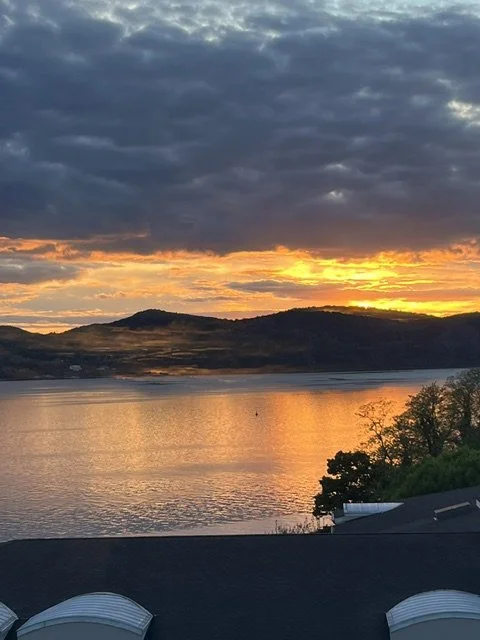
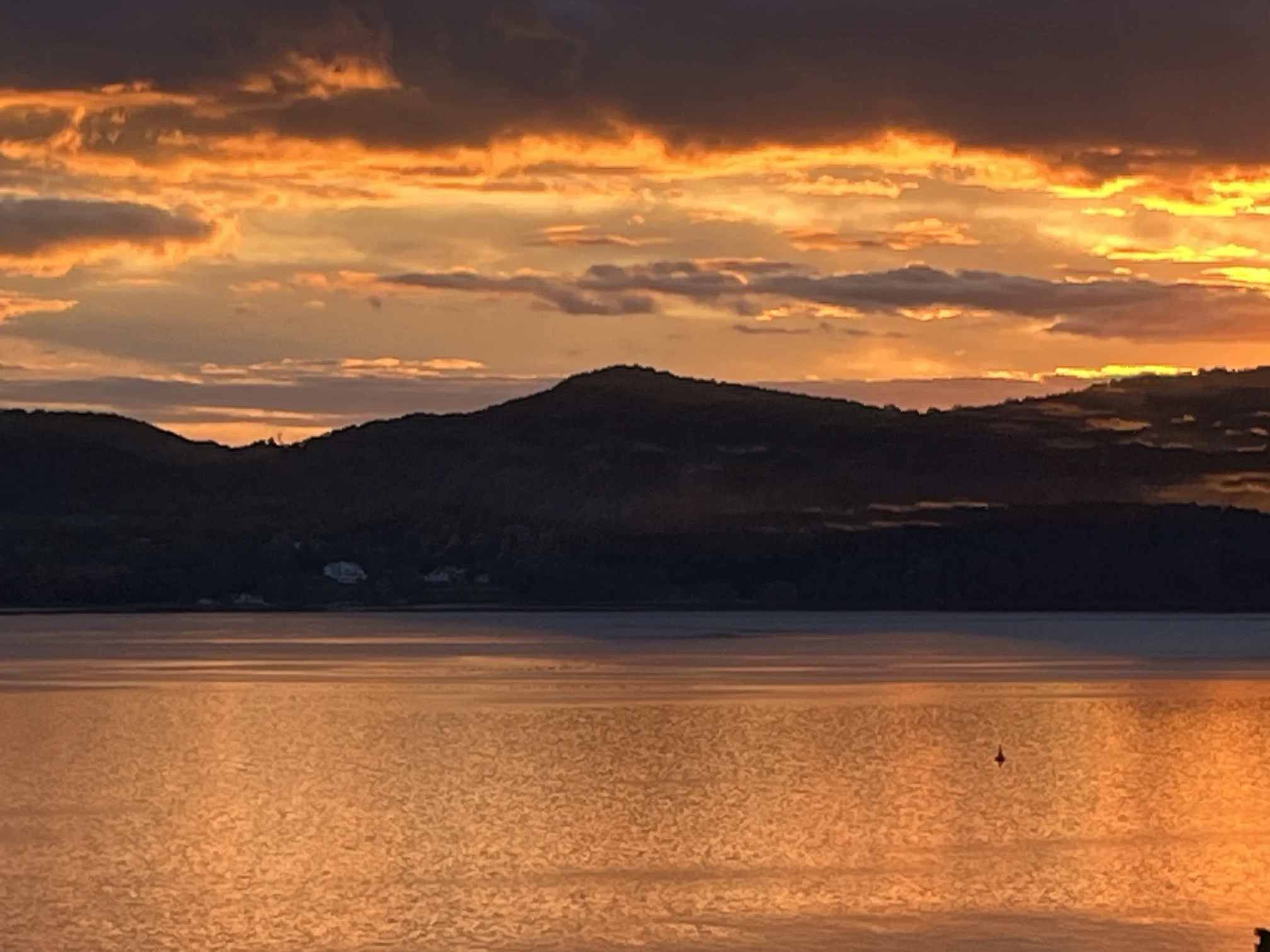
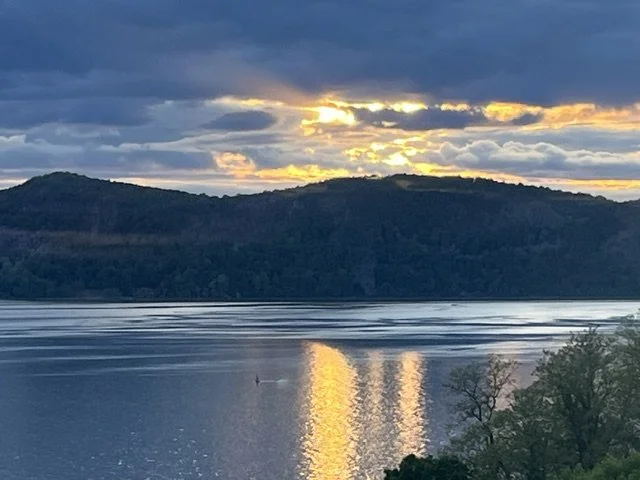
From the Balcony, by Susan Martin
Strictly for Men . . . Yeah, Right
“Take my wife . . . please.” Rodney Dangerfield may have aced the comedy of the wife joke, but others—in all fields—have joined in the fun:
A good wife always forgives her husband when she’s wrong. Barack Obama
Marriage is the only war where one sleeps with the enemy. Tommy Lee
A man inserted an “ad” in the classifieds: “Wife wanted.” Next day he received a hundred letters. They all said the same thing: “You can have mine.” Brad Pitt
First Guy (proudly): “My wife’s an angel!”Second Guy: “You’re lucky, mine’s still alive.” Jimmy Kimmel
“First there is the promise ring, then the engagement ring, then the wedding ring . . . soon after . . . comes SuffeRing!” Jay Leno
The reason why wives live longer is because they don’t have a Wife. Brandon Breezy
Contributed by Simone
I Never Knew That
Victorian Doctors Prescribed Beards
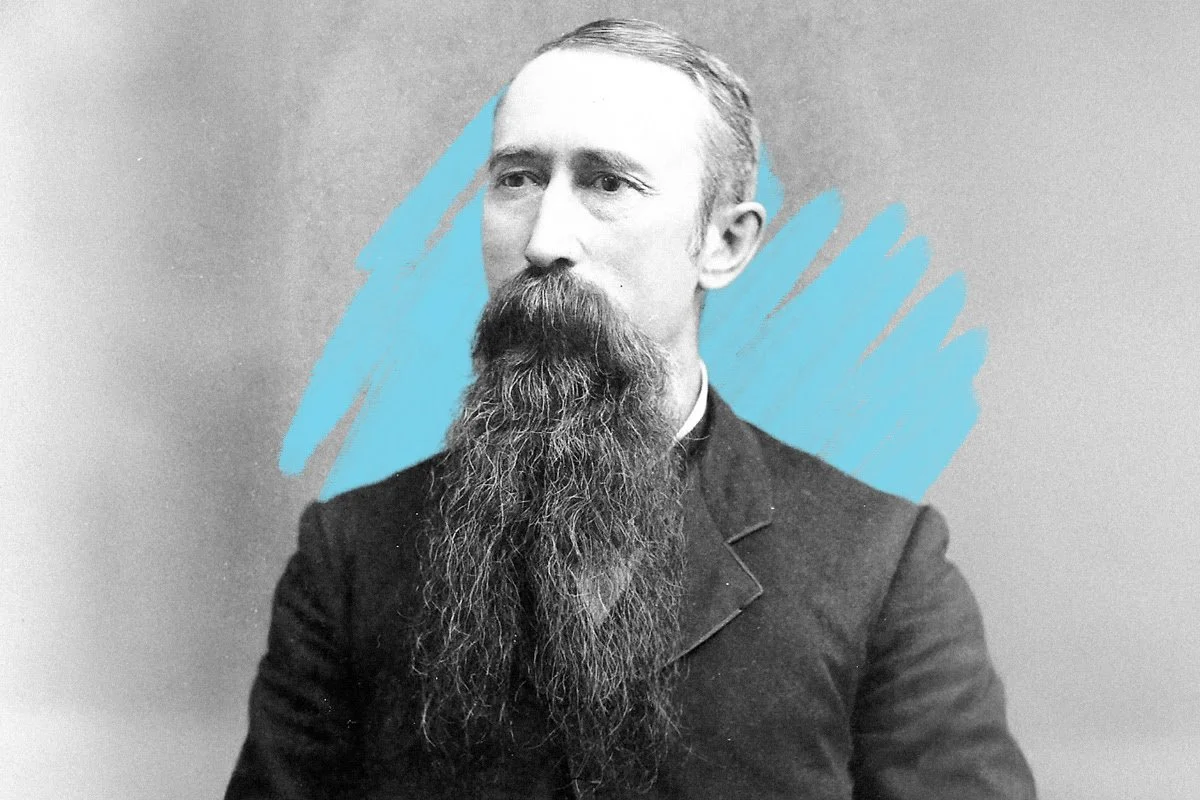
The well-coiffed men of the Victorian era wore finely tailored suits, trim waistcoats, and fancy statement hats. These men also, in contrast to their generally prim and proper aesthetic, sometimes had truly impressive beards. The Victorian “beard movement,” which started around 1850, was partially about looking manly and rugged—especially after British soldiers came back from the Crimean War unshaven in 1856. But beards were also, according to some medical professionals at the time, a way to ward off disease.
At the time, many doctors endorsed the miasma theory of disease, which (incorrectly) held that illnesses such as Britain’s common cholera outbreaks were caused by bad air. (To be fair, rampant air pollution was making people sick, just not in ways that scientists understood at the time.) Facial hair, some reasoned, could provide a natural filter against breathing in so-called “miasmas.” “[T]he moustache is emphatically nature’s simple respirator, while the hair covering the jaws and throat is intended to afford warmth and protection,” one doctor wrote in the Edinburgh Medical Journal in 1861. Clergymen and other public speakers were particularly encouraged to have beards to protect their voices.
Beards started losing popularity by the 1880s. Changing standards of masculinity played a role, but the medical justification was also weakening as microbial biology and germ theory took hold. Beards, it turns out, can hold a lot of microbes.
Source: Sarah Anne Lloyd, historyfacts.com
Contributed by Jane Hart