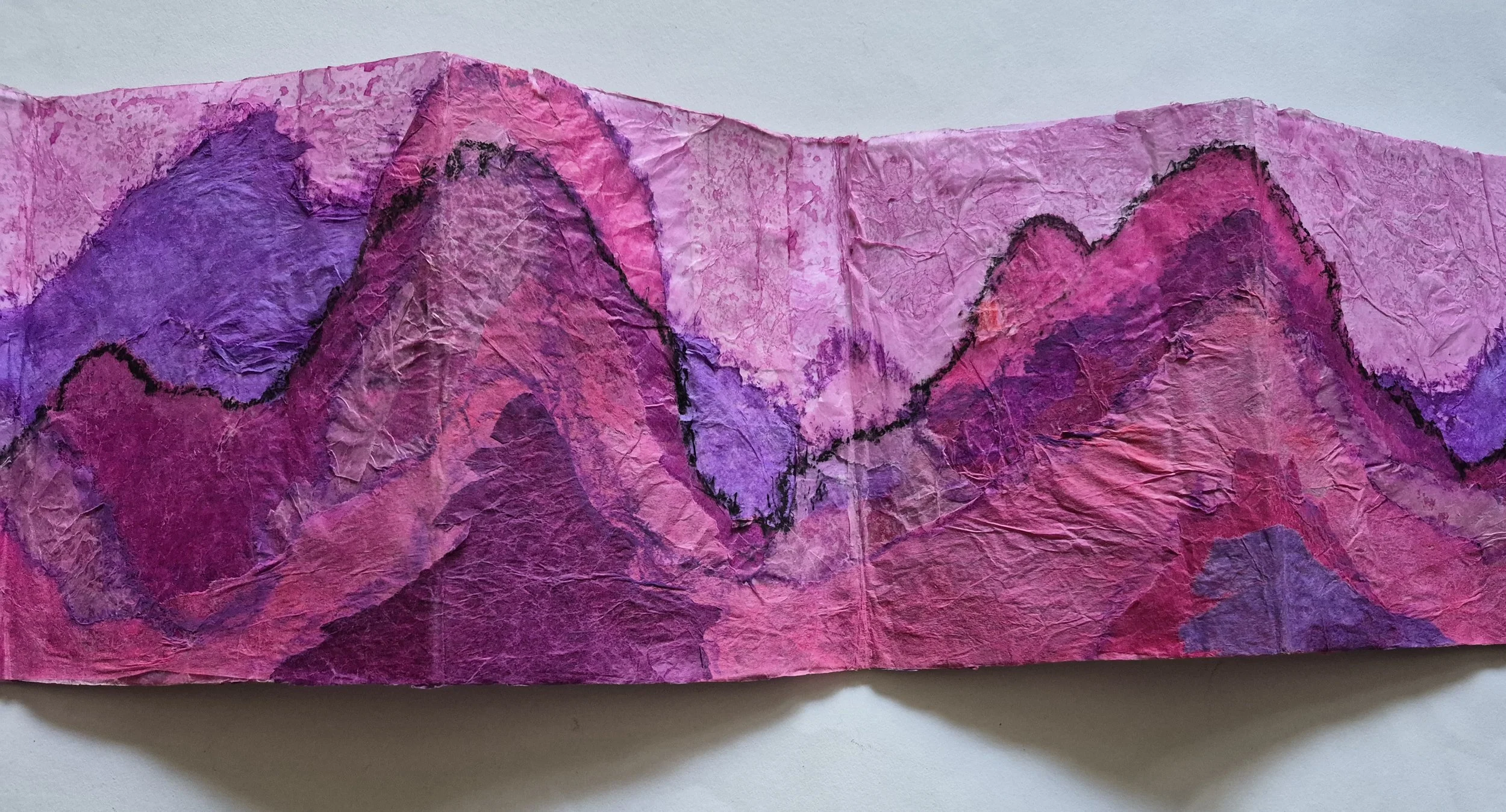
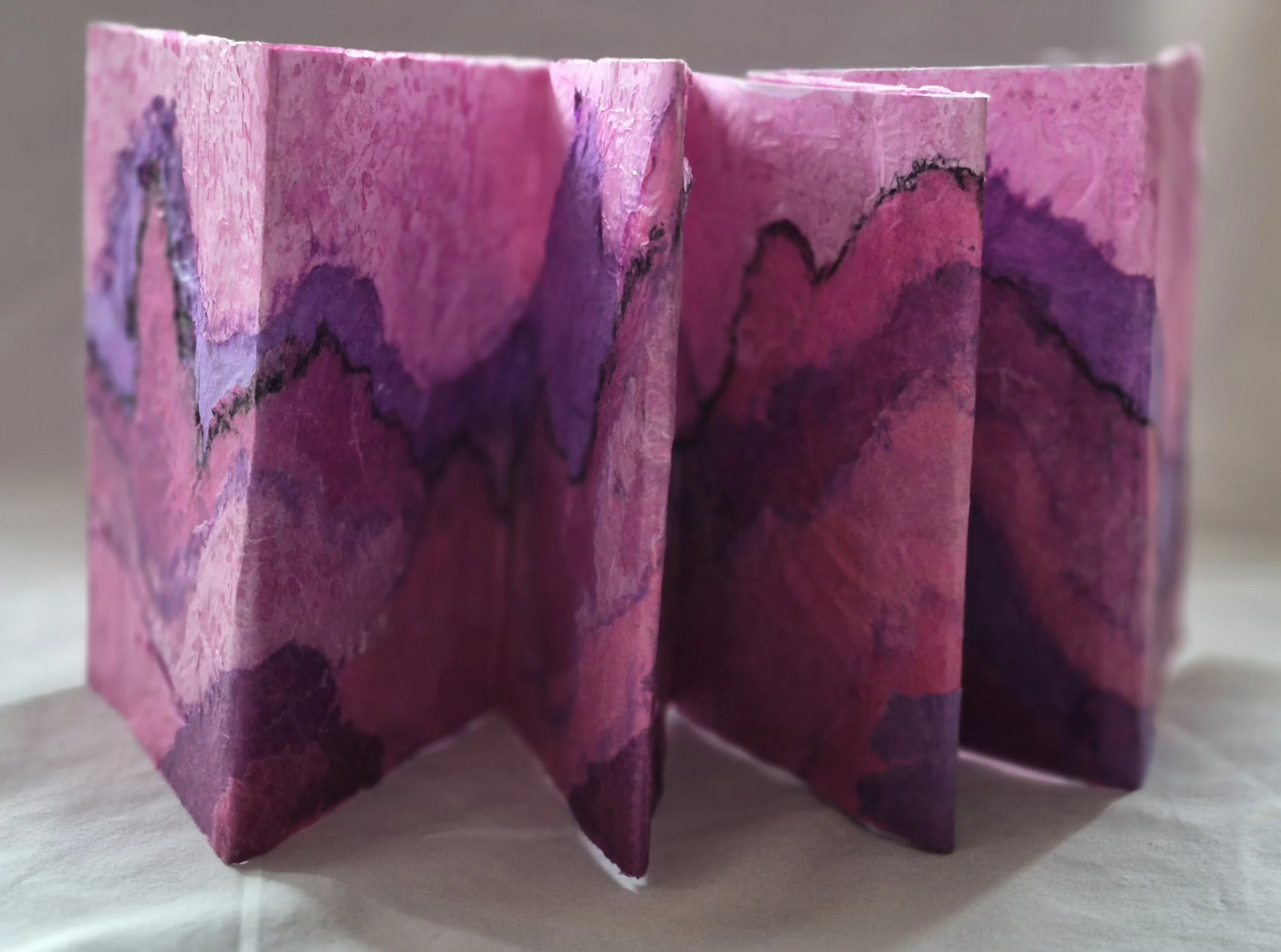
Art and photos by Sheila Benedis
In and Around Kendal
Maybe Not the First This Spring, But Certainly Welcome!
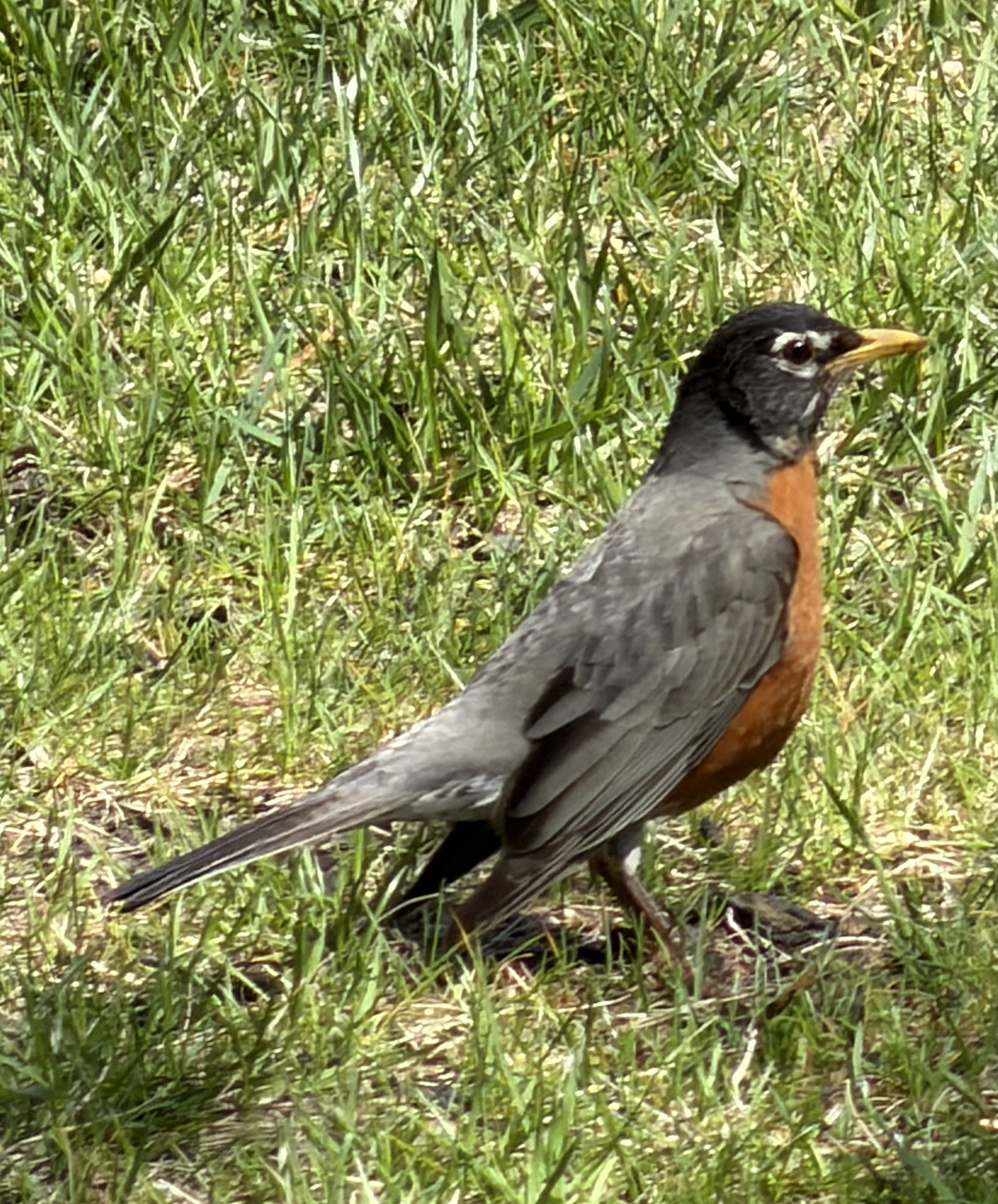
Photo by Ed Lannert
Transportation Modes of a River Town
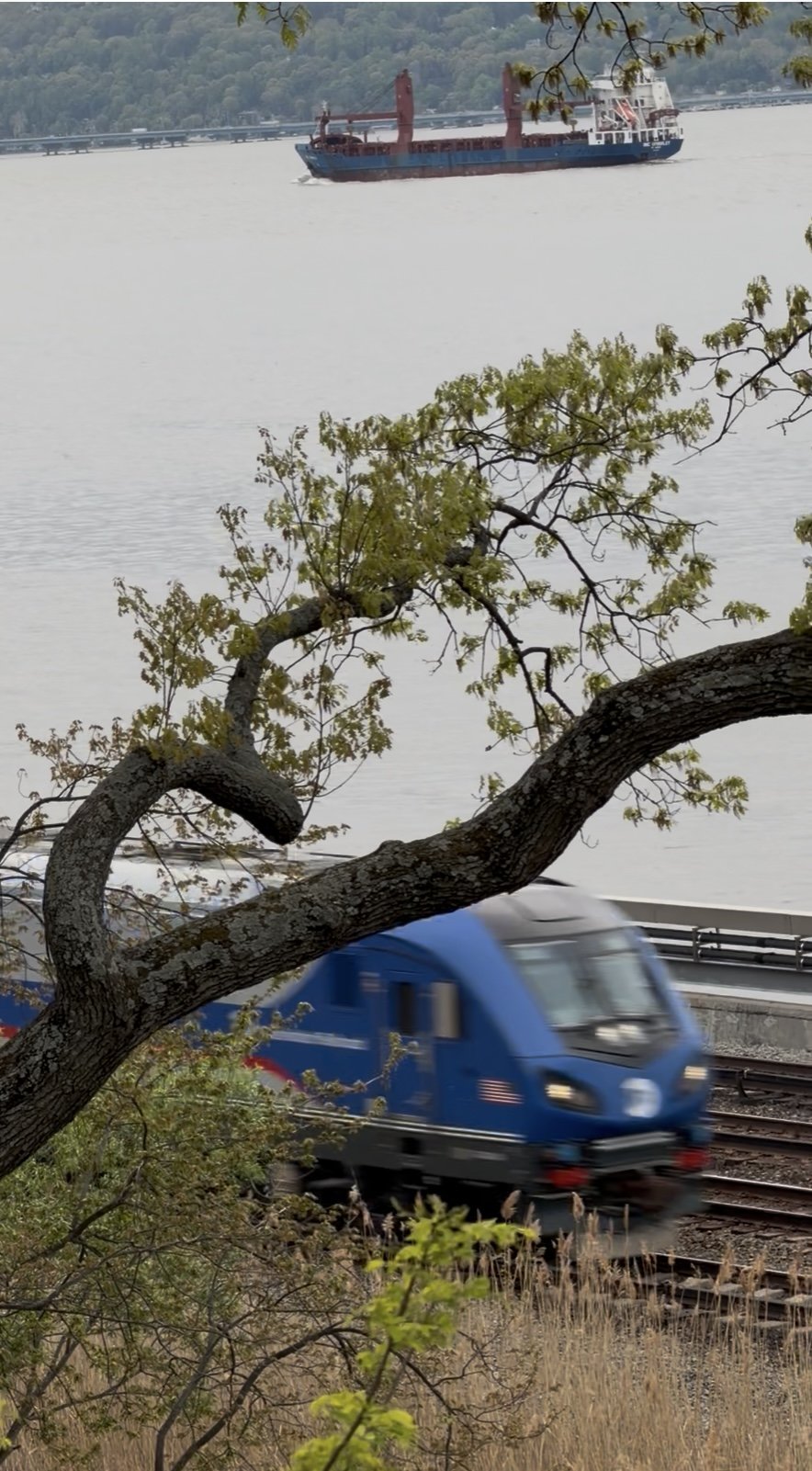
Photo by Ed Lannert
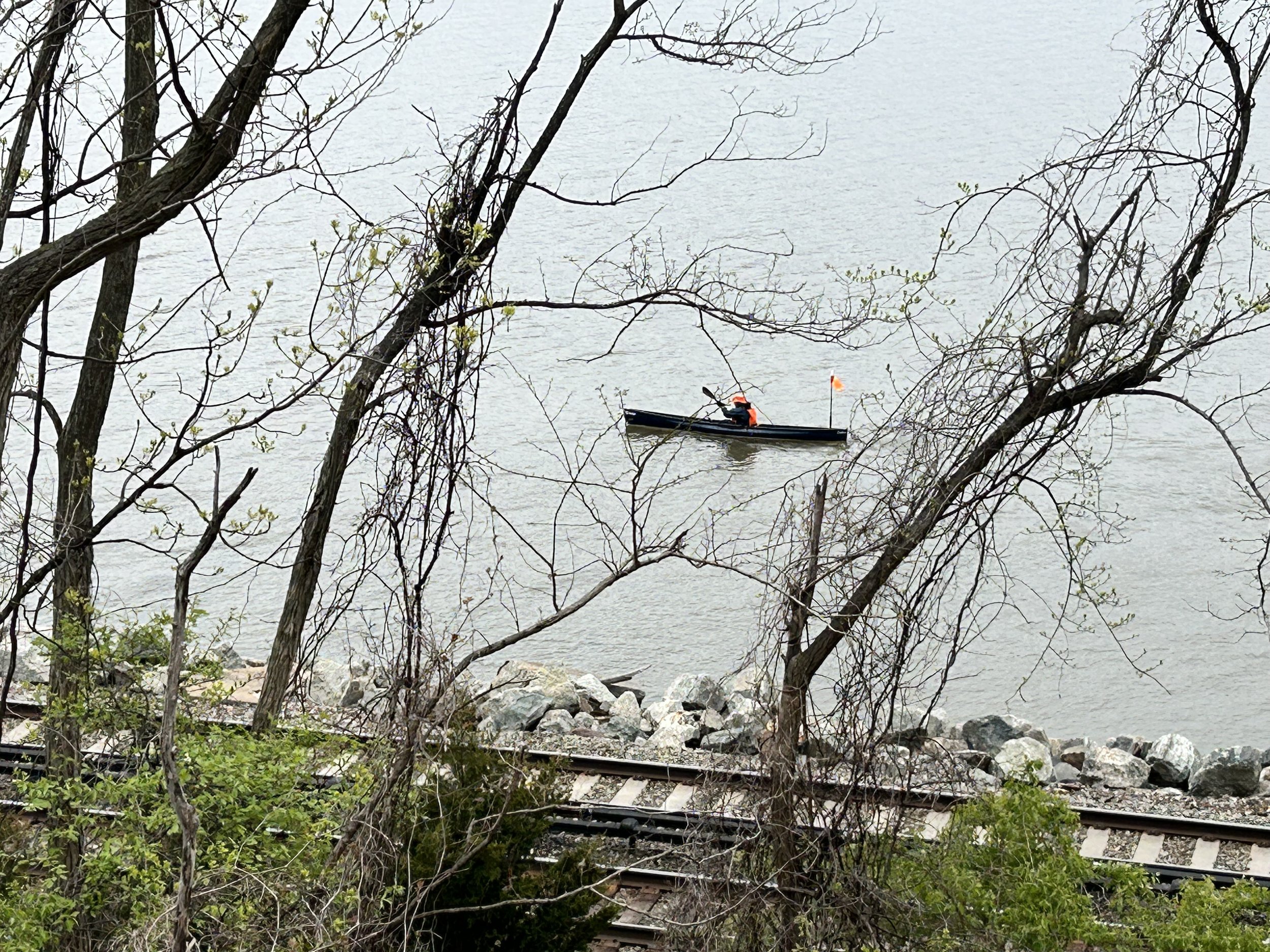
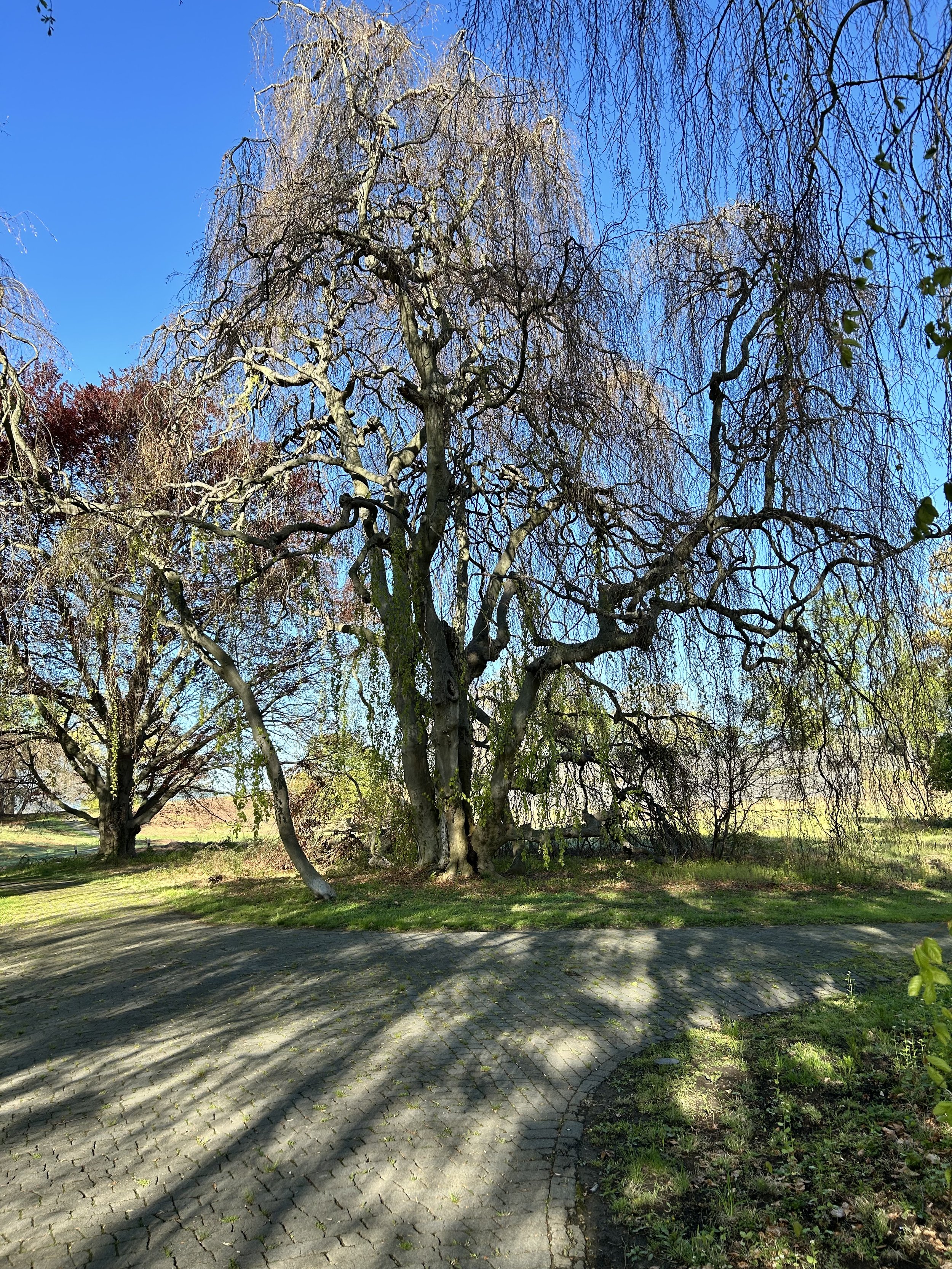
Photo by Aruna Raghavan
Old Man of Rockwood Park
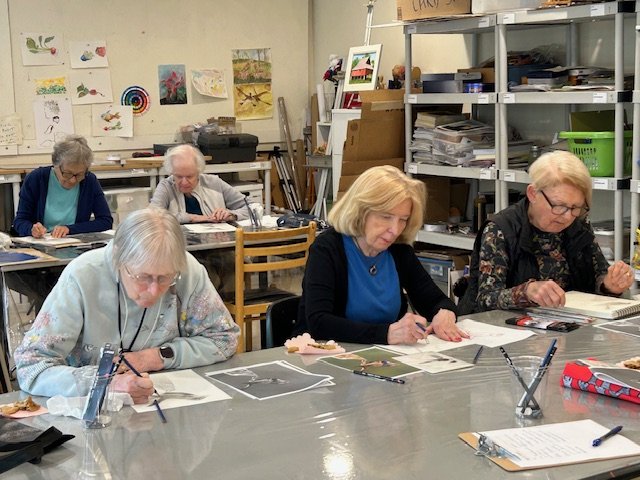
Artists at Work
Marisa Campbell recently taught a class in drawing birds. Clearly, students worked hard at their new-found skill—and with happy results.
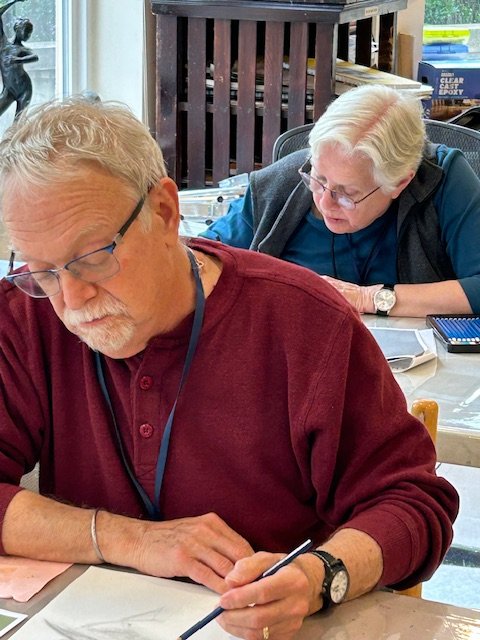
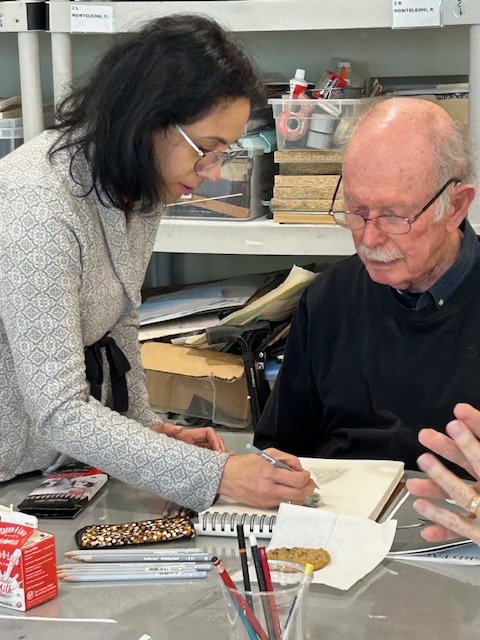
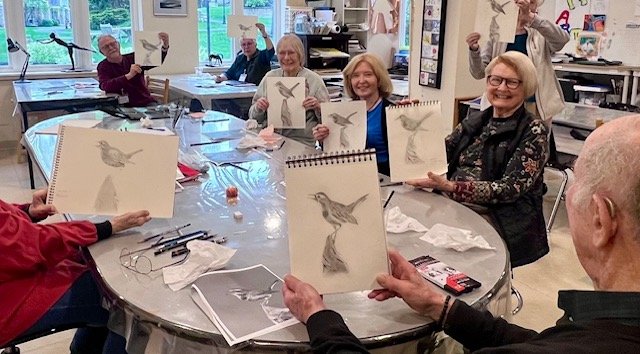
Photos by Carolyn Reiss, with the exception of the final one of happy and successful bird drawers, which is by Marisa Campbell.
Our New Dining Room— Still in the Works, But Gettin’ There
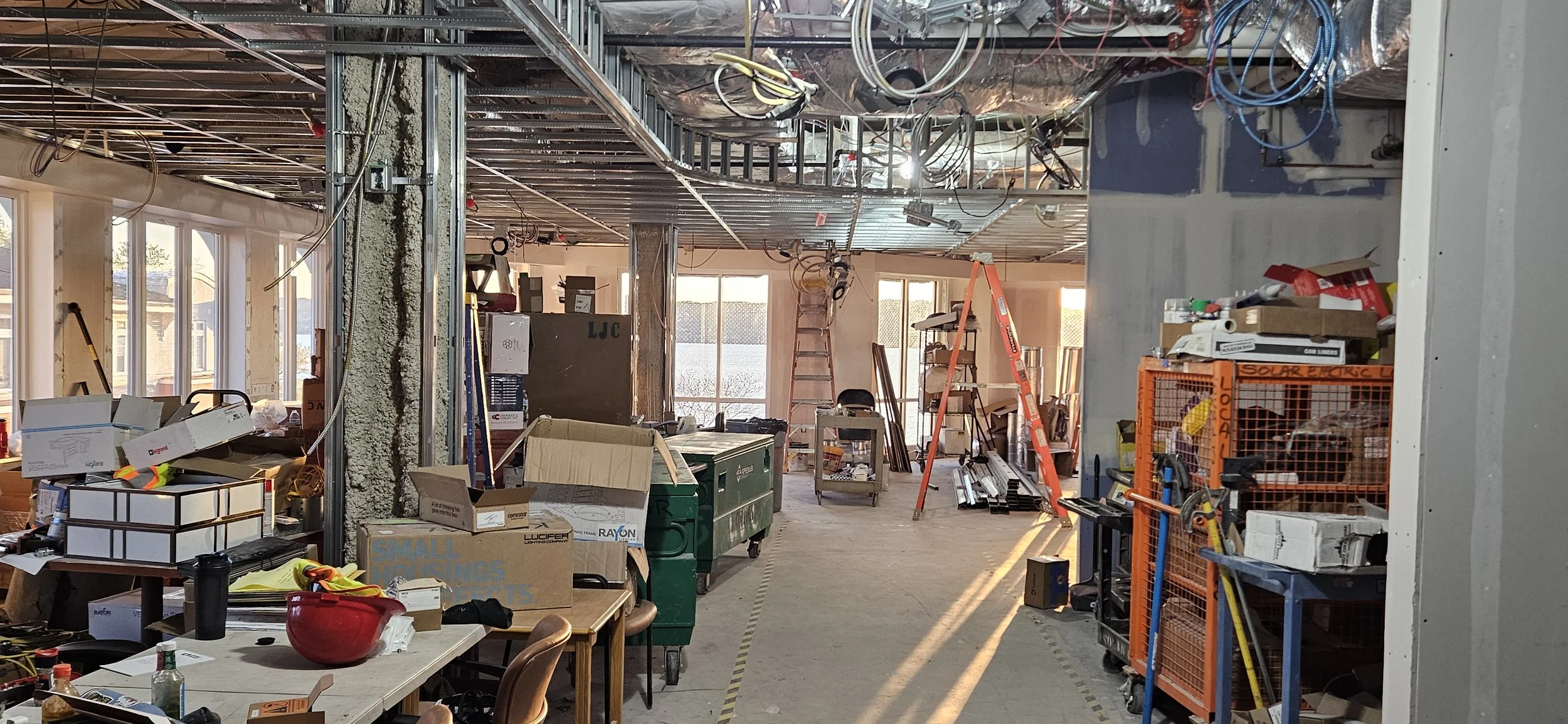
Photo by Joe Bruno
Out and About
Carolyn Reiss had a Sisters Weekend in Maine recently.
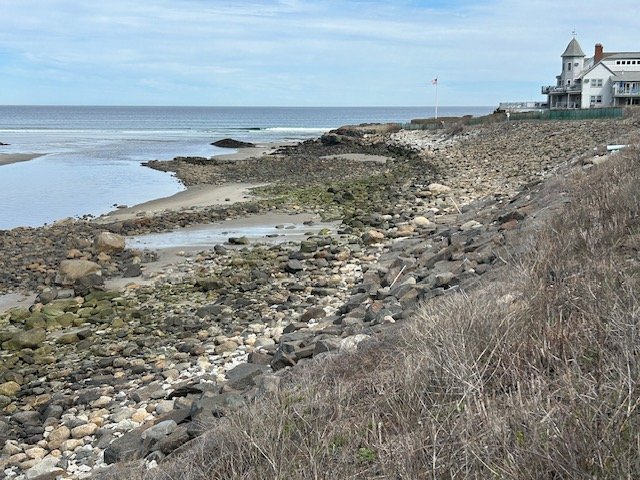
Ogunquit, Maine, by Carolyn Reiss
Photo by Carolyn Reiss
Weekly Construction Report
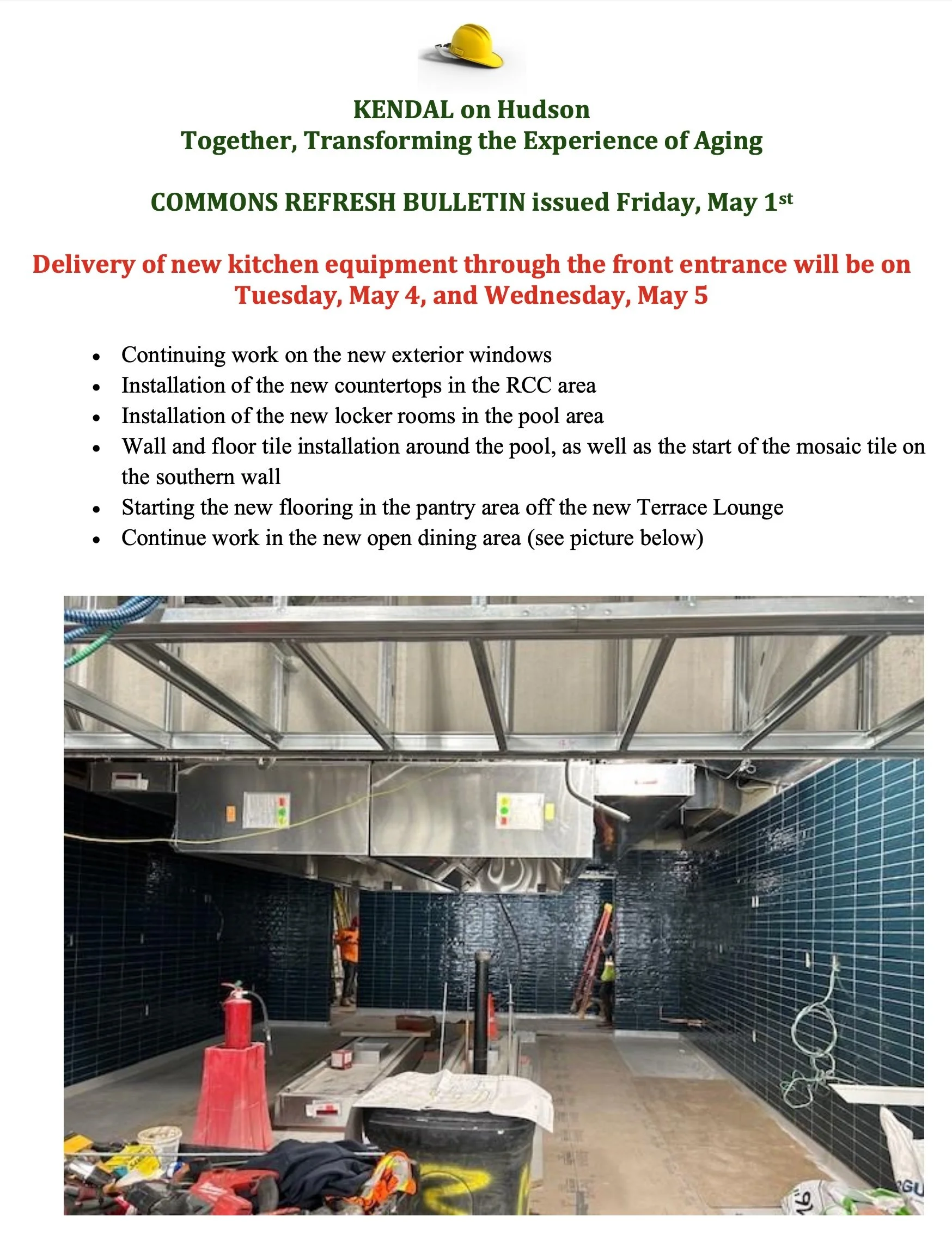
From the Office of Ellen Ottstadt
Artist in Residence
Ann Lasusa’s art—paintings, mixed media, collage—is well known both at Kendal and beyond. We spotlight here her delightful assemblage work. On her website—lasusart.com—she says, “Using found objects that have been discarded or are no longer useful can be given new life and can be metaphors for a lifetime. I assemble objects in boxes that tell my story, deliver my sense of visual order or are remembrances of life experiences and sensations. I use found objects paint, glue. modeling paste, paper, wood, plant life etc. etc. to compose a new order and accomplish my goal.”
We include a few pictures of Ann’s assemblages here, including the one in the Winter Art Show, now hanging in Robert Fulton. They are entrancing, distinctive, thoughtful, often designed with humor—and, overall, delightful.
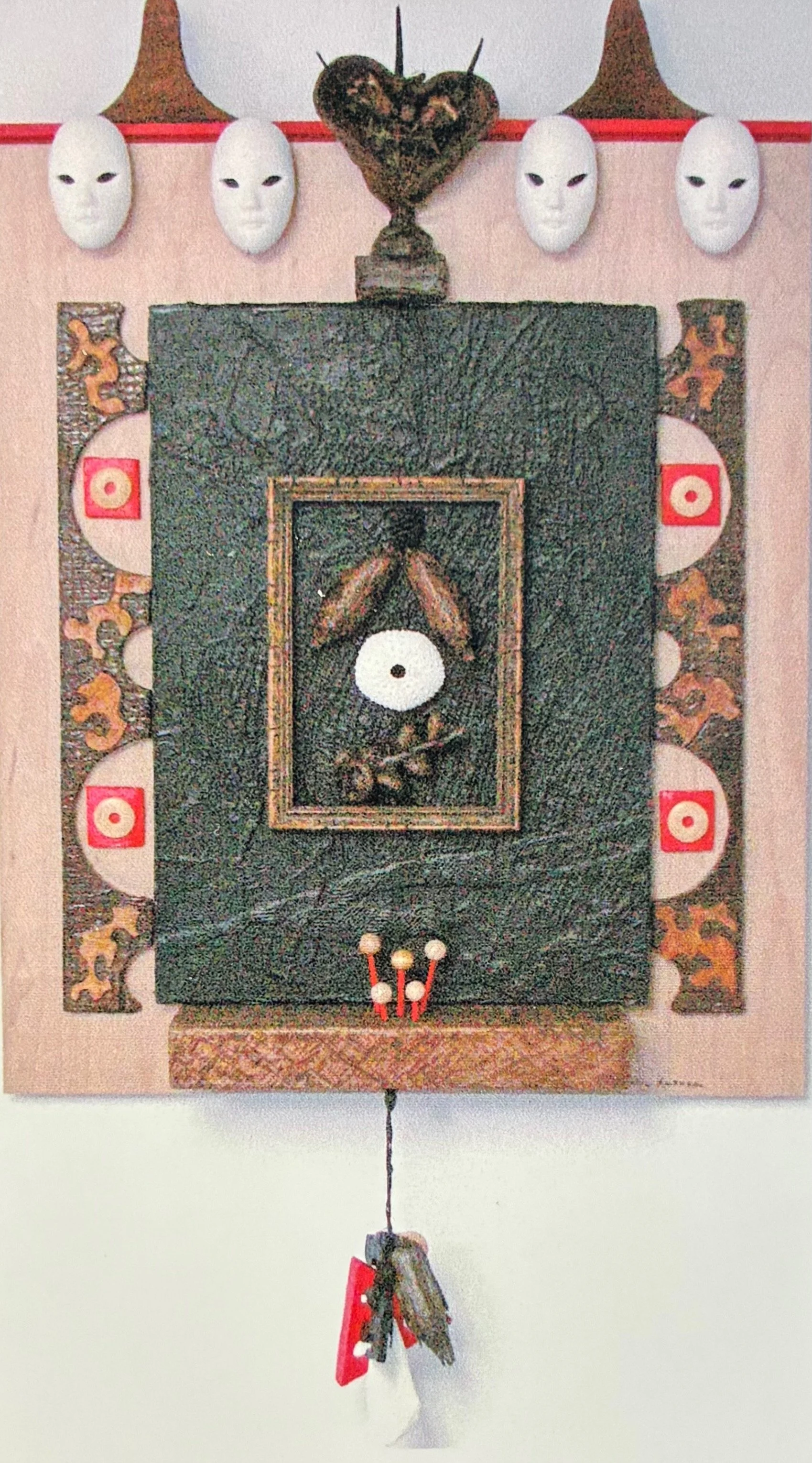
From Women’s Eyes This Doctrine I Devise
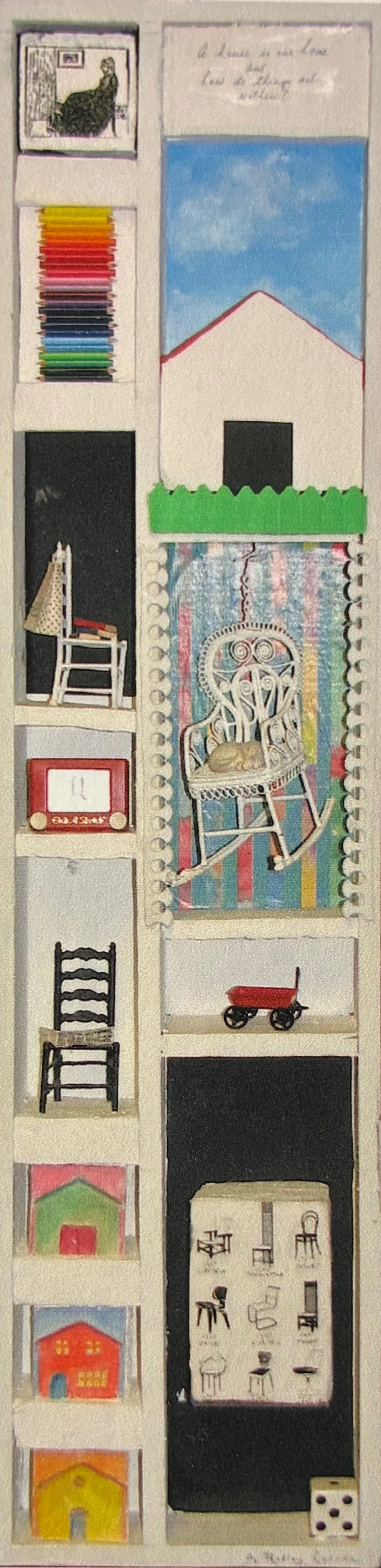
What Sits Within
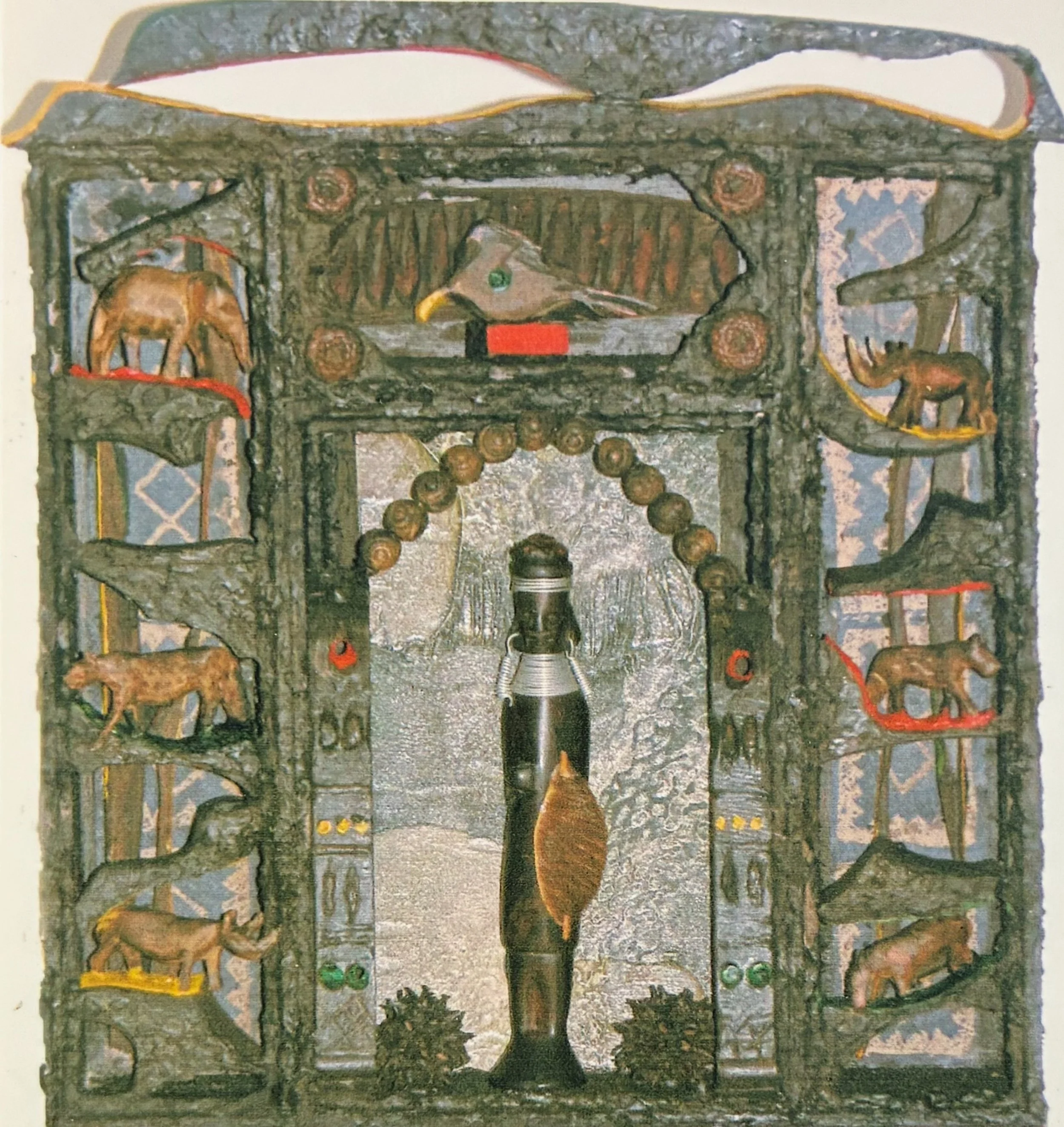
African Melody
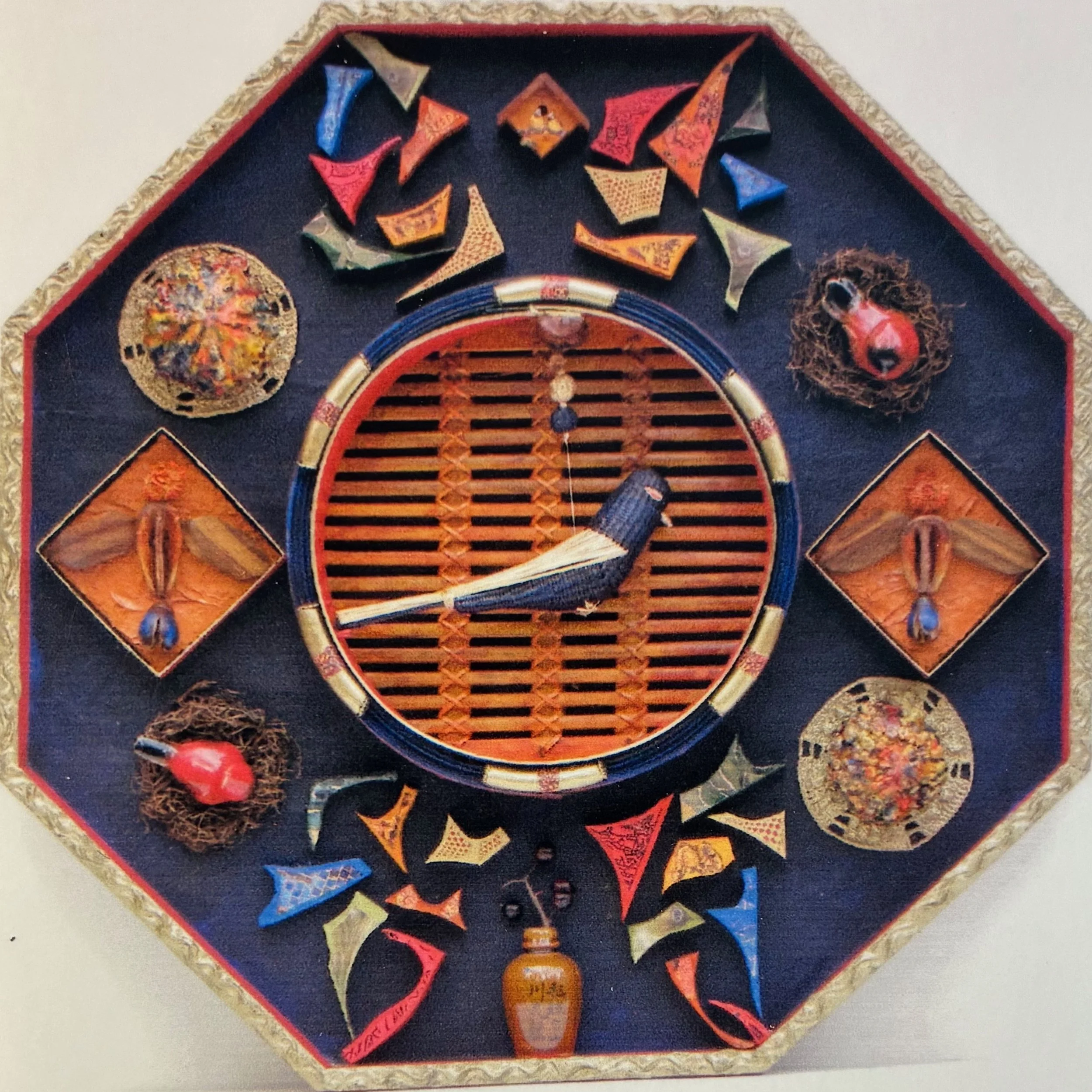
Birds of Calm Sit Brooding
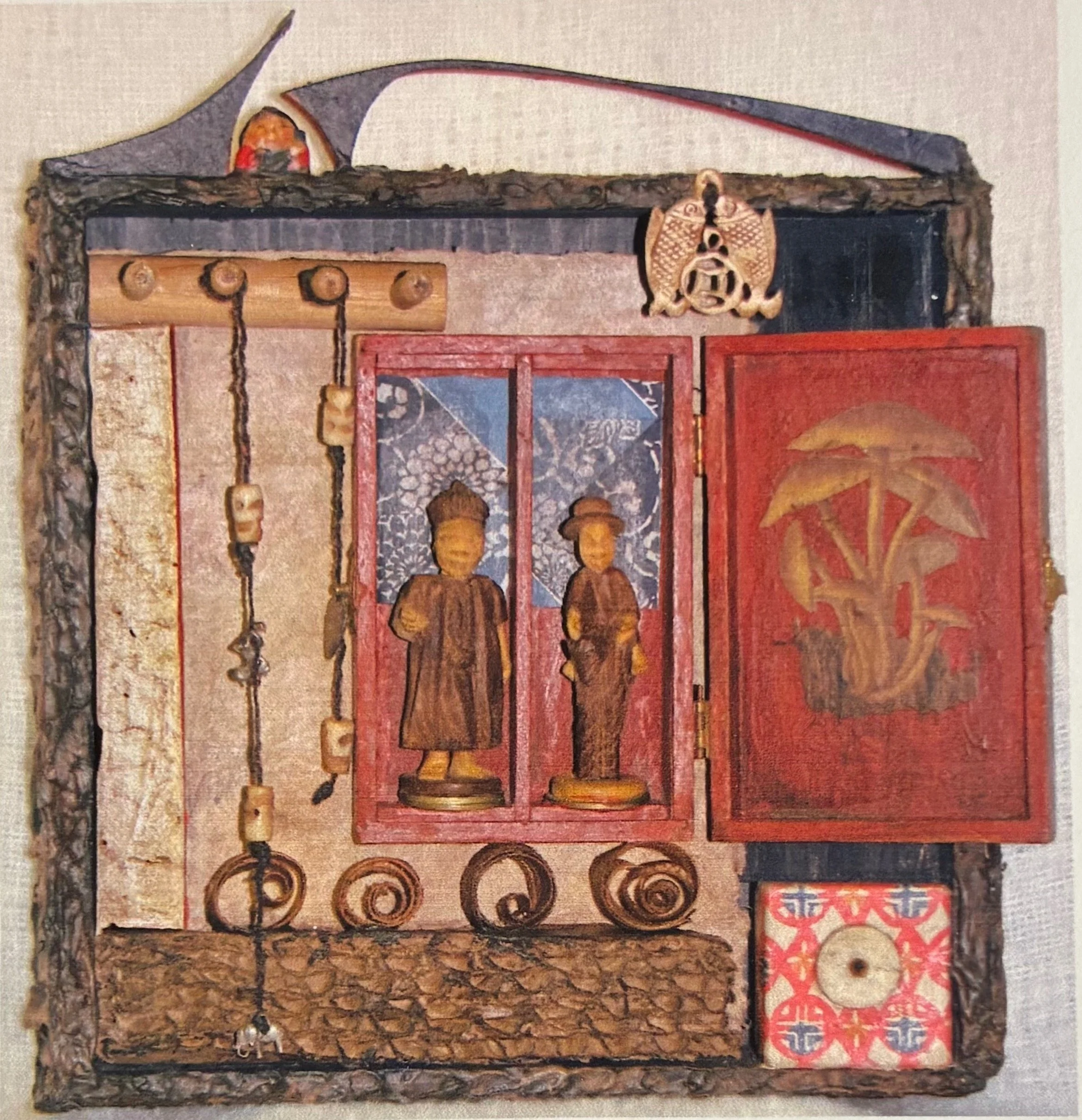
Mandalay Memory
And from the Kendal Winter Art Show:
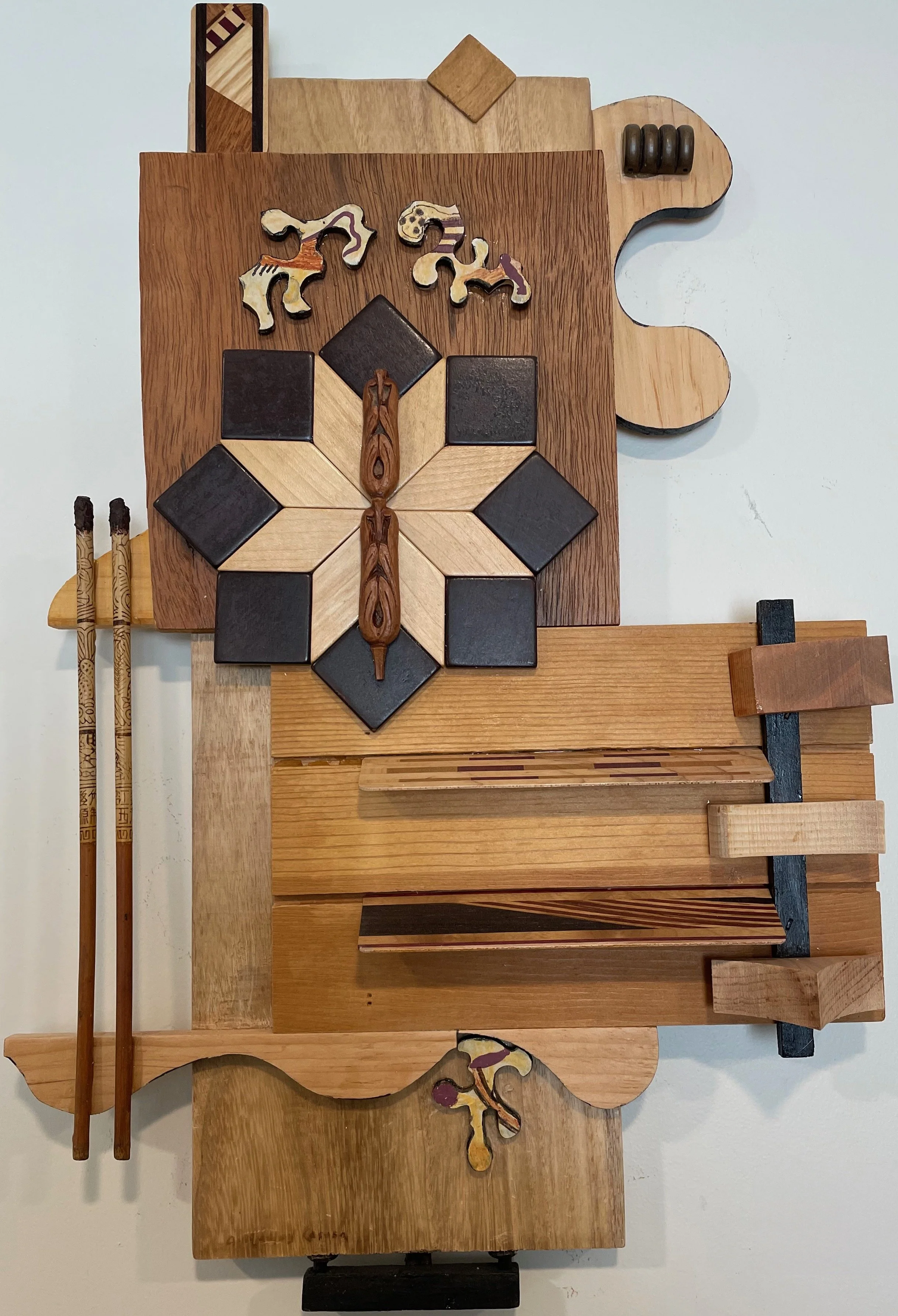
Diversifying Harmony
And They're Off to the Races!
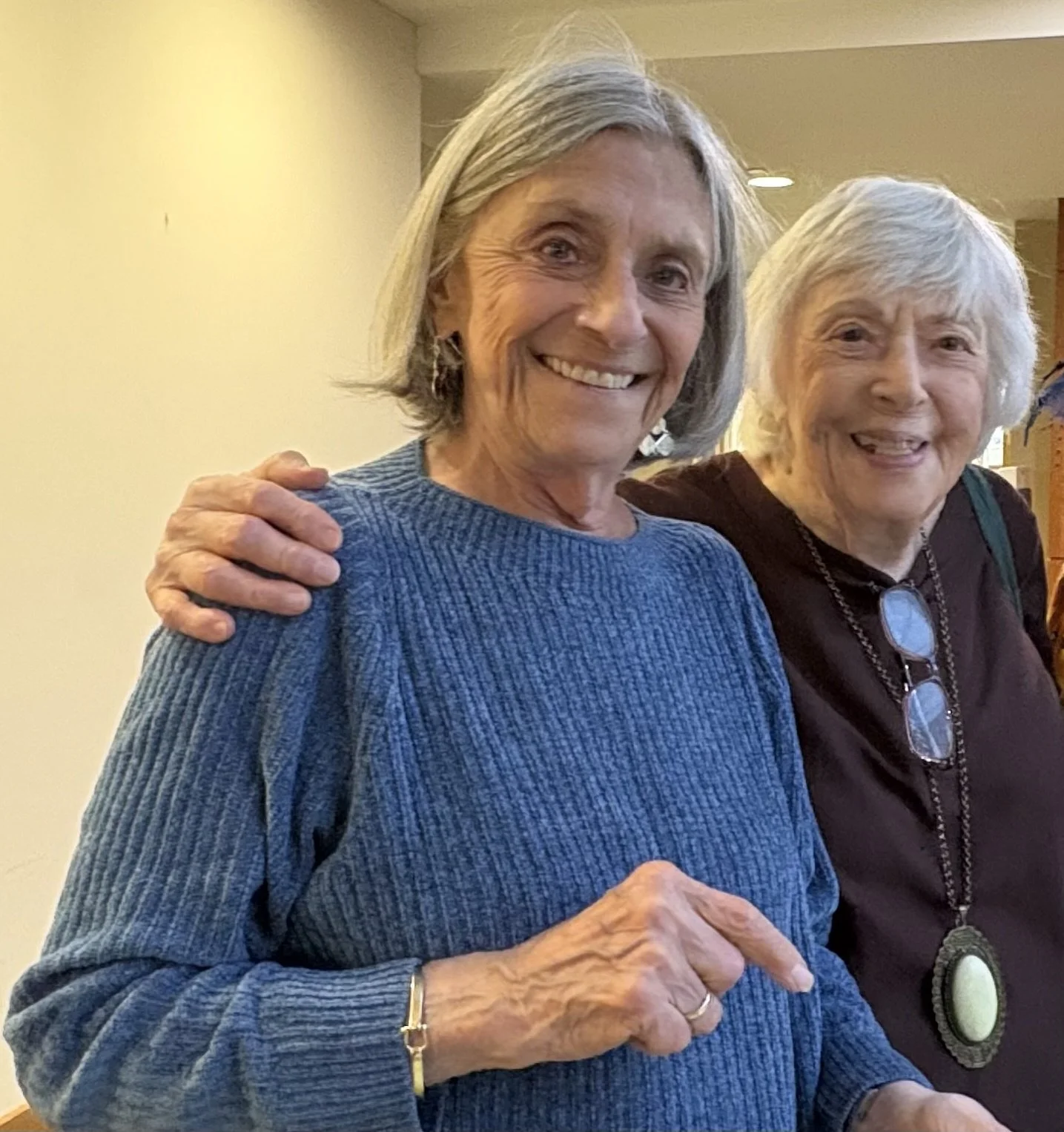
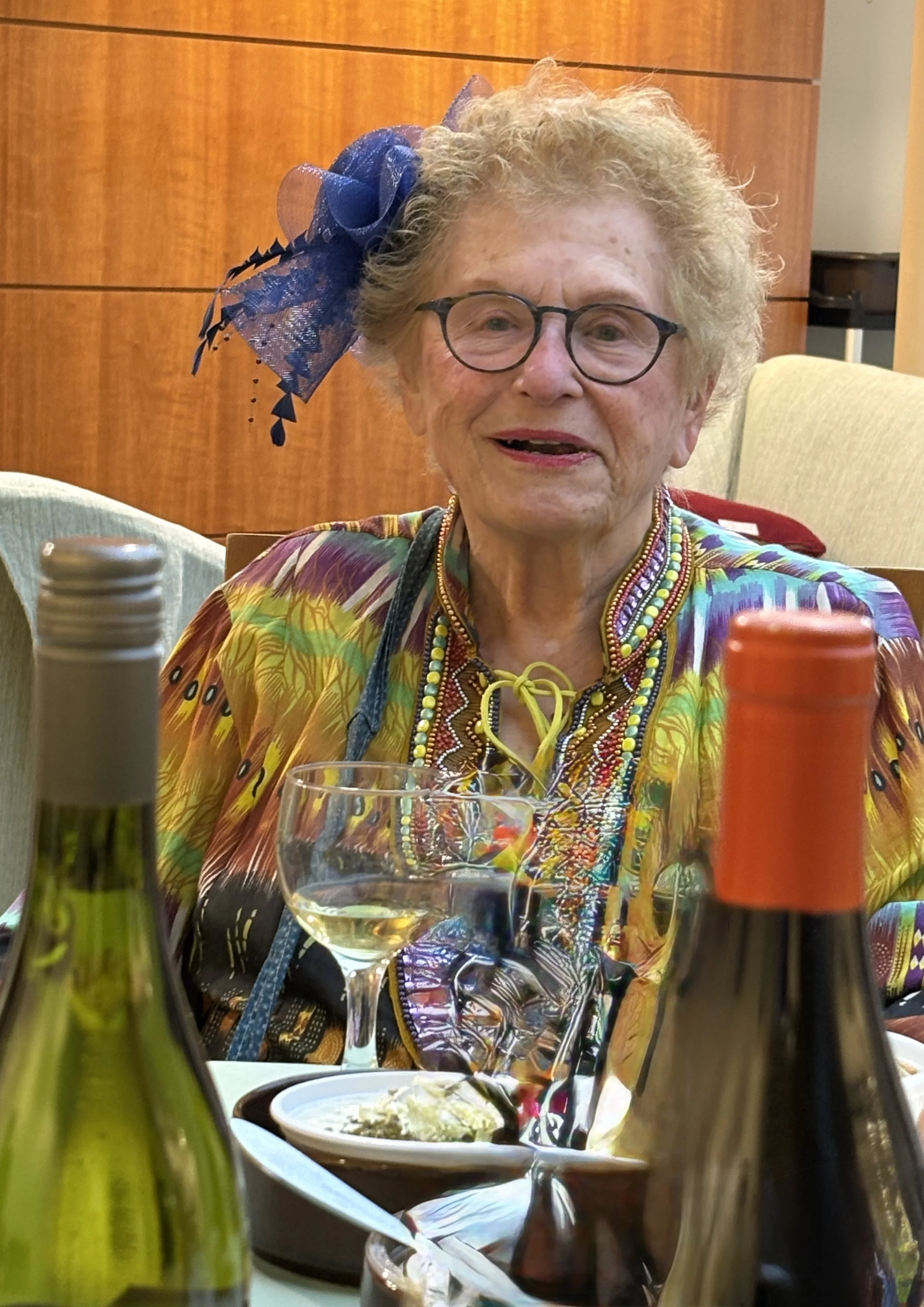
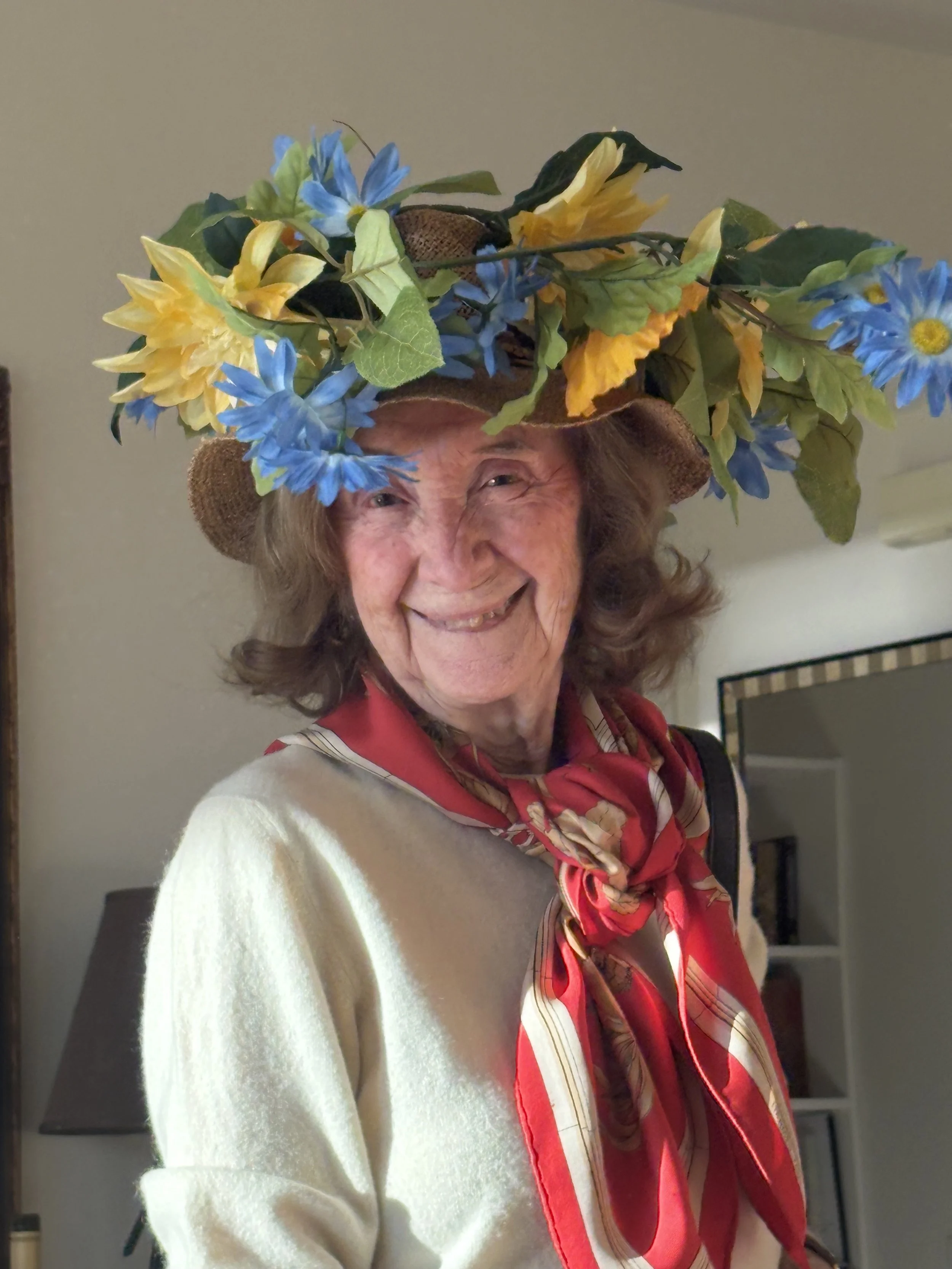
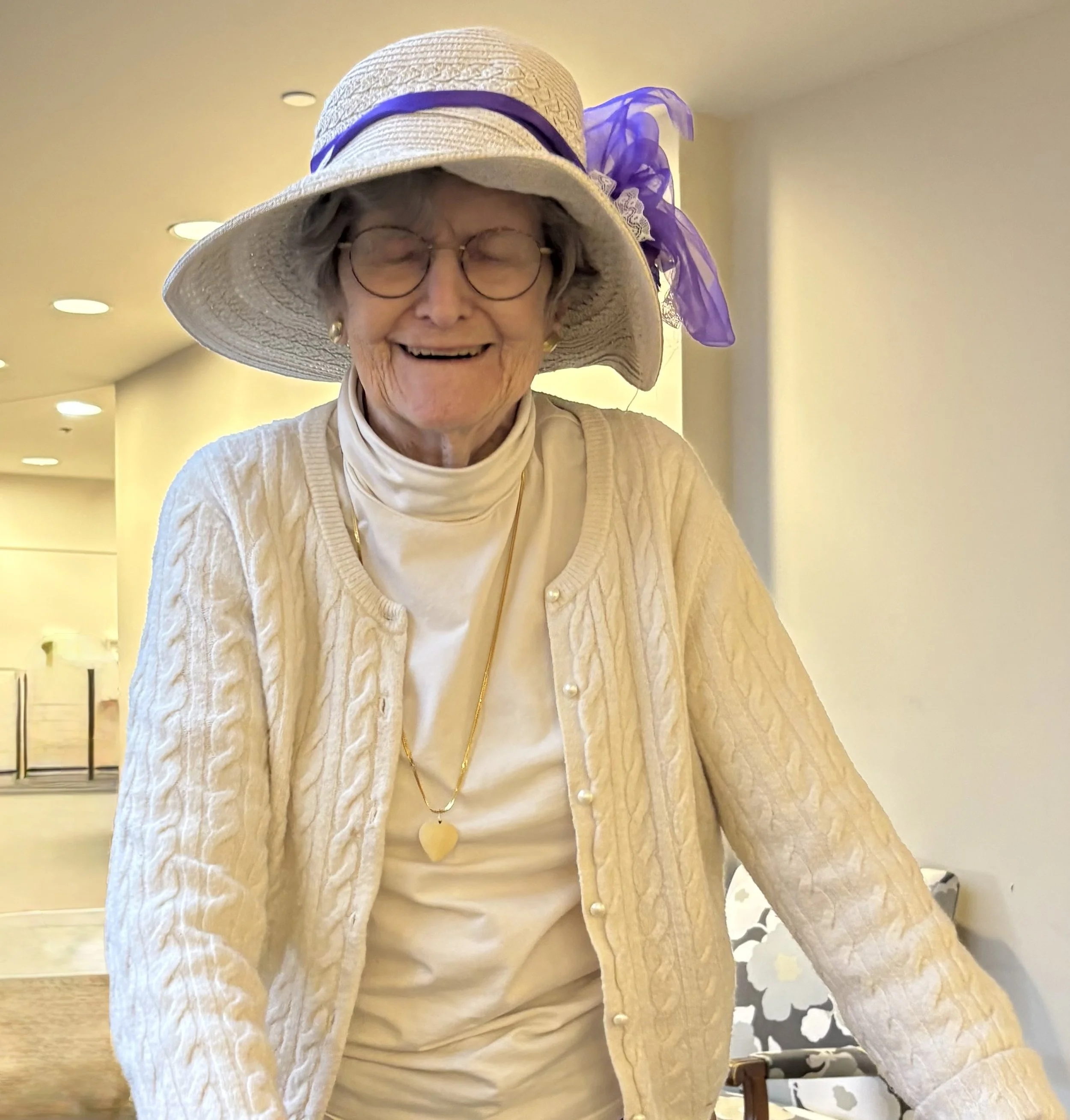
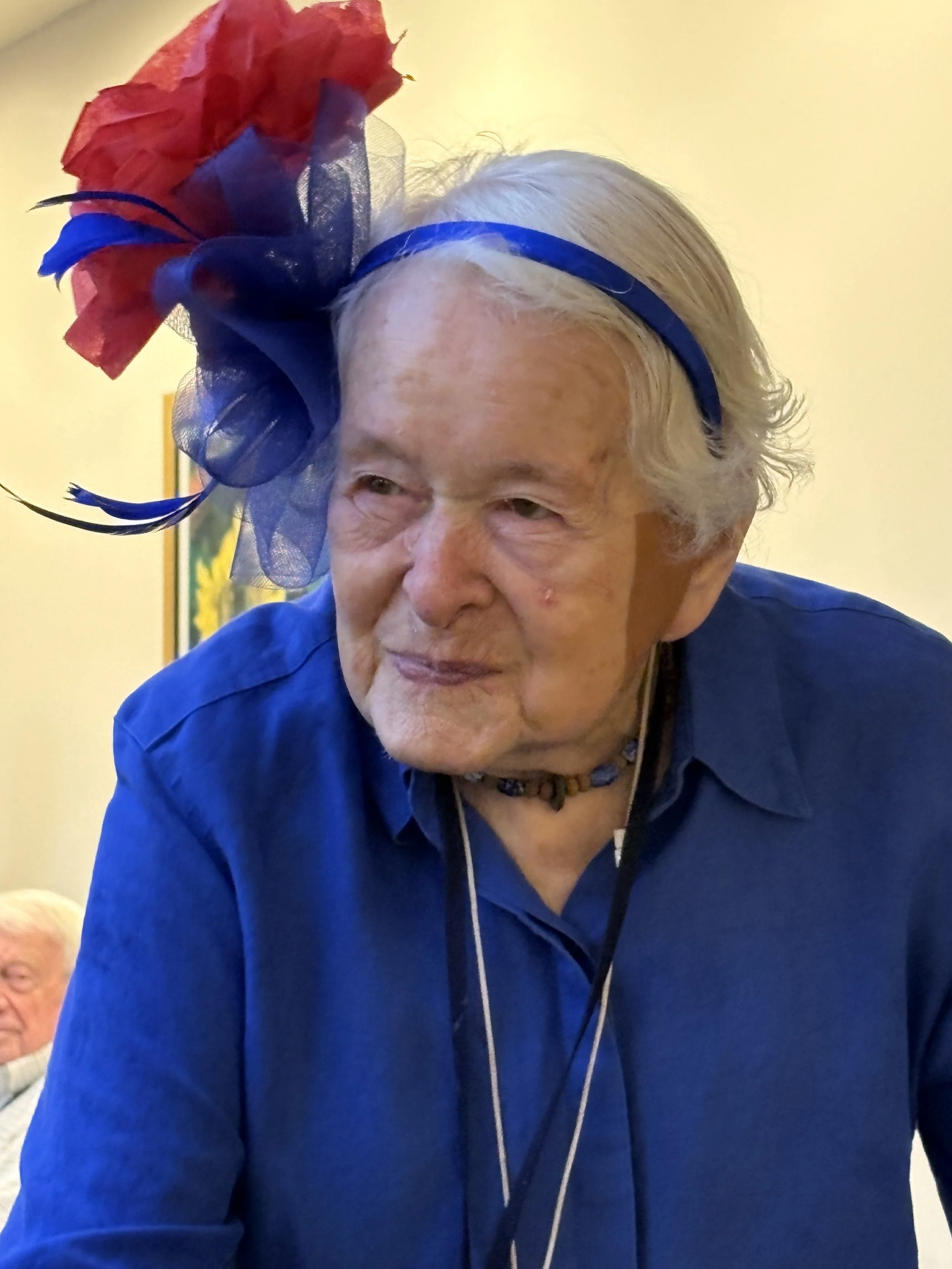
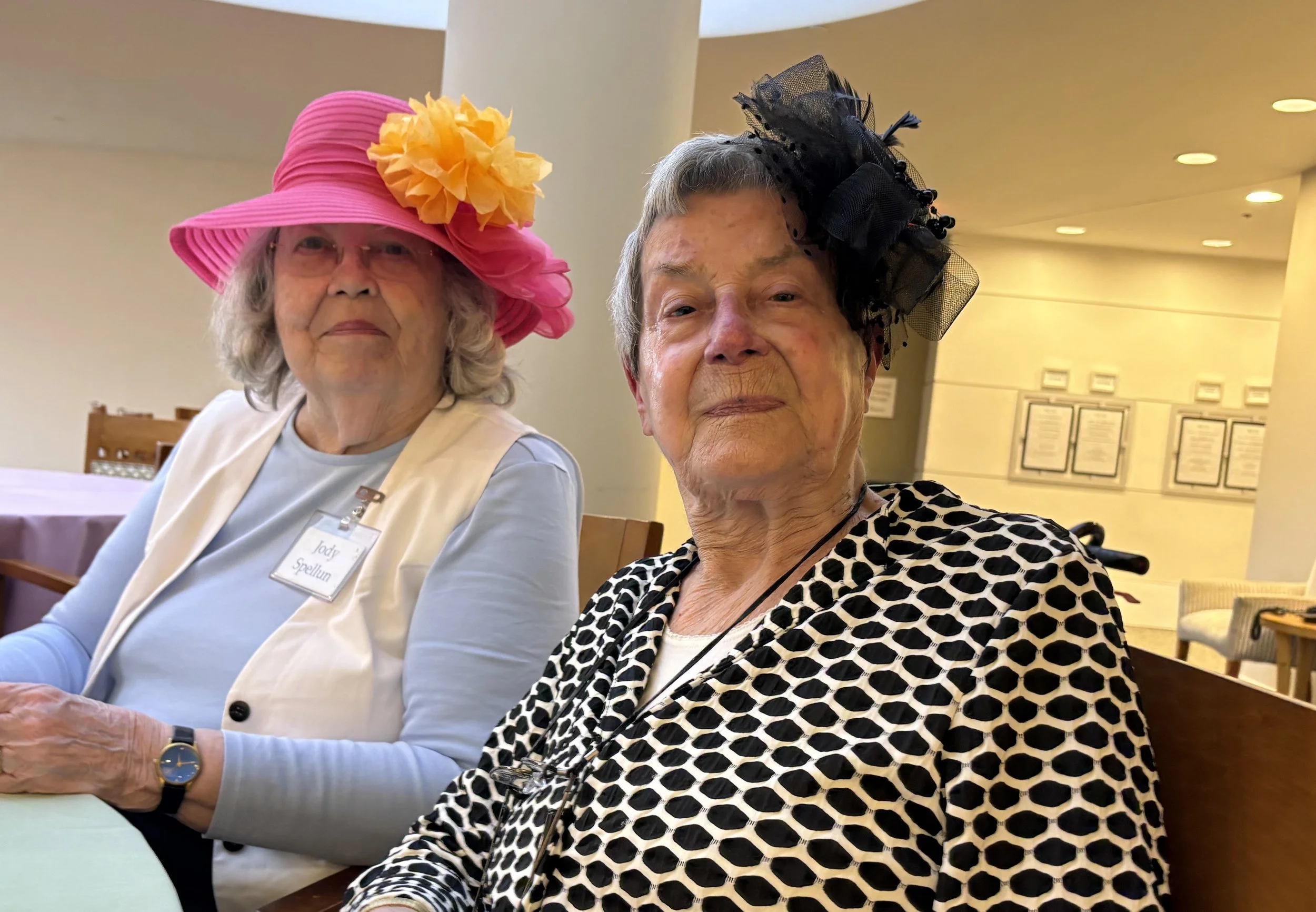
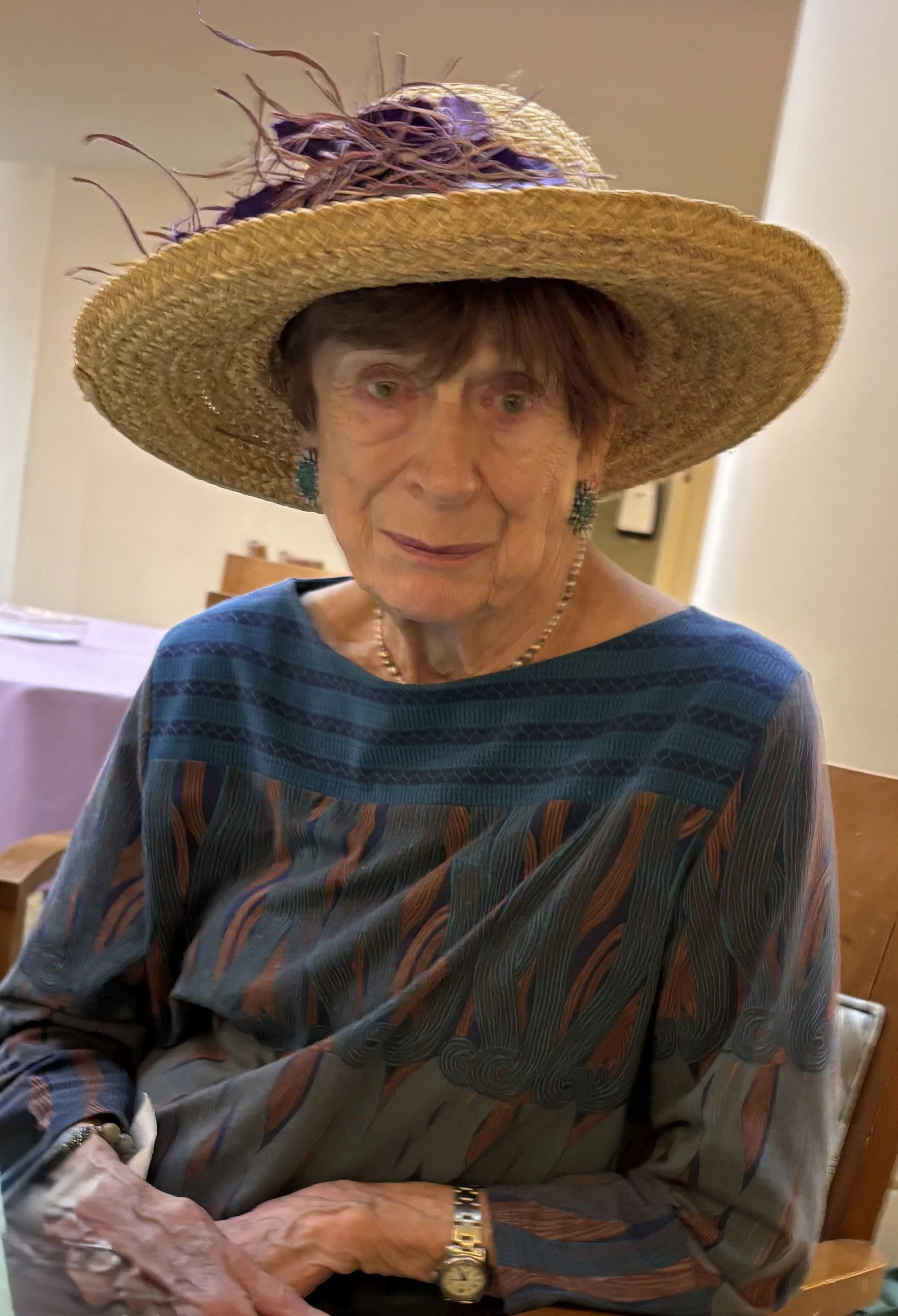
Last Saturday was Kentucky Derby Day, a day some Kendalites embraced heartily with just the right refreshment—and some with stylish head gear, as well!
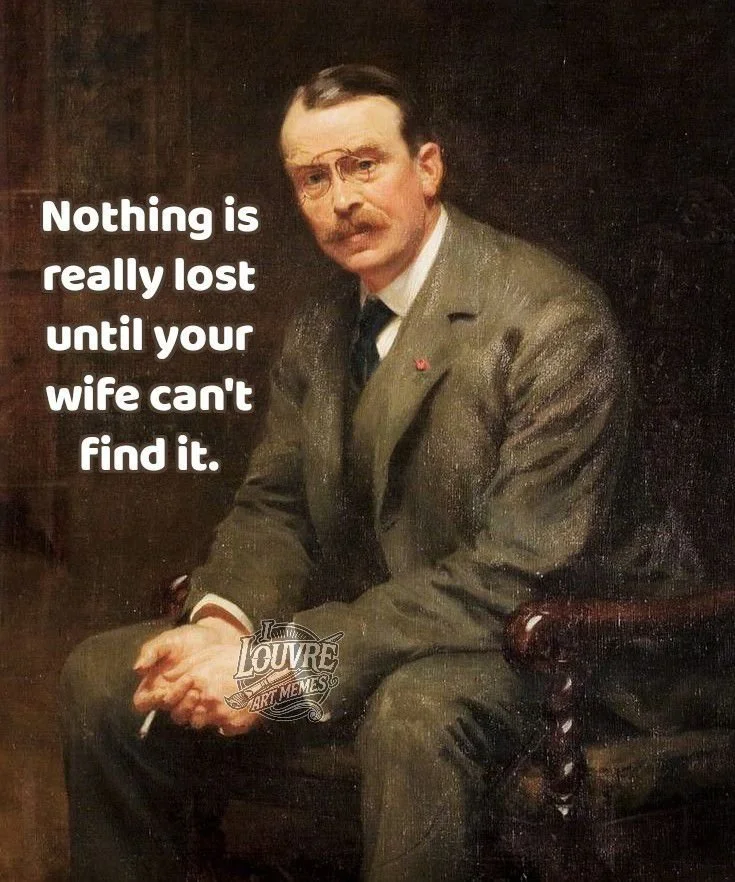
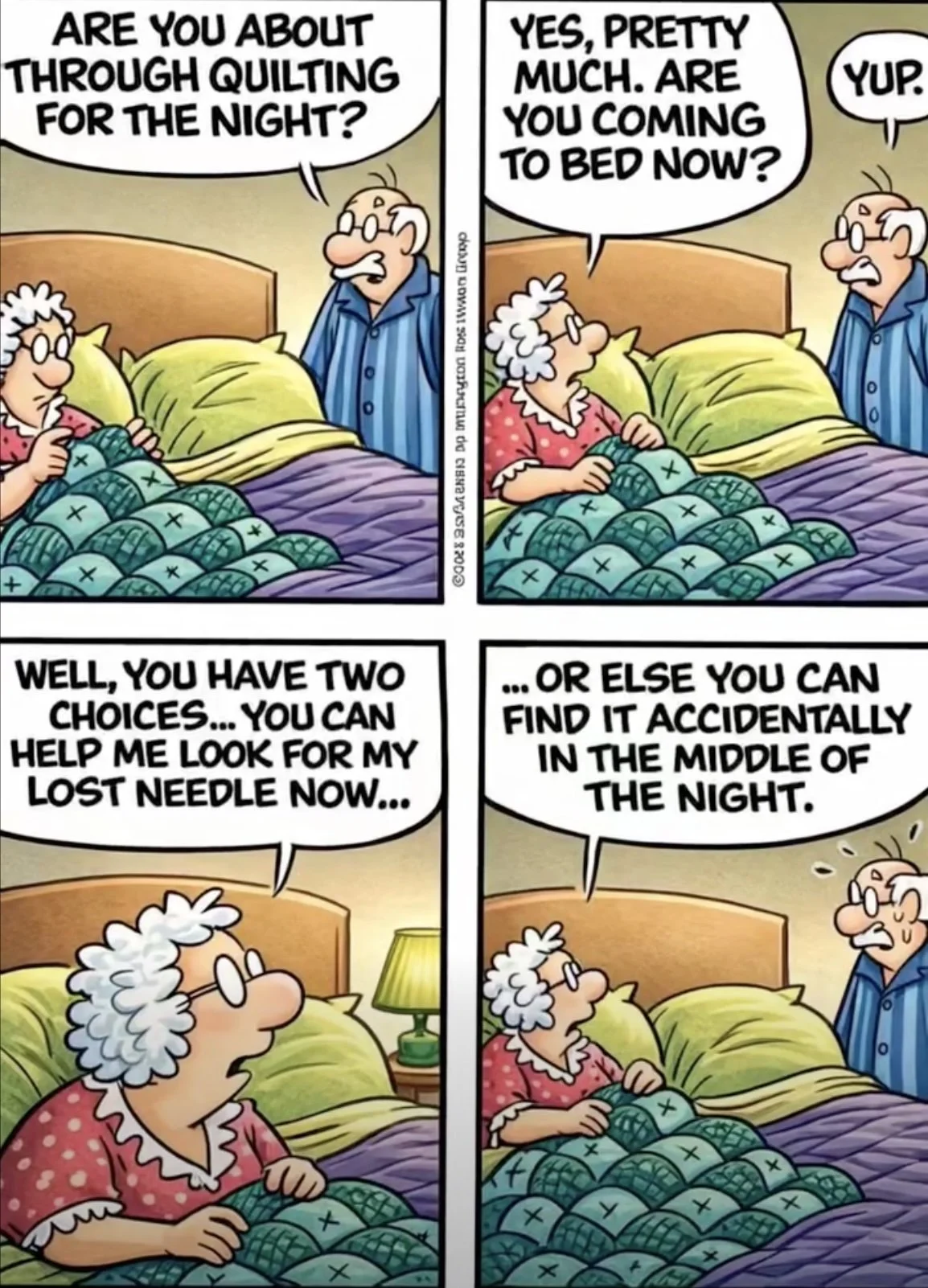
Strictly for Men Only . . . Yeah, Right
“Take my wife . . . please.” Rodney Dangerfield may have aced the comedy of the wife joke, but others—in all fields—have joined in the fun:
When a man steals your wife, there is no better revenge than to let him keep her. Lee Majors
After marriage, husband and wife become two sides of a coin; they just can’t face each other, but still they stay together. Al Gore
By all means marry. If you get a good wife, you’ll be happy. If you get a bad one, you’ll become a philosopher. Socrates
Woman inspires us to great things and prevents us from achieving them. Mike Tyson
The great question . . . which I have not been able to answer . . . is, “What does a woman want?” George Clooney
I had some words with my wife, and she had some paragraphs with me. Bill Clinton
To Be Continued
Contributed by Simone
I Never Knew That
May 3, 1978: The Birth of Computer Spam

On this day in 1978, a marketing manager for a Massachusetts computer company unknowingly made history: He sent the first spam email. The Internet as we know it did not yet exist. But ARPANET, an experimental computer network that connected government-supported research sites in the United States, was up and running—albeit with a much, much smaller audience than the Internet has now. There was an actual printed directory of ARPANET users—all 2,600 of them.
Gary Thuerk, of the Digital Equipment Corporation (DEC), was pondering how to advertise upcoming demonstrations in California of his company’s latest computers. In a moment of inspiration, he decided to send an invitation, which also touted the products, via ARPANET to about 400 people on the West Coast he found in the directory. The response, as one might expect, was not particularly favorable, with DEC being chided by ARPANET users who did not think that the network should be used for sending bulk messages of that nature. Thuerk’s boss made him promise to never do that again. And yet, some 40 recipients of Thuerk’s message did attend DEC’s California product demos, with Thuerk estimating that the company made more than $12 million in sales.
A promising new sales strategy was born. Or not. The practice of sending unsolicited emails in bulk didn’t take off until much later, after the Internet became widely used by the general public. The first intentional sales spam email was sent in 1994. Now, of course, spam emails are as ubiquitous as they are reviled.
So why is it called “spam”? The non-meat use of the term came from the online chat room community, which by the late 1980s was already using it to denote a mass influx of data into their chat rooms that could trigger a computer crash and/or annoy chat room users. They had taken the name from a now-infamous 1970s Monty Python’s Flying Circus sketch in which a group of Vikings in a restaurant sings a chorus about the SPAM meat product, chanting the product’s name repeatedly and drowning out all other conversation.
Source: Amy McKenna, Editor, Britannica
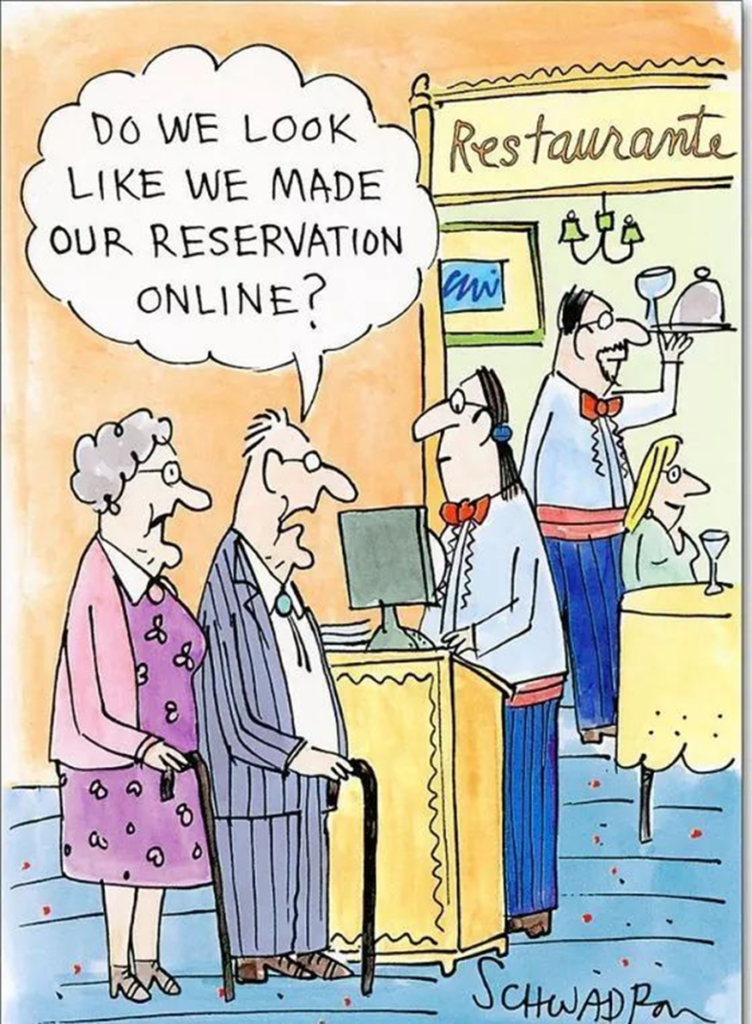
For Your Funny Bone



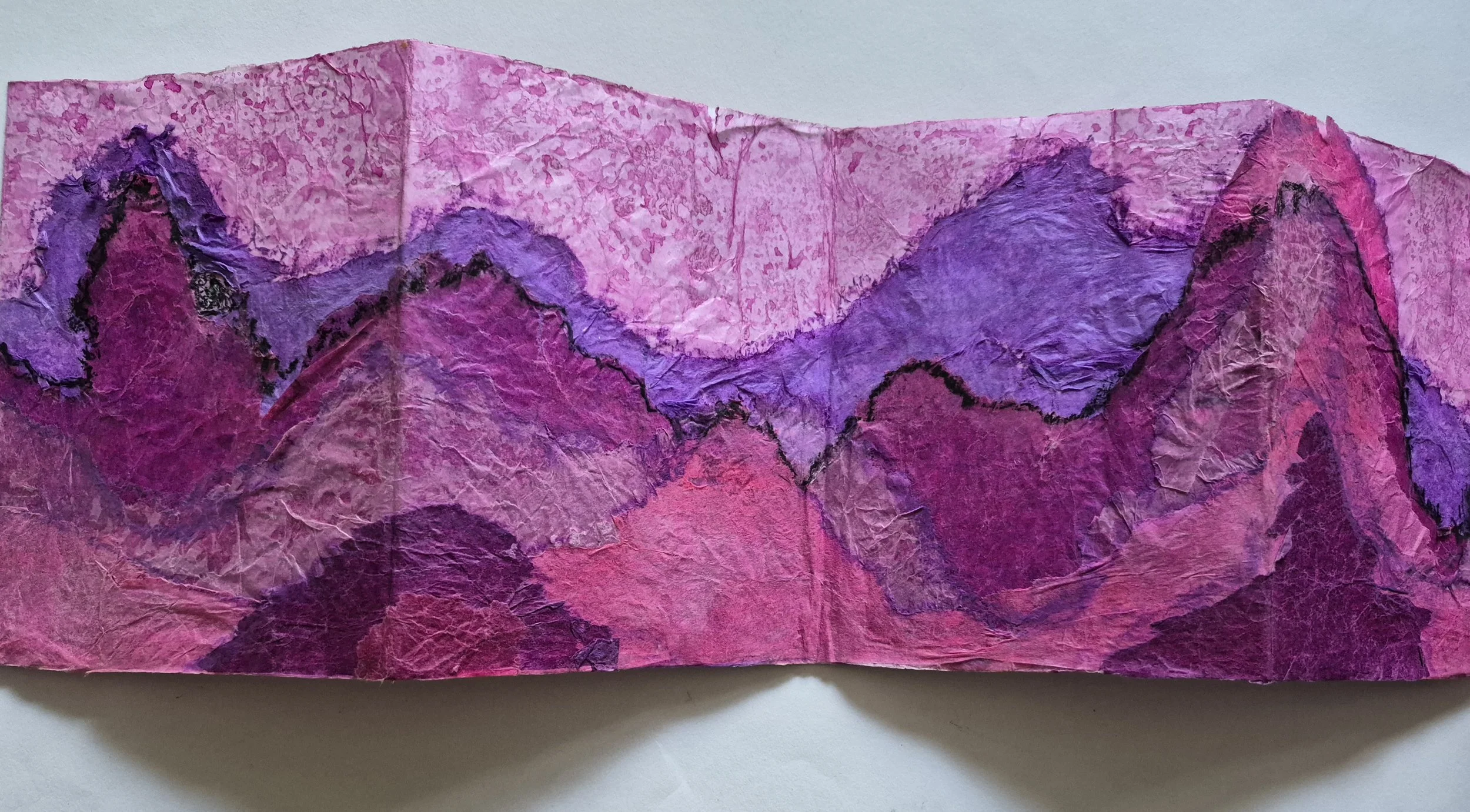
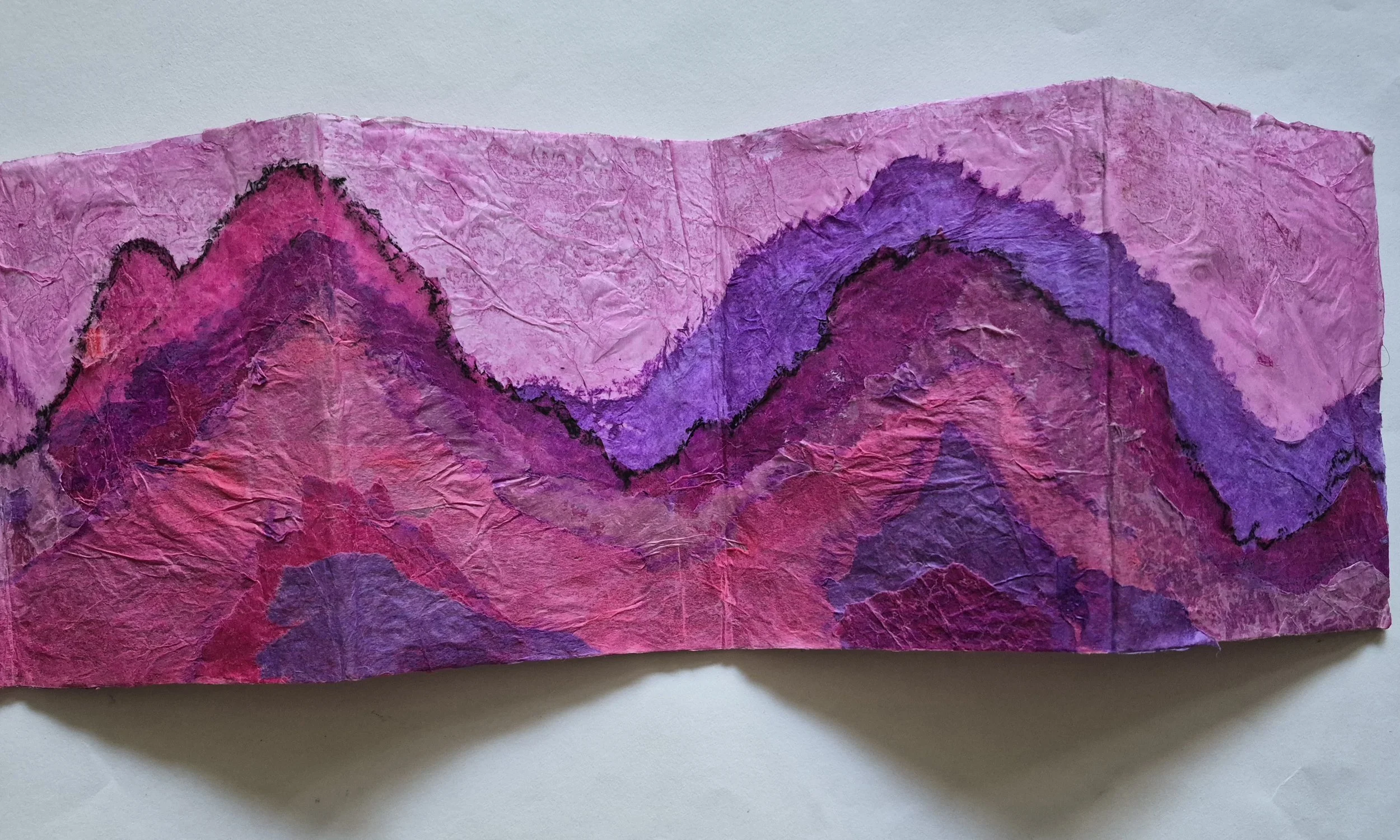
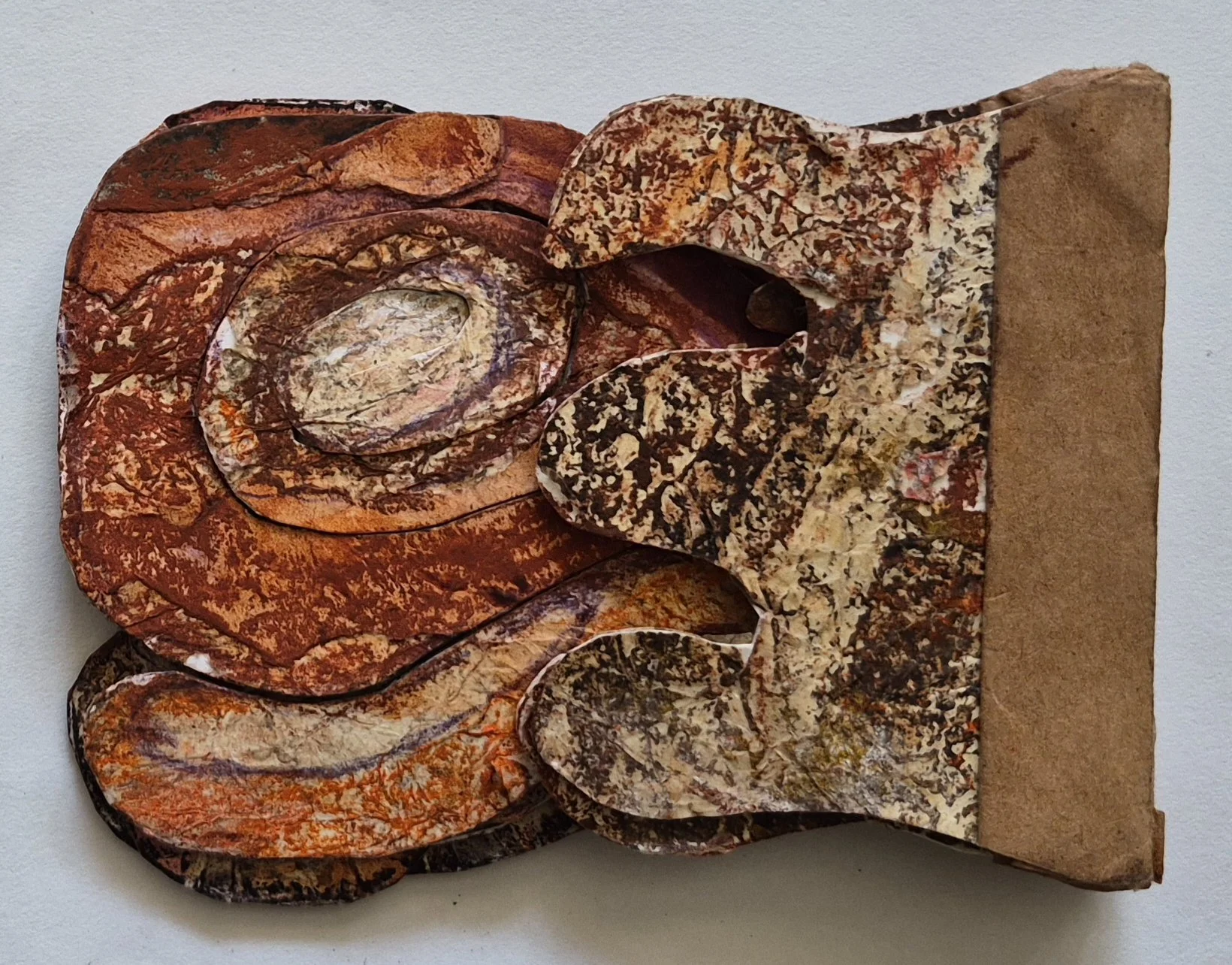
“In the Woods” Artist Book, by Sheila Benedis
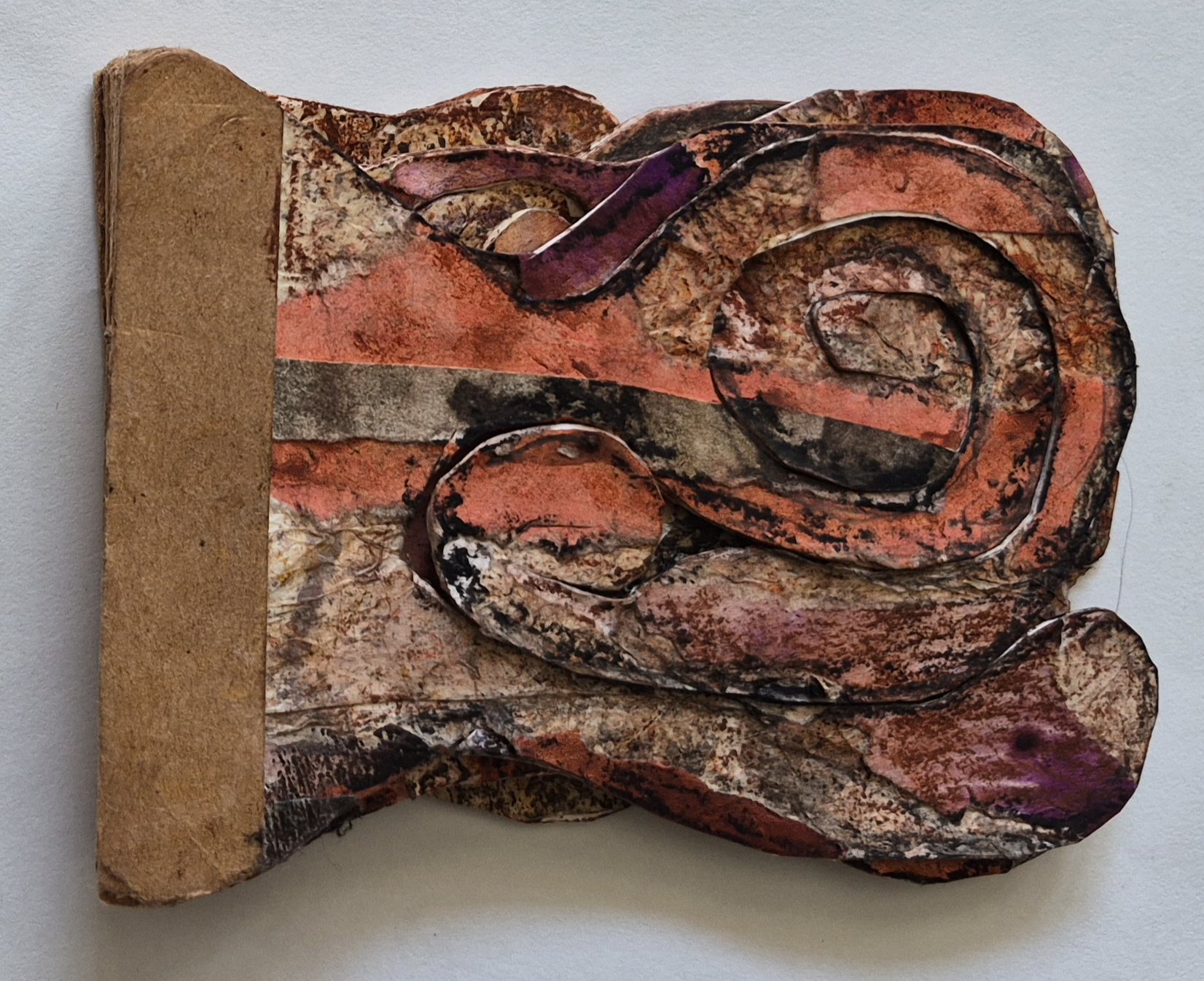
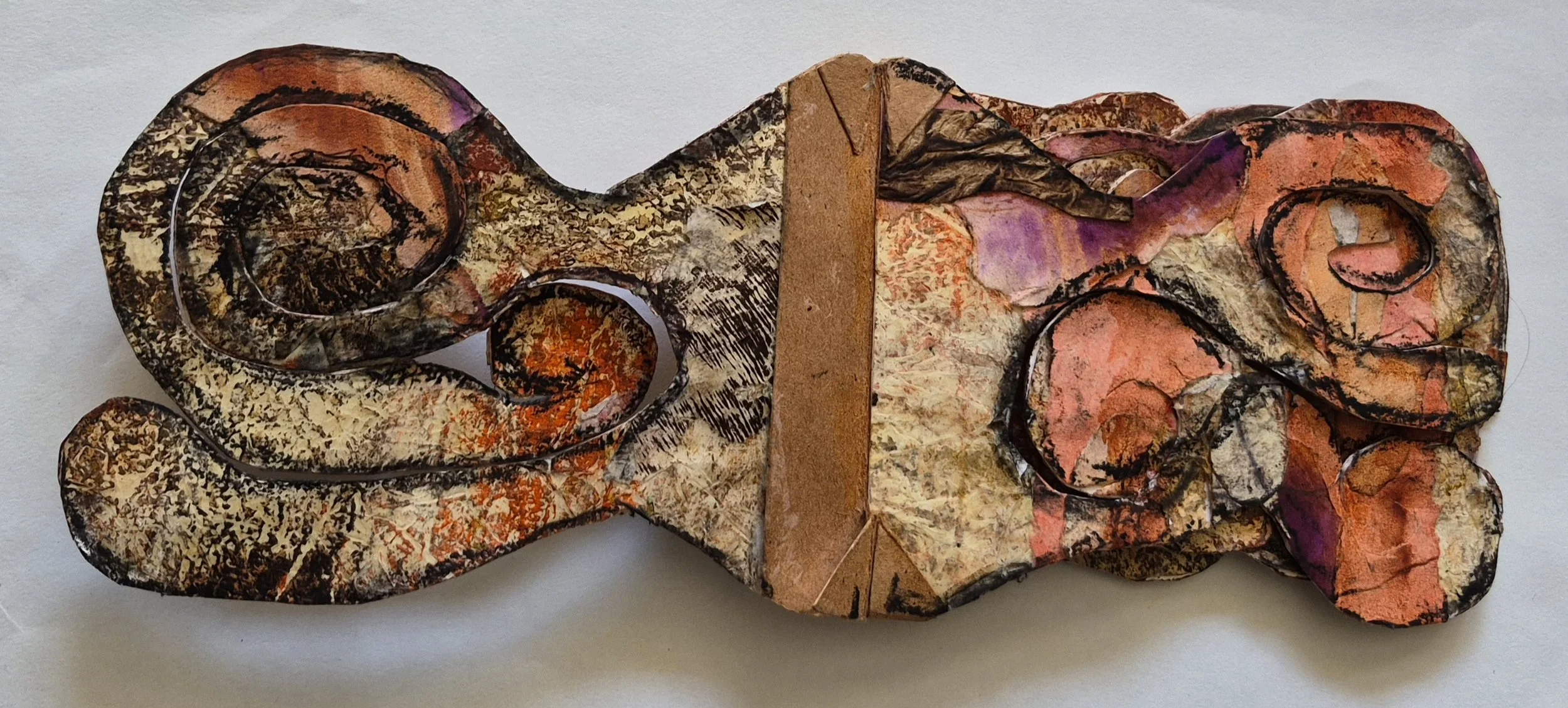
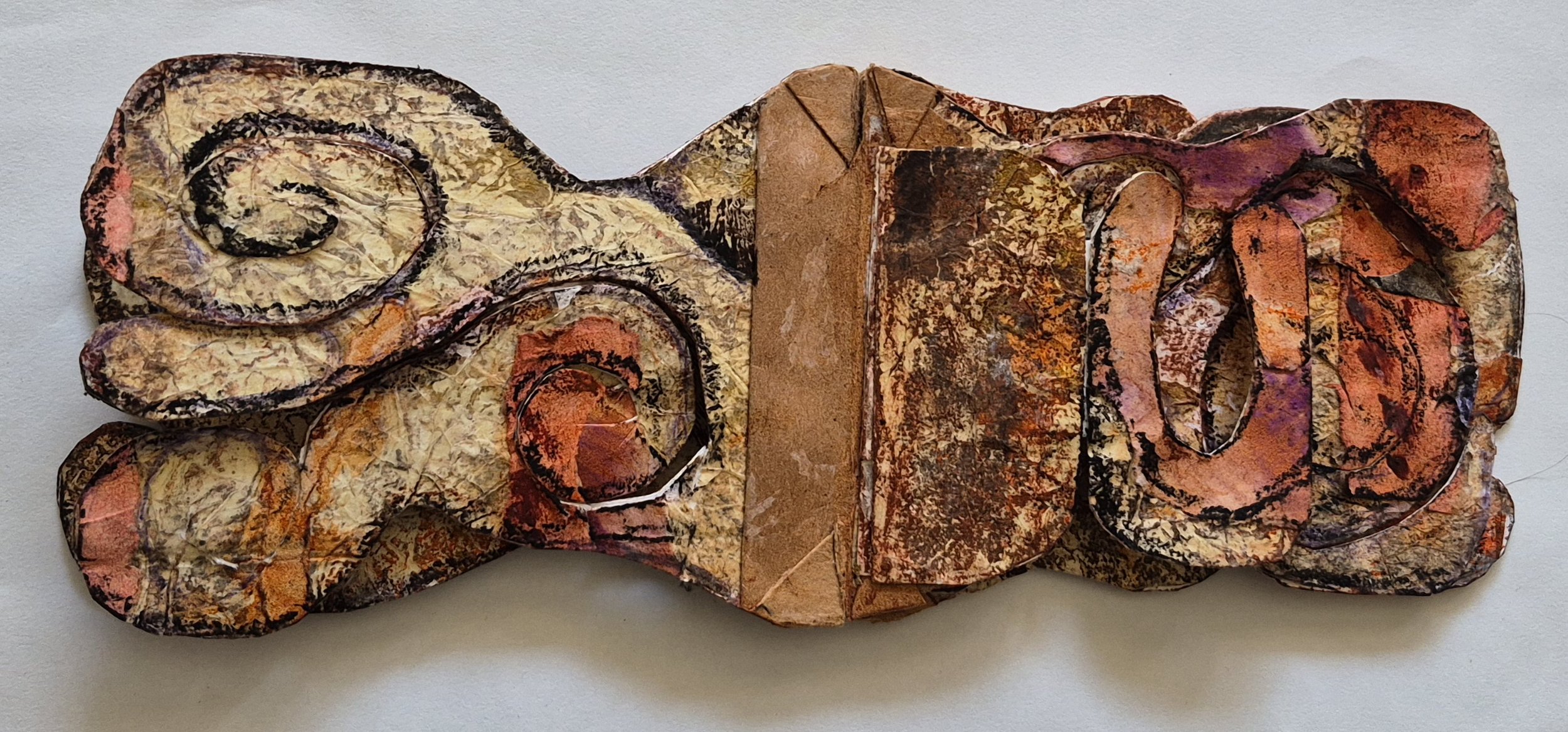
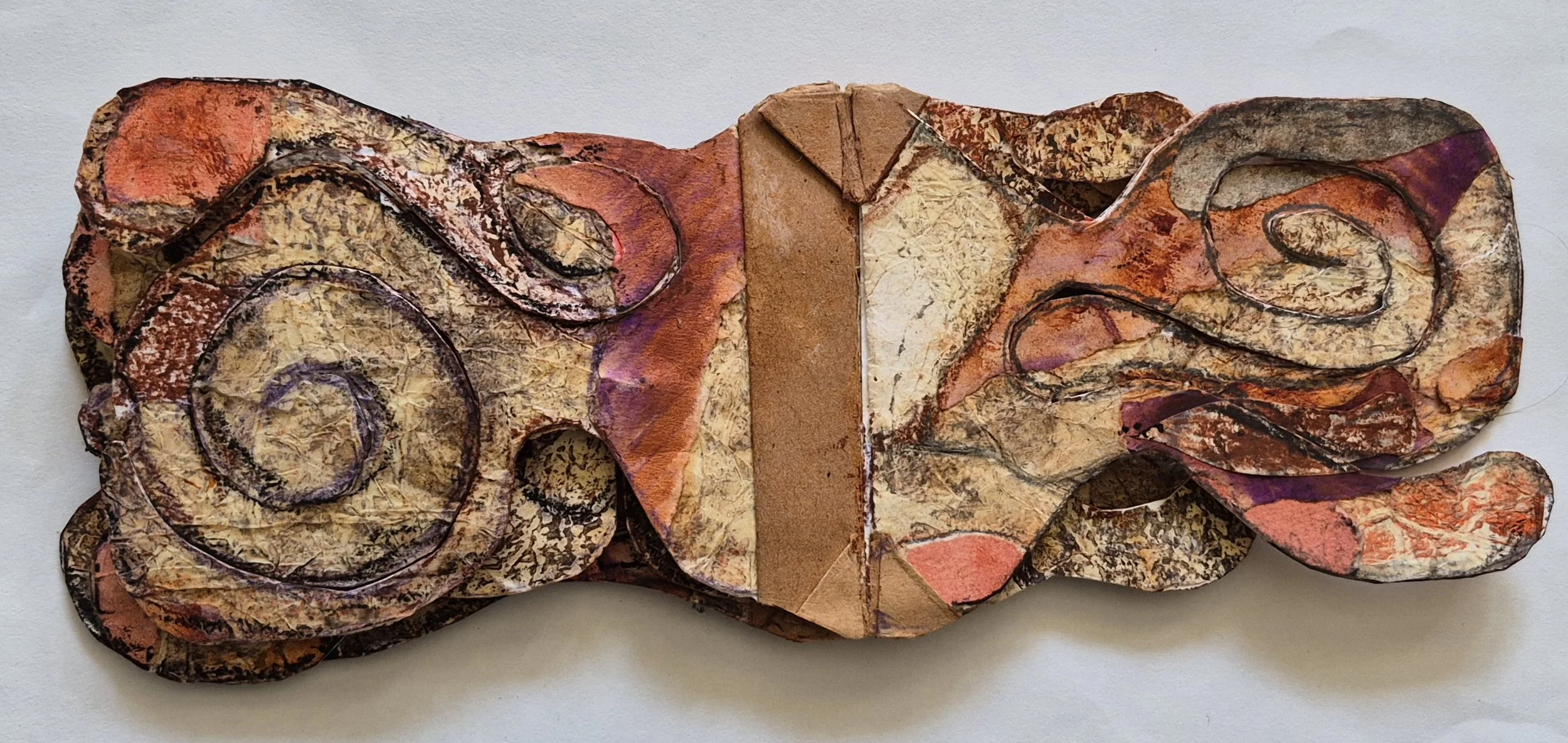
Art and photos by Sheila Benedis
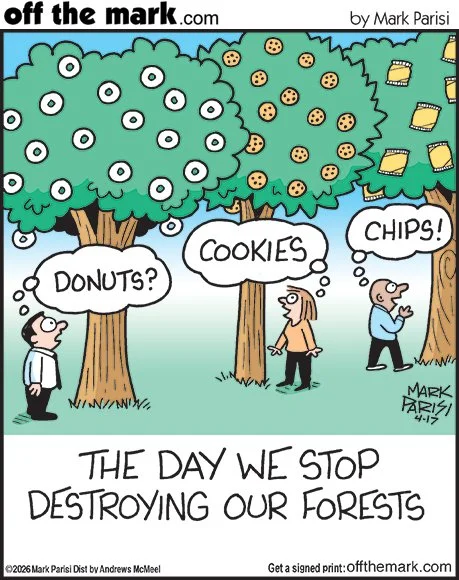
Art by Hart

Bernice and Rory had stopped talking to each other, and they both were miserable

Mark and Janet’s kids were the first generation of zebra fish

Mitzi thinks it’s funny to bite the hand that feeds her

Finally, it was the fish’s turn to tell a story
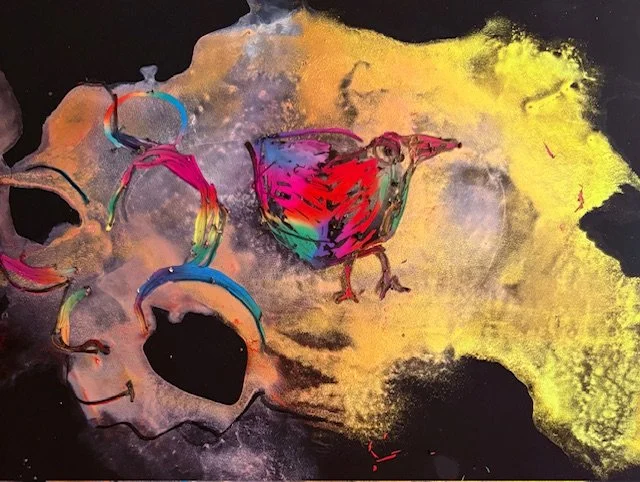
The bird on Rawson’s head evoked comments
Art and photos by Jane Hart
In and Around Kendal
Celebrating Earth Day at the Kendal Environmental Fair
Earth Day this year meant Kendal’s very first Environmental Fair, held on April 22 by the Environmental Action Committee and dedicated to the memory of Anne White. Highlights were information on a range of topics, a door prize, snacks, and the premier new Kendal skit: “A Visit from the Eco-Angel.”
A few examples of the information tables offered here:
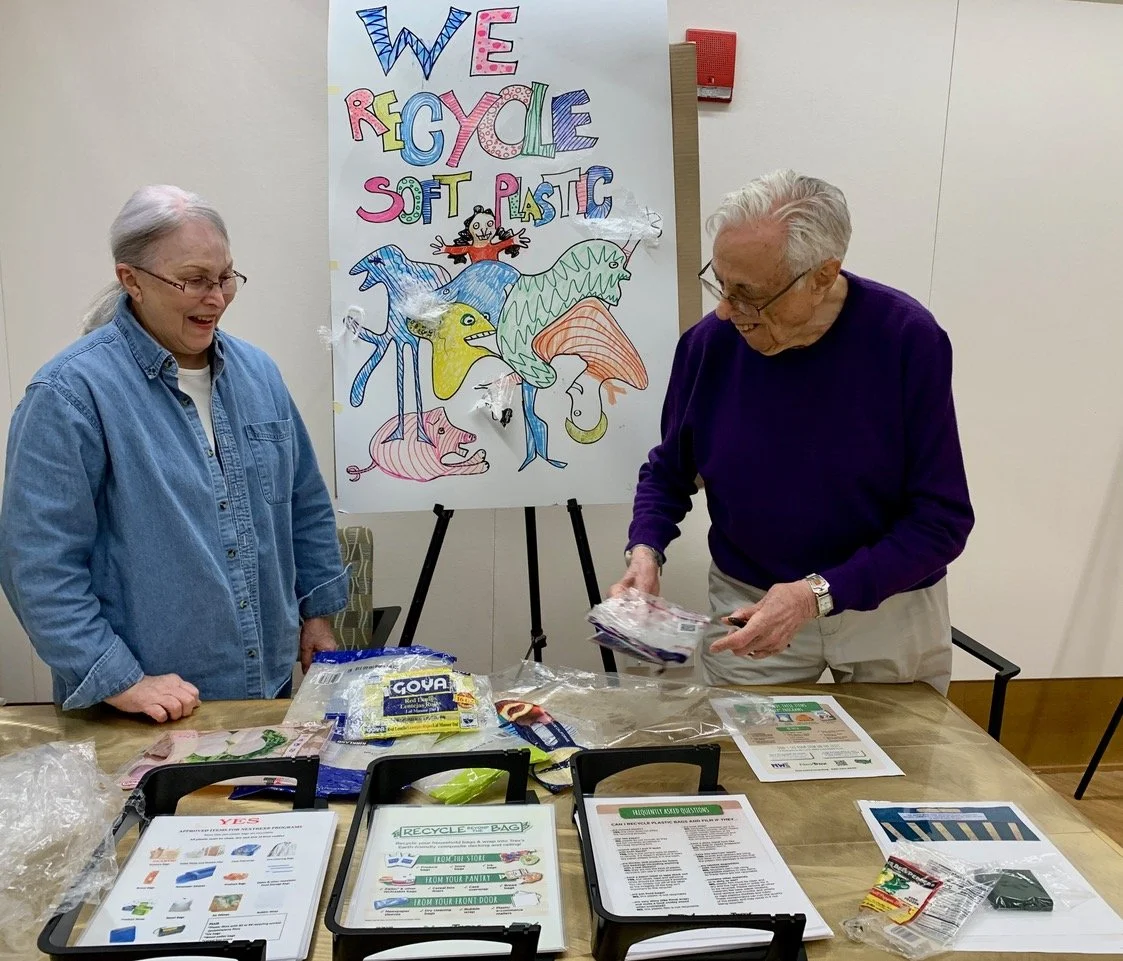
Kendal’s campaign to collect soft plastic goes onward, even after we hit the 1,000-pound mark and were awarded our very own recycled-plastic-produced bench.
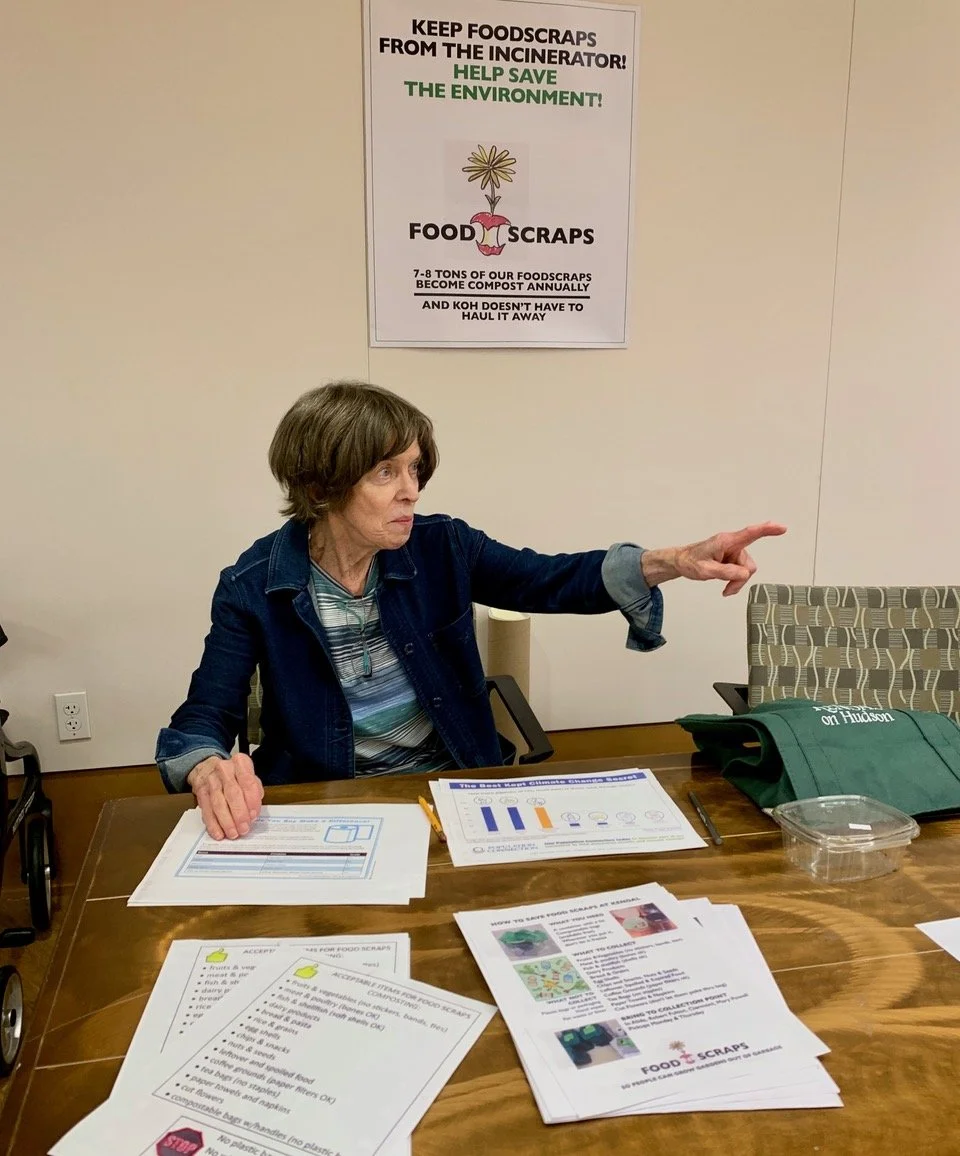
Information about Kendal’s Foodscrap Collection Program is important
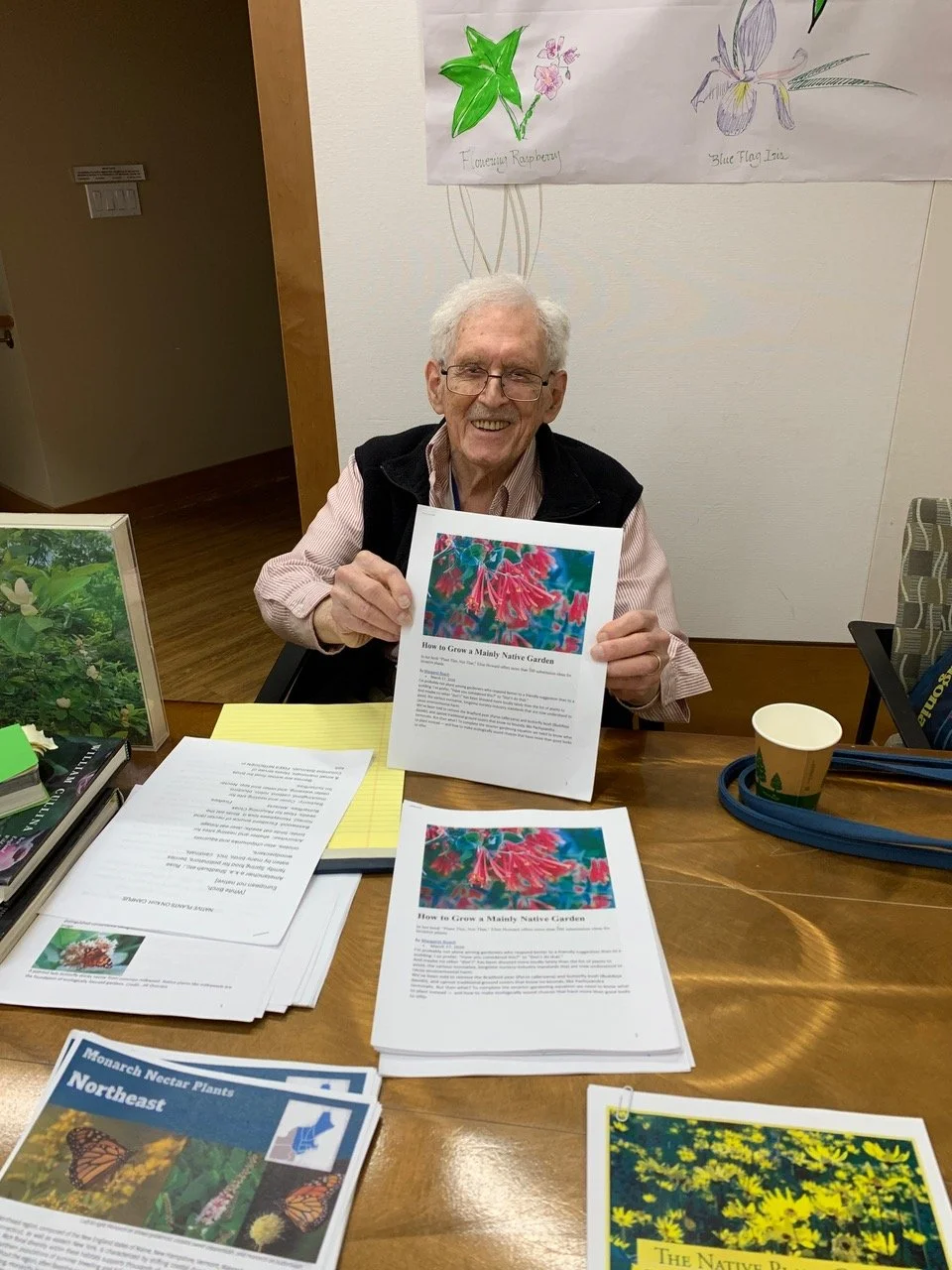
Raising Native Plants is another critical effort.
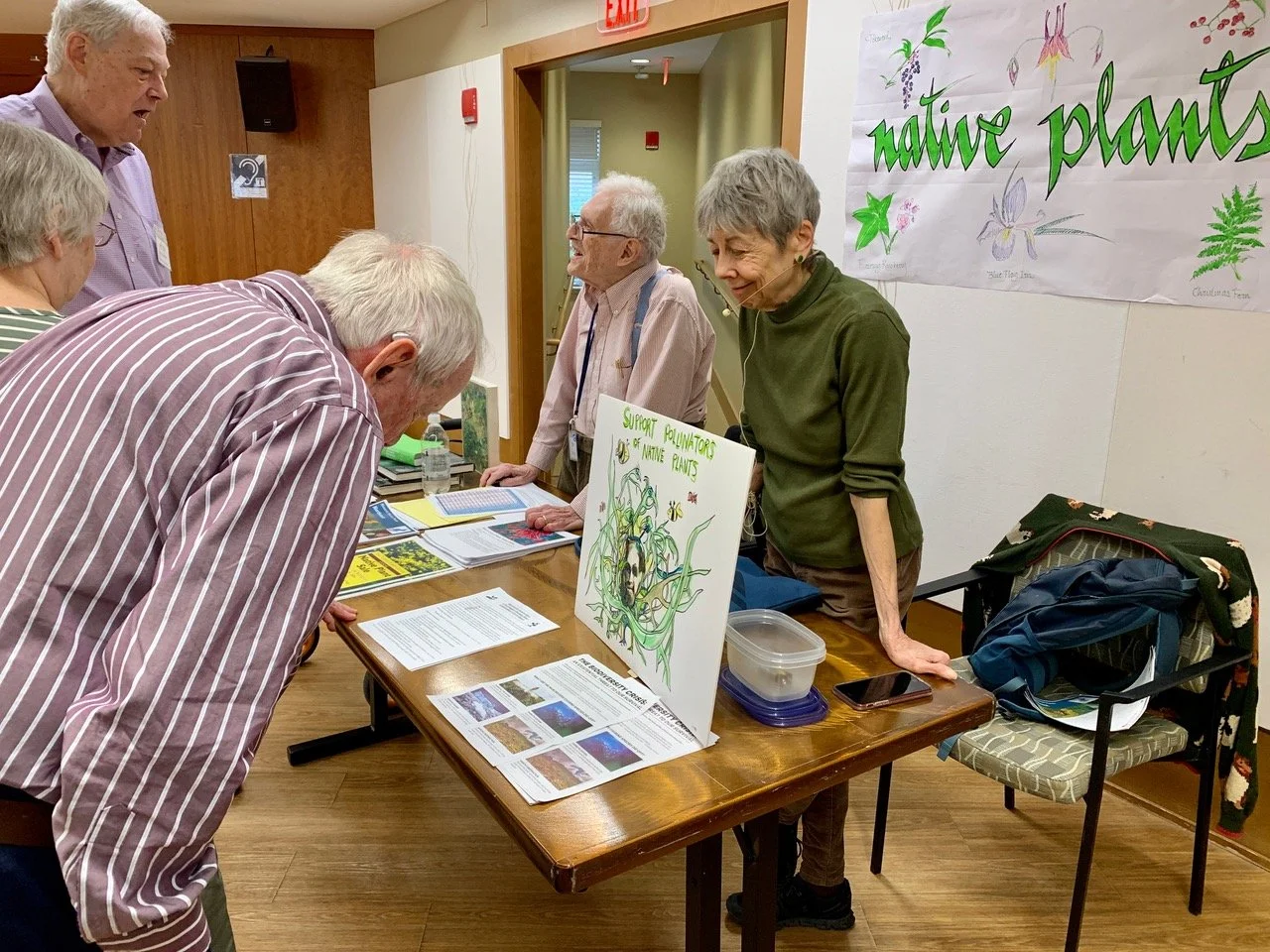
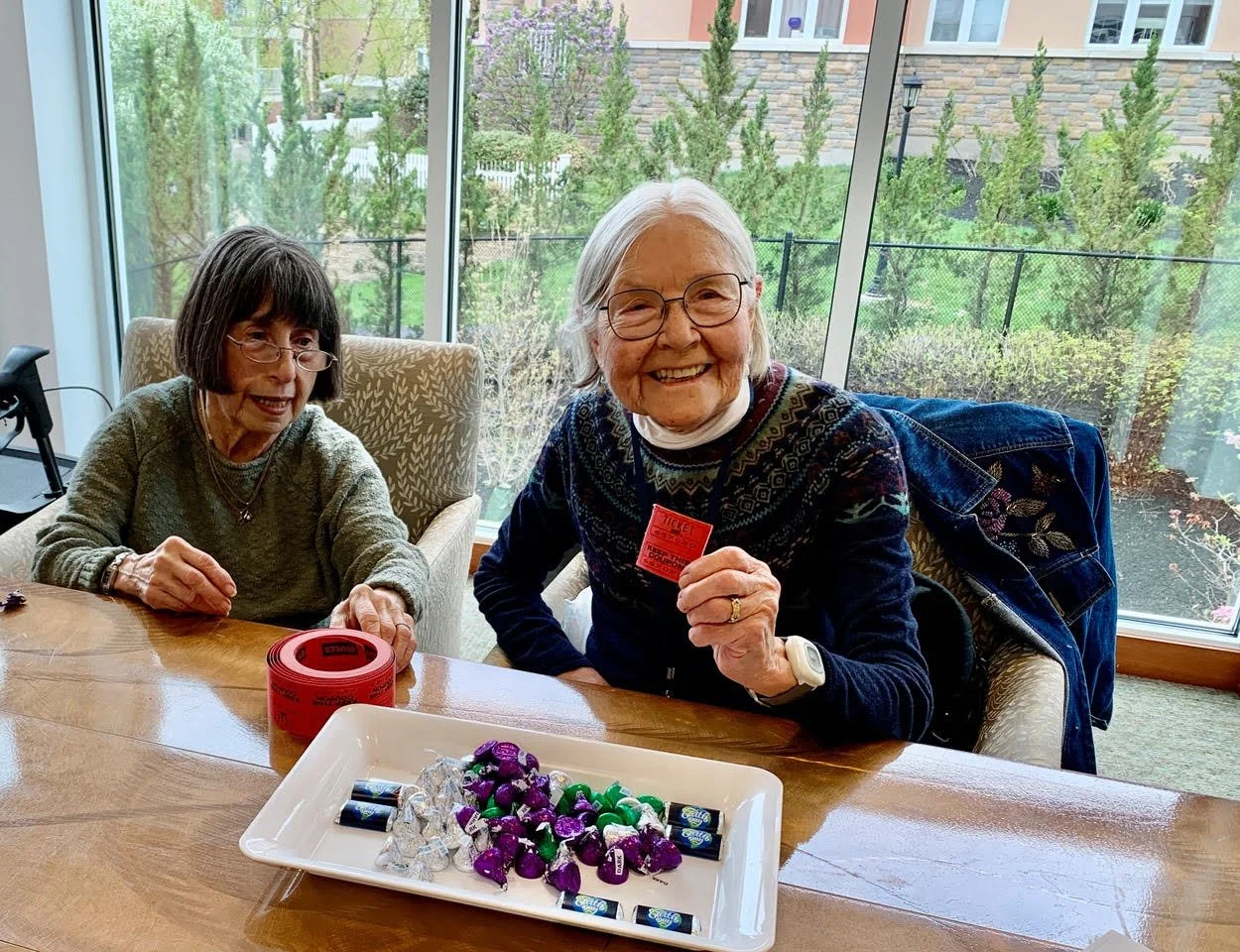
And the important door-prize table and those who encouraged Fair attendees not to forget to pick up a ticket.
A Visit From the Eco-Angel
What happens when a couple just can’t decide what’s recyclable and what’s not?
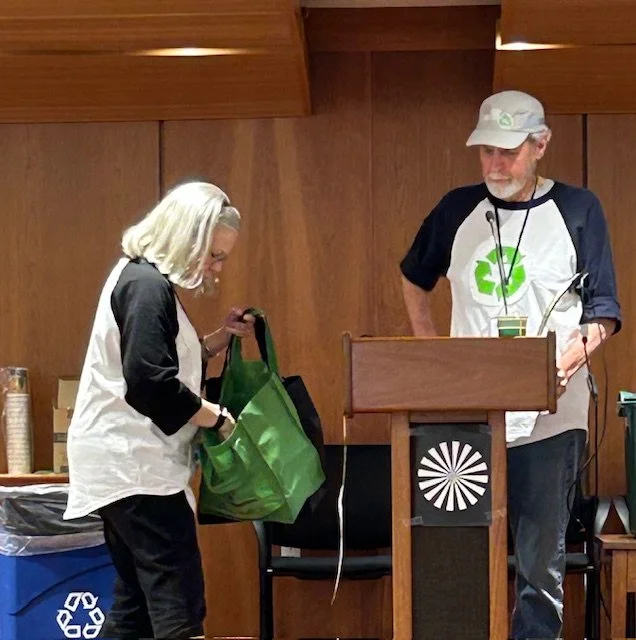
Why, naturally, a visit from the Eco-Angel, who, of course, set them on the right track.
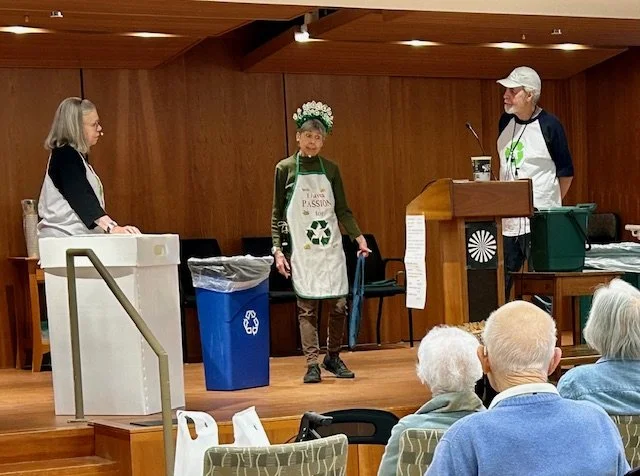
A production enjoyed by all.

Photos contributed by Harry Bloomfeld and Carolyn Reiss
Out and About
A View From Lyndhurst Mansion
The Lannerts explored the outs and ins of one of the many Gilded-Age castles in our area.
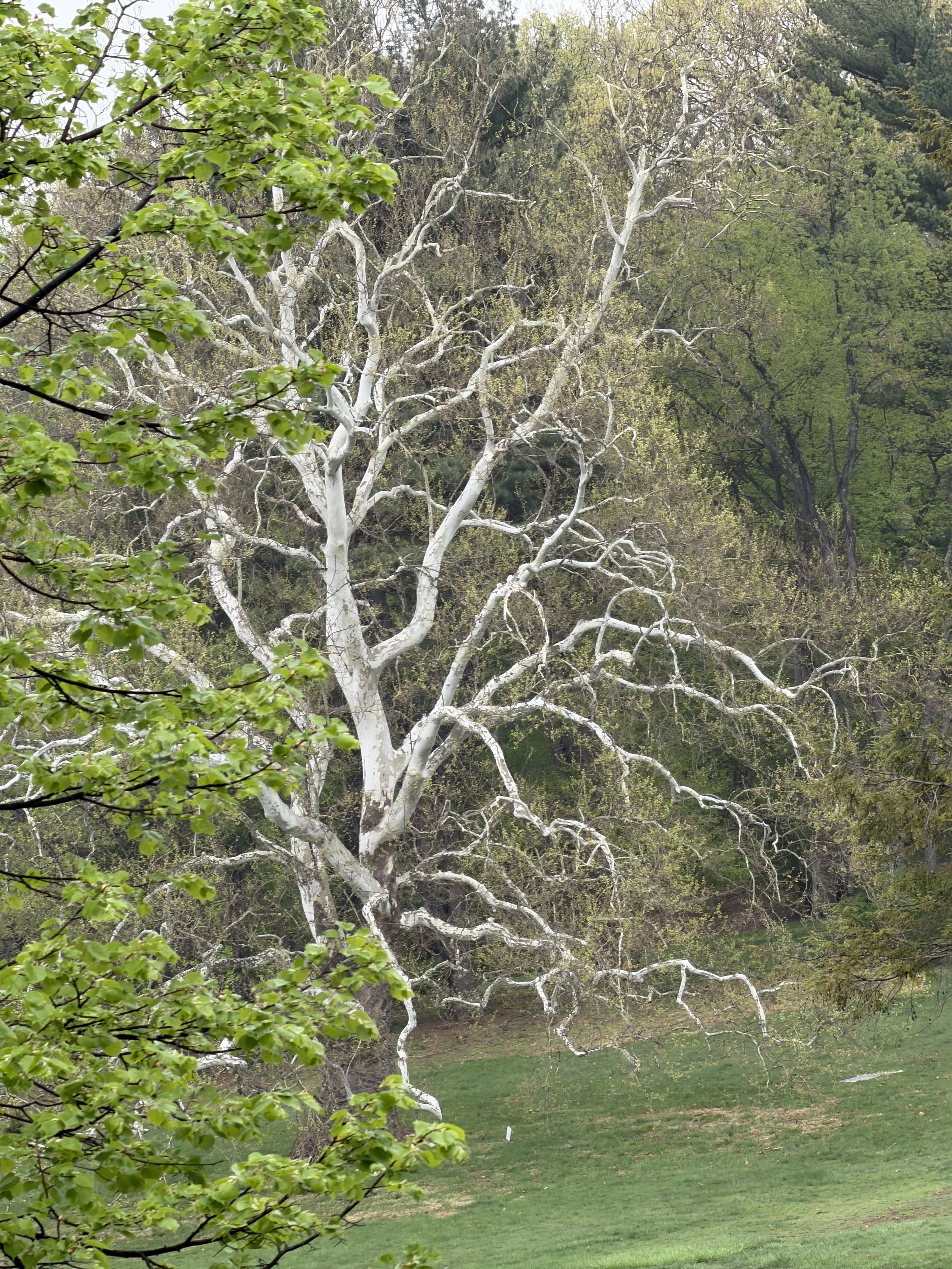
Photo by Ed Lannert
Swan Lake on a Spring Day— Without Swans
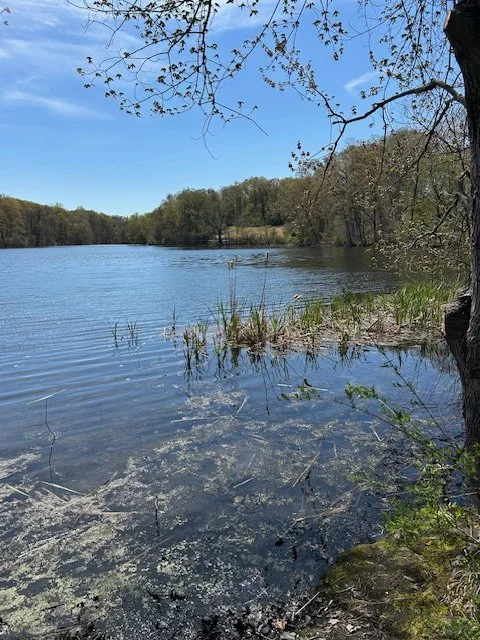
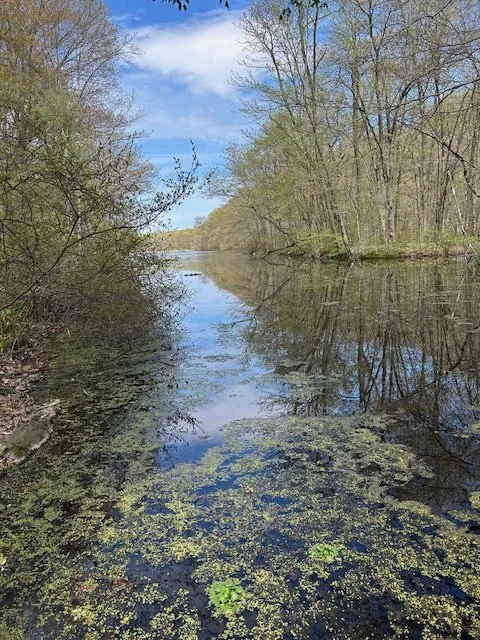
Photos by Carolyn Reiss
Pat McGrath’s Great Adventure
Pat McGrath traveled to Montreal earlier this month to hear a presentation given by a former classmate of his—Pascale Francoise Xavier Cossart—on “cellular microbiology,” a field she is considered to be the founder of. She was invited to give this presentation by another former classmate of theirs—Nabil Seidah—who is the Director of Biochemical Neuroendocrinology at the Montreal Clinical Research Institute.
But the weekend was much more about getting together with old friends rather than what they do for a living.
Thus:

Here they are on the St. Lawrence River where the rapids make it unnavigable, necessitating the first lock of the St. Lawrence Seaway.

As formidable as Pascale’s subject sounds, it took a distinct second place to what was going on in Montreal at the time: maple syrup season. Here they are at the Meunier Erabliere (maple syprup “shack”) south of the St. Lawrence in Richelieu, a farming community. A prize of a slap on the back to whoever first finds Pat in the picture.
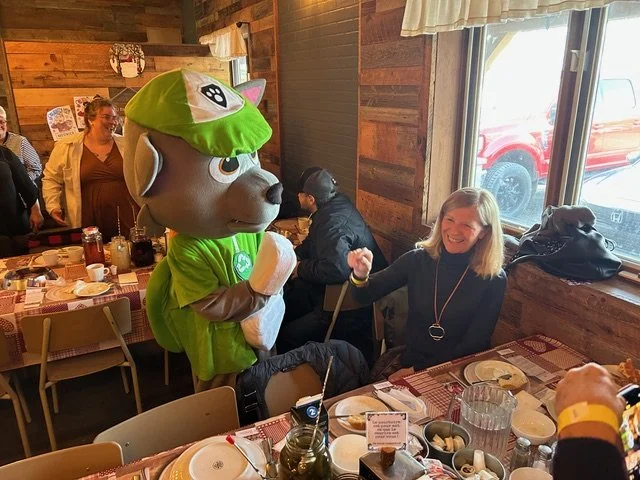
And here is Pascale communicating with one of the “waiters” in the huge dining room where they were served all manner of pork, pancake, eggs, and sugary dessert—all floating in maple syrup. Proof that cellular microbiologists are anything but stuffy.

As it was much colder in Montreal than Paris—home to Pascale—she needed help staying warm on her visit. As you can see from the wall behind them, Canada maintains at least some of its 16th century raison d’etre as a source for fur.

And after they were finished, they returned to Montreal where Nabil, the host, has an apartment with a view like ours at Kendal—except of the St Lawrence rather than the Hudson.
Photos and story contributed by Pat McGrath himself—with a little judicious editing.
Homage to Jazz in Pocantico Hills
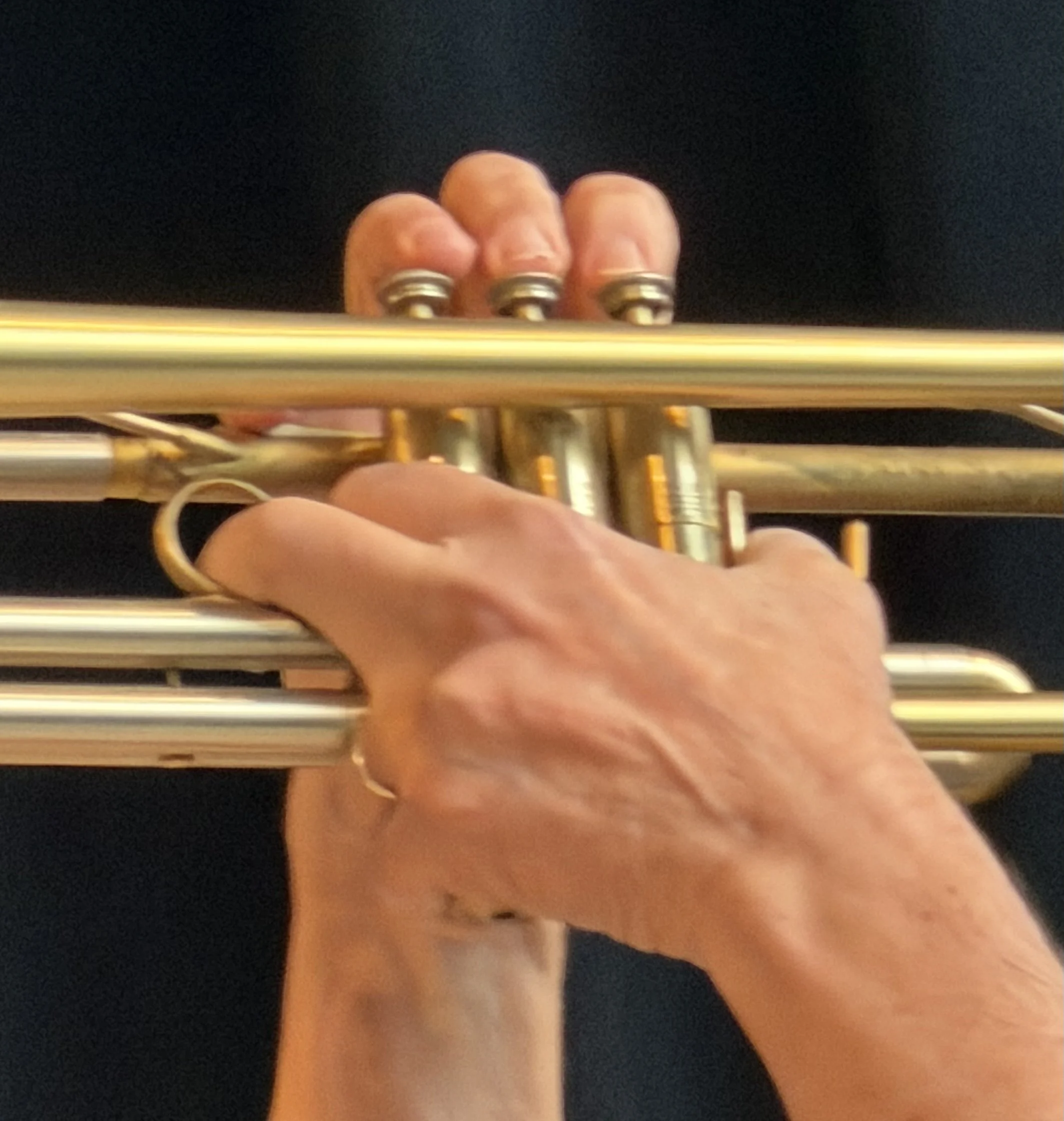
Photo by Ed Lannert
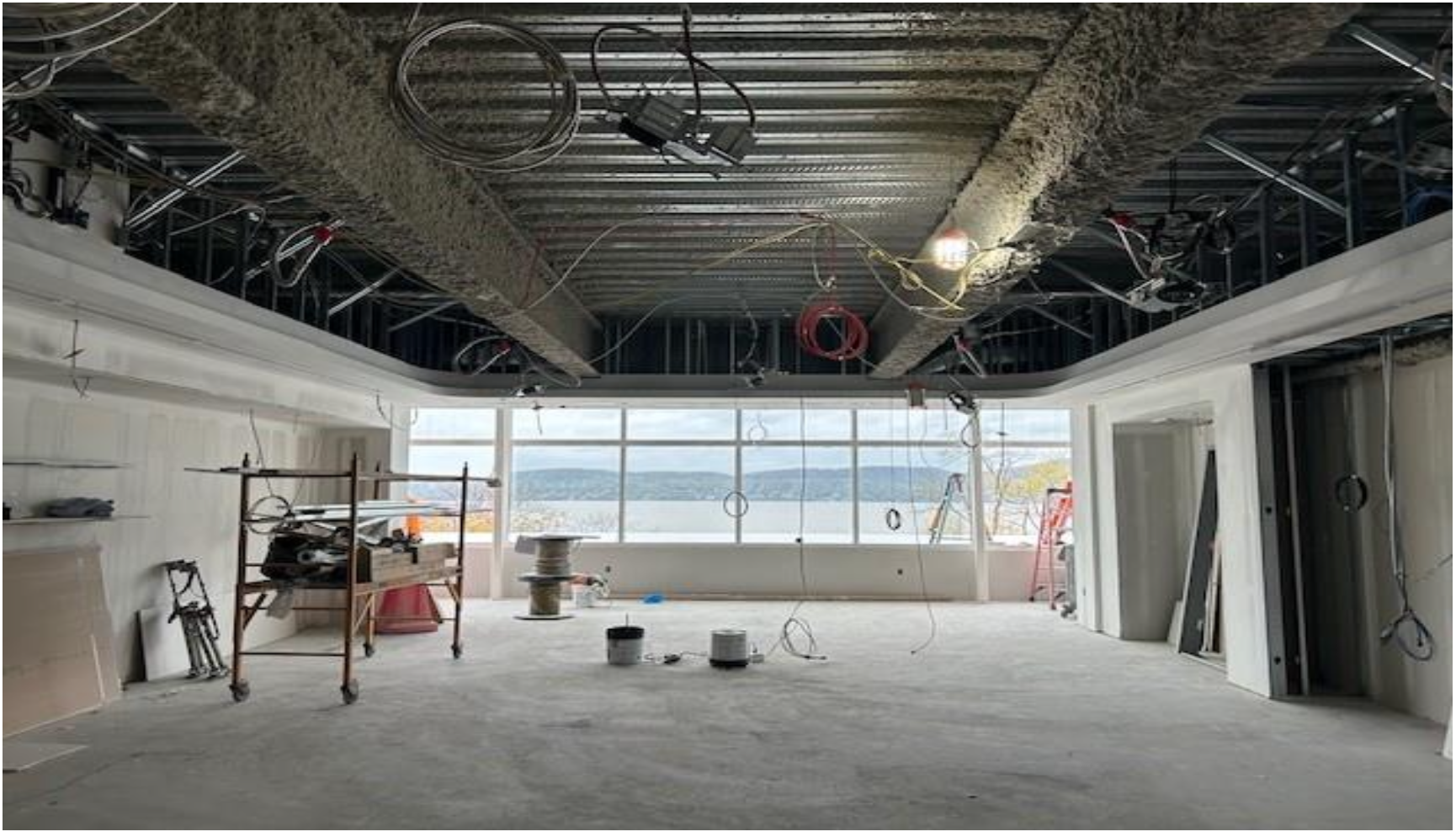
Weekly Construction Report
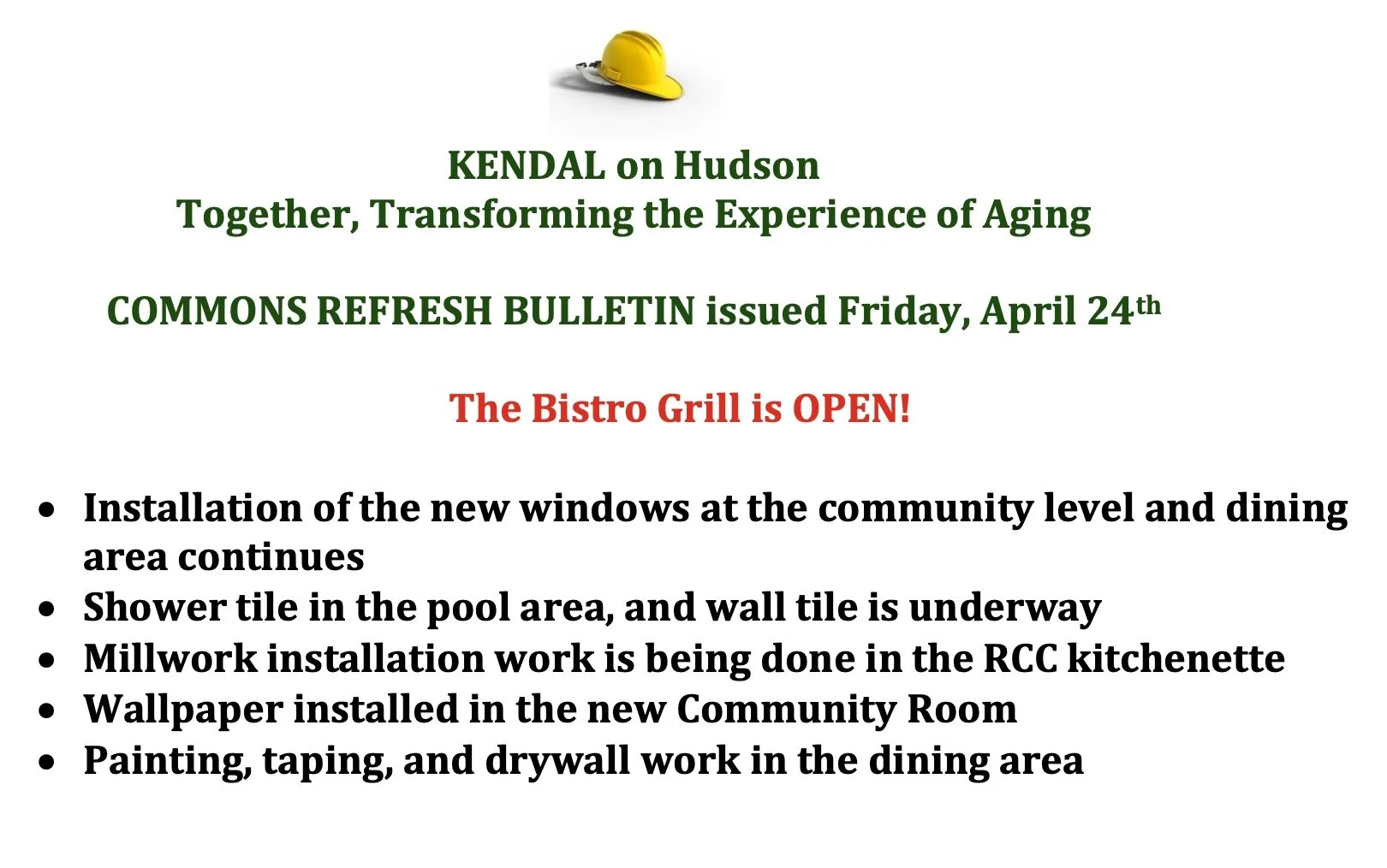
New Windows in the Dining Area

New Windows in the Community Room
From the Office of Ellen Ottstadt
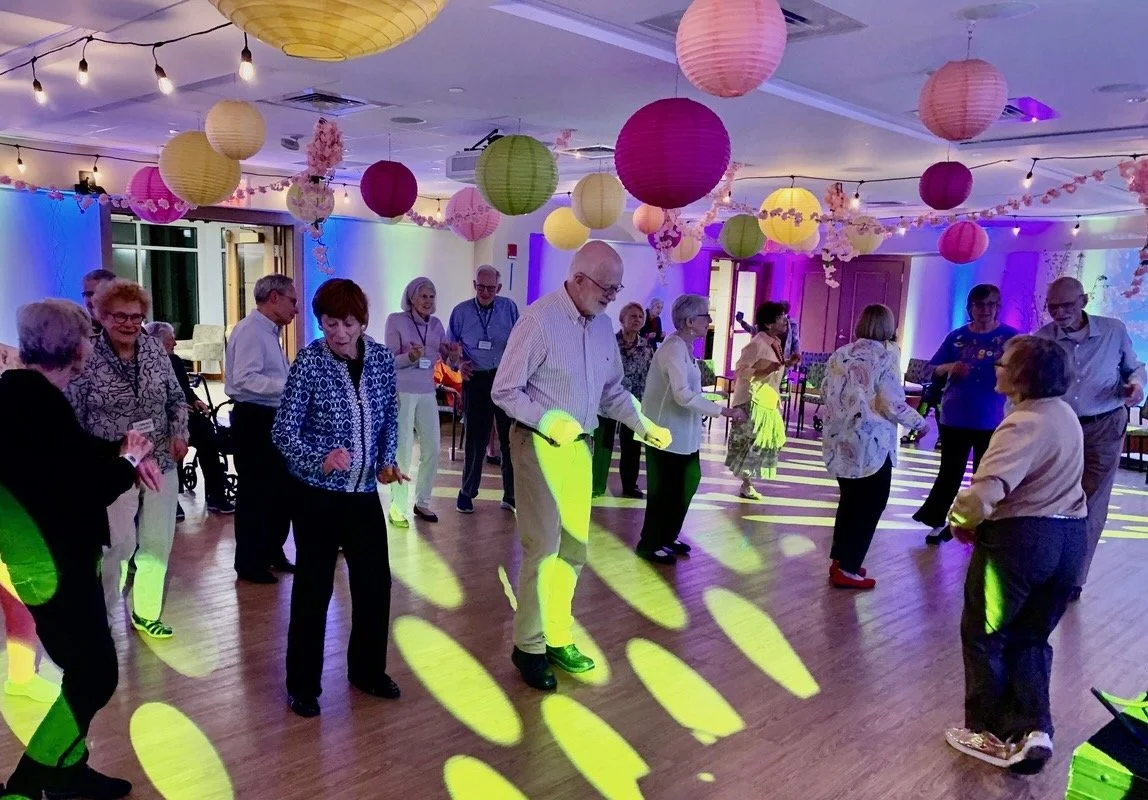
Flinging in the Spring
The Spring Fling had Kendalites rockin’ and a-reelin’ in the Gathering Room April 25. And such moves!
Line dancing to music and all those colored lights
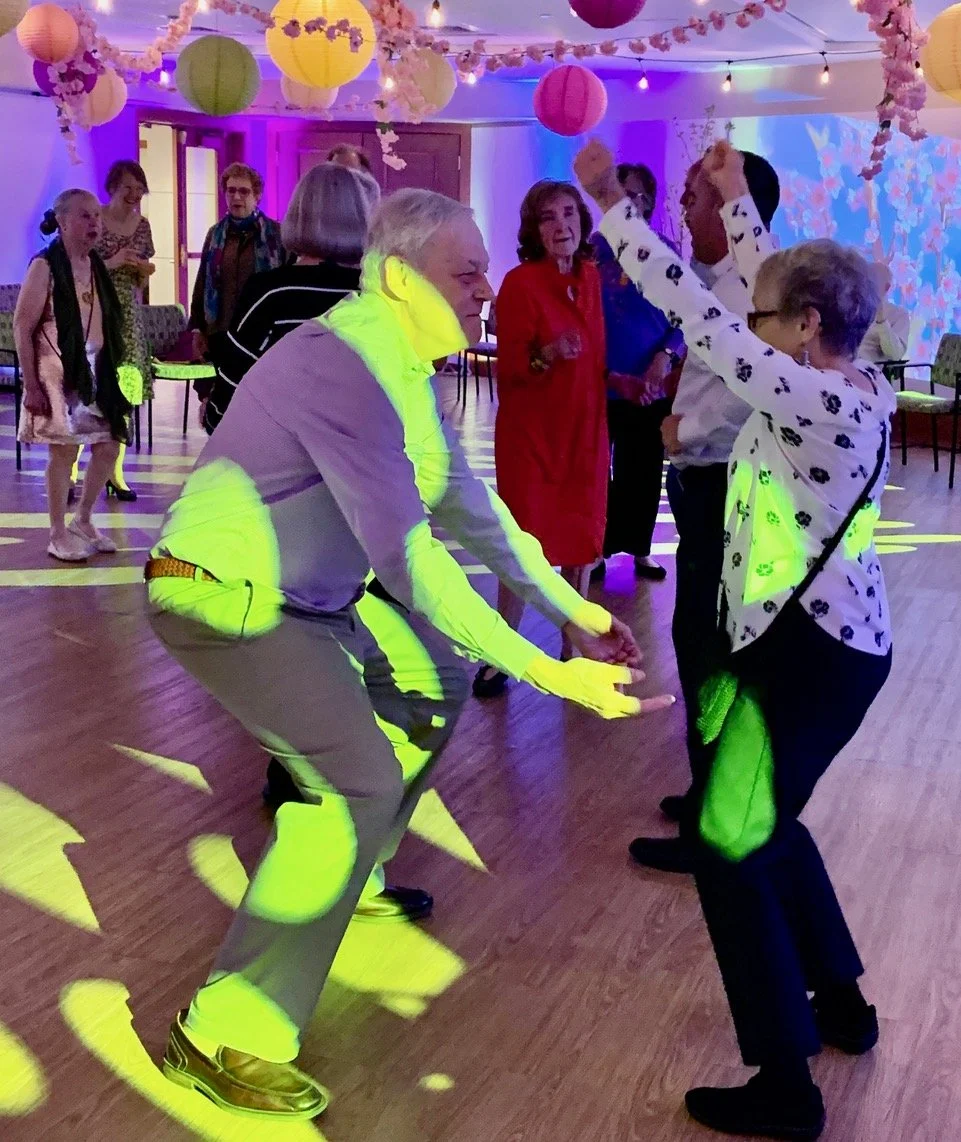
Gettin’ Down!
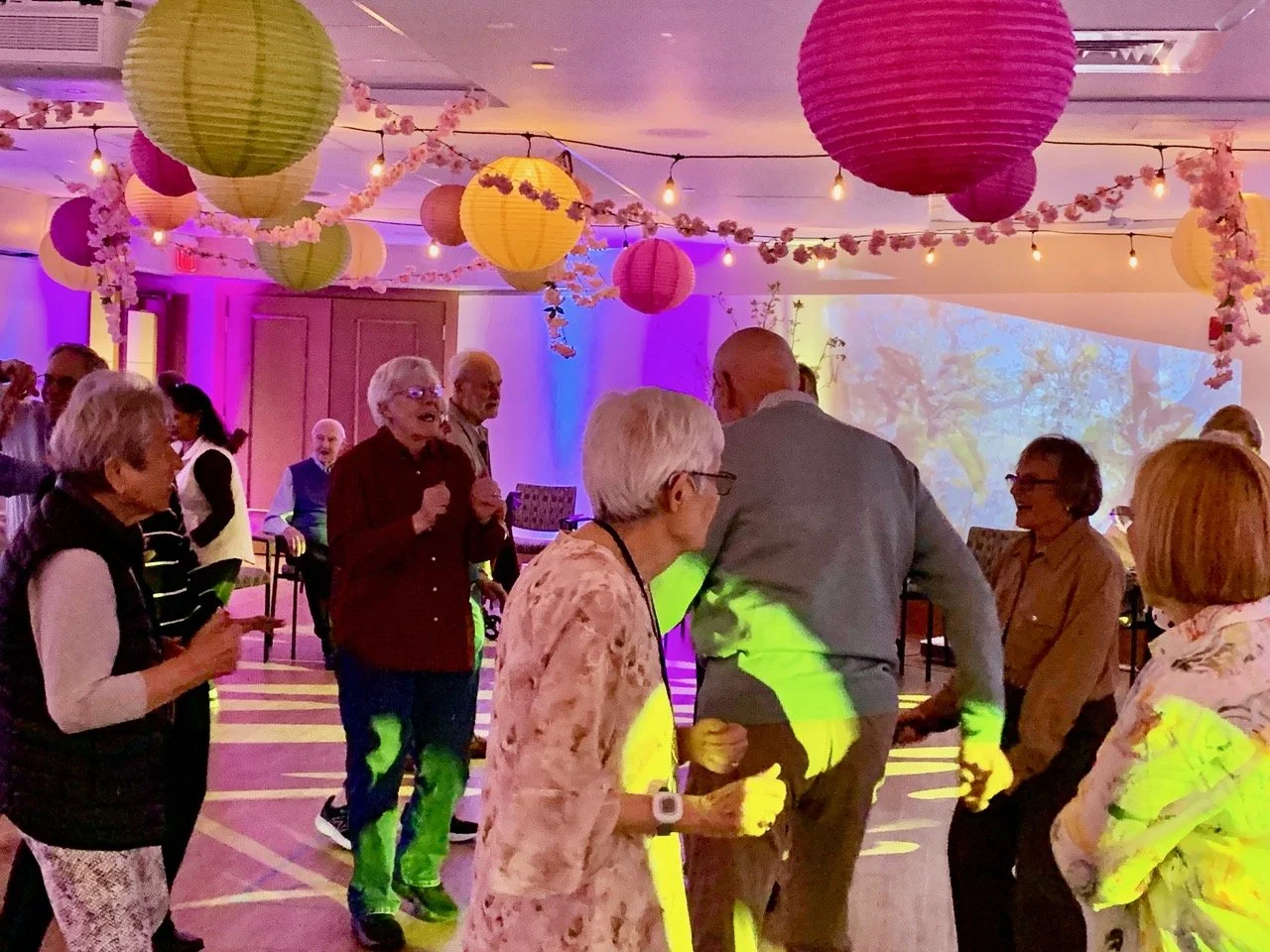
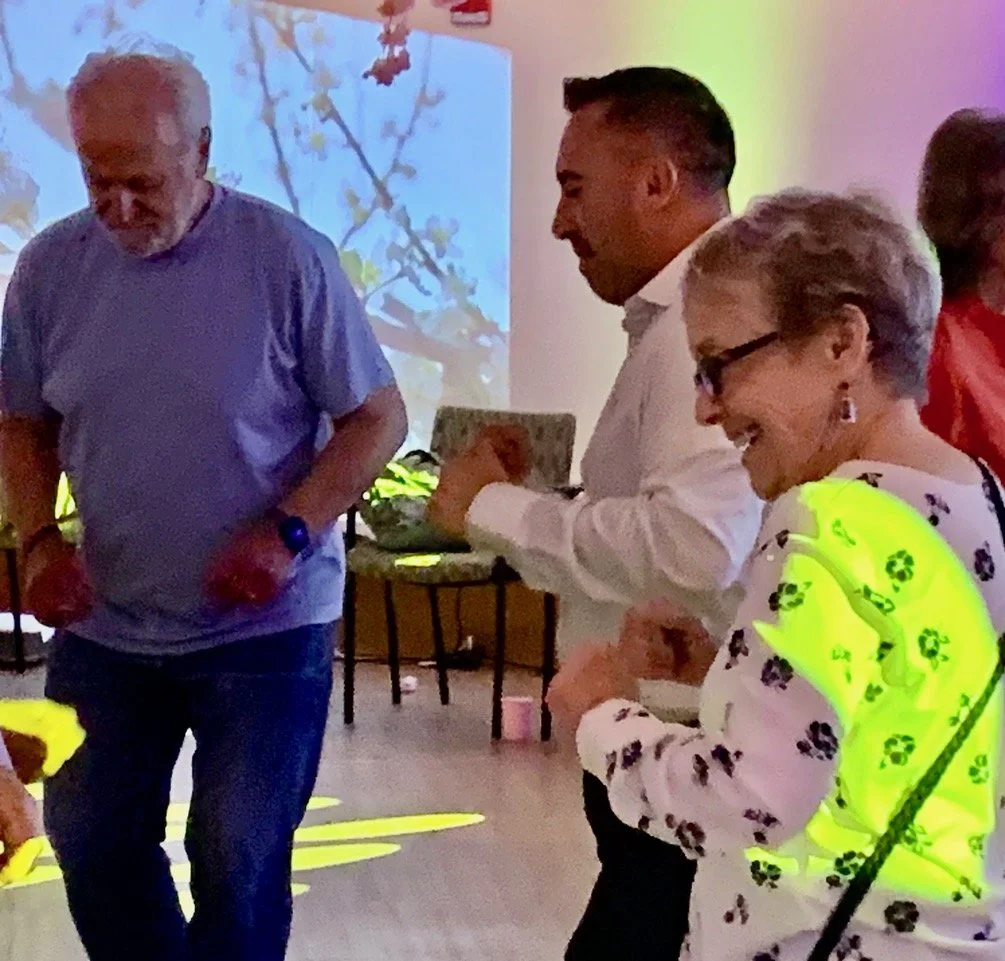
Jorge can’t help but join in
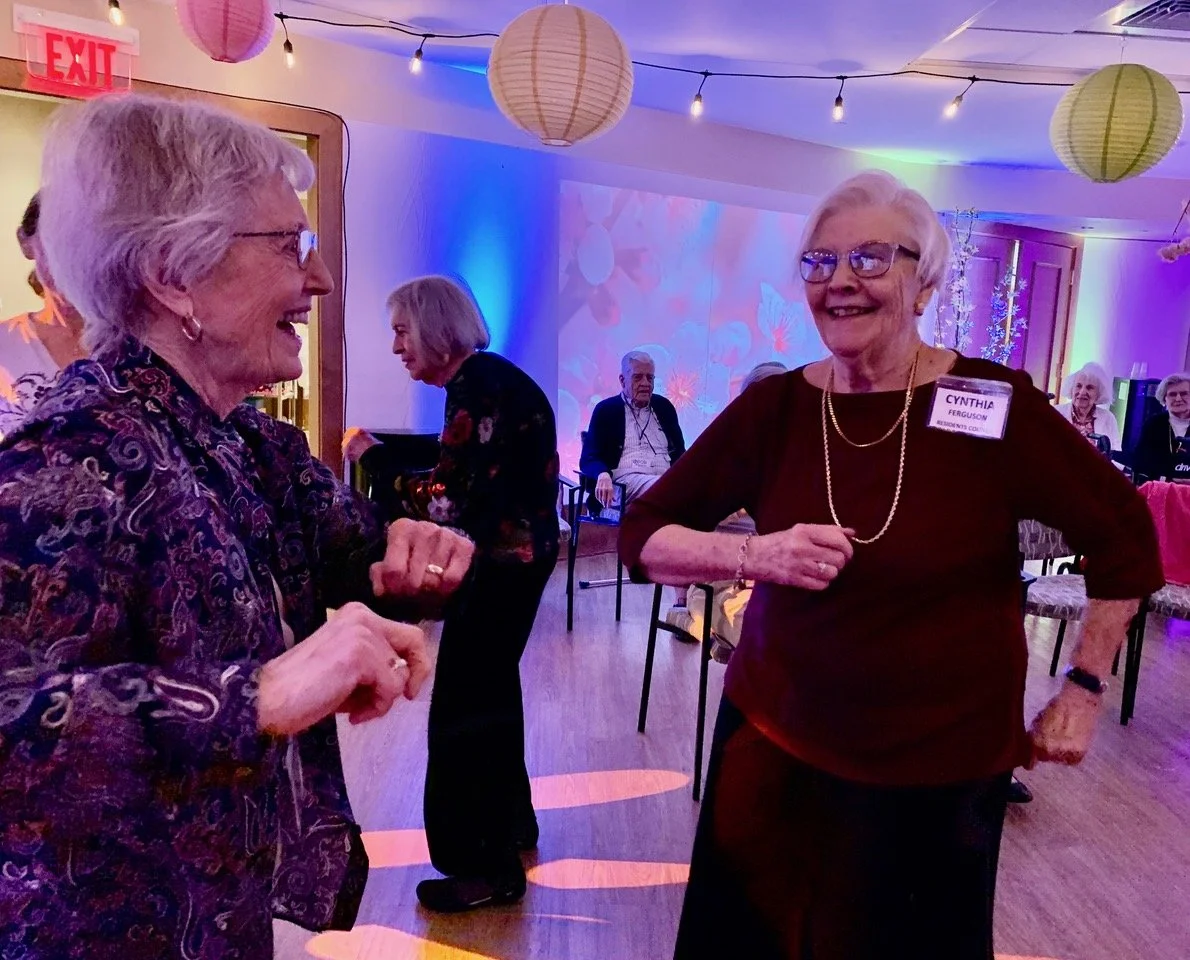
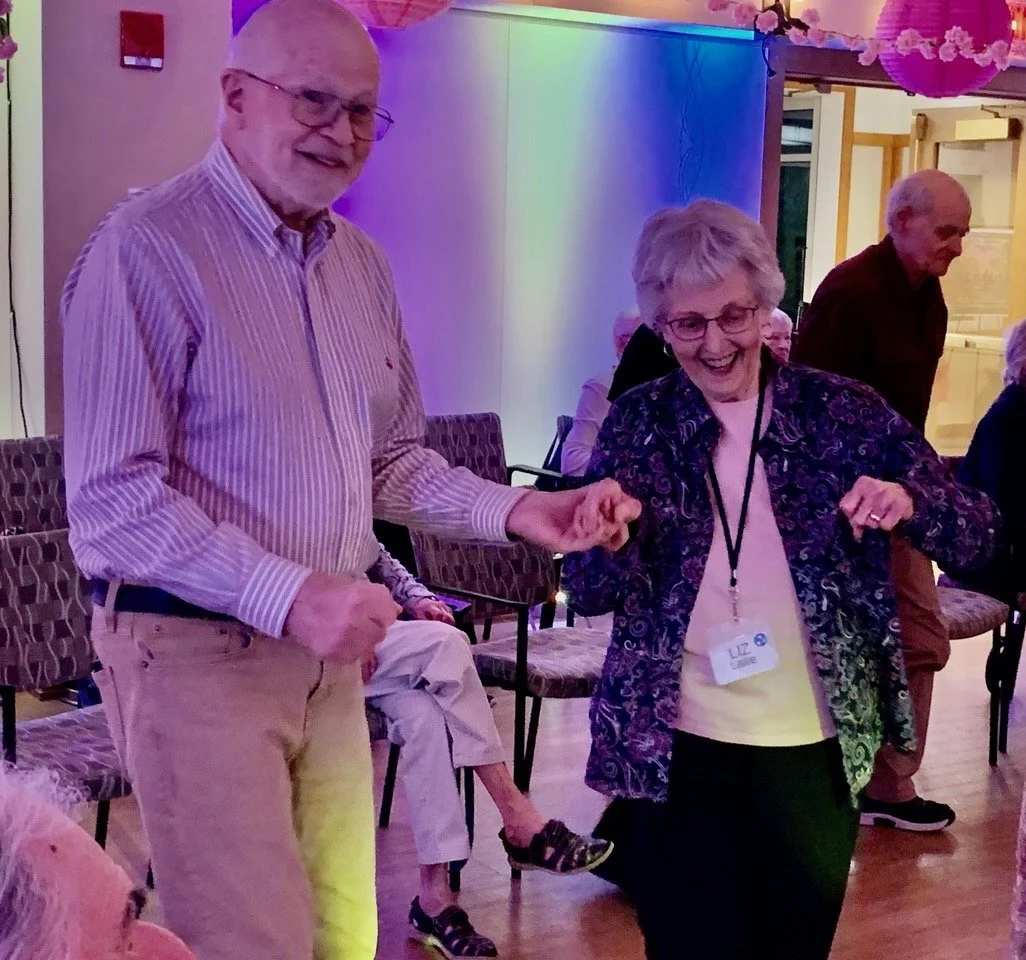
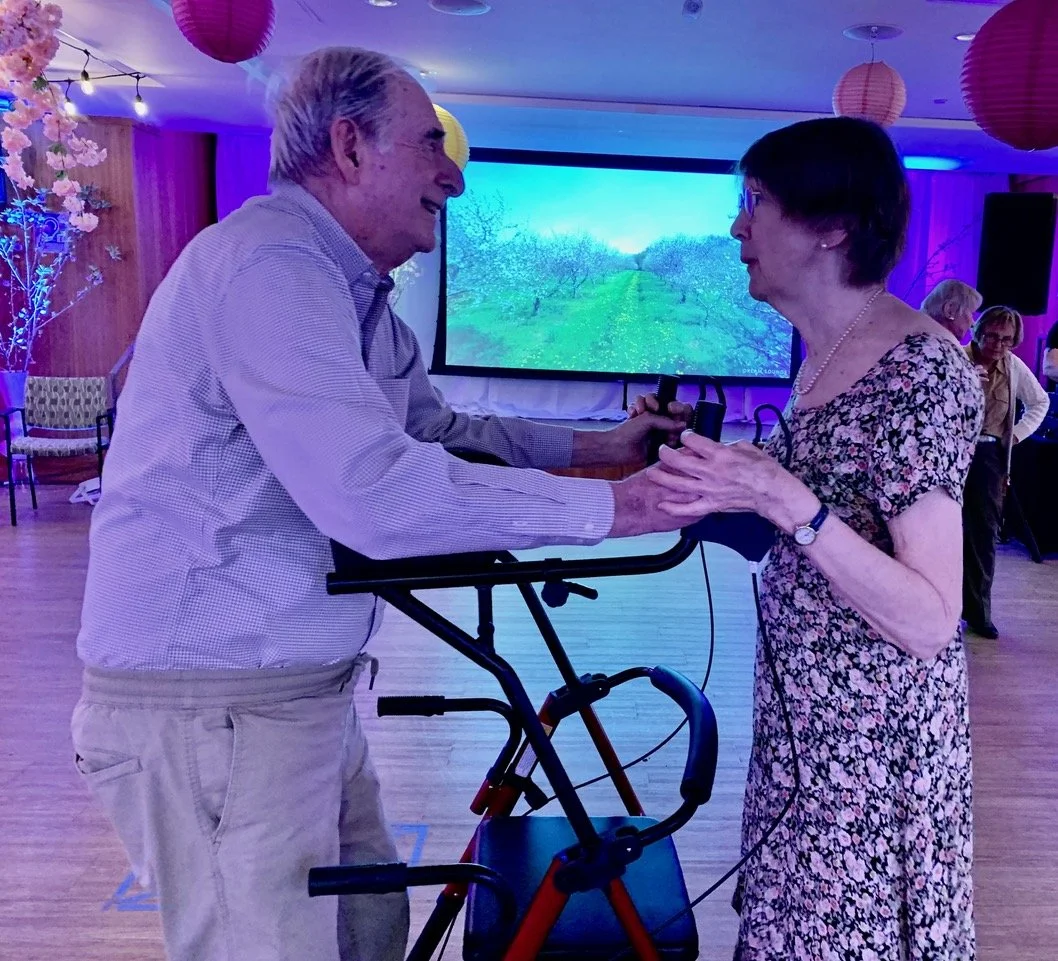
The Romance of Dance
Photos by Harry Bloomfeld
Kendal Fun: It's in the Cards
Canasta Players Wanted
Polo is the game of kings. Fine. Canasta is much more: a game of luck, skill, and—most important of all—fun!

The Kendal Canasta contingent meets Mondays at 3:00 in the Bistro.
Sure, sure, you played Canasta with your grandparents, lo, all those decade ago. Well, hold onto your hat ‘cause this ain’t your granddad’s canasta any more.

Today’s game is called “Modern American Canasta” with new rules and new strategies.
Don’t know how to play? No problem: we’ll teach you. We’re patient and kind instructors.
Know how to play? Come join us!
No cut-throat urges in this group. We encourage and help beginners at all levels. Chat and play at the same time. Enjoy each other’s company.
Want to learn to play? Contact Donna Nye at x1804 (not after 9:00 pm, please) or email: dnye@verizon.net.
Sing-a-long
“Music is forever.” Thus spake Paul Simon. Join the Forever with Kendal’s own folk-song group: Roots and Rhythm!

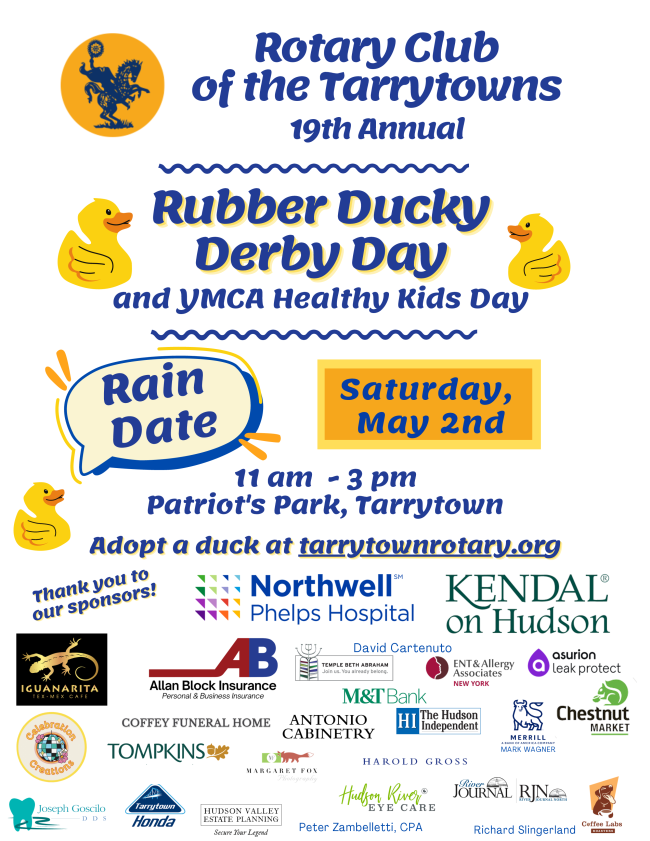
Ducky Derby Postponed to This Saturday
I Never Knew That
The Secrets of Grand Central Station
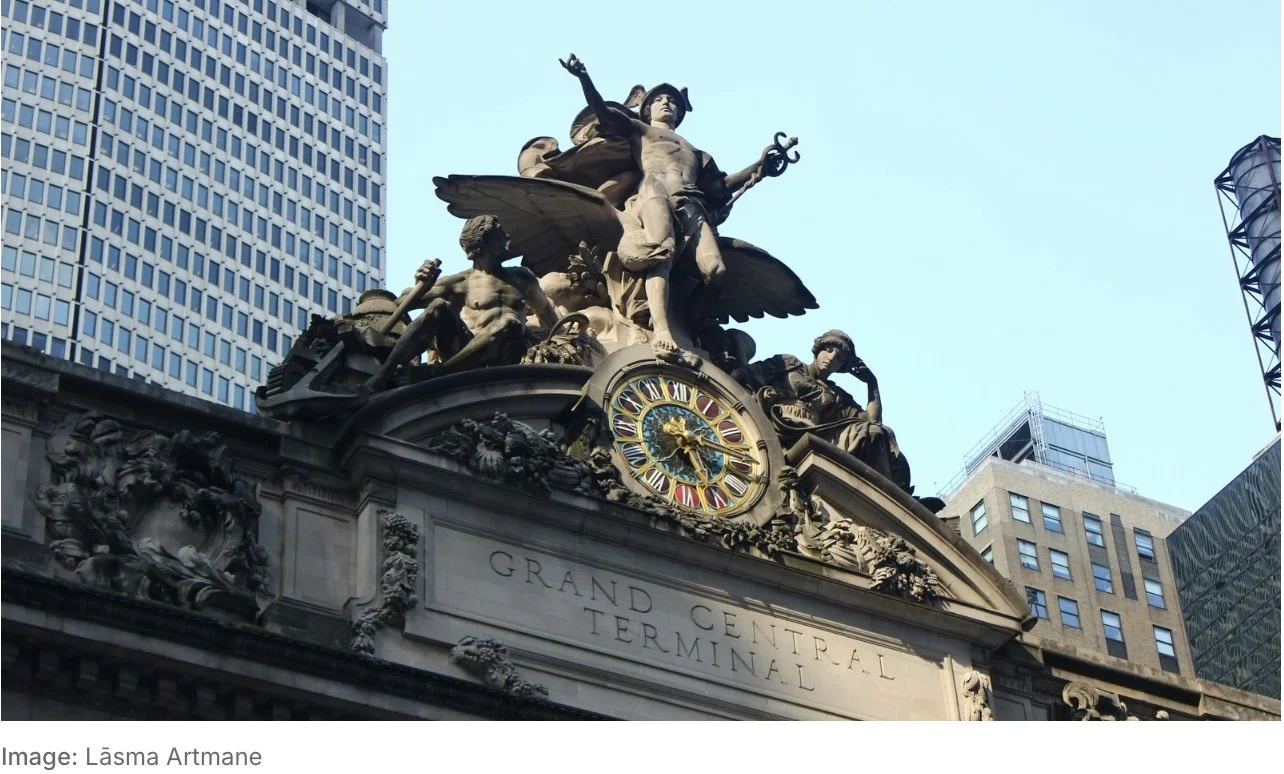
Ever since its public opening in 1913, Grand Central Terminal has been a living piece of New York history. Millions of travelers pass through its marble halls each year, but few realize just how many surprises hide behind those iconic clocks and grand archways. From secret tunnels to a bar tucked inside an old tycoon’s office, Grand Central holds more than a century’s worth of hidden stories waiting to be uncovered. Let’s take a closer look.
1 A bar hidden in plain sight
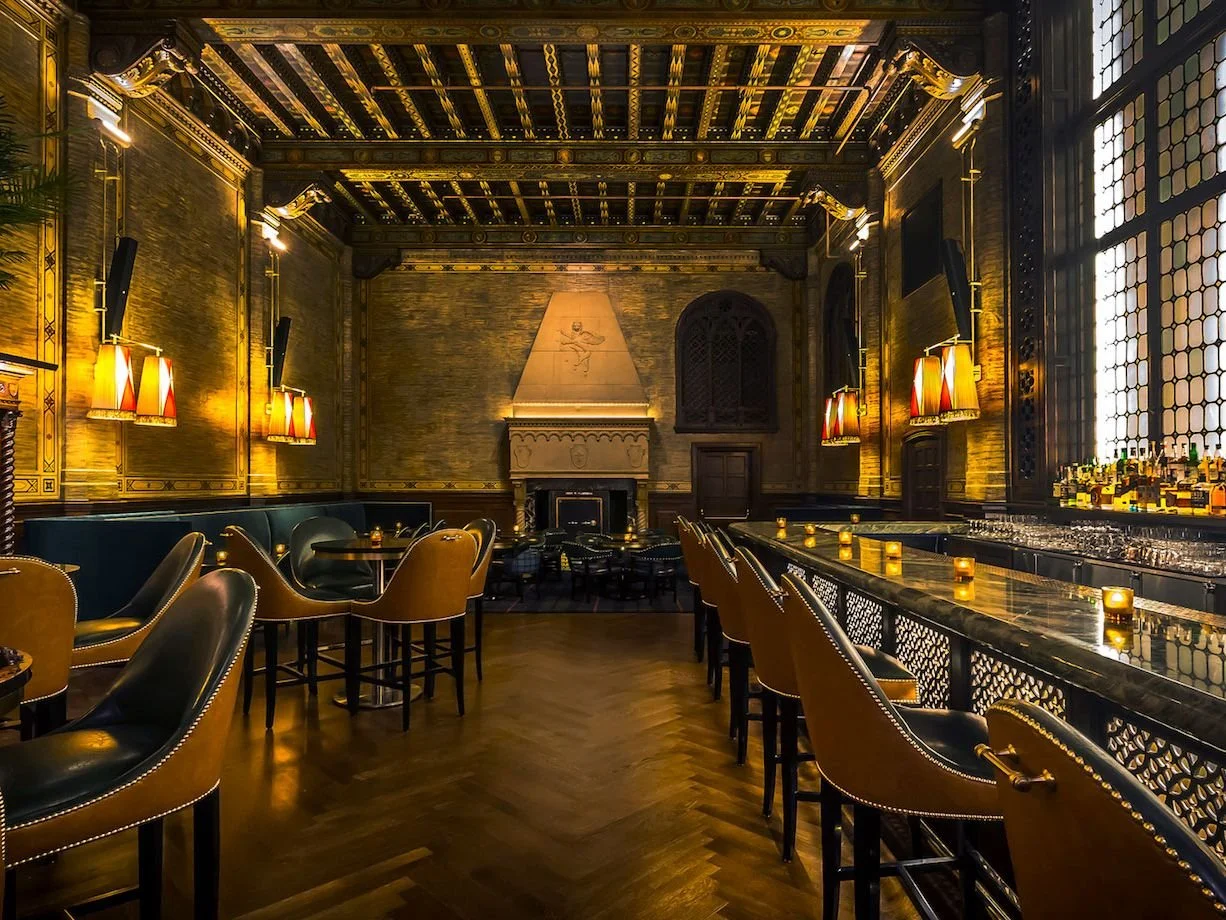
Most visitors know the famous Oyster Bar, but few stumble upon The Campbell, an elegant lounge tucked inside Grand Central. Originally the office of 1920s finance tycoon John W. Campbell, this spot sat forgotten for decades until 1999, before being restored to its former Jazz Age glory. Step inside today, and you’ll find velvet couches, grand rugs, and cocktails that make you feel like you’ve time-traveled back to the roaring 1920s.
2 Two clocks worth a fortune?
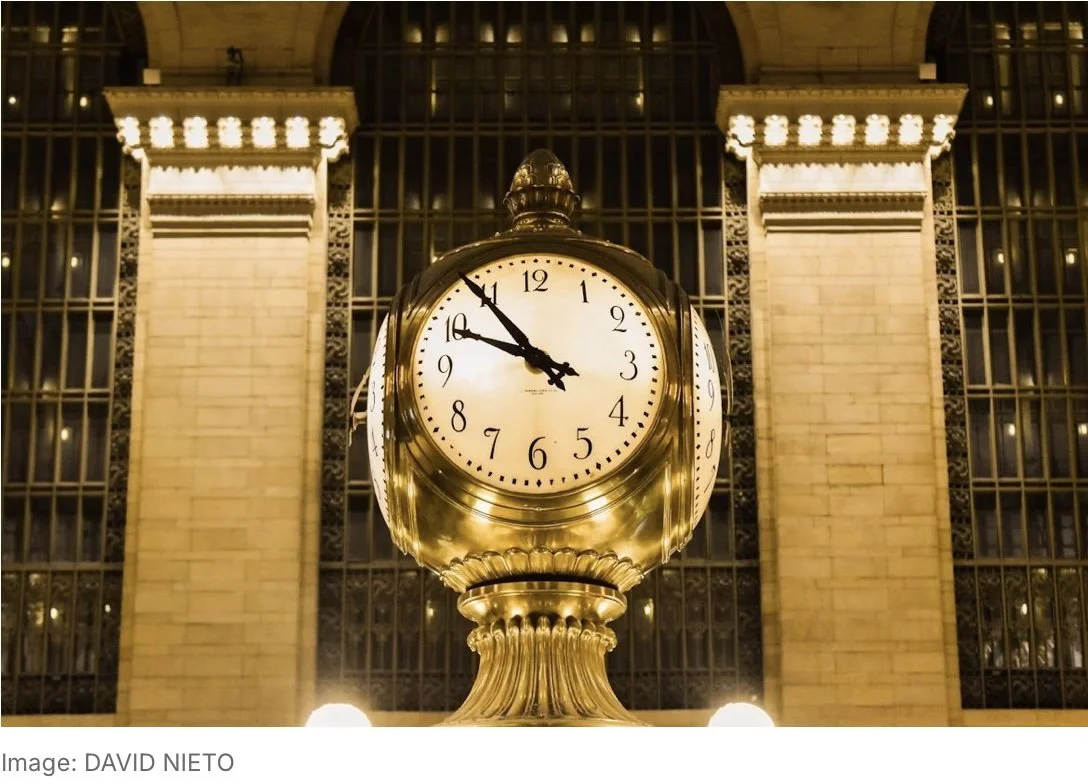
Grand Central has one of the most valuable clocks in the world, although there’s a myth that says there are two. The Tiffany clock outside towers 14 feet across, framed by Roman gods carved in stone. This clock is worth around $20 million. Inside the terminal, the four-faced opal clock crowns the information booth. Contrary to popular belief, this clock was not made of an actual opal, but out of opal glass, so there’s nothing priceless about it.
3 Hidden oaks and acorns
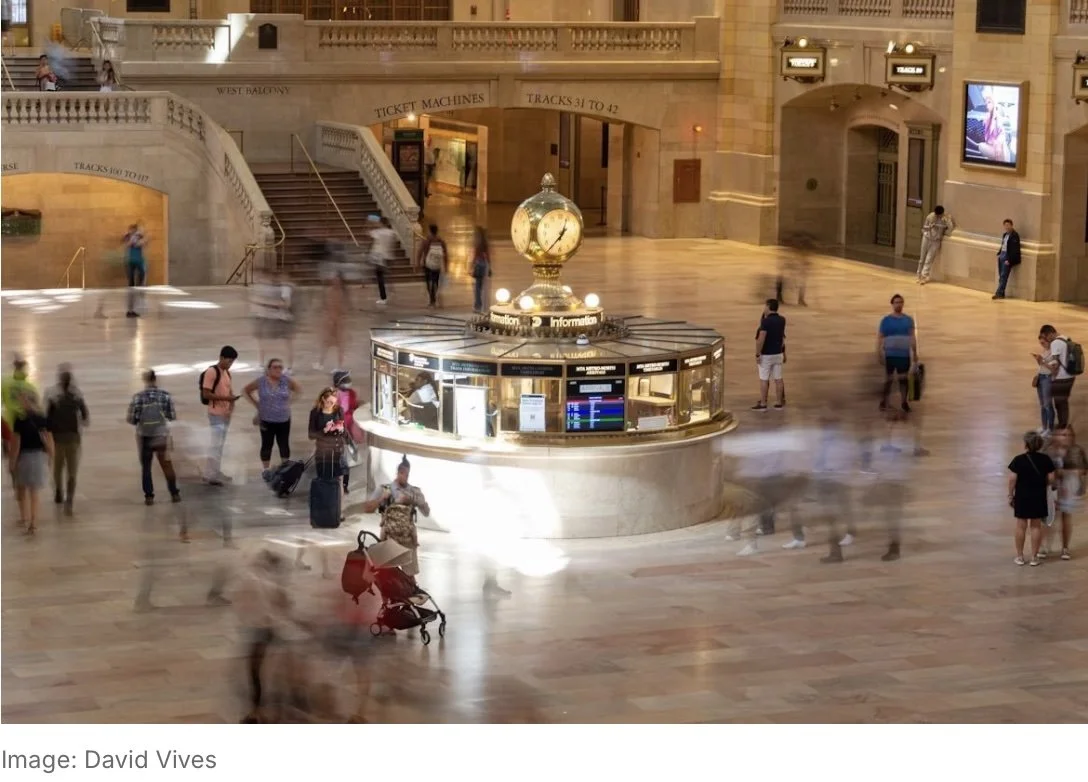
Take a closer look around, and you’ll start spotting oak leaves and acorns carved into chandeliers, railings, and stonework. These aren’t random designs. They’re a nod to the Vanderbilt family’s symbol: The acorn. The family funded the terminal’s construction in 1871 and wanted everyone to know it. Now, their family symbol quietly decorates every corner of their legacy.
4 The mysterious whispering gallery
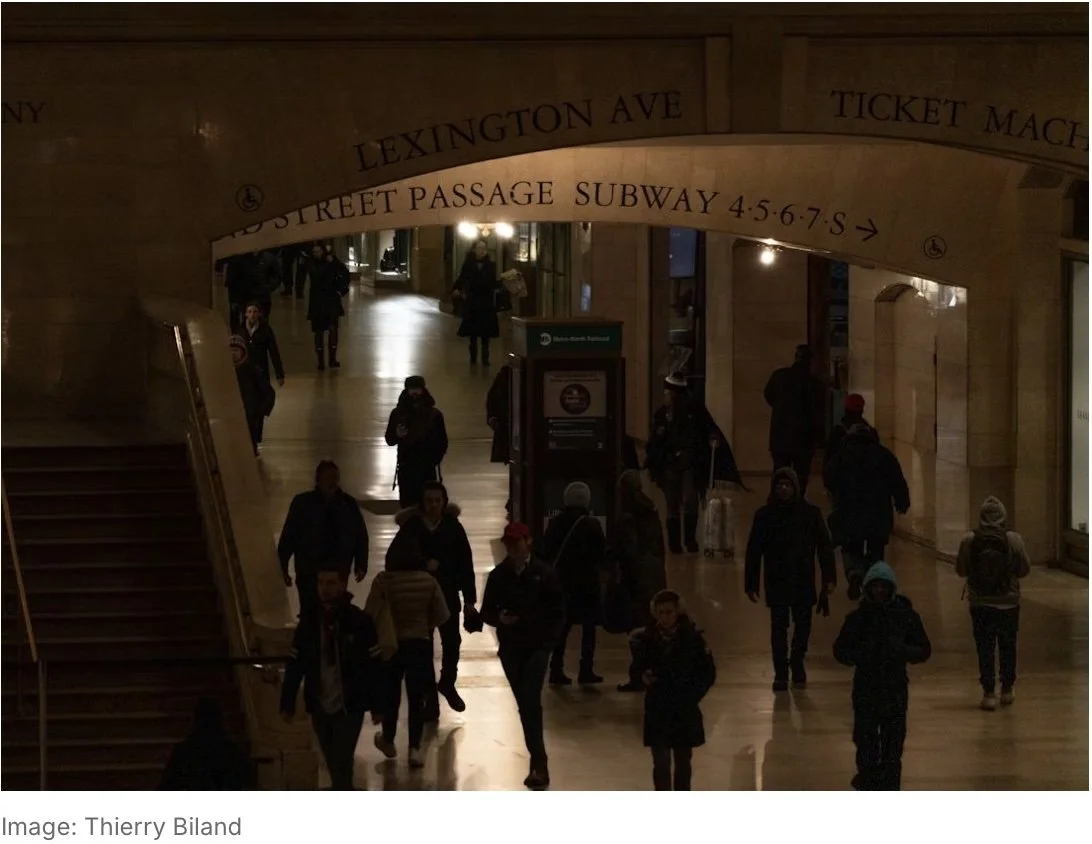
If you whisper into one corner of the tiled archway near the Oyster Bar, someone standing diagonally across can hear you perfectly. The “Whispering Gallery” is one of Grand Central’s quirkiest secrets. The Guastavino tiles that make up the arched ceiling carry sound in an odd way, creating an intimate little magic trick—though no one really knows whether it was designed that way or just a happy accident.
5 A sky painted backwards
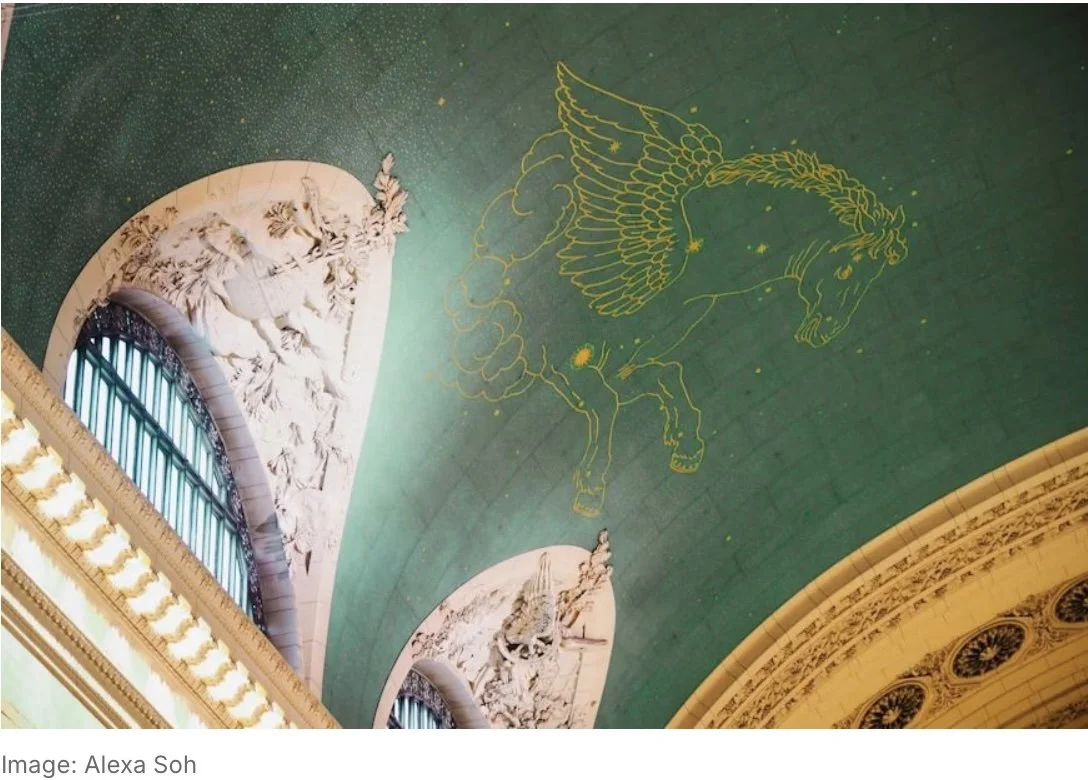
Look up, and you’ll see the breathtaking celestial mural that covers the concourse ceiling. But here’s the kicker: the constellations are painted backwards. Whether it was a mistake or an artistic choice remains debated, but the Vanderbilts claimed it was intentional—to give us the '“divine perspective” of looking down at the heavens. Either way, it’s still one of the most photographed ceilings in the world.
6 Game, set, match—inside a train station
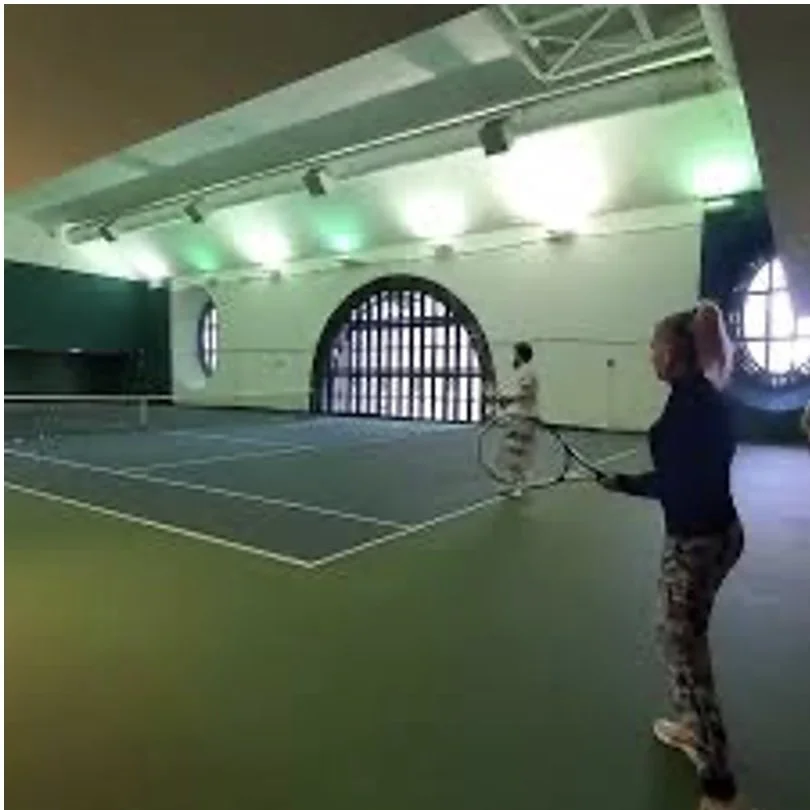
If you think tennis in a train terminal sounds impossible, think again. The Vanderbilt Tennis Club, perched on Grand Central’s fourth floor, is open to the public. You can book a court, take a lesson, or just peek inside to see this unexpected slice of luxury tucked away above the bustling commuters below.
7 Secret Walkways above the windows
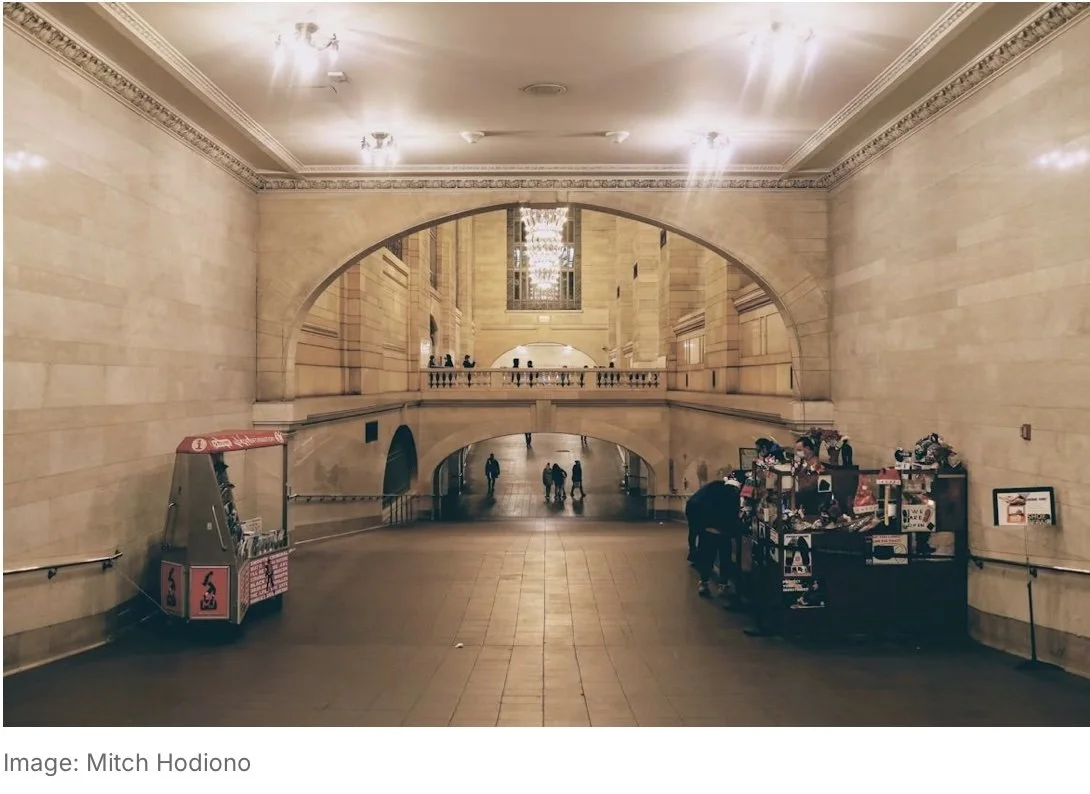
Those grand arched windows in the main concourse aren’t just decorative; they hide narrow walkways used by staff to move unseen between offices. These catwalks give a bird’s-eye view of the terminal, though they’re strictly off-limits to the public. Only a select few with key passes get to experience the view from up there.
8 A hidden entrance to the Waldorf
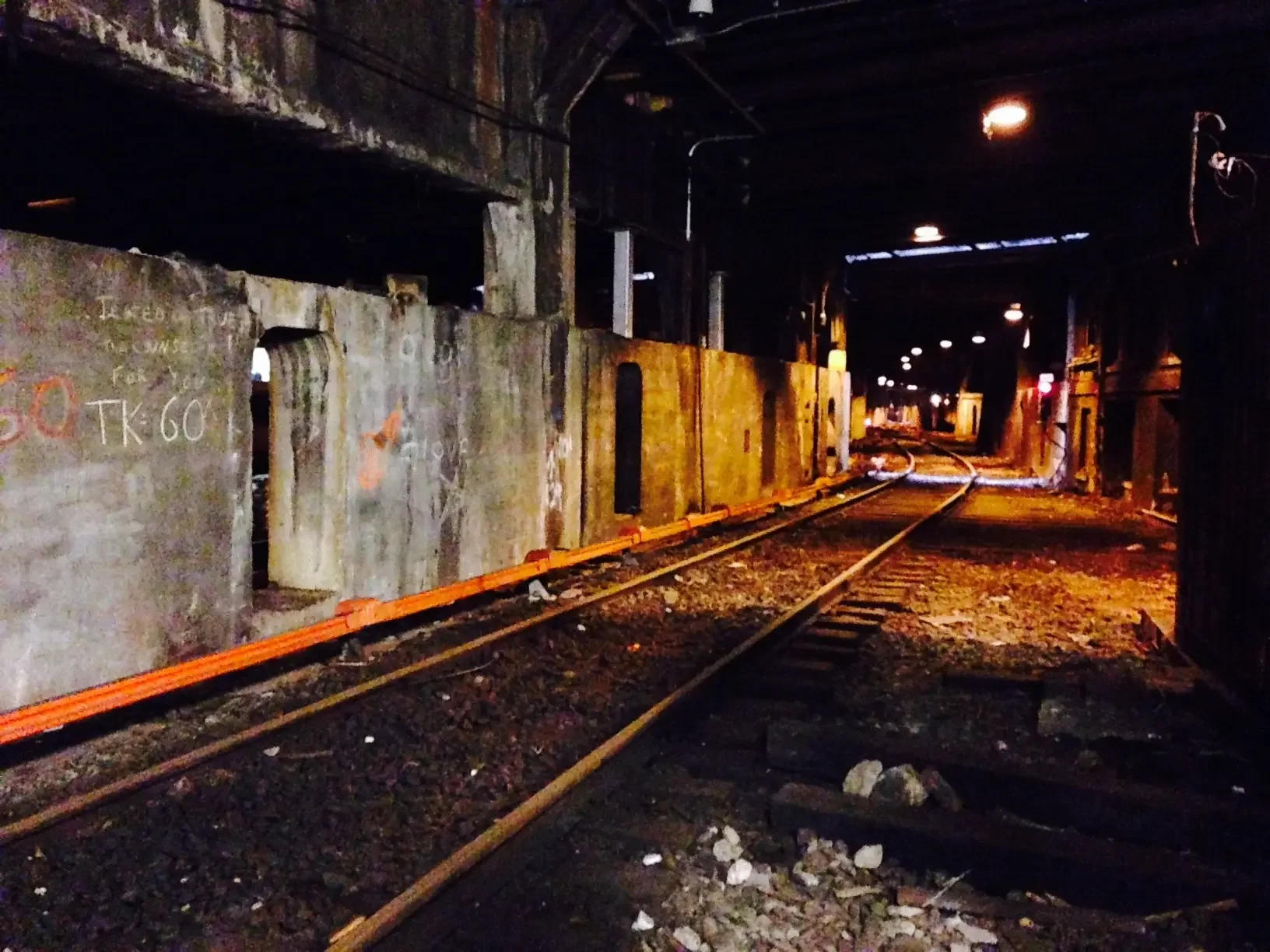
Deep beneath Grand Central lies Track 61, a secret passage that once connected directly to the Waldorf Astoria Hotel. It was used by VIPs who preferred to travel without public attention—most famously, President Franklin D. Roosevelt, who used it to conceal his polio and wheelchair from the public eye. Today, it’s sealed off, but the legend remains.
9 Almost lost to the wrecking ball
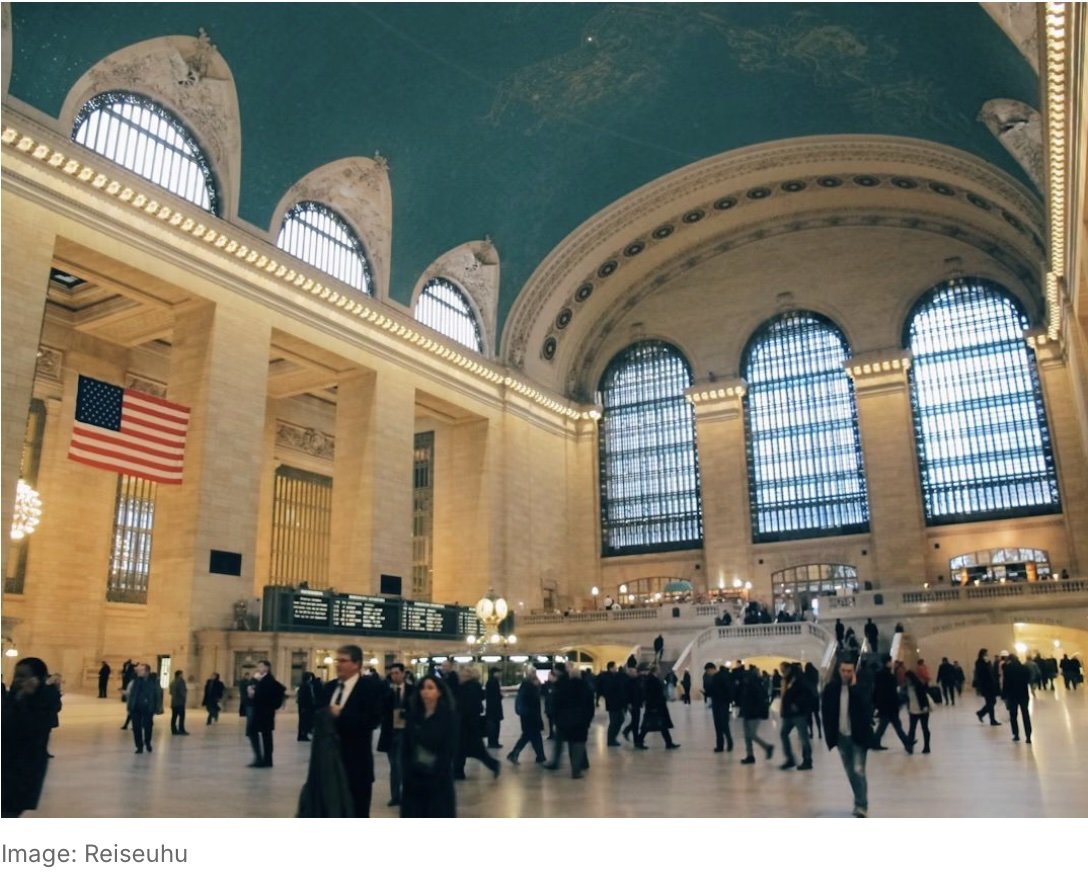
In the 1960s, plans were made to tear down Grand Central and replace it with skyscrapers. After the destruction of Penn Station in 1963, New Yorkers were not having it. Thanks to the efforts of preservationists, Grand Central was saved and officially declared a landmark in 1967. Their fight ensured we could still enjoy one of the city’s true architectural gems.
10 A 21st-century makeover
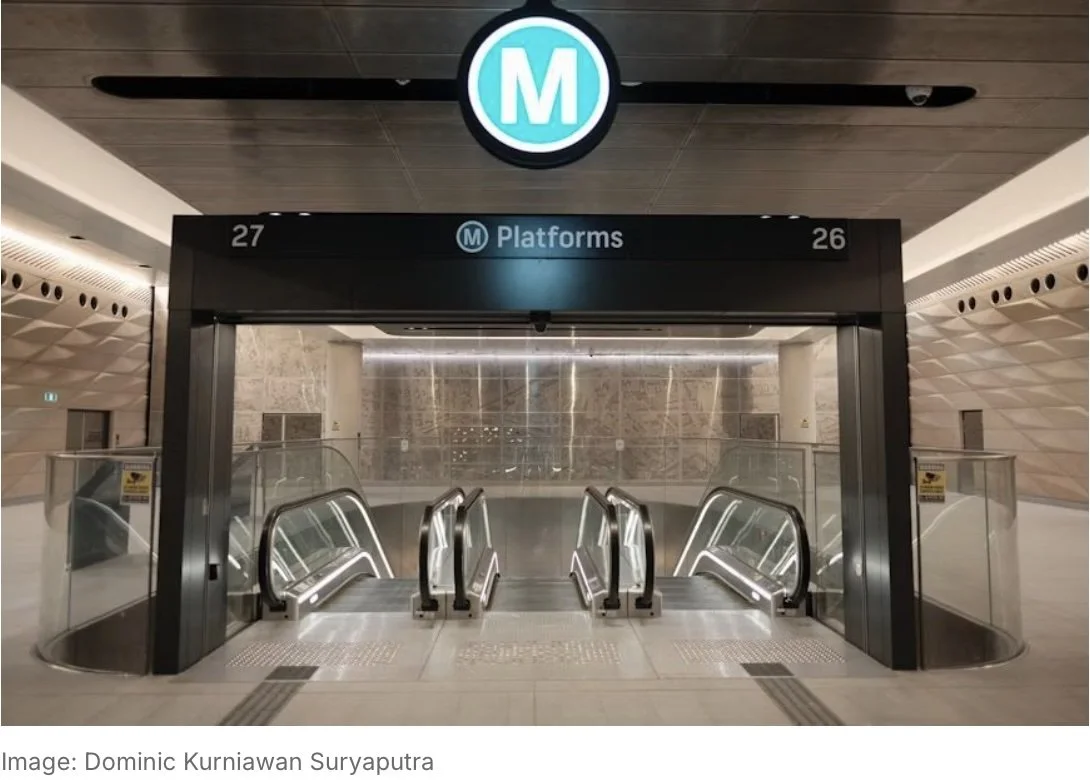
While much of Grand Central dates back to 1913, its evolution continues. The massive East Side Access Project, completed in 2023, added a new terminal for Long Island Rail Road passengers, complete with 40 miles of new track buried beneath Park Avenue. It’s a modern expansion of a century-old masterpiece.
Source: theamericanfacts.com