

From the office of Ellen Ottstadt
What's So Punny?
Venison for dinner again? Oh deer!
England has no kidney bank, but it does have a Liverpool.
I tried to catch some fog, but I mist.
They told me I had type-A blood, but it was a Typo.
I changed my iPod’s name to Titanic. It's syncing now.
Jokes about German sausage are the wurst.
Don’t worry about old age; it doesn't last.
Contributed by Simone
I Never Knew That
It Can Take Two Weeks to Make One Jelly Bean

The next time you pop some jelly beans into your mouth, you may want to take a moment to appreciate just how much effort goes into producing these bite-sized delights. As explained by industry giant Jelly Belly, the process begins by heating a sugar, cornstarch, corn syrup, and water mixture—known as a slurry—and adding fruit purée, juice concentrate, or other ingredients for flavoring. From there, the mixture is squirted into cornstarch-coated molding trays, and left to solidify into the chewy jelly bean centers.
The following day, the bean centers are sent through a steam bath and a sugar shower to keep them from sticking. They are then loaded into a spinning machine for a process known as panning, in which sugar and syrup are manually applied over the course of two hours to slowly build each bean’s candied shell. Following another settling period, the candies receive an additional syrup coating, before being polished with confectioner’s glaze and beeswax. Upon earning a final thumbs-up by way of visual inspection and spot taste-testing, the beans are stamped with the Jelly Belly logo and shipped out into the world.
It’s a lot of shower, rinse, rest, and repeat for a process that takes seven to 14 days to complete. And while that might seem like an outsized increment of time for such a tiny edible, the Americans who gobble down an average of 16 billion jelly beans every Easter seem to think it's worth it.
Nobody knows for sure where jelly beans came from, but they’re said to have descended from a pair of European predecessors: jellied Turkish delights, which became the pride of Istanbul in the late 18th century, and Jordan almonds, which began receiving their candy shells in the 15th century. Allegedly mentioned early on in a Civil-War-era advertisement from Boston candymaker William Schrafft, jelly beans were considered a Yuletide specialty by the end of the 19th century, before becoming more closely associated with Easter within a few decades. But perhaps the biggest step in jelly-bean history came in 1965, when the Herman Goelitz Candy Company found a way to flavor both the chewy center and the crunchy shell of their Mini Jelly Beans, creating the modern marvel enjoyed by candy connoisseurs everywhere.
Source: interestingfacts.com, Tim Ott and Bess Lovejoy.
For Your Funny Bone






My Husband's Life Artist Book, by Sheila Benedis
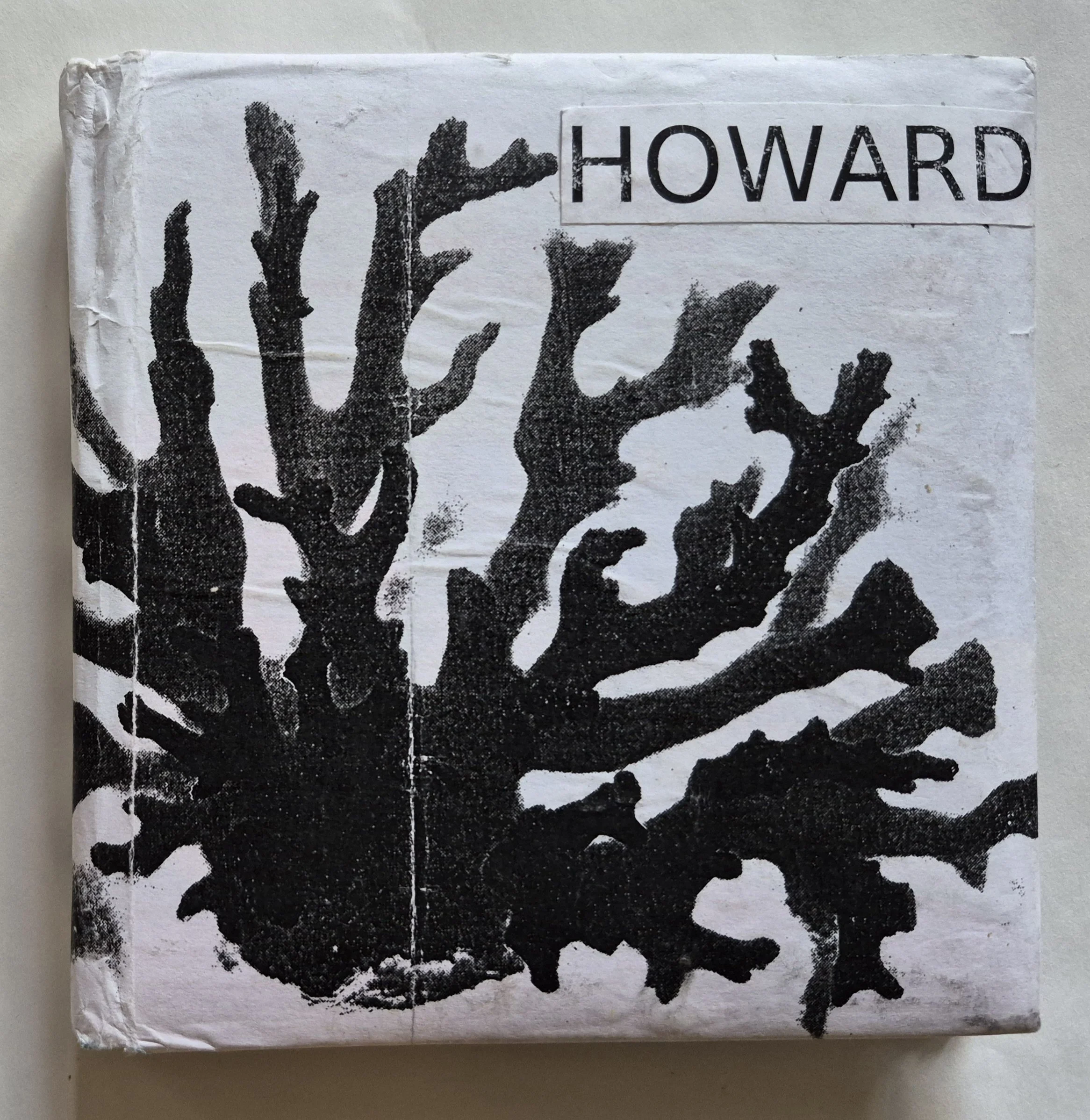
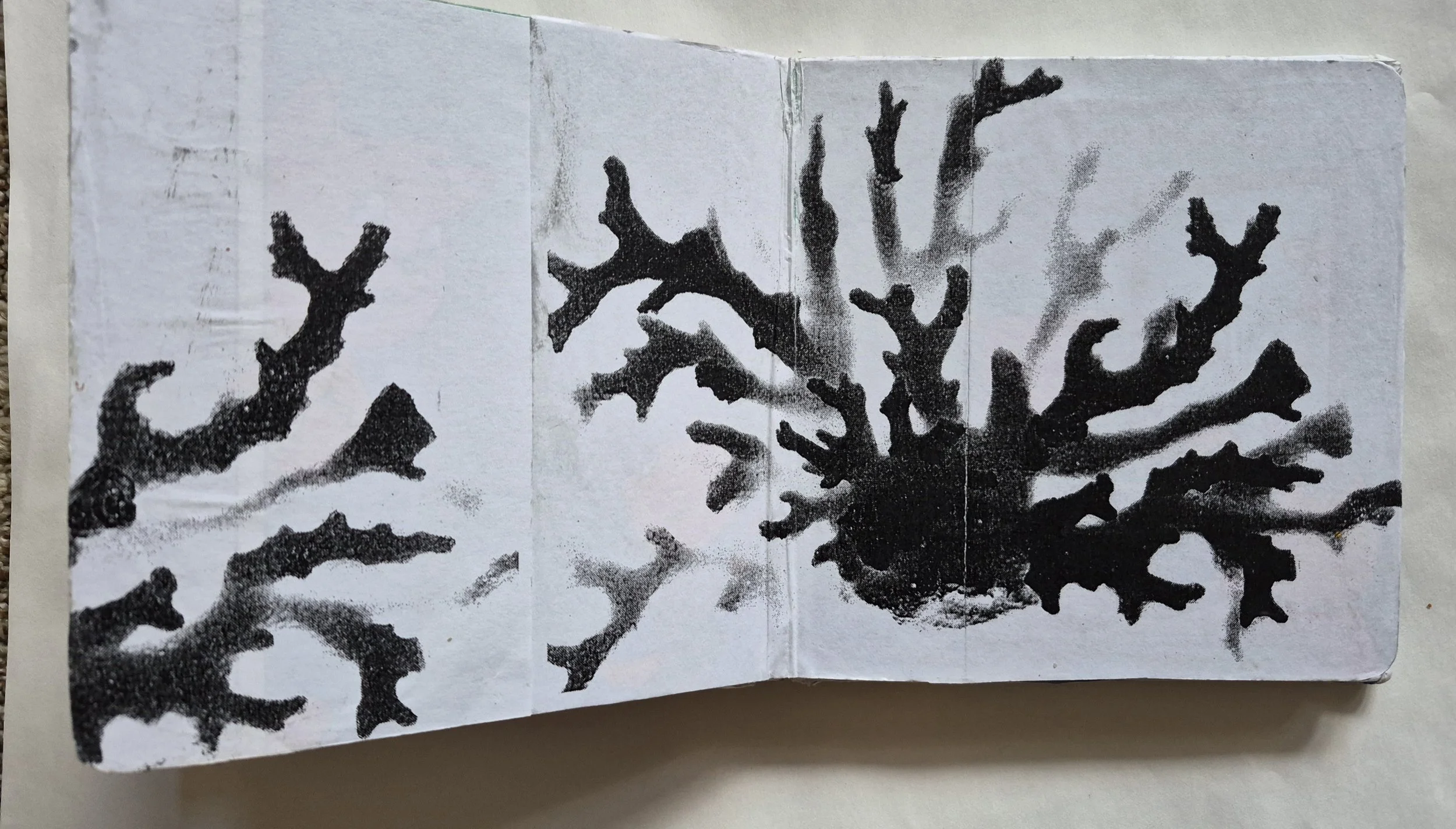
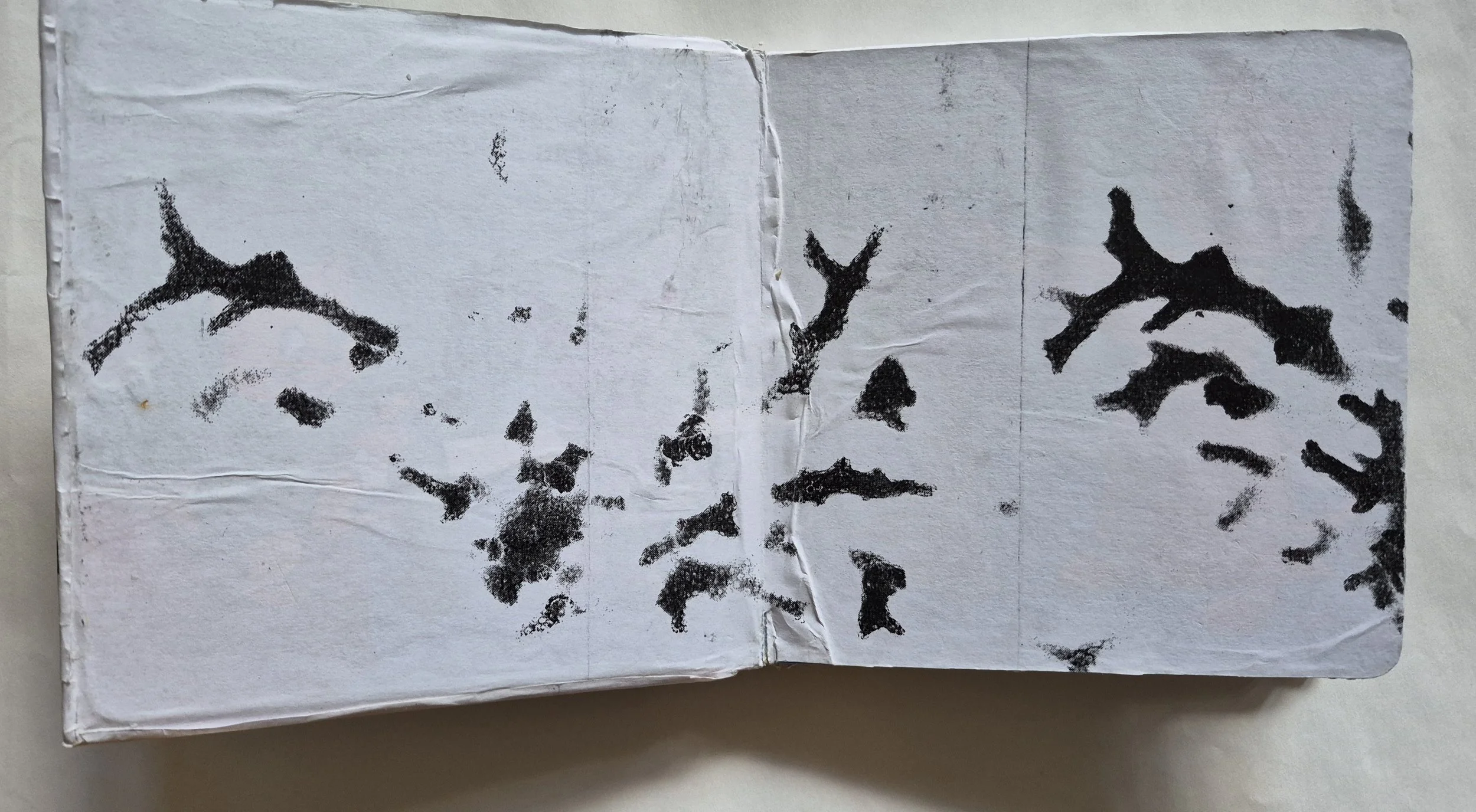


Art and photos by Sheila Benedis
Art by Hart
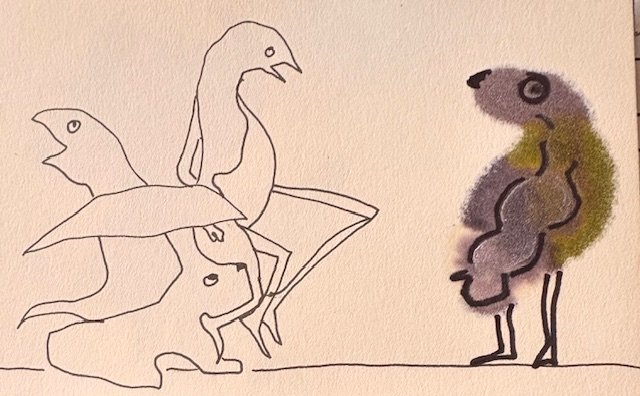
Burnside always liked to book an extra week in hibernation

It was a rare creamsicle sunrise
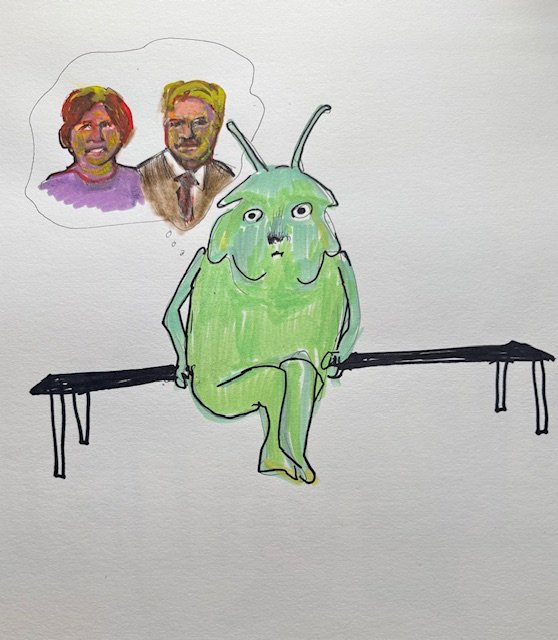
Hutchins saw two creatures from another planet, and it scared him silly
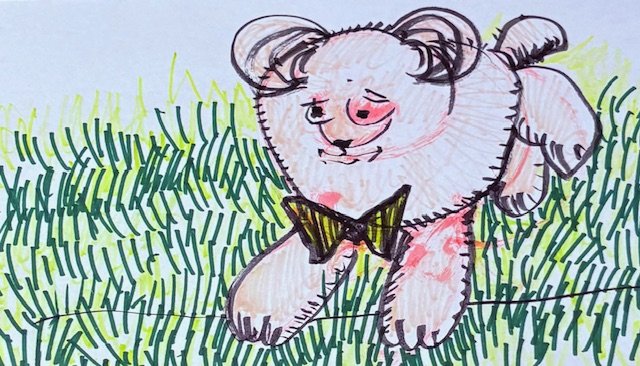
When Geoff wanted to go incognito, he wore his butterfly disguise
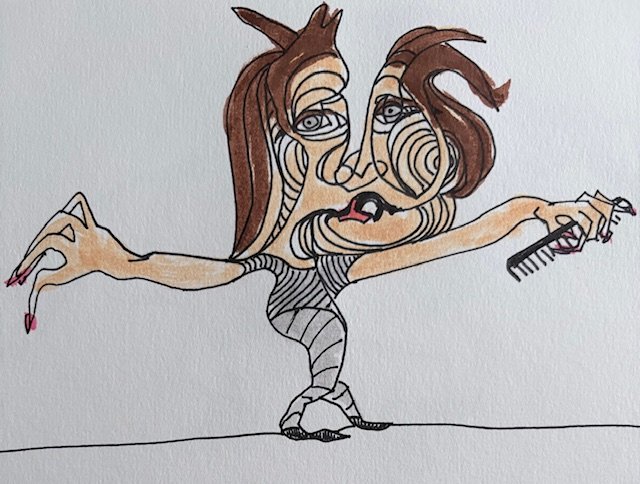
Bella’s profession was tightrope walker, but her obsession was parting her hair
Art and photos by Jane Hart
In and Around Kendal
River Watch

Looking down river, by Edward Kasinec

Photo by Carolyn Reiss
Out on a Limb
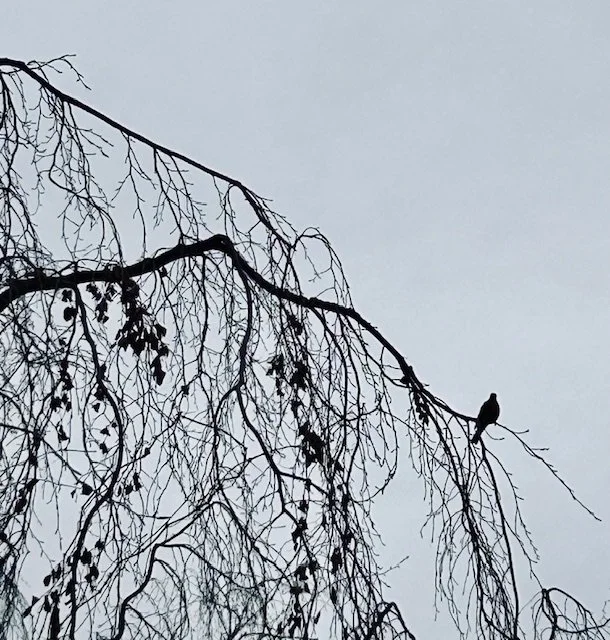
Photo by Carolyn Reiss
Out and About
The Flowers That Bloom in the Spring—Tra La
Carolyn Reiss recently visited the New York Botanical Garden to see the annual Orchid Show—where the exceptional beautifully meets the more mundane of life.

Photo by Carolyn Reiss
Come Dance the Night Away
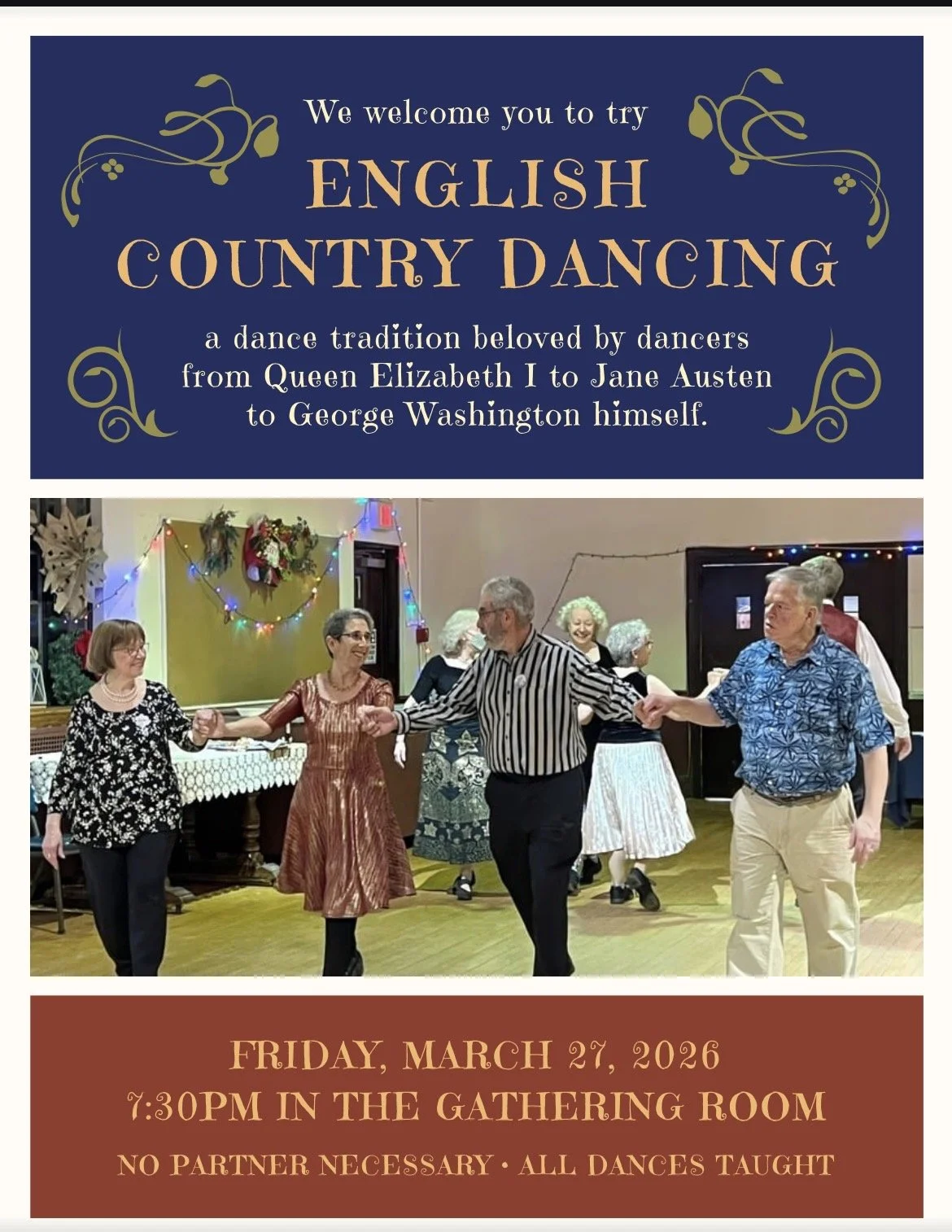
Come and try some elegant and gentle English Country Dancing !
We’ll have live music, an experienced teacher, refreshments, and lots of fun.
All dances will be taught and no partner is necessary.
Folks have been enjoying these dances and many updated versions for hundreds of years! Come join the fun!
Weekly Construction Report

The New Pool

New pool ceiling (doesn’t show in the pictures, but it is light blue)

The hallway of the locker rooms.

The rinse-off shower in the pool. There will be tile on the walls and floor.
Dining Managers Offices

Director of Dining Office

Dining Manager’s Office
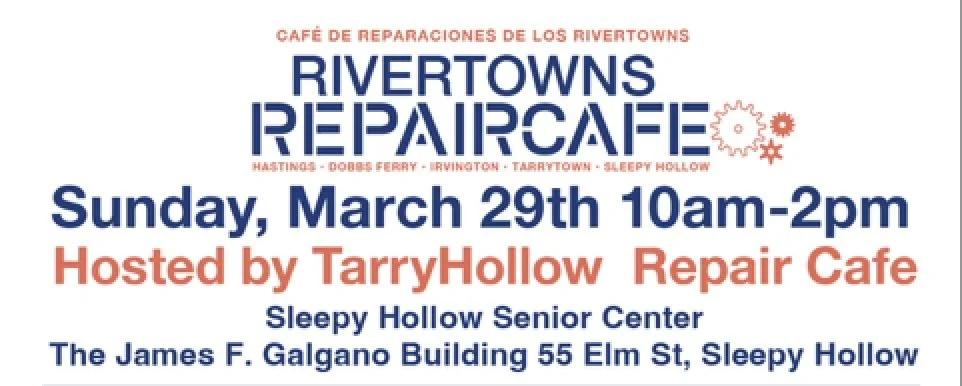
Repair Cafe: Free Help for Busted Items

I Never Knew That
Potatoes Were Once Banned Because They Were Linked to Witchcraft
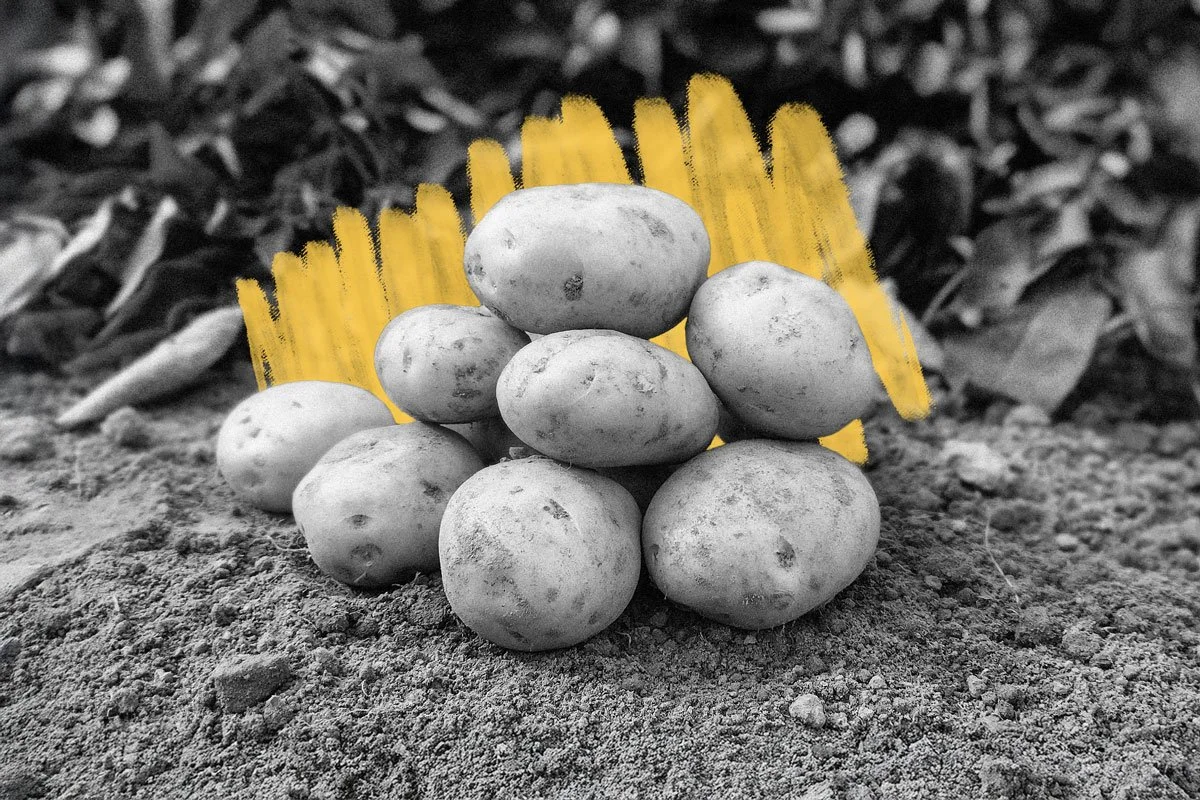
People have historically behaved irrationally when they’re of the belief that witches are about. In addition to holding trials and inspiring plays by Arthur Miller, the denizens of the past once went so far as to ban the humble potato because they believed it was linked to witchcraft.
Everyone’s favorite tuber originated in the Americas and wasn’t introduced to Europe until the late 16th century, at which time potatoes were looked upon with fear and suspicion. Botanists identified the tubers as members of the poisonous nightshade family, leading to their association with devil worship and witchcraft. (While potatoes belong to the same family as deadly nightshades, they do not contain the same toxins.) They also aren’t mentioned in the Bible, which some religious thinkers of the time interpreted as a sign they weren’t meant to be eaten. All of that was enough for France’s Parliament to outlaw potatoes from 1748 until 1772, when King Louis XV overturned the ban. The king was persuaded by a medical officer by the name of Antoine-Augustin Parmentier, who was fed little else during his time as a prisoner of war and found his confinement surprisingly tasty and nutritious.
Elsewhere in food-related superstitions, Europeans spent centuries depriving themselves of tomatoes because they believed that tomatoes were poisonous. The pewter plates tomatoes were sometimes eaten on contained lead that was leached by the fruit, resulting in the misconception.
Source: Michael Nordine, historyfacts.com, February 26, 2026
For Your Funny Bone





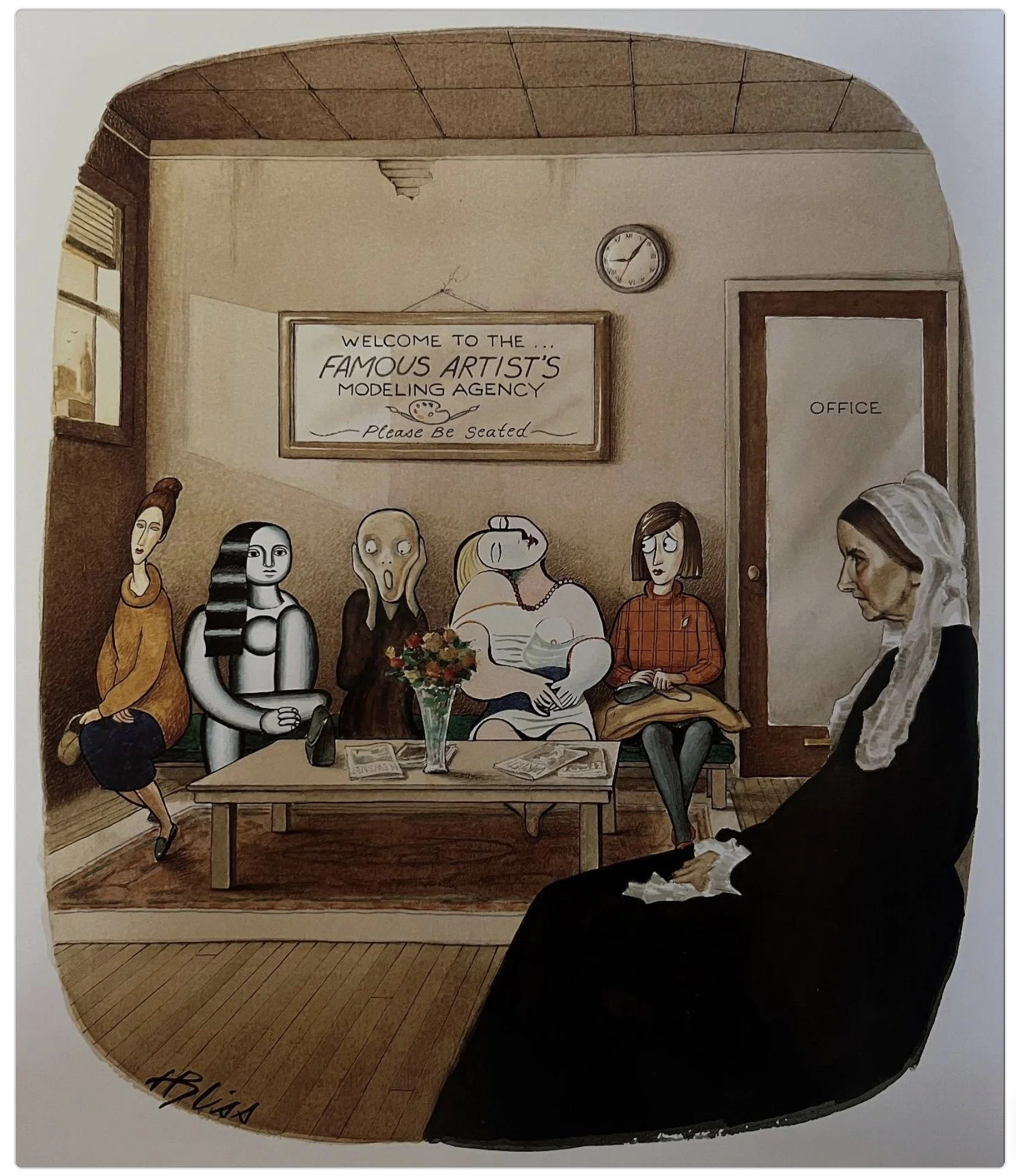
Art by Hart

With Kincaid on her head and a little red scarf, Lili hoped that nobody would notice her onion soup spill
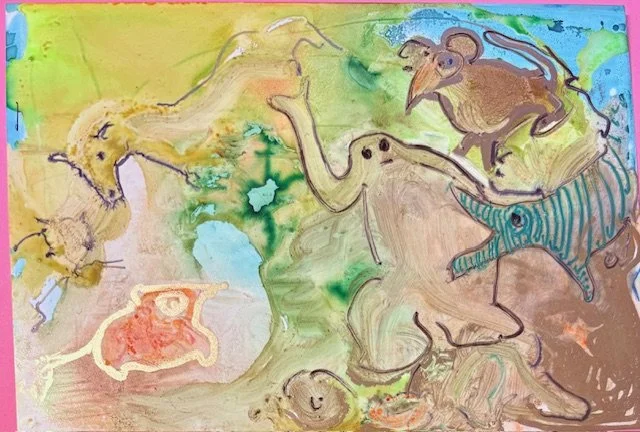
The first multi-species country club was drawing attention

From Woofy’s point of view, the new squeak toy was not $7.98 worth of fun

The Barsky women took pride in their perfect sense of direction

Maybe there was a bite missing but Mazie was still an attractive slice of pizza
Art and photos by Jane Hart
Hope Artist Book, by Sheila Benedis
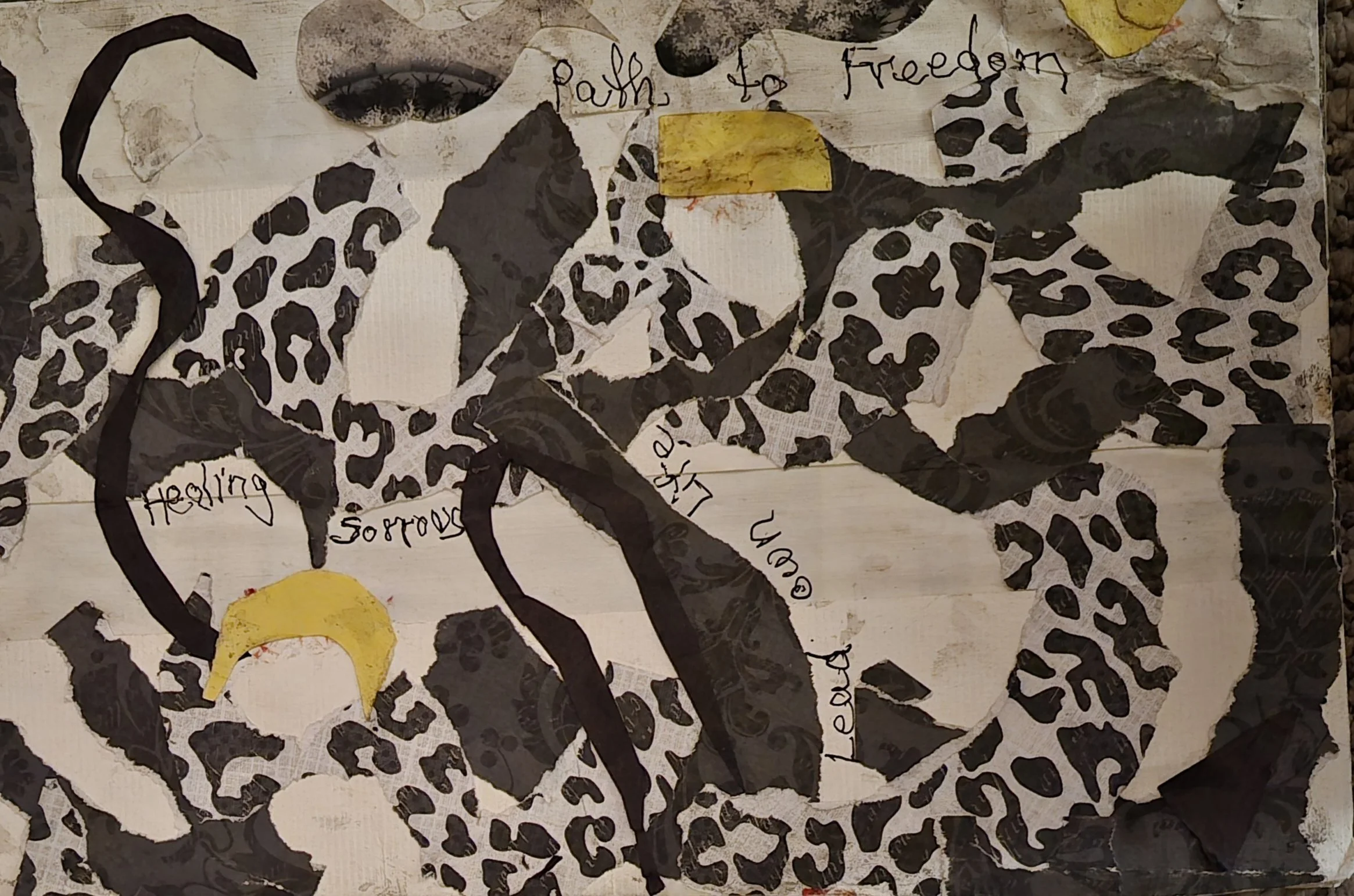


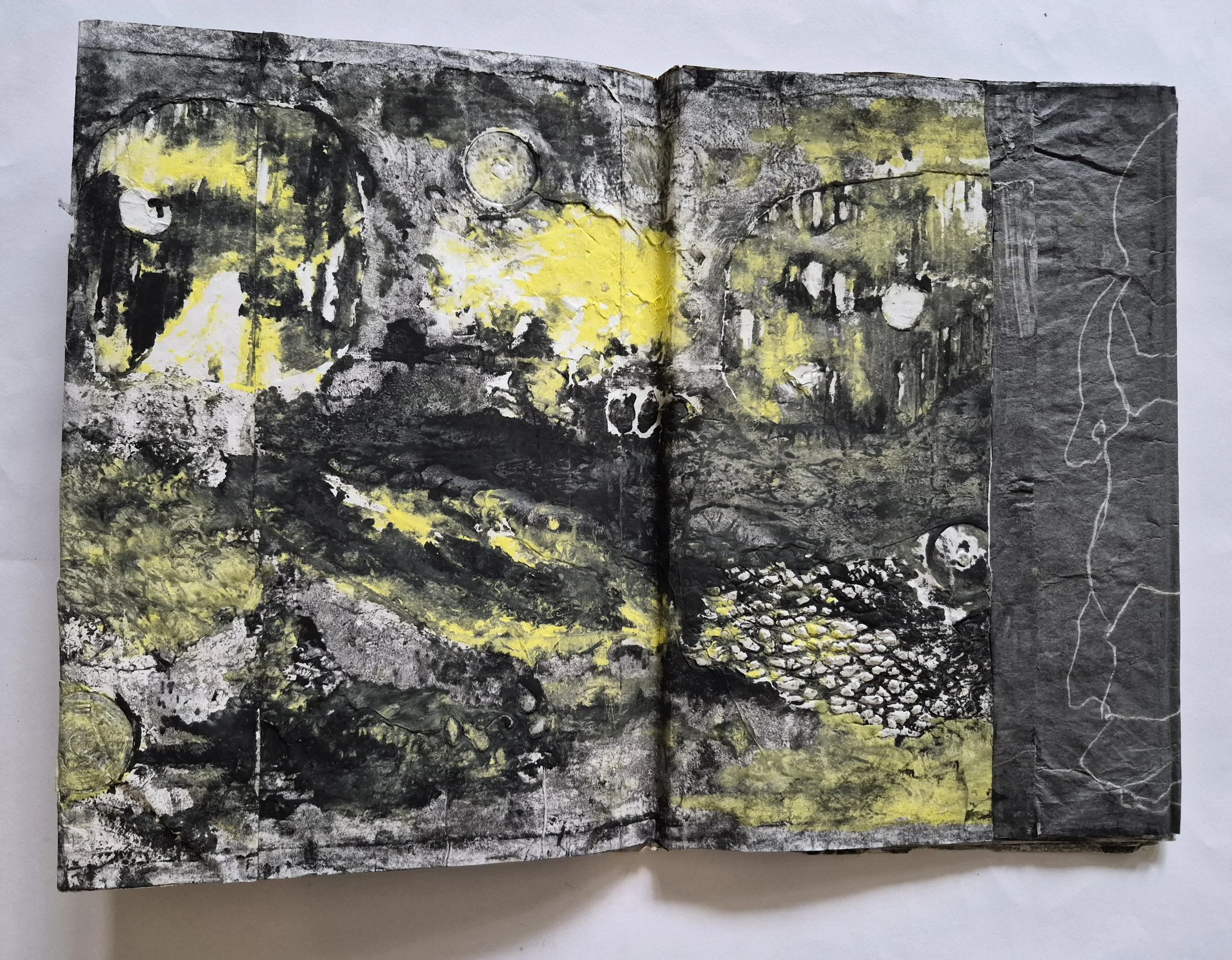
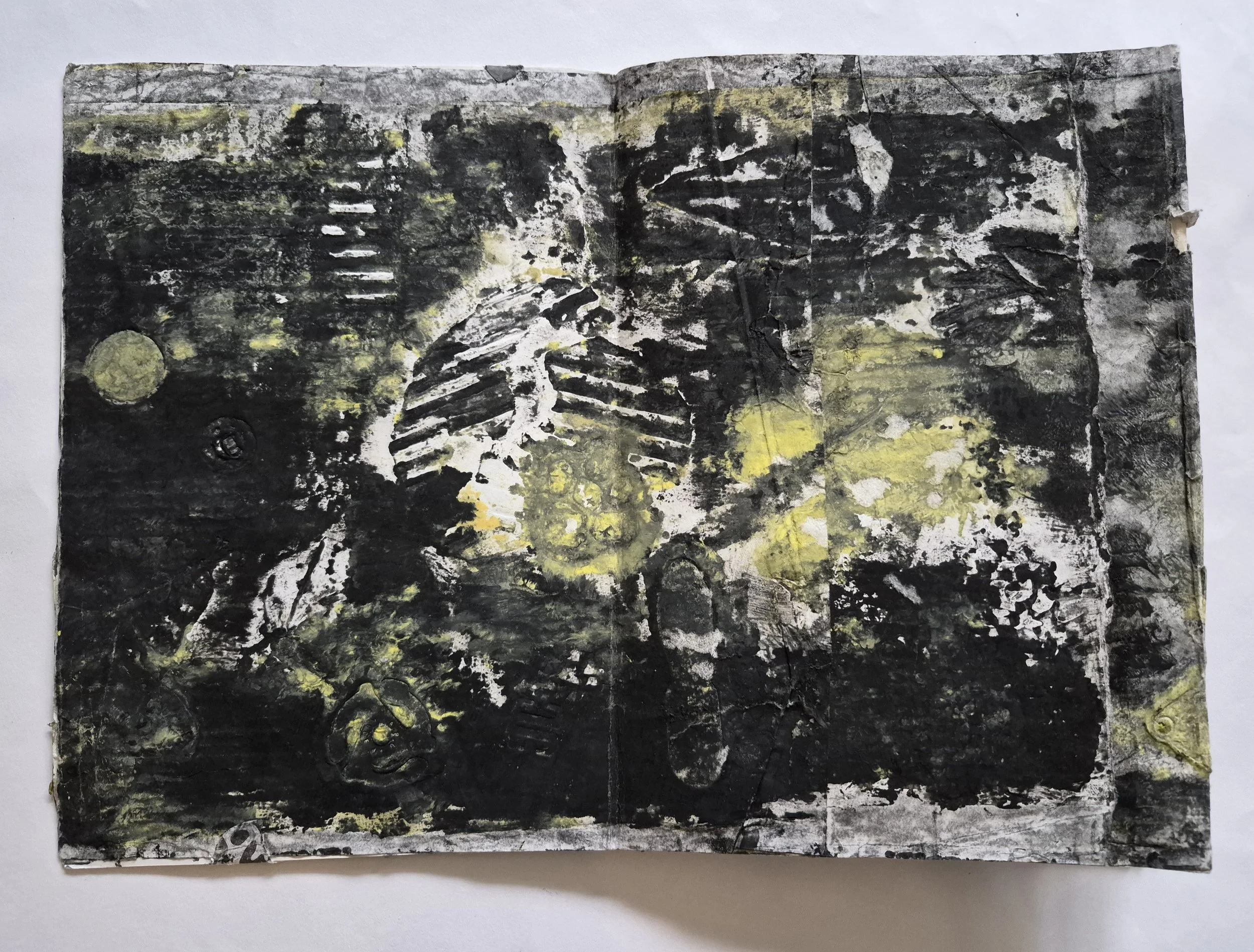
Art and photos by Sheila Benedis
In and Around Kendal
March Birthdays

Photo by Marianne Bloomfeld

And Meera, too!

And Joanne Rapaport—aka Queen for a Day—celebrates a landmark 80! Photo by Cynthia Ferguson
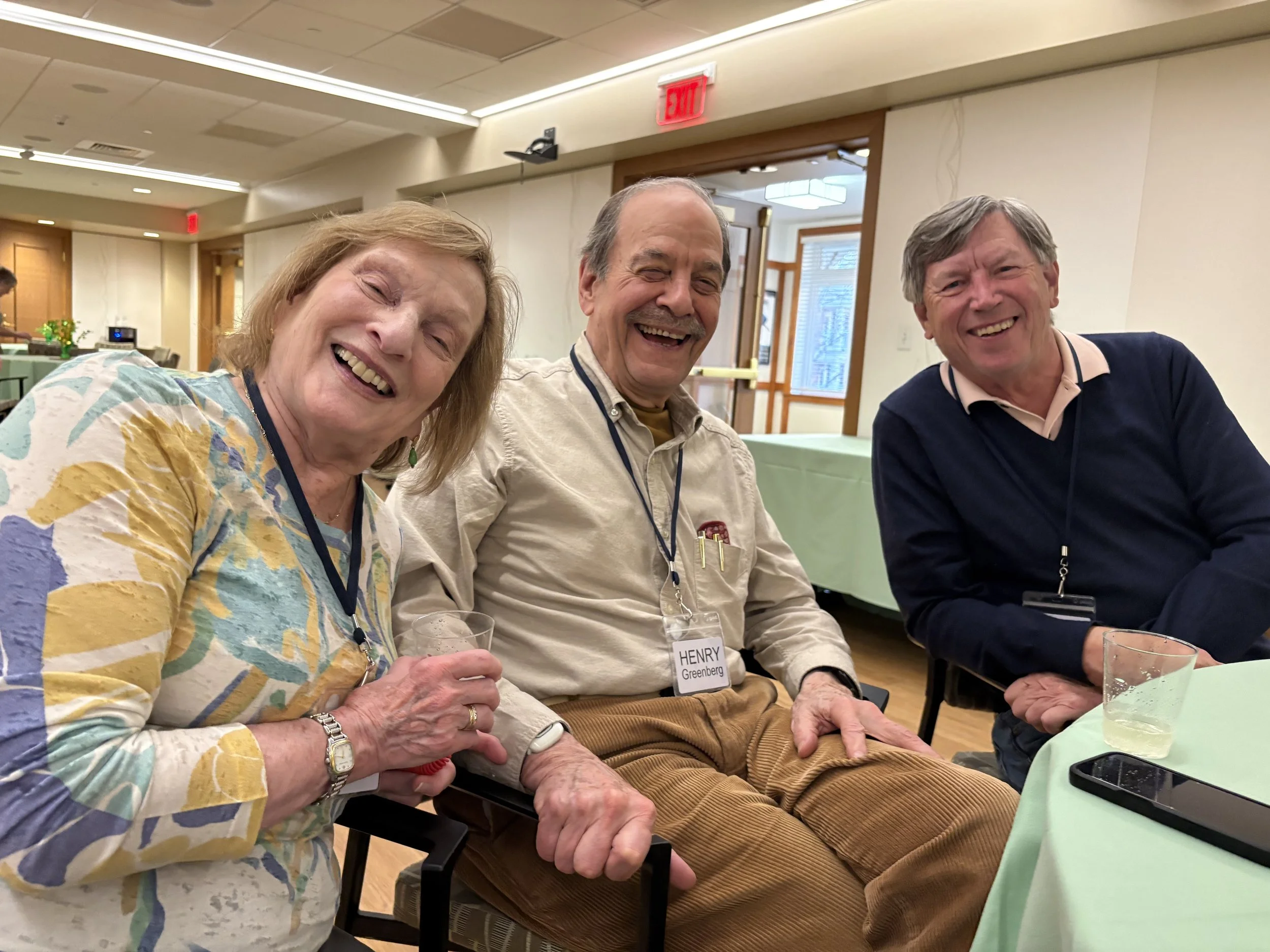
You don’t need a birthday to enjoy a birthday party, by Ruth Dinowitz
A New Day Begins

Photo by Harry Bloomfeld
A Kendal View of Kendal View for Kendal Viewing

Photo by Greg Lozier
Signs of New Life
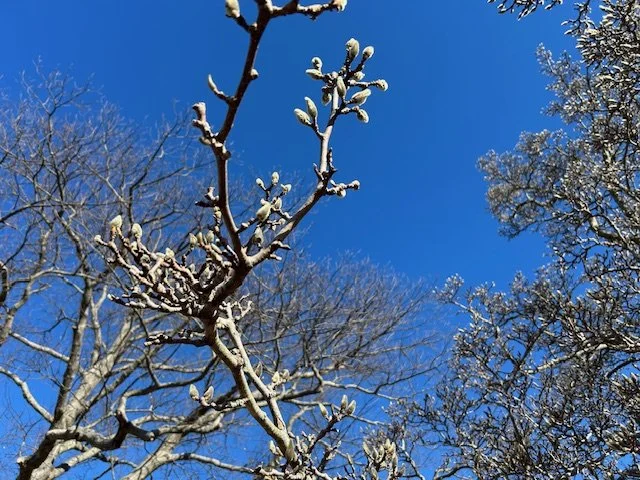
Magnolia buds, by Carolyn Reiss
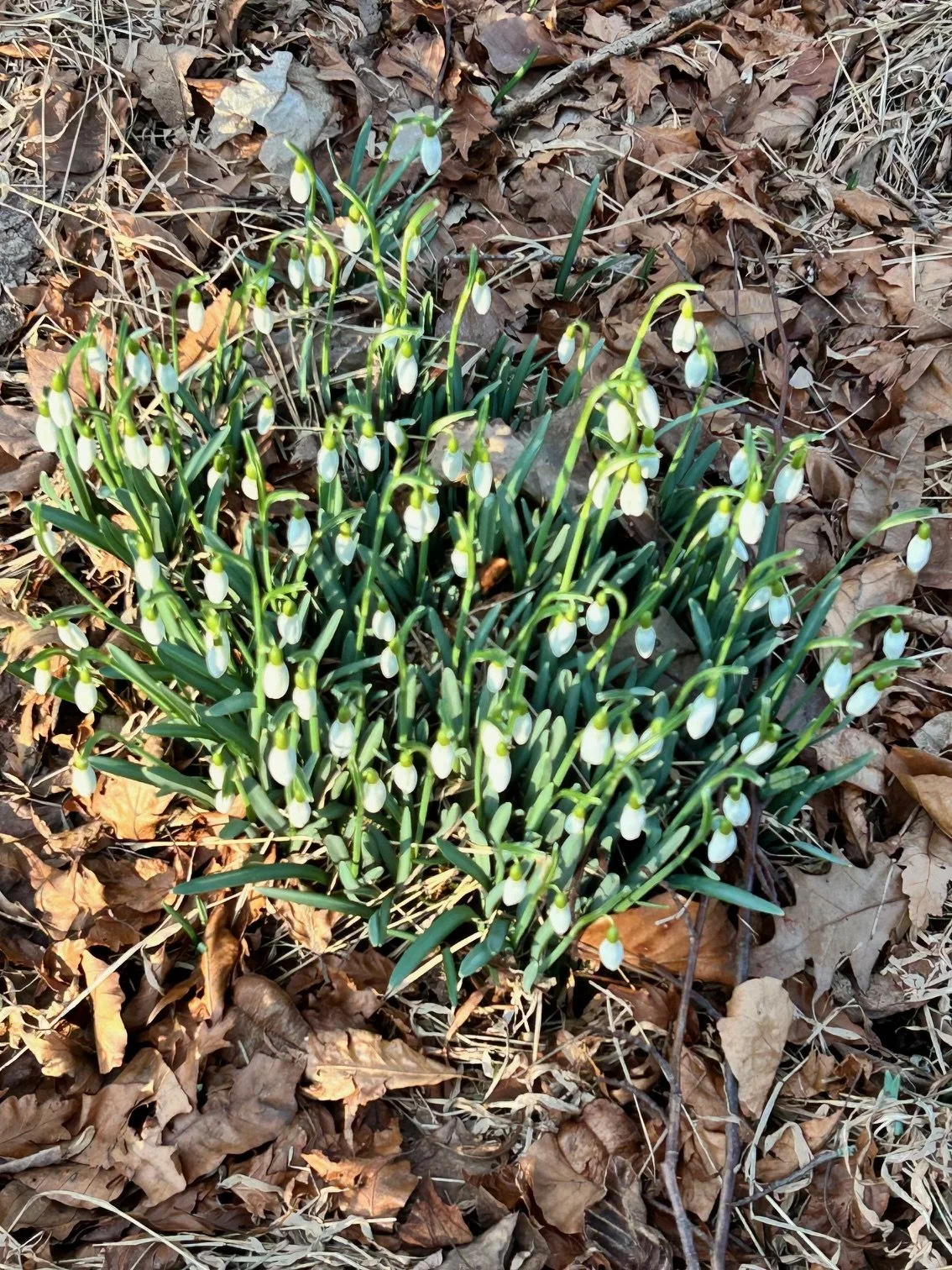
Signs of Life, by Aruna Raghavan

The melt is on! By Aruna Raghavan
Meanwhile, Back in the Bistro
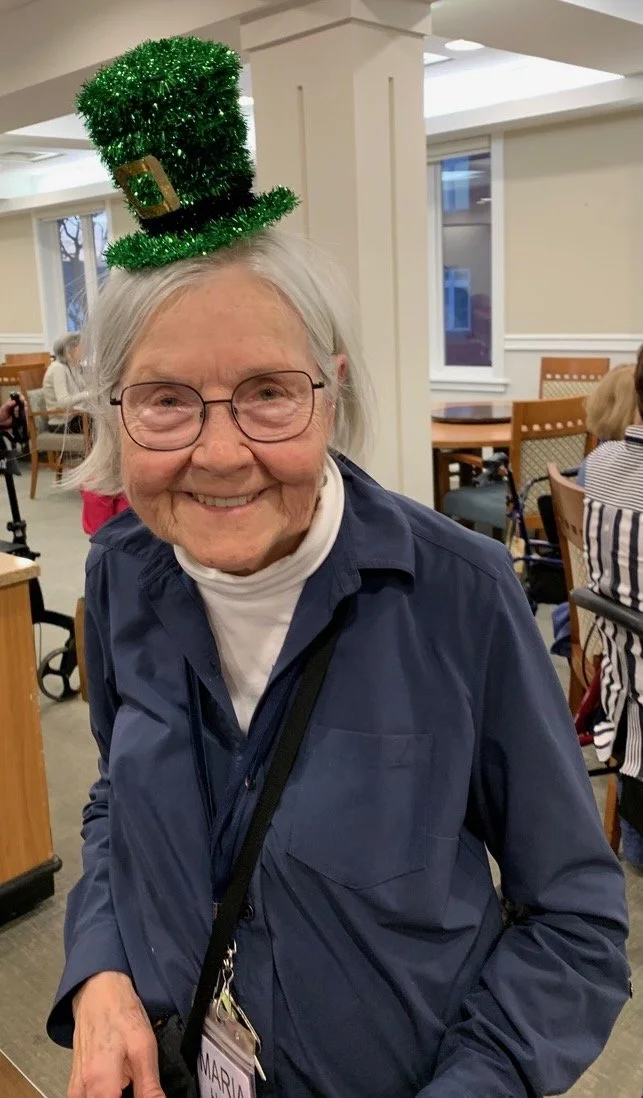
Ready for St. Patrick’s Day, by Harry Bloomfeld
Collage Class in Full Swing
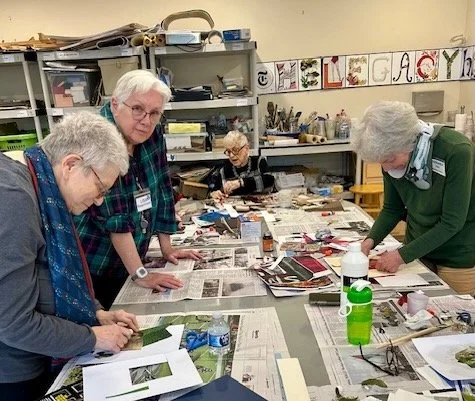
Photo by Carolyn Reiss
New Dress Code for Fulton Puzzlers

Photo by Joe Bruno
Slicing Through

Photo by Philip Monteleoni
Breaking News! Sip and Snack Goes Wild . . .
Our old friend Sip & Snack had a recent upgrade. Along with the good wine and ordinary Kendal tap water previously served during the popular Wednesday and Friday Happy Hour, high-quality root beer, ginger beer imported all the way from Maine, and various sparking sodas have been added to the offerings!
Thanks go to Bobbie Roggemann, Cynthia Ferguson, and Henry Neale who clearly understand the vital need for variety. Well done!
A Dream Come True
As others may have noticed, once a container of ice cream has reached the end of its scoop-ability, it is retired—but still containing a feast-able remnant of delectable fare. And especially if it’s Cappuccino Crunch. Sad to see it go—a tragic loss to Cappuccino Crunchers. Not if you have Barbara Plimpton on your side!

Securing the prize
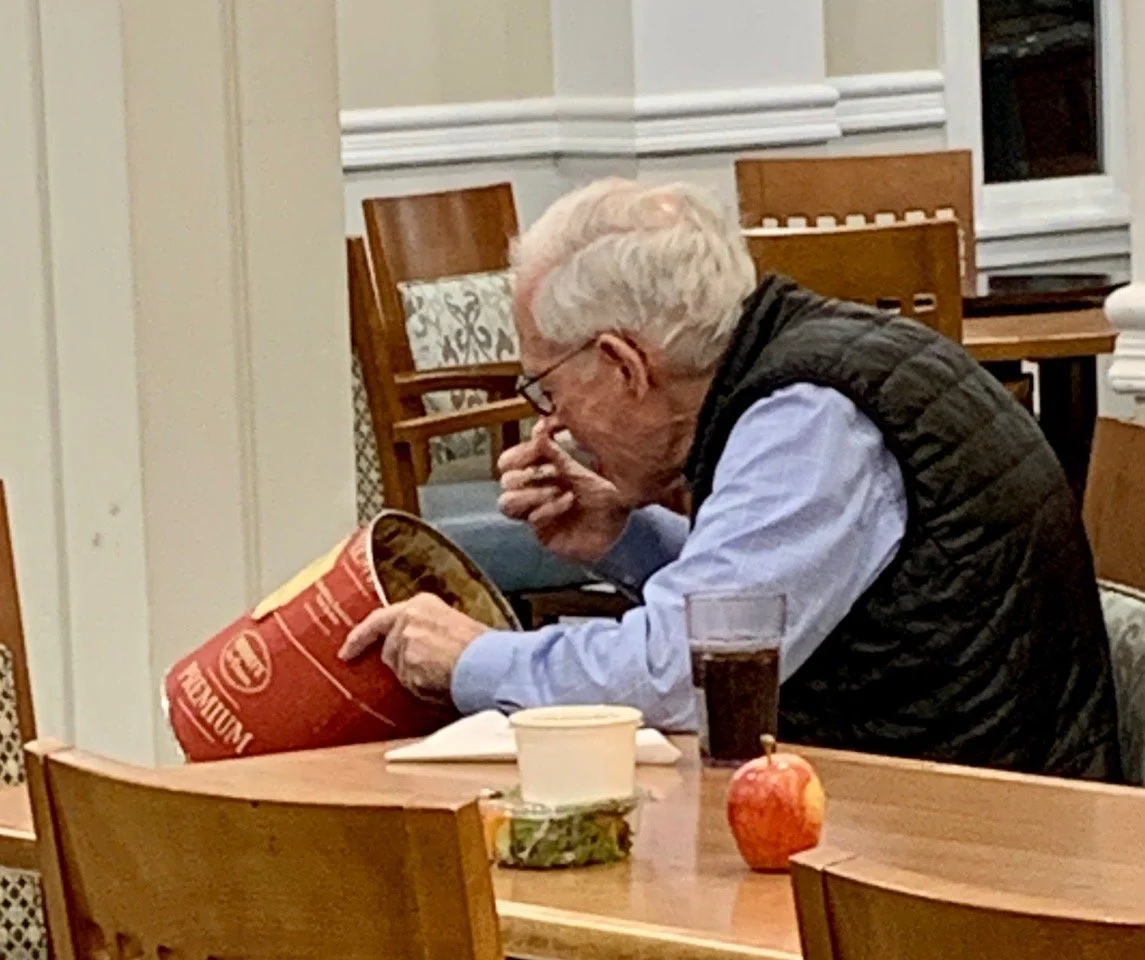
A boy’s dream come true . . .
Photos by Harry Bloomfeld
Duck!
Forget the flowers that bloom in the spring—tra la. There’s another harbinger of the season: mallards. Amanda Slattery captured their return to our area, which reminded her of a poem from her English childhood, written by Kenneth Grahame of Wind in the Willows fame.
First the poetry:
Ducks’ Ditty
All along the backwater,
Through the rushes tall,
Ducks are a-dabbling,
Up tails all!
Ducks’ tails, drakes’ tails,
Yellow feet a-quiver,
Yellow bills all out of sight
Busy in the river!
Slushy green undergrowth
Where the roach swim—
Here we keep our larder,
Cool and full and dim.
Everyone for what he likes!
We like to be
Heads down, tails up,
Dabbling free!
High in the blue above
Swifts whirl and call—
We are down a-dabbling
Up tails all!
And, now, ducks of the coming spring:
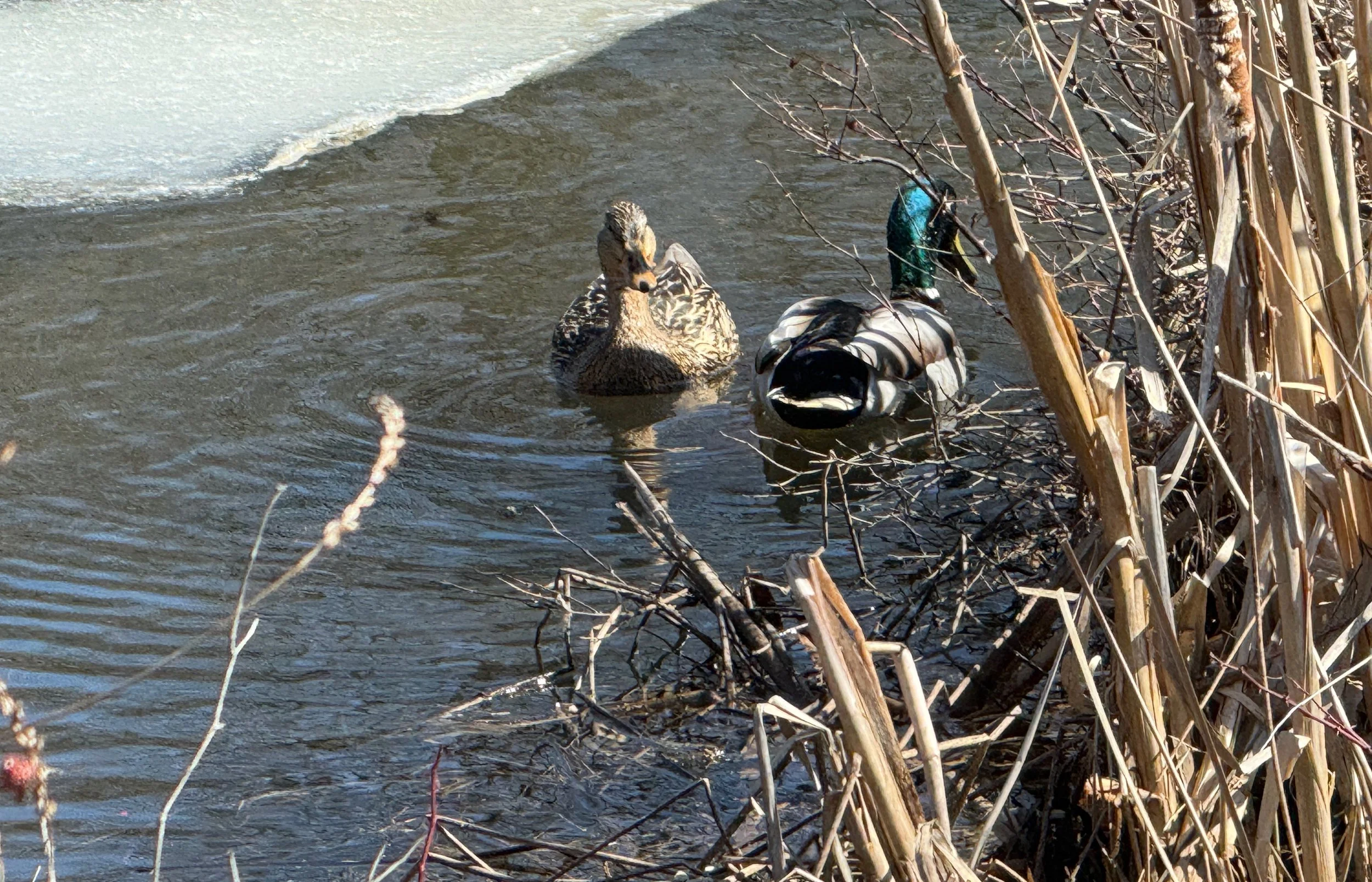

All this discussion of ducks reminds us of a poem by Ogden Nash from our American childhood:
The Duck
Behold the duck.
It does not cluck.
A cluck it lacks.
It quacks.
It is specially fond
Of a puddle or pond.
When it dines or sups,
It bottoms ups.