

From the Office of Ellen Ottstadt
It's That Time Again: The Annual Appeal
What’s Appealing: Why, everything we do here at Kendal—Thanks to 30 Committees and other efforts!
Courses
Music
Resident Website
Library Services
Sip & Snack
Opera
Hams on Hudson
Movies
Art Shows
Lectures
Entertainments
And so much more!
We’re a self-run Resident Association with 30 activities committees.
We run ‘em all—and we pay for ‘em all.
What’s the Ask?
The request is $250 per person (or $500 per couple). Of course, if you want to increase your generosity and go beyond those amounts, all the merrier.
Do the math: $250 per person. That’s about $20.83 a month. For all the programs, films, music—both from outside and made by our friends and neighbors,—sipping and snacking, Hamming it up on Hudson, just to name a few things. Everyone chips in; everyone enjoys. The choices are myriad and marvelous.
Hang On There! Is This Tax Deductible?
You betcha! Every last penny. (Kinda wants you to give more, huh?)
How do I do it? Simplicity Itself!
A Collection Box has been set up in the front lobby at the desk
Write a check for the amounts specified above—or as much more as you like!
Write the check to “KoH Residents Association.” In the memo line, write “Annual Appeal”
Wait! I Turned My Financial Affairs Over to . . . (Fill in the Blank: a Bank, Trustee, Family Member)
Not a problem. Just ask the designated entity or person to send a check to “KoH Residents Association, 1010 Kendal Way, 10591.” Again: the check should be made out to “KoH Residents Association.” In the memo line, write “Annual Appeal.”
What’s the Timing on This?
The month of February. We’d love it, of course, if you’d operate on “the sooner the better” timing. But it is for the month.
And a Big THANK YOU in Advance!
From the Residents Council—and the chairs and members of all 30 committees!
The Blizzard of 2026--Thus Far
And Thus It Came . . . On and On and On and . . .
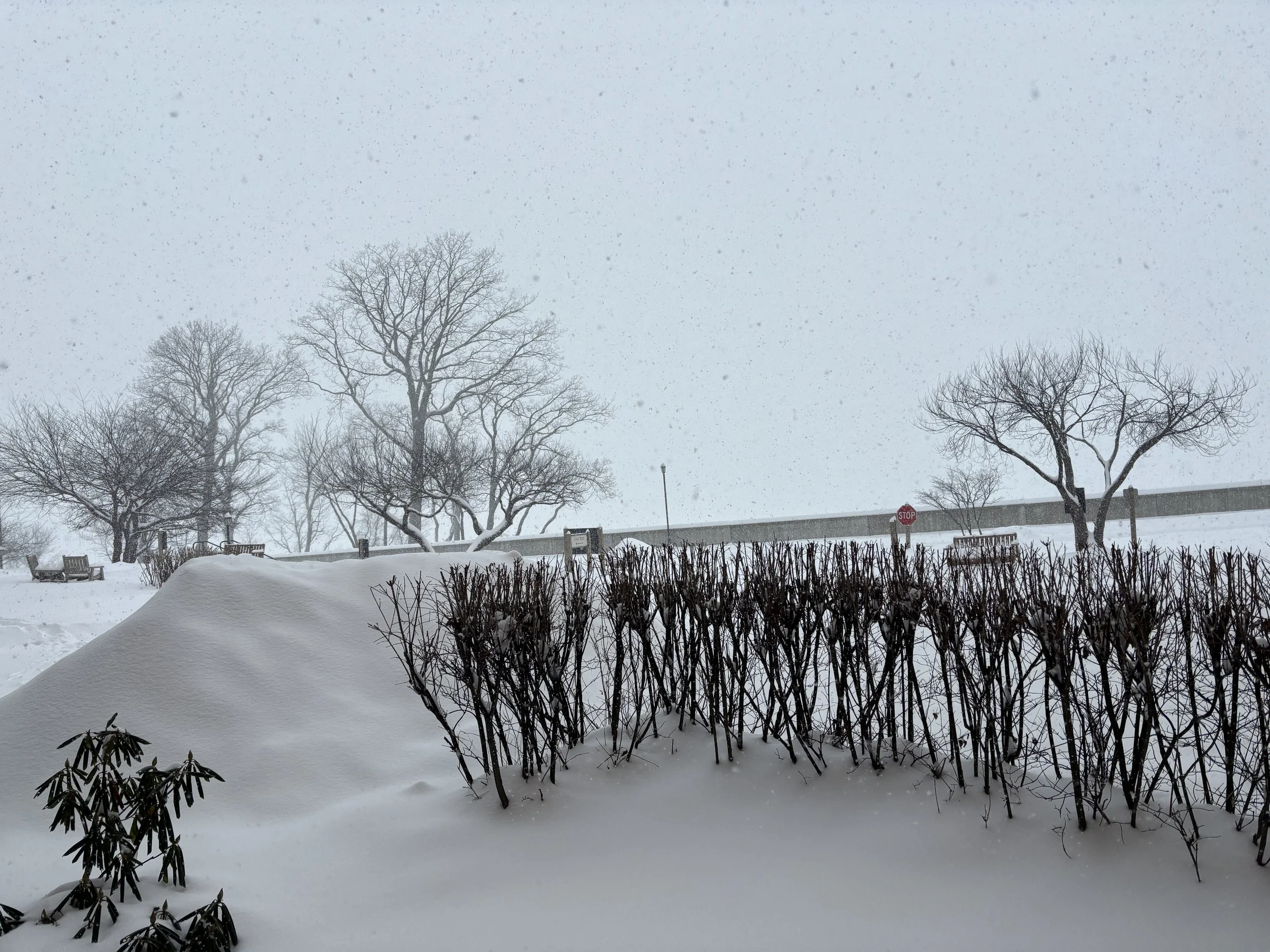
So How Much?

Rich Dooley dug out the Food Scraps disposal units and declared it over 12”. The official pronouncement: 15”. Well done, Rich! Photo by Marie Martinez

Final Result Seen From Afar, photo by Alice Clague
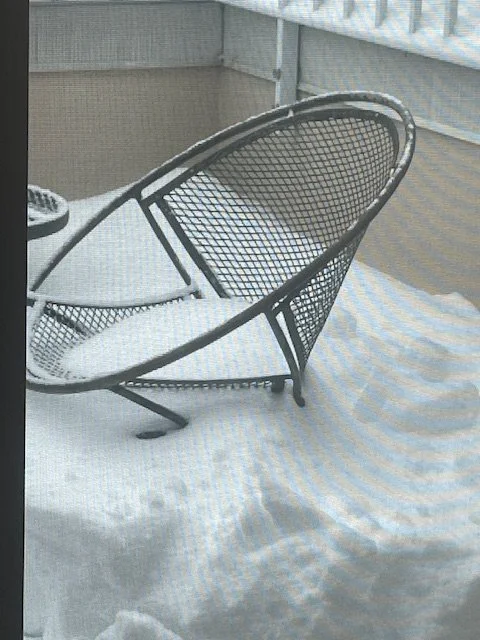
And Near, photo by Alice Clague
Digging Out Begins . . . and Goes On and On and On and . . .

Photo by Lynn Brady

Photo by Alice Clague

Photo by Alice Clague
Community Concerns Beyond Kendal Way
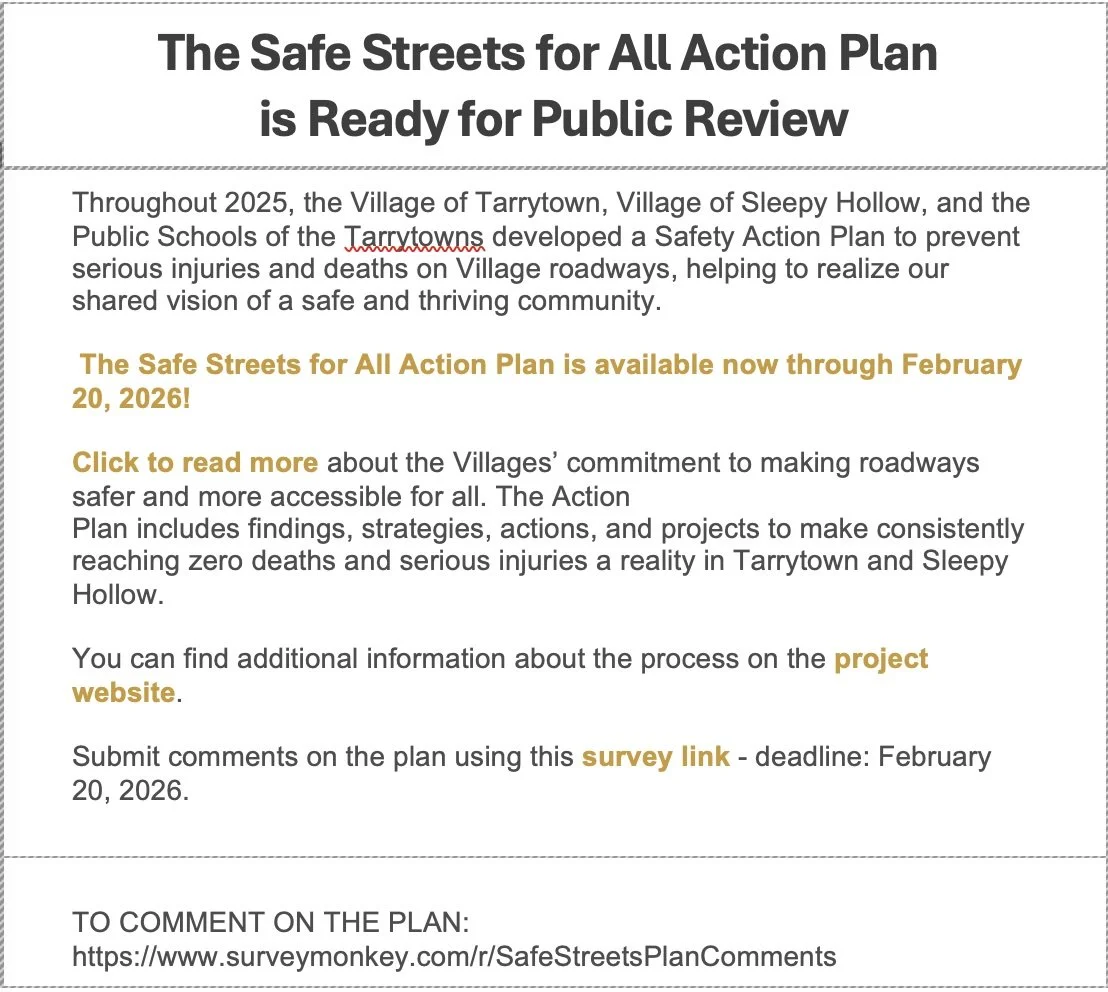
Our community is a hamlet within a village within a township within a county within a state. Whew! A recent concern within our villages is Safe Streets. The streets of Sleepy Hollow and Tarrytown were designed well before the introduction of cars and then the spread to multiple cars per family. This year, our villages turn their attention to the difficulties—for all ages—that have increased as our populations and car-ownership have risen.
If your interested, click on the buttons below the recent announcement received by the towns:
I Never Knew That
Shoelaces Are Older Than Most Civilizations
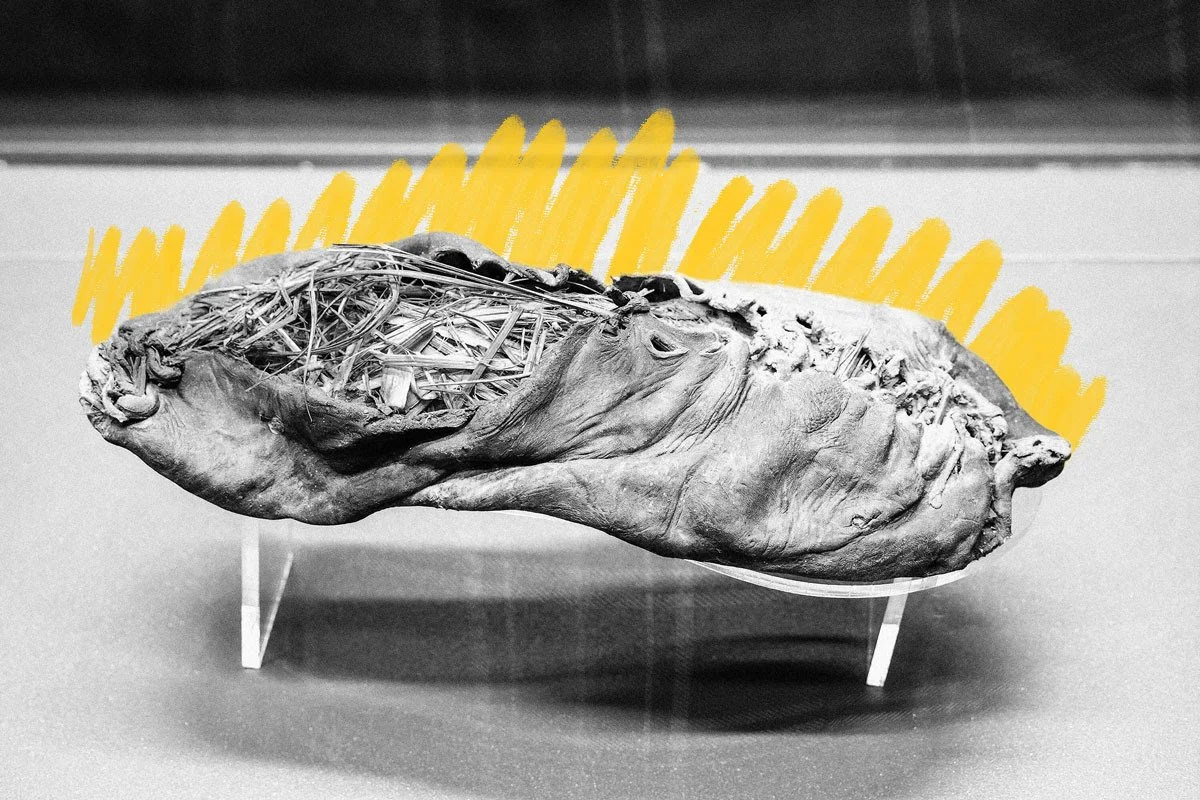
Shoelaces might seem like a modern convenience, but the basic idea of fastening footwear with laces is far older than most civilizations. The world’s oldest known leather shoe, complete with intact laces, dates to around 3500 BCE, during the Copper Age (between the Stone Age and Bronze Age).
Archaeologists discovered the ancient shoe in 2008 inside Areni-1, a cave complex in Armenia. The remarkably stable, dry conditions there had preserved organic materials that would normally decay. (The thick layer of sheep dung atop the shoe likely also helped.) Fashioned from a single piece of cowhide and shaped specifically for the wearer’s right foot, the shoe features leather laces threaded through eyelets—a design so practical that similar construction methods survived in Ireland until the 20th century. When the artifact was unearthed, parts of the laces were still visible, astonishing the research team.
That puts shoelaces only slightly younger than the earliest known human civilizations. Ancient Mesopotamia emerged around 4000 BCE, with the earliest Sumerian city-states taking shape in the fertile lands between the Tigris and Euphrates rivers. The beginning of the ancient Egyptian civilization appears to date to roughly the same period, although archaeological research in both regions is ongoing. Every other major civilization—from the Indus Valley to ancient China and the cultures of the Americas—arose centuries or millennia later.
That means humans were tying their shoes before they were building pyramids (starting around 2700 BCE) or inventing writing (around 3300 BCE). Modern civilization would take thousands more years to arrive, but the humble shoelace was already doing its job. You might say humanity started out on the right foot.
Source: historyfacts.com
Contributed by Jane Hart
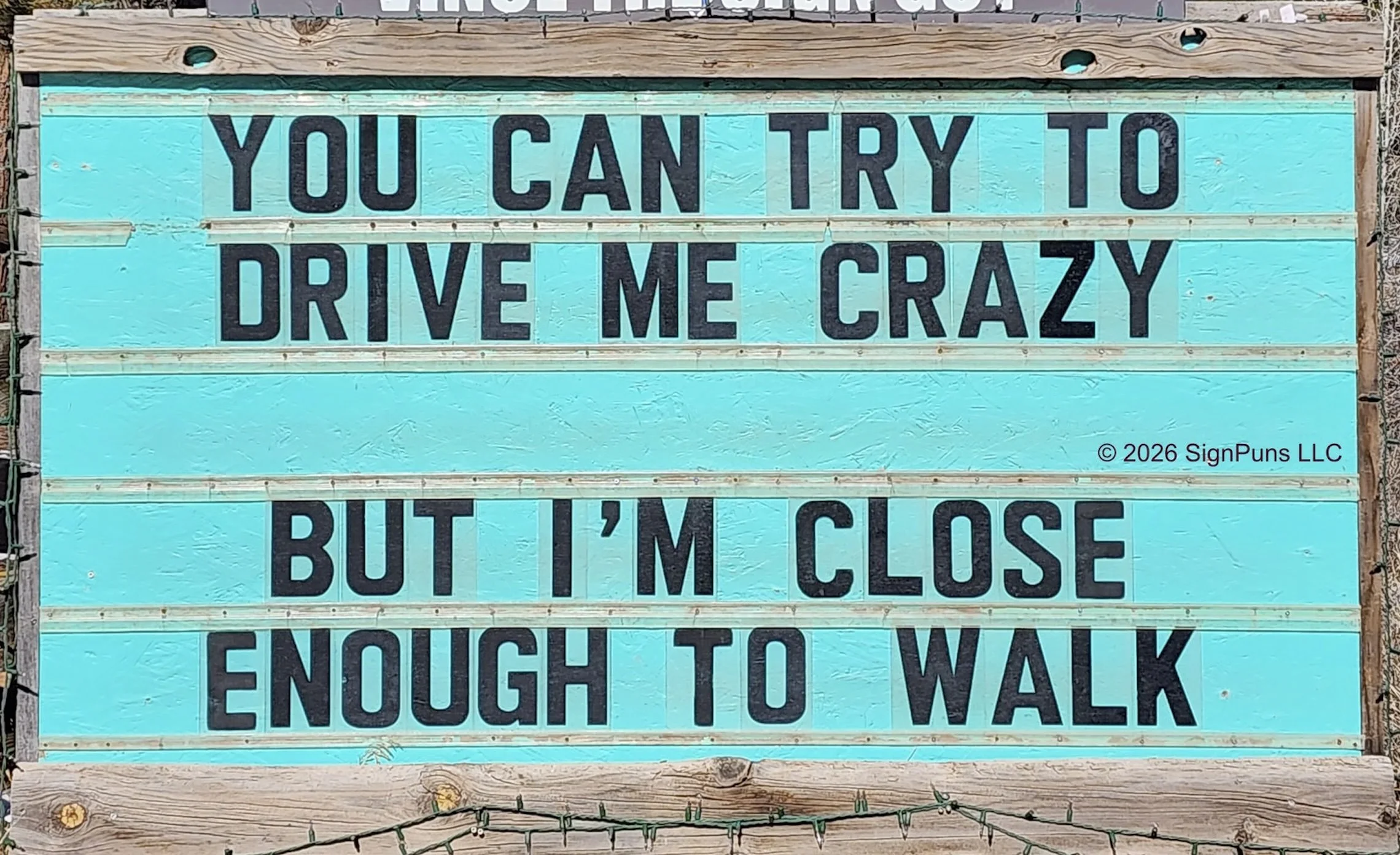
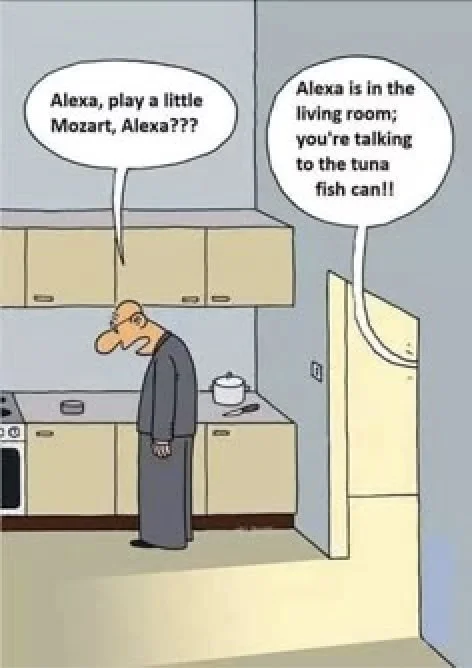
For Your Funny Bone
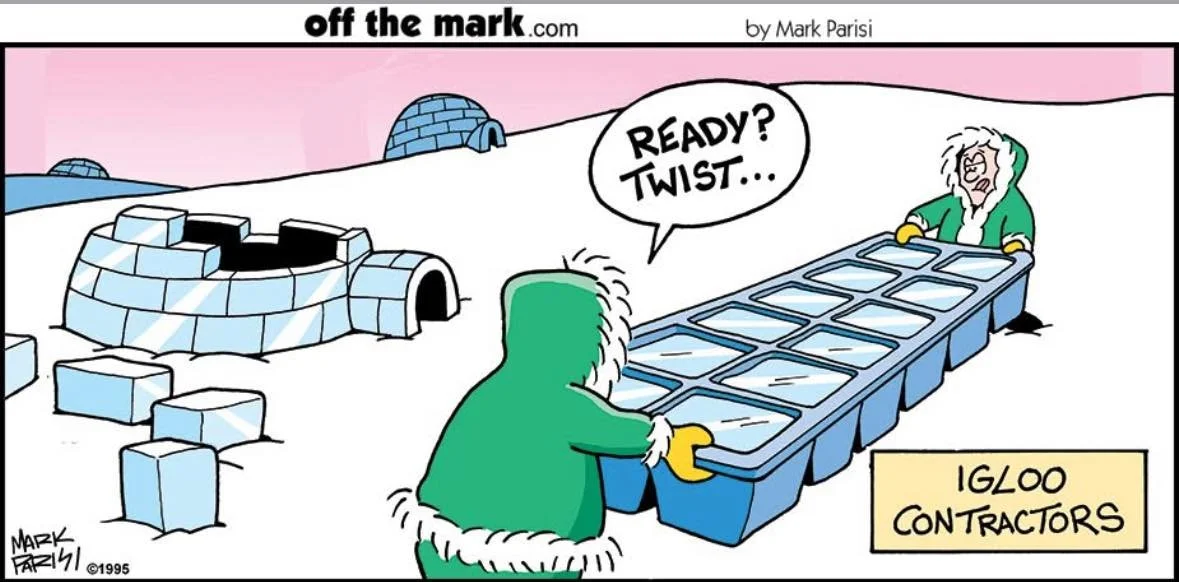
Contributed by Joe Bruno
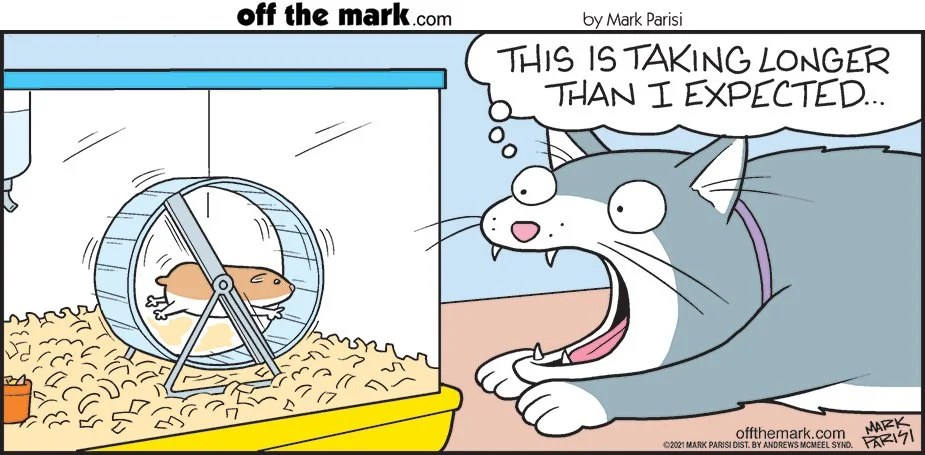
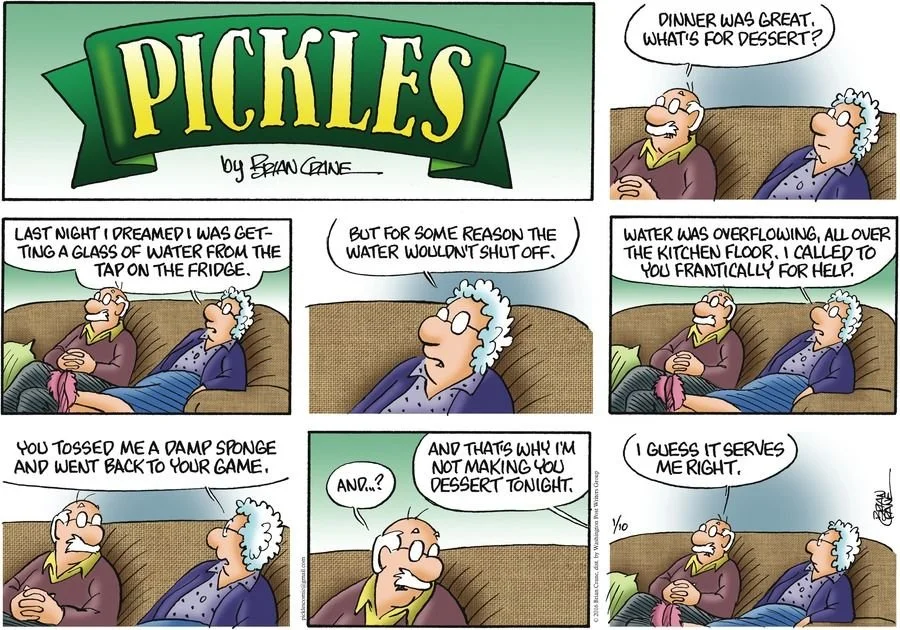
Art by Hart
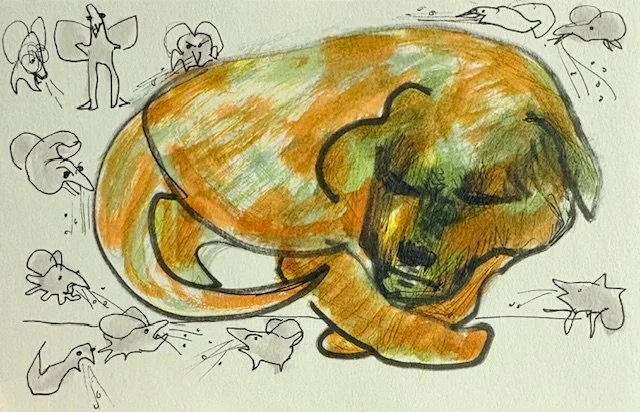
Buster dreamed that fleas and ticks found him inedible

Embarrassed by needing hearing aids, Lurvy hoped that wearing gaudy bagels on his ears would change the conversation

Darcy June, an aging sculpture, needed more and more plaster surgery

To make sure the news he got was objective, Keith listened to two opposing radio stations simultaneously
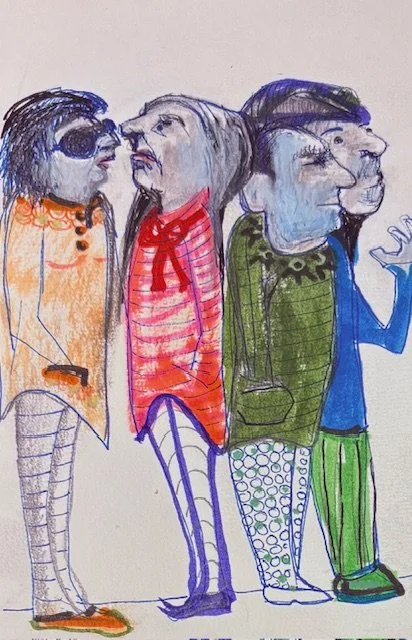
The Heffernans hoped that shopping the Spring sales early might help their Seasonal Affective Disorder
Art and photos by Jane Hart
Hope I, by Sheila Benedis
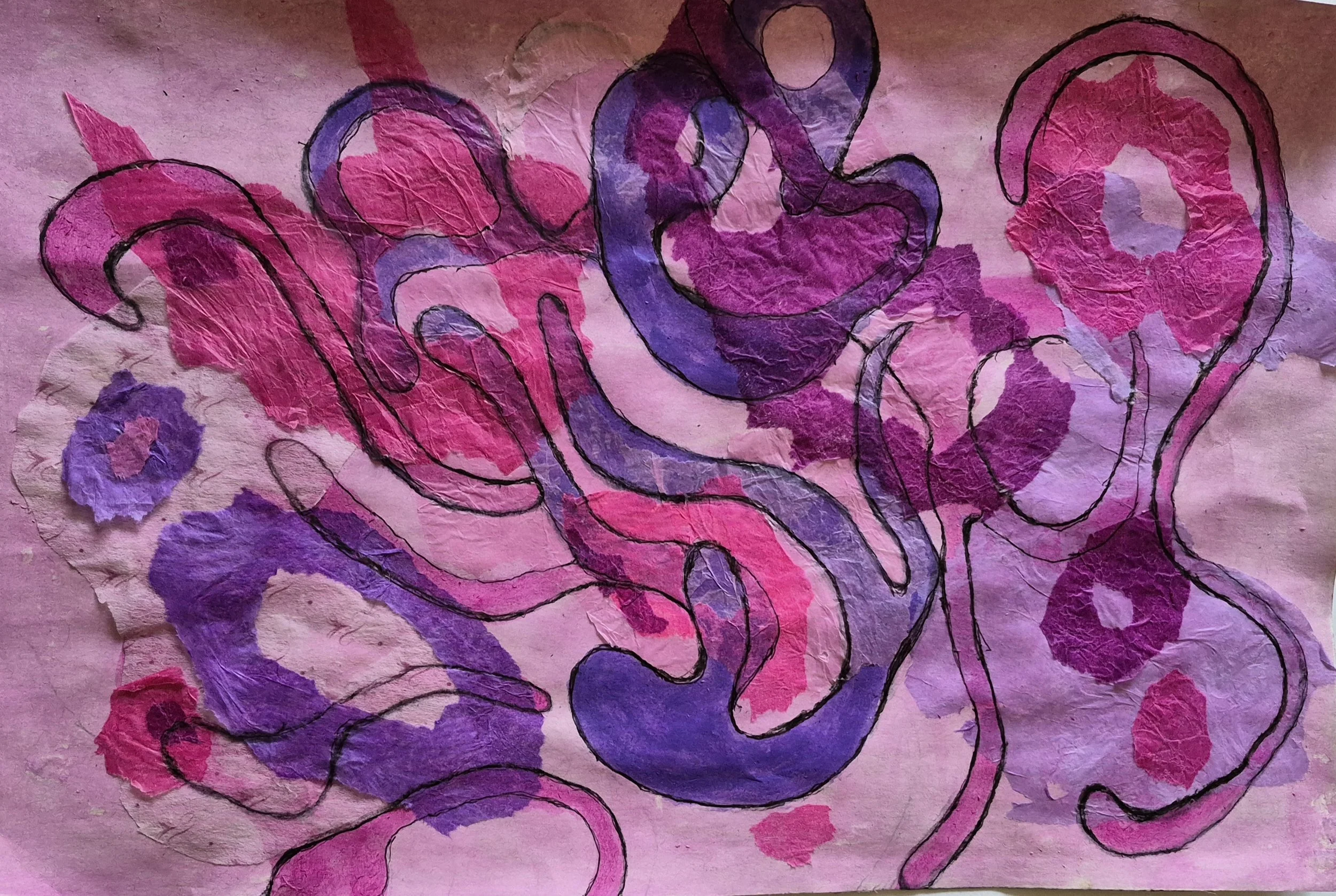
Art and photo by Sheila Benedis
In and Around Kendal
Refresh Continues—Top to Bottom
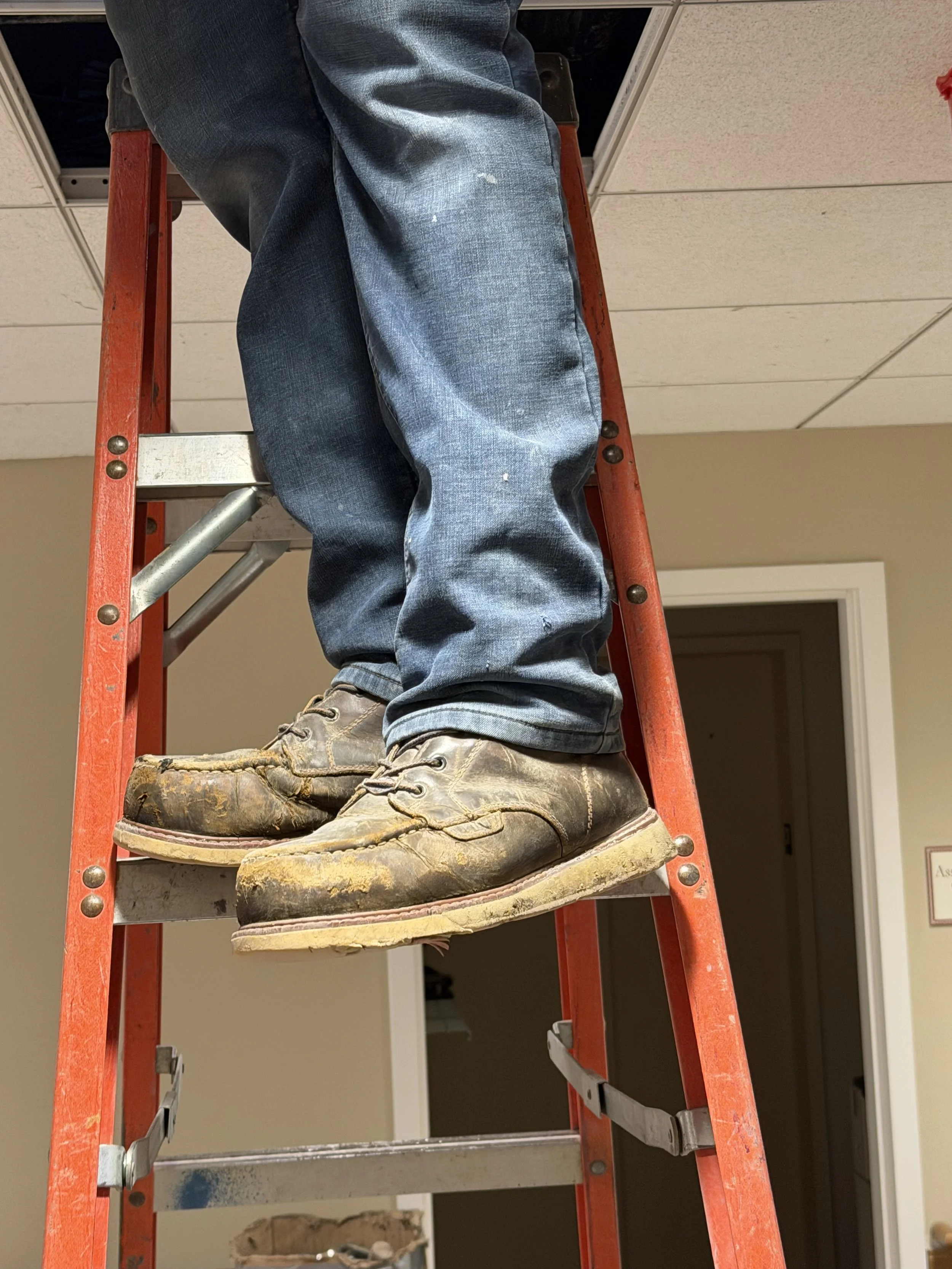
Photo by Ed Lannert
The Early Morning Greeter
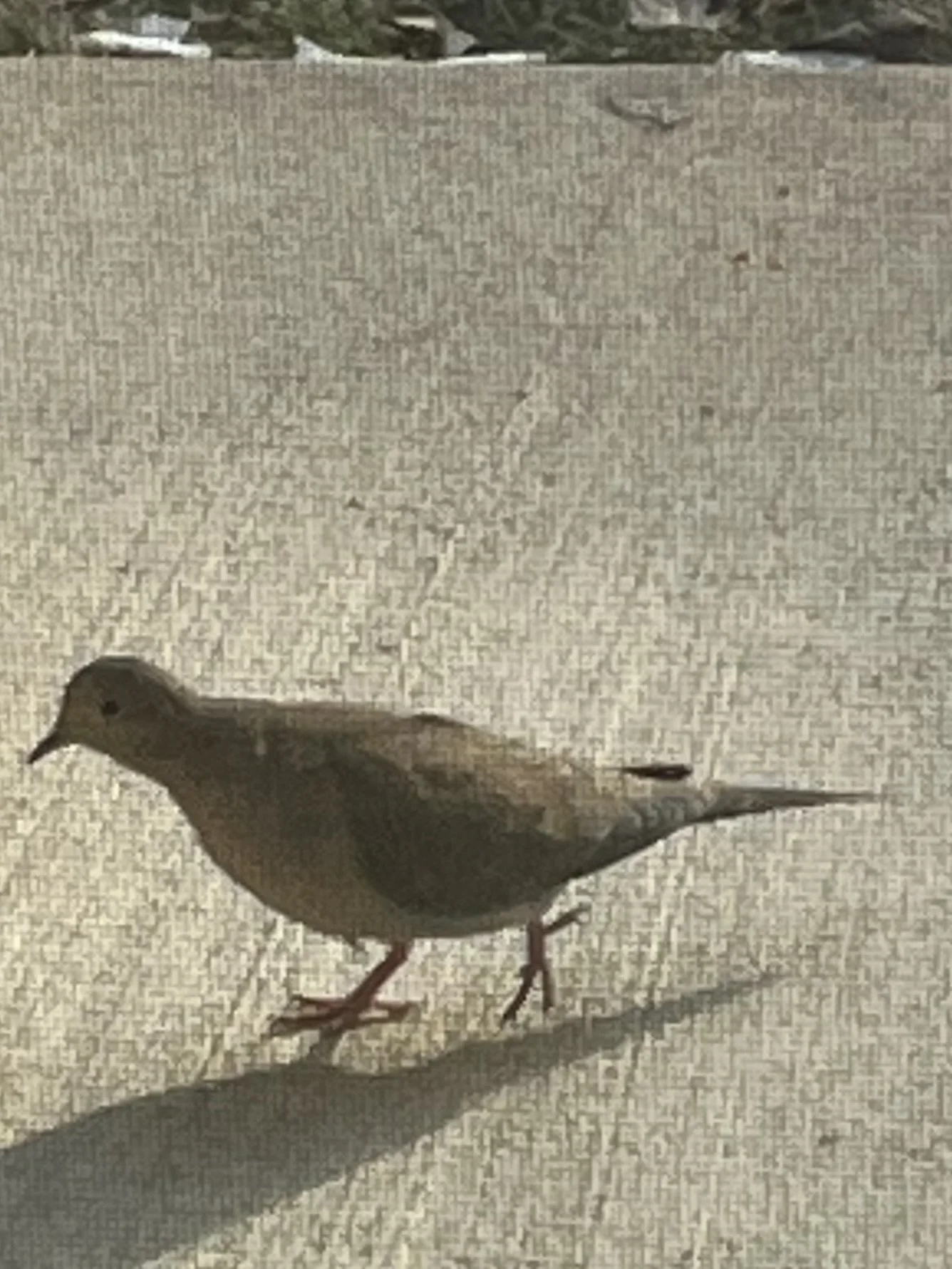
Photo by Naomi Gross
A Puzzling Puzzle is Unpuzzled by Fulton Puzzlers—with Success!
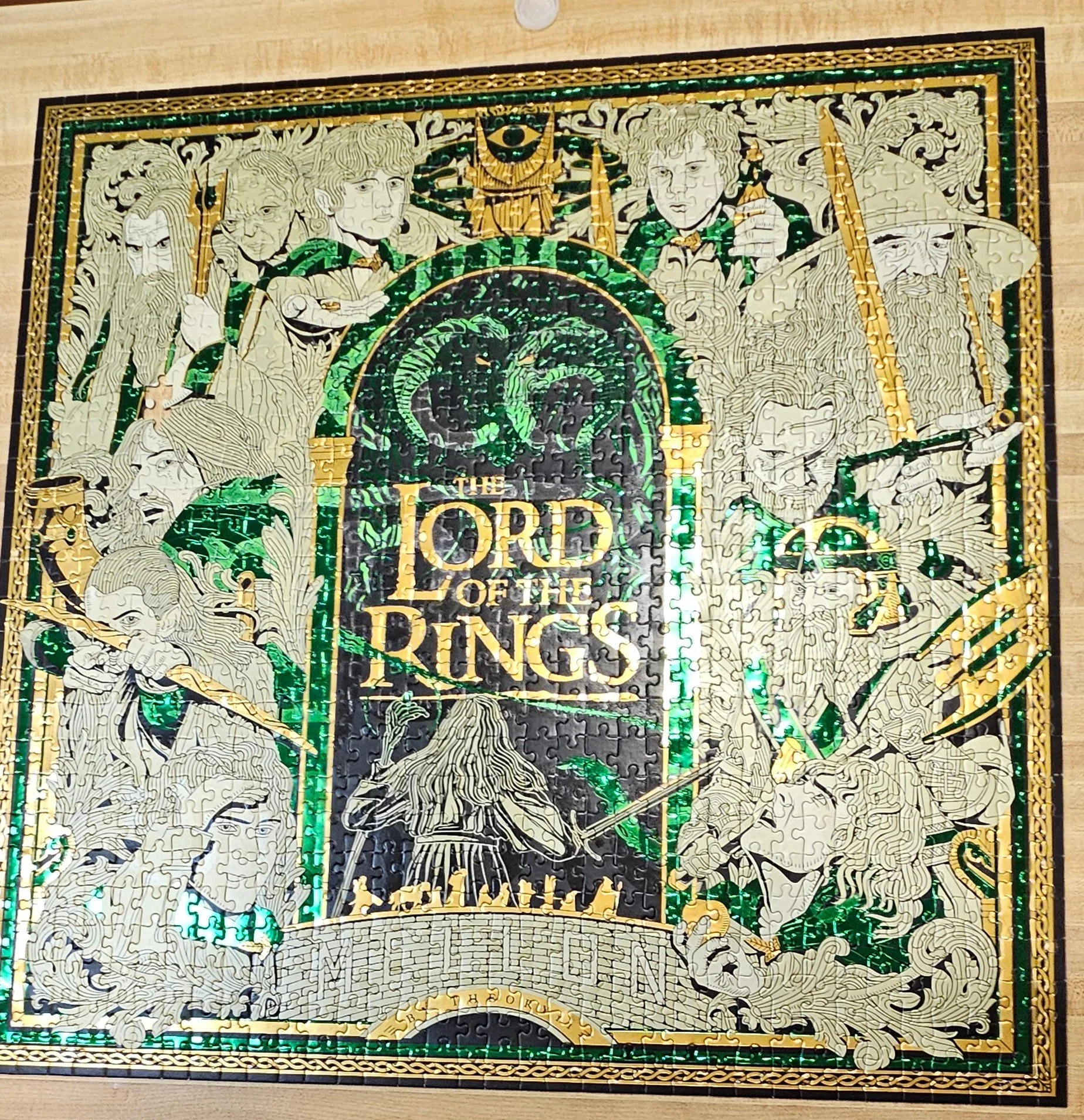
It took six days, but Fulton’s Puzzlers conquered The Lord of the Rings! By Joe Bruno
There Be Rainbows
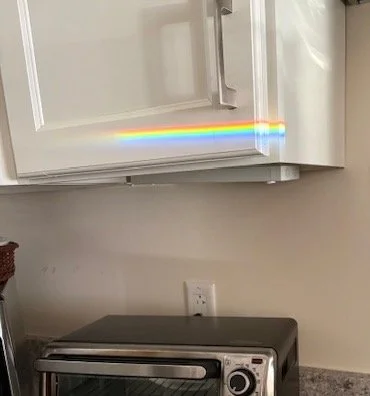
A stray miracle of light appeared suddenly in Jane Hart’s kitchen. Where from? Who knows? Just enjoy . . . Photo by Jane Hart
Bright Life in the Dead of Winter

Photo by Naomi Gross
Out and About
In the Big City
Ed and Joyce Lannert recently visited the Museum of the City of New York. It was enlightening.
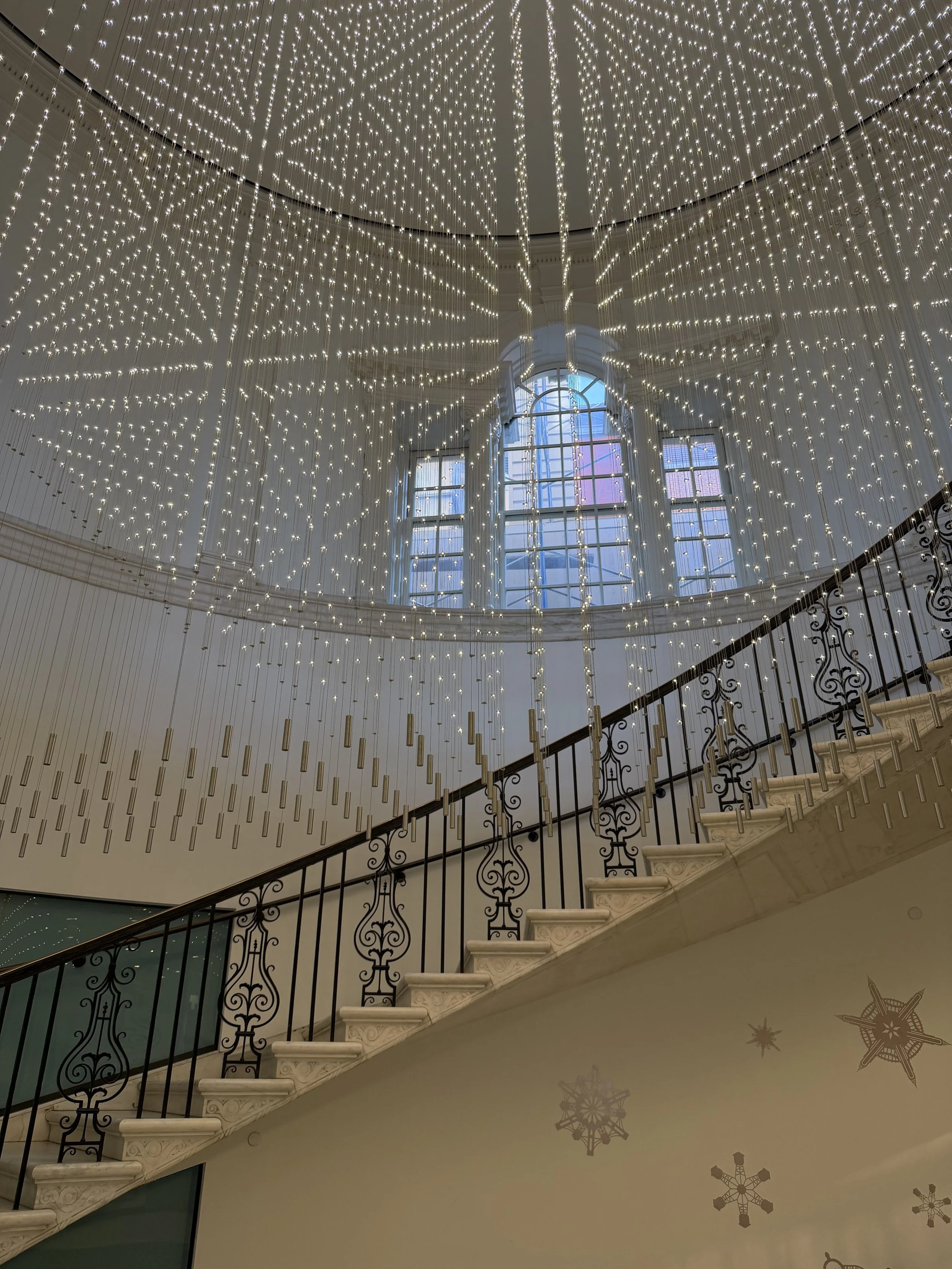
Photo by Ed Lannert
And the Winners Are . . .

Amanda Slattery and Pat McGrath took part in a traditional pub trivia contest in a typical traditional British (via Mt. Kisco) pub. Their team—the Candlelights (‘cause it sounds like Kendalites —Yay)—included the neighboring table of, uhm, diversely aged members. And—following a hard-fought intellectual battle—The Candlelights were victorious!
Weekly Construction Report

From the office of Ellen Ottstadt
Hudson River Eaglefest at Teuton


Contributed by Beverly Aisenbrey
While Strolling Through the Snow One Day . . .
Following the magnificent snow of January 17 and 18 and startling icy temperatures thereafter, Kendal photographers had a (snow) ball. Given the blizzard of January 25 and 26, this may seem like ancient history—but it’s still nature and beauty to enjoy.
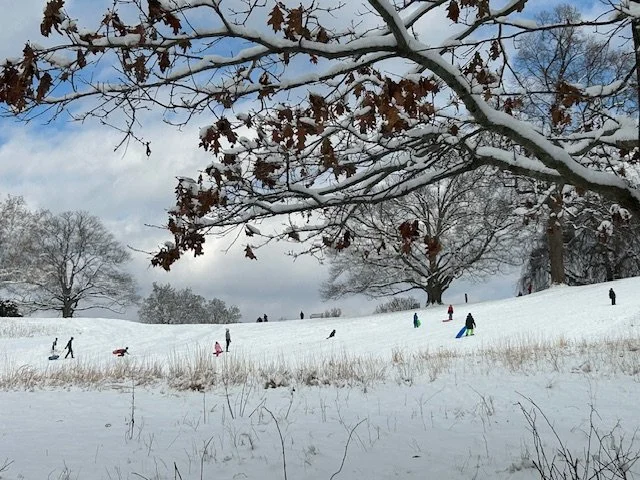
As modern as the world gets, children still love the ancient joy of sledding, by Carolyn Reiss

The Elements of Winter: Ice, Slush, Water, Sky, by Philip Monteleoni

Bench o’ Snow, by Lynn Brady

Ice on the Hudson, by Lynn Brady
And Evening Falls . . .
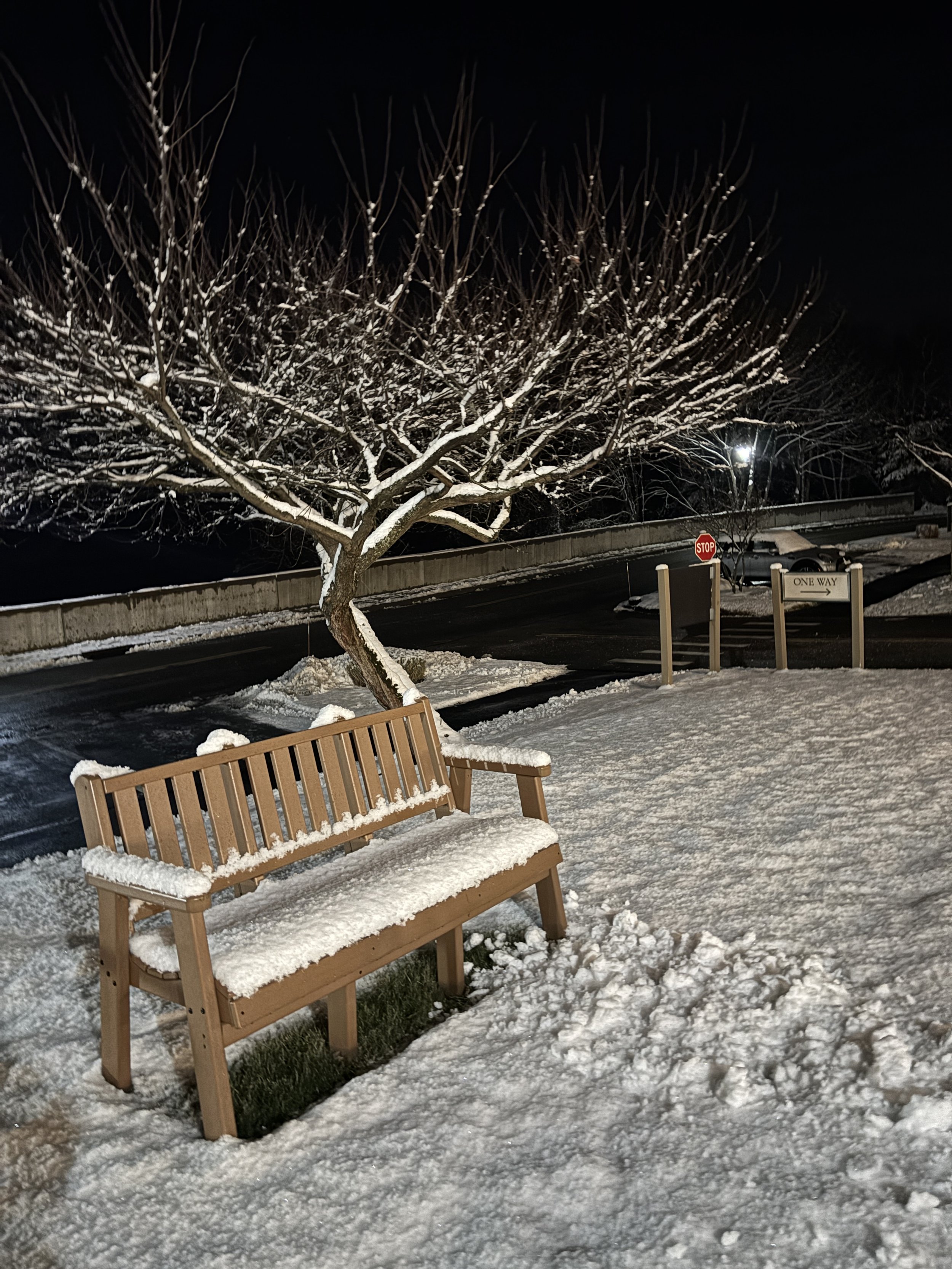
Photo by Lynn Brady
Quotes for Our Age
“I have reached an age when, if someone tells me to wear socks, I don’t have to.” Albert Einstein
“You know you are getting old when everything hurts, and what doesn’t hurt doesn’t work.” Hy Gardner
“When your friends begin to flatter you on how young you look, it’s a sure sign you’re getting old.” Mark Twain
“There’s one advantage to being 102: there’s no peer pressure.” Dennis Wolfberg
“People ask me what I’d most appreciate getting for my eighty-seventh birthday. I tell them, a paternity suit.” George Burns
“Time may be a great healer, but it’s a lousy beautician.” Unknown
Contributed by Steve Price and Jane Hart
Day Time Light Show
Carolyn Reiss was taking her (and Allie’s) daily walk in Rockwood Park, when she (they) looked up and experienced an amazing show of contrails, reminiscent of a drone light show—without the dark of night.


Photos by Carolyn Reiss
I Never Knew That
The Life and Legend of the @

The @ symbol has been in use for centuries, since long before email made it one of the most-typed characters on Earth. The first documented use dates all the way back to a 1536 letter written by an Italian merchant, who used a looping “a” as shorthand for amphorae—a traditional unit of volume roughly equal to a standard clay amphora jar. In other contexts, medieval scribes also used the symbol to mean “at the rate of,” helping to make calculations and bookkeeping more efficient.
As global trade expanded, merchants began using @ in ledgers to indicate price per unit — for example, three barrels @ five florins each. That practical function kept the symbol alive for hundreds of years, even as writing styles, currencies, and languages evolved. The average person, however, rarely encountered it outside of accounting and typewriters.
That changed dramatically in 1971, when computer engineer Ray Tomlinson needed a character to separate a username from a host computer in the world’s first networked email. It had to be a symbol that was rarely used in names, yet widely understood across keyboards. He selected @, a typographic character used by developers that at the time meant “located at”—as in “user at computer.”
More than five decades later, the @ symbol now helps route billions of messages daily and anchors our digital identities across email and social platforms. Not bad for a 16th-century bookkeeper’s shorthand.
Despite its universal function, there is no globally recognized name for the @ symbol. In the US, it’s most commonly known as the “at sign,” and in modern computing terminology, it’s called the “commercial at” (formerly “commercial ‘a’”).
Across other languages, the names are far more imaginative. Several countries have nicknames related to monkeys, likely because of the symbol’s swirling tail. German speakers call it “spider monkey” (klammeraffe) or “monkey’s tail” (affenschwanz). Dutch speakers also use “monkey tail” (apestaart), and Polish speakers refer to it simply as “monkey” (małpa).
Some cultures see other animals in the distinctive curves. Danish speakers have two names for the symbol: “pig’s tail” (grisehale) and “elephant’s trunk” (snabel). In Russia, it’s called “dog” (sobachka), and in Greece it’s “duckling” (papaki). Italians call it “snail” (chiocciola), while Hungarians refer to it as “worm” (kukac).
Source: interestingfacts.com
For Your Funny Bone
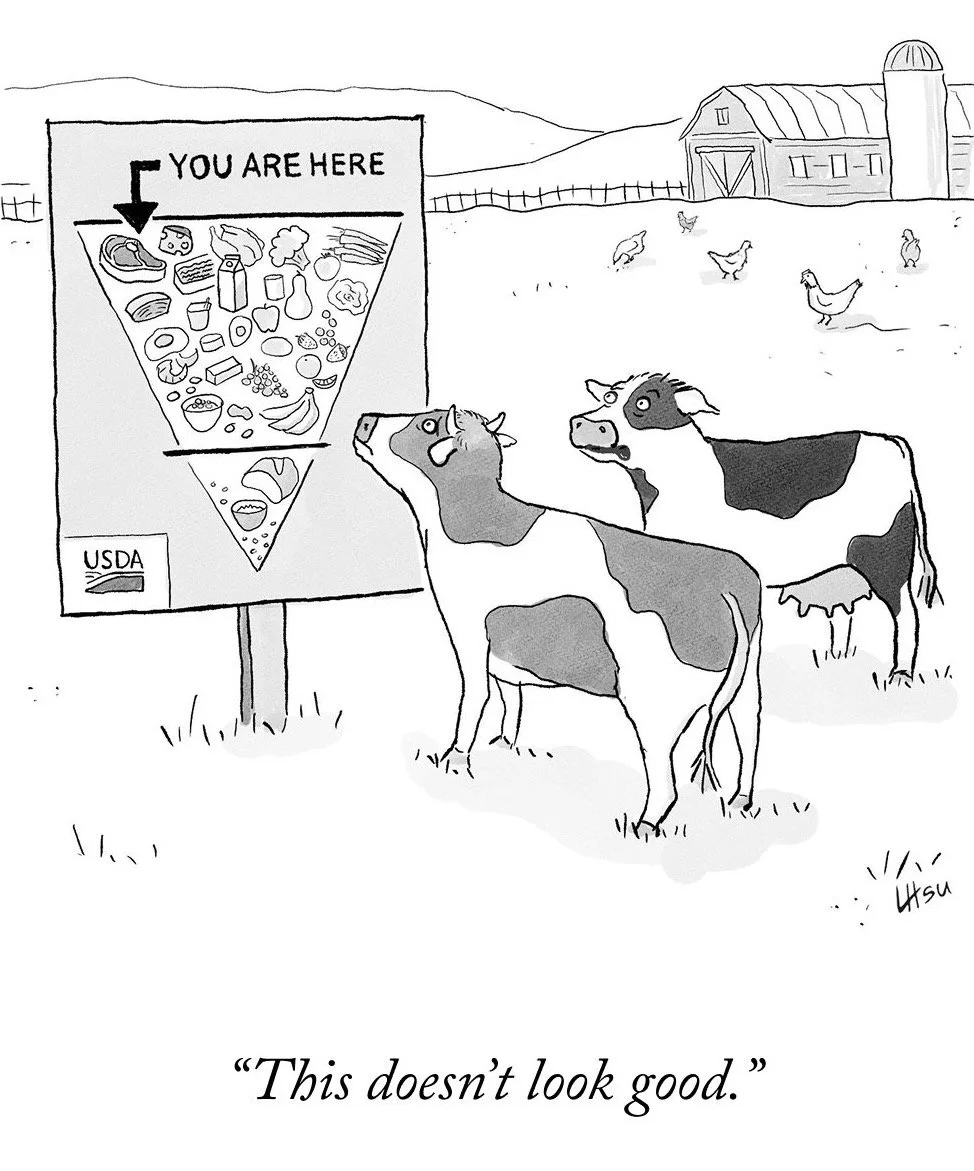
Source: The New Yorker, January 26, 2026


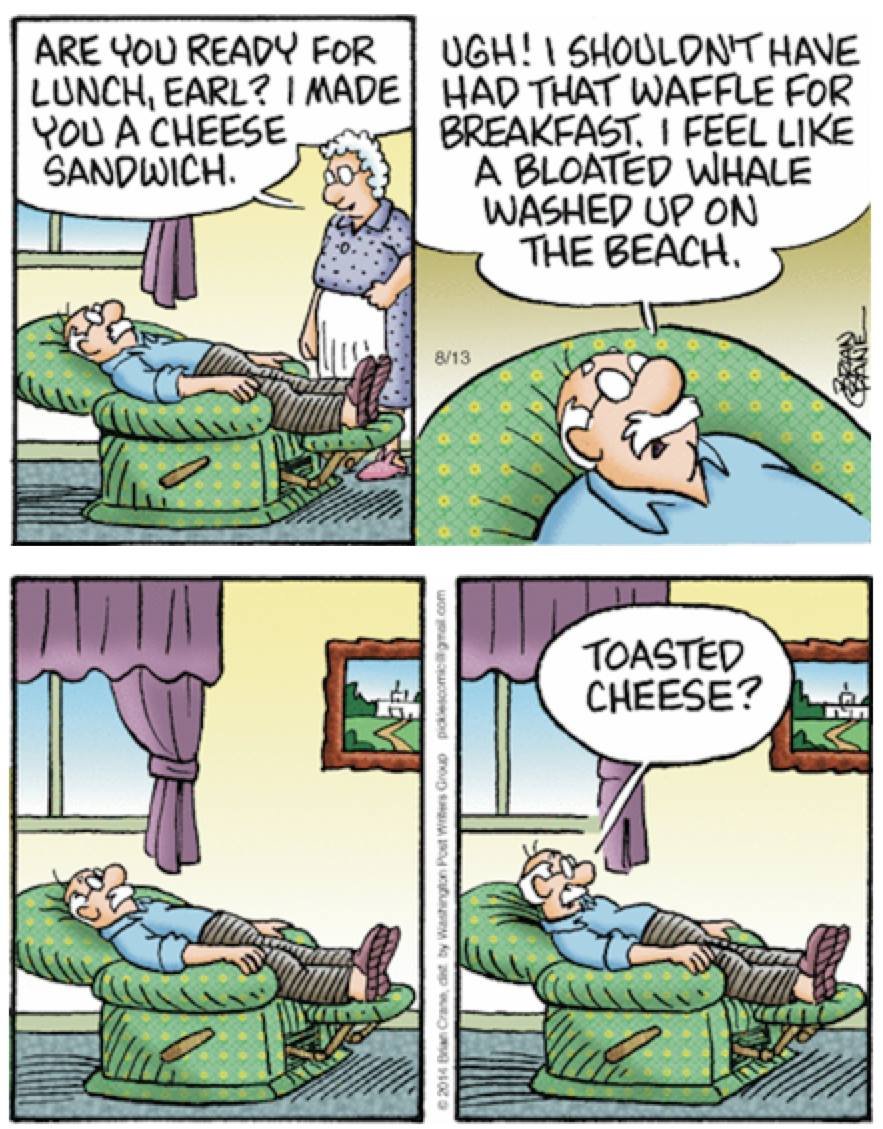
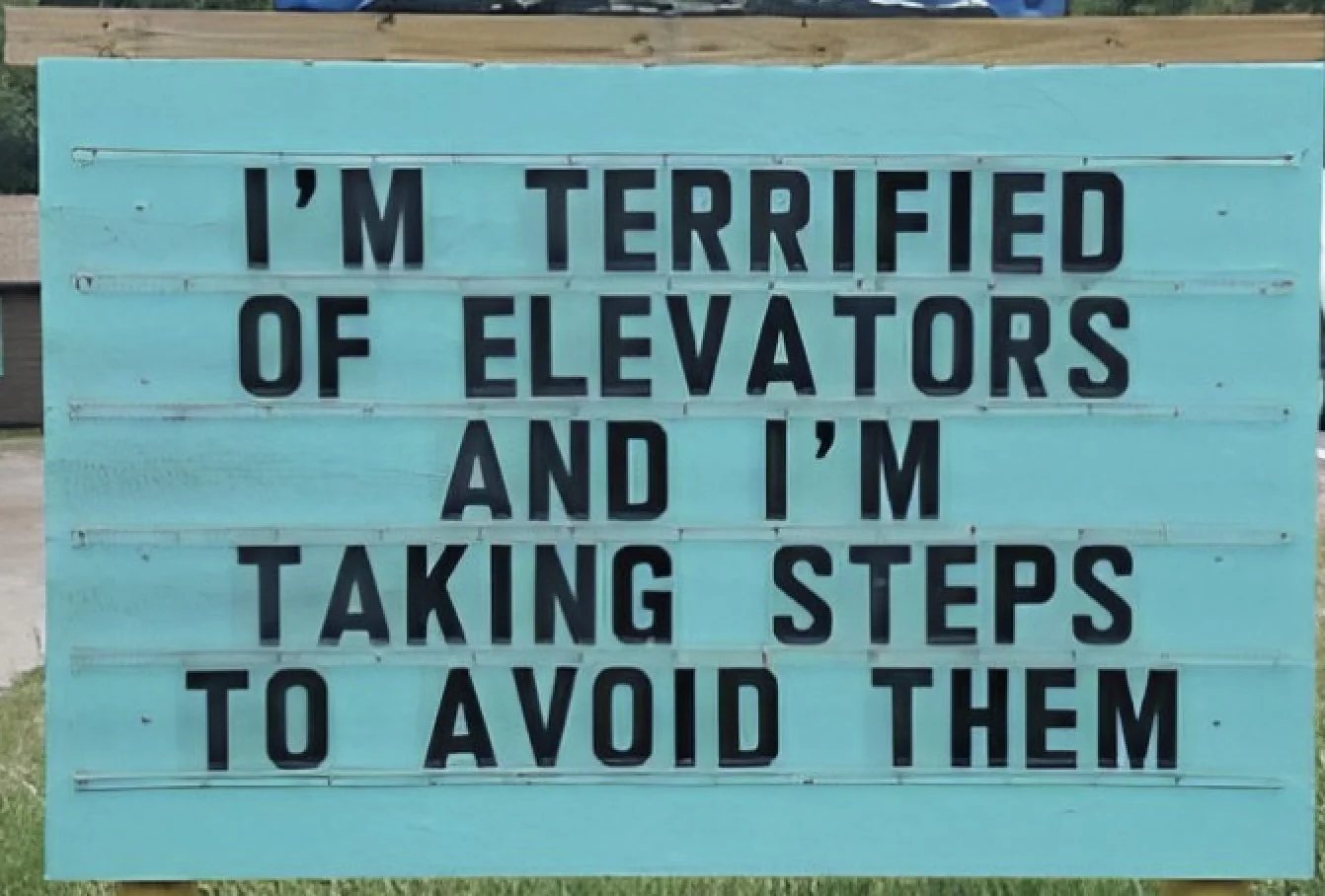
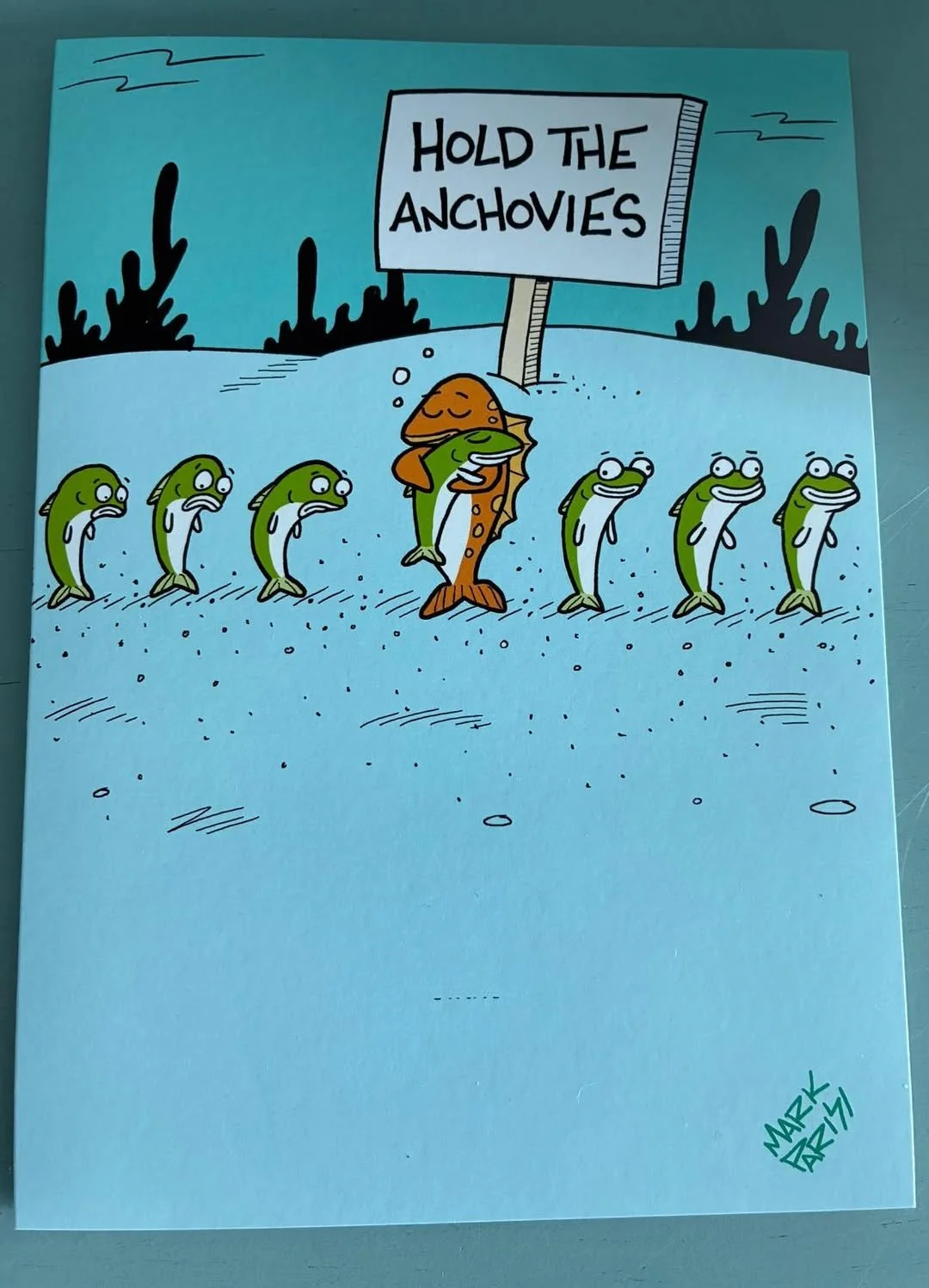
Art By Hart

With the storm coming, Cecile’s canary grew a thick warm coat

All the kids could play in the snow this morning while Mum cleaned the house
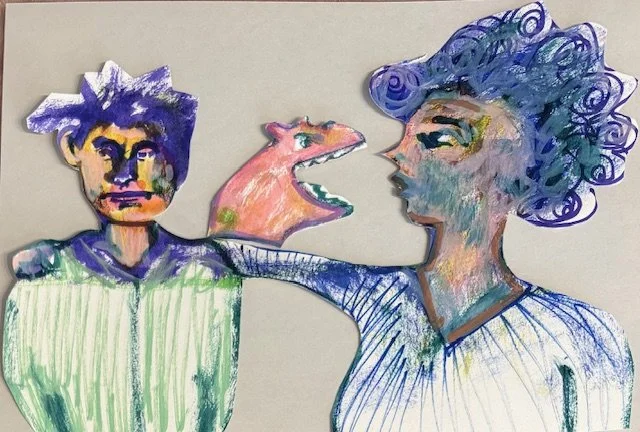
The new year brought no improvement in Junior’s attitude

Pringle found eternal wisdom and occasional stock market tips in Russet’s dreams
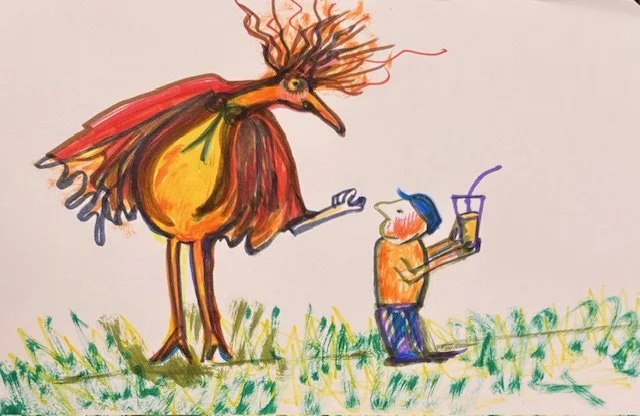
Wilson discovered his uncle’s stash of organic bug juice
Art and photos by Jane Hart
In and Around Kendal
Fellow Visitors to the Park

Photo by Carolyn Reiss
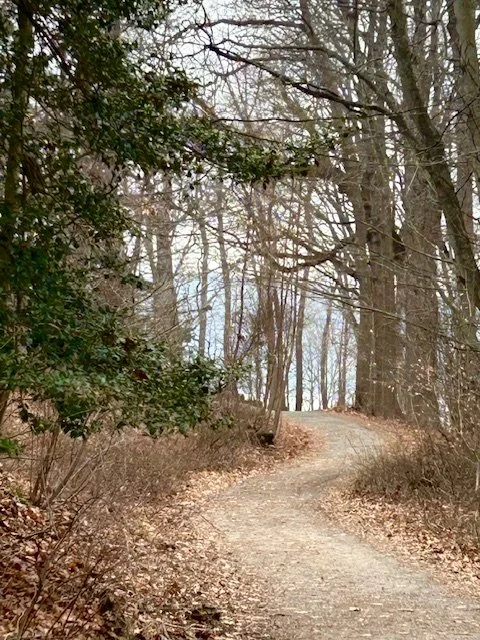
The trail in . . . the trail out, by Carolyn Reiss
Tuesday Morning Club Musicians
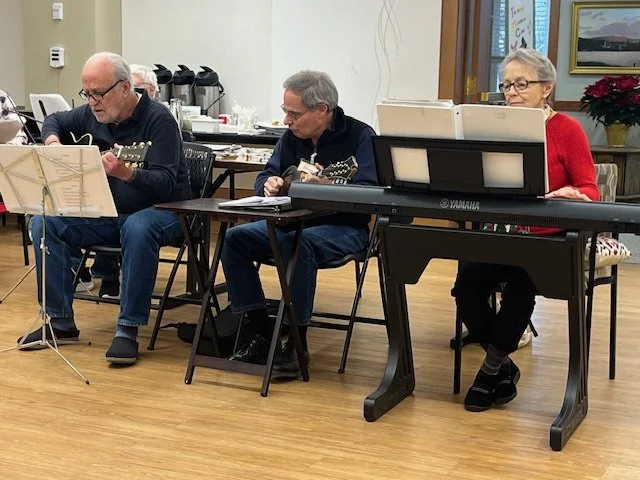
Photo by Sue Bastian
View From the Gazebo

Photo by Joe Bruno
First Snow of 2026

Photo by Carolyn Reiss
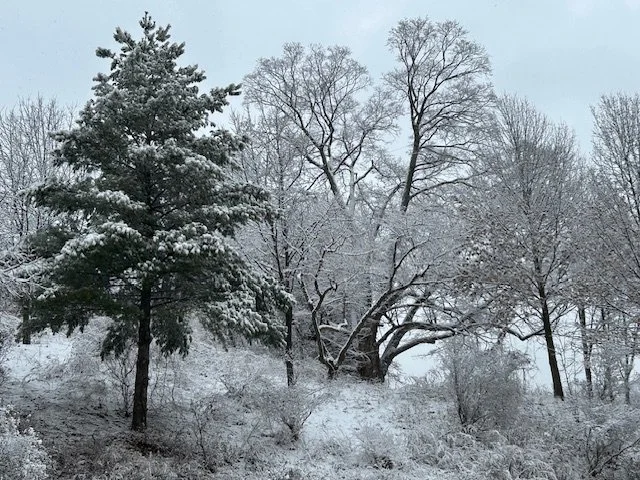
Photo by Carolyn Reiss
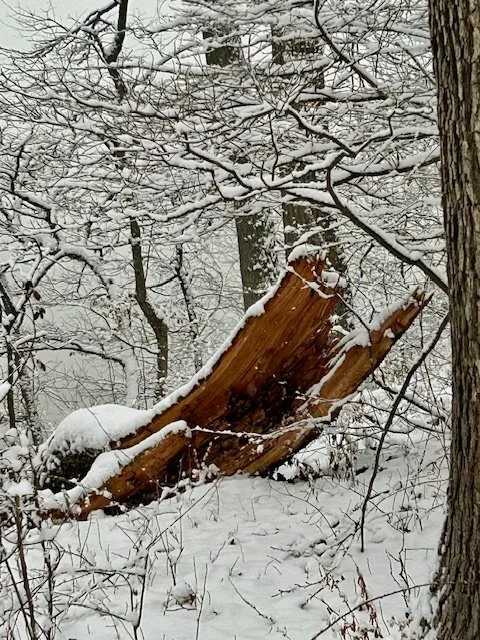
Photo by Carolyn Reiss

Photo by Edward Kasinec
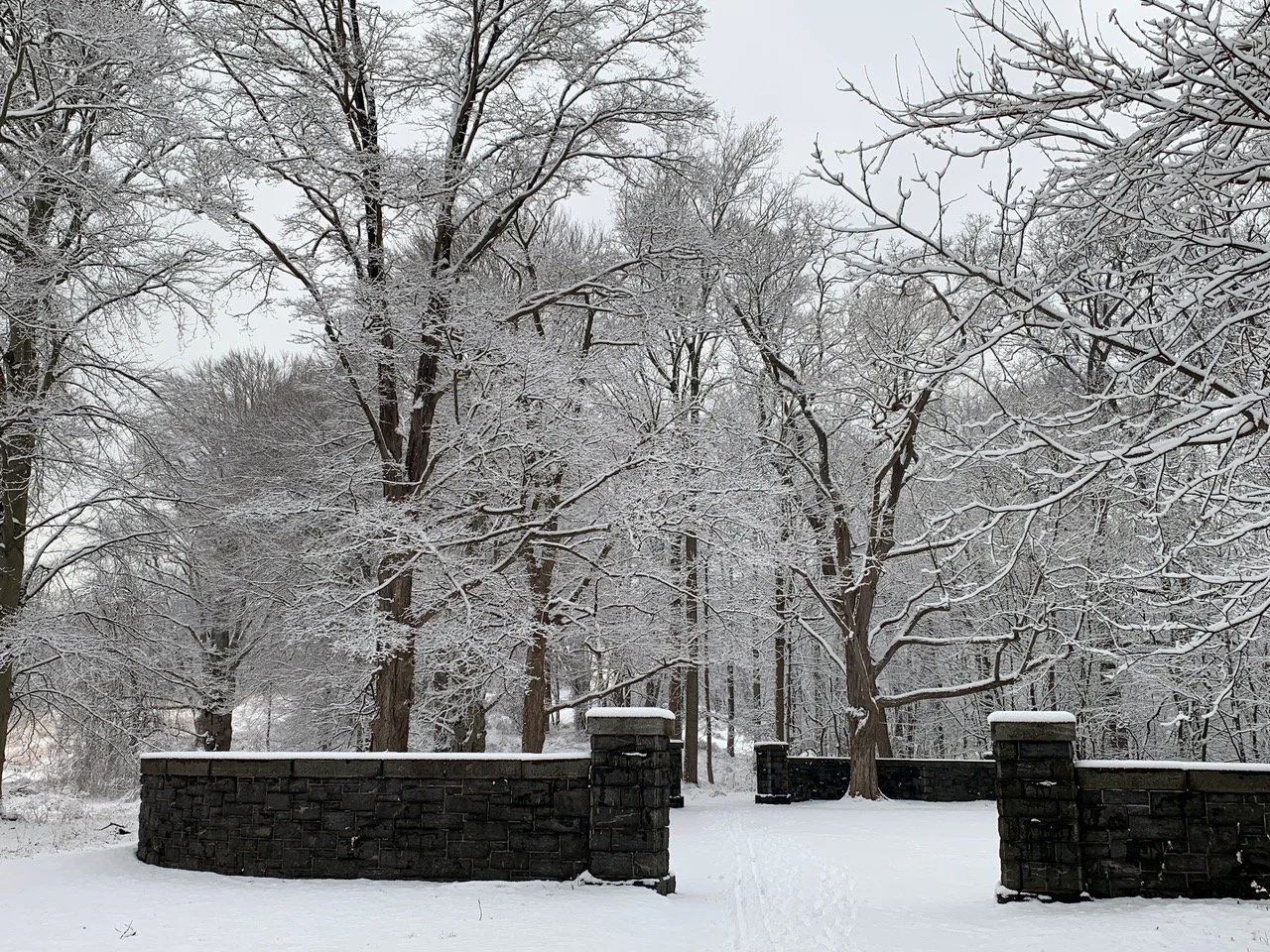
As the sun begins to set . . . , by Harry Bloomfeld

Photo by Harry Bloomfeld

Photo by Harry Bloomfeld
Out and About
New York Iconic Sites . . . Naturally
Recently, Amanda Slattery and Ruth Dinowitz visited the New York Botanical Garden’s annual Train Show, depicting significant New York sites in natural materials—including ones from Sleepy Hollow territory.

Glass-sided living atop an old warehouse
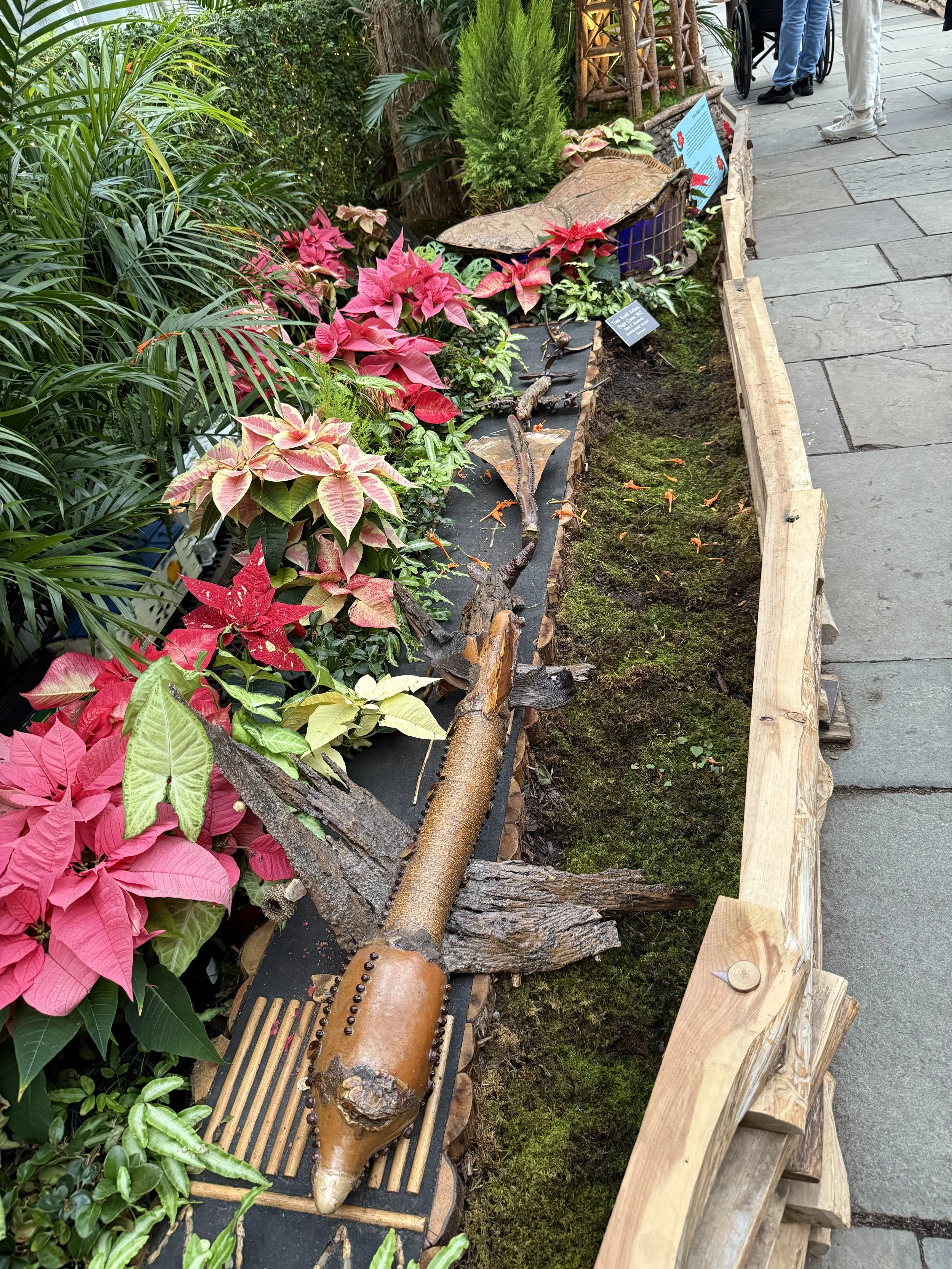
Planes leaving the old TWA terminal
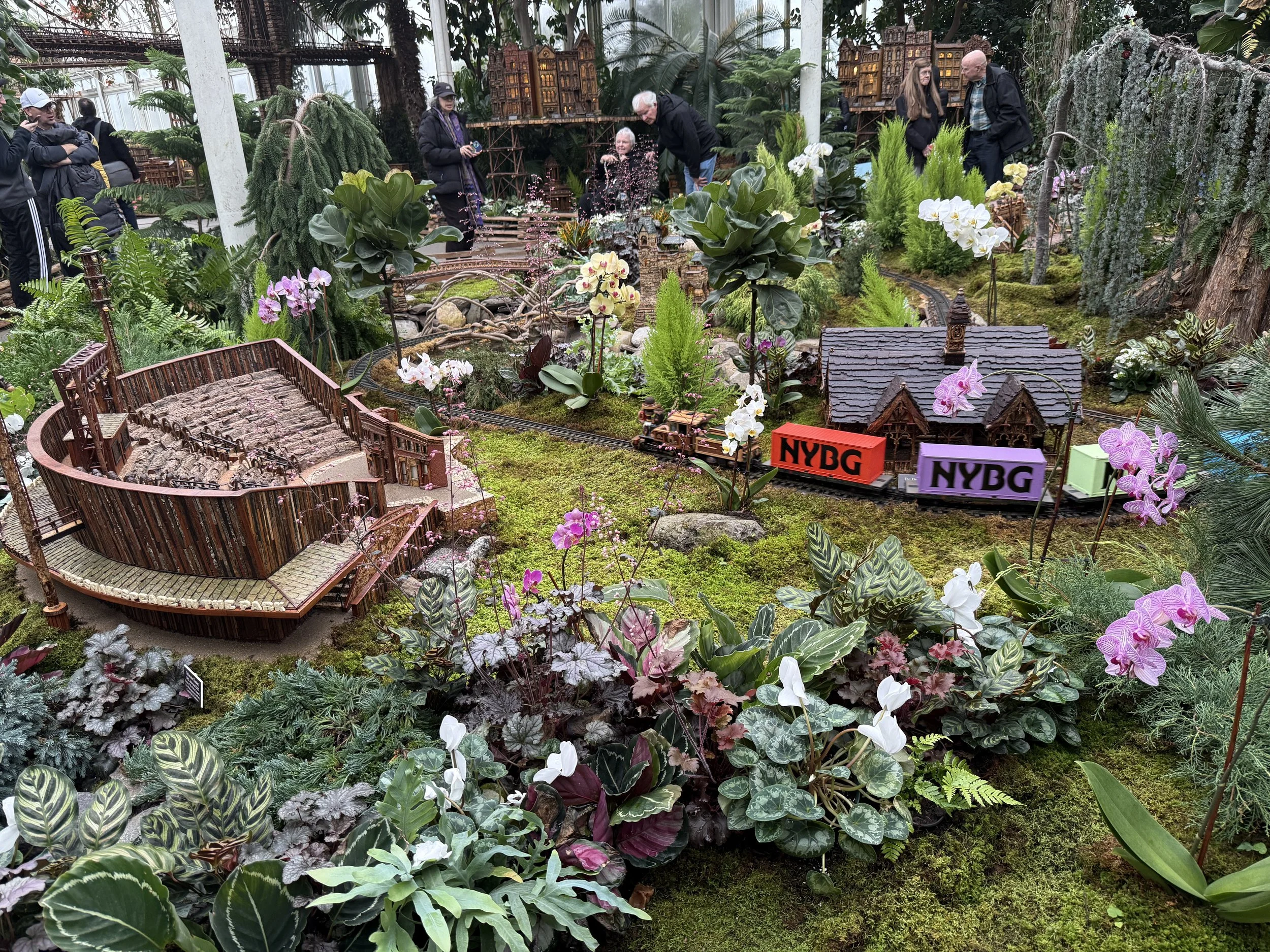
New model of the Delacorte Theater

Lyndhurst

Photo by “A Friend”
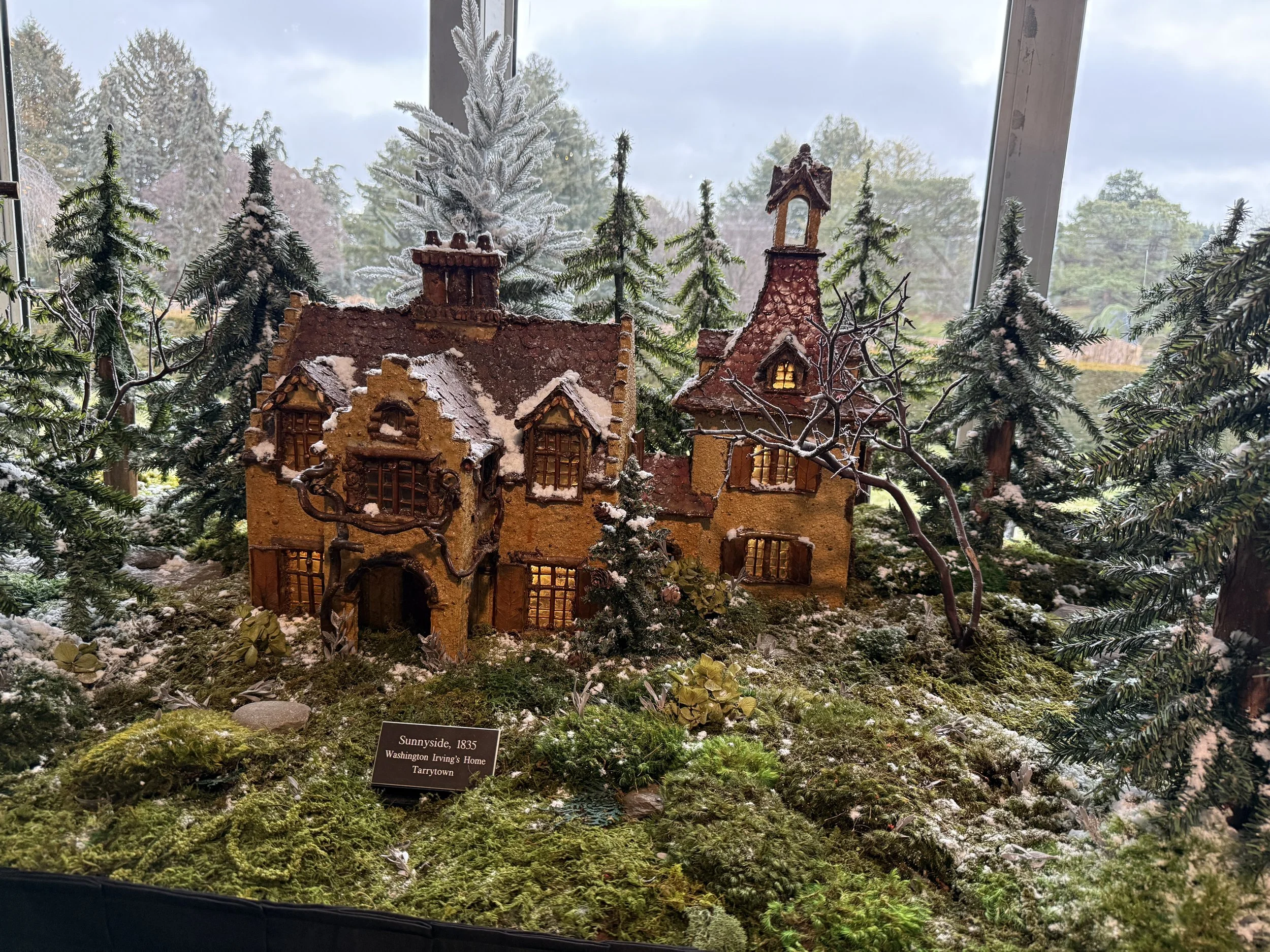
Sunnyside
Photos by Amanda Slattery
The Waterfront of Ossining

Photo by Carolyn Reiss