
From the office of Ellen Ottstadt
Quotes for Our Age
“To get back to my youth I would do anything in the world, except exercise, get up early, or be respectable.” Oscar Wilde
“The older we get, the fewer things seem worth waiting in line for.” Will Rogers
“We must recognize that, as we grow older, we become like old cars—more and more repairs and replacements are necessary.” C.S. Lewis
“Old age comes at a bad time.” San Banducci
“I’m so old that my blood type is discontinued.” Bill Dane
“The older I get, the more clearly I remember things that never happened.” Mark Twain
Contributed by Jane Hart and Steve Price
To be continued . . .
I Never Knew That
Santa Claus Currency: Then—and Now!
December 6: The Feast of Saint Nicholas. Celebrated as a day children awaken to find gifts left in their shoes. The historical Saint Nicholas (AD 270-343) was the patron saint of archers, sailors, brewers, children and students. He also earned a reputation for secretly giving gifts, serving as the model for everyone’s favorite Christmas gift distributor—Santa Claus, sometimes referred to as “Jolly Ol’ St. Nick.”
In the mid-1800s, the Saint Nicholas Bank in New York City released its own paper money bearing engraved images of Santa Claus delivering toys and sweets to good girls and boys. The bank had opened in 1853 and issued the whimsical notes made by private printers in several denominations, including $3 bills. Like most obsolete currency, Saint Nicholas Bank notes are printed on one side only. Today, they’re highly sought as collectibles by paper money enthusiasts and Santa devotees.
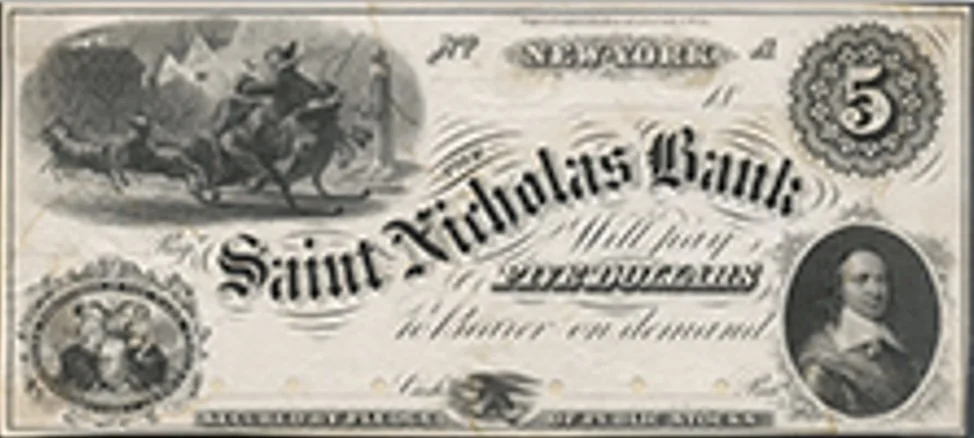
Santa and sleigh are up there in the left-hand corner
Obsolete bank notes were produced between 1792 and 1866 before the federal government issued its own paper money in the 1860s during the Civil War. They were issued by private banks and businesses that successfully applied for a state charter. Including the Saint Nicholas Bank, 21 banks from 8 states (27 total notes) issued obsolete notes featuring Santa Claus. Seven total Santa vignettes were used (there are no examples of type VII; it is lost to history).
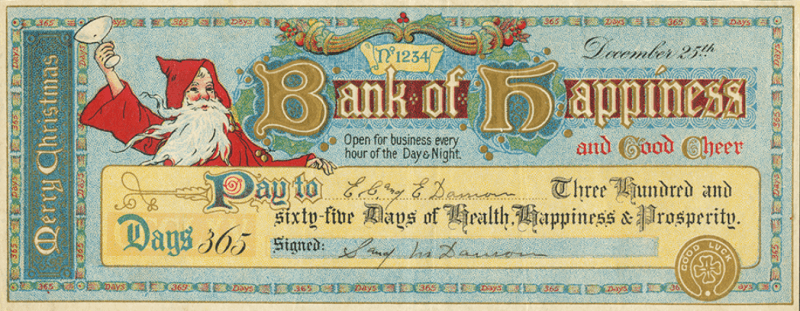
Santa Claus has also appeared on other genres of numismatics, including checks, stock certificates, scrip, gift cards, tokens, medals, wishing coins, elongates and altered currency.
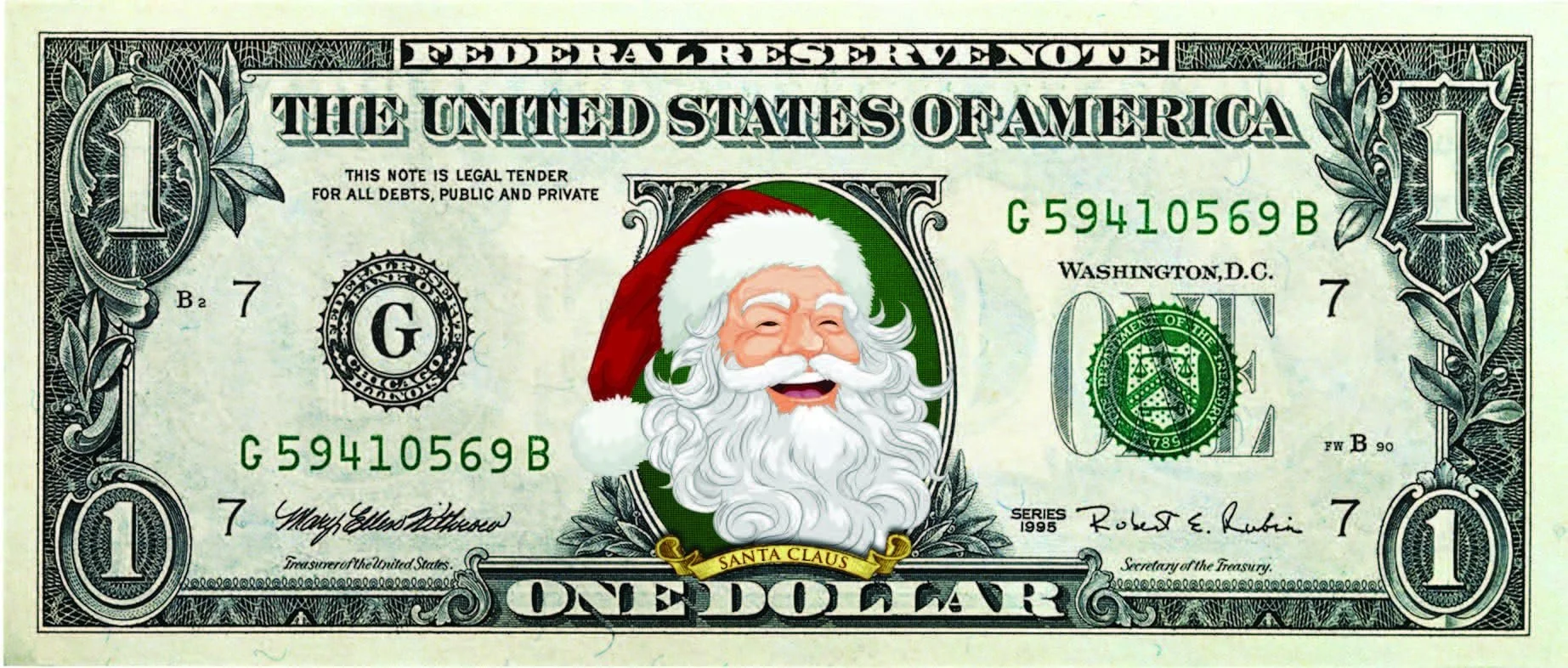
Even today a real and legal US currency can depict Santa’s merry face. They start as real, uncirculated US bills (like a $1 or $5 notes). “Santa Dollars” (santadollars.com) are real, legal US currency (like a $1 or $5 bill) with a special, removable Santa Claus seal placed over a president’s face, making them a popular, spendable (after removing the seal) gift or stocking stuffer that raises money for charities, rather than a fake or novelty bill. They are authentic US currency that meets Treasury requirements, but people usually collect them because they are sold at a premium for a good cause.
So, Yes, Virginia, you can receive Santa currency today! Just don’t forget to remove Santa’s face before handing the cash over to whoever’s at the cash register!
For Your Funny Bone


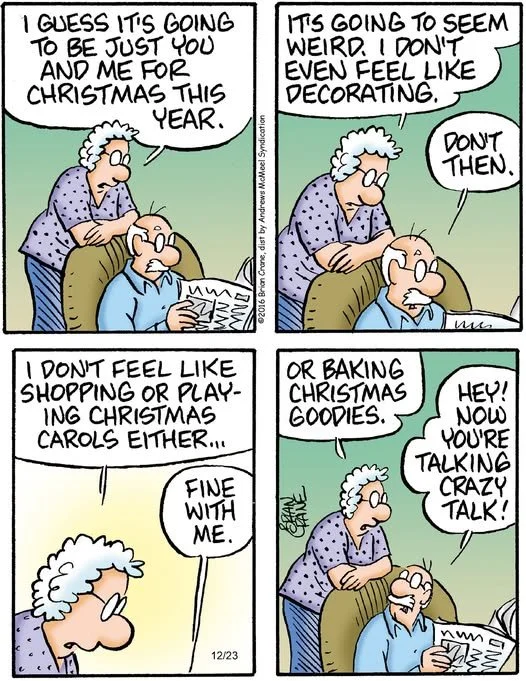

Contributed by Don Butt
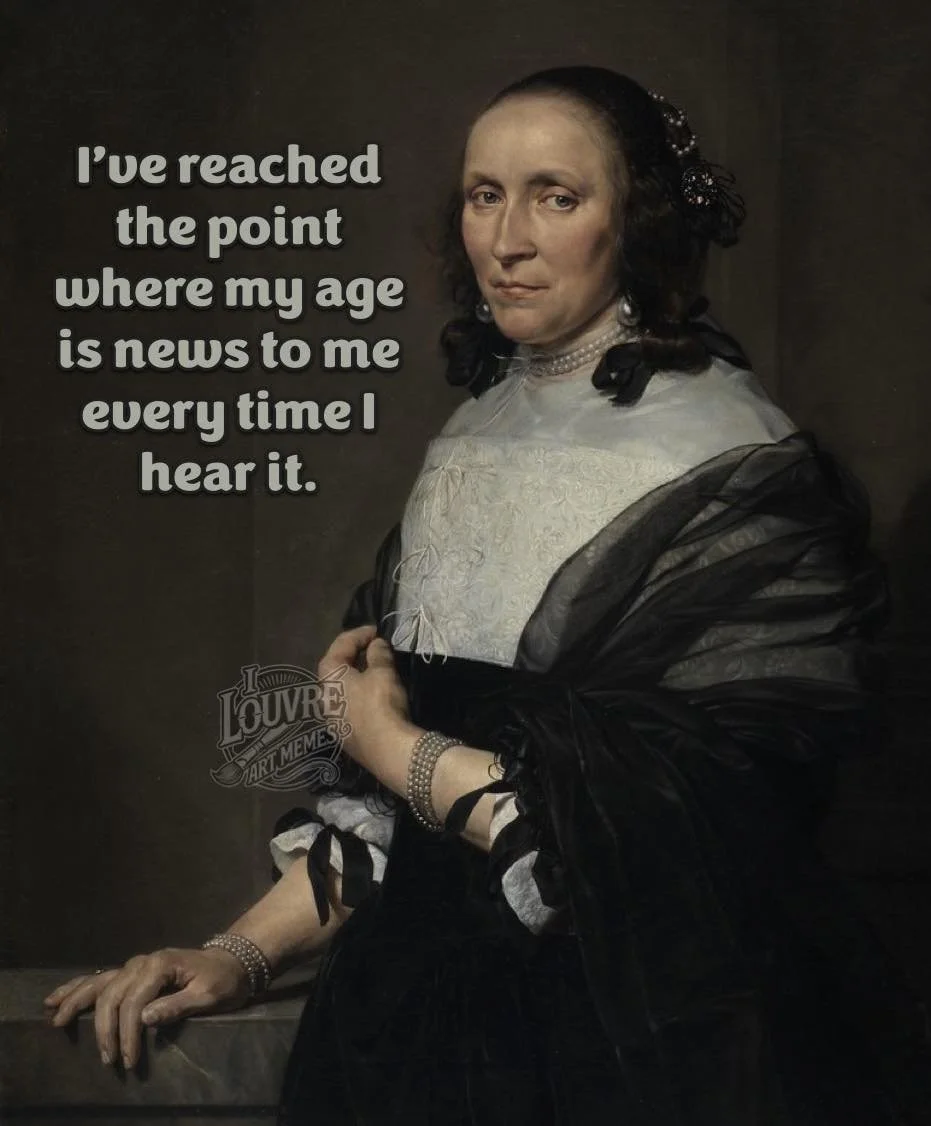
Contributed by Barbara Bruno
Hope for the Future of the World II, by Sheila Benedis
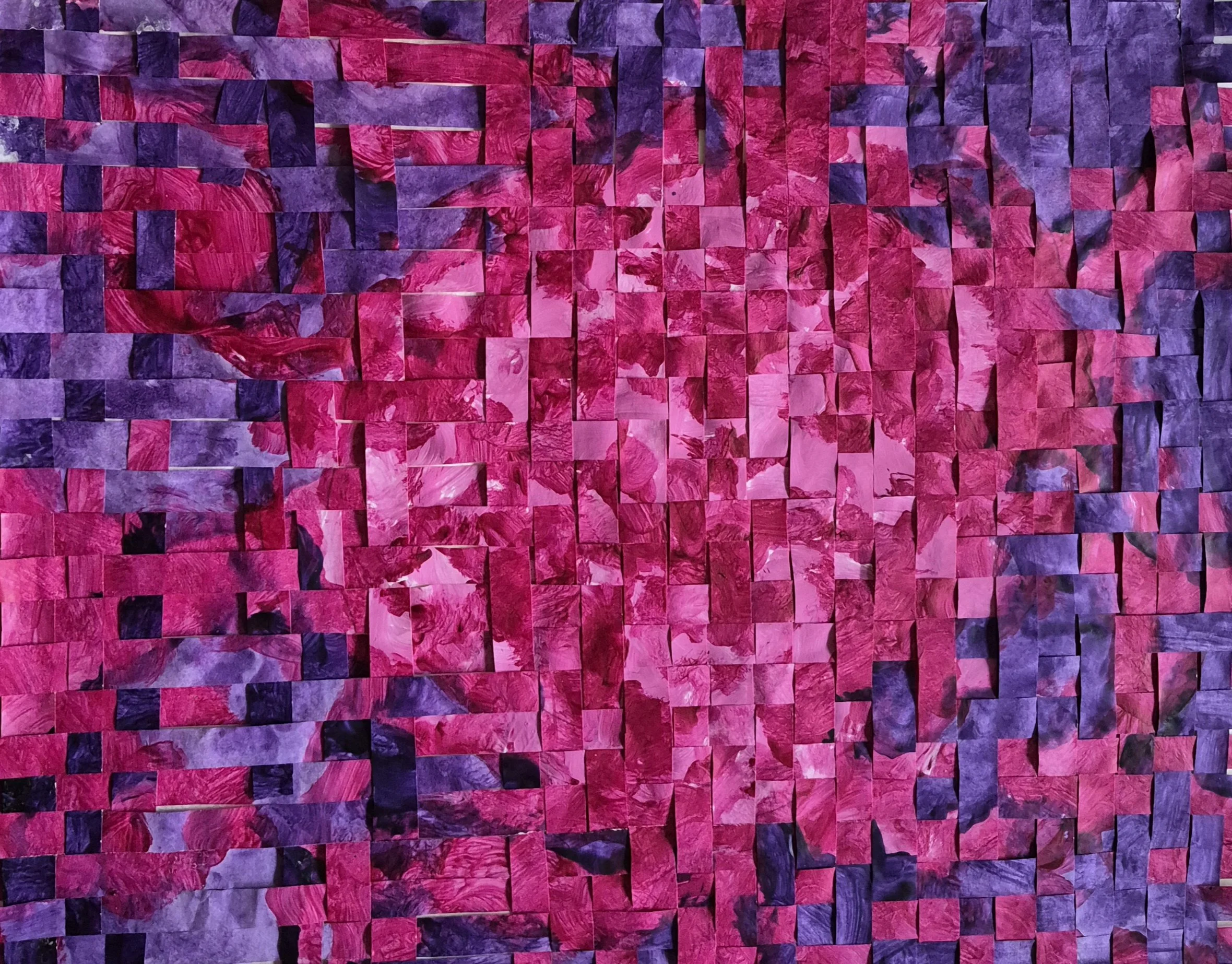
Art and photo by Sheila Benedis
Art by Hart

Addie Jo loved the holiday hubbub, but it made her children cranky
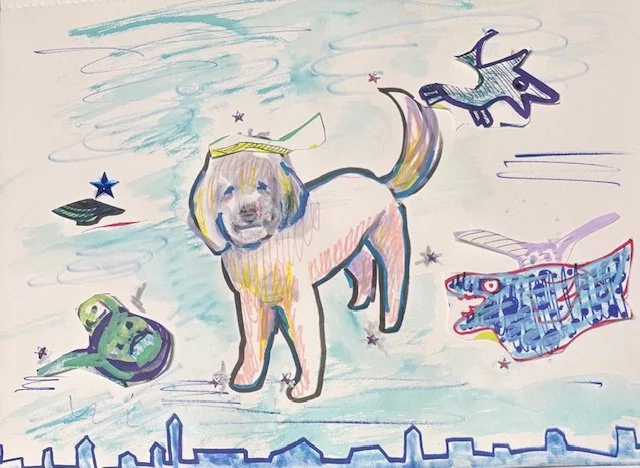
It was Professor Kyle Hamster-Bourne who identified several previously unknown constellations

Sausage’s 18th-century sty was still standing, including the original 18th-century stained glass window

Jumbo felt shy at parties and ended up talking to the babartender
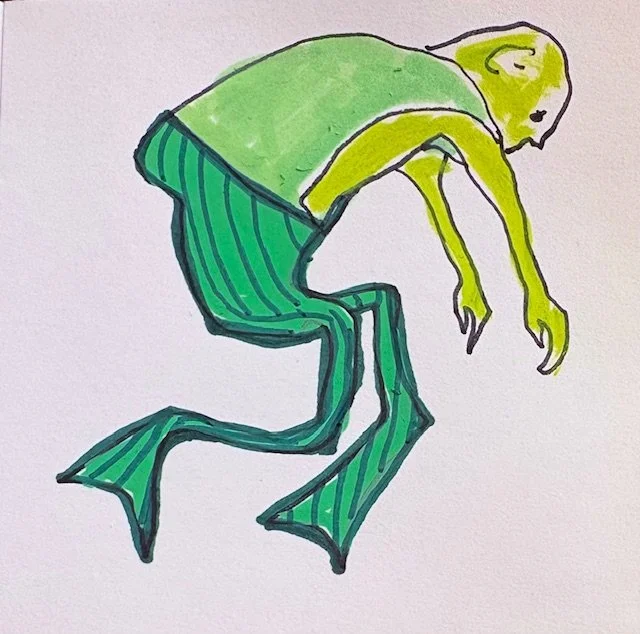
Lester’s dance moves left his partners behind
Art and photos by Jane Hart
In and Around Kendal
December Birthdays

Photo by Harry Bloomfeld
Forget the Warm Puppy, Happiness Is . . .

Photo by Ed Lannert
The Belles of the Bells

Photo by Carolyn Reiss
Making It Official
We may have six more days until the shortest day of the year, but overnight the weather proved that winter—and all its beauty—is upon us!

Just Starting December 13, by Carolyn Reiss

Morning, December 14, Entering Rockwood Park, by Greg Lozier

Photo by Marianne Bloomfeld

Photo by Sue Bastian

A Snowy Kendal, by Edward Kasinec

Photo by Carolyn Reiss
A Girl Who Knows How Important Fashion Can Be

Allie Reiss dresses casually, but oh so stylishly, for a walk in the snow, by Carolyn Reiss
It’s Beginning to Look a Lot Like . . .
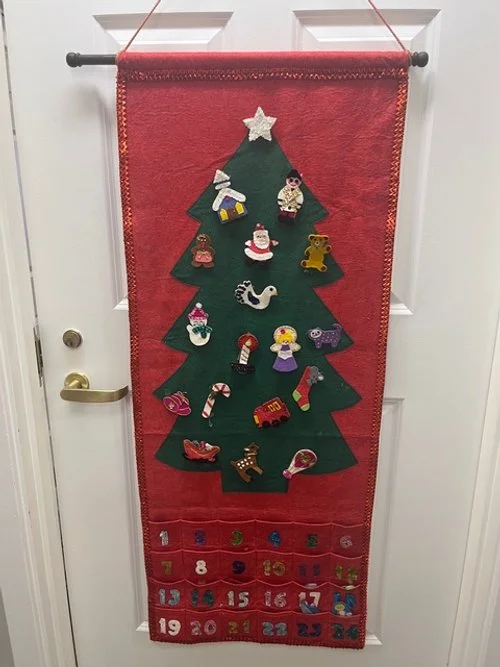
Sue Bastian’s tree is guaranteed not to shed needles . . .
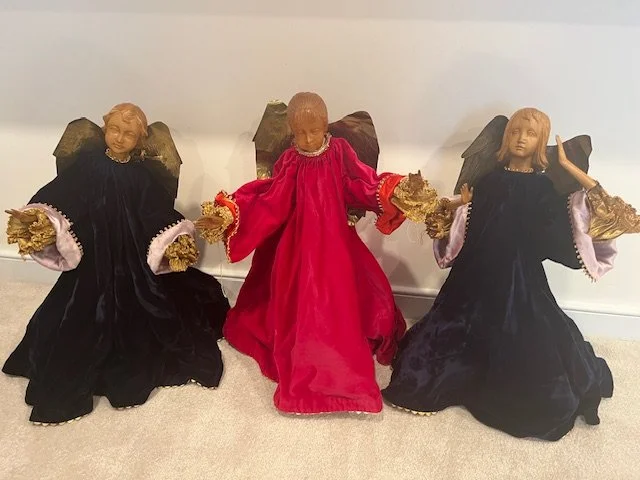
Gracing Sue’s Living Room and spreading joy therein
Photos by Sue Bastian
Out and About
It’s a Lyndhurst Christmas!
Recently, Amanda Slattery and Cynthia Ferguson took a quick drive over to Lyndhurst to indulge in the mansions festive decorations—with 50 uniquely designed trees throughout.
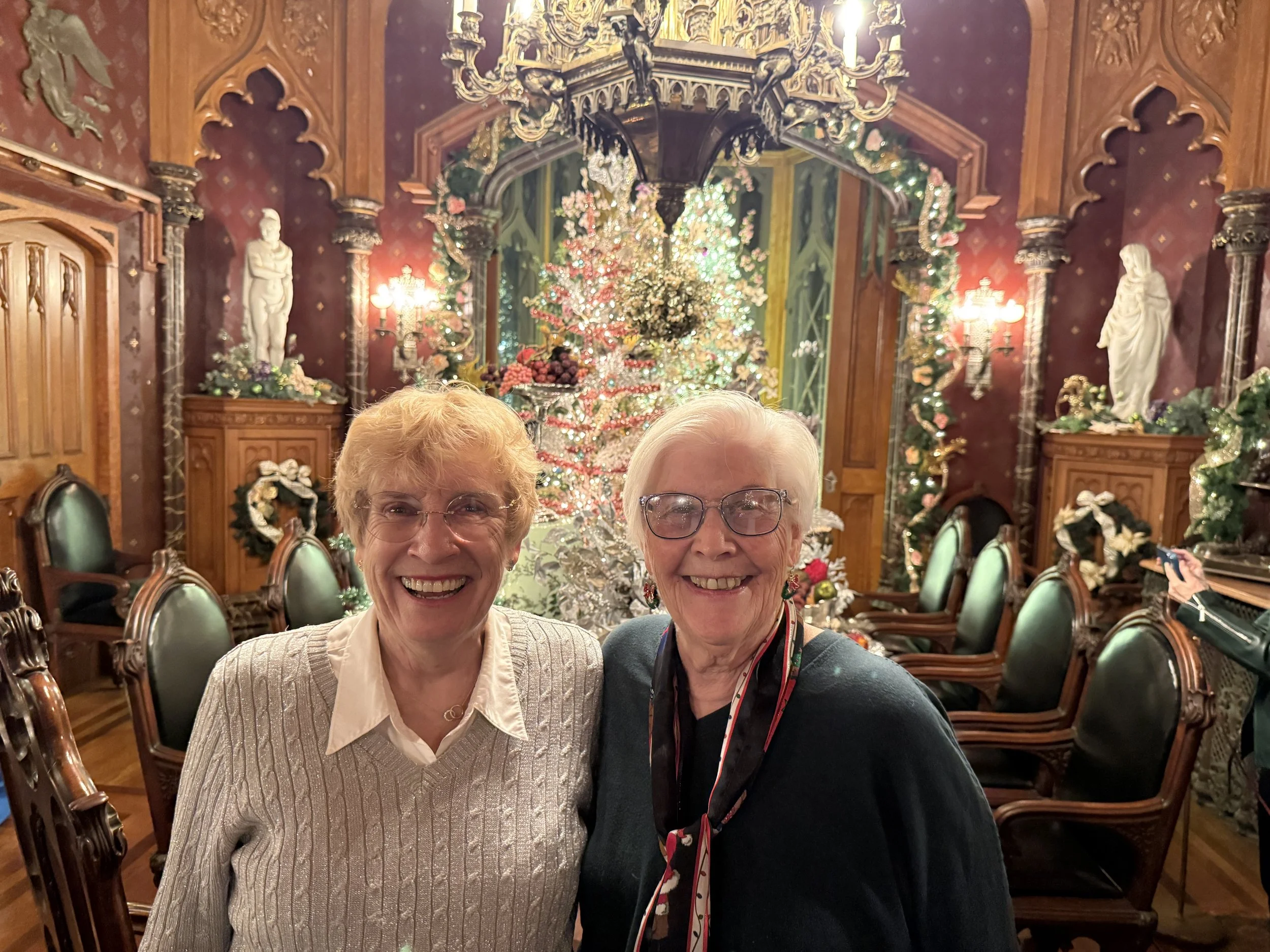
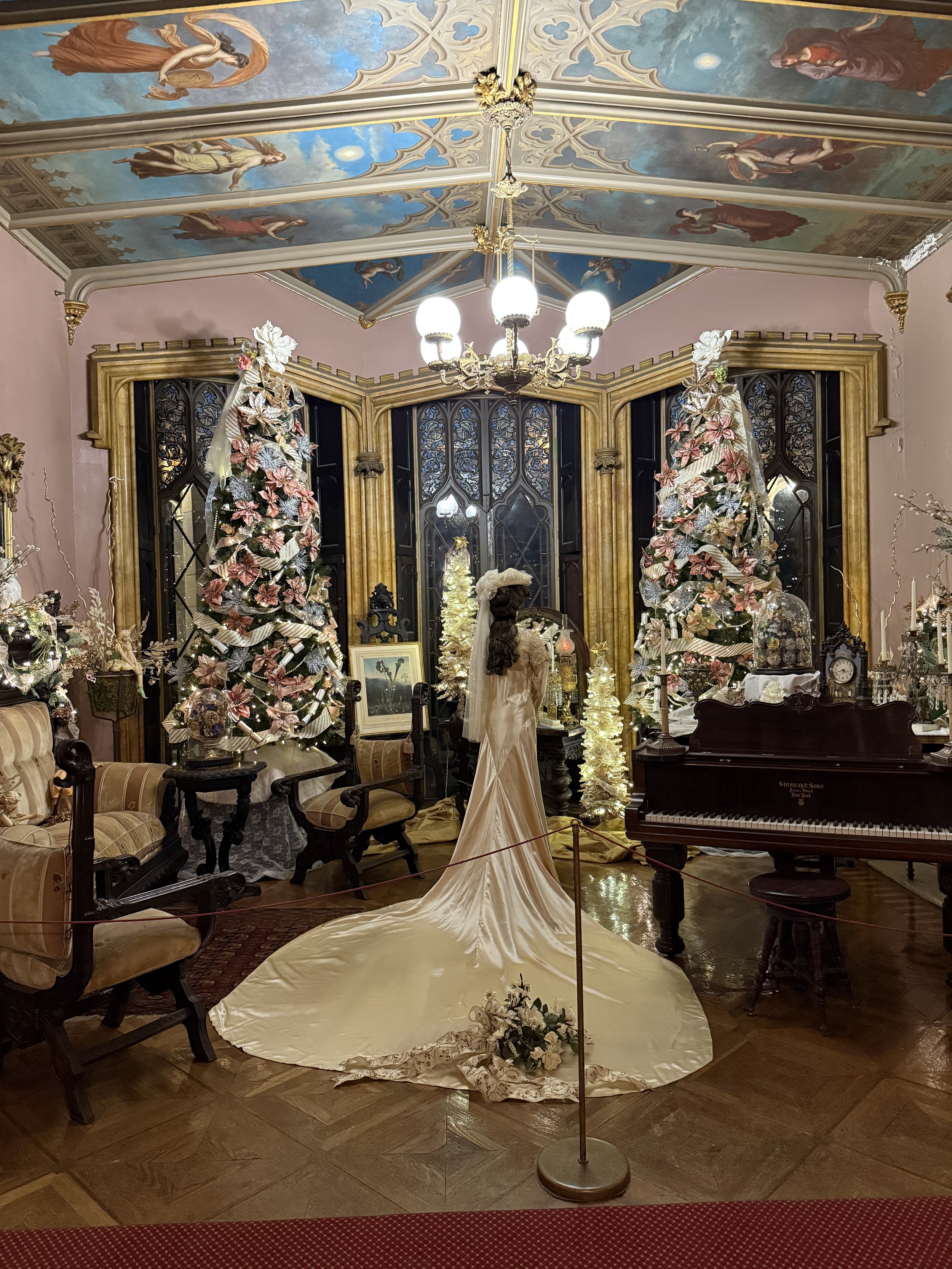
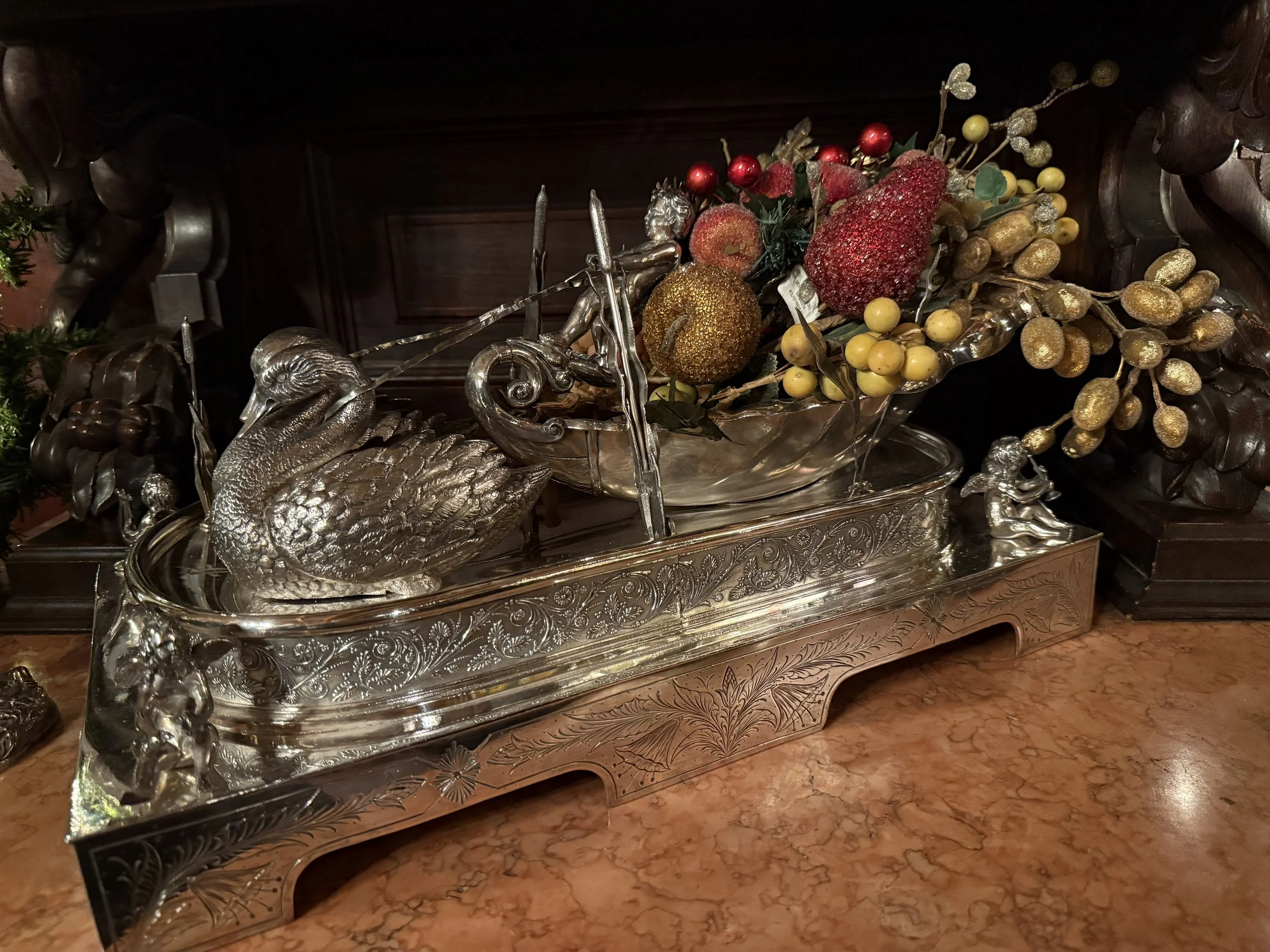

Lyndhurst interior photos by Amanda Slattery
Coming Soon to a Gathering Room Near You!
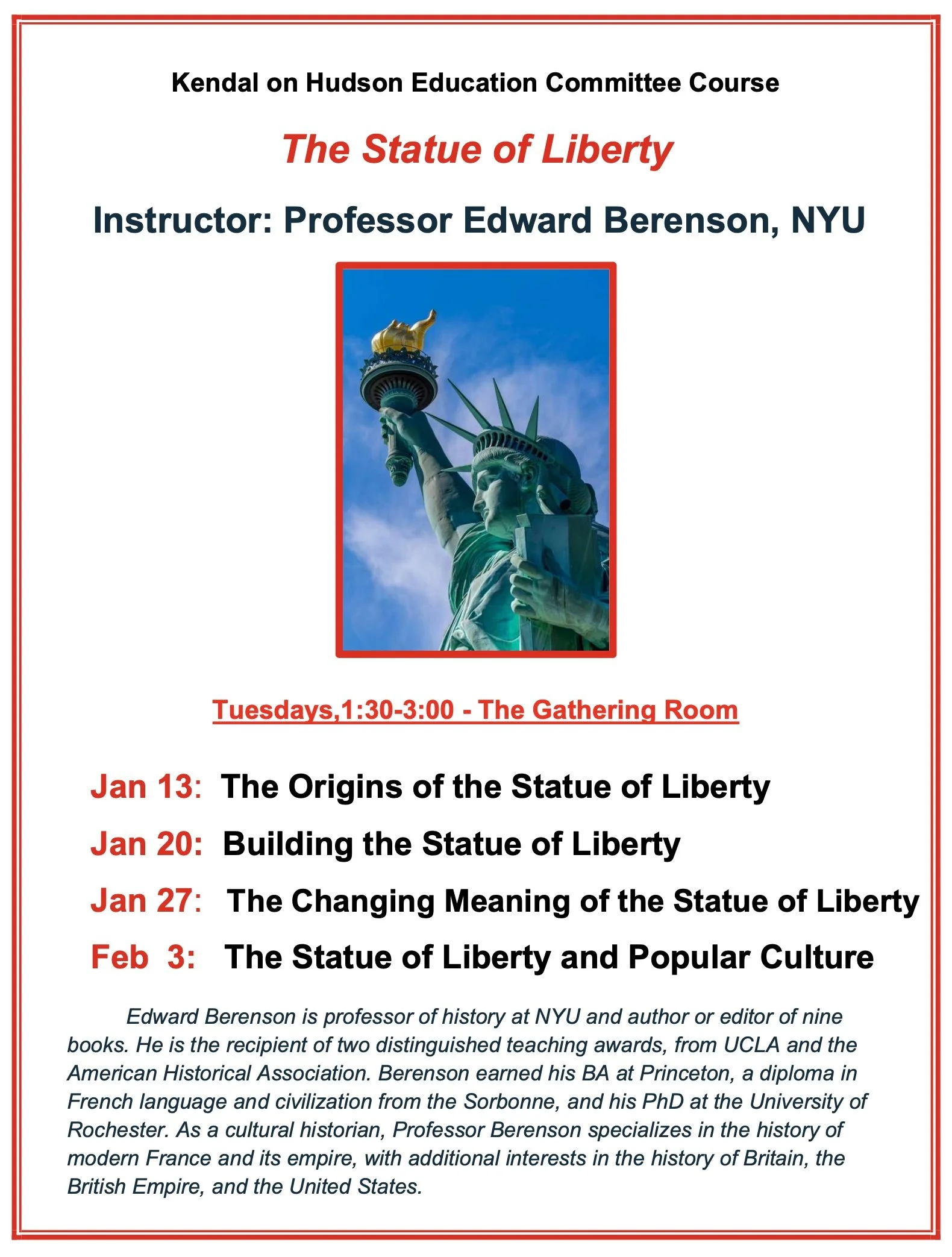
The flyer for signing up for this course has already gone into our cubbies. Missing yours but interested in signing up? You’ll find additional flyers in the Activities Alcove between the Bistro Lounge and the Gathering Room. Don’t dawdle! Sign up soon!
Kendalite Makes News

Photo by The Hudson Independent
The Hudson Independent published a lengthy article in their December 2025 issue on food insecurity in Westchester County, mentioning the efforts of community groups to help fill the growing void. Front and center comes our very own Pam Mitchell, thusly:
“Meanwhile, many residents in the area, such as Pam Mitchell of Sleepy Hollow, are lending a hand and bagging groceries for those in need.
As a volunteer with the Community Food Pantry of Sleepy Hollow/Tarrytown, Mitchell noticed there was a shortage of grocery bags for families when they came to collect their food.
Mitchell, a resident at the Kendal on Hudson senior living community, connected with other women to collect bags that could be reused and redistributed at the pantry. At one dropoff, more than 100 bags were donated.”
Yay, Pam!
Just in Time . . .

Kendal Performances
Performances—musical, educational, edificational, just for kicks—provide a lot of enjoyment here at Kendal. Every once in a while, a photographer here can capture an extra something special, as well.
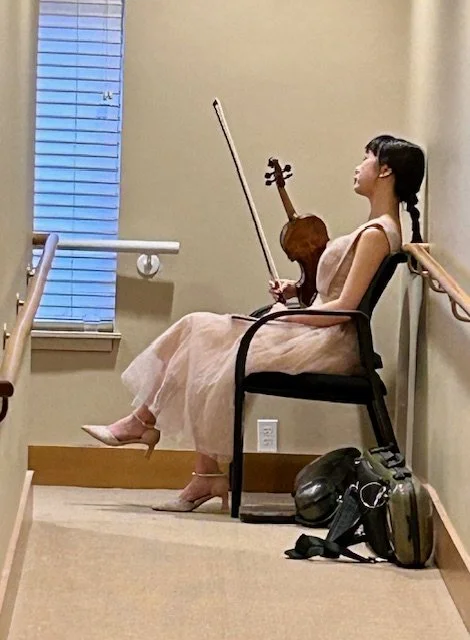
Waiting in the Wings: 15-year-old violinist Nickita Zhang performed with her older sister on the piano. Photo by Carolyn Reiss
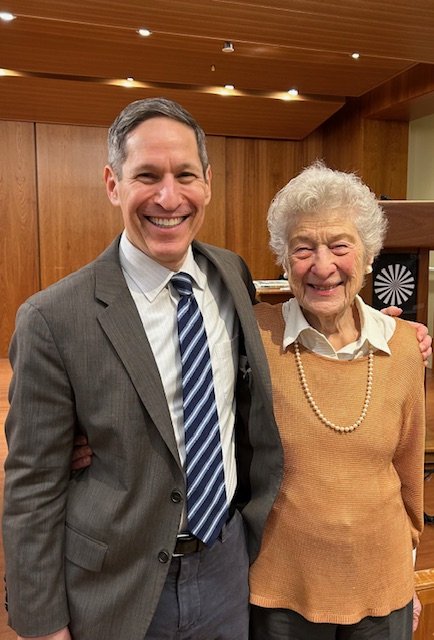
A Family Affair: Tom Frieden—who keeps us abreast of the state of health home and abroad—with mom Nancy Frieden of Kendal fame. Photo by Edward Kasinec
Holiday Sing-Along

What's So Punny?
A vulture carrying two dead raccoons boards an airplane. The stewardess looks at him and says, “I’m sorry, sir, only one carrion allowed per passenger.”
Two fish swim into a concrete wall. One turns to the other and says, “Dam!”
Two Eskimos sitting in a kayak were chilly, so they lit a fire in the craft. Unsurprisingly, it sank, proving once again that you can’t have your kayak and heat it too.
Two hydrogen atoms meet. One says, “I’ve lost my electron.” The other says, “Are you sure?” The first replies, “Yes, I’m positive.”
Did you hear about the Buddhist who refused Novocain during a root-canal? His goal: transcend dental medication.
There was the person who sent 10 puns to friends, with the hope that at least one of the puns would make them laugh. No pun in ten did.
Contributed by Barbara Wallach
Weekly Construction Report

From the Office of Ellen Ottstadt
I Never Knew That
Thomas Edison’s Greatest Invention?
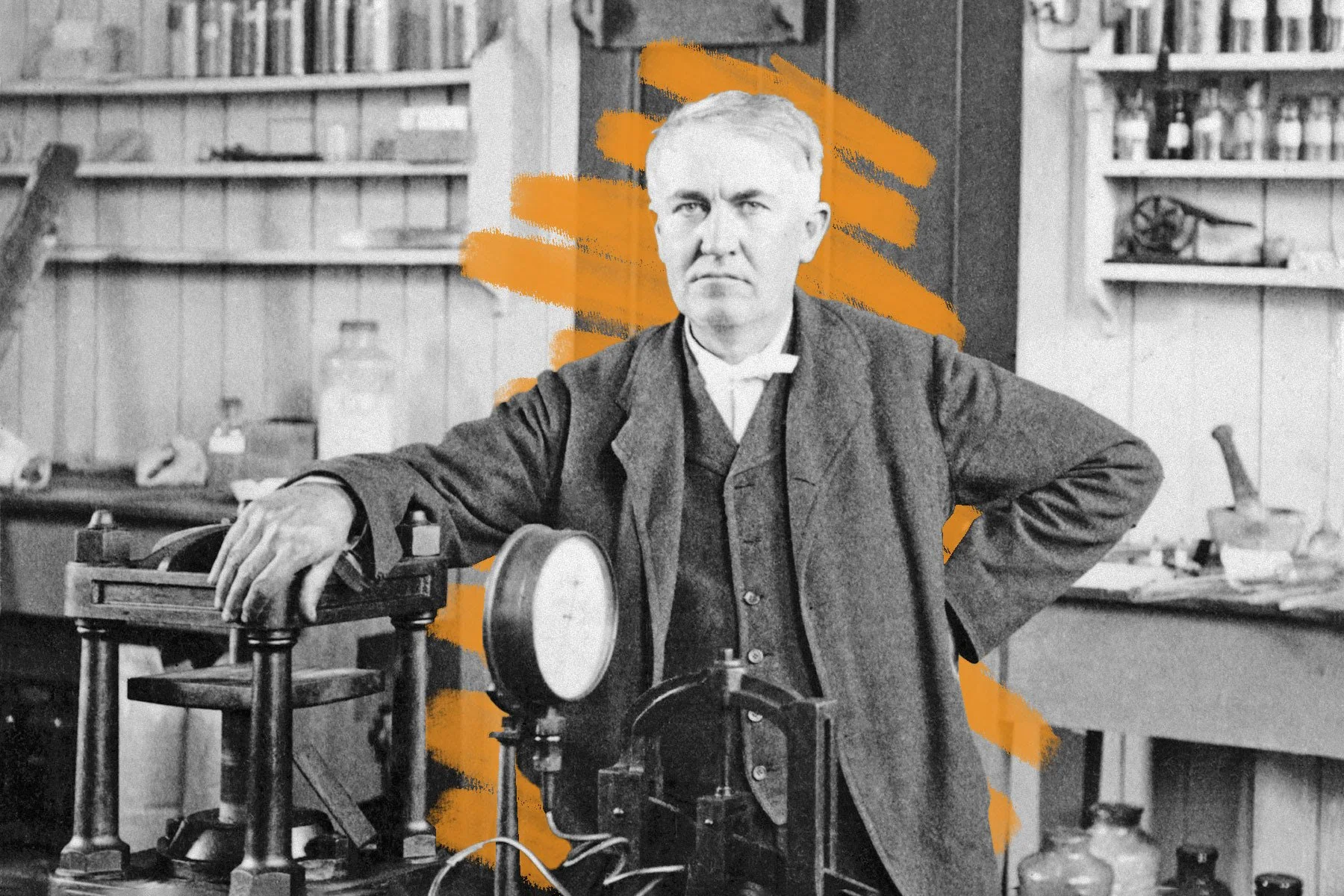
Although Thomas Edison was awarded 2,332 worldwide patents as an inventor, one of his lasting contributions to modern society was not proprietary: the job interview.
Edison was not just a prolific inventor—he was also a businessman in charge of an industrial empire. His corporation, Thomas A. Edison, Inc., employed more than 10,000 workers at dozens of companies. Edison wanted employees who could memorize large quantities of information and also make efficient business decisions. To find them, he devised an extensive questionnaire to assess job candidates’ knowledge and personality.
Edison began using tests for candidate assessment in the late 19th century, but the questions he asked then were very specific to open positions he needed filled. Over time, he expanded on the idea, including questions that were not directly related to the job. While interviewing research assistants, for example, Edison served them soup to see if interviewees would season the soup before they tasted it; those who did were automatically disqualified as it suggested they were prone to operate on assumptions.
In 1921, Edison debuted the Edison Test, a knowledge test with more than 140 questions. Questions varied depending on the job position, but all interviewees were asked about information outside of their areas of expertise. The queries ranged from agricultural in nature (“Where do we get prunes from?”) to commercial (“In what cities are hats and shoes made?”) to the macabre (“Name three powerful poisons.”). After a copy of the questionnaire was leaked to The New York Times, Edison had to change the question bank multiple times to ensure applicants took the exam without any outside assistance.
A score of 90% was required to pass, and out of the 718 people who had taken the test as of October 1921, only 32 (just 2%!) succeeded. The test was difficult, to say the least. Edison’s own son Theodore failed it while a student at the Massachusetts Institute of Technology (MIT). More famously, Albert Einstein failed the exam because he forgot the speed of sound.
The 1920s saw an upswing in college-educated people in the workforce, leading to increased competition for skilled labor, and thus more applicants for employers to choose from. Edison’s strategy of questioning candidates to assess their personality and aptitude was innovative at the time, and is still standard practice today—though employers are more likely to ask about someone’s greatest accomplishment than the origins of prunes.
For Your Funny Bone
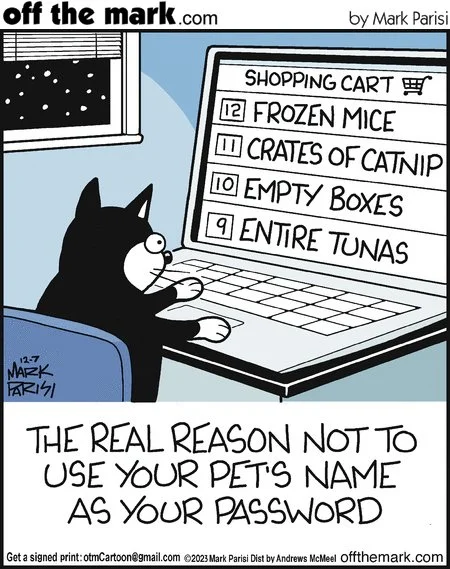

Contributed by Barbara Wallach
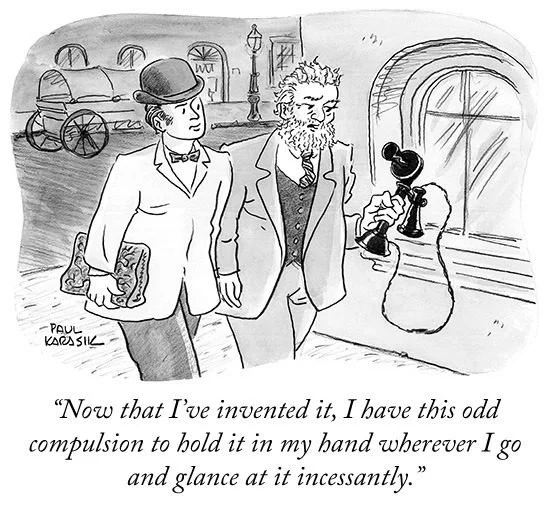
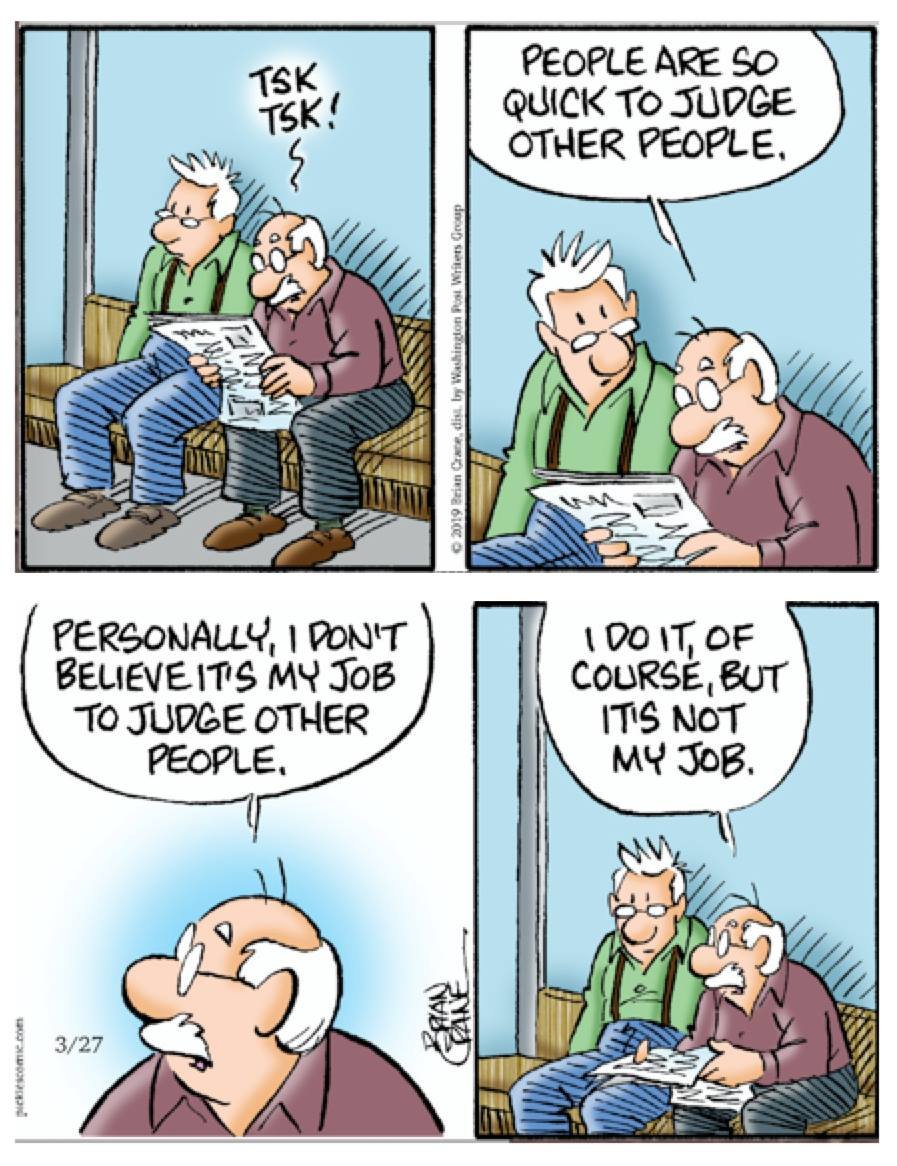

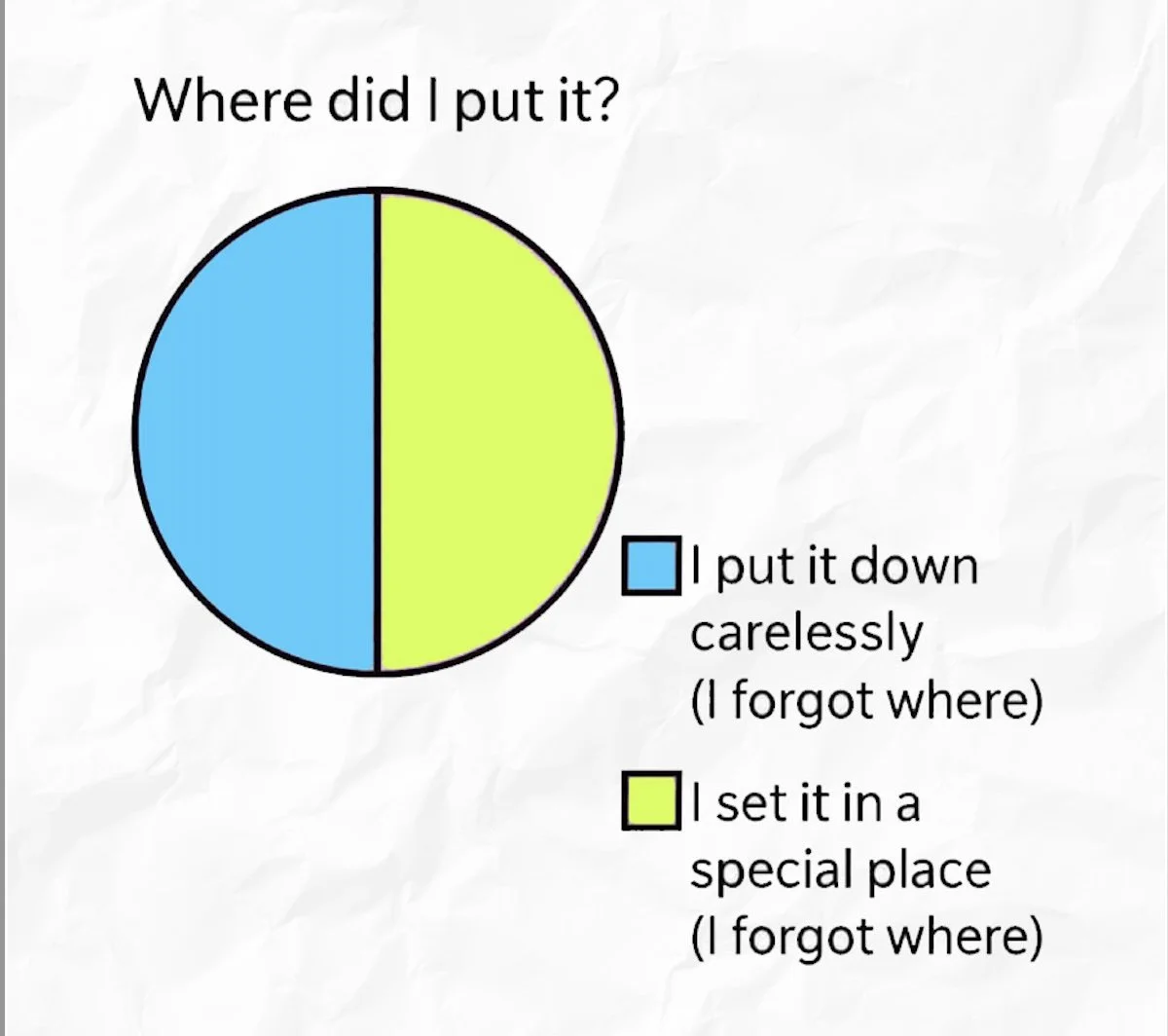
Art by Hart

As a grownup, Bessie could have all the pets she wanted

The Ark was late, the passengers were late, and the forecast called for heavy rain

Ms. Garsh’s personal essay class was clear on day one: EVERYBODY has a story
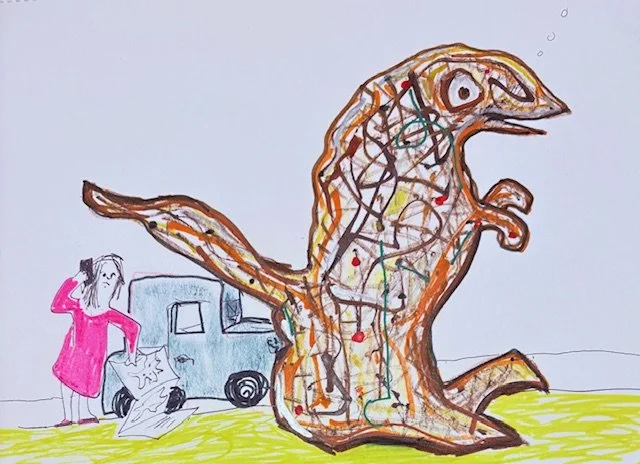
Once again, Cornelia vowed to replace her ancient GPS

Sobekneferu had always been a winner: first, the grade-school jacks champion, and then the first female pharaoh
Art and photos by Jane Hart
Hope for the Future of the World, by Sheila Benedis
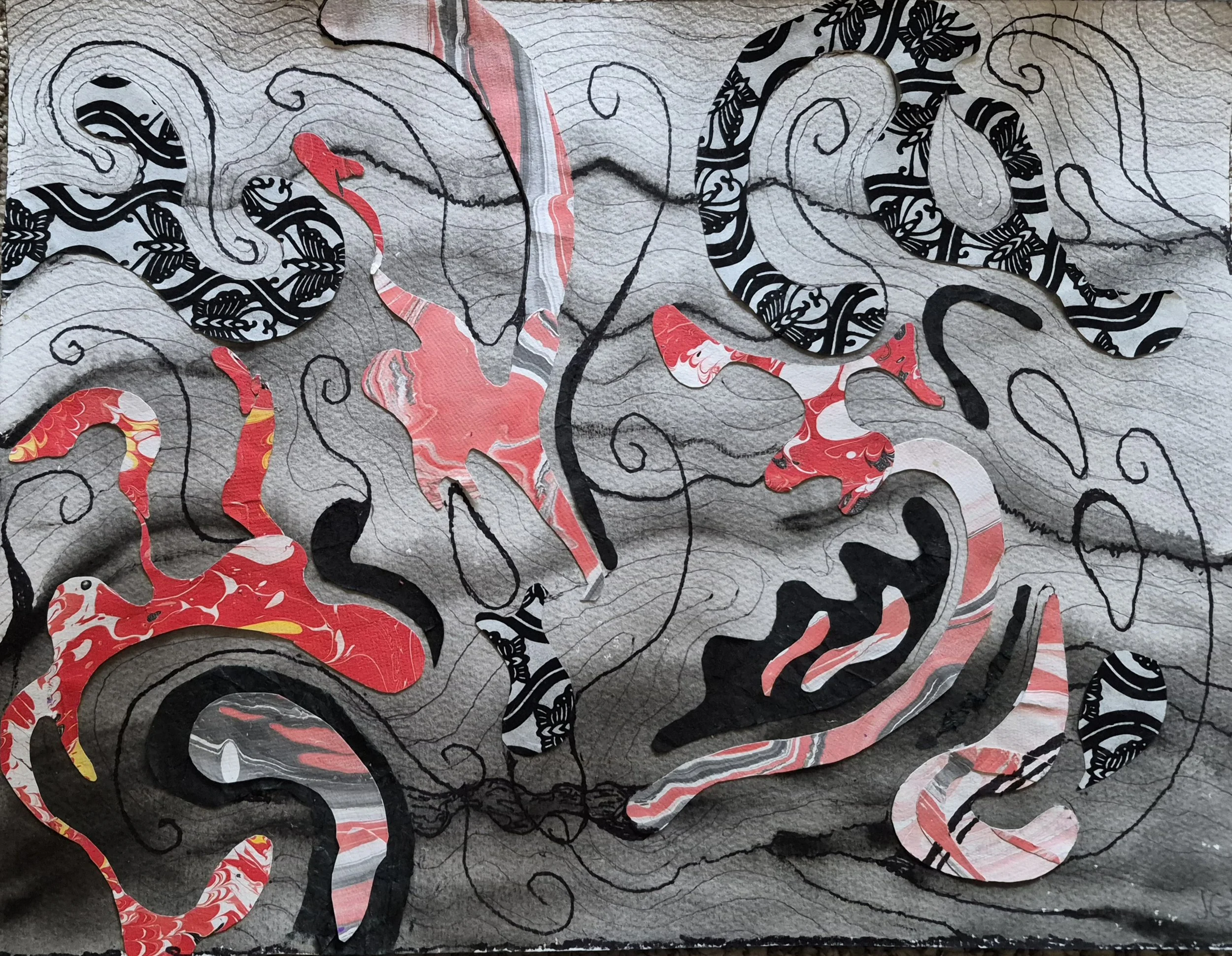
Art and photo by Sheila Benedis
In and Around Kendal
The First of the Season
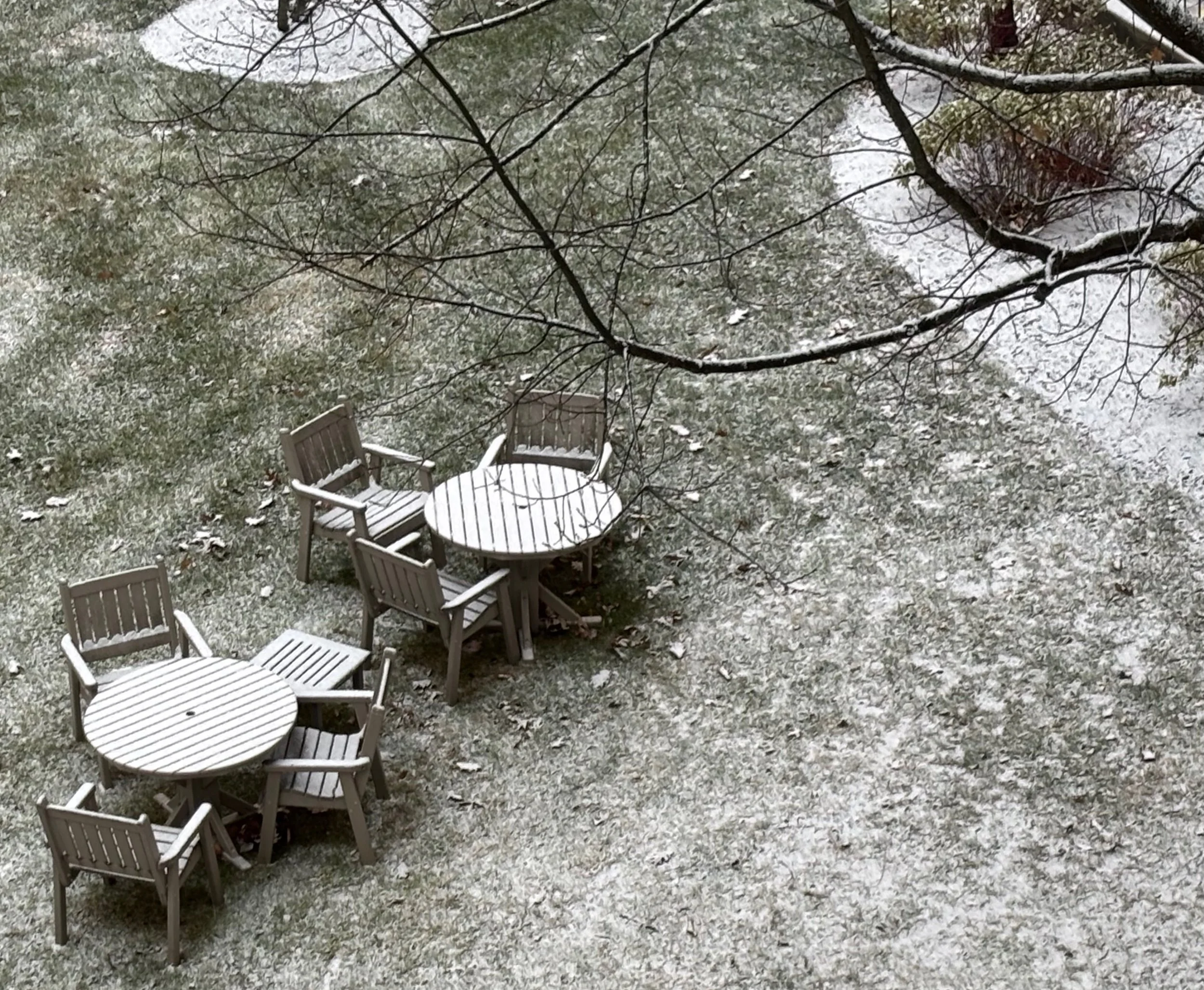
Photo by Maria Harris
The Big Tree Trimming . . . No, Not That


Photos by Ed Lannert
The Big Tree Trimming . . . Yes, That One
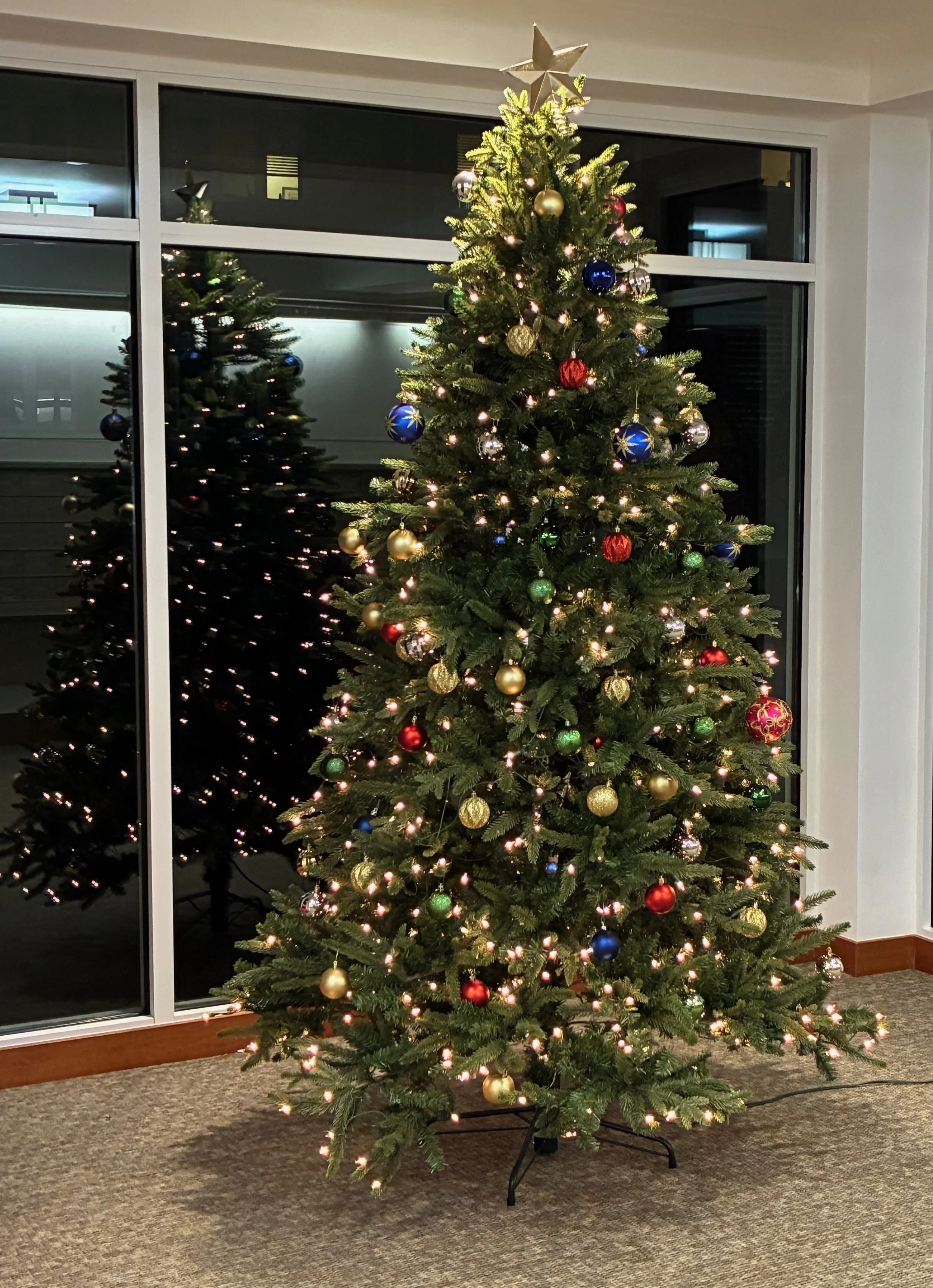
Photo by Peter Sibley
It’s a Puzzlement
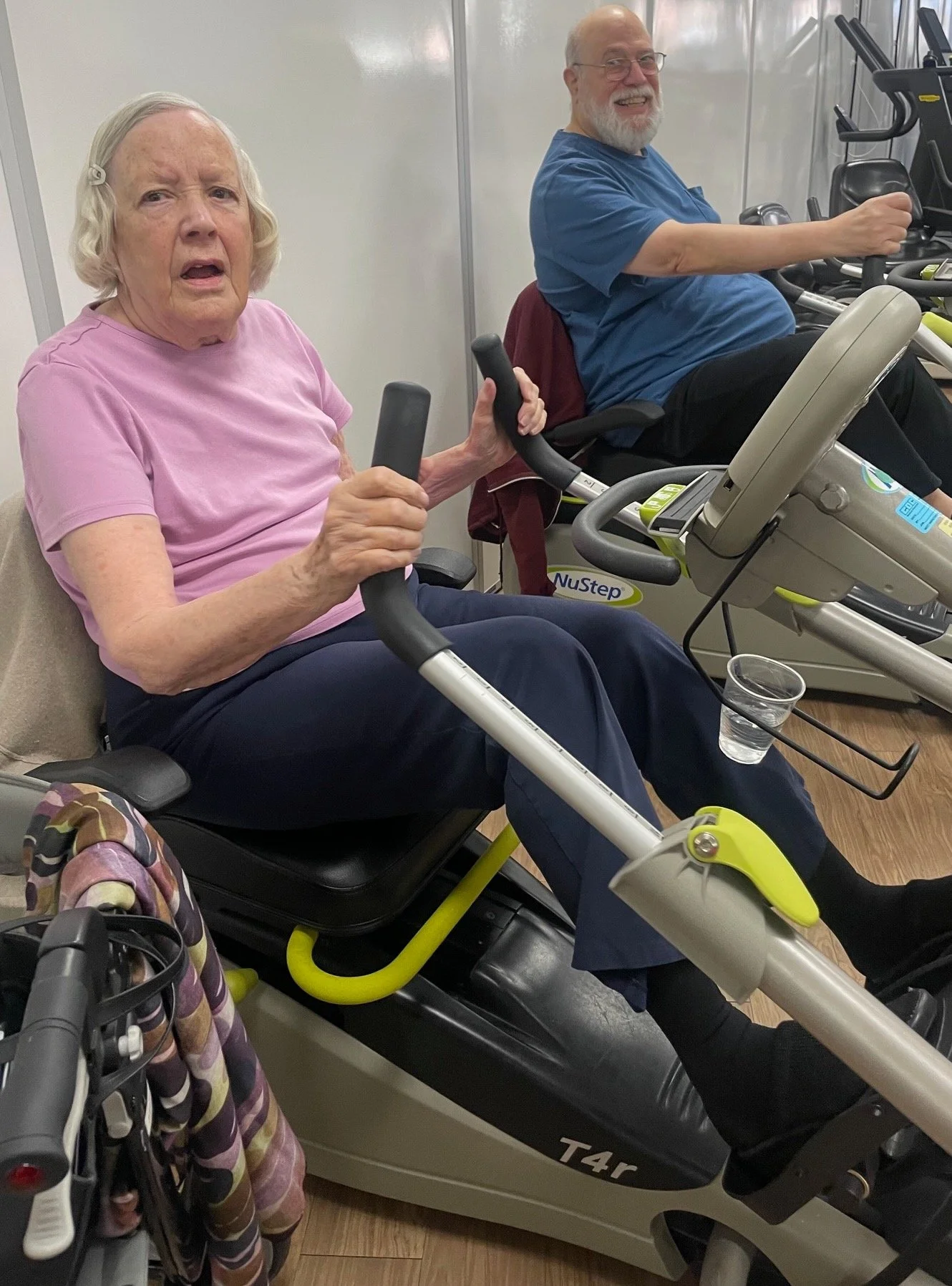
Those in the know are scratching their heads. Two of Robert Fulton’s main puzzlers were exercising body in the Fitness Center rather than brain at the puzzle table. Very puzzling . . .
Photo by Cathie Campbell
Hydra on the Hudson

Photo by Edward Kasinec