
What's So Punny?
A vulture carrying two dead raccoons boards an airplane. The stewardess looks at him and says, “I’m sorry, sir, only one carrion allowed per passenger.”
Two fish swim into a concrete wall. One turns to the other and says, “Dam!”
Two Eskimos sitting in a kayak were chilly, so they lit a fire in the craft. Unsurprisingly, it sank, proving once again that you can’t have your kayak and heat it too.
Two hydrogen atoms meet. One says, “I’ve lost my electron.” The other says, “Are you sure?” The first replies, “Yes, I’m positive.”
Did you hear about the Buddhist who refused Novocain during a root-canal? His goal: transcend dental medication.
There was the person who sent 10 puns to friends, with the hope that at least one of the puns would make them laugh. No pun in ten did.
Contributed by Barbara Wallach
Weekly Construction Report
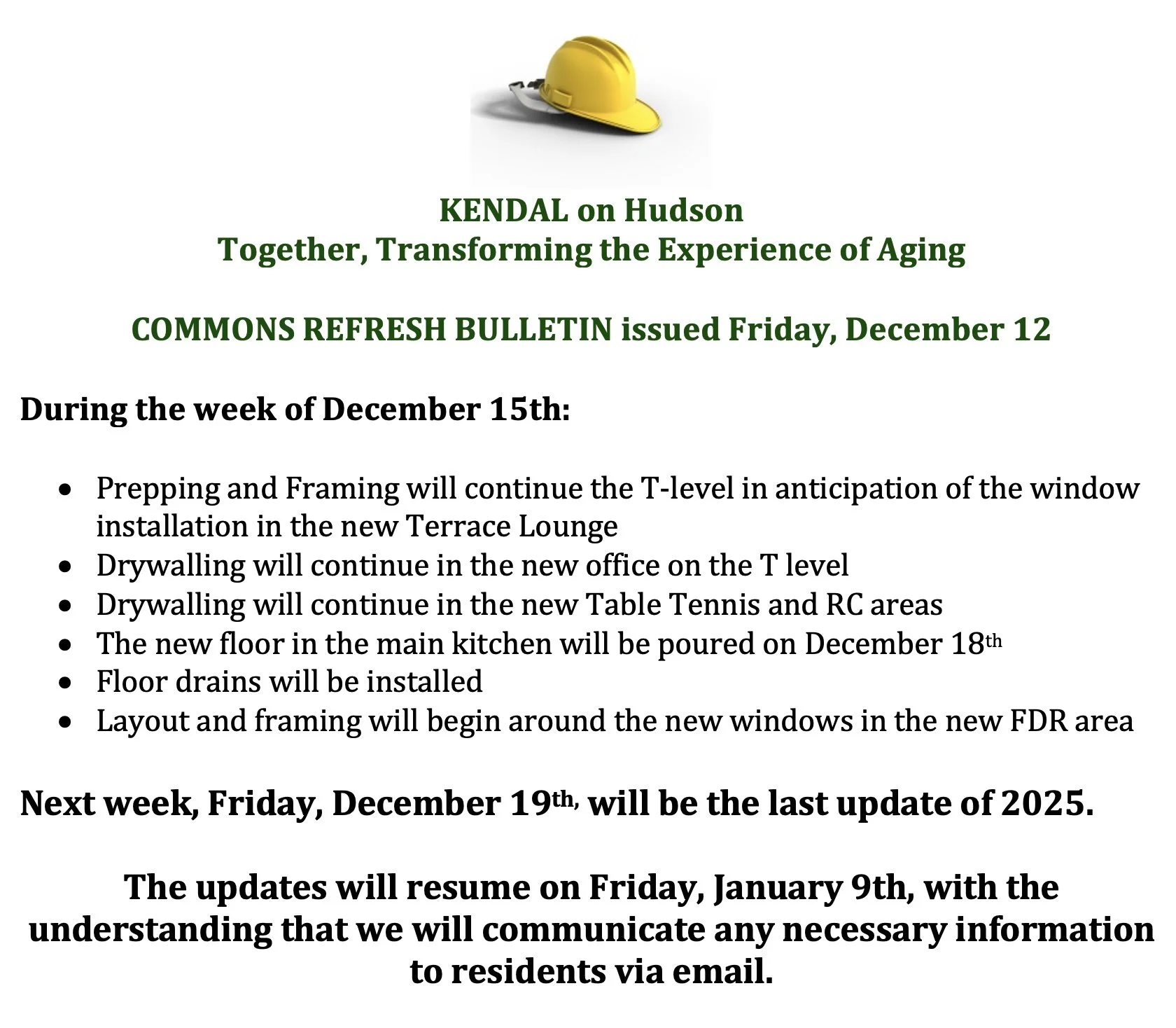
From the Office of Ellen Ottstadt
I Never Knew That
Thomas Edison’s Greatest Invention?
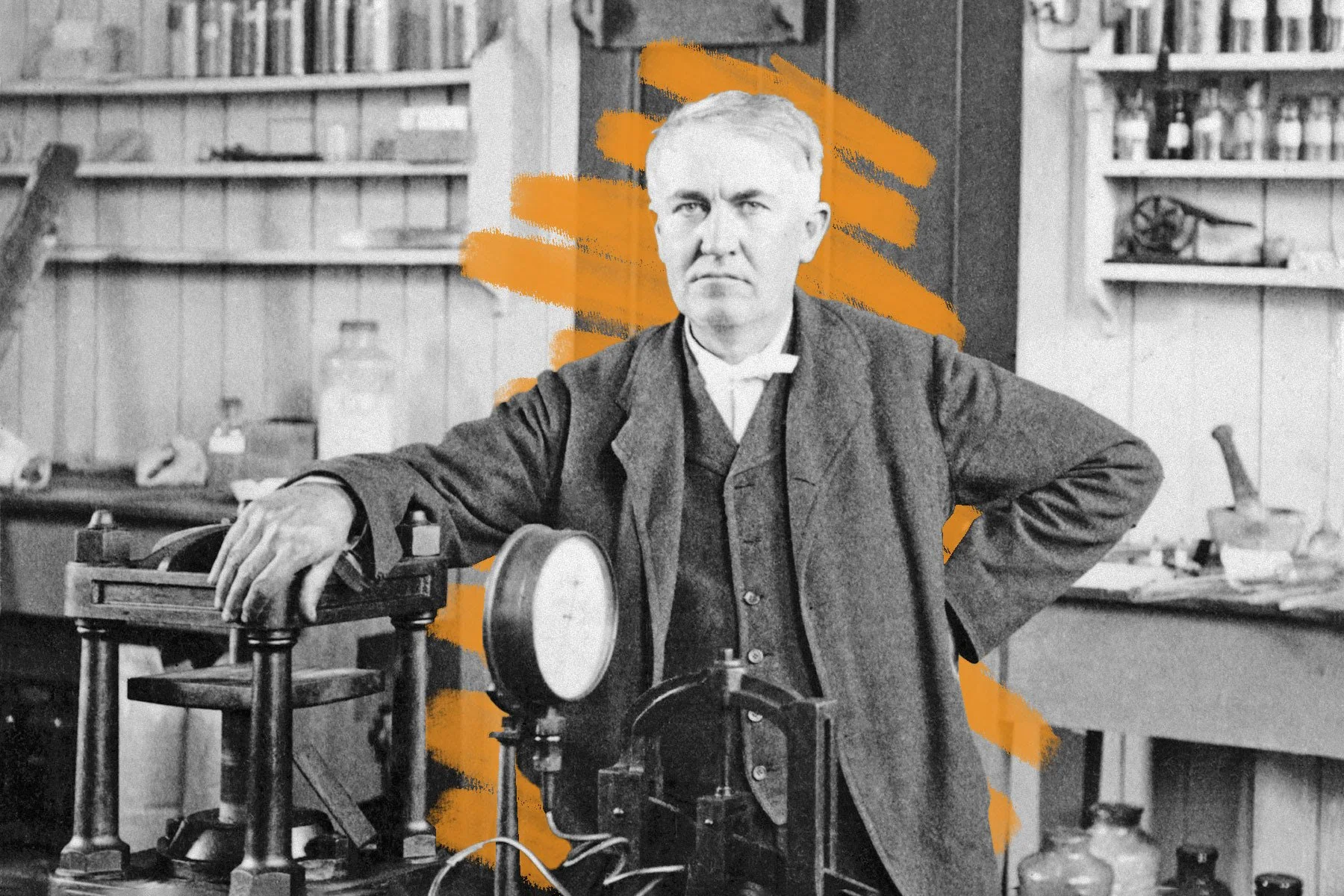
Although Thomas Edison was awarded 2,332 worldwide patents as an inventor, one of his lasting contributions to modern society was not proprietary: the job interview.
Edison was not just a prolific inventor—he was also a businessman in charge of an industrial empire. His corporation, Thomas A. Edison, Inc., employed more than 10,000 workers at dozens of companies. Edison wanted employees who could memorize large quantities of information and also make efficient business decisions. To find them, he devised an extensive questionnaire to assess job candidates’ knowledge and personality.
Edison began using tests for candidate assessment in the late 19th century, but the questions he asked then were very specific to open positions he needed filled. Over time, he expanded on the idea, including questions that were not directly related to the job. While interviewing research assistants, for example, Edison served them soup to see if interviewees would season the soup before they tasted it; those who did were automatically disqualified as it suggested they were prone to operate on assumptions.
In 1921, Edison debuted the Edison Test, a knowledge test with more than 140 questions. Questions varied depending on the job position, but all interviewees were asked about information outside of their areas of expertise. The queries ranged from agricultural in nature (“Where do we get prunes from?”) to commercial (“In what cities are hats and shoes made?”) to the macabre (“Name three powerful poisons.”). After a copy of the questionnaire was leaked to The New York Times, Edison had to change the question bank multiple times to ensure applicants took the exam without any outside assistance.
A score of 90% was required to pass, and out of the 718 people who had taken the test as of October 1921, only 32 (just 2%!) succeeded. The test was difficult, to say the least. Edison’s own son Theodore failed it while a student at the Massachusetts Institute of Technology (MIT). More famously, Albert Einstein failed the exam because he forgot the speed of sound.
The 1920s saw an upswing in college-educated people in the workforce, leading to increased competition for skilled labor, and thus more applicants for employers to choose from. Edison’s strategy of questioning candidates to assess their personality and aptitude was innovative at the time, and is still standard practice today—though employers are more likely to ask about someone’s greatest accomplishment than the origins of prunes.
For Your Funny Bone
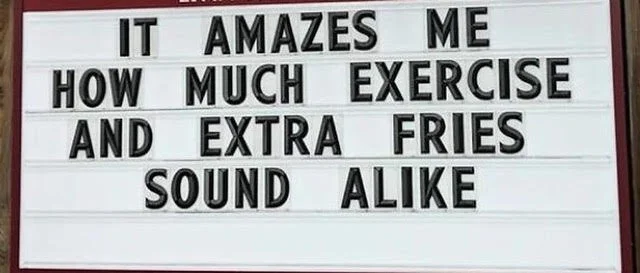
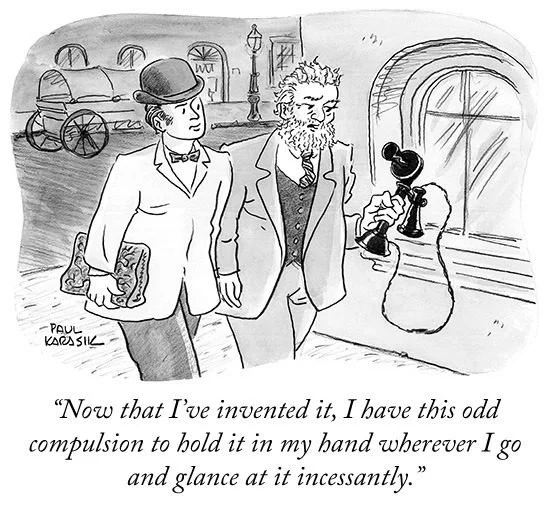
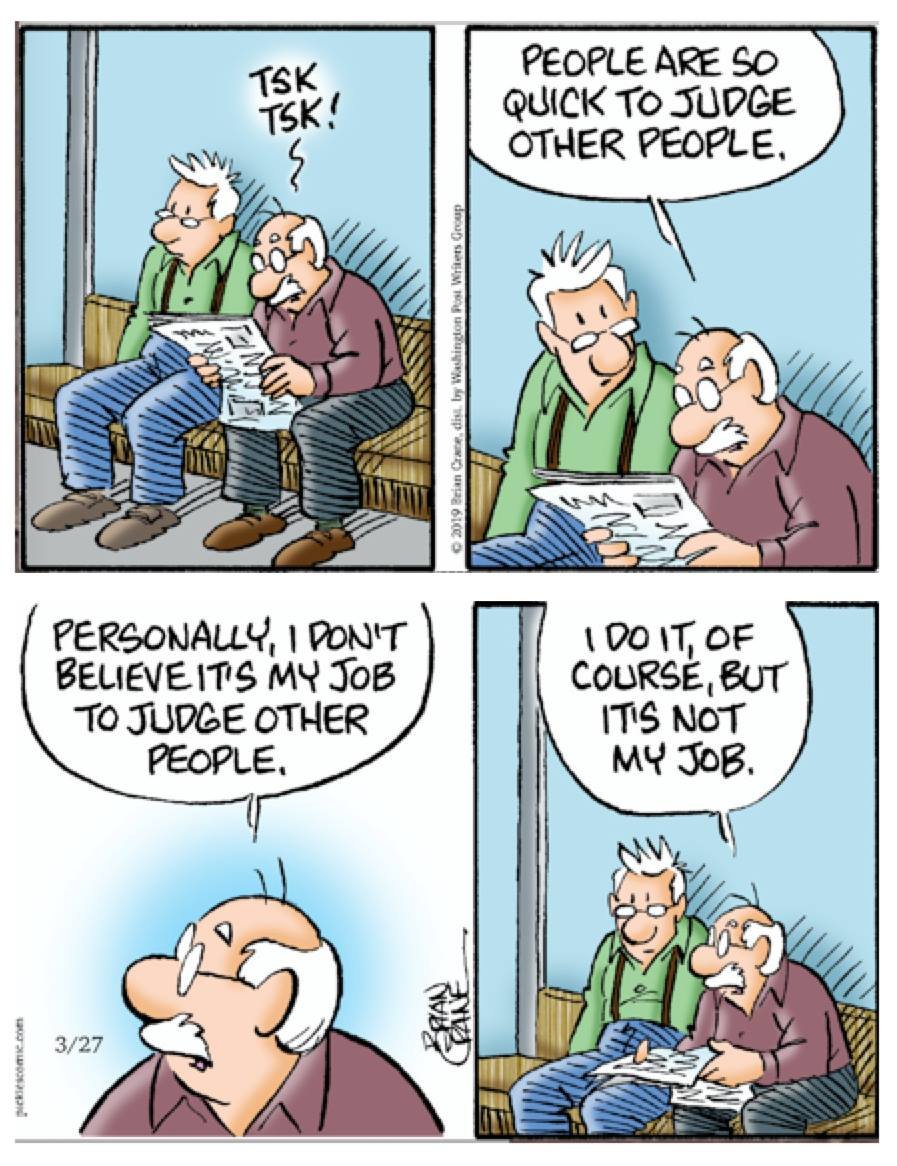
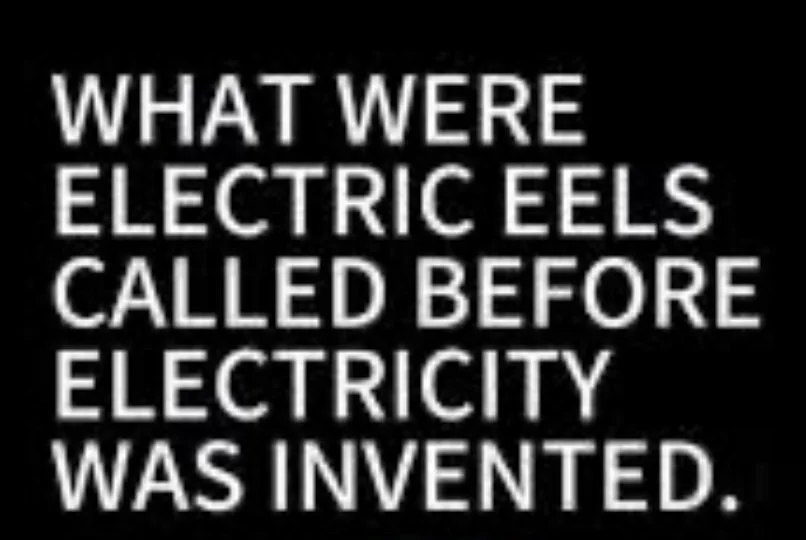
Contributed by Barbara Wallach
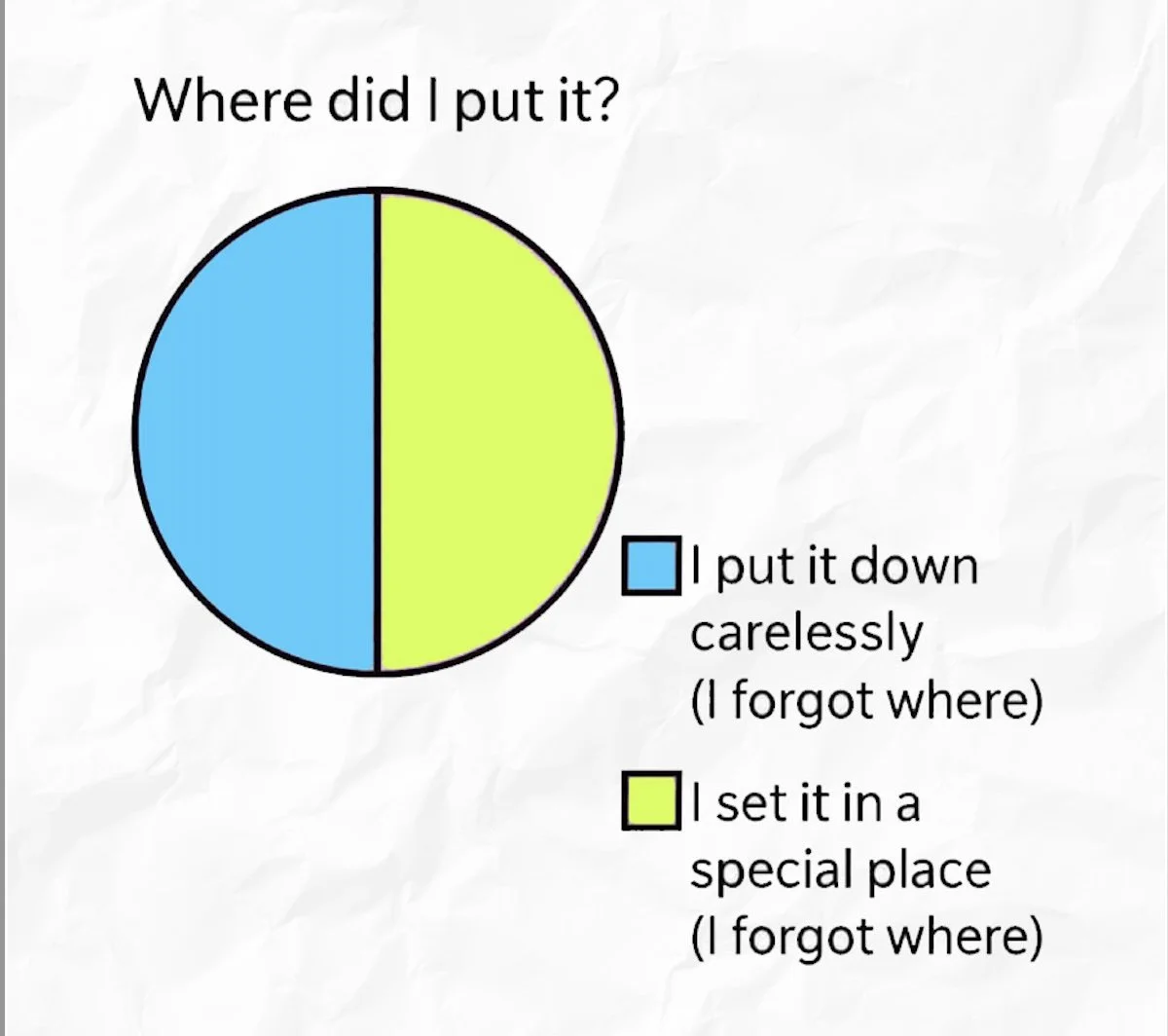
Art by Hart

As a grownup, Bessie could have all the pets she wanted

The Ark was late, the passengers were late, and the forecast called for heavy rain
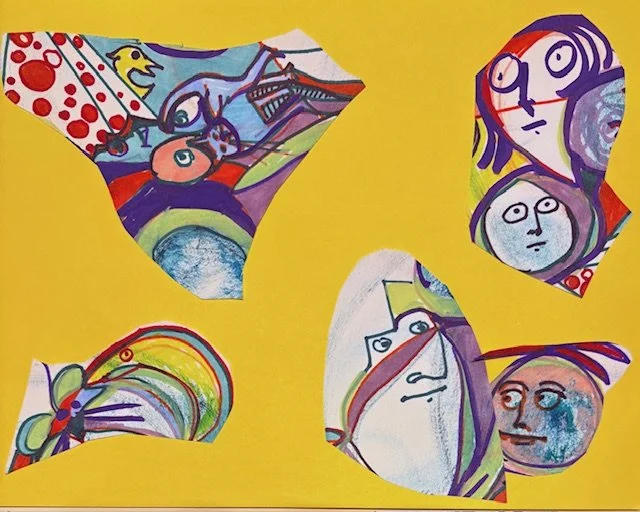
Ms. Garsh’s personal essay class was clear on day one: EVERYBODY has a story
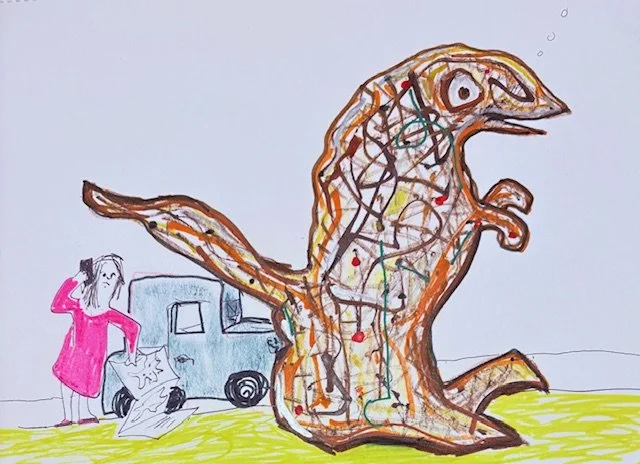
Once again, Cornelia vowed to replace her ancient GPS

Sobekneferu had always been a winner: first, the grade-school jacks champion, and then the first female pharaoh
Art and photos by Jane Hart
Hope for the Future of the World, by Sheila Benedis
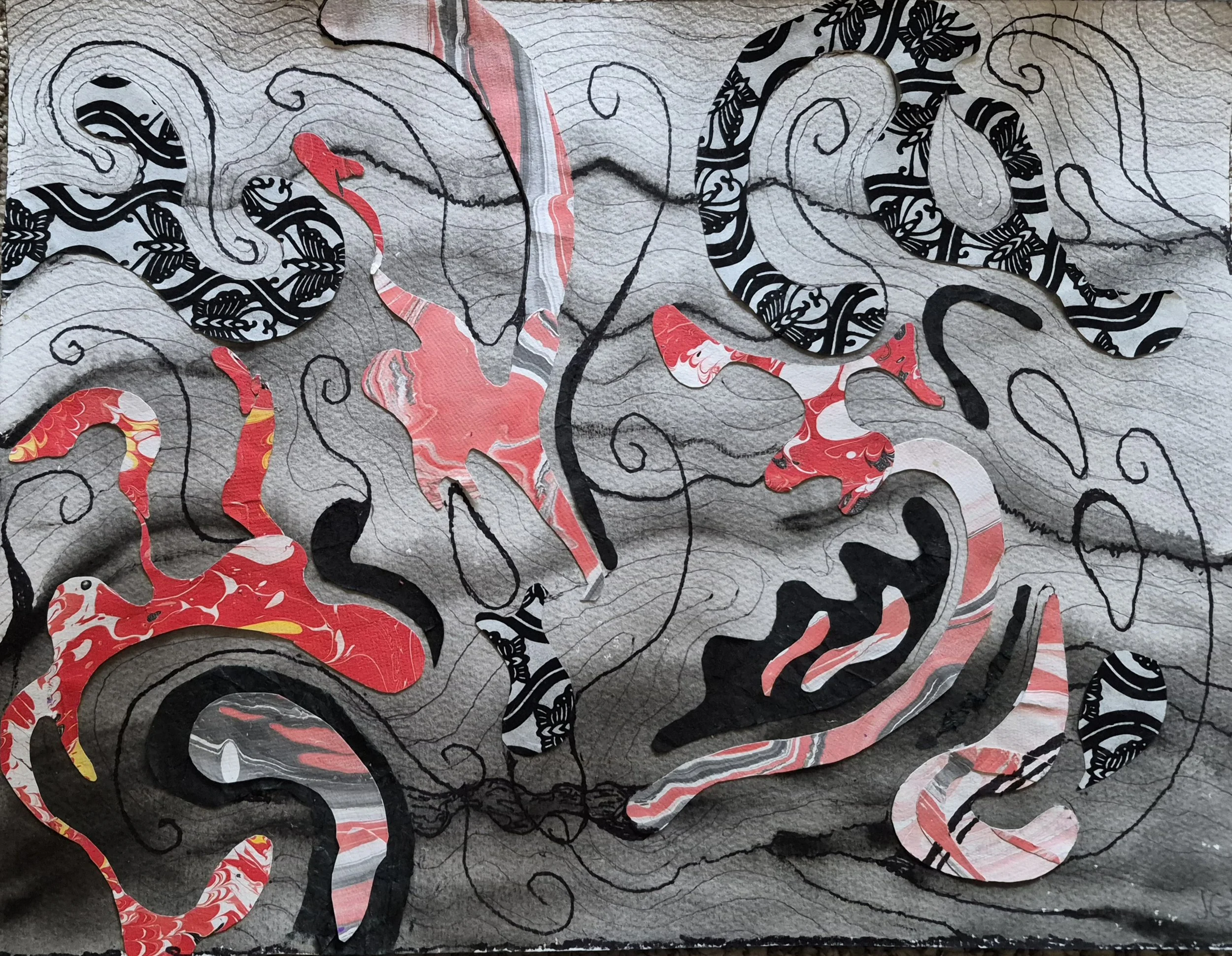
Art and photo by Sheila Benedis
In and Around Kendal
The First of the Season
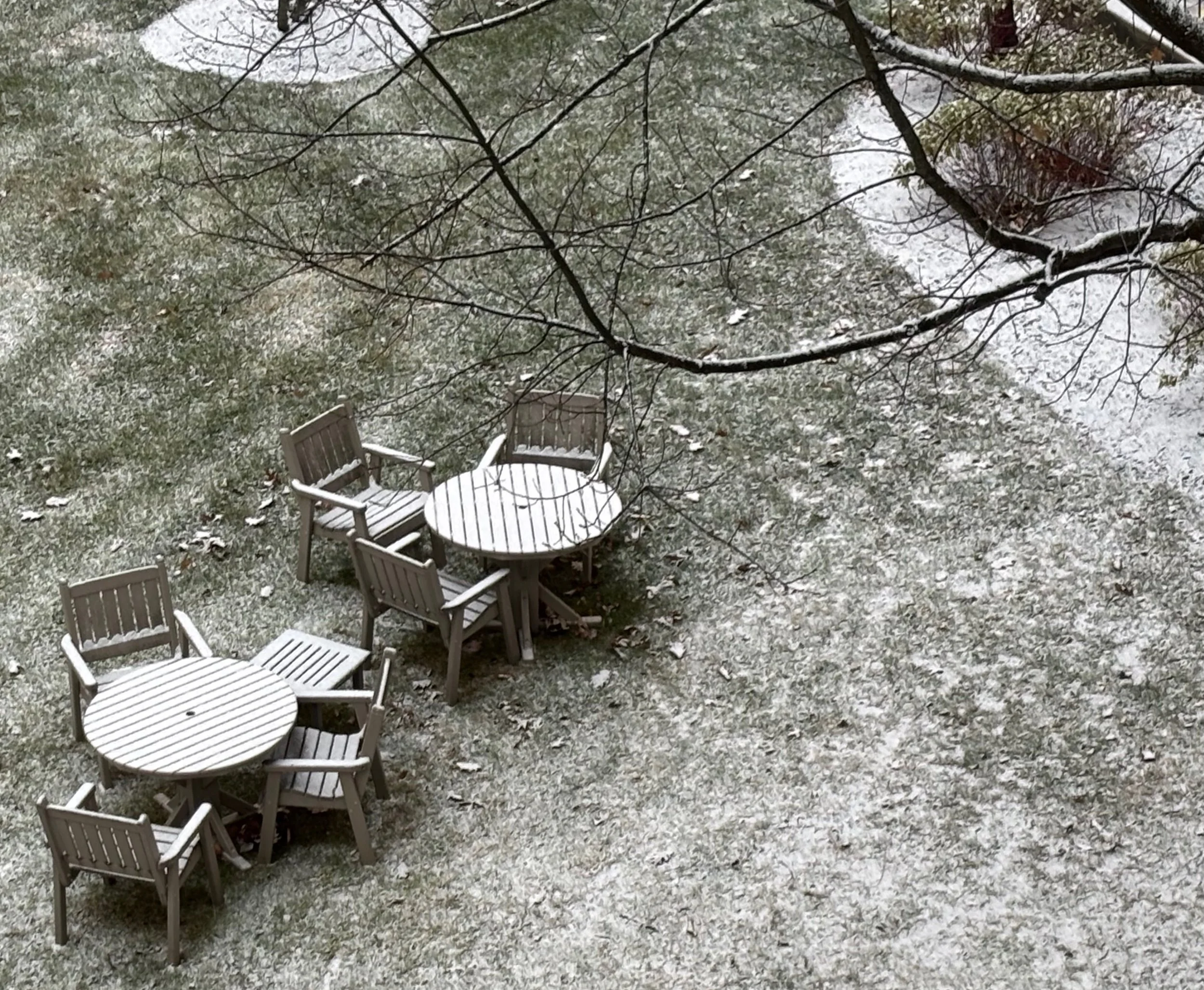
Photo by Maria Harris
The Big Tree Trimming . . . No, Not That
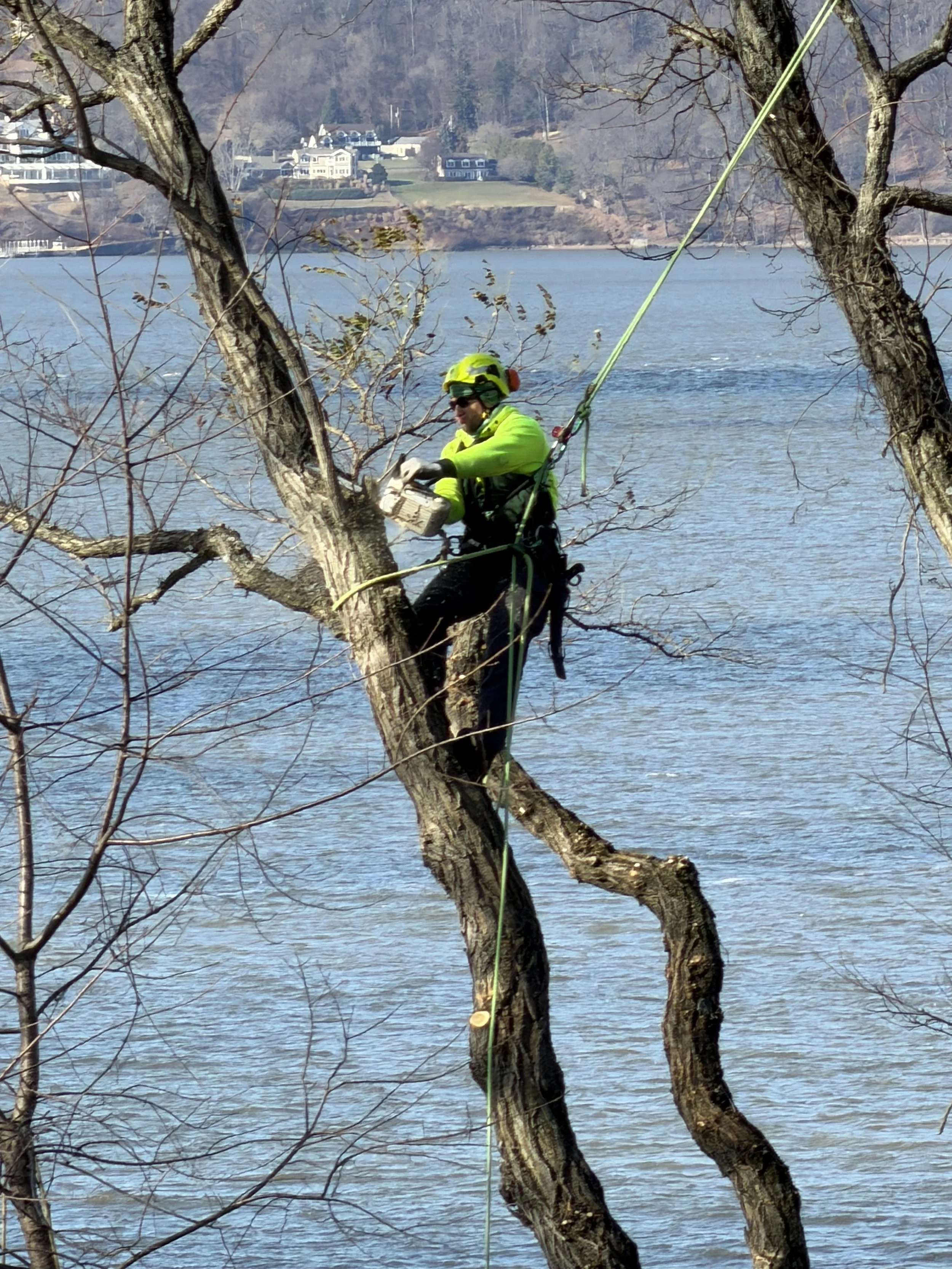
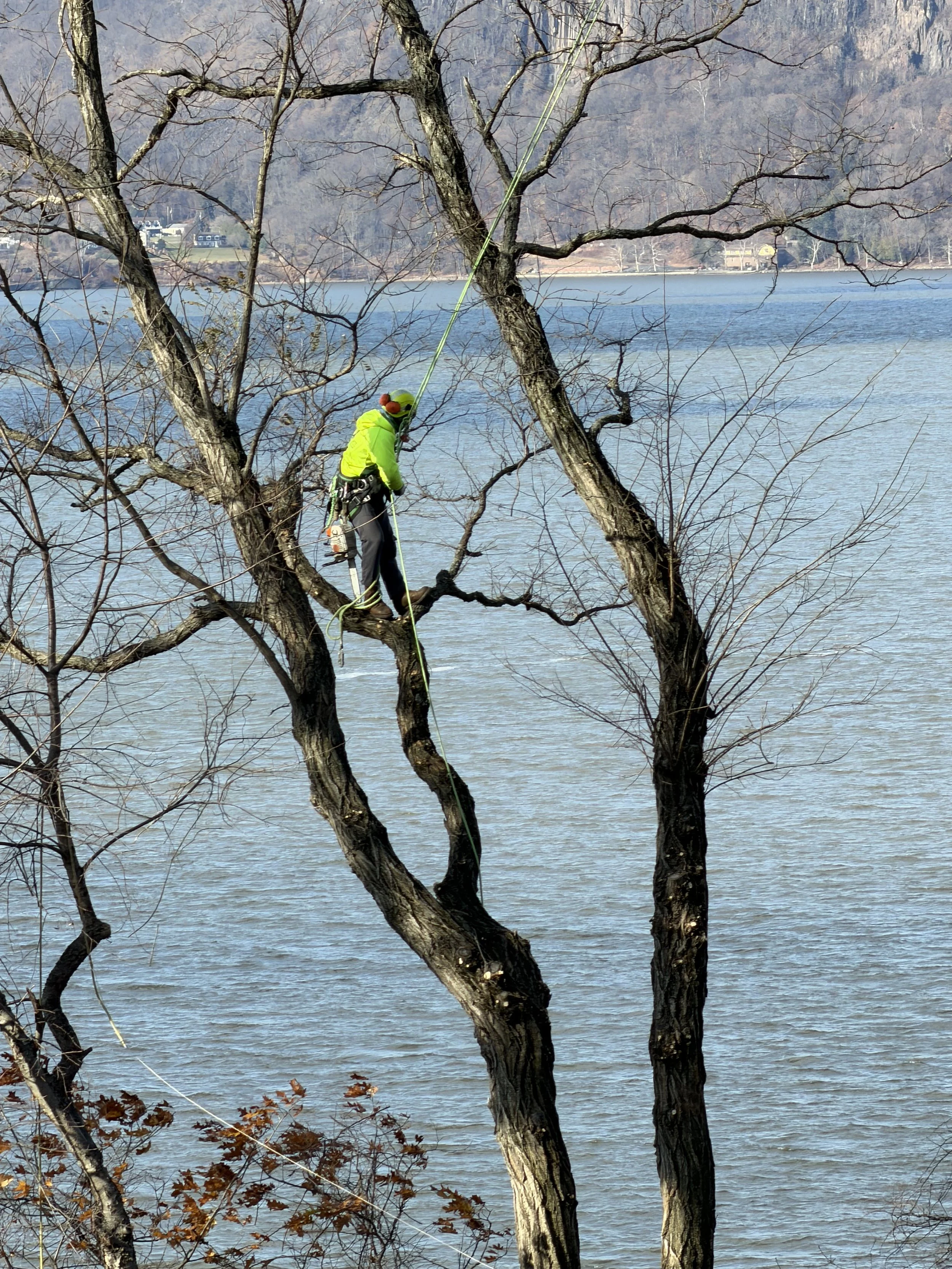
Photos by Ed Lannert
The Big Tree Trimming . . . Yes, That One

Photo by Peter Sibley
It’s a Puzzlement
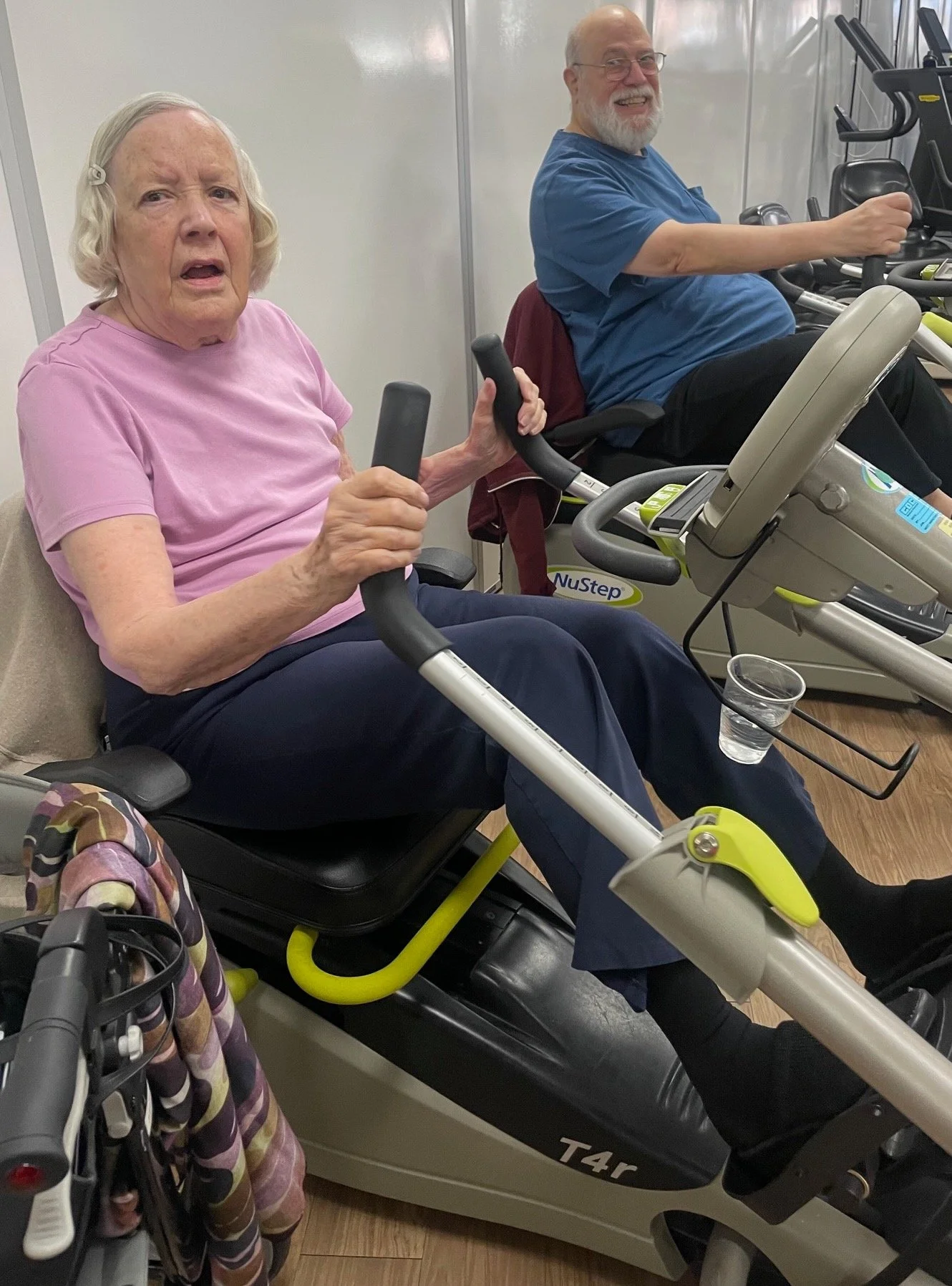
Those in the know are scratching their heads. Two of Robert Fulton’s main puzzlers were exercising body in the Fitness Center rather than brain at the puzzle table. Very puzzling . . .
Photo by Cathie Campbell
Hydra on the Hudson
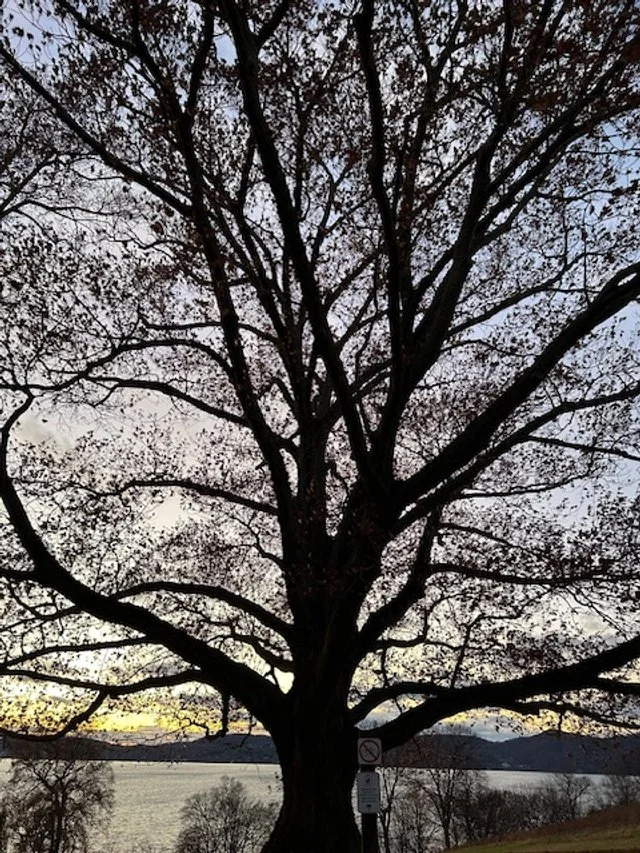
Photo by Edward Kasinec
Out and About
Kendalites’ Trip to Asia (Society)
Recently, Kendalites traveled to Asia-on-the-Hudson, aka The Asia Society, where a docent-led tour covered some of the groundbreaking exhibitions of the art of Asia and Asian diasporas.
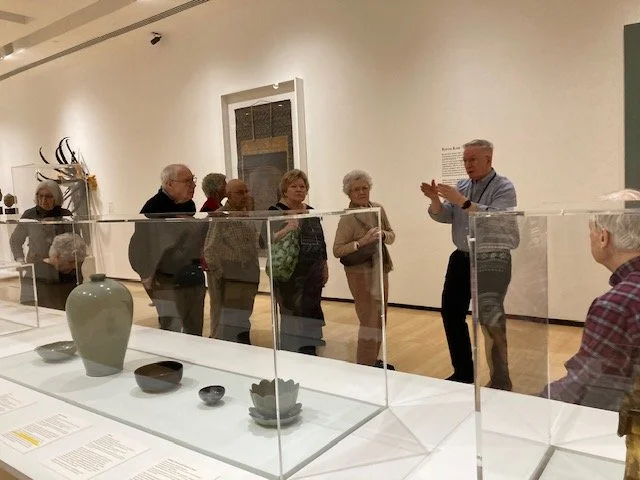
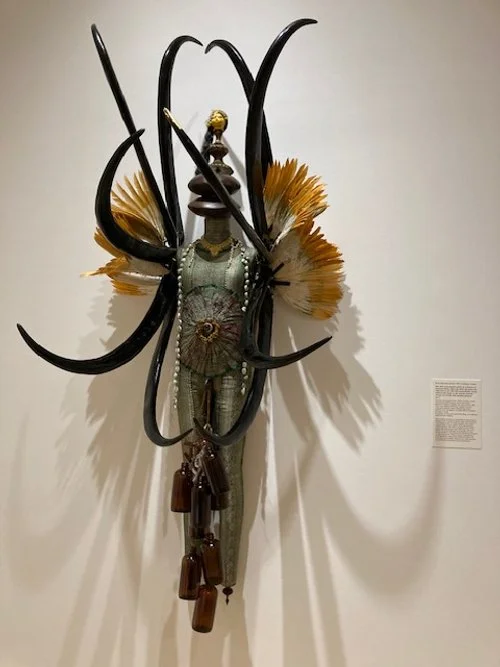
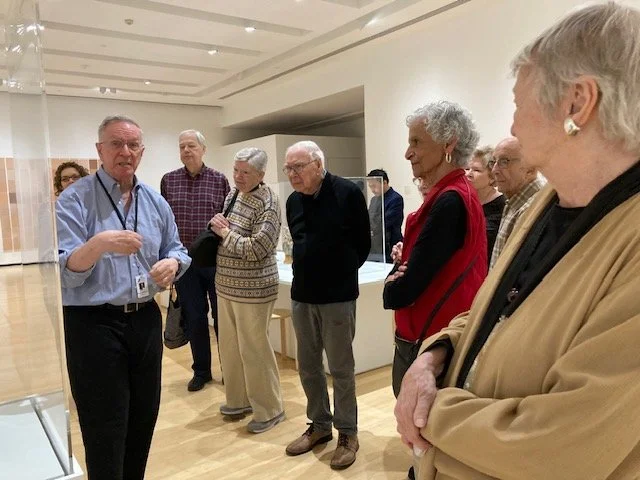
Photos by Harry Bloomfeld
Lynn Brady’s Spanish Trip: The Interiors
Last week, we included pictures of landscapes and such that Lynn Brady took recently on a trip to Spain. This week, we’ve included some of the pictures she took of interiors.
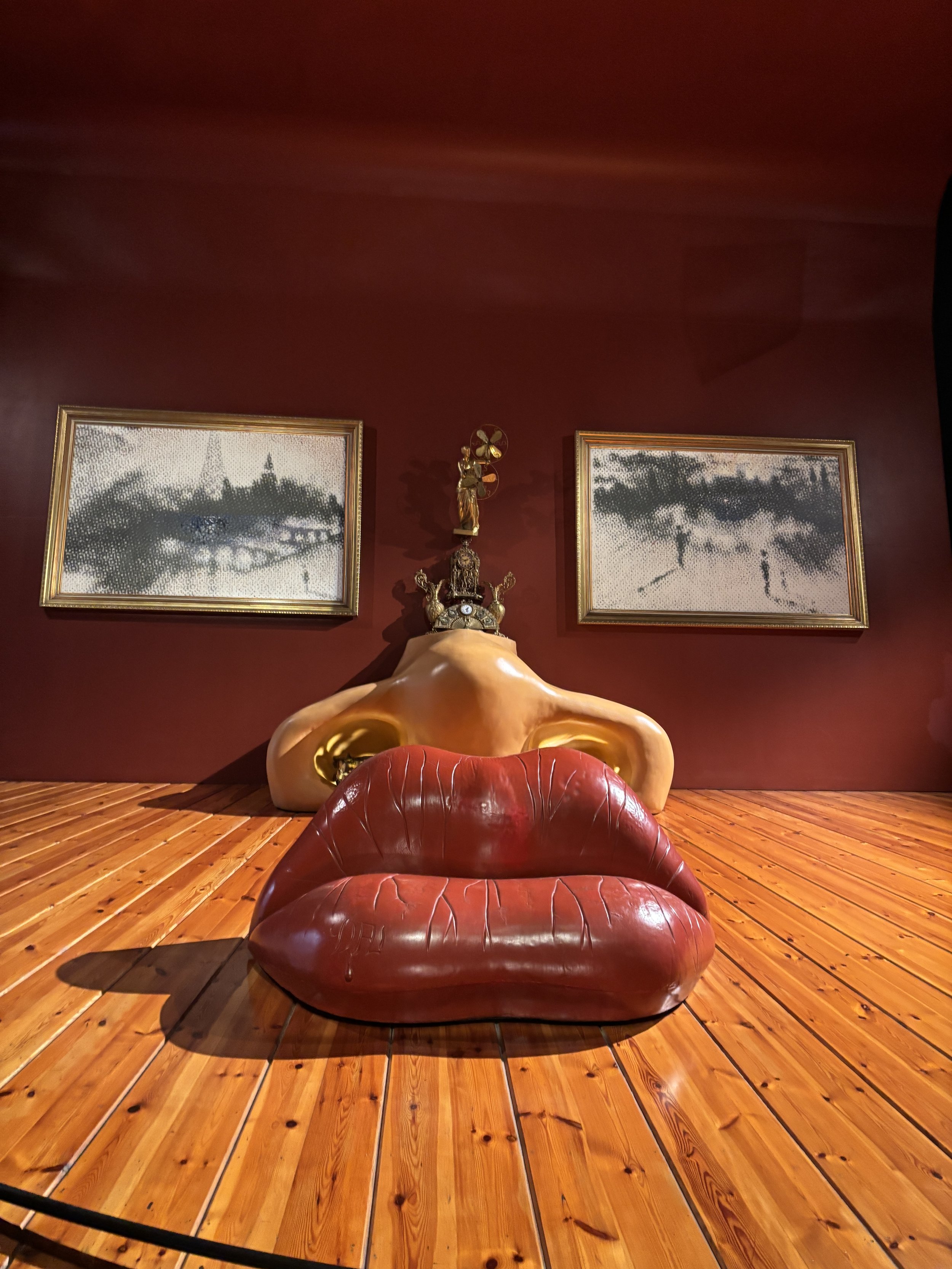
Dali art
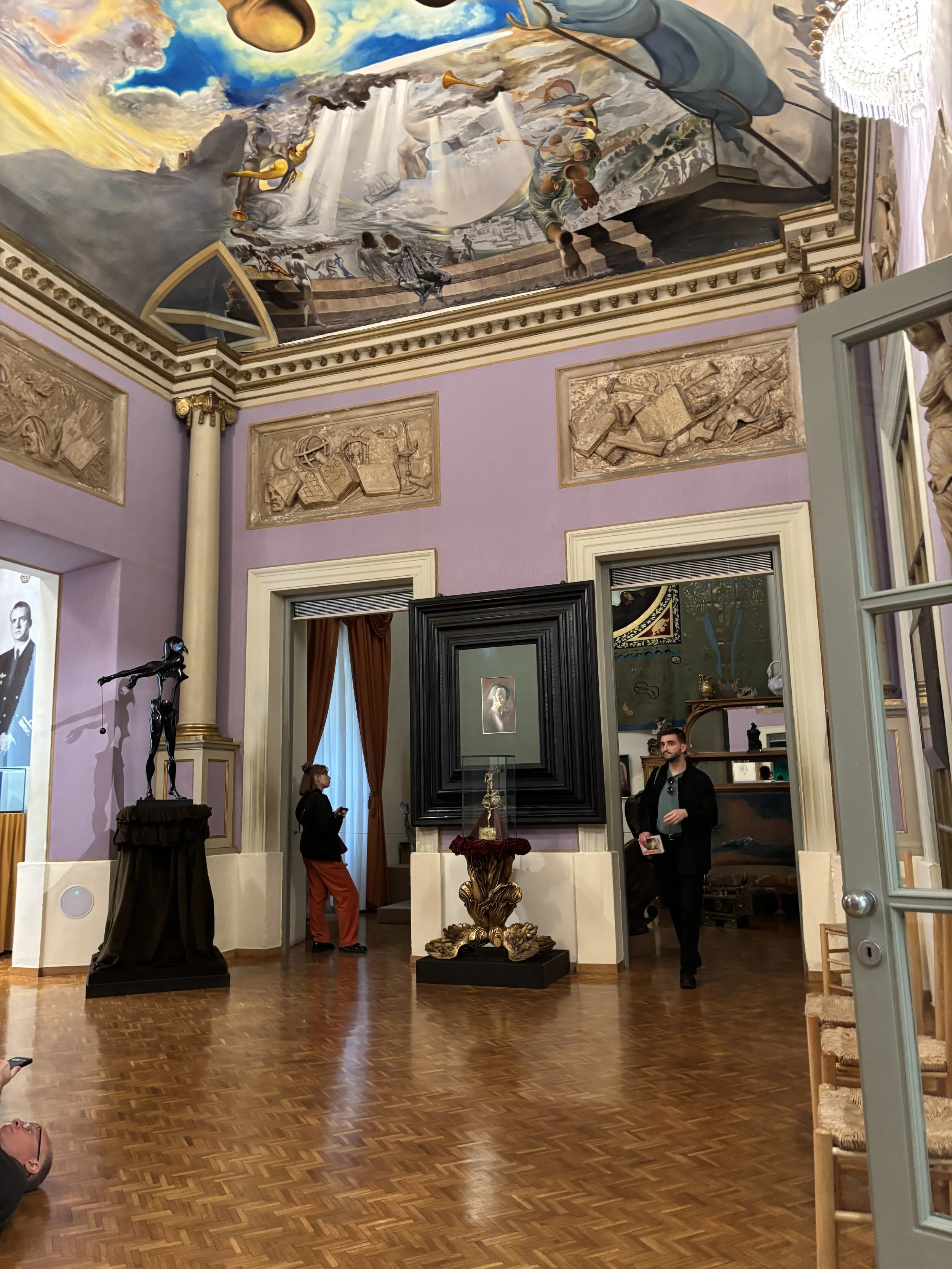
Dali art
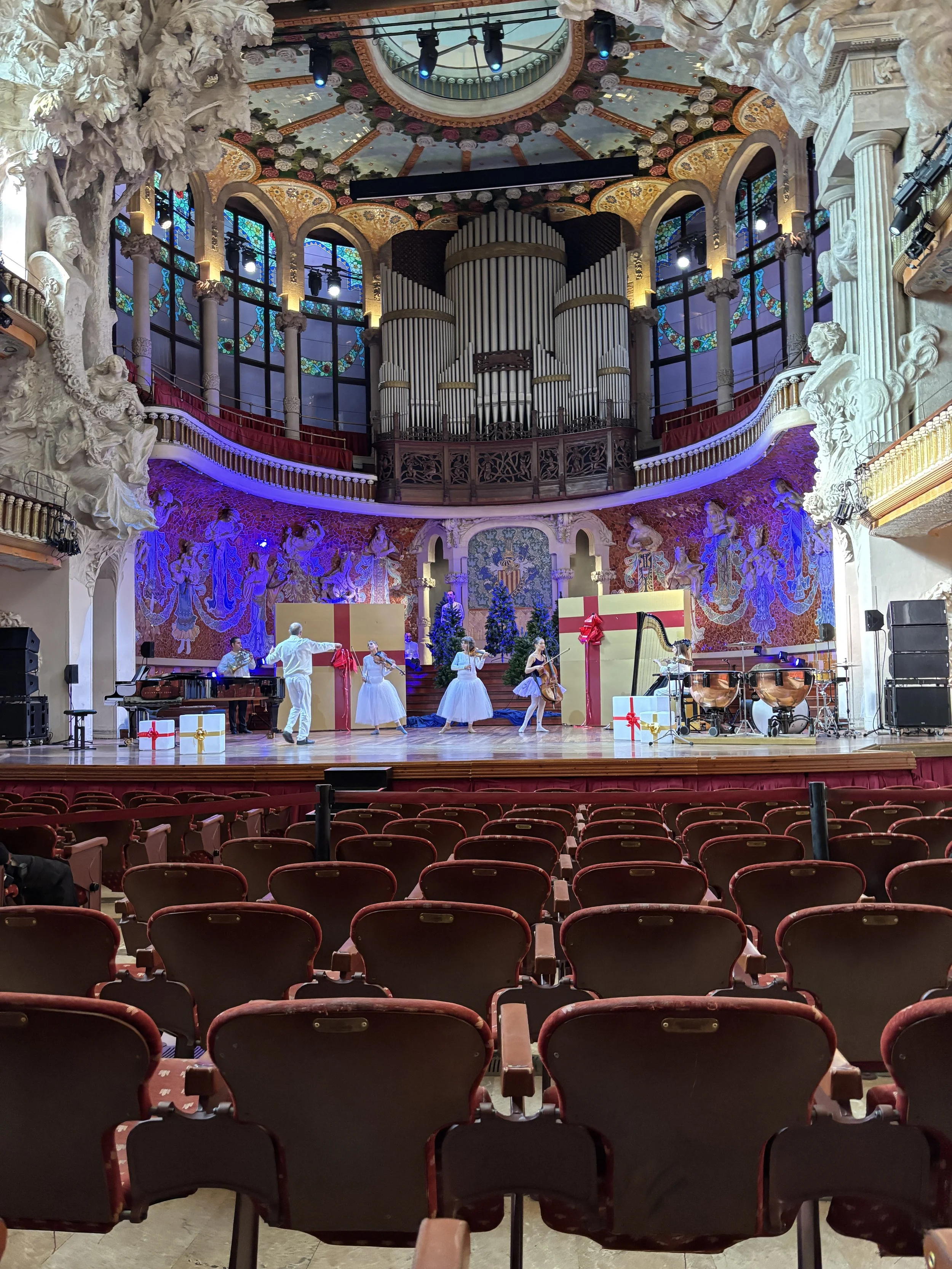
A rehearsal in the Catalan Music Hall
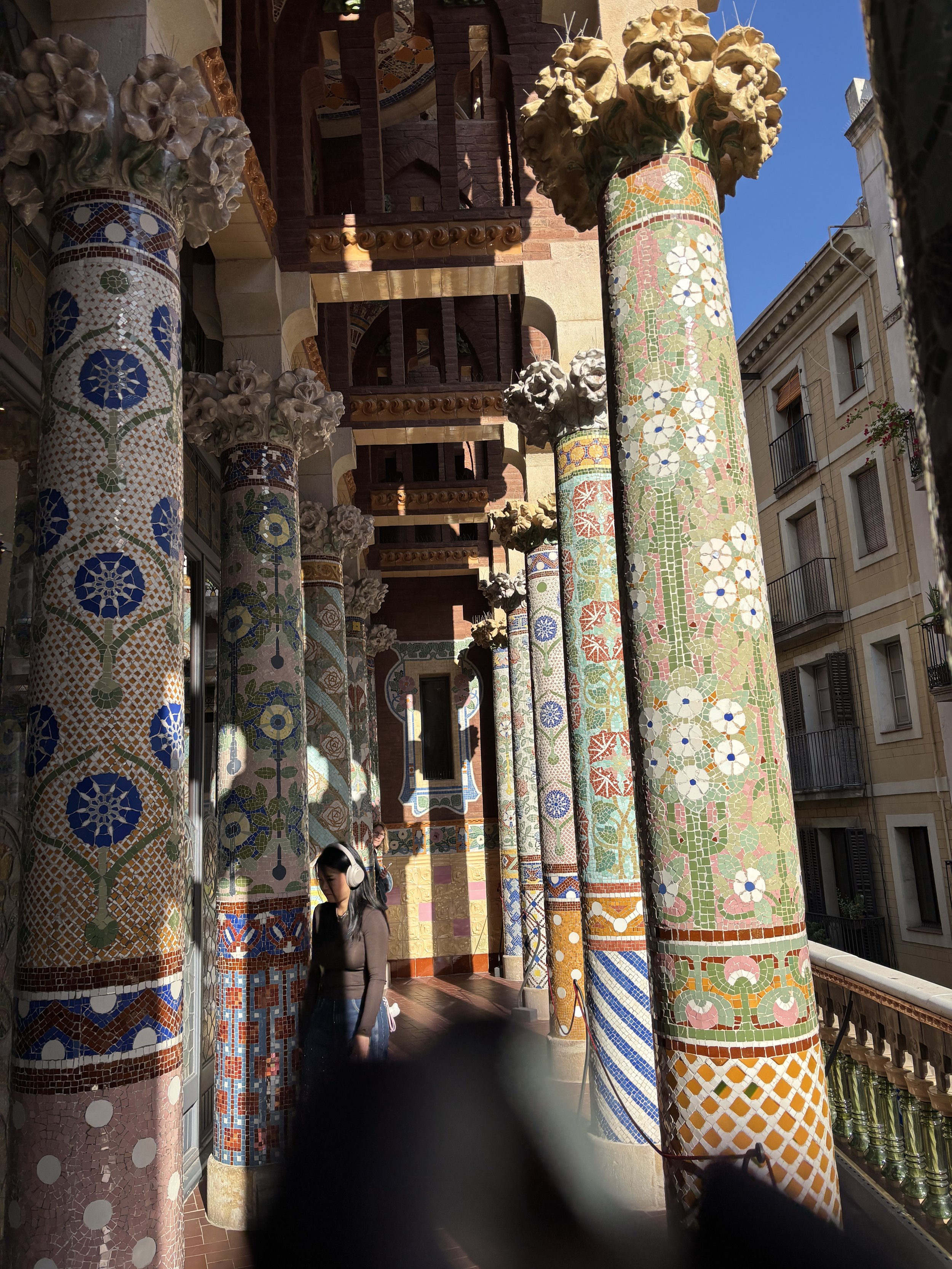
Gaudi design at the Catalan Music Hall
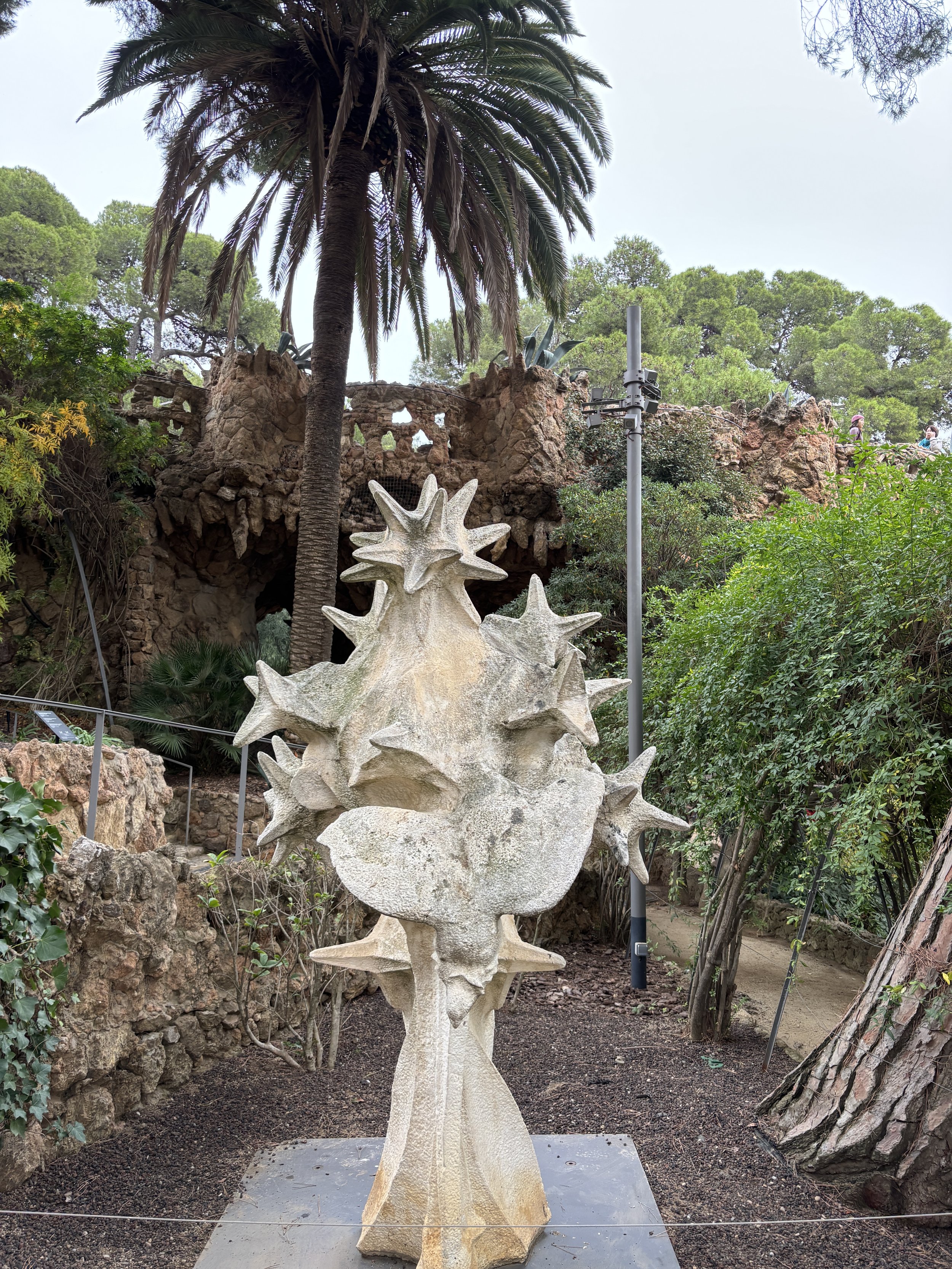
In the interior of the Parc Guell
Photos by Lynn Brady
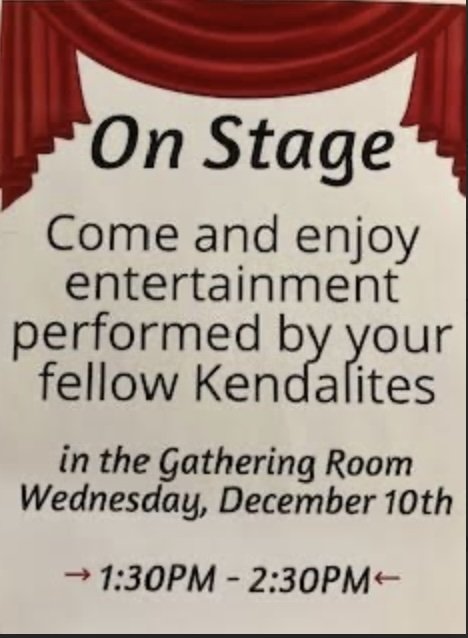
Thespians on the Hudson
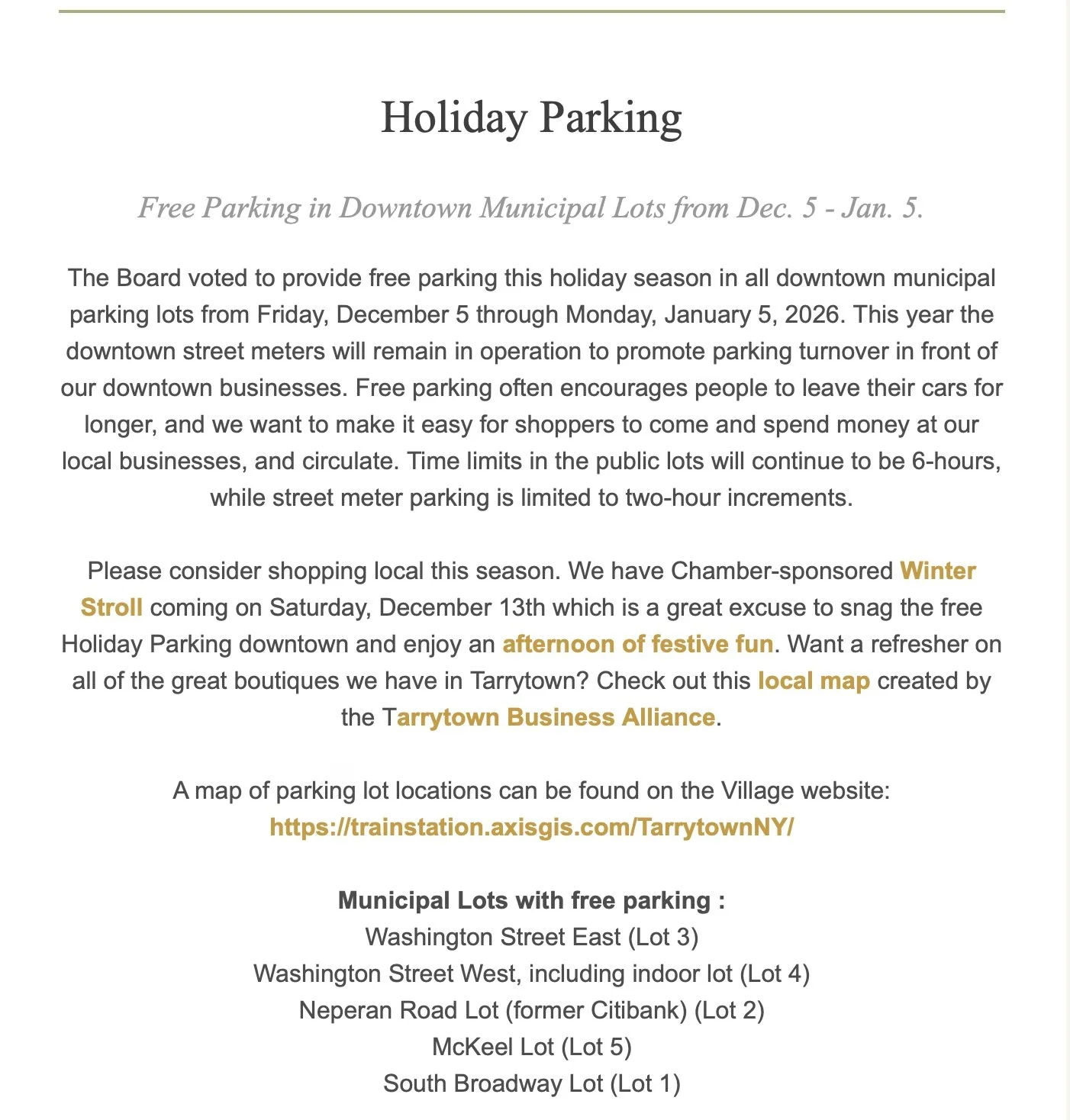
Tarrytown Holiday Parking
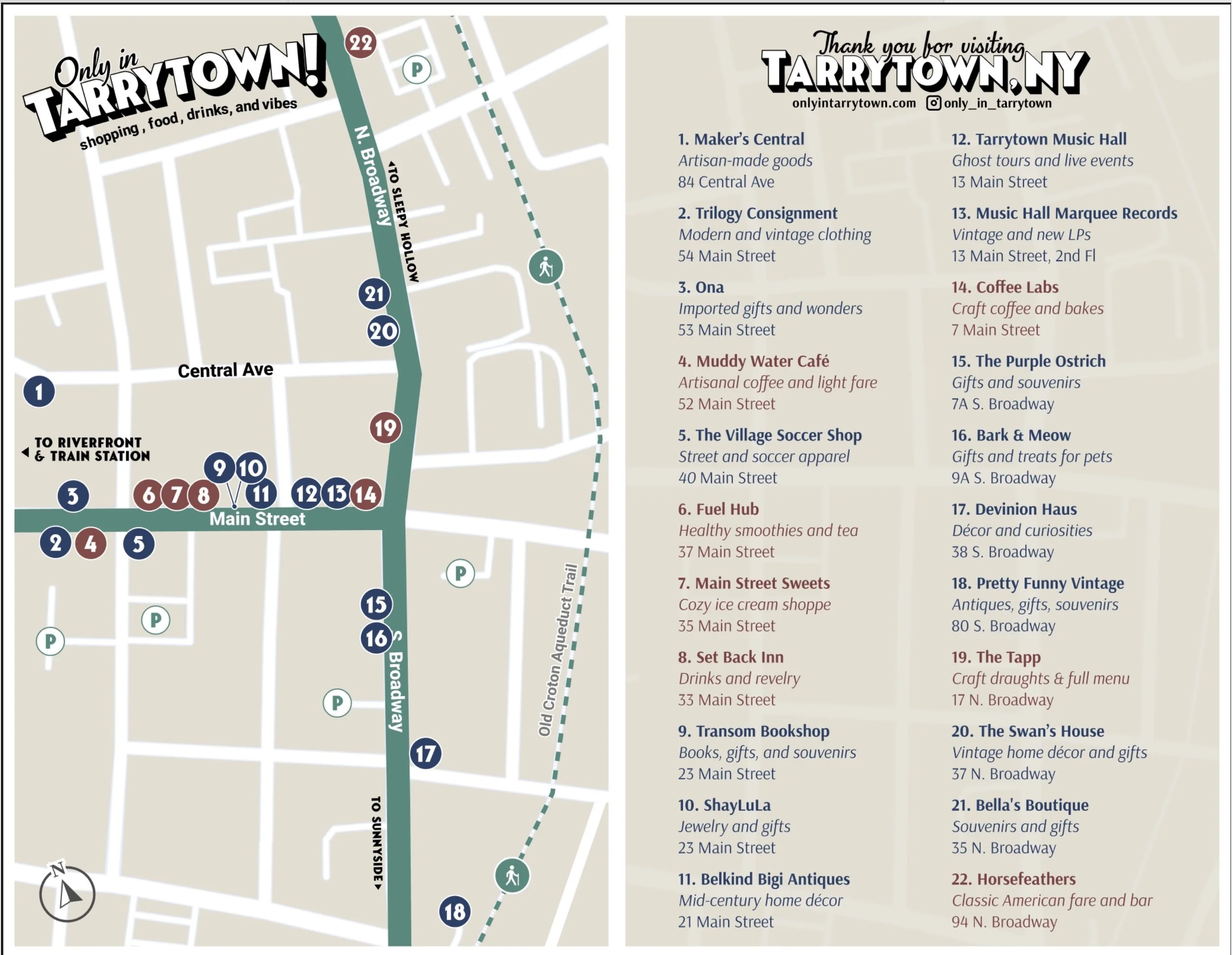
What's So Punny?
I wondered why the baseball kept getting bigger. Then it hit me.
A sign on the lawn at a drug rehab center said: “Keep off the Grass.”
If you jumped off the bridge in Paris, you’d be in Seine.
A backward poet writes inverse.
In a democracy, it’s your vote that counts. In feudalism, it’s your count that votes.
When cannibals ate a missionary, they got a taste of religion.
Contributed by Barbara Wallach
To Be Continued
Weekly Construction Report

From the Office of Ellen Ottstadt
I Never Knew That
The Naming of “America”
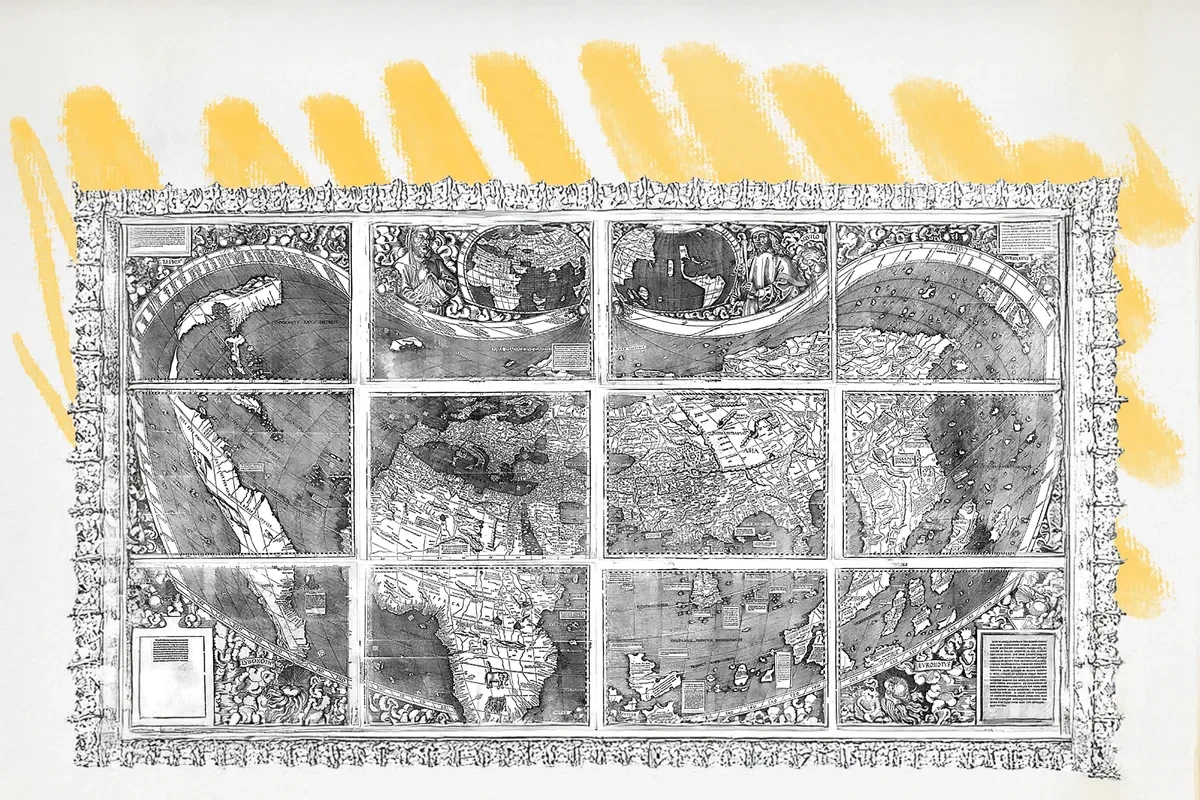
In 1507, a group of scholars in the small French town of Saint-Dié published a world map that changed how Europeans saw the globe—and gave “America” its name. Created by German cartographer Martin Waldseemüller and scholar Matthias Ringmann, the map was the first to show the New World as a separate continent, surrounded by ocean, rather than as part of Asia.
The two men drew on Portuguese nautical data and letters attributed to Florentine explorer Amerigo Vespucci to create the map. Though it later emerged they were doctored, the letters appeared to argue that Vespucci had found an entirely new landmass, not the eastern edge of Asia, as Christopher Columbus believed. Waldseemüller and Ringmann agreed with this idea—and in an accompanying book, Cosmographiae Introductio, they proposed naming this “fourth part” of the world “America,” after Vespucci’s Latinized first name, Americus.
Though Waldseemüller later dropped the name from his maps, others embraced it. When cartographer Gerardus Mercator applied the name “America” to the entire Western Hemisphere in 1538, it quickly became standard.
Only one copy of Waldseemüller’s 1507 map survives today—discovered in a German castle in 1901 and now housed at the Library of Congress in Washington, D.C. Sometimes called “America’s birth certificate,” it marks the moment when a new name —and a New World—entered the map of human understanding.
Source: historyfacts.com
For Your Funny Bone
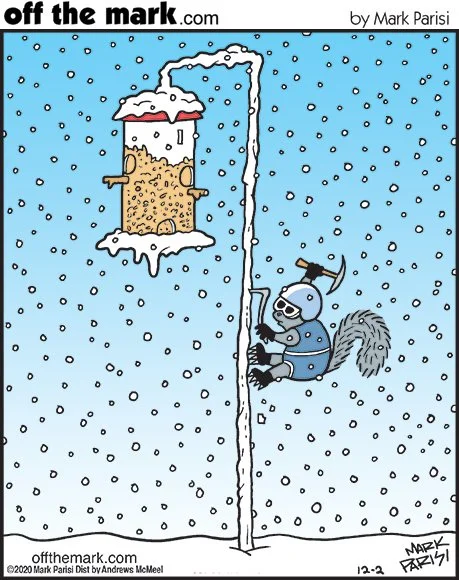
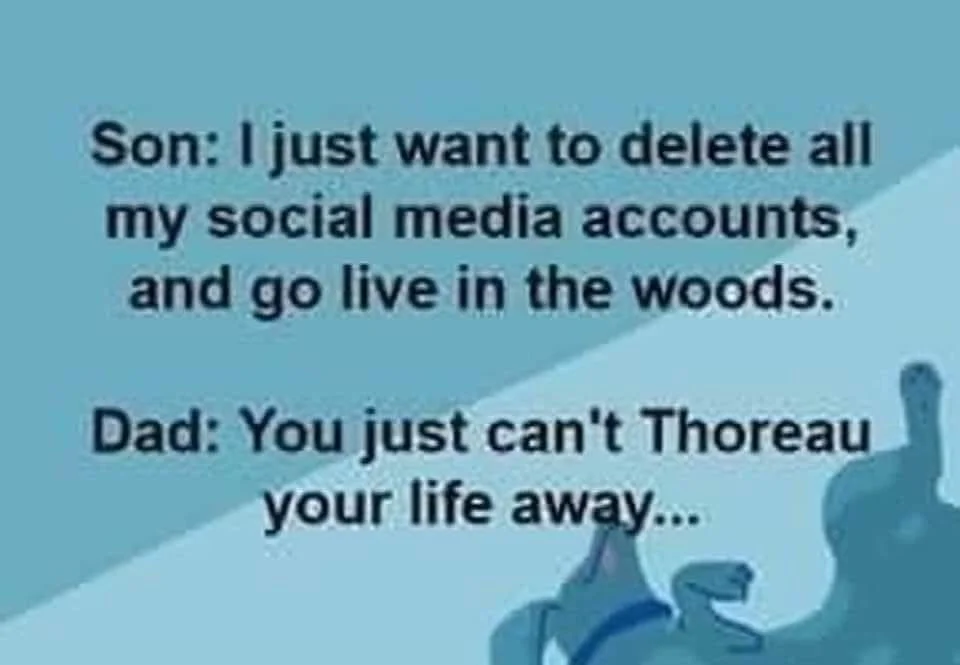
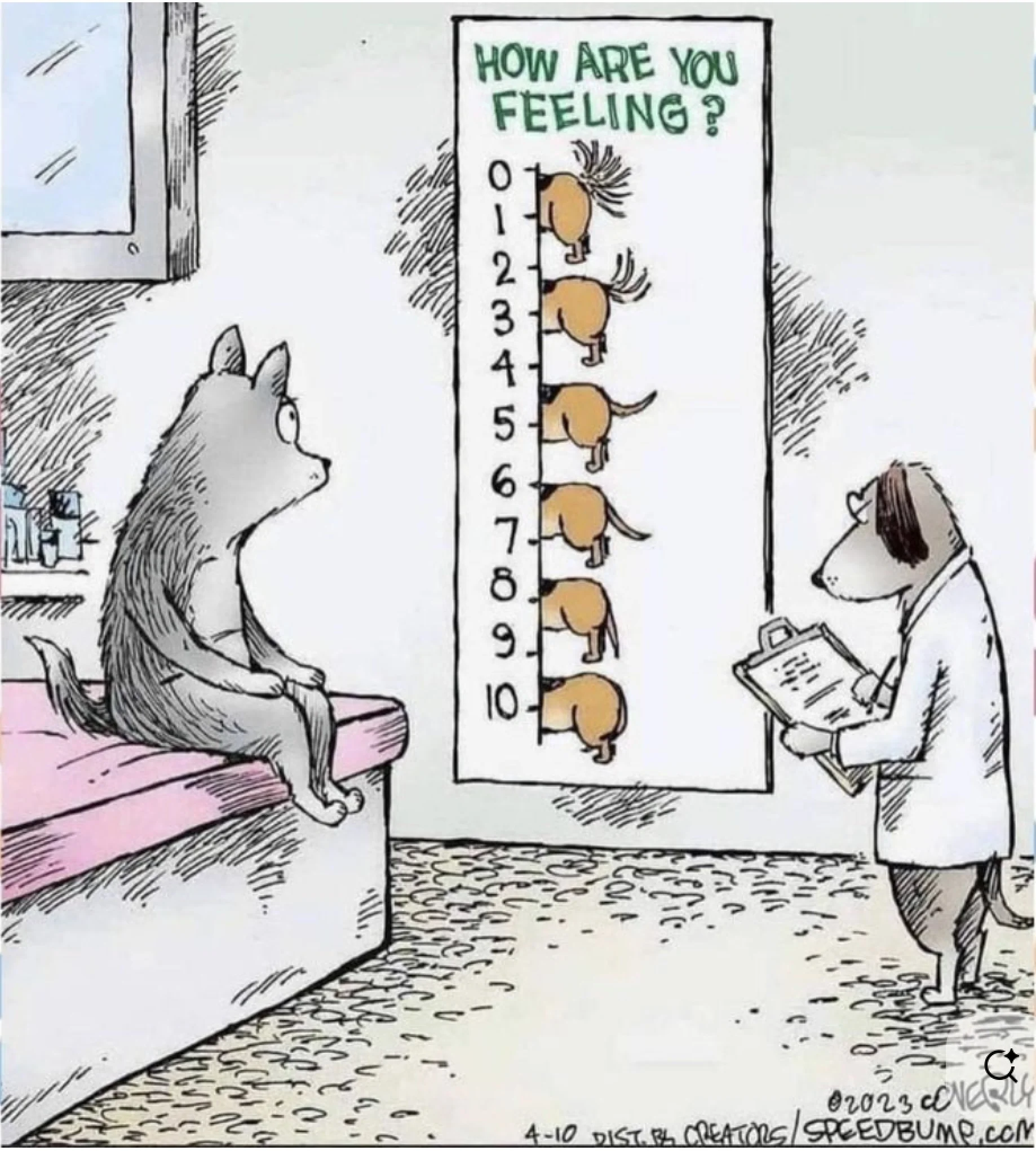
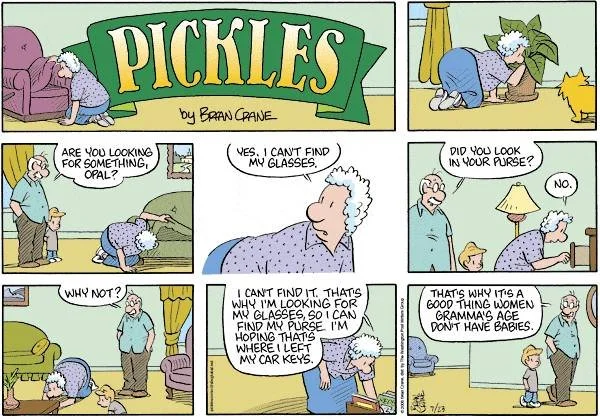
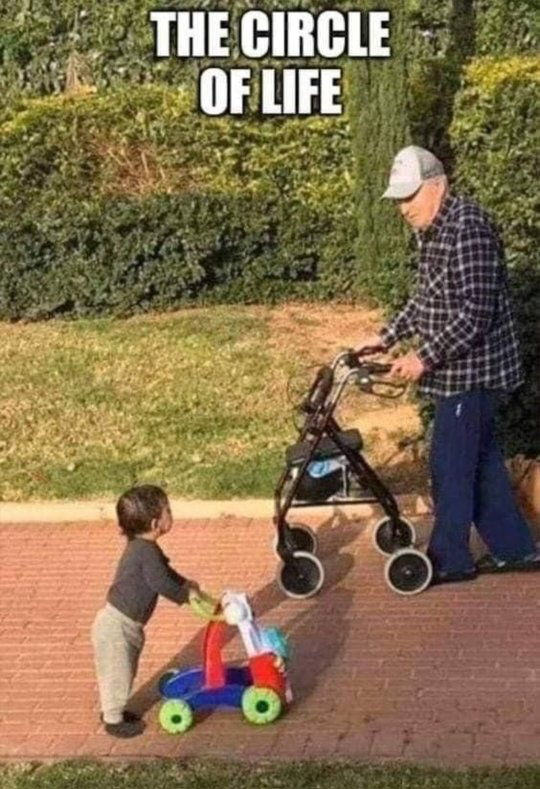
Contributed by Mimi Abramovitz
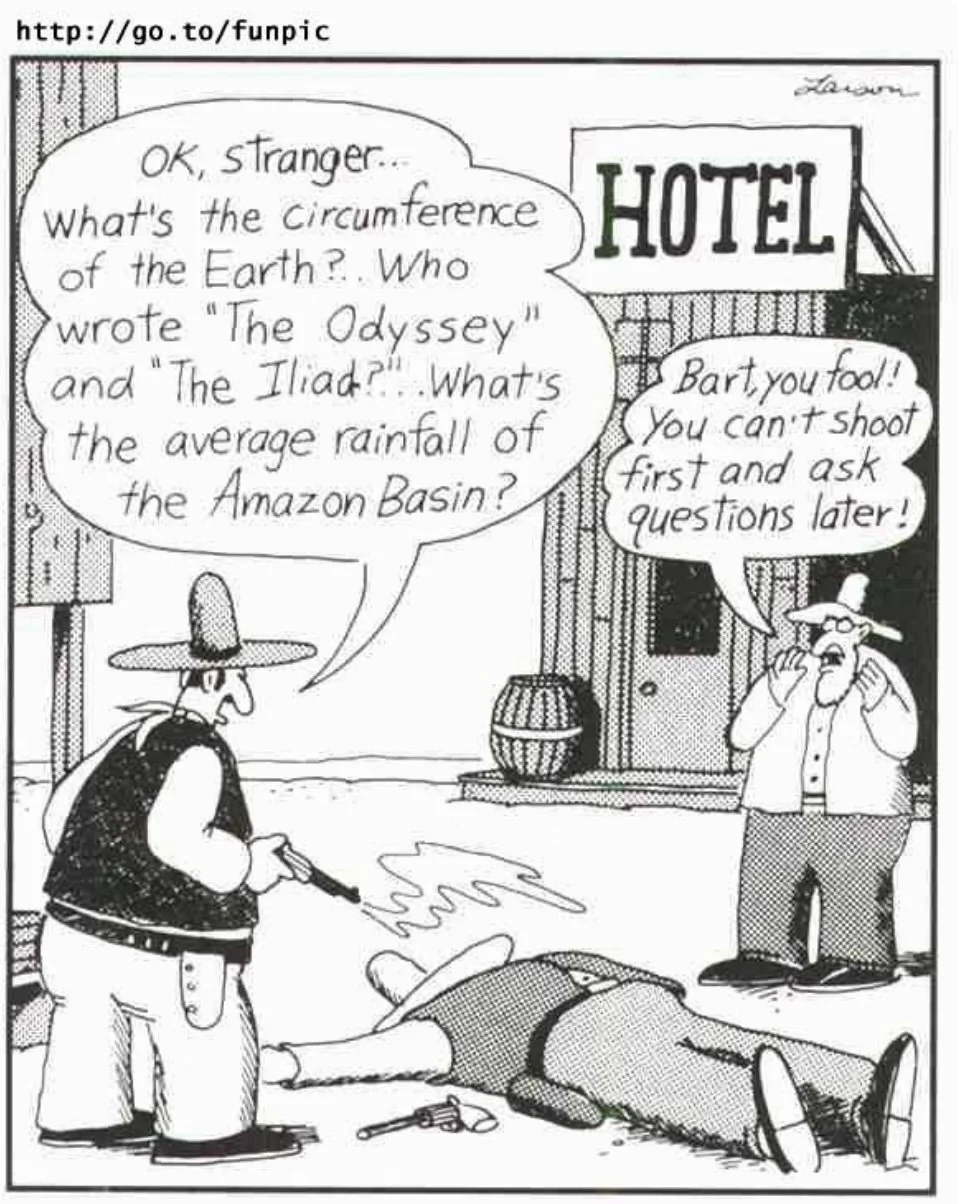
Art by Hart
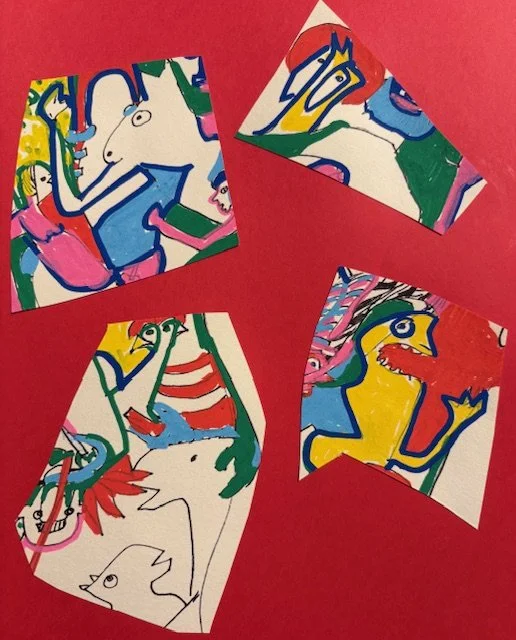
Cousin Chad’s vacation photos left questions unanswered
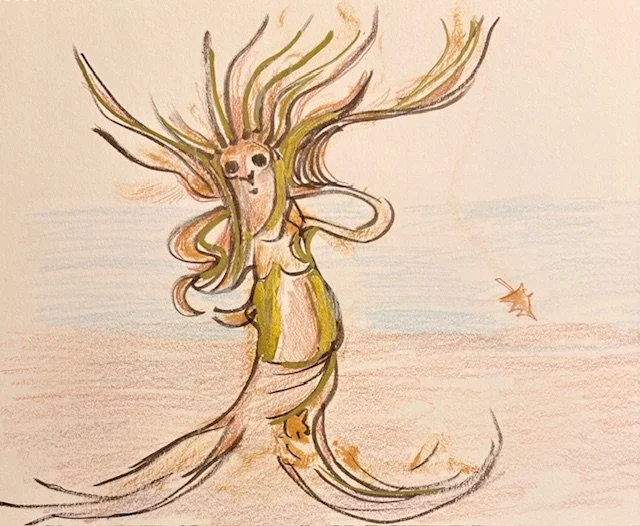
Lady Drift-Wood found the fall beach scene less than exhilarating

It took a while, but Mini finally found her forever home

The Kempton apartments were small, but the vibe was welcoming and friendly

Ogden reluctantly dropped the dress code for staff who had to work today
Art and photos by Jane Hart
In and Around
With Thanks for Thanksgiving
A wonderful day to Give Thanks and some of the wonderful people who made it possible—and delicious:
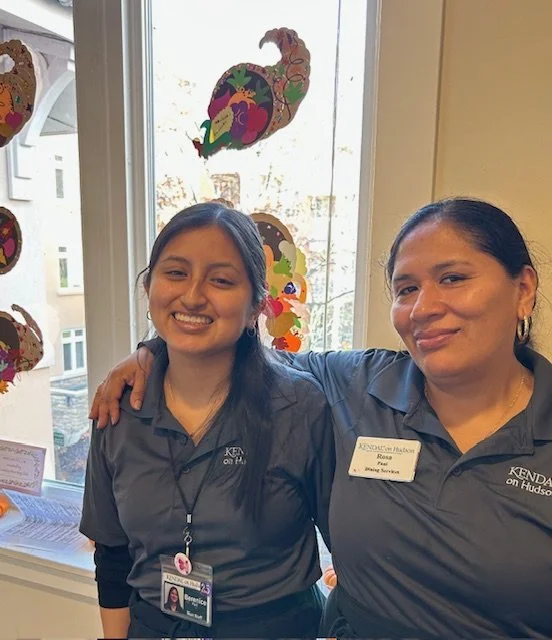

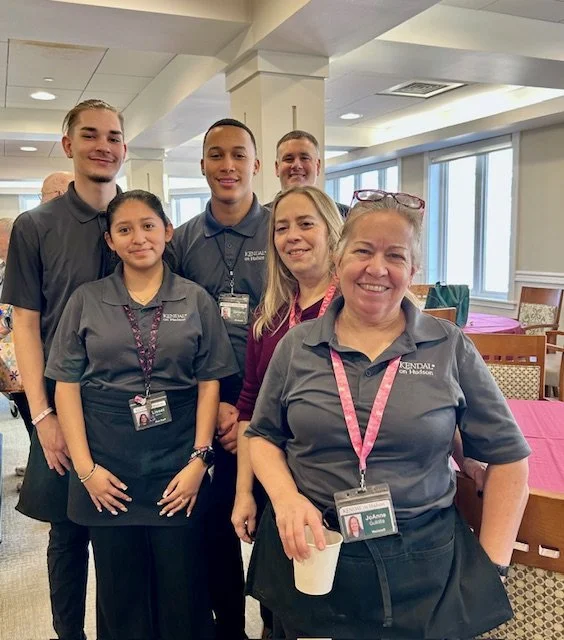
Photos by Carolyn Reiss
The KoH Movie Committee
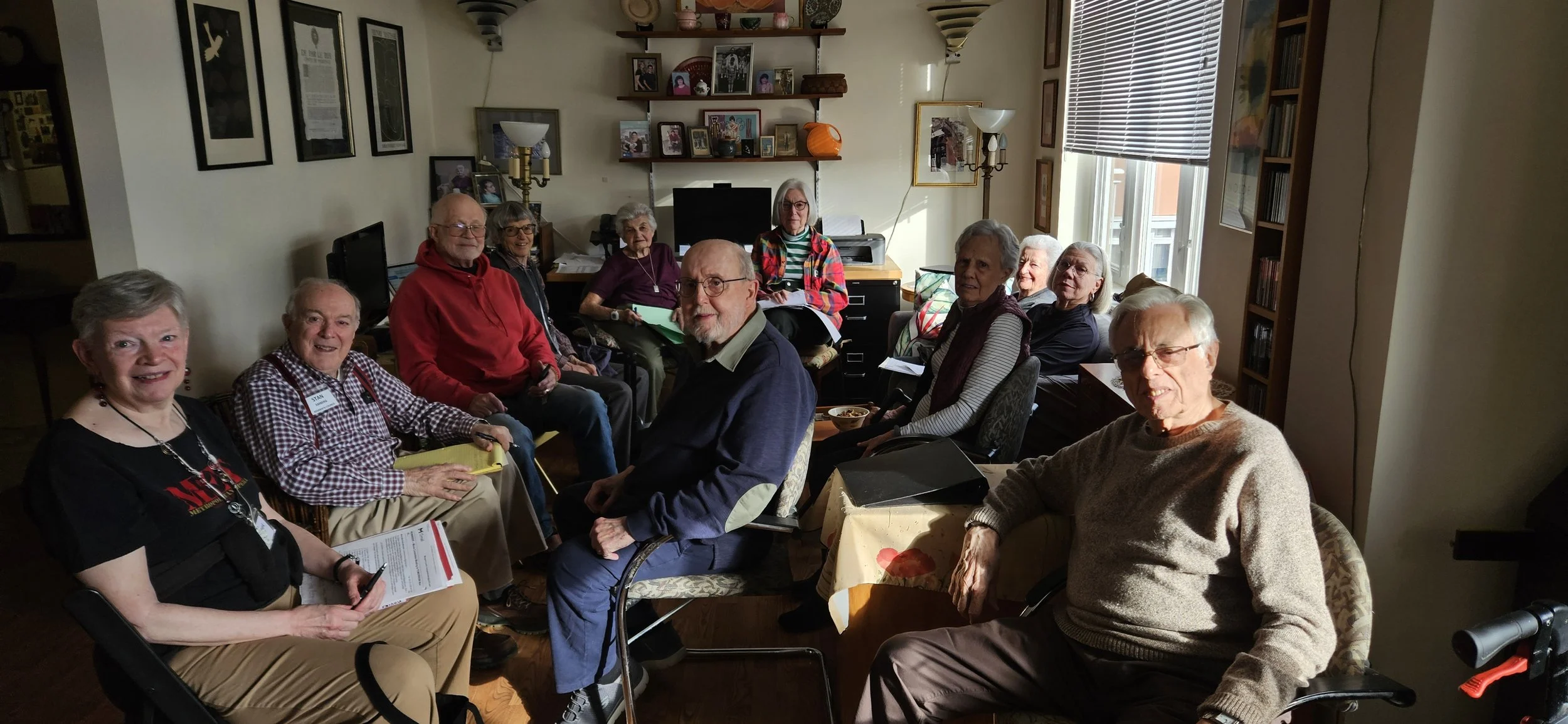
Plotting New Viewing Pleasures, by Joe Bruno
Awesome Nature
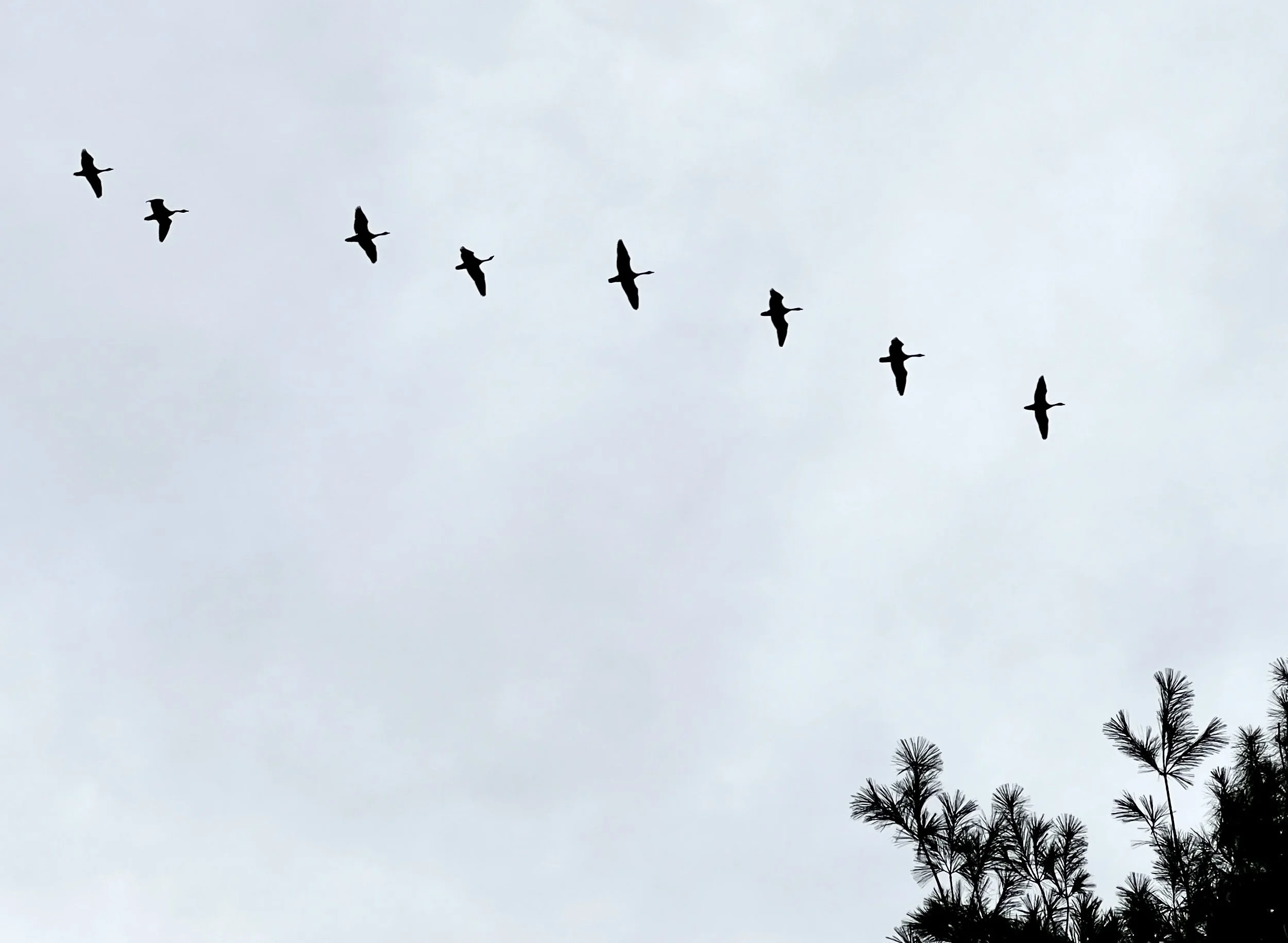
Geese Flying South, by Lisa Rosenblooom
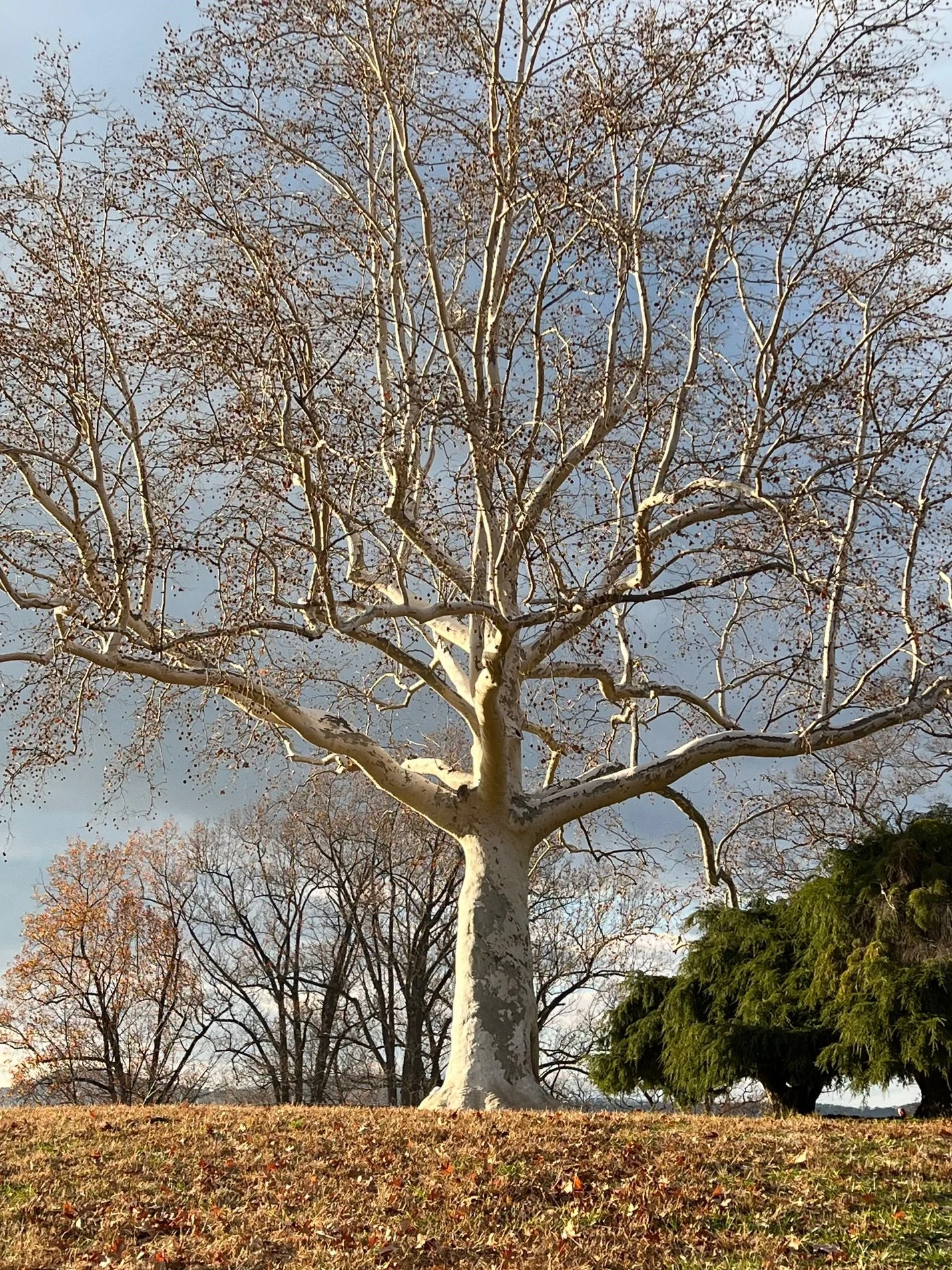
Majestic, by Philip Monteleoni
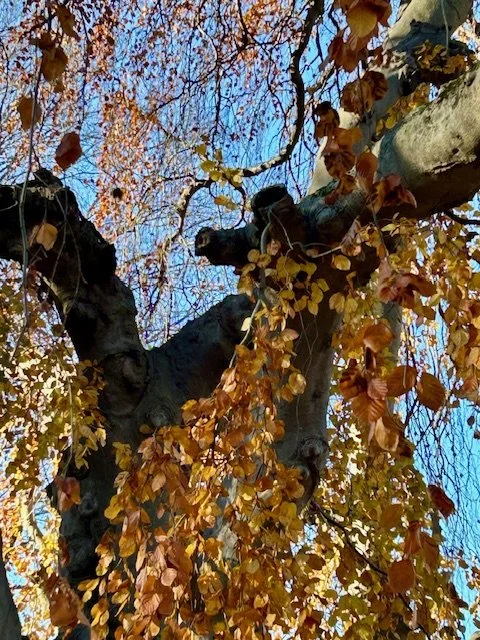
Autumn’s Lace, by Carolyn Reiss
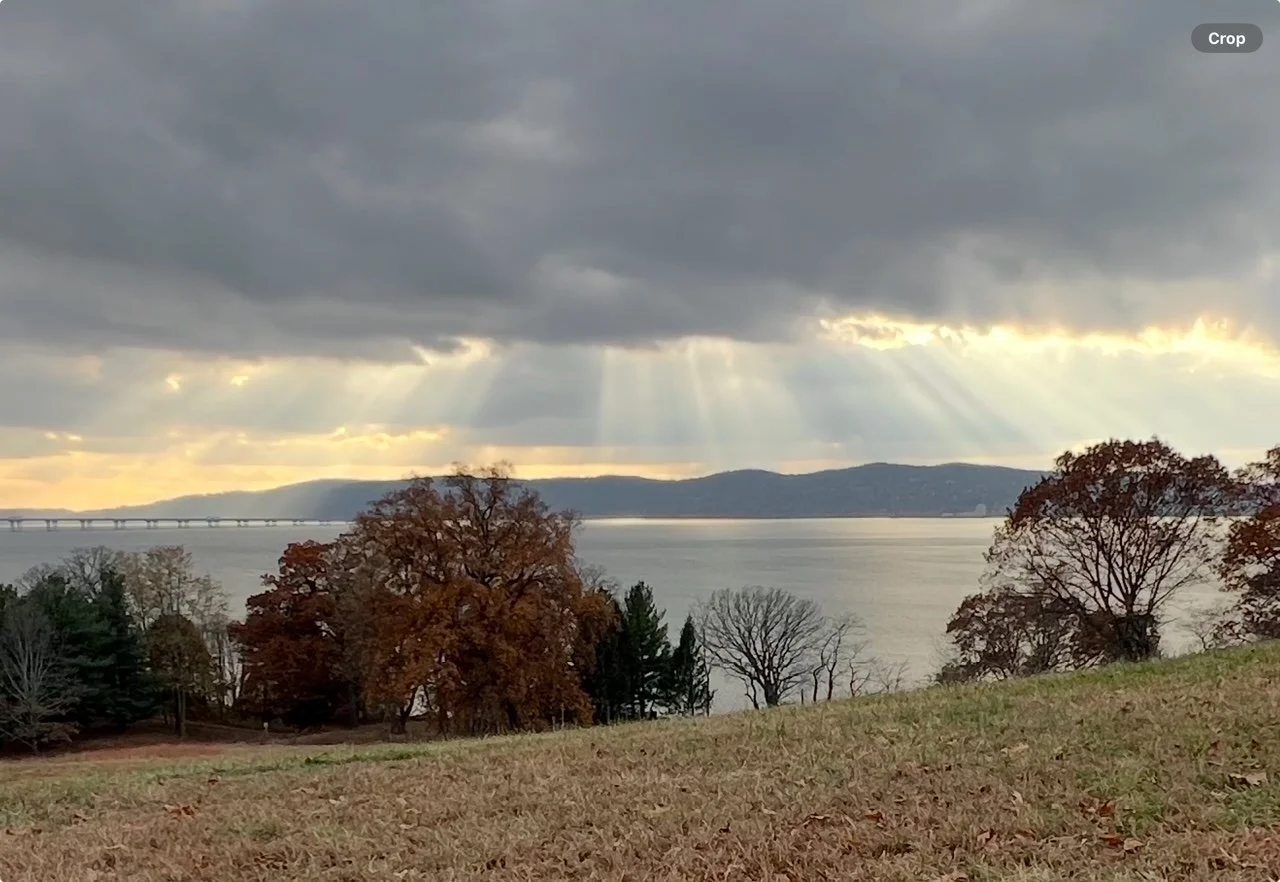
Glorious Rays, by Philip Monteleoni
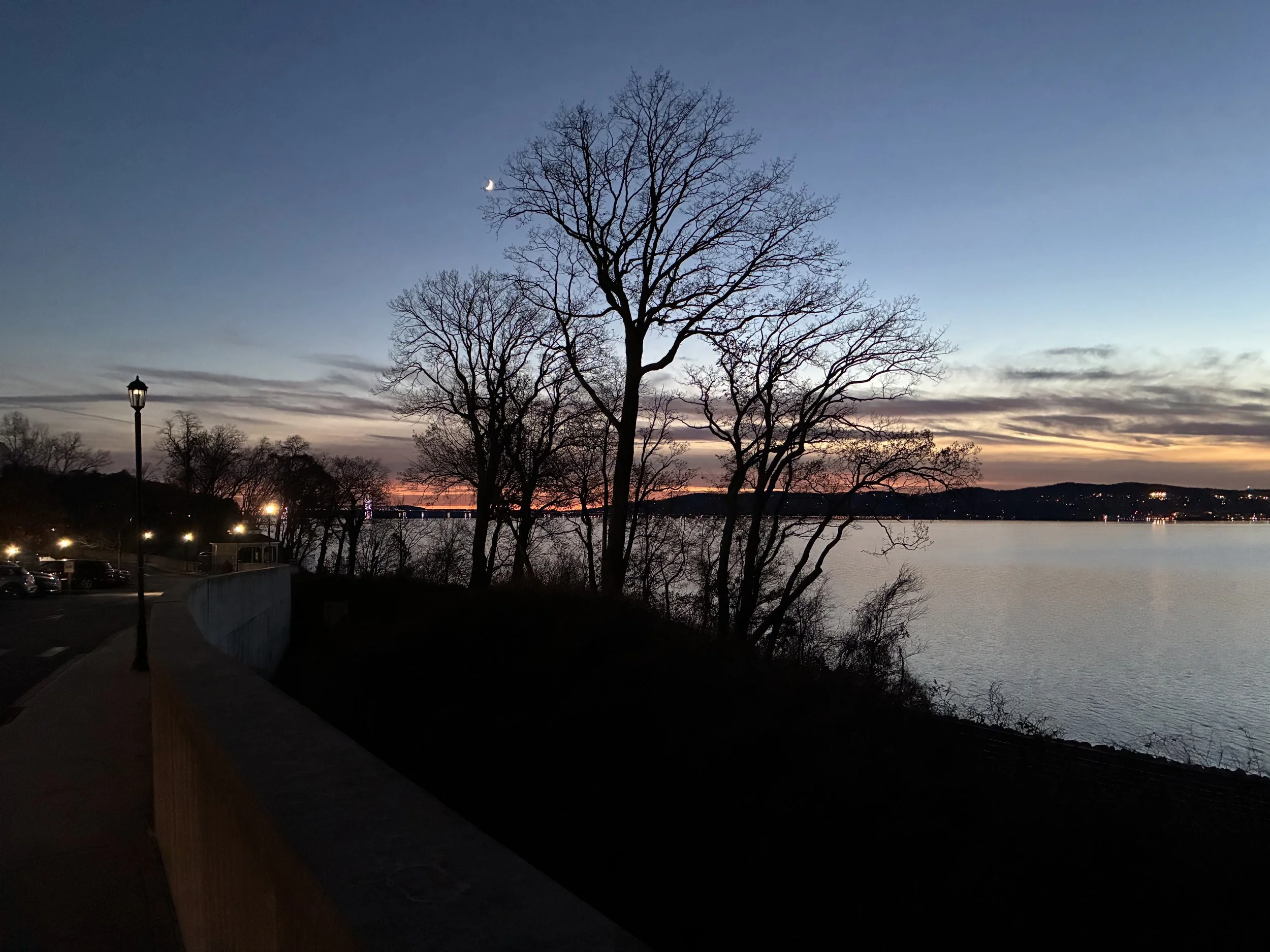
Day’s End, by Peter Sibley
Out and About
Along the lines of “What I did on my summer vacation”—except she did it this fall—Lynn Brady provided a range of photos from her recent trip to Barcelona. So many to choose from! So, this week we’re looking at Lynn’s Great Adventure from the exterior. Next week, there’ll be views of interiors. Happy viewing.
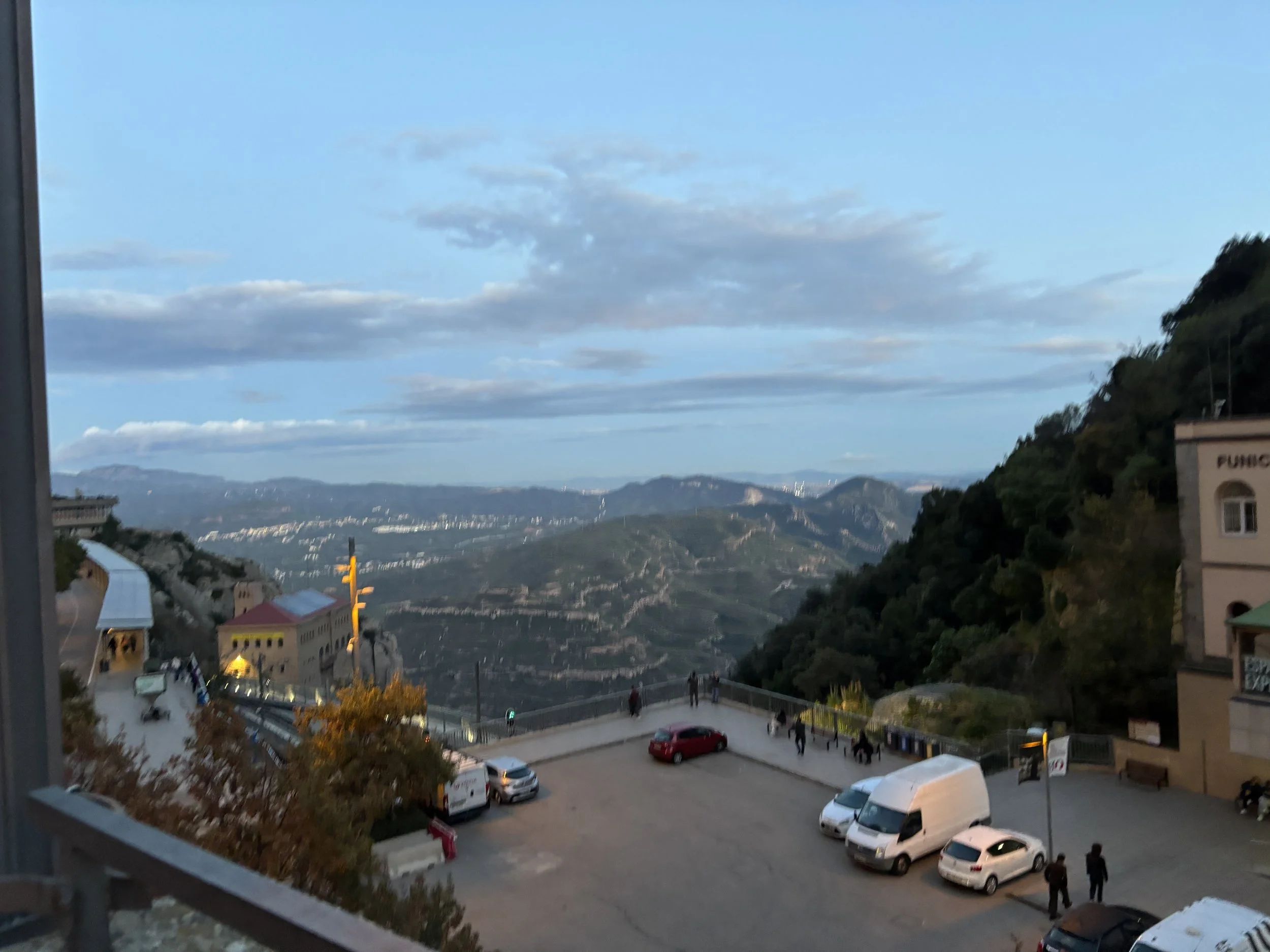
The view from Montserrat
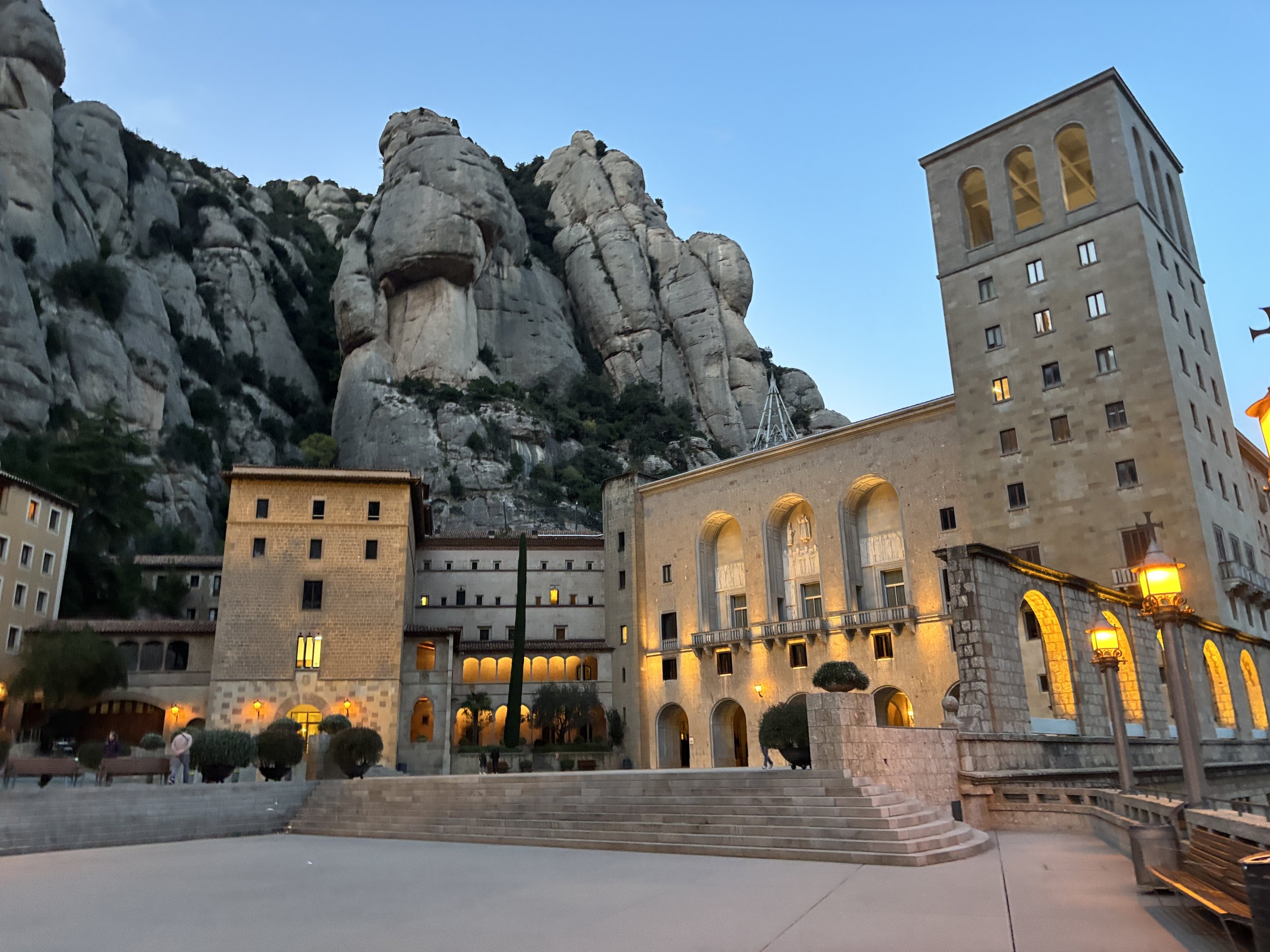
Benedictine monastery at Monsarrat
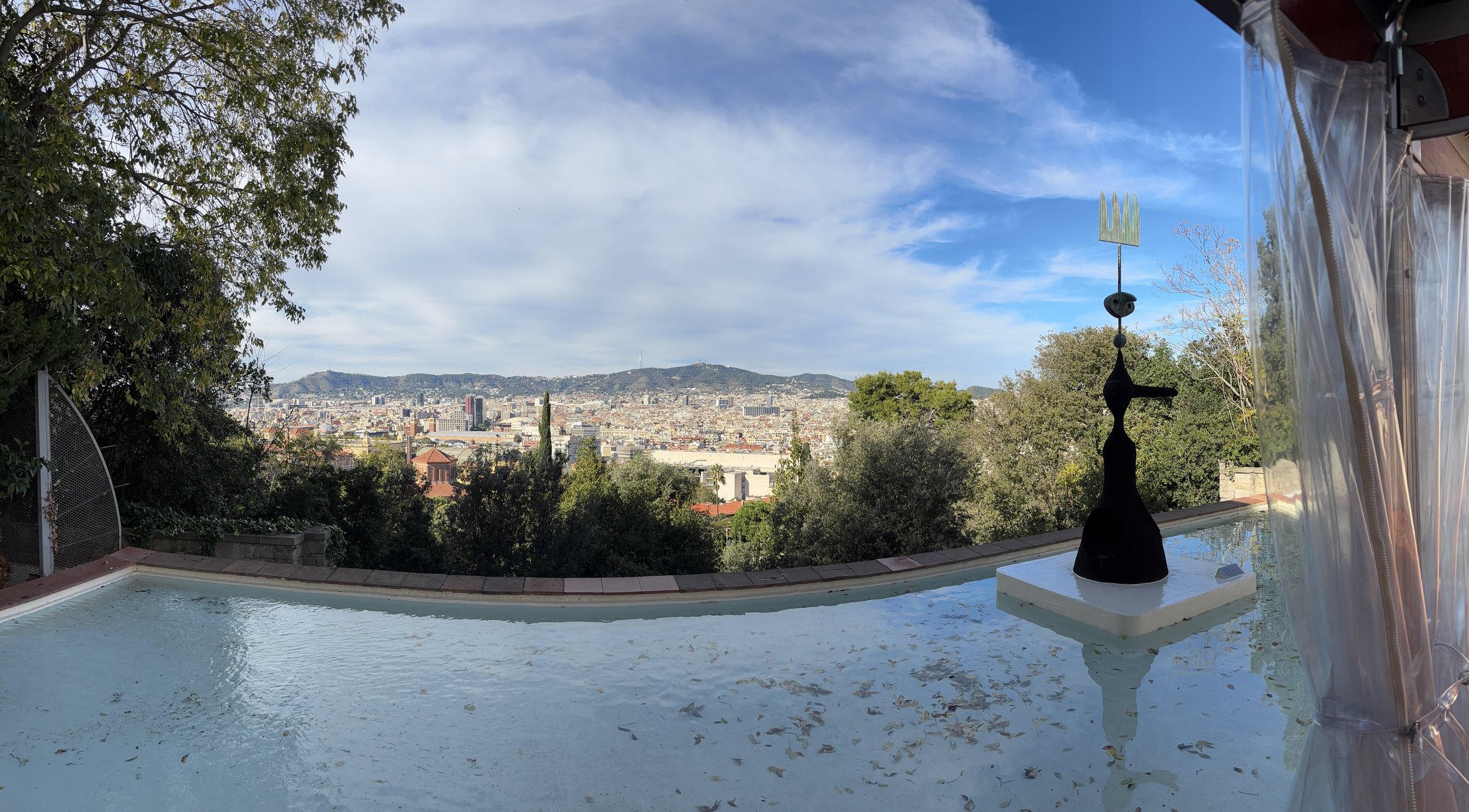
View of Barcelona from the Miro Museum
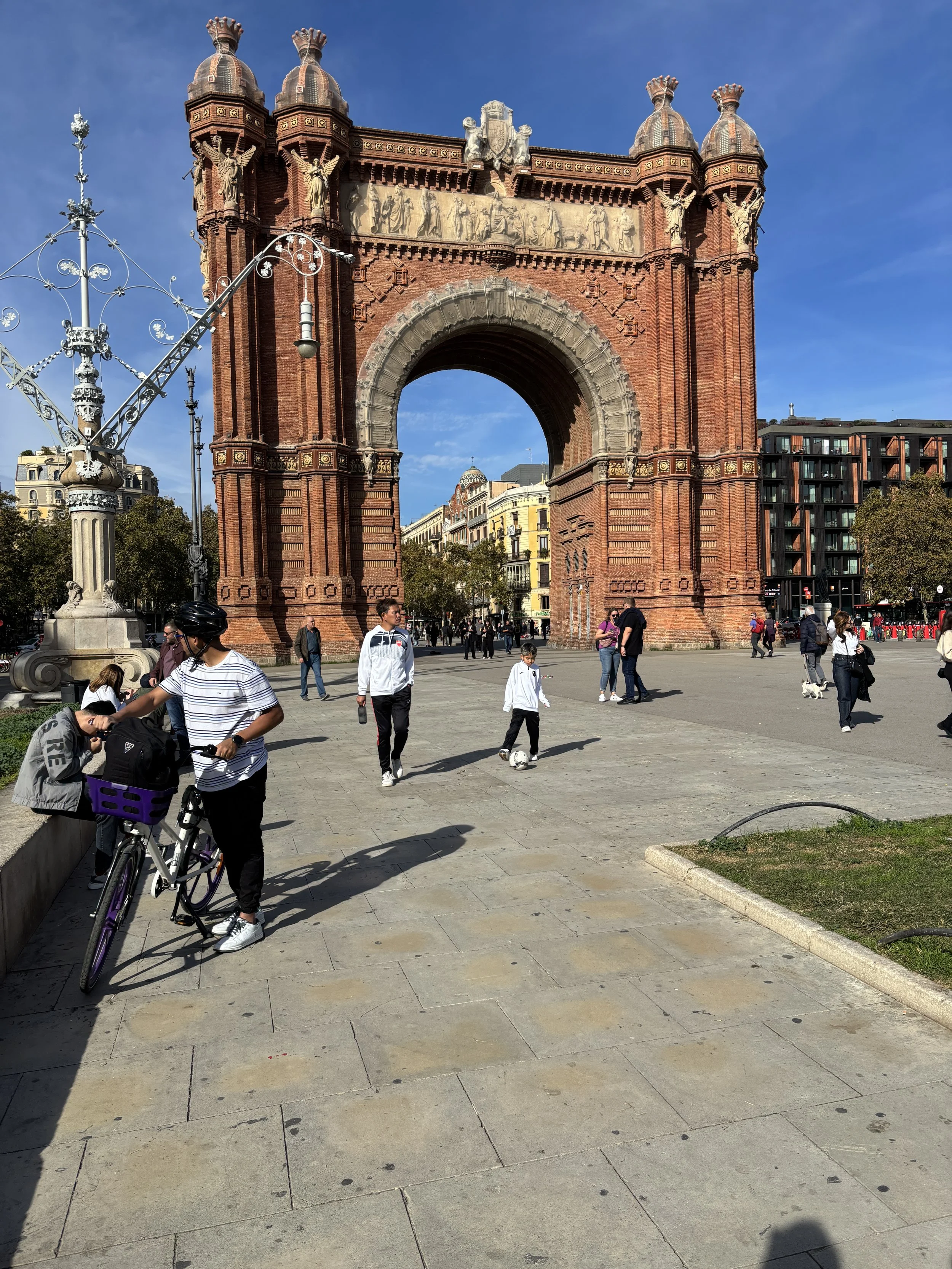
The Arc de Triomf, built by architect Josep Vilaseca i Casanovas as the main access gate for the 1888 Barcelona World Fair.
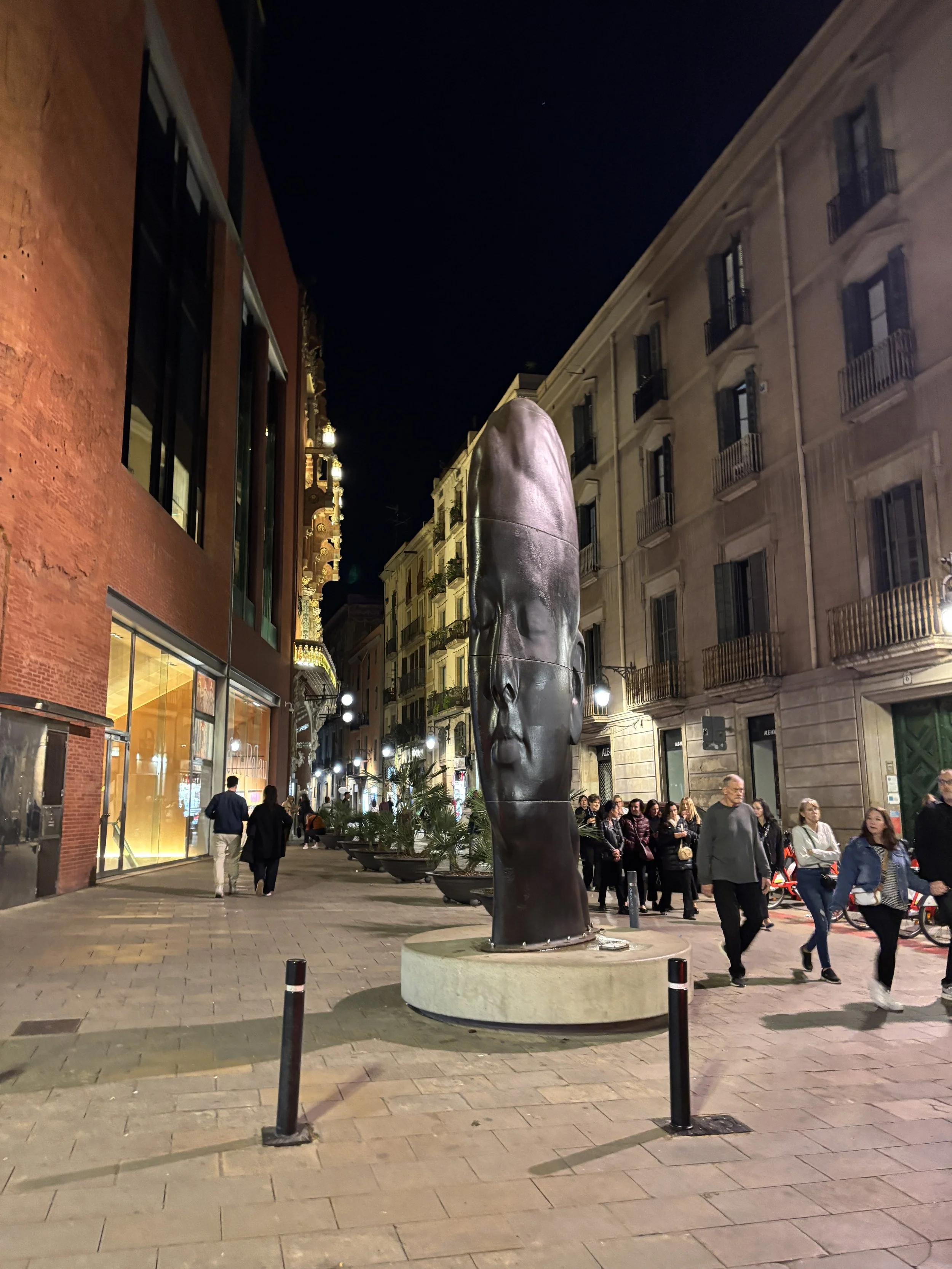
In the Old City
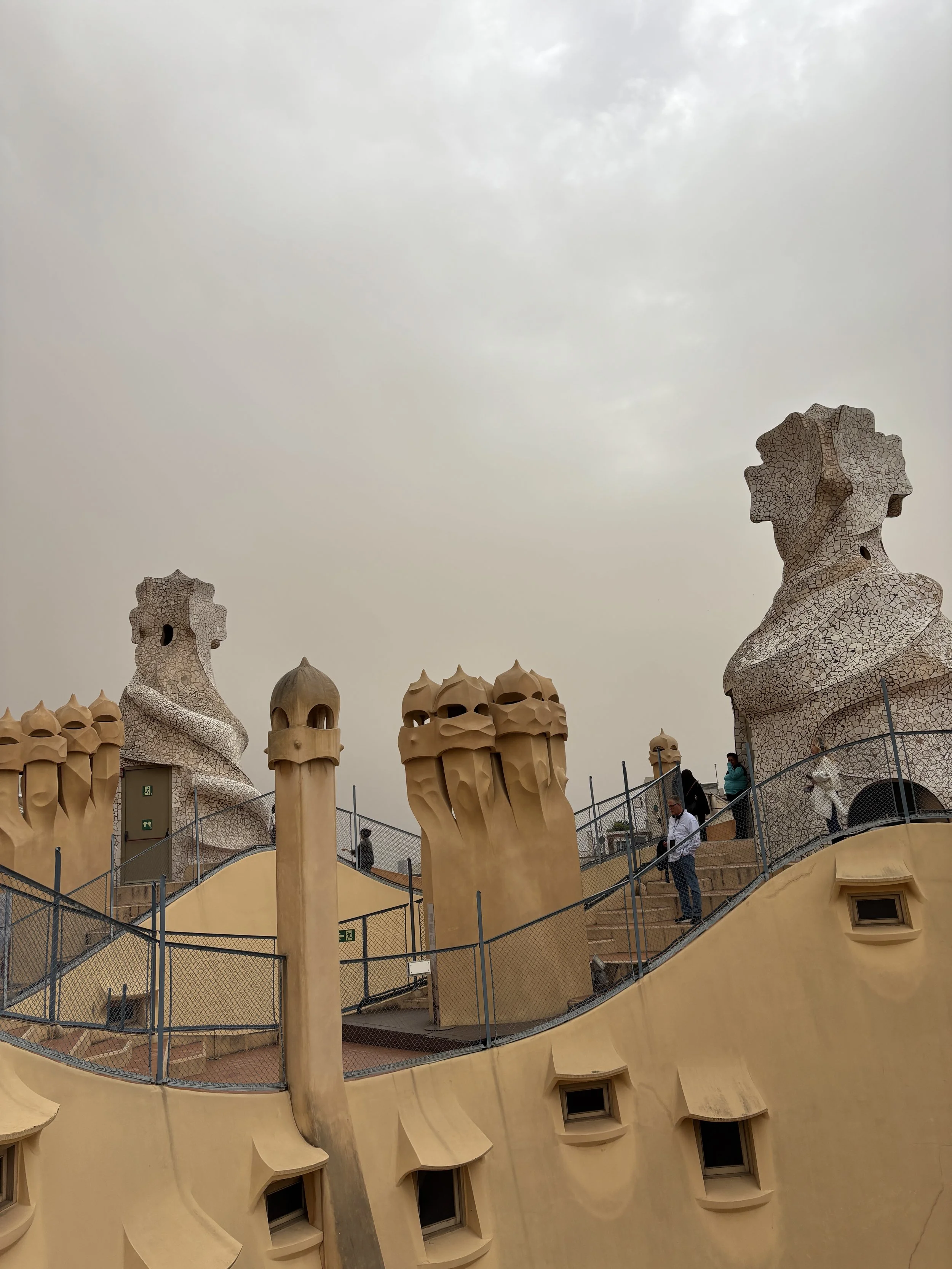
Gaudi apartment house
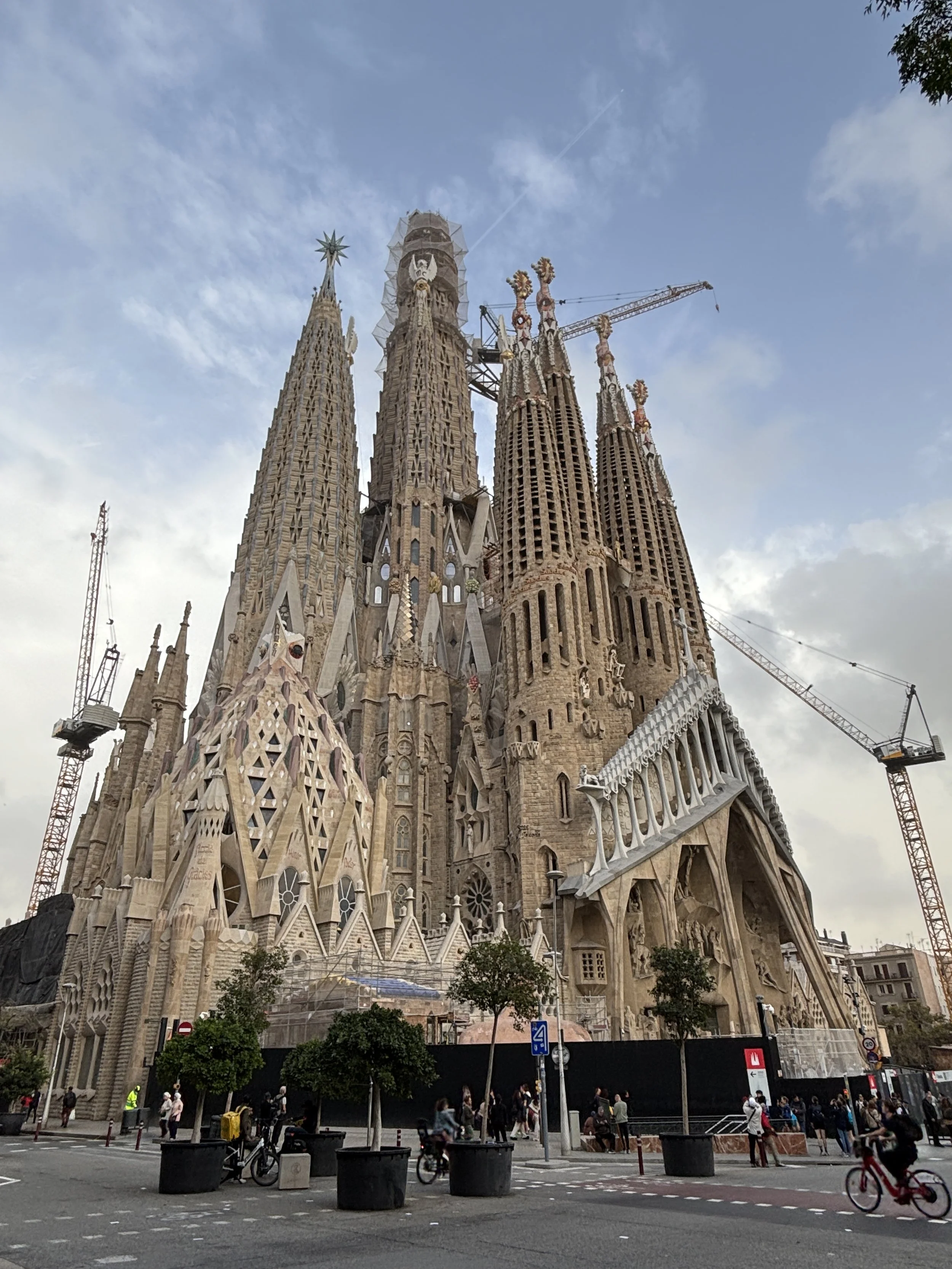
Basílica i Temple Expiatori de la Sagrada Família[a] (short form Sagrada Família), a church under construction in the Eixample district of Barcelona, Catalonia, Spain. It is the largest unfinished Catholic church in the world and a UNESCO World Heritage site.
All photos by Lynn Brady
Want a River View? Ya Got It . . .
The Hudson River is beguiling. It can be moody, sparkling, turbulent—or disappear altogether as fog slowly rises or rushes in from land. Whatever its disposition, we love to watch it—as the sun comes up, as the day progresses, as the sun goes down, as dusk surrounds us, as evening falls. And now—drum roll, please—everyone, no matter where the apartment, can do just that.
Thanks to a brain storm by Marketing’s Joey Starr, there is now a camera, installed in the mysterious far reaches of Mary Powell’s roof, aimed 24/7 at the Hudson. And anyone can tune into it any time, any day on Channel 971—as long its there is no live activity being shown from the Gathering Room.
Here’s an example of what you can see:
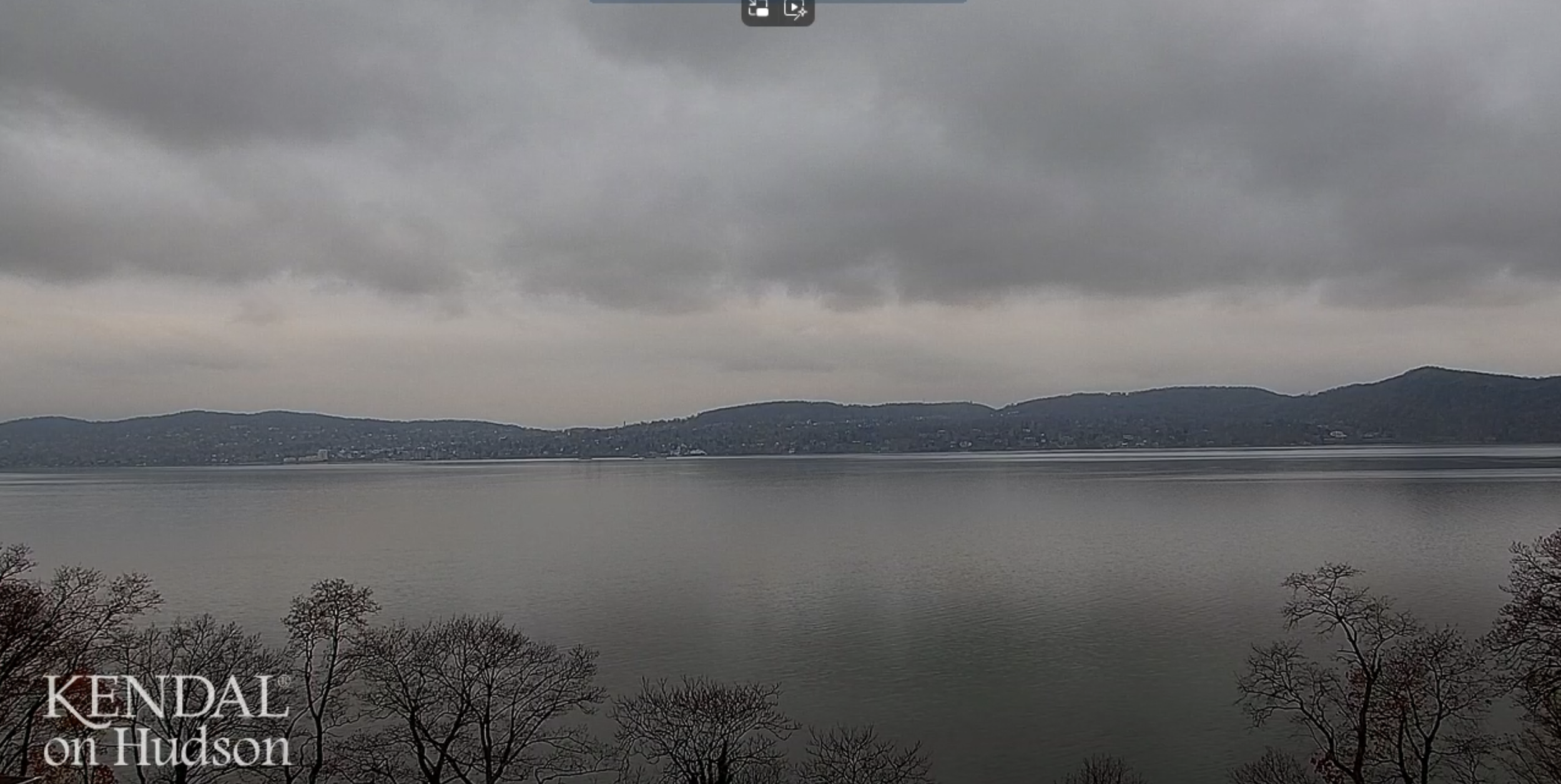
Yay, Joey Starr!
What's So Punny?
A grenade thrown into a kitchen in France would result in Linoleum Blownapart.
Two silk worms had a race. They ended up in a tie.
A hole has been found in the nudist-camp wall. The police are looking into it.
Time flies like an arrow. Fruit flies like a banana.
Atheism is a non-prophet organization.
Two hats were hanging on a hat rack in the hallway. One hat said to the other: “You stay here; I’ll go on a head.”
Contributed by Barbara Wallach
To be continued . . .