
December 16, members of the choir of the Christ Church in Rye, NY, joined with the German International School of New York in a production of Carl Orff’s magnificent Carmina Burana.
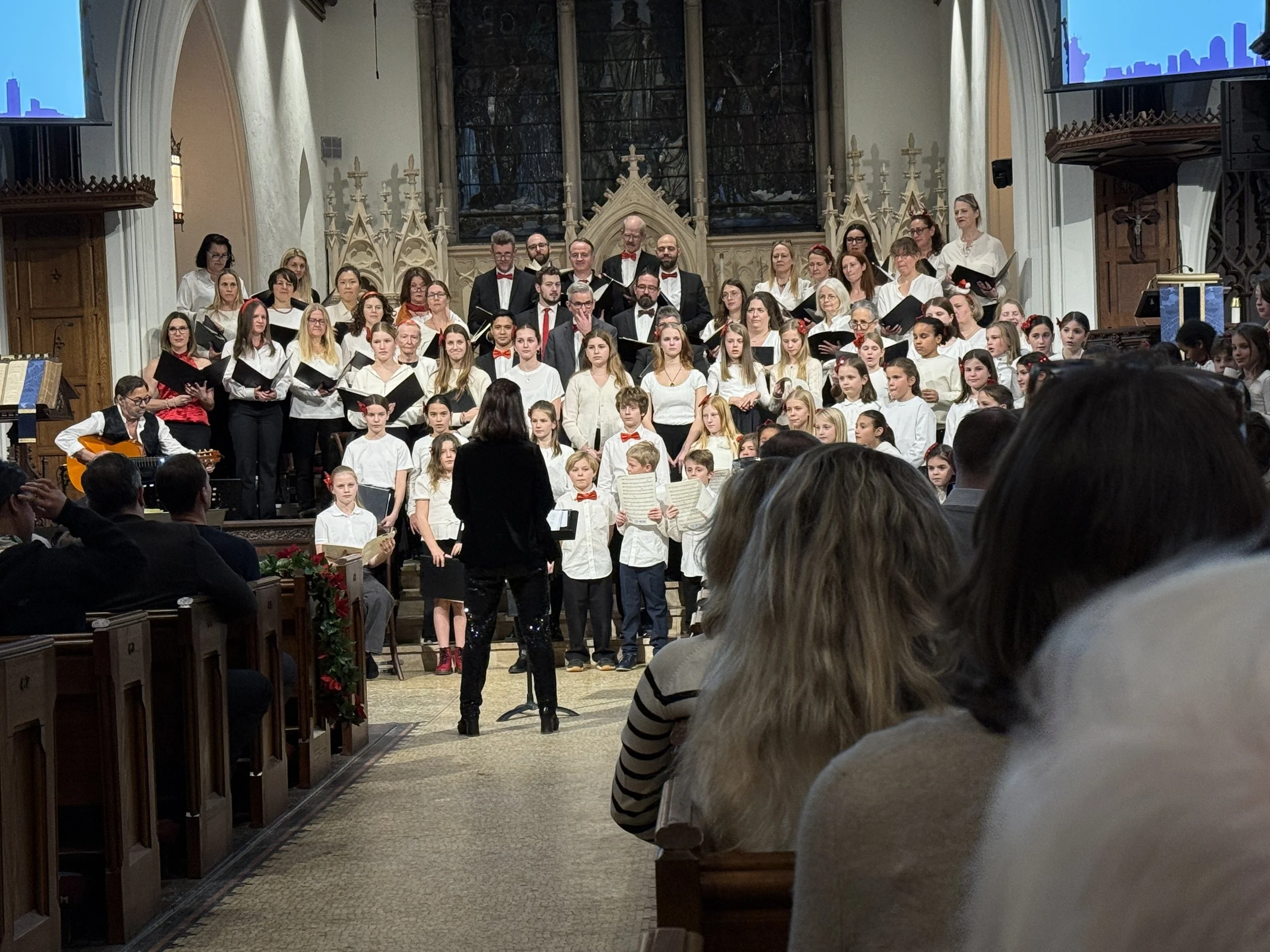
And Kendalites turned out in numbers.
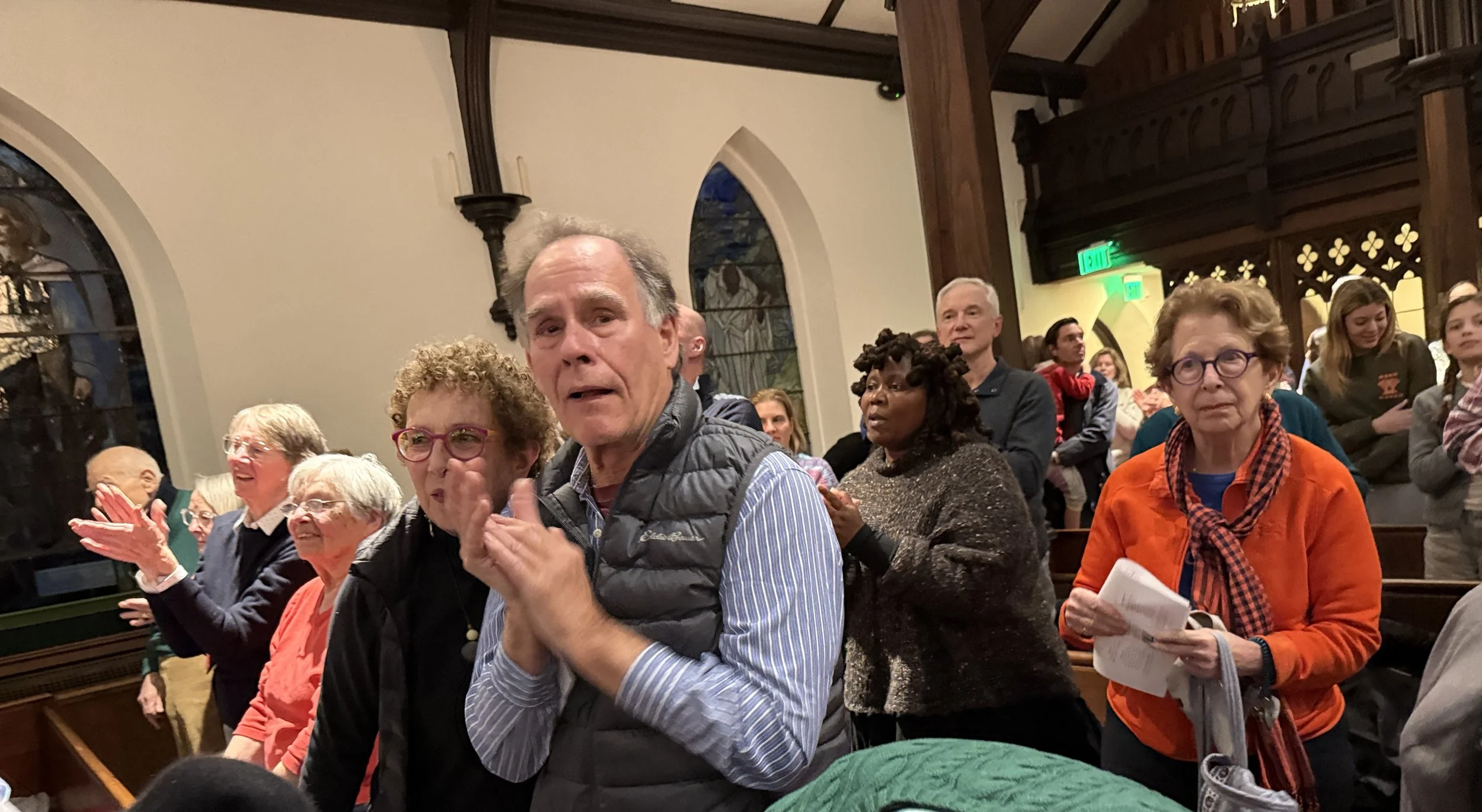
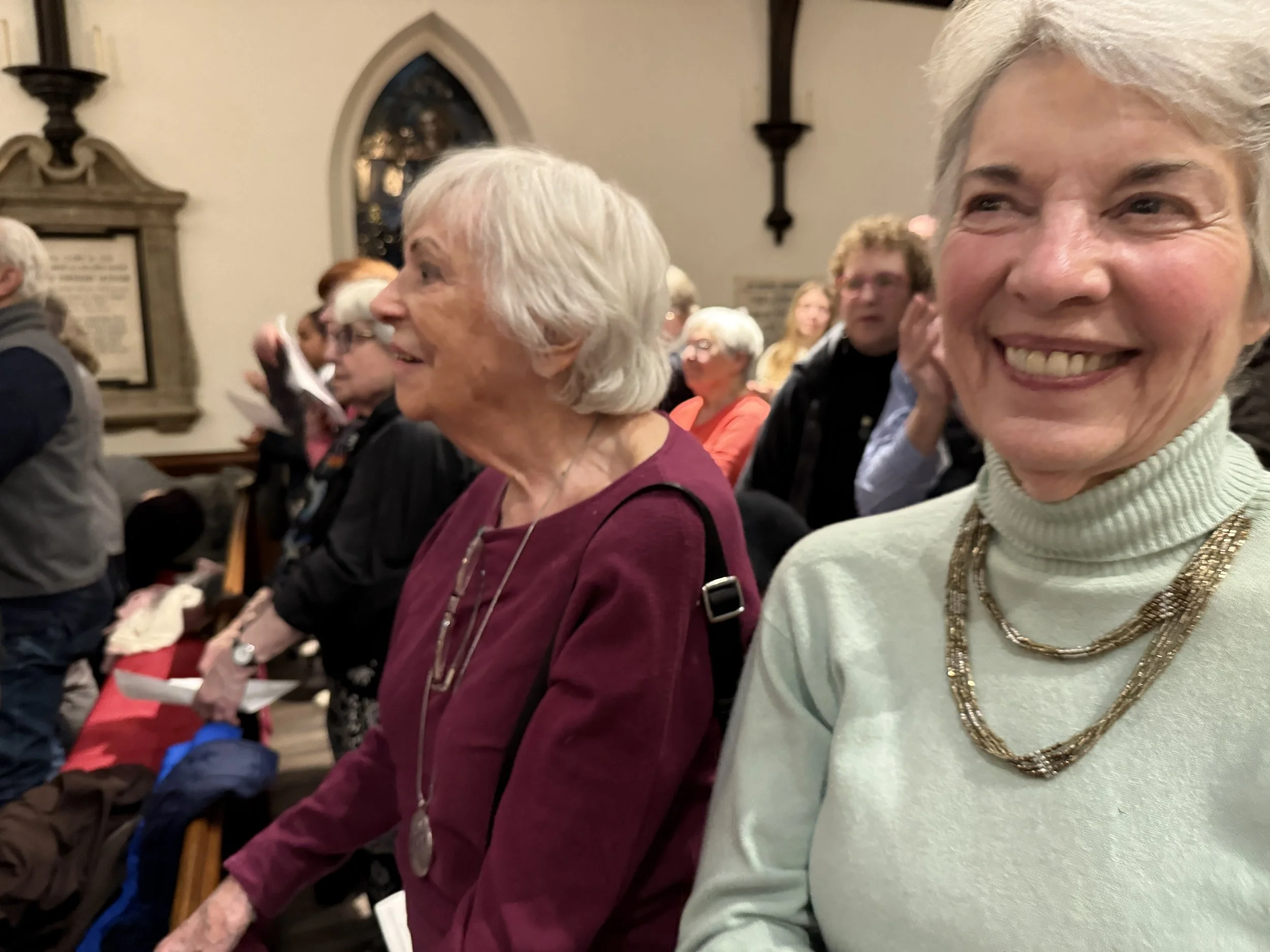

Photos by Amanda Slattery
But what is the Carmina Burana? It sounds so lofty and dramatic. Here’s the scoop (pretty much straight from Wikipedia):
Carmina Burana is a manuscript written in 1230 by two different scribes in an early gothic minuscule on 119 sheets of parchment. A number of free pages, cut of a slightly different size, were attached at the end of the text in the 14th century. At some point in the Late Middle Ages, the handwritten pages were bound into a small folder called the Codex Buranus. However, in the process of binding, the text was placed partially out of order, and some pages were most likely lost, as well. The manuscript contains eight miniatures: the rota fortunae (which actually is an illustration from songs 14–18, but was placed by the book binder as the cover), an imaginative forest, a pair of lovers, scenes from the story of Dido and Aeneas, a scene of drinking beer, and three scenes of playing dice, tables, and chess.
In 1934, Carl Orff encountered the 1847 edition of the Carmina Burana by Johann Andreas Schmeller. Michel Hofmann (de) was a young law student and an enthusiast of Latin and Greek. He assisted Orff in the selection and organization of 24 of these poems into a libretto mostly in secular Latin verse, with a small amount of Middle High German and Old French. The selection covers a wide range of topics, as familiar in the 13th century as they are in the 21st century: the fickleness of fortune and wealth, the ephemeral nature of life, the joy of the return of spring and the pleasures and perils of drinking, gluttony, gambling, and lust.
These Orff set to music in 1936 as Carmina Burana: Cantiones profanae cantoribus et choris cantandae comitantibus instrumentis atque imaginibus magicis [translation: Songs of Beuern: Secular songs for singers and choruses to be sung together with instruments and magical images].
Carmina Burana was first performed by the Oper Frankfurt on 8 June 1937. It is but one part of Orff’s rarely performed Trionfi, a musical triptych that also includes Catulli Carmina and Trionfo di Afrodite.
Carmina Burana quickly became popular and a staple piece of the classical music repertoire. The opening and closing movement “O Fortuna” has been used in numerous films, becoming one of the most recognizable compositions in popular culture.