
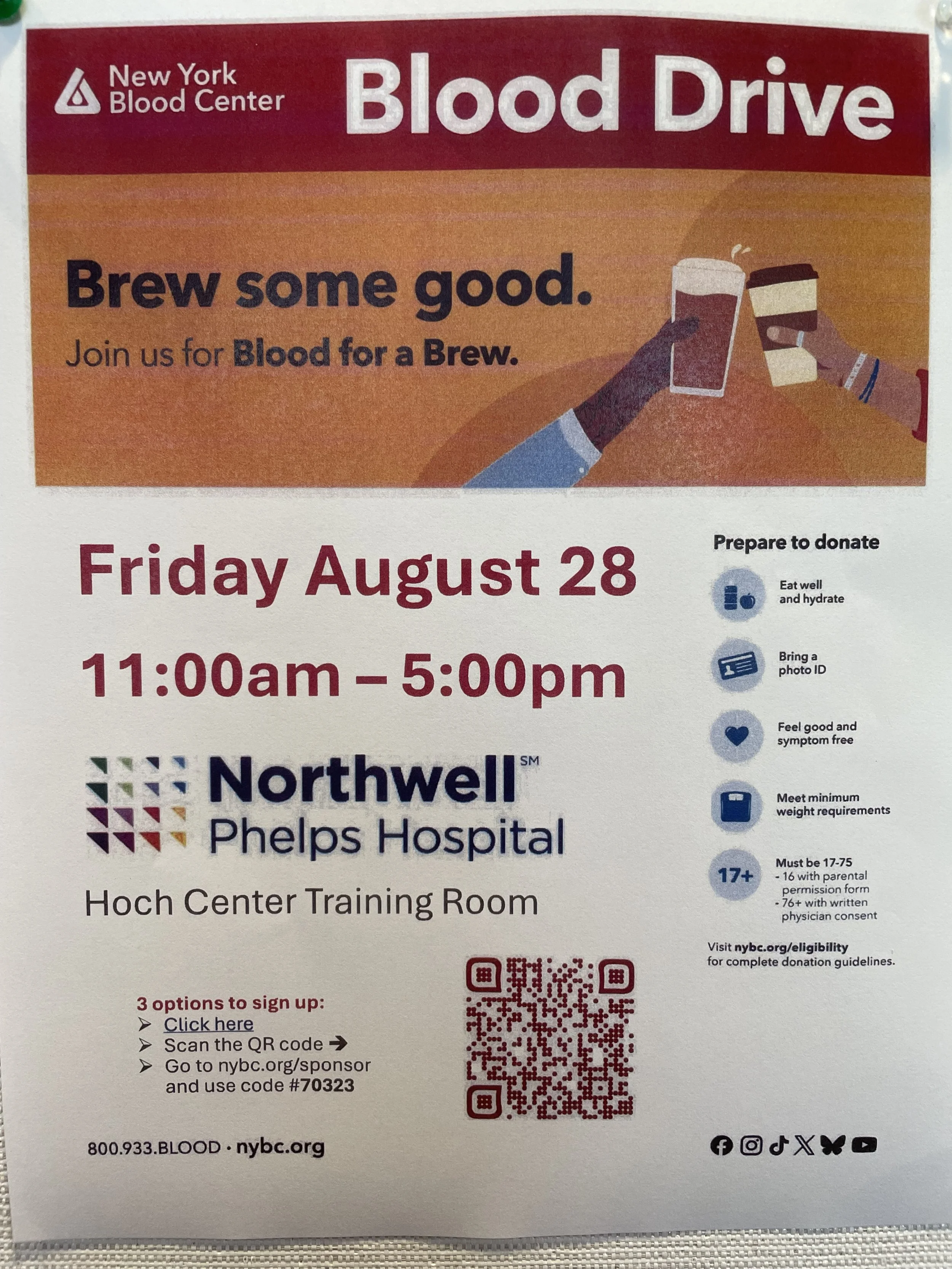
Note the small print: If you are 76 or over, make sure you go with written physician consent.
I Never Knew That
Twelve Classic Foods Invented by Accident
Some of our most well-known foods and snacks weren’t planned at all; they were what we call serendipity: happy accidents born from spills, mix-ups, or kitchen improvisations. Can you imagine a world without potato chips? Or Coca-Cola? From small-town diners to curious labs, these 12 inventions have managed to survive to this day.
Potato Chips
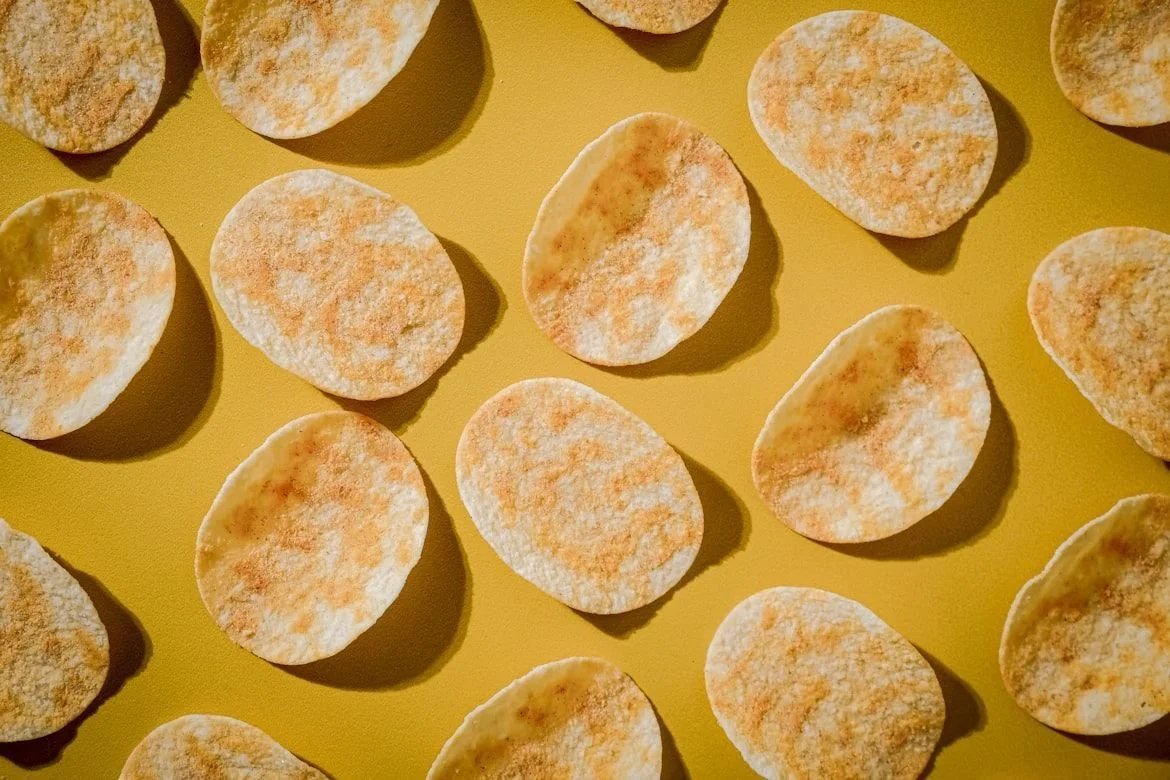
Image by Jeff Siepman
Back in 1853, a cranky diner in Saratoga Springs, New York, complained that his fries were too thick. Irritated, Chef George Crum sliced them paper-thin and fried them crisp to prove a point. To everyone’s surprise, the customer loved them. What began as a moment of frustration turned into America’s favorite salty snack, inspiring an entire industry of chips and flavors.
Popsicles

Image by Taylor Heery
In 1905, 11-year-old San Francisco native Frank Epperson accidentally left a cup of soda powder and water outside overnight, with a stick still in it. The next morning, it had frozen solid in the chilly air. Epperson dubbed it the “Epsicle,” which was later renamed the Popsicle. That childhood experiment became one of the most enduring summer treats.
Chocolate Chip Cookies
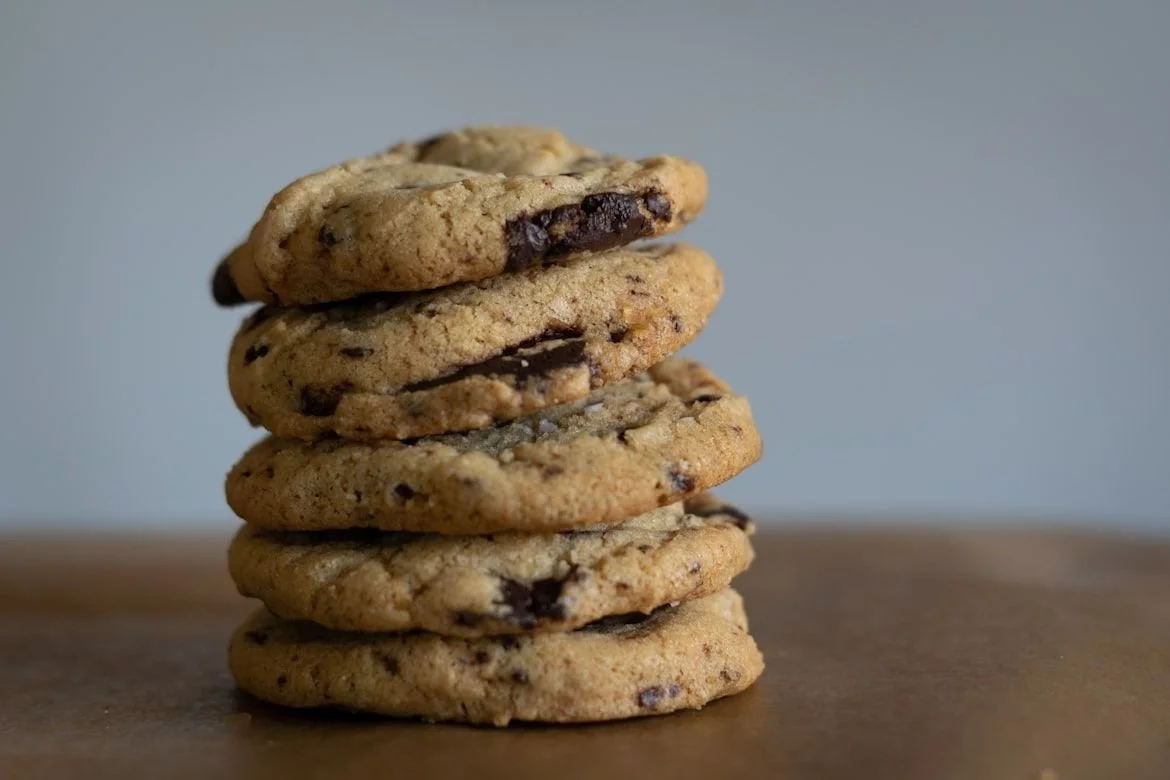
Image by Ben Lei
Ruth Wakefield ran out of baker’s chocolate when she was making traditional chocolate cookies at her Massachusetts inn, the Toll House, in the 1930s. She chopped up Nestlé chocolate snack bars instead. She expected them to melt evenly into the dough, but they stayed in chunks. The warm, gooey results became an instant hit with her guests. Nestlé soon partnered with her to print the recipe on chocolate bar wrappers, and the rest is history!
Corn Flakes
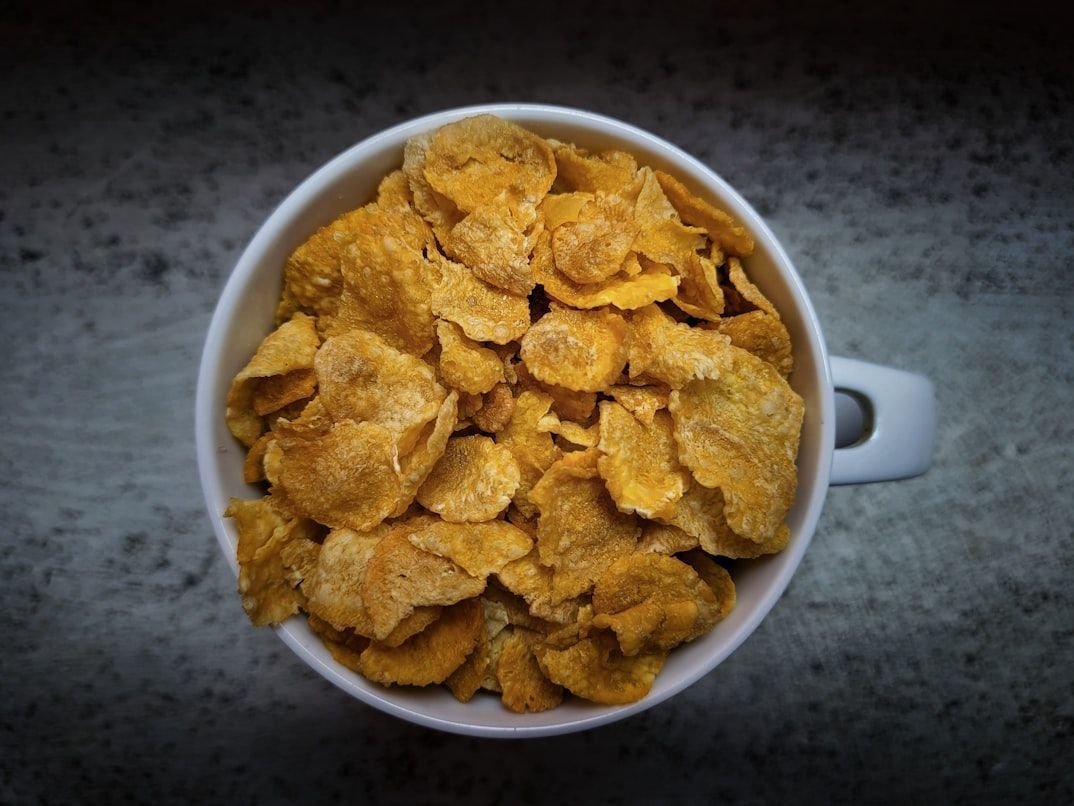
Image by Deepak N
In 1898, the Kellogg brothers accidentally left cooked wheat, unprocessed wheat kernels simmered until tender, sitting out overnight at their Michigan sanitarium, where they promoted a healthy living based on vegetarianism, exercise, sunlight, and strict hygiene. By morning, it had gone stale, but when they rolled and baked it, the flakes came out crisp and tasty. That happy mistake inspired a new breakfast idea: simple, wholesome, and ready to pour.
Coca-Cola
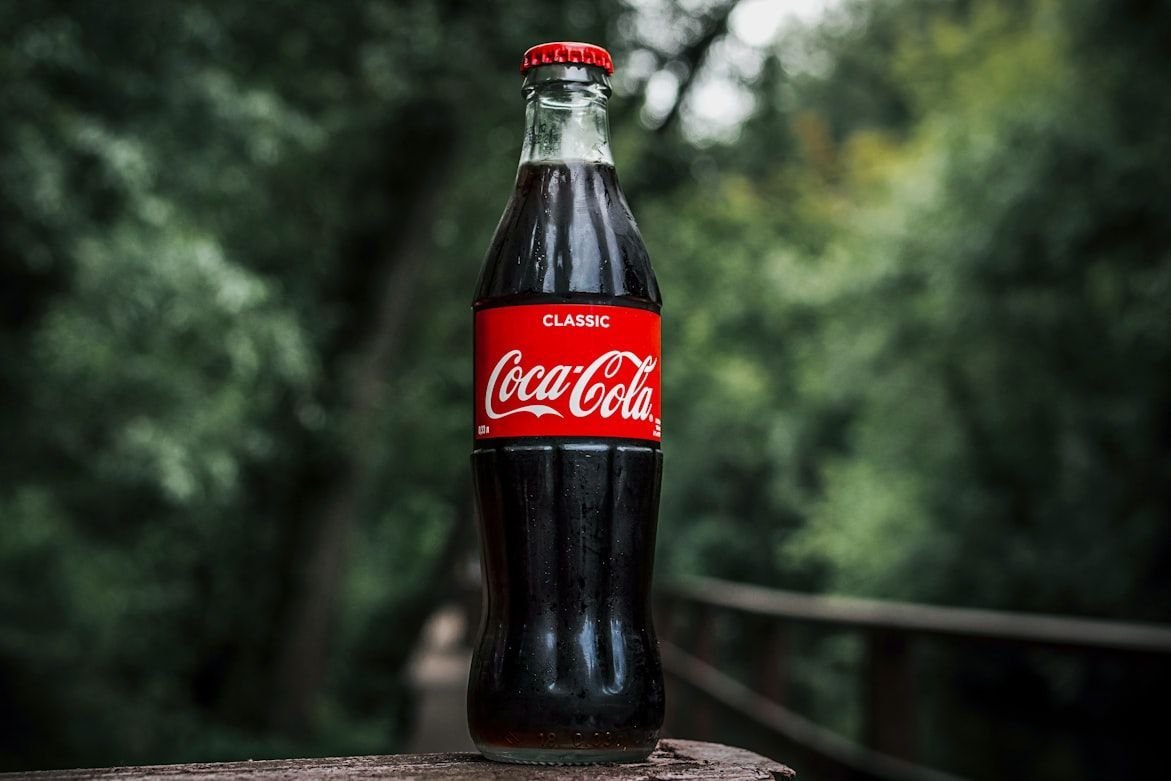
Image by Artem Beliakin
In one of the most profitable blunders of all time, Atlanta pharmacist John Pemberton was mixing a headache tonic in 1886 when he mistakenly blended his syrup with carbonated water instead of plain water. Finding the result quite tasty, Pemberton opened a local soda fountain and found immediate success.
Cheeseburgers
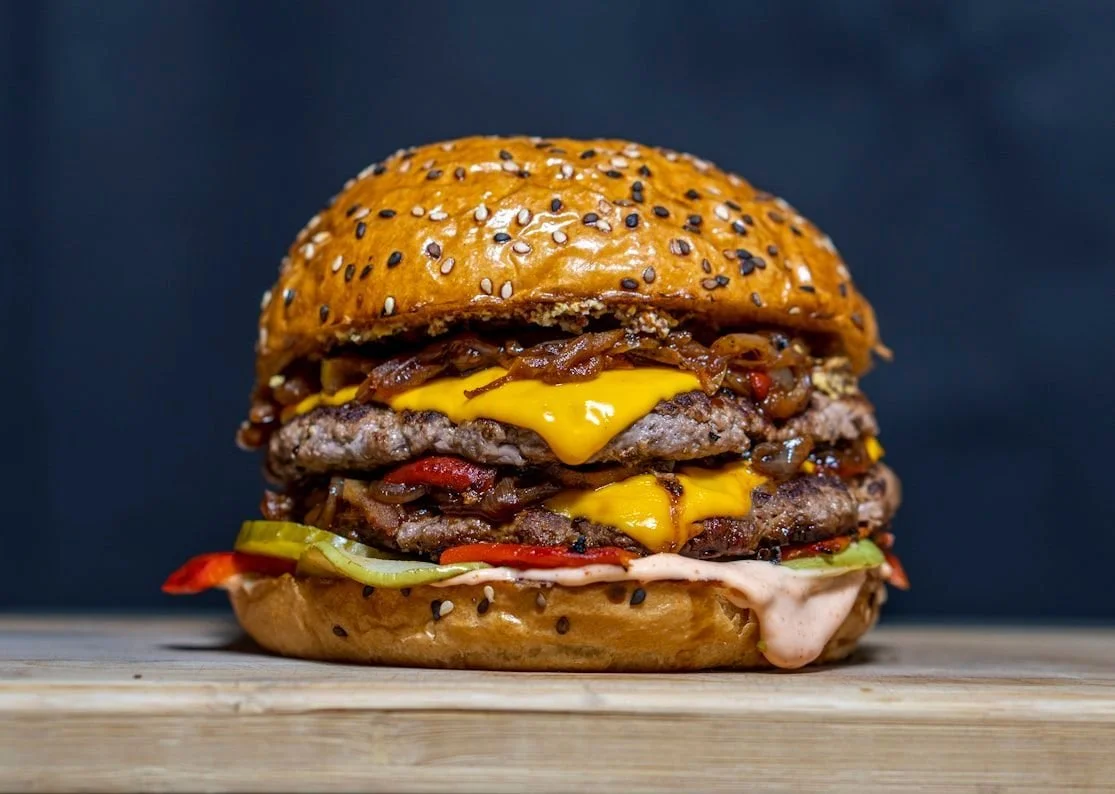
Image by Amiralli Mirhashemian
In the 1920s, a teenage cook in Pasadena accidentally dropped a slice of cheese onto a sizzling hamburger. Instead of tossing it out, he served it to the customer. The melted topping added a rich, savory twist that caught on fast. Soon, diners across America began adding cheese to burgers, helping to spread this classic.
Hard Pretzels
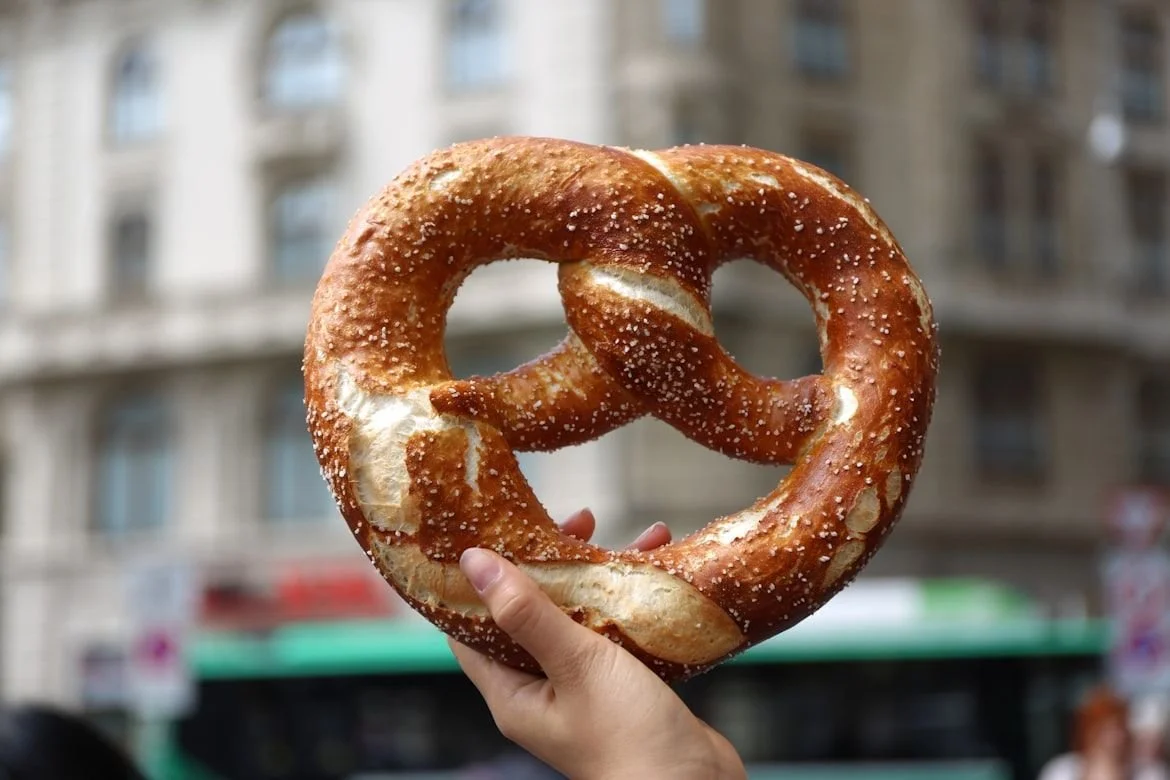
Image by Pierre Gui
One Pennsylvania baker in the 1800s left his soft pretzels in the oven too long, burning them to a deep brown. Expecting a disaster, he tried one and loved the unexpected crunch. That overbaked batch became the first hard pretzel. The crispy, salty snack soon gained fans nationwide.
Slurpees
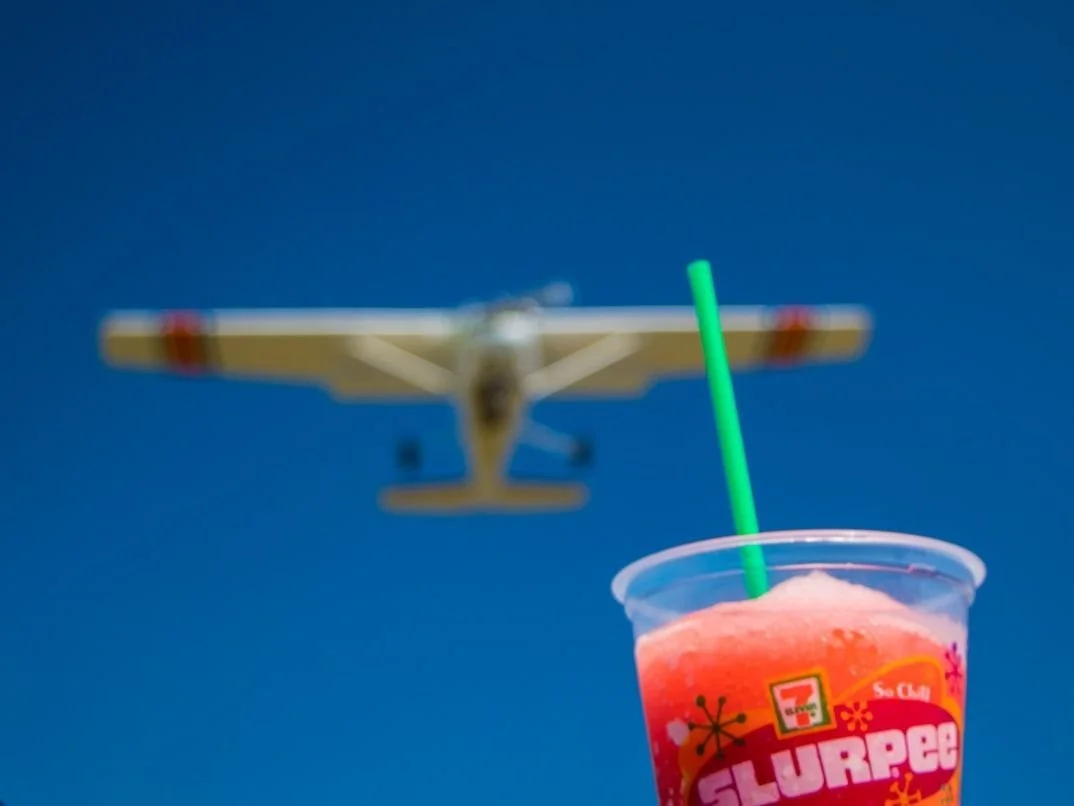
Image by Greg Rosenke
In the 1950s, a Kansas soda shop’s cooler broke down, freezing its drinks halfway. Instead of throwing them out, the owner sold the icy concoctions to curious customers. They loved the slushy texture so much that he built a machine to reproduce it. The Icee—and later the Slurpee—turned an equipment failure into an omnipresent machine at every 7-Eleven.
Tortilla Chips
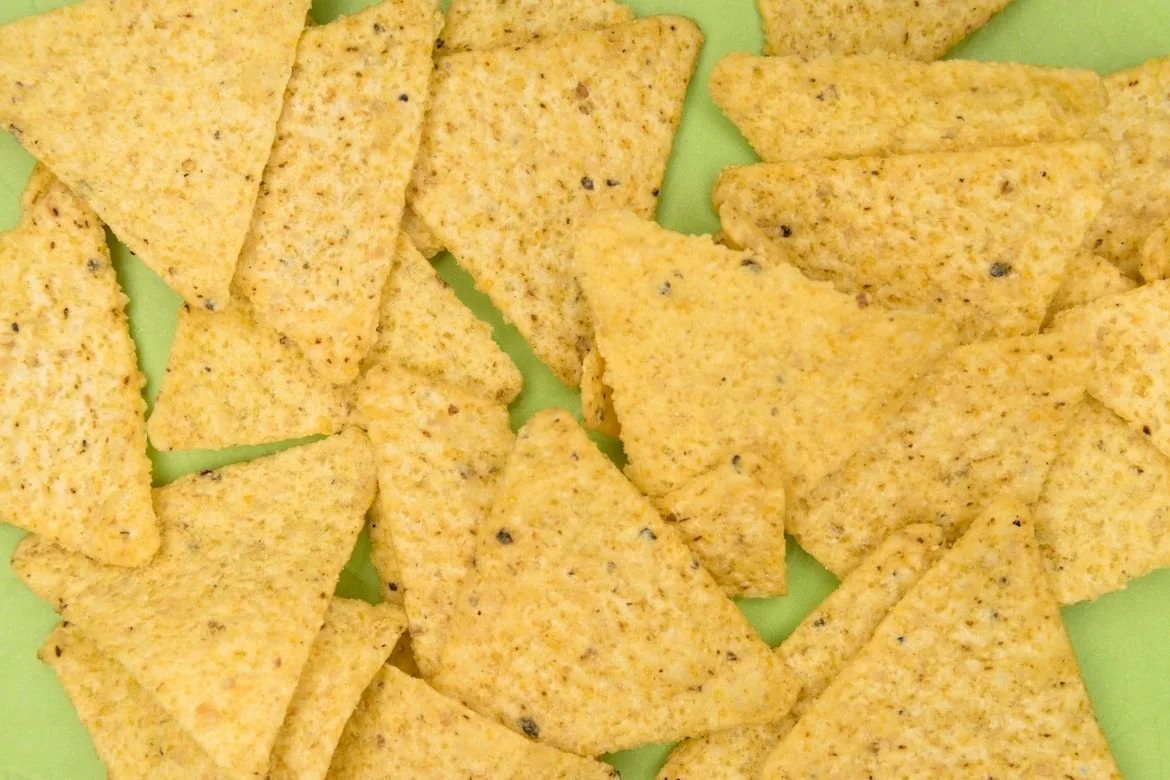
Image by Markus Winkler
In 1940s Los Angeles, a tortilla factory ended up with piles of leftover tortillas. Rather than waste them, workers cut them into triangles and fried them up. The crunchy bites were a surprise hit. What started as a practical way to use scraps soon became a nationwide snack.
Tootsie Rolls
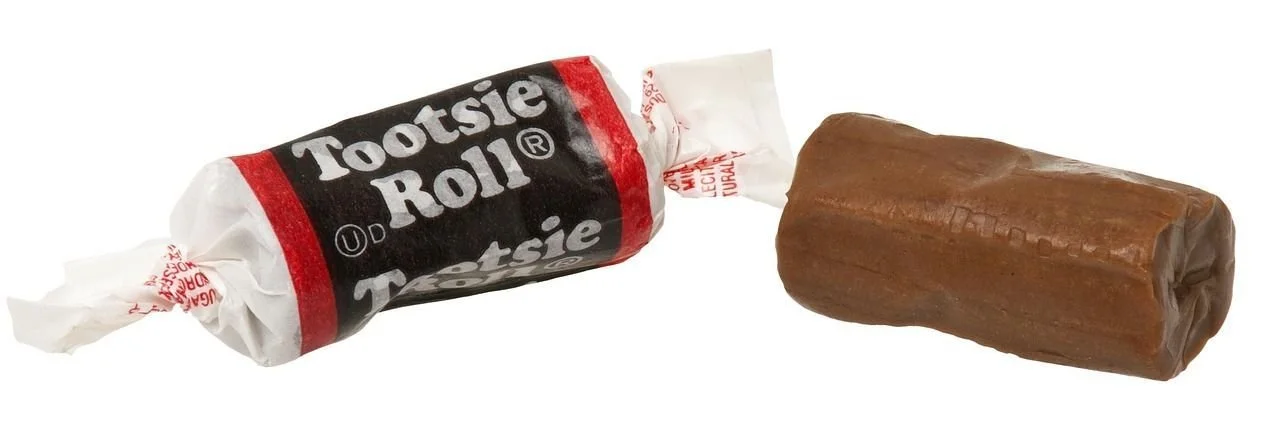
Image by WikimediaImages
Crafty candy maker Leo Hirschfeld wanted to stretch his chocolate supply in 1896, so he experimented by blending in other ingredients such as sugar, corn syrup, and condensed skim milk. The texture turned chewy instead of smooth, but the flavor was rich and lasting. He named it after his daughter’s nickname: “Tootsie.” His thrift-born invention became a candy classic.
Reese’s Peanut Butter Cups
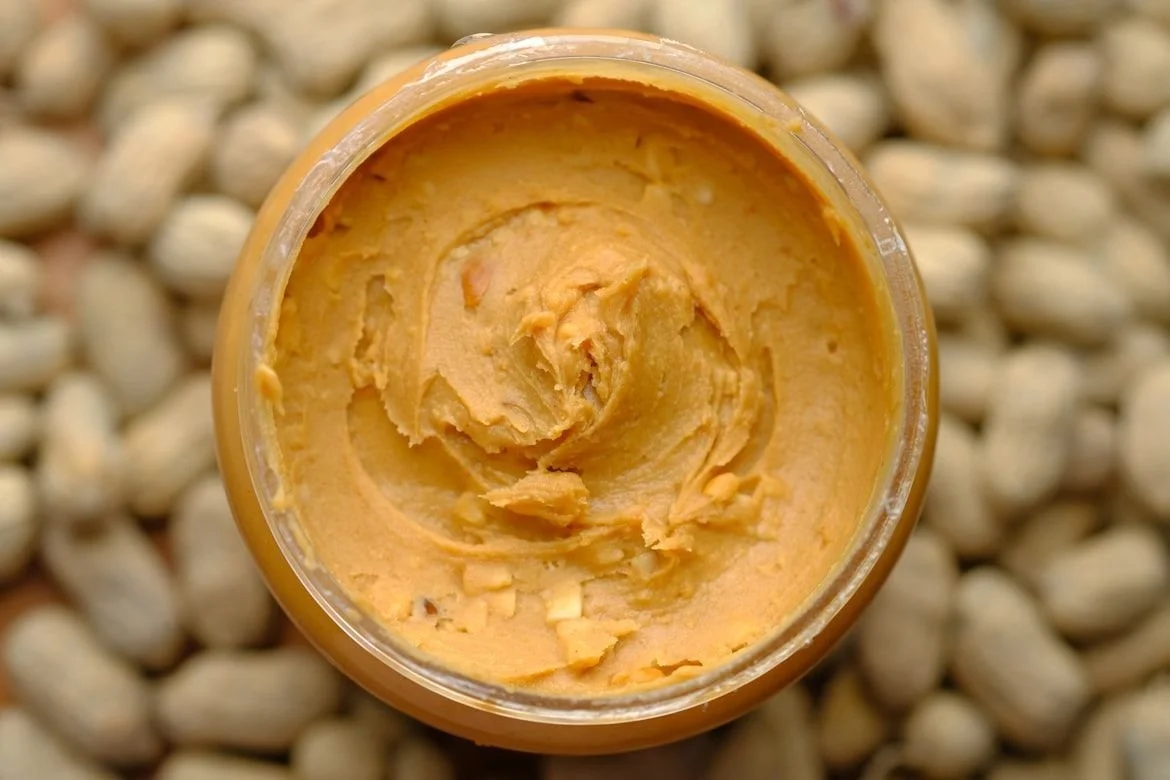
Image by Towfiqu Barbghuiya
Back in 1928, a former Hershey employee, H.B. Reese, was tinkering with leftover chocolate at home when he combined it with sweetened peanut butter. The unexpected pairing turned out to be a great-tasting treat. His homemade experiment evolved into a small business, and later became a candy legend when Hershey acquired the brand.
Fudge
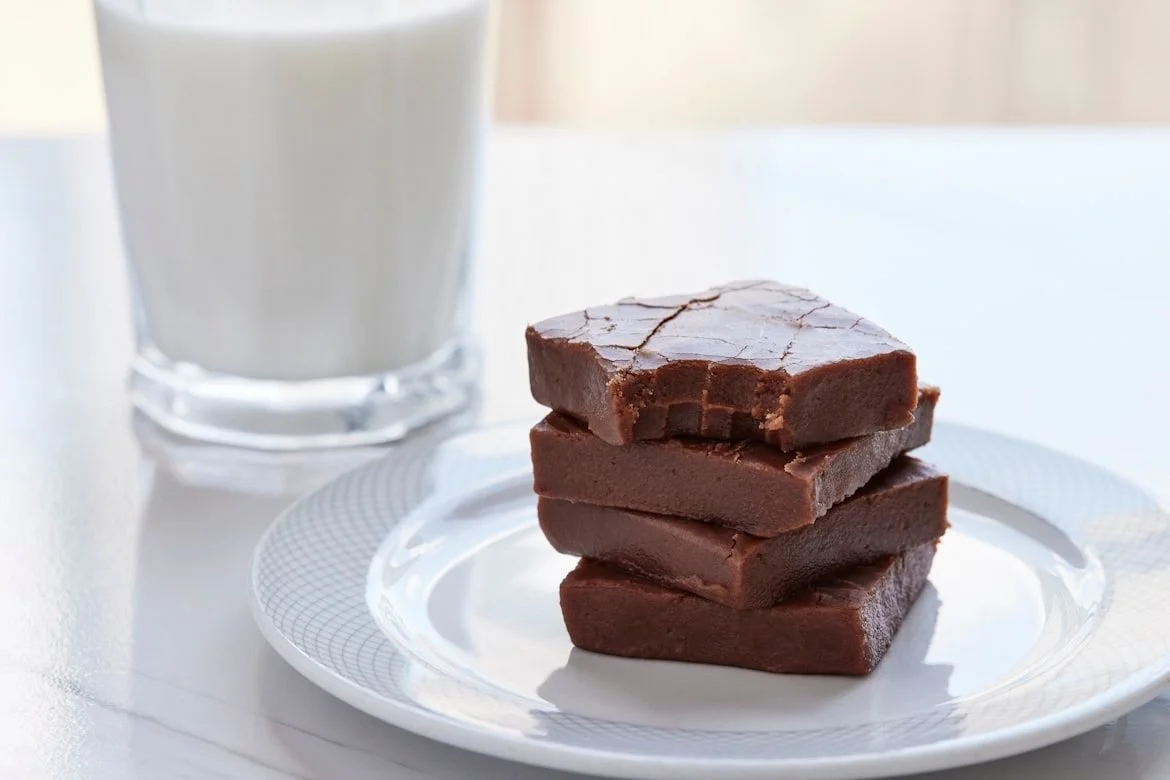
Image by American Heritage Chocolate
According to the popular story, a batch of caramel didn’t heat properly one night, and the cook sighed that it had been “fudged.” The softer texture, however, turned out wonderfully creamy. That tasty error spread quickly through American kitchens and college towns, becoming the classic dessert that it is today.
Source: theamericanfacts.com
For Your Funny Bone

Contributed by Barbara Bruno



Contributed by Barbara Bruno
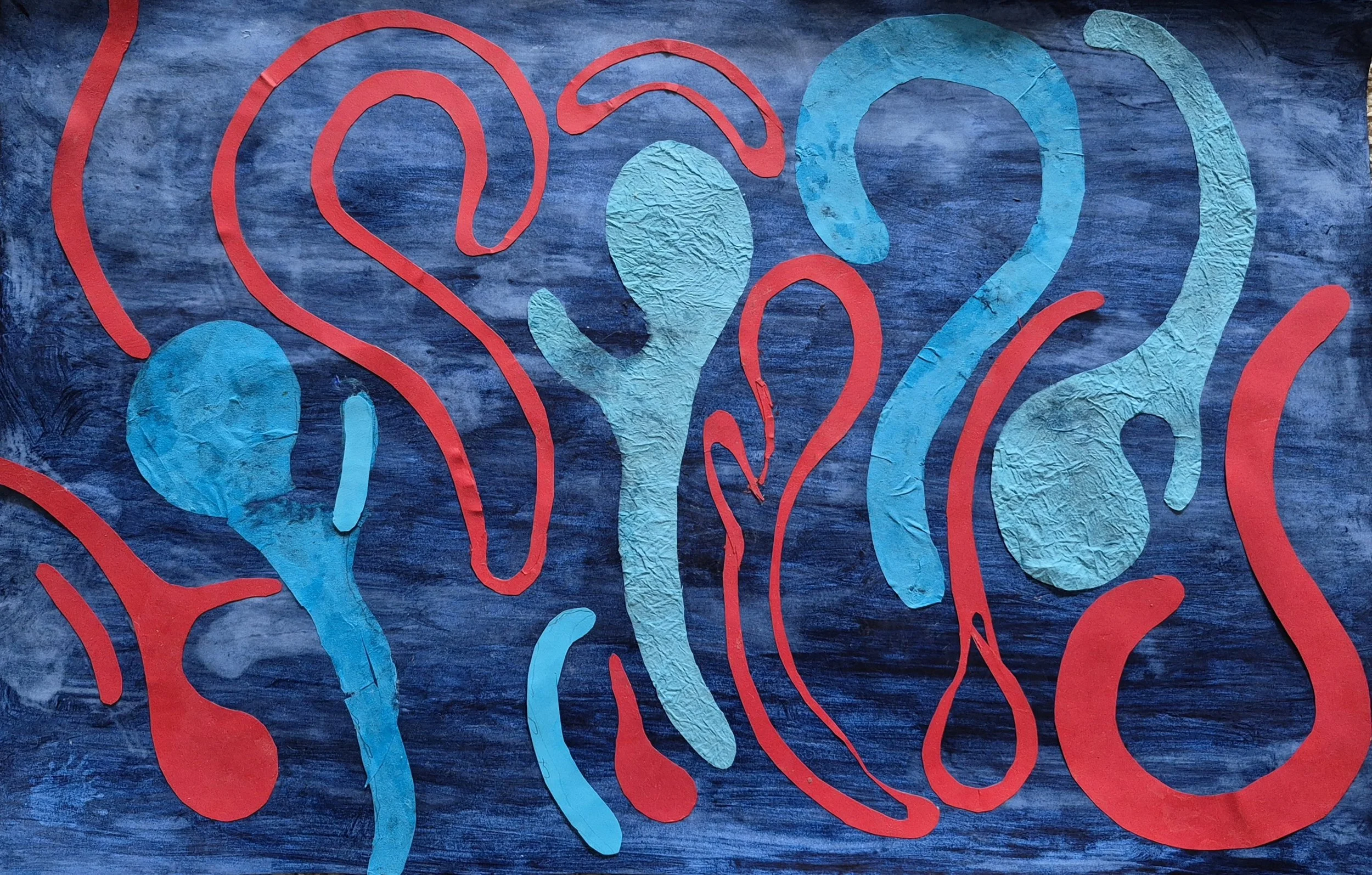
Hope XVIII Collage, by Sheila Benedis
Art and photos by Sheila Benedis
Art by Hart
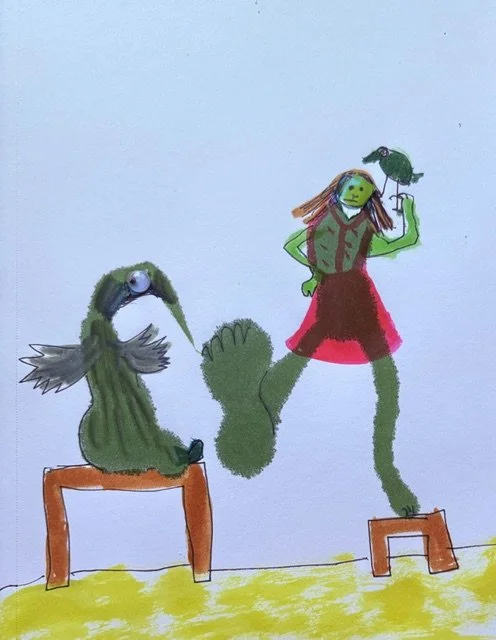
Newton’s first day as a podiatrist was nerve wracking
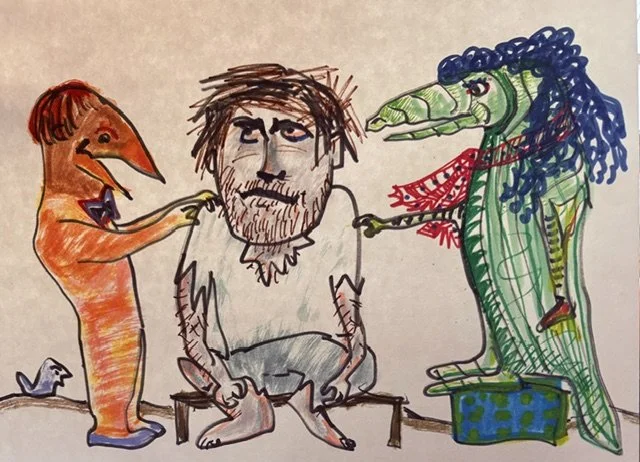
The fashionistas considered Luke’s outdoorsy look pure genius

Bobo’s throaty WOOF was exactly the bass voice that the Forest Chorale had been looking for
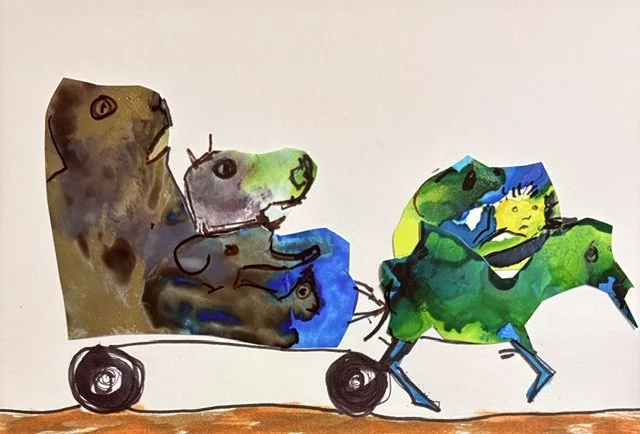
Grosgrain hated getting stuck in slow traffic
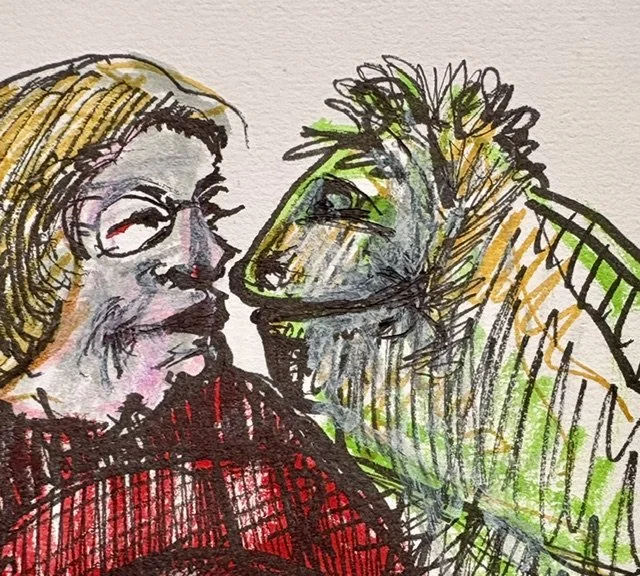
It seemed that Lorraine and Mudge had an understanding
Art and photos by Jane Hart
In and Around
Art of the Peel—Take 2
Marianne Bloomfeld begs to differ. Her approach to the peeling of citrus comestibles is the “Queen of Hearts Method” (as in, “Off with their heads!”).
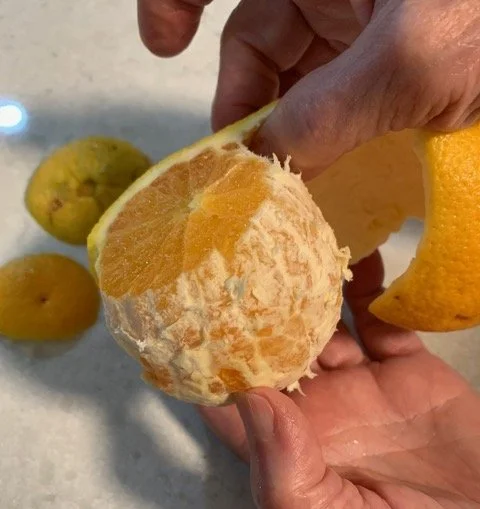
Photo by Harry Bloomfeld
Linda and the Goldenaires: The Office Portrait
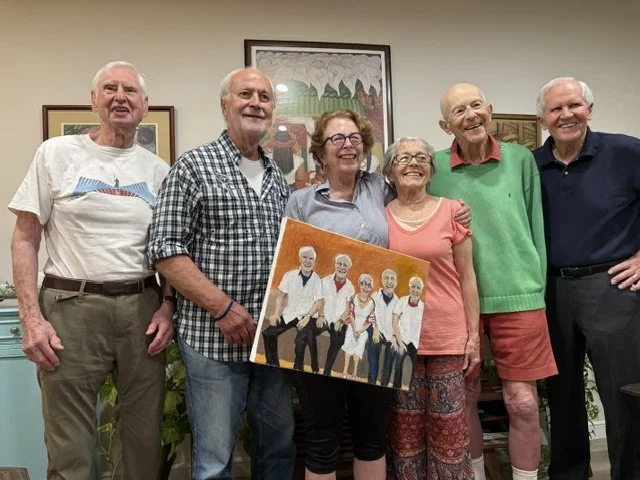
The official portrait of the renown singing group “Linda and the Goldenaires” has been officially executed. Jane Hart was the artist what done it.
The Gardens of Kendal
Green-thumb Kendalites are reaping (literally) their rewards and the rest of us are enjoying the display.

Photo by Philip Monteleoni

Photo by Lynn Brady

Photo by Lynn Brady


Amanda Slattery takes a slightly different approach to gardening, but with equally rewarding results. Photo by Amanda Slattery

And then there are the indoor farmers. The result: Meyer Lemons in Alida’s 3rd floor elevator lobby. Photo by Janet Sawyer
Frustrated Garden Fans
And then there are those (or is it only one?) who admire the results but regret the fencing around Kendal’s garden.

Is it Floppsy, Moppsy, or Cottontail? We know it’s not Peter, ‘cause there’s no little blue coat. Photo by Amanda Slattery

True garden afficionados start young. Photo by Ellen Lagemann
Others with More Parochial Tastes

Photo by Carolyn Reiss
Cake and Ice Cream Party in the Healing Garden
Sunshine, a beautiful garden, goodies to eat, and good friends to talk with. What could be better?

Photo by Lynn Brady
Rolator Races Ready to Launch
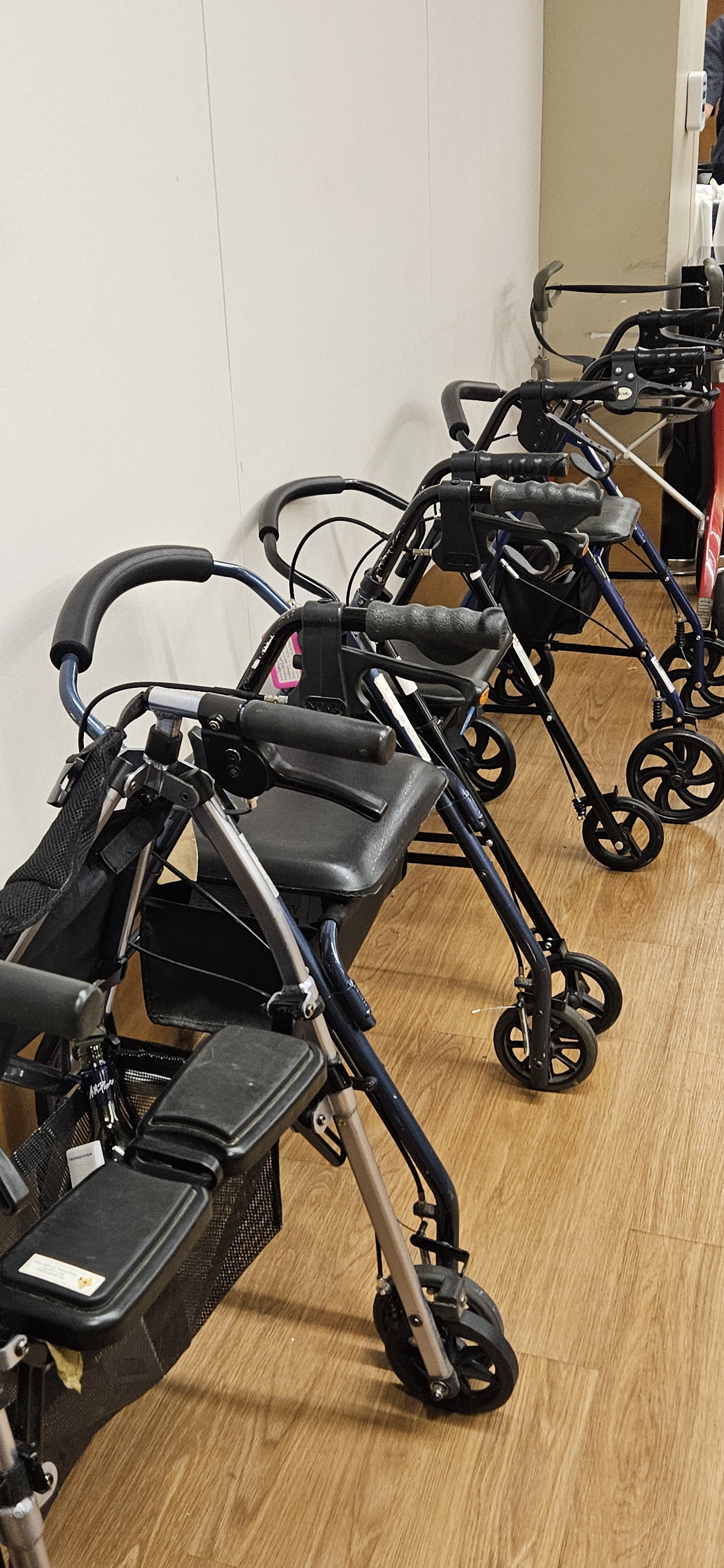
Photo by Joe Bruno
Out and About
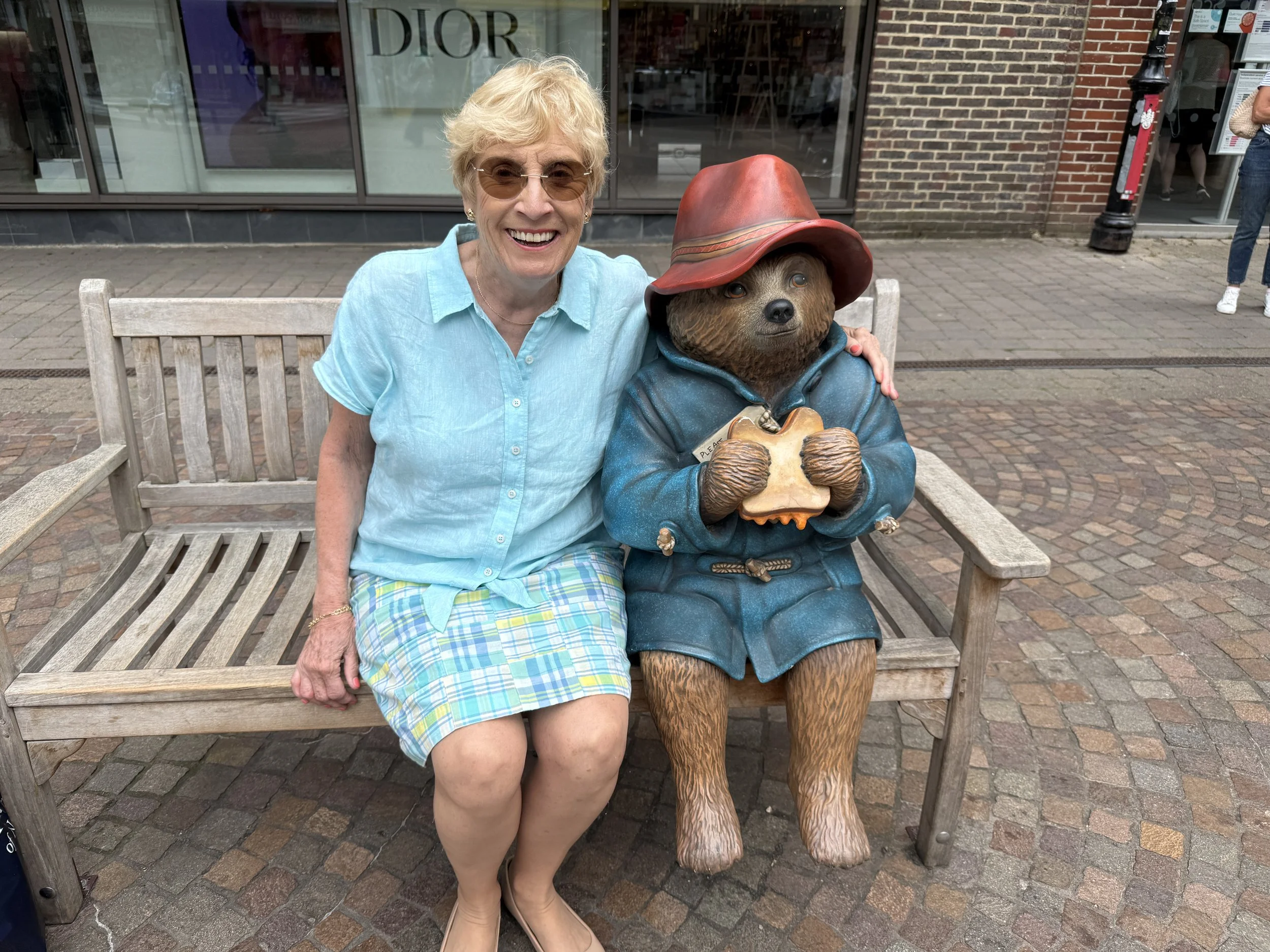
Amanda Slattery spent time visiting old friends in England this summer. And happened upon an even older friend, who seemed very happy to see her again (though he did not share his sandwich).
Weekly Construction Report

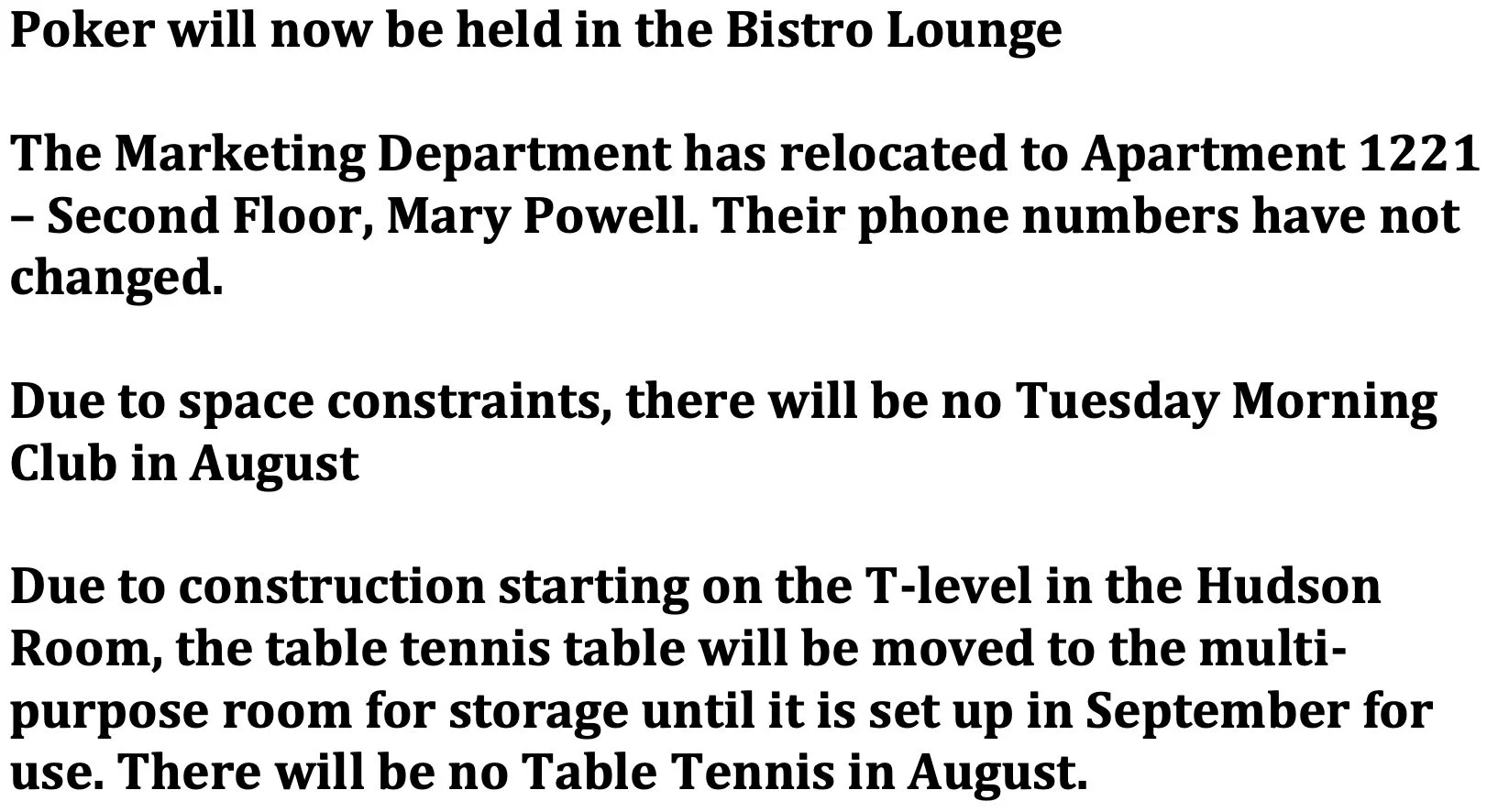

Kendal Herb Crisis: The Residents' Garden Needs You!
Completely against Kendal-on-Hudson philosophy, there is trouble brewing on the south side of Mary Powell. The innocent victim? The mint. The Italian parsley is threatening it, and the chives are overwhelming it.

And not only that! The basil is creating a forest over the innocent thyme and curly parsley. If you cross by the garden at night, you hear the miscreant giggling menacingly as the thyme and curly parsley suffer terribly. This is not the Kendal way!

What’s a community to do? As in our Kendal tradition, residents can help solve the problem.

Even though they have been misbehaving in a very unseemly manner, the Italian parsley, chives, and basil have redeeming characteristics: they are wonderfully fragrant in a small bouquet—and are great to cook with (and they clearly need a useful purpose in life). Here’s an added incentive: no need to worry about cyclospora! So, take the brief jaunt and snip away at the offending herbs.
Never been to the gardens? Just walk around to the south of Mary Powell. There, you’ll find the temporary gardens. Within them, there’s a special herb garden marked with a sign at a spot just inside the garden gate. Just walk up to the second planter on the left and you are there. Small scissors have been provided for clipping (please be sure to replace them on their hangers when you’ve finished).

I Never Knew That
What Happened to Jimmy Hoffa?
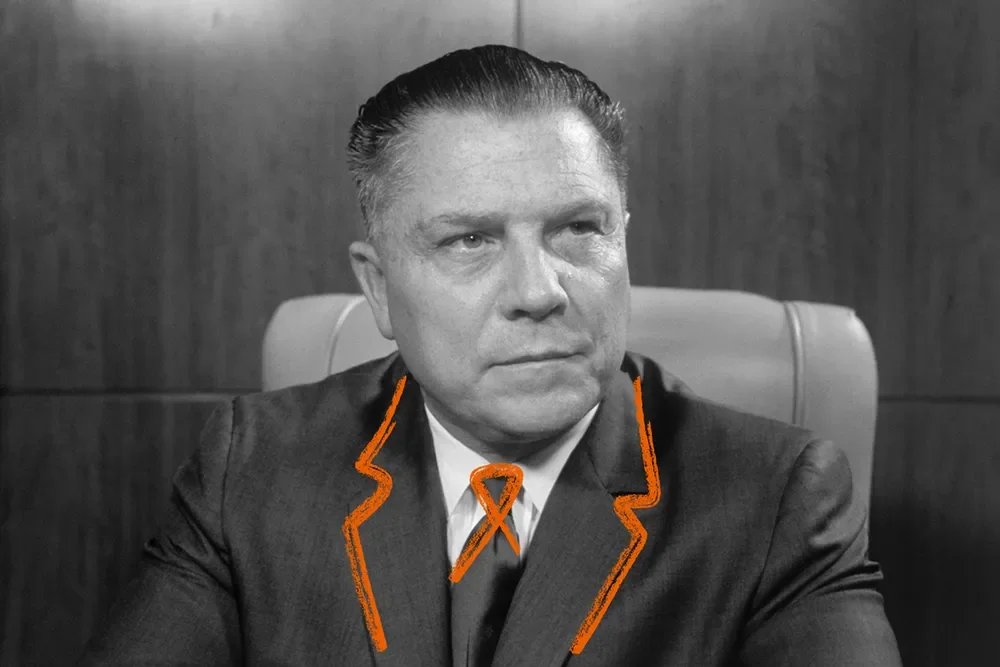
He started as a union organizer for Local 299 in Detroit and rose to become president of the International Brotherhood of Teamsters. Under his leadership, the Teamsters became the largest labor union in the country. It was rumored that they had the country’s most misused pension fund under his leadership too, and Hoffa developed a reputation for ties to organized crime.
Despite this, Hoffa managed to stay out of legal trouble until 1967, when charges of jury tampering, mail fraud, and conspiracy caught up to him. His 13-year sentence was commuted in 1971, on one condition: No union activity for the rest of the decade.
Yeah, that wasn’t going to happen.
But things had changed while Hoffa was inside. The balance of power had shifted. Hoffa’s successor, Frank Fitzsimmons, enjoyed better relations with organized crime than Hoffa himself had.
As Hoffa pushed—against the orders of his presidential commutation, no less—to reclaim power, he found himself at odds with the very mob figures who had earlier helped fuel his meteoric rise.
That’s how we get to 1975. Hoffa drove to a restaurant in a Detroit suburb to meet two reputed mobsters. He called his wife from a pay phone to say no one had shown up. His wife reported him missing on this day.
Later, witnesses reported seeing him getting into a maroon Mercury, and his green Pontiac was found unlocked in the parking lot. Hoffa was never seen again.
To call the search exhaustive is an understatement. The FBI got involved almost immediately. The FBI remains involved, with the case still considered open. Investigators have searched suspected burial sites across the map. They’ve dug beneath a Michigan swimming pool, excavated a horse farm, checked a New Jersey stadium, and chased claims inspired by practically every deathbed confession offered by a Michigan made man since.
The search for his remains spans five decades and thousands of leads, but it’s never turned up a single piece of confirmed evidence.
The mystery has now outlived most of the people suspected of causing it.
By the Numbers
62: Hoffa’s age at the time of his disappearance
1982: Year Hoffa was legally declared “presumed dead”
$100,000: Hoffa’s salary during his tenure as president
Source: Britannica.com, Michele Metych, July 29, 2026
For Your Funny Bone


Art by Hart
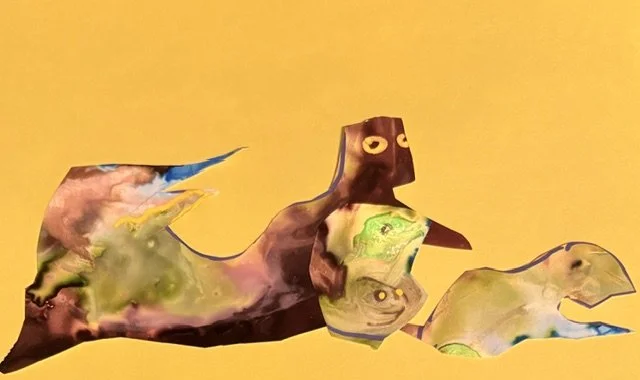
The Marley kids loved nothing better than a moonlight nature walk
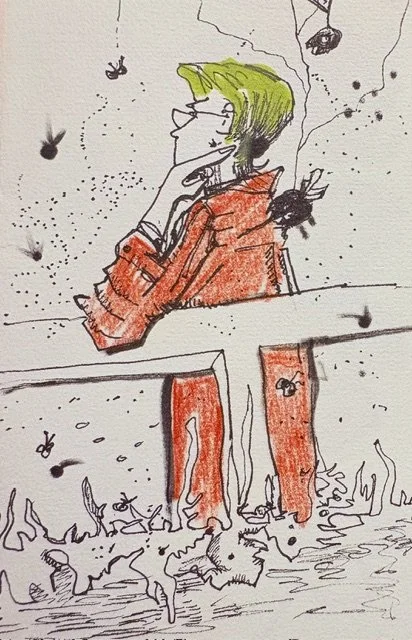
Mary Lou’s mysterious itch was driving her crazy

Al wished Dora would be less judgmental about his hats
Aunt Mara seemed more excitable than usual

The new downstairs neighbor was already tired of the Loughboro boys dropping water balloons on his head
Art and photos by Jane Hart
Hope XVII Collage, by Sheila Benedis
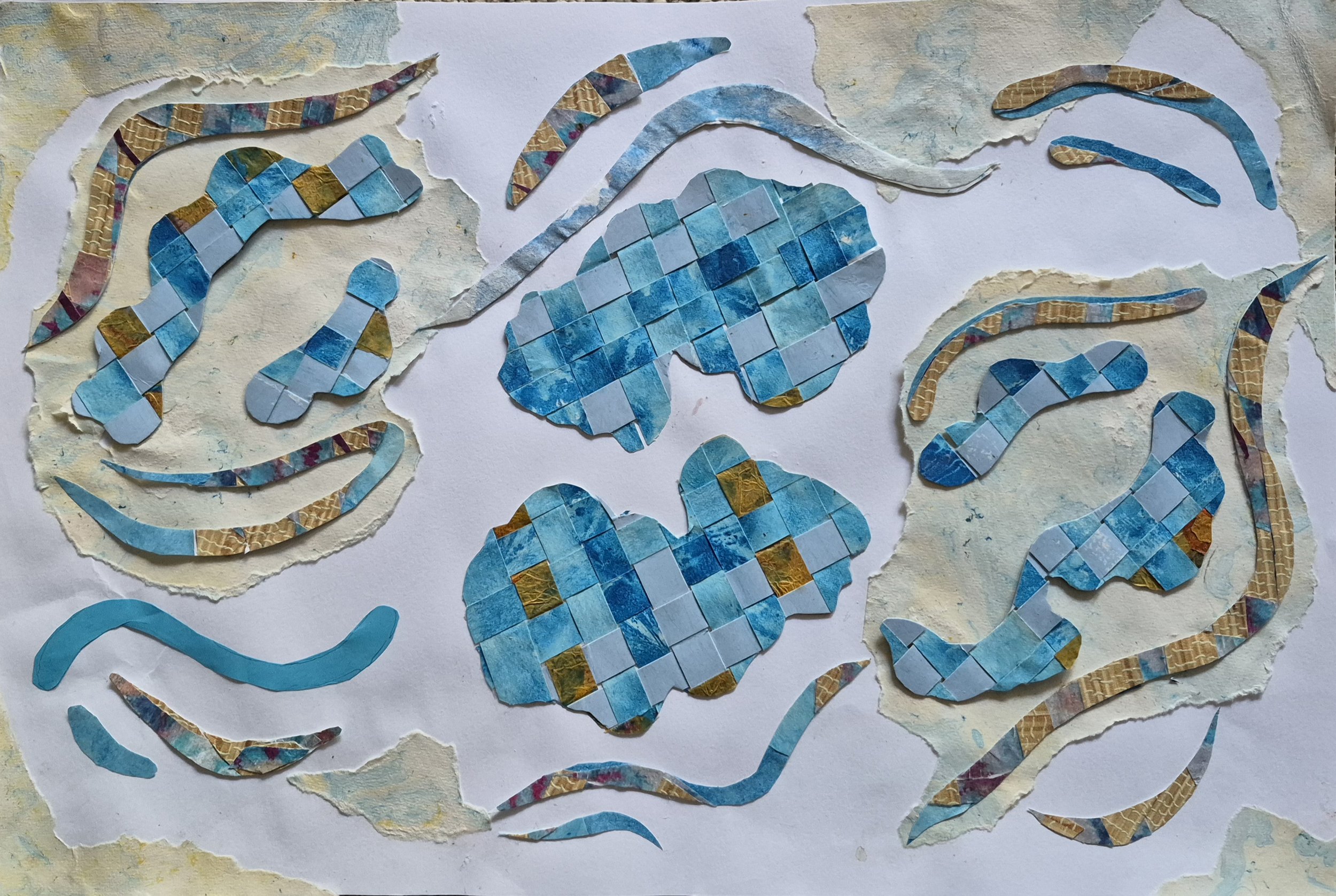
Art and photo by Sheila Benedis
In and Around Kendal
The Art of the Peel
Ed Lannert—ever the great student of human behavior—has launched his own personal study of the different ways we human beings peel an orange. First in his exhaustive study: The Bob Paxton Method. (You may wish to take notes.)
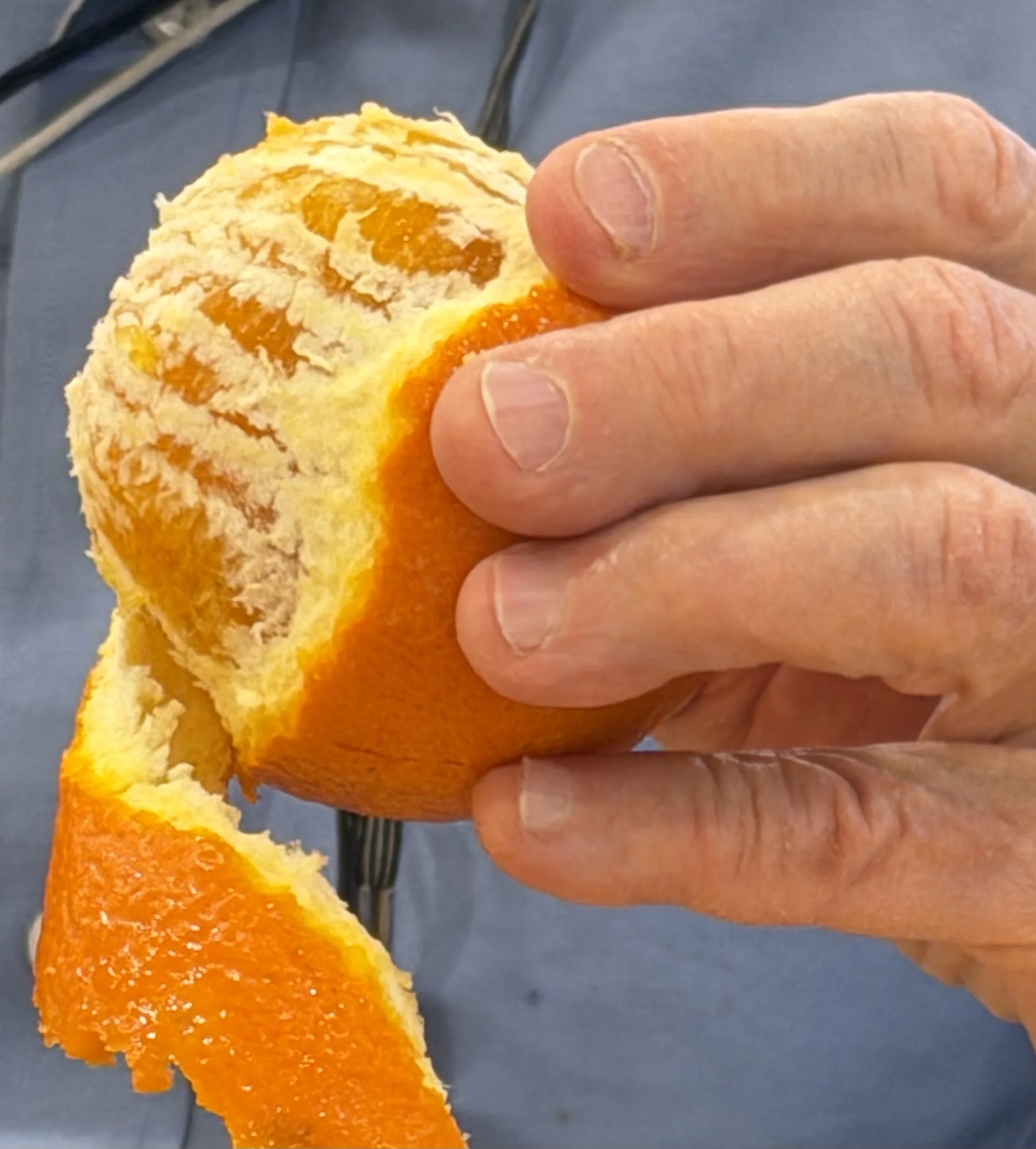
Photo by Ed Lannert
All in a Summer’s Day

Photo by Lynn Brady

A study in light and dark, by Carolyn Reiss

Head and shoulders above the rest, by Lynn Brady

Photo by Lynn Brady
Oh, Dear: Dear Deer

Just a couple of guys out for a stroll, by Pete Catapano

Lady in Waiting, by Carolyn Reiss

Photo by Carolyn Reiss
Artist in Residence: The Versatile Art of Cathie Campbell
We spotlight Cathie Campbell’s art this week, with an emphasis on her versatility: conceptual, abstract, realistic, advertising. Her range is as interesting as her “product” is enjoyable.
Cathie’s interest in art began at an early age. A very early age: 2. Well, not really 2 . . . 2 years and 2 months.
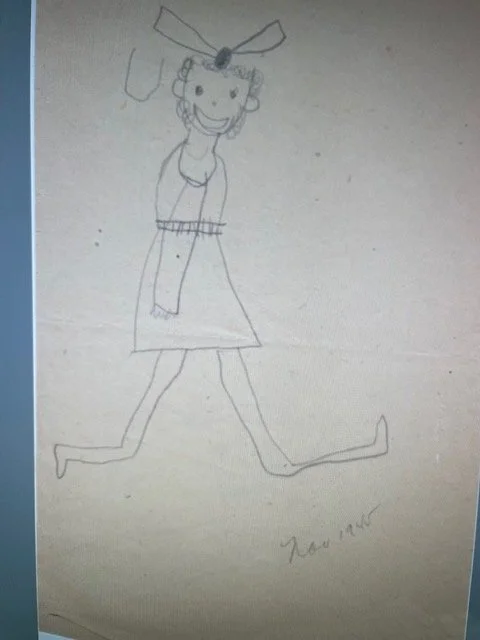
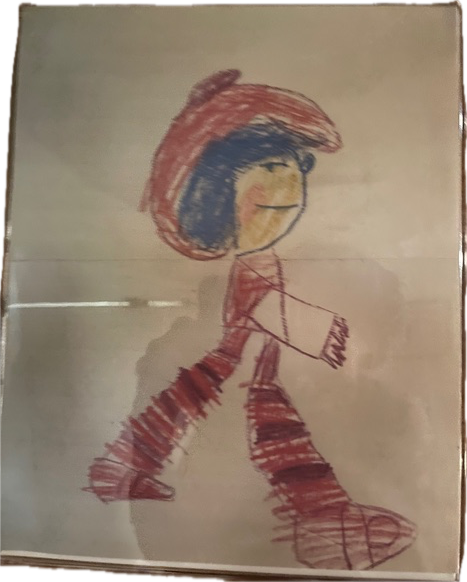
By 4, she had advanced to color.
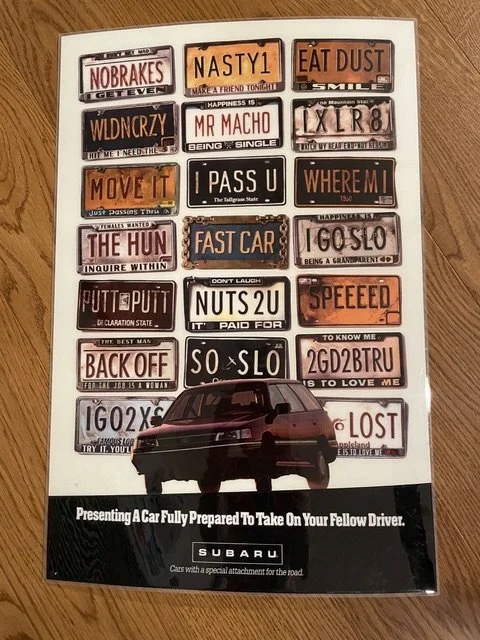
Having studied painting as an undergraduate and a graduate student—and at the School of Visual Arts in NYC—Cathie joined the “Mad Men” industry, using her skills not only for art but for coming up with advertising concepts and then “selling” the idea to clients. Client work included Steinway, AmeriCore, Maxell, and Mailgram. Subaru was another, featuring humor and wit:
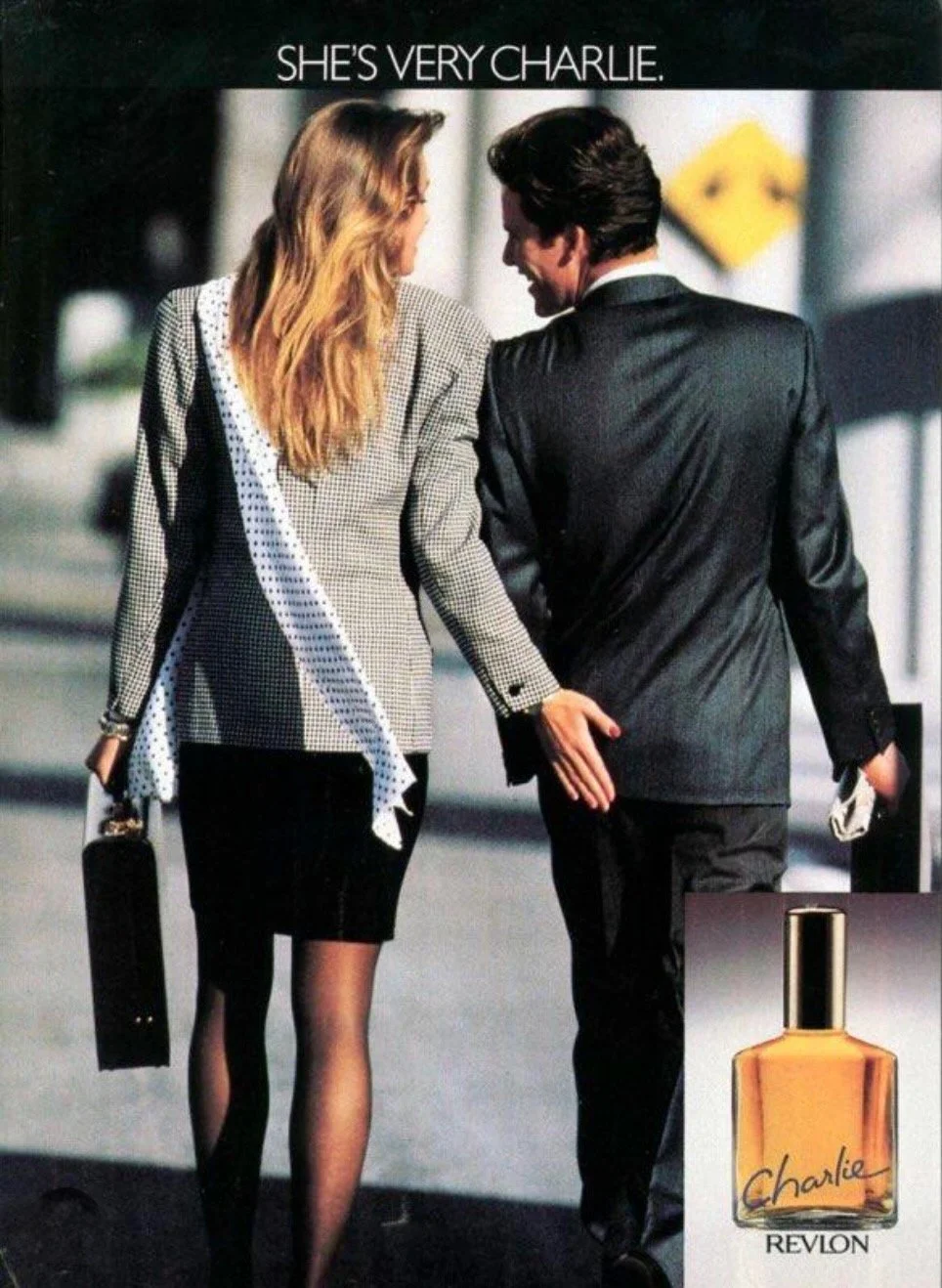
As Art Director at Ogilvy & Mather, her ideas for the then-new Charlie perfume were considered shocking by many at the time.
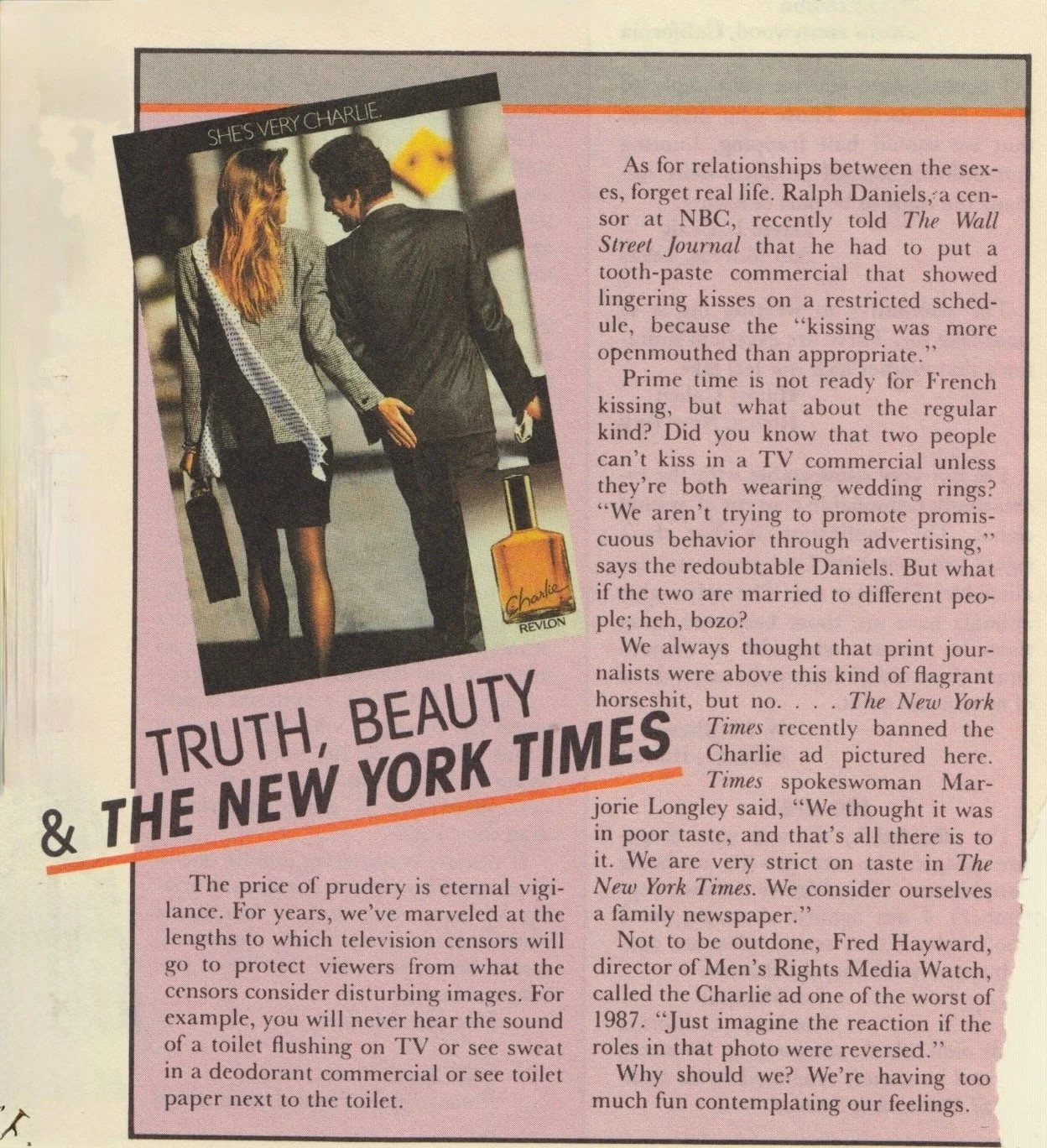
It was so scandalous that Ad Week covered the controversy.
But Cathie’s favorite art is fine arts. And she’s accomplished in many forms.
Abstact

College Blue

Adirondacks

Ravine
Conceptual

Realism

World of Life Island


Weekly Constuction Report
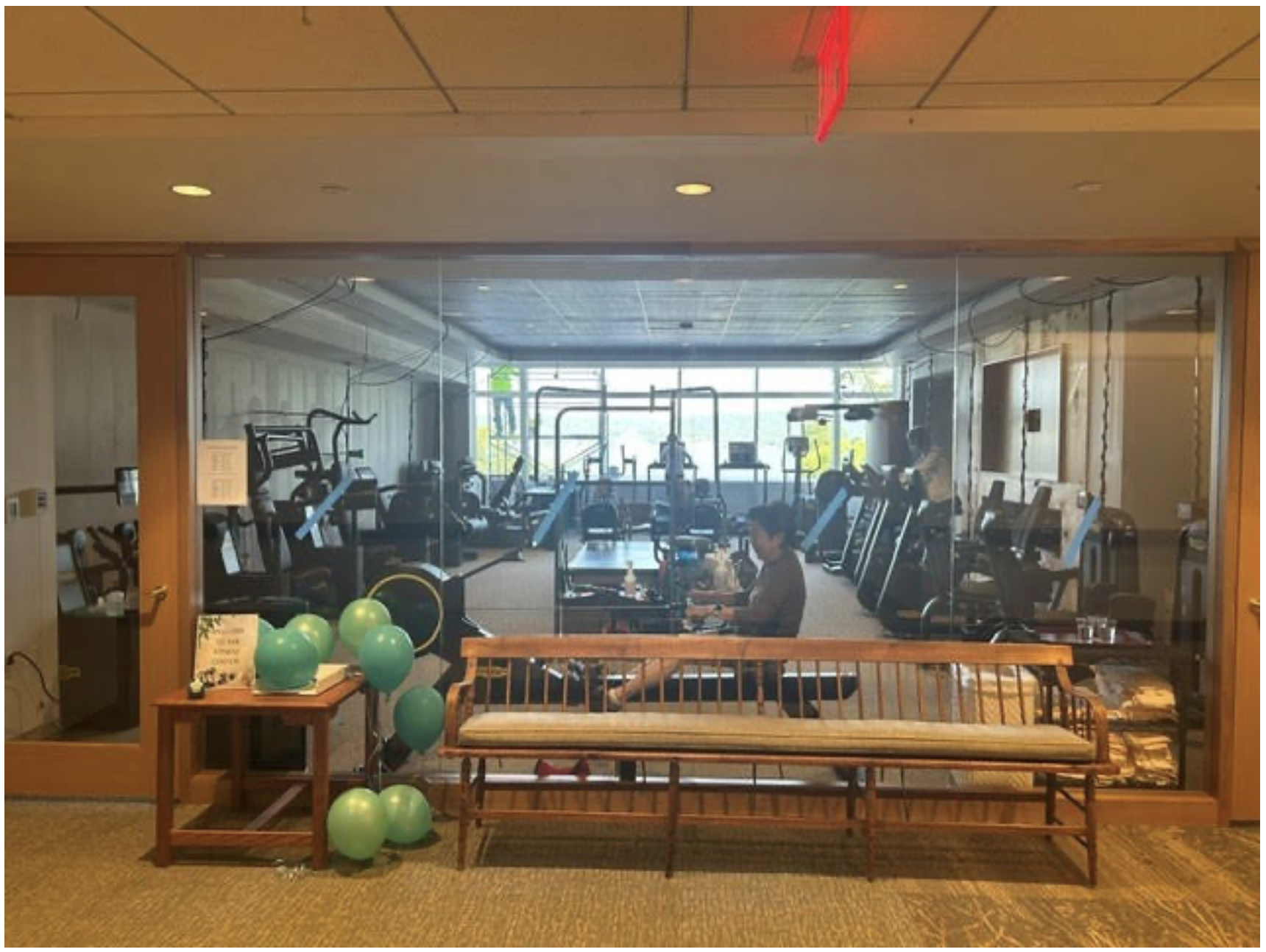
We’re moving towards Phase 2! The Fitness Center on T-Level is now closed. Machines, trainers, and all have moved up to C-Level in what will eventually become the new Community Room. Now you can exercise and gaze out at the river at the same time! (Just be careful!)
Our Beautiful New Temporary Fitness Area
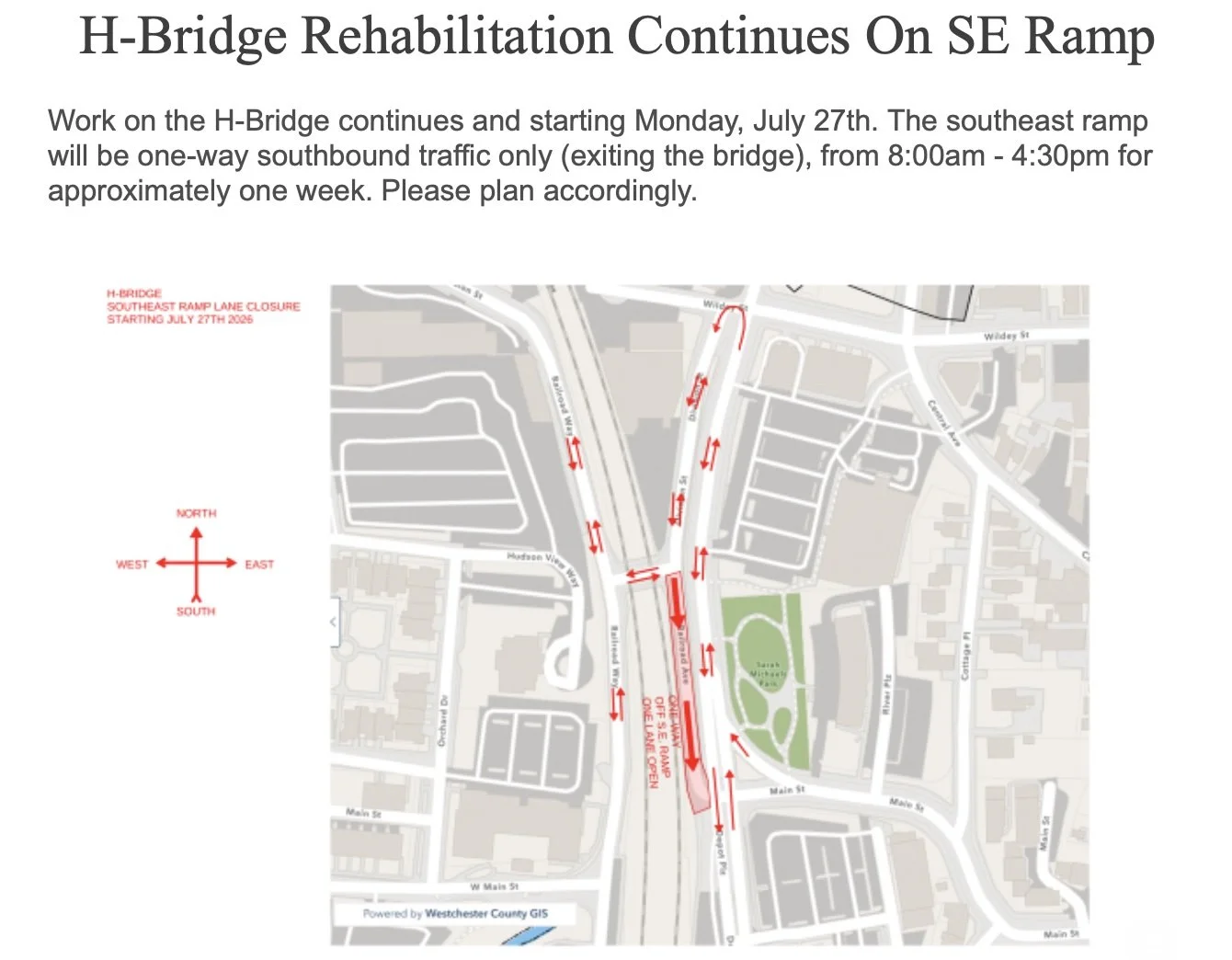
Tarrytown Traffic Alert: H-Bridge Near Tarrytown Station
I Never Knew That
Anesthesia Was Invented after a Laughing Gas Party
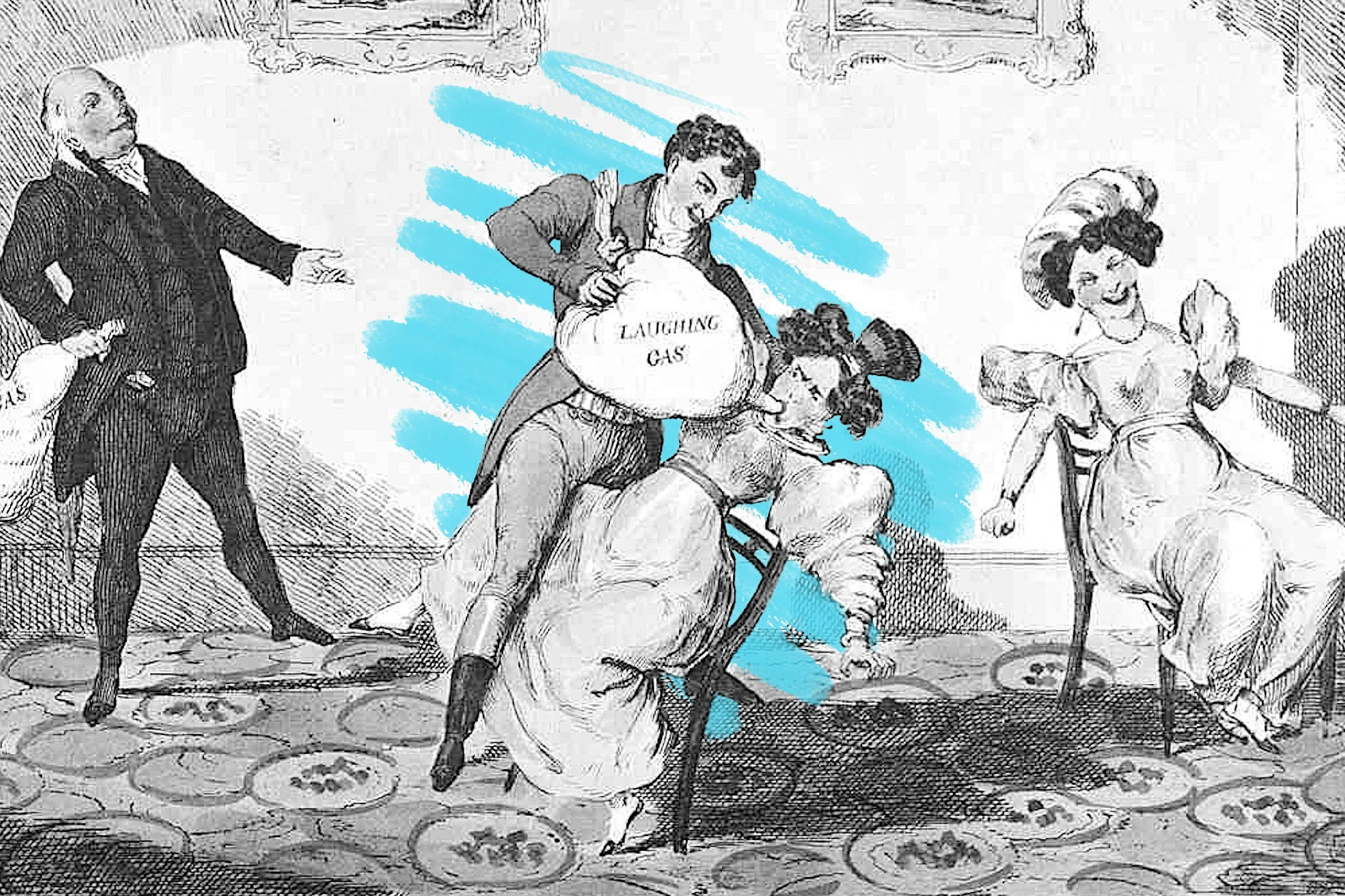
Before modern anesthesia, surgery was an agonizing experience. Procedures were done quickly and often with alcohol, opium, or nothing at all. That began to change in 1799, when 20-year-old English chemist Humphry Davy started experimenting with nitrous oxide—better known as laughing gas. Davy didn’t experiment alone. He invited friends to inhale the gas during get-togethers in the drawing room above his laboratory. The effects were immediate: laughter, euphoria, and shifts in bodily sensation all around. Davy recorded these findings and published them in 1800. These parties caught on across the U.K. and the United States, where ether was favored over laughing gas (the effects were similar and it was easier to obtain). Decades later, in 1844, American dentist Horace Wells decided to try nitrous oxide as an anesthetic for a tooth extraction. Though his early attempts weren’t successful, he inspired a colleague to attempt a similar procedure using ether. In 1846, dentist William Morton successfully demonstrated using ether as an anesthetic, ushering in the first widely accepted form of modern anesthesia.
The first local anesthetic was cocaine.
By the 1880s, anesthetics had already started transforming surgery, but pain control was still limited. In 1884, Austrian ophthalmologist Carl Koller demonstrated that a cocaine solution could numb the surface of the eye, allowing surgery to be performed without pain, and without putting a patient fully to sleep. Cocaine became widely used in medical procedures in the U.S. and Europe. But by 1886, cocaine’s toxicity was coming under fire, with concerns of complications and addiction. At the end of the 19th century, advances in organic chemistry led to safer synthetic alternatives. Early compounds such as procaine helped reduce reliance on cocaine, followed by a wave of new local anesthetics in the early 20th century.
Source: historyfacts.com, Nicole Villeneuve
Contributed by Jane Hart
For Your Funny Bone


Hope XVI, by Sheila Benedis
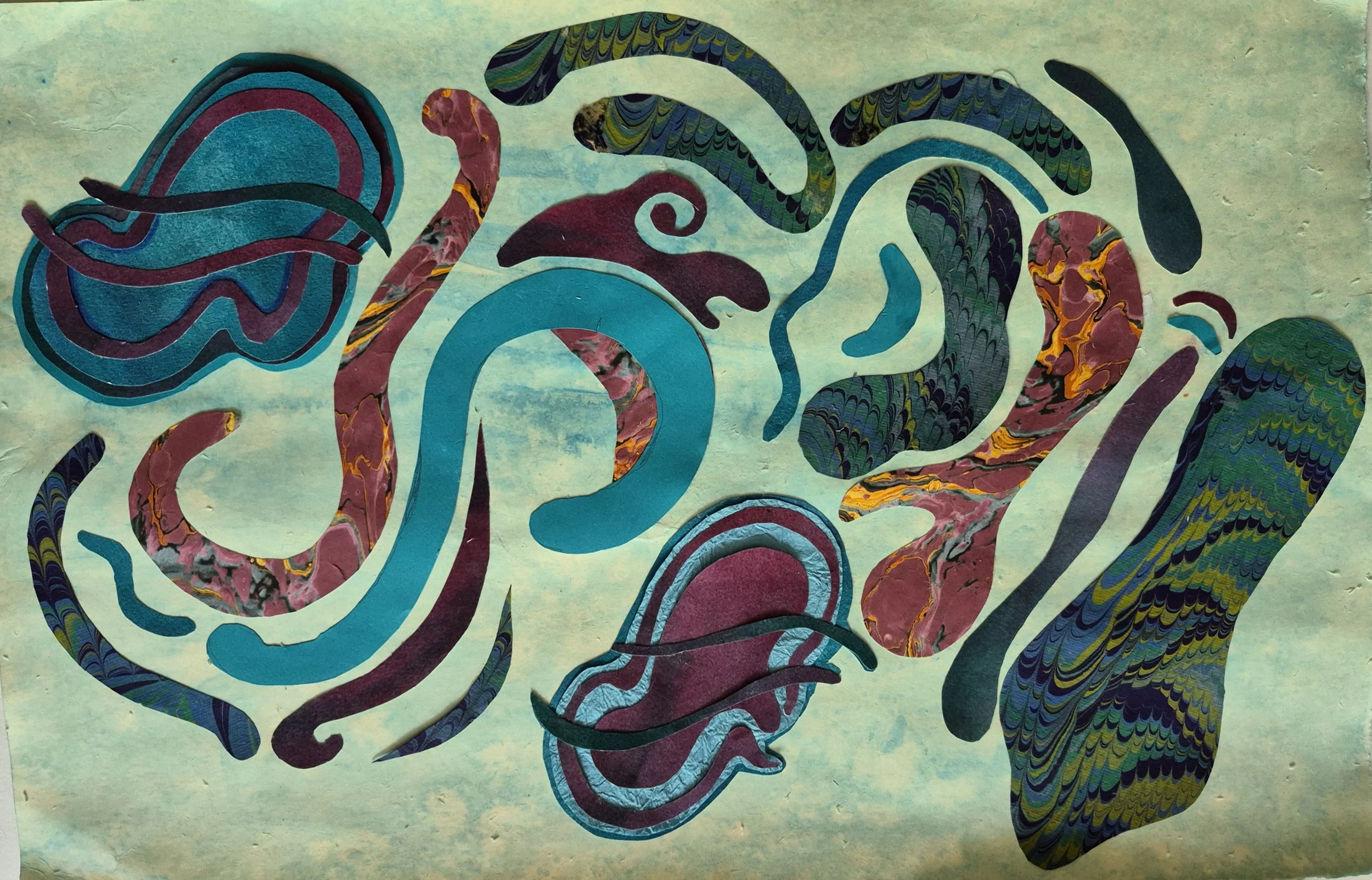
Art and photo by Sheila Benedis