The Lannerts have been out and about looking at art!
At the Maggazino
At the Aldrich
Photos by Ed Lannert

The Lannerts have been out and about looking at art!
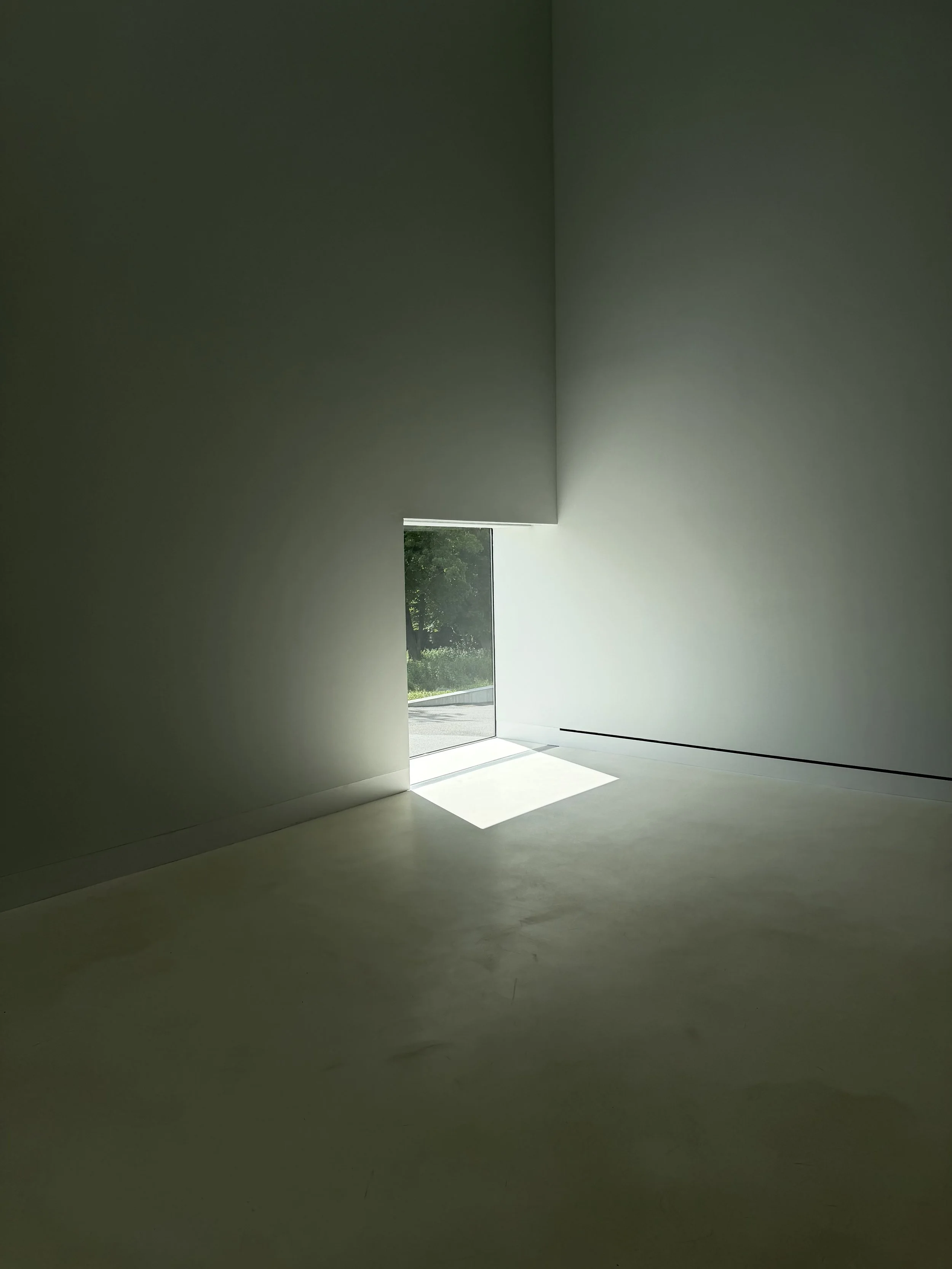
At the Maggazino
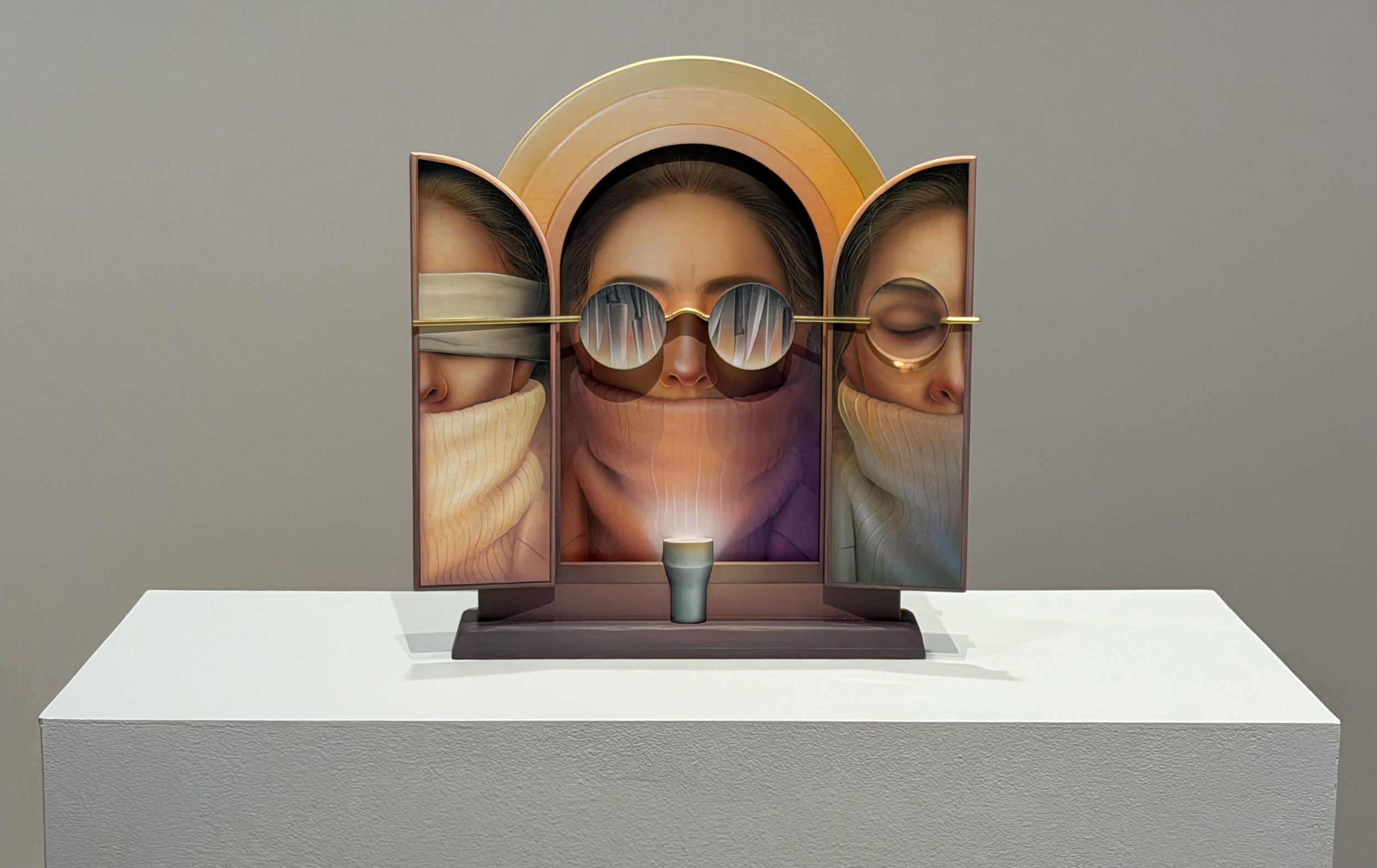
At the Aldrich
Photos by Ed Lannert

A Reminder: Kendal will provide transportation to the Philipsburg Manor Restoration polling place on Tuesday, June 23.
Morning Trip: Departs 9:30 am-11:30 am
Afternoon Trip: Departs 1 pm-2:15 pm.
Any questions please call the Front Desk, ext. 1000
It’s coming! It’s coming! It’s on the way! Wednesday’s the day: The opening of the Summer Art Show. Robert Fulton’s first-floor hallway is the place to be—and Sip and Snack will coincide! All of which means the curators—and all those who make a show happen—have been busy making it all happen.
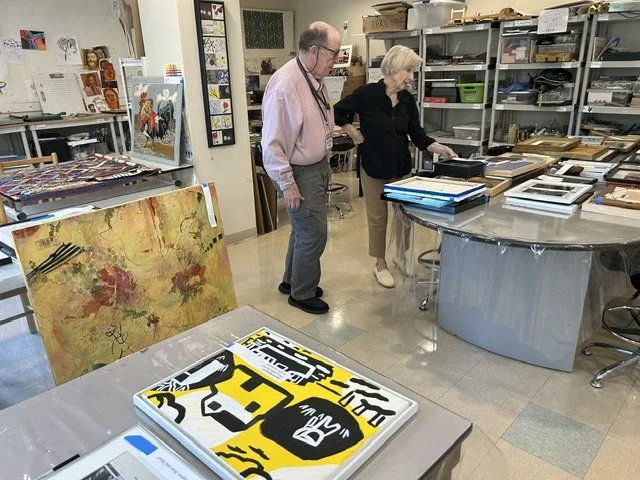
Thus it begins as artists’ chosen works are brought to the Art Studio
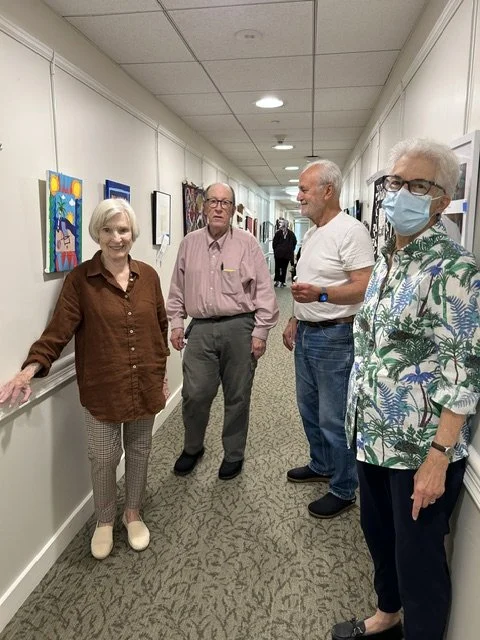
Taking a momentary break from hanging . . . and hanging . . . and . . .
Photos by Carolyn Reiss
Recently, Carolyn Reiss and her sister visited Chicago where they explored the city by foot and by waterway.
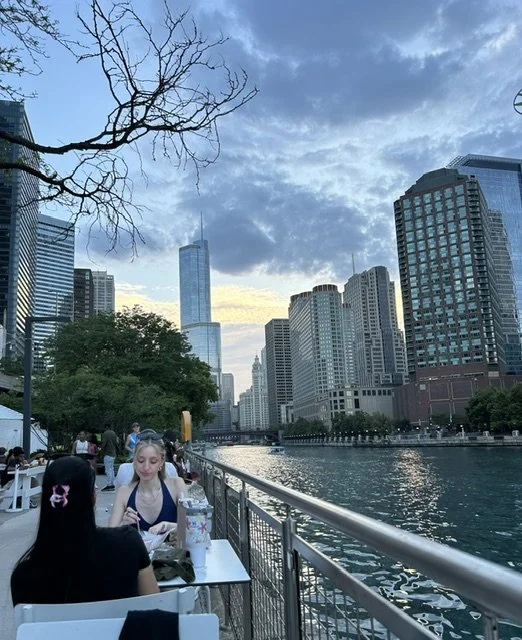
Dinner on the Riverwalk

Exploring by boat
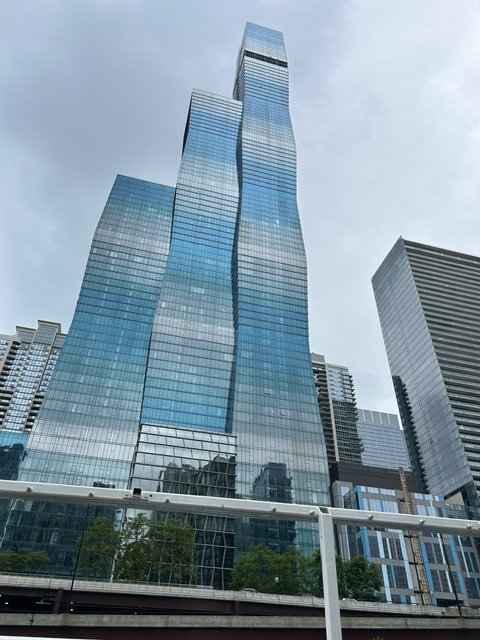
Favorite “curvy building” (probably a professional architectural term)
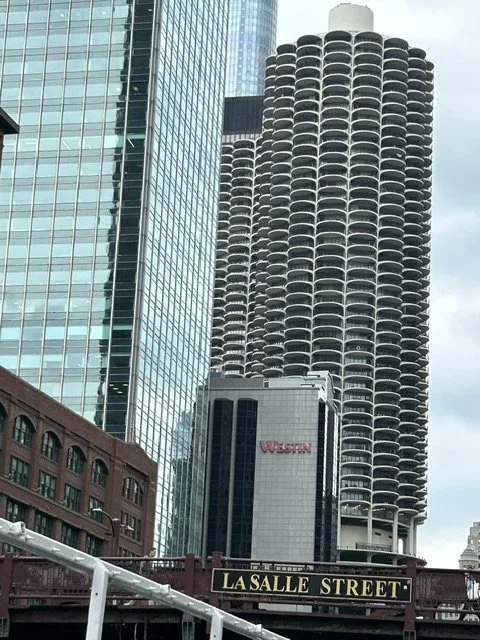
Favorite “corn cob” building

The sound stage at a free Blues festival
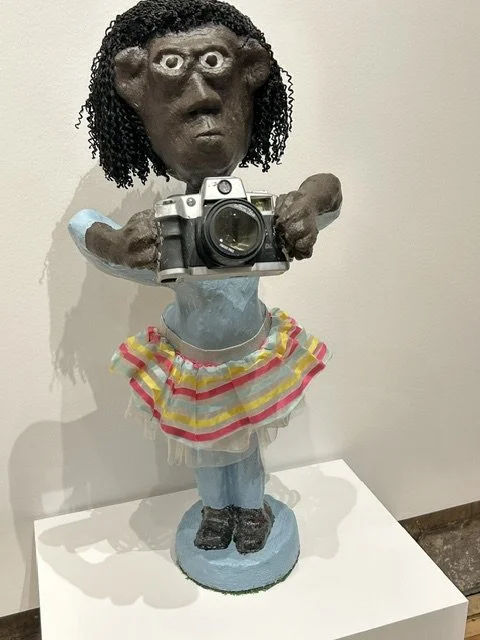
A fellow tourist caught in action at the Intuit Art Museum
Photos by Carolyn Reiss

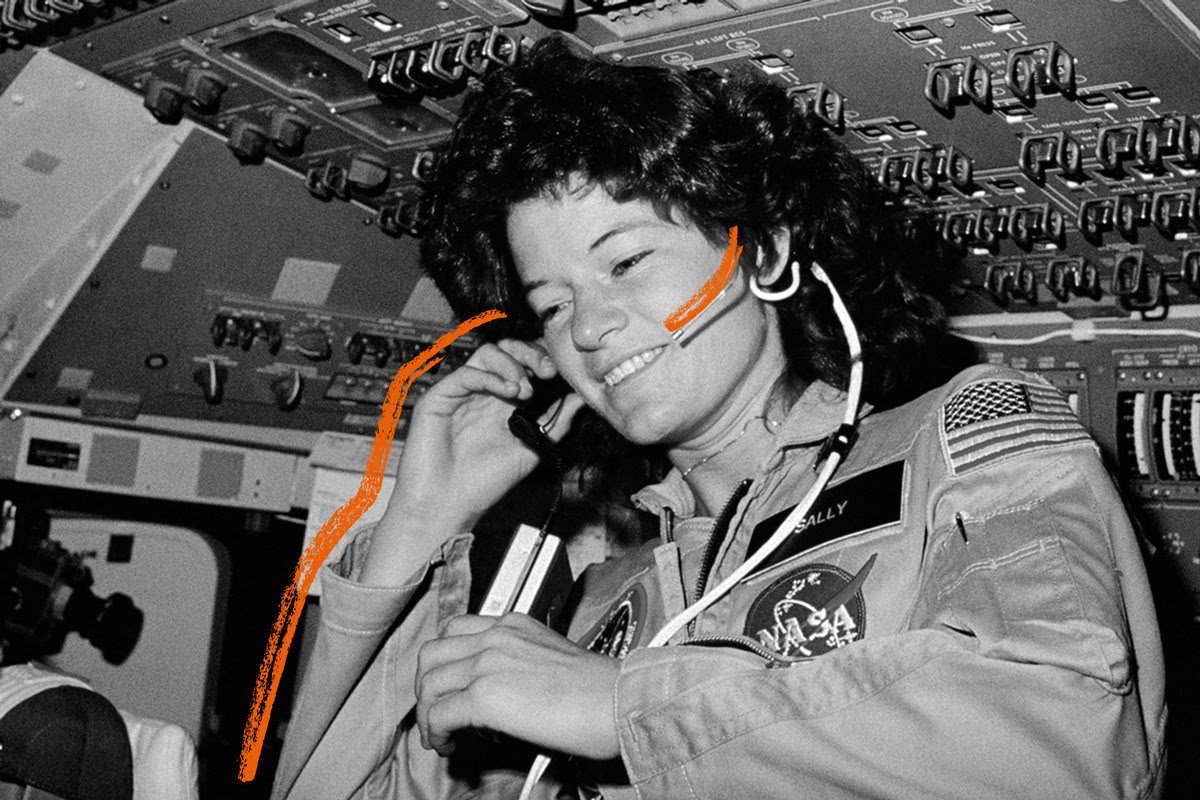

STS-7, which launched on this day in 1983, was one of the first operational space shuttle flights. On paper, it was a routine mission to launch two communications satellites. But STS-7 also carried Sally Ride, the first American woman in space.
When NASA planned the space shuttle program, it hoped to eventually launch one mission a week. That meant it needed a lot more astronauts. In 1978 NASA announced its eighth group of astronauts, the “Thirty-Five New Guys,” its largest class to date.
Six women were among the Thirty-Five New Guys. Sally Ride was finishing her doctorate in physics at Stanford when she applied. When Group 8 was selected, only one woman, Valentina Tereshkova of the Soviet Union, had ever flown in space. Competition among the six women to be the first American woman in space was fierce, and in April 1982 NASA chose Sally Ride to fly on STS-7.
Ride spent six days in orbit on the space shuttle Challenger and became a national hero. She flew again in 1984 on STS 41-G. One of her crewmates was Group 8 classmate Kathryn Sullivan, who became the first American woman to walk in space.
Ride was training for a third shuttle mission when the Challenger exploded in 1986. She was appointed to the investigative commission and played a key role when an anonymous whistleblower gave her the document that pointed to the disaster’s cause. She later served on the commission that investigated the Columbia accident in 2003, becoming the only person to investigate both shuttle disasters.
After Ride died in 2012, obituaries revealed her long-term relationship with another woman, Tam O’Shaughnessy. Ride had kept her sexual orientation private during her NASA career, but the reveal meant that, in 1983, she had also been the first known LGBTQ astronaut to fly.
Source: Britaninica, “Today in History,” by Erik Gregersen.
Rich Dooley spotted it first: a house being built in Rockwood Park! What?!?
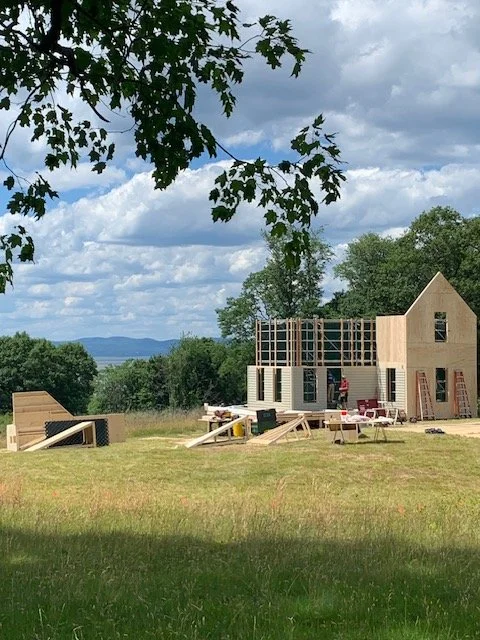
Photo by Rich Dooley
Carolyn Reiss got the inside scoop: ABC is filming a mini-series requiring a “house with a view.” So, naturally, they’re building one where there’s an exquisite view: Rockwood Park. Seems they just need it for one scene—at a cost of at least $150,000. As sturdy as it may look, then, down it comes. Interiors not needed.
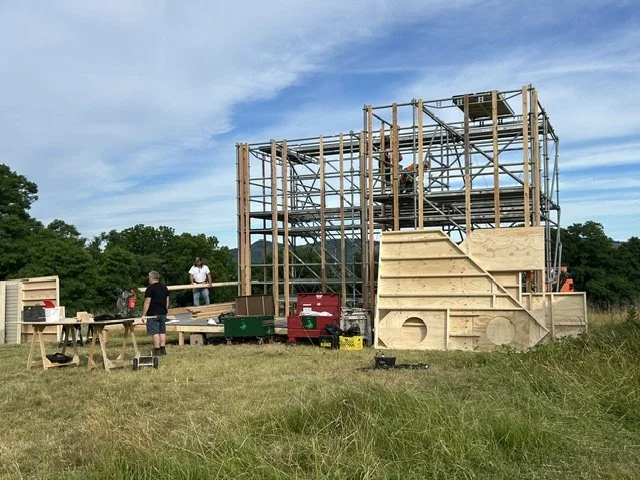
Photo by Carolyn Reiss

Photo by Carolyn Reiss
As spring turns to summer, Kendal photographers Mimi Abramovitz and Edward Kasinec have been recording the beauty of our campus.
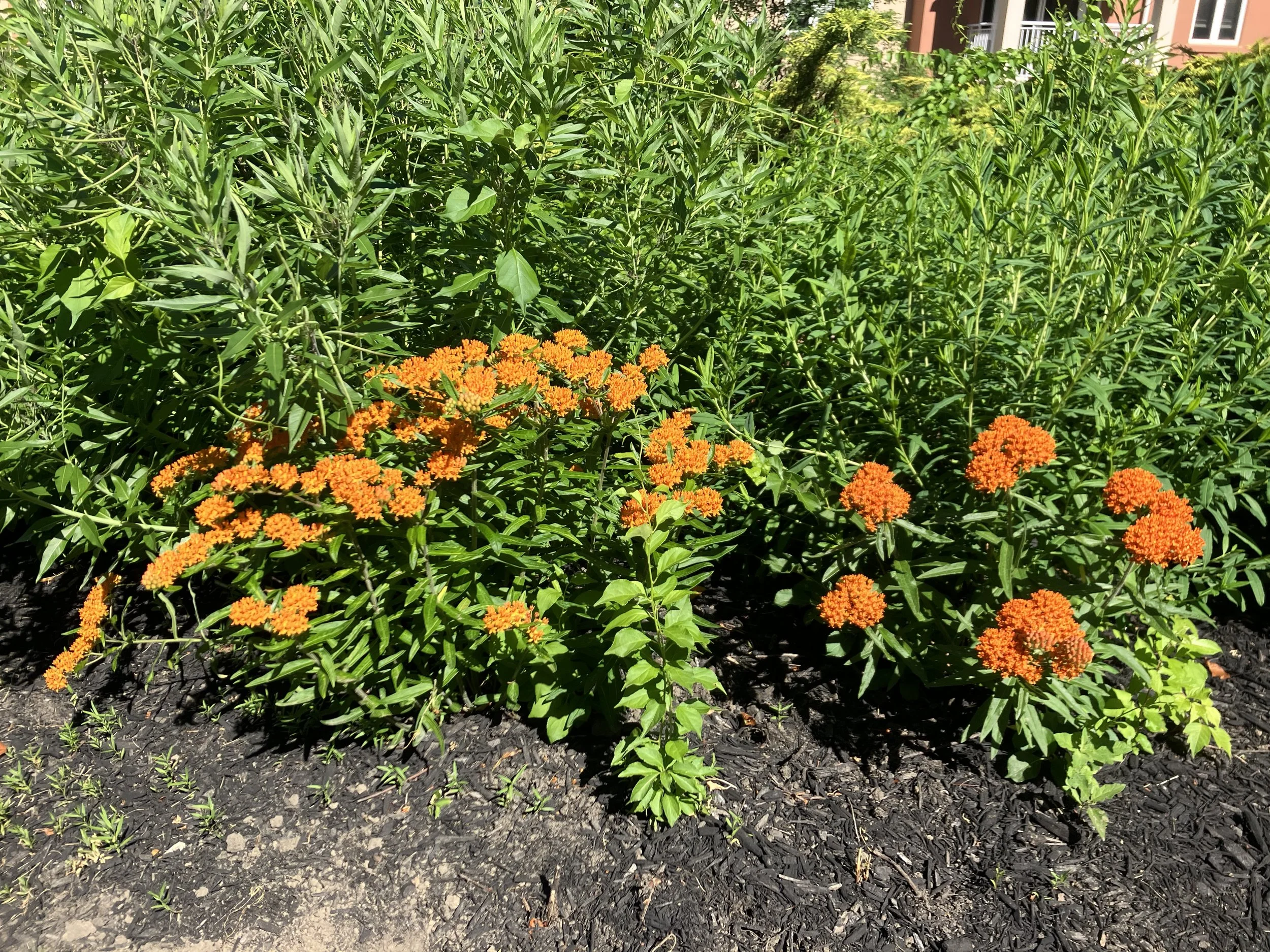
Photo by Mimi Abramovitz

Photo by Edward Kasinec

Photo by Mimi Abramovitz

Photo by Edward Kasinec
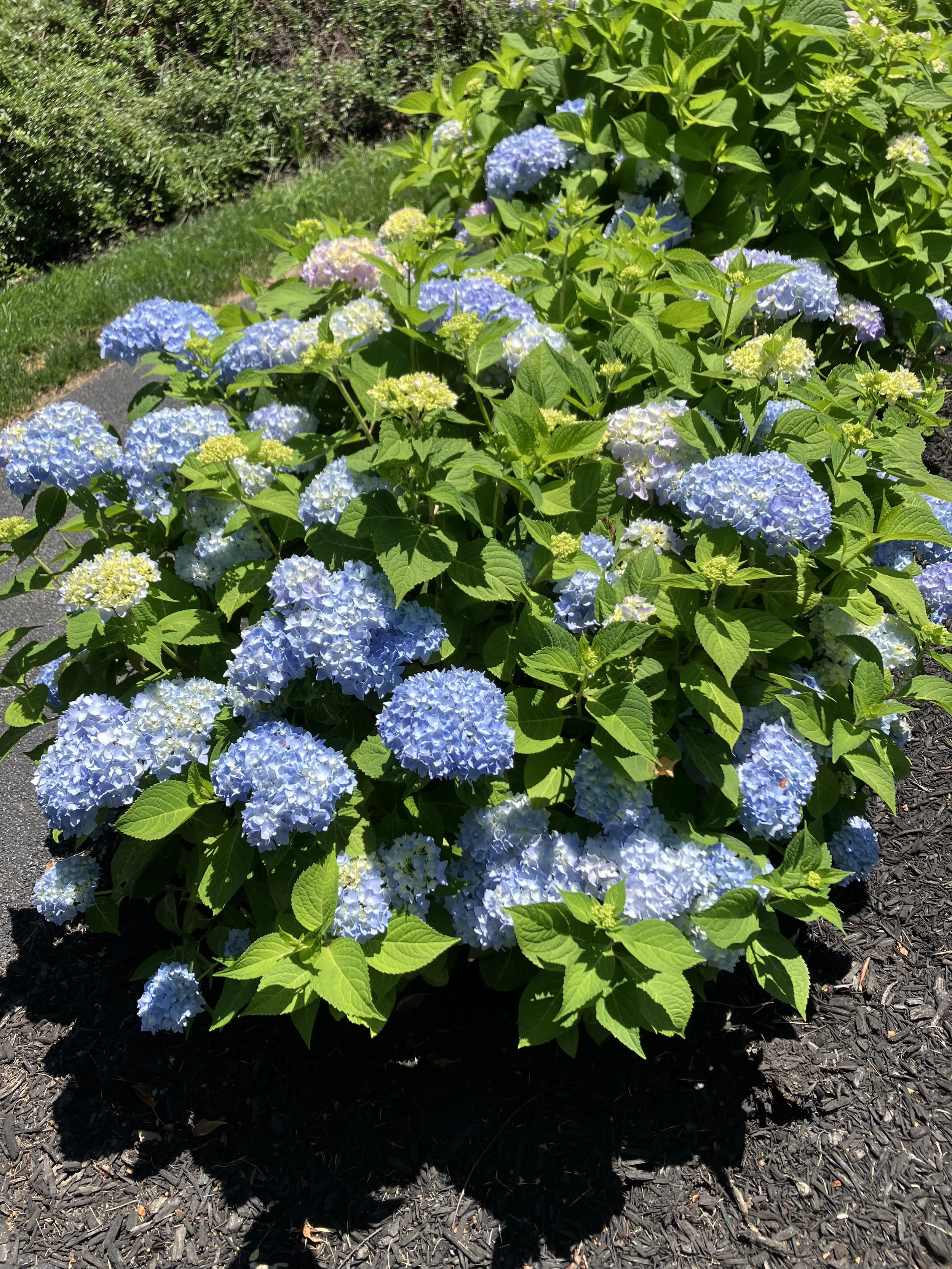
Photo by Mimi Abramovitz
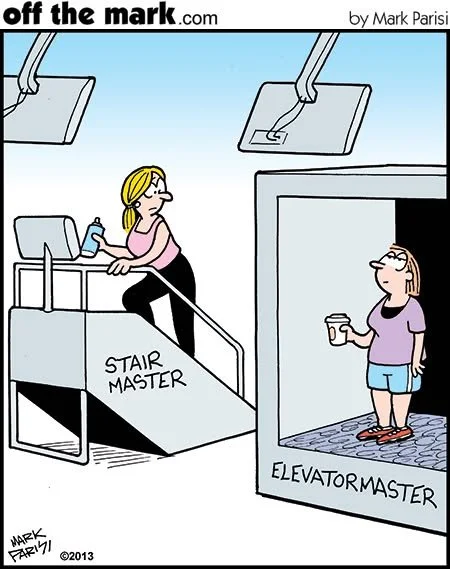

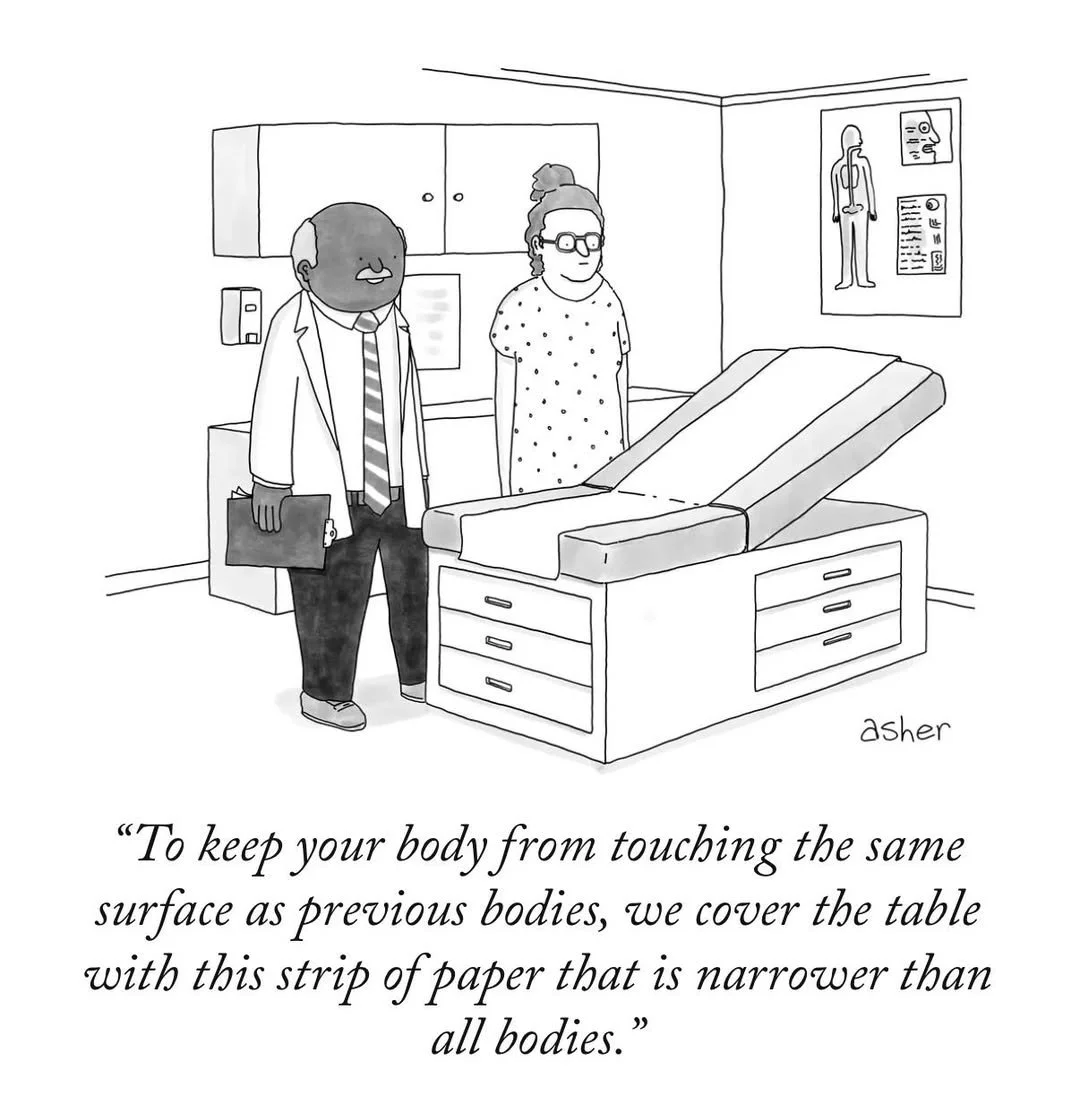
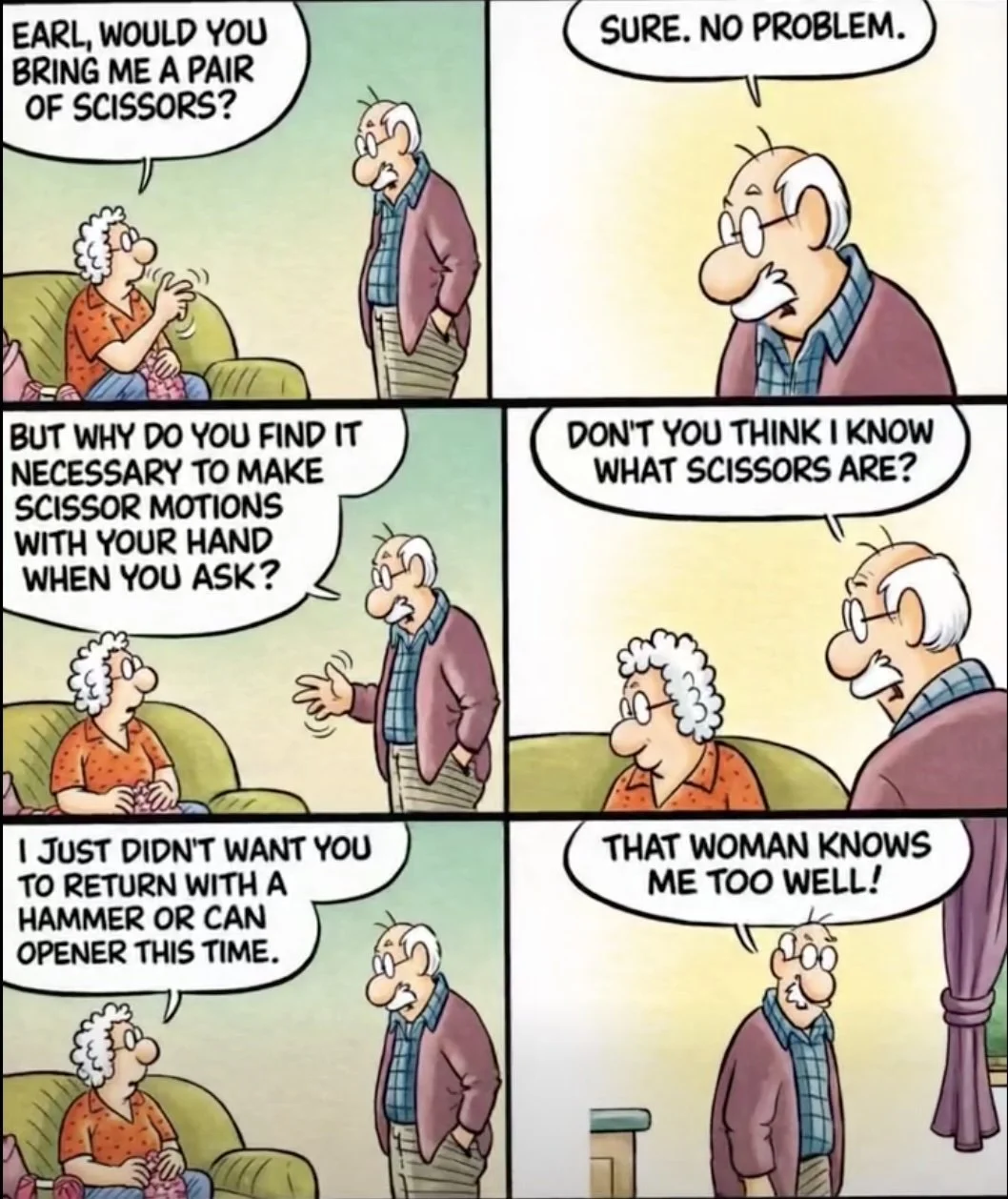


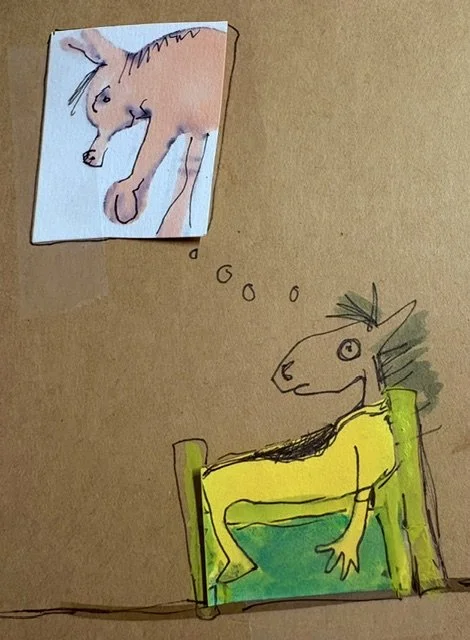
Dobbin’s nightmare scared him silly
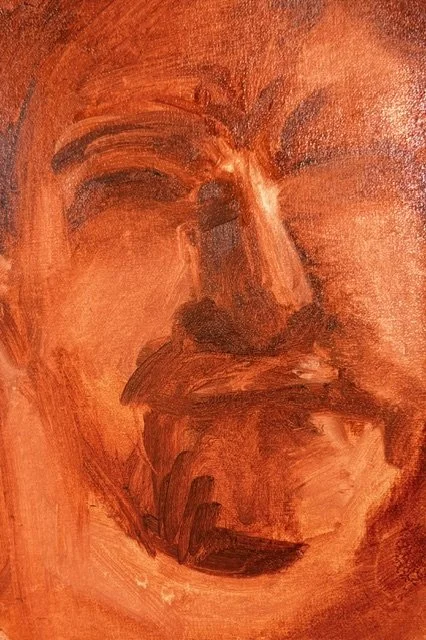
Rex didn’t believe in sunblock--until today
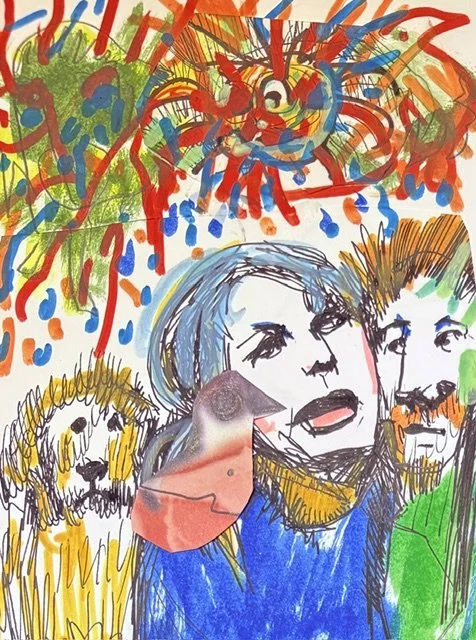
The weather seemed a little threatening
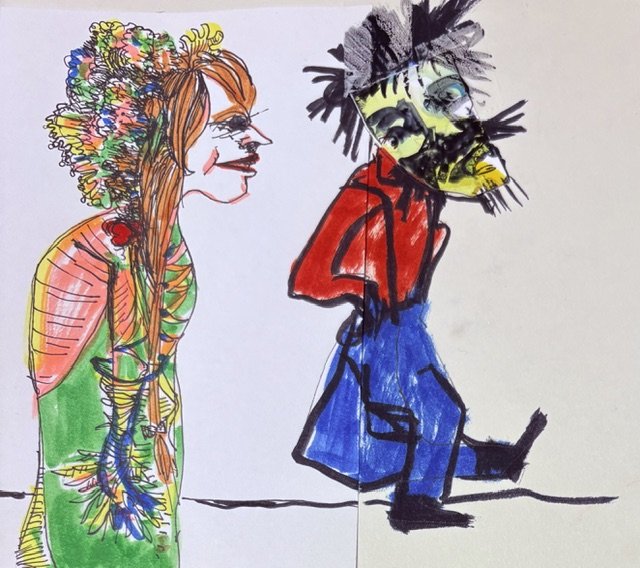
Aunt Lulu still wore her heart on her sleeve
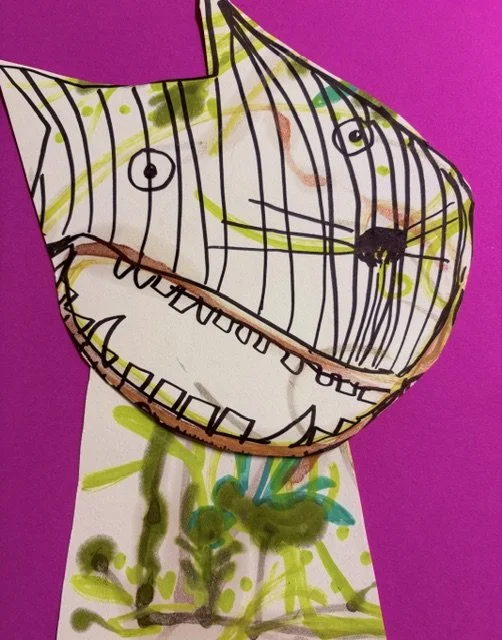
Gavin was proud of his first tattoo
Art and photos by Jane Hart
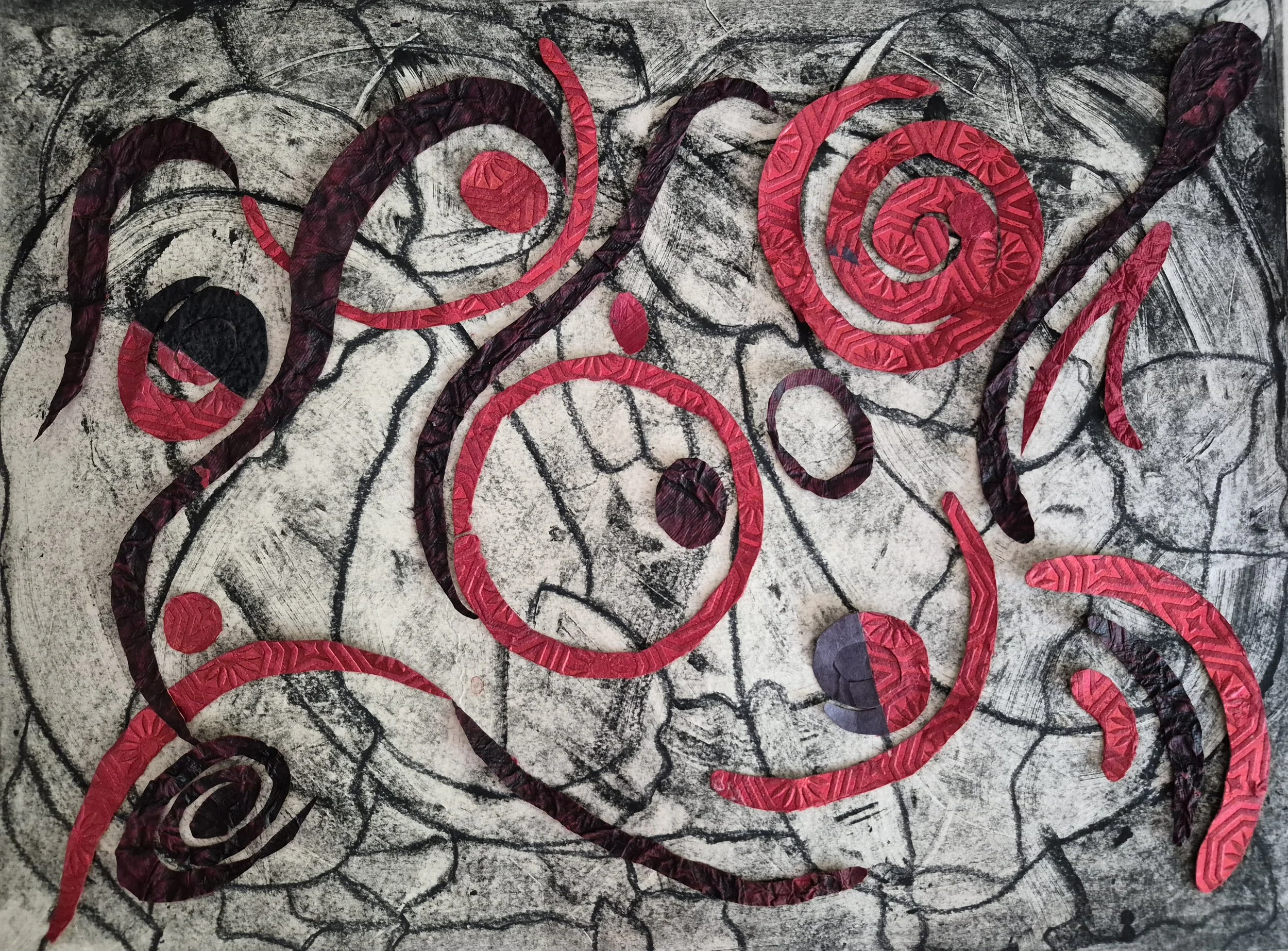
Art and photos by Sheila Benedis

A young buck checks out the neighborhood, by Ed Lannert

You need to look down as well as out and over, by Steve Price (via Jane Hart)
On a regular basis, an Art Committee member comes before his or her peers to discuss his or her work. The latest talk was from Maggie Limburg (with the help of Linda Edwards) whose work spans a broad spectrum of materials and subject matter.
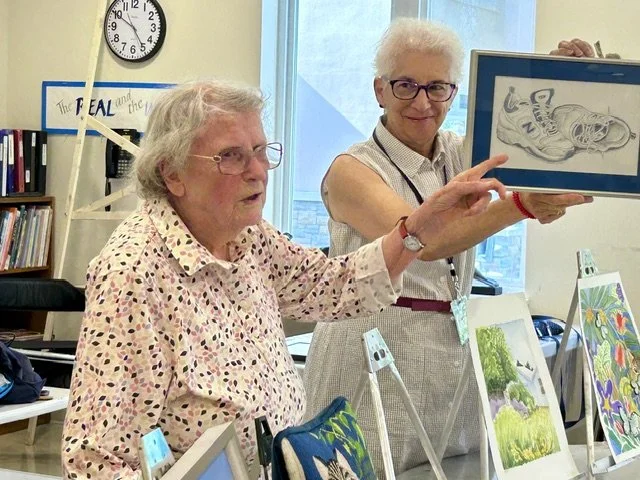
Photo by Carolyn Reiss
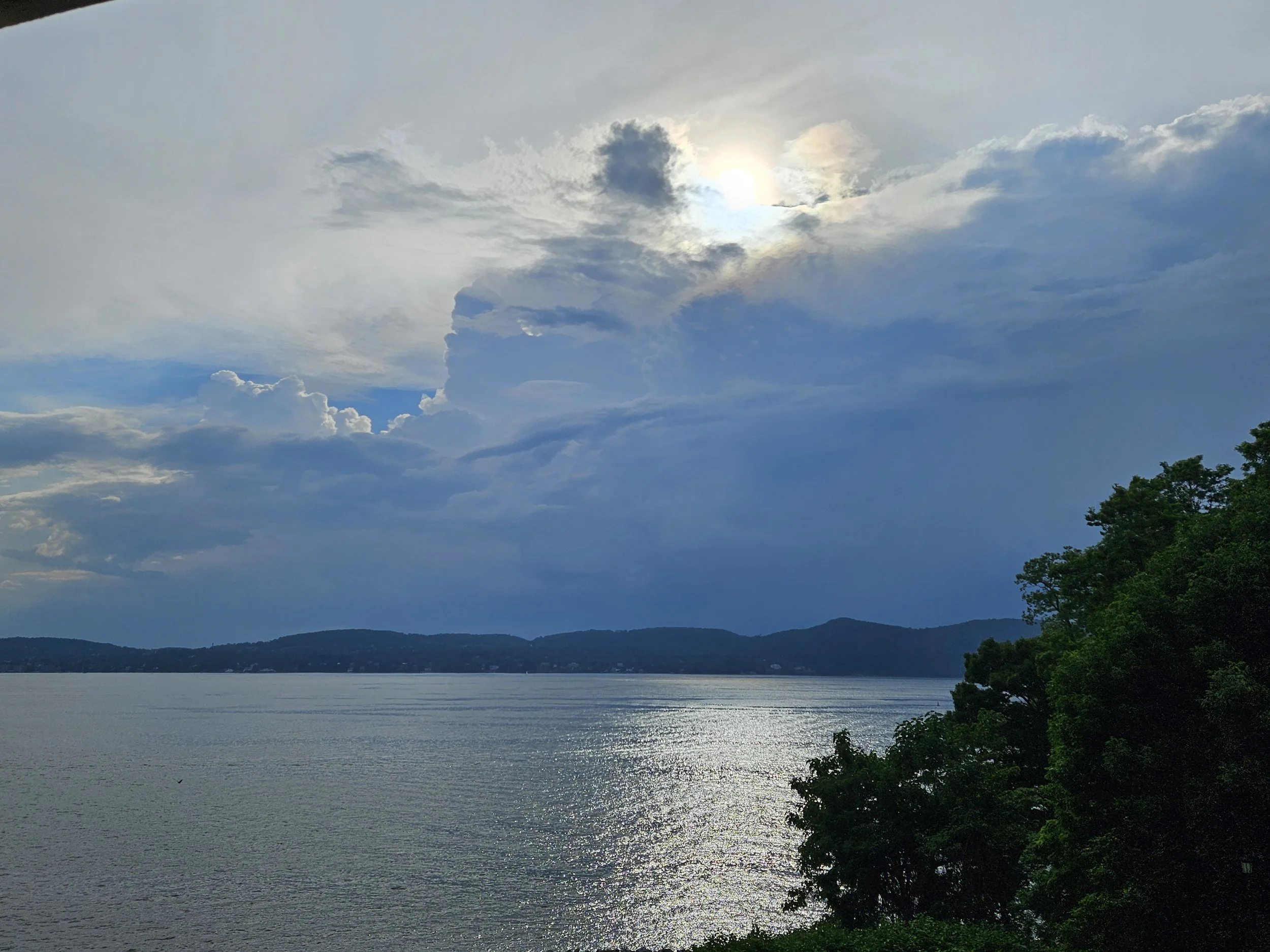
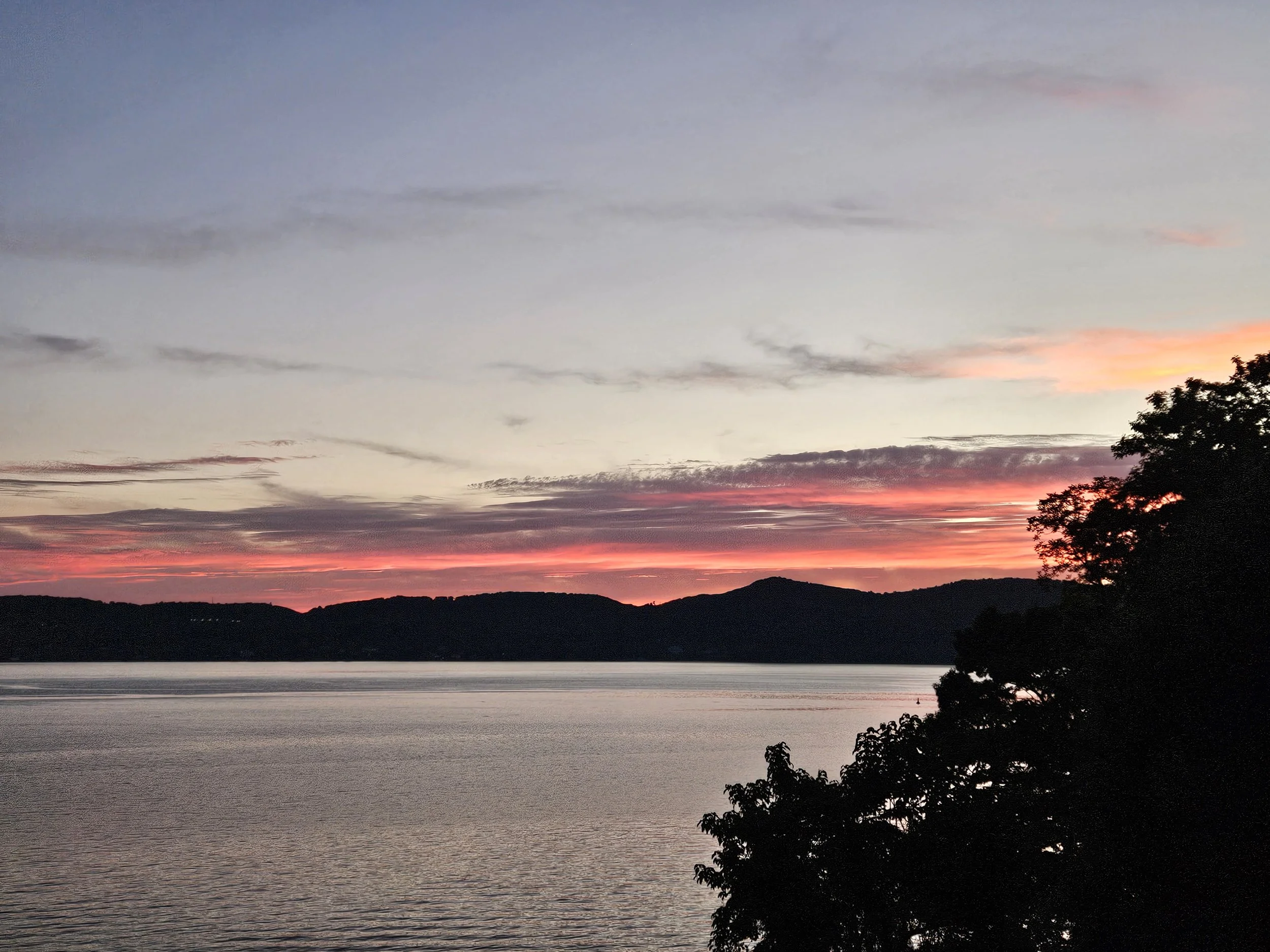
Before, by Greg Lozier
After, by Greg Lozier
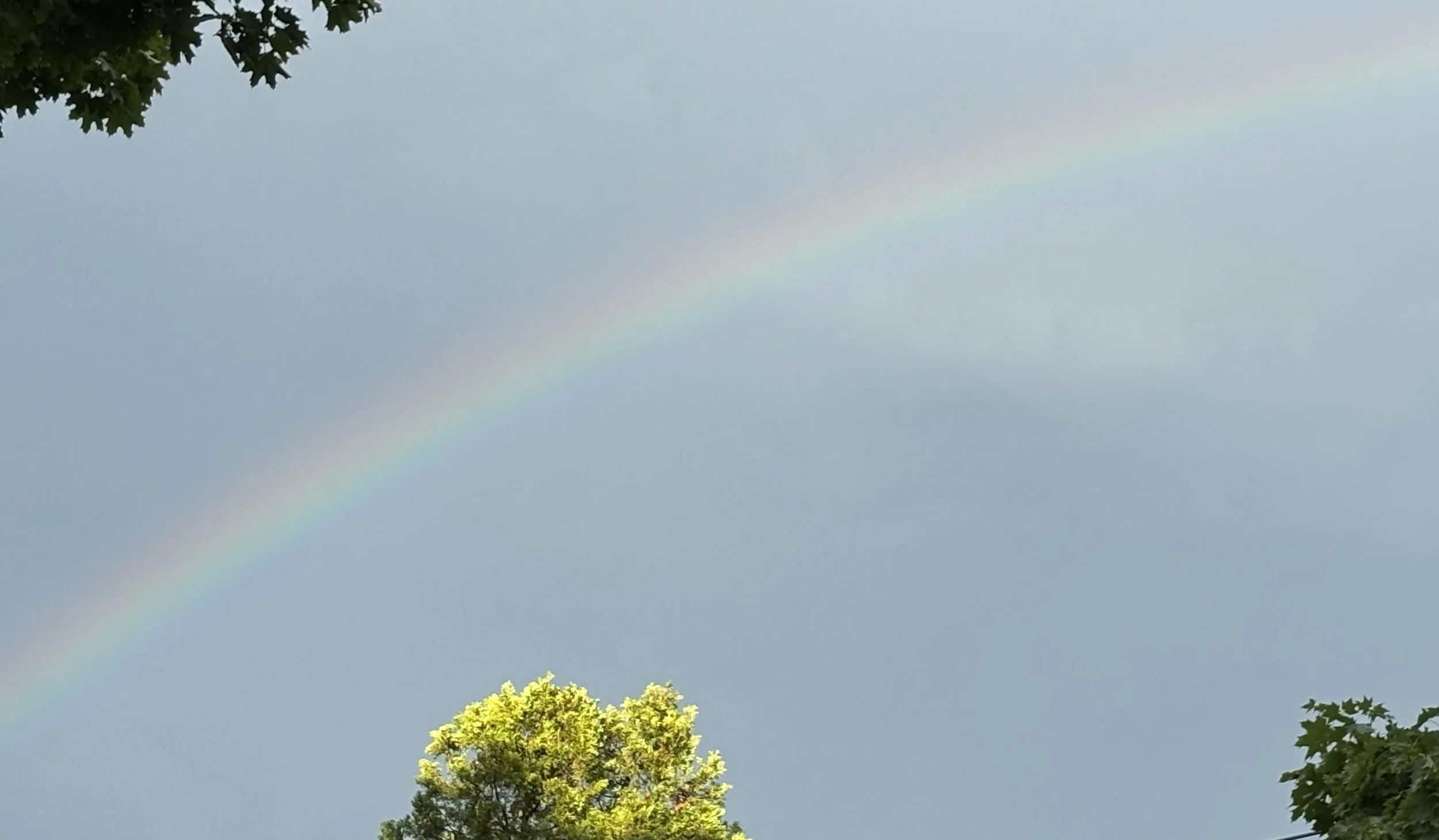
And a bonus, by Maria Harris

Headed up river, by Maria Harris
Donna Nye and Mike Jeffers recently braved the wilds of the West Branch of the Delaware River. Both inveterate anglers, they sought the elusive rainbow trout. And—dream come true—Donna achieved her goal! An 18-inch rainbow trout! Mike recorded the mighty battle for posterity.
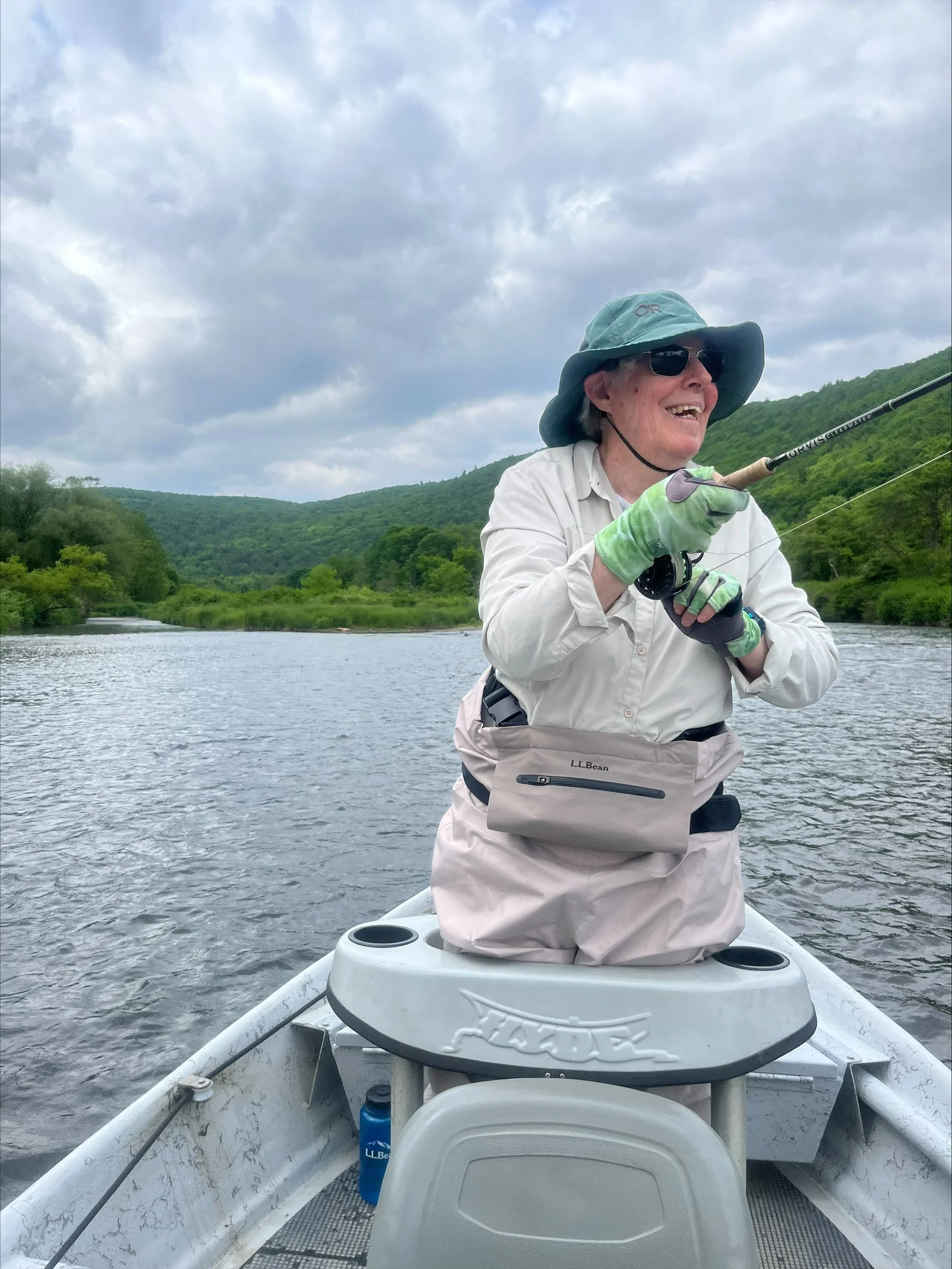
A joyful 20-minute battle between woman and fish.

The triumphant winner—and guide Bob (in the green)—and her adversary (in rainbow color).
In good sport-fishing tradition, it was catch-and-release. The fish lives on to fight the good fight trout-wise.
Photos by Mike Jeffers
Kendalites travelled to Usonia recently for a view of the neighborhood that Frank Lloyd Wright (and the school thereof) built. The van wove in and out of the Pleasantville neighborhood, viewing the houses. Last stop: the home of Roland Reisley. Reisley was front and center when the neighborhood was built. He worked directly with Wright on his house’s design. Reisley is now a 102, but spry as they come. He loved to describe significant features of the house, its design, and working with Wright. And Kendalites loved to hear it.
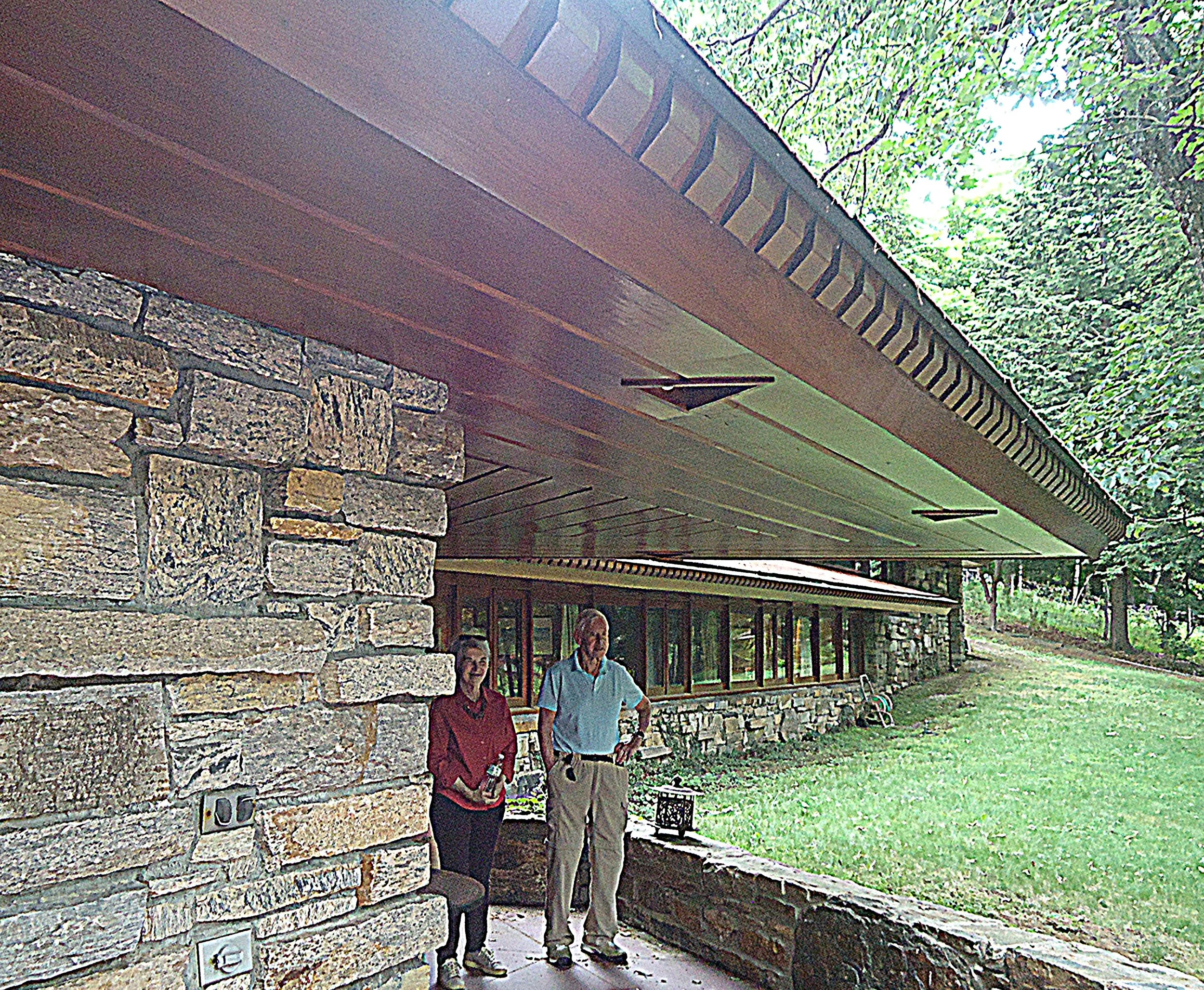
Hildegarde Gray and Mike Kornfield enjoy the exterior of the house and its surroundings. Photo by Ursula Hahn.
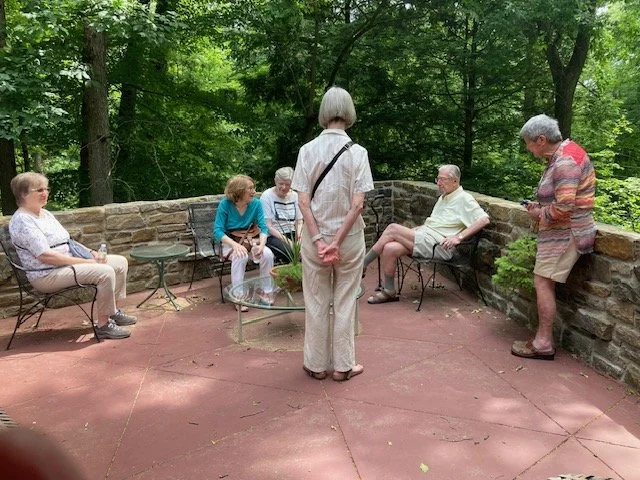
Members of the trip joined Reisley on the patio for stories of Usonia. Photo by Janet Sawyer
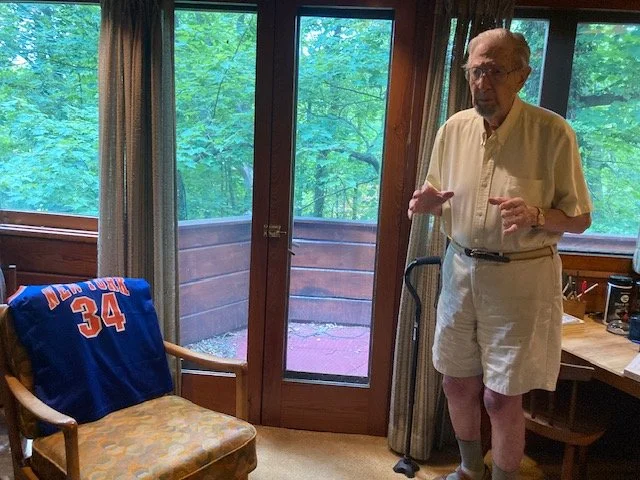
At 102, Reisley still enjoys showing the house and speaking of working with Wright. Photo by Janet Sawyer.
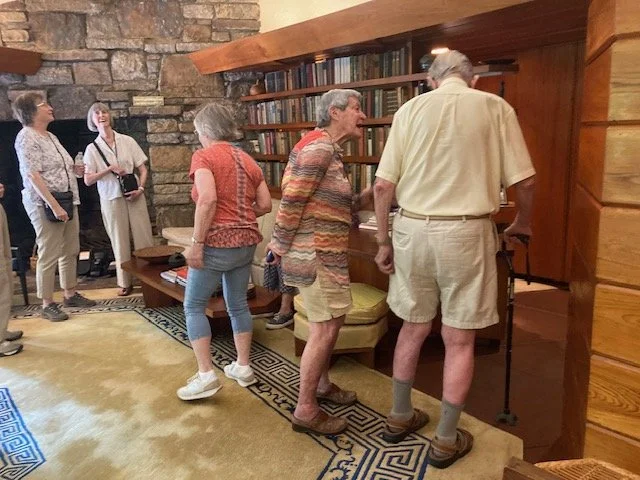
Trip members were able to see up-close-and-personal the signature features of a Wright house. Photo by Janet Sawyer.
I once worked at a cheap pizza shop to get by. I kneaded the dough.
My friends and I have named our band “Duvet.” It’s a cover band.
I lost my girlfriend’s audiobook, and now I’ll never hear the end of it.
Why is “dark” spelled with a k and not c? Because you can’t see in the dark.
Why is it unwise to share your secrets with a clock? Well, time will tell.
When I told my contractor I didn’t want carpeted steps, they gave me a blank stare.
Bono and The Edge walk into a Dublin bar and the bartender says, “Oh no, not U2 again.”
Prison is just one word to you, but for some people, it’s a whole sentence.
Scientists got together to study the effects of alcohol on a person’s walk, and the result was staggering.
I’m trying to organize a hide and seek tournament, but good players are really hard to find.
I got over my addiction to chocolate, marshmallows, and nuts. I won’t lie, it was a rocky road.
Contributed by Don Butt

It may be a week early, but it’s worth getting out there: Kendal will provide transportation to the Philipseburg Manor polling place on Tuesday, June 23.
Morning Trip: Departs 9:30 am-11:30 am
Afternoon Trip: Departs 1 pm-2:15 pm.
Any questions please call the Front Desk, ext. 1000

Yes, we put it in the website last week. And, yes, Jean mentioned it in the Residents Council meeting. Still, it’s important enough to plop it in place this week, as well. Monday, June 15—be there or be vulnerable!


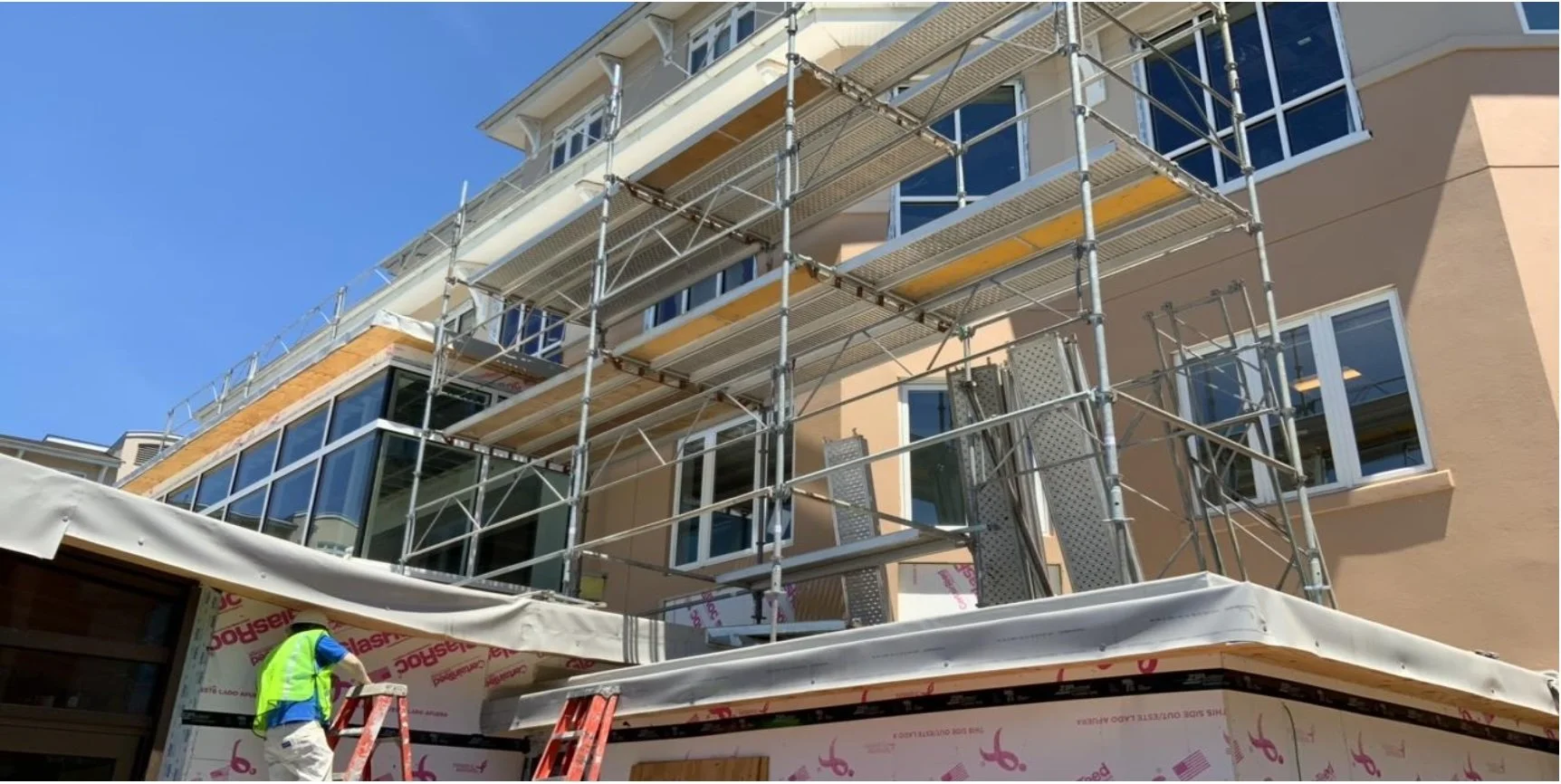
Scaffolding for New Dining Windows
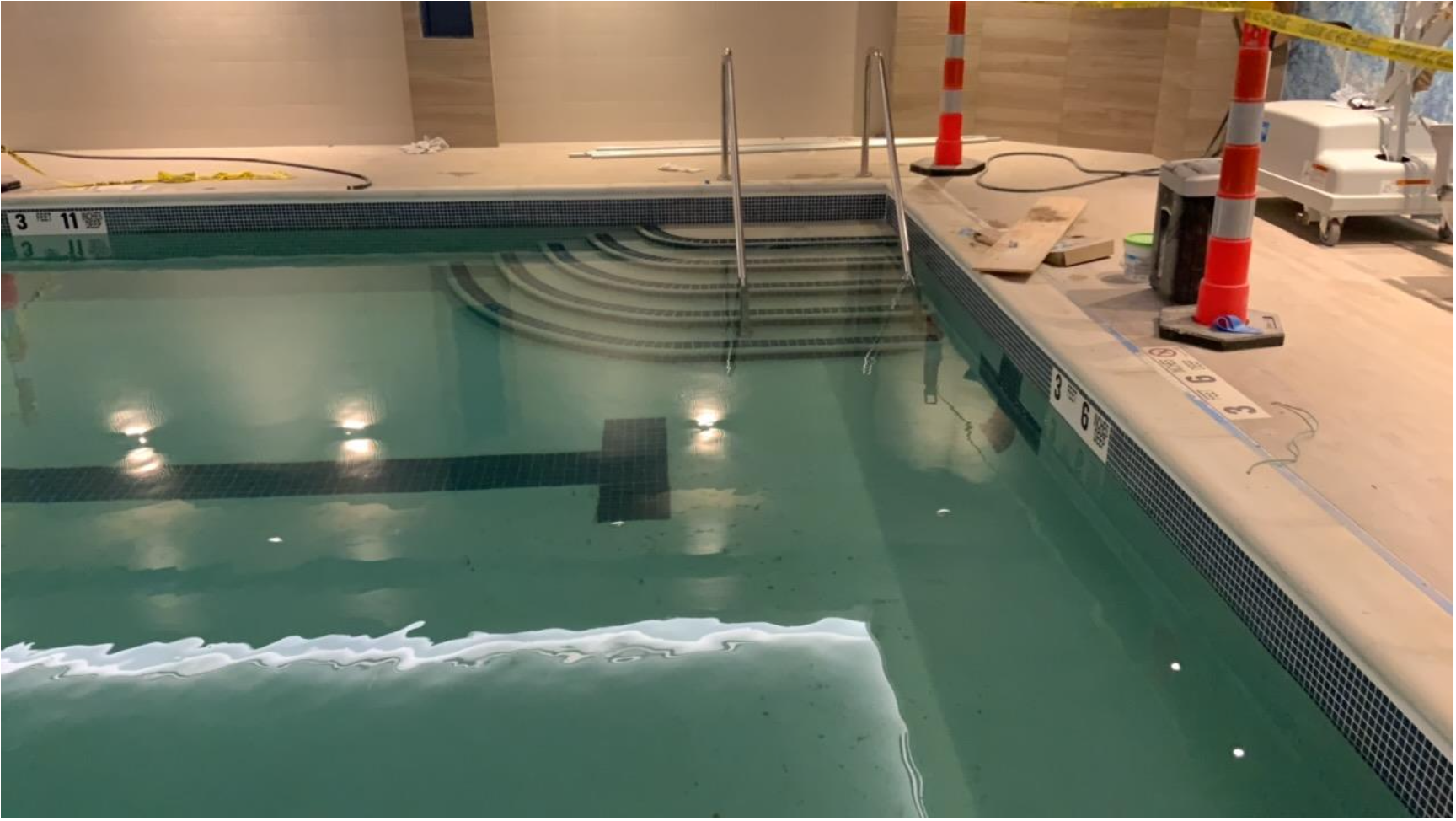
Handles on Pool Stairs Installed
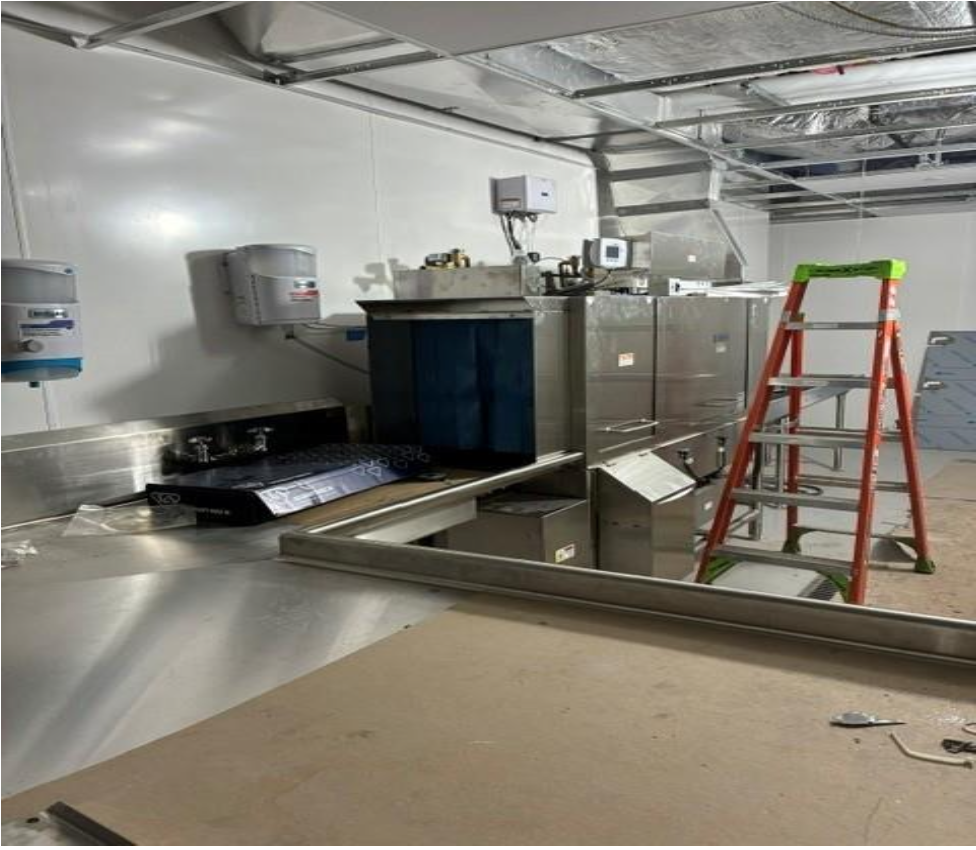
New Area for Dishwashing Equipment
From the Office of Ellen Ottstadt
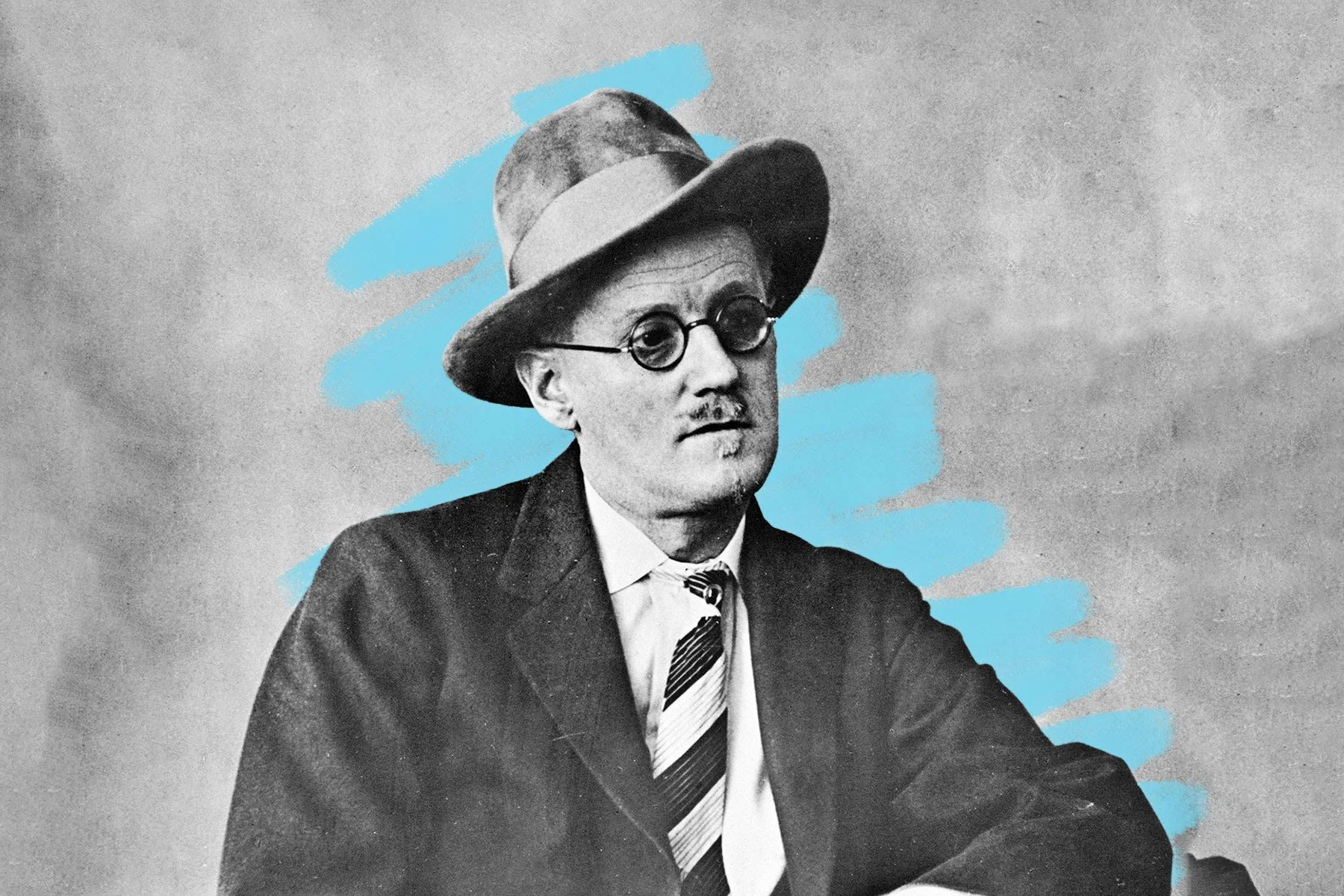
James Joyce didn’t just write some of the most acclaimed novels of the 20th century—he did so using crayon. Though it sounds like a quirky affectation on the part of the Ulysses and A Portrait of the Artist as a Young Man author, it was actually a medical necessity. Because Joyce had trouble with his eyesight and was nearly blind by the time he wrote Finnegans Wake in the last few years of his life, “the large crayons thus helped him see what he was writing,” according to culture writer Maria Popova. Joyce was farsighted as a child and had severe issues with his eyesight by the time he reached his 20s. These problems only worsened after a bout of rheumatic fever left him afflicted with the condition iritis.
Fortunately for readers, Joyce was as adaptable as he was brilliant. He began writing while “lying on his stomach in bed, with a large blue pencil, clad in a white coat” that reflected more light back at the empty page at night. This process became even more elaborate during the editing phase, when Joyce relied on crayons of varying colors (namely orange, blue, red, and green) to underline and circle individual words or sentences and even cross out entire pages. Finnegans Wake in particular remains one of the English language’s most difficult and inscrutable works some 85 years after it was written, but at least there’s no mystery as to how it was written.
Source: historyfacts.com
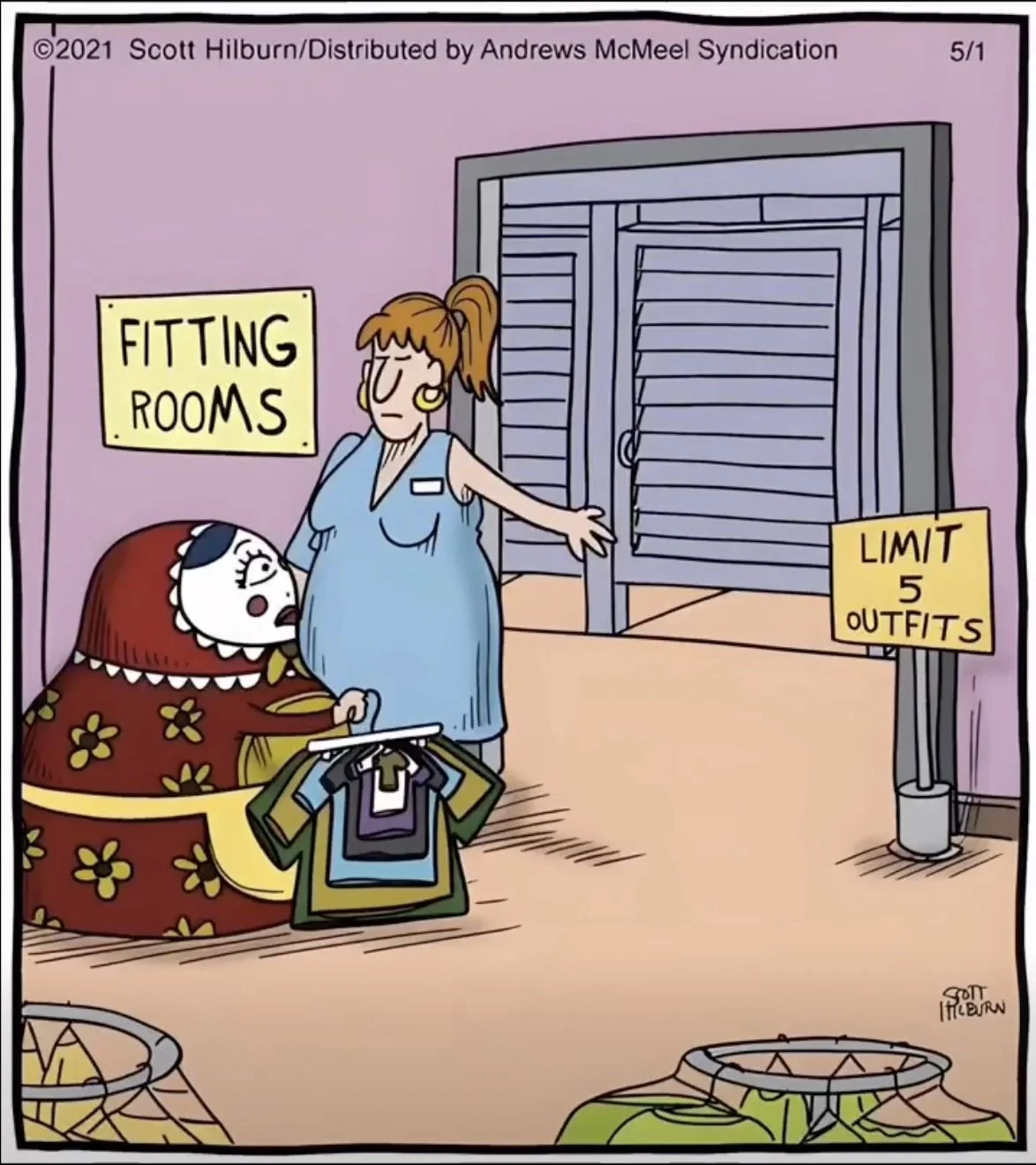


Contributed by Ginny Bender
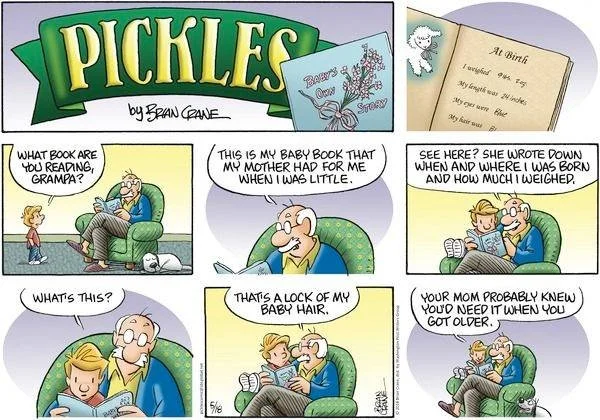

Contributed by Ginny Bender

Contributed by Ginny Bender
© Kendal on Hudson Residents Association 2015, 2016, 2017, 2018, 2019, 2020, 2021, 2022 all rights reserved. Please do not reproduce without permission.
Photographs of life at Kendal on Hudson are by residents.