New Photos of the Terrace Lounge
Entrance through those double doors to your right
Here it is! And there are the doors to the terrace.
And that’s where the fireplace goes
From the Office of Ellen Ottstadt


Entrance through those double doors to your right

Here it is! And there are the doors to the terrace.

And that’s where the fireplace goes
From the Office of Ellen Ottstadt
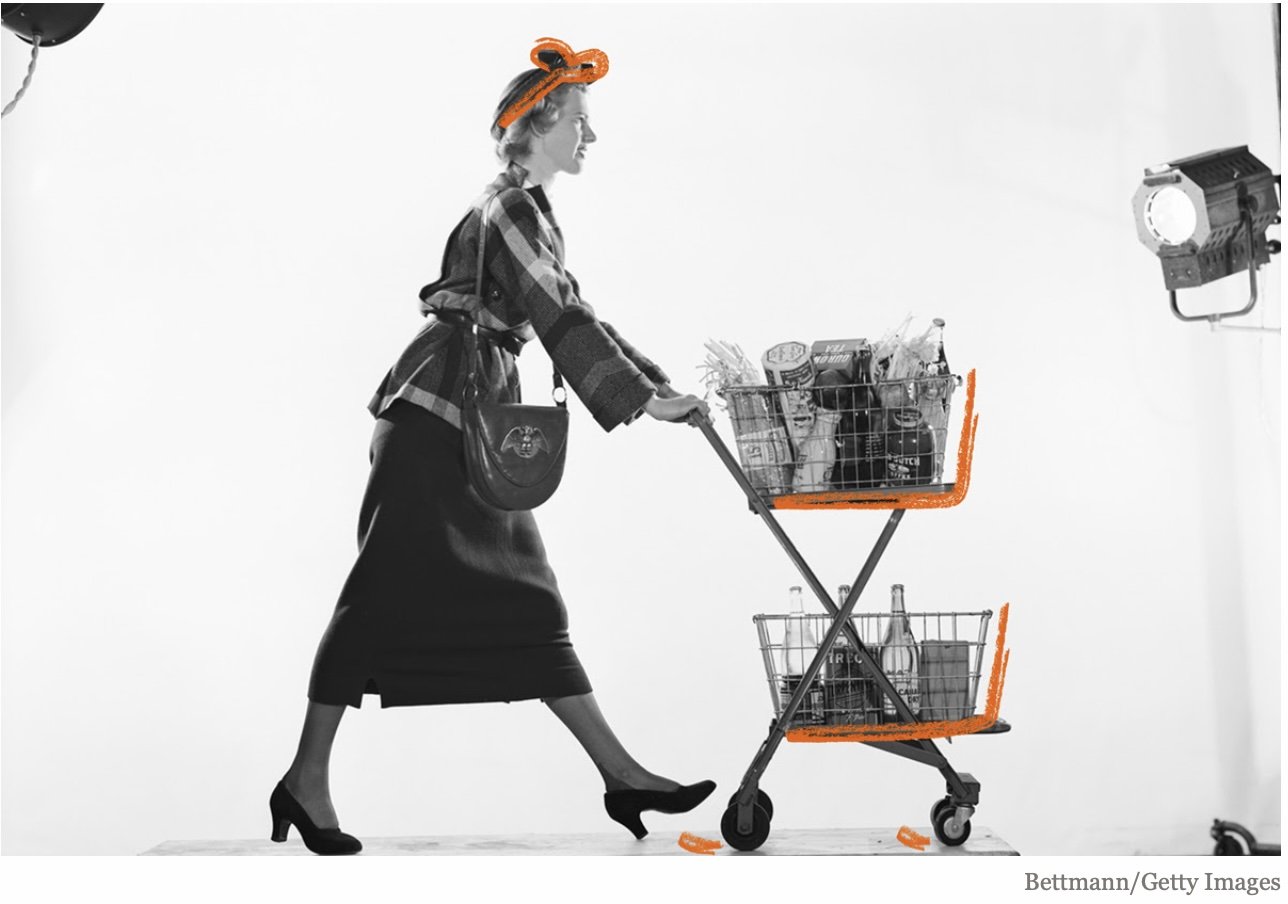

“Can you imagine, wending your way through a spacious food market without having to carry a cumbersome shopping basket on your arm?” Sylvan Goldman, through a Standard Stores advertisement, asked readers of the Oklahoma City Advertiser that very question this day in 1937, inviting them to try the new shopping carts (“the latest device conceived by the mind of man”) and experience a new way to “shop with an ease never before known” in his supermarkets.
Goldman, the son of Jewish immigrants, learned the grocery trade from his father and uncles who owned stores in Tulsa. He and his brother eventually owned their own stores in the Standard Food Market and Humpty Dumpty supermarket chains, where necessity collided with Goldman’s ingenuity.
In 1937, in the midst of the Great Depression and the Dust Bowl, Goldman needed a way to boost his stores’ sales. He noticed that once shoppers filled their arms or a handheld basket, they stopped shopping. So one night, assisted by a mechanic friend, Goldman fused together a folding chair, a platform, two baskets, and four wheels, and voilà!—capacity doubled and shoppers had a free arm for more groceries.
Goldman’s invention arrived at a moment brimming with technological innovation, cultural change, and great opportunity: Supermarkets were booming. Refrigeration let stores stock more food, the rise in American car culture let shoppers haul more home, and home refrigeration and freezers allowed Americans to keep their purchases fresh longer. Convinced he had a winner, Goldman submitted a patent application for a “combination basket and carriage”—the first patented shopping cart—a month before debuting it in his stores.
Alas, customers were initially doubtful. Women already pushed carts around (albeit ones with babies in them) and were tired of doing so, and male shoppers thought the cart made them look effeminate. Goldman was confident shoppers just needed convincing (and a smidge of peer pressure), so he hired attractive models, both male and female, to push his carts around his stores. The gimmick worked: The shopping cart was a success. The first national convention of the Super Market Institute was held in September 1937, and there Goldman’s Folding Basket Carrier Corporation shared Goldman’s innovation with the nation, and grocery shopping was revolutionized.
Source: Britannica Today in History, Britannica.com
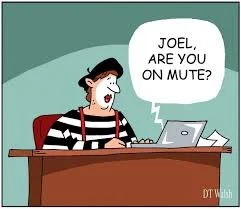
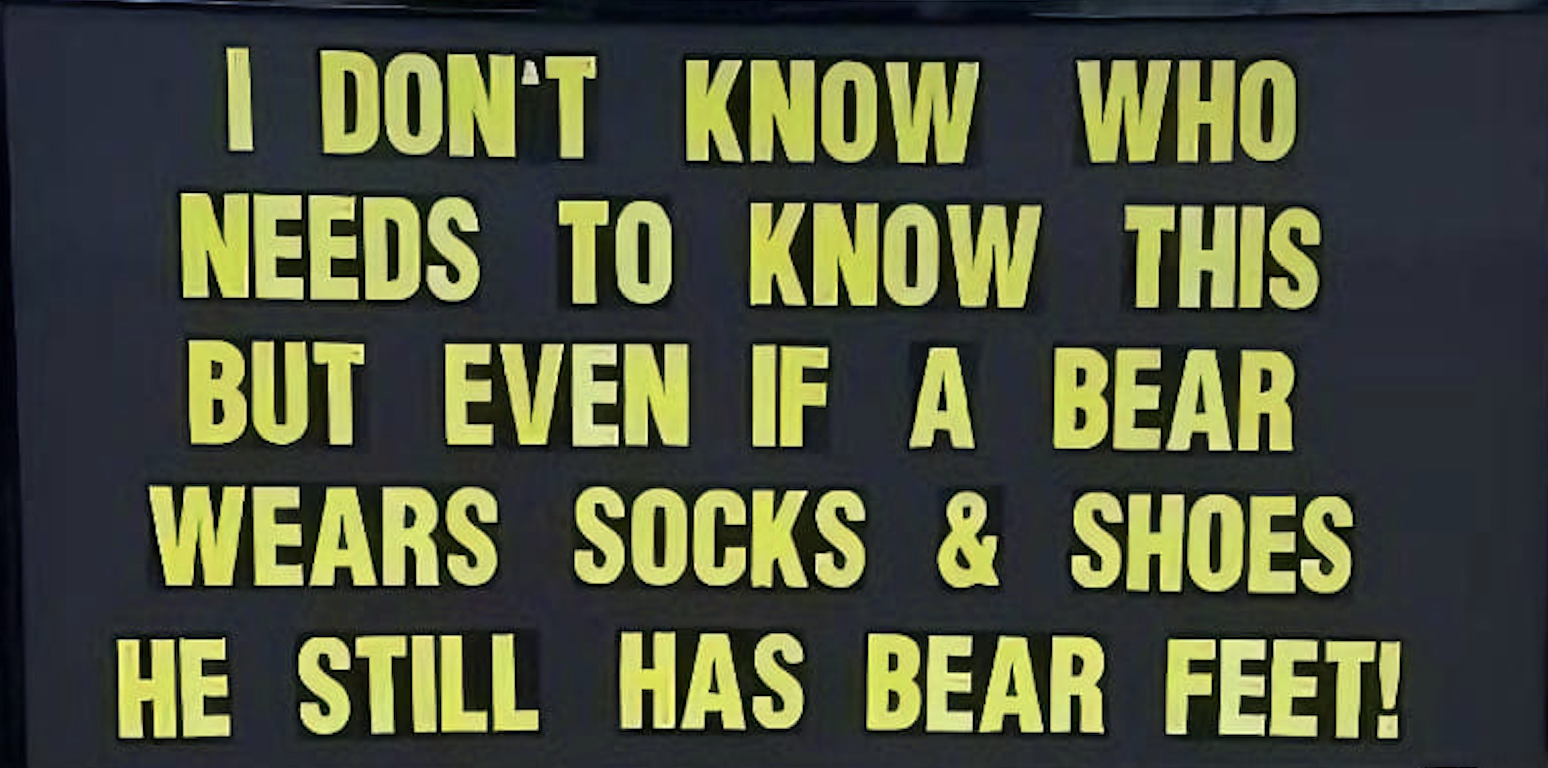

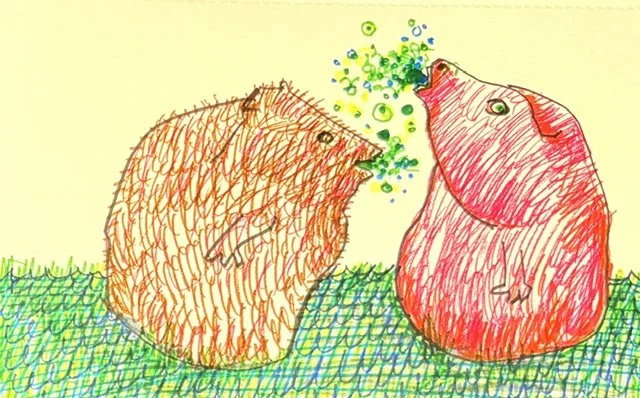
The Hacklefords both loved arugula-flavored bubblegum
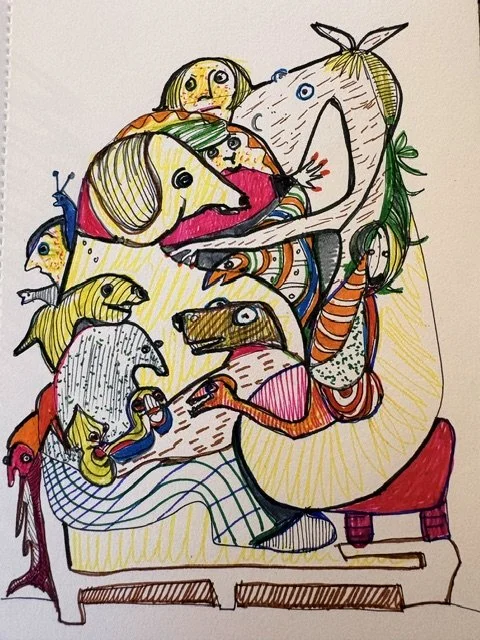
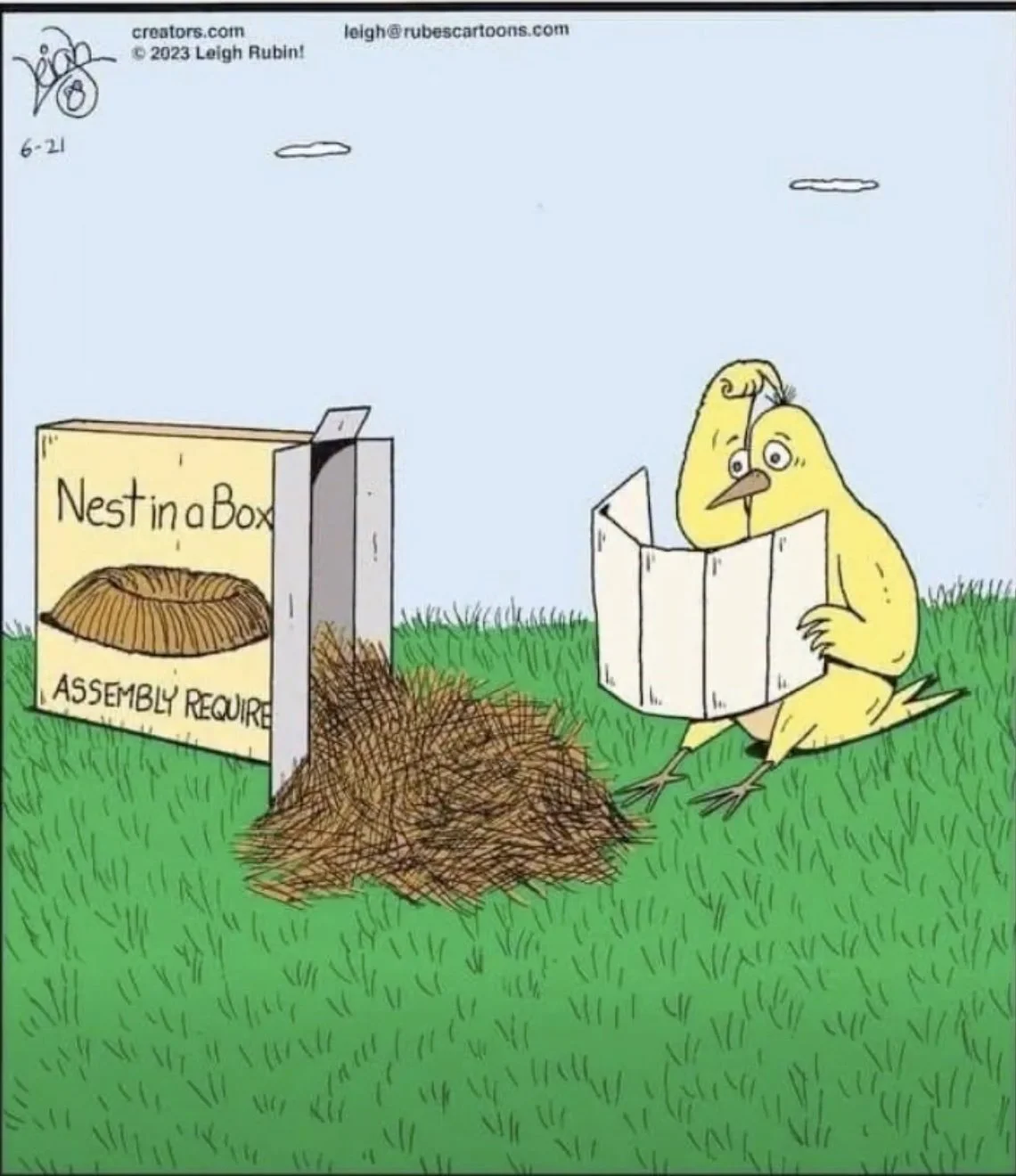
Small as it was, Richie’s was the place to be
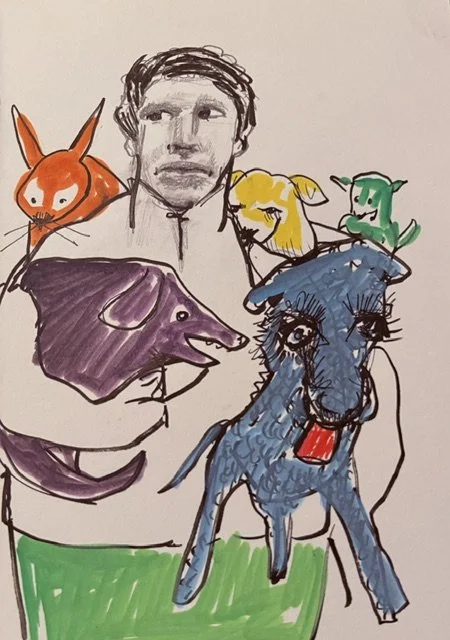
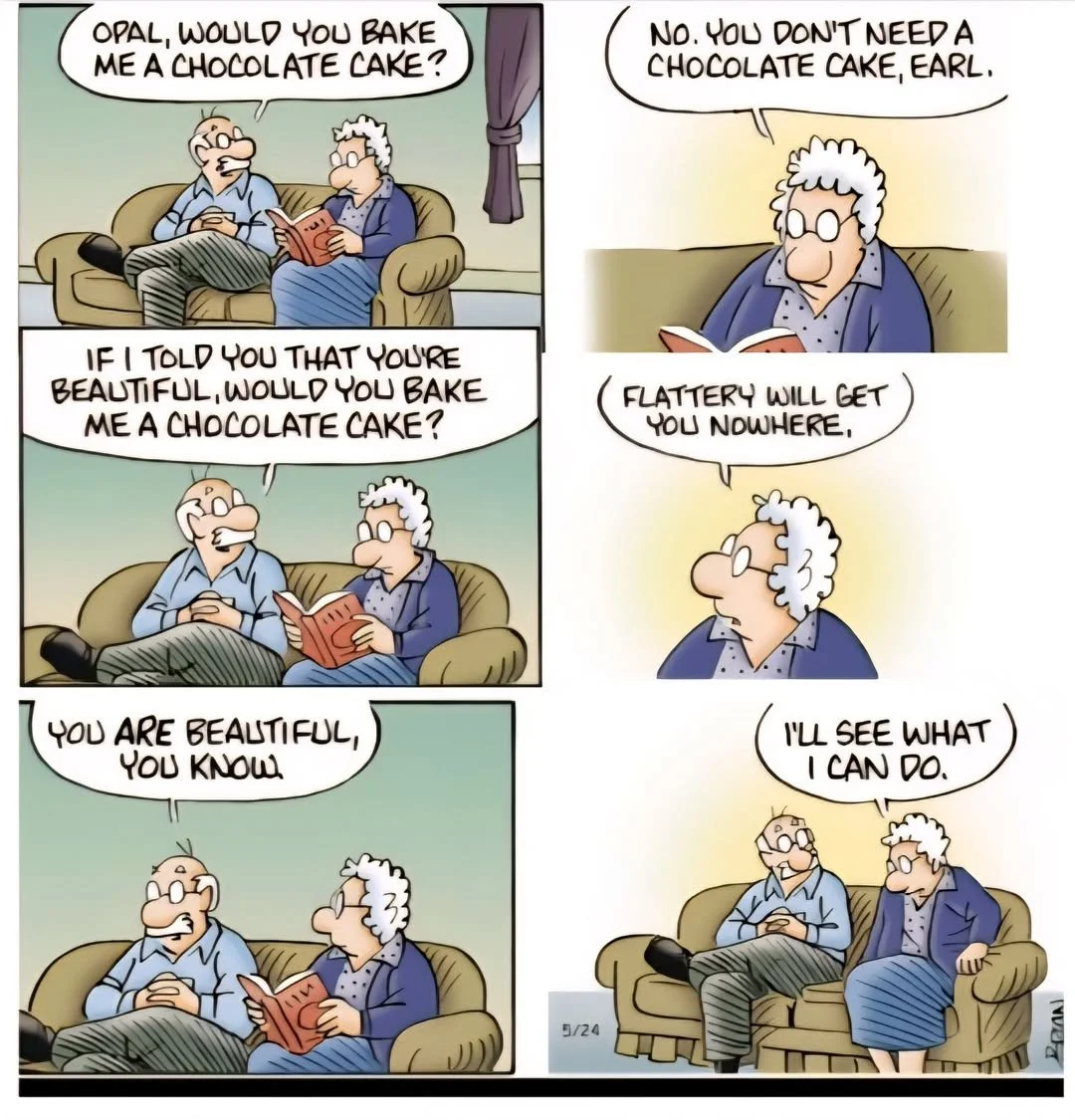
Unable to select a shelter pet, Steele came home with five

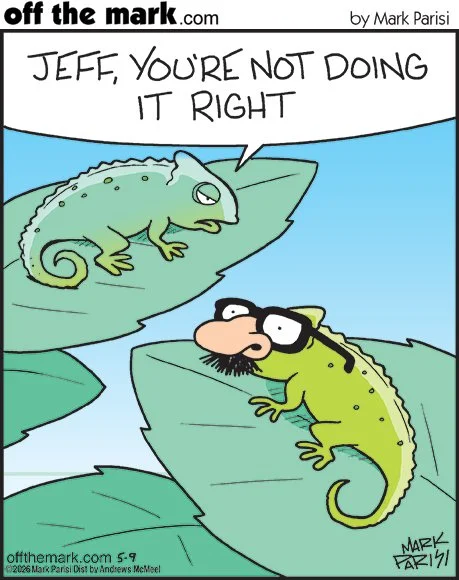
Clelia’s new home hair dye was a disappointment

The kids enjoyed helping Aunt Prudence with her Tai Chi
Art and photos by Jane Hart


Photos by Carolyn Reiss


Remains of an Era
Photos by Edward Kasinec

A Hudson Greenscape, by Edward Kasinec

A Hudson Waterscape, by Ed Lannert
Recently, Sheila Darnborough, Maureen Marwick, and Amanda Slattery visited Il Magazzino and, following lunch, enjoyed exploring works by Piero Manzoni and Yoichi Ohira.

1. Dad, are we pyromaniacs? Yes, we arson.
2. What do you call a pig with laryngitis? Disgruntled.
3. Writing my name in cursive is my signature move.
4. Why do bees stay in their hives during winter? Swarm.
5. If you’re bad at haggling, you’ll end up paying the price.
6. Just so everyone’s clear, I’m going to put my glasses on.
7. A commander walks into a bar and orders everyone around.
8. I lost my job as a stage designer. I left without making a scene.
9. Never buy flowers from a monk. Only you can prevent florist friars.
10. How much did the pirate pay to get his ears pierced? A buccaneer.
Contributed by Don Butt
To Be Continued
The poet Joyce Kilmer wrote in 1913 “ . . . only God can make a tree.” That may be so, but turns out one man can make a giraffe. And he lives here at Kendal (the man, not the giraffe).
As reported April 20, 2026, Philip Monteleoni has been working on giraffe construction for a while. At that point, he had a mock-up:

And, now, in Sante Fe (where Philip’s client lives), there is a Monteleoni-designed and executed (no giraffe’s were harmed for this project) full-sized giraffe. Because who doesn’t want a giraffe in his front yard?
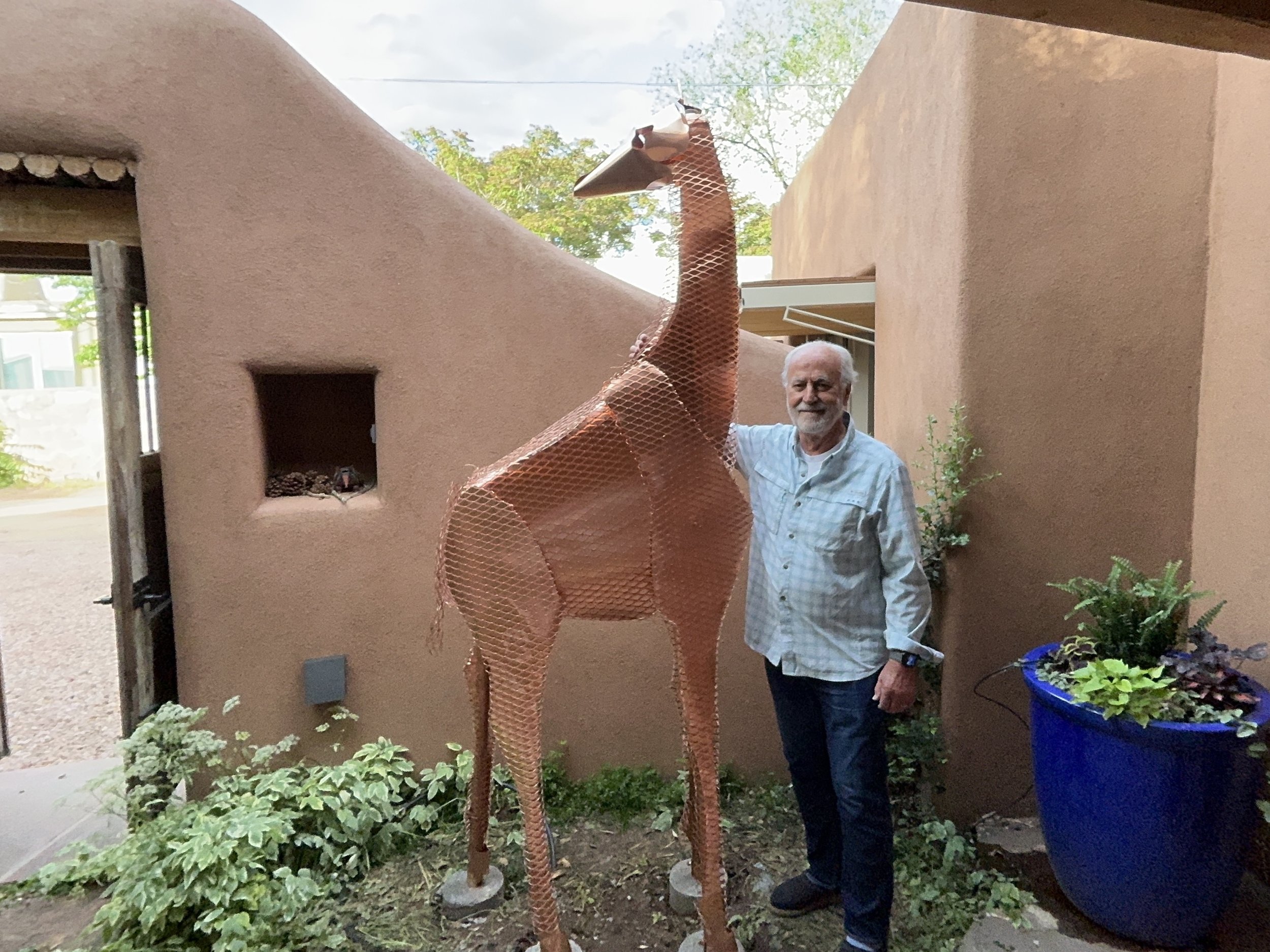
Name and sex of the giraffe yet to be announced.
On a recent visit to the Ossining Starbucks, we discovered a miracle: something useful for free! Starbucks is packaging their used coffee grounds—in bags both large and small—and is offering them for free. They’re called “Grounds for Your Garden.”

Here’s what their website says about the campaign:
“How to Use the Grounds for Your Garden Program
Participating stores in the U.S. will fill old Starbucks espresso bean bags with spent coffee grounds and give them to you, no charge. In some cases, social media users have reported that their café gave them a whole lot more than just one bag—one Reddit user reported that they took home 100 pounds of compost from their nearest Starbucks.”
Want to know more? click here for the website:

It’s ready! The Bahary’s gift to Kendal in loving memory of brother Kamal and his beloved companion Susan—the structure now florally bedecked—will be formally dedicated on June 25, 2026. Recently, Lillian Hess sent a photo of the lovely structure all set for gazing into the river, reading, chatting, remembering, whatever suits ya.

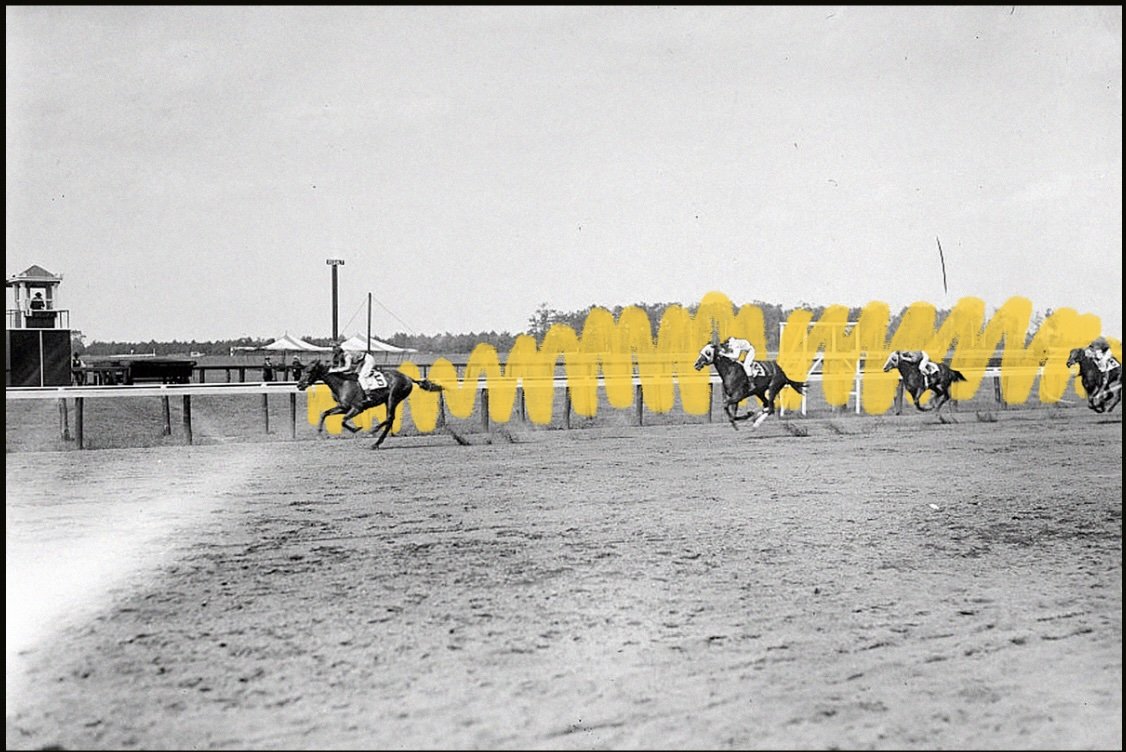
There’s nothing in the horse racing rulebook that says a dead person can’t win a race—which is exactly what happened to one Frank Hayes about a century ago. The 22-year-old, who had just made the jump from stable hand to jockey, had the misfortune of suffering a fatal heart attack while atop his faithful steed, Sweet Kiss, and the good fortune of finishing—and, because he didn’t fall off, winning—the race anyway.
The steeplechase (a race involving obstacles for the horses to jump over) took place on June 4, 1923, at the Belmont Park racetrack in Elmont, New York, and was the only race Hayes ever won. Given that Sweet Kiss had 20-1 odds, the victory would have been an impressive feat even if the ill-fated Hayes had been alive to enjoy it.
There are competing theories behind the cause of Hayes’ heart attack, with one newspaper suggesting he had overexerted himself trying to lose enough weight to qualify for the race. “He was confronted with the task of taking off nearly 10 pounds in 24 hours,” the Buffalo Morning Express wrote at the time. “This morning he spent several hours on the road, jogging off surplus weight. He strove and sweated and denied himself water and when he climbed into the saddle at post time he was weak and tired.” Others believe the thrill of the race was simply too much for the inexperienced rider to handle.
Though unconfirmed, it’s believed that Sweet Kiss never raced again—and earned the nickname “Sweet Kiss of Death.”
Source: Michael Nordine, historyfacts.com
Contributed by Jane Hart (via Steve Price)
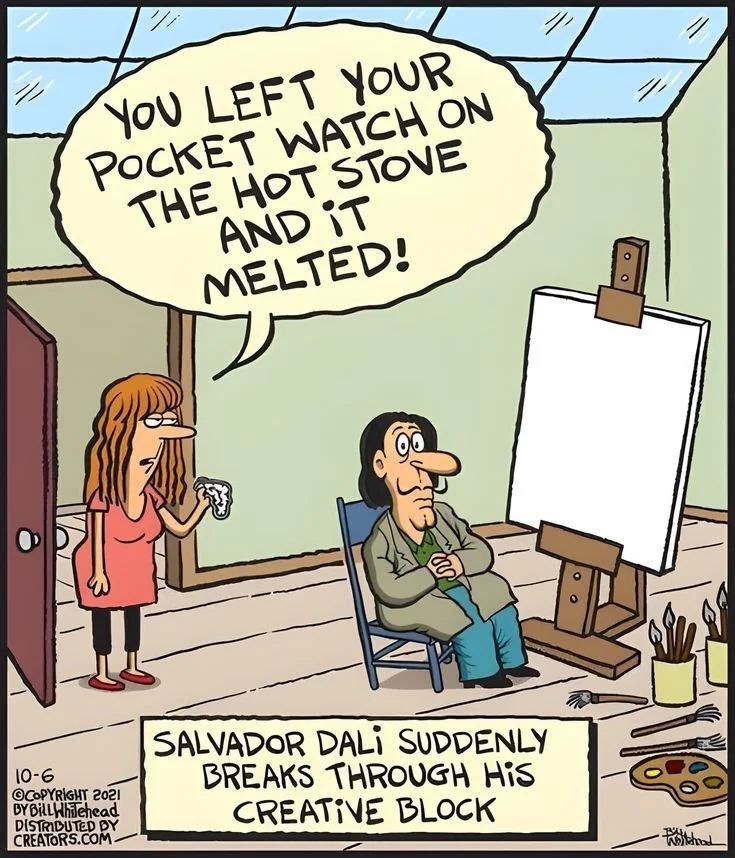
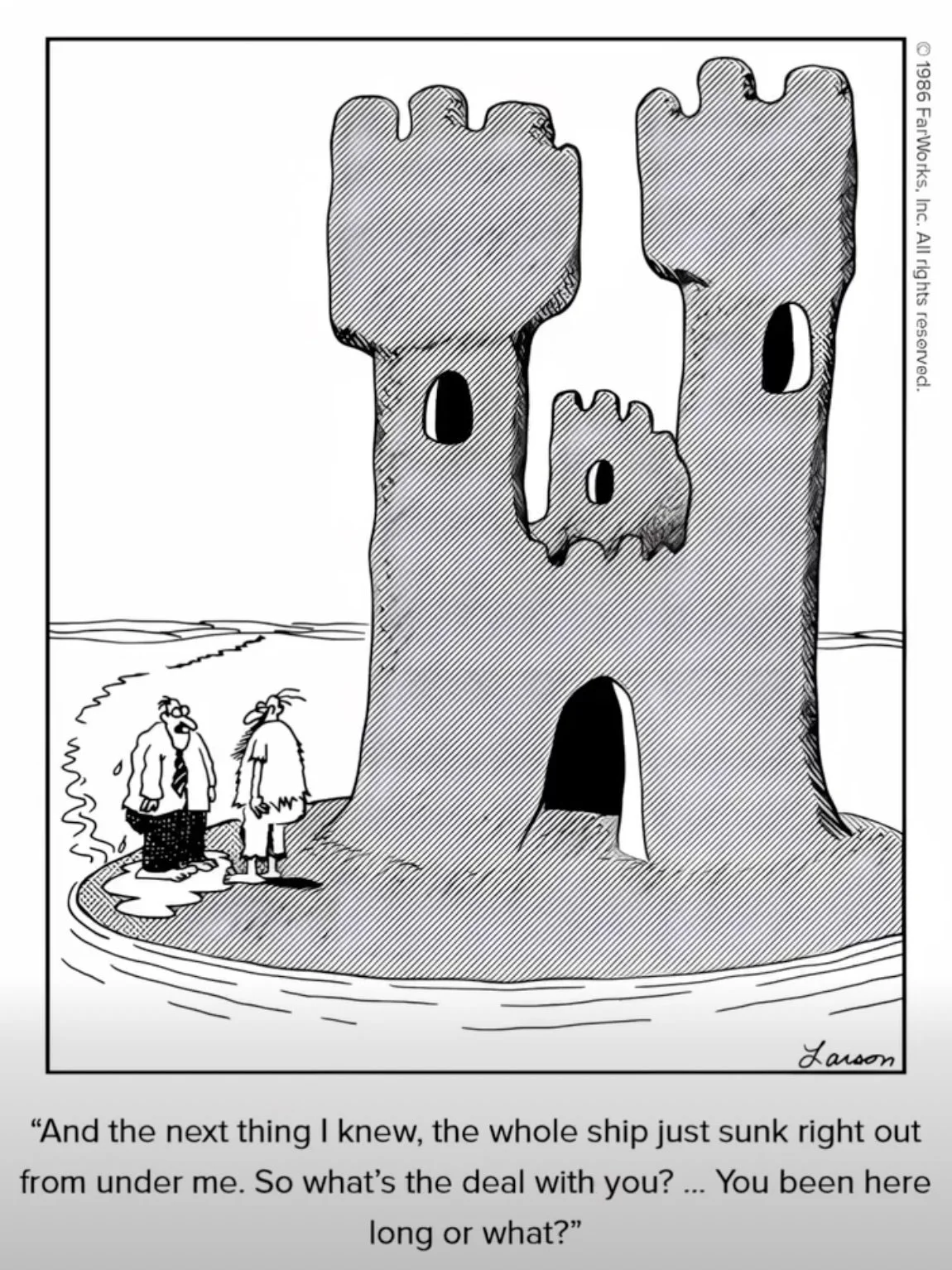

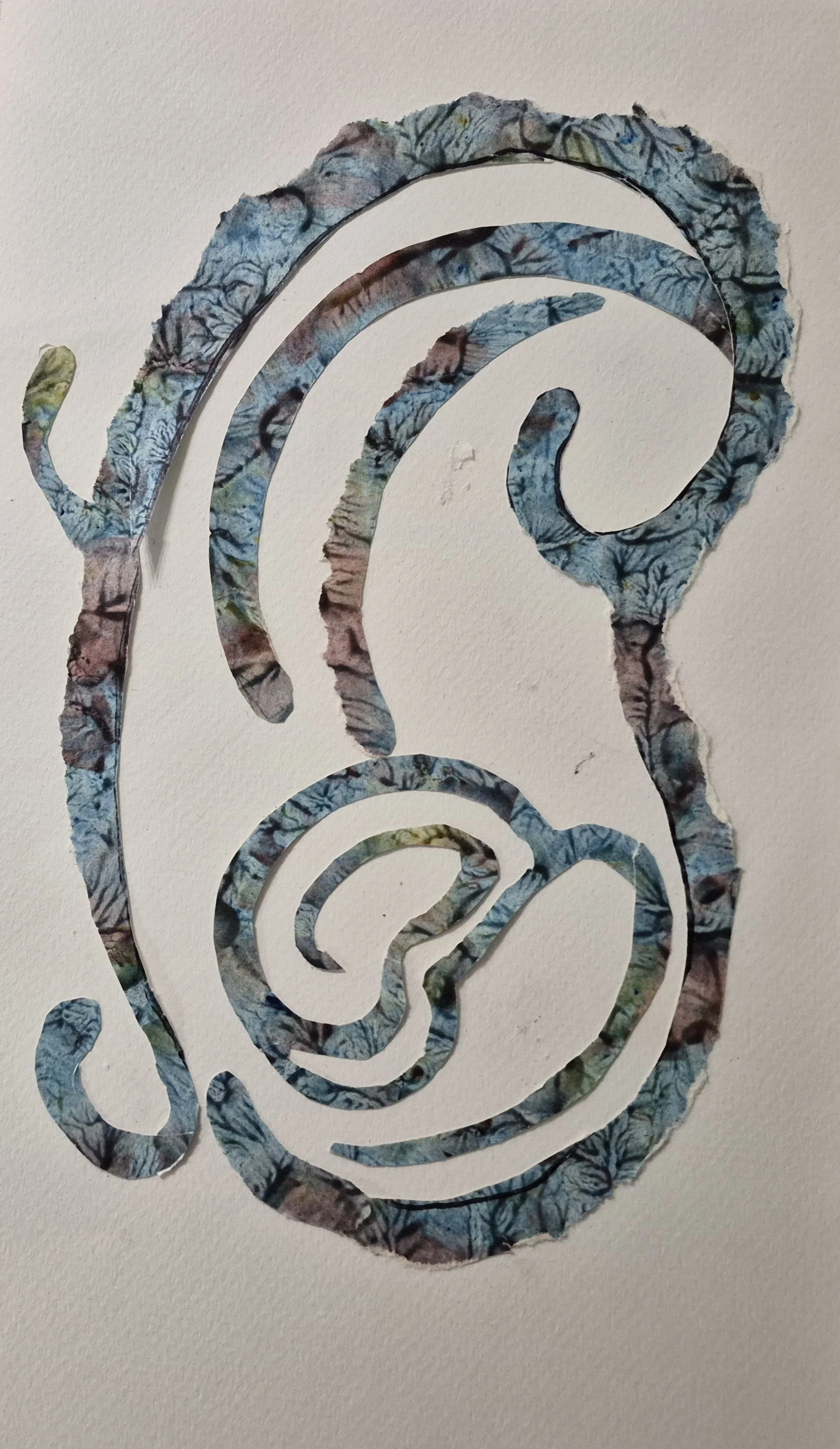
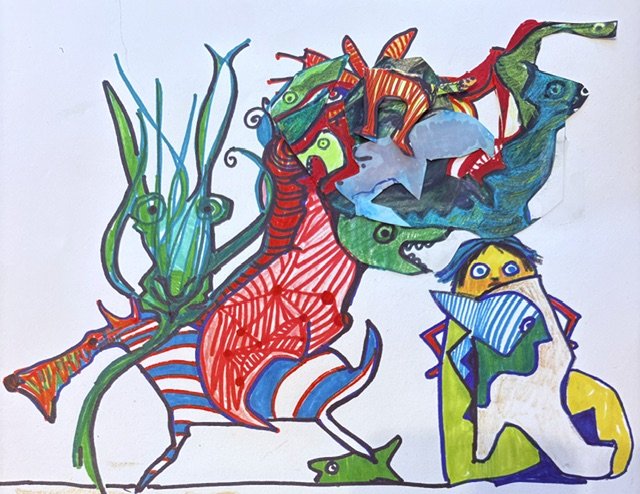
Art and photo by Sheila Benedis
It was clear that Bosworth couldn’t keep a secret

Mirsky couldn’t remember who he’d promised to call
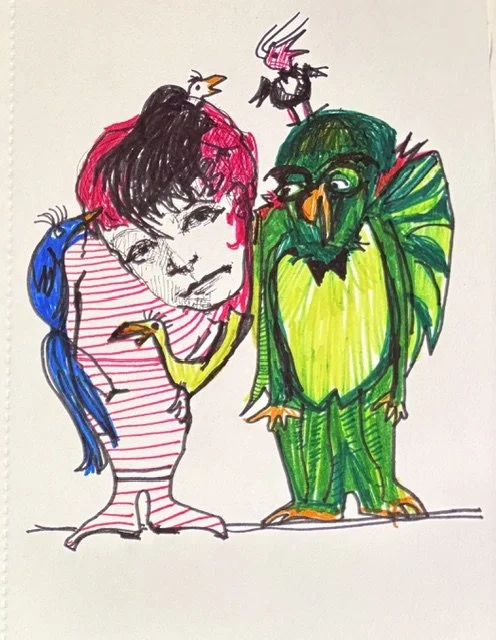
New in the neighborhood, Sadie and Phil misunderstood their “birding party” invitation
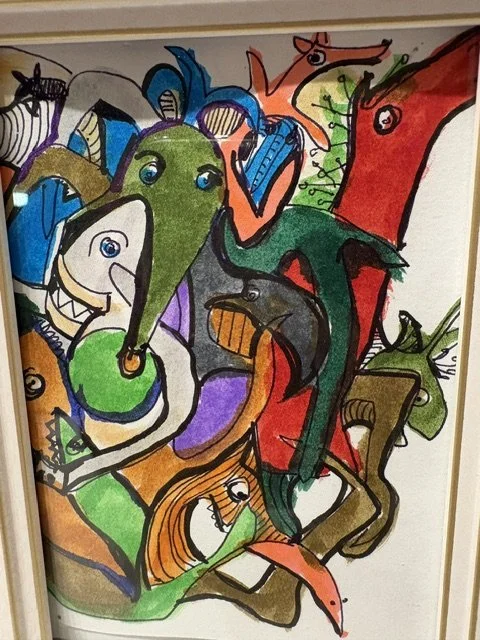
It seemed that all Judy’s dinner guests arrived at the same moment

Despite her careful facade, you could tell that Lavinia was down at the mouth
Art and photos by Jane Hart

Photo by Edward Kasinec

Photo by Ed Lannert
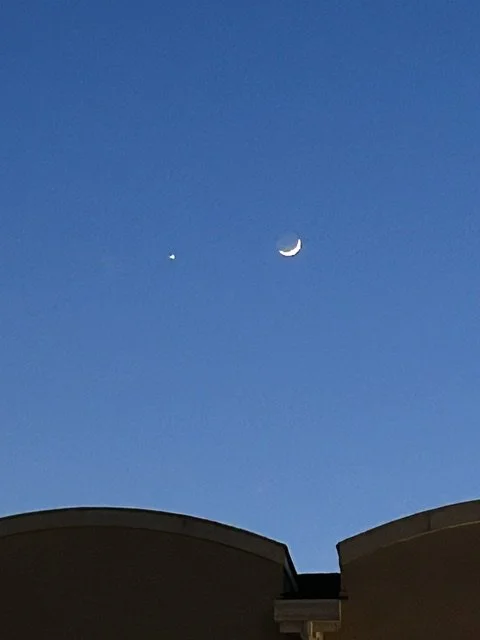
Moon over Kendal—and to the left: Venus, by Carolyn Reiss

Then, later that night, Jupiter—way in the upper left-hand corner—joined in the fun, by Lisa Rosenbloom

Calm before the storm, by Edward Kasinec

Beauty after the storm, by Edward Kasinec

Who, me?! by Carolyn Reiss

Crystal-clear Beauty, by Carolyn Reiss

Green streamers, by Edward Kasinec

Photo by Carolyn Reiss

Photo by Greg Lozier
The flowers that bloom in the spring! Tra La! Were exactly what Linda Edwards (the photographer here), Claire Tenny, and Lane Mauer went to see recently at the NY Botanical Garden. The new “Flower Power” exhibit in and around the Haupt Conservatory, encourages visitors to wander through psychedelic flower displays and art installations that evoke the free-spirited heart of the 1960s peace and love movement. Elsewhere in the Garden, classic VW buses, colorfully decorated, offer the perfect photo op.

Photo by Linda Edwards
Recently, The NY Times ran an Opinion piece by an adult child of elderly parents, decrying their lack of planning for the final stages of living, anticipating all the dire things that can happen to those of us “of a certain age.” (You can read it by clicking here.) Our very own Barbara Bettigole responded with an excellent letter to the editor published a few days later. In case you missed it, here it is:
To the Editor:
Lack of planning is only part of the problem for the elderly. Fear of the dreaded old people’s home is very common among those who are determined to die in their own homes. What is needed is a more positive view of the options for us seniors.
Developing attractive, safe, affordable, well-supervised living places, such as continuing care retirement communities, is a far better option than sitting in a chair watching TV, waiting for the Meals on Wheels delivery.
I moved to a C.C.R.C. from a private house, where I had no close neighbors and no public transportation. Here I have my own space, friends, activities, meals, transportation and access to help in emergencies.
Which is better?
Barbara T. Bettigole
Sleepy Hollow, N.Y.


New RAO Workroom

New Terrace Entrance Doors

New Glass Wall in the Pool Area Down the New Hallway
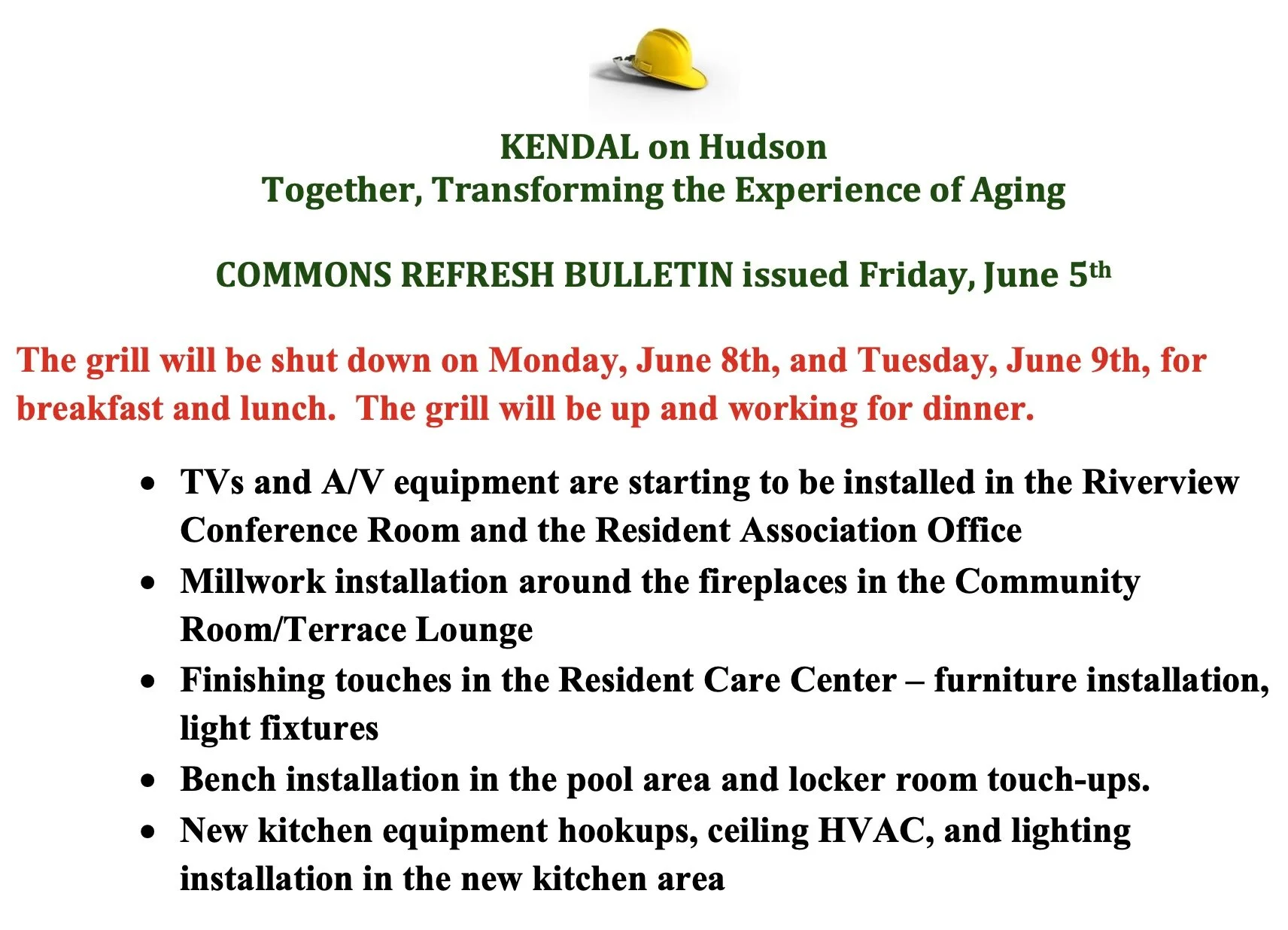
From the Office of Ellen Ottstadt
© Kendal on Hudson Residents Association 2015, 2016, 2017, 2018, 2019, 2020, 2021, 2022 all rights reserved. Please do not reproduce without permission.
Photographs of life at Kendal on Hudson are by residents.