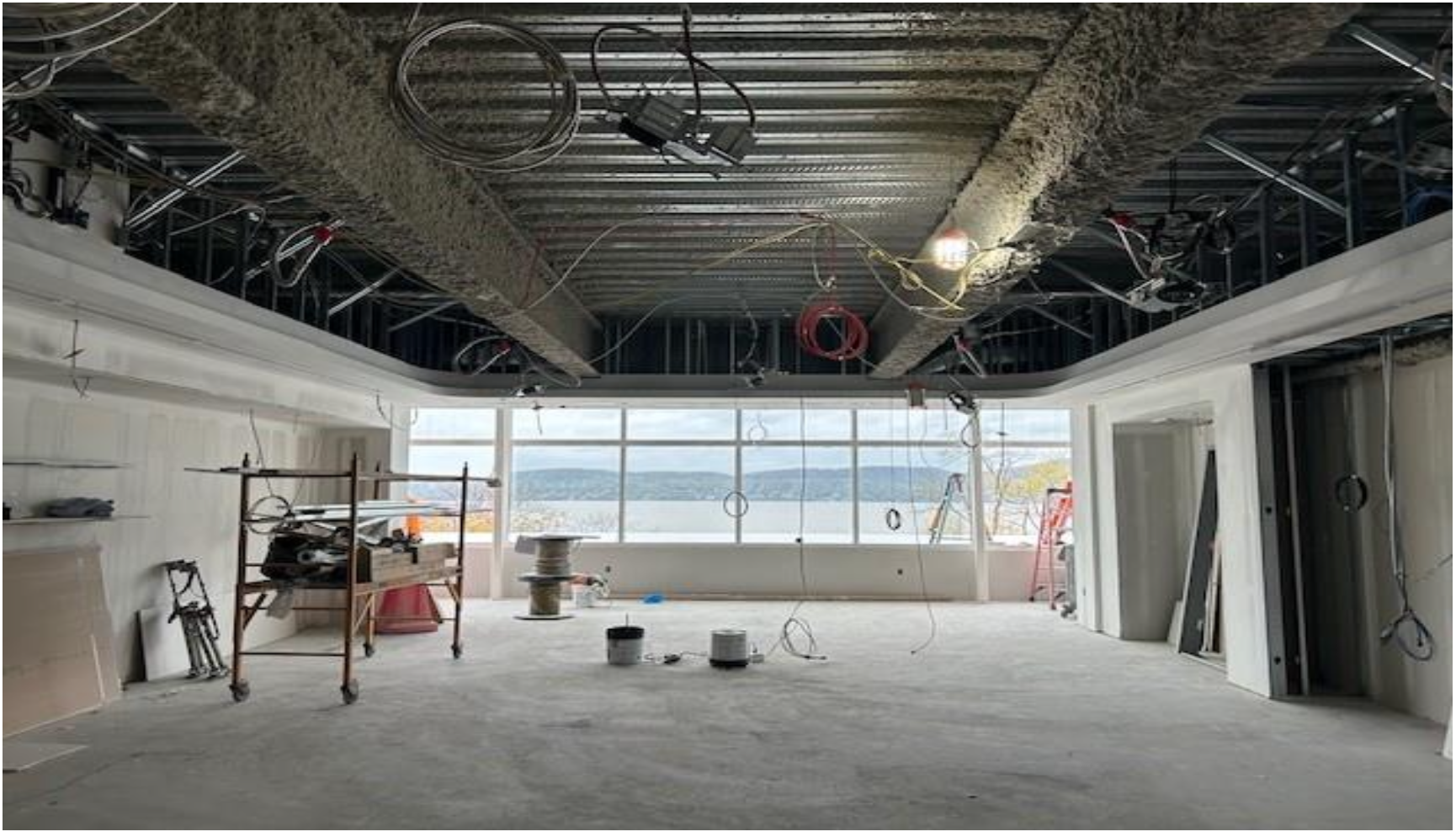
New Windows in the Dining Area
New Windows in the Community Room
From the Office of Ellen Ottstadt

New Windows in the Dining Area

New Windows in the Community Room
From the Office of Ellen Ottstadt
The Spring Fling had Kendalites rockin’ and a-reelin’ in the Gathering Room April 25. And such moves!

Line dancing to music and all those colored lights

Gettin’ Down!


Jorge can’t help but join in


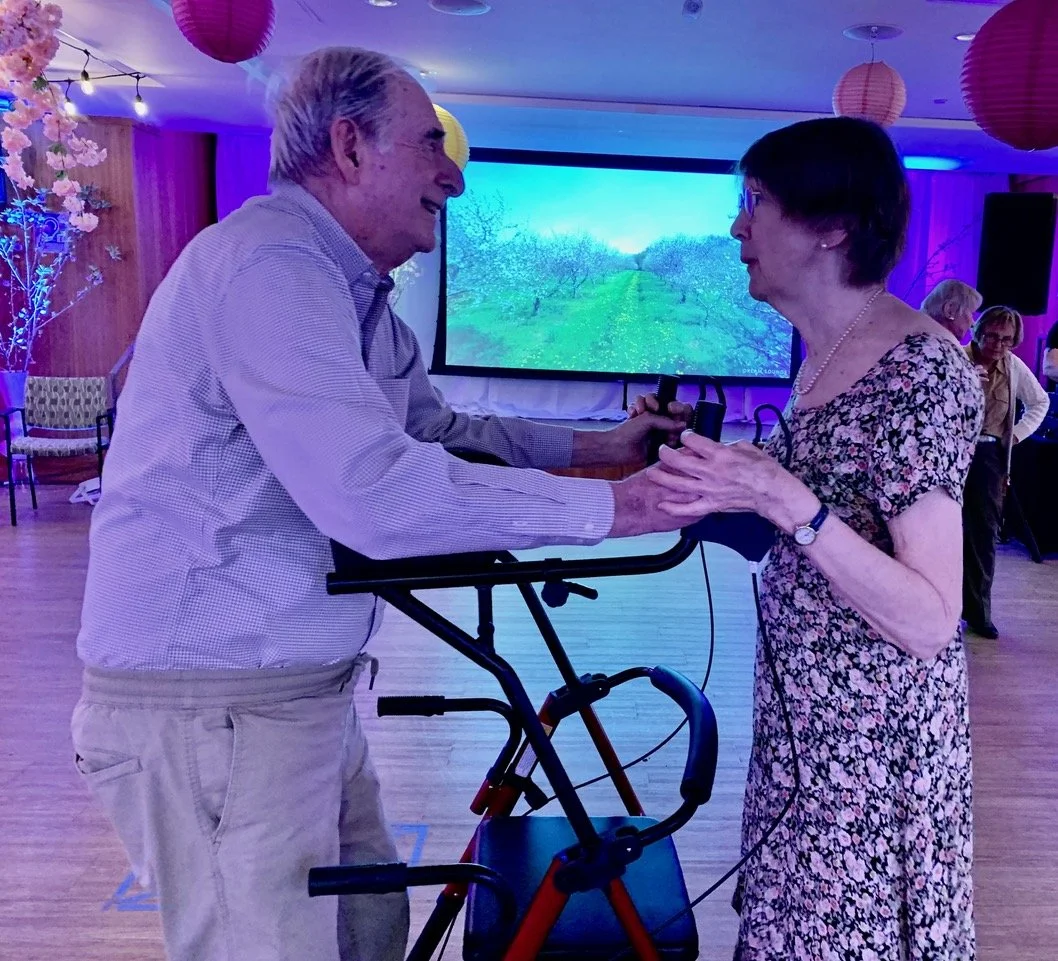
The Romance of Dance
Photos by Harry Bloomfeld
Polo is the game of kings. Fine. Canasta is much more: a game of luck, skill, and—most important of all—fun!
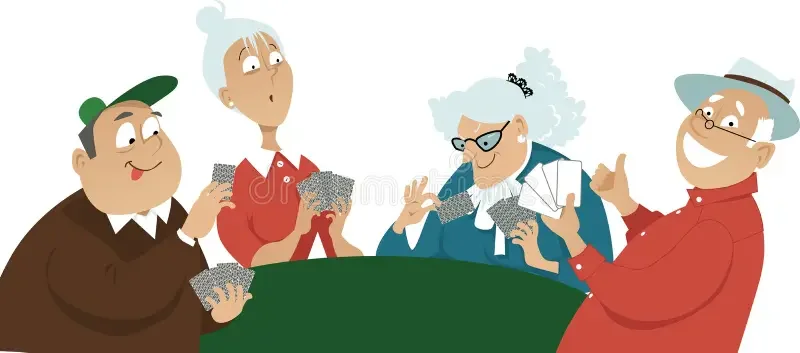
The Kendal Canasta contingent meets Mondays at 3:00 in the Bistro.
Sure, sure, you played Canasta with your grandparents, lo, all those decade ago. Well, hold onto your hat ‘cause this ain’t your granddad’s canasta any more.

Today’s game is called “Modern American Canasta” with new rules and new strategies.
Don’t know how to play? No problem: we’ll teach you. We’re patient and kind instructors.
Know how to play? Come join us!
No cut-throat urges in this group. We encourage and help beginners at all levels. Chat and play at the same time. Enjoy each other’s company.
Want to learn to play? Contact Donna Nye at x1804 (not after 9:00 pm, please) or email: dnye@verizon.net.
“Music is forever.” Thus spake Paul Simon. Join the Forever with Kendal’s own folk-song group: Roots and Rhythm!

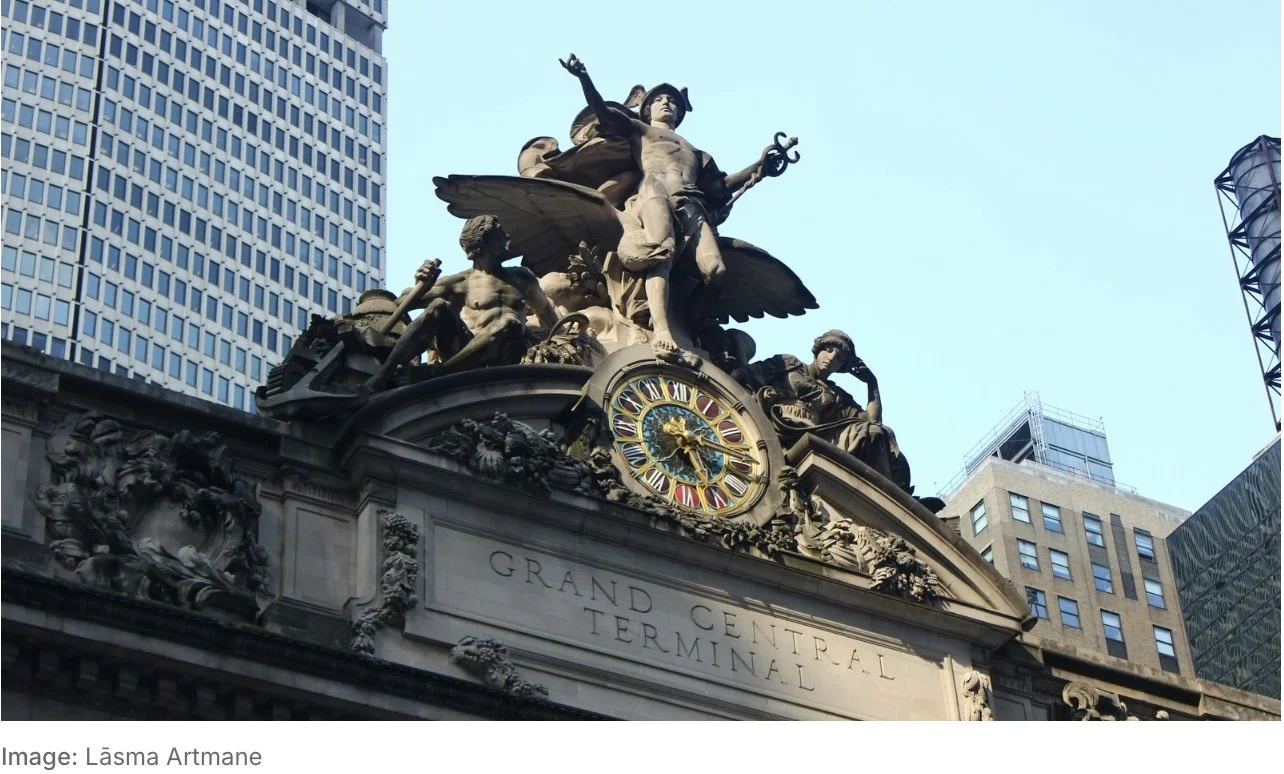
Ever since its public opening in 1913, Grand Central Terminal has been a living piece of New York history. Millions of travelers pass through its marble halls each year, but few realize just how many surprises hide behind those iconic clocks and grand archways. From secret tunnels to a bar tucked inside an old tycoon’s office, Grand Central holds more than a century’s worth of hidden stories waiting to be uncovered. Let’s take a closer look.
1 A bar hidden in plain sight
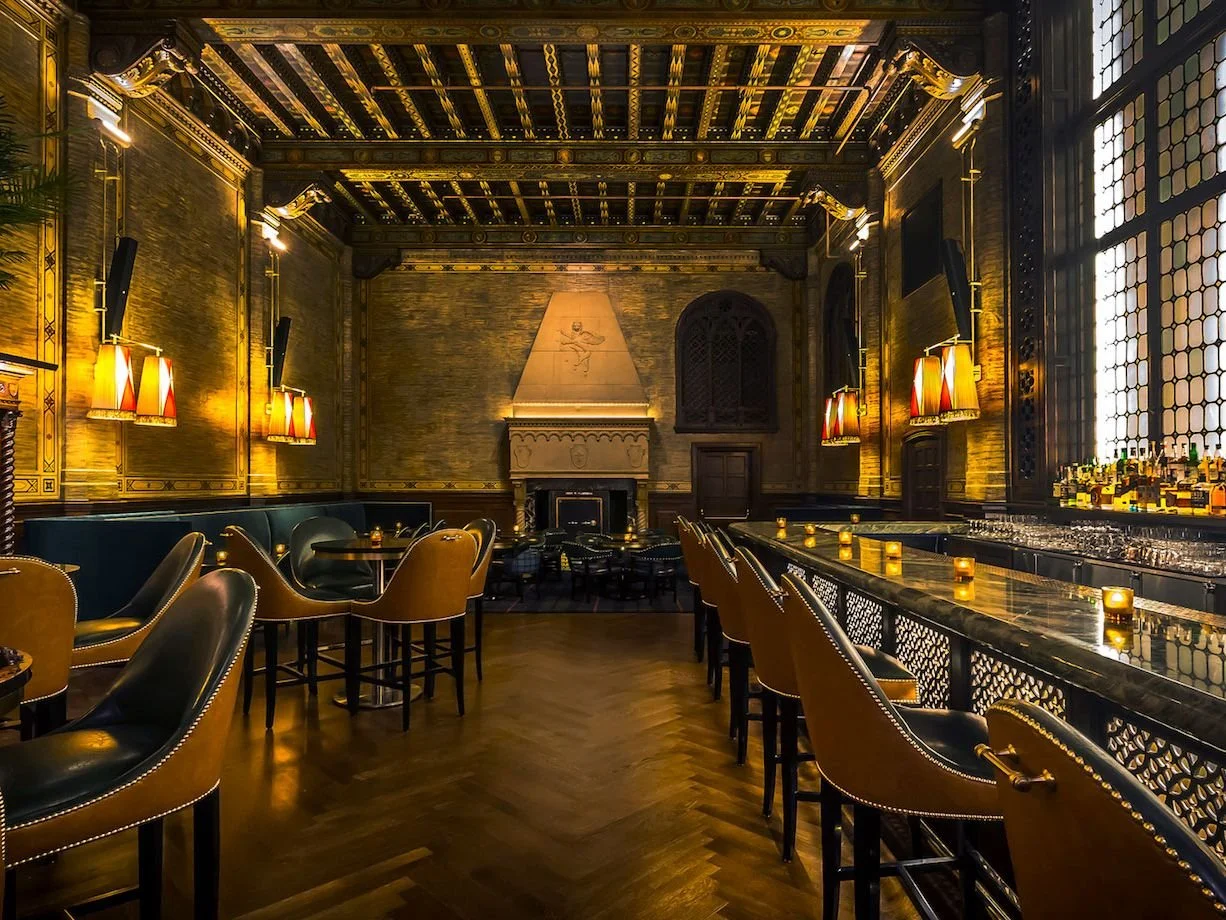
Most visitors know the famous Oyster Bar, but few stumble upon The Campbell, an elegant lounge tucked inside Grand Central. Originally the office of 1920s finance tycoon John W. Campbell, this spot sat forgotten for decades until 1999, before being restored to its former Jazz Age glory. Step inside today, and you’ll find velvet couches, grand rugs, and cocktails that make you feel like you’ve time-traveled back to the roaring 1920s.
2 Two clocks worth a fortune?
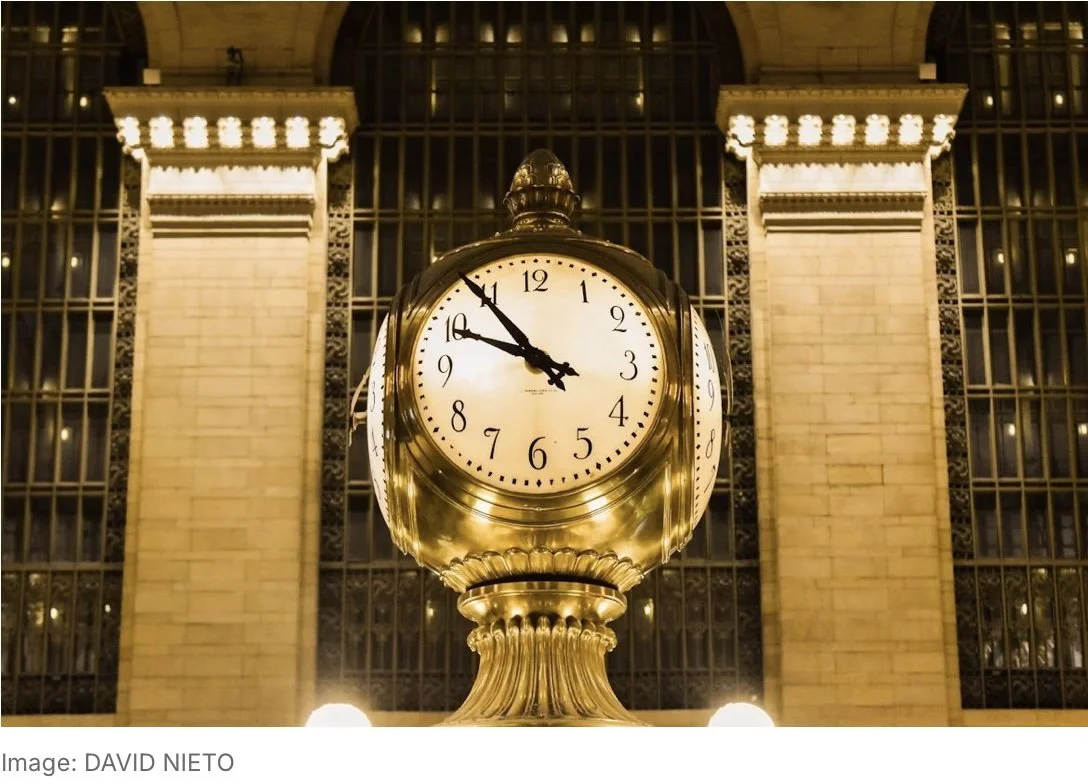
Grand Central has one of the most valuable clocks in the world, although there’s a myth that says there are two. The Tiffany clock outside towers 14 feet across, framed by Roman gods carved in stone. This clock is worth around $20 million. Inside the terminal, the four-faced opal clock crowns the information booth. Contrary to popular belief, this clock was not made of an actual opal, but out of opal glass, so there’s nothing priceless about it.
3 Hidden oaks and acorns
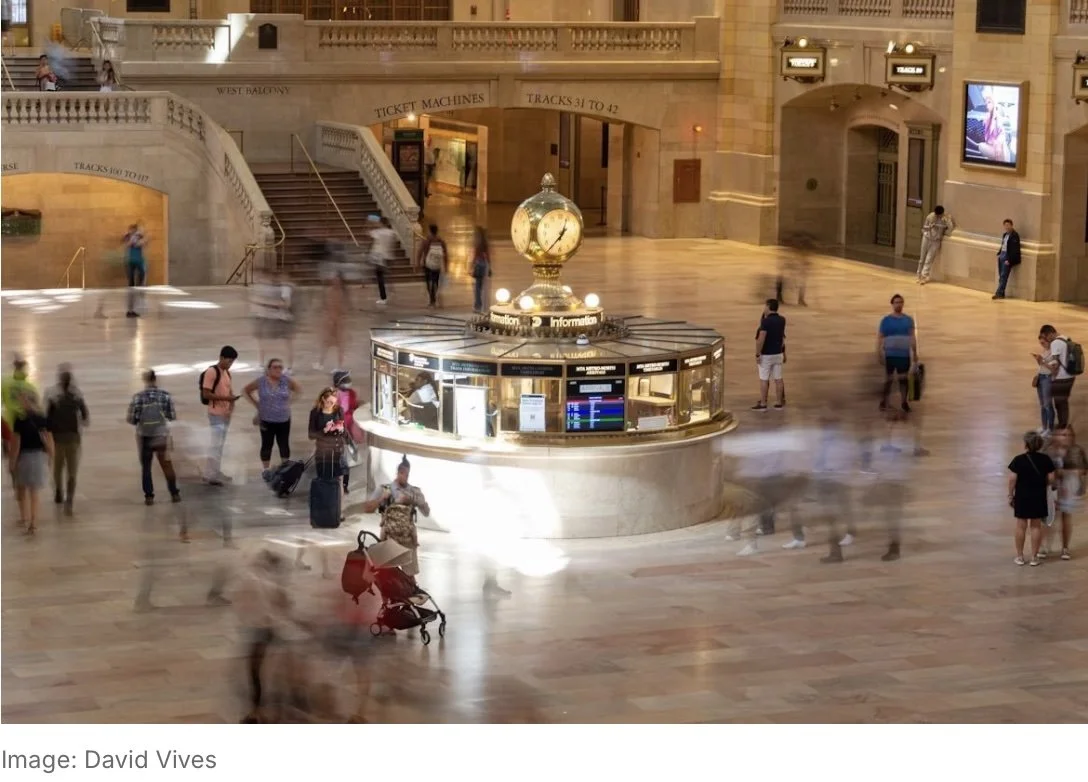
Take a closer look around, and you’ll start spotting oak leaves and acorns carved into chandeliers, railings, and stonework. These aren’t random designs. They’re a nod to the Vanderbilt family’s symbol: The acorn. The family funded the terminal’s construction in 1871 and wanted everyone to know it. Now, their family symbol quietly decorates every corner of their legacy.
4 The mysterious whispering gallery
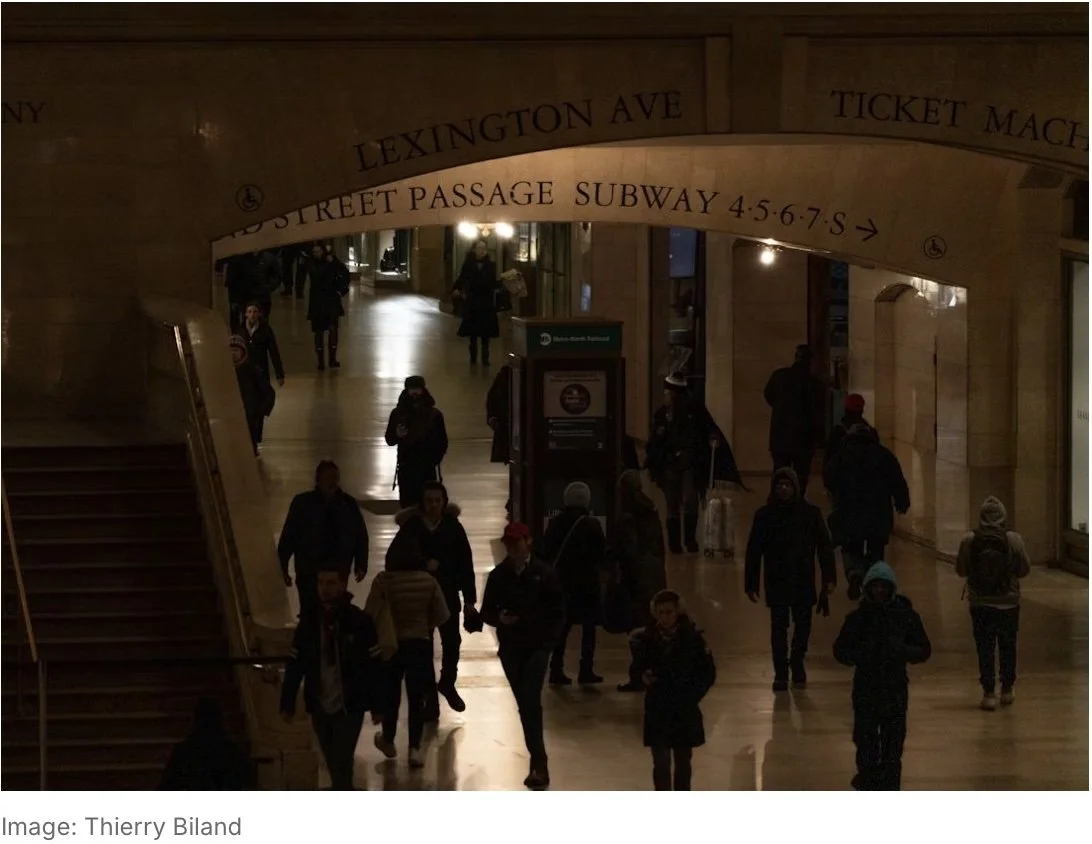
If you whisper into one corner of the tiled archway near the Oyster Bar, someone standing diagonally across can hear you perfectly. The “Whispering Gallery” is one of Grand Central’s quirkiest secrets. The Guastavino tiles that make up the arched ceiling carry sound in an odd way, creating an intimate little magic trick—though no one really knows whether it was designed that way or just a happy accident.
5 A sky painted backwards
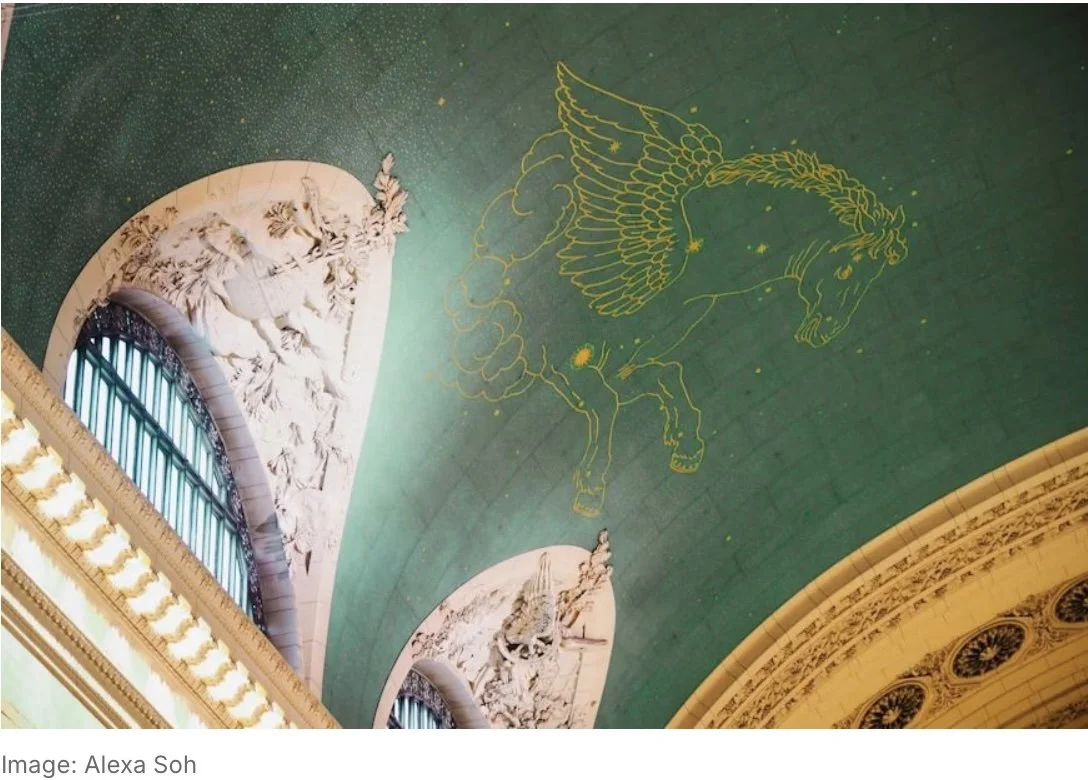
Look up, and you’ll see the breathtaking celestial mural that covers the concourse ceiling. But here’s the kicker: the constellations are painted backwards. Whether it was a mistake or an artistic choice remains debated, but the Vanderbilts claimed it was intentional—to give us the '“divine perspective” of looking down at the heavens. Either way, it’s still one of the most photographed ceilings in the world.
6 Game, set, match—inside a train station
If you think tennis in a train terminal sounds impossible, think again. The Vanderbilt Tennis Club, perched on Grand Central’s fourth floor, is open to the public. You can book a court, take a lesson, or just peek inside to see this unexpected slice of luxury tucked away above the bustling commuters below.
7 Secret Walkways above the windows
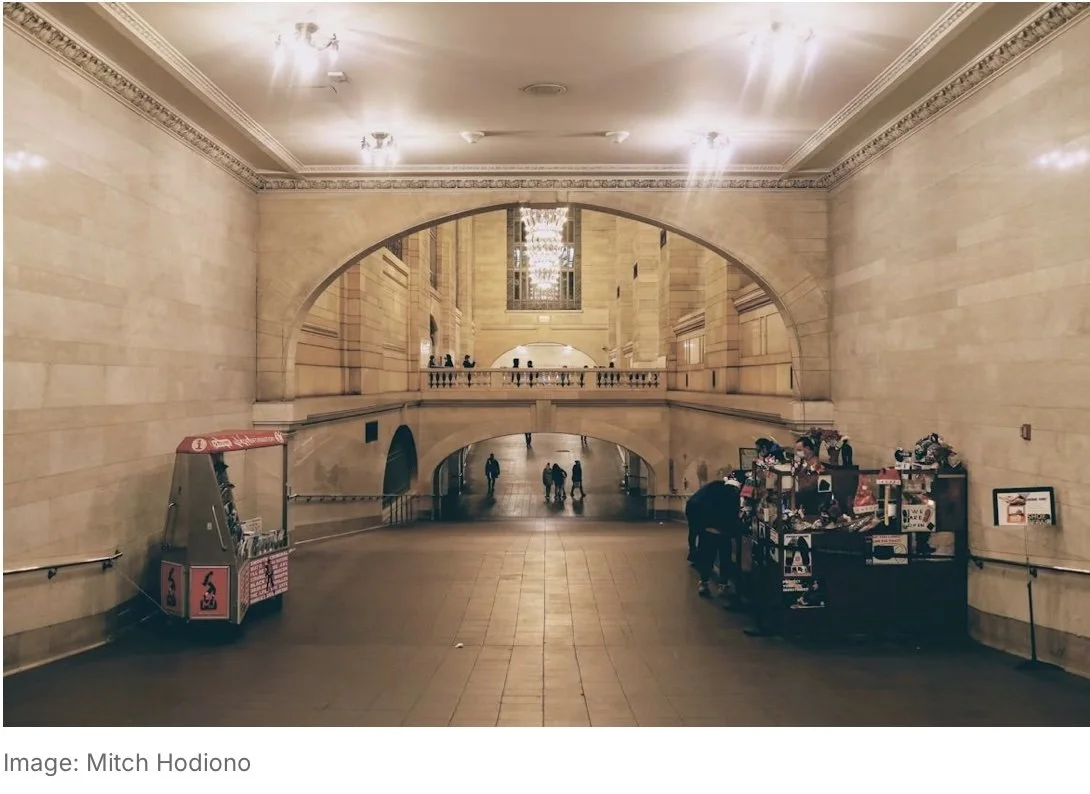
Those grand arched windows in the main concourse aren’t just decorative; they hide narrow walkways used by staff to move unseen between offices. These catwalks give a bird’s-eye view of the terminal, though they’re strictly off-limits to the public. Only a select few with key passes get to experience the view from up there.
8 A hidden entrance to the Waldorf
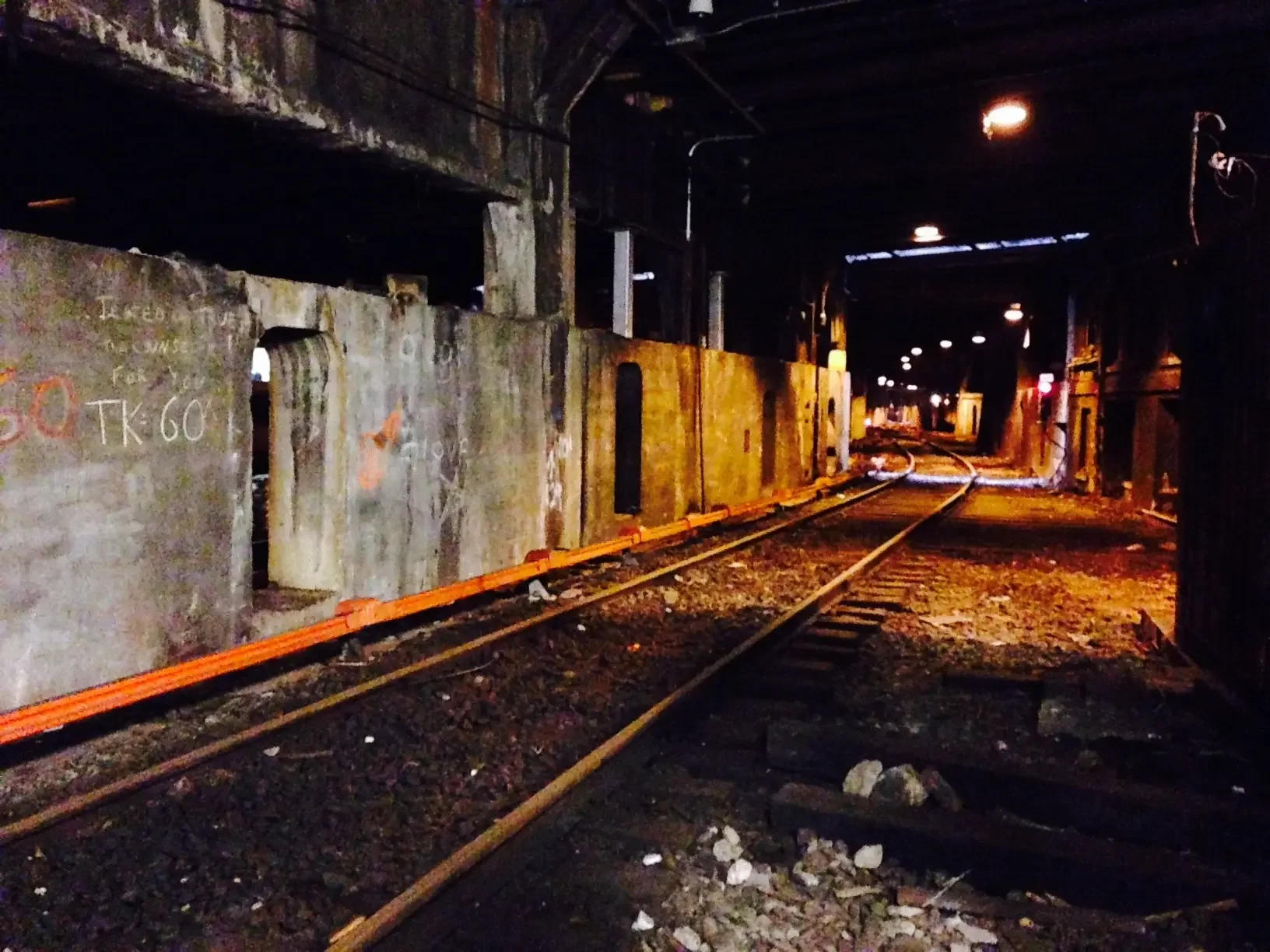
Deep beneath Grand Central lies Track 61, a secret passage that once connected directly to the Waldorf Astoria Hotel. It was used by VIPs who preferred to travel without public attention—most famously, President Franklin D. Roosevelt, who used it to conceal his polio and wheelchair from the public eye. Today, it’s sealed off, but the legend remains.
9 Almost lost to the wrecking ball
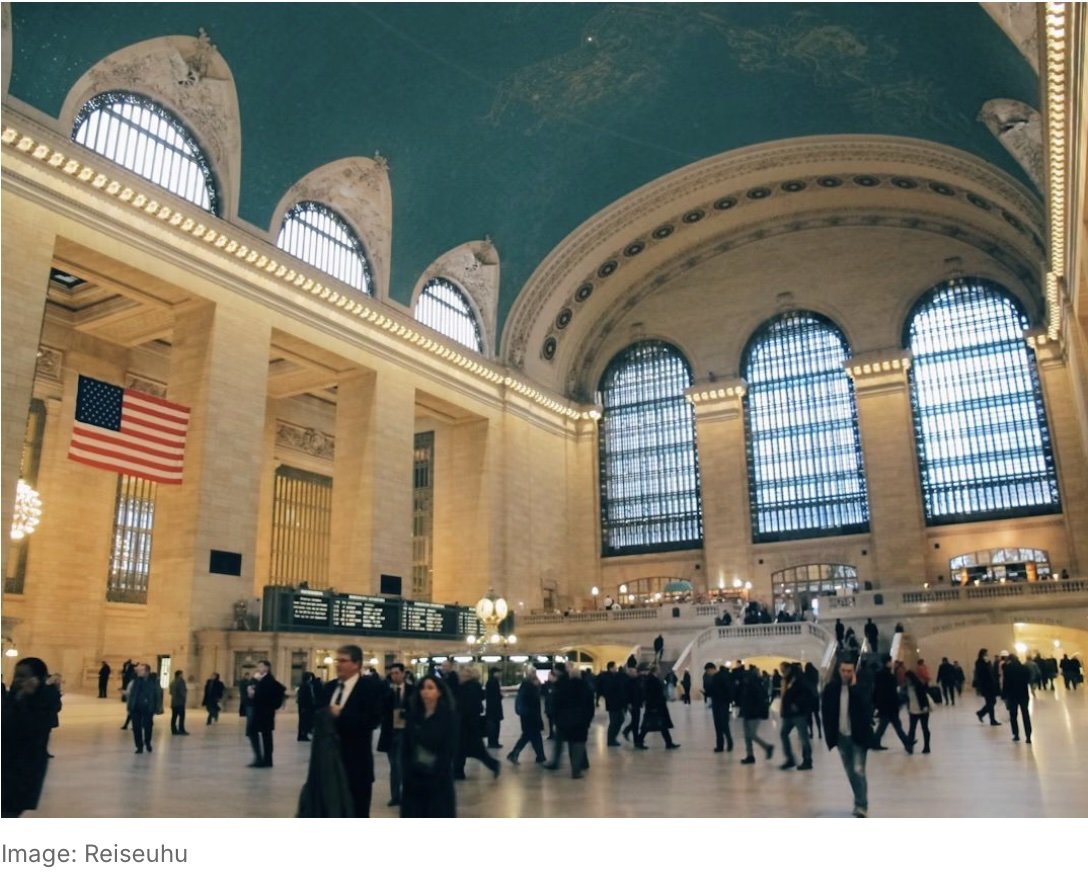
In the 1960s, plans were made to tear down Grand Central and replace it with skyscrapers. After the destruction of Penn Station in 1963, New Yorkers were not having it. Thanks to the efforts of preservationists, Grand Central was saved and officially declared a landmark in 1967. Their fight ensured we could still enjoy one of the city’s true architectural gems.
10 A 21st-century makeover
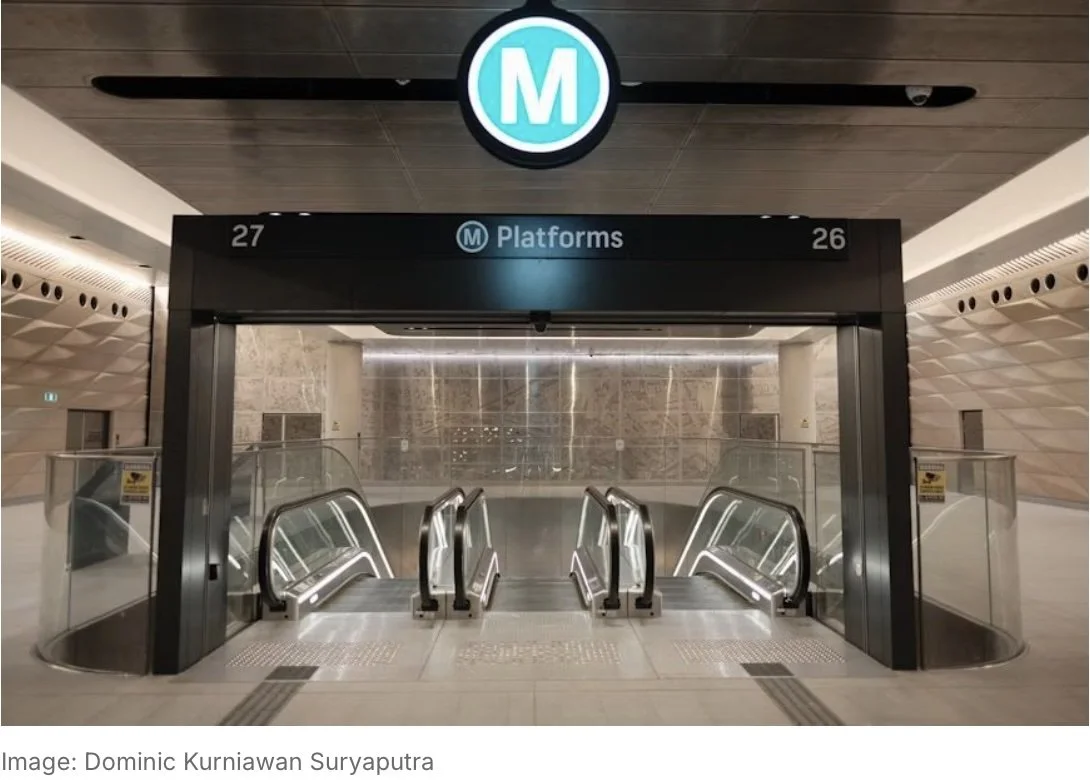
While much of Grand Central dates back to 1913, its evolution continues. The massive East Side Access Project, completed in 2023, added a new terminal for Long Island Rail Road passengers, complete with 40 miles of new track buried beneath Park Avenue. It’s a modern expansion of a century-old masterpiece.
Source: theamericanfacts.com

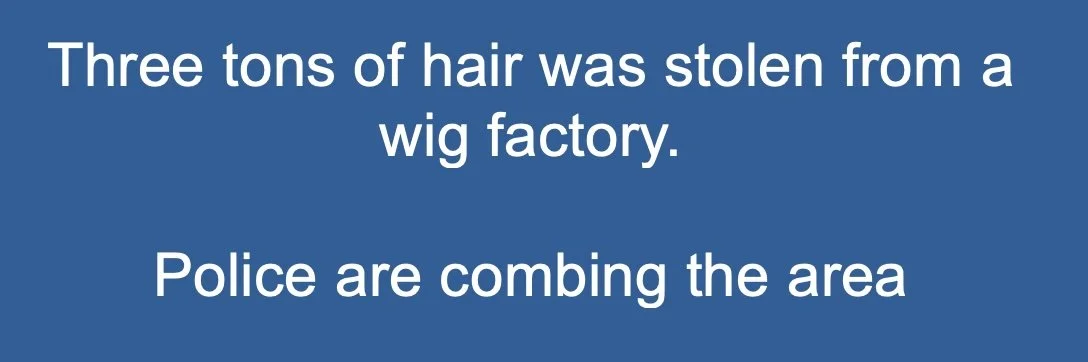
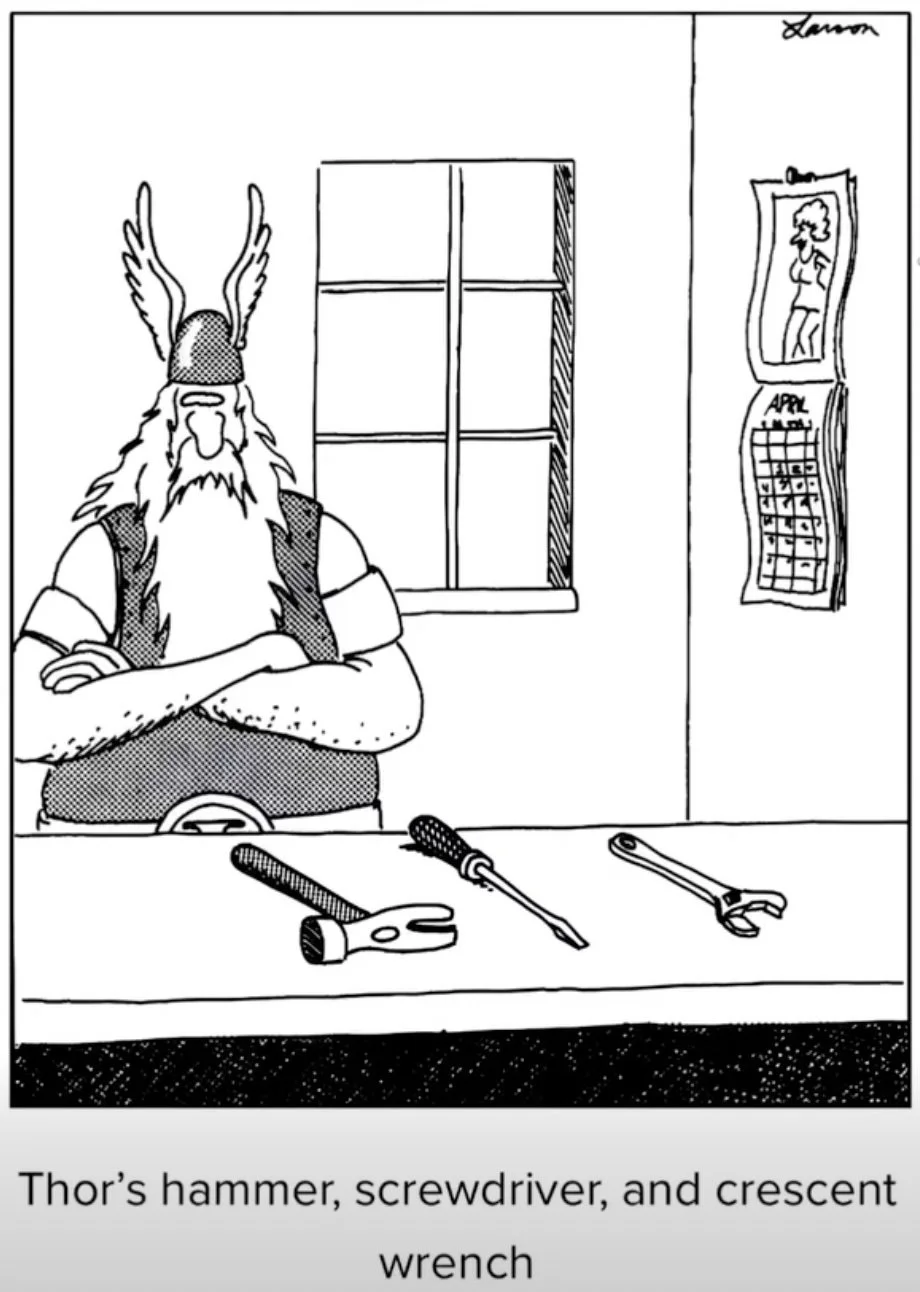
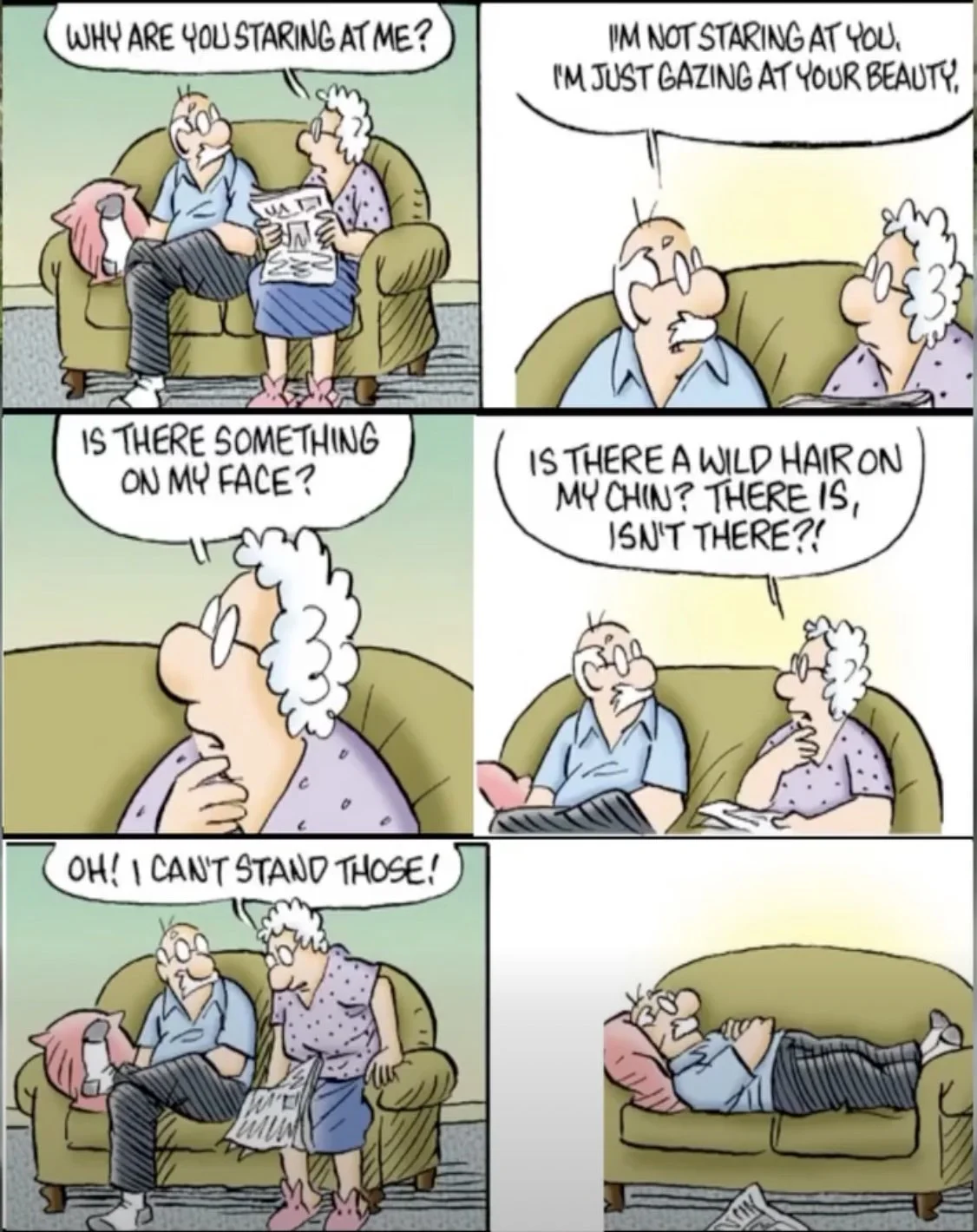
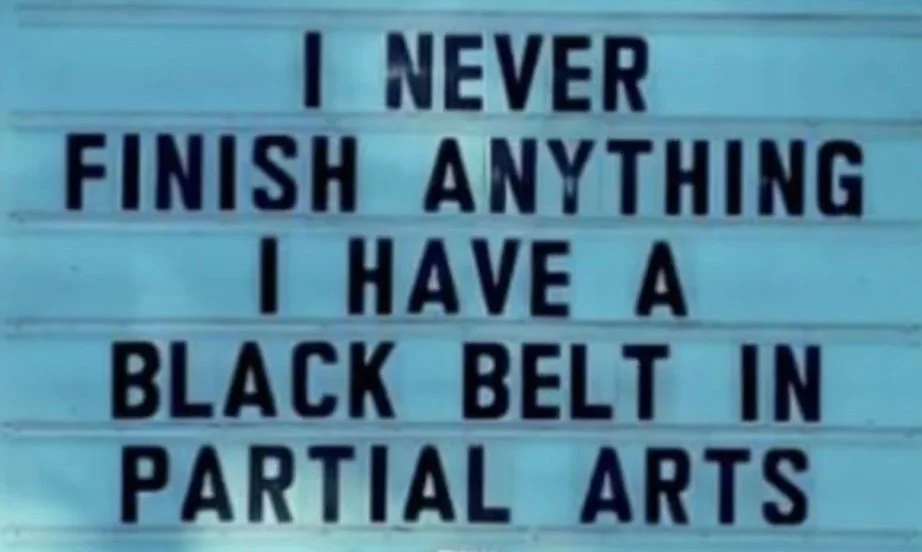
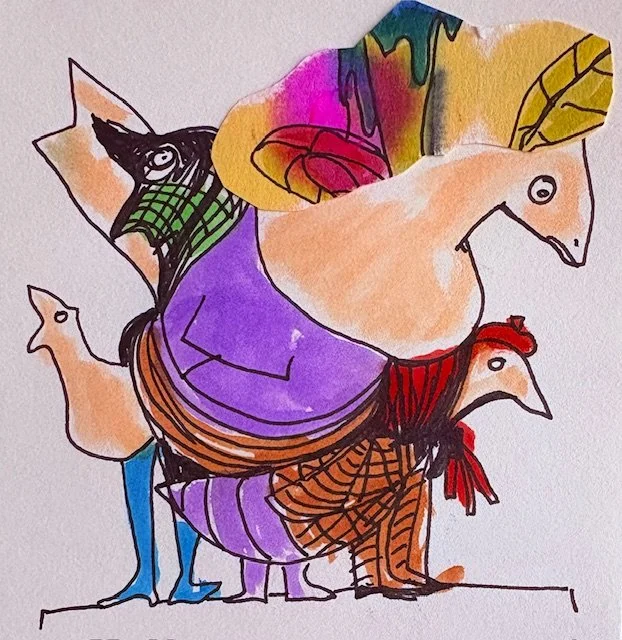
It was the beloved folk opera that nobody actually understood
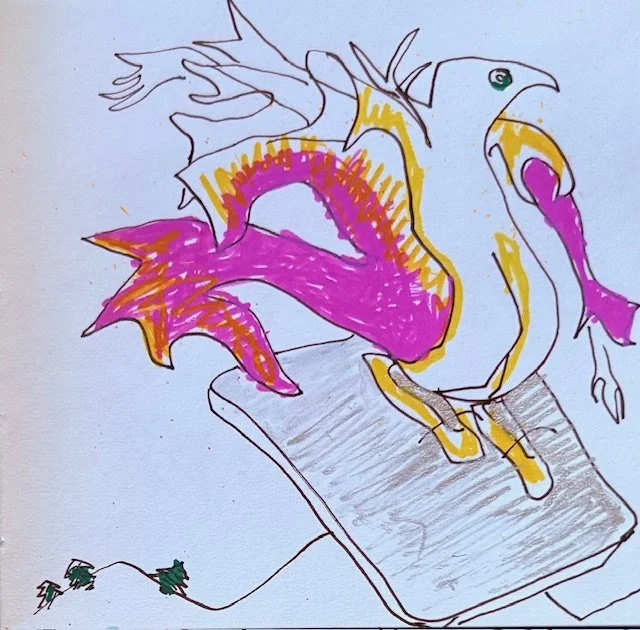
The late snow gave Hatcher one more run
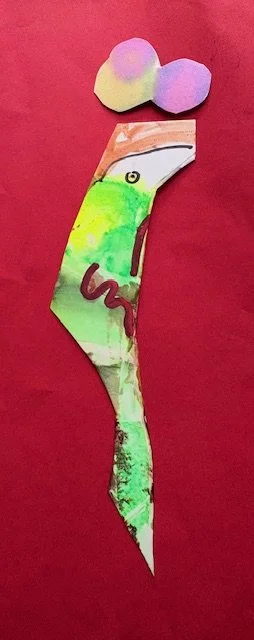
Laird-Muskin had a couple of things on his mind
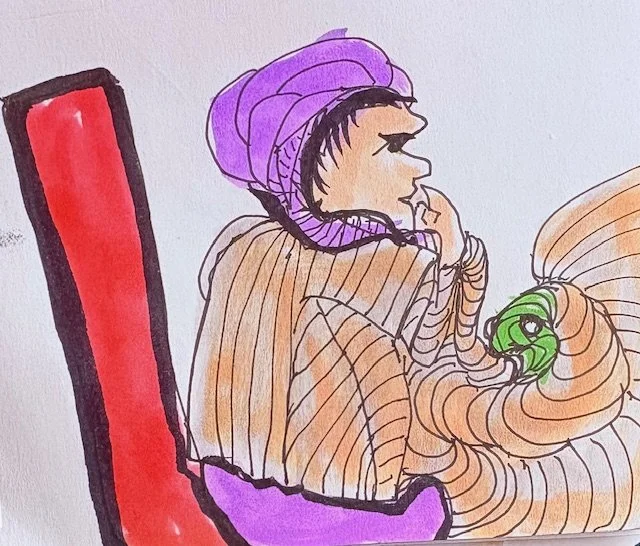
Mavis hoped she’d gotten Tootsie to the Vet in time
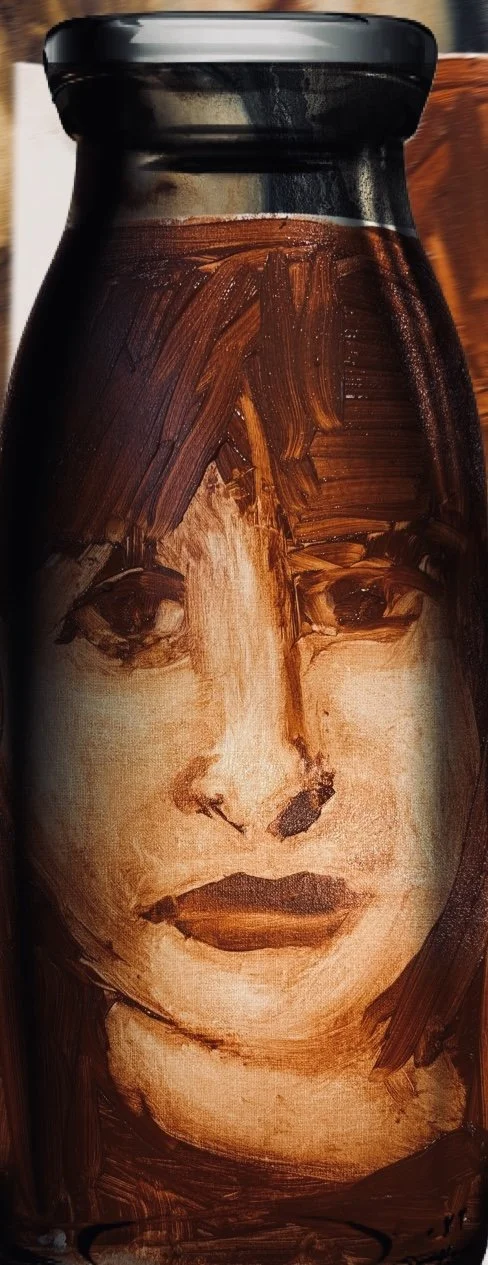
Trudie was so bubbly, they bottled her
Art and photos by Jane Hart
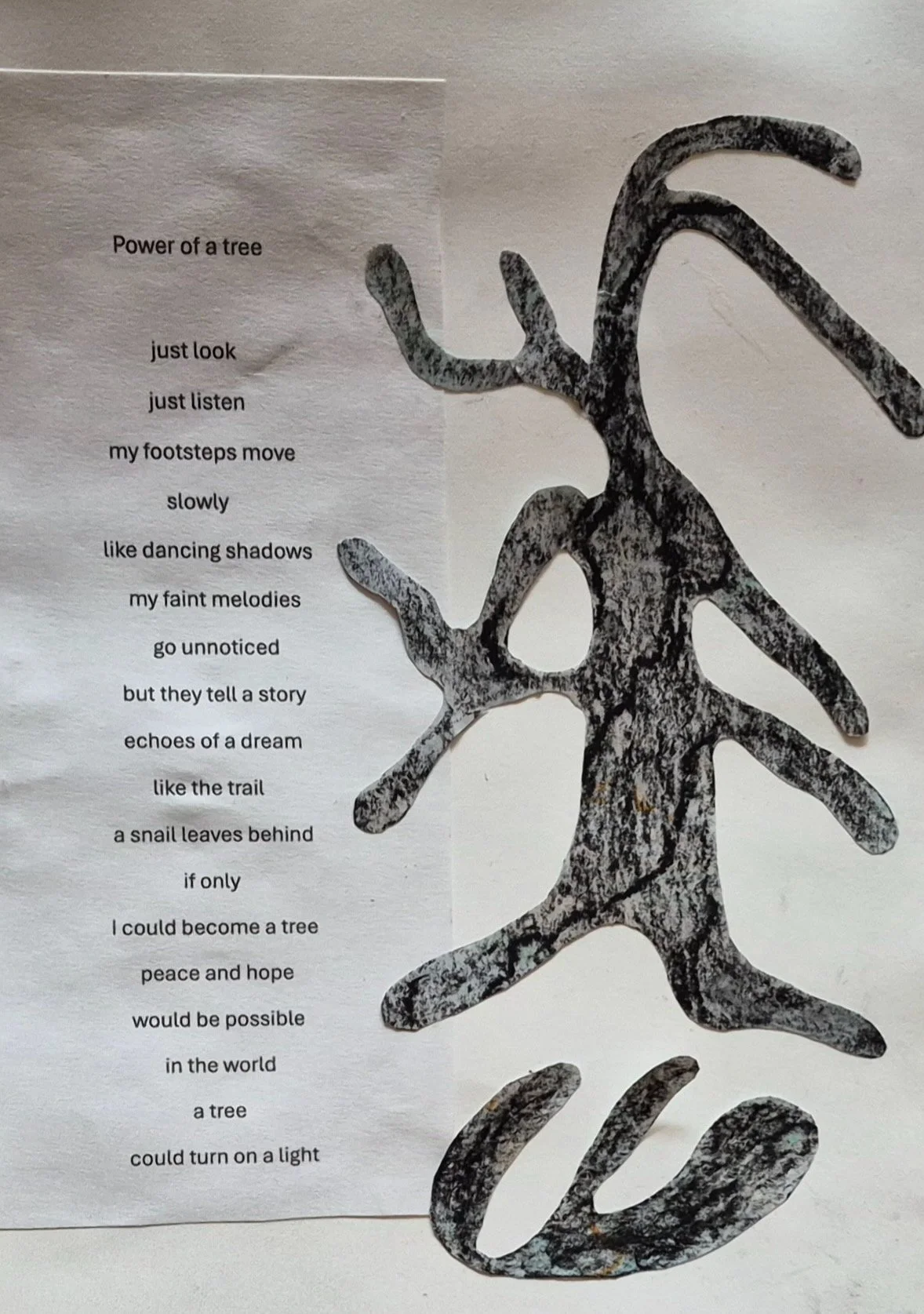
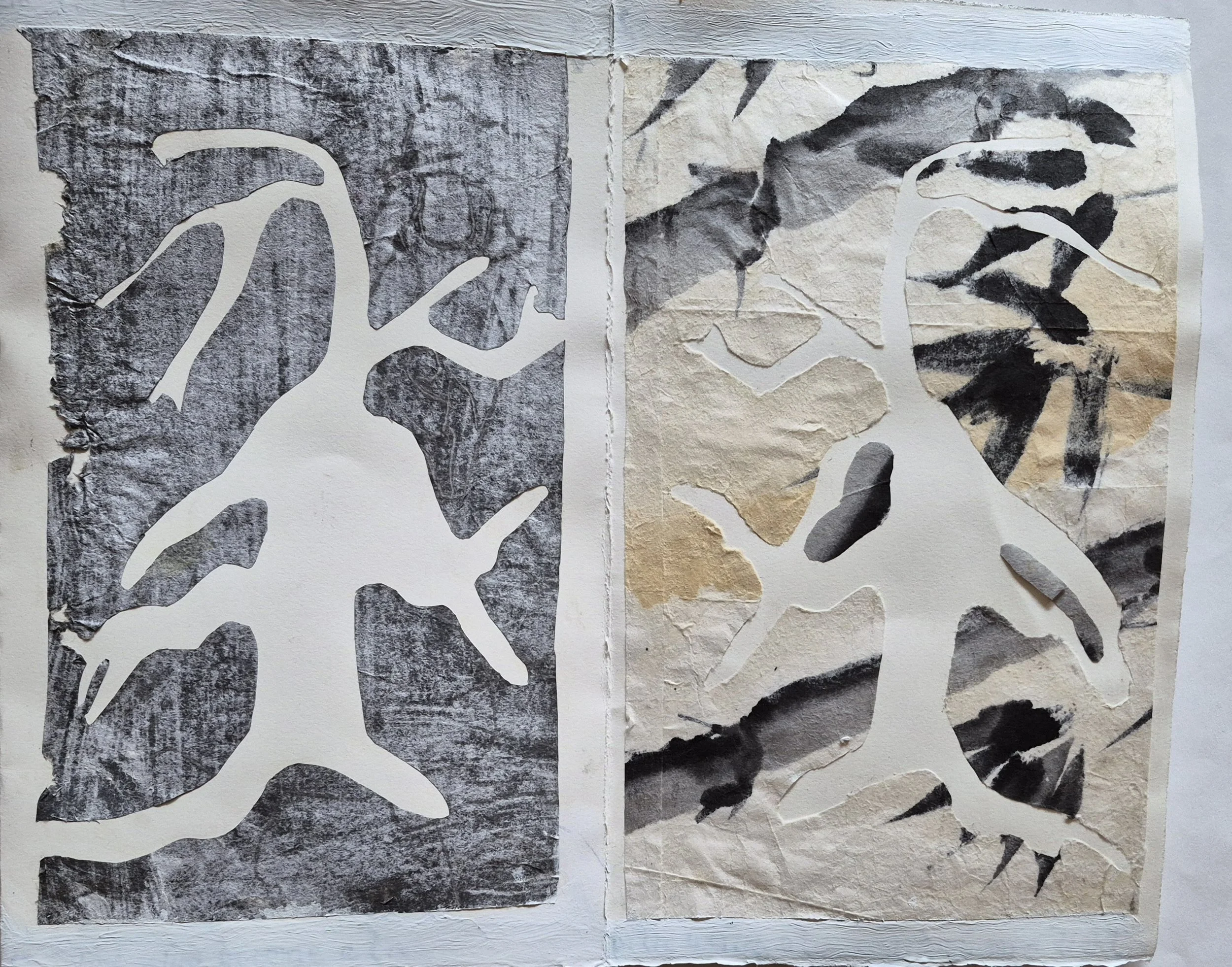
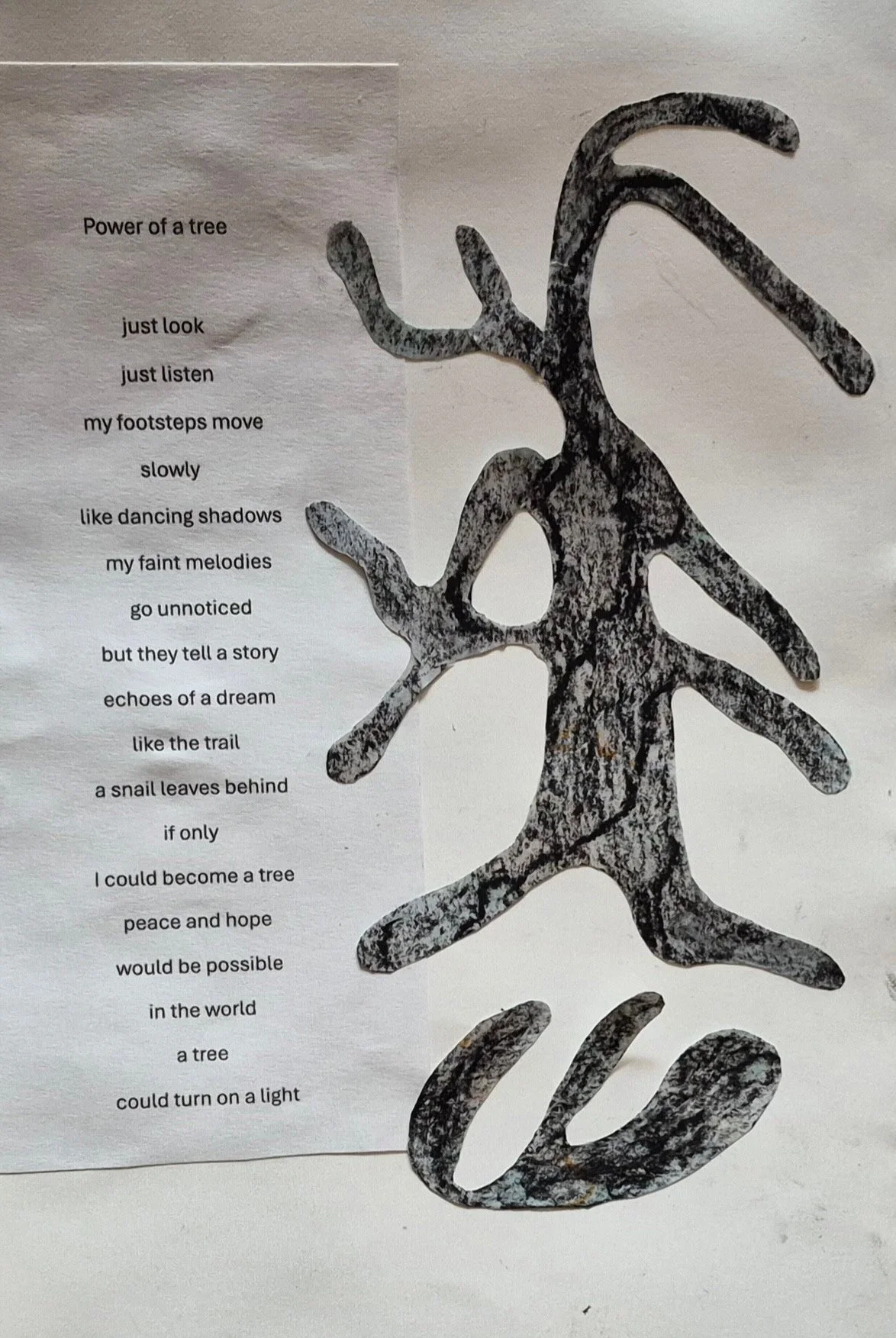
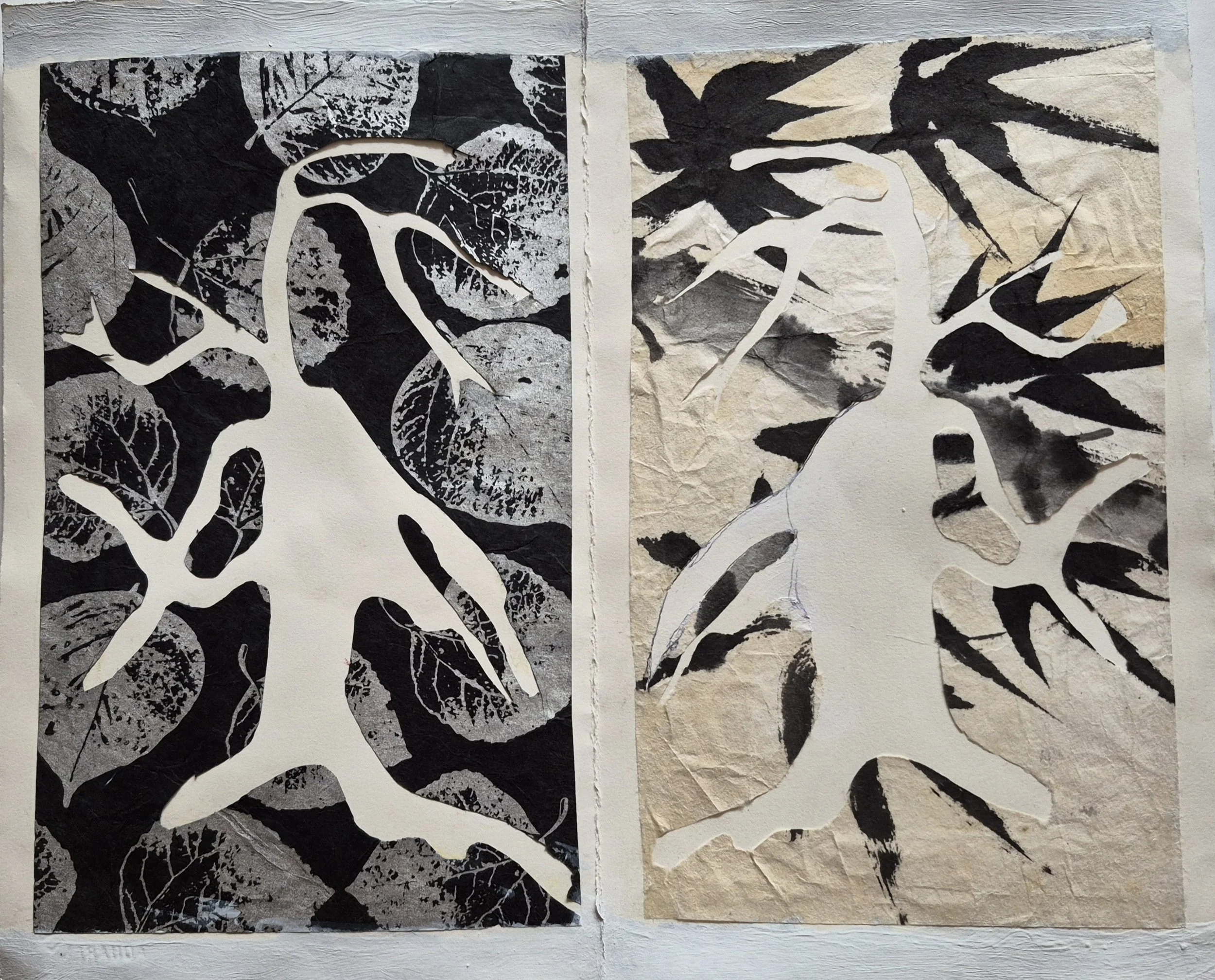
Art and photos by Sheila Benedis
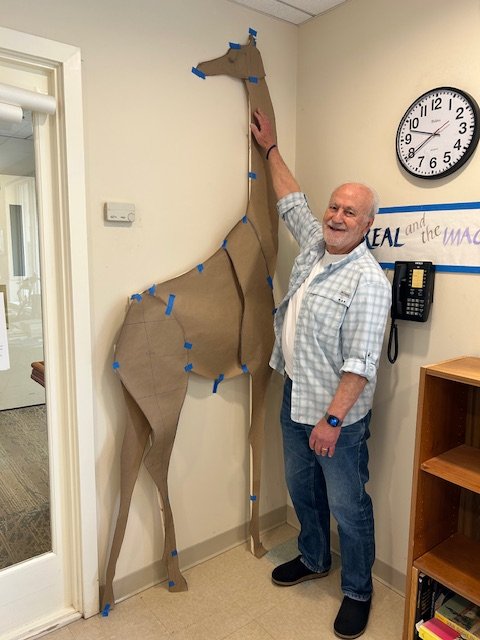
Man “Gives Birth” to Giraffe
Among his many abilities, Philip Monteloni sculpts. And he loves a challenge. A strange challenge. Recently commissioned to create a giraffe—yes, a giraffe—he has done his planning. And has now created mock-up for creating said giraffe on site in Sante Fe where the giraffe-lover lives. File under “The Unexpected in Life.”
Absorbed in Her Work
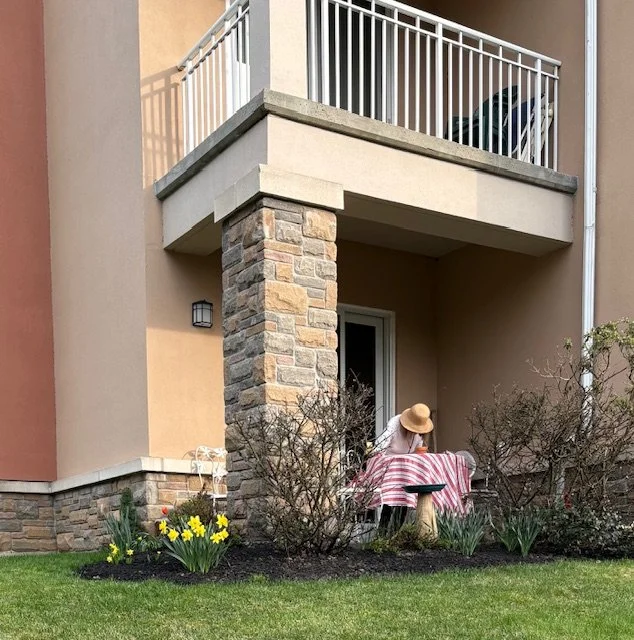
So absorbed in her gardening, Shelley Robinson didn’t notice the paparazzi recording her diligent work, by Joe Bruno
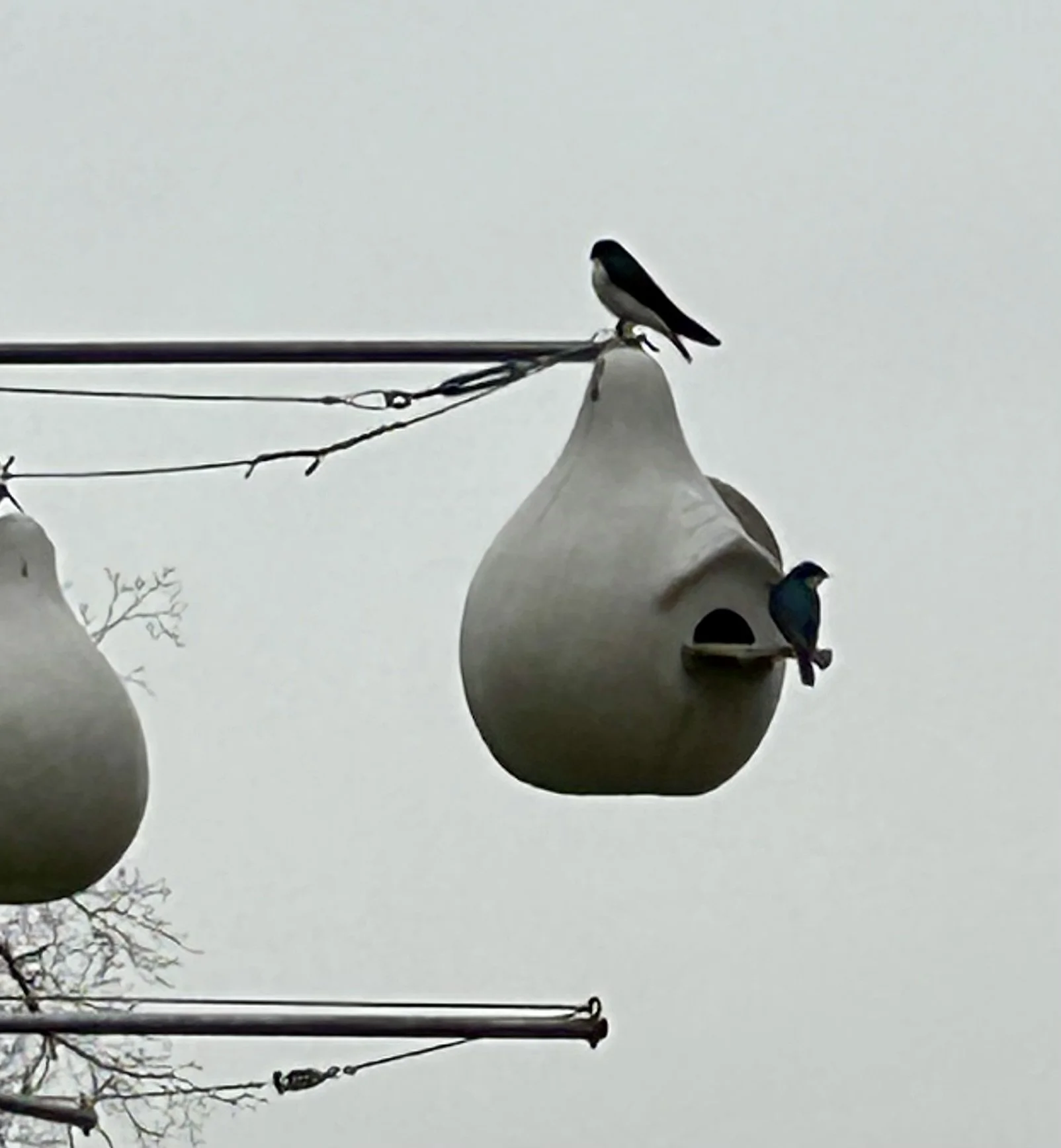
Photo by Carolyn Reiss
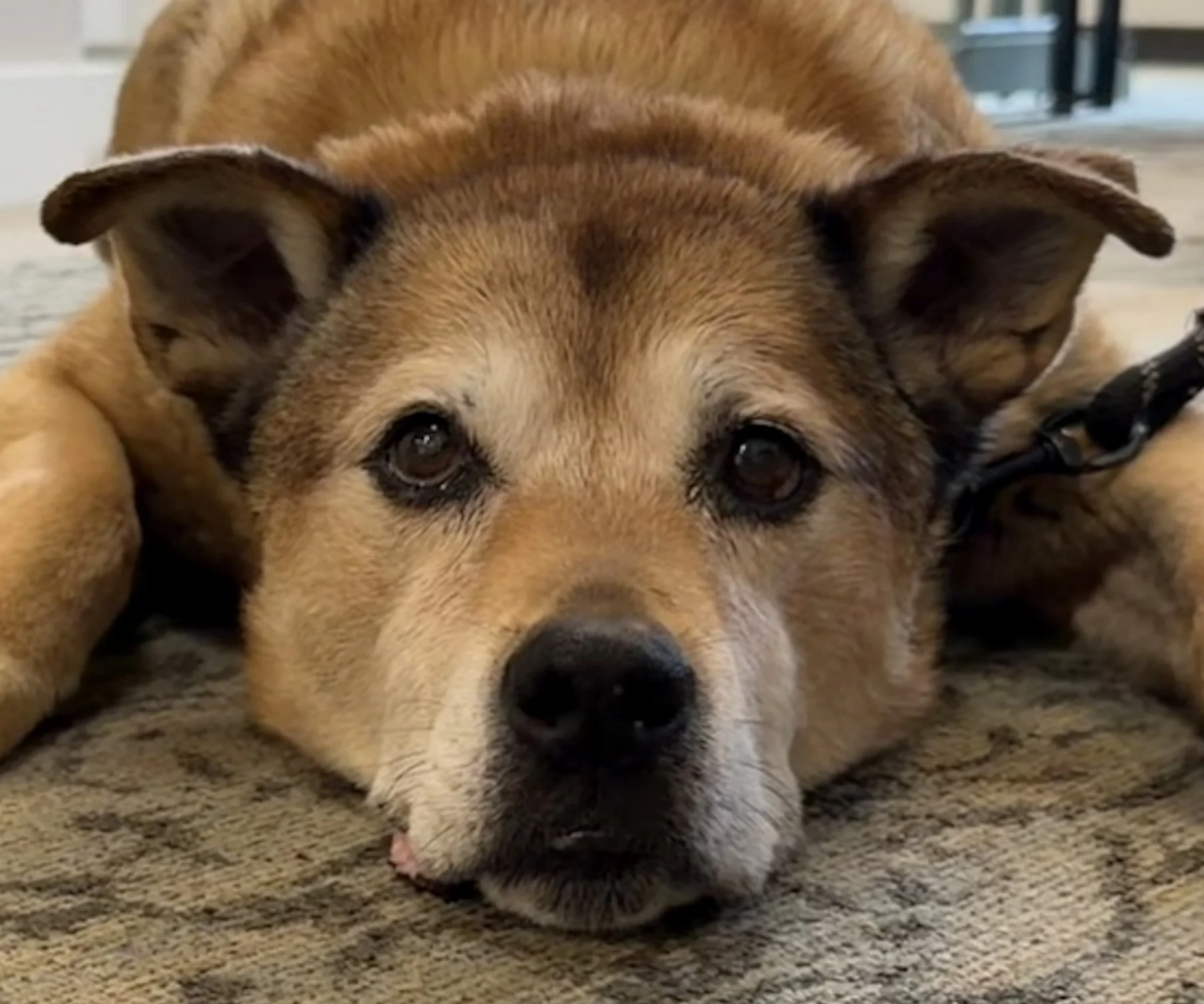
Photo by Ed Lannert
Morning Glory, by Amanda Slattery


Spring Pinks and Greens . . . from Near, Nearer, Far, and Further
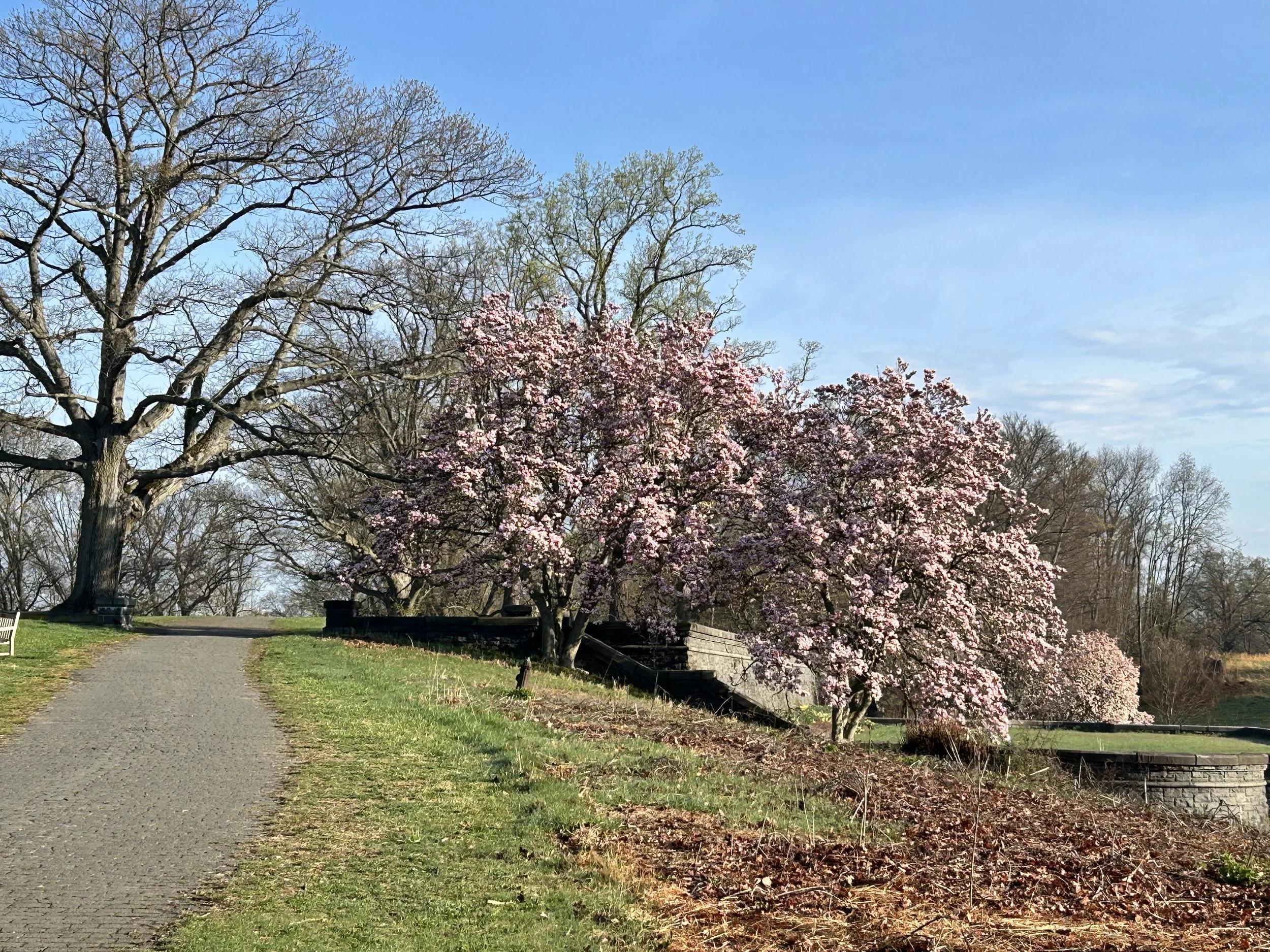
Photo by Aruna Raghavan
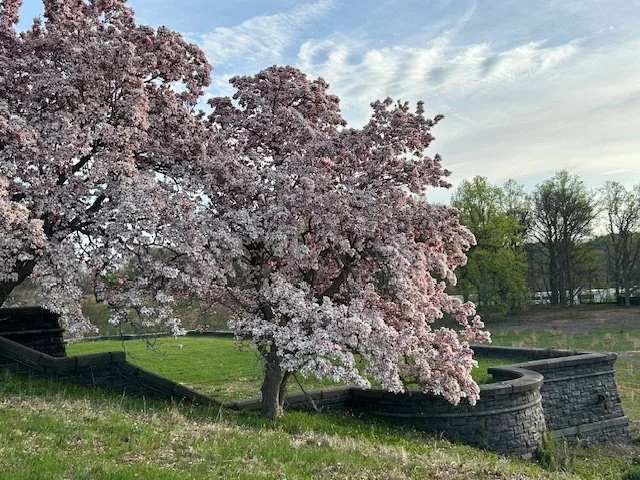
Photo by Carolyn Reiss

Photo by Carolyn Reiss

Photo by Carolyn Reiss
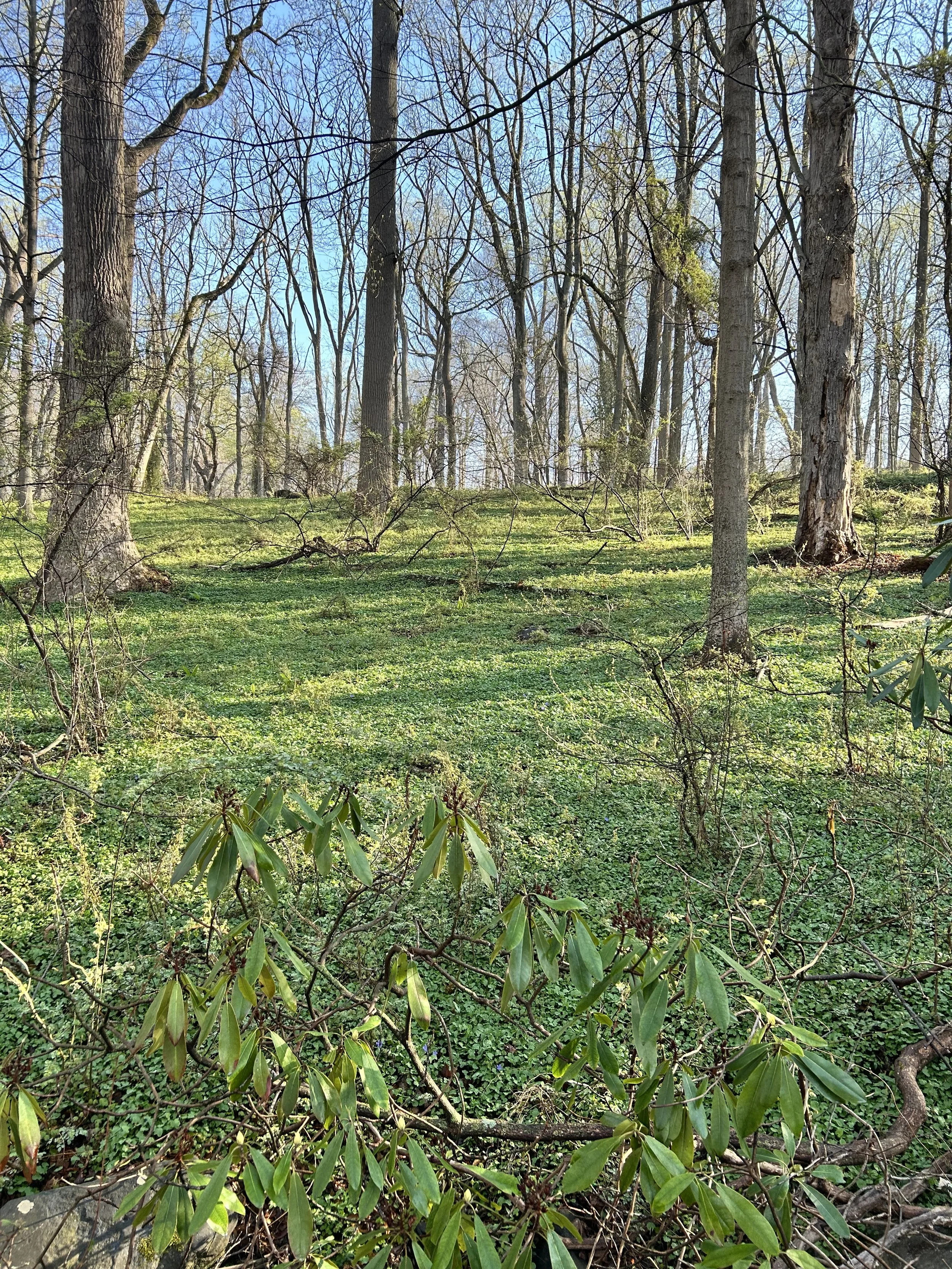
Photo by Aruna Raghavan
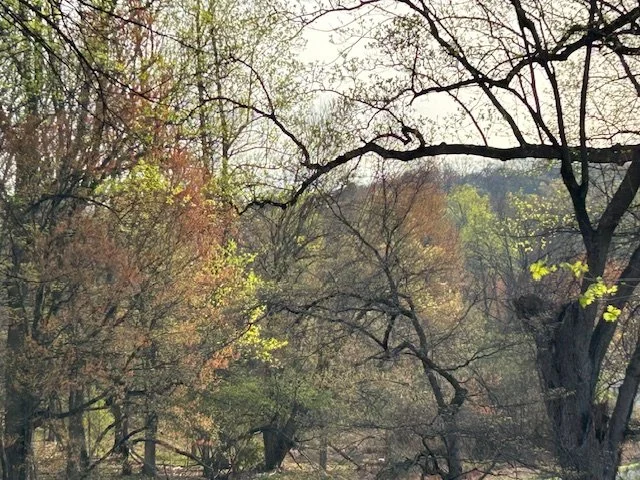
Photo by Carolyn Reiss
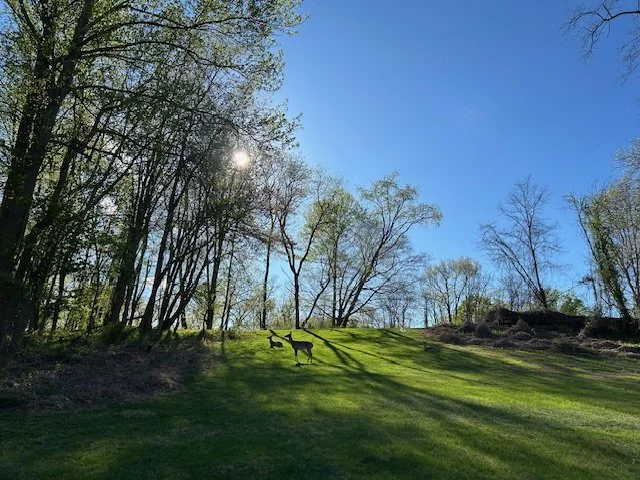
Photo by Edward Kasinec

Photo by Edward Kasinec

Photo by Harry Bloomfeld
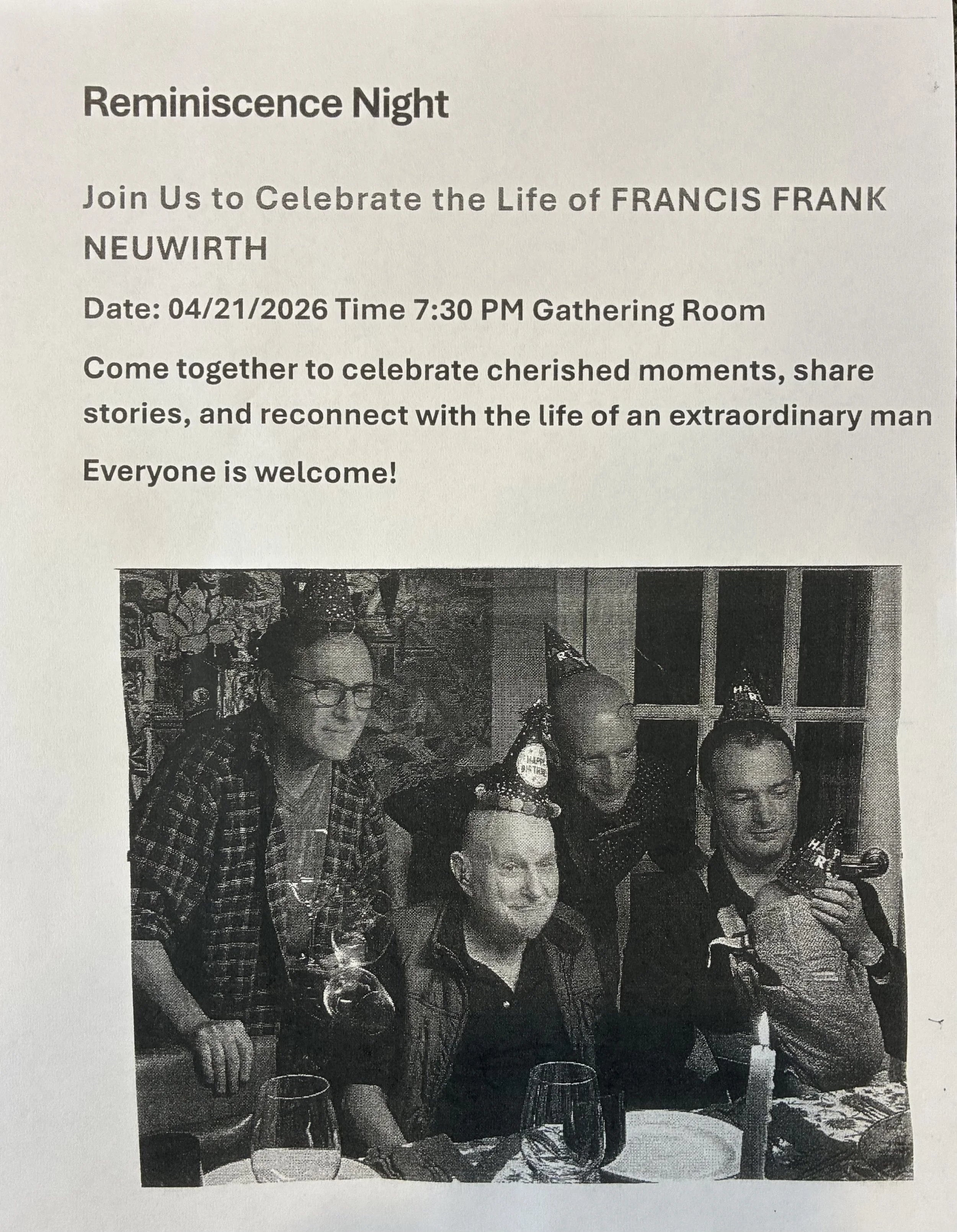
Contributed by Marian Dunn
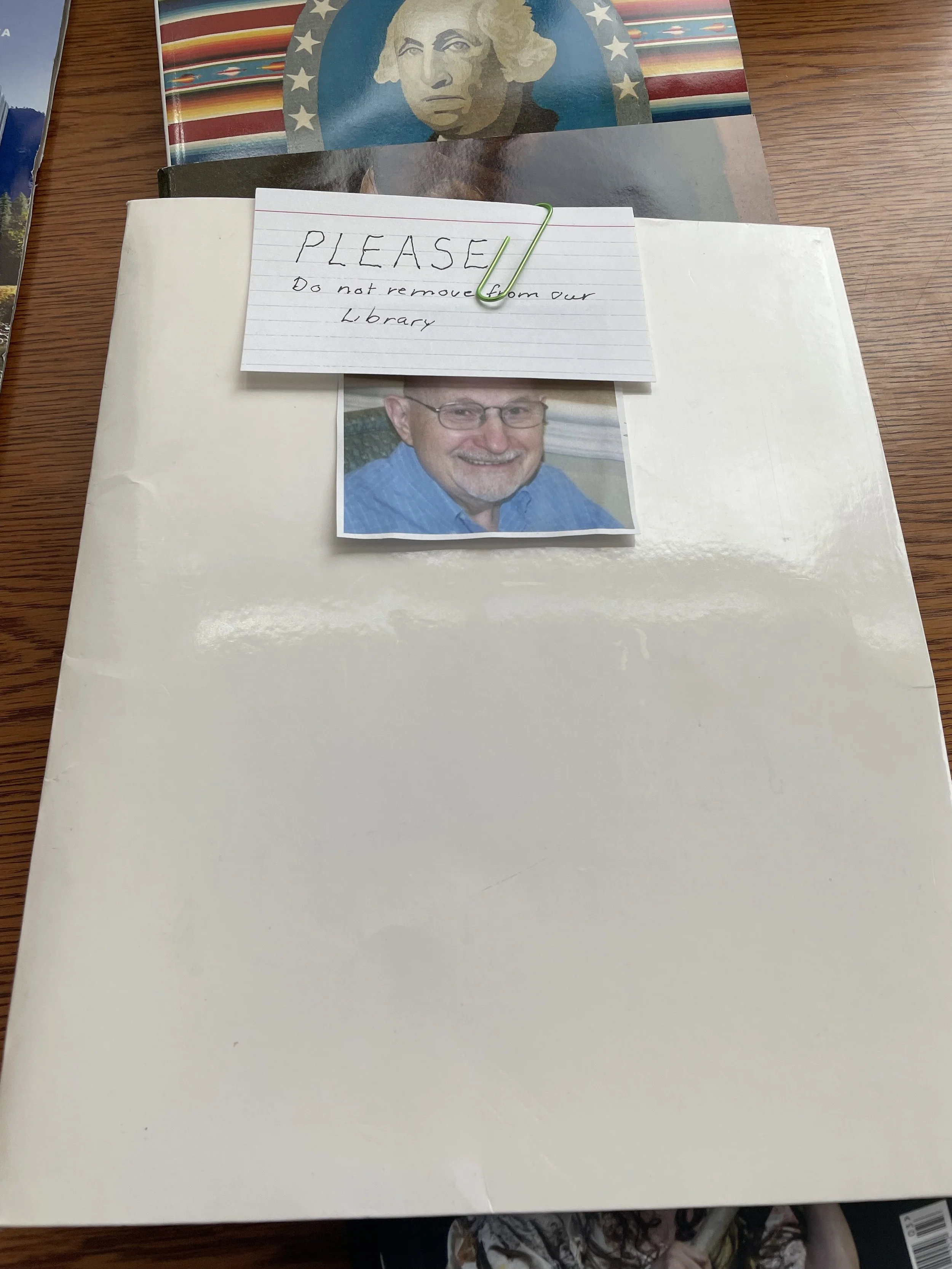
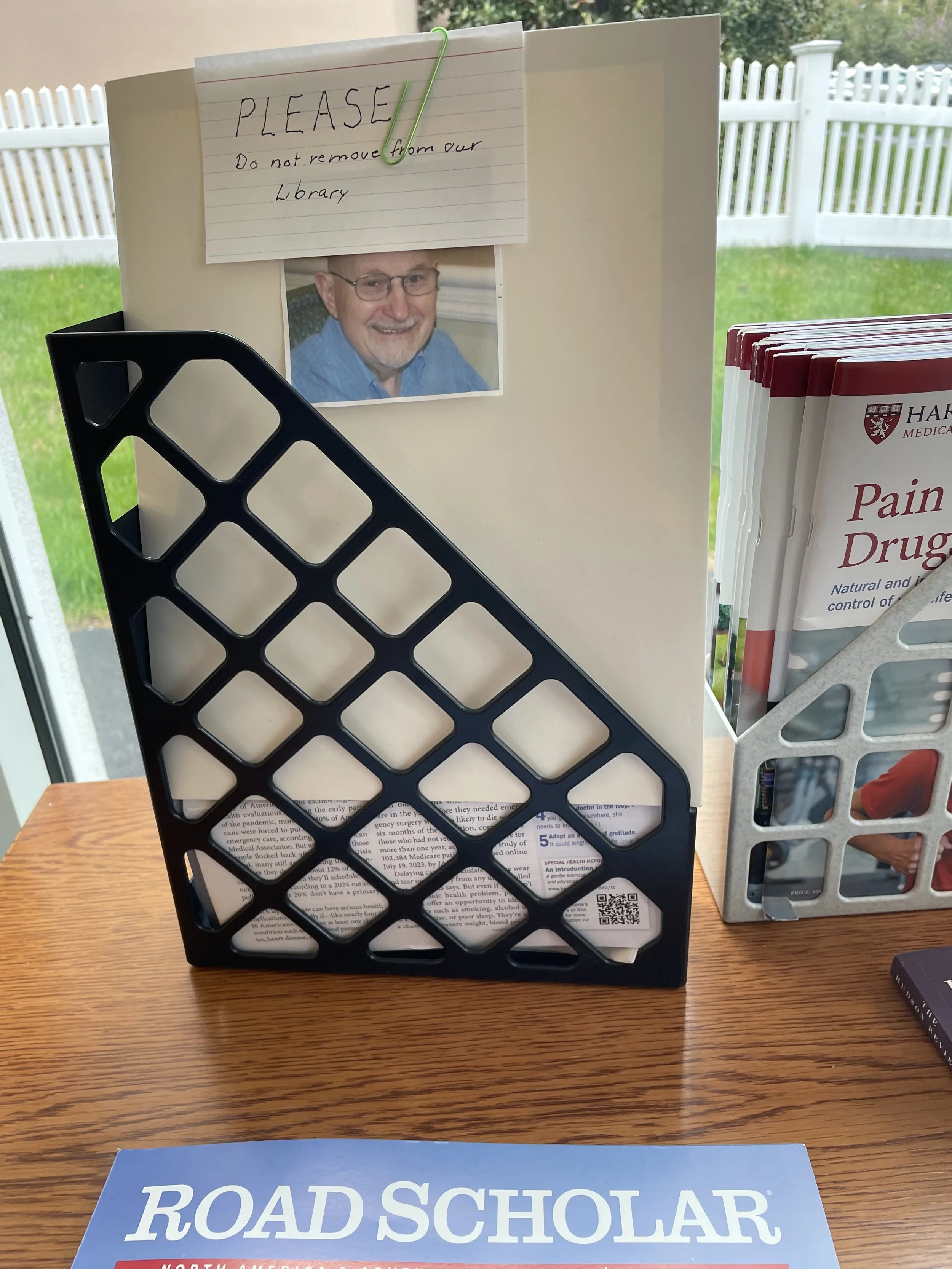
NOTE: Frank wrote many Kendal View articles about his experiences in World War II. They have been collected in a white document folder and continue to live on on the magazine table in the Library.
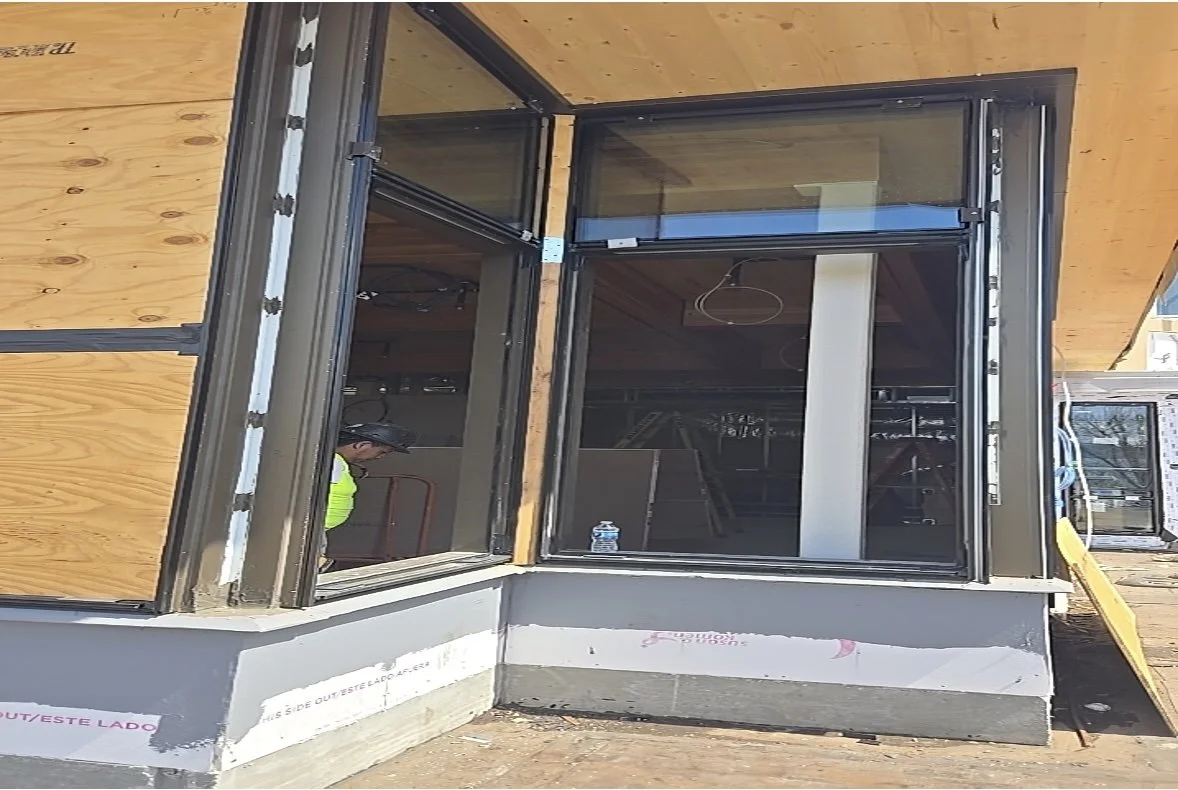
New Windows in the Terrace Lounge
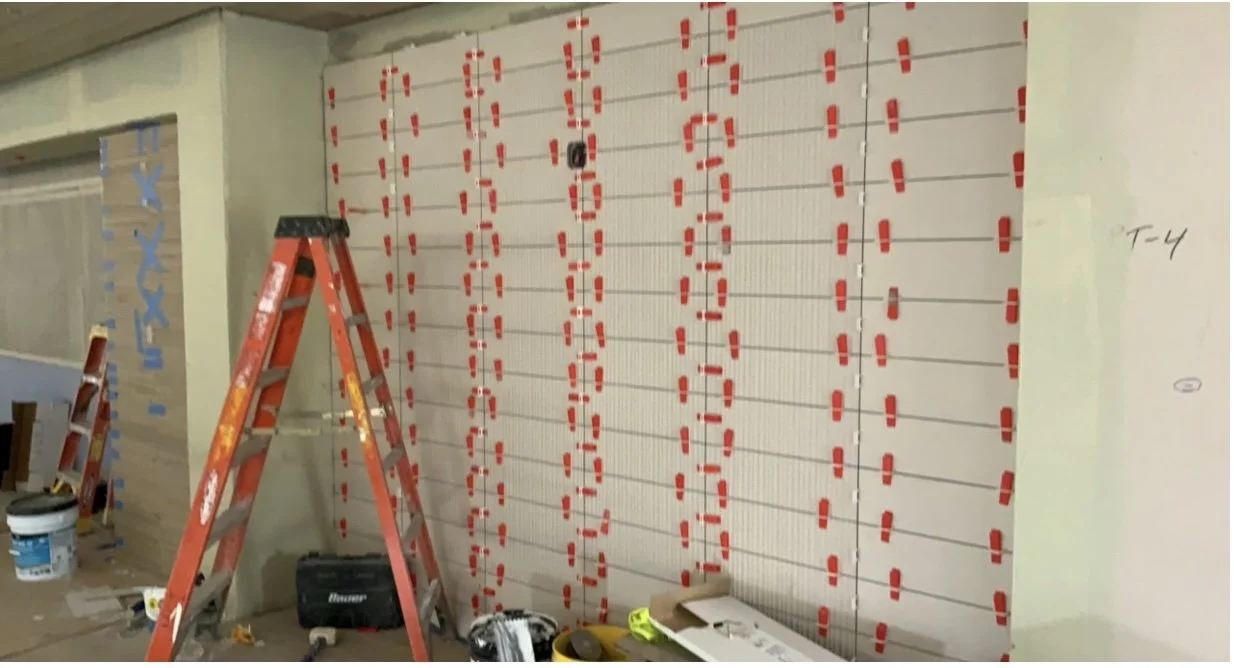
New Pool Tile Going Up
From the Office of Ellen Ottstadt

It all happened Easter Sunday. No, not that. At the Lannert’s family Easter. Their son produced a set of challenging riddles for de-riddling. And they are tough. So, Kendalites, can you solved the puzzles? If so, send your answers—with Subject “Riddles Solved”—to kohresweb@gmail.com by midnight Thursday, April 23. Your prize? What could be more exciting than to have your name and answers published on April 27 in that august online experience Residents Website?
Here they are:
Riddle 1: What is broken when you say its name?
Riddle 2: What is 3/7 chicken, 2/3 cat, and 2/4 goat?
Riddle 3: I am seven letters long. I am very heavy. Take away two letters from me, and you will get 8. But only take away one letter, and you will get 80. Who am I?
Riddle 4: I add 5 to 9 and get the answer 2. The answer is correct, but how?
Riddle 5: Forward I am heavy, but backwards I am not. What am I?
Riddle 6: I am not alive, but I grow; I don’t have lungs, but I need air; I don’t have a mouth, but water kills me. What am I?
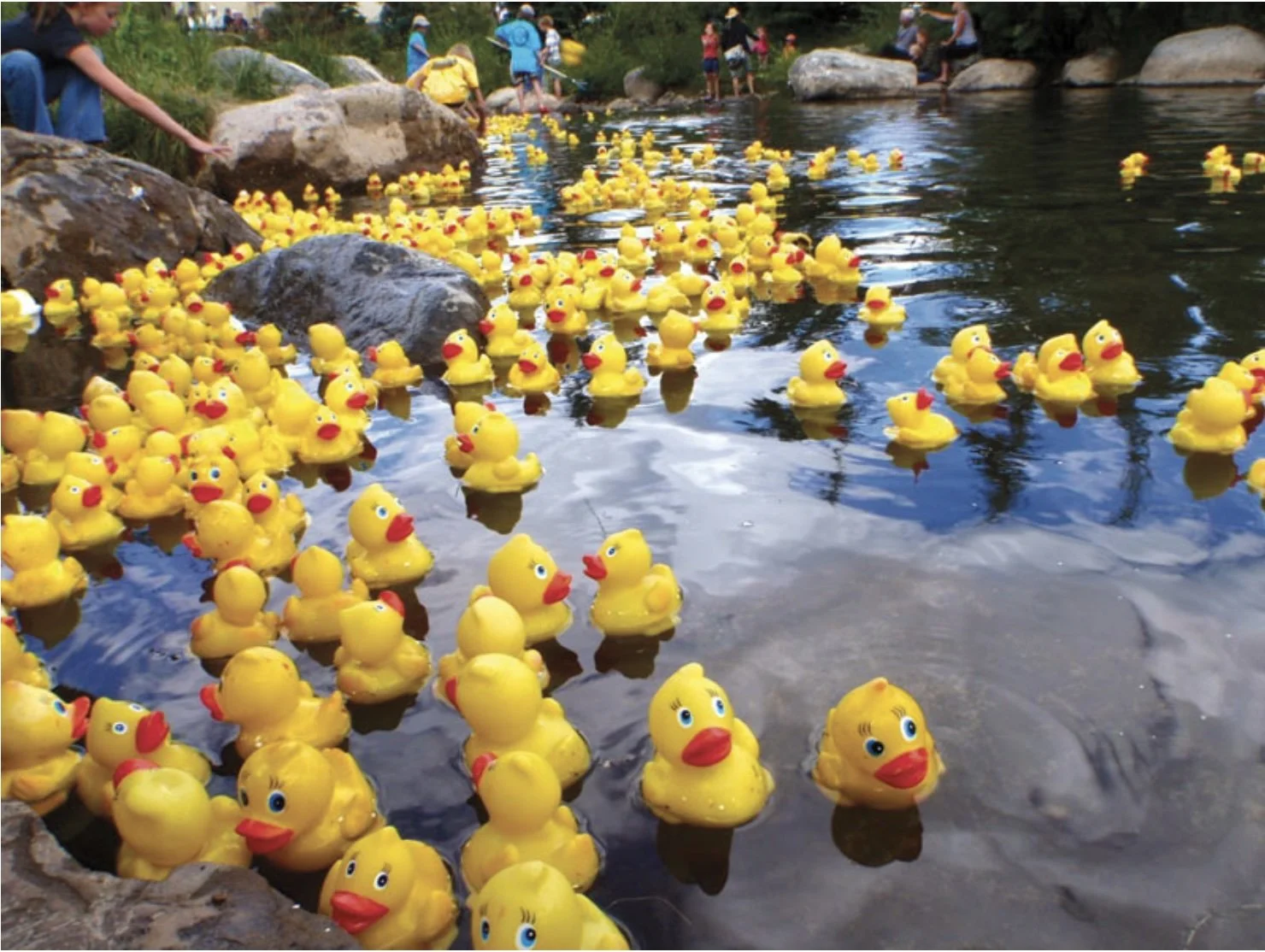
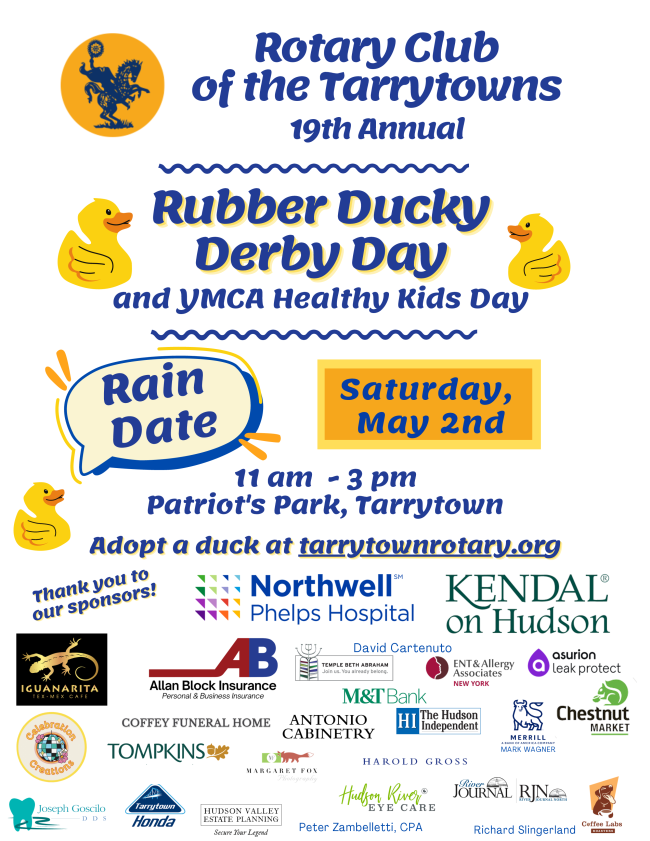
The KoH Resident Website is not the only voice shouting loud—though in bits and bytes—about April 25, the great and wonderful Rubber Ducky Derby! This past week, the online Hudson Independent echoed the praise and glory associated with the racers and expressed by the KoH Residents Website last week.
And, yes!, there’s still time to purchase adoption of 1, 6, or even 13 ducky racers. Click below to find out how.
The races are fun to watch, the day in Patriots park is fun to be part of, and the “duck adoption fees” support great community work of the Rotary and YMCA. And our Kendal is one of the two top supporters of the day.
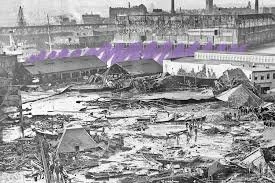
On January 15, 1919, more than 2 million gallons of molasses spewed through Boston’s North End in an event known today as the Great Molasses Flood. The incident occurred due to a faulty storage tank managed by United States Industrial Alcohol, a distilling company. The massive storage vat measured 50 feet high with a diameter of 90 feet, and was known to rumble and leak from the time it was built in 1915. These issues occurred in part because the walls were only 0.31 to 0.67 inches thick, far too thin to contain the weight of a full tank of molasses.
On January 12 and 13, 600,000 gallons of molasses were pumped into the tank, filling it to capacity. This, coupled with temperature fluctuations that affected both the molasses and the vat itself, put an added strain on the tank. Two days later, the container burst from the pressure, sending a 40-foot-high wave of molasses gushing through the streets at a speed of up to 35 miles per hour. The destructive force of gooey liquid destroyed buildings and claimed 21 lives, requiring 87,000 worker hours to clean up in the event’s aftermath. For years after, residents claimed the area reeked of molasses on warmer days.
Source: Bennett Kleinman, historyfacts.com
Contributed by Jane Hart
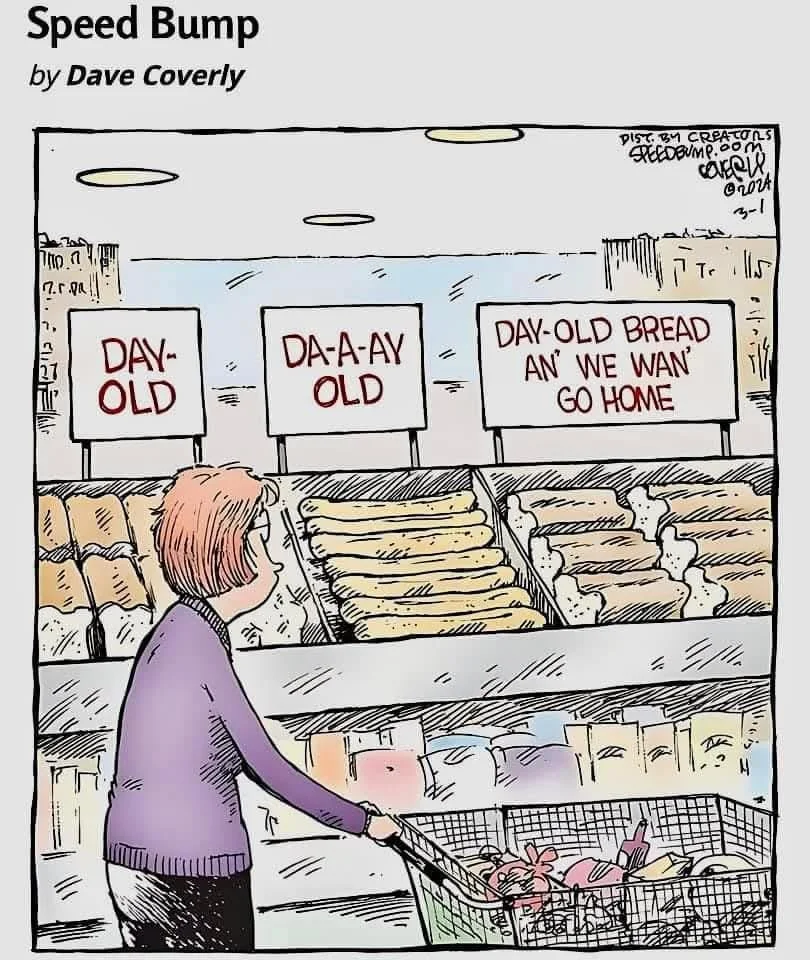

Contributed by Donald Butt
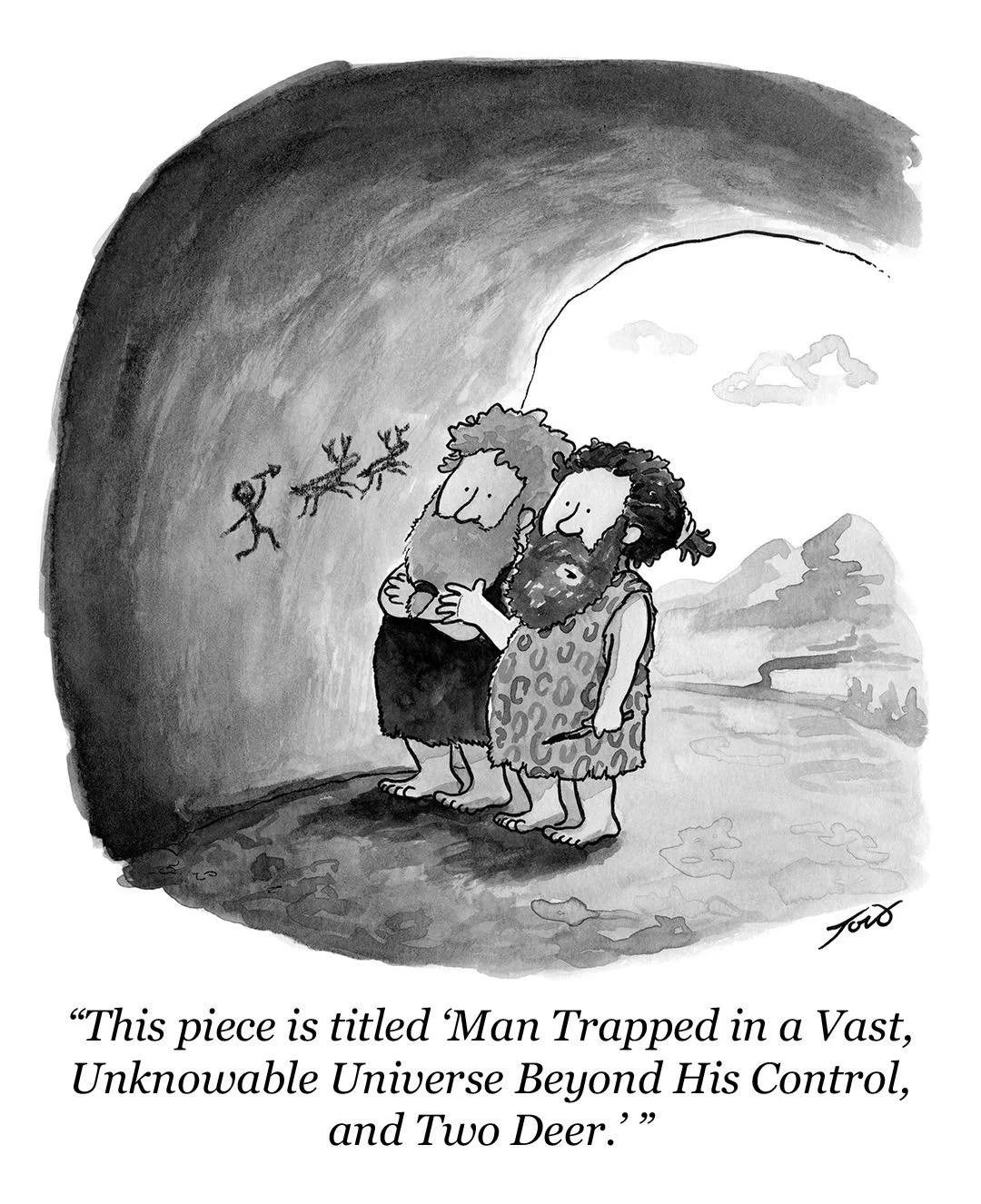
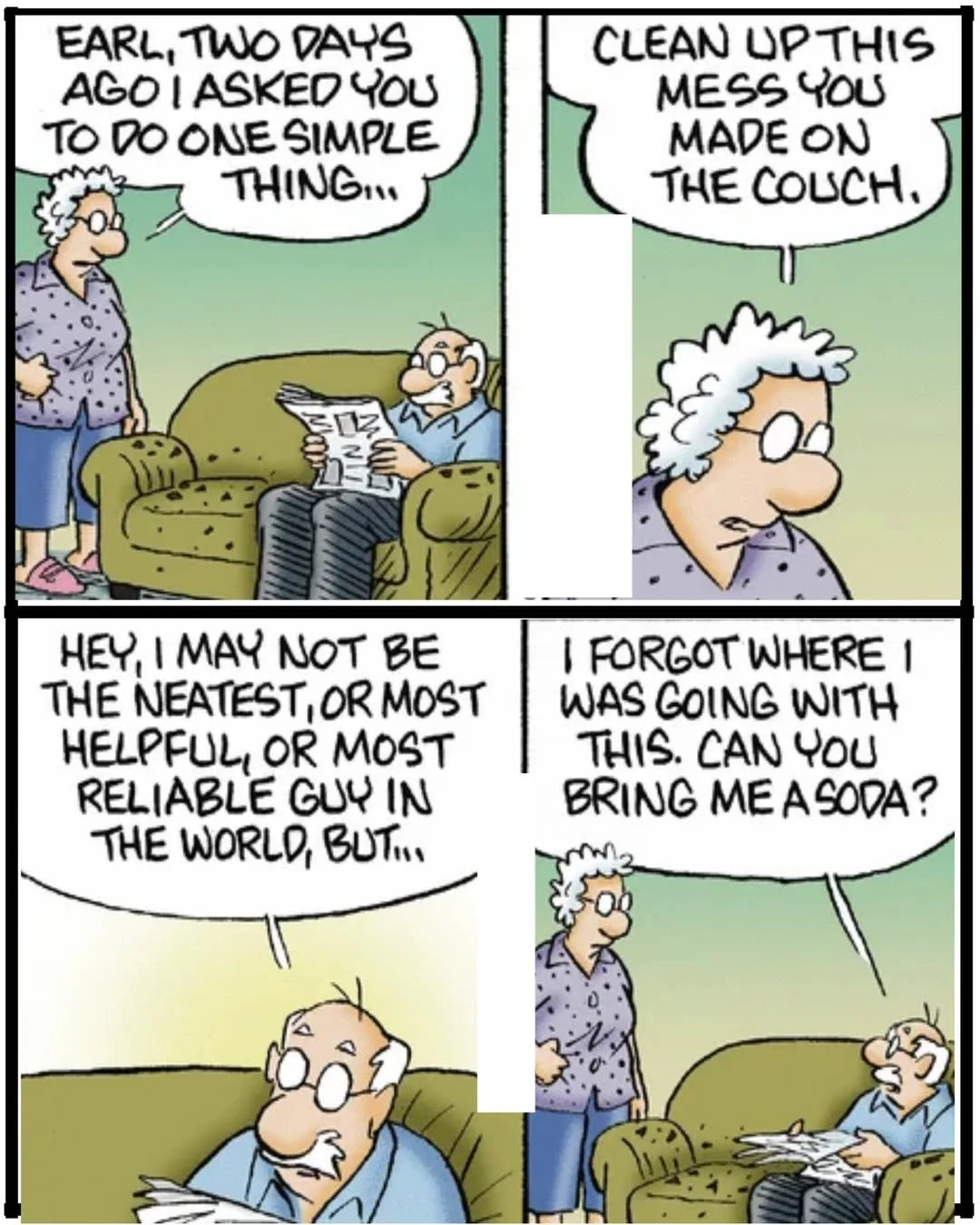

Contributed by Barbara Wallach
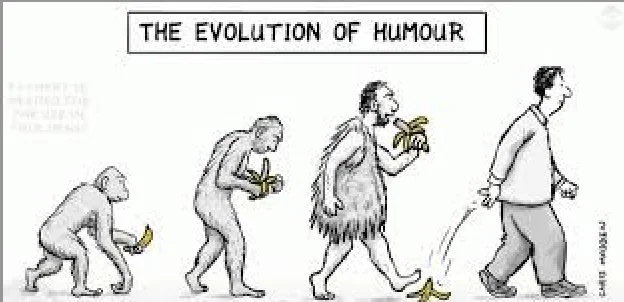
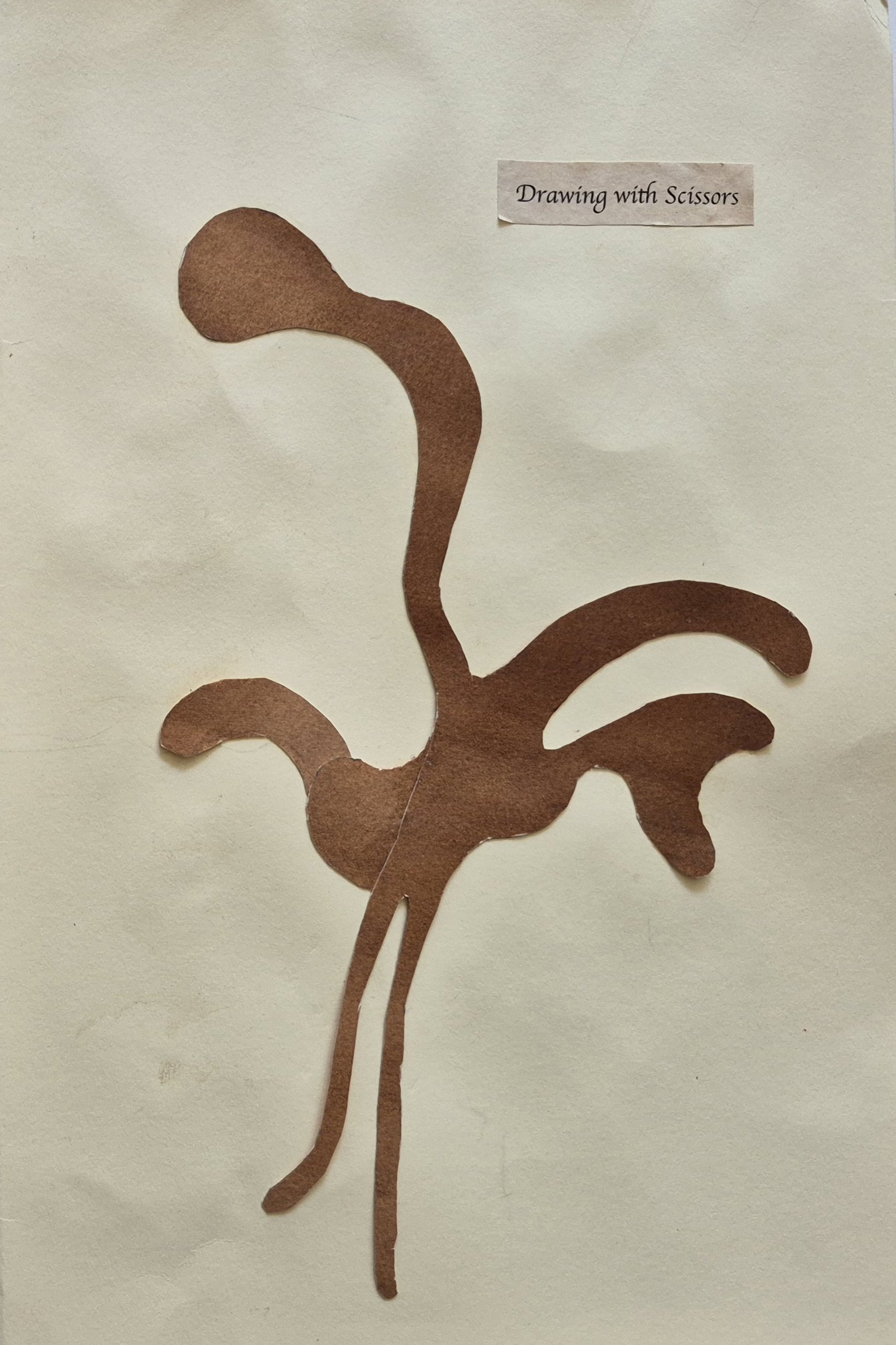
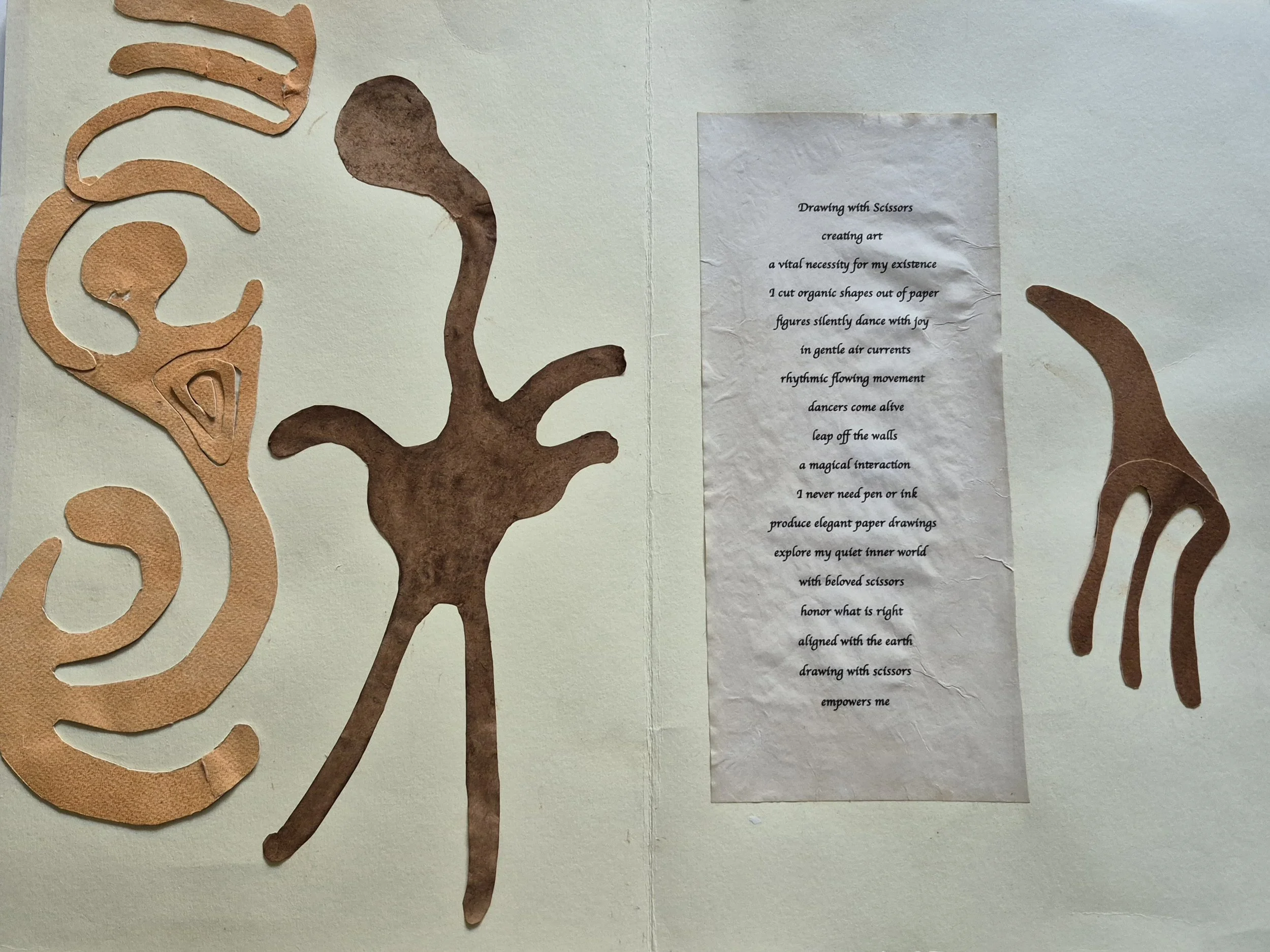
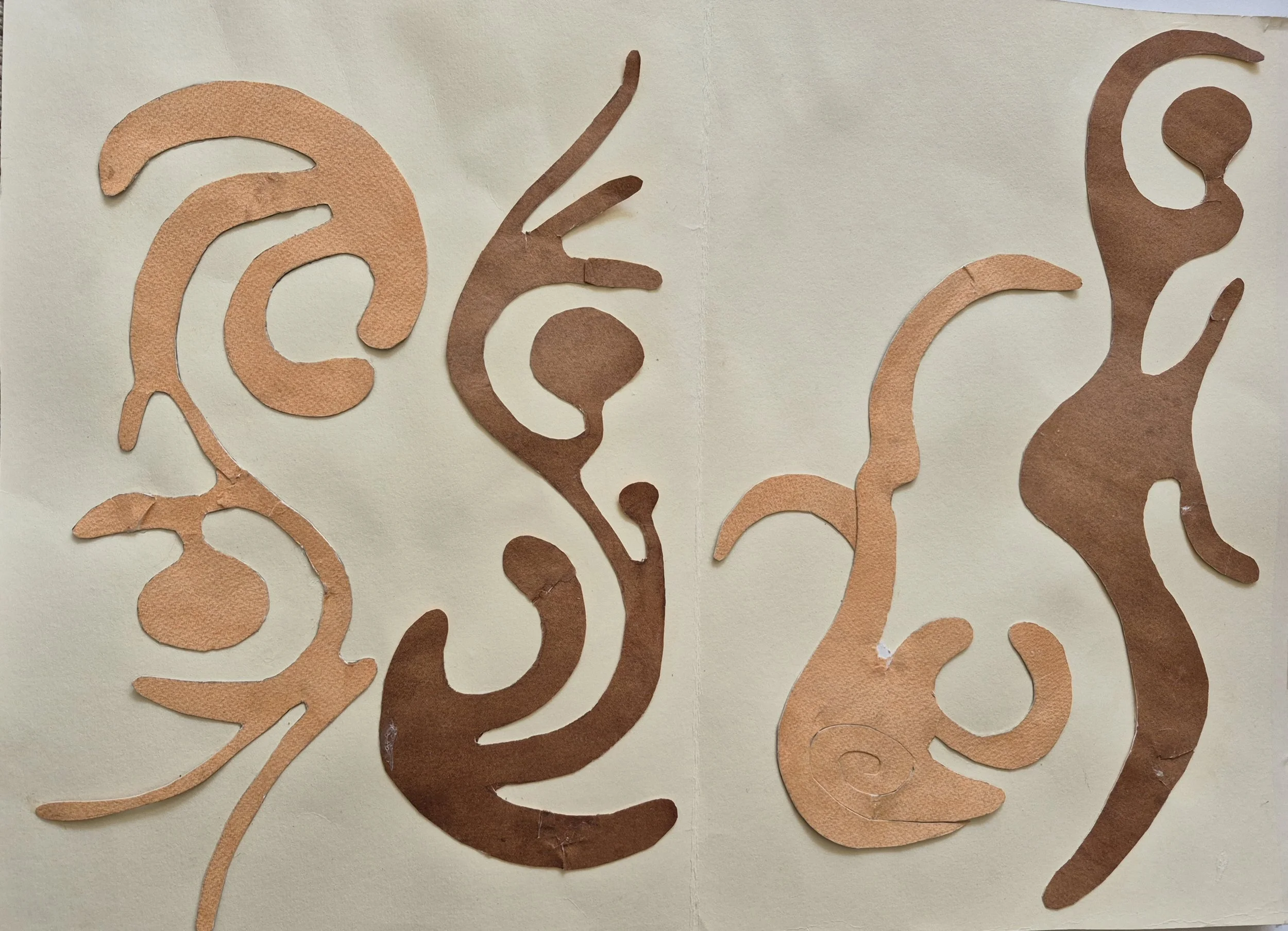
Art and photos by Sheila Benedis

Barton insisted that donating his nextdoor neighbor and a chicken to the rummage sale was just a joke
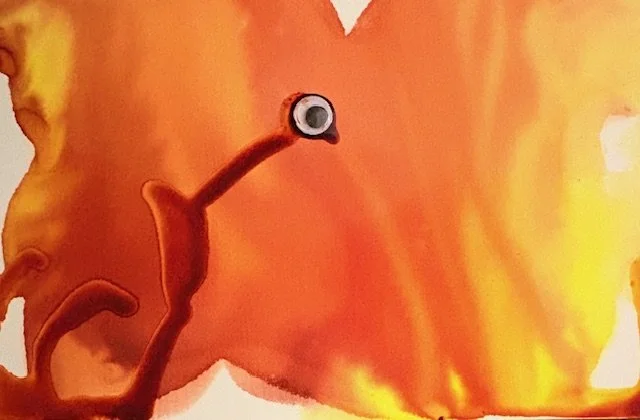
Jeremy had always been a firebug
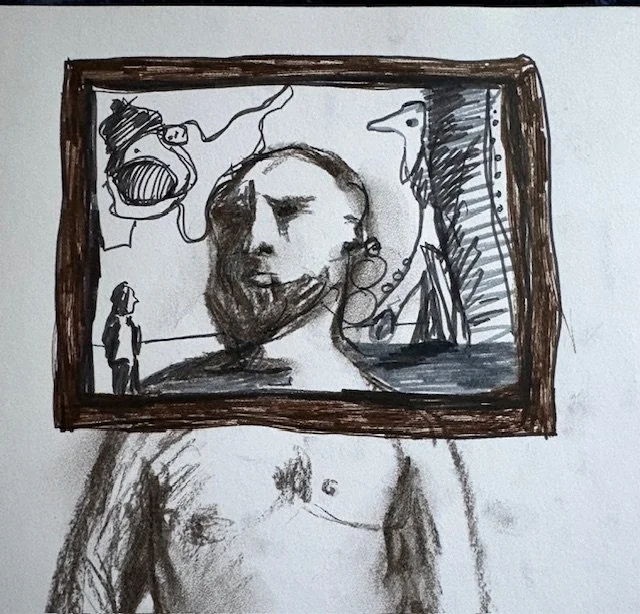
Trenton’s latest self-portraits were disturbingly lifelike

Wallace was the one who made McNuggets into a fashion statement
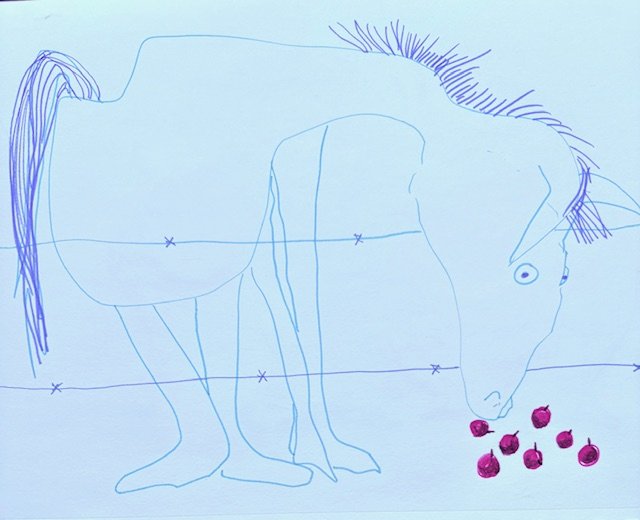
It’s been an apple-bobbin’ Sunday for Dobbin
Art and photos by Jane Hart

Photo by Ed Lannert
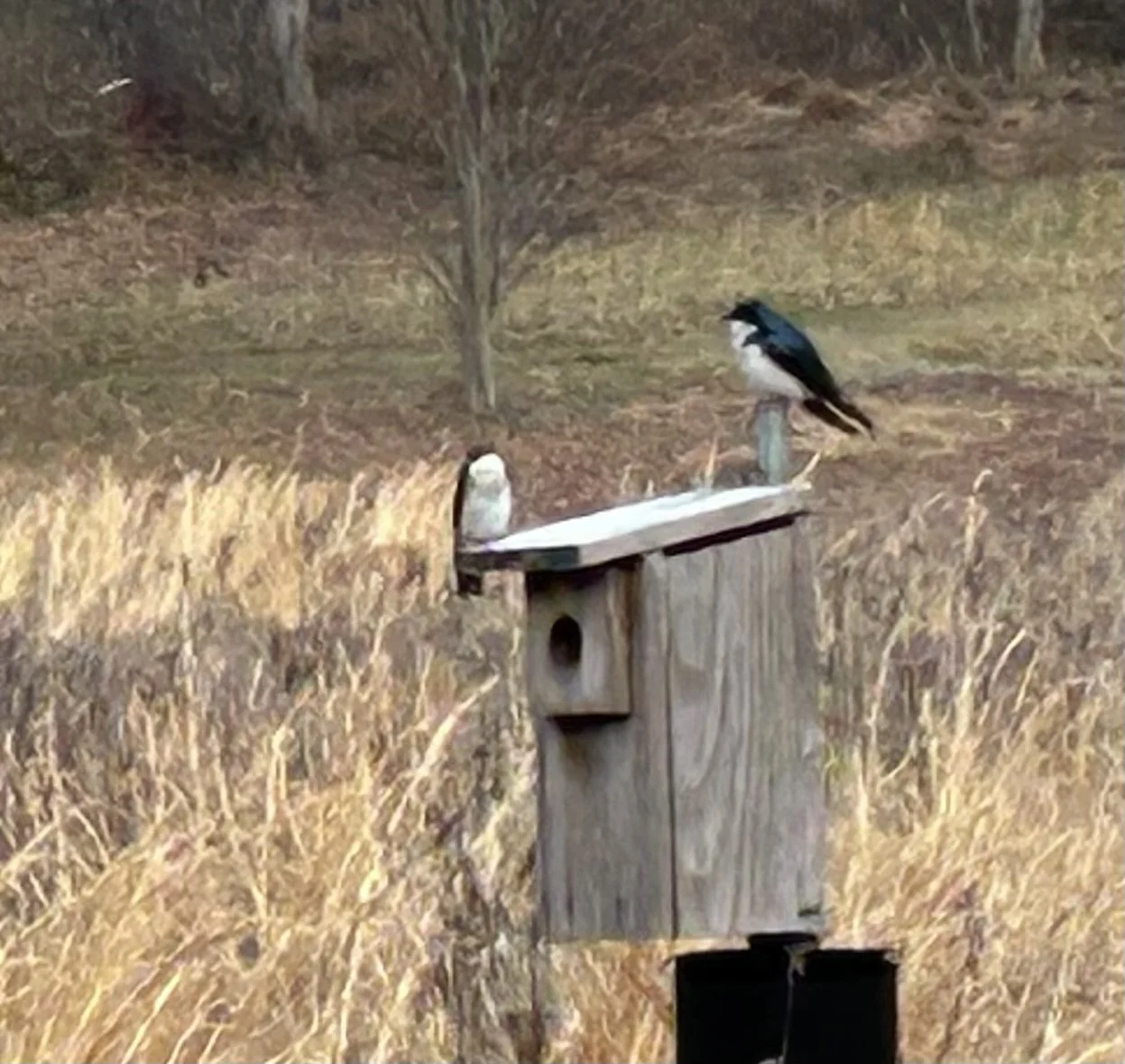
Considering a new apartment, by Carolyn Reiss

Breakfast of the fawn, by Carolyn Reiss
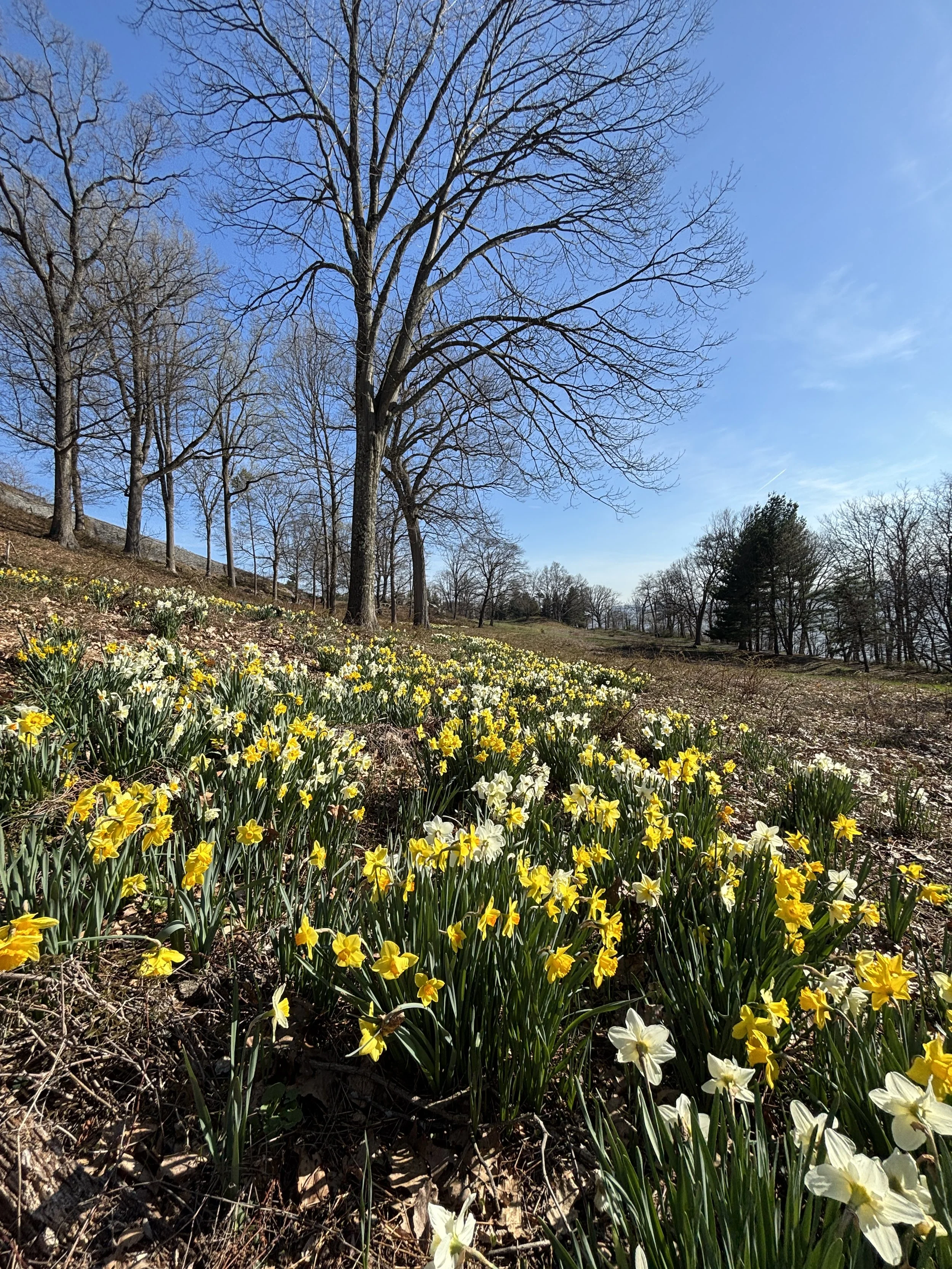
A host of golden—and white—daffodils, by Lynn Brady

Up close and personal, by Lynn Brady
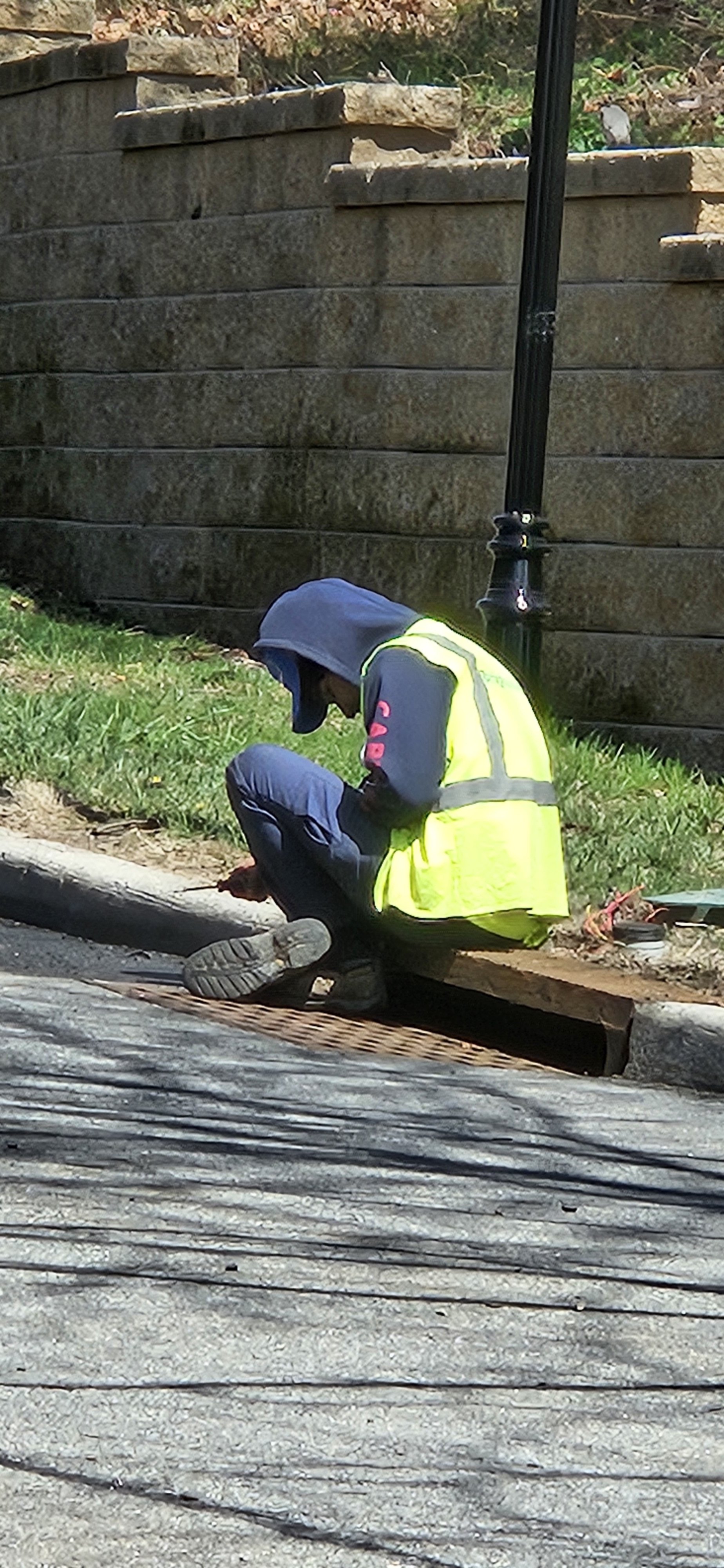
Photo by Joe Bruno

Photo by Carolyn Reiss
© Kendal on Hudson Residents Association 2015, 2016, 2017, 2018, 2019, 2020, 2021, 2022 all rights reserved. Please do not reproduce without permission.
Photographs of life at Kendal on Hudson are by residents.