

Sock It to 'Em
Kendal is a place of socks. While some can be quite bland, there are a host of colorful, historic, symbolic, creative, punny, and fun varieties. And now the team of Lukach (Sharry) and Slattery (Amanda) are on a mission to Record the Socks of Kendal. Just a sample:
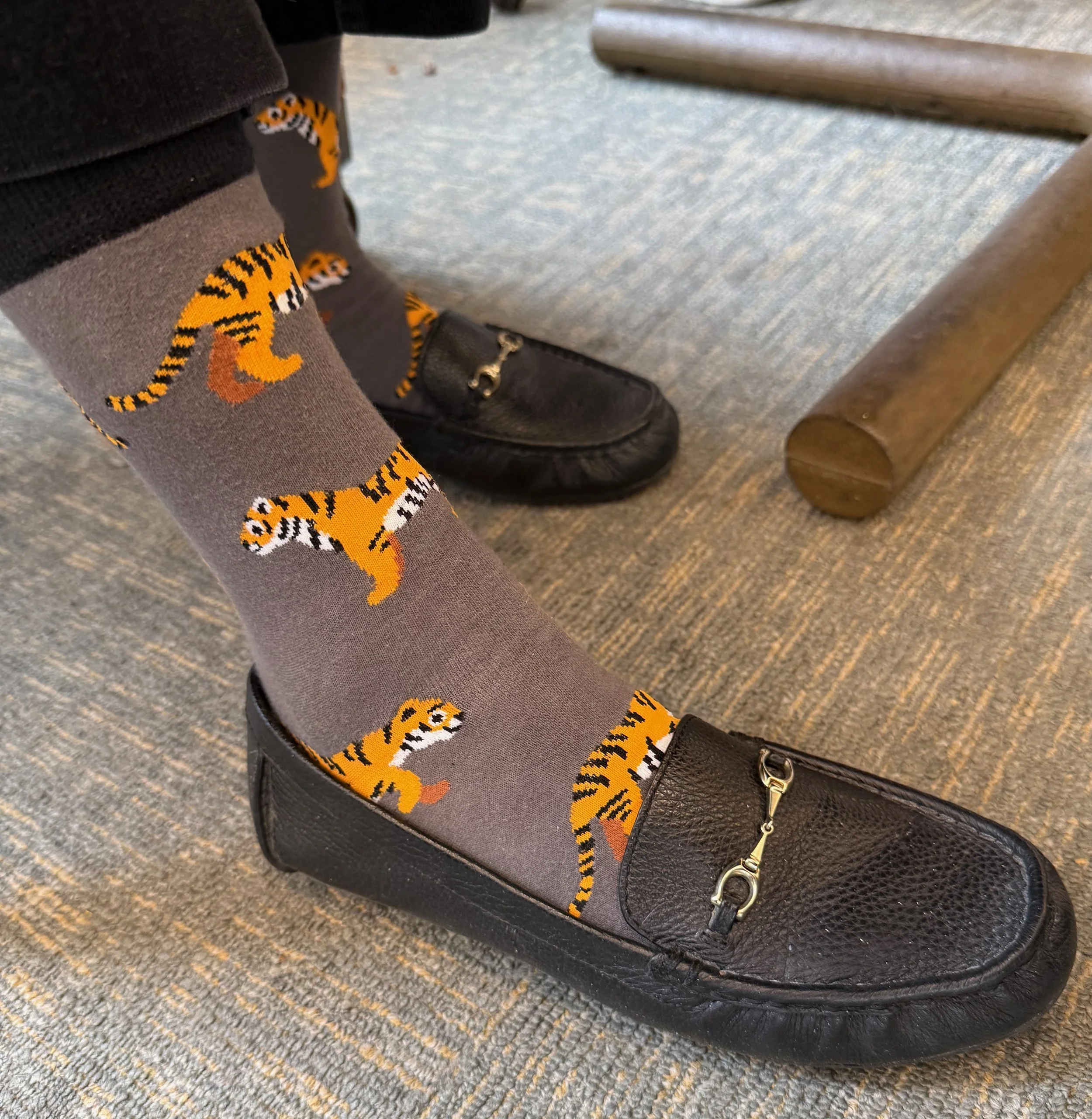
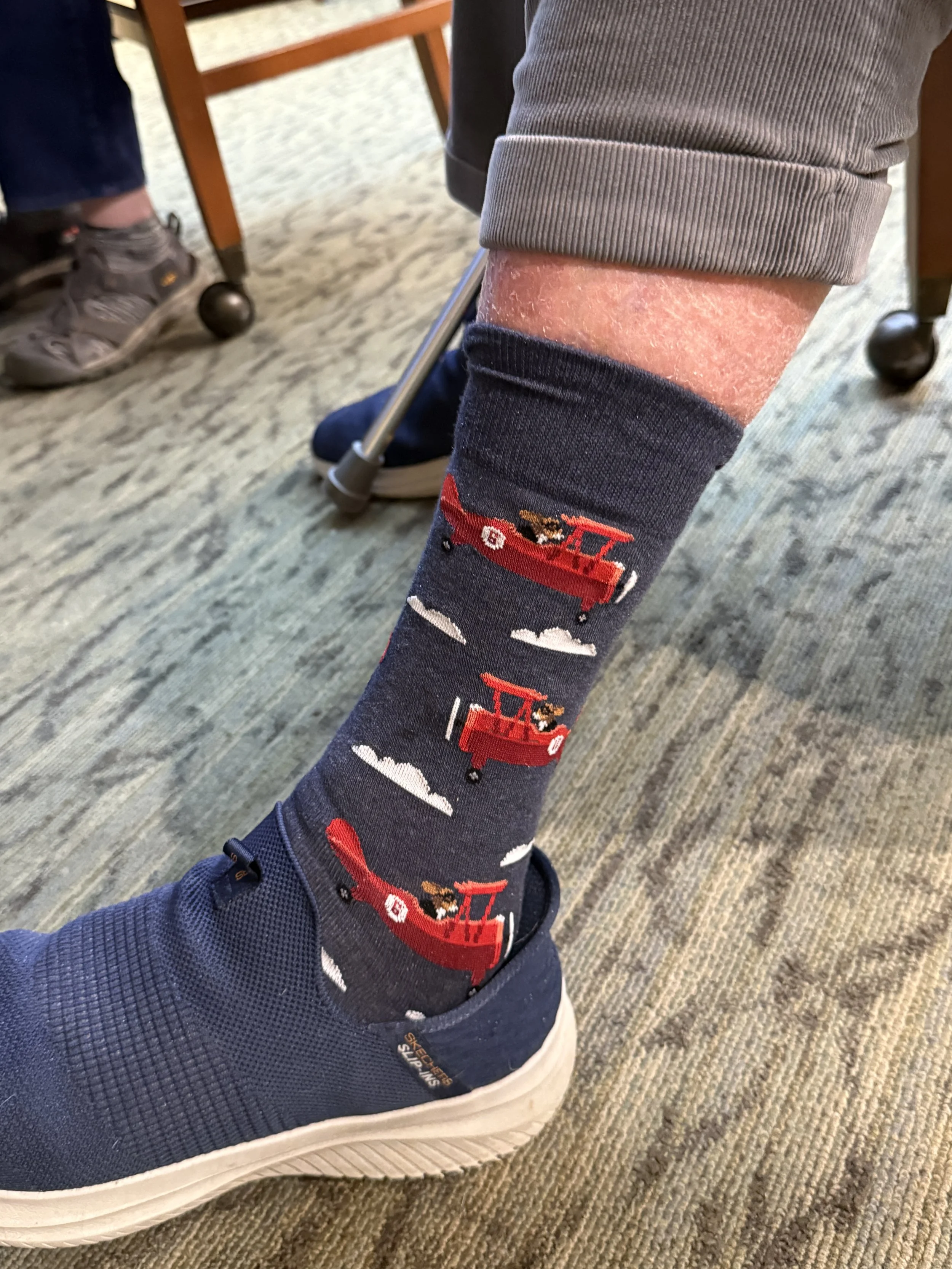
So, if ya got ‘em, flaunt ‘em! And don’t be surprised (or shy) if Amanda approaches and asks you to raise your pants leg. As Nike would say, “Just do it!” And there’s more! The august news venue of The Residents Website shall provide a photo display(s) of said photographed socks! Something well worth waiting for.
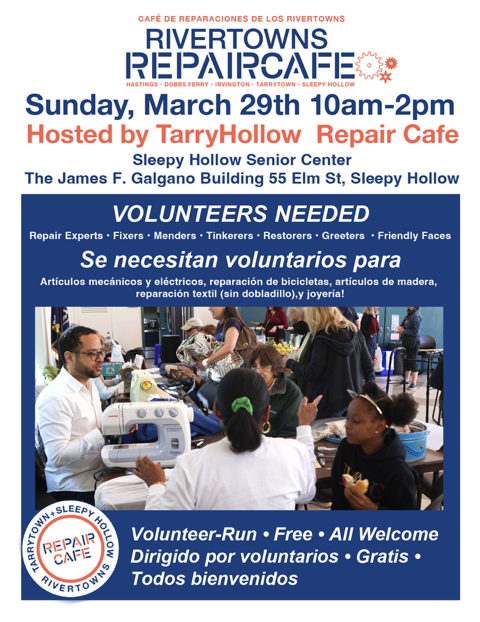
Don’t Toss it! Repair It! Help’s at the Repair Cafe
“But it’s still good!” The perpetual moan when something you’ve always counted on, loved, found essential—whatever—is broken. At the Repair Cafe, you’ll find folks who know how to fix it. For free. And they can help you understand how to do it in the future, should the need arise.
Early Warning for Grandparents (or Great Grandparents) Awaiting Family Visits at Easter Time

I Never Knew That
“Mitochondrial Eve” Is the Common Ancestor of All Humans
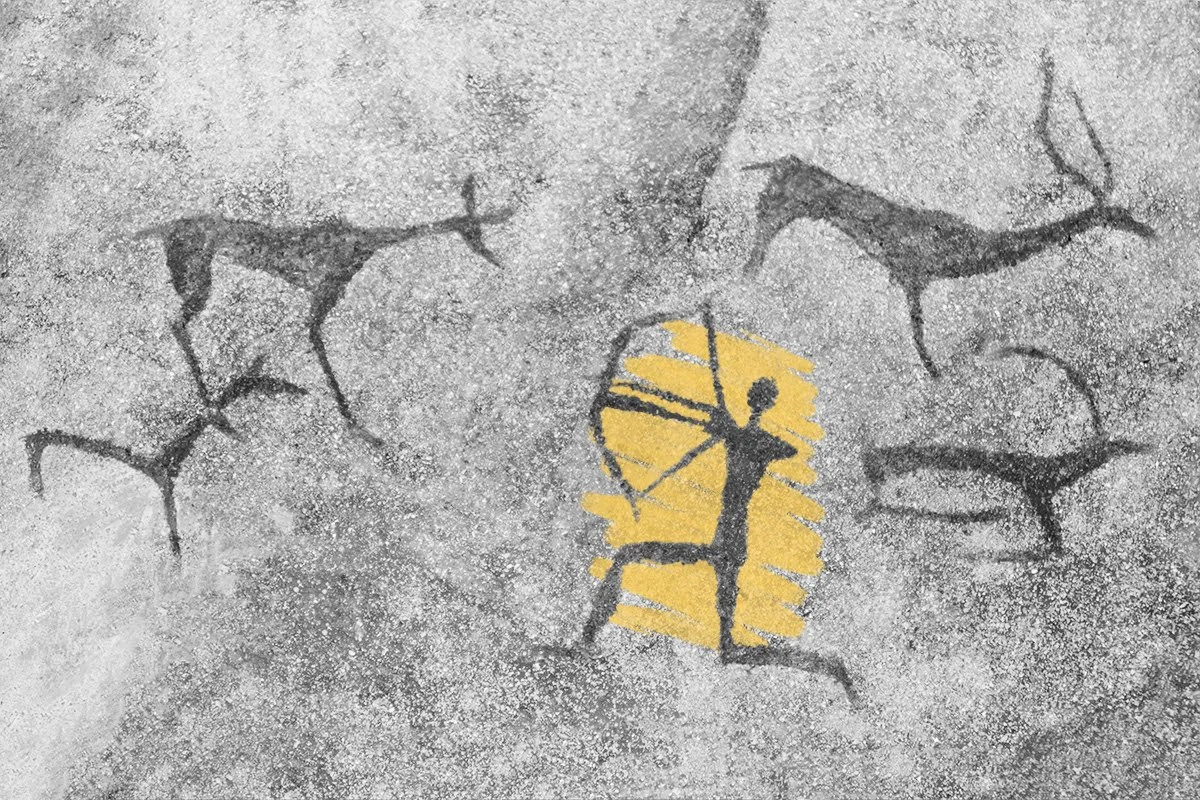
If you were to trace all our family trees as far into the past as possible, you’d find we’re all related—albeit extremely distantly. The common female ancestor from whom all humans are descended is Mitochondrial Eve, and scientists believe she lived in Africa some 200,000 years ago. Recent research may have narrowed down that location to an oasis in the Kalahari Desert, making it the “ancestral homeland of all humans alive today,” according to the researchers. Eve is technically known as Mitochondrial-Most Recent Common Ancestor, or mt-Eve and mt-MRCA for short, and her lesser-known male counterpart is known as Y-chromosomal Adam. He’s also believed to have lived in Africa, around 150,000 to 300,000 years ago.
The idea of a common ancestor has led to the misconception that Mitochondrial Eve was the first female human, which isn’t correct. Rather, she was the most recent common ancestor to whom every living person can trace their genealogy. Every human on the planet carries the Eve gene, including 147 people and fetuses from the original 1987 study. That study wasn’t the first to hypothesize a common ancestor, but the researchers behind it did coin the term Mitochondrial Eve.
Source: history facts.com Contributed by Jane Hart
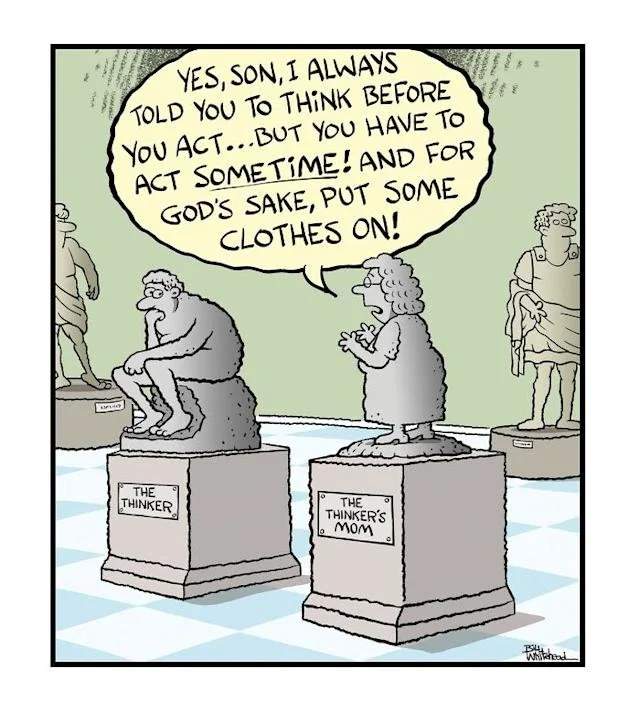
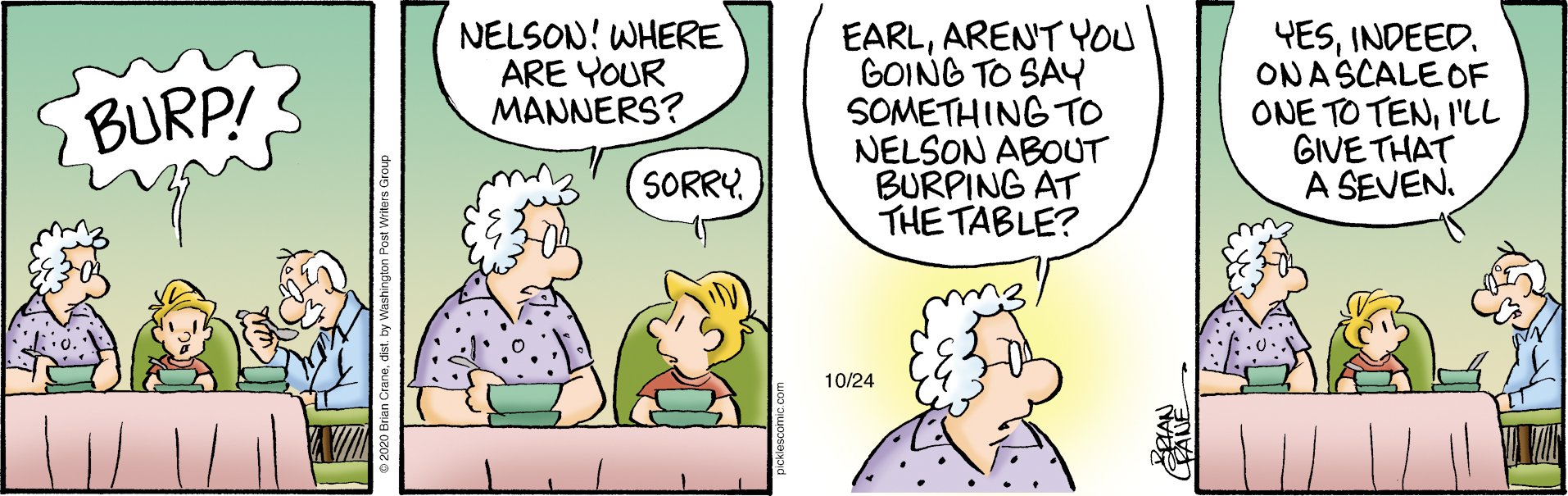
For Your Funny Bone




Art by Hart

Beryl was brand new to birding
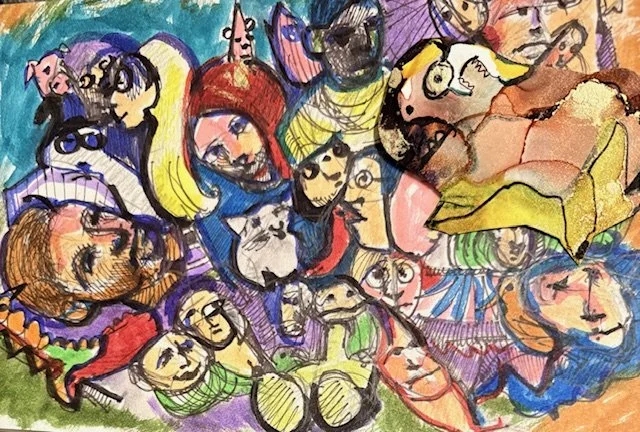
The community center pool was usually crowded at lunchtime
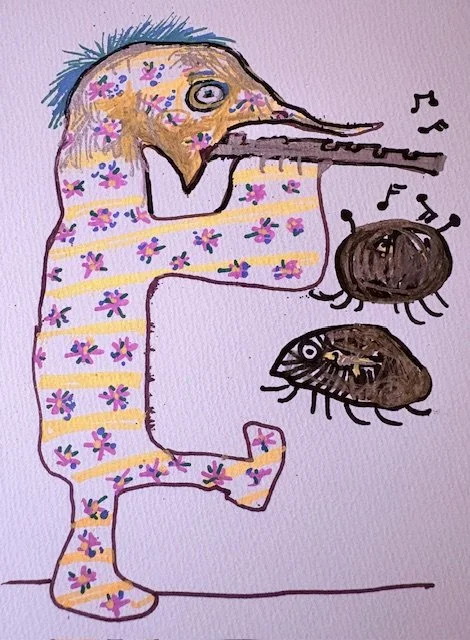
Roscoe and the Bedbugs were having a moment

Hester wore makeup creatively

Dara’s social climbing took her to the top, but nobody liked her

The Ruffins didn’t like flying creatures in the hous
Art and photos by Jane Hart
Hope VI, by Sheila Benedis

Art and photo by Sheila Benedis
In and Around
Kendal Purim, 2026
If you know Purim, you know joy. In the celebration, the Book of Esther (the Megillah) is read aloud, with great shouting, noise-maker rattling, and foot stomping with each mention of the villain’s name: Haman, the evil prime minister to the king of Persia. Haman plotted to wipe out the Jews of Persia in a single day. But with the courage of Queen Esther and the wisdom of her adopted father Mordecai, Haman was thwarted and done away with. Costumes are customary for children and adults alike. Donations of both food and money in the broader community is customary—and, of course, hamantaschen: traditional triangular-shaped, filled pastries or cookies made with a cookie dough and filled with poppy seeds, fruit jam, or chocolate. They’re designed to resemble Haman’s three-cornered hat.
And, of course, there’s a Kendal Purim celebration!
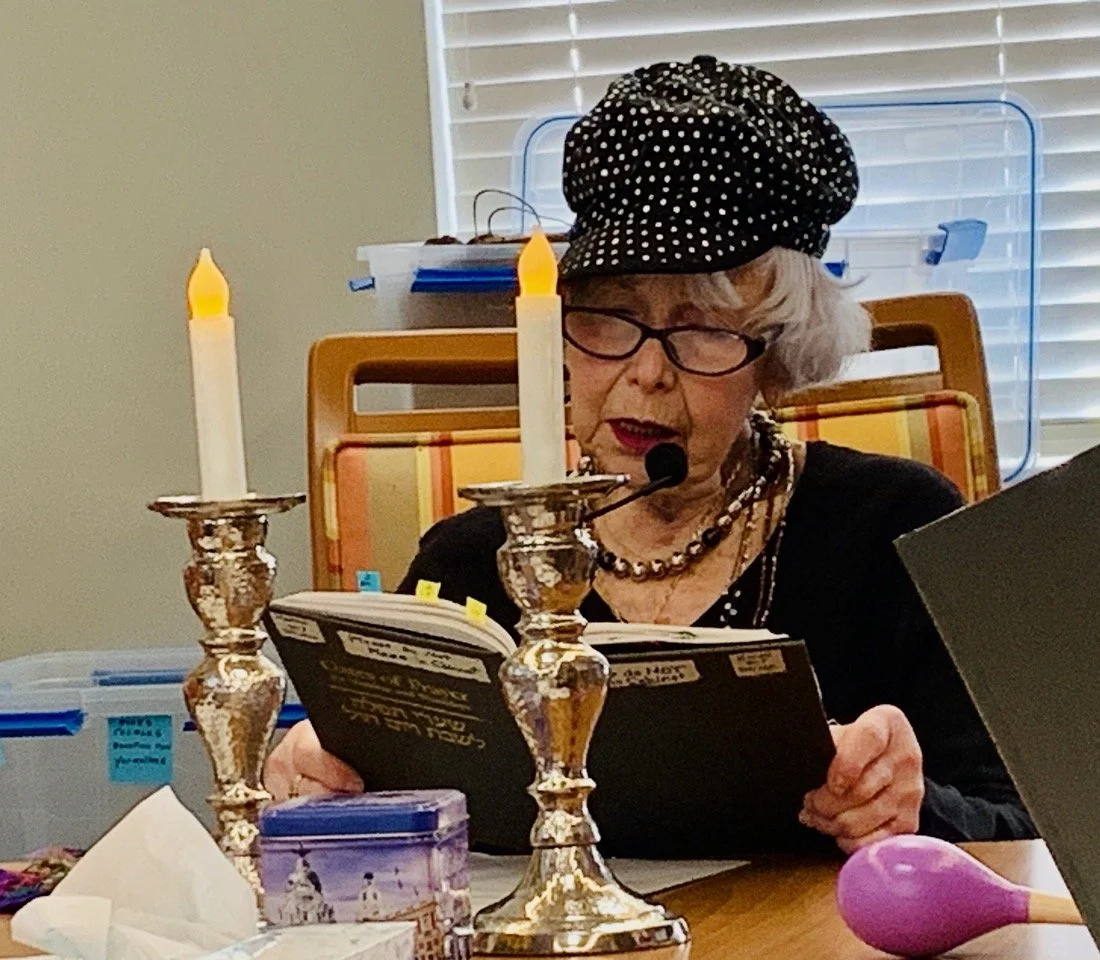
Naomi Gross, reading the Megillah
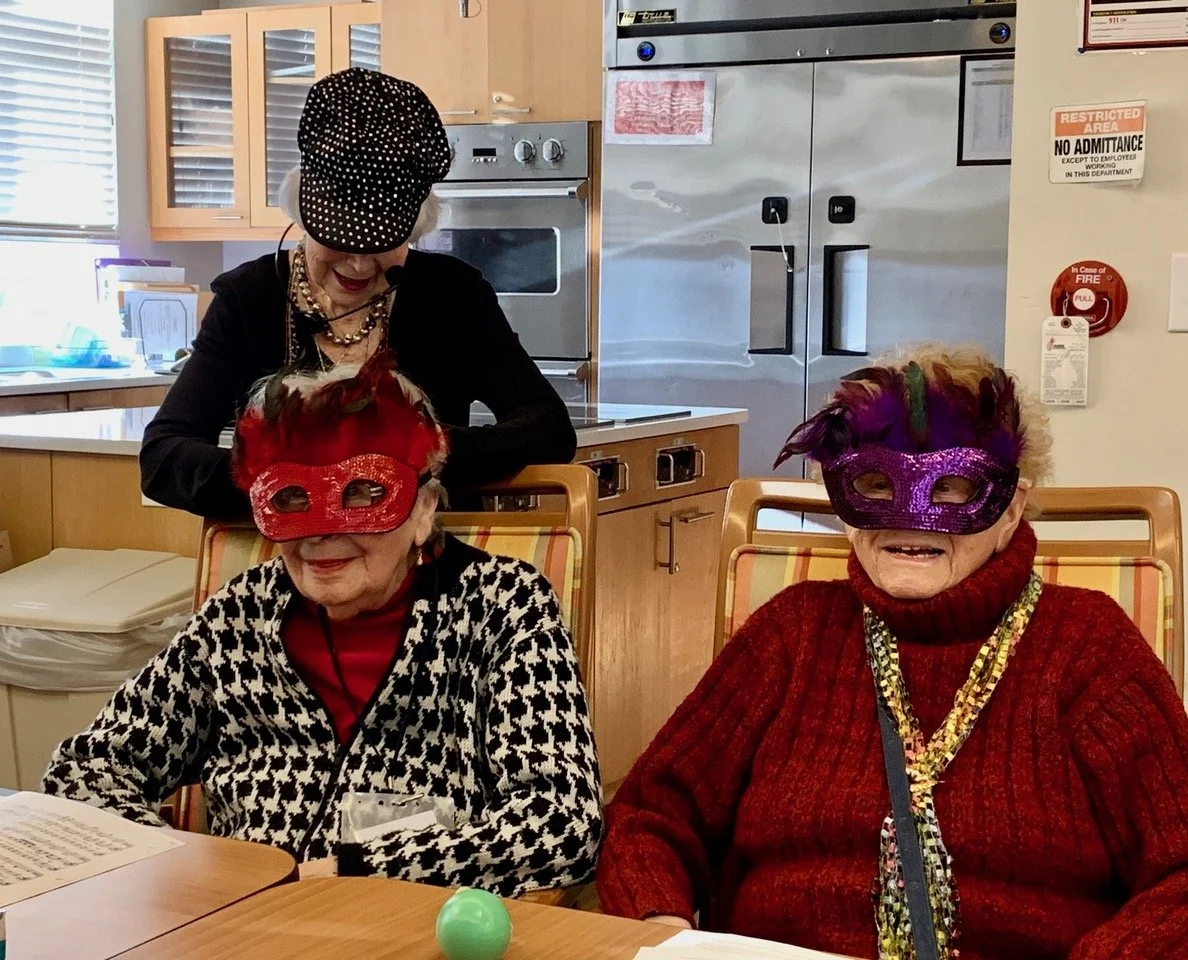
Bright costumes are traditional
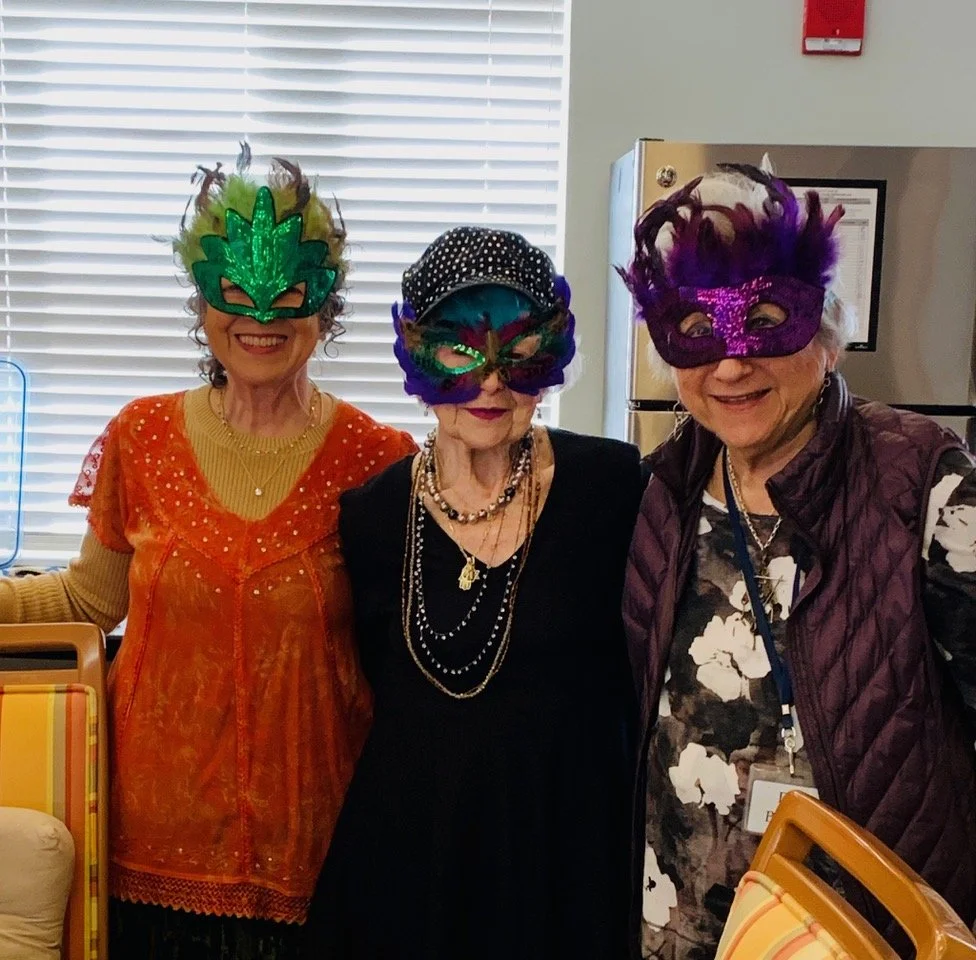
Hope Springs Eternal

Photo by Carolyn Reiss
The First Sunset of Daylight Savings 2026

Photo by Philip Monteleoni
Out and About
Strolling the Old Croton Acqueduct—NYC Branch
On a visit to The Big Apple, Carolyn Reiss decided to check out a piece of history: the NYC end of the Croton Aqueduct. Starting at 94th Street, she strolled in the park to the top of what was the top of the old aqueduct, then made her way down to the 42nd Street library where you can still see vestiges of the old reservoir. Want to know more about the Old Croton Aqueduct? Check out Hubert Herring’s article in the recently released March-April 2026 issue of Kendal View.

Heading downtown

The promise of spring, behind the Metropolitan Museum of Art

In Central Park

Last stop
Photos by Carolyn Reiss
Be a Good Neighbor

For Those Who Love Writers and Writing
A New Opportunity Brought to You By the Lifelong Learning Committee

Located nearby in the old Philipse Manor train station, the Hudson Valley Writers Center invites you to explore their wide range of writing and reading classes. Some are held in person at their Sleepy Hollow center; many are offered online. New courses are added regularly, and you’ll find everything from 2 and 4 hour intensives to multi‑week workshops.
For March and April 2026, all Kendal residents receive 20% off any class.
Use code KENDAL20 at checkout.
A few upcoming offerings among the many workshops offered:
Memoir with David McLoghlin: a supportive space to begin shaping your own story.
The Book of Ruth: Gleanings from Many Corners with Jessica Greenbaum—a reading class pairing the Book of Ruth with contemporary poetry.
You can browse their full schedule of workshops on the Hudson Valley Writers Center website, by clicking here.
Questions? Contact Dominika Wrozynski, HVWC Program Director at dominika@writerscenter.org.
They’d love to welcome you into one of our classes online or at 300 Riverside Drive, Sleepy Hollow.
Marilyn Bottjer Exhibit
Waste to Weave in Textile Art: On Exhibit Now
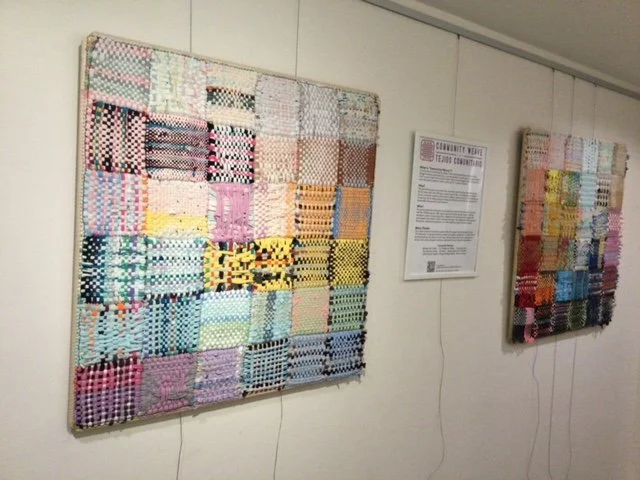
Don’t throw out that worn-out tee shirt! That stained tie. That moth-eaten sweater. Turn them in to art! That’s what Sleepy Hollow weavers—practiced and new, and some Kendalites, too—did in 2025 in a Community Weave project throughout Sleepy Hollow, creating art from said “trash.” Marilyn Bottjer partnered with Kersten Harries, members of the Sleepy Hollow Arts Collective (SHAC), attracted community members of all ages to make “potholders” out of tee-shirt yarn (tee shirts cut into strips) along with other spent items. Sewn together, they made wonderful wall hangings. Kendalites joining in were Florence Walker, Alice Clague, Meera Srinivason, Carolyn Klinger, Susan Yao, Sally Costa, and Marianne Bloomfeld, all led by Marilyn
Why do all that? Fact: 92 million tons of textile waste are produced each year? Only 12% of textiles are recycled globally, while 57% go to landfills and 25% are incinerated. Why not turn it into art instead? That’s just what the Community Weave project did. And the results are now on exhibit at the Warner Library for the month of March.
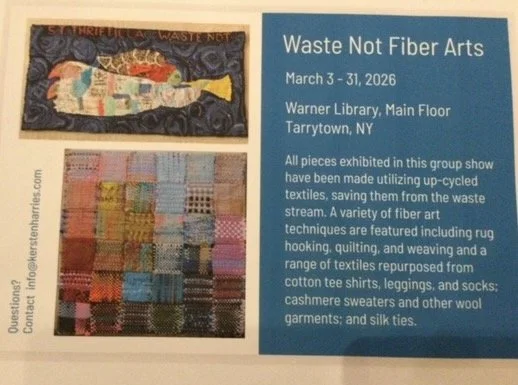
Photos by Marilyn Bottjer
I Never Knew That
Ben Franklin Proposed Something Like Daylight Saving Time as a Joke

In most US states, the clocks get set forward an hour on the second Sunday in March, making Monday morning arrive just a little too soon. While daylight saving time can seem like a cruel joke to groggy night owls, the concept is logical enough that even Benjamin Franklin suggested, albeit humorously, maximizing daylight by getting up earlier.
In 1784, when Franklin was living in Paris, he submitted a satirical letter to the Journal de Paris called “An Economical Project.” In it, he wrote that he was up late discussing ways to save money on lighting and went to bed around 3 am or 4 am, before “[an] accidental sudden noise waked [sic] me about six in the morning, when I was surprised to find my room filled with light.”
Franklin, who was the author of Poor Richard’s Almanack, noted that he consulted his almanac and was “astonished” to find that the sun “was to rise still earlier every day till towards the end of June.”
In the letter, Franklin calculated that Parisian families could save millions of pounds by waking up with the sun and swapping candlelight for sunlight. He jokingly suggested levying a tax on closed shutters, setting limits on candle purchases, and ringing all church bells right as the sun rises—switching to cannons if the bells proved ineffective.
Franklin did not, even as a joke, suggest changing the time, but his letter was still somewhat prophetic. Ultimately, when countries started implementing daylight saving time, the main argument for doing so was fuel savings.
Source: Sarah Anne Lloyd, historyfacts.com Contributed by Jane Hart
For Your Funny Bone

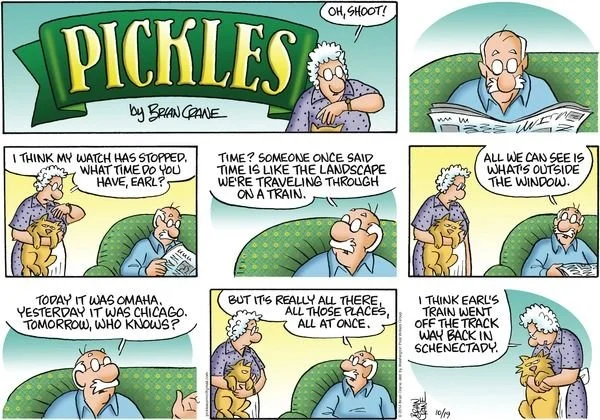
Contributed by Joe Bruno




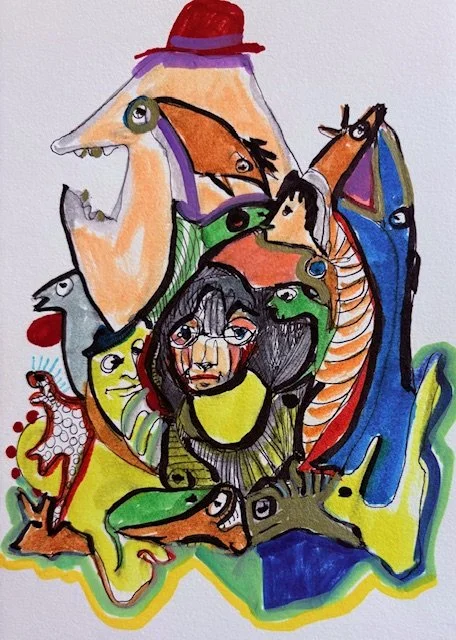
Hope V, by Sheila Benedis
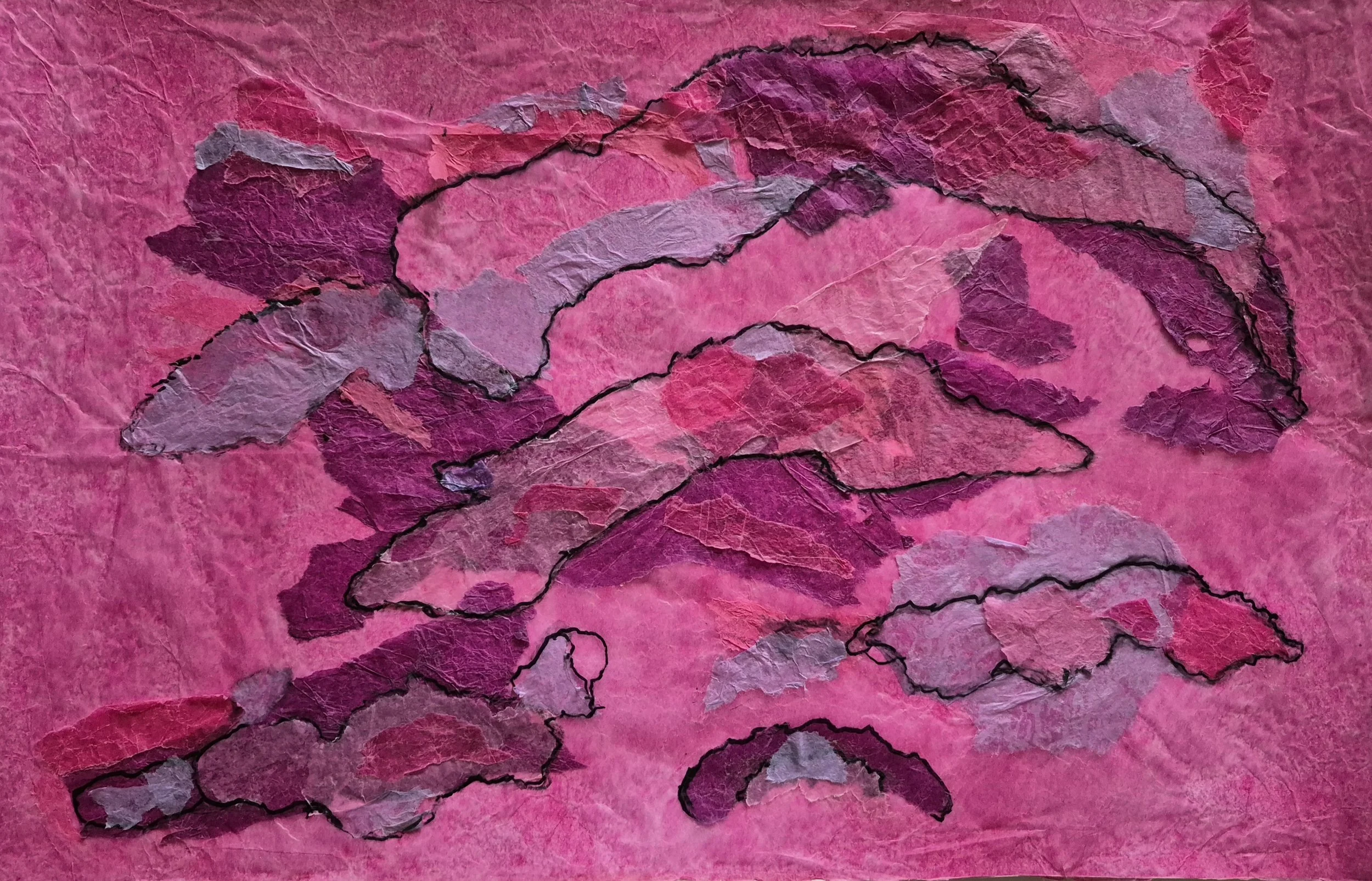
Art and photo by Sheila Benedis
Art by Hart

A close-knit family, the Wylies liked to greet the sunrise together
The Starbucks lines were getting longer every morning

Elmore vowed to stop buying cheesy cars
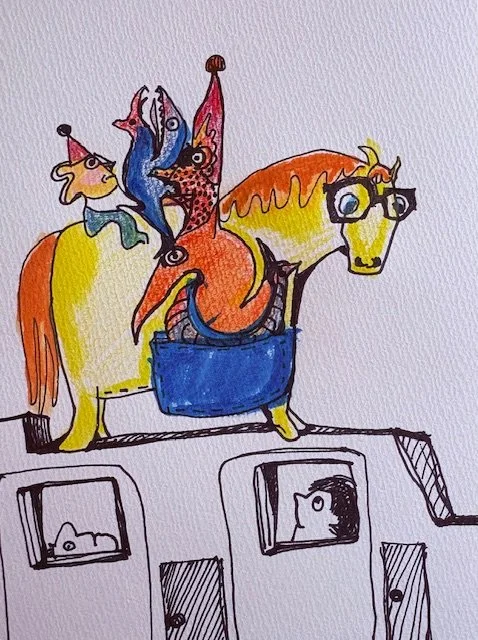
Margery wished the neighbors would quit double-parking

If you saw a piece of sky missing, it was Woofy’s fault, but he says he’s sorry
Art and photos by Jane Hart
In and Around Kendal

Just returning from Hawaii, it looks just like old times, by Joe Bruno
The Moods and Majesty of the Hudson River

Photo by Susan Martin

Photo by Harry Bloomfeld

Ice flow, by Greg Lozier

Golden Reflection, by Philip Monteleoni

Sunset Reflection, by Greg Lozier
Out and About
Recently, Kendalites traveled to Yonkers to visit the Philipse Manor Hall, the city’s last connection to the 17th century. Built starting in the 1680s as a frontier trading post, by the 18th century it had become the central hub of the massive Philipse Manor, which spanned 52,000 acres of Westchester County. All on the trip declared it an excellent site to visit.
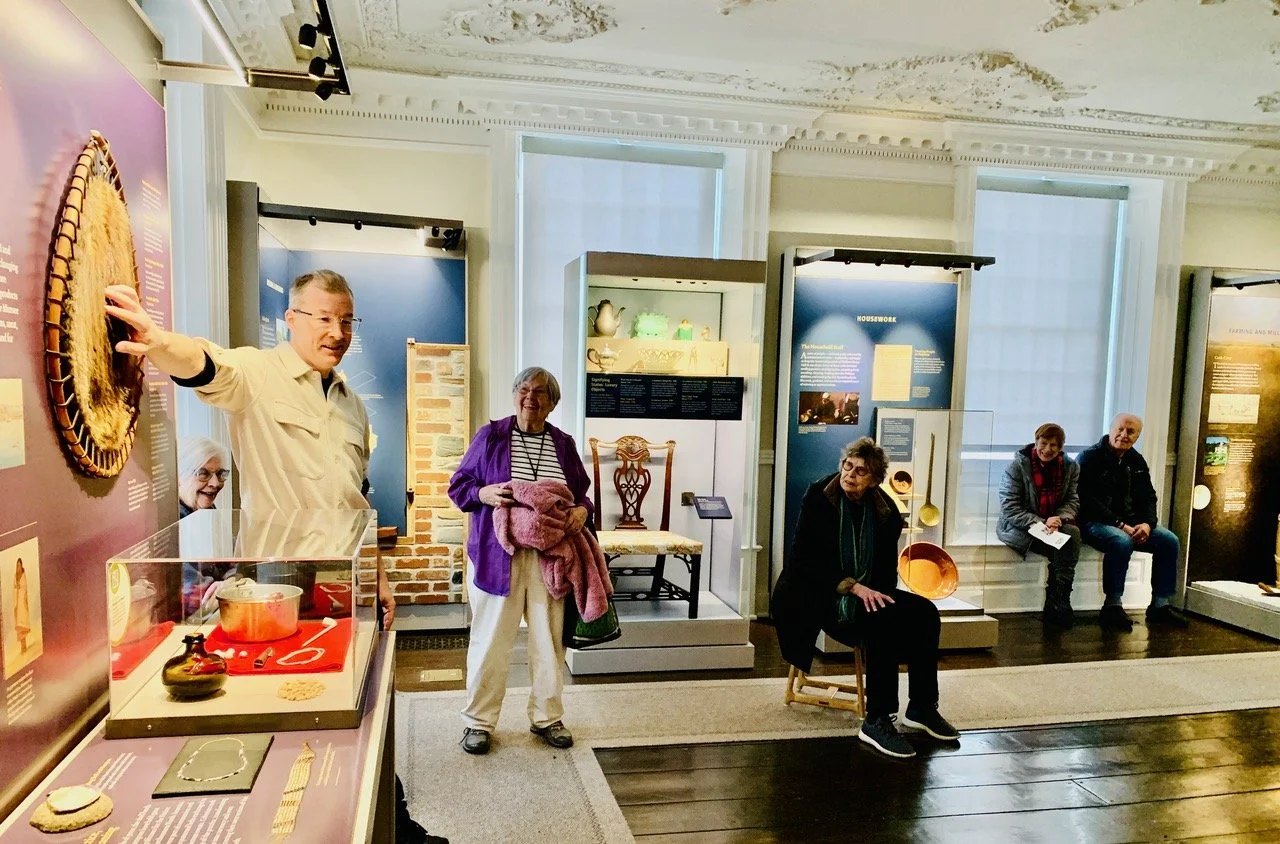
A retired professor of history was the group’s docent. Good choice!
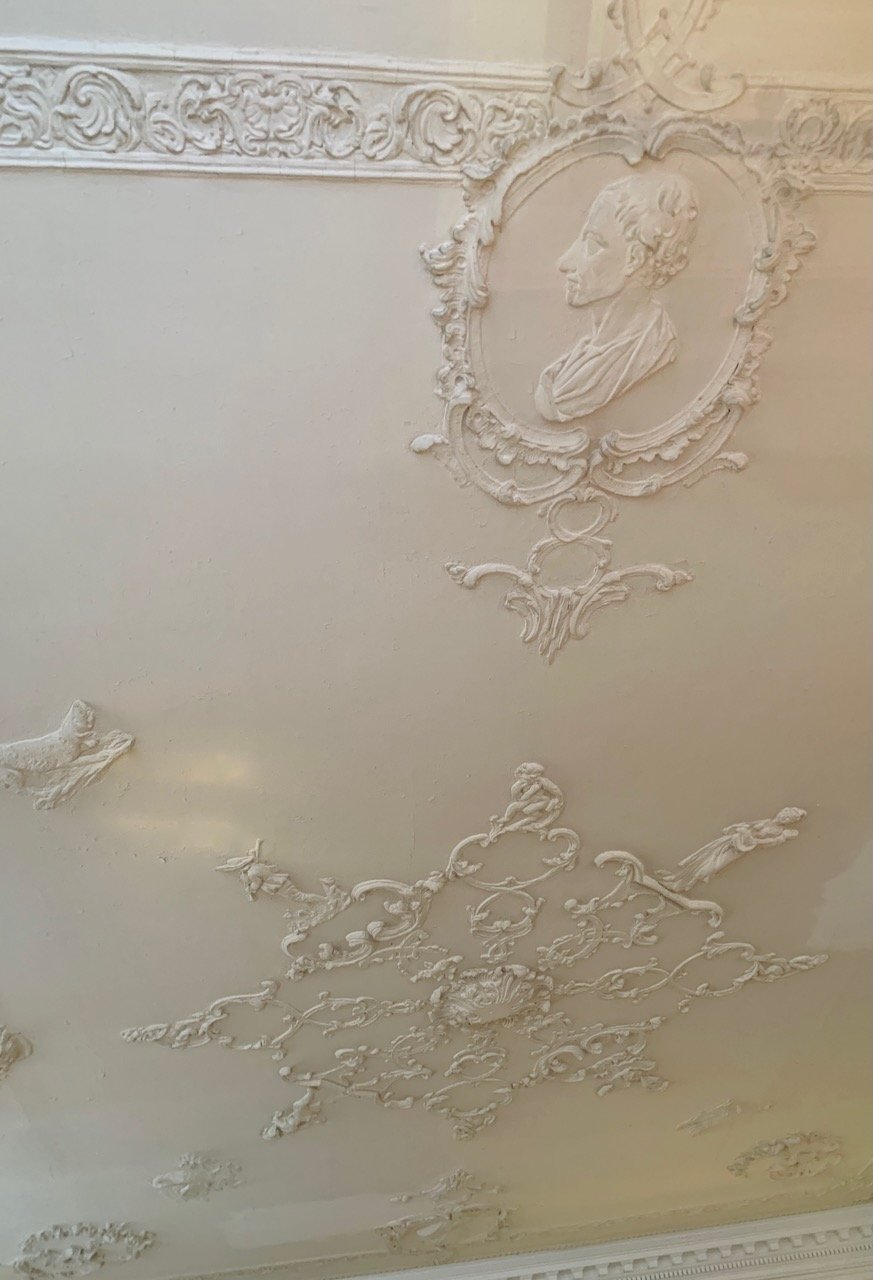
Not only could the group view the decorated ceiling, but were told the details of how such a ceiling came to be.
Spelling Bee
In a field of 11 teams, Kendalites Carol Monteleoni, Mike Kornfield, and Philip Monteleoni—as team Ten Thousand Words—battled word by word, letter by letter, for the championship of the Irvington Spelling Bee. Words like scyntilla, efflorescence, quixotic, and pulchritude. They made it to the sudden-death final round with three other teams. One by one the others fell. The final two: Ten Thousand Words vs Reservoir Dogs. They fought it out until the word list was exhausted. Gone. Finished. The Bee leader scrounged for more words, finally coming up with the last one: kakistocracy: “government by the least suitable or competent citizens of a state.” And the Ten Thousand Words team won! Our heroes left the stage victorious, with Kendal pride justifiably intact. You could say that got an A in Bee.
And if you’d like to see The Hudson Independent article on the Bee, click here.
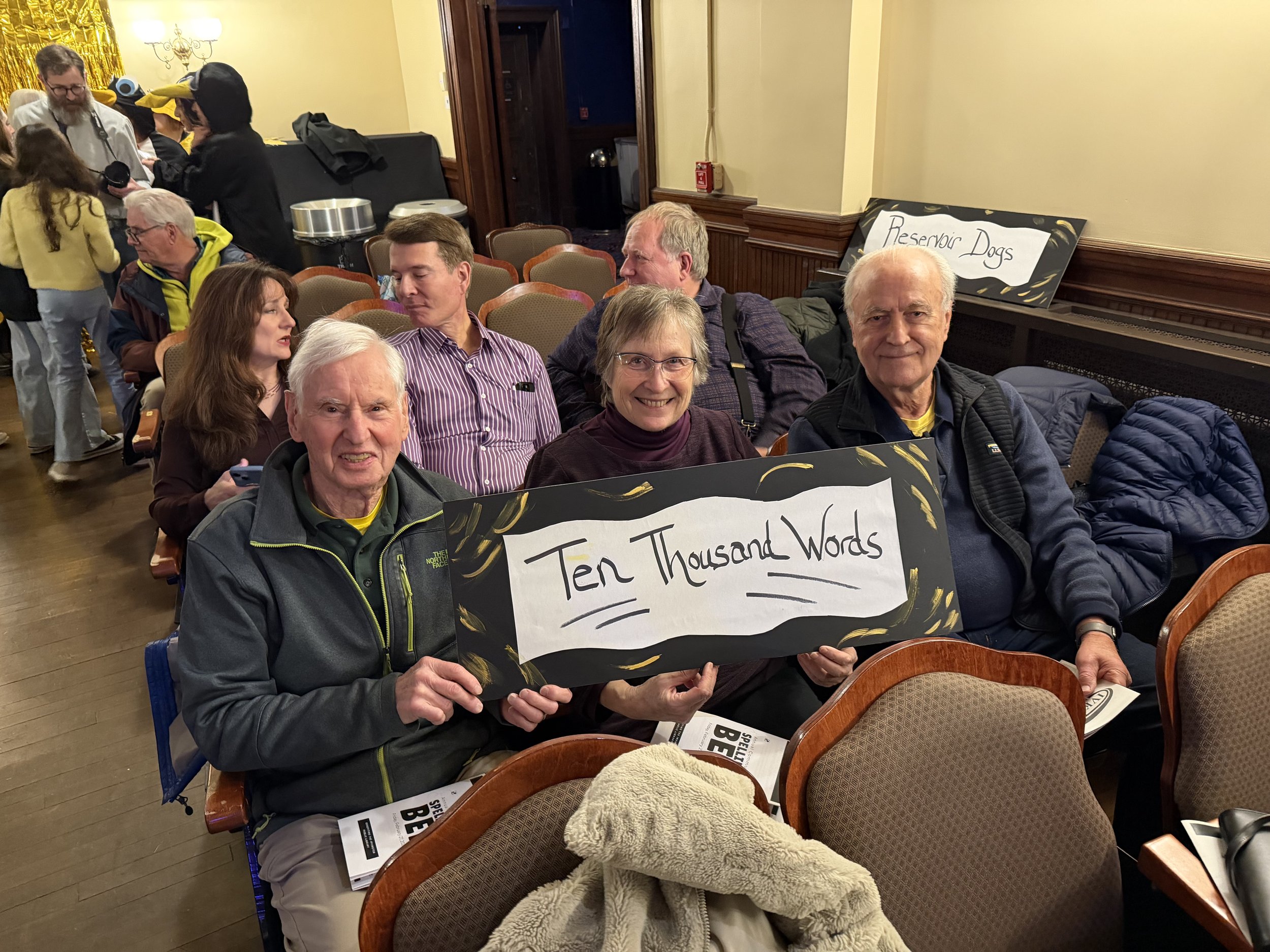
The KoH Team
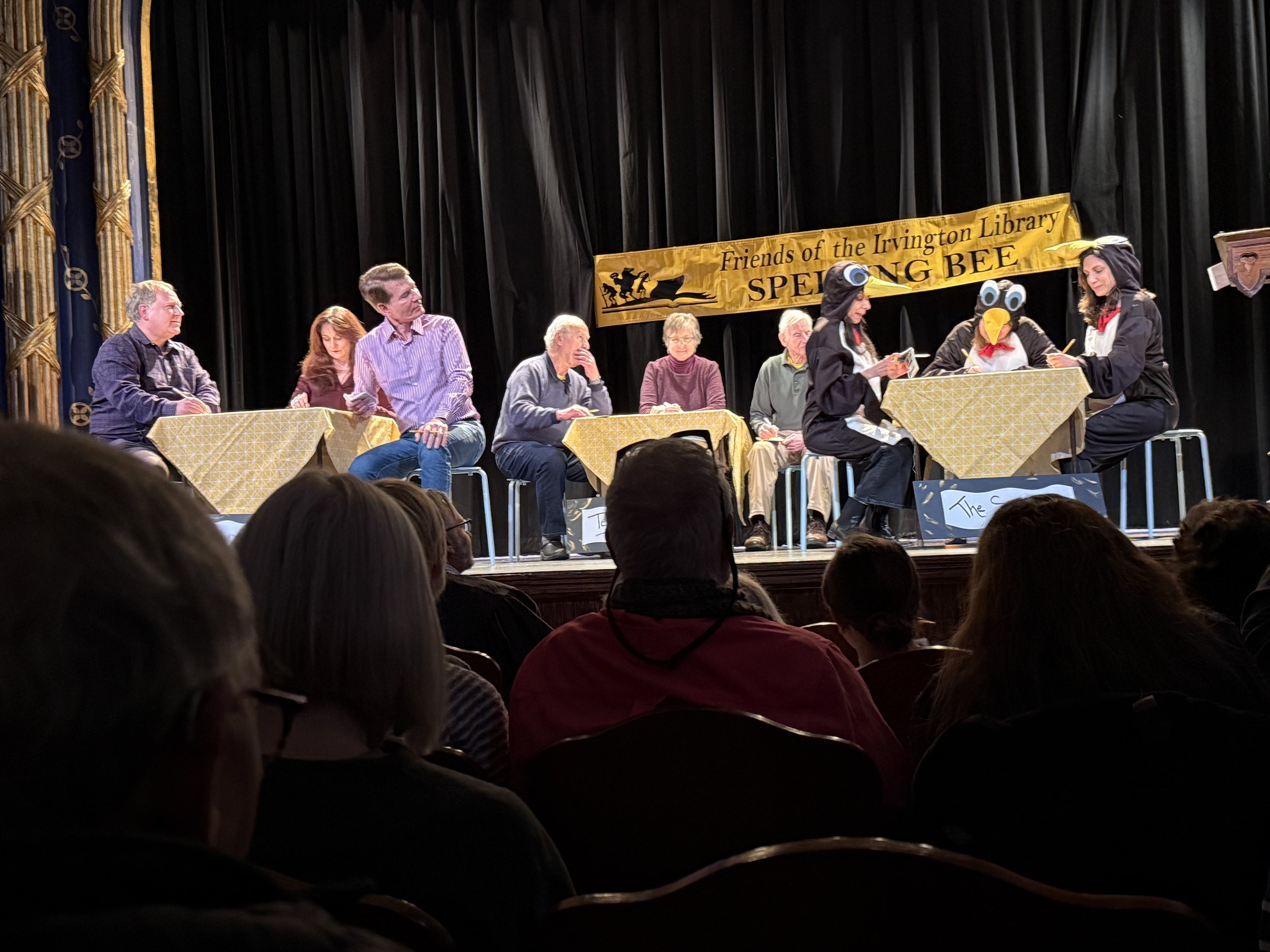
The First Round (yes, there were costumed teams—here you see the Spell-quins) Photo by Amanda Slattery
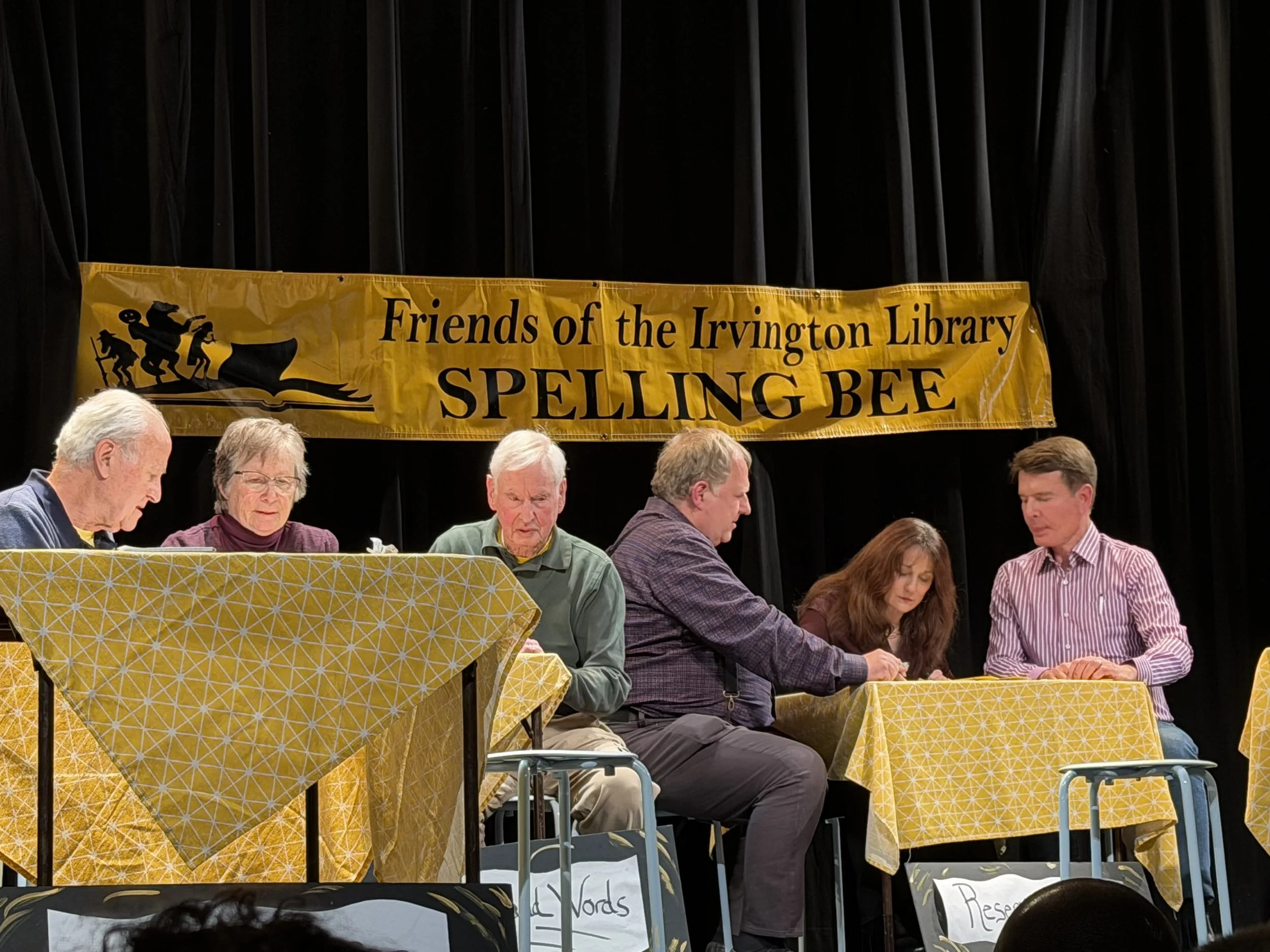
The Final Round: Ten Thousand Words vs Reservoir Dogs—the tension is at its peak! Photo by Ed Lannert
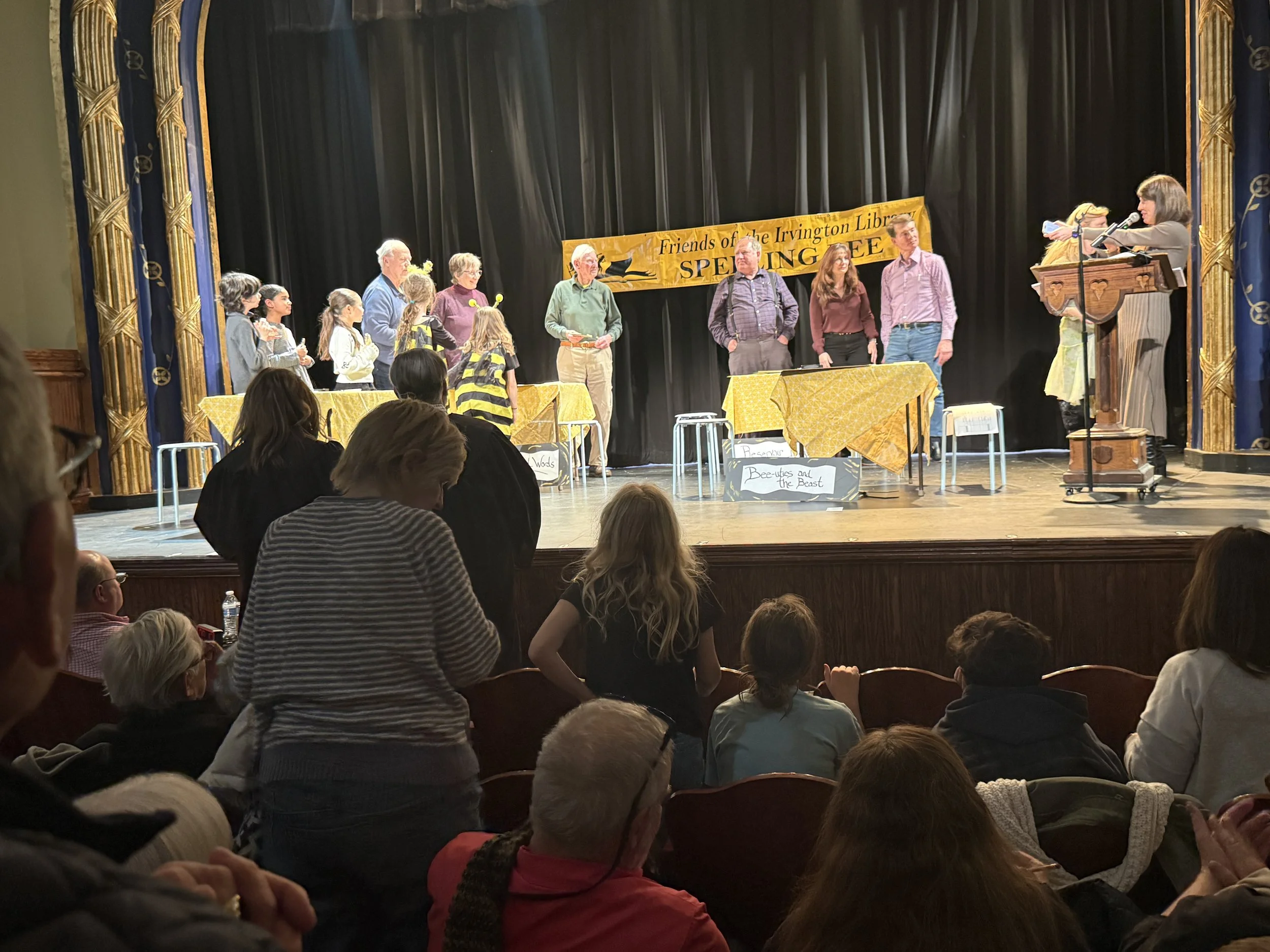
And the winners are: Ten Thousand Words! And the audience jumps to its feet to applause. (Please note the charming bee-bedecked children who served as helpers in distributing prizes.) Photos by Amanda Slattery.
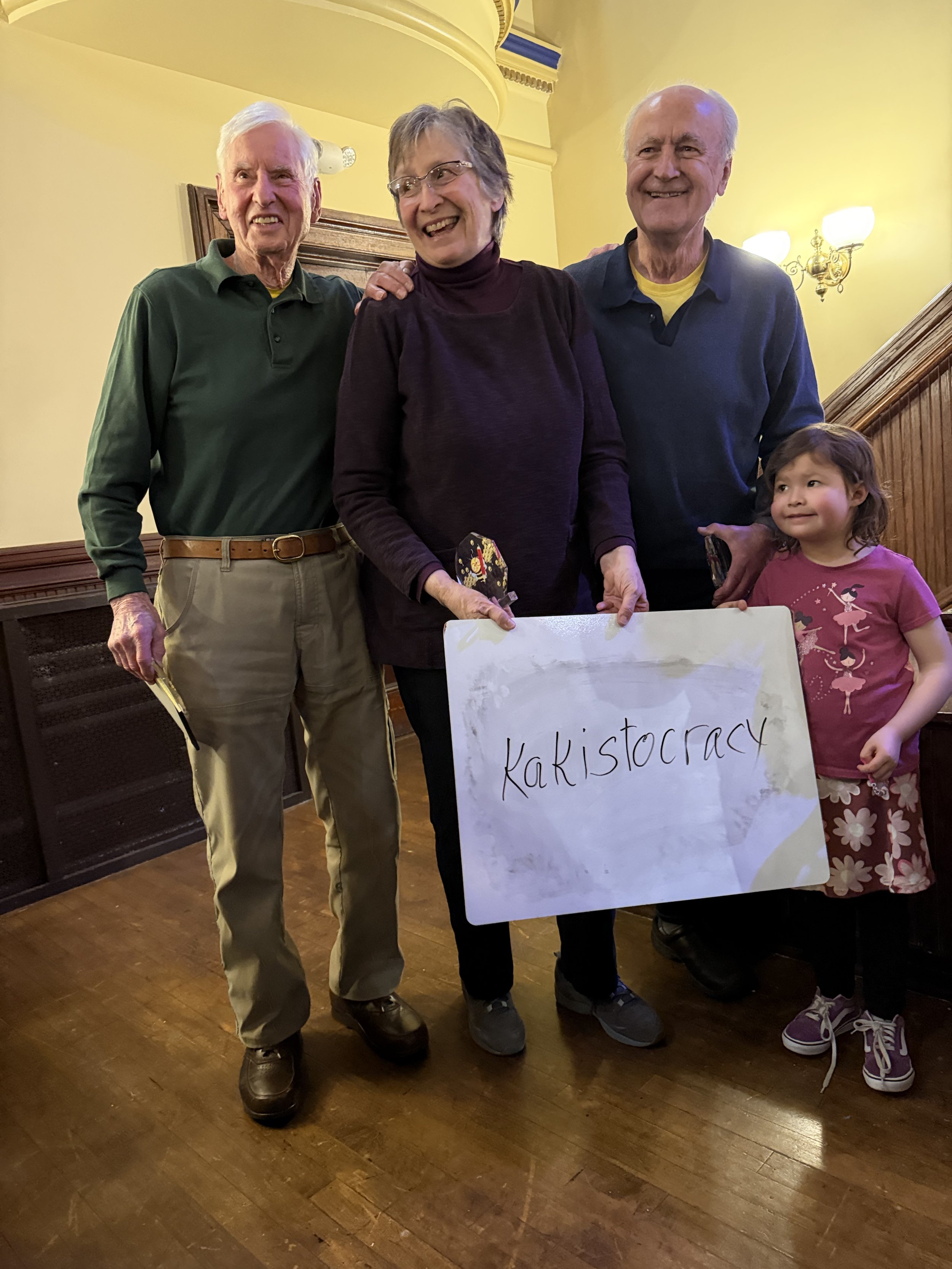
Kendal’s Pride and Joy—and the word that took them over the top (also, a young lady clearly enthusiastic to meet real celebrities). Photo by Ed Lannert