

Art Show
The Winter Art Show formally opened on Wednesday, February 25, in the hallways of Robert Fulton. But the planning and organizing had started well beforehand. A photo story of some of those who made it all happen.
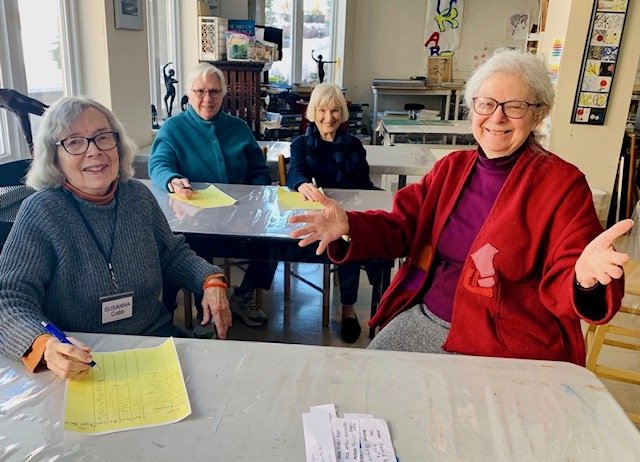
The Show Team interfaces with the artists: they make announcements, receive artwork, return artwork, ensuring labels are correct. They make sure that all pieces are accounted for
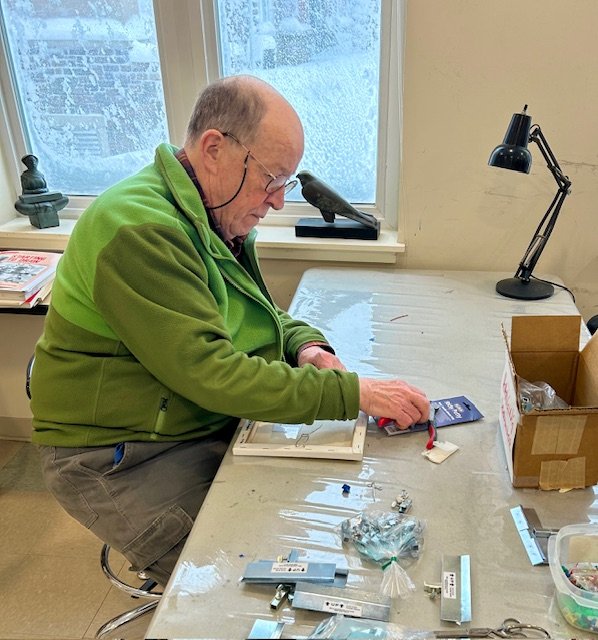
Framing takes patience
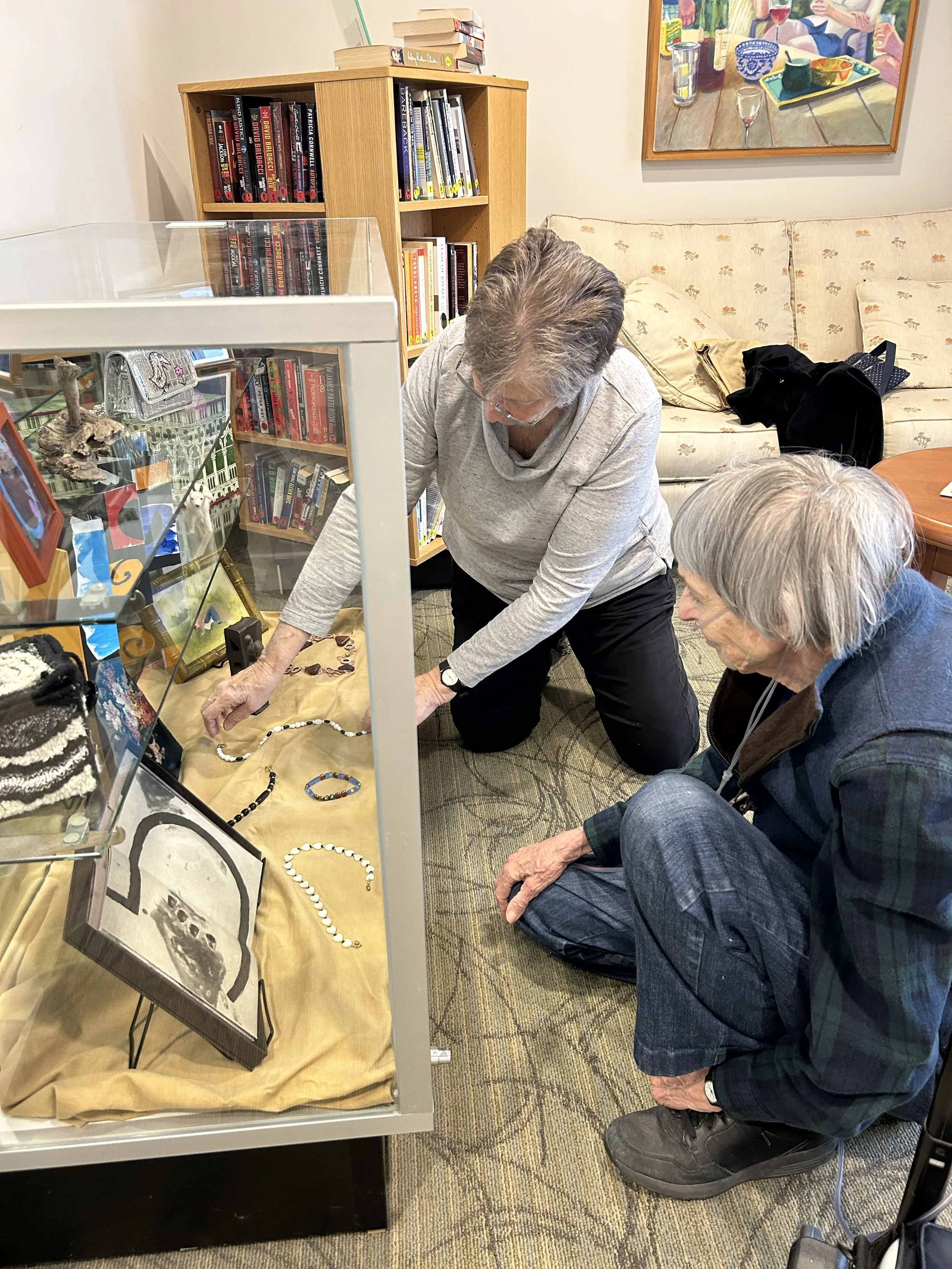
Vitrine curators select the small work and arrange it
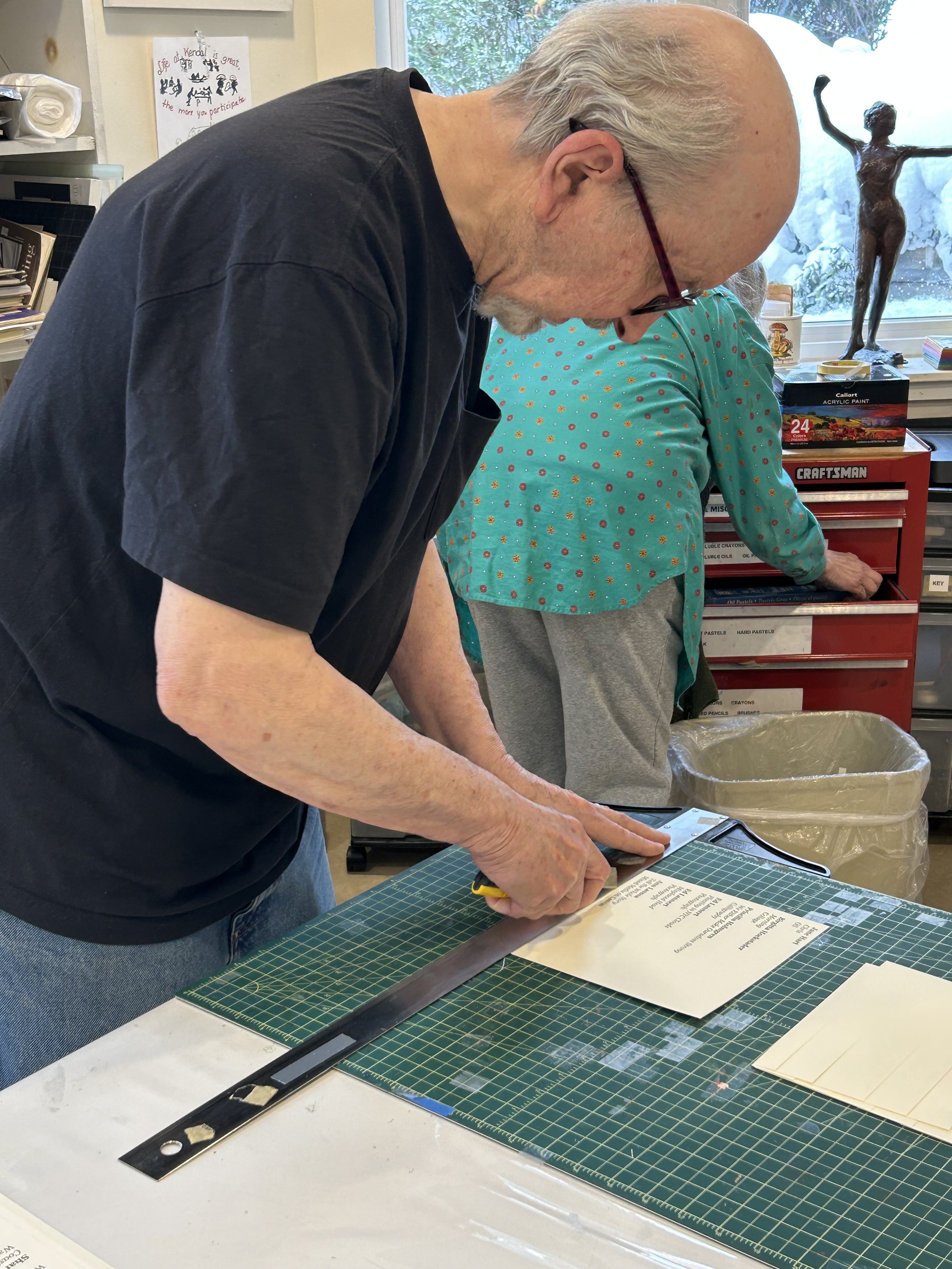
Early on the designer makes posters, flyers and invites, as well as show signage
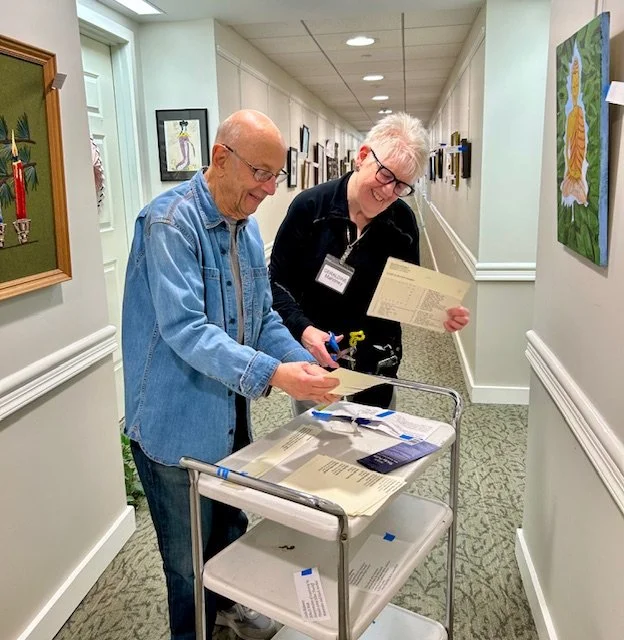
Labelers put labels on the final installation
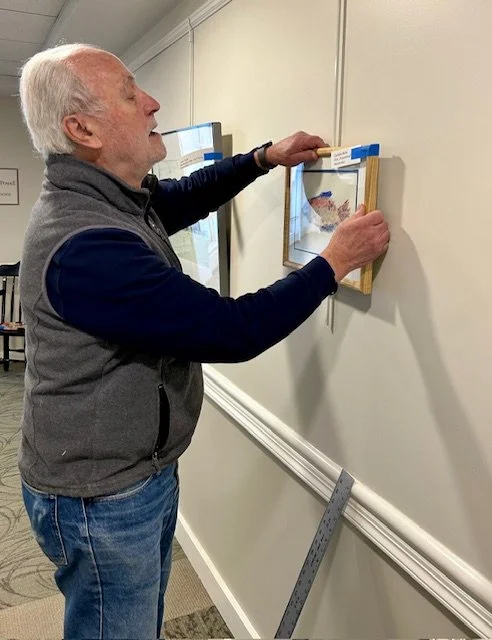
Getting it j-u-u-ust right: The curators select the pieces for the show, install the pieces, and sometimes tweak the frames if they are not hanging properly
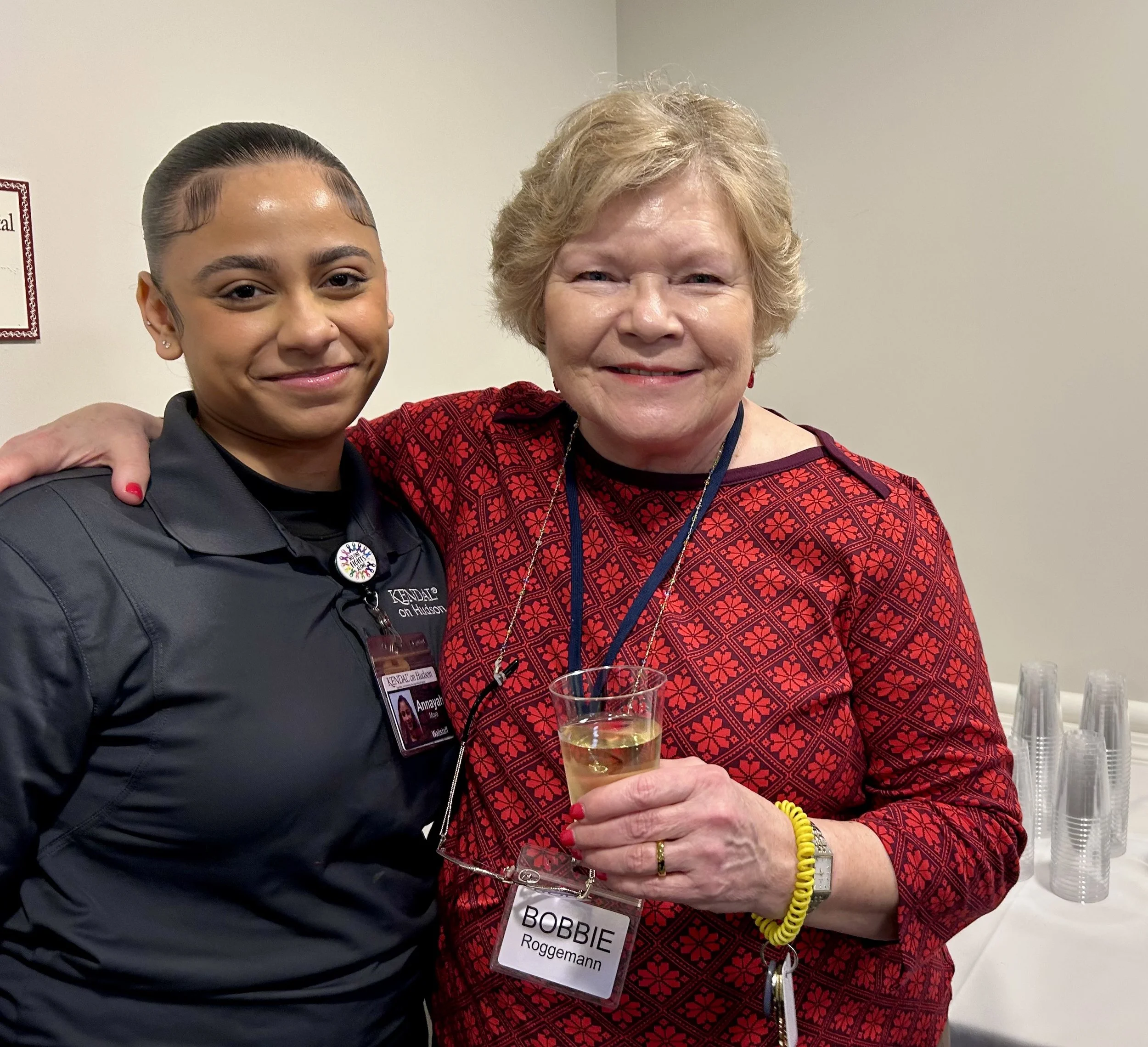
Hospitality arranges the opening setup with maintenance, orders wine, and plans the food with dining
Now It’s Time to Party
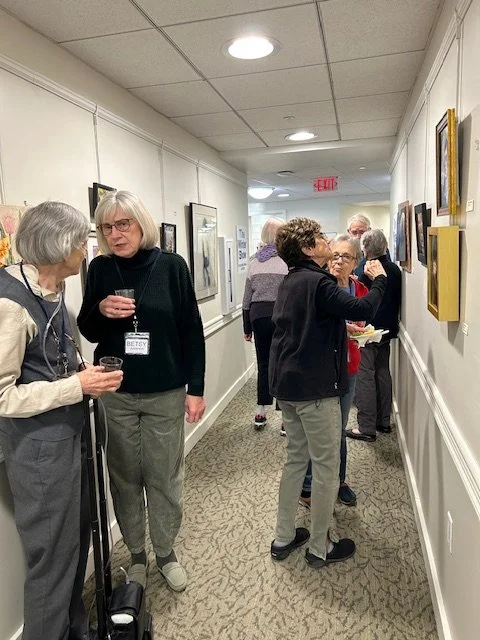
Strolling by the art—and commenting on it

The art of enjoying oneself

Celebrating the artist alone with the art
Photos by Carolyn Reiss
Weekly Construction Report
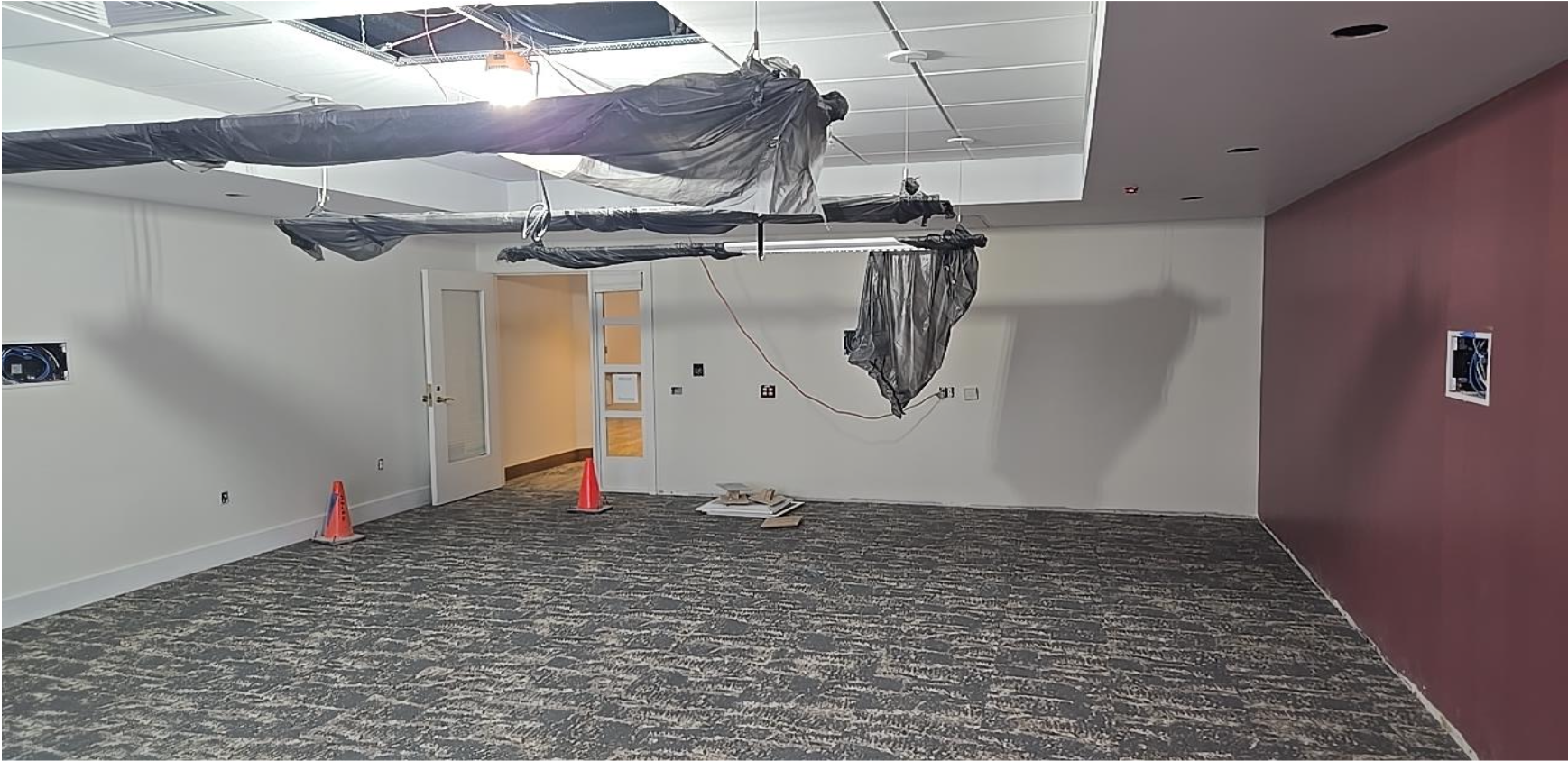
The Riverview Conference Room
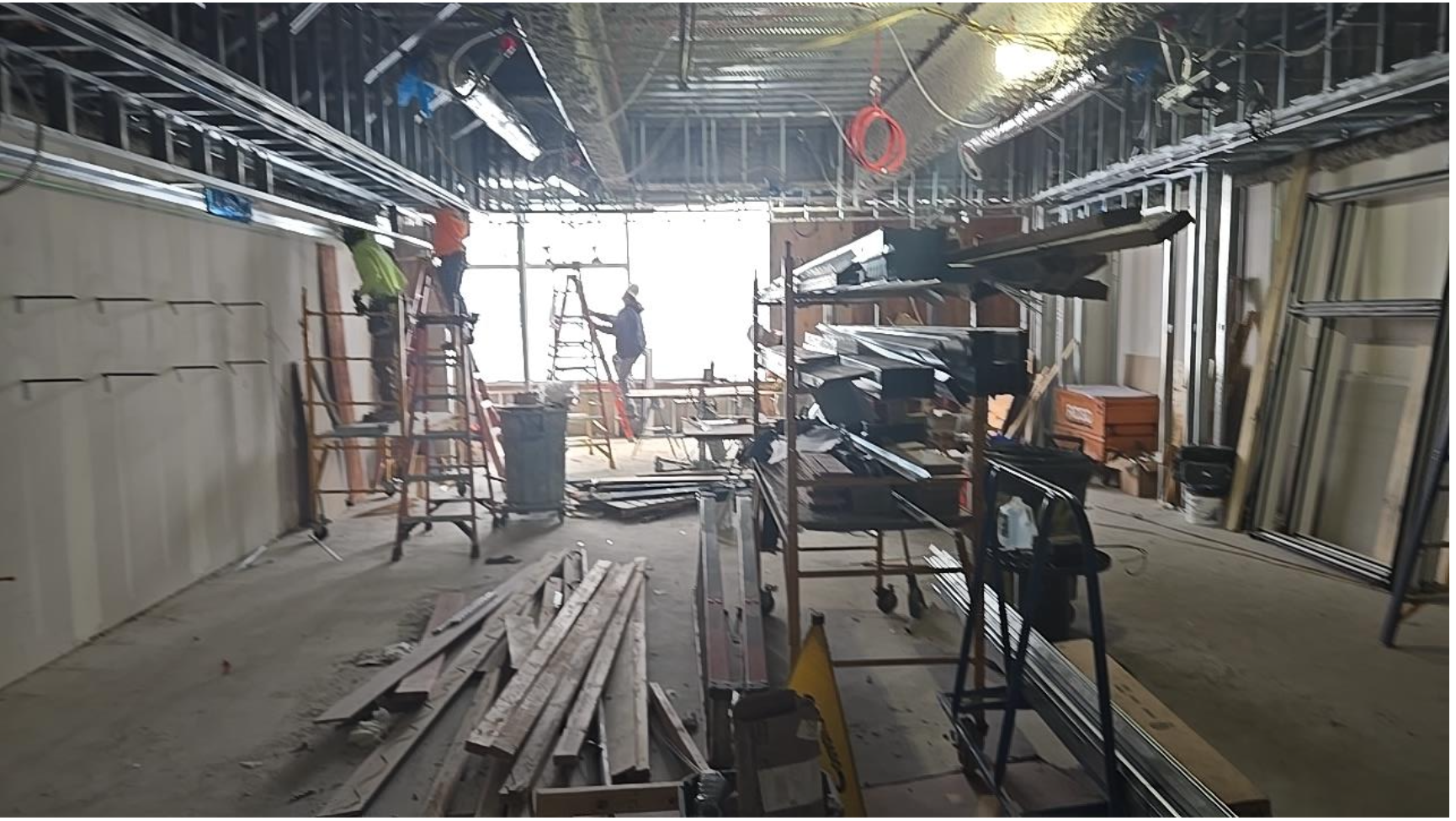
Entrance to the New Community Room—Level C
From the office of Ellen Ottstadt
I Never Knew That
New York City Once Had Miles of Hidden Underground Mail Tubes
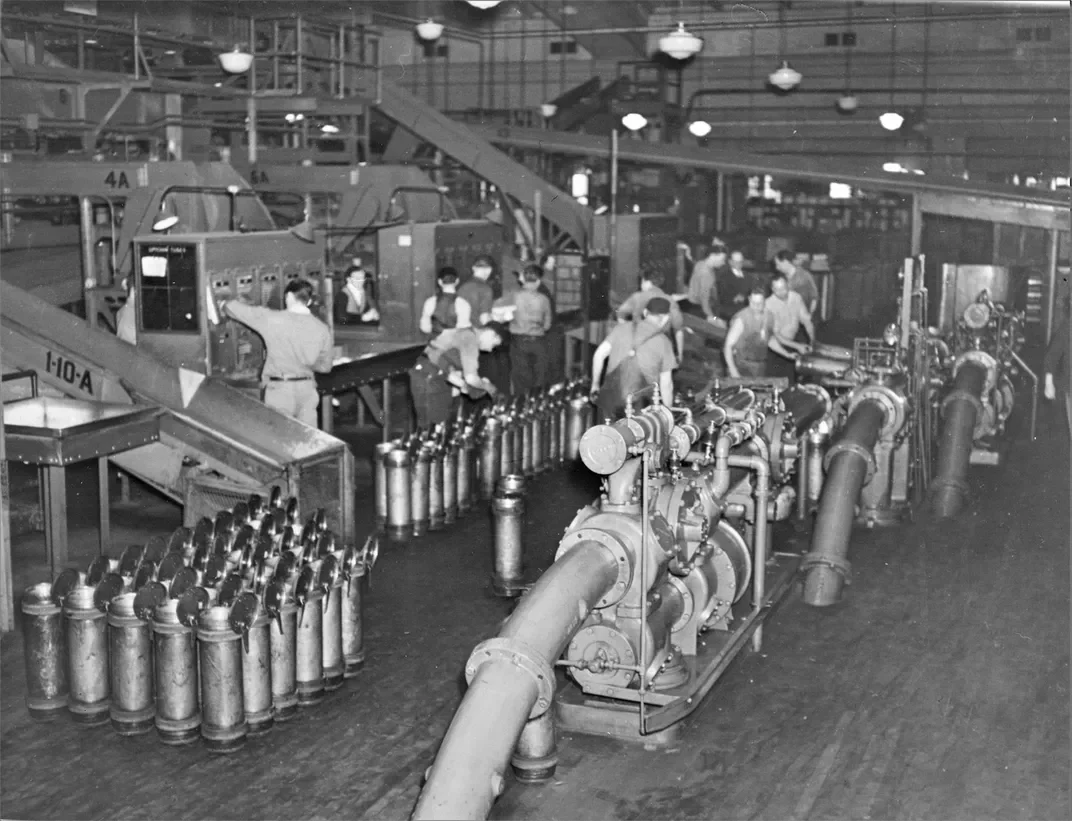
In October 1897, construction of a high-speed network designed to service an ever-expanding city was underway beneath the streets of Manhattan. No, it wasn’t the subway; that would take a few more years. This was a pneumatic tube mail system, developed using engineering principles that dated back more than two centuries and had already been put to the test with working models in London, Paris, and Philadelphia.
Built by the Tubular Dispatch Company and leased to the US Post Office Department, the New York City system was powered by rotary blowers and air compressors that shot steel mail-carrying canisters through cast-iron tubes at speeds of approximately 30 mph. The tubes were largely installed between 4 and 6 feet underground, with a noticeable outlier following the length of the Brooklyn Bridge, while the canisters they supported measured approximately 2 feet long by 8 inches in diameter. The network eventually connected 23 post offices through 27 miles of tubing, its early success paving the way for systems in Boston, Chicago, and St. Louis.
As one might suspect, a canister would occasionally get stuck, shutting down that particular pathway until it could physically be removed. But a bigger problem was the exorbitant costs that came with the endeavor, an issue that became more pronounced as the network continued circulating the same volume of mail even as the need for a larger, faster system increased with the growing population.
Postmaster General Arthur Summerfield finally put the kibosh on New York City’s mail tubes in late 1953, reasoning that the addition of two trucks would be just as effective and far cheaper to maintain, and this once-futuristic service was left to become a hallmark of the city’s past.
For Your Funny Bone

Contributed by both Barbara Wallach and Joe Bruno


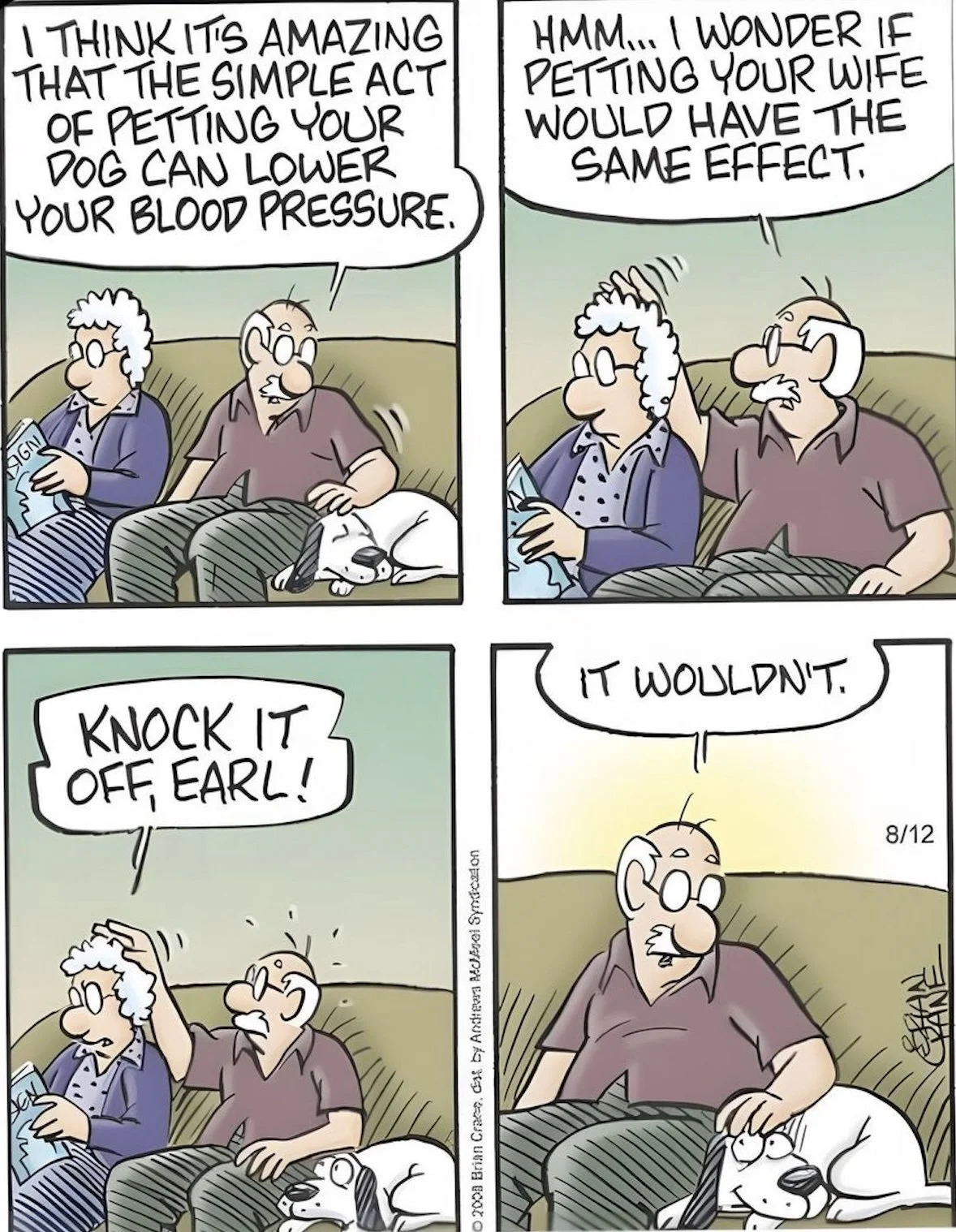


Contributed by simply too many people to name . . .
Hope IV, by Sheila Benedis
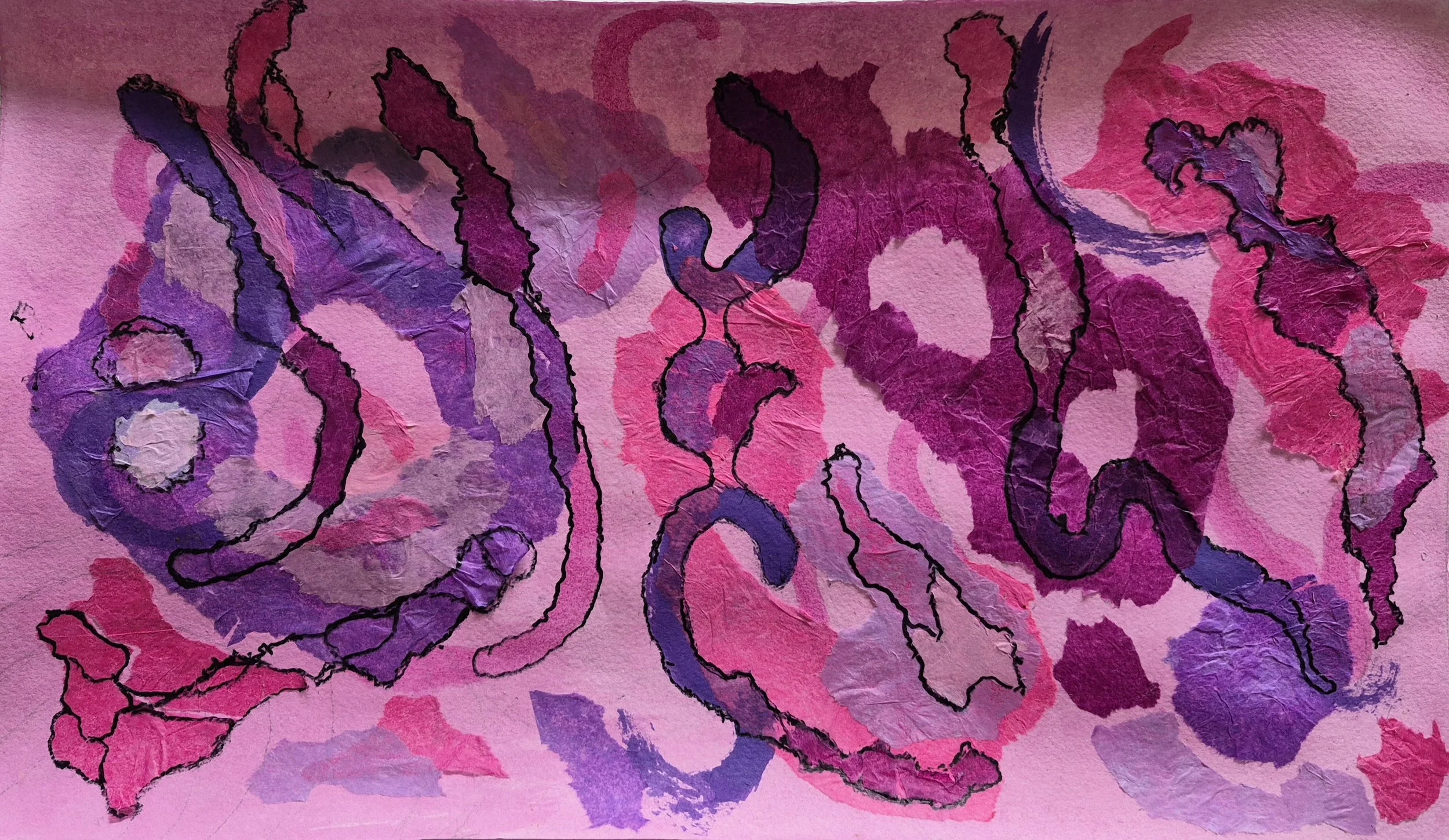
Art and photo by Sheila Benedis
Art by Hart
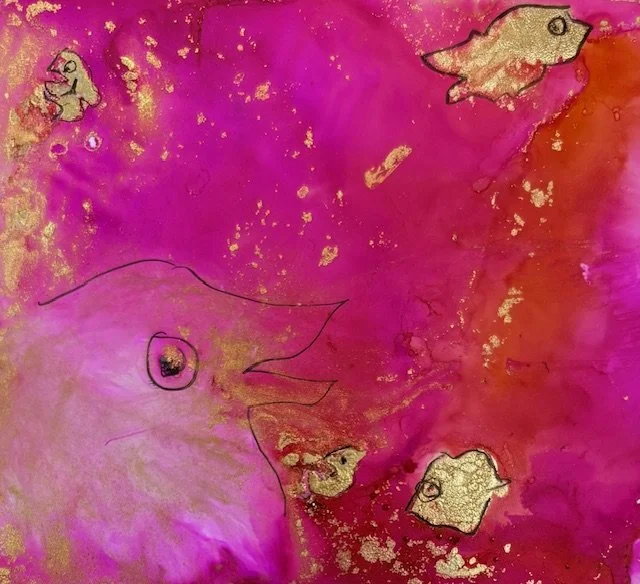
Lila loved goldfish, except for their metallic aftertaste

Aunt Lulu thought the baby was a little bit clingy
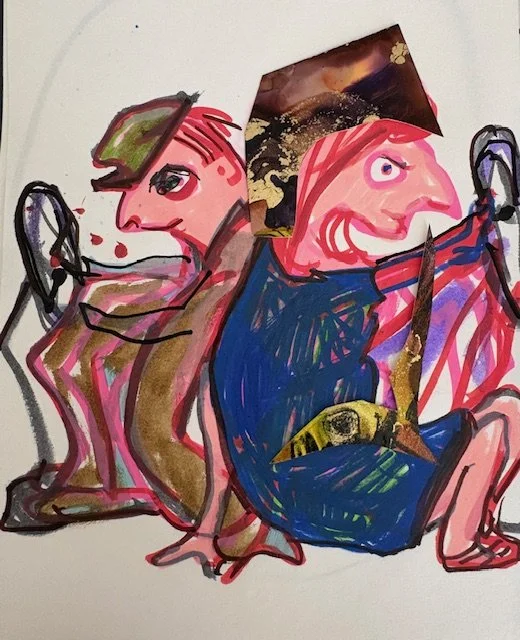
Luckily neither of the Kurkles had car keys

The Blue Plate Special was not what any of the family remembered

Pibble felt invincible in his superhero suit
Art and photos by Jane Hart
In and Around Kendal
Hanging the Winter Art Show Begins: Step One
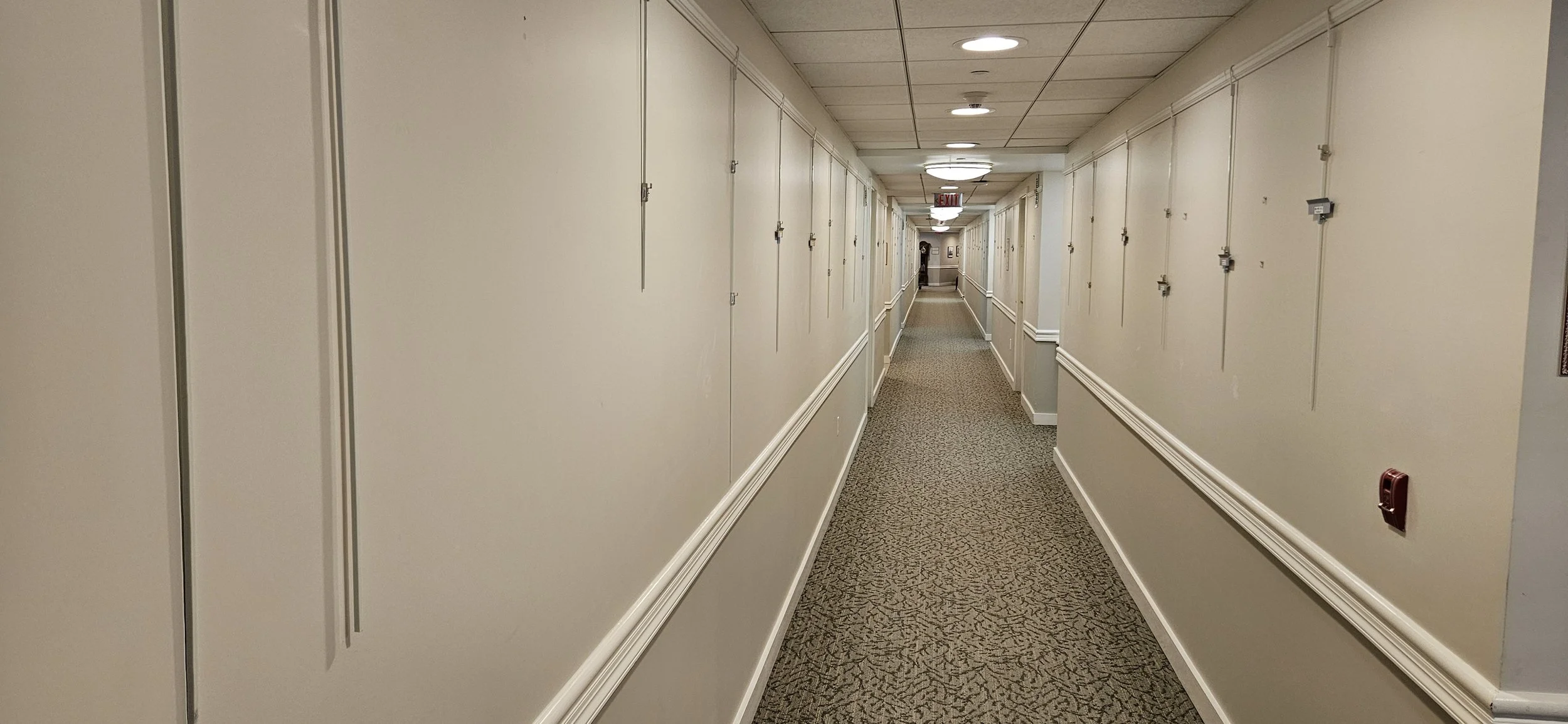
Reflections

Photo by Philip Monteleoni
A Basic Approach. But a Kendal Value?
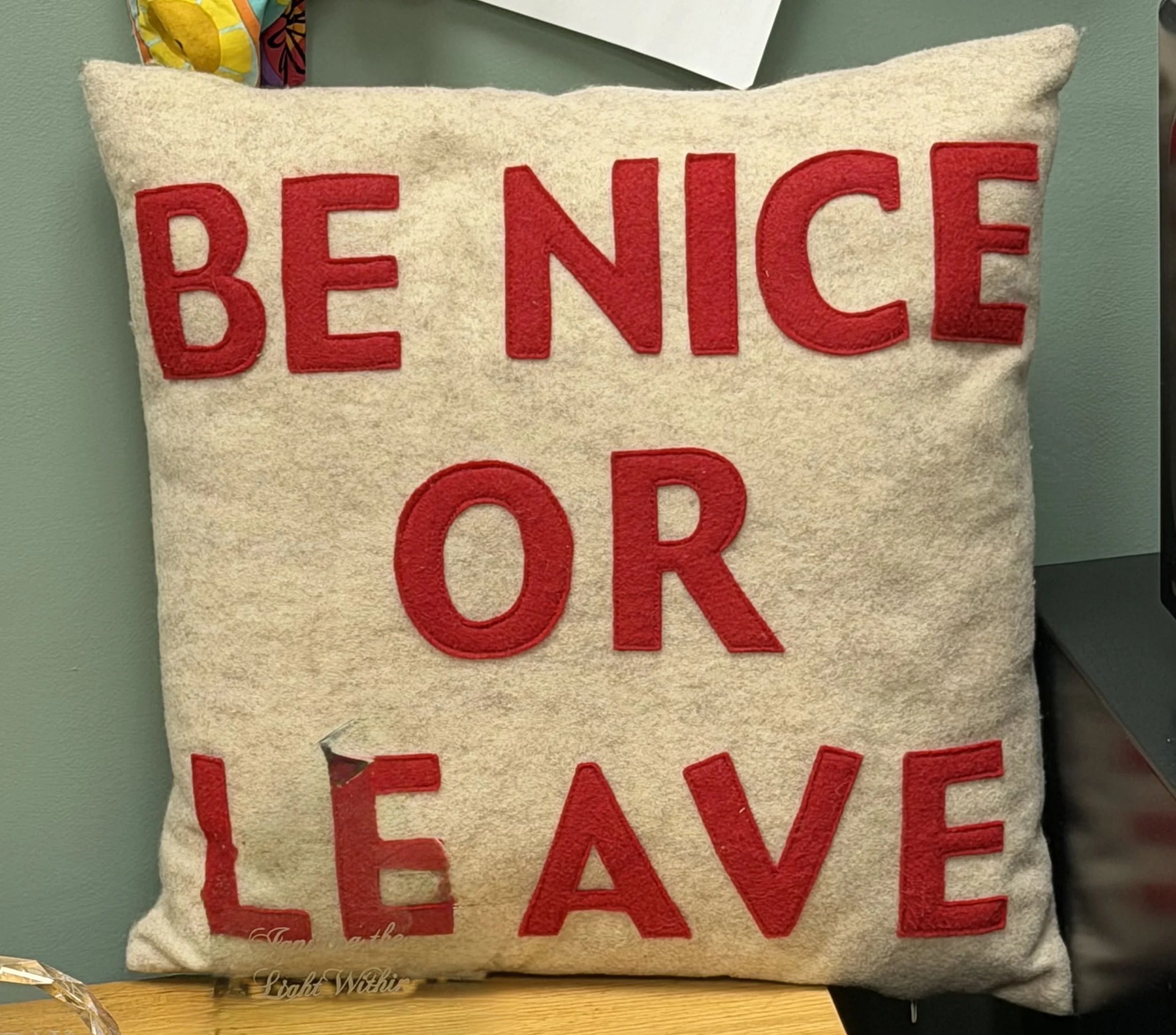
Photo by Ed Lannert
Under the Big Beech Tree

Photo by Carolyn Reiss
A Familiar Kendal Scene: Friends in Conversation
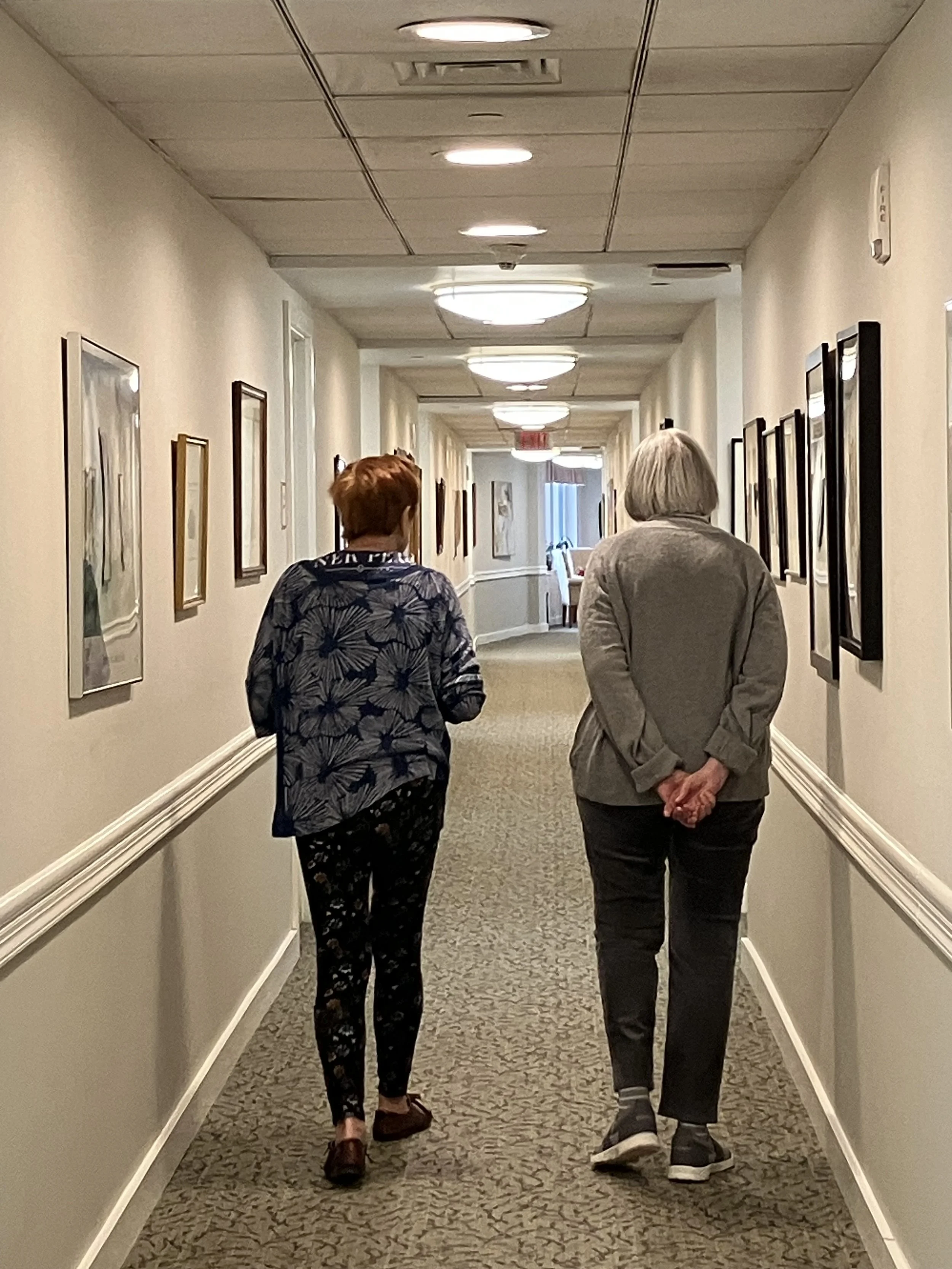
Photo by Ruth Dinowitz
Unexpected Guests

Photo by Carolyn Reiss
Another Beautiful Sunset

Photo by Greg Lozier
Out and About
Another Win for the Kendal Team!
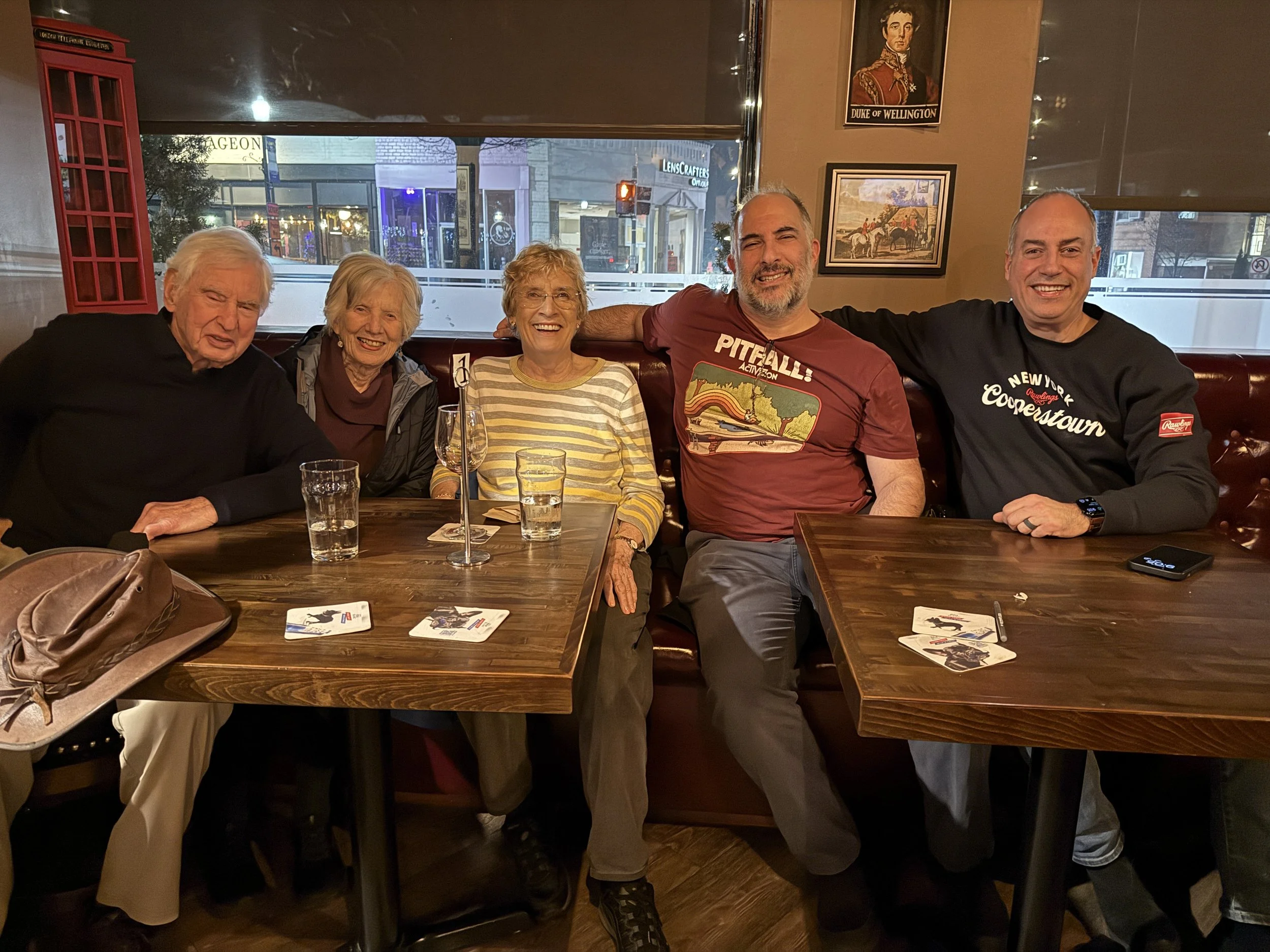
Amanda Slattery’s Trivia Quiz team—this time rotating in to the challenge teammates Mike and Barbara Kornfield—racked up another win at the Ambleside Pub! Yay and Congratulations! (Laurel wreaths to be distributed at future date.)
Where in the World Is Pat McGrath?
Answer: Sanibel Island—where chances are good he has not heard blizzard warnings.


Spoonbills on the Golf Course

Sunset over the Gulf of . . .
Photos by Pat McGrath
For Your Viewing (and Noshing) Pleasure

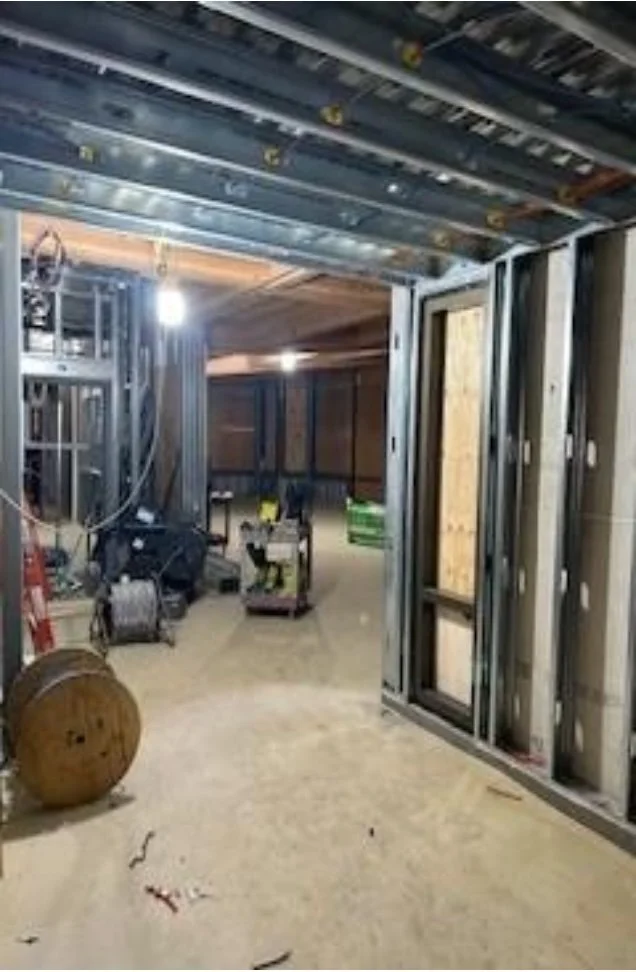
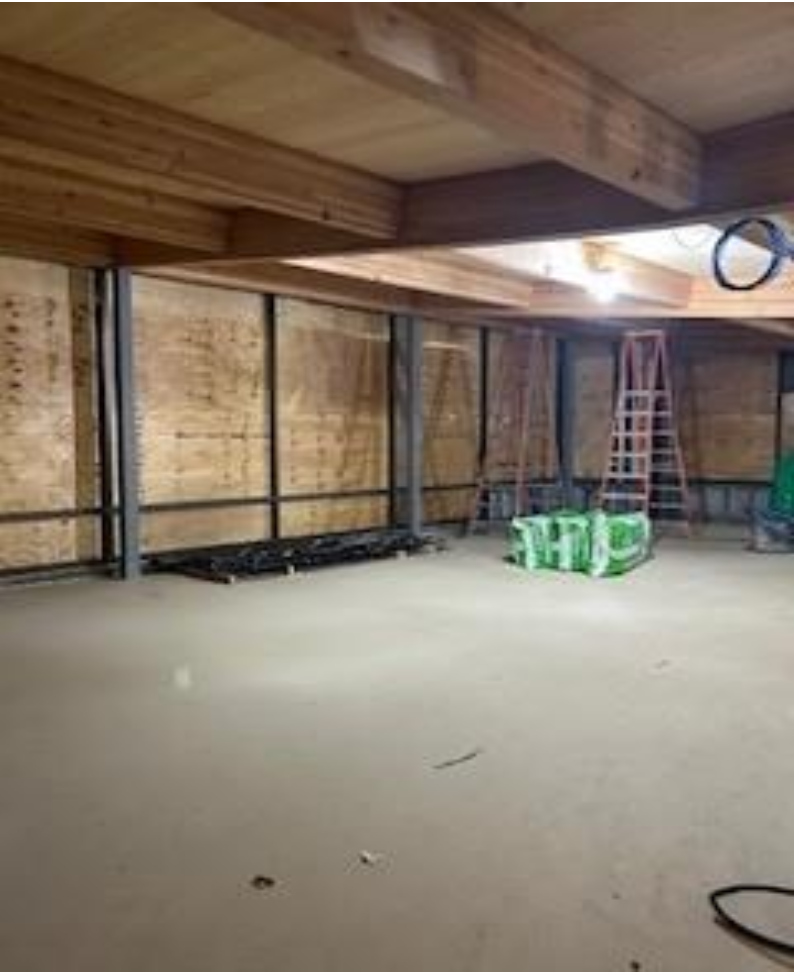
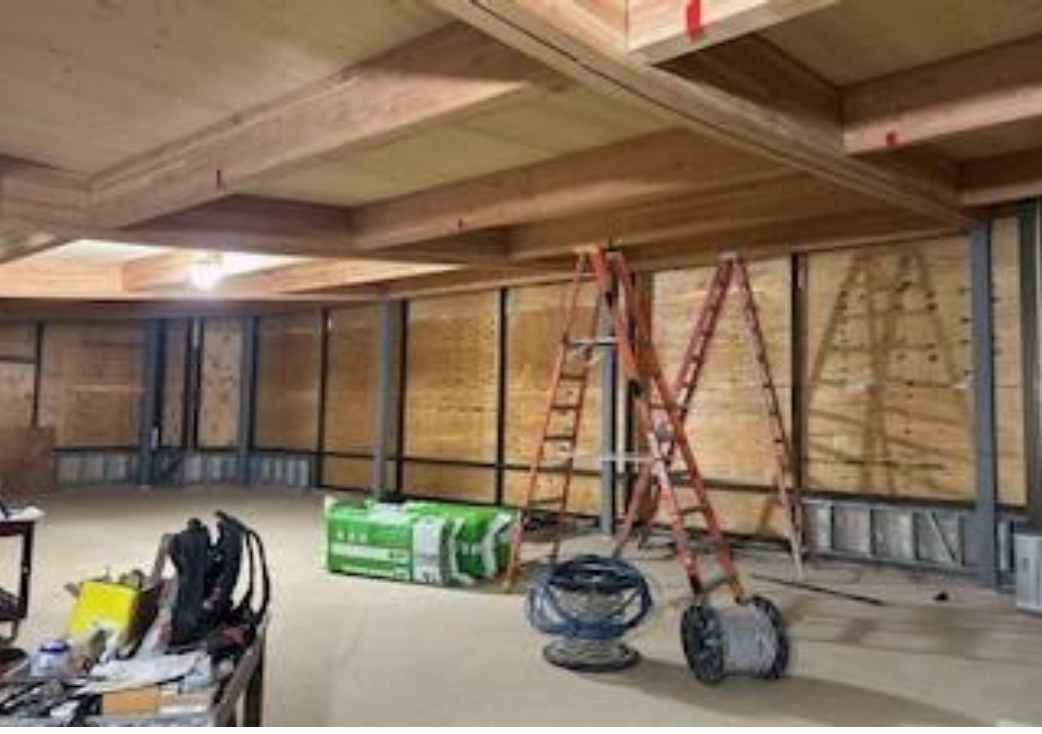
Weekly Construction Report
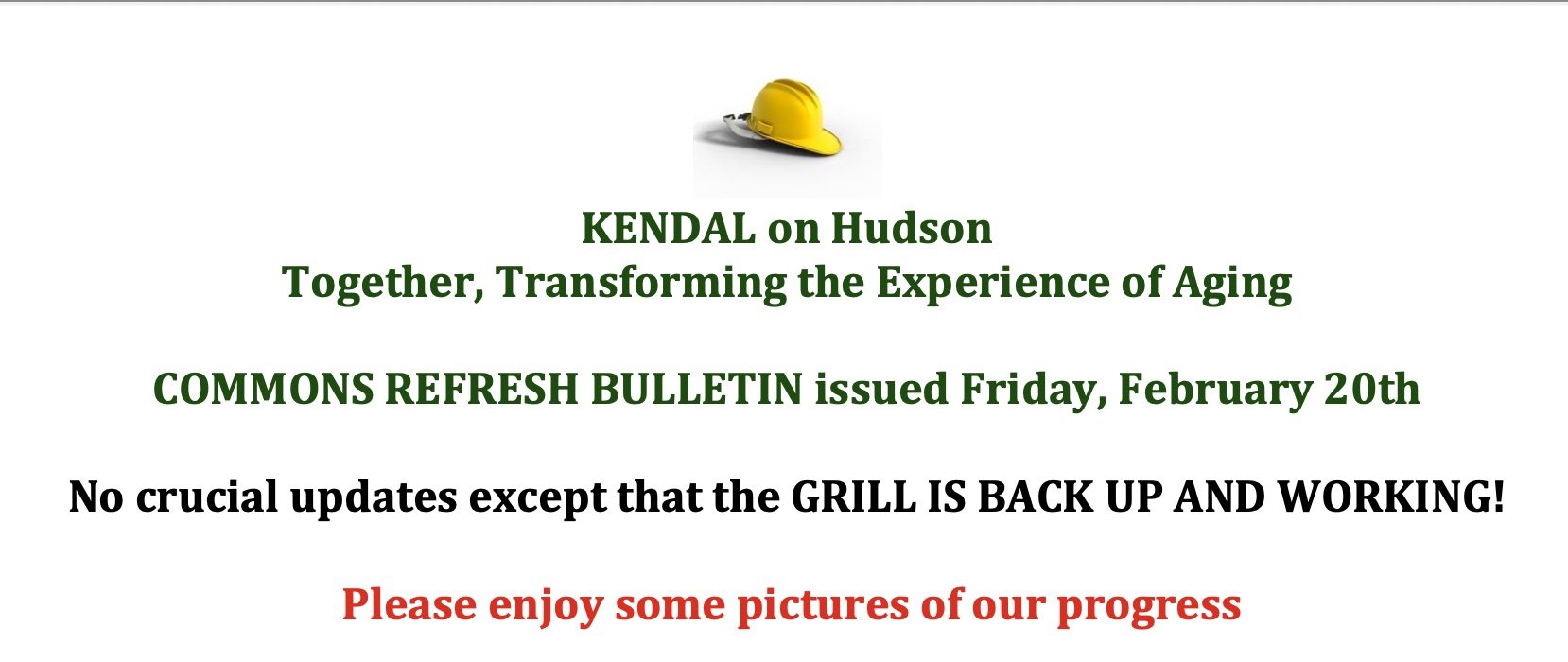
NEW RESIDENTS CARE CENTER
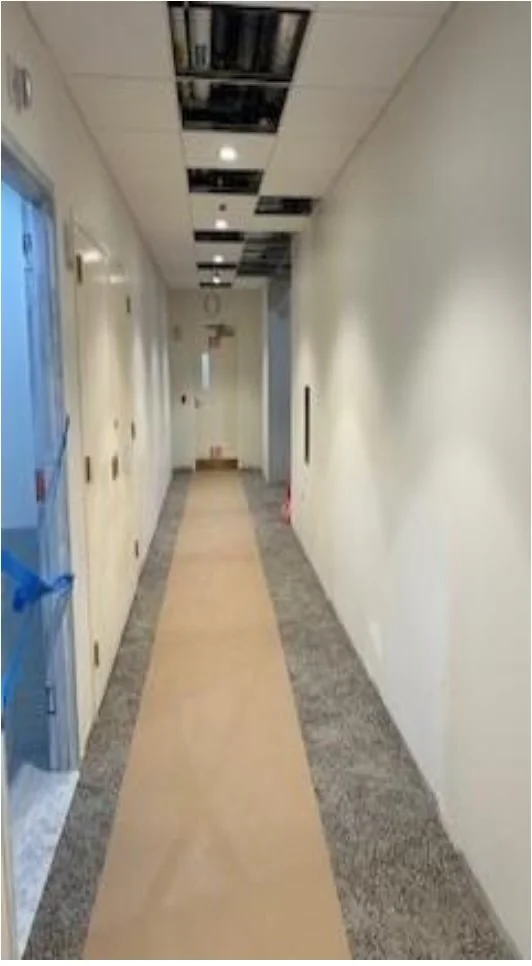
HALLWAY
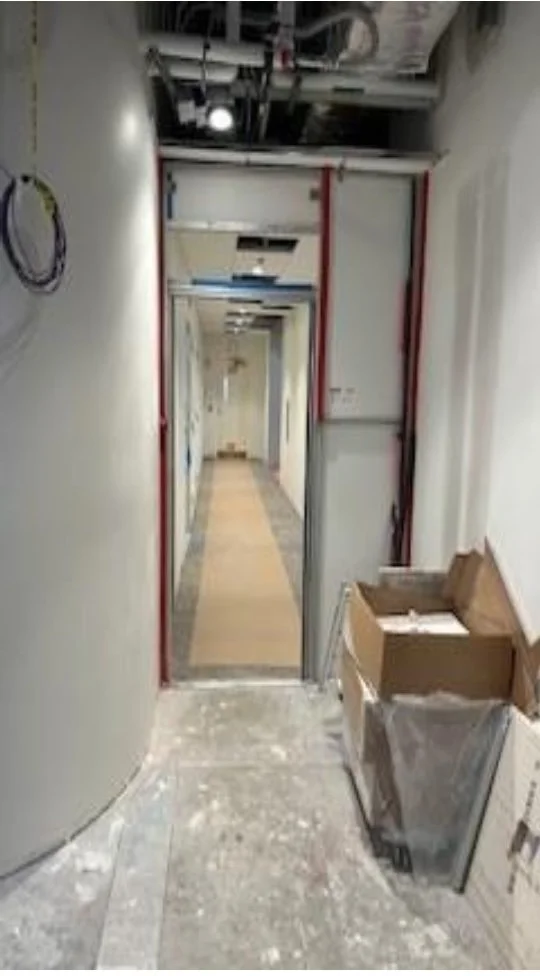
ENTRANCE
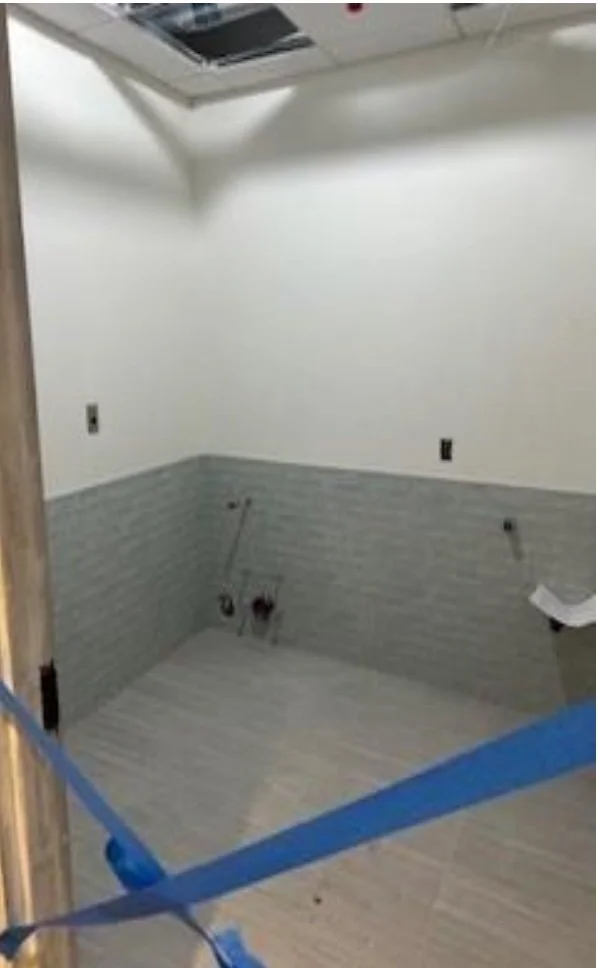
BATHROOM
NEW TERRACE ROOM
From the Office of Ellen Ottstadt
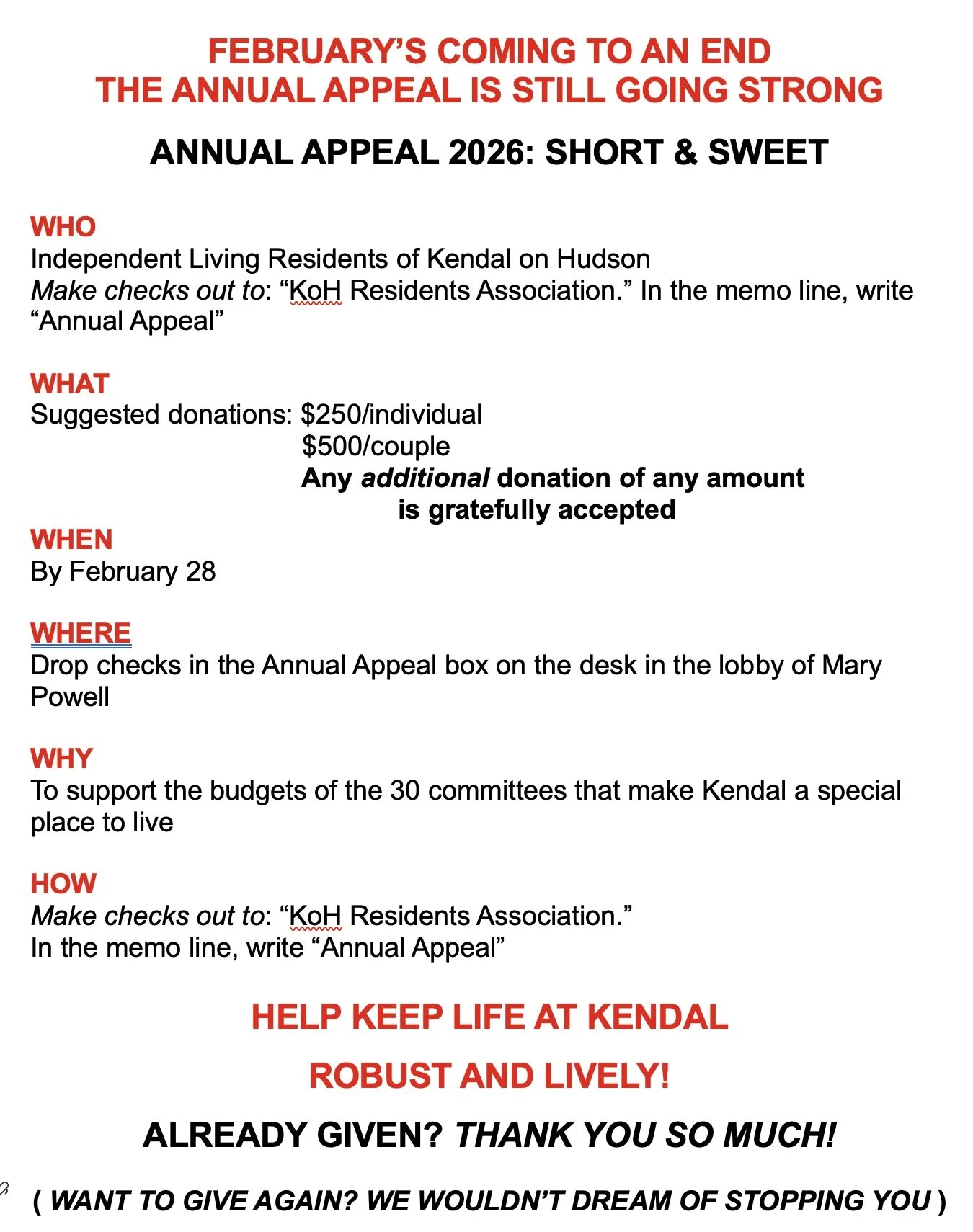
Join in the Annual Appeal
I Never Knew That
Jackie Robinson Was Honorably Discharged from the Army after Refusing to Move to the Back of a Segregated Bus

Five years before he broke the color barrier in Major League Baseball, Jackie Robinson was drafted into the military. He received his notice on April 3, 1942, just a few months after the attack on Pearl Harbor propelled the United States into World War II. He joined an all-Black unit stationed at Fort Riley, Kansas, and was later transferred to Fort Hood, Texas. There, racial segregation was strictly enforced despite Executive Order 8802, which was issued by President Franklin D. Roosevelt to ban discriminatory practices in federal agencies and organizations contributing to the war effort.
This ban was put to the test on July 6, 1944, when Robinson refused to move to the back of a bus in Fort Hood. He faced six charges at a subsequent court-martial, which he believed was racially motivated. In his autobiography, Robinson wrote that his lawyer “summed up the case beautifully by telling the board that this was not a case involving any violation of the Articles of War, or even of military tradition, but simply a situation in which a few individuals sought to vent their bigotry on a Negro they considered ‘uppity’ because he had the audacity to exercise rights that belonged to him as an American and a soldier.”
The nine combat officers who comprised the court acquitted Robinson of all charges. The ballplayer received an honorable discharge four months later.
Source: Michael Nordine, historyfacts.com
Contributed by Jane Hart
For Your Funny Bone
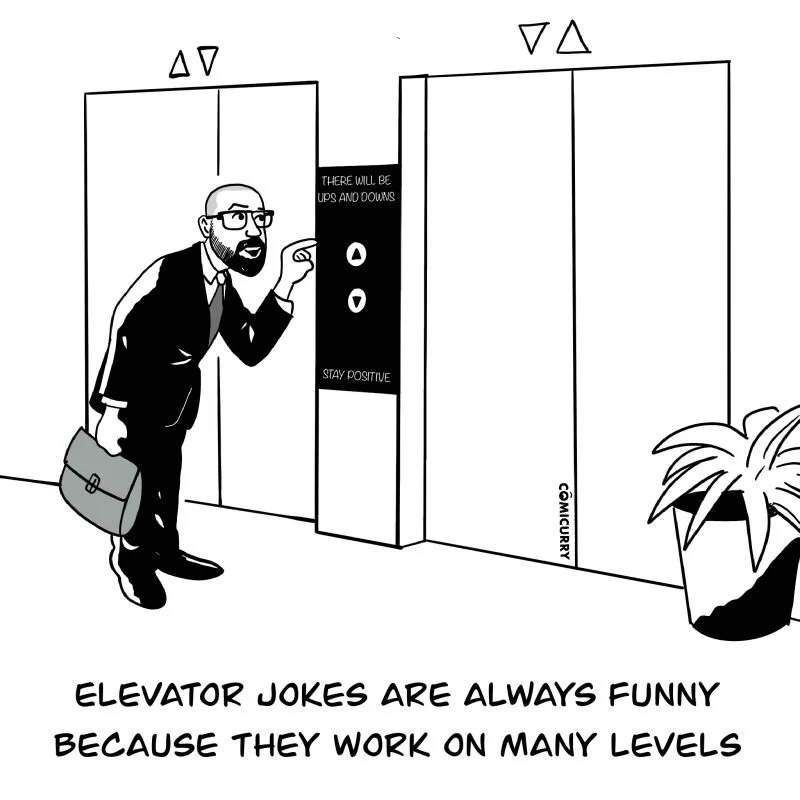
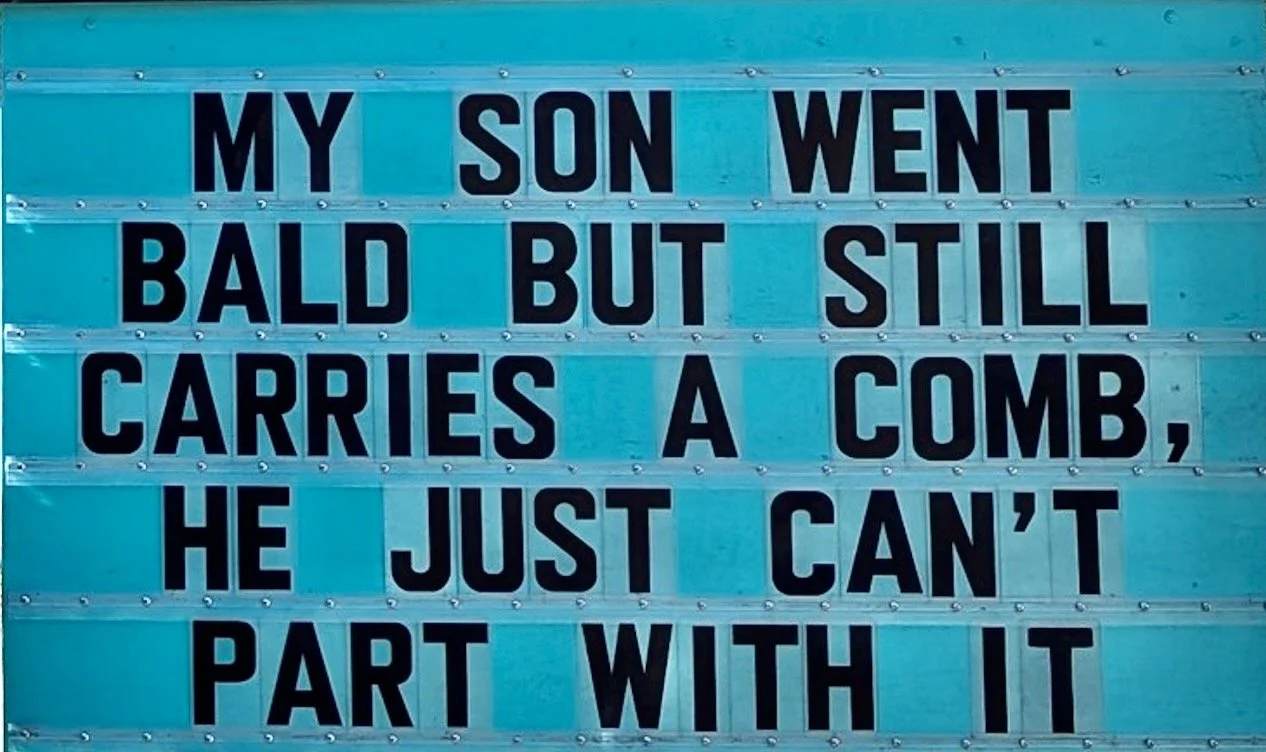
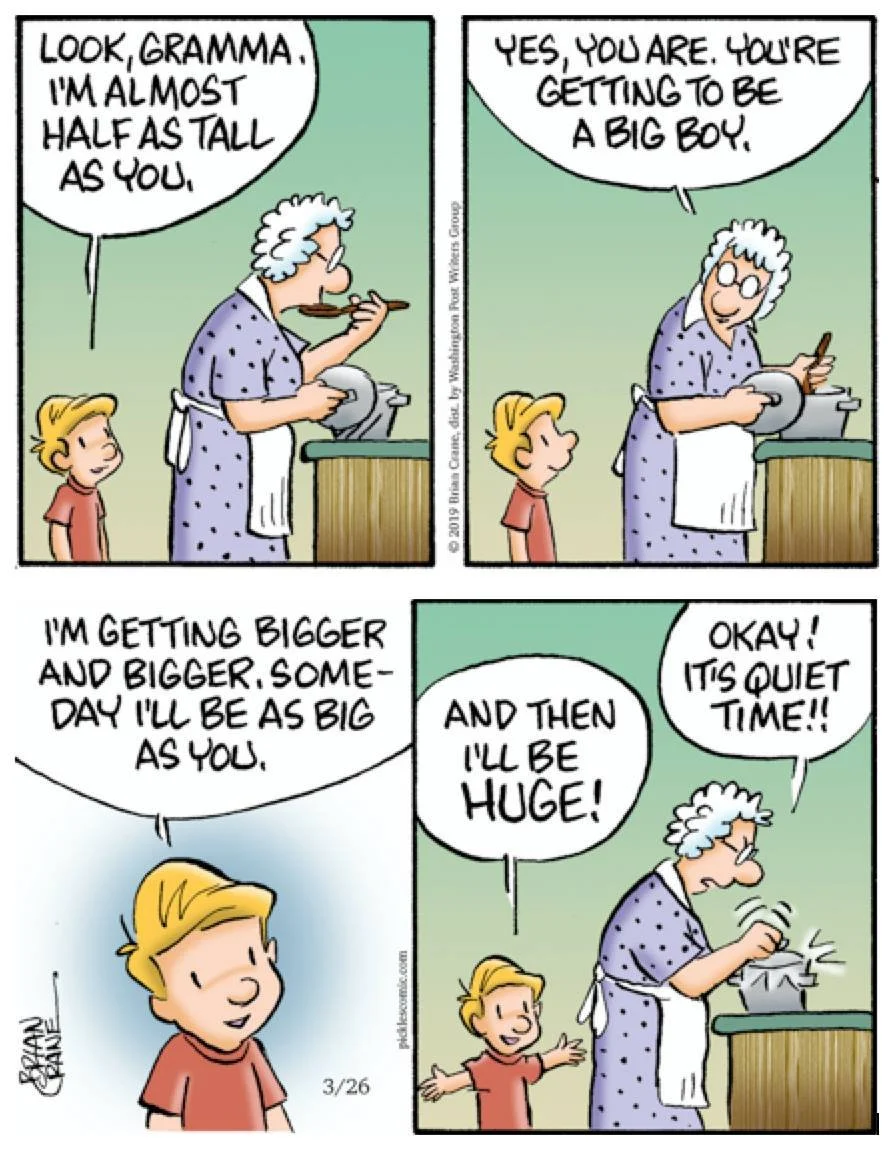
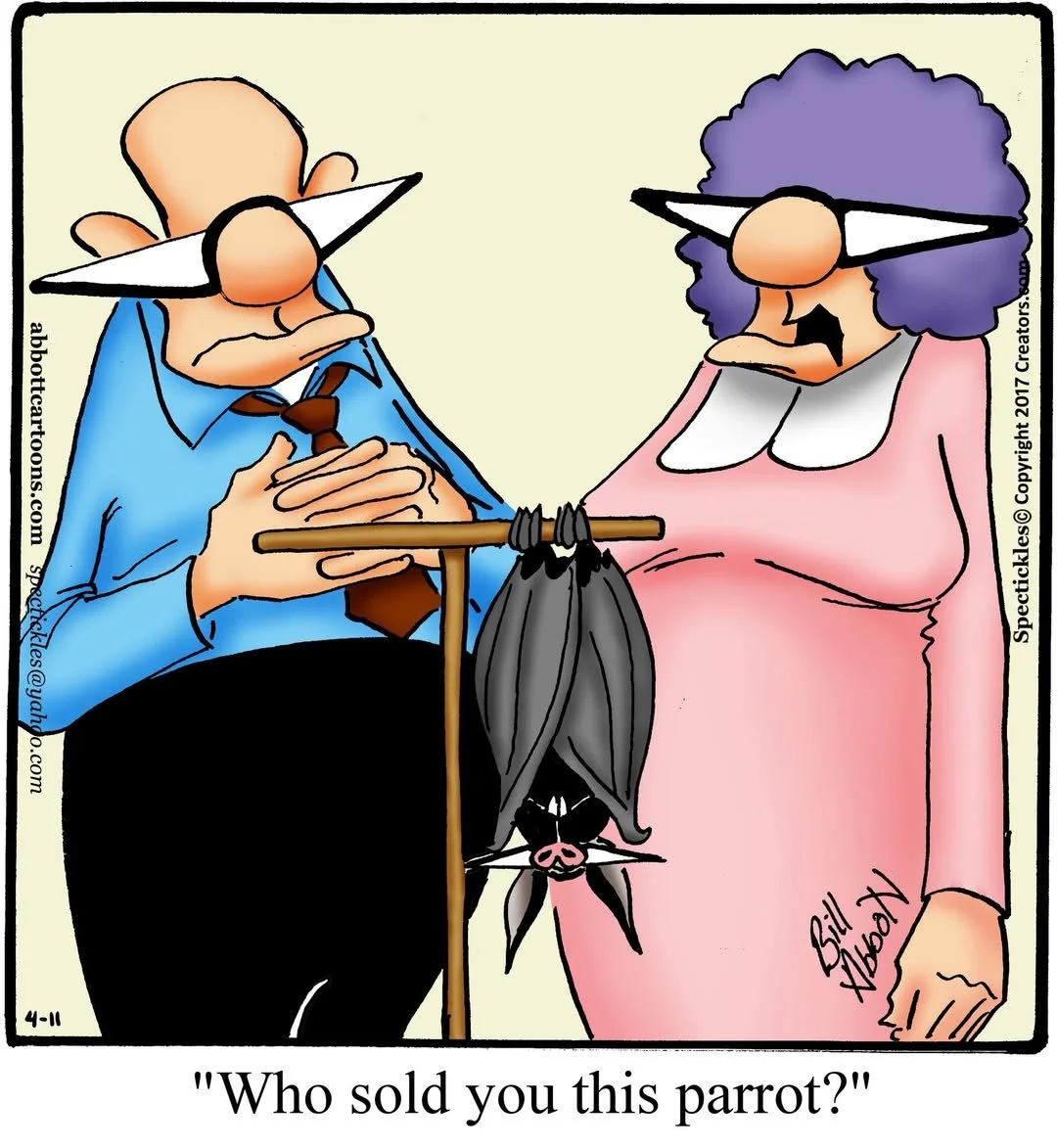

Art by Hart

With the latest in costume change technology, Hough could play both Phantom and Les Miz without missing a beat
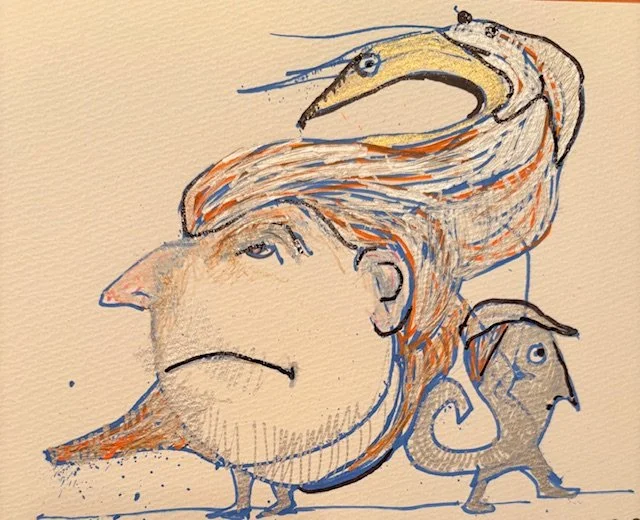
PJ’s quartet decided it was time to go their separate ways
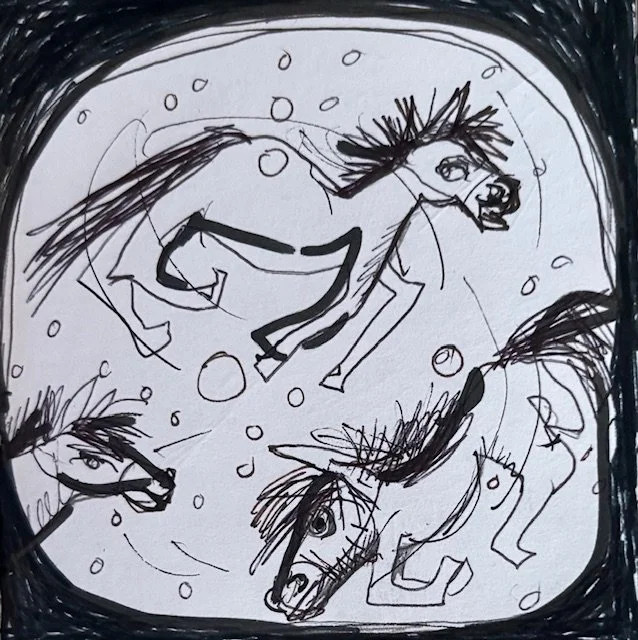
Cubby turned his old black and white tv into a horse laundry

Raven’s last exhibit kept even the docent guessing

Huffy turned his every moment into a stress test
Art and photos by Jane Hart
Hope IV, by Sheila Benedis
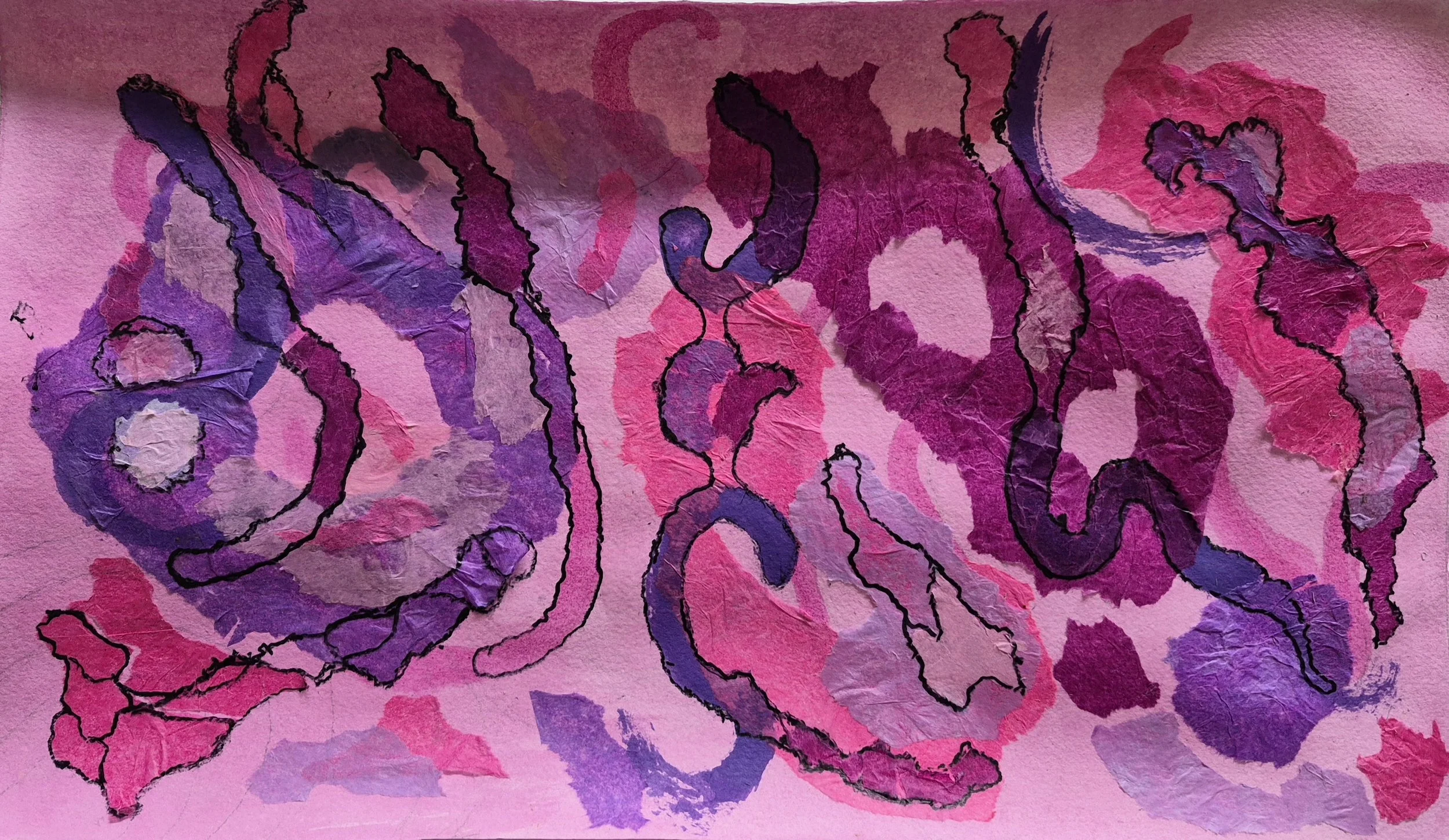
Art and photo by Sheila Benedis
In and Around Kendal
February Birthdays
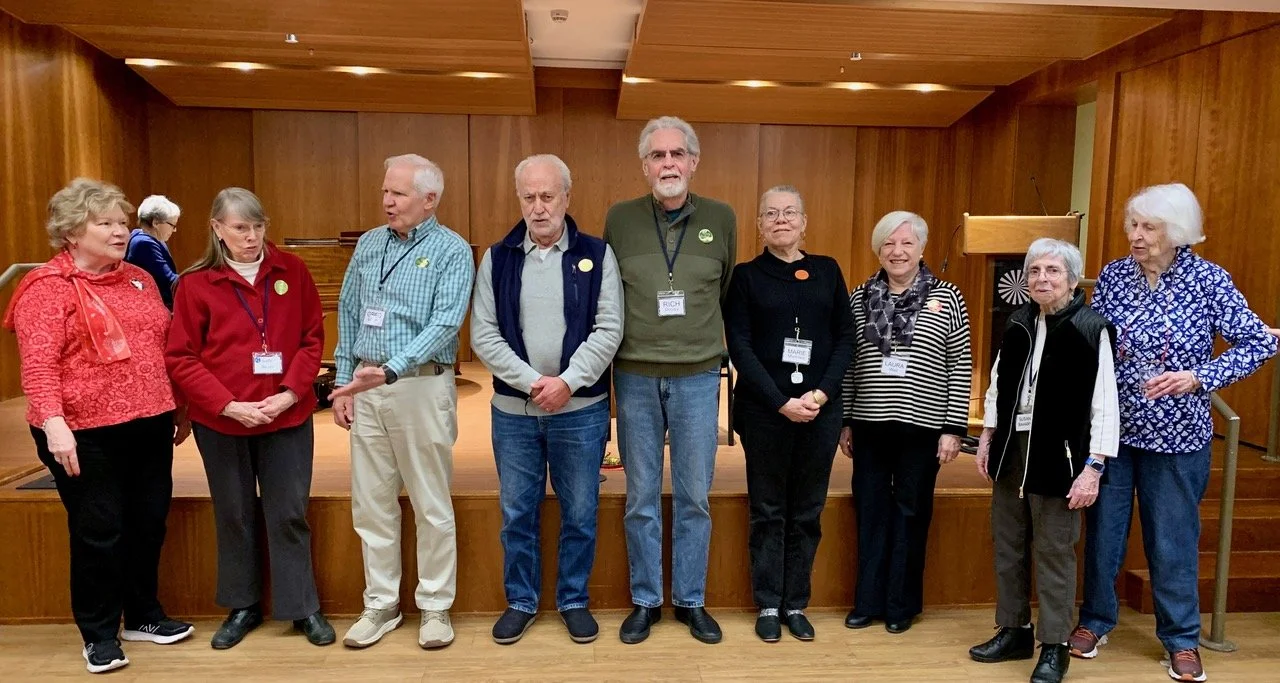
Photo by Harry Bloomfeld
The Younger Set
Recently, a second-grader school choir came from the Tarrytown Schools to lift hearts and minds in Adirondack and Clearwater.

As the Sun Rises and Morning Comes to Kendal

Photo by Carolyn Reiss
As the Sun Sets and Evening Comes to Kendal

Photo by Harry Bloomfeld
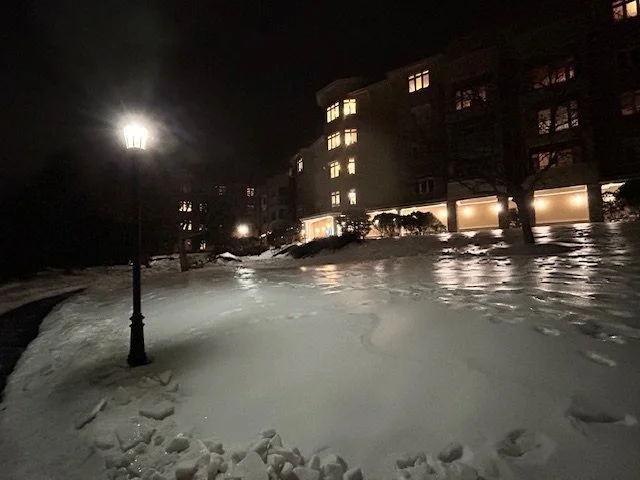
Photo by Carolyn Reiss
Out and About
Art at Vassar
Kendalites recently risked chilblains to enjoy the art of Vassar College’s Loeb Art Museum. Bonus: a hearty lunch nearby, with lots of conversation—no doubt—about art.

Photo by Peter Roggemann
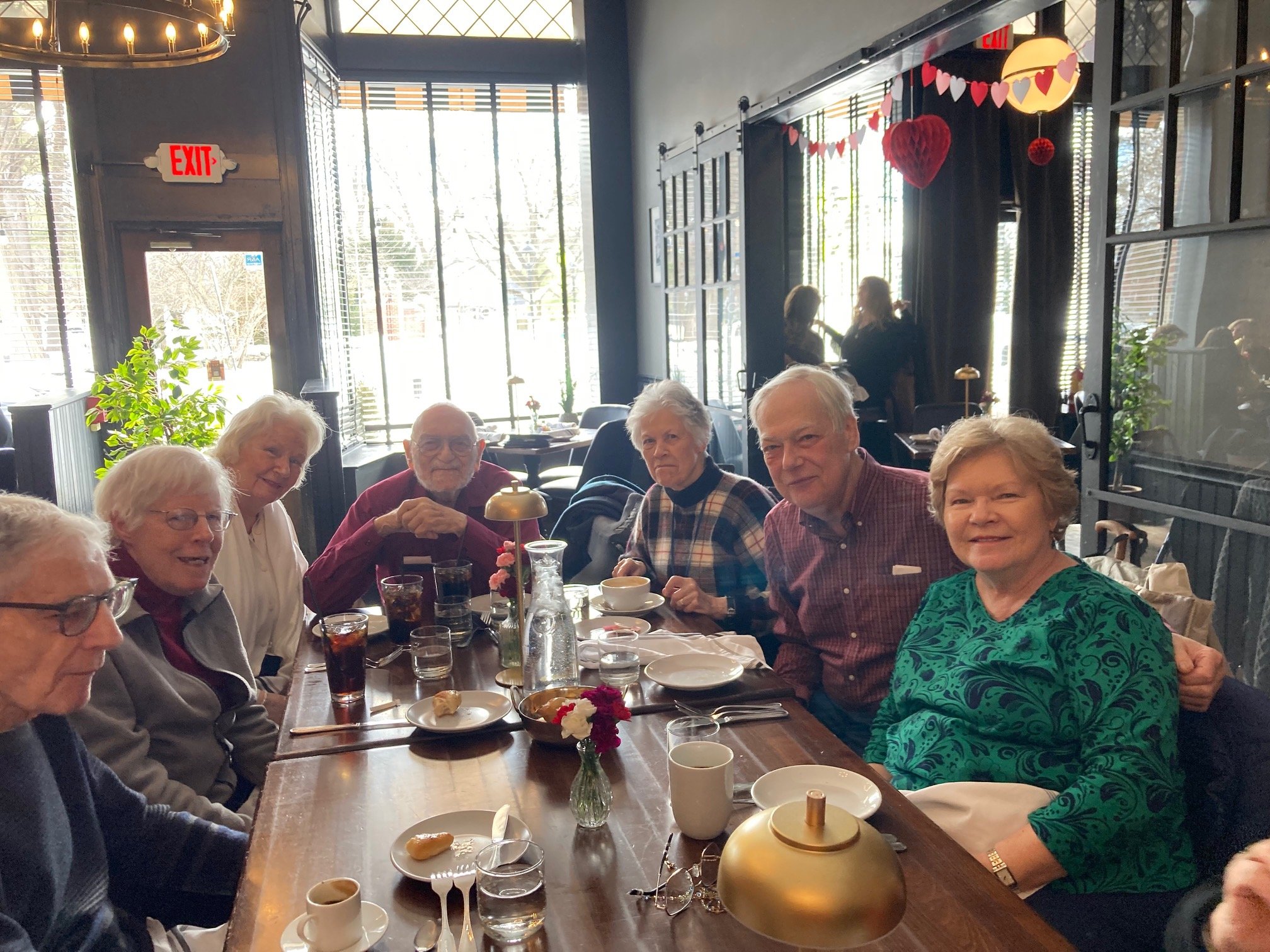
Photo by Jessica Baron
More Art at MOMA
The Lannerts spent a day in Manhattan at MOMA, where the art includes the building itself.
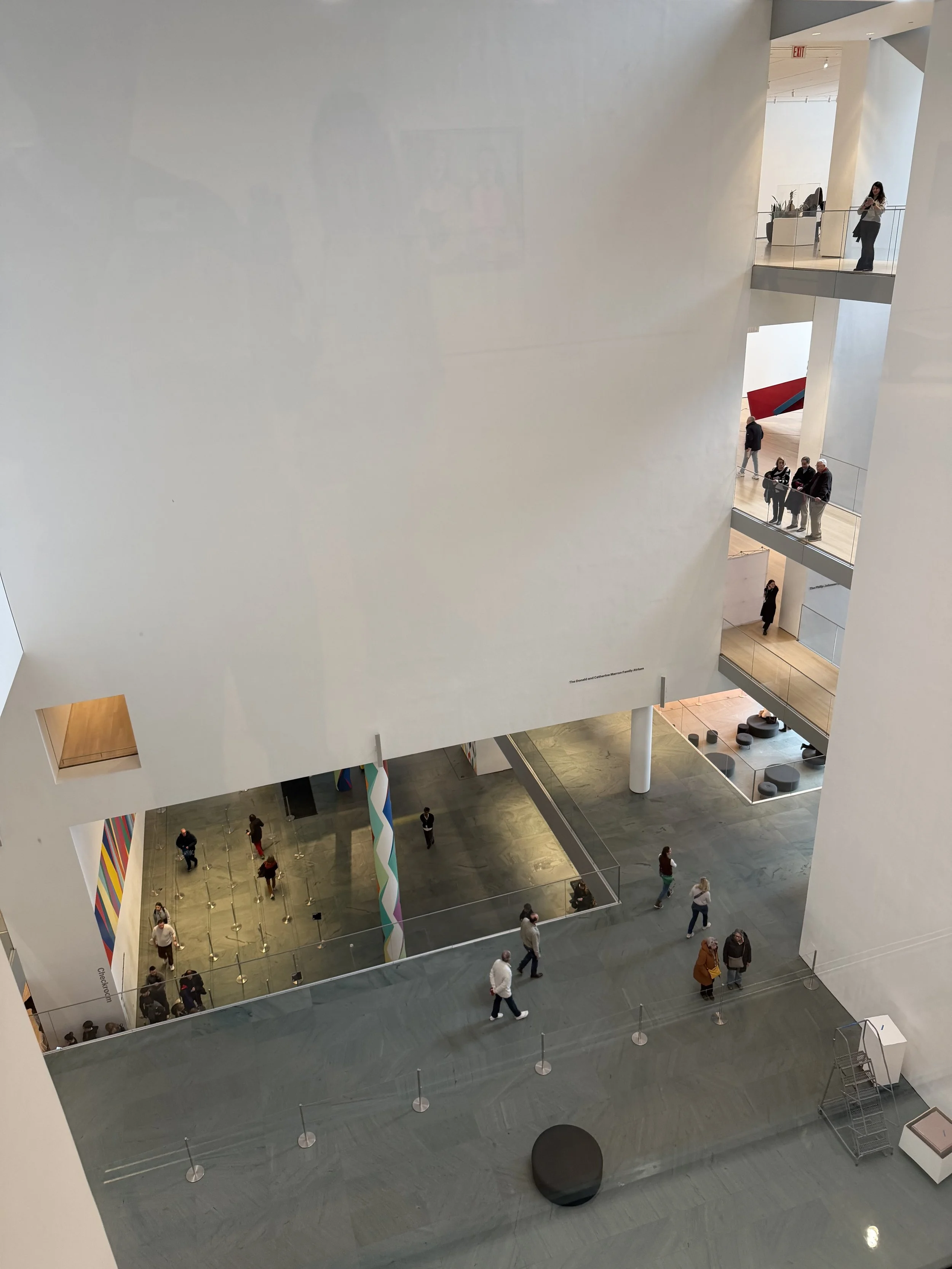
Photo by Ed Lannert
Meanwhile . . .
Eschewing art—and unbothered by the cold—geese in Hastings decided to take a stroll on the boardwalk.

Photo by Carolyn Reiss
Weekly Construction Report

From the Office of Ellen Ottstadt
It's So Appealing

What’s So Appealing? Everything we do here at Kendal
Courses
Music
Resident Website
Library Services
Sip & Snack
Opera
Hams on Hudson
Movies
Art Shows
Lectures
Entertainments
AND SO MUCH MORE!
We’re a self-run Residents Association—and our 30 activities committees run it all
We run ‘em all—and we pay for ‘em all.
What’s the Ask?
$250 per person (or $500 per couple).
Of course, if you want to increase your generosity and go beyond those amounts, all the merrier.
Do the math: $250 per person. That’s about $20.83 a month. For all the programs, films, music—both from outside and made by our friends and neighbors, sipping and snacking, Hamming it up on Hudson, just to name a few things. Everyone chips in; everyone enjoys. The choices are myriad and marvelous.
Is This Tax Deductible?
Yep! Every last penny.
(Kinda wants you to give more, huh?)
How do I do it? Easy, Peasy!
1. A Collection Box has been set up in the front lobby at the desk (see above)
2. You write a check for the amounts specified above—or as much more as you like! Make it to “KoH Residents Association.” In the memo line, write “Annual Appeal”
Wait! I Turned My Financial Affairs Over to . . . (Fill in the Blank: a Bank, Trustee, Family Member)
Not a problem. Just ask the designated entity or person to send a check to “KoH Residents Association, 1010 Kendal Way, 10591.”
Again: the check should be made out to “KoH Residents Association.” In the memo line, write “Annual Appeal.”
What’s the Timing on This?
The month of February. We’d love it, of course, if you operate on “the sooner the better” timing. But it is for the month.
And a Big THANK YOU in Advance!
From the Residents Council—and the chairs and members of all 30 committees!