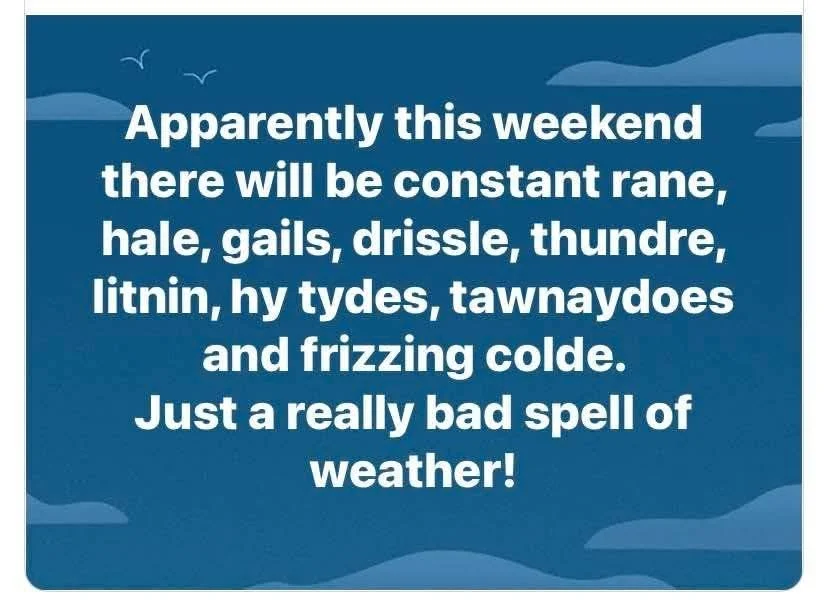
Contributed by Barbara Wallach
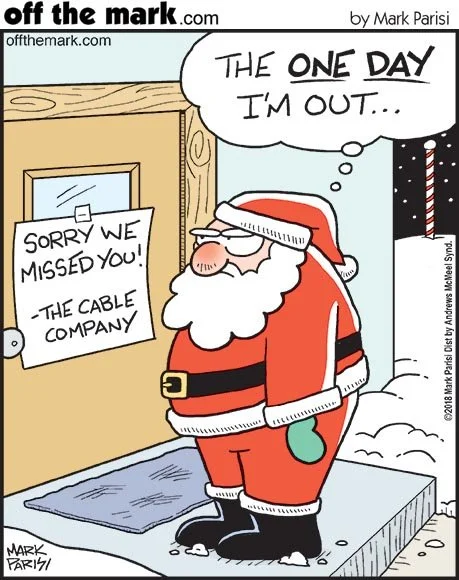
Contributed by Maria Harris
Contributed by Maria Harris
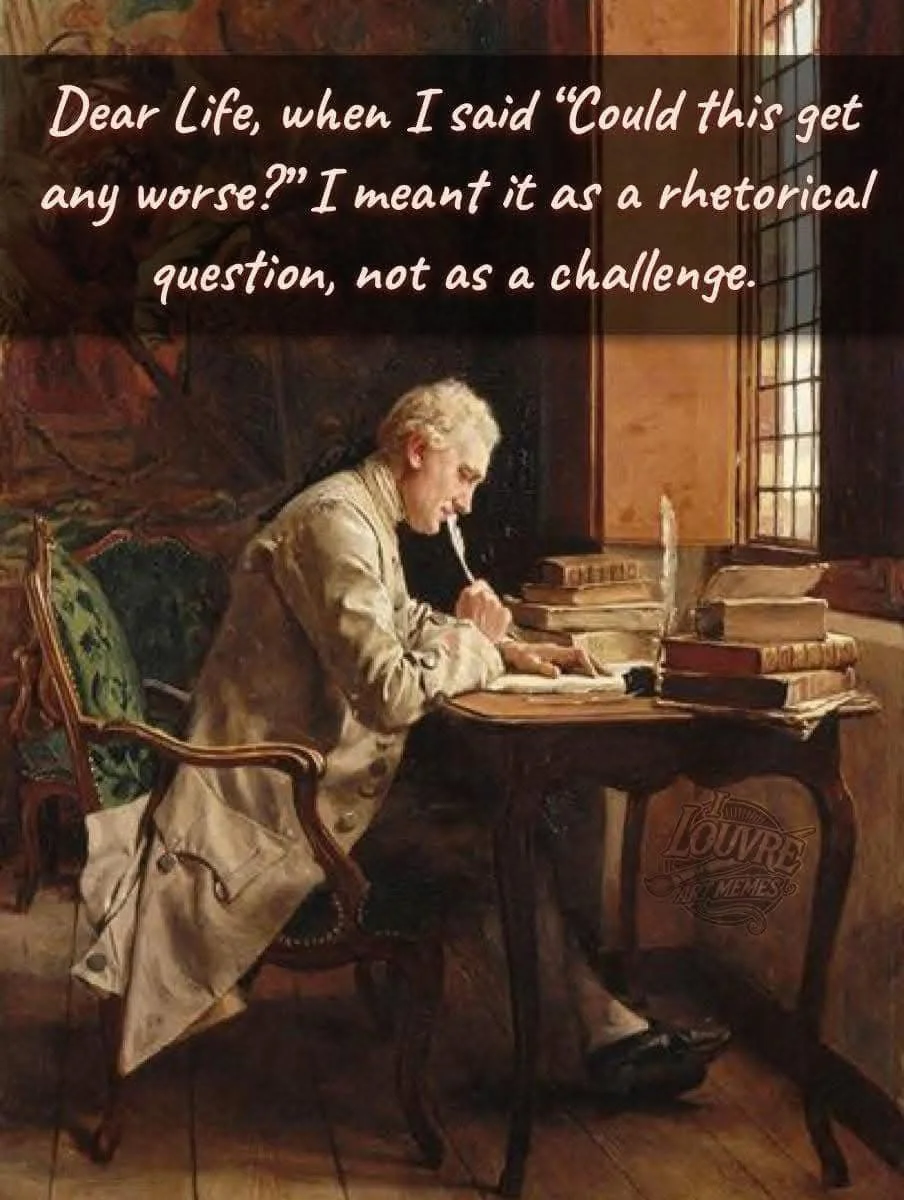
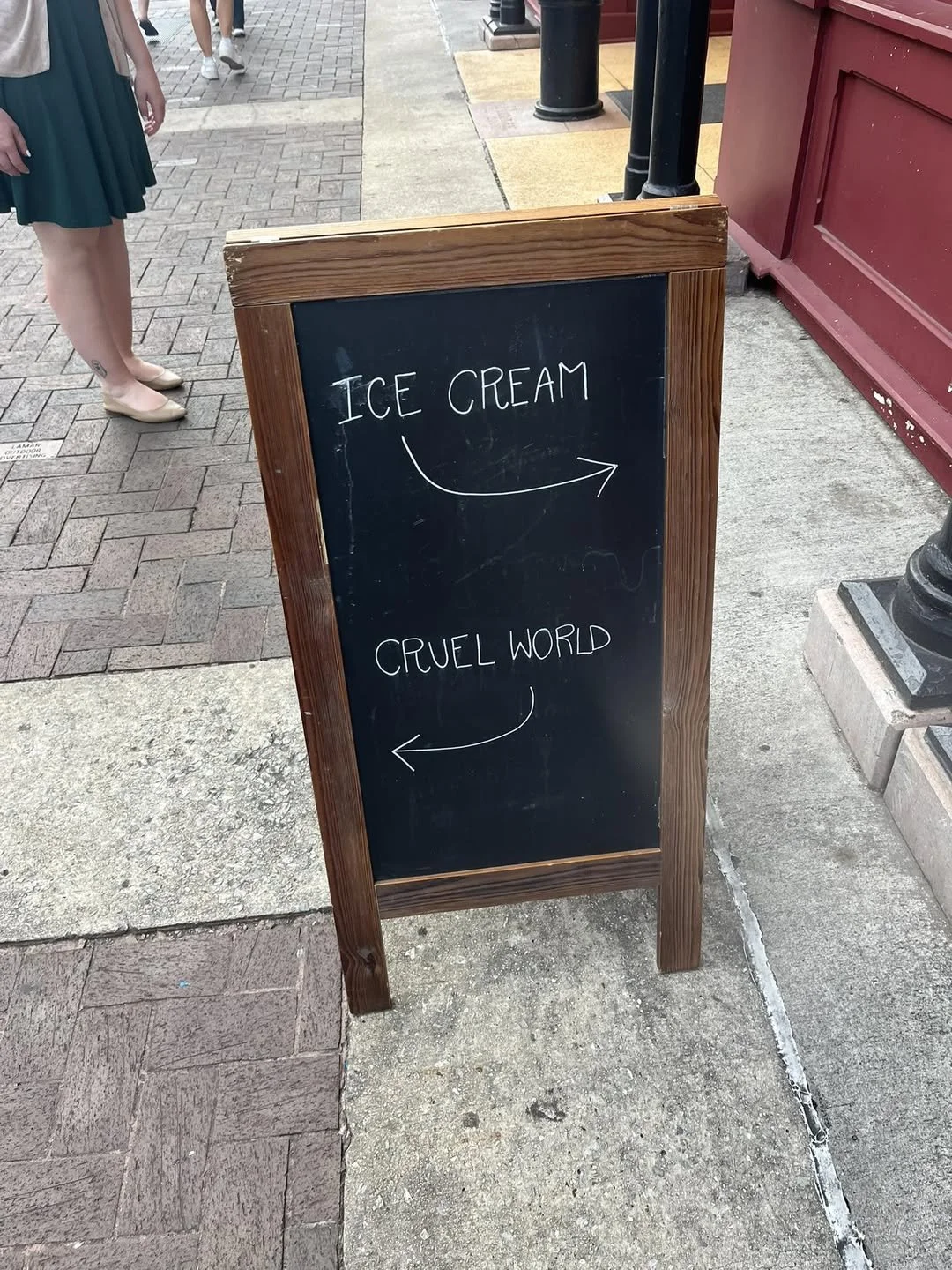
Contributed by Donald Butt
Contributed by Barbara Wallach
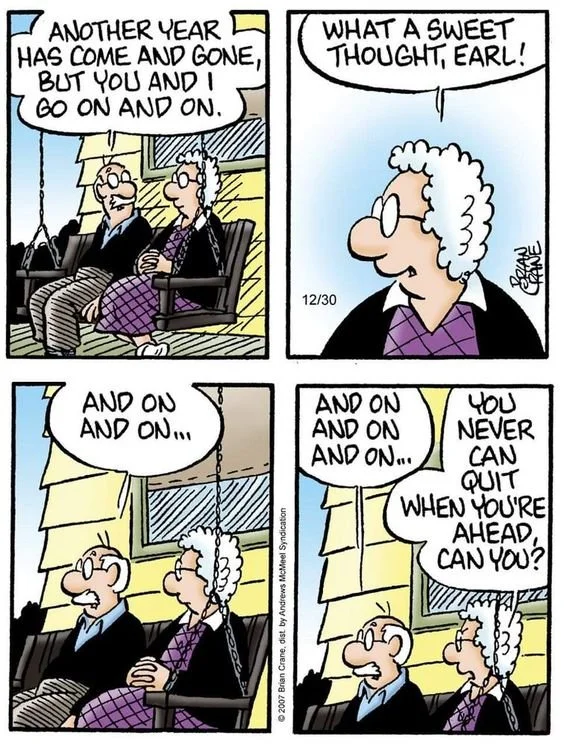
Contributed by Maria Harris
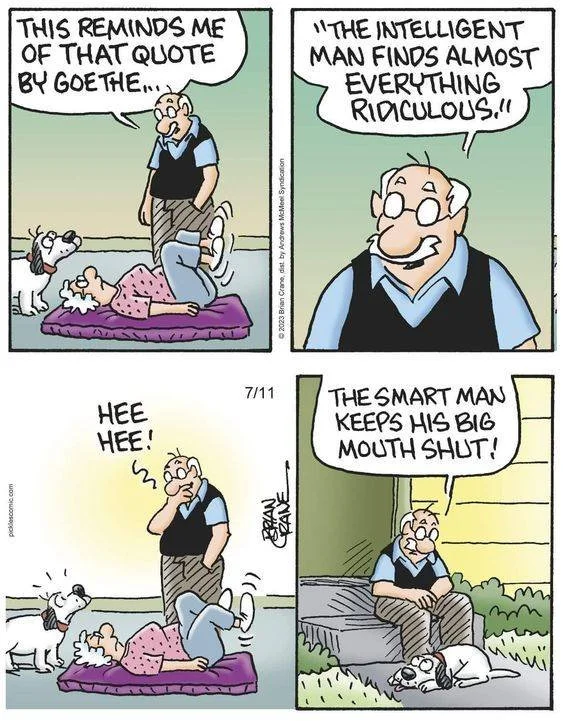
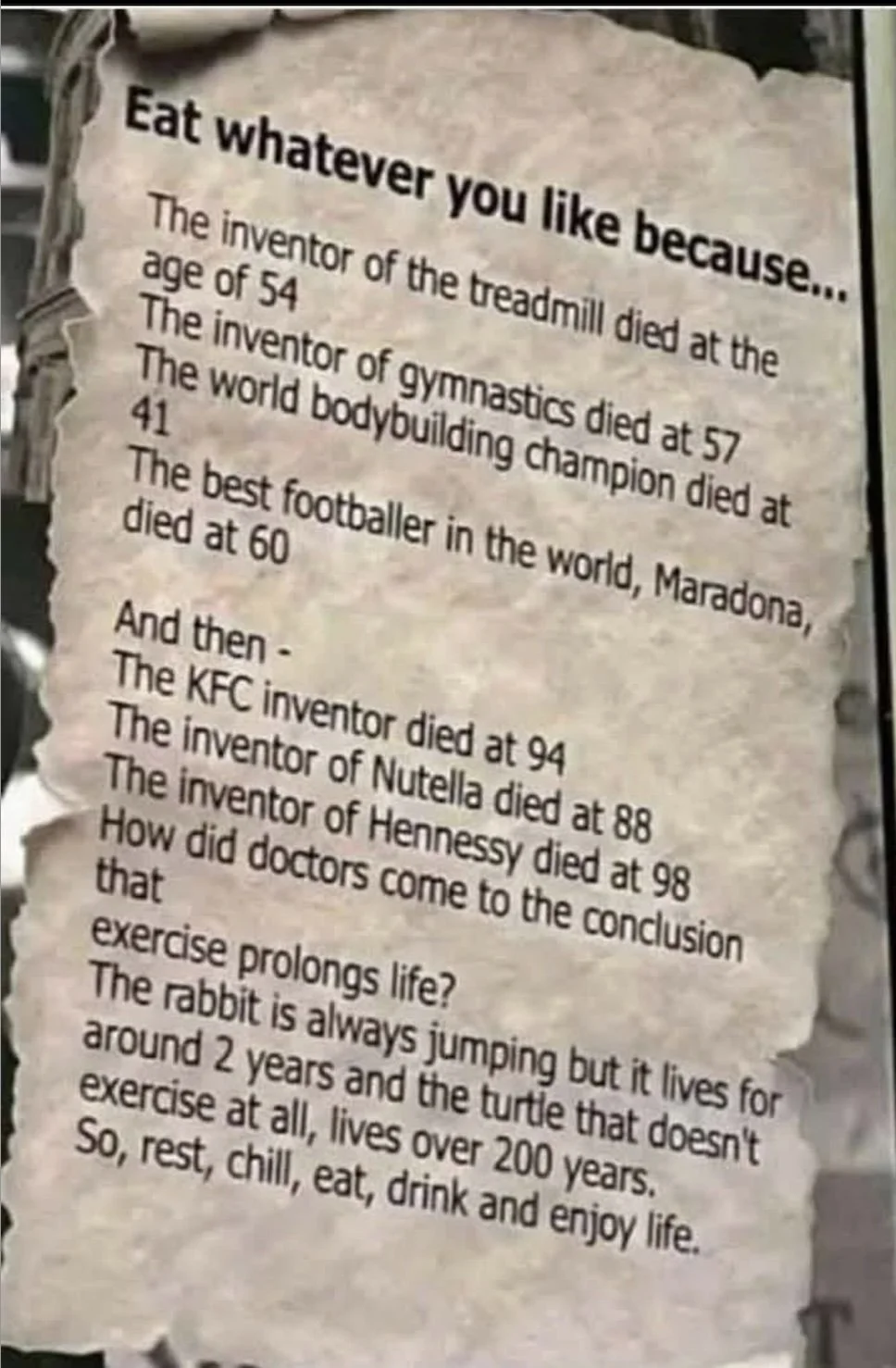
Contributed by Maria Harris

Contributed by Donald Butt

At the end of the day, Rueben found that being a supermoon wasn’t that much fun
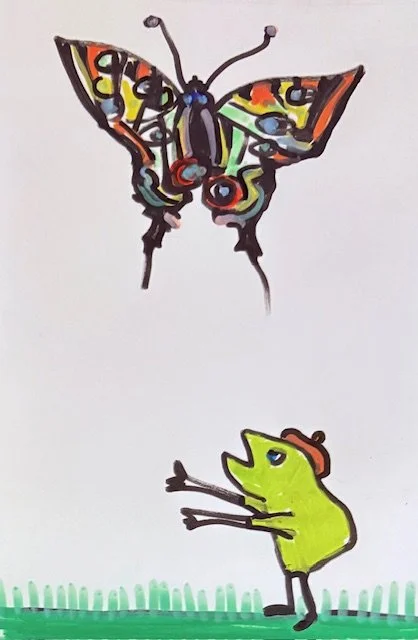
Woodward was always pleading for one more chance
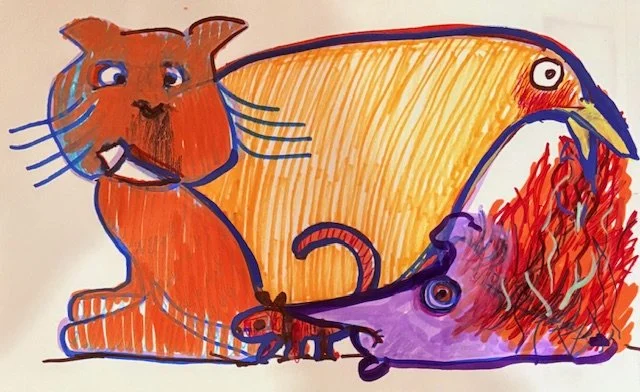
Mr. Carlton had eaten something very hot for lunch
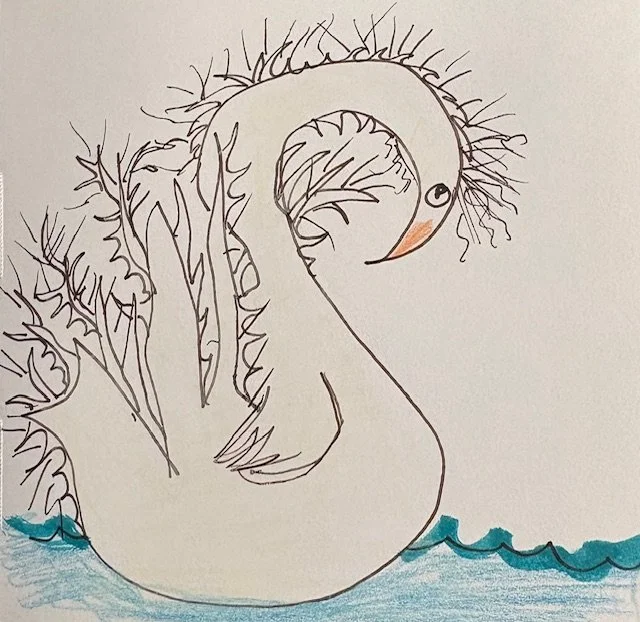
Swanson was having a bad feather day

With an old washing machine, a screwdriver and some cables, Hobson found himself on a 1950s kids’ TV show
Art and Photos by Jane Hart
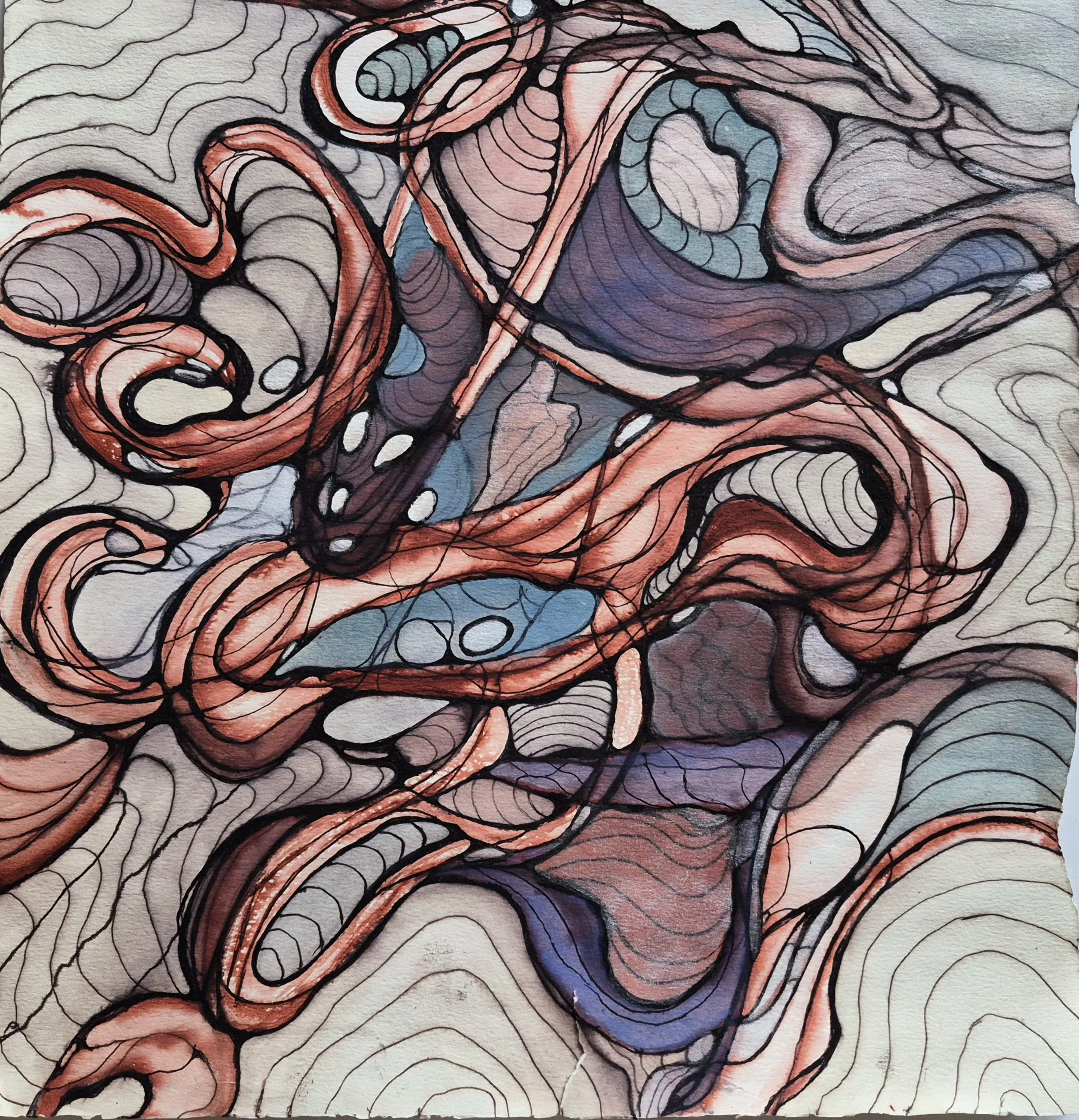
Art and photo by Sheila Benedis

Photo by Linda Mahoney Herring
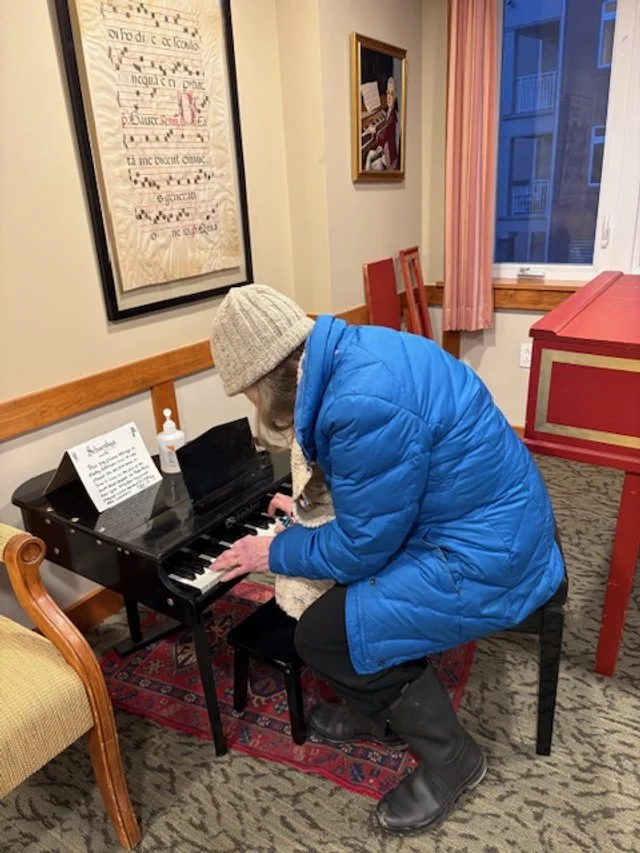
Photo by Jane Hart

Photo by Ed Lannert
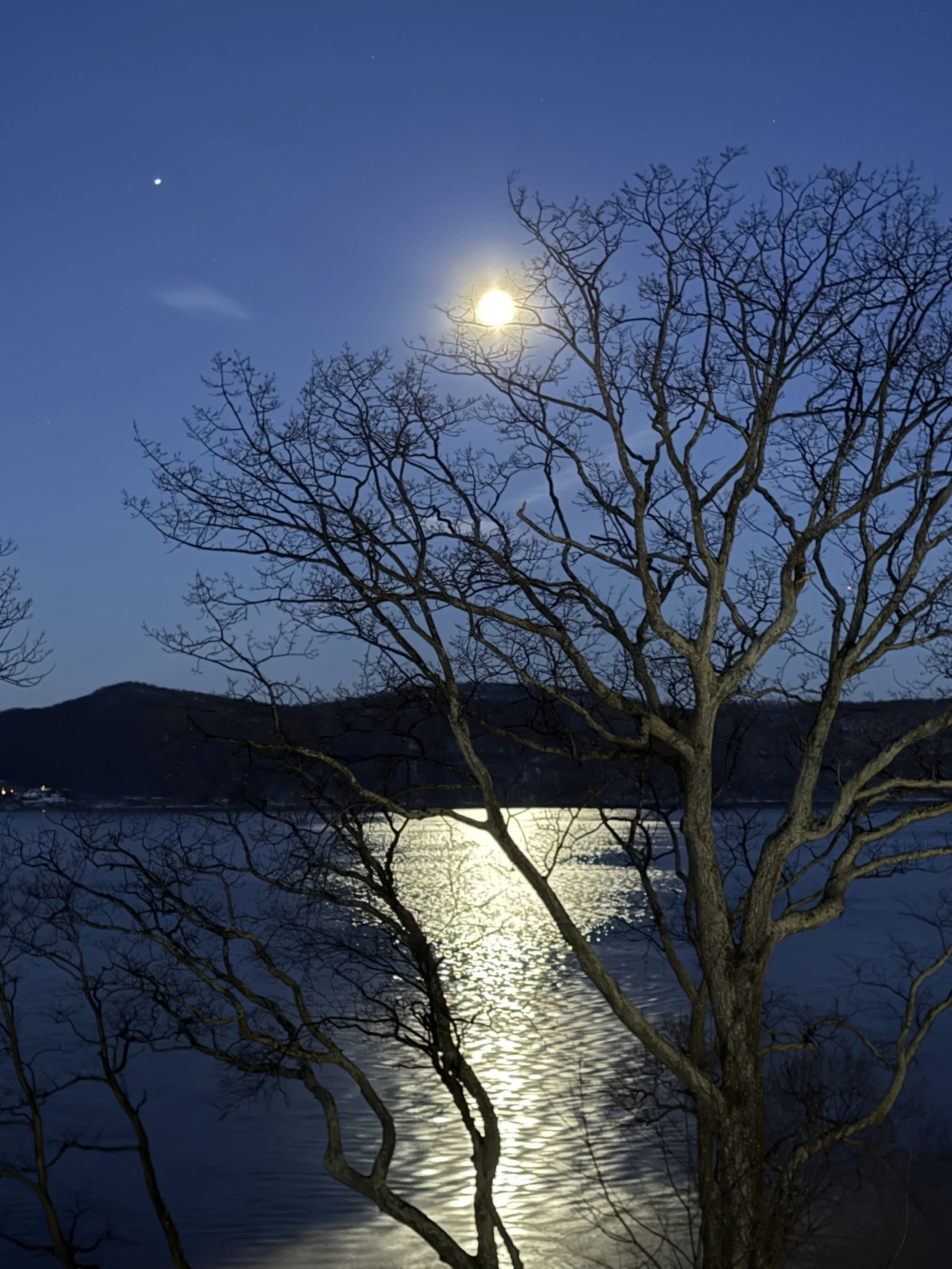
Photo by Amanda Slattery
The Wolf Moon of 2026 is the first full moon of the year, peaking on Saturday, January 3, 2026, at 5:03 a.m. EST. I’'s a supermoon, appearing larger and brighter, and could be seen rising in the northeast around sunset on January 3rd, near the bright stars Castor & Pollux and the planet Jupiter.
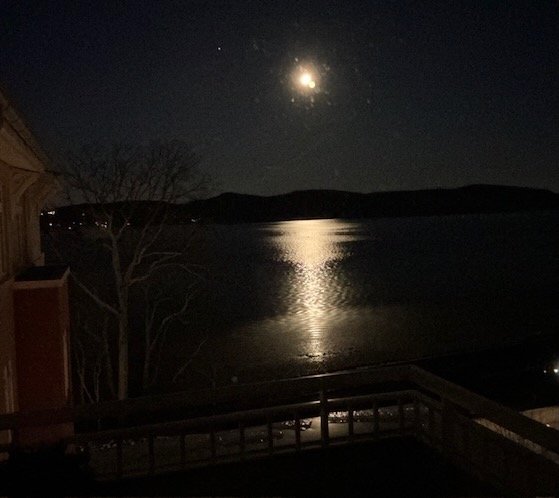
Photo by Marilyn Bottjer
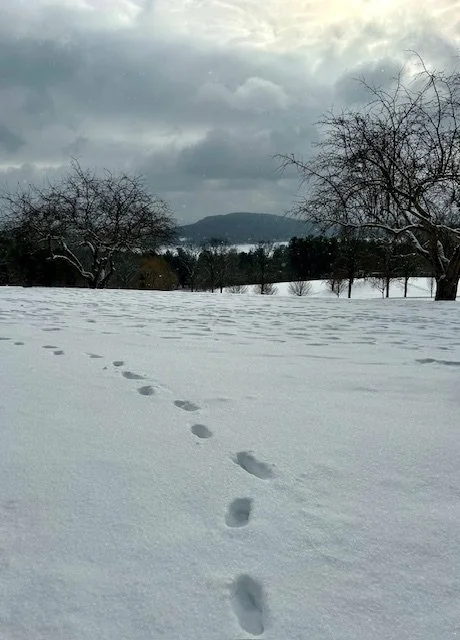
Photo by Edward Kasinec
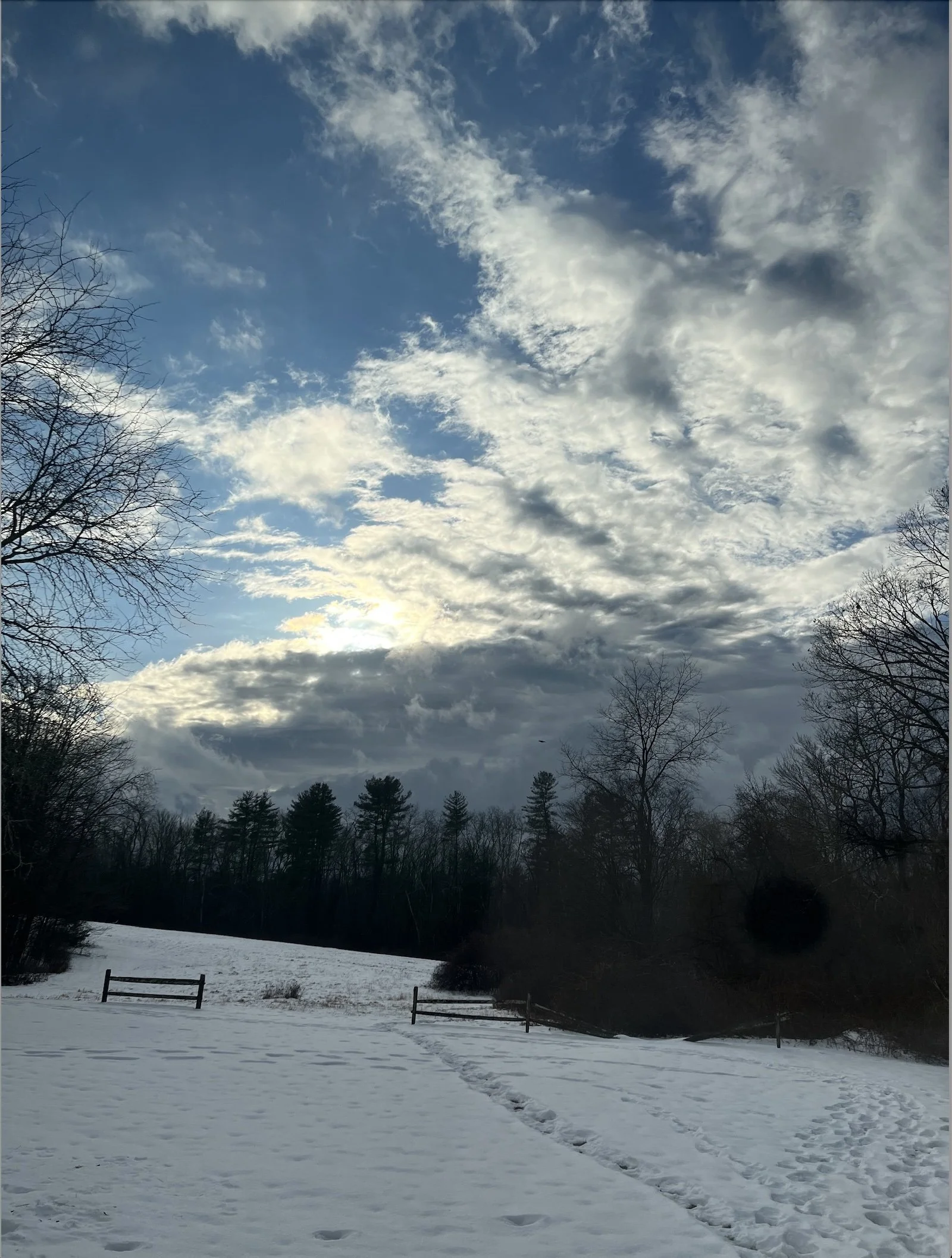
Photo by Naomi Gross

Some members of the Decorating Crew—does the hammer indicate who’s in charge?
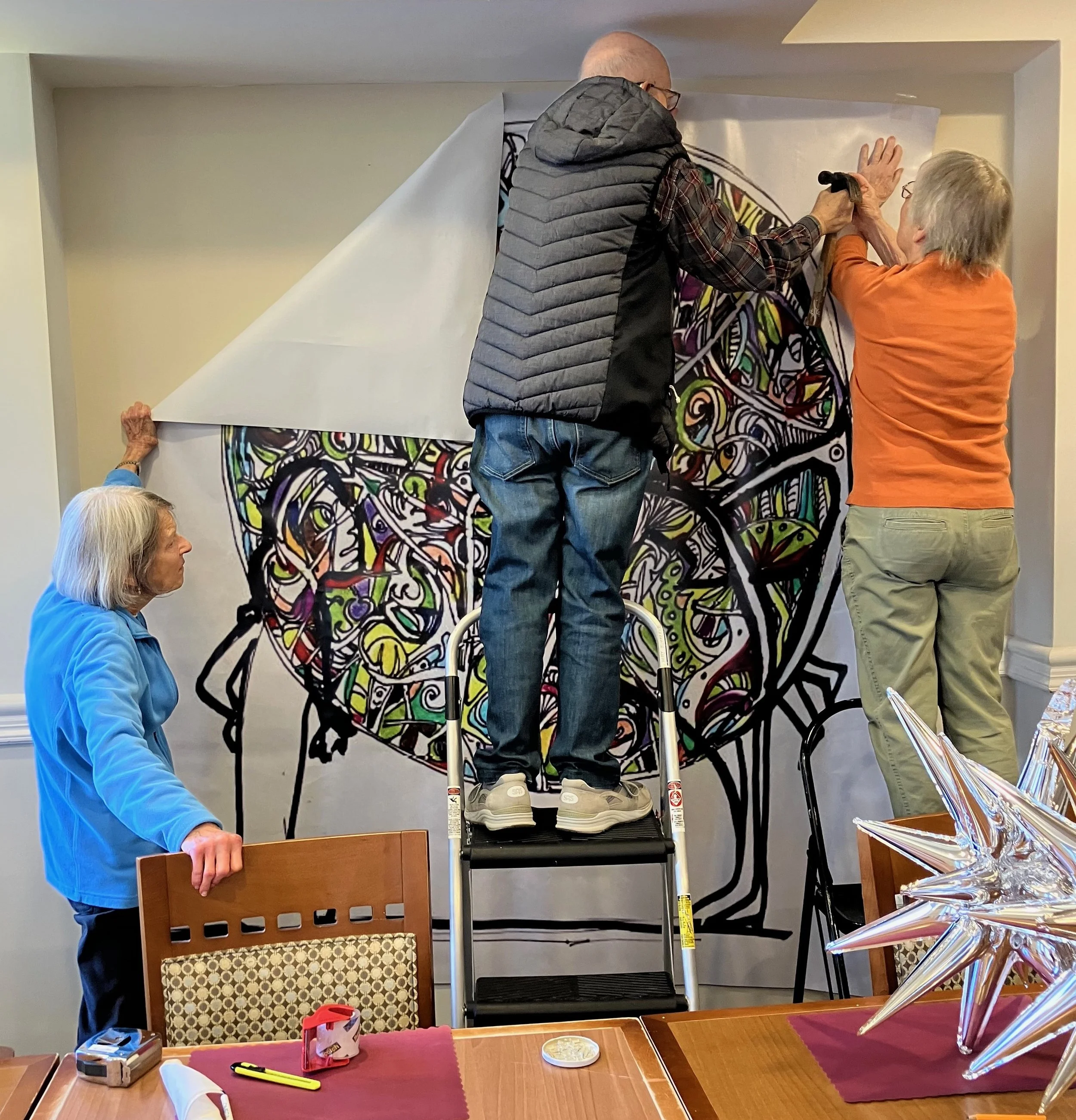
Cooperation in action
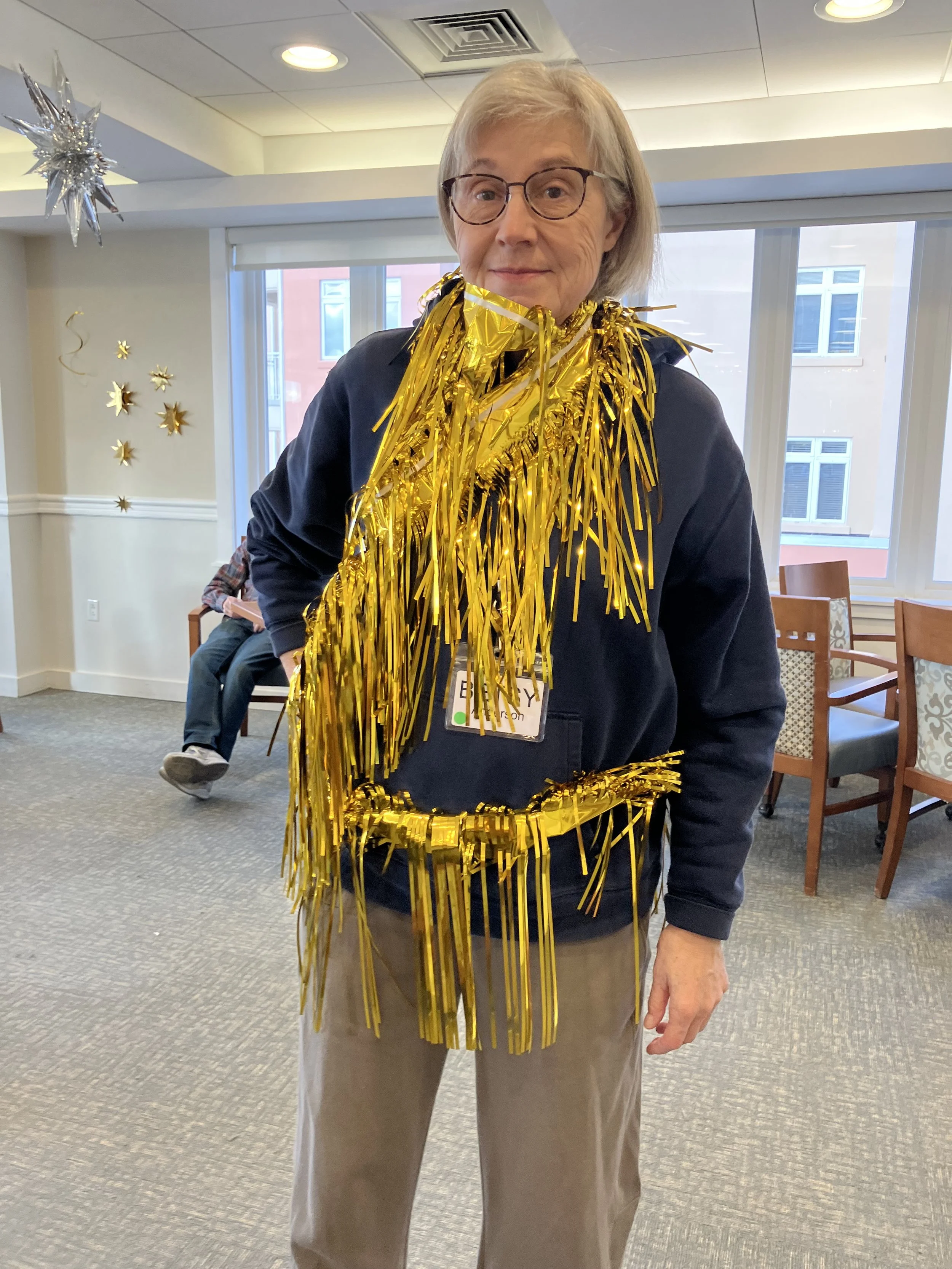
Some members got a wee bit carried away
Photos by Ruth Dinowitz

Helium is better than human huffing and puffing
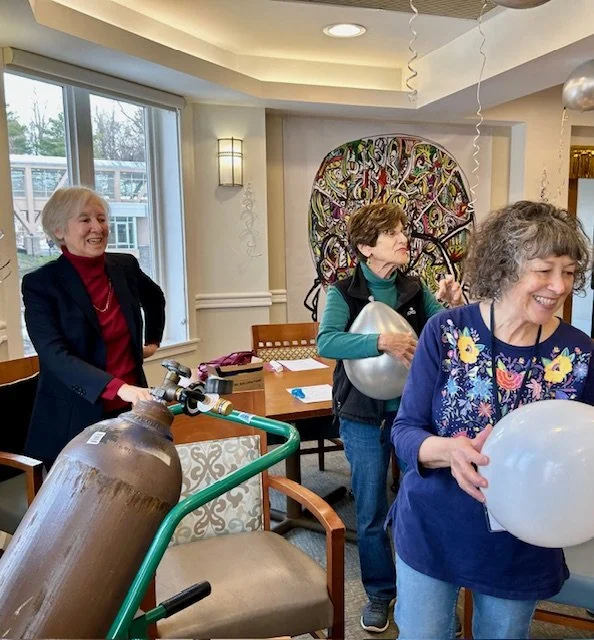
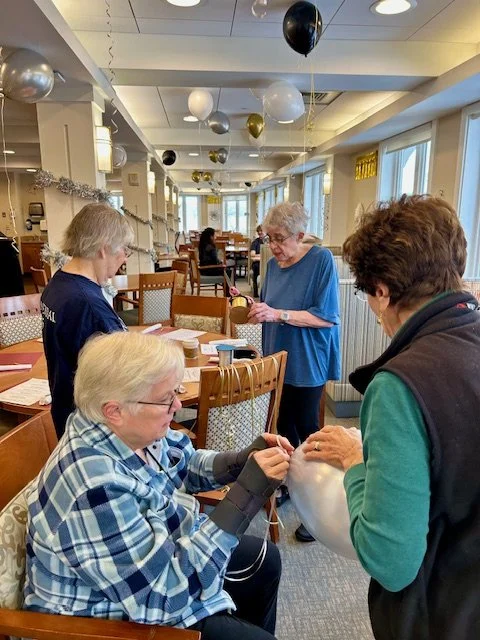
Just stringing things along
Photos by Carolyn Reiss

Photo by Harry Bloomfeld

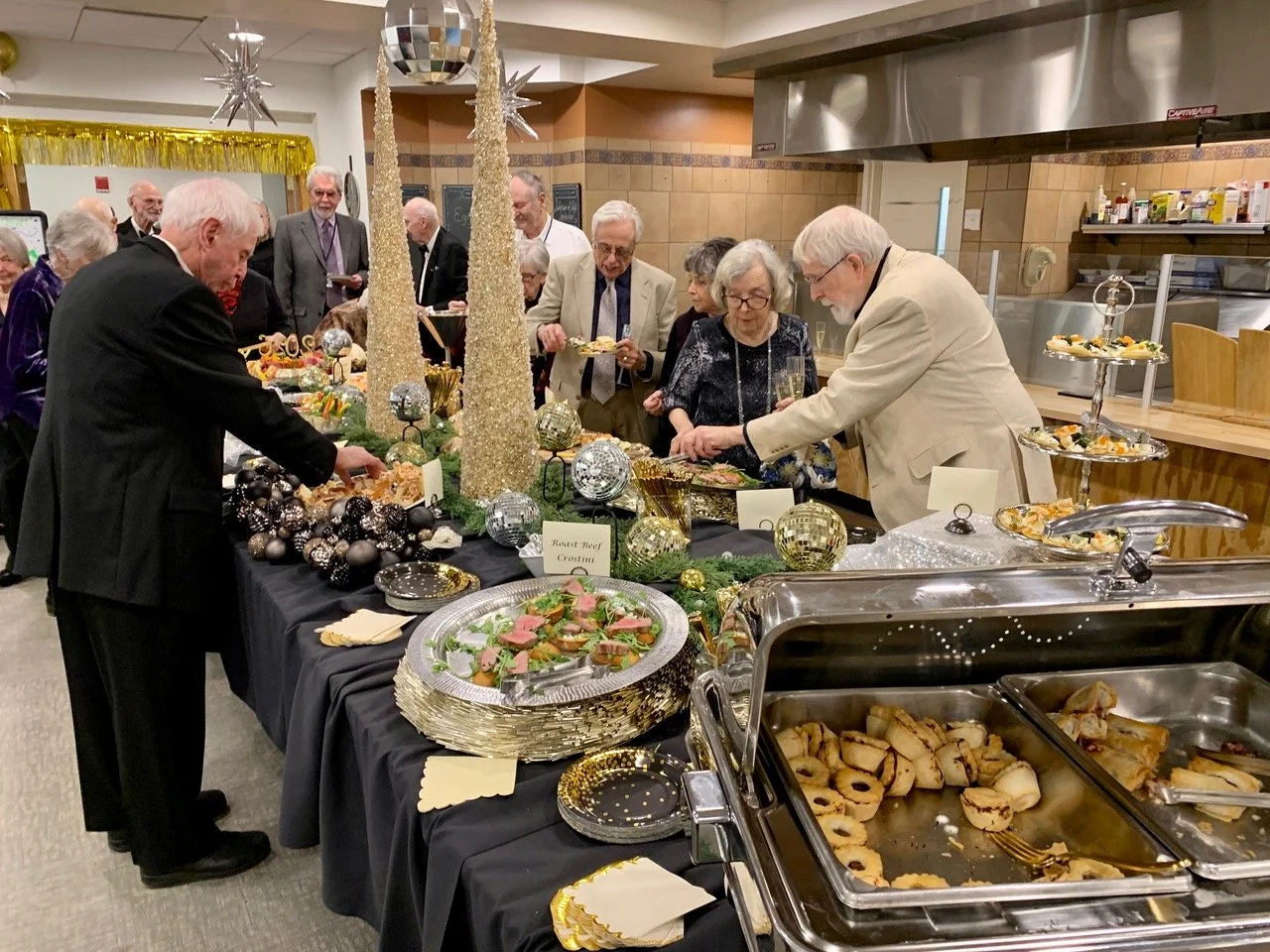
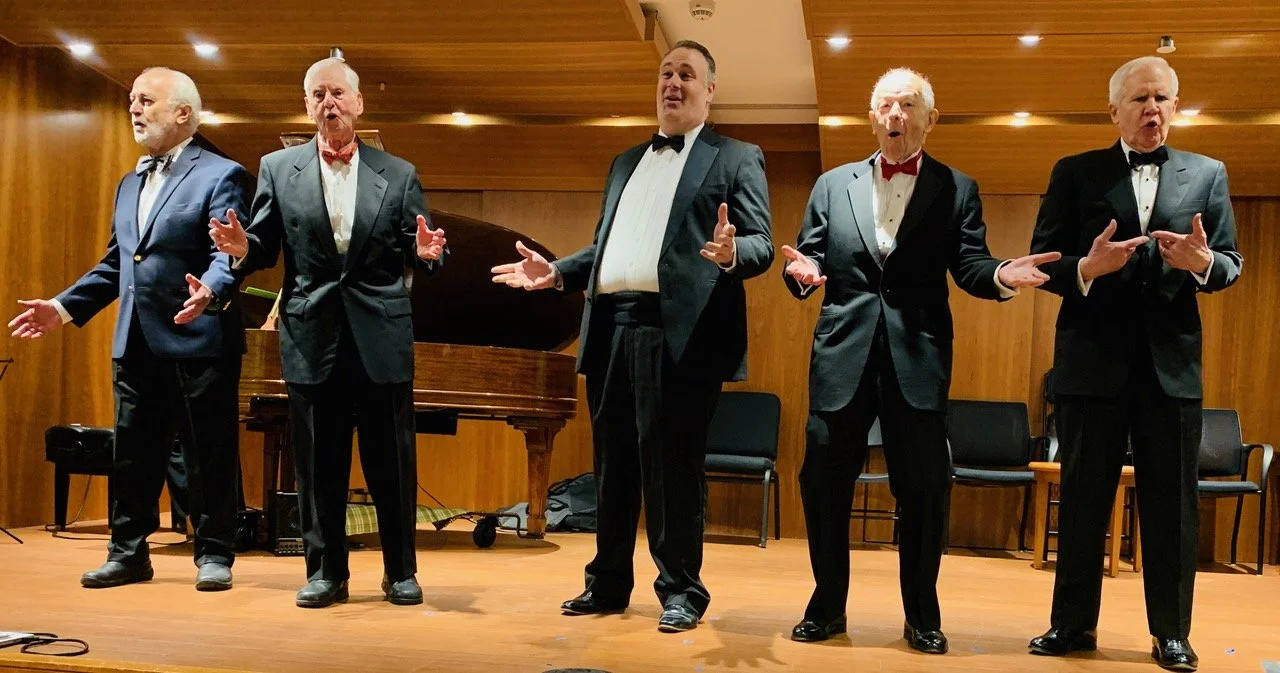
The Goldenaires—plus one in training—start the festivities
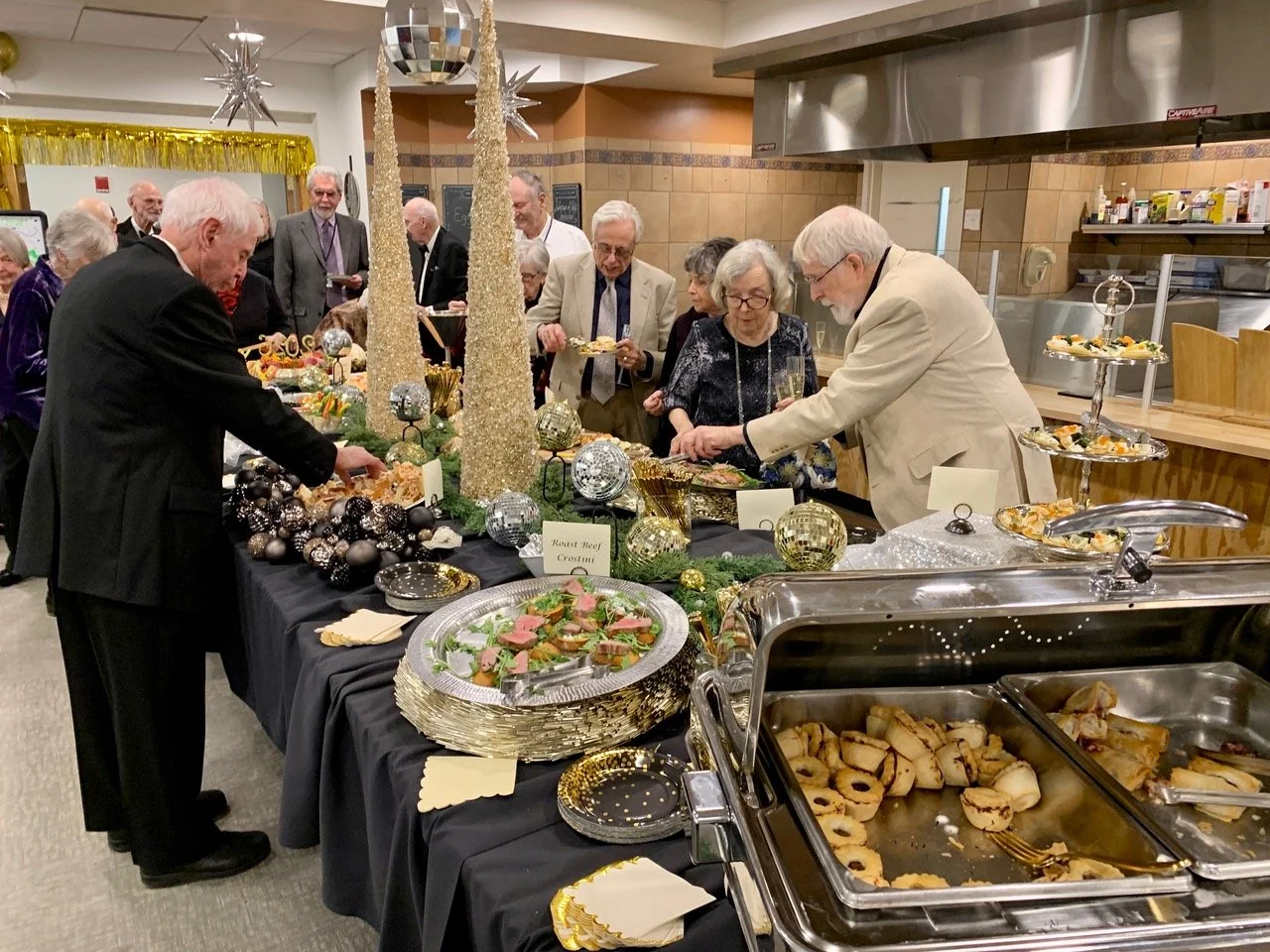
The bounty was amazing . . .

However, careful analysis and testing was required
Photos by Harry Bloomfeld
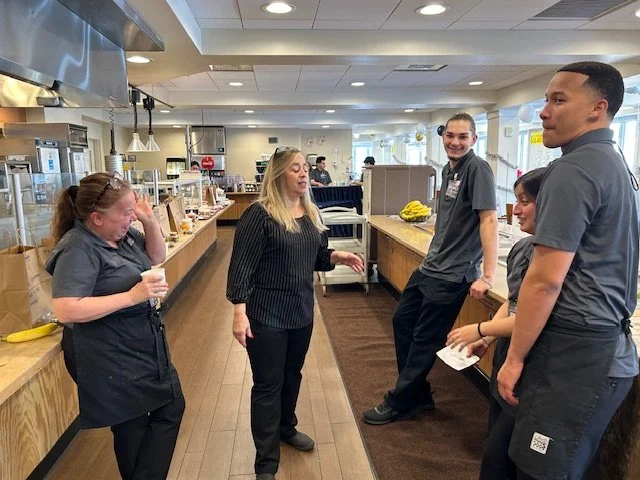
Just gettin’ in the mood
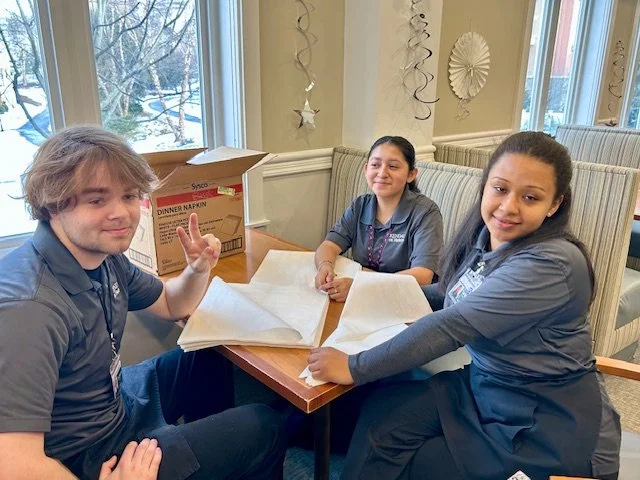



Photos by Carolyn Reiss
Few names in the world become so synonymous with a famous figure that the first thing people think of upon hearing them is that particular person. One of these examples is Ellen.
Ellen is an English girl’s name that means “torch” or “shining light.” Ellen has swung in and out of fashion for centuries, a medieval English form of Helen, often alternating with the parent name. Ellen was the more common name in medieval England until Helen overtook her after the Renaissance. In Edith Wharton’s novel The Age of Innocence, set at the end of the 19th century, one character wonders why another hasn’t changed her given name to something prettier, like Elaine. A statement few would make today. In popular culture, Ellen is the name of two First Ladies, Arthur and Wilson, and Scarlett O’Hara’s mother in Gone with the Wind.
Dame Ellen MacArthur, a solo long-distance yachtswoman, broke the world record for the fastest solo circumnavigation of the globe in February of 2005. Ellen was also the name of Constantine the Great’s mother, a devout Christian credited with discovering the True Cross. It was a popular name in the United Kingdom because of the legend, which has no historical basis that she was born there.
And, of course, there’s the most important Ellen: our own Ellen Ottstadt—she who makes all things run smoothly here at Kendal on the Hudson.
So, what exactly happens on National Ellen Day? Well, it’s all about expressing appreciation for your favorite Ellens, whether they are friends, family members, or even beloved fictional characters. So, today—or any old time this week (we, our own self, are taking control and declaring this Kendal Ellen Week)—why not wish our very own Ellen “Happy Ellen Day!”
“As you get older three things happen. The first is your memory goes, and I can’t remember the other two.” Sir Norman Wisdom
“I have successfully completed the thirty-year transition from wanting to stay up late to just wanting to go to bed.” Unknown
“The years between 50 and 70 are the hardest. You are always being asked to do things, and yet you are not decrepit enough to turn them down.” T.S. Eliot
“At age 20, we worry about what others think of us. At age 40, we don’t care what they think of us. At age 60, we discover they haven’t been thinking of us at all.” Ann Landers
“When I was young, I was called a rugged individualist. When I was in my fifties, I was considered eccentric. Here I am doing and saying the same things I did then, and I’m labelled senile.” George Burns
Contributed by Jane Hart and Steve Price
To be continued . . .
Why Do We Call Someone a “Silly Goose”?
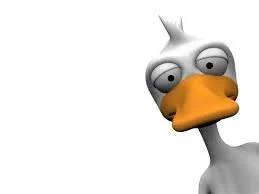
If you’ve ever encountered a mother goose protecting her young, you know there’s nothing “silly” about her demeanor. Instead, this term is primarily reserved for foolish humans.
When it comes to English idioms, geese get a bad rap. A “wild goose chase” is considered a waste of time, whereas “laying a goose egg” means failing to score a point. There’s also the phrase “silly goose,” which you’d use to describe someone acting foolish. But this is a bit of an odd choice, given that geese have a reputation for acting aggressively. So why do we say “silly goose” when there are plenty of inherently goofier animals to choose from?
It may still be acceptable in modern vocabulary to tease someone by calling them a silly goose, but the wording goes back centuries. The Oxford English Dictionary points out that “goose” was used as a figurative term for a simpleton by 1547. The specific phrase “silly goose” dates back to a collection of works by late-16th-century lyrical poet Richard Edwards titled The Paradise of Dainty Devices — a 1927 edition includes the line “She crafty Foxe, the seely Goose beguiles.”
But as persistent as the silly reputation of geese is, the root of it is unknown. When Samuel Johnson compiled A Dictionary of the English Language in 1755, he defined the word “goose” as “a large waterfowl proverbially noted, I know not why, for foolishness.”
There are some theories, however, as to why geese were originally considered to be so silly. One theory relates to the trope of using gullible geese as characters in fables, though many of the fables featuring these foolish geese were published much later than the 16th century (e.g., The Grimm’s Fairy Tales’ “The Fox and the Geese” from 1812). Another theory has to do with an early definition of the word “silly” (or “seely”) — it meant “innocent,” but when referring to animals, it also meant “having a simplistic nature.” This could have applied to geese, and then “silly” evolved into its goofier meaning.
So while neither we, nor Samuel Johnson, will ever know exactly why geese are thought to be so silly (maybe it’s the waddle?), we can still accept it for what it means today. We hope this brief explanation helps you feel a little less silly when you ask a question yourself.
Source: wordsmarts.com Contributed by Jane Hart
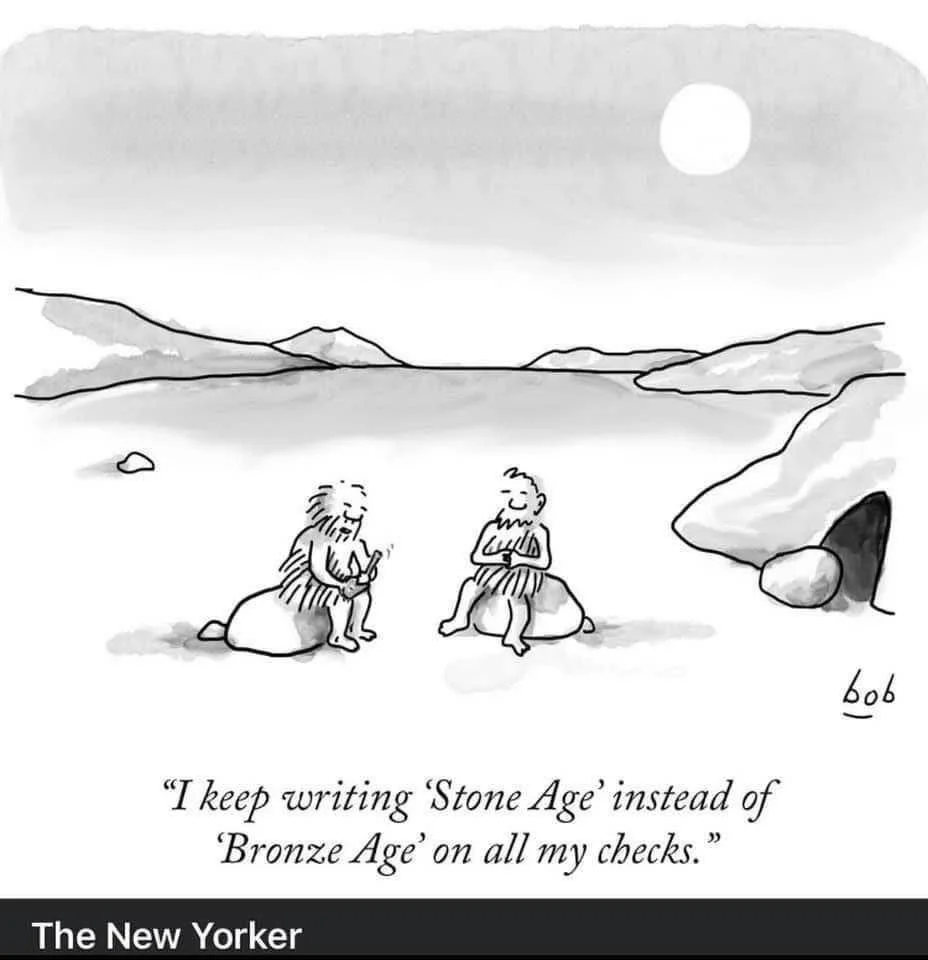


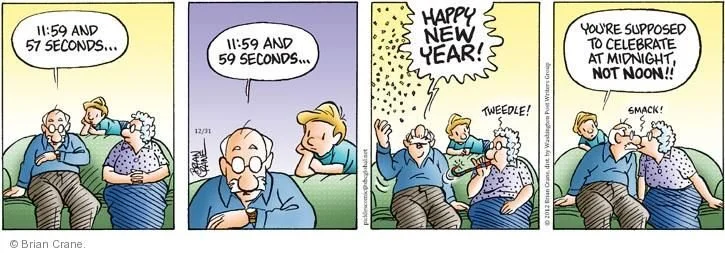
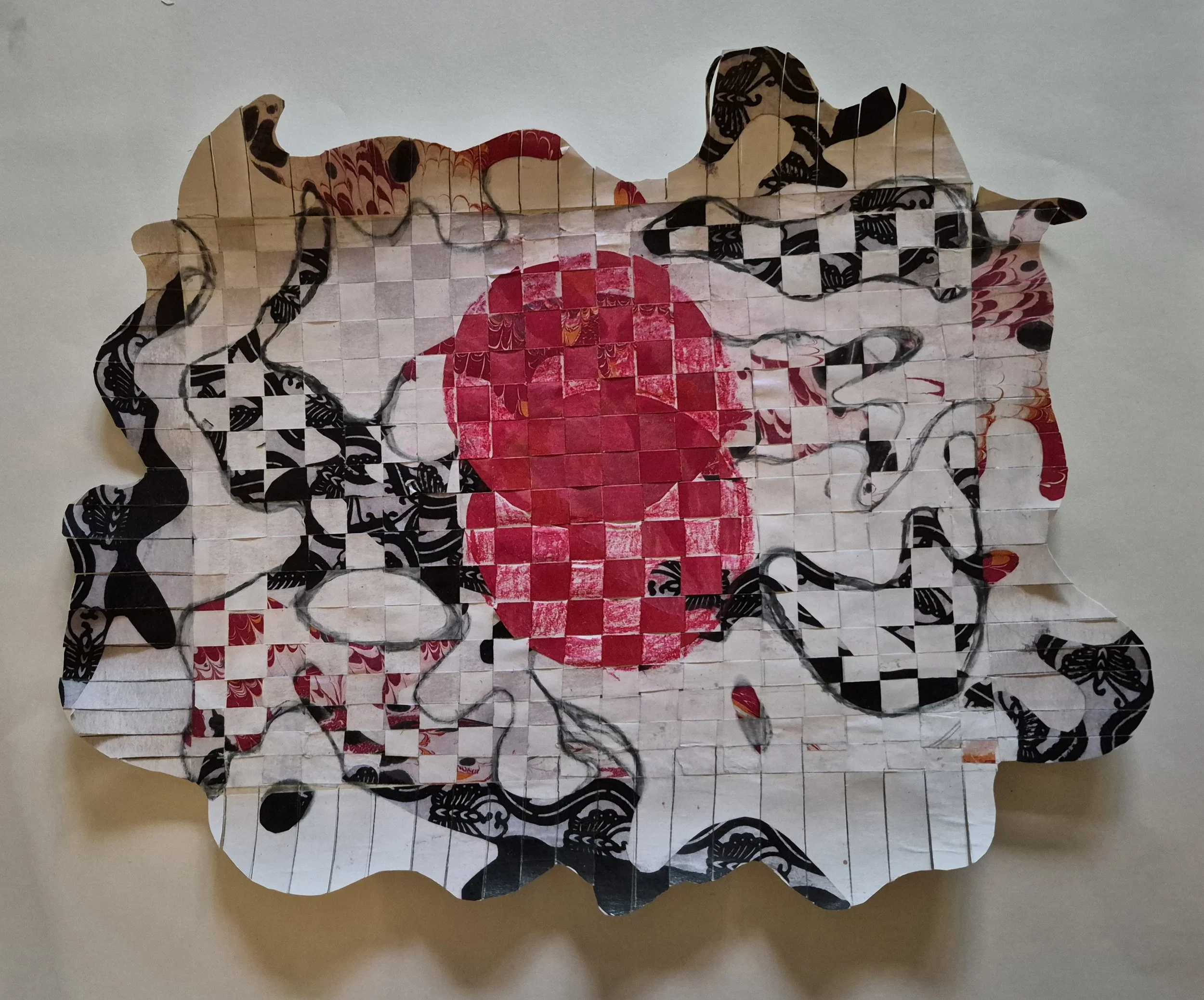
Art and Photo by Sheila Benedis

Kiki’s dorm mates couldn’t wait to hear about her vacation—with all the details

At the end of the day, the French hens were ready to bid adieu to the turtle doves and the partridge in a pear tree
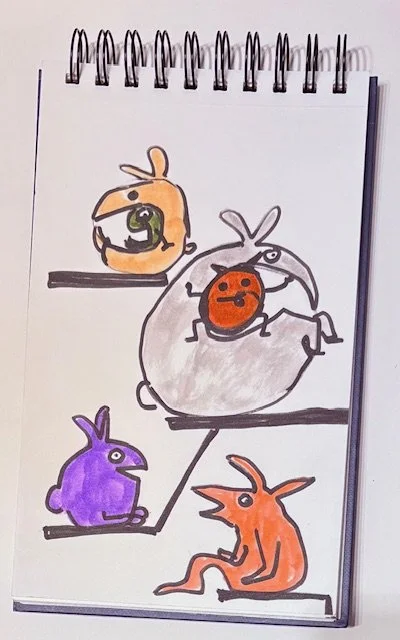
Dr. Crumpling had multiple patients scheduled for 10:13

Santa put his reindeer in the barn, took off his heavy lined snow pants, and joined his friends at a party
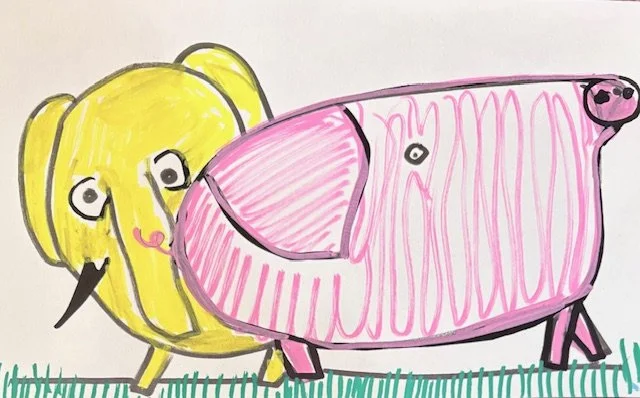
Pinky was an outrageous flirt
Art and photos by Jane Hart
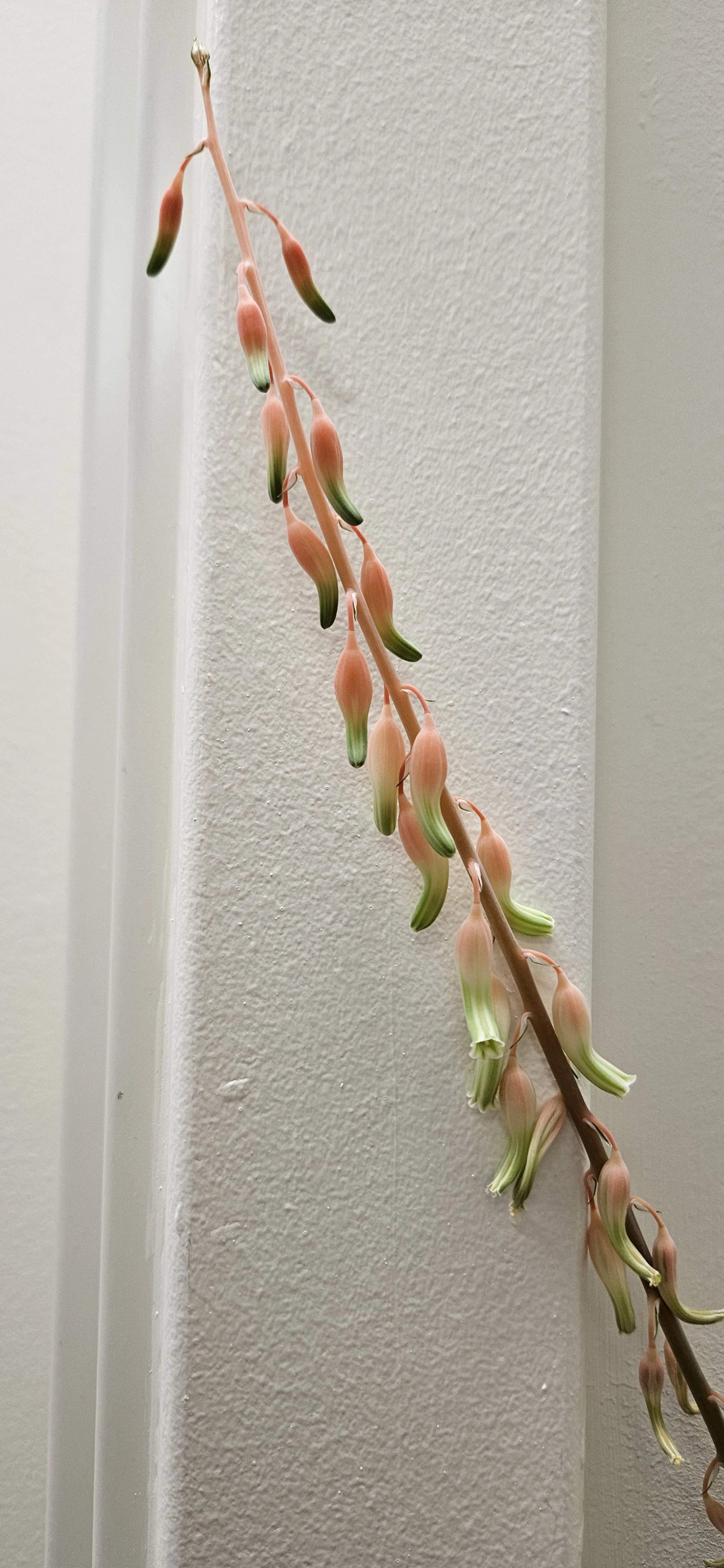
Photo by Joe Bruno

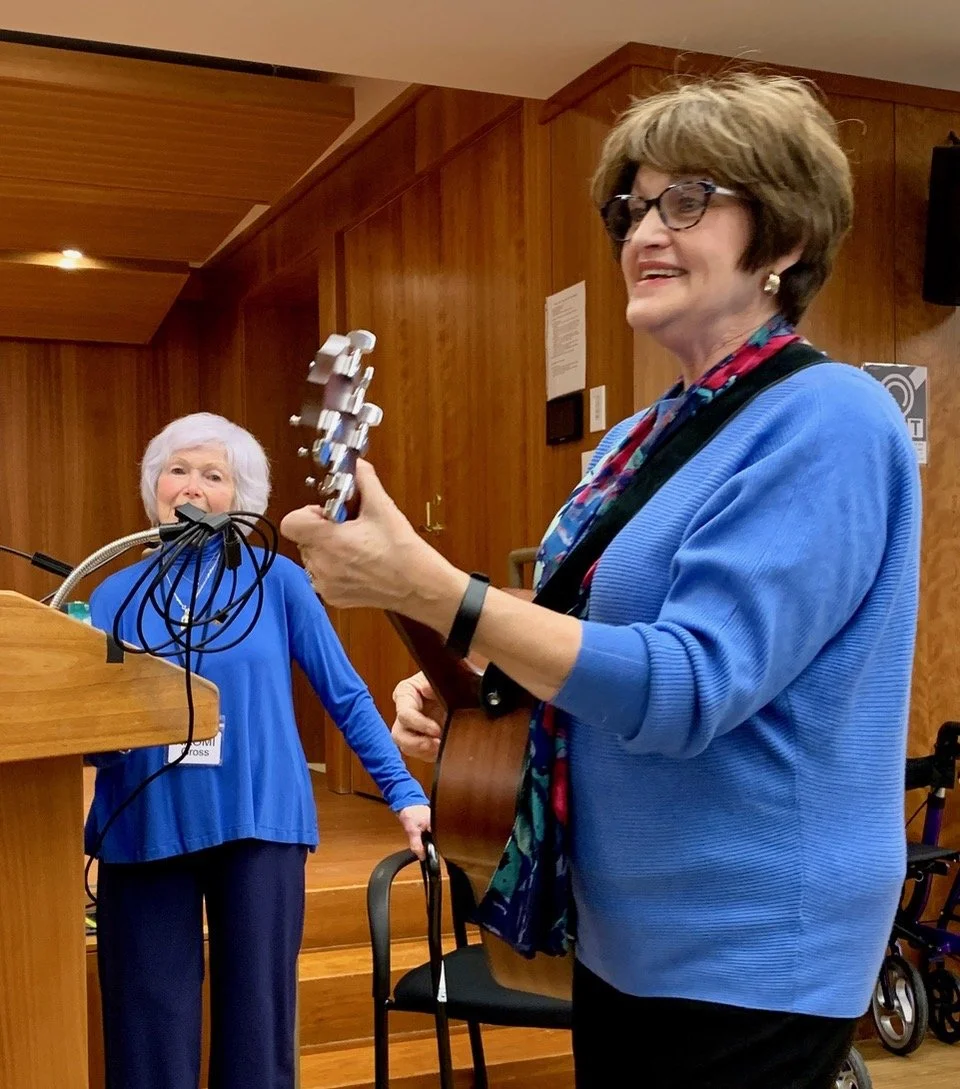
A Hanukkah Sing-Along
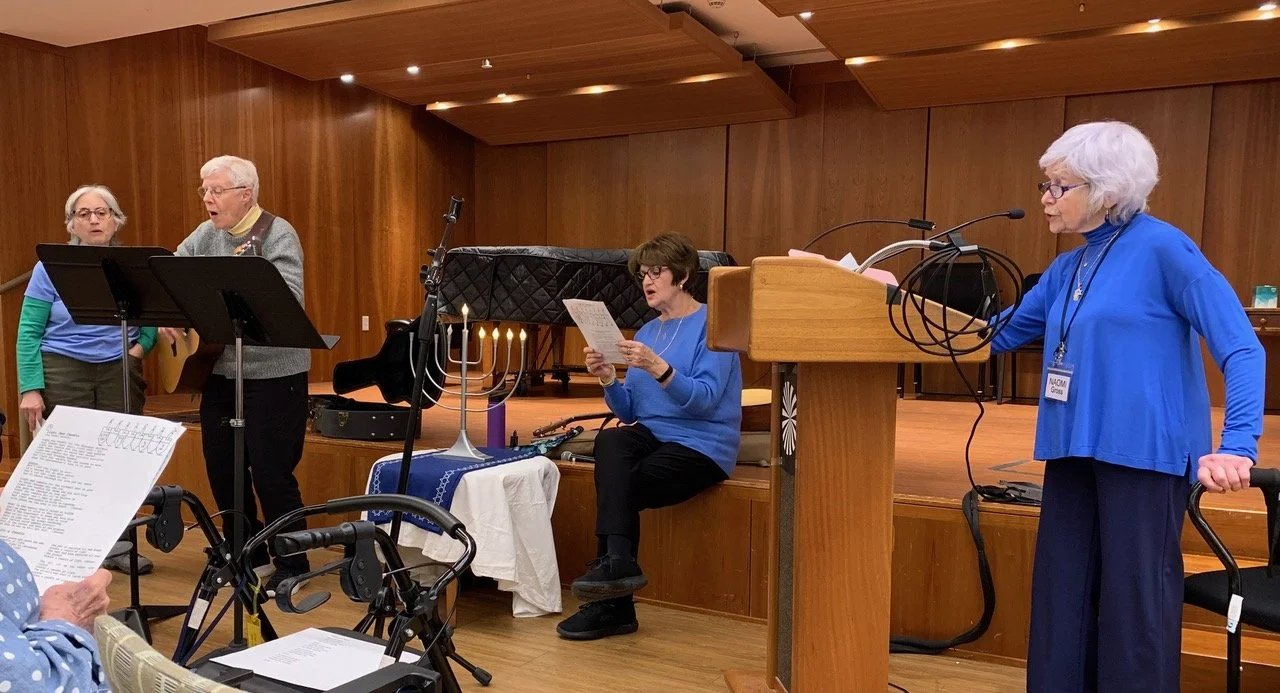
Hanukkah Caroling
Photos by Harry Bloomfeld
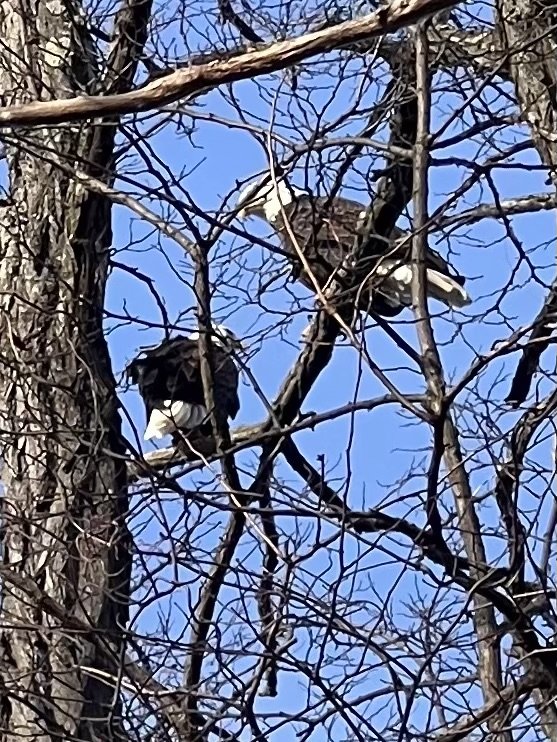
Contributed by Lisa Rosenbloom, photo by daughter Kate Rosenbloom
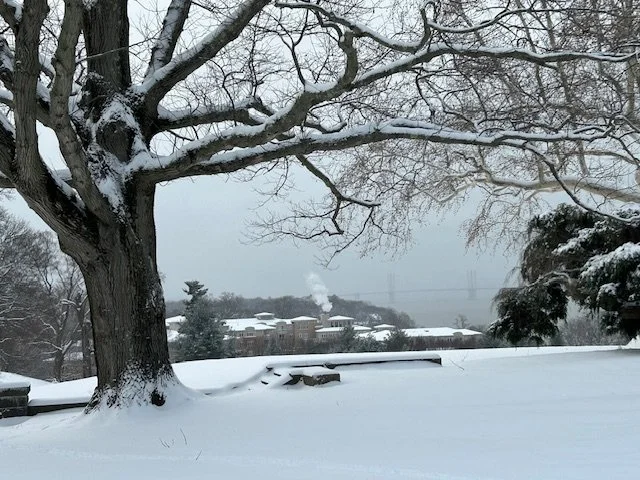
An early morning Rockwood walk, by Carolyn Reiss

Nanook of Kendal, by Carolyn Reiss

Allie makes tracks, by Carolyn Reiss

A-bloom with snow, by Lynn Brady
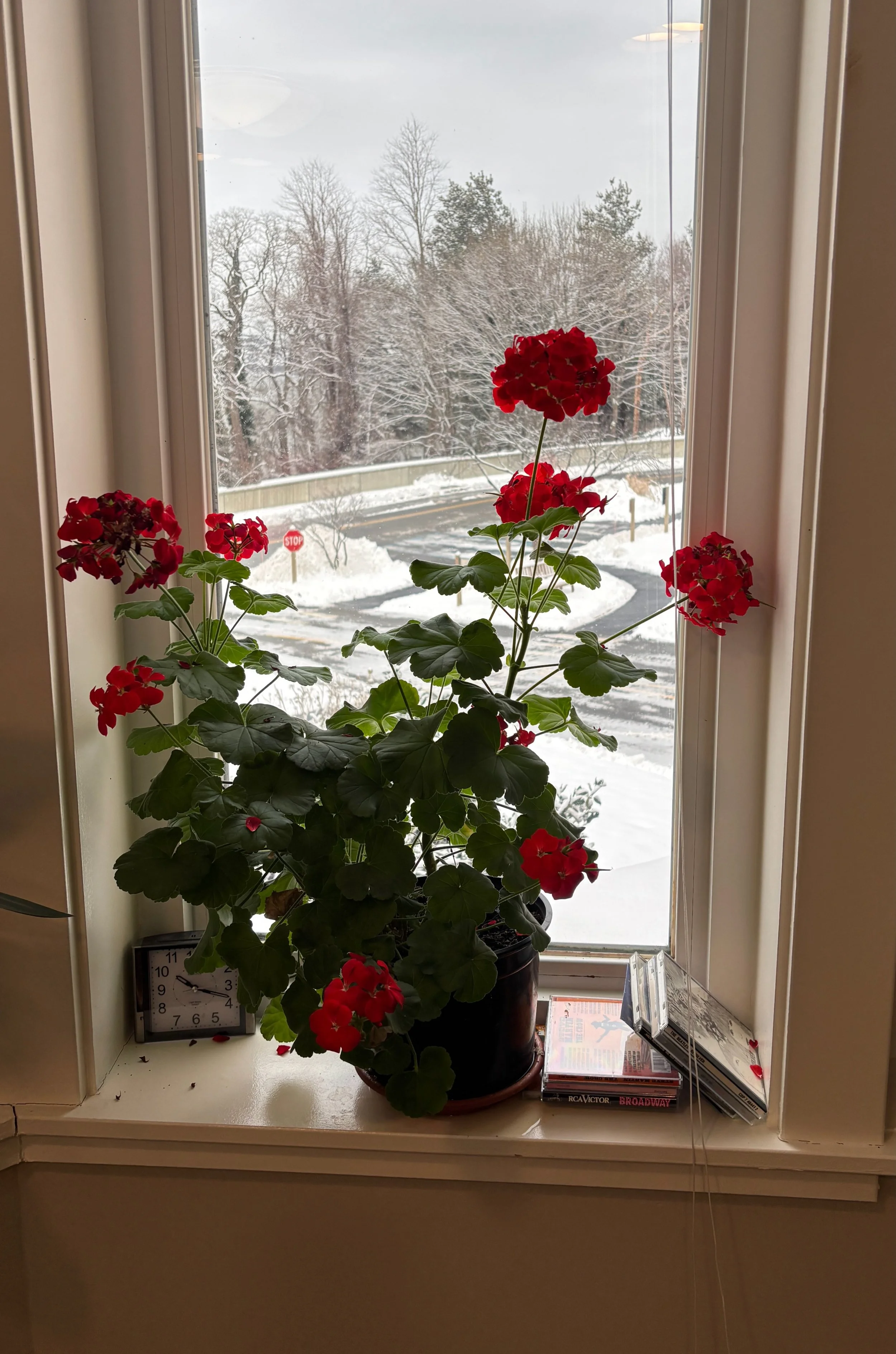
Photo by Lynn Brady

Photo by Lynn Brady
Recently, intrepid Kendalites bundled up and journeyed over to the Untermyer Gardens Conservancy in Yonkers for the its traditional Christmas-light show.
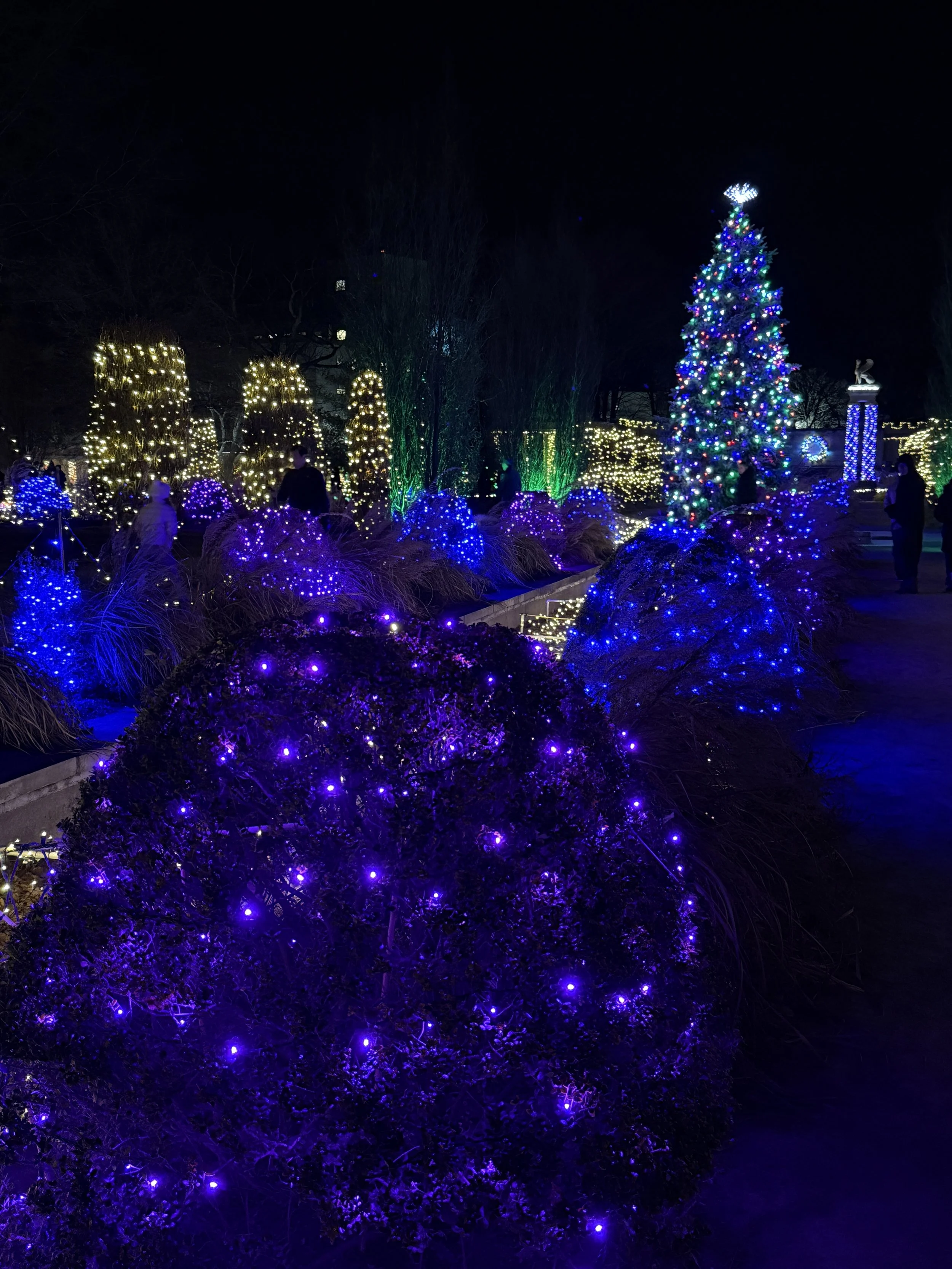
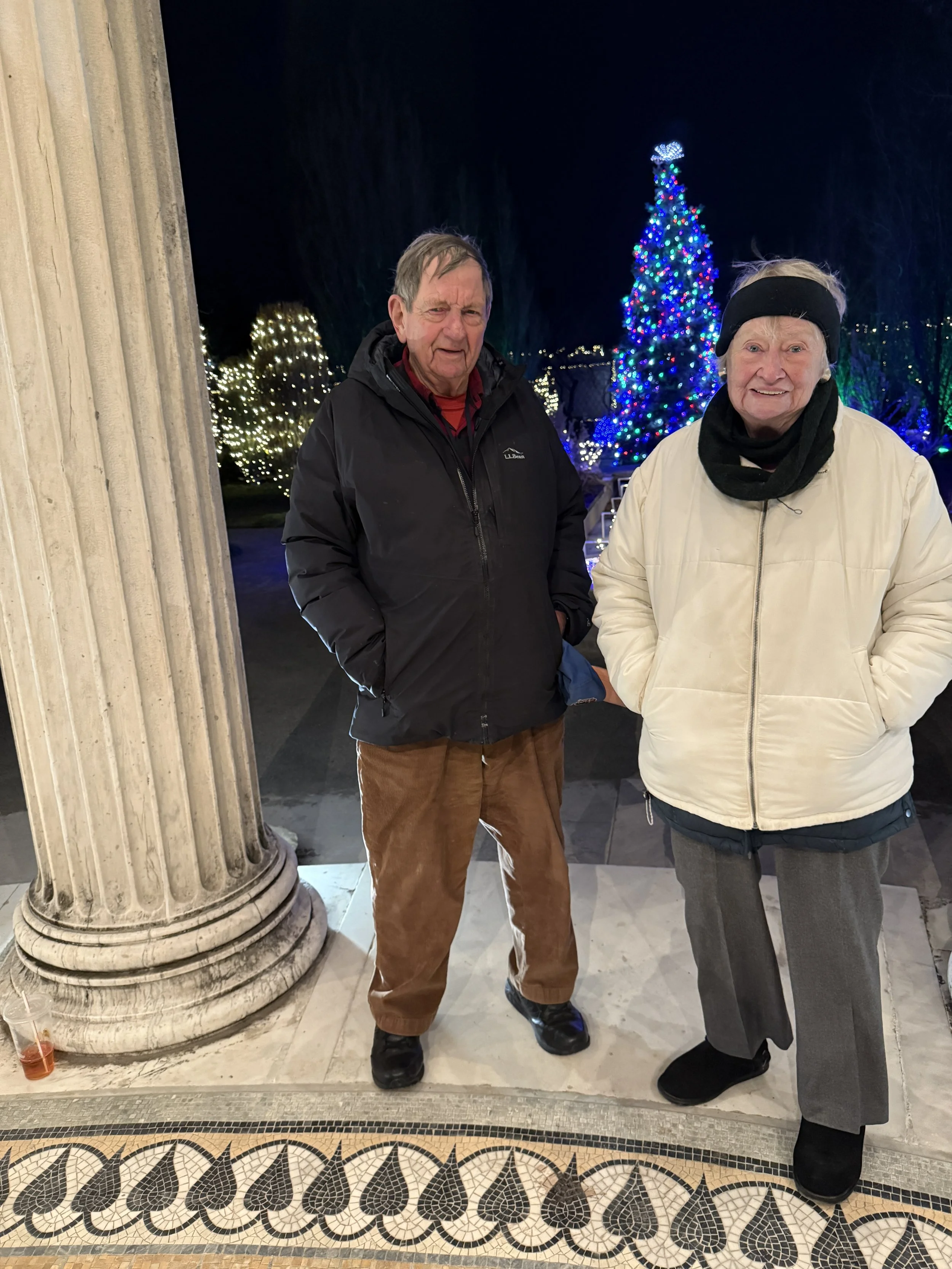
Clearly worth it for Henry Neale and Sue Bastian to bundle up for the event.
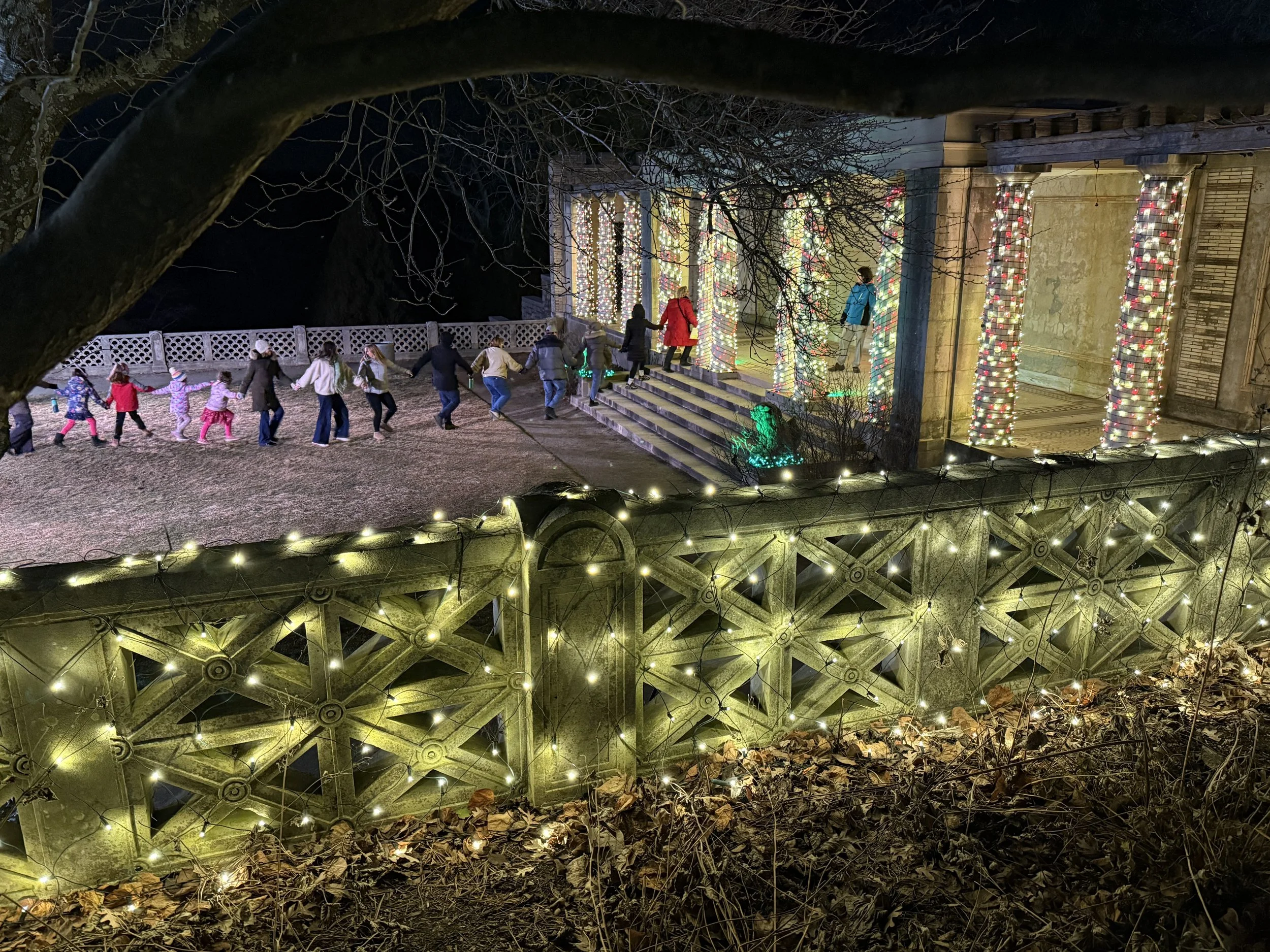
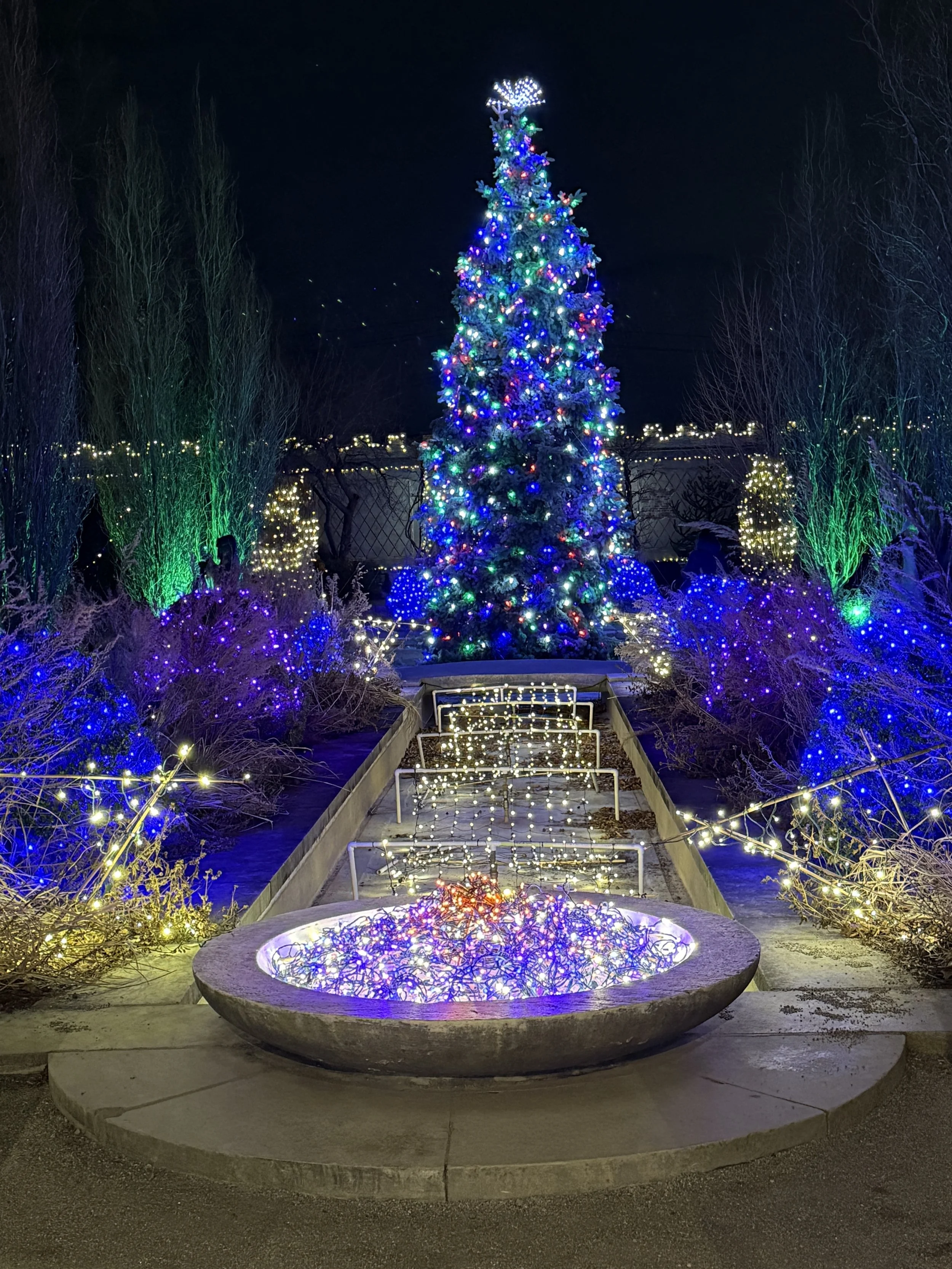
Photos by Amanda Slattery
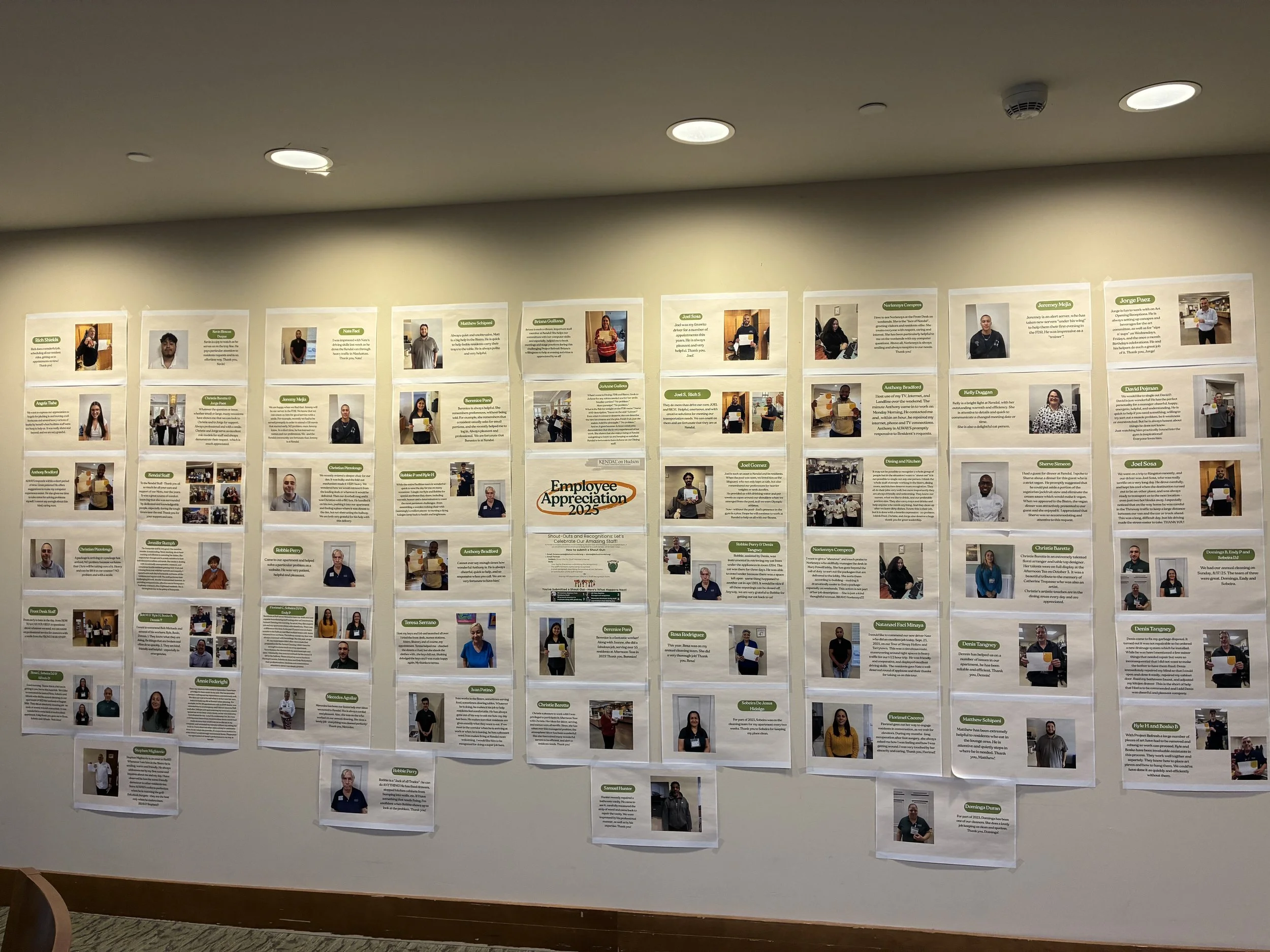
As a whole, they make our lives easier, happier, cleaner, more-well-fed, more organized, more a whole lot of things. Individually, they are exceptional people who are kind and generous and dear. Our “Shout Outs” let the Administration know of those special efforts by already special staff members. Examples? Just visit the Bistro Lounge and peruse a mere sampling of the commendations that residents sent Human Resources in 2025.
“Wisdom doesn’t necessarily come with age. Sometimes, age just shows up all by itself.”Tom Wilson
“Nice to be here? At my age it’s nice to be anywhere.” George Burns
“Don’t let ageing get you down. It’s too hard to get back up.” John Wagner
“It’s important to have a twinkle in your wrinkle.” Unknown
“Aging seems to be the only available way to live a long life.” Kitty O’Neill Collins
“Middle age is when you’re sitting at home on a Saturday night and the telephone rings and you hope it isn’t for you.” Ogden Nash
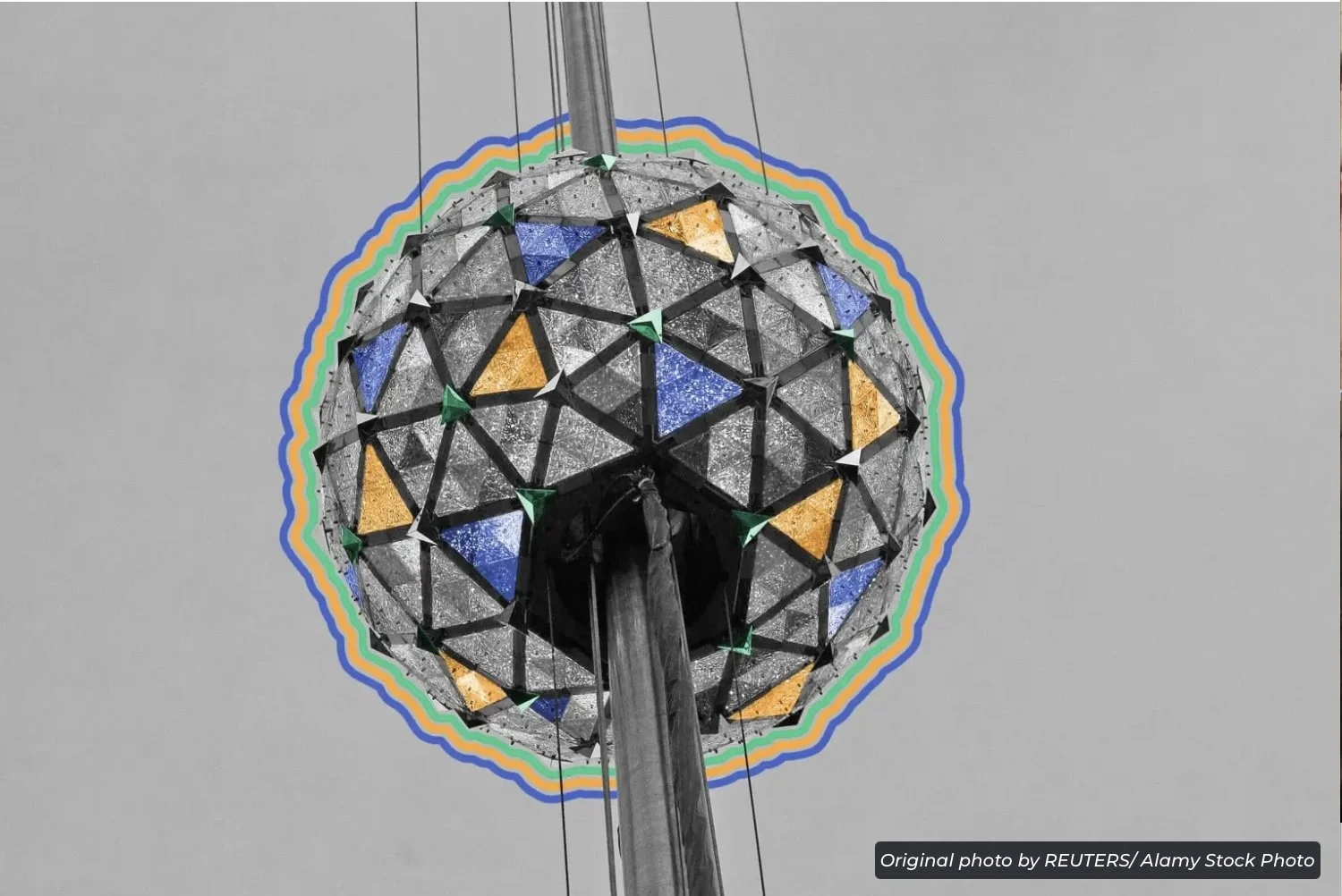
by Nicole Garner Meeker
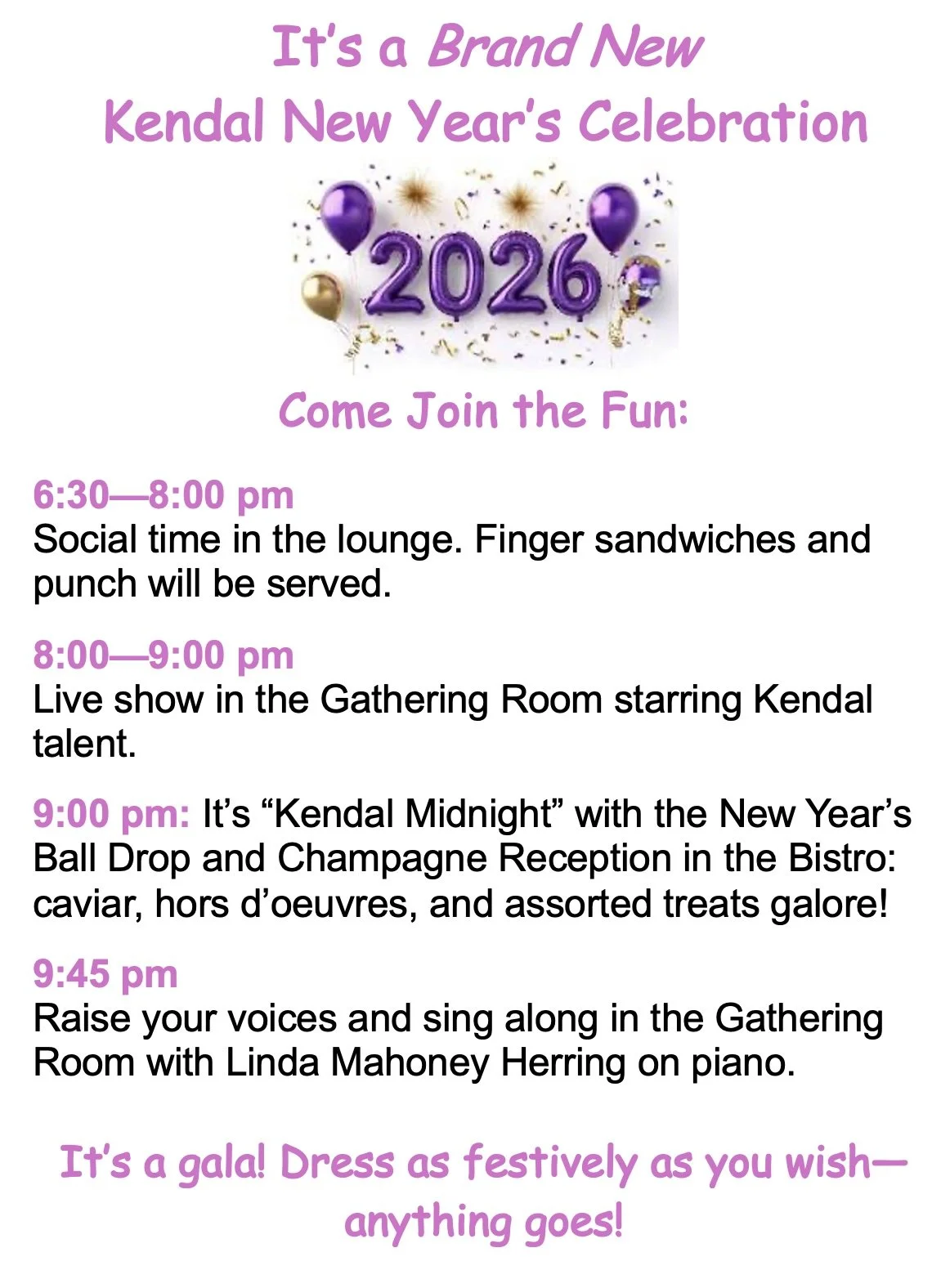
Whether at home on the couch or among the crowds in Times Square, watching the New Year’s Eve ball drop symbolizes a fresh start. But as the ball descends to mark another year gone by, it also harkens back to an era when knowing the exact time was much more difficult. Before the 20th century, timekeeping was significantly less precise; most people noted the time thanks to church bells that rang on the hour, though the system was often inaccurate.
For sailors and ship captains, knowing the exact time was key for charting navigational courses, and they used a device called a chronometer to keep track of time onboard ships. That’s why Robert Wauchope, a captain in the British navy, created the “time ball” in 1829. The raised balls were visible to ships along the British coastline, and they were manually dropped at the same time each day, allowing ships to set their chronometers to the time at their port of departure. At sea, navigators would calculate longitude based on local time, which they could determine from the angle of the sun, and the time on their chronometer.
Time balls emerged as a timekeeping feature throughout the world, though evidence of them is hard to find today. The US Naval Observatory in Washington, DC, installed one in 1845, which would later help history record the precise time of Lincoln’s assassination. It dropped daily through 1936.
But the time ball’s reign was short-lived. The devices fell out of fashion by the 1880s thanks to the availability of self-winding clocks. The concept would eventually be co-opted by The New York Times in 1907, when the newspaper’s formerly explosive New Year’s Eve celebrations were barred from using fireworks. Organizers took a chance by looking back at the time ball’s influence, and decided a lighted midnight drop was the perfect way to honor the occasion.
Source: interestingfacts.com

© Kendal on Hudson Residents Association 2015, 2016, 2017, 2018, 2019, 2020, 2021, 2022 all rights reserved. Please do not reproduce without permission.
Photographs of life at Kendal on Hudson are by residents.