Black Cohosh in Rockwood, photo by Harry Bloomfeld
Garden Dahliah, photo by Harry Bloomfeld
A “Next” of Mushrooms, photo by Rich Dooley
Common Ivy . . . and Friend, photo by Harry Bloomfeld
Herbst’s Bloodleaf, photo by Harry Blooomfeld


Black Cohosh in Rockwood, photo by Harry Bloomfeld

Garden Dahliah, photo by Harry Bloomfeld

A “Next” of Mushrooms, photo by Rich Dooley

Common Ivy . . . and Friend, photo by Harry Bloomfeld

Herbst’s Bloodleaf, photo by Harry Blooomfeld

From the office of Ellen Ottstadt
Margaret Ann Roth recently provided a compendium of, well, discrete observances on our world, age, and philosophy. They are both thought-provoking and insightful. We offer a few below in Part II of this discussion of life:




Author, author! That would be Mimi Abramovitz whose latest edition of Regulating the Lives of Women: Social Welfare Policy from Colonial Times to Present is just being released in its Fourth—count ‘em: four—edition. Used widely in Women’s Studies and American History courses, the flyer below tells you everything you might want to know about this soon-to-be available tome of renown.


Designing a yearly calendar is tricky, since solar days, lunar months, and solar years don’t completely line up. The Gregorian calendar, established by Pope Gregory XIII in 1582 and used today throughout the Western world, aligns calendar dates with the seasons by splitting a solar year into 12 parts—not tied to the cycles of the moon—and adding an extra day every four years (with some exceptions). But making the switch to this calendar from its predecessor, the ancient Julian calendar, led to some clunky timekeeping—such as Britain skipping a whole 11 days in September 1752.
Because the Julian calendar under-calculated a solar year by roughly 11 minutes, it gradually got out of sync with the actual seasons. The discrepancy wasn’t noticeable at first, but by Gregory XIII’s papacy in the 16th century, Easter had drifted 10 days from the date the Catholic Church intended it to be celebrated. To remedy this, the pope adjusted the leap day formula and anchored the calendar by tying March 21 to the spring equinox.
Catholic-dominant areas of Europe, such as Italy, adopted the adjusted calendar within a year, and the rest of Europe eventually followed suit, albeit some countries more slowly than others. Britain, for instance, waited nearly 200 years to make the switch, and by that time, the two calendars were 11 days out of sync. In order to align with the Gregorian calendar, Britain skipped 11 days in the year 1752, following September 2 with September 14.
Before Britain implemented the Gregorian calendar, the new year started on March 25. The first New Year’s Day on January 1 was in 1752, but because the previous year still started on March 25, 1751 ended up being only 282 days long—the shortest year in English history. Interestingly, the tradition of beginning the year in March hasn’t completely disappeared: Even today, tax years in the U.K. start in the spring.
Source: historyfacts.com
Contributed by Jane Hart


Contributed by Barbara Bruno



Contributed by Barbara Bruno

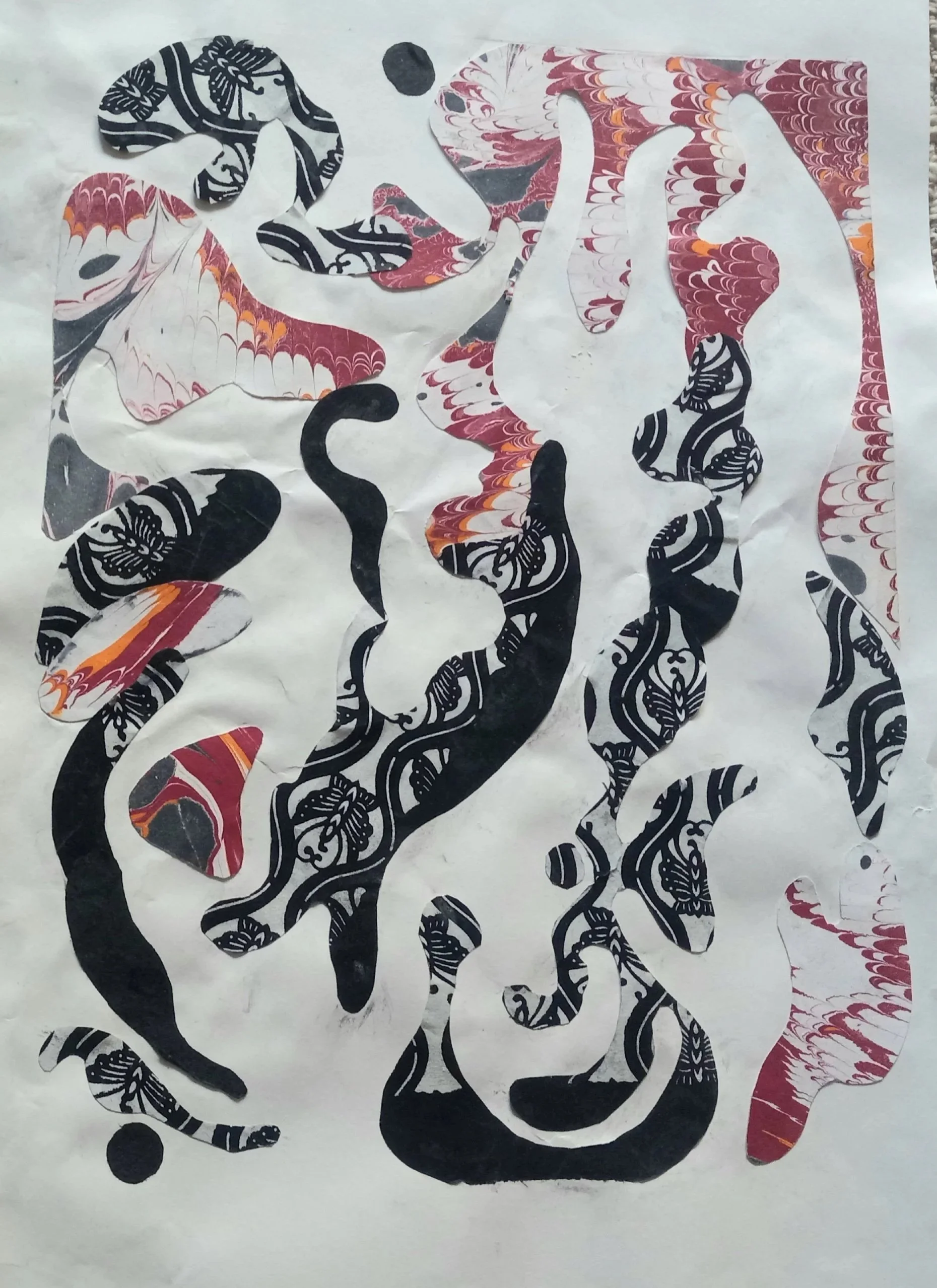
Art and photo by Sheila Benedis
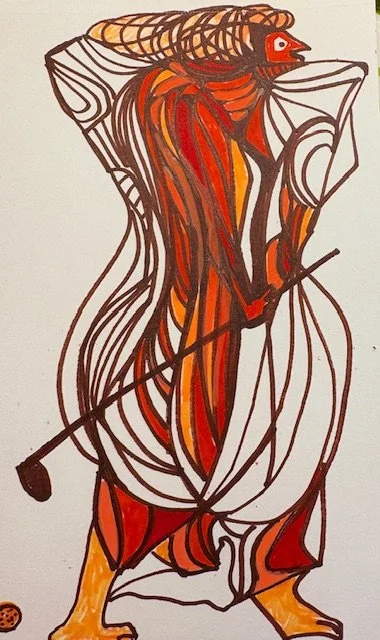
Orange Julius liked to squeeze in one last game of golf

Gracie was nice to drill Casey on his Latin verbs

Piano-tuning was more complicated than Simeon thought
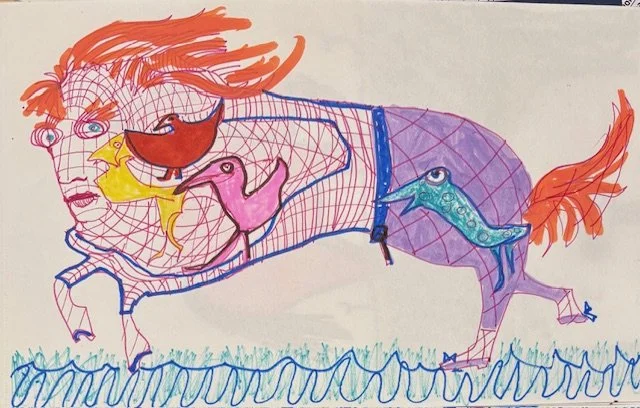
Molly’s mesh suit was annoying, but it kept shore birds from crashing into her

The second act-lovers’ duet from inside a giant dolphin always brought the house down
Art and photo by Jane Hart

Photo by Edward Kasinec
Henry Greenberg held his audience in rapt attention as he explained the practice and process of scientific exploration in clinical trials.
The night-time drive around Fulton just got easier. Traffic reflectors have been embedded in the roadway. Stay tuned for more illuminating news.

Photo by Joe Bruno

Photo by Carolyn Reiss

Photo by Carolyn Reiss
Is the world trying to tell us something?

Photo by Philip Monteleoni

Photo by Amanda Slattery
“I’d climb the highest heights for you . . . “
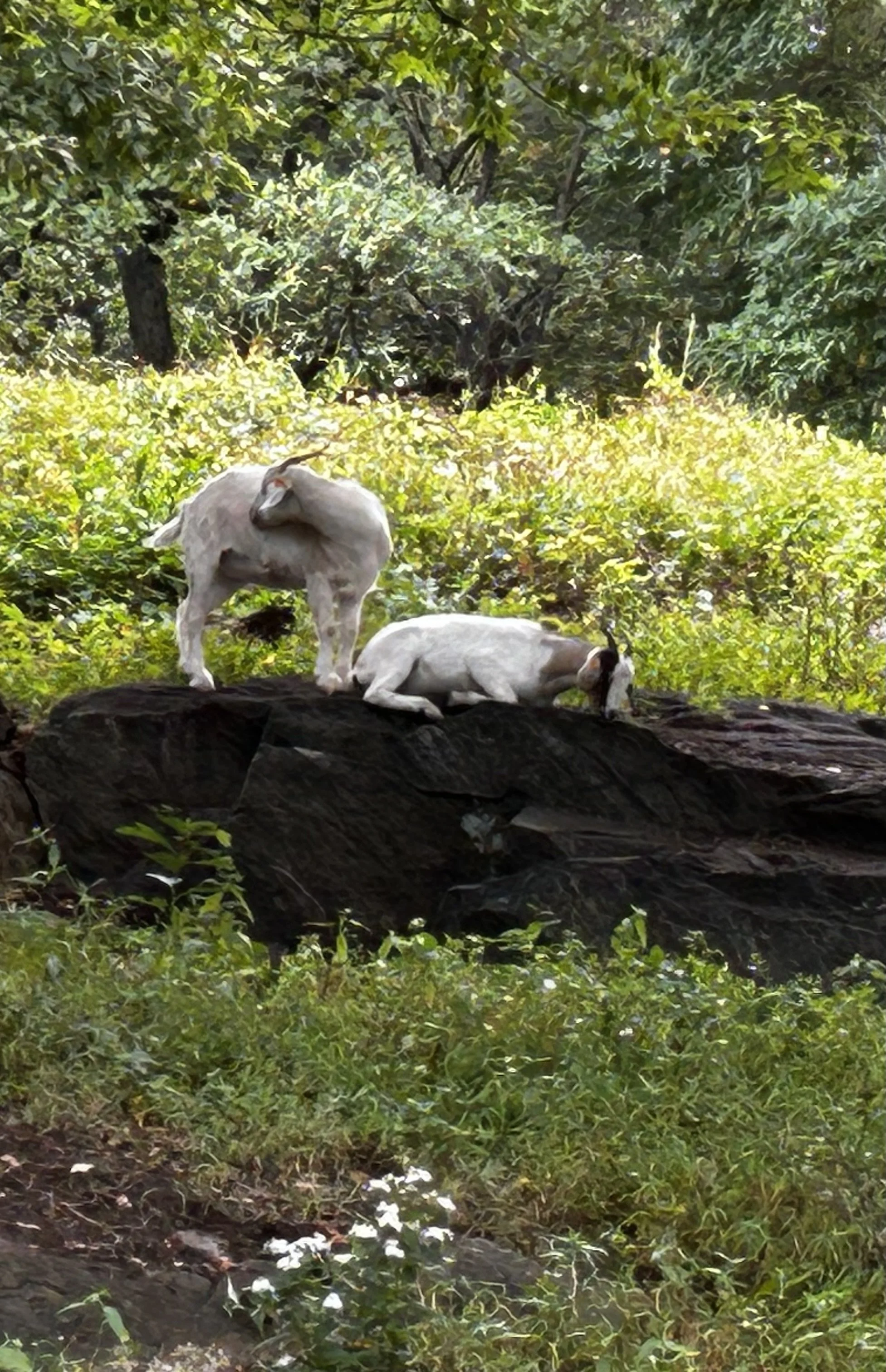
Photo by Aruna Raghavan
Just chillin’ . . .
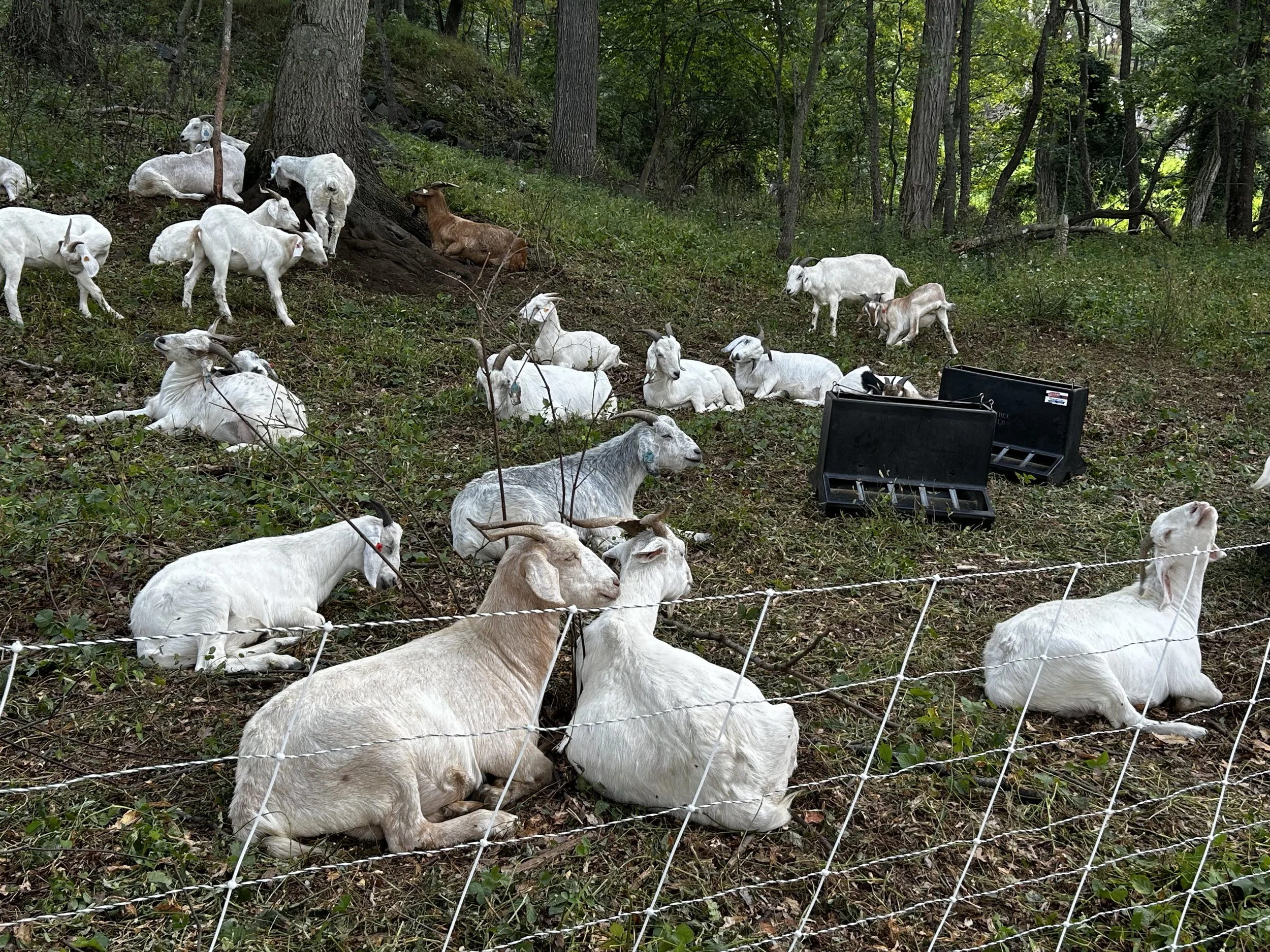
Photo by Aruna Raghavan
“Barking” up the right tree . . .

Photo by Edward Kasinec
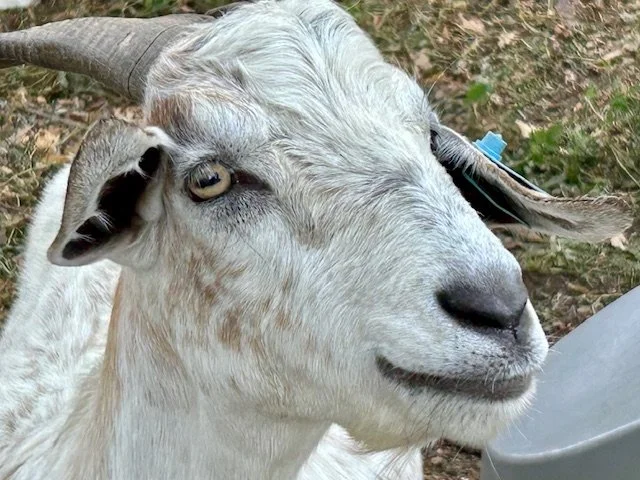
Photo by Carolyn Reiss
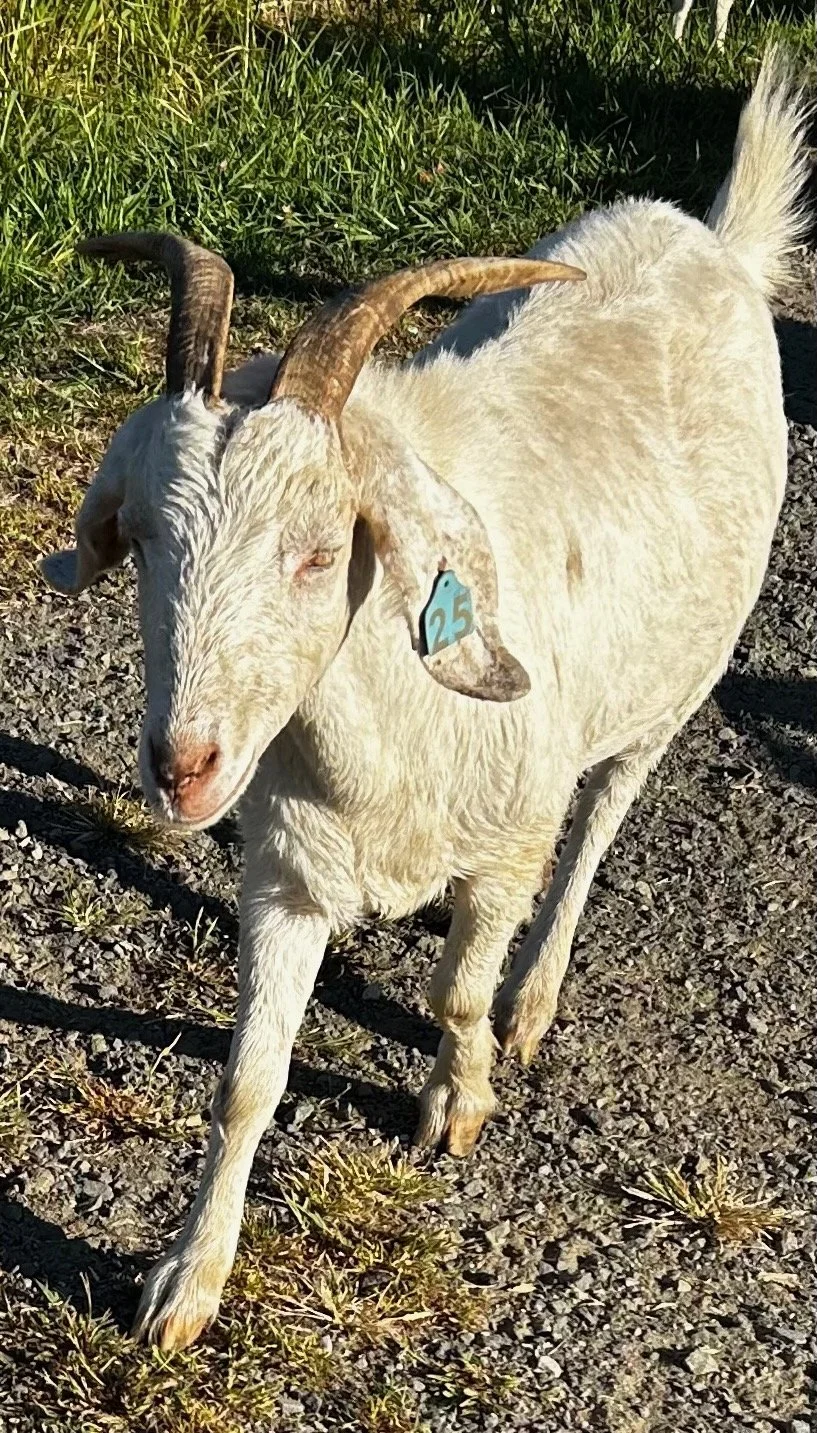
Photo by Aruna Raghavan
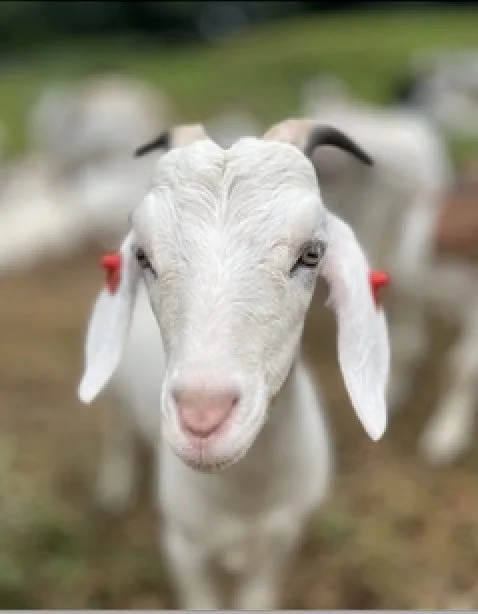
Photo by Ed Lannert
Margaret Ann Roth recently provided a compendium of, well, discrete observances on our world, age, and philosophy. They are both thought-provoking and insightful. We offer a few below:




To be continued . . .
Contributed by Margaret Ann Roth

Spices have been central to human history since antiquity, influencing trade routes and economies along the way. But despite the rich array of flavors that have traveled the world, salt and pepper have emerged as the most popular seasonings in the Western world. Salt, an essential mineral, was once coveted for food preservation; pepper, a spice derived from dried peppercorn plant berries, used to be worth its weight in gold. Their popularity and ubiquitous inseparability have even led to their names being used as an adjective, as in “salt-and-pepper” hair. Here’s a look at how necessity, global trade, and culinary innovation helped salt and pepper become the two most common food seasonings.
A Dash of Salt
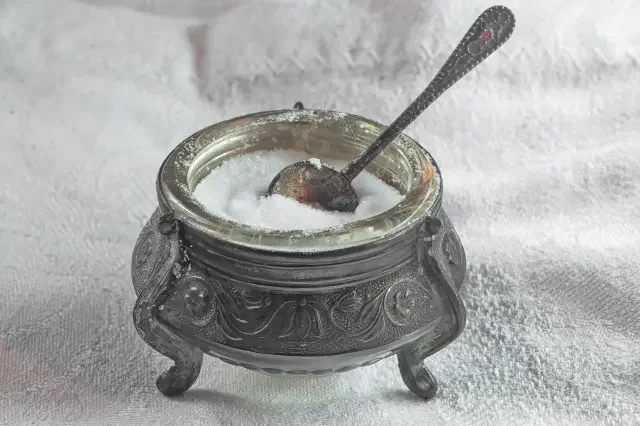
Salt’s journey to dinner tables is rooted in its importance to human life. The natural mineral is crucial for maintaining hydration, nerve function, and muscle control in the body, among other things. Given salt’s essential role in survival, it’s no surprise that humans developed a taste for it. Early human diets were heavy in meat and naturally provided sufficient salt. But as nomadic hunter-gatherers settled into agricultural societies and diets started including more grains, supplementing salt became important. The resource, though naturally abundant, wasn’t always easy to obtain, and it became a highly sought-after commodity throughout expanding civilizations.
In ancient Rome, the production and transport of salt evolved into a major industry. Salt was highly valued and was even used as currency, with soldiers sometimes receiving their salarium, or wages, in salt—a practice that gave rise to the English word “salary.” (Sal is the Latin word for salt.) As European empires expanded and trade routes grew, so did salt’s reach, though it largely remained a necessity of food preservation and was used as a seasoning only by the wealthy. Throughout the Middle Ages, upper-class hosts even made sure their guests of honor were seated next to elaborate, expensive salt cellars at the dining table.
A Pinch of Pepper
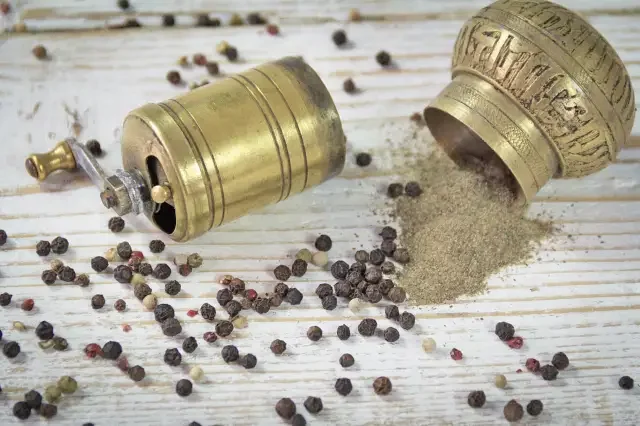
Around the same time, black pepper was experiencing peak popularity in medieval Europe. Native to India’s Malabar Coast, pepper was used in local cooking as early as 2000 BCE, but as trade networks expanded, the spice became highly prized in the Roman Empire, where it was as valuable as gold. Like salt, it remained a top commodity and a luxury for centuries throughout Europe due to difficulties importing it from tropical regions—as well as for its supposed medicinal properties. Black pepper was believed to aid digestion, ward off diseases, and treat ailments such as arthritis and gout.
By the mid-17th century, however, these medical beliefs were waning, and the spice trade shifted significantly as new imports such as coffee, chocolate, and tobacco entered the scene. Food preferences also changed, reflecting refinements in regional cooking, especially in France.
Source: historyfacts.com
Contributed by Jane Hart

Contributed by Maria Harris


Contributed by Barbara Wallach


Twin puppeteers Al and Dora had their hands full

Emily carried quarters in case she saw any hungry parking meters

It was the Hendersons’ ongoing conflict: she was very sensitive to the sun, but he “needed” the beach
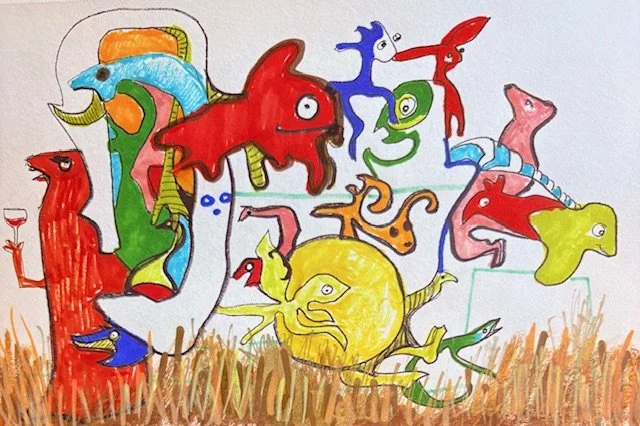
They’d rented a golden retriever for the first Fall meet-and-greet

Elsa June repurposed her old Venetian blinds into a cute 1920s flapper outfit
Art and photos by Jane Hart
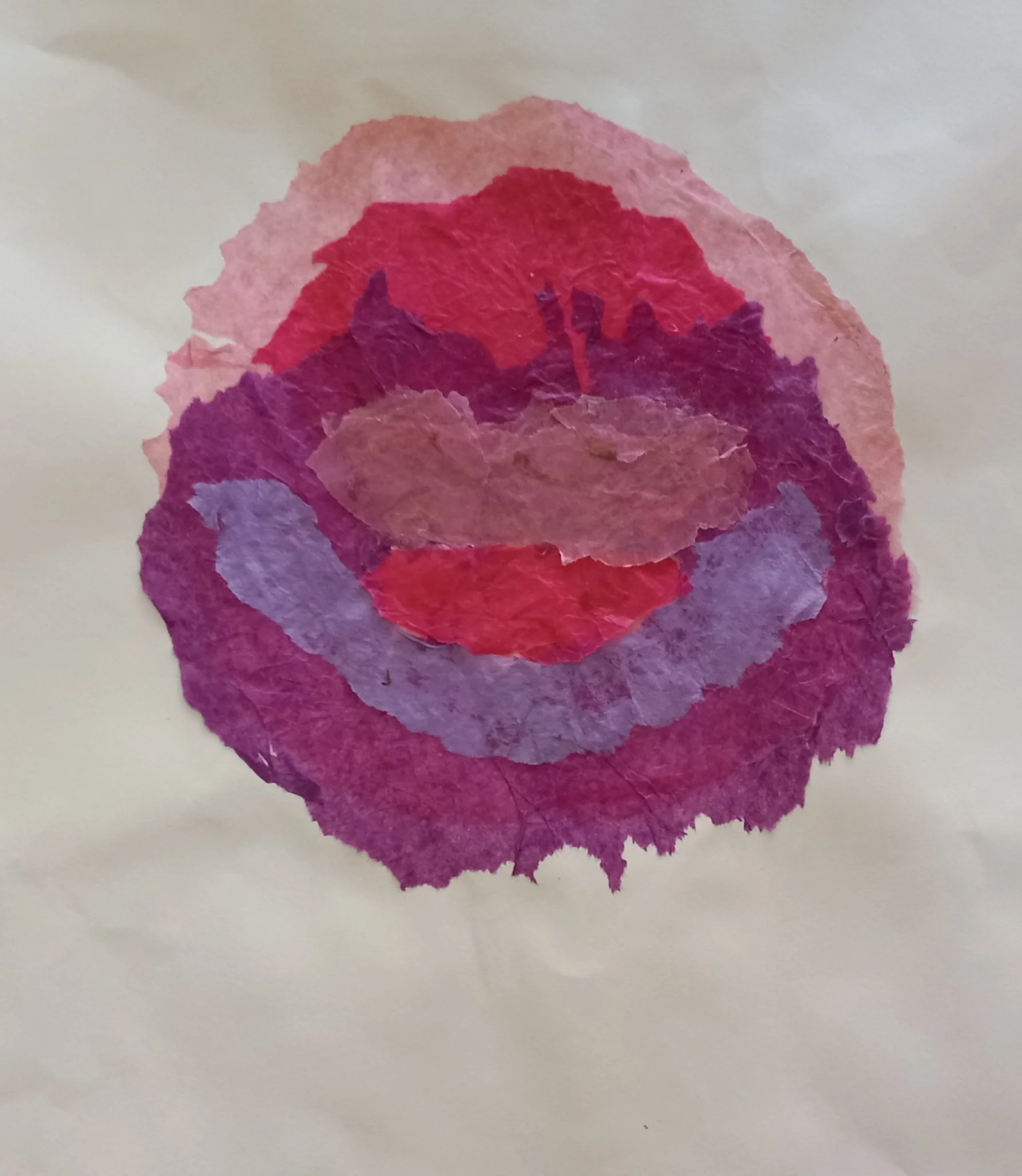
Art and photo by Sheila Benedis

Photo by Philip Monteleoni

Pizza, anyone?
Step one: Live at Kendal
Step two: Live at Kendal in the spring/summer
Step three: Live at Kendal in the spring/summer when some of the wilier goats jump the fence and lead the others to freedom
Step four: Live at Kendal in the spring/summer and take a walk in Rockwood Park when some of the wilier goats jump the fence and lead the others to freedom—as did the Abramovitz.
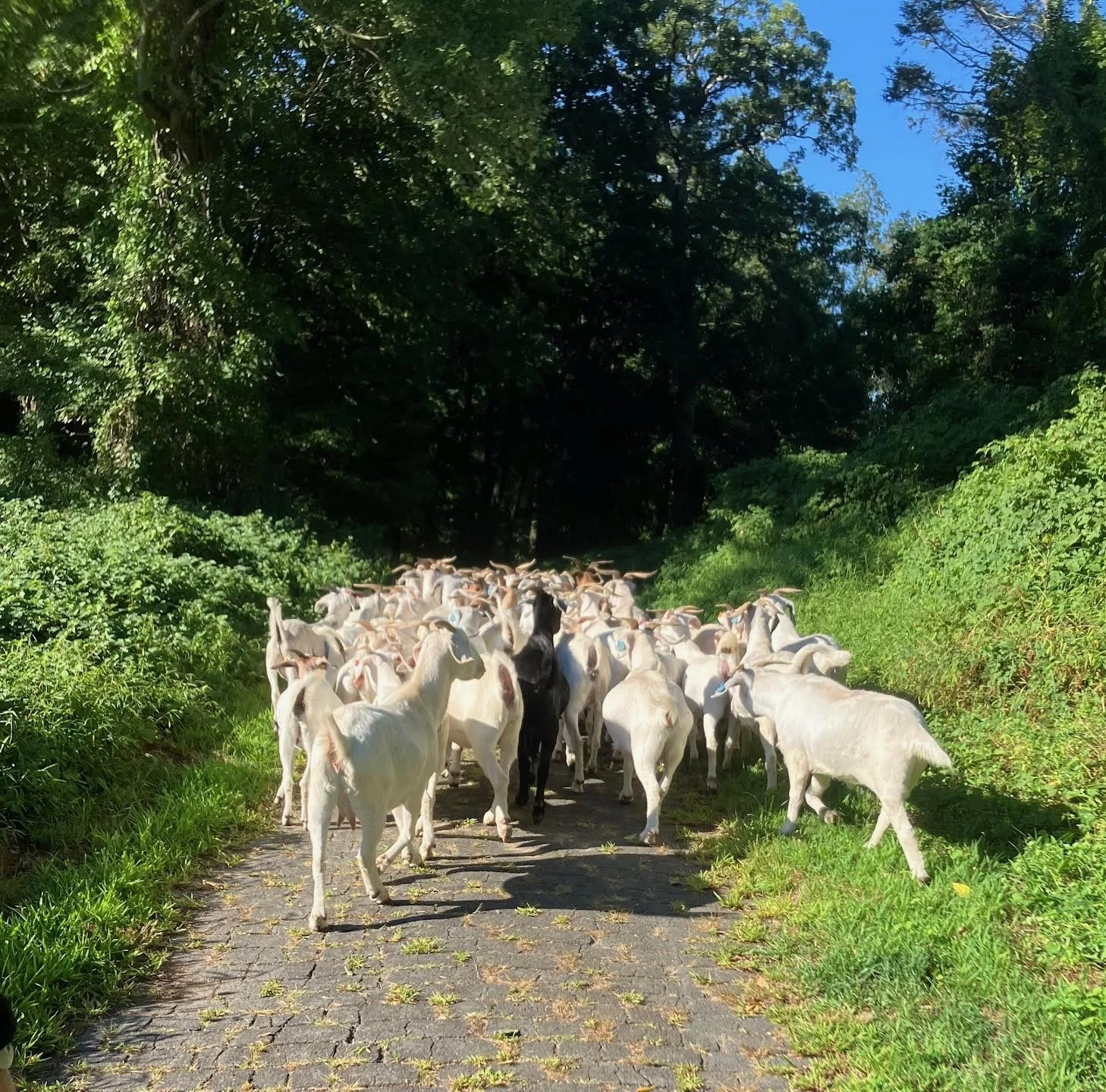
“Let’s get outta here!”
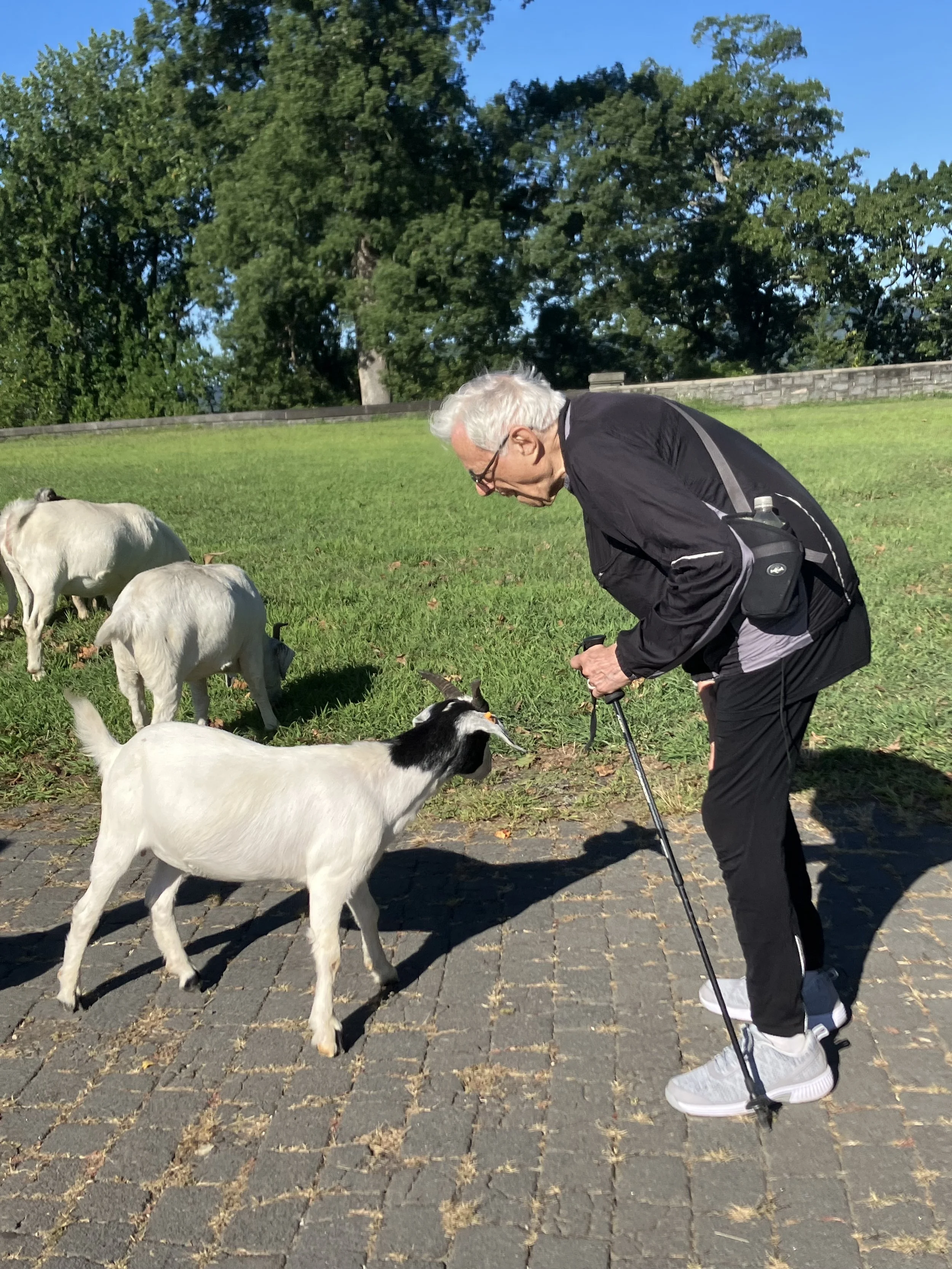
Discussing consequences of actions with Dr. Abramovitz.
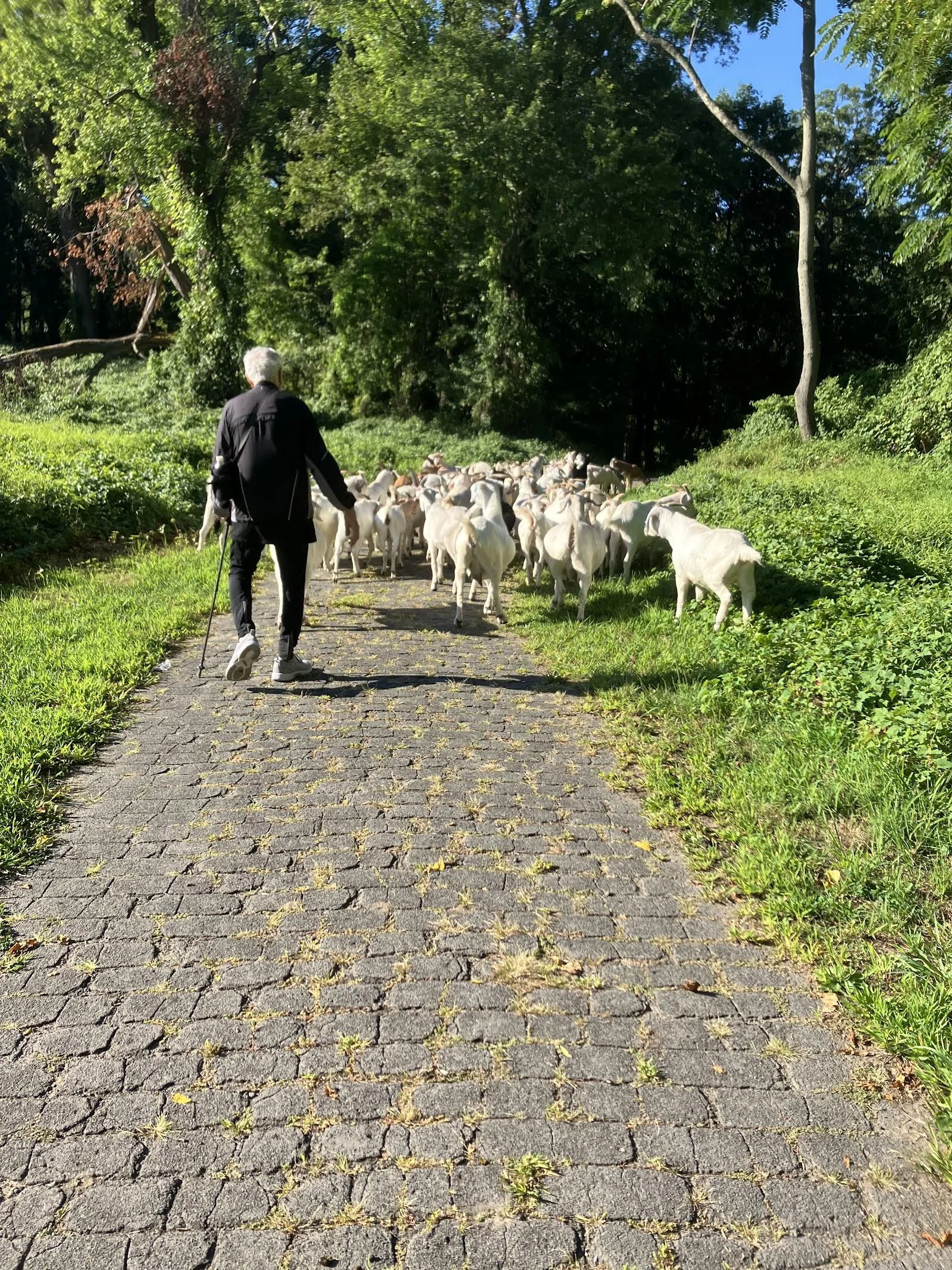
Though city-born-and-bred, he seems a natural in goat-herding.
Photos by Mimi Abramovitz

A praying mantis, minding his own business: praying

Having achieved his freedom, an escaped goat achieves foundation-top and pauses to kneel . . . in a prayer of thanksgiving, perhaps?
Photos by Rich Dooley

Photo by Philip Monteleoni

A big red ship has been hanging out for several days on the Hudson River—right in our sight line. What is that thing doing? Joe Bruno has found the answer: it’s a cable-laying ship, laying a cable beneath the Hudson.
But what is it for? Its goal is to transport electricity from Canada to New York City.
Want to know more (note: pictures are included)? Click below.



From the Office of Ellen Ottstadt
© Kendal on Hudson Residents Association 2015, 2016, 2017, 2018, 2019, 2020, 2021, 2022 all rights reserved. Please do not reproduce without permission.
Photographs of life at Kendal on Hudson are by residents.