Contributed by Barbara Wallach
Contributed by Barbara Bruno
Contributed by Barbara Bruno

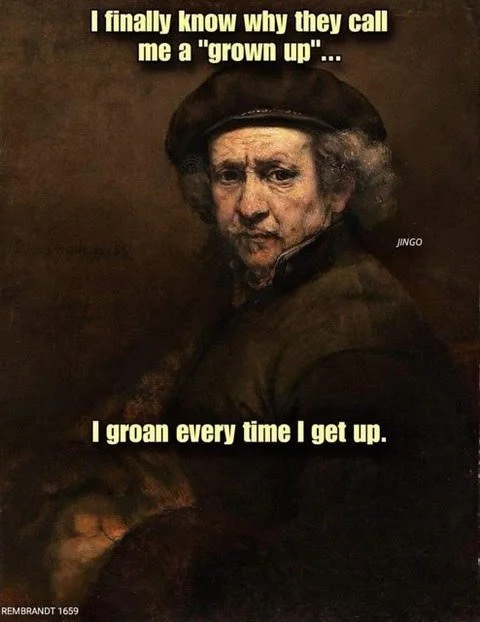
Contributed by Barbara Wallach

Contributed by Barbara Bruno



Contributed by Barbara Bruno

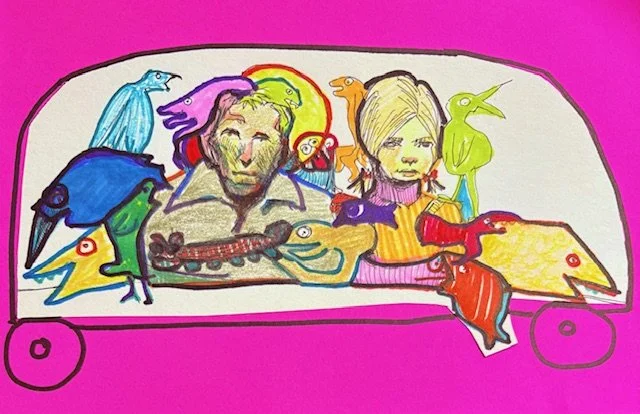
90 hours in the tour bus gave the back-up singers time to audition new riff

Young Sally was enjoying her salad days

Angelina’s rain hat felt tight
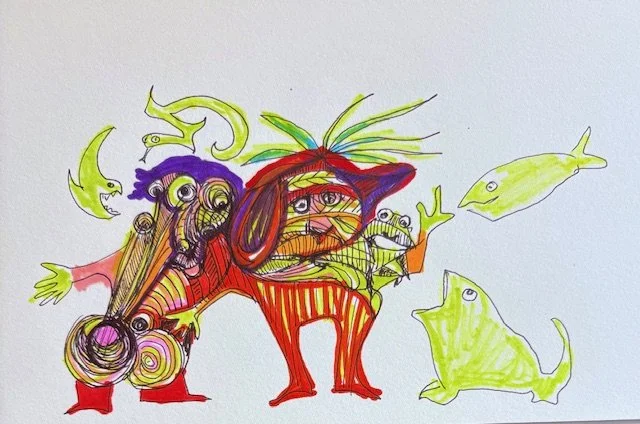
Fitch’s astrologer said we’re in the age of Aquariums

Vinnie disliked poultry squawking behind her back
Art and photos by Jane Hart

Art and photo by Sheila Benedis
Led by Donna Nye, accompanied by Bill Rakower, a new Kendal tradition took the Gathering Room stage on August 20: The Roots and Rhythm singers offered Kendalites their first folk-song sing-along. May there by many more to come.
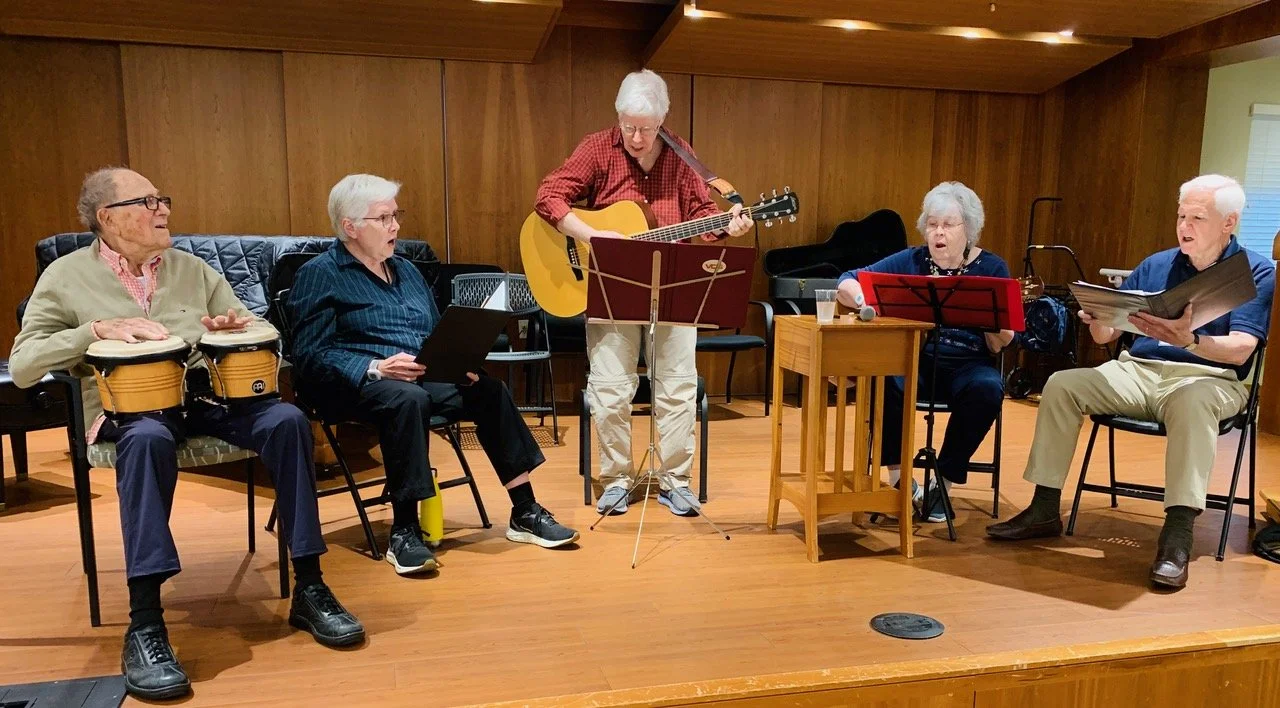
Photo by Harry Bloomfeld

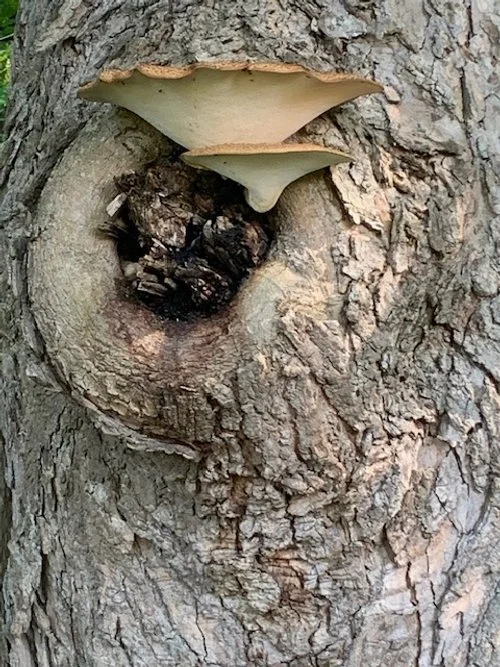
Photos by Rich Dooley
As the summer draws to a close, photographers continued to send photos of our favorite denizens of the fields next door and by our door: goats and the (really, only one?) bunny.

The bunny leaves Alida for Fulton, by Lynn Brady
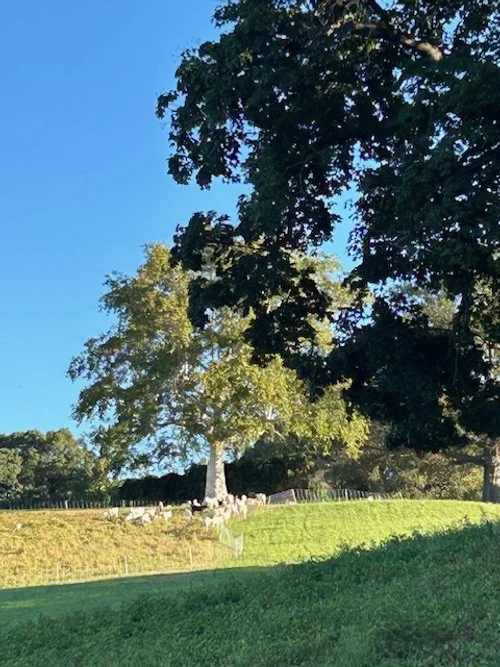
Goats seeking breakfast, lunch, and dinner by ye olde Rockwood sycamore, by Carolyn Reiss
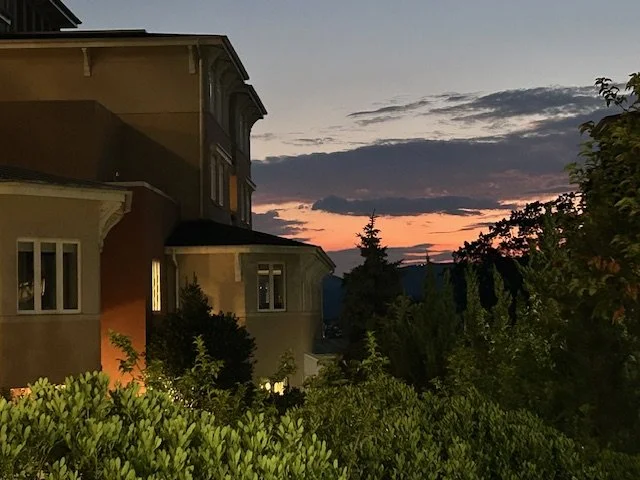
Photo by Carolyn Reiss
Recently, a hardy band of Kendalites journeyed to South Salem to find out more about The Wolf Conservation Center. The Center’s mission is to advance the survival of wolves by inspiring a global community through education, advocacy, research, and recovery. According to their website, they are driven by our values of respect, community, and passion:
respect for wolves, their complex ecological role, the landscapes they shape, the people who care about them, and the people who live among them.
Community inspired by the pack. “We bring people together, we nurture, we educate, we aid, we protect, we organize, and we defend. We are always stronger together.”
passion for wolves, for the landscapes we share with them, and for the work of protecting them.
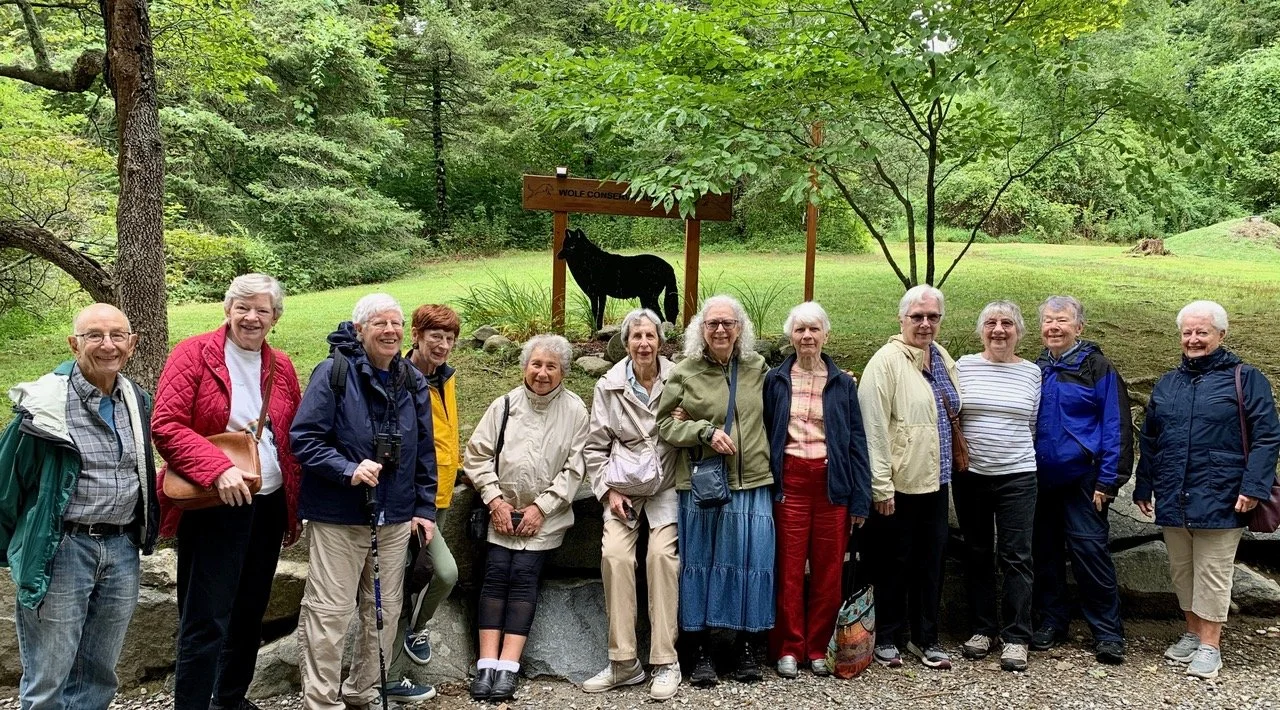
These folks look fairly normal, yes?
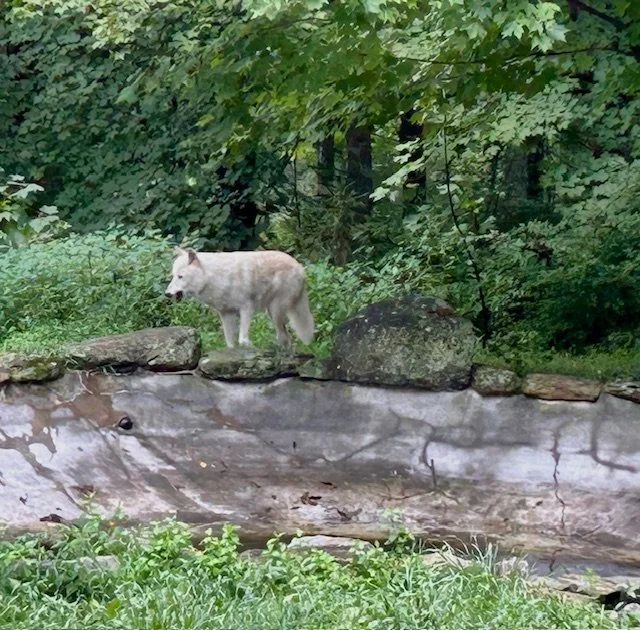
Photo by Carolyn Reiss

Photo by Carolyn Reiss
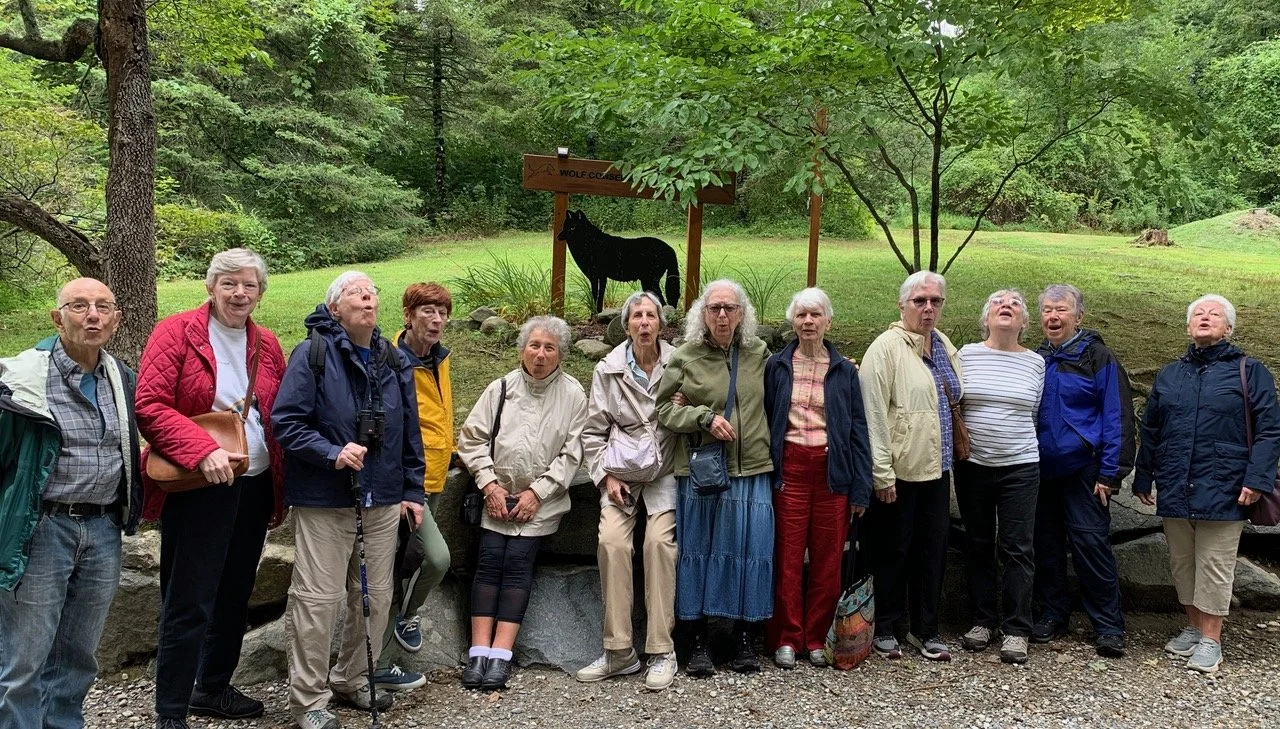
And then they decided to commune with the wolves . . . and howl . . .
Valerie and Tom Wolzien are trippin’ out. Way out. No, not that. They’re off to Australia, Singapore, and other exotic climes for more than a month! Yet Kendal stays on their minds. Tom’s still operating channel 970 . . . from up, up, up—39,000 feet over Europe— inside the plane. Easy peasy.

And they’ve promised pictures along the way. Here’s Singapore, which, like Kendal, is embracing construction.

And denizens of Australia’s Northern Territories—the real outback—where cattle outnumber people more than 1,000 to 1.

Ellen Ottstadt reports that, if the weather holds, this coming week workers will pour partial concrete in the community room and start framing the wall! She will send out the regular construction bulletin Friday, August 29. Meanwhile, a few pictures on refreshing’s progress—setting up to frame!




The well-coiffed men of the Victorian era wore finely tailored suits, trim waistcoats, and fancy statement hats. These men also, in contrast to their generally prim and proper aesthetic, sometimes had truly impressive beards. The Victorian “beard movement,” which started around 1850, was partially about looking manly and rugged — especially after British soldiers came back from the Crimean War unshaven in 1856. But beards were also, according to some medical professionals at the time, a way to ward off disease.
At the time, many doctors endorsed the miasma theory of disease, which (incorrectly) held that illnesses such as Britain’s common cholera outbreaks were caused by bad air. (To be fair, rampant air pollution was making people sick, just not in ways that scientists understood at the time.) Facial hair, some reasoned, could provide a natural filter against breathing in so-called “miasms.”
“[T]he moustache is emphatically nature’s simple respirator, while the hair covering the jaws and throat is intended to afford warmth and protection,” one doctor wrote in the Edinburgh Medical Journal in 1861. Clergymen and other public speakers were particularly encouraged to have beards to protect their voices.
Beards started losing popularity by the 1880s. Changing standards of masculinity played a role, but the medical justification was also weakening as microbial biology and germ theory took hold. Beards, it turns out, can hold a lot of microbes.
Source: historyfacts.com
Contributed by Jane Hart


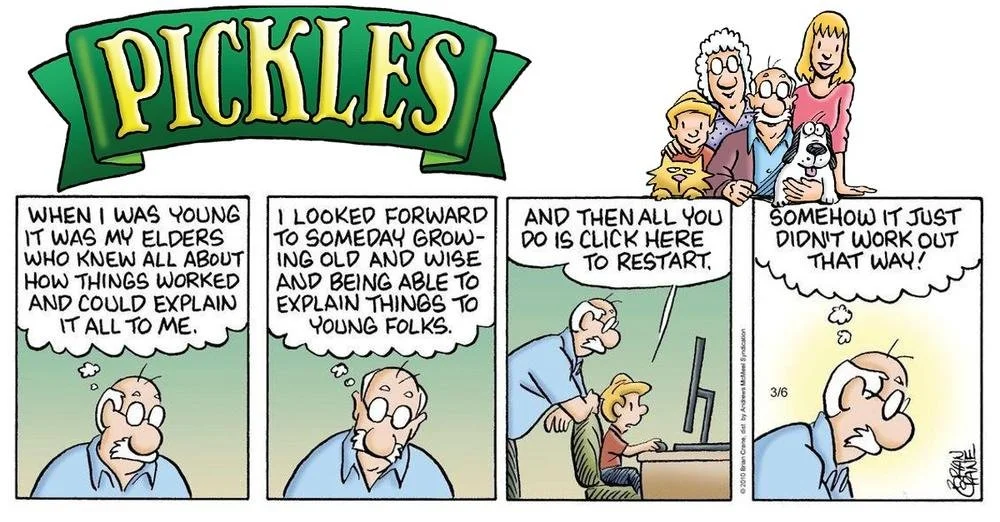

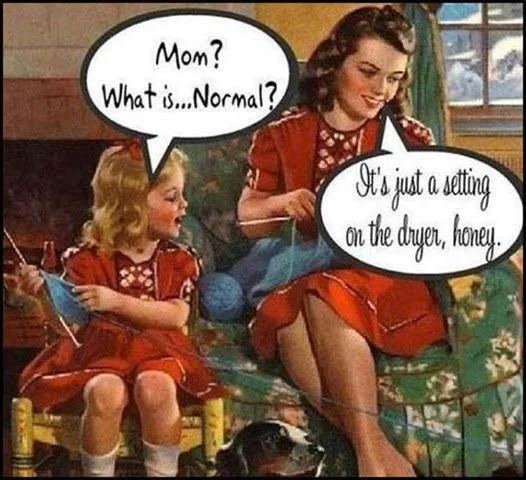
Contributed by Barbara Wallach
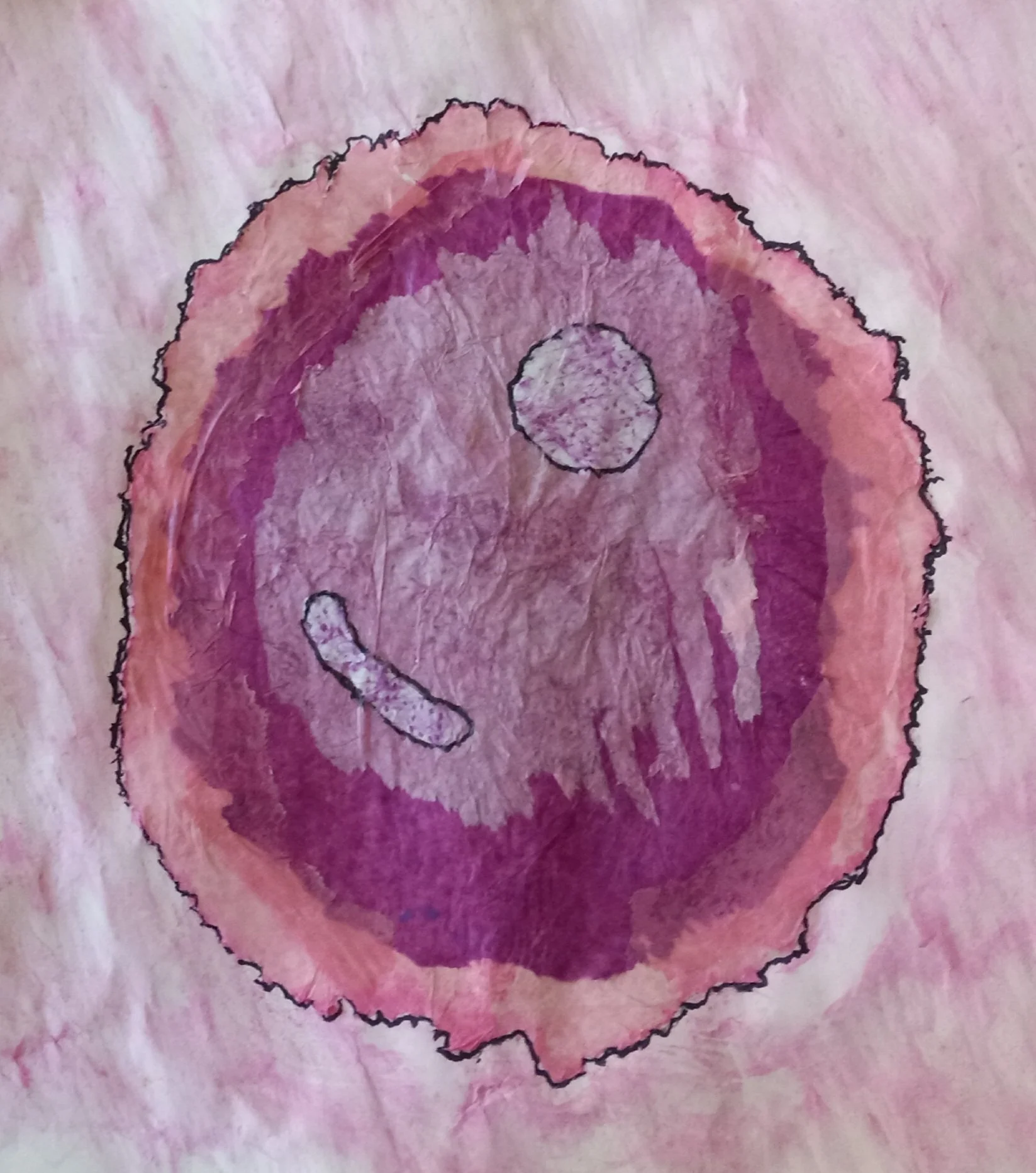
Art and photo by Sheila Benedis

On Tuesdays, Mrs. Lawson did the laundry, the vacuuming, and Tuffy’s tea-stained teeth

Some days the Shmink twins wished their mother looked normal
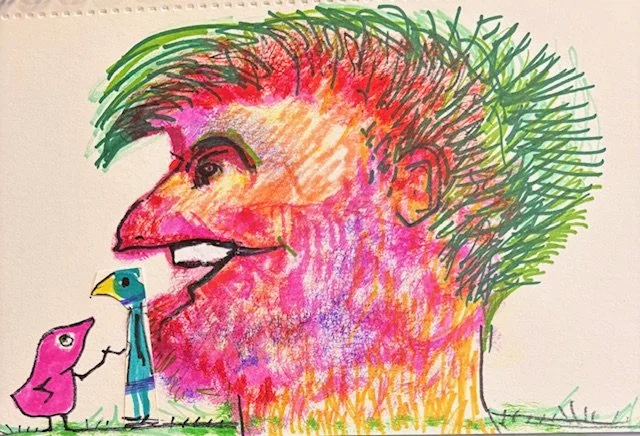
Keith introduced a number of species
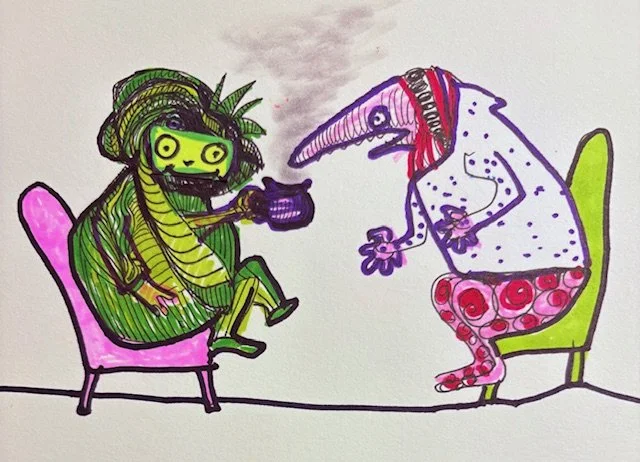
Myrna’s broccoli chocolate tea was a sensation

The wild animals wouldn’t eat Aunt Lulu’s spinach balls either
Art and photos by Jane Hart
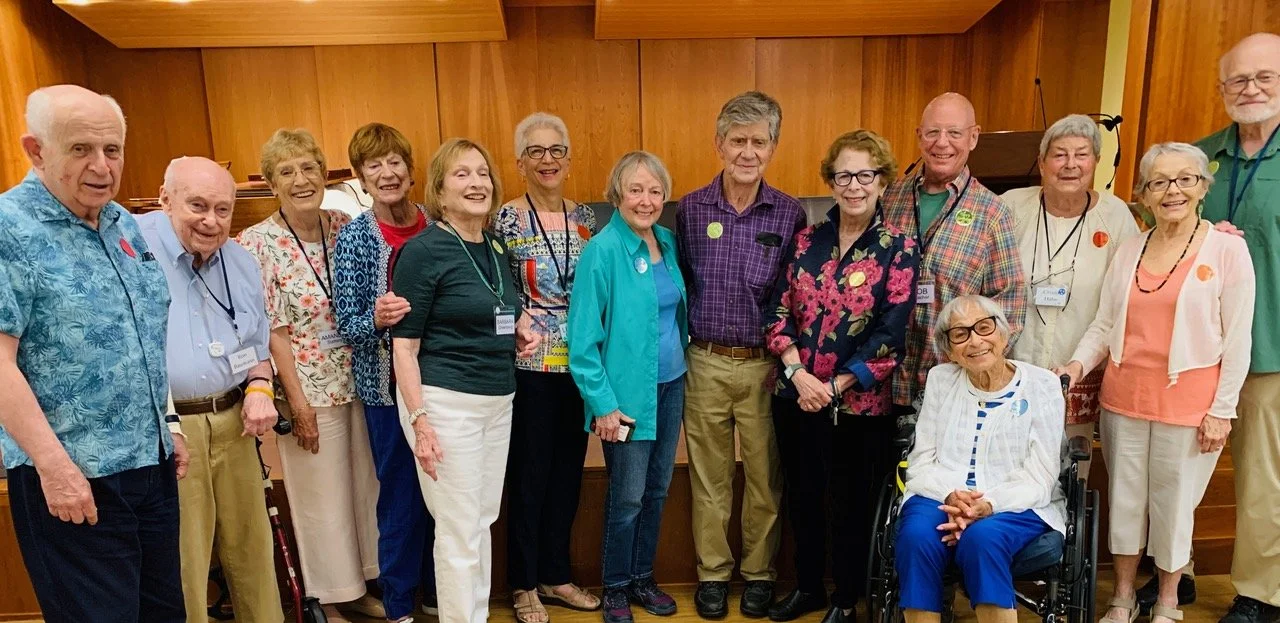
Photo by Harry Bloomfeld

Outside . . .

And in . . .

And the walls come a-tumblin’ down
Photos by Joe Bruno
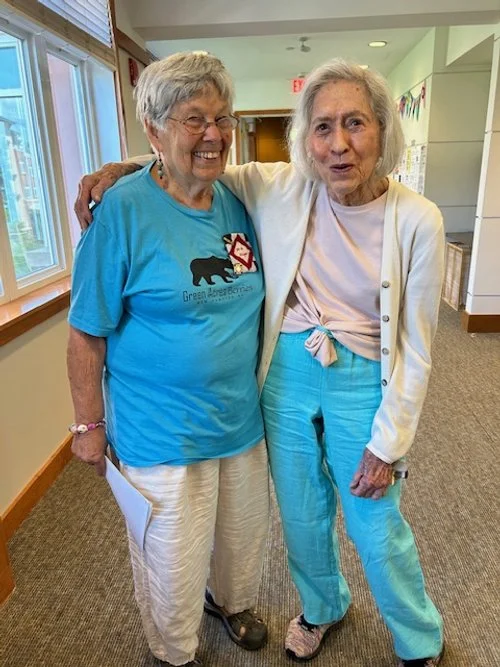
They just somehow knew: it was a blue and white day
Photo by Carolyn Reiss

Photo by Marie Martinez
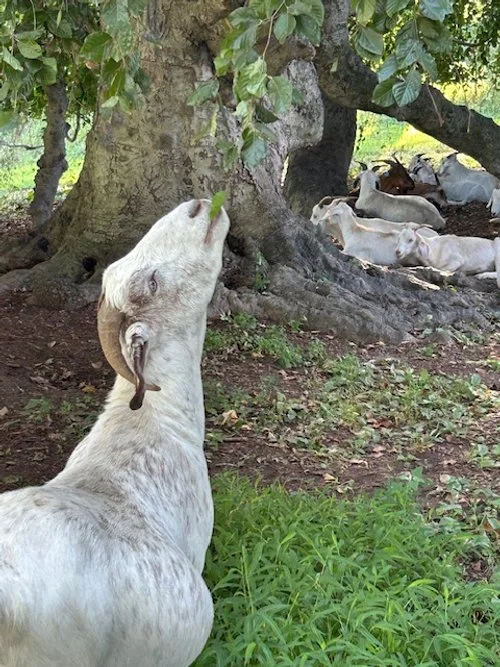
Photo by Carolyn Reiss

Photo by Jane Hart

As many of you may know, Carlene Brown is leaving Kendal after 18 years of service to us and our residents. She is starting nursing school in the fall! This will be your time to stop by and wish her well!
Please join us in wishing her all the best in this new journey!

From the office of Ellen Ottstadt

Monopoly has been beloved for generations, but the history of the classic board game isn’t all fun and games. During World War II, specially manufactured Monopoly boards were used to help prisoners of war escape from captivity. In 1940, the British government struck a deal with Waddingtons, the company that manufactured London-themed editions of Monopoly, in which MI9, a secret department of the War Office, tasked Waddingtons with creating a version of Monopoly that contained various tools and information to aid POWs in their potential escape efforts.
The sneakily altered Monopoly boards were distributed to Nazi-run POW camps as part of larger aid packages. In addition to the standard thimble and dog game pieces, each board contained metal “playing pieces” that were actually escape tools, such as a file and magnetic compass. Each version also contained silk maps provided by the intelligence agency, which could be unfolded discreetly without drawing attention. What’s more, these special editions swapped out fake Monopoly money for real German, Italian, and French currency that could be used to bribe guards. The British government also contracted game company John Jaques & Son to create chess sets and versions of Snakes and Ladders that contained hidden compartments with escape tools.
Source: historyfacts.com
Contributed by Jane Hart
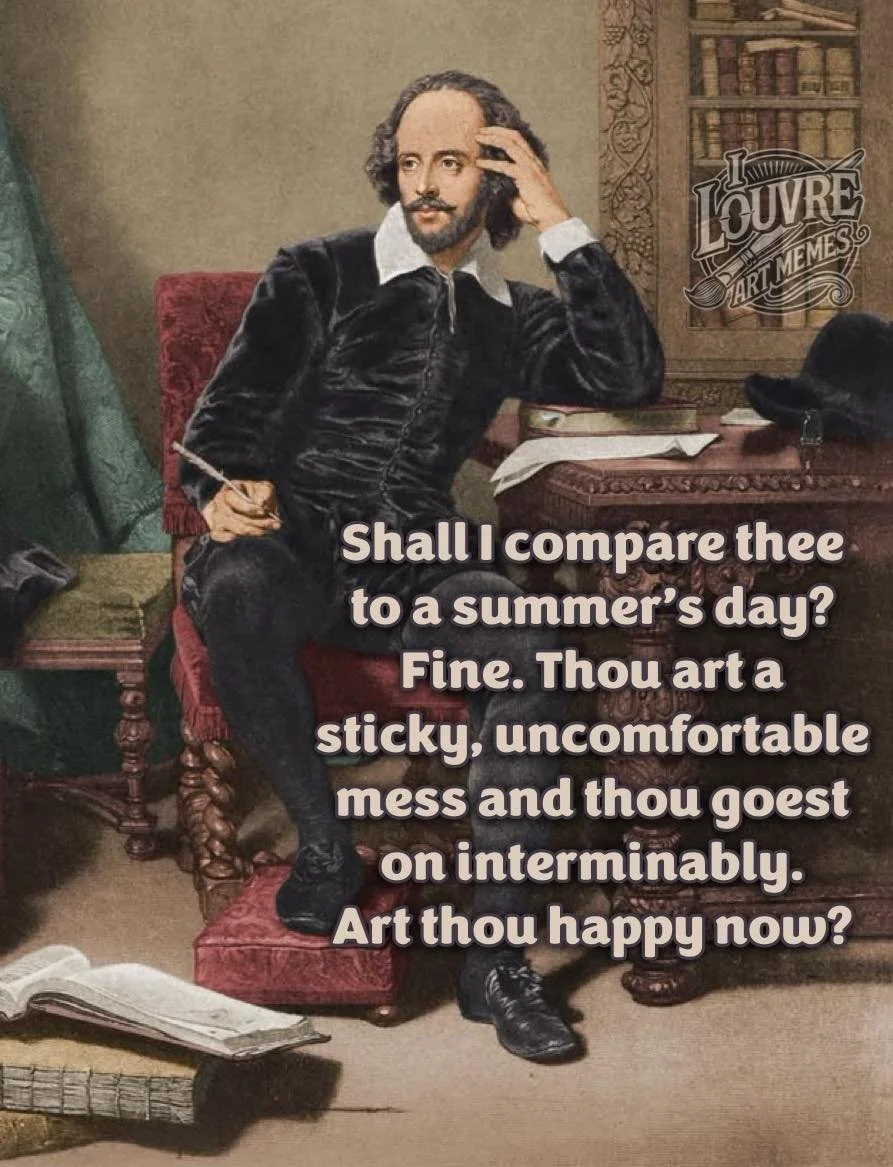
Contributed by Barbara Wallach

Contributed by Barbara Bruno


The grouch next door didn’t love it when Liz’s children harmonized

Kiki and Elsie aged out of 4H decades ago, but they still wouldn’t miss a county fair

Not trusting Nature, Ms. Tasselpaper played it safe with artificial turf and plastic animals

In an ill-conceived sequel to Peter Pan, the cast spent several scenes exploring a rusty anchor

Bitter-sweet, it was the last club cocktail bash of the summer
Art and photos by Jane Hart
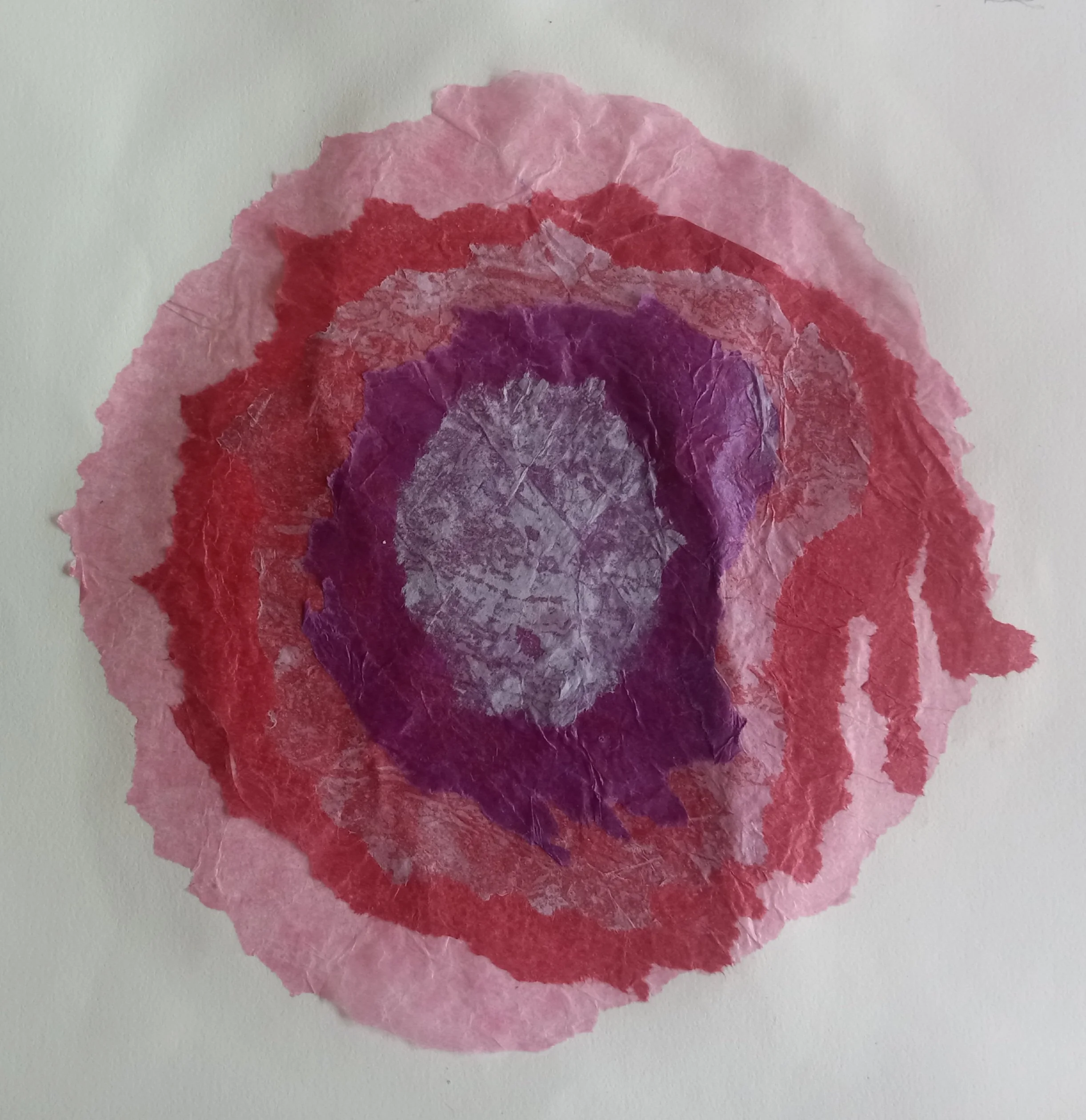
Art and photo by Sheila Benedis

Photo by Joe Bruno
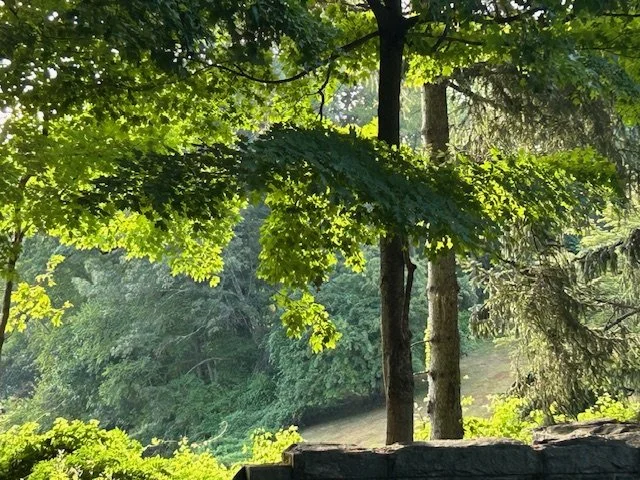
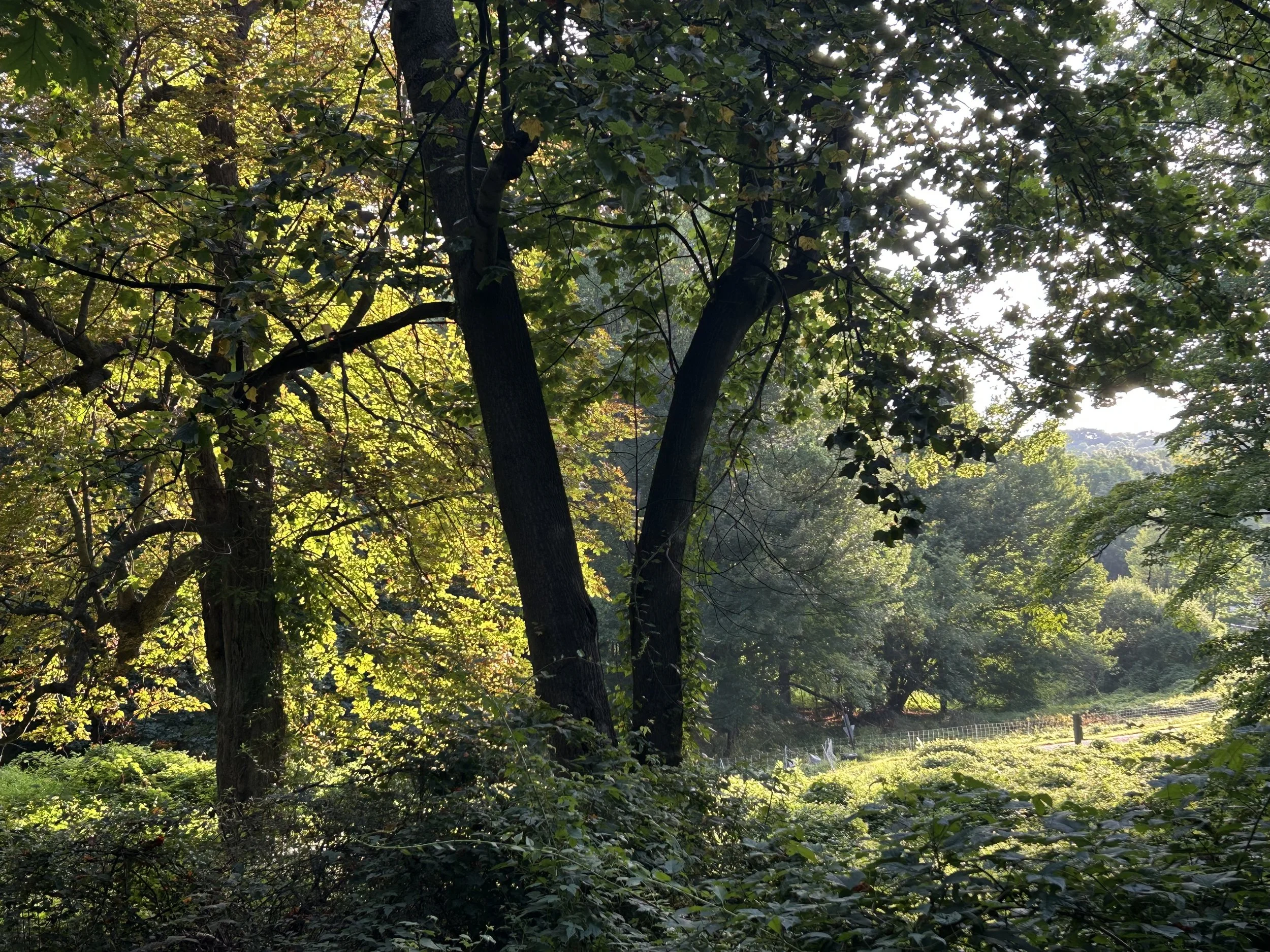
Photos by Carolyn Reiss
Marilyn Bottjer spotted it as it rumbled along its way: maybe not a moveable feast, but certainly a moveable art show making its way along the Hudson Line tracks. Perhaps not intentional, but there you are . . .


Photos by Marilyn Bottjer

Photo by Jane Hart
In a recent trip to the Hudson River Museum, Kendalites viewed its collection’s many dimensions.
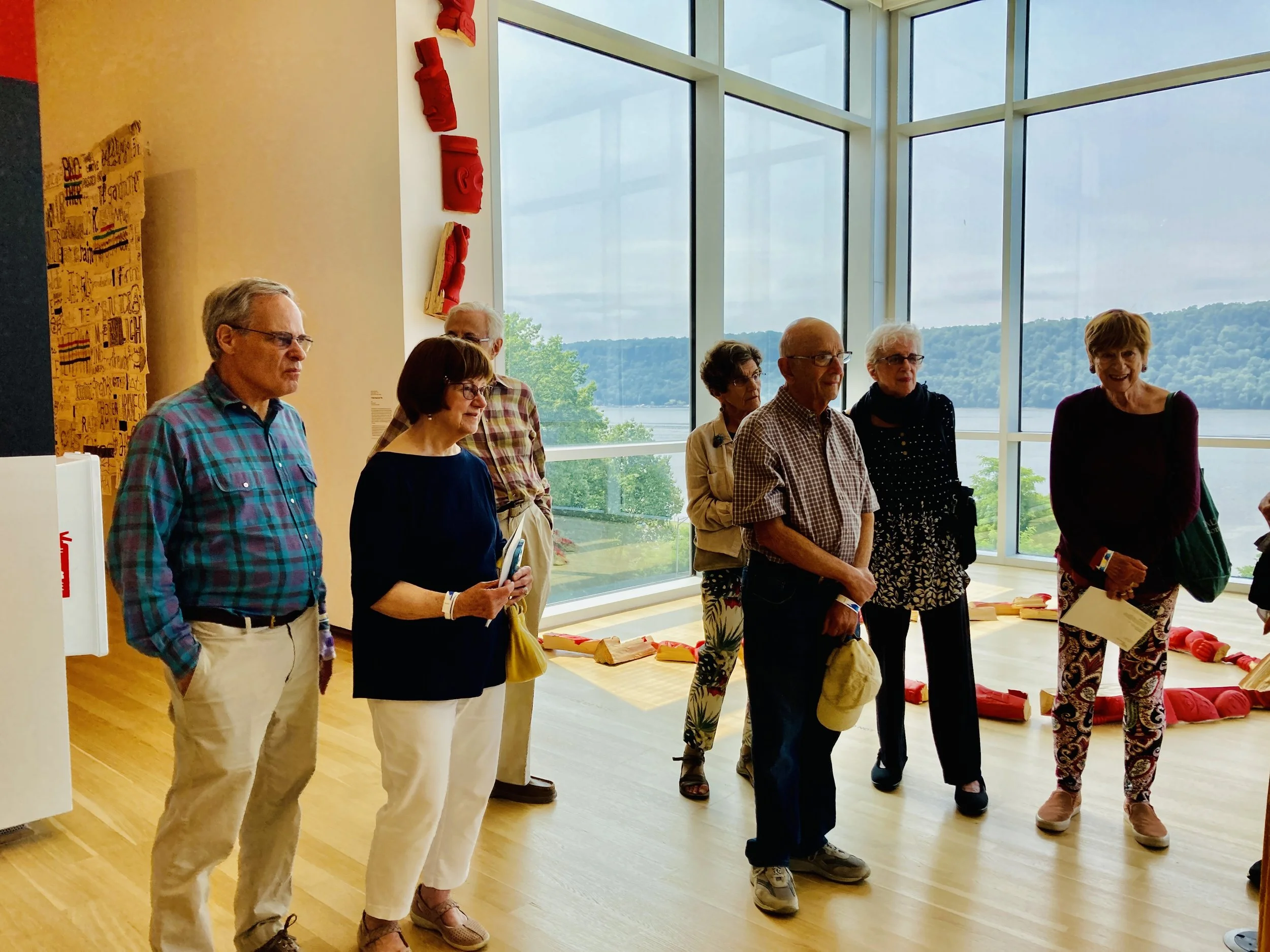
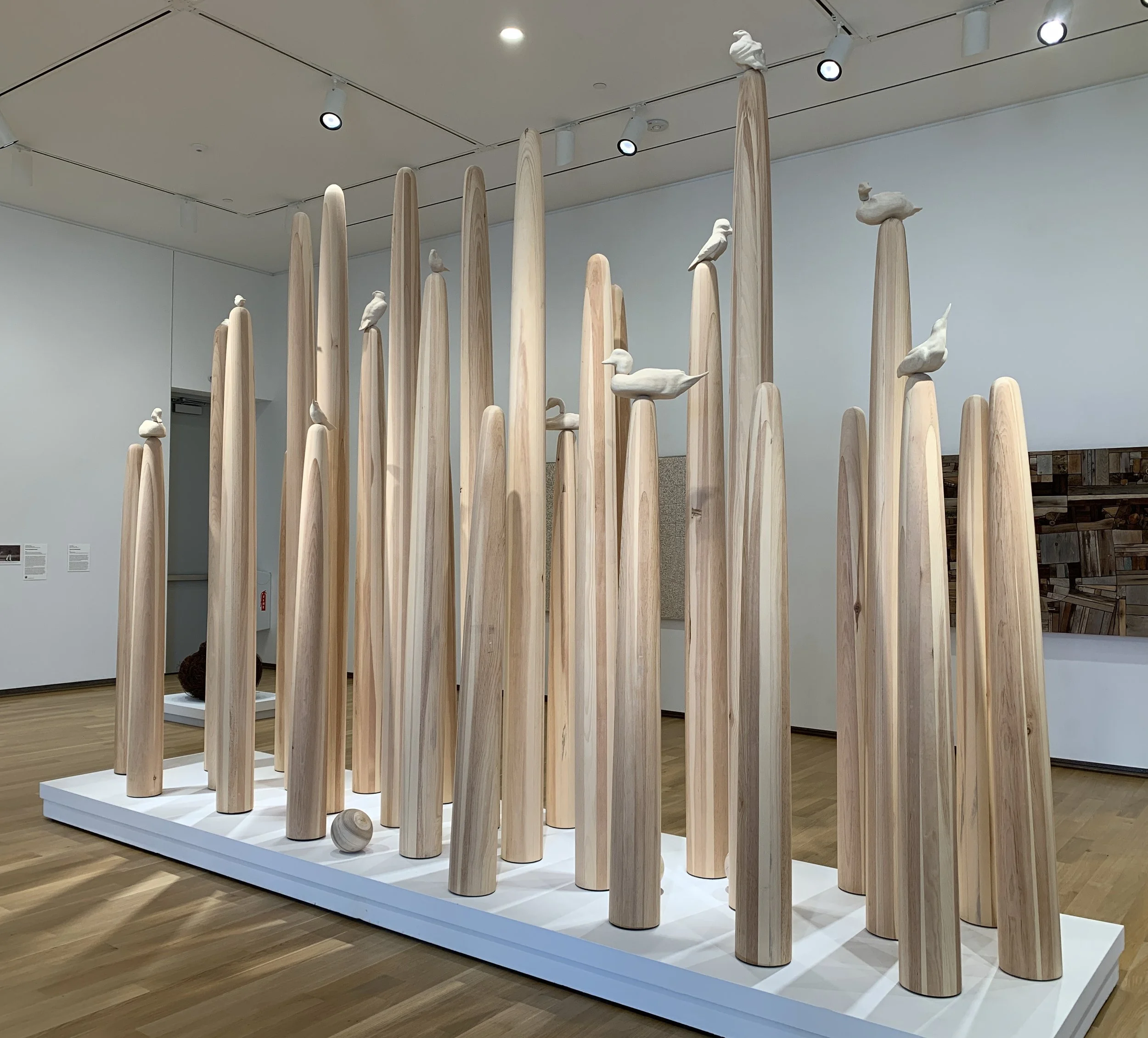
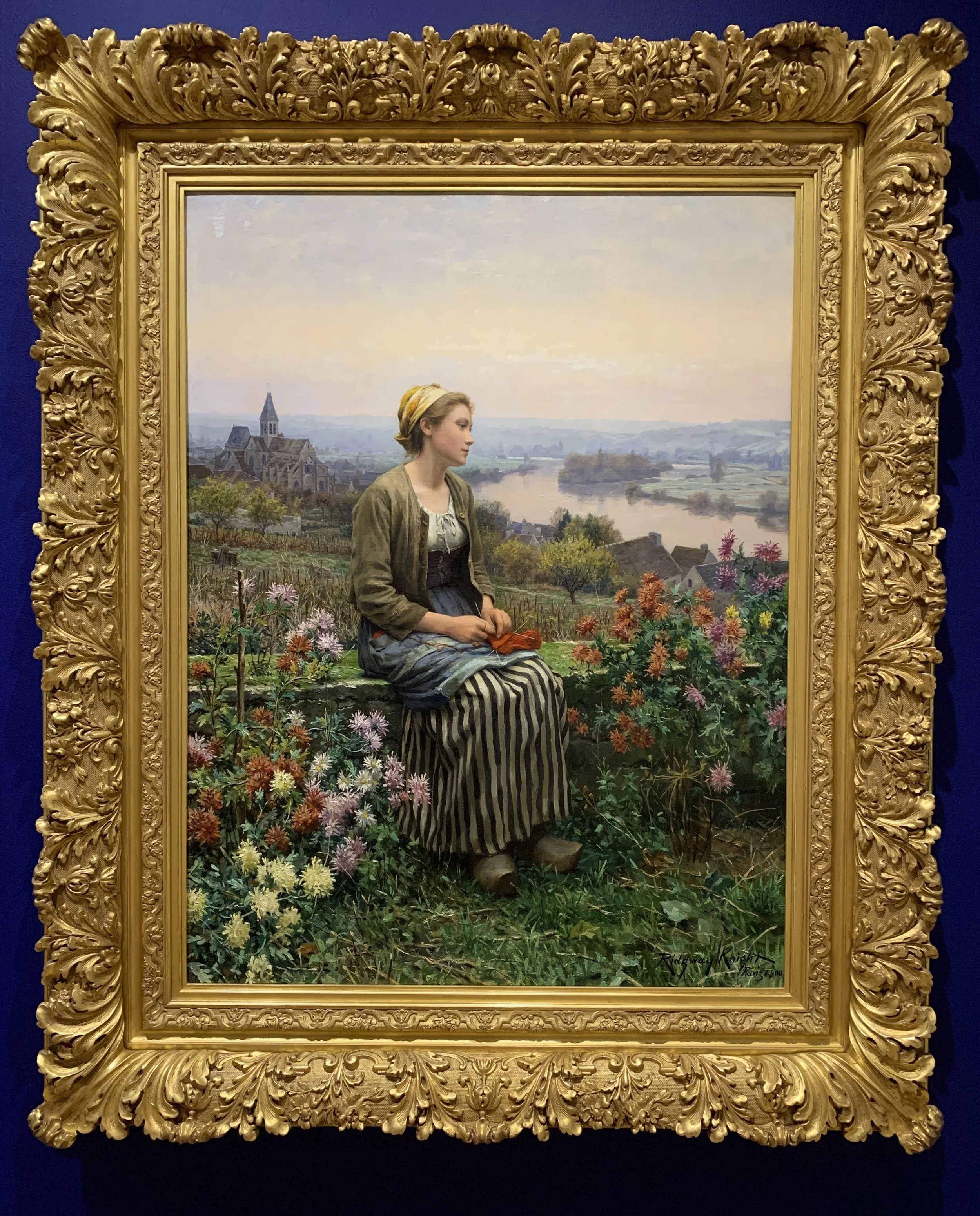
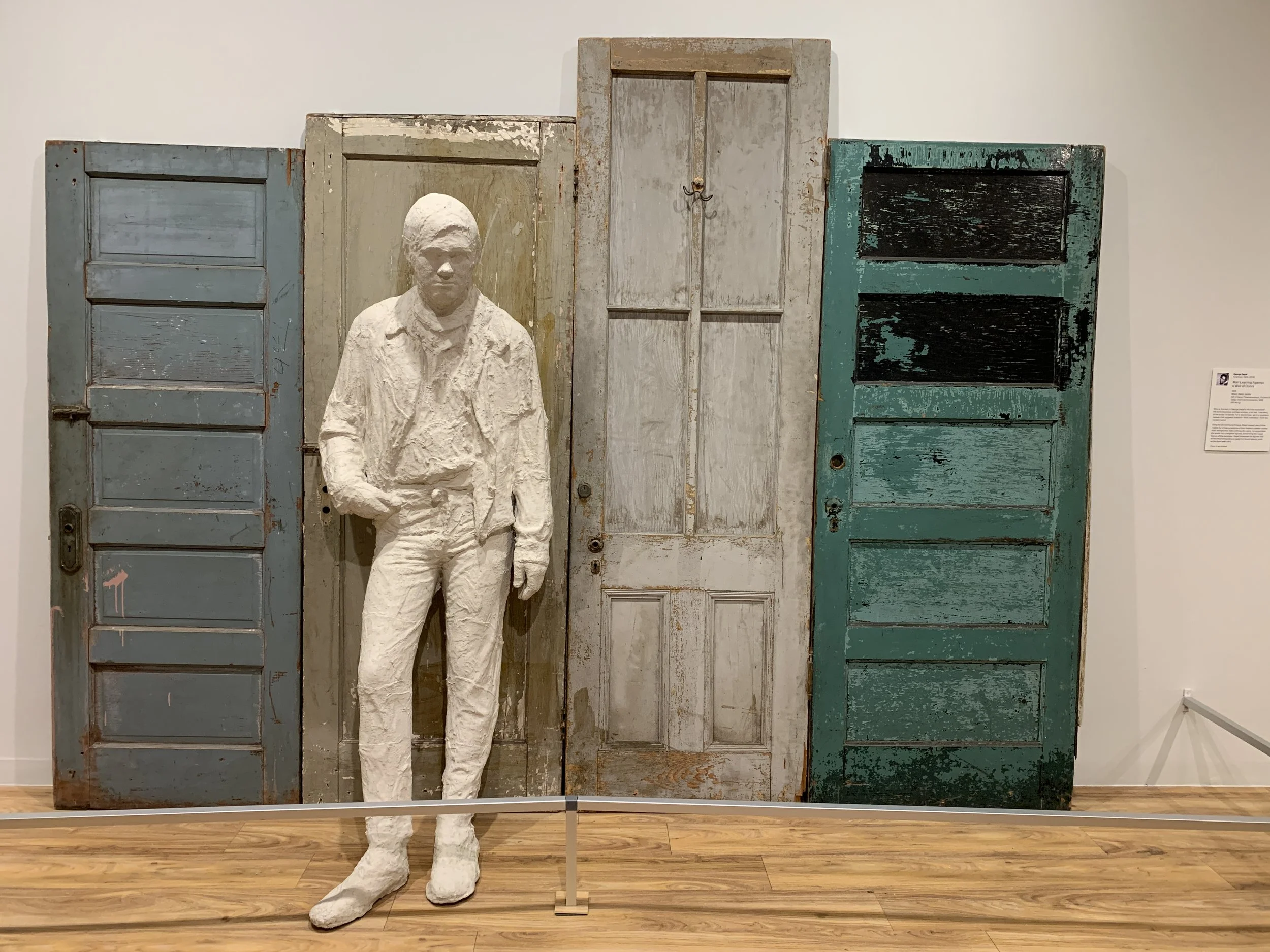
Topped off by a surprise siting of Pete Seeger’s Clearwater sloop—just passin’ by . . .

Photos by Marianne and Harry Bloomfeld
On a recent trip to the Farmers’ Market, Marianne Bloomfeld spied an astonishing (and quite decorative) assortment of:
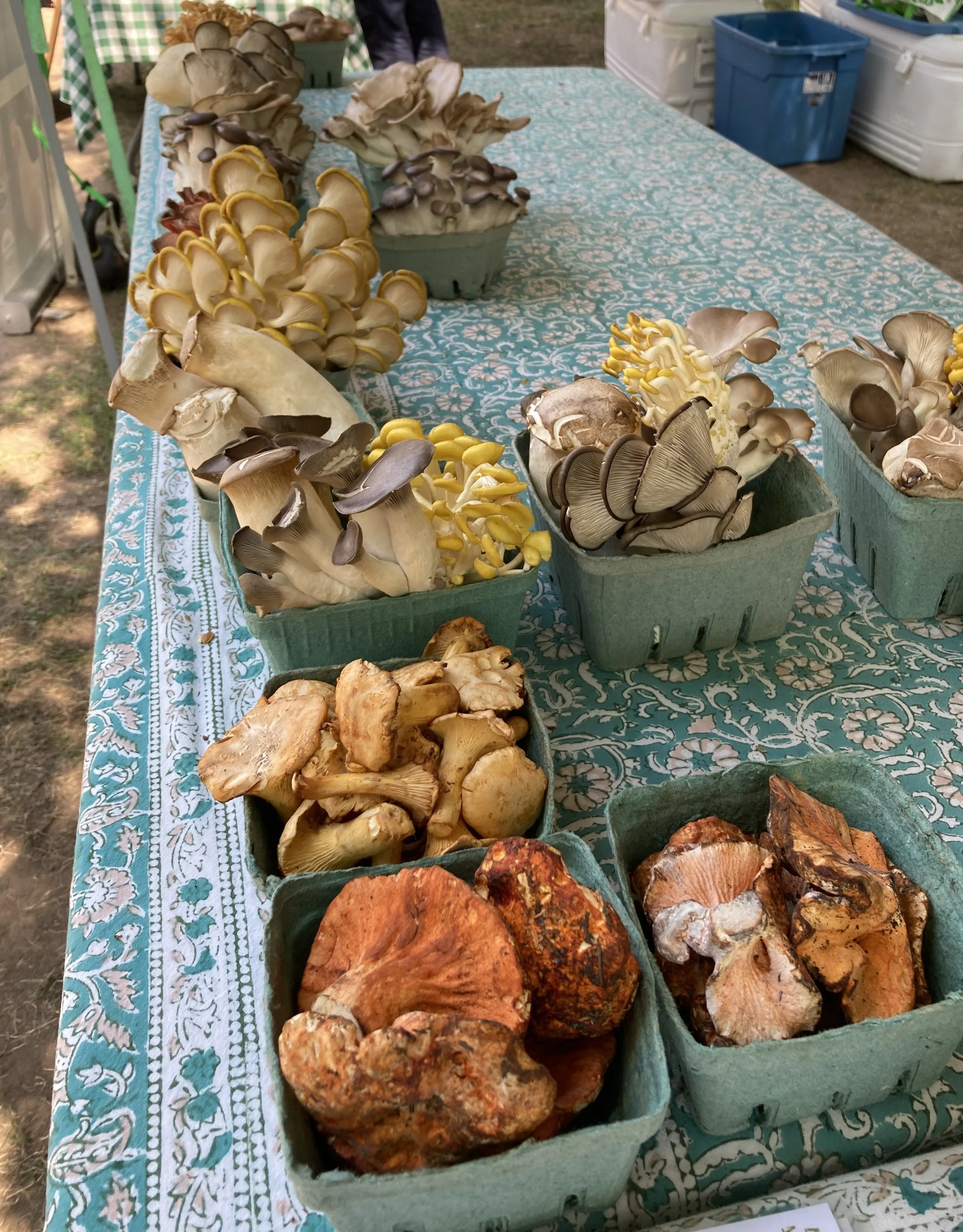
Photo by Marianne Bloomfeld
© Kendal on Hudson Residents Association 2015, 2016, 2017, 2018, 2019, 2020, 2021, 2022 all rights reserved. Please do not reproduce without permission.
Photographs of life at Kendal on Hudson are by residents.