From the office of Ellen Ottstadt
Fun Being a Baby Boomer . . . Not
It was fun being a baby boomer . . . until now.
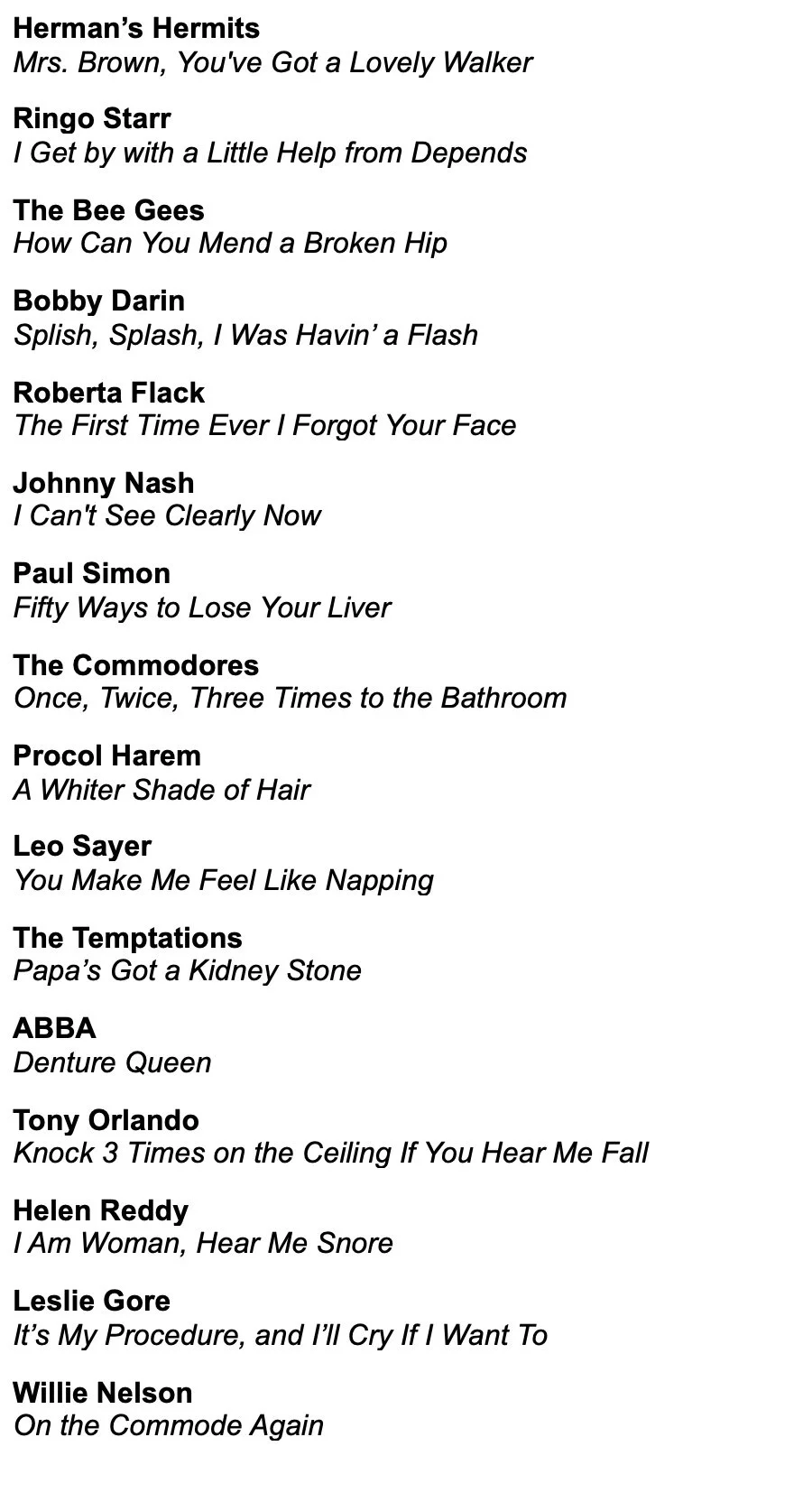
Some of the hottest music artists of the 1960s are revising their hits with new lyrics to accommodate ageing Baby Boomers.
They include:
Contributed by Barbara Bruno
I Never Knew That
The CIA Spent Millions on Spy-Training . . . For Cats

If you’ve ever had a stealthy feline sneak up on you, you might have had the same idea the CIA once did: that cats would make good spies. Indeed, the intelligence agency spent millions of dollars on a program to that end in the 1960s. But as any cat owner can tell you, it probably shouldn’t have bothered: However sneaky and/or intelligent cats might be, they know no masters but themselves.
Operation Acoustic Kitty was essentially a disaster, with only one subject making it into the field before the ill-advised—and, quite frankly, cruel—program was scrapped. The idea was to create a sort of cyborg cat by implanting a microphone in the animal’s ear, a radio transmitter at the base of its skull, and an antenna in its fur—“a monstrosity,” in the words of Victor Marchetti, a former CIA employee who went on to write the tell-some book The CIA and the Cult of Intelligence.
On paper, the Acoustic Kitty agent’s first test was simple enough: sit near a park bench and capture a conversation between two people on a park bench. Instead, according to most accounts, the unfortunate feline was hit by a taxi and killed. Writing of the operation’s failure in a heavily redacted memo, the CIA concluded, “Our final examination of trained cats . . . convinced us that the program would not lend itself in a practical sense to our highly specialized needs.”
Source: historyfacts.com
Contributed by Jane Hart
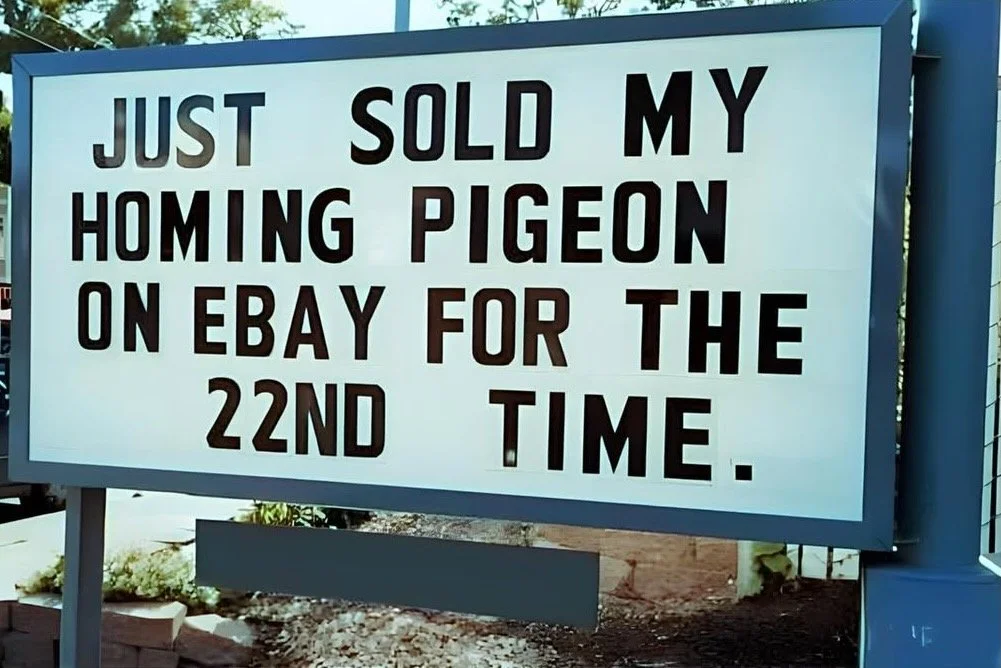
For Your Funny Bone



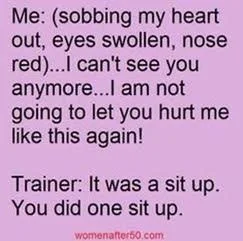
Contributed by Barbara Bruno
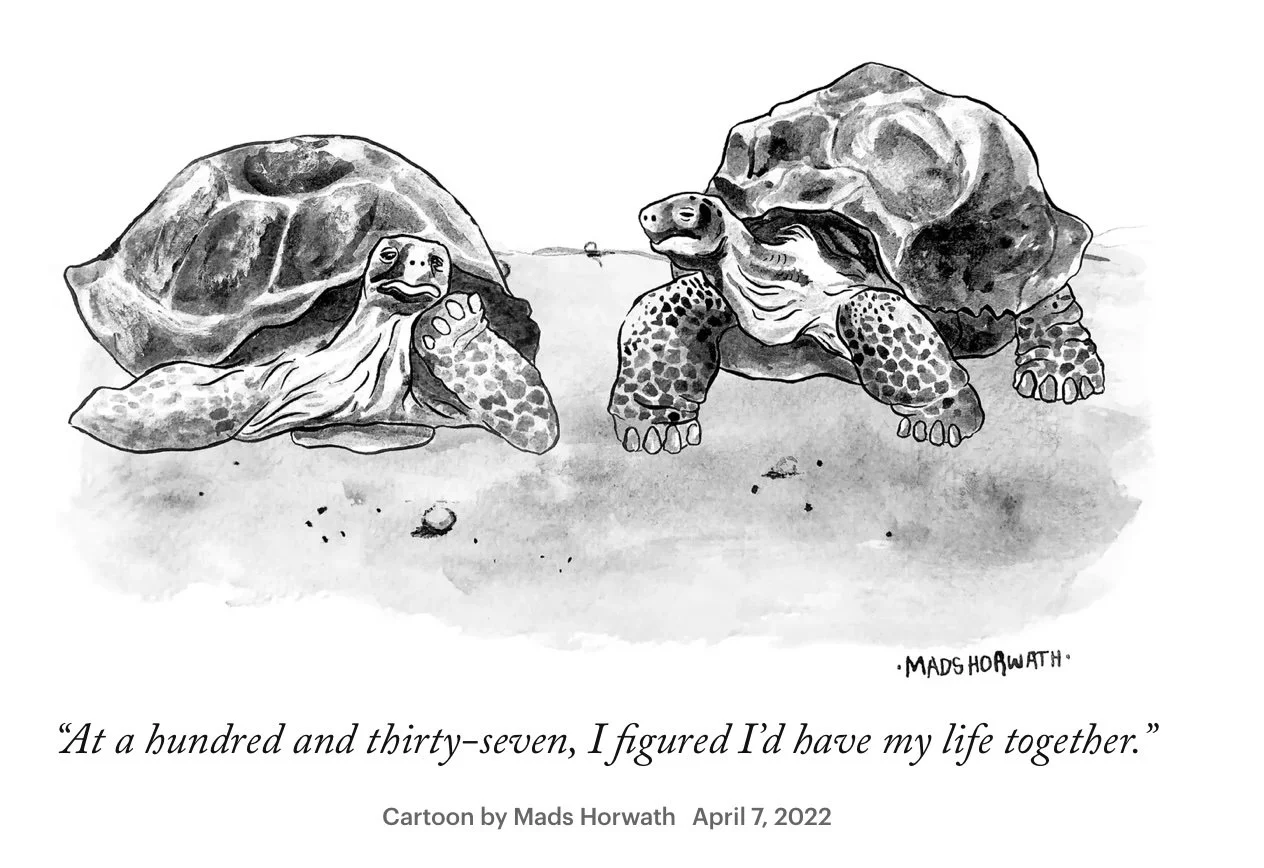
Drawing with Tissue Paper IV, by Sheila Benedis

Art and photo by Sheila Benedis
Art by Hart

Hoyt felt that wearing his cat gave him a certain je ne sais quoi

Liam’s inner child was getting bigger and more obstinate

Wadleigh wished the pretty lady would walk past faster so he could stop holding his stomach in
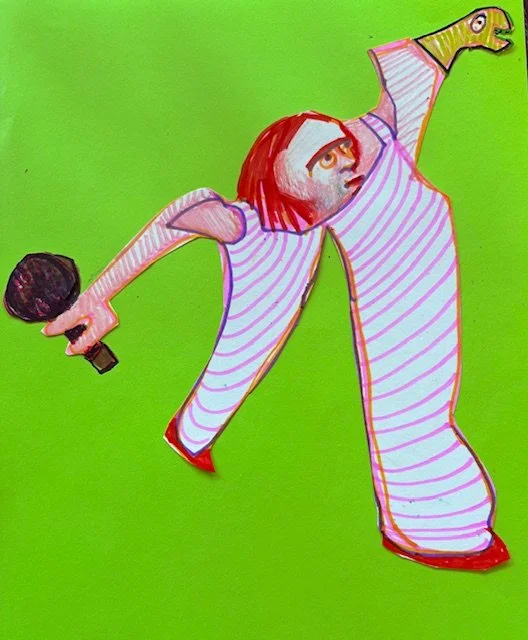
Sabrina was born to play pickleball
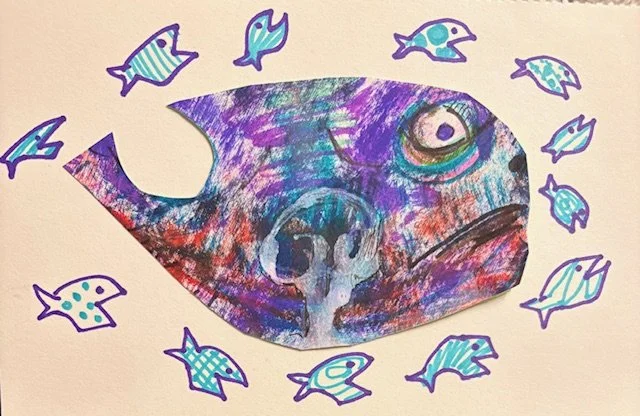
Apparently Hilda was not the only fish in the sea
Art and photos by Jane Hart
In and Around Kendal
Best Kendal Friends
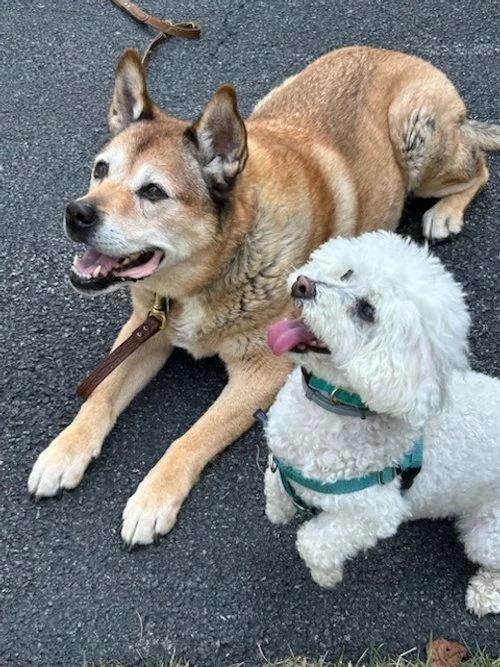
Allie Reiss and Bristol Campbell enjoy each other’s company, by Cathie Campbell
The Path That Lies Ahead
Sometimes we’re so entranced by the beauty ahead in Rockwood Park, that we don’t look down. Carolyn Reiss decided to do so this past week and found . . .
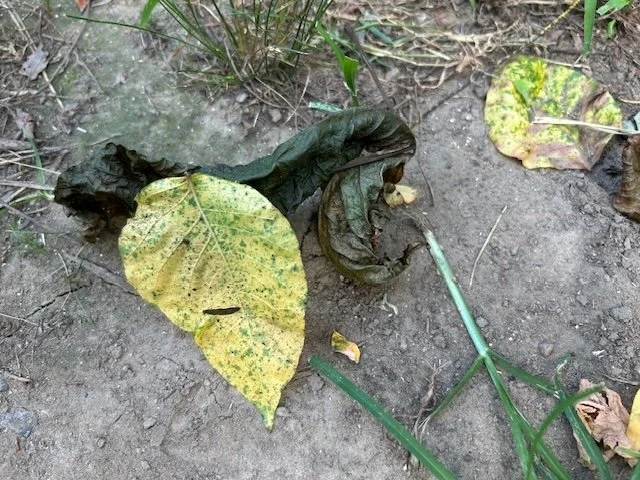
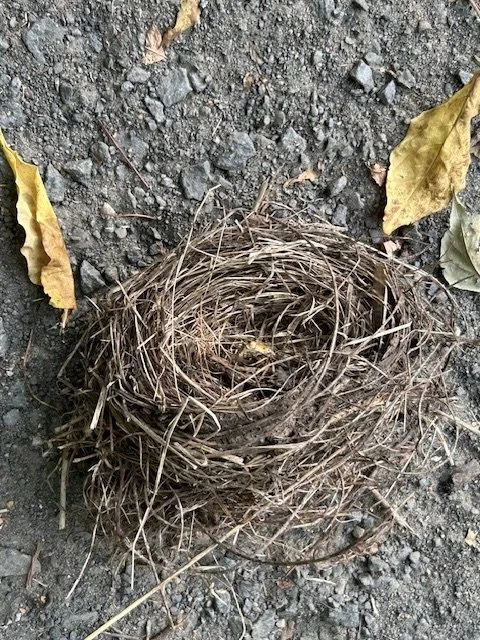
Photos by Carolyn Reiss
Birds-eye View from Robert Fulton
This past week, a special screen was added to the Fulton bridge window to protect birds from smacking into it. Dots really something!
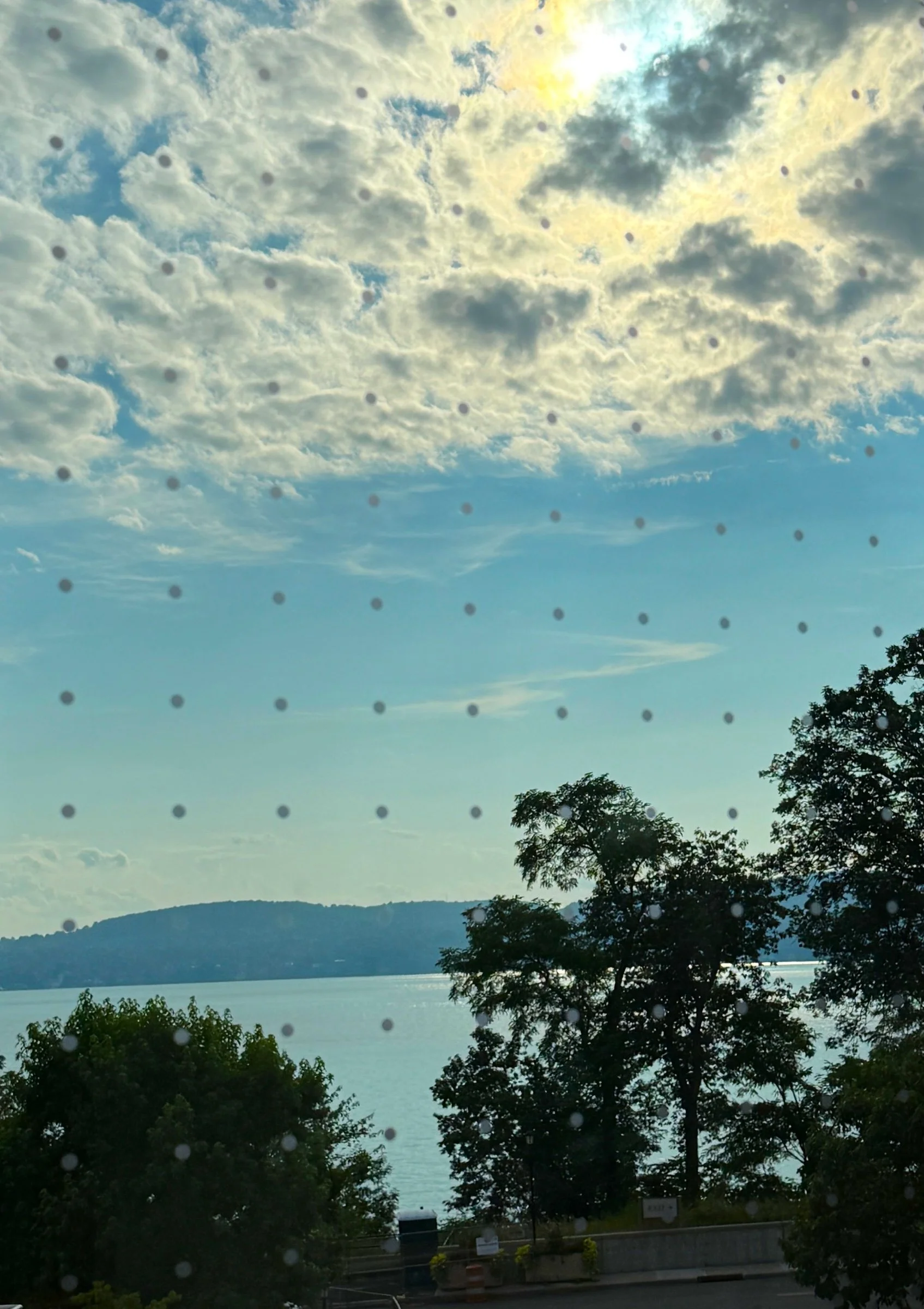
Photo by Anne White
Ssh . . . Artists at Work
Erin Carney is back at Kendal to teach a painting class. First class: silent students concentrate on their work as Erin goes person-to-person with helpful comments and encouragement.
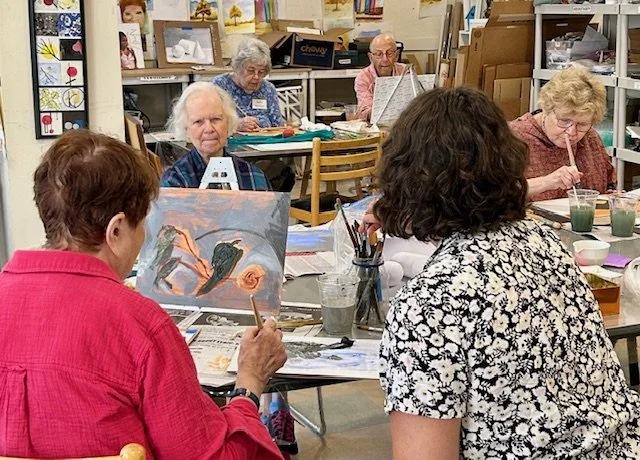
Photo by Carolyn Reiss
Rockwood Park’s Latest New Hire

New Assistant Gardener hard at work, by Edward Kasinec
A Kendal Sanctuary
One of the loveliest places to just sit in peace and enjoy the beauty of nature (and the skills of Kendal gardeners), to read a book, to chat with friends, is the Healing Garden nestled between Clearwater and Sunnyside but open to all. Recently Harry took pictures of the Healing Garden’s beauty:



Photos by Harry Bloomfeld
Warner Library Offers Free Museum Passes

The Warner Library offers complimentary passes to several museums for Warner Library cardholders. Passes can be reserved in advance and checked out for four days.
To inquire about Museum Passes, please contact the Library's Reference Desk at 914-631-7734, Option 3.
Museum Passes offered:
• FDR Presidential Museum & Library
• The Frick Museum
• Guggenheim Museum
• Intrepid Sea, Air & Space Museum
• Katonah Museum of Art & Hudson Valley MOCA
• Hudson River Museum
• New-York Historical Society
• Mohonk Preserve
• Storm King Art Center
Tarrytown Projects
Following are a few alerts about village projects in Tarrytown that may make a difference to driving in and about Sleepy Hollow and Tarrytown


Peculiar Facts From History
For all of the somber and mundane events that have occurred throughout human history, others are absurd enough to make you laugh out loud. The history website historyfacts.com has published some of them. Continued from last week, here are more:
In 1932, Australia declared “war” on emus
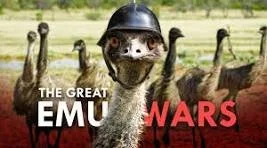
In 1932, a drought in Australia caused some 20,000 emus to move inland, disrupting farmers’ crops. The government sent in World War I veterans to assist the beleaguered farmers, and though they were outfitted with machine guns, they soon found themselves overwhelmed by their flightless foes. The birds emerged victorious in what’s now known as the Great Emu War, and they still thrive Down Under.
The US used potatoes to attack a submarine during World War II

Everyone’s favorite tuber took a break from being boiled, mashed, and stuck in a stew on April 5, 1943, when the crew of the USS O’Bannon was alarmed to see a Japanese submarine approaching. The ship was eventually close enough to its target for sailors to begin throwing objects at it—including, for lack of a better option, potatoes recovered from their deck lockers.
Lyndon B. Johnson liked to conduct meetings in the bathroom
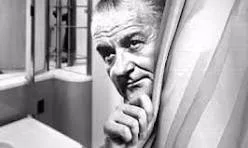
Lyndon B. Johnson was known for his untraditional tactics, which included conducting meetings while seated on the toilet. While some advisers would turn away in order to give the president privacy, Johnson would invite them to come closer so he could hear them better. LBJ treated other private facilities as meeting rooms as well—he was known to have aides stand just outside the shower, and he kept the conversation going while drying himself off afterward.
King Louis XIV reportedly owned 413 beds

France's King Louis XIV embraced opulence to a historic degree throughout his reign. Case in point: The Sun King, as he was known, reportedly owned no fewer than 413 beds, which were considered status symbols at the time. Lavish beds at Versailles and other palaces were frequently used by the king for official business, and he would sprawl out atop the gilded linens during these stately meetings.
On April 18, 1930, the BBC announced, “There is no news.”

On April 18, 1930, nothing at all newsworthy occurred—at least according to the BBC. At the start of its regular news broadcast at 8:45 pm, the BBC announced, “Good evening. Today is Good Friday. There is no news.” This unexpected declaration was followed by 15 minutes of piano music, before the radio station resumed its broadcast of Wagner’s opera Parsifal.
To Be Continued . . .
Source: historyfacts.com
Contributed by Jane Hart
On a Hot Summer's Day . . .
Who could blame them? When the weather gets hot, humid, airless, what’s better than an afternoon lie-down in the park?

Photo by Edward Kasinec

Photo by Aruna Raghavan
A Puzzling Situation
Denizens of Robert Fulton huddle in intense concentration. Open-heart surgery? Complex plans for international peace? Computer programming to take over the world?
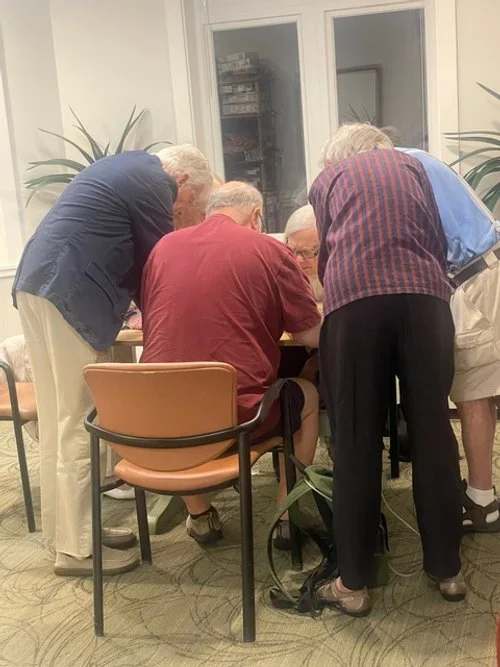
Photo by Cathie Campbell
Nope. It’s Robert Fulton’s Puzzlers attacking the latest challenge.
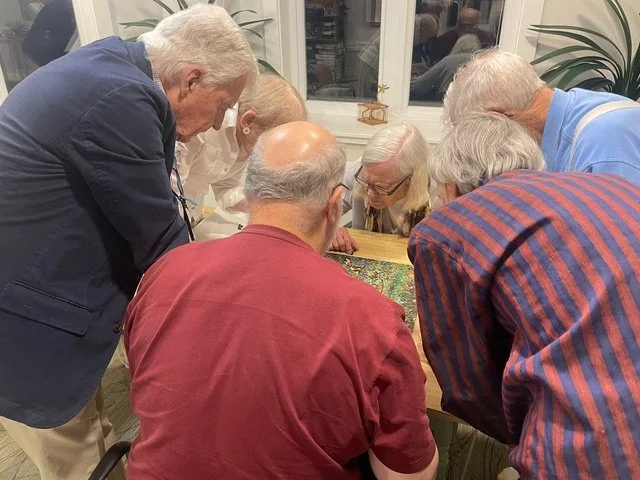
Photo by Cathie Campbell
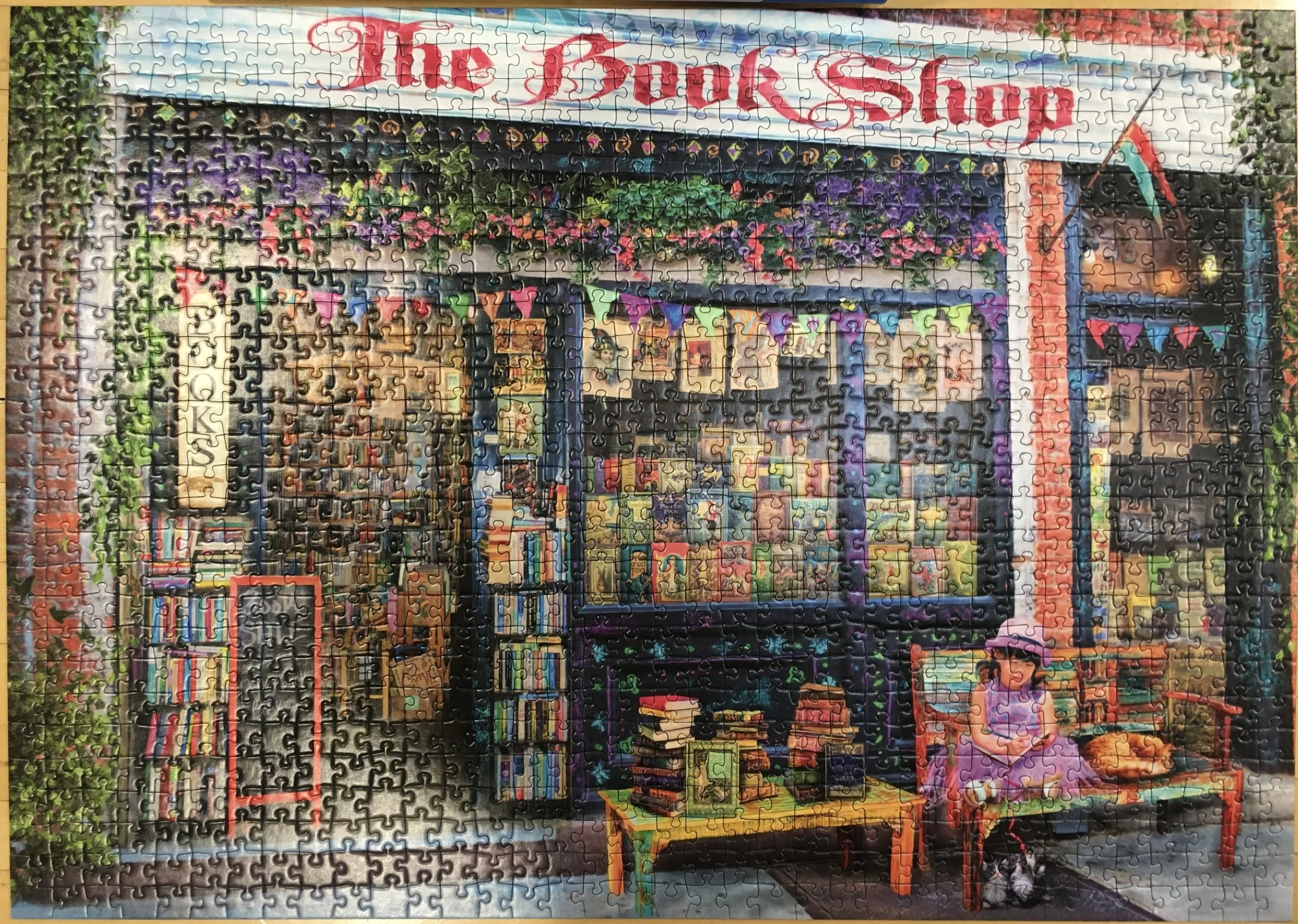
Meanwhile, Clermont’s puzzle fiends have solved theirs . . .
I Never Knew That
The Unusual Culinary Delights of Charles Darwin
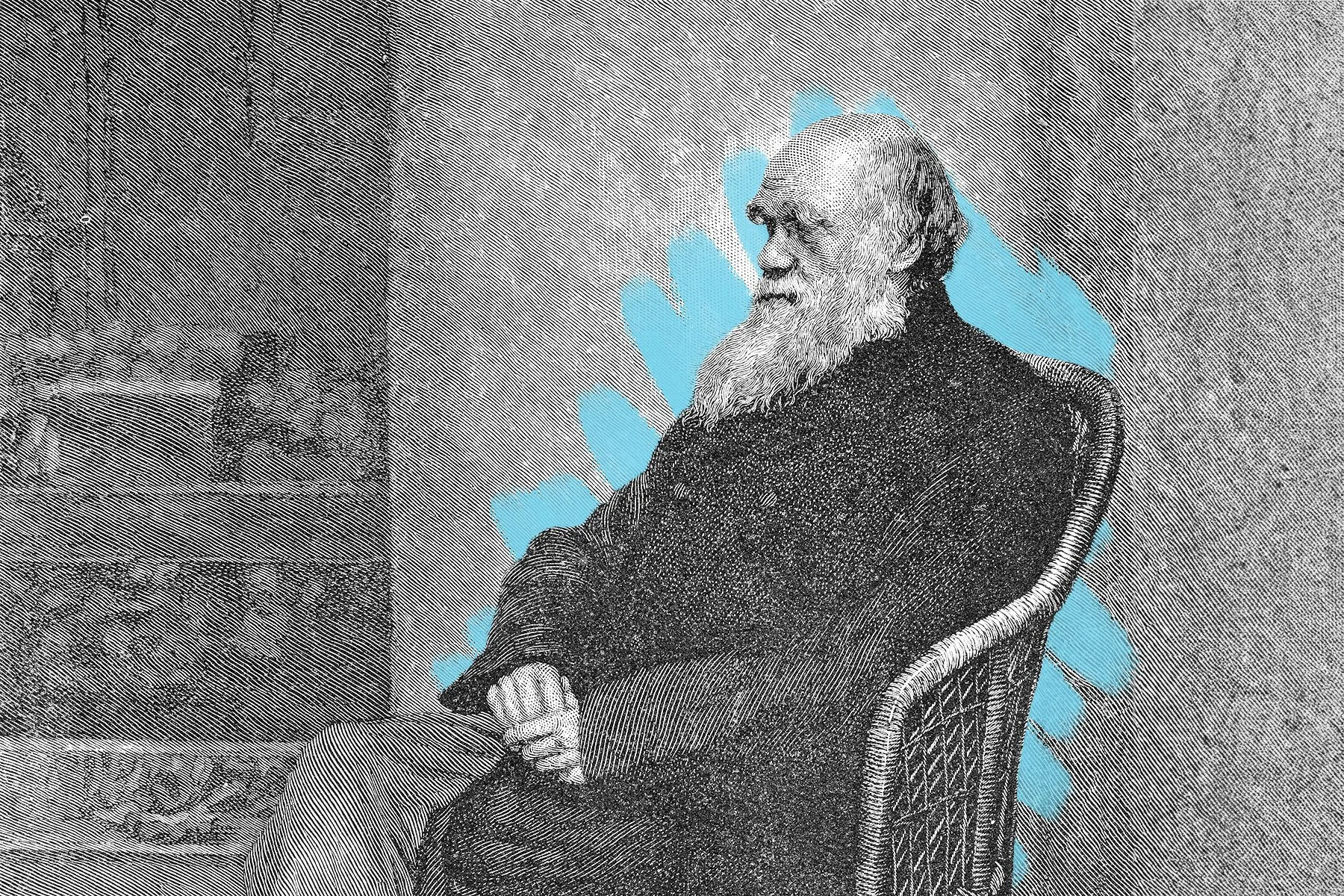
While studying at Cambridge University, Charles Darwin was head of the Glutton Club, a student group that met weekly to dine on rare and overlooked foods. The culinary crew prided themselves on eating what one member described as “birds and beasts, which were before unknown to human palate.” According to member John Herbert, the club’s name was adopted in response to another Cambridge group that claimed to be adventurous eaters, but tended to dine on more common foods of the era, such as mutton chops, beans, and bacon.
In contrast, the Glutton Club feasted on hawk, heron-like wading bird, and even a “stringy brown” owl, which actually led to the end of the group because it was so unappetizing. Yet even after leaving Cambridge in 1831, Darwin continued his culinary adventures. The naturalist’s voyage around the world on the HMS Beagle led him to eat puma, iguana, giant tortoise, armadillo, and a 20-pound rodent he described as “the best meat I ever tasted.” However, Darwin erred in 1834 while exploring in Argentina. He realized mid-meal that he and his friends were dining on rhea, a South American ostrich that Darwin planned to study. In response, he grabbed the bones off his associates’ plates and combed through the garbage bin for any viable remains before sending them to a taxidermist in London.
Source: historyfacts.com
Contributed by Jane Hart
A Refreshing Beyond "Refresh"
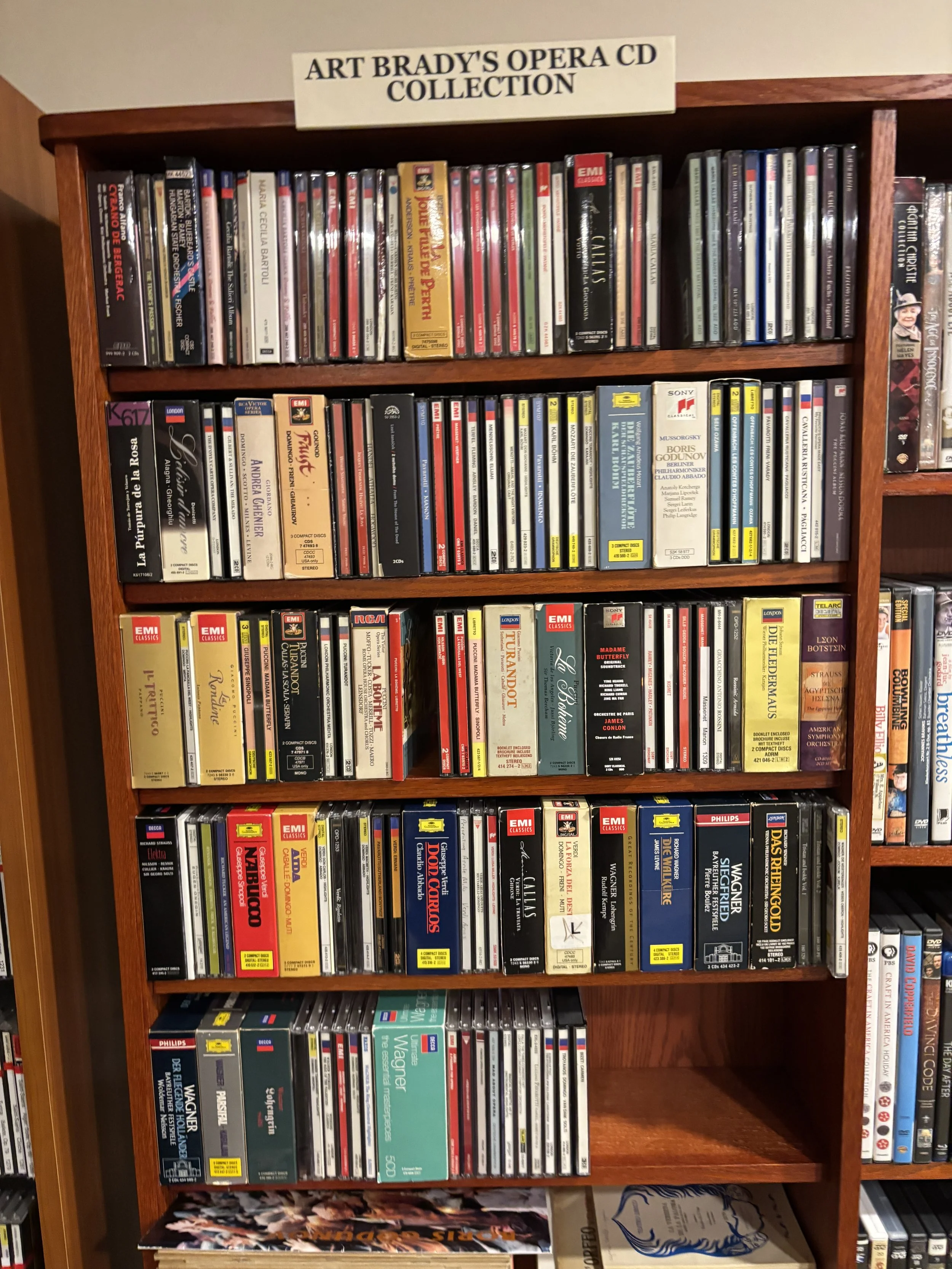
Recently, Lynn Brady donated Art Brady’s extensive collection of opera CDs to Kendal’s CD music collection on Mary Powell’s second floor. Peter Sibley created signage for the gift—and added new signs for the rest of the collection there, as well.
For Your Funny Bone



Contributed by Barbara Wallach

Art by Hart
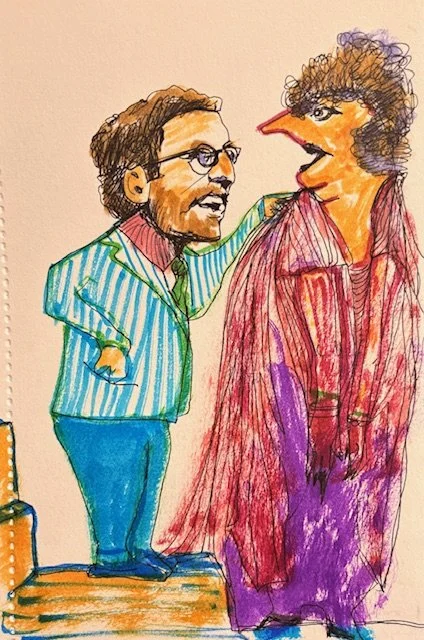
Fenster’s pick-up line needed work

Jason warned them: life gets trickier outside the safety of a tissue box

Marcus wondered if being a Vegan was really his thing

The Borchards’ new organic cafe was not gaining traction

With his beach day rained out, Molson made a sand castle out of gorilla glue and Froot Loops
Art and photos by Jane Hart
Drawing with Tissue III, by Sheila Benedis
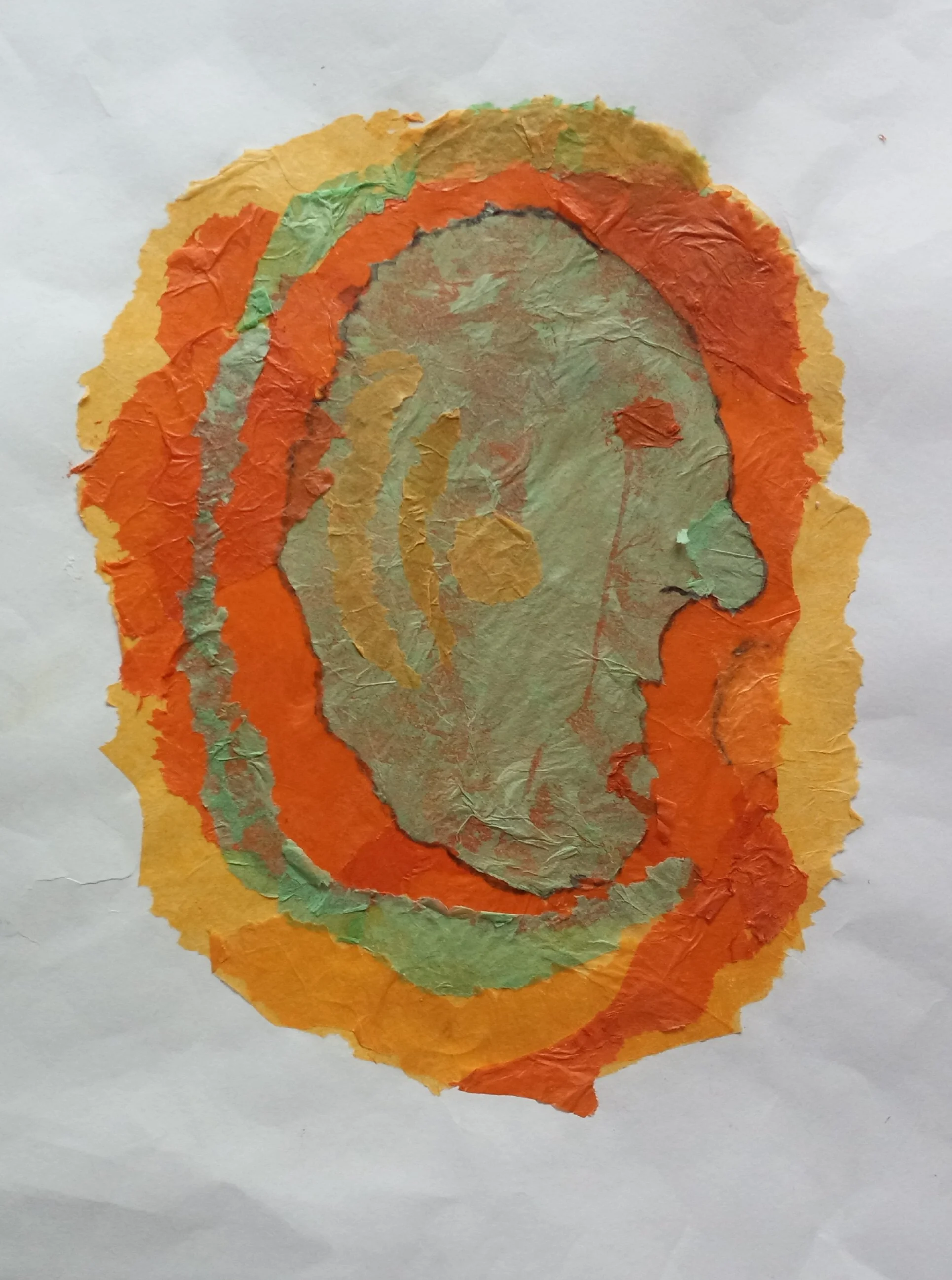
Art and photo by Sheila Benedis
In and Around Kendal
Annual Kendal Lobster-Fest

Nothing more needs be said
Photo by Ruth Dinowitz
Mother’s Nature School of Art, Rockwood Park Edition
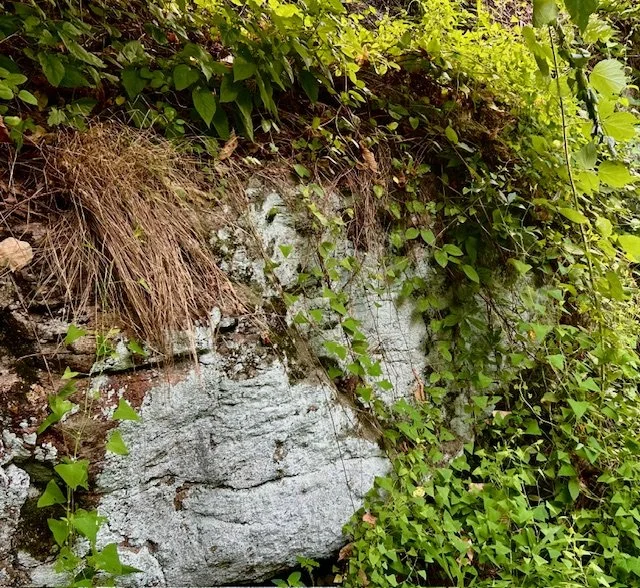


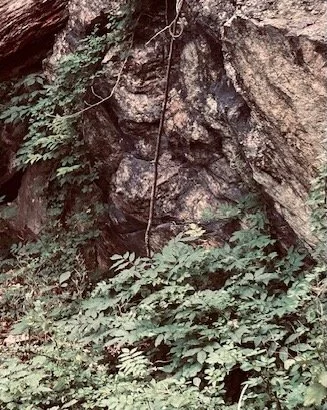
Photos by Carolyn Reiss
Out and About
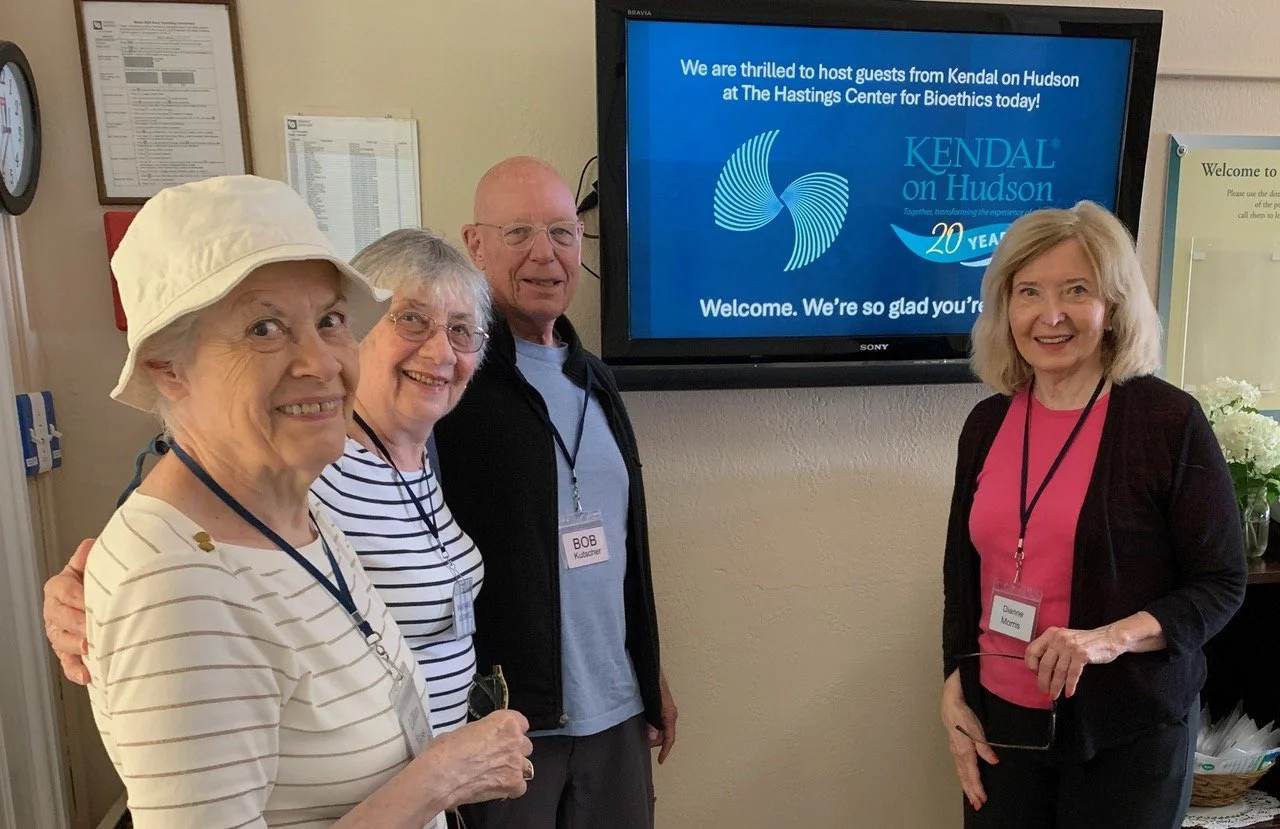
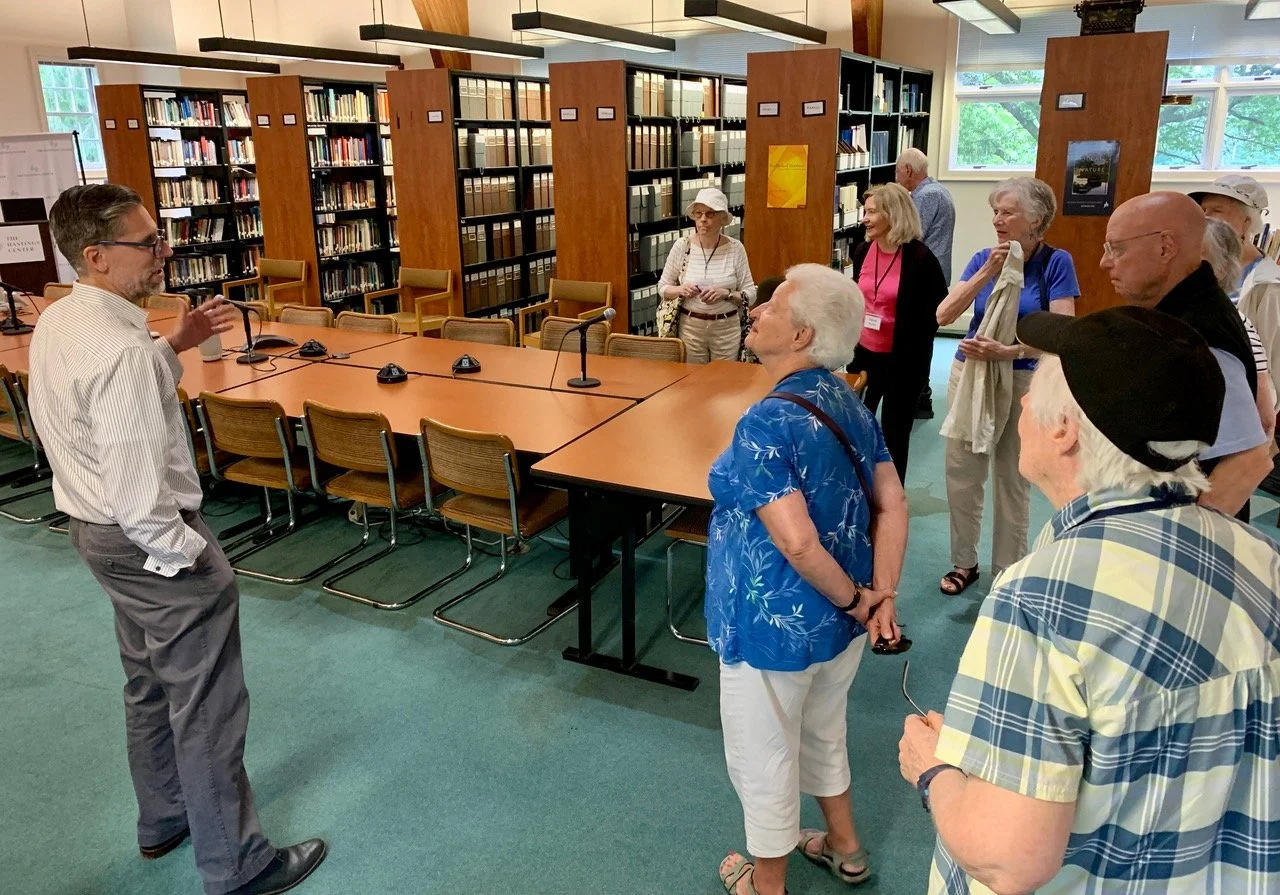
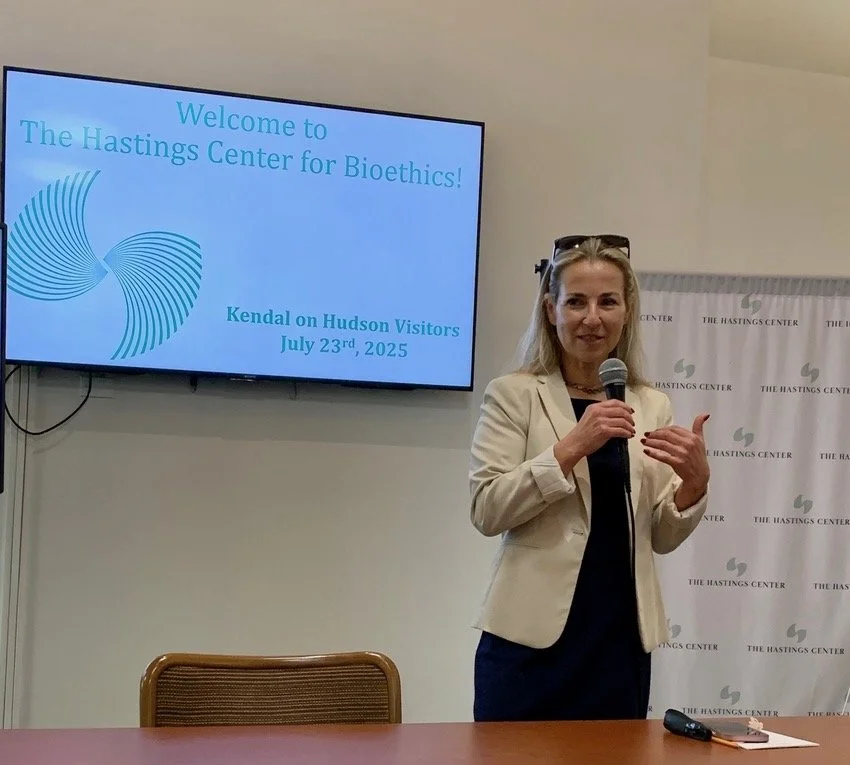
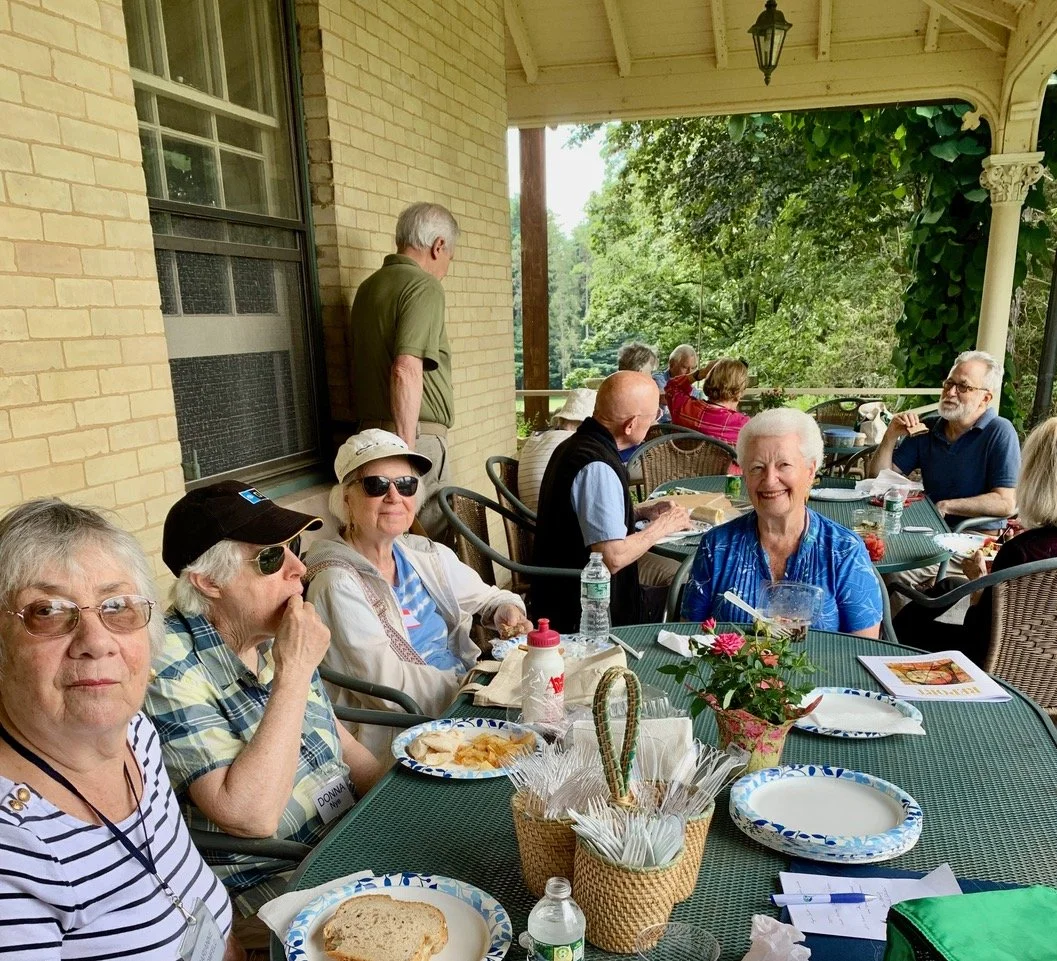
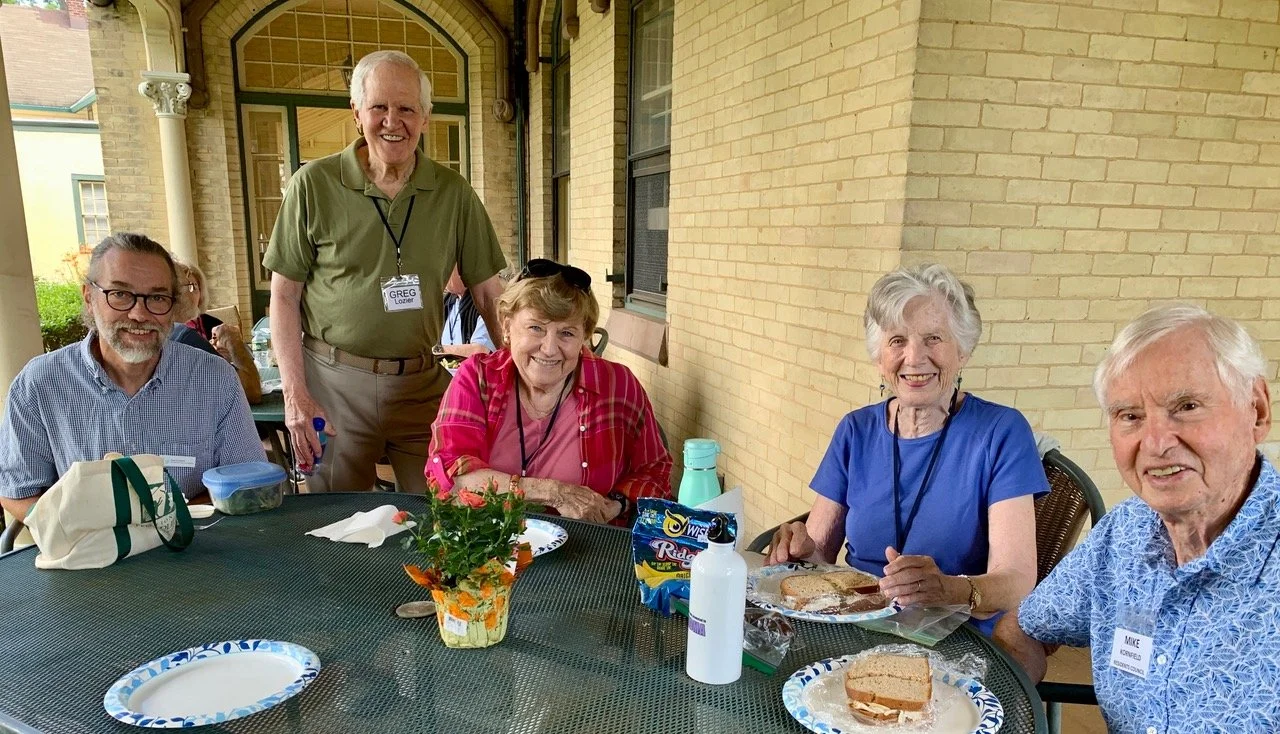
Last week Kendalites journeyed to The Hastings Center for Bioethics, whose recent presentation in the Gathering Room had sparked interest in their work on ethical issues in healthcare, science, and technology. The scholars gave a tour of the center and presentations on their research work, followed by questions and discussion. And we also had a lovely picnic with them on the Center’s porch.