Contributed by Barbara Bruno
Contributed by Barbara Wallach



Contributed by Barbara Bruno


Contributed by Barbara Wallach


Art and photo by Sheila Benedis

Bernice was the one who introduced pizza juggling to the Olympics

Marjorie Sue was never quite herself without her baby broccolini
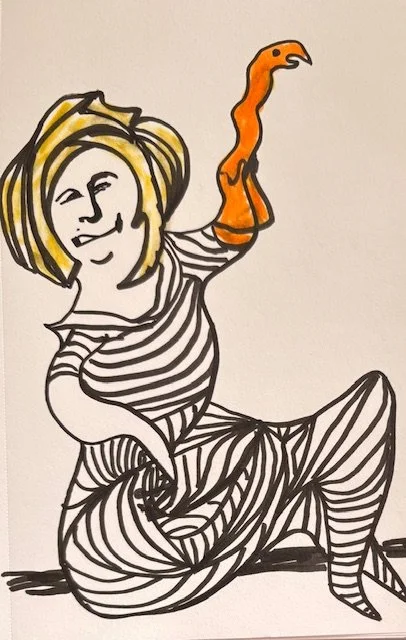
Kate found her sock puppet endlessly amusing

It was nice of Forster to drop the kids off every morning

Palmyra didn’t brag about her son, but she did carry his picture
Art and photos by Jane Hart
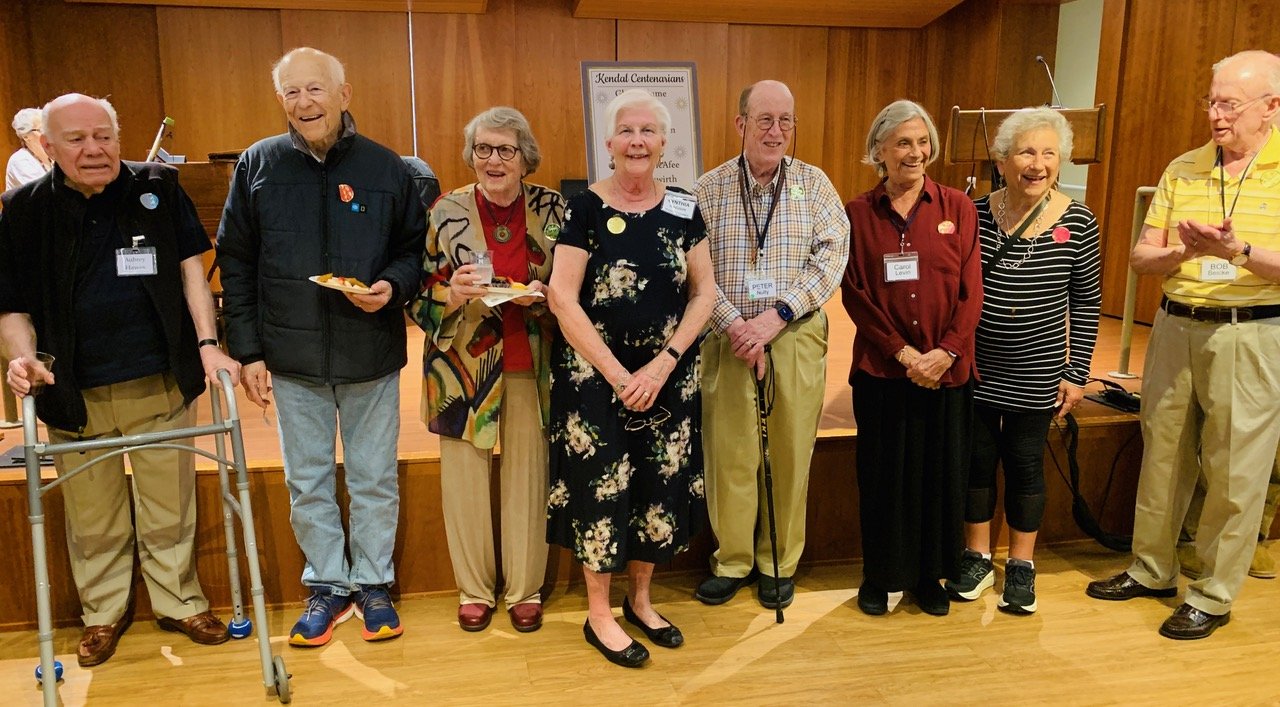
Our June birthdays

And a very important celebration for 10 Kendalites!
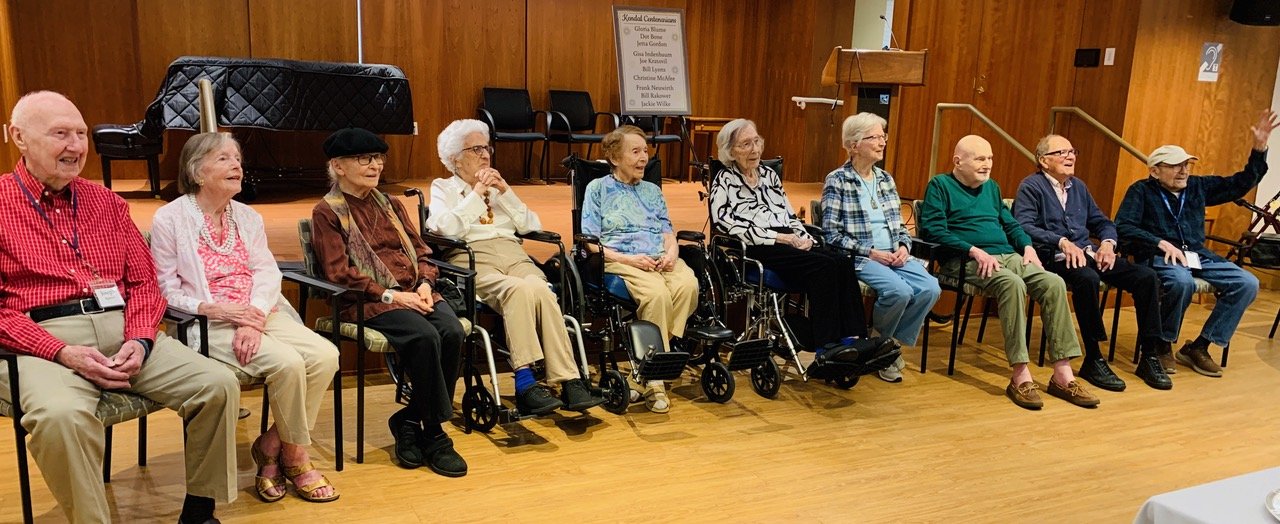
Photos by Harry Bloomfeld

View from Afar, by Edward Kasinec

Up close and personal, by Jane Hart
The June 10 Healing Garden garden party was suddenly postponed last week and rescheduled for June 17. Here’s why:

Daytime Deluge, by Jane Hart

Photo by Edward Kasinec
So many pictures of the art and the artists of The Summer Art Show came in, we split them between last week (Part 1) and this week (Part 2). Enjoy!

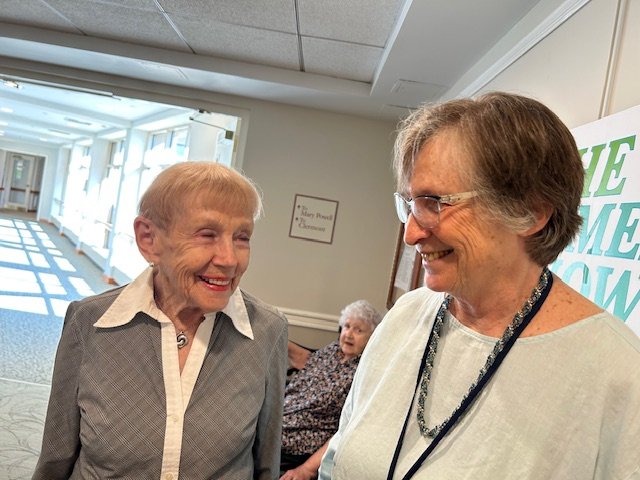
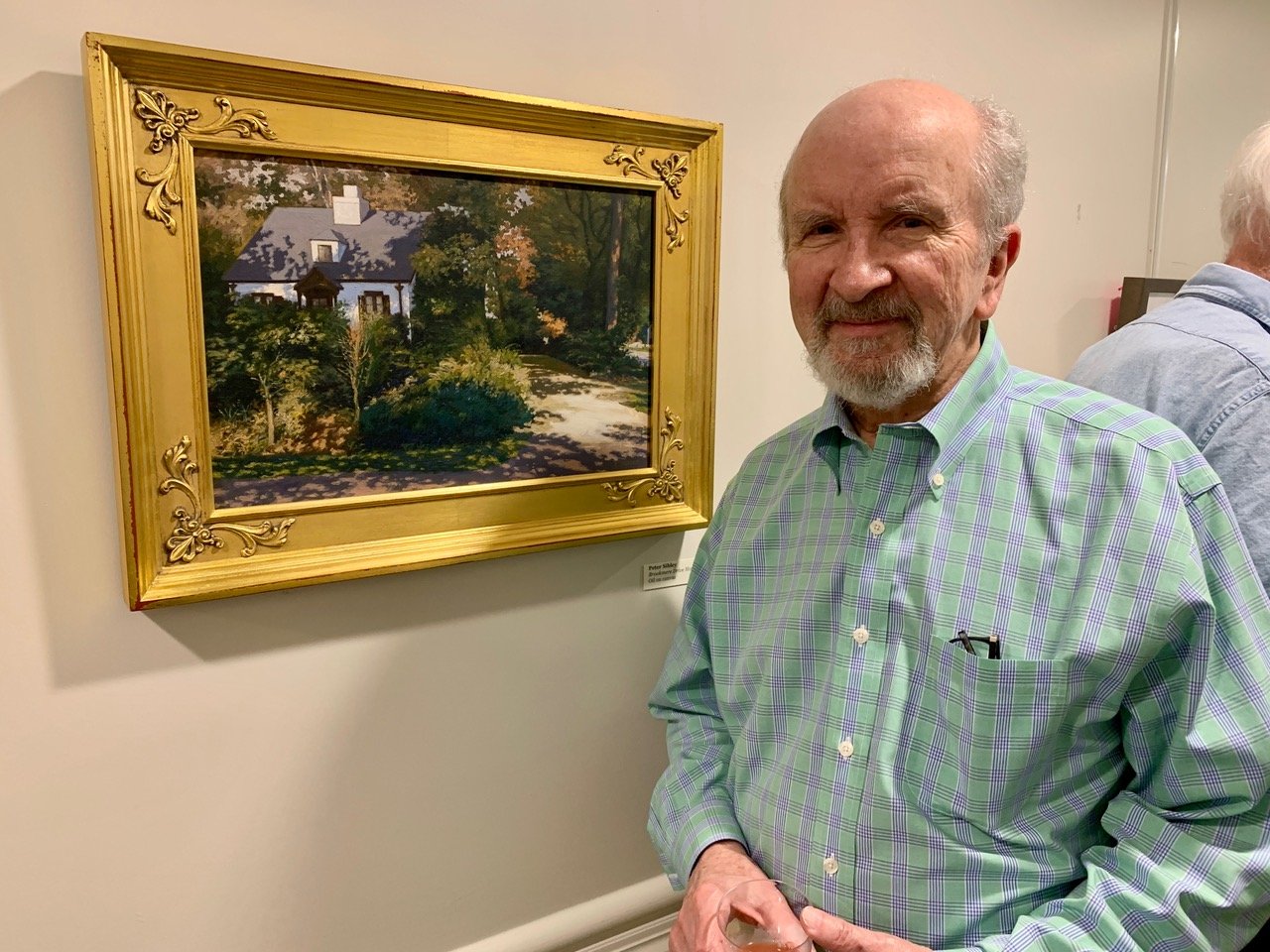
Two of the curators enjoy the show
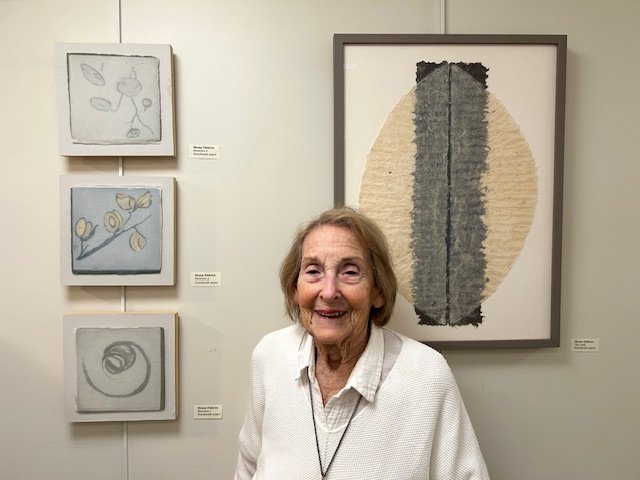
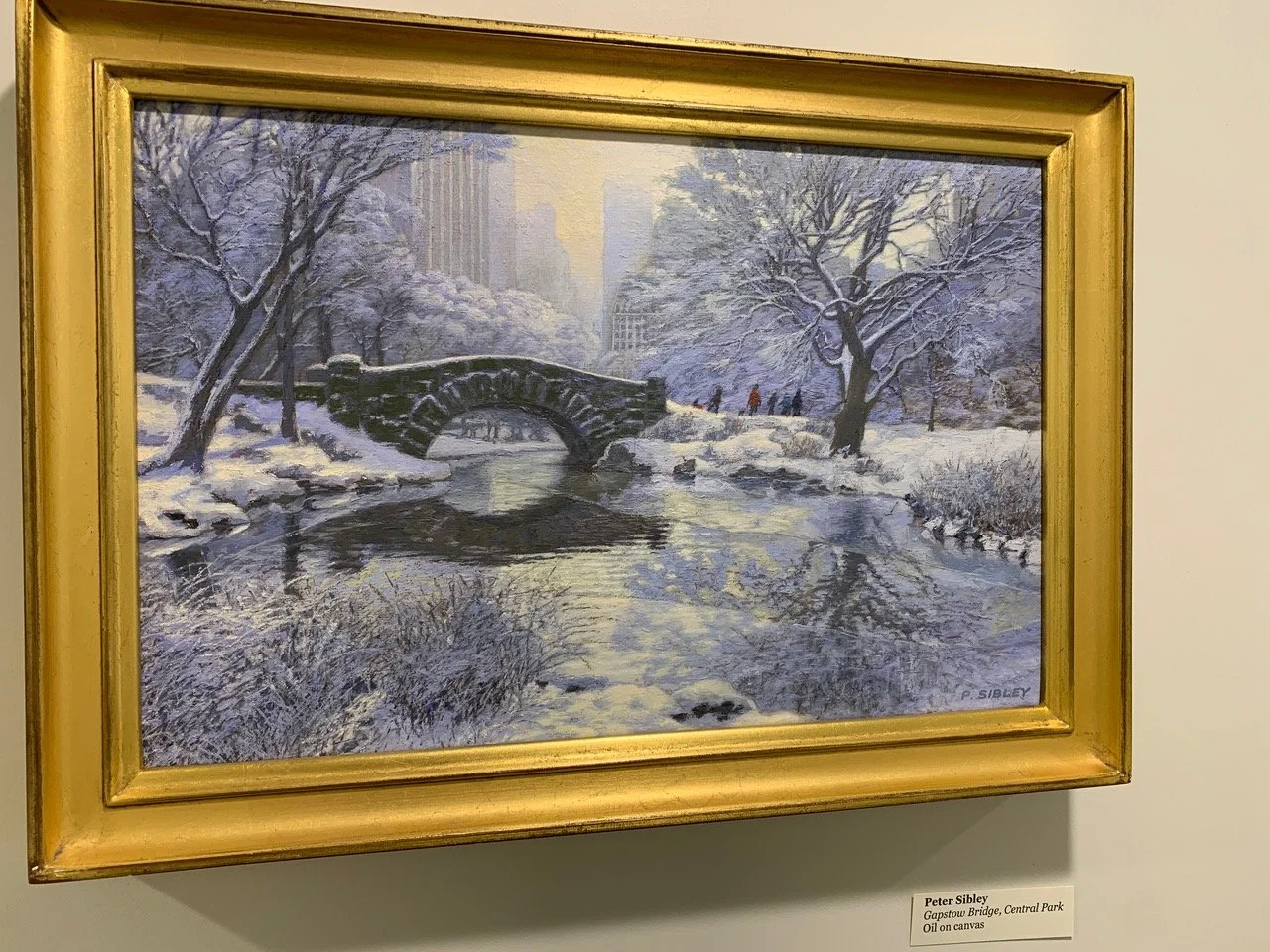
The third curator and his work









And, all the while, another artist accompanied the show
Photos by Carolyn Reiss and Harry Bloomfeld


The aim is fun, not financial windfall. Fear not any Atlantic City high-rollers joining in. All skill sets are welcome. Stakes are 25-50 cents.
Want to join the fun? Call or text John Vacher: (404) 556-0557. He’ll even come and provide a short tutorial, so you’ll fit in seamlessly your very first Wednesday night.

From the office of Ellen Ottstadt

Among all the Founding Fathers, Benjamin Franklin had the most interesting extra-curricular activities. Before he studied electricity or invented bifocals, America’s first postmaster general had a habit of writing essays for his brother’s Boston newspaper under the pseudonym “Silence Dogood.”
The 16-year-old posed as a widow because the writing he submitted under his own name was rejected by the New-England Courant which his older brother James published. Silence had much to say about a variety of subjects, with her commentary touching on such subjects as religion and politics, and she was an instant hit with the weekly paper’s readers—she even received marriage proposals.
Fourteen of these essays were published beginning in 1722, but all good things must come to an end. After slipping Silence’s correspondence under the Courant’s door for several months, Franklin eventually revealed his true identity. His brother was none too pleased with this deception, having warned the younger Franklin against growing too vain in the wake of the essays’ warm reception, and the fallout played a part in Franklin’s departure for Philadelphia—the city where he lived for the rest of his life.
Source: historyfacts.com
Contributed by Jane Hart


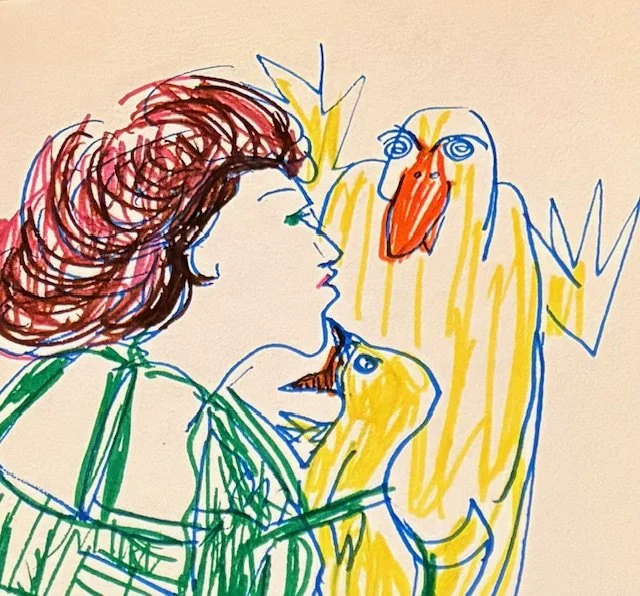
Monday mornings were chaotic at the Featherstones'

Wilson had the best tooth whitener in town
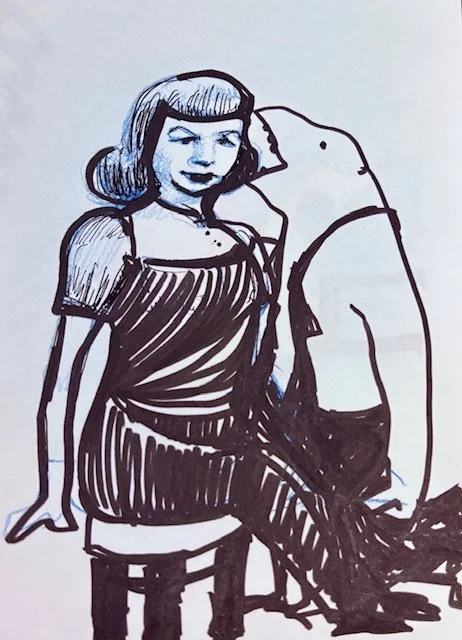
Nancy Drew always had time for a clue
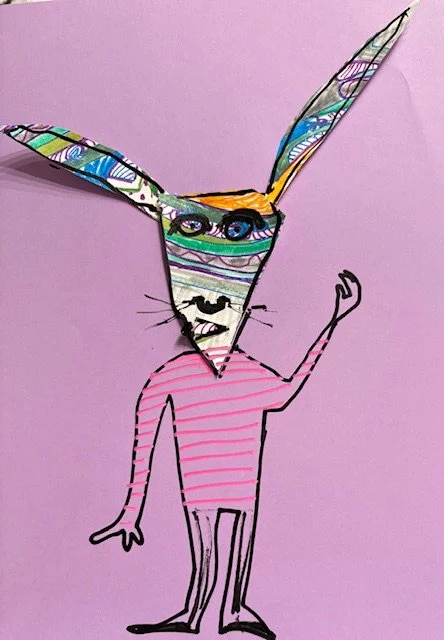
Ron had to quit hiding his sensitivity behind a dumb bunny mask
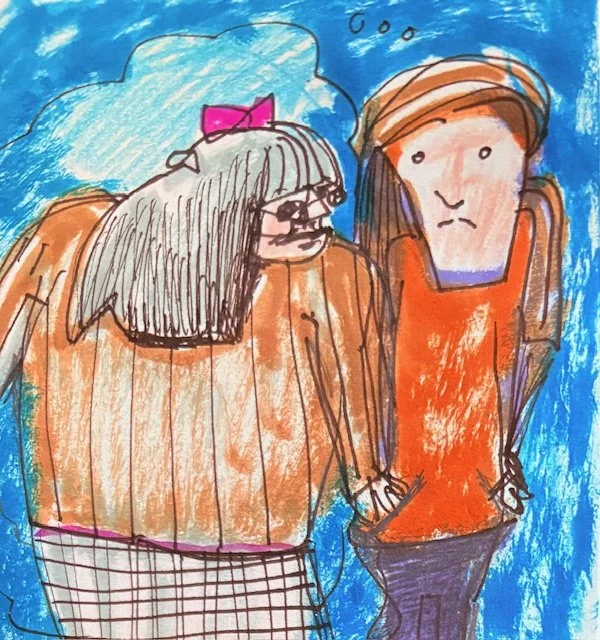
Mitzie’s optimism barely made a dent in Hodge's gloom
Art and photos by Jane Hart

Art and photos by Sheila Benedis

Once the second largest mansion in the US, now “The Remains of a Fortune,” by Edward Kasinec

Photo by Carolyn Reiss

Photo by Carolyn Reiss

Nature’s Abstract, by Carolyn Reiss

A park denizen on alert
Photo by Mimi Abramovitz

Others—not denizens—but runners in the annual Rockwood Ramble 10K. You never know what you’ll see in the park.
Photo by Aruna Raghavan
Yes, this is a 2-parter. Why? Because talented photographers among us took wonderful pictures of a special Kendal art show: Refresh Time Art (aka The Summer Show). Which meant planning and organizing in a tighter place. And it worked. If you missed the opening, don’t miss the art. Yes, these pictures show both artist and art, but it’s just a little taste. Come visit Robert Fulton, Floor 1, for The Real Thing. Meanwhile . . .




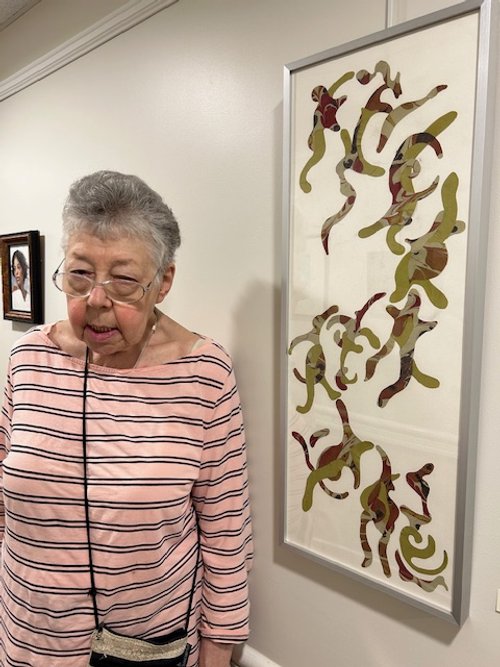
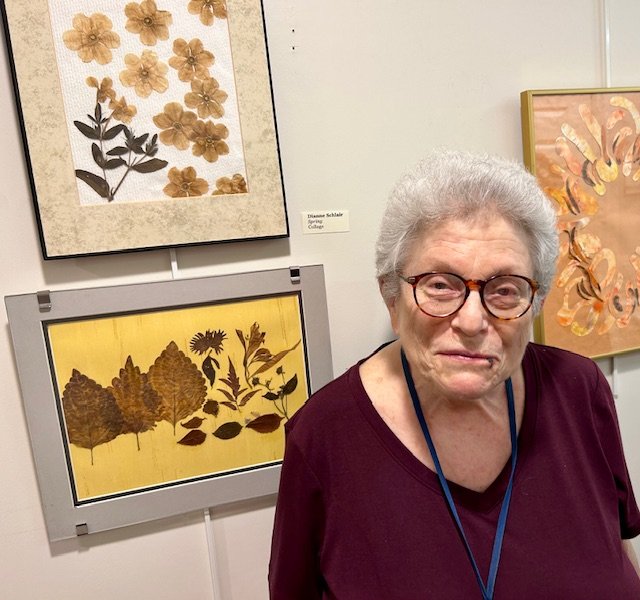
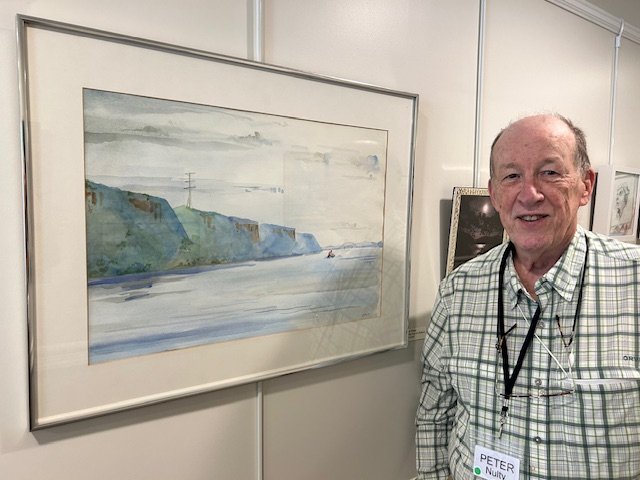
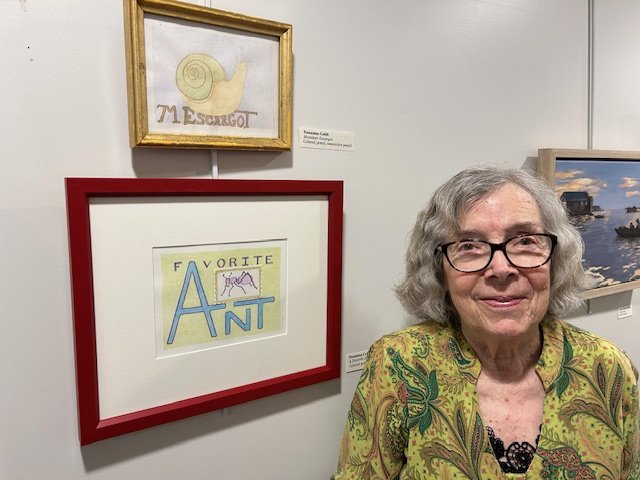

Photos by Harry Bloomfeld and Carolyn Reiss. To be continued, June 16, 2025 . . .


The aim is fun, not financial windfall. Fear not any Atlantic City high-rollers joining in. All skill sets are welcome. Stakes are 25-50 cents.
Want to join the fun? Call or text John Vacher: (404) 556-0557. He’ll even come and provide a short tutorial, so you’ll fit in seamlessly your very first Wednesday night.
The Refresh continues apace. Some progress recorded below.

On a Clear Day, You Can See Forever, by Barbara Plimpton

Ready to Close ‘Er Up

The New Community Room—or the Largest Horseshoe-Tossing Practice Room on Earth

A Final Look
Do you have pictures from the Refresh progress of the week? Send them our way!

From the desk of Ellen Ottstadt
For as long as humankind has existed and suffered, we’ve also laughed. Humor—and jokes, specifically—have long been a part of socio-anthropological culture, whether as a way to poke fun at the powerful or just to be plain silly. Even toilet humor, however gross, has often played a significant role in day-to-day life, amusing and shocking listeners with taboo topics. From the earliest days of civilization, laughter has brought people together despite their differences, serving as a tool for both enjoying life and bonding with one another. Here are some of the oldest jokes in history, observations and witticisms that made people laugh thousands of years ago.
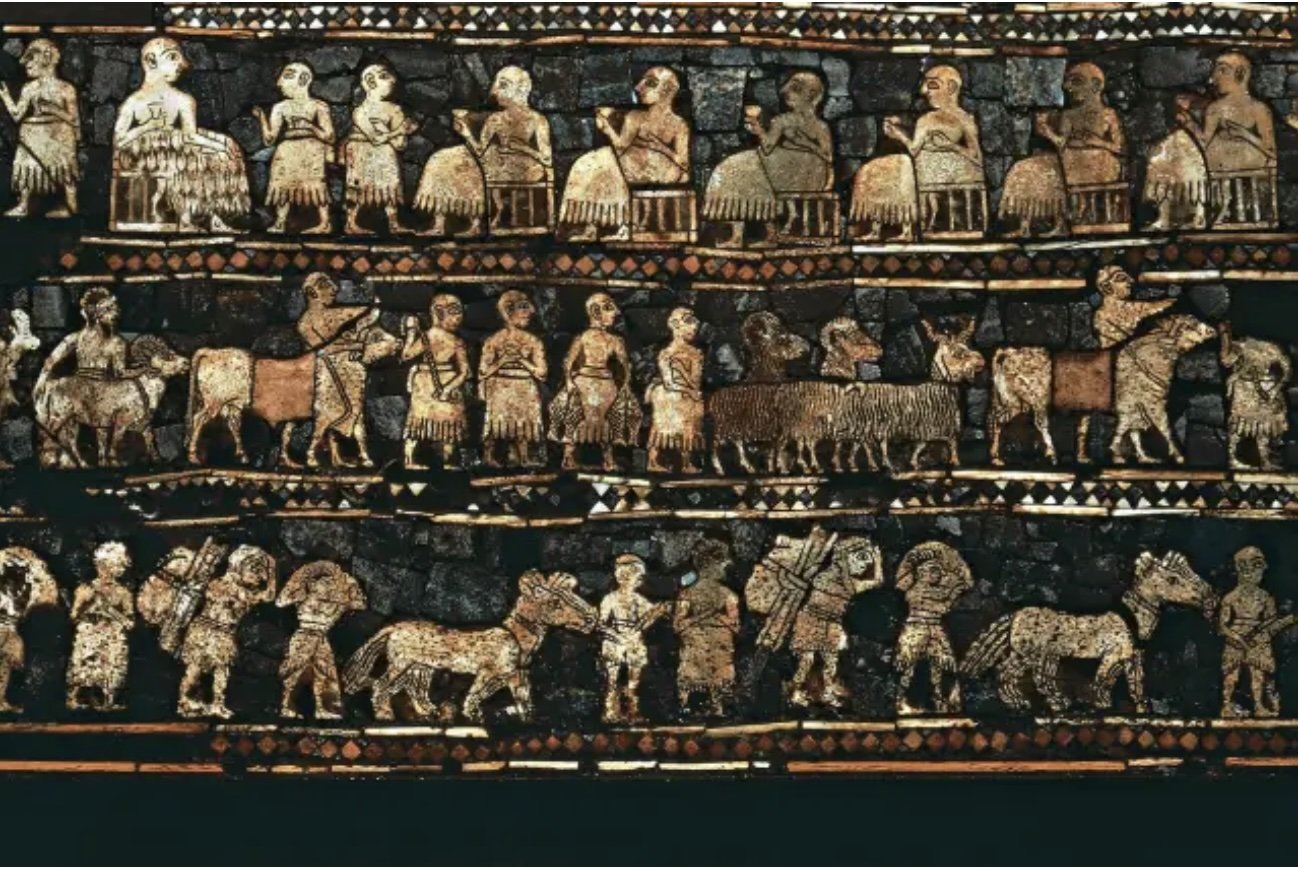
The oldest joke on record dates back to 1900 BCE in ancient Sumer, the earliest known civilization in Mesopotamia. Rather than a conventional setup and punchline structure, the joke is more of an observation: “Something which has never occurred since time immemorial; a young woman did not fart in her husband’s lap.” The double-negatives throw in a bit of confusion, but the joke gets at a primary urge to hide certain imperfections from a romantic partner.

The Sumerians are also credited with the first-ever “walked into a bar” joke, dating to around 1983 BCE. It goes: “A dog walks into a bar and says, ‘I cannot see a thing. I’ll open this one.’” Though we’re all familiar with bar jokes—and the odd characters and animals who just so happen to walk into them—no one can quite parse the meaning of this Sumerian joke, or why it was funny. There are amateur theories ranging from the Sumerians appreciating (as we do now) “random humor,” or the dog’s blindness being some kind of pun. Until we have a time machine, it’s likely to remain a mystery.

A book of Anglo-Saxon poetry from the 10th century includes what researchers believe could be the first recorded joke in the English language: “What hangs at a man’s thigh and wants to poke the hole that it’s often poked before?” The punchline? Get your mind out of the gutter: “A key.” A lot of early humor relied on puns and presumed lewdness—the assumption that the answer to a joke would be filthy, only to have the expectation flipped in the punchline. That degree of surprise and awareness of your own assumptions often and still leads to laughter.

A fourth-century CE joke book from Greece known as Philogelos (The Laughter-Lover) is the oldest known collection of jokes. The work is credited to two unknown writers, Hierocles and Philagrius, as a series of “jest”witty quips and moments of situational comedy. One example is this joke about a haircut: “Asked by the court barber how he wanted his hair cut, the witty fellow replied: ‘In silence.’” More than a thousand years later, it’s a sentiment so relatable, it’s likely to bring a smile to your face.
Frank observations about men and women—and their relationships—have long made people laugh. Case in point: this ancient Egyptian joke from 30 BCE, which pokes fun at the cost of courtship: “Man is even more eager to copulate than a donkey—his purse is what restrains him.” The joke appeared in an ancient papyrus Egyptian text known as the Instruction of Ankhsheshonq. It’s more of a wry instruction (as per the name of the document), found alongside other amusing notes on donkeys, such as: “If a crocodile loves a donkey it puts on a wig.” That one is more of a thinker, but perhaps it’s getting at the way we change for those we love.
Source: historyfacts.com


Art and photo by Sheila Benedis
© Kendal on Hudson Residents Association 2015, 2016, 2017, 2018, 2019, 2020, 2021, 2022 all rights reserved. Please do not reproduce without permission.
Photographs of life at Kendal on Hudson are by residents.