The Weekly Kendal Low-Stakes Poker Report!

                   March 5’s Grand Winner:                  Bob Root with $7! [Insert uproarious cheers and applause]

 The aim is fun, not financial windfall. Fear not any Atlantic City high-rollers joining in. All skill sets are welcome. Stakes are 25-50 cents.

 Want to join the fun? Call or text John Vacher: (404) 556-0557. He’ll even come and provide a short tutorial, so you’ll fit in seamlessly your very first Wednesday night.

I Never Knew That

The World’s Smallest Park Is About the Size of Four Pieces of Paper

If you want to take a stroll around this park in Japan, you will have to be very nimble on your toes.

A park roughly the size of four sheets of paper in Japan’s central prefecture of Shizuoka was recently crowned the world’s smallest, according to Guinness World Records. Despite measuring just 2.6 square feet, the recreational space offers a stool made up of a block of wood held up by a rock, with a little bush encircling it. From afar, it could easily be mistaken for a bonsai, an example of the Japanese art of manicuring miniature trees.

The park is a short walk from the town hall of Nagaizumi, about 68 miles southwest of the capital Tokyo. The previous official world’s smallest park was Mill Ends Park in Portland, Oregon, which helped inspire the Japanese contender that officially took the title on Tuesday, according to Guinness.

When a Nagaizumi local was on vacation in the US, “they found the previous record holder for the smallest park,” Shuji Koyama, a team leader of the town’s construction division, told Guinness. “So, they wanted to create an even smaller park.”

Locals have been referring to it as the world’s smallest park since it was built in 1988, despite a lack of official recognition. To qualify for the Guinness title, Shizuoka officials brought in a certified surveyor to measure the park.

Koyama told Guinness World Records he was relieved that the park was finally recognized. “We want to continue maintaining the park with the community, as well as creating a landscape that is more social media friendly, so that even more people will find attractions of our town,” he said.

Source: CNN Travel, Chris Lau, February 28, 2025

Contributed by Jane Hart

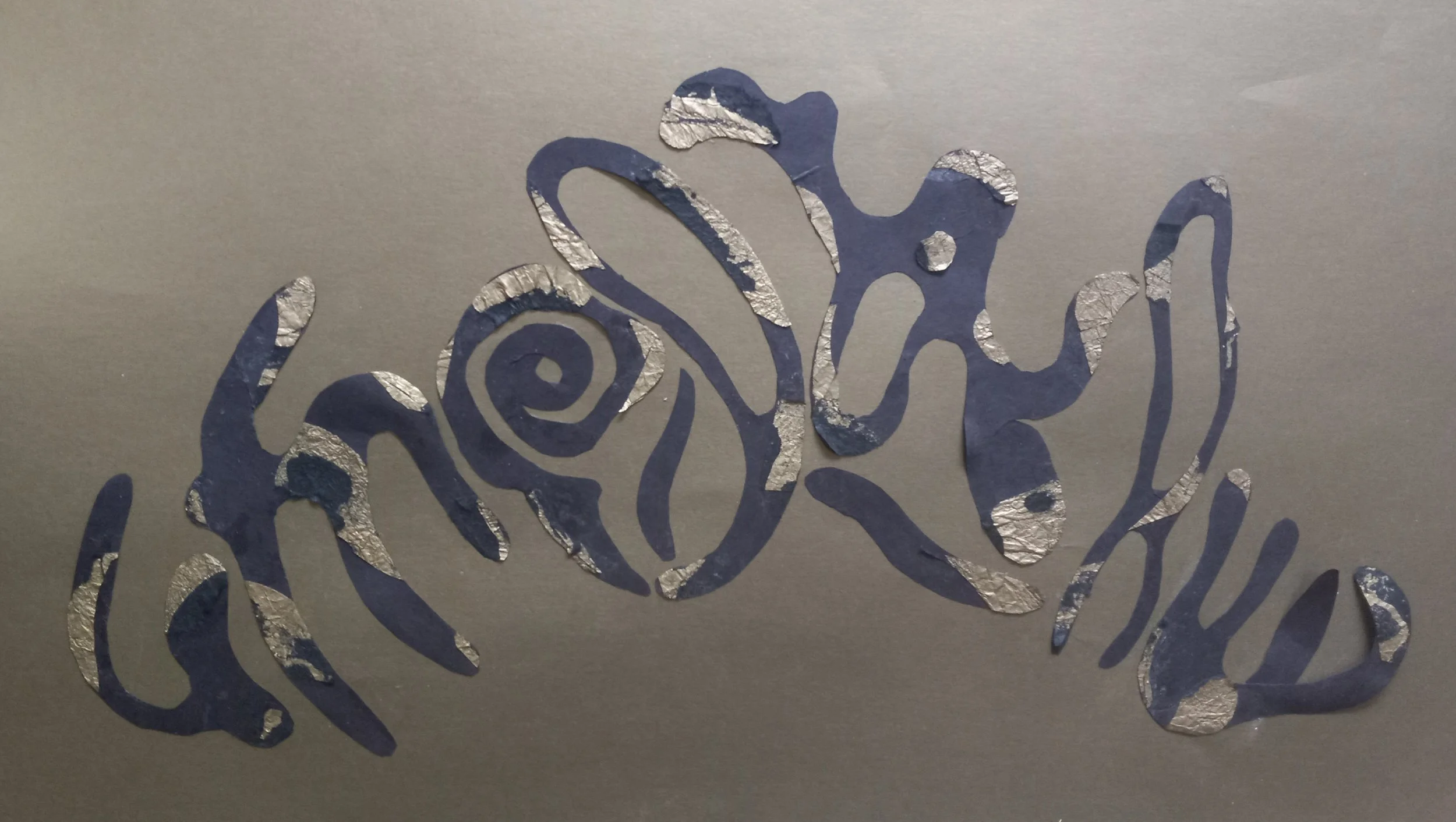
Art by Hart

When Adam and Eve left the Garden, the snake launched 4BiddenFruit.com, becoming the Earth’s first billionaire

Kinney could produce convincing crocodile tears in no time flat

Granny loved the munchkins’ visits

Hattie didn’t even exist an hour ago, but she was already worried about impermanence

Betsy couldn’t forget the freckled elephant

The Chatfield brothers all had good ideas, but only Matthew knew how to make people listen

Art and photos by Jane Hart

Out and About

Striving for Peace, Justice, and Equality: A Trip

Recently Kendalites journeyed to Yorktown Heights for a two-fer trip into organizations committed to striving for peace, justice, and equality. Docents at both places provided insights into each.

The Capa Center

One of Westchester’s hidden gems, The Cape Space is an exhibition and education center that uses photography to advance concepts of peace, justice, and equality. It is named after the great photographer Robert Capa, who documented the horrors of war and devastation, as well as the human spirit that triumphed over it. The current exhibition — “Faces of Exodus: John Moore”— is a retrospective of 15 years of Moore’s documentation of migration along the US-Mexico border. His latest work on Ecuador’s internal armed conflict and migration is also on exhibit.

The Amawalk Friends Meeting House

The Amawalk Friends Meeting House is right next door. It shares the same concepts as part of the Quaker tradition. Robert Capa is buried in their cemetery. The Meeting House — on the National Register of Historic Places — was built in the 1830s. It is still in its original state, with no electricity, heat or water.

Photos by Harry Bloomfeld

The Weekly Kendal Low-Stakes Poker Report

February 26’s Grand Winner: Jon Masters—with $7! [Insert uproarious cheers and applause]

The aim is fun, not financial windfall. Fear not any Atlantic City high-rollers joining in. All skill sets are welcome. Stakes are 25-50 cents.  

Want to join the fun? Call or text John Vacher: (404) 556-0557. He’ll even come and provide a short tutorial so you’ll fit in seamlessly your very first Wednesday night.

Made in NYC: 123 Brands, Trends, and Inventions That Began in the Big Apple

The Sugar Packet

With WWII wrapped up, Ben Eisenstadt’s Brooklyn Navy Yard cafeteria was short on customers. He closed it up and went into the tea business, where the individual bags inspired him to do something about the dirty sugar bowls he found in city restaurants. The result was the invention of the modern sugar packet and the sugar substitute Sweet’N Low—both born in Brooklyn. Bonus trivia: who received Federal Trademark Registration No. 1,000,000? Sweet’N Low.

Milk’s Favorite Cookie

The name Oreo was trademarked on March 14, 1912, by the National Biscuit Company, aka Nabisco. Its origins are in Manhattan, at the factory which is now Chelsea Market. You may think of Hydrox as an Oreo knockoff, but it’s actually the other way around—the Sunshine company version came first, in 1908.

Pure. Fresh. Clean.

This global company reaches hundreds of millions of consumers worldwide today. Its beginnings were humble, however, as a soap and candle manufacturer on Dutch Street in Lower Manhattan in 1806.  Recognize this New York-born behemoth [below]?

It’s Colgate. William Colgate (1783–1857) founded the company that would become Colgate-Palmolive, now good for over $17 billion in sales annually.

Source: “Made in NYC,” City Guide, March 20, 2024

Contributed by Bobbie Roggemann

I Never Knew That

Silly String Was Invented for Broken Bones

There’s nothing silly about a broken bone, but if laughter is the best medicine, then the creators of Silly String may well have helped more people than they ever envisioned. In the 1960s, inventor Leonard A. Fish and chemist Robert P. Cox set about producing a mixture that would rapidly harden after delivery via a spray can, providing a near-instant cast for anyone unfortunate enough to sustain a broken limb. They came up with a sticky concoction that set quickly and held, then tested some 500 nozzles in search of the best application from a pressurized can. When one nozzle propelled a stream 30 feet across the room, Fish and Cox had another idea — maybe this stringy goo would work better as a plaything.

After tweaking their recipe, the duo arranged a meeting with an executive at Wham-O, the company behind such popular toys as the Frisbee and Hula Hoop. At first, a business relationship seemed unlikely; overeager to demonstrate, Fish and Cox all but decorated the office with loads of colorful string, and were unceremoniously shown the door. Fortunately, the company’s owners later spotted some leftover gunk and were intrigued enough to seek a larger sample. The next day, Fish and Cox received a telegram from Wham-O requesting 24 cans of the stuff for a market test. By 1972, when a patent was granted for this “foamable resinous composition,” Silly String had clearly moved on from its roots as a tool for healing and was well on the way to its destiny as a mess-making accoutrement for partygoers of all ages.

Source: interestingfacts.com

Contributed by Jane Hart

Art by Hart

Oscar and Merriwether were soul brothers—or was it sole brothers?

It was Grace’s idea to put WITE-OUT on her grey hair and crows' feet

Lizzie was unwilling to pay full fare for the apparitions

Hullman had been trying to meet someone on Spring break since 1986

The inchworm tea was supposed to be good for Dora’s ankles

Art and photos by Jane Hart

A Day of Song

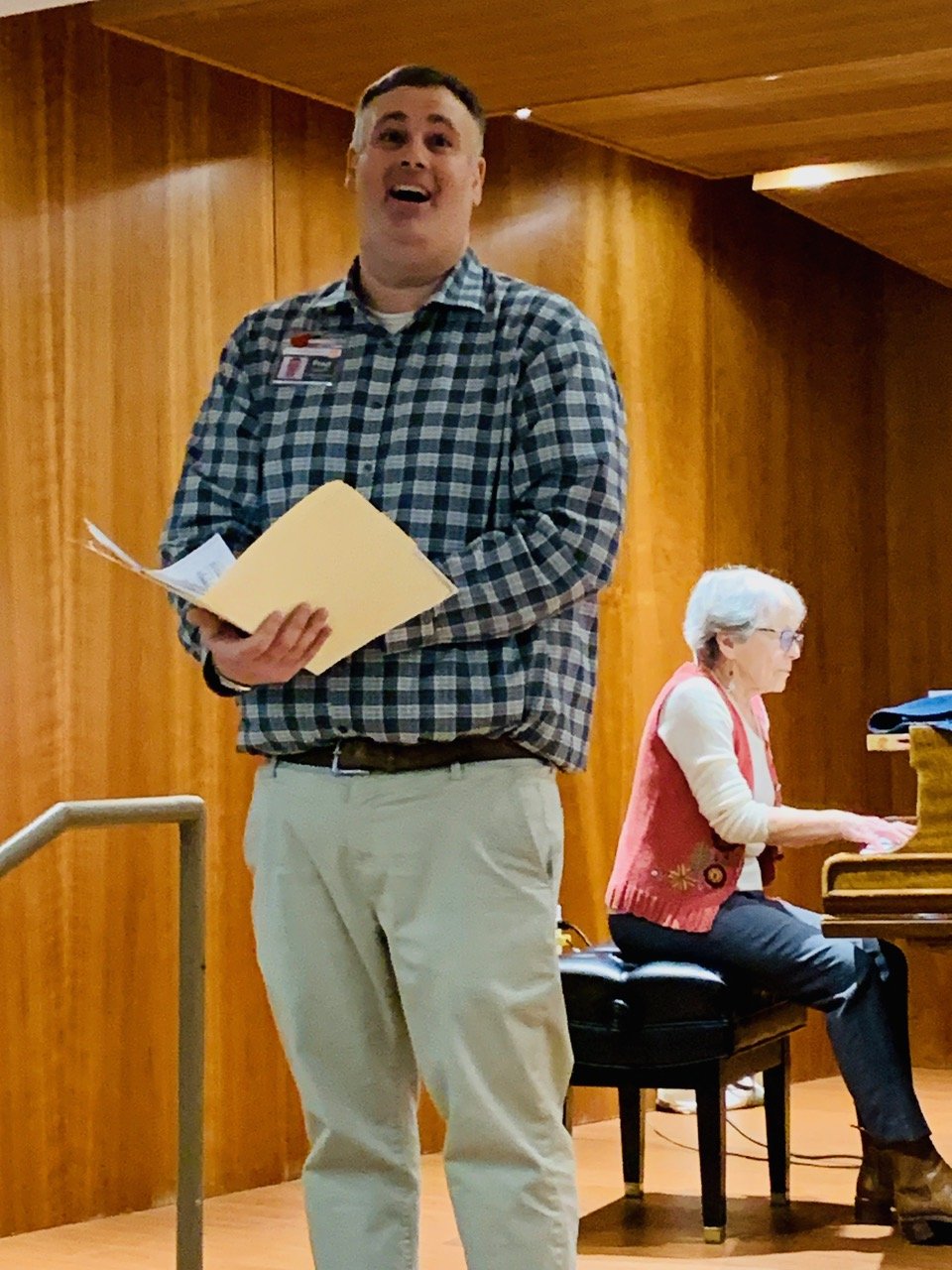
Friday, February 21, was a day to stretch those vocal cords and relive the folks songs we all knew by heart back in the day. Donna Nye and her guitar led the standing-room-only Bistro Lounge song fest.

Photo by Martin Smolin

But wait (as the late-night advertisers used to say), that’s not all! Quick on after the sing-along, Sip and Snackers reveled in love songs—in honor of Valentine’s Day, a week past—led by Linda Mahoney, Donn Williams, and Ginny Bender, with special guests stars Emily (Linda’s talented daughter) and Fred Coppola (who knew he had such pipes?).

Photo by Harry Bloomfeld

Photo by Harry Bloomfeld

Photo by Harry Bloomfeld

Photo by Harry Bloomfeld

And for those who missed the day, a short clip of Fred leading On the Street Where You Live (make sure your volume is up):

It's the Weekly Kendal’s Low-Stakes Poker Report!

February 19’s Grand Winner: Norman Sissman with $9! [Insert uproarious cheers and applause]

The aim is fun, not financial windfall. Fear not any Atlantic City high-rollers joining in. All skill sets are welcome. Stakes are 25-50 cents.

Want to join the fun? Call or text John Vacher: (404) 556-0557. He’ll even come and provide a short tutorial so you’ll fit in seamlessly your very first Wednesday night.

There Are Glaciers in the Tropics

Icy glaciers probably don’t spring to mind when you think about the tropics. But whether it’s Indonesia, Colombia, Kenya, or elsewhere, glaciers do exist in these warm climates. Of course, these huge chunks of ice aren’t sipping mai tais beachside, but are instead perched high up in mountain ranges. These frigid formations are the result of snow that’s been compressed into massive, slow-moving bodies of ice over the course of centuries.

But although these glaciers have taken ages to form, their disappearing act will be much more swift. In all, 50% of mountain glaciers (both tropical and nontropical) will disappear by the end of this century due to climate change. Glaciers can serve as vital water reserves during drought, so their disappearance can have dire consequences in hot regions. In Indonesia, the Eternity Glaciers currently rest in the Jayawijaya mountains, but continuous dry seasons mean they’ll likely disappear forever in 2026. The ​​Conejeras glacier in the Colombian Andes will perform the same vanishing act on a similar timeline. Mount Kenya and Mount Kilimanjaro in Africa also sport glaciers on their peaks, though both mountains are steadily losing ice mass due to changes in ocean patterns caused by our warming world. Sadly, this is just the latest glacial batch facing evaporation. In 2009, ​​the Chacaltaya glacier in Bolivia disappeared completely, and the country has lost around half of its glaciers in the past 50 years. Glaciers will continue to exist in the colder reaches of the world for centuries, but the age of tropical glaciers is quickly coming to an end.

 Source: Interestingfacts.com

Contributed by Jane Hart

Made in NYC: 123 Brands, Trends, and Inventions That Began in the Big Apple

A National Holiday

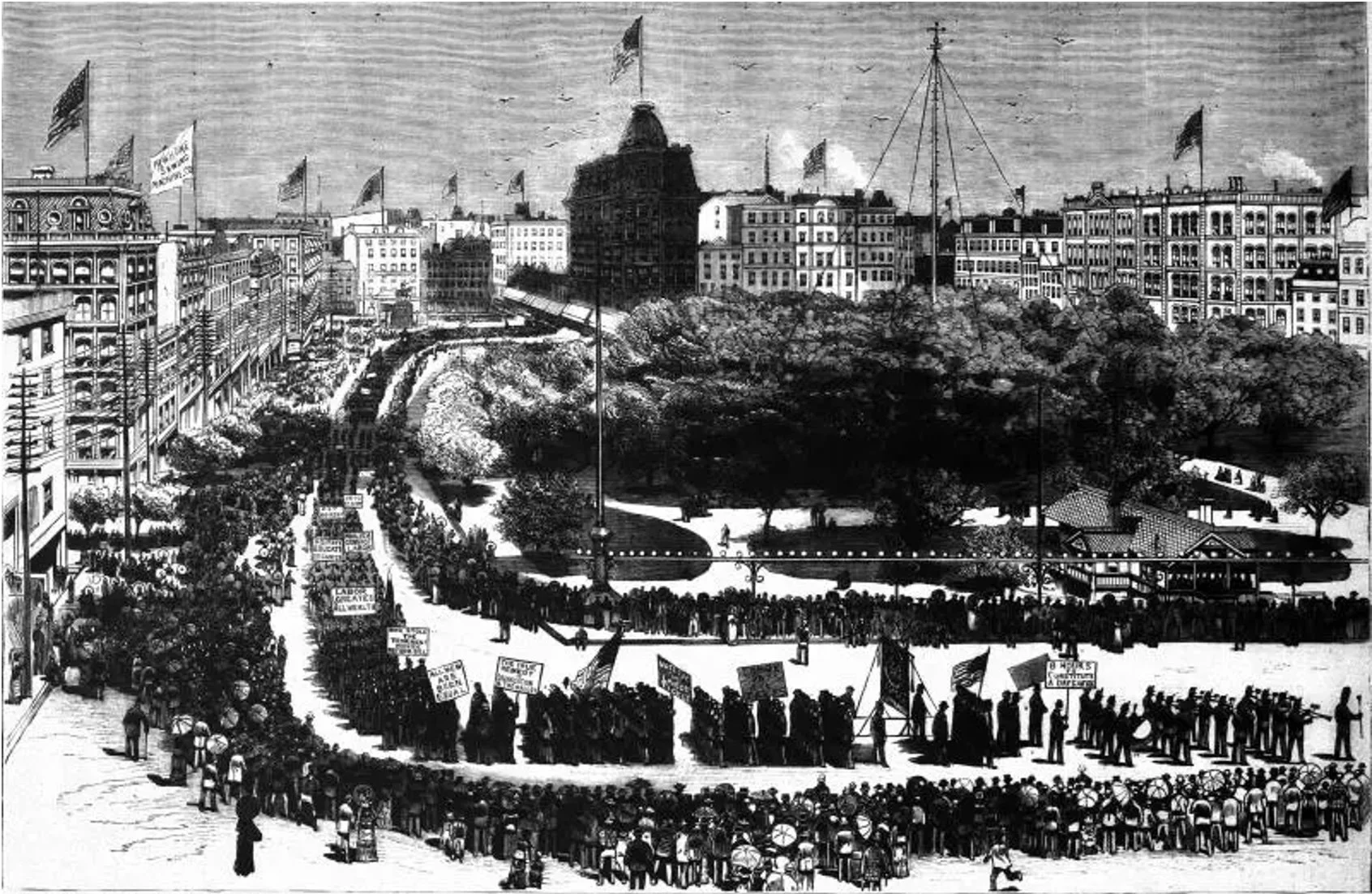
New York City—Grand Demonstration of Workingmen, September 5th—The Procession Passing the Reviewing-Stand at Union Square

September 5, 1882, saw speeches, picnics, concerts, and a parade from City Hall to Union Square. It marked the first observation of what would become a nationwide affair just a few years later. Origins are murky—Matthew Maguire, a machinist and secretary of the Central Labor Union of New York proposed a parade, as did Peter J. McGuire, cofounder of the American Federation of Labor, that same year. Either way, you can thank New York City for your long weekend kicking off September.

Devil Dogs and Ring Dings

The Drake’s brand began as The N.E. Drake Baking Company in Harlem in 1896 (see below). It went on to become the first baker to deliver large quantities of baked goods to grocery stores. Devil Dogs and Ring Dings are among the household-name treats it sells (it’s still in business today, back to being a family-run business after changing hands several times).

West Harlem beginnings. Image via Drake’s.

A Favorite Kid’s Snack

Major manufacturers jumped on this product in 1980, knocking off the Brooklyn original Joray fruit rollup and filling grocery shelves across the nation. It was the first fruit rollup, and it’s still made today in Windsor Terrace, Brooklyn. The fourth generation of the family is still manufacturing the product, following in the footsteps of patriarch George Shalhoub, who followed his American Dream starting in 1886.

Source: “Made in NYC,” City Guide, March 20, 2024

Contributed by Bobbie Roggemann

Art by Hart

The spin cycle was noisy, but fun

The new high-rise petting zoo was an instant success

After 93 miles of Dobbin singing, “A horse is a horse, of course, of course,” Millie was ready for silence

Ogden and Antsy enjoyed their morning dip in the Milky Way

Members of the Seasonal Allergen Society could hardly wait until spring

Art and photos by Jane Hart