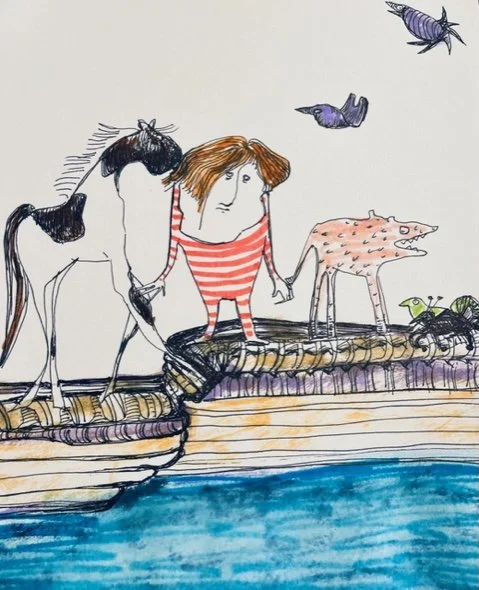
Flu Season Is A-Foot!

AVOID THE FLU! COME GET VACCINATED!

Flu Vaccination Clinic for Independent Living Residents

Hudson Pharmacy will be at Kendal to administer flu vaccinations to Independent Living residents on the following dates and times in the Gathering Room:

Wednesday, October 1 1        10 am – 4 pm

Friday, October 13                   10 am – 4 pm

Monday, October 16               12:30 pm – 4 pm

Please sign up at the Resident Care Center if you want the flu vaccine. Please bring your insurance information to the Resident Care Center when signing up.

ALL APPOINTMENTS MUST BE MADE NO LATER THAN OCTOBER 4TH

We will be scheduling a COVID-19 vaccination clinic at a later date and will send another notice to you with those dates. We will NOT be scheduling a vaccine clinic for RSV. Please check with your doctor regarding any other vaccines you may need.

If you have questions, please call the Resident Care Center at extension 1030.

Contributed by Ellen Ottstadt

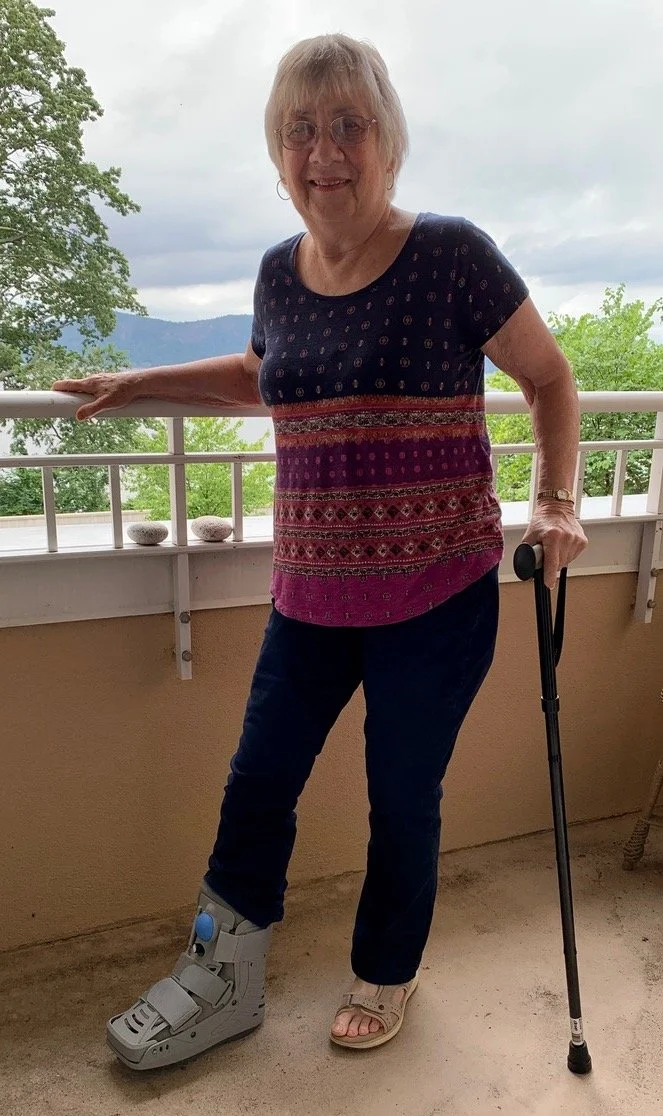
What I Did on My Summer Vacation

Thus spake Marianne Bloomfeld:

I broke my foot, is what I did. It forced me to take a “vacation” from the gym, the pool, walks in Rockwood Hall Park, driving, and a lot of other things. It did provide me with an outpouring of sympathy, uplifting stories of people who survived a broken foot, and an excuse to not do things that I didn’t want to do anyway. And I got an attention-getting item of footwear. 

Photo by Harry Bloomfeld

Feeling Old In 2023? This might be the reason why...

  • The Beatles split 49 years ago.

  • The movie Wizard of Oz is 84 years old.

  • Elvis died 46 years ago. He’d be 88 today.

  • Michael Jackson’s “Thriller” video is 41 years old.

  • Mickey Mantle retired 54 years ago.

  • The movie Saturday Night Fever is 48 years old.

  • The Ed Sullivan show ended 52 years ago.

  • The Corvette turned 70 years old this year.

  • The Mustang is 59.

Contributed by Donald Butt

From the Computer Committee Chair . . .

Critical Questions for the Computer Literate

Q. Why do computers wear glasses? 
A. To improve their web-sight.
 
Q. How does a computer get drunk?
A. It takes screenshots.
 
Q. What do you call a computer mouse that swears a lot? 
A. A cursor.
 
Q. Why was the computer so angry? 
A. Because it had a chip on its shoulder.
 
Q. Why can’t an IT guy keep a girlfriend? 
A. He turns them all off and on again.
 
Q. What do you call a computer superhero? 
A. A screen saver
 
Q. Why did the computer sneeze? 
A. It had a virus.
 
Q. Where do computers go to dance? 
A. The disk-O.
 
Q. What chemical is released in your brain when you see something funny on the computer? 
A. Dopameme.

Contributed by Joe Bruno

The Laws of Mankind, a Philosophical Discussion

1. Law of Mechanical Repair: After your hands become coated with grease, your nose will begin to itch and you'll have to pee.

2. Law of Gravity: Any tool, nut, bolt, screw, when dropped, will roll to the least accessible corner.  

3. Law of Probability: The probability of being watched is directly proportional to the stupidity of your act.  

4. Law of Random Numbers: If you dial a wrong number, you never get a busy signal and someone always answers. 

5. Supermarket Law: As soon as you get in the smallest line, the cashier will have to call for help.

6. Variation Law: If you change lines (or traffic lanes), the one you were in will always move faster than the one you are in now. 

7. Law of the Bath: When the body is fully immersed in water, the telephone rings.

8. Law of Close Encounters: The probability of meeting someone you know increases dramatically when you are with someone you don't want to be seen with. 

9. Law of the Result: When you try to prove to someone that a machine won't work, it will.

10. Law of Biomechanics: The severity of the itch is inversely proportional to the reach.

11. Law of the Theater & Hockey Arena: At any event, the people whose seats are furthest from the aisle, always arrive last. They are the ones who will leave their seats several times to go for food, beer, or the toilet, and who leave early before the end of the performance or the game is over. The folks in the aisle seats come early, never move once, have long gangly legs or big bellies, and stay to the bitter end of the performance. The aisle people also are very surly folk.

12. The Coffee Law: As soon as you sit down to a cup of hot coffee, your boss will ask you to do something which will last until the coffee is cold.

13. Murphy's Law of Lockers: If there are only 2 people in a locker room, they will have adjacent lockers.

Contributed by Sally Kellock

Art by Hart

Emily followed a fad diet and became weightless

Disregarding the serenity prayer, Bella ignored her messy desk so she could worry full-time about Erskine

Faith was on a mission: find forever homes for all the shelter pets

Al and Margie were as different as soulmates could be

After so many years, Goldilocks' therapist was still harping on the unresolved bear incident

Art and photos by Jane Hart

Poem & Art by Sheila Benedis

I love

I am a book artist

want to touch the texture of pages


nature’s smooth and rough

tree bark so tactile


the book’s color

Inspired by nature’s radiant flowers


the book’s smell

remembering nature’s senses


the book’s form

I hear and see the bird’s soaring shape


the book’s ingredient paper

sourced directly from nature


the book’s binding

requiring attention to detail

the book completed

sense of accomplishment


a  beautiful sculpture

connected to nature


I am a book artist

Special Observances: September 25 – October 1

SEPTEMBER 25: NATIONAL COMIC BOOK DAY

National Comic Book Day honors the art, artists, and stories of comic books. Most all of us had ‘em, read ‘em, traded ‘em, hid some of ‘em from parental disapproval. Ads in comic books were part of the fun. Without them, how would we have known about the relatively cheap availability of X-ray glasses, disappearing ink, dribble glasses, or whoopee cushions?

Comic books have existed in America since the English printing of the Swiss comic The Adventures of Mr. Obadiah Oldbuck in 1842. In 1896, Richard Felton drew a comic-book magazine published in the US featuring The Yellow Kid. The 196-page book, McFadden’s Row of Flats, printed in black and white, measured 5×7”, sold for 50 cents. From this effort arose the term “comic book.”

Despite the name, comic books are not all funny. They feature stories in all genres, including humor, action, mystery, romance, even fashion and paper dolls. The precursor of American-made standard-sized comic Funnies on Parade — basically reprints from newspapers’ funny pages — came out in 1933. This launched the first of four eras in American comic book history. The introduction of Jerry Siegel and Joe Shuster’s Superman — the superhero archetype — in 1938 turned comic books into a major industry, ushering in the Golden Age of Comics. The Silver Age started in 1956 with the successful revival of the then-dormant superhero form, with the debut of the Flash, and lasted into the early 1970s. During this time, Marvel Comics revolutionized the medium with superheroes such as the Fantastic Four and Spider-Man. The Bronze Age, less defined, runs from the very early 1970s through the mid-1980s, and featured a return of darker plot elements and storylines more relevant to social issues such as racism. We’re now in The Modern Age of Comics, which began in the mid-1980s. During its first 15 years, many comic book characters were redesigned, creators gained prominence within the industry, independent comics flourished, and larger publishing houses became more commercialized. It’s also referred to as the Dark Age of Comic Books, with the popularity and artistic influence of titles with serious content, such as Batman: The Dark Knight Returns and Watchmen.

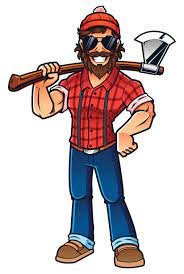
SEPTEMBER 26: LUMBERJACK DAY

Lumberjack Day aims to celebrate the archetypal woodsman: the lumberjack. Actually, it was created in 2005 by Marianne Ways and Colleen AF Venable as an excuse to eat pancakes and waffles with friends. Lumberjack Day was also spurred on because “International Talk Like a Pirate Day” comes a week before it, and Ways and Venable wanted to celebrate a different character. They thought it would be better to have a day to talk like a lumberjack. It has grown to be celebrated countrywide, with people dressing up in plaid shirts and wearing beards — even having lumberjack parties. (In 2013, the day also started being called National Pancake Day, which increased its popularity.)

The term “lumberjack” refers to mostly North-American workers in the logging industry who perform the initial harvesting and transport of trees for ultimate processing into forest products. They worked hard, long, and dangerous hours to get the harvest of trees in. Lumberjacks usually lived in lumber camps, but they traveled where needed in order to find the right trees. They are stereotyped as having burly beards, and wearing long-sleeve flannel shirts, suspenders, and boots, along with having voracious appetites — particularly for flapjacks or waffles.

The term lumberjack was first mentioned in 1831 in Canada. In their original form, they existed for about a century, up until the time around World War II. They used cross-cut saws and axes to clear lumber, in contrast to modern day loggers who use tools such as chainsaws, harvesters, and feller bunchers. Lumberjacks had, hoped to have, or were seen as having, pride in their work, resistance to technological transformation, competitiveness, strength, knowledge of the woods, and aggressiveness. Most worked in Scandinavia, Canada, and the US. In the US, they first worked in northeastern states, then in the Upper Midwest, and finally the Pacific Northwest. At their height, in 1906, there were 500,000 lumberjacks. Logging camps were phased out around the time of World War II because new vehicles could bring loggers deep into the woods, so camps were no longer necessary. The new tools for logging also changed the nature of the work and helped end the era of the lumberjack.

Paul Bunyan is the main lumberjack of folklore, and real-life loggers, such as Jigger Johnson and Joseph Montferrand, also have gained legendary status. Today, loggersports keep lumberjack traditions alive, as do lumberjack shows. The Lumberjack World Championships, in Hayward, WI, have been held since 1960.

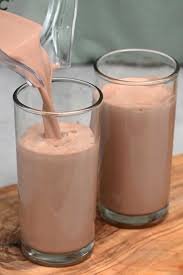
SEPTEMBER 27: NATIONAL CHOCOLATE MILK DAY

National Chocolate Milk Day sends our childhood senses all a-tingle. While this beverage is greatly popular in the US, it actually has Jamaican origins. Its chocolatey goodness can be traced back to the 1400s and its popularity continues to increase. In fact, the global chocolate milk market is forecasted to grow at a rate of 3.6% between 2019 and 2024.

The earliest known use of chocolate was by the Olmec — the first major civilization in Mexico (around 1900BC) — who enjoyed the drink from special round jars known as “tecomates,” symbols of status. The Mayans came next and worshipped a god of cocoa. According to ancient Mayan written records, chocolate drinks were served at gatherings such as weddings and to conclude other important events. They also prepared cacao drinks as offerings to their gods.

In 1687, Irish botanist Hans Sloane was appointed as a physician to the Duke of Albemarle in Jamaica. While in Jamaica, Sloane was introduced to Jamaican chocolate water, but found the drinks too bitter. He added milk for taste. Realizing chocolate milk tasted good and was also very healthy, due to the calcium and protein, Sloane brought the drink back to Europe and began preaching its medicinal benefits and selling it to apothecaries.

The Dutch company Van Houten invented a method for pressing cocoa in 1828. This produced a light, fluffy chocolate powder easily dissolved in water or milk. Chocolate milk became even more popular because this made it so easy to make. US brands caught on in the early 1900s with introductions such as Ovaltine in 1904. Chocolate milk’s popularity continued to increase, and now it’s one of the most popular beverages in the world.

Today, chocolate milk can be bought in stores, or made at home by mixing milk with either cocoa powder and a sweetener, chocolate syrup, melted chocolate, or a powdered chocolate mix. There is a debate, however, as to how healthy chocolate milk is. On one hand, it has a lot of sugar and is seen as a contributor to childhood obesity. On the other, it is seen as being restorative to athletes’ muscles.

SEPTEMBER 28: NATIONAL GOOD NEIGHBOR DAY

National Good Neighbor Day could have been designed by the residents of Kendal on Hudson. It celebrates the importance of being a good neighbor while contributing to one’s community. Relationships with neighbors can often lead to close friendships. Neighbors are almost like family. It is a blessing to have a good neighbor, but it is even a greater thing to be a good neighbor. Good neighbors watch out for each other, lend a helping hand, and are there for advice when asked. Good-neighborliness defines how pleasant and comfortable our neighborhood is — neighbors can make or break your experience of living in an area. Neighbors are like umbrellas on a rainy day, lending a helping hand in times of emergency. As Mister Rogers — the ultimate Good Neighbor — would say, “Please won’t you be…my neighbor?”

National Good Neighbor Day was first celebrated in the early 1970s by Becky Mattson, who wanted to connect with her neighbors in Montana. It officially became a holiday in 1978, when President Jimmy Carter signed a proclamation to establish the holiday. A Senate resolution proclaimed human values and consideration for others were essential to the system of civilization and that being good neighbors was the first step toward human understanding. To quote Joachim Prinz: “Neighbor is not a geographic term, it is a moral concept.”

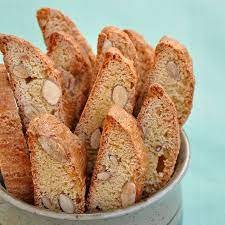
SEPTEMBER 29: NATIONAL BISCOTTI DAY

Celebrate National Biscotti Day with an array of delicious cookies! This day pays homage to the crunchy Italian cookie that’s been a popular treat since the 16th century. Enjoy one (or two) biscotti today and make sure you share some with friends and family. Biscotti pair wonderfully with coffee, tea, milk, orange juice, dessert wine, and many other beverages. They come in many different shapes, sizes, and flavors — from chocolate chip to lemon poppyseed — making it perfect for any occasion or snack time craving. Also known as cantucci, biscotti are Italian cookies that originated in Prato, Tuscani. In the modern Italian language, the word biscotto (plural: biscotti) is used to refer to any kind of cookie, and the specific biscuit that is called biscotti in the rest of the world is referred to as cantuccio (plural: cantucci or cantuccini) or biscotto di Prato. Although the world biscotti is plural in Italian, it is generally used as singular in other languages.

Biscotti can be traced back thousands of years to ancient Rome. At that time, people began to experiment with twice-baked bread because it tended to last longer than bread only baked once. This cookie started out as a hard tack that could be easily carried by travelers, merchants, and soldiers. It continued in this form up until the Middle Ages when Italian chefs decided to turn this shelf-stable product into a work of edible art.

The first mentions of biscotti date back to the 17th century, but the first documented recipe of the dessert dates about a century later. The recipe for biscotti alla genovese is recorded in one of the manuscripts written by Amadio Baldanzi, an Italian priest and physician. The manuscript can be found in the State Archives of Prato. Following the rediscovery of the original recipe, Antonio Mattei, a pastry chef from Prato, created the modern recipe for biscotti. He presented his pastry at the International Exposition of 1867 in Paris, where his creation won a special mention.

According to the traditional recipe, biscotti dough contains no fat in any form, be it oil, butter or milk, and no leavening agents. Its principal ingredients are flour, eggs, sugar, pine nuts, and almonds. Being twice-baked gives them their signature dry and crunchy texture. The barely wet dough is shaped into a log, baked, left to cool, and then cut into elongated slices that are baked again until crisp and golden. Modern variations of the recipe can include butter, nuts other than almonds and pine nuts (such as hazelnuts or pistachios), as well as baking powder, various spices (anise, cinnamon, vanilla), chocolate chips, dried fruit, unsweetened cocoa powder (in chocolate biscotti), orange zest, and flavorings such as almond extract or liqueur. Once cooled after being baked for the second time, the biscotti may be dipped in chocolate.

Since biscotti are very dry, they are usually eaten by dunking them in a drink. In Italy, biscotti are often served for dessert, accompanied by Vin Santo, a white dessert wine that originated in Tuscany. In Catalonia, similar cookies named carquinyolis are also served with sweet dessert wine such as muscat. Outside of Italy, biscotti are usually accompanied by black tea or coffee.

SEPTEMBER 30: NATIONAL CHEWING GUM DAY

The gummy texture, the translucent bubble, the satisfying pop. These are just a few of the reasons why people the globe over love chewing gum. Whether you call it bubble gum, chewing gum, or chicle, there’s nothing quite as fun as munching on a piece of gum.

Despite its seemingly modern usage, chewing gum has been around much longer. The oldest piece of chewing gum was found in Kierikki, Finland. It was 5,000 years old. Found in 2007 by a British archaeology student, the piece of gum was made of bark tar, which was believed to be antiseptic. Centuries-old teeth marks could be clearly seen on the piece. In Ancient Greece, another form of chewing gum called mastic gum was chewed. Derived from the resin of the mastic tree, the gum was also believed to have antiseptic qualities and was used in maintaining oral health. Aztecs and Mayans chewed a substance called “chicle,” while Native Americans munched on the sap from spruce trees.

Chewing gum didn’t become truly commercialized, however, until 1848, when John B. Curtis invented and sold gum he called “Maine Pure Spruce Gum.” In the 1860s, chewing gum hit another milestone thanks to John Colgan, in Louisville, KY, who produced the first flavored chewing gum. He mixed powdered sugar with tolu from balsam trees, creating what he called Taffy Tolu. He also was instrumental in the expansion of chicle chewing gum. In 1871 Thomas Adams, a Staten Island inventor, also helped popularize chicle in his Adams New York No.1 chewing gum. His company later came up with and sold Black Jack, a licorice flavored gum. William Wrigley soon became the largest maker of chewing gum, and started selling both Spearmint and Juicy Fruit in the 1890s.

By the turn of the century, chewing gum could be purchased in gumball machines. In NYC it was also sold out of vending machines on train platforms. Bubble gum was invented in 1906, but took a few decades for a good formula to be developed. Then it gained popularity. Chewing gum's popularity increased around the globe when GIs were given a ration of it in World War II and often traded it with locals. In 1947, Topps Chewing Gum Company started selling Bazooka, so named because its shape resembled the World War II weapon. Sometimes pictures of popular sports, television, or movie heroes were put on trading cards sold with chewing gum. In 1951, Topps started packaging baseball cards with their chewing gum. In the same year, they also had a card series called "Freedom's War," depicting scenes from the Korean Conflict.

Today, unlike its early forms, chewing gum is made out of artificial ingredients: gum base, flavoring, color, and sweeteners. Its tantalizing variety of colors and flavors provides a harmless source of fun and, even better, has oral health benefits. Chewing sugar-free gum (which hit the market in 1969) increases the flow of saliva, which is capable of reducing the risk of plaque and tooth decay. It also strengthens the teeth and neutralizes bad breath. Great news for gum lovers. (Just remember to keep up that brushing!) The most effective gum on the market for oral health contains xylitol, which fights against cavities and plaque. Gums with sorbitol also may have some benefit, but not nearly as much as those with xylitol.

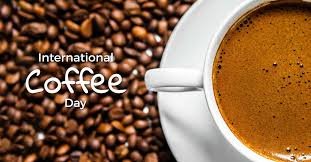
OCTOBER 1: INTERNATIONAL COFFEE DAY

The history and richness of coffee date back centuries. The Legend of Ethiopia takes place in the 9th century when a goat herder named Kaldi noticed his goats started acting strangely after feeding on little berries. He was curious, tried the berries for himself, and felt the effects of caffeine. Sharing his discovery with a local monk, they started making a drink from the berries. Ta da! Coffee is born.

Coffee cultivation and trade are credited to the Arabian Peninsula — Yemen to be precise — where coffee was being harvested and sold in the port city of Mocha by the 15th century. As coffee houses began to emerge, they quickly gained popularity as vibrant social hubs for lively conversations, music, and intellectual discussions. Over time, the coffee trade extended its reach to encompass various regions across the Arabian Peninsula and the broader Middle East.

Coffee continued its journey, reaching Europe in the 16th century via Middle Eastern merchants and travelers. European coffee houses, influenced by those in the Middle East, became vastly popular in cities like Paris, London, and Vienna. These began to serve as centers of intellectual exchange and debate, further solidifying coffee’s place in European culture.

During the 17th century, coffee found its way to the Americas through diverse routes, including the Dutch, who introduced coffee cultivation in their colony of Java (Indonesia). Subsequently, coffee production expanded to other Dutch colonies in the Caribbean and South America. This development marked the rise of coffee as a significant commodity in international trade. In the 18th and 19th centuries, coffee plantations flourished in the Caribbean, Central, and South America. Industrialization in the 19th century improved coffee production and distribution, making it accessible to diverse social classes.

In the modern era, coffee’s popularity has surged, becoming one of the most traded commodities globally: #2, only after oil. Coffee chains and instant coffee have greatly contributed to its widespread accessibility and enjoyment, making it an integral part of cultures, economies, and social connections worldwide. Its enduring allure continues to unite people through shared love for this invigorating beverage.

Coffee, as we know it, is the result of processing and roasting the seeds, also known as raw or green coffee, from a coffee cherry. Each coffee plant can live up to 100 years and produces on average 10 pounds of coffee cherries per year. There are two main types of coffee plants — robusta: Vietnam and Indonesia are among its top producers; and arabica: South America and Africa are among its largest producers, with Brazil growing more than any other country.

It should surprise no one that coffee is one of the most consumed beverages in the world. In fact, after water and tea, coffee comes in #3. Almost 10 million bags of coffee around the globe are exported each month. In the US, Americans drink 400 million cups of coffee a day. Sound like a lot of coffee? Nope. The US doesn’t even make the top ten of coffee-addicted countries. The top ten countries that consume the most coffee include:

1. the Netherlands

2. Finland

3. Sweden

4. Norway

5. Canada

6. Lebanon

7. Germany

8. Brazil

9. Qatar

10. Switzerland

On this list, the US ranks 14th. There is one obvious reason that so many people drink coffee. This beverage contains caffeine, which helps stimulate the nervous system. This, in turn, helps people feel awake, refreshed, and focused. Drinking the right amount of coffee each day is also linked to longer lifespans, reduced chances of getting Type 2 diabetes, and protection for the liver. But drinking too much can mean a lot of sleepless nights.

Please note: International Coffee Day is also Homemade Cookie Day. Go for it!

Out and About

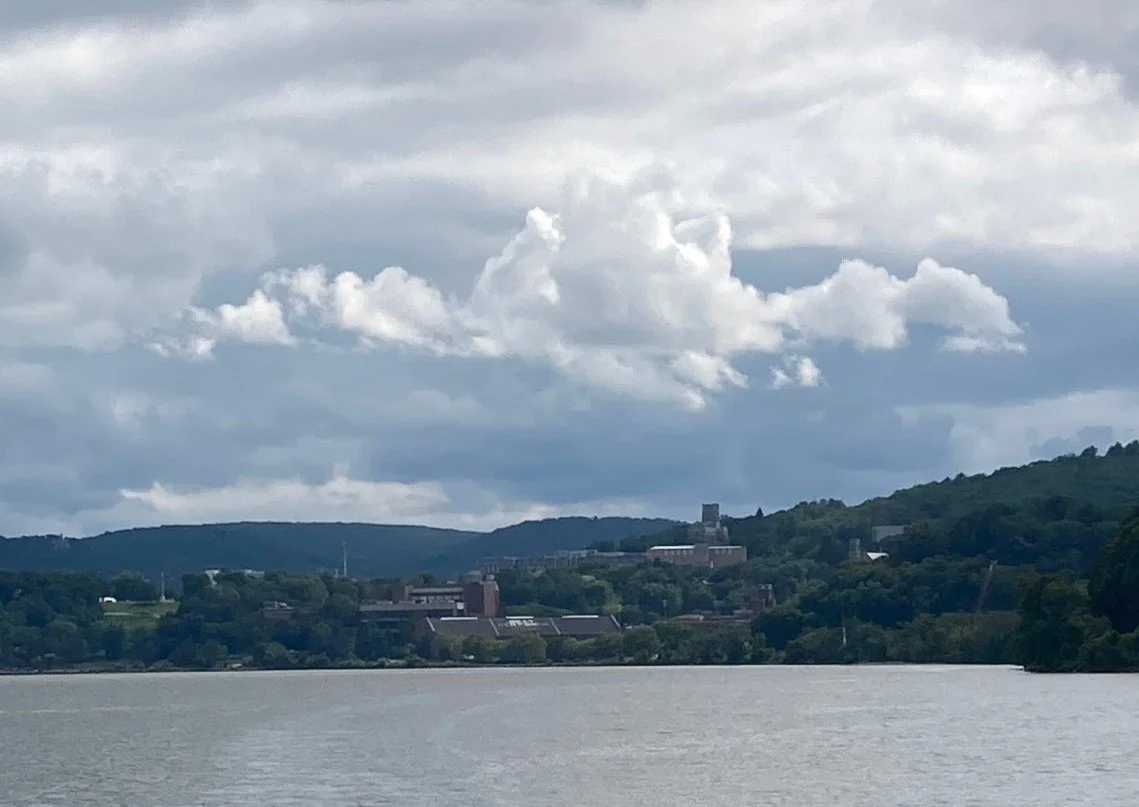
On September 13, a hearty band of Kendalites boarded the Spirit of the Hudson for a river tour from Newburg to West Point and back. Rain was predicted, but after a cloudy start the sun came out and all are reported to have had a wonderful time.

A cloudy start . . .

But then clear sailing . . .

West Point from the deck of the Spirit of the Hudson

What I Did on My Summer Vacation

Carolyn Reiss did on vacation what she does when not on vacation: she took a lovely photograph. She and her sister were staying at a little inn in North Sutton, NH. When Carolyn took the picture—which she calls “Moonshot”—she was standing in the cemetery behind the church, which goes back to revolutionary days.

Senior Citizen Defined

I’m a Senior Citizen

I’m the life of the party . . . Even if it lasts until 8 p.m.

I’m very good at opening childproof caps . . . with a hammer.

 I’m awake many hours before my body allows me to get up.

I’m smiling all the time, because I can’t hear a thing you're saying.

I’m sure everything I can’t find is in a safe secure place . . . somewhere.

 I’m wrinkled, saggy, lumpy, and that’s just my left leg.

I’m beginning to realize that aging is not for wimps.

Yes, I’m a SENIOR CITIZEN and I think I am having the time of my life!

Contributed by Simone

Reporting Identify Theft: Important Phone Numbers

Joe Bruno sent along a handy-dandy sheet of telephone numbers for reporting fraud and identity theft to the financial/credit entities, Social Security Administration, and the Federal Trade Commission. Well done, Sir!

You might want to keep these within reach just in case . . .

Telephone Numbers To Report Fraud and Identity Theft

(As of September, 2023)


Bank of America         800-432-1000

CapitalOne                  800-227-4825

Chase                          800-935-9935

Citi                              800-950-5114

Citizens Bank             800-922-9999

M&T Bank                  800-724-2440

Merrill Lynch             800-637-7455

Morgan Stanley       888-454-3965

PNC Bank                  888-762-2265;

800-762-2035

TD Bank                     800-893-8554

888-561-8861

U.S. Bank                   866-821-8411

866-737-6844

877-595-6256

Wells Fargo                800-869-3557


Equifax                        888-766-0008

Experian                     888-397-3742

TransUnion                800-680-7289


Social Security         877-438-4338


Federal Trade Commission (FTC): 

                            877-438-4338

Quotable Quotes & Questions

Shouldn’t someone be making the word “efficiency” into one syllable?

Contributed by Peter Roggemann

E-Mail Safety: Guarding Against Phishing

Phishing: the fraudulent practice of sending emails or other messages purporting to be from reputable companies in order to induce individuals to reveal personal information, such as passwords and credit card numbers.

Ellen Ottstadt sent along a “How to” for protecting against such scams.

Phishing-on-the-Hudson

Opening email these days is almost as dangerous as crossing a highway in traffic. It's essential to keep your eyes open for phishing tricks. All email scams try to catch you off guard. So, if you get an email urging you to act quickly to prevent a financial catastrophe or to get a reward, STOP. Take a while to catch your breath and think. Look for the following signs that indicate you may be scammed:

1. The email is not addressed to you by name but to "Customer" or maybe to no one in particular.


2. Check the email address from which the email originated. It's usually in the upper left-hand corner of your screen. If the sender's address looks fishy, the email is suspicious.

3. Appeals to greed. You did not win the Irish sweepstakes or any gift. Don't click to find out further information.


4. Appeals to fear. If you are worried about a surprise charge on your credit card, contact your bank or credit card company directly, NOT using the link provided in the email.

5. Convinced you have received a phony communication? DELETE it. This may not be enough, so you should look in your trash folder and delete the contents.


Got a Story to Tell?

Many of us have already heard about StoryCorp, the program where ordinary individuals tell their stories, their family’s story, or even a friend’s story. The story of StoryCorp is best told by StoryCorp itself:

“StoryCorps is committed to the idea that everyone has an important story to tell and that everyone’s story matters. Our mission: to help us believe in each other by illuminating the humanity and possibility in us all — one story at a time. Since our founding in 2003, we’ve helped more than 640,000 people across the country have meaningful conversations about their lives. These recordings are collected in the US Library of Congress and in our online archive which is now the largest single collection of human voices ever gathered. Since 2003, StoryCorps has built the largest collection of human voices ever archived — and we want to add yours. Our mission is to build connections, encourage compassion between people, and share stories, big and small. Have an incredible story to tell? Want to have a meaningful talk with someone important in your life? We’d love for you to join in and preserve your voice for future generations. It’s simple to get started! You and your partner can record a conversation either using StoryCorps’ self-directed recording tools or at one of the StoryCorps recording sites.”

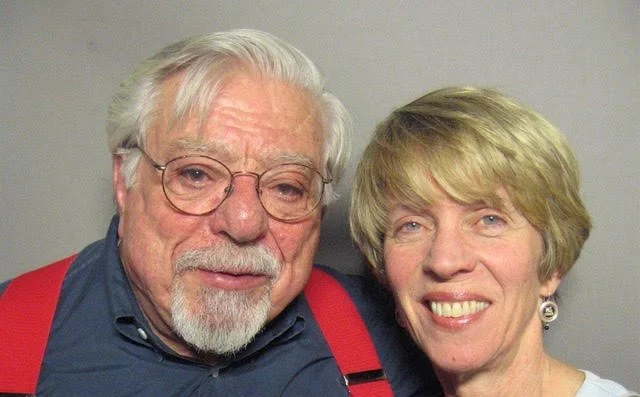
Kendal resident Cathie Campbell is one of the more than half-a-million people who with her friend and fellow artist Tony Gagliano has taken advantage of StoryCorp so he could tell a story about his father. To hear Tony’s story, click on the picture below.

Interested in telling your — or a friend’s — own story? Check it out at storycorp.org.

Contributed by Cathie Campbell

Book It: Hart's Art Now in Print—and On the Ether

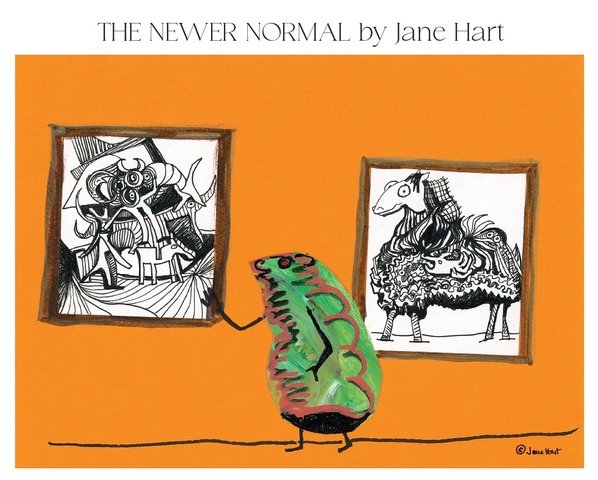
Yes, it’s true! Jane Hart’s new book is out! The Newer Normal features her, uhm, special world we all know from “Art By Hart” on this august website. The Newer Normal can be found online on Amazon and Barnes & Noble’s website . . . and as an e-book on Apple Books.
Autographs, she notes with an “LOL,” are free.

The book is dedicated “to a wonderful and generous artist and friend, Mariet Van der Heide, and to Steven D. Prince, literary smartass extraordinaire, caption-wizard, and the man I love with all my heart.” It contains 100 of the daily drawings that she’s been sending to friends since the publication of her earlier collection of drawings. That earlier book was titled Stop Screaming: How Some of Us Made It Through Covid 19.

“Now that the pandemic is in our rearview mirror,” she continues, “we are free to worry about other aspects of life — some serious, some not so serious.” She offers this new book both for fun and as a worry-guide of sorts, as well as a reminder that, even in this “newer normal,” anyone who can share a laugh is never alone.