Thanks to Harriet Barnett and Sally Kellock for sending them.









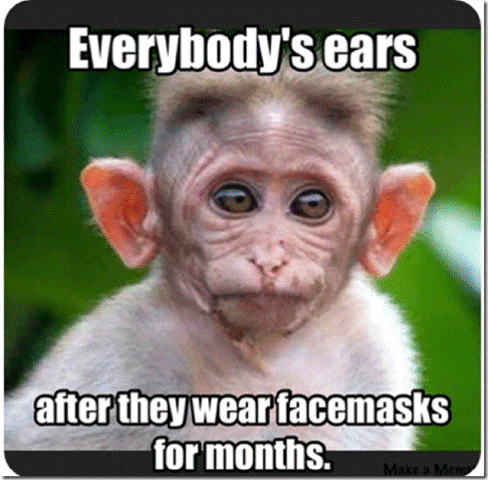
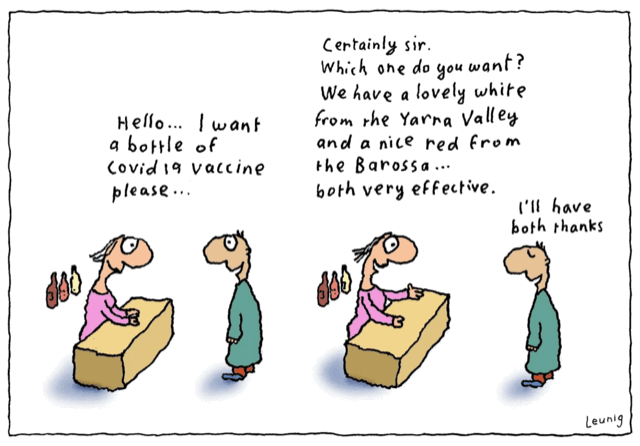
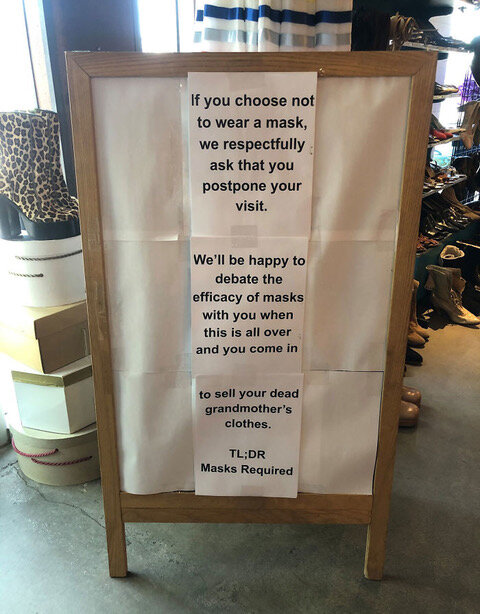

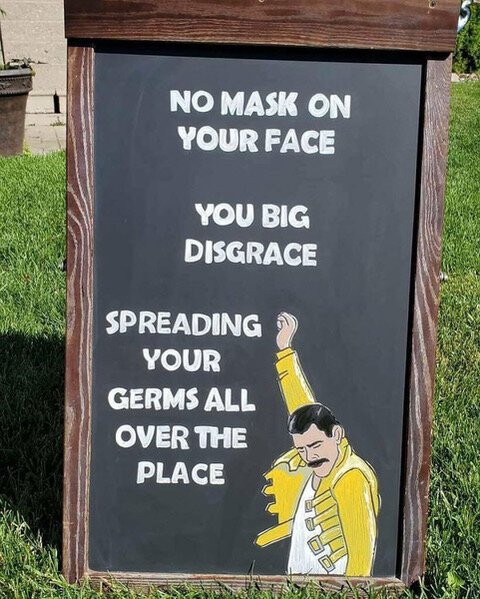
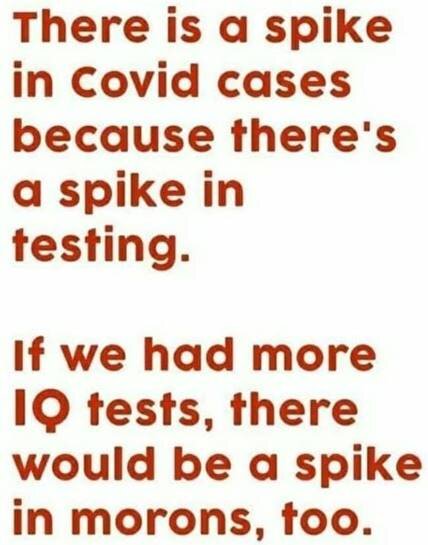
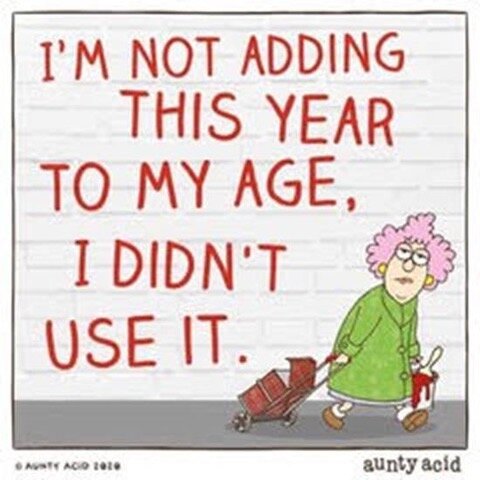

Thanks to Harriet Barnett and Sally Kellock for sending them.
Presented by Morgan Ridler, PhD.

Register by clicking here
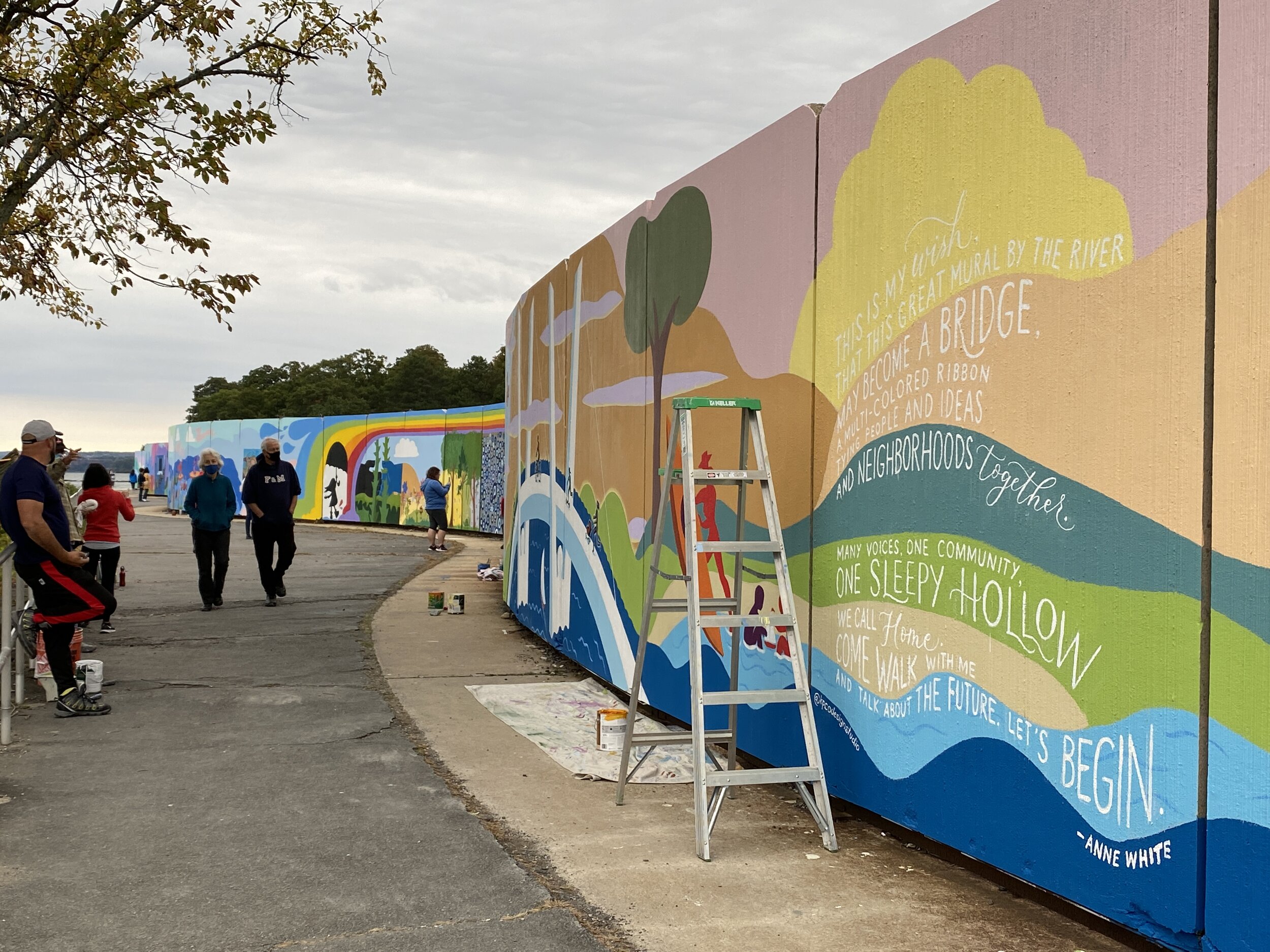
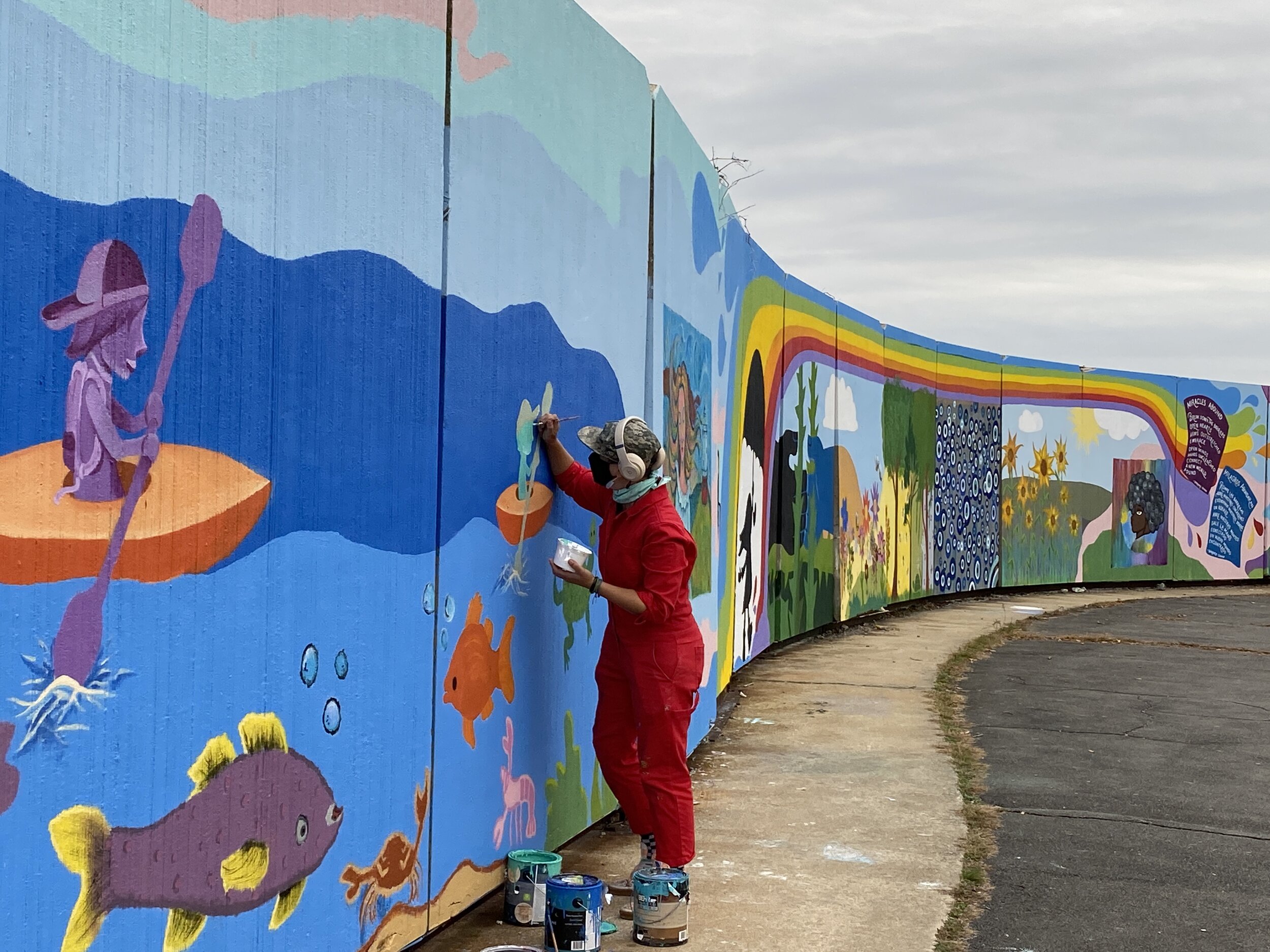
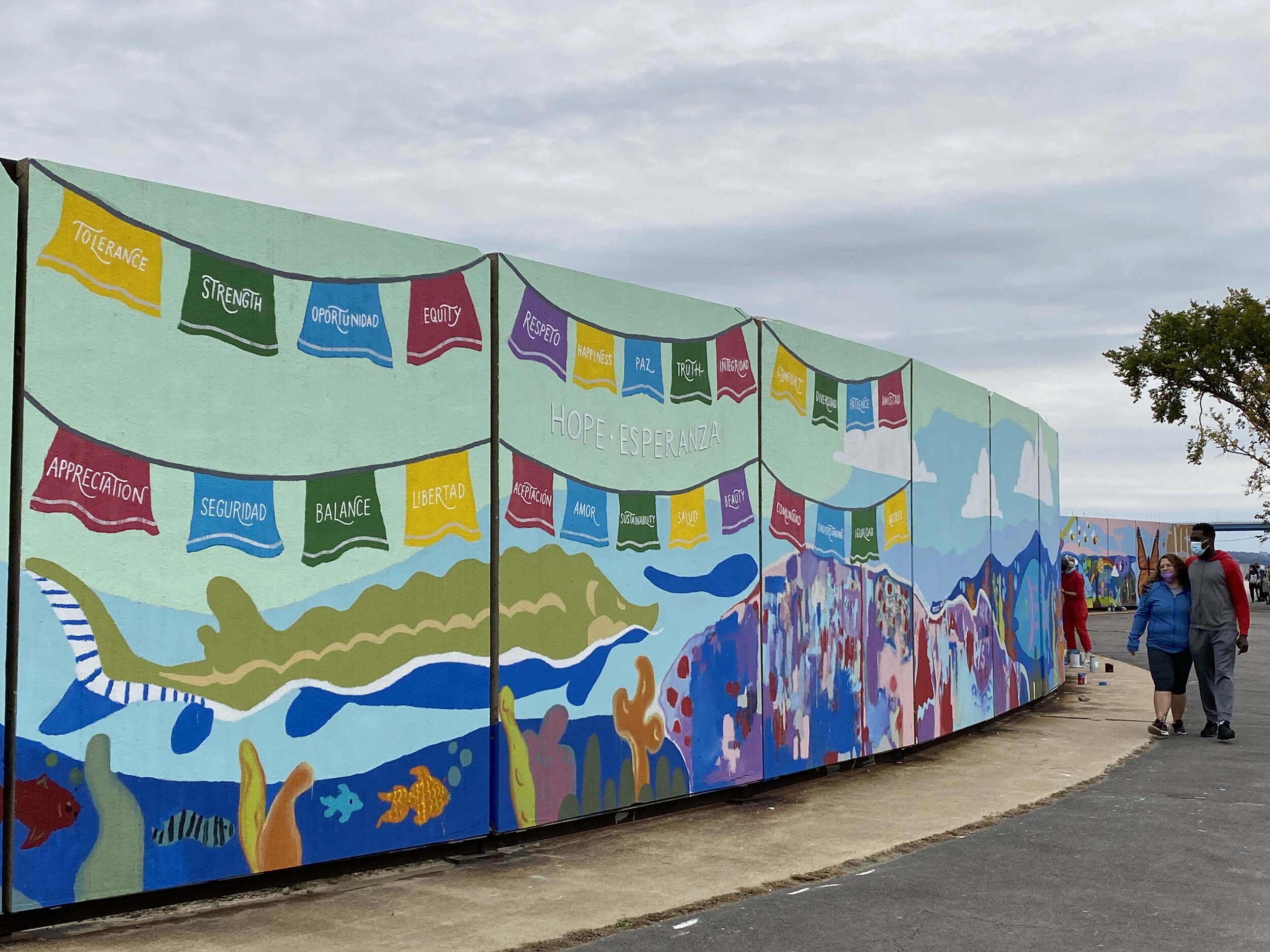
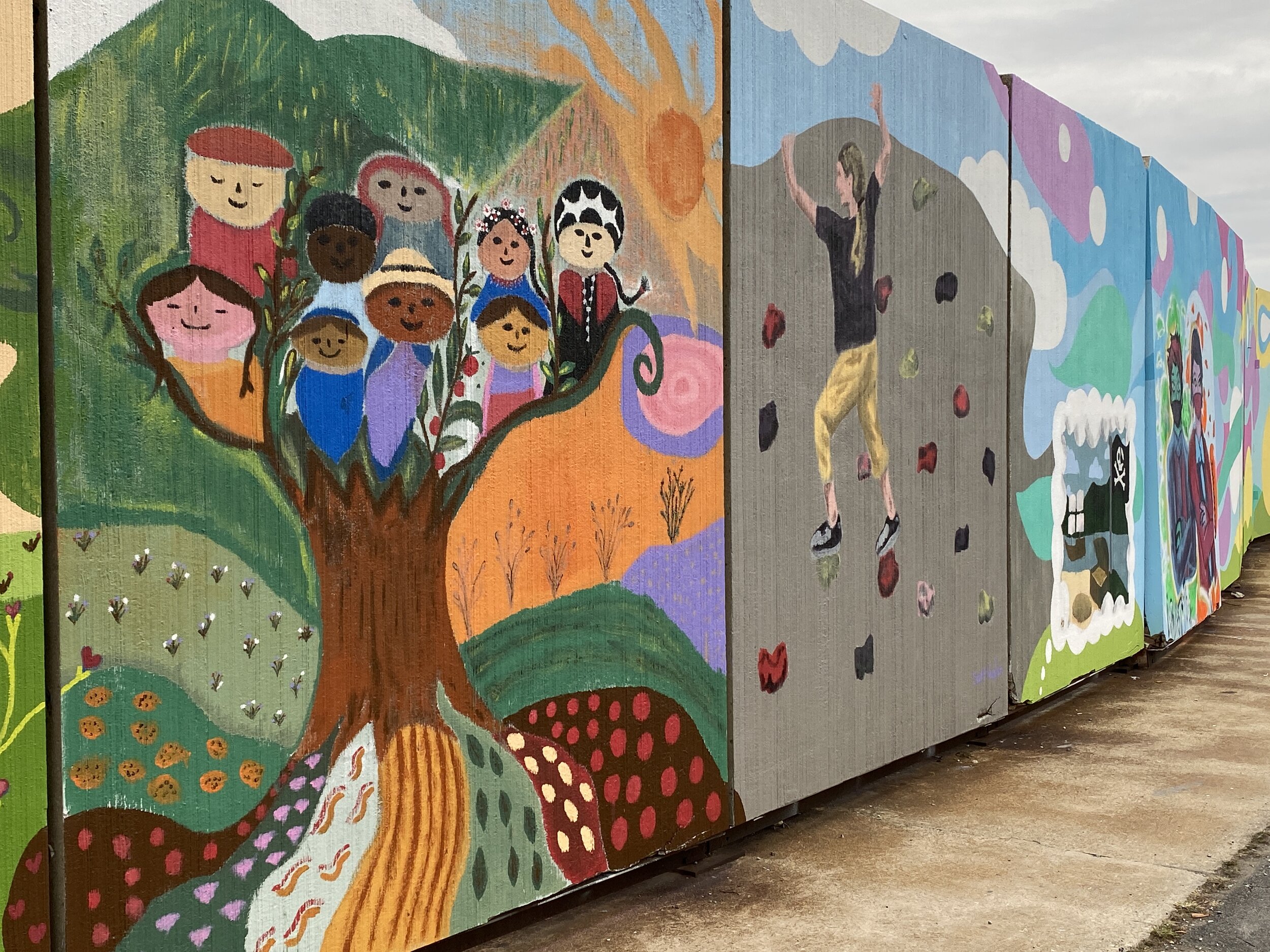
In this lecture, art historian Morgan Ridler, PhD, traces the history of mural painting from the earliest examples by our prehistoric ancestors through the contemporary period, with a particular focus on temporary or destroyed murals of the twentieth century. Murals are never forever but their ideas can live on.
Morgan Ridler is an art historian based in Sleepy Hollow, New York. Dr. Ridler's current research focuses on Bauhaus wall painting, wallpaper and collaborations between painter and architect. She has published her work in academic journals and in the edited collection Bauhaus Bodies: Gender, Sexuality, and Body Culture in Modernism’s Legendary Art School (Bloomsbury, 2019). She teaches at The Cooper Union in NY and Montclair State in NJ.
For more information, click here.


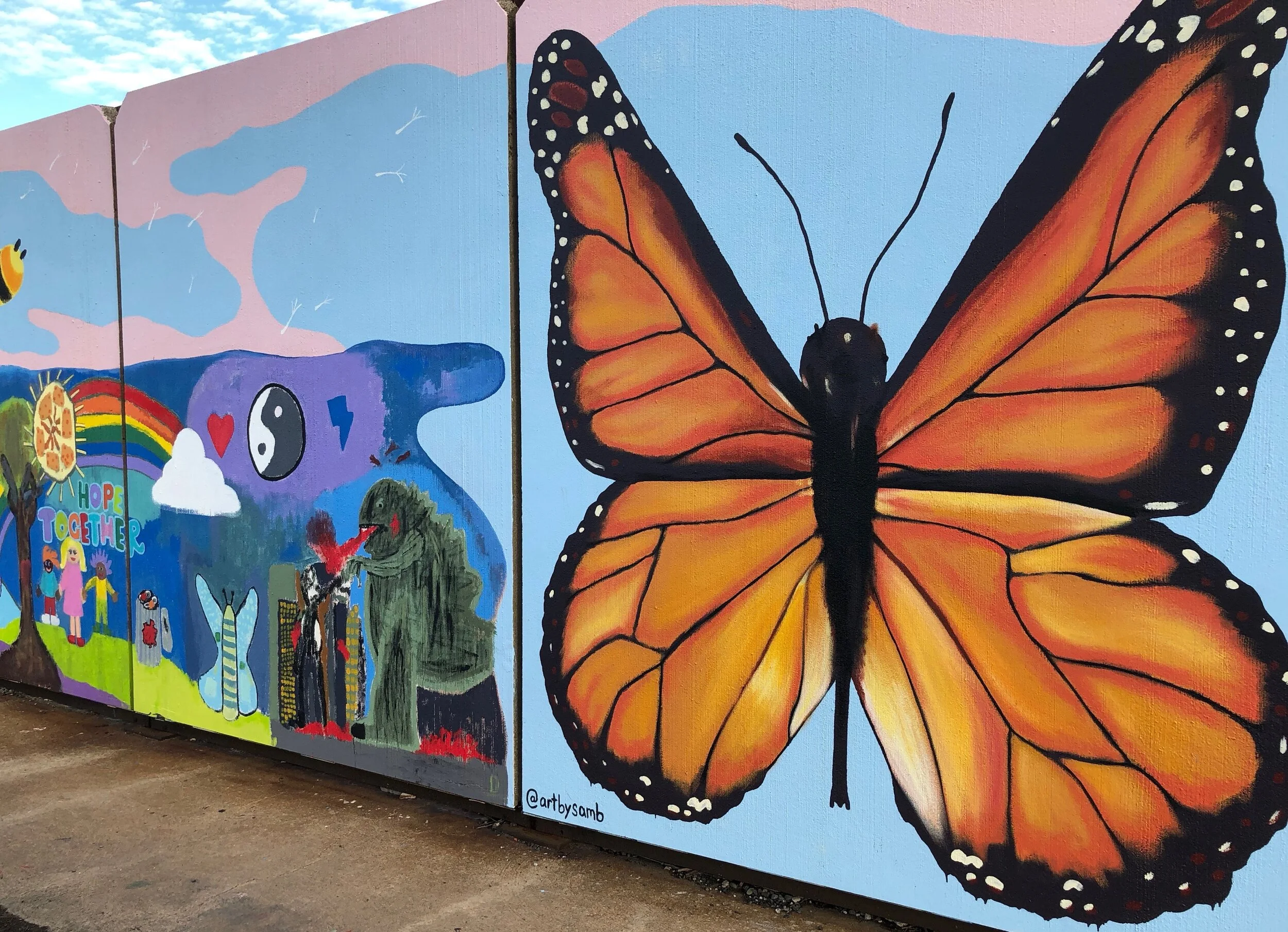

Photos by Caroline Persell

Photo by Caroline Persell

Art and Photo by Jane Hart


Photos by Arthur Brady

Photo by Marilyn Bottjer

Art and photo by Jane Hart

A puggle, shown above.


Photos by Anne White

Photo by Caroline Persell
You see many wonderful dogs in the park, but I’ve never seen any like these Bernedoodles. They are a mix of Bernese Mountain Dog and Poodle and come from Canada. Their walker described them as her “live stuffed animals”. They have lovely, soft, fluffy coats.

You think English is easy? Try to explain these:
1) The bandage was wound around the wound.
2) The farm was used to produce produce.
3) The dump was so full that it had to refuse more refuse.
4) We must polish the Polish furniture.
5) He could lead if he would get the lead out.
6) The soldier decided to desert his dessert in the desert.
7) Since there is no time like the present, he thought it was time to present the present.
8) A bass was painted on the head of the bass drum.
9) When shot at, the dove dove into the bushes.
10) I did not object to the object.
11) The insurance was invalid for the invalid.
12) There was a row among the oarsmen about how to row.
13) They were too close to the door to close it.
14) The buck does funny things when the does are present.
15) A seamstress and a sewer fell down into a sewer line.
16) To help with planting, the farmer taught his sow to sow.
17) The wind was too strong to wind the sail.
18) Upon seeing the tear in the painting I shed a tear.
19) I had to subject the subject to a series of tests.
20) How can I intimate this to my most intimate friend?
21) After he had read the article he wanted to read it to his wife.
Let's face it - English is a crazy language. There is no egg in eggplant, nor ham in hamburger; neither apple nor pine in pineapple. English muffins weren't invented in England or French fries in France. Sweetmeats are candies while sweetbreads, which aren't sweet, are meat. We take English for granted. But if we explore its paradoxes, we find that quicksand can work slowly, boxing rings are square and a guinea pig is neither from Guinea nor is it a pig.
And why is it that writers write but fingers don't fing, grocers don't groce and hammers don't ham? If the plural of tooth is teeth, why isn't the plural of booth, beeth? One goose, 2 geese. So one moose, 2 meese? One index, 2 indices? Doesn't it seem crazy that you can make amends but not one amend? If you have a bunch of odds and ends and get rid of all but one of them, what do you call it?
If teachers taught, why didn't preachers praught? If a vegetarian eats vegetables, what does a humanitarian eat? Sometimes I think all the English speakers should be committed to an asylum for the verbally insane. In what language do people recite at a play and play at a recital? Ship by truck and send cargo by ship? Have noses that run and feet that smell?
How can a slim chance and a fat chance be the same, while a wise man and a wise guy are opposites? You have to marvel at the unique lunacy of a language in which your house can burn up as it burns down, in which you fill in a form by filling it out, and in which an alarm goes off by going on.
English was invented by people, not computers, and it reflects the creativity of the human race, which, of course, is not a race at all. That is why, when the stars are out, they are visible, but when the lights are out, they are invisible.
PS. - Why doesn't 'Buick' rhyme with 'quick' ?
Thanks to Sally Kellock for sending this.

Art and photo by Jane Hart

Click here for links to various films that help explain how our Quaker values-rooted organization is unique.

Art and photo by Jane Hart

Thanks to Art Brady for sending it.

Migrant Mother by Dorothea Lange
Click here to see the article by Valeria Luiselli in the New York Review of Books, November 19, 2020, with other photos. Thanks to Jerry Trupin for sending it.

Click here to read the article.

Click here for a wonderful graphic guide to using Zoom. Thanks to Jeff O’Donnell for sending it.


Photos by Caroline Persell
© Kendal on Hudson Residents Association 2015, 2016, 2017, 2018, 2019, 2020, 2021, 2022 all rights reserved. Please do not reproduce without permission.
Photographs of life at Kendal on Hudson are by residents.